
-
 Tel:86-15176910262
-

Search

What Is a Ferrite Rod? Uses, Benefits, and Global Applications Explained
Nov . 30, 2025 05:40
What Is a Ferrite Rod? Understanding Its Role and Global Importance
Ferrite rods might sound like something out of an engineering textbook, but they quietly power a vast range of electronics and communication devices we rely on today. From radios to transformers, and even in humanitarian relief gear, understanding what a ferrite rod is can shed light on worldwide advancements in telecommunications and power management. These rods are more than just components; they're enablers of reliable signals and durable electronics that work effectively in challenging environments.
On a global scale, demand for ferrite rods is climbing steadily, primarily driven by the rapid growth in telecommunications infrastructure, consumer electronics, and increased focus on energy-efficient devices. The International Telecommunication Union (ITU) projects billions of new connected devices in the coming years, many relying on ferrites to reduce electromagnetic interference (EMI) and improve signal quality. So, understanding the basics of ferrite rods is not just technical trivia—it’s a window into critical challenges solved daily by these humble components.
The Global Landscape: Why Ferrite Rods Matter Today
If you look at worldwide electronics manufacturing, ferrite components have a crucial role. According to ISO standards for electromagnetic compatibility (ISO 7637 and IEC 61000), controlling EMI is mandatory for safety and device performance. Failure to comply not only risks malfunction but can affect whole networks—think of a disaster zone relying on clear communications for rescue operations.
Yet, even in large-scale industrial settings, EMI can cause costly downtime or degrade equipment longevity. That’s where what is a ferrite rod becomes practically relevant. They act as passive devices that suppress high-frequency noise but allow the desired signals to pass—a neat engineering trick packed inside a small ceramic rod.
Defining the Ferrite Rod: Form, Function, and Industry Connections
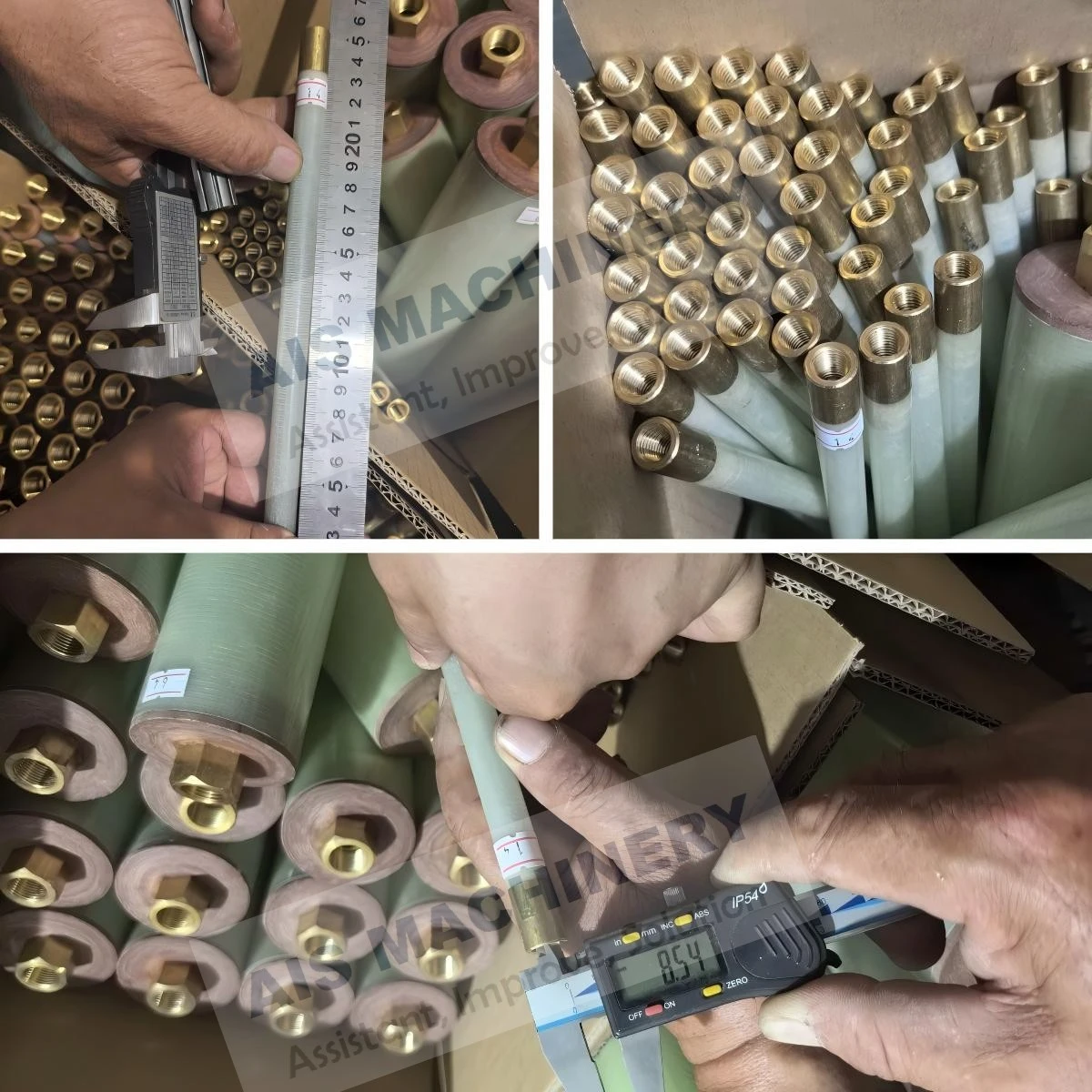
In simple terms, a ferrite rod is a cylindrical magnetic core made from a type of iron-based ceramic called ferrite—usually a mixture of iron oxide and other metals like nickel, zinc, or manganese. Its properties make it highly effective in absorbing electromagnetic interference and shaping magnetic fields in coils and antennas.
Used as antenna cores in AM radios, signal chokes in power supplies, or transformers in high-frequency applications, ferrite rods maintain signal integrity. And interestingly, they help keep costs down in mass manufacturing while enhancing device longevity—especially important in humanitarian kits sent to regions where repair shops are scarce.
Key Factors: What Makes Ferrite Rods So Valuable?
1. Magnetic Permeability and Efficiency
The magic of ferrite rods lies in their magnetic permeability, which enables efficient signal reception and EMI suppression. High permeability means better performance in a compact size—perfect for space-constrained devices or rugged portable radios.
2. Temperature Stability
For industrial applications or relief efforts in harsh climates, staying stable across temperature variations is key. Ferrite rods hold their magnetic properties over a broad temperature range, from sub-zero cold to desert heat, which is why they're trusted worldwide.
3. Cost-Effectiveness
Compared to other magnetic materials like permalloy or pure iron cores, ferrite rods are inexpensive to produce, thanks to ceramic-based manufacturing. That makes them a favorite when scaling up production for consumer goods or NGO equipment.
4. Durability and Chemical Resistance
Ferrites resist corrosion and mechanical wear better than many metals, which is critical in long-term outdoor or field use. You don’t want a radio antenna failing because its core is rusted or degraded.
Mini takeaway:
Ferrite rods are compact, efficient magnetic cores that balance cost, performance, and durability, making them indispensable in modern electronics ranging from everyday consumer items to vital humanitarian equipment.
Global Applications: Where Ferrite Rods Make a Real Difference
In practical terms, they’re everywhere but often invisible. For instance:
- Post-disaster relief: Portable radios equipped with ferrite rod antennas provide crucial communication where cellphone towers are down.
- Rural industrial zones: Power supplies with ferrite chokes reduce noise, improving reliability of sensitive instrumentation in mining or agriculture.
- Consumer electronics: Your AM/FM radio likely uses a ferrite rod antenna for local signal reception.
- Electric vehicles and renewable energy: Ferrite components help reduce EMI and improve inverter efficiency.
Specification Table for a Typical Ferrite Rod
| Specification | Typical Value | Notes |
|---|---|---|
| Material Composition | MnZn Ferrite (Manganese-Zinc) | Balancing permeability and saturation |
| Length | 50 mm (typical) | Often customized per device |
| Diameter | 6 mm (typical) | Fits compact antennas and coils |
| Permeability (μi) | 2000–5000 | Depends on ferrite grade |
| Curie Temperature | ≥ 200 °C | Ensures temperature stability |
| Density | ~4.9 g/cm³ | Typical for ceramic ferrites |
Comparing Leading Ferrite Rod Vendors
| Vendor | Product Range | Pricing | Customization | Lead Time |
|---|---|---|---|---|
| FerritePro Ltd. | Wide: MnZn, NiZn rods & cores | Mid-range bulk pricing | High – custom lengths & specs | 2-4 weeks |
| Magnetec Solutions | Specialized in high-frequency ferrites | Premium pricing | Moderate customization | 3-6 weeks |
| EcoMag Industries | Focus on eco-friendly ferrite materials | Competitive pricing | Limited custom options | 2-3 weeks |
Advantages and Long-Term Value of Using Ferrite Rods
Beyond just technical benefits, ferrite rods present a combination of cost savings, sustainability, and reliability. Their ceramic nature means better lifecycle performance and less frequent replacements, which is often overlooked.
From a social perspective, more reliable communication devices improve safety and trust—critical during emergencies or in remote areas where help might be hours away. It’s not just about the device working; it’s about preserving human dignity and enabling connections in the toughest moments.
Looking Ahead: Trends and Innovations in Ferrite Technology
Frankly, the ferrite rod market is quietly evolving. New materials promise higher permeability with smaller sizes, helping with miniaturization in smartphones or IoT devices. Additionally, greener manufacturing processes and recycling initiatives are becoming more common, in line with global sustainability goals.
Automation in ferrite manufacturing improves consistency and lowers costs, which ultimately benefits consumers and device makers alike. Digital transformation also plays a part—think smart sensors monitoring in-line quality during production. Exciting stuff, although most people won’t ever see the rods themselves, it changes how we build reliable electronics.
Challenges & Practical Solutions
One challenge with ferrite rods is brittleness—they can chip or fracture if handled roughly, which complicates installation in some field conditions. To fix that, some vendors provide reinforced coatings or integrate the rods in protective housings.
Another limitation is frequency range: specific ferrite types perform better at certain bands but worse at others. Engineers tackle this by selecting precise ferrite grades or using hybrid solutions combining multiple materials.
FAQ: Your Top Questions About What Is a Ferrite Rod
Q1: How does a ferrite rod improve AM radio reception?
A ferrite rod acts as a magnetic core for the antenna coil, increasing its inductance and effectively boosting signal strength. It focuses the antenna’s magnetic field sensitivity towards the signal source, making weak radio signals clearer — a simple yet clever way to improve reception without bulky antennas.
Q2: Can ferrite rods be customized for specific applications?
Yes, manufacturers often tailor ferrite rods by adjusting their length, diameter, material composition, and magnetic properties to meet customer needs. This is especially important in niche industrial or military equipment which require precise electromagnetic characteristics.
Q3: Are ferrite rods environmentally friendly?
Since ferrites are ceramic and free from harmful heavy metals, their environmental footprint is relatively low compared to metal-based magnets. Advances in green manufacturing and recycling are further reducing impact, making them a good choice for sustainable electronics.
Q4: What’s the lifespan of a ferrite rod in outdoor applications?
When housed correctly, ferrite rods can last decades, maintaining performance even in humid or corrosive environments. Their resistance to rust and chemical degradation is a big plus for outdoor and industrial use.
Q5: How do ferrite rods contribute to reducing electromagnetic interference?
They absorb and block high-frequency electromagnetic noise by acting as inductive filters in cables and circuits. This reduces interference that can distort signals or cause equipment malfunction, making ferrite rods crucial for maintaining device reliability.
Wrapping Up: Why Understanding Ferrite Rods Matters
So, what is a ferrite rod, really? It’s a surprisingly simple, low-cost component whose impact ripples through industries, from everyday radios to life-saving disaster relief technology. Their magnetic magic keeps signals clear, reduces interference, and withstands tough conditions, offering a kind of quiet reliability we often take for granted.
If you’re looking to explore further or source reliable ferrite rods, I invite you to visit https://www.aistubemill.com for more details and tailored solutions.
References

Related Products
Related News
2026-04-28 08:56:05
Saw Blade Guide for Tube Mills: Friction vs HSS vs TCT — Which One Should You Choose?
Confused about friction saw, HSS, and TCT blades? This guide explains their uses in cold saw and friction saw machines, with pros, cons, and expert selection tips.
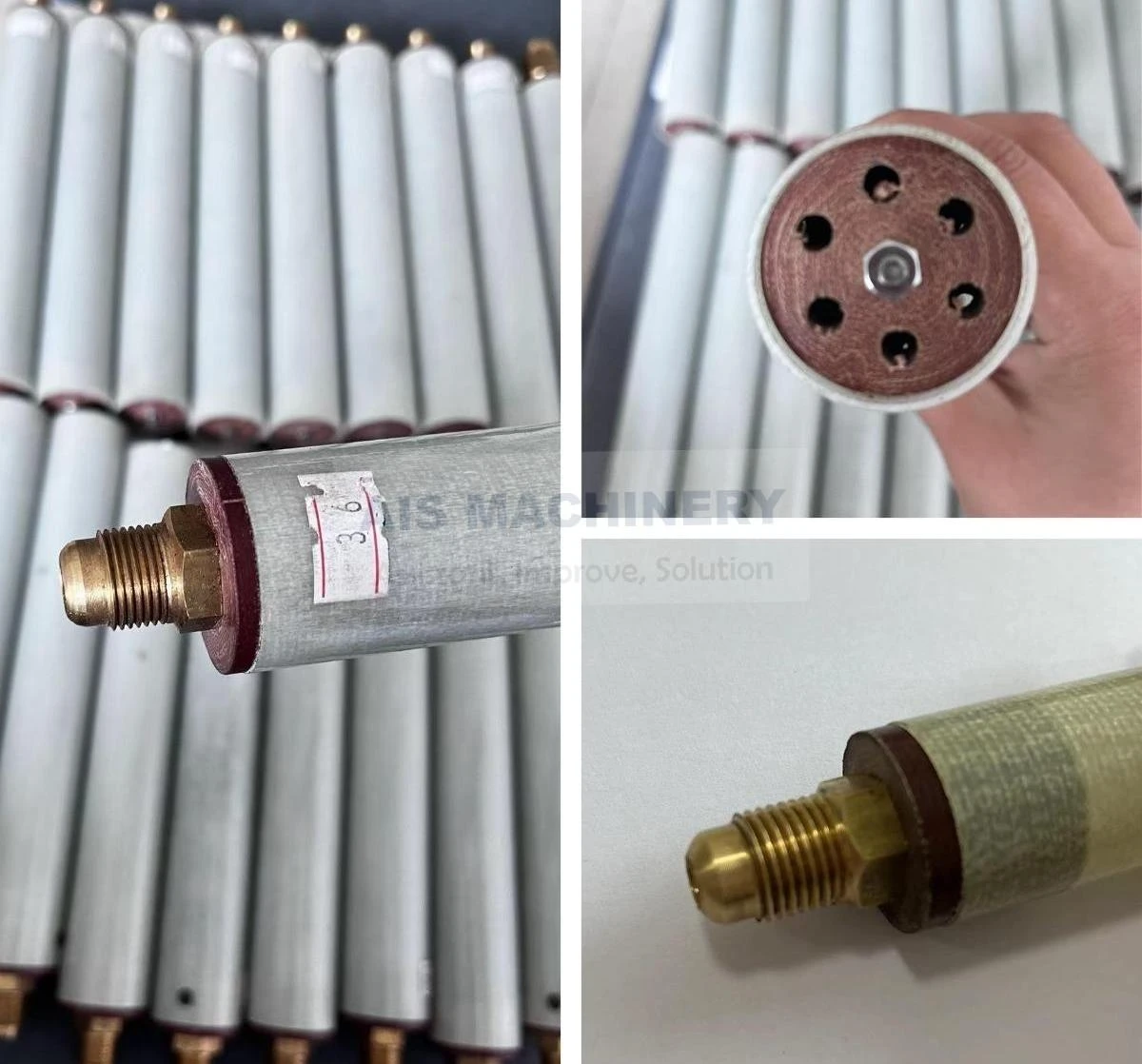
2026-04-24 08:54:16
What is an Impeder and Ferrite Rods in ERW Tube Mill?
Struggling with impeder overheating or short service life in your ERW tube mill? This guide explains common impeder problems, the role of ferrite rods, and how to choose the right impeder for stable welding performance. Improve weld quality, reduce energy loss, and extend equipment lifespan with the right selection and proper cooling solutions.
2026-04-21 10:22:25
Slitting & Cut-to-Length Combined Production Line: A Smarter Way to Process Steel Coils
Discover the Slitting & Cut-to-Length Combined Production Line, a flexible solution for steel coil processing. This system integrates slitting line and cut-to-length line functions in one machine, saving space, reducing costs, and improving efficiency. Ideal for processing both steel strips and sheets, it is widely used in service centers and manufacturing industries. Learn its advantages, limitations, and applications.
2026-04-18 03:20:20
AIS Machinery Showcases Advanced Tube Solutions at Tube & Wire Düsseldorf 2026
Tube & Wire Düsseldorf 2026, one of the most influential exhibitions in the global tube and wire industry, held biennially in Düsseldorf, Germany
2026-04-17 00:00:00
Southeast Asia Client Visits Our Factory | Customized Tube Mill Solution Delivered
A Southeast Asia client visited our ERW tube mill factory to inspect production lines and discuss a customized tube mill solution. Impressed by our machine quality, welding performance, and engineering support, the client confirmed strong cooperation intentions. Discover how our ERW tube mill solutions improve efficiency, precision, and long-term production reliability.
2026-04-15 10:37:55
Flat Bar Production Line for Steel Coils: How It Works & Why It Matters
Looking for a flat bar production line? Learn how it turns steel coils into ready-to-use flat bars with precise length and high straightness. Compare it with slitting lines and get the best solution for your steel processing needs.
2026-04-14 00:00:00
Looking for a Milling Saw for ERW Tube Mill? Here’s What You Need to Know
Looking for a high-performance milling saw for your ERW tube mill? Upgrade to burr-free, high-precision pipe cutting with advanced flying saw technology. Improve efficiency, reduce rework, and meet export standards for carbon steel, stainless steel, and API pipes. Contact us today for expert solutions and competitive pricing tailored to your production needs.
2026-04-09 16:15:19
5-Inch (127mm) ERW Tube Making Machine Delivered with Heavy-Duty Design and Advanced Quick Change System
Send a Message
Dear customer, thank you for your attention! We provide high-quality machinery and equipment and look forward to your orders. Please inform us of your needs and we will respond quickly!
 English
  Albanian
  Arabic
  French
  German
  Indonesian
  Italian
  Japanese
  Kazakh
  Korean
  Latin
Latin  Macedonian
  Portuguese
  Russian
  Spanish
  Thai
Thai  Turkish
  Ukrainian
  Uzbek
Uzbek