
-
 Tel:86-15176910262
-

Search

Ferrite Cores: Essential Magnetic Components for Efficient Electronics
Nov . 30, 2025 07:20
Understanding Ferrite Cores: The Silent Powerhouses of Modern Electronics
If you’ve ever wondered what keeps your smartphone’s chargers reliable or how electric motors maintain efficiency, chances are ferrite cores are playing a quiet but essential role. These magnetic materials are everywhere — from everyday appliances to massive industrial machines — and their global importance cannot be overstated. As the world leans further into electrification and digital technologies, understanding ferrite cores is not just technical jargon; it’s a key to appreciating how modern life ticks smoothly.
Briefly put, ferrite cores help manage and guide magnetic fields in electronic devices, improving performance and reducing losses. Globally, they are catalysts for innovation and sustainability, as they enable efficient transformers, inductors, and EMI suppression components. Knowing what makes them work, where they’re used, and how the industry is evolving helps engineers, product designers, and tech enthusiasts appreciate these miniature marvels.
Mini Takeaway: Ferrite cores are fundamental to modern electronics, helping improve efficiency and reliability worldwide.
The Global Role of Ferrite Cores
The global electronics market is expected to exceed $1.7 trillion by 2027, driven by growth in energy infrastructure, communication devices, and electric vehicles. According to the International Electrotechnical Commission (IEC), efficient magnetic components like ferrite cores reduce energy losses by up to 30%, a significant impact when scaled across millions of devices. The United Nations also calls for sustainable industry innovation (SDG 9), where ferrite cores are vital in making green tech feasible.
One big challenge is electromagnetic interference (EMI), which can wreak havoc on sensitive electronics and communication networks. Ferrite cores are heavily utilized to mitigate EMI and maintain device stability worldwide. Oddly enough, while they’re critical in high-tech environments, they’re inexpensive and simple to manufacture, bridging a gap between emerging and mature markets.
Mini Takeaway: Ferrite cores contribute directly to sustainable, reliable tech globally, helping tackle EMI and energy efficiency in a cost-effective way.
What Exactly Are Ferrite Cores?
At their core, ferrite cores are made from ceramic compounds of iron oxide mixed with other metals like manganese and zinc. This blend creates a magnetically permeable but electrically insulating material — crucial for reducing eddy currents that cause energy loss. Imagine shaping magnetic fields gently but firmly within transformers, inductors, and chokes, all to guide electrical energy more efficiently.
In practical terms, ferrite cores improve the functionality of power supplies, wireless chargers, and signal transformers — the backbone of many electronic devices. Their connection to humanitarian needs is subtle but significant: reliable energy conversion and EMI suppression improve medical equipment, communication during disaster relief, and even remote industrial operations.
Mini Takeaway: Ferrite cores are specialized magnetic ceramic components essential for efficient electronics operation, impacting both industrial and humanitarian fields.
Key Features of Ferrite Cores
1. Magnetic Permeability and Low Core Loss
Ferrite cores boast a high magnetic permeability, which means they effectively concentrate magnetic fields. This reduces energy wastage through core losses, especially at high frequencies common in modern electronics. Many engineers say this balance is fundamental for power efficiency.
2. Electrical Insulation
The ceramic nature prevents electrical currents from flowing within the core, avoiding unwanted heat generation. This reduces device failures and increases lifespan — a crucial aspect in continuous operation.
3. Thermal Stability
They maintain performance across wide temperature ranges, suitable for both tropical climates and industrial environments, ensuring consistent operation.
4. Mechanical Durability
While brittle, ferrite cores are often encased or molded to protect from shocks, making them dependable even in harsh conditions. Durability matters in sectors like automotive and aerospace.
5. Cost Efficiency and Scalability
When mass-produced, ferrite cores remain very affordable, supporting scalability in mega projects such as power grids or EV manufacturing.
Mini Takeaway: These features make ferrite cores versatile, reliable, and cost-effective, suiting diverse electronics industries globally.
Global Applications and Real-World Use Cases
- Power Transformers and Converters: From residential solar installations in Europe to massive utility grids in China, ferrite cores enable efficient voltage transformation, minimizing losses.
- Consumer Electronics: Chargers, smartphones, laptops — ferrite cores suppress noise and improve energy delivery, leading to safer devices worldwide.
- Industrial Machinery: In factories across the Americas and Asia, machines rely on ferrite cores for motor control and automation systems.
- Disaster Relief Operations: Portable communication kits and energy converters use ferrite cores to ensure stable connections and power reliability when infrastructure is compromised.
- Remote & Harsh Environments: Mining operations in Australia or scientific installations in polar regions demand robust electrical components; ferrite cores’ thermal and mechanical stability come into their own.
Mini Takeaway: Ferrite cores power everything — from the pocket device you hold to the massive grids supplying millions.
Advantages & Long-Term Value of Ferrite Cores
Beyond immediate performance benefits, ferrite cores offer long-term value in cost savings through reduced energy loss, longer device life, and lower heat generation. Their contribution to sustainability isn’t just in energy efficiency — many ferrite materials are recyclable, aligning with green manufacturing initiatives.
On the social side, better electronic reliability enhances safety (think no unexpected blackouts or device failures), preserves dignity by ensuring communication stays online during crises, and fosters trust in technologies that power smart cities and telemedicine. In many ways, investing in quality ferrite cores is an investment in innovation and social progress.
Product Specification Table: Typical Ferrite Core Characteristics
| Specification | Typical Value | Unit | Notes |
|---|---|---|---|
| Magnetic Permeability (μ) | 800 – 10,000 | Relative | Depends on grade & composition |
| Core Loss | 0.2 – 1.0 | W/kg at 100 kHz | Lower values preferred |
| Curie Temperature | 350 – 500 | °C | Max operating temperature |
| Electrical Resistivity | 106 – 108 | Ω·cm | Ensures insulative properties |
| Density | 4.8 – 5.1 | g/cm³ | Varies with formulation |
Comparing Top Ferrite Core Vendors
| Vendor | Material Range | Special Features | Pricing Level | Global Reach |
|---|---|---|---|---|
| MagnetoCore Inc. | Mn-Zn & Ni-Zn Ferrites | Custom shapes, low-loss grades | Mid-Range | Asia, Europe, Americas |
| CoreTech Solutions | High-Permeability Zn Ferrites | Rapid prototyping & testing | Premium | North America, Europe |
| EcoFerrite Corp. | Eco-friendly ceramic blends | Recyclable materials, green processes | Mid-Range | Global (incl. Africa, Asia) |
Emerging Trends and the Future of Ferrite Cores
As industries push towards sustainability and digital transformation, ferrite cores are evolving with them. You’re seeing a rise in “green ferrites,” made with recycled materials and less toxic additives, aligning well with ISO 14000 environmental standards.
Meanwhile, the surge in electric vehicles (EVs) and renewable energy storage means cores must handle higher frequencies and power densities. Advanced production techniques such as additive manufacturing (3D printing) are being explored for rapid prototyping complex shapes, reducing lead time and costs.
There’s also growing interest in integrating ferrite cores with sensors and IoT devices, enabling smarter systems that self-optimize performance and predict failures. Frankly, the future of ferrite cores is as much about material science as it is digital innovation.
Challenges in Ferrite Core Production and Use
However, ferrite cores do pose challenges. Their brittle nature limits shape options, and high-frequency losses can still be an issue in ultra-fast switching applications. Supply chain fluctuations of raw materials like manganese sometimes impact costs.
Innovative solutions include the use of composite materials to improve mechanical strength, and optimizing core geometry with simulation software. Vendors are also increasingly investing in sustainable sourcing and localizing supply chains to mitigate risks.
FAQ: Common Questions About Ferrite Cores
Q1: What makes ferrite cores better than other core materials?
A1: Ferrite cores combine high magnetic permeability with excellent electrical insulation, minimizing energy losses at high frequencies. Unlike iron cores, they’re lightweight and less prone to eddy currents, making them ideal for modern electronics.
Q2: Can ferrite cores be customized for specific applications?
A2: Absolutely. Many suppliers offer custom shapes, sizes, and material formulations depending on frequency range, thermal needs, and mechanical constraints, ensuring optimal performance.
Q3: How do ferrite cores improve energy efficiency?
A3: By concentrating and guiding magnetic fields with minimal losses, ferrite cores reduce heat waste and improve transformer or inductor efficiency, which over the lifetime of a device adds up to substantial energy savings.
Q4: Are ferrite cores environmentally friendly?
A4: Many modern ferrite cores use recyclable materials, and green manufacturing processes are becoming standard. Their role in improving device efficiency also indirectly reduces carbon footprints.
Q5: Where can I learn more or purchase quality ferrite cores?
A5: Trusted vendors and industry resources provide detailed specs and customized solutions. For comprehensive options and expert guidance, check out ferrite cores.
Conclusion: Why Ferrite Cores Matter
So there you have it — ferrite cores might be small, often overlooked, but they’re foundational to a sustainable and efficient electronic future. From reducing energy loss and EMI to supporting innovations in green tech, their long-term value spans industries and continents. Next time you plug in a device or power up an EV, you’ll know a bit more about what’s making it tick quietly behind the scenes.
Interested in high-quality ferrite cores or want to explore customization? Visit our website: https://www.aistubemill.com — where innovation meets reliability.
References

Related Products
Related News
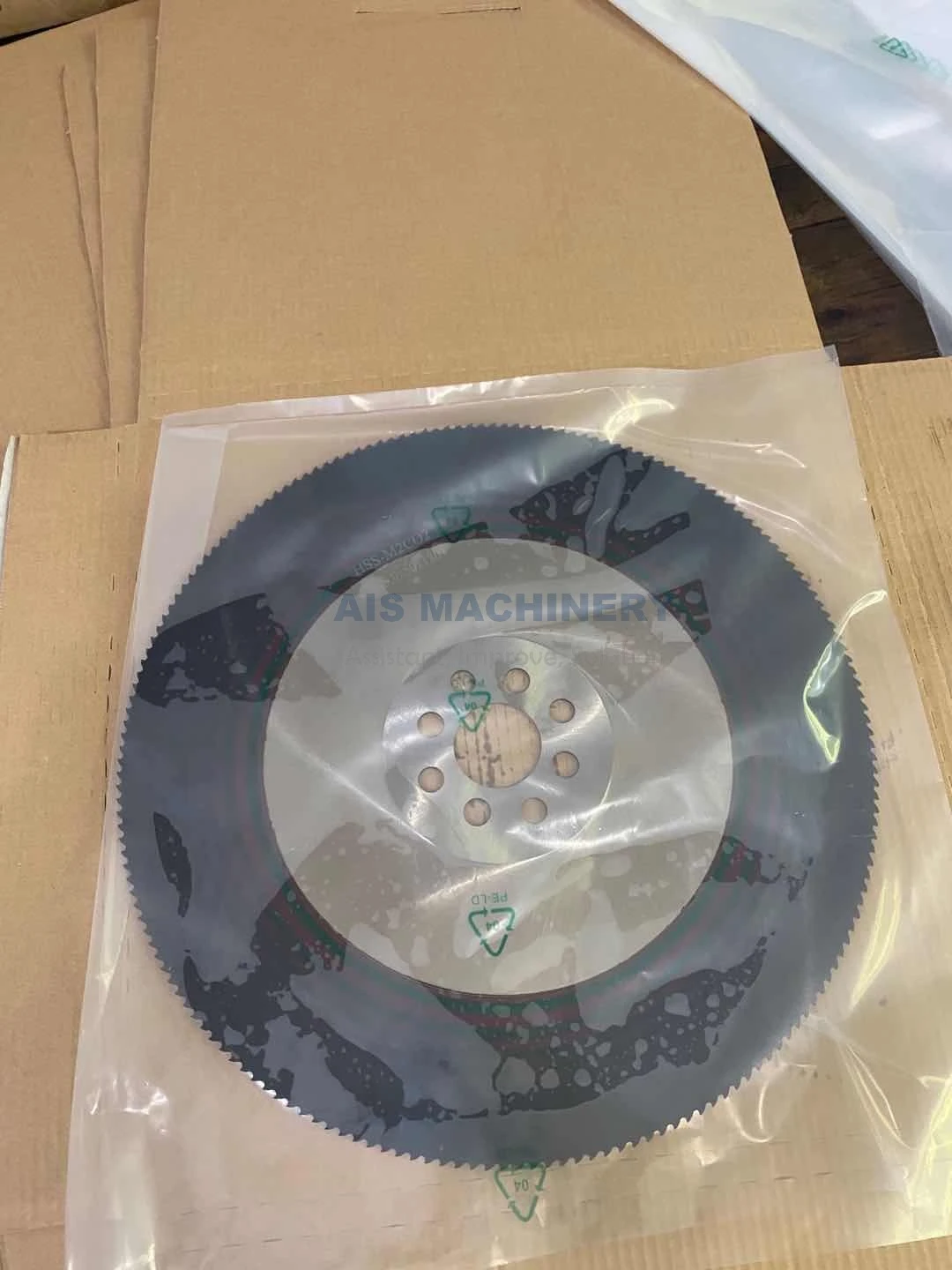
2026-04-28 08:56:05
Saw Blade Guide for Tube Mills: Friction vs HSS vs TCT — Which One Should You Choose?
Confused about friction saw, HSS, and TCT blades? This guide explains their uses in cold saw and friction saw machines, with pros, cons, and expert selection tips.
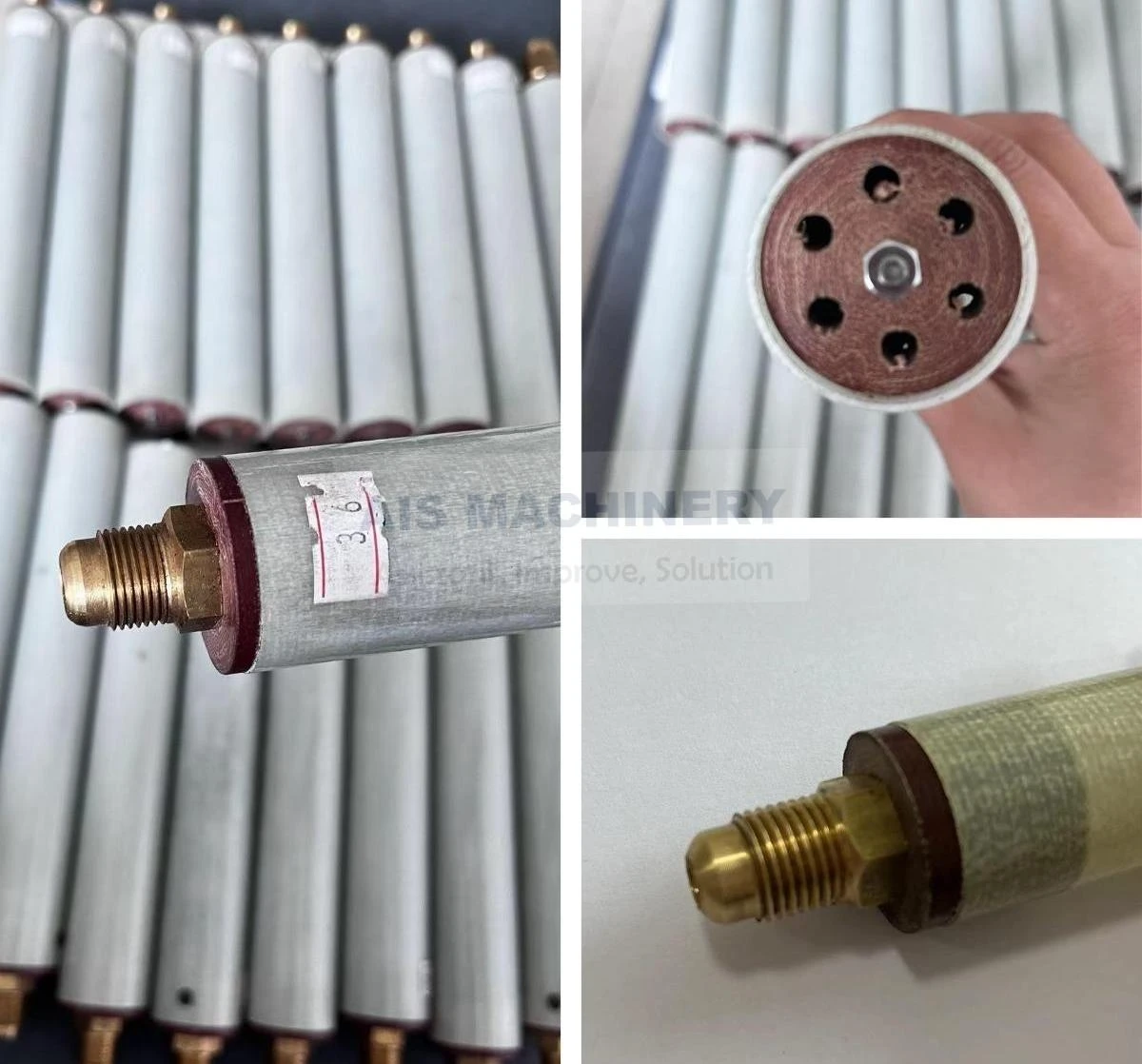
2026-04-24 08:54:16
What is an Impeder and Ferrite Rods in ERW Tube Mill?
Struggling with impeder overheating or short service life in your ERW tube mill? This guide explains common impeder problems, the role of ferrite rods, and how to choose the right impeder for stable welding performance. Improve weld quality, reduce energy loss, and extend equipment lifespan with the right selection and proper cooling solutions.
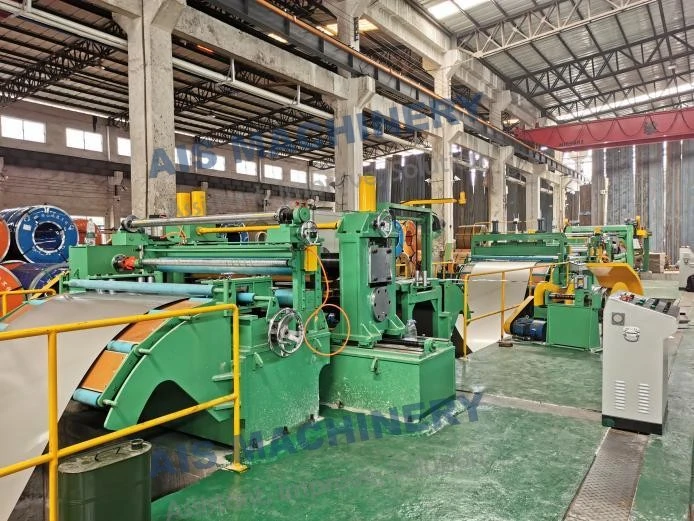
2026-04-21 10:22:25
Slitting & Cut-to-Length Combined Production Line: A Smarter Way to Process Steel Coils
Discover the Slitting & Cut-to-Length Combined Production Line, a flexible solution for steel coil processing. This system integrates slitting line and cut-to-length line functions in one machine, saving space, reducing costs, and improving efficiency. Ideal for processing both steel strips and sheets, it is widely used in service centers and manufacturing industries. Learn its advantages, limitations, and applications.
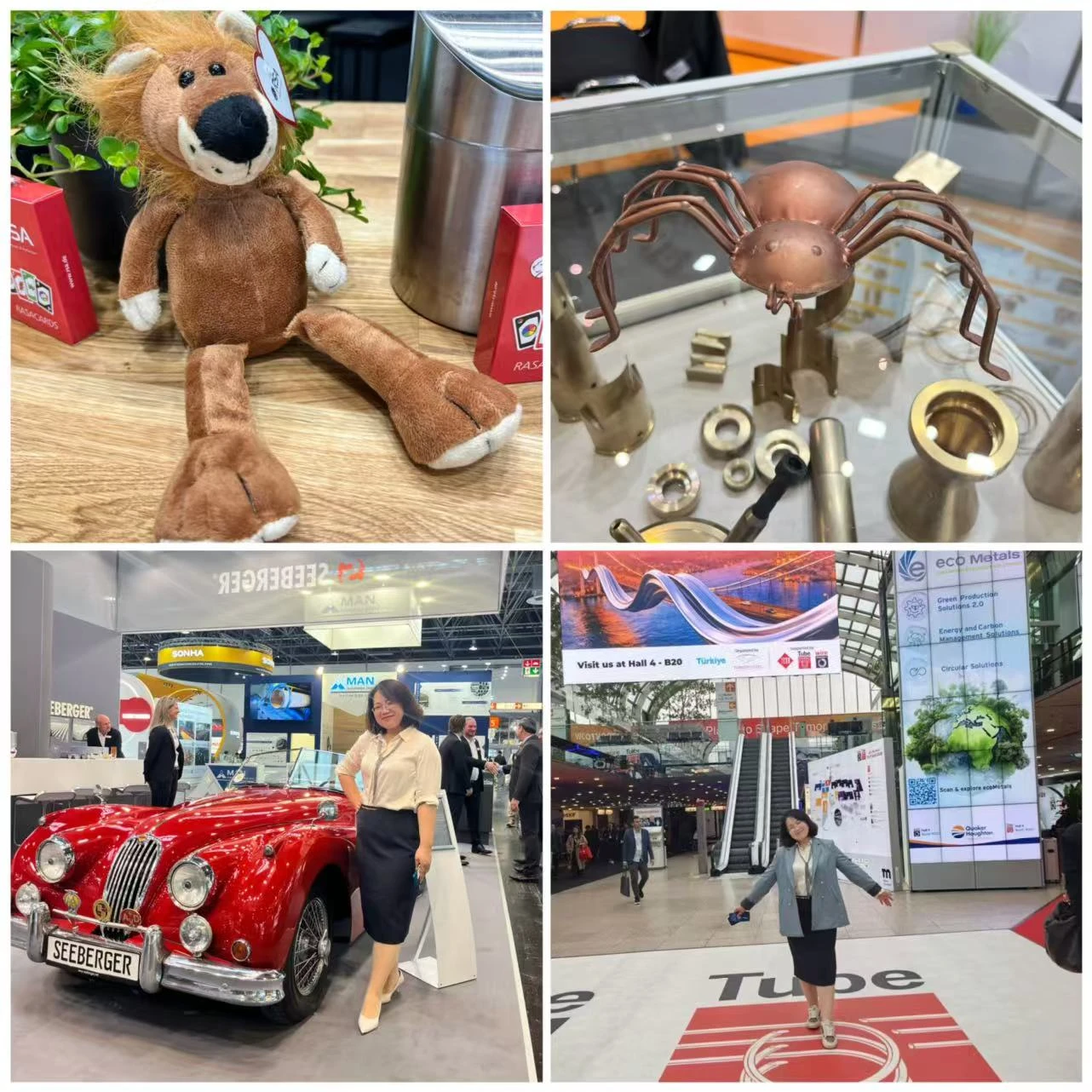
2026-04-18 03:20:20
AIS Machinery Showcases Advanced Tube Solutions at Tube & Wire Düsseldorf 2026
Tube & Wire Düsseldorf 2026, one of the most influential exhibitions in the global tube and wire industry, held biennially in Düsseldorf, Germany
2026-04-17 00:00:00
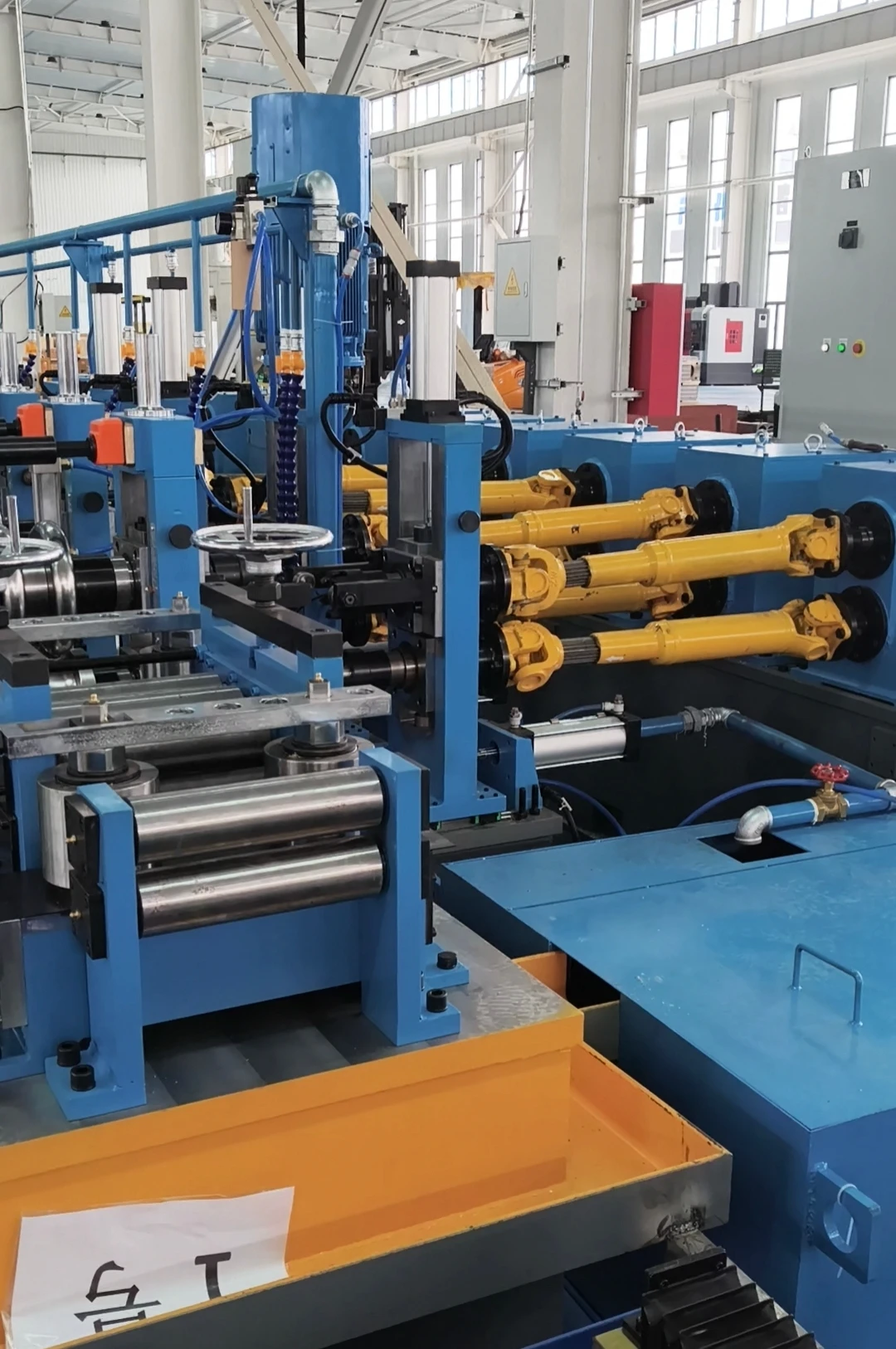
Southeast Asia Client Visits Our Factory | Customized Tube Mill Solution Delivered
A Southeast Asia client visited our ERW tube mill factory to inspect production lines and discuss a customized tube mill solution. Impressed by our machine quality, welding performance, and engineering support, the client confirmed strong cooperation intentions. Discover how our ERW tube mill solutions improve efficiency, precision, and long-term production reliability.
2026-04-15 10:37:55
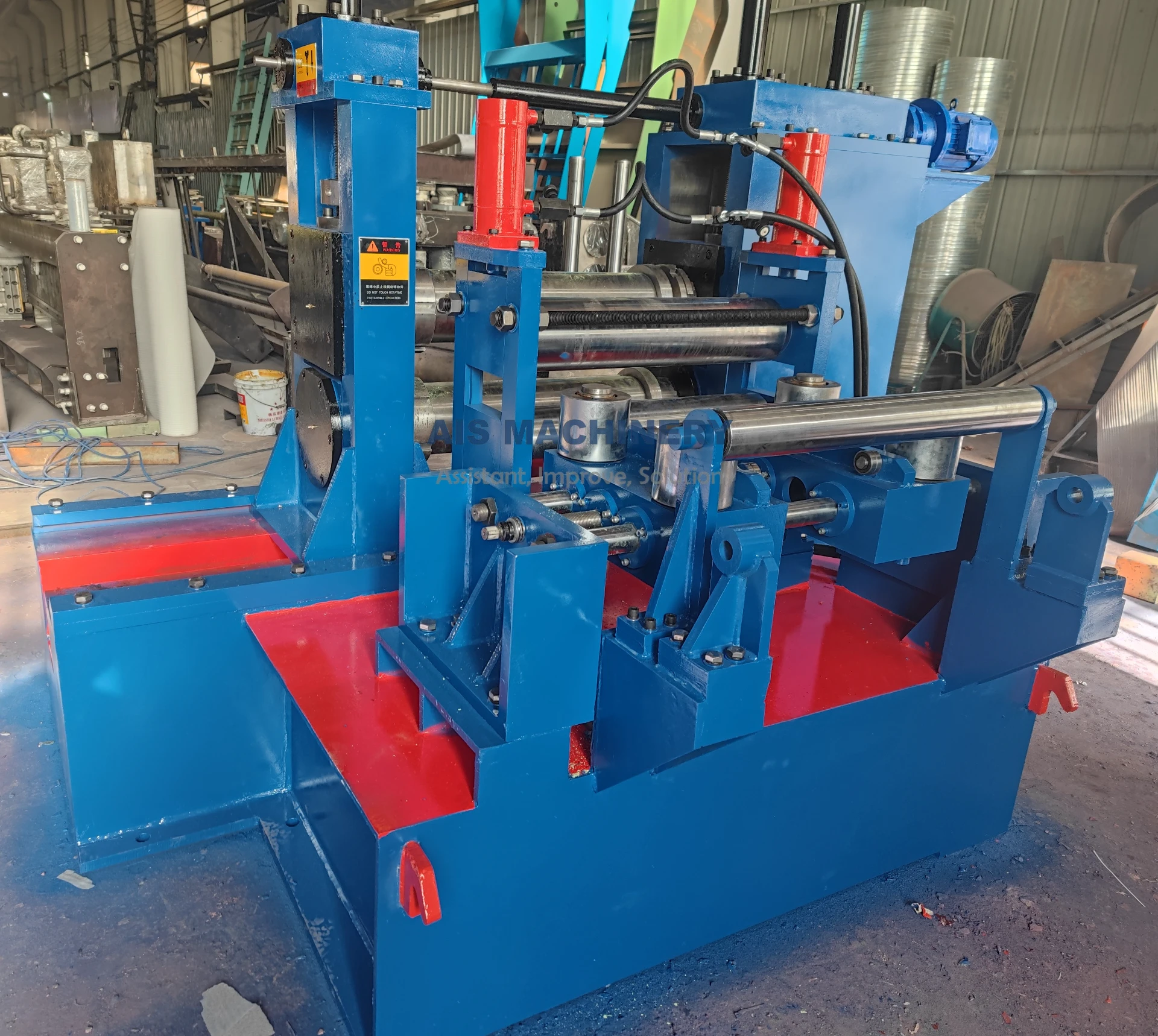
Flat Bar Production Line for Steel Coils: How It Works & Why It Matters
Looking for a flat bar production line? Learn how it turns steel coils into ready-to-use flat bars with precise length and high straightness. Compare it with slitting lines and get the best solution for your steel processing needs.
2026-04-14 00:00:00
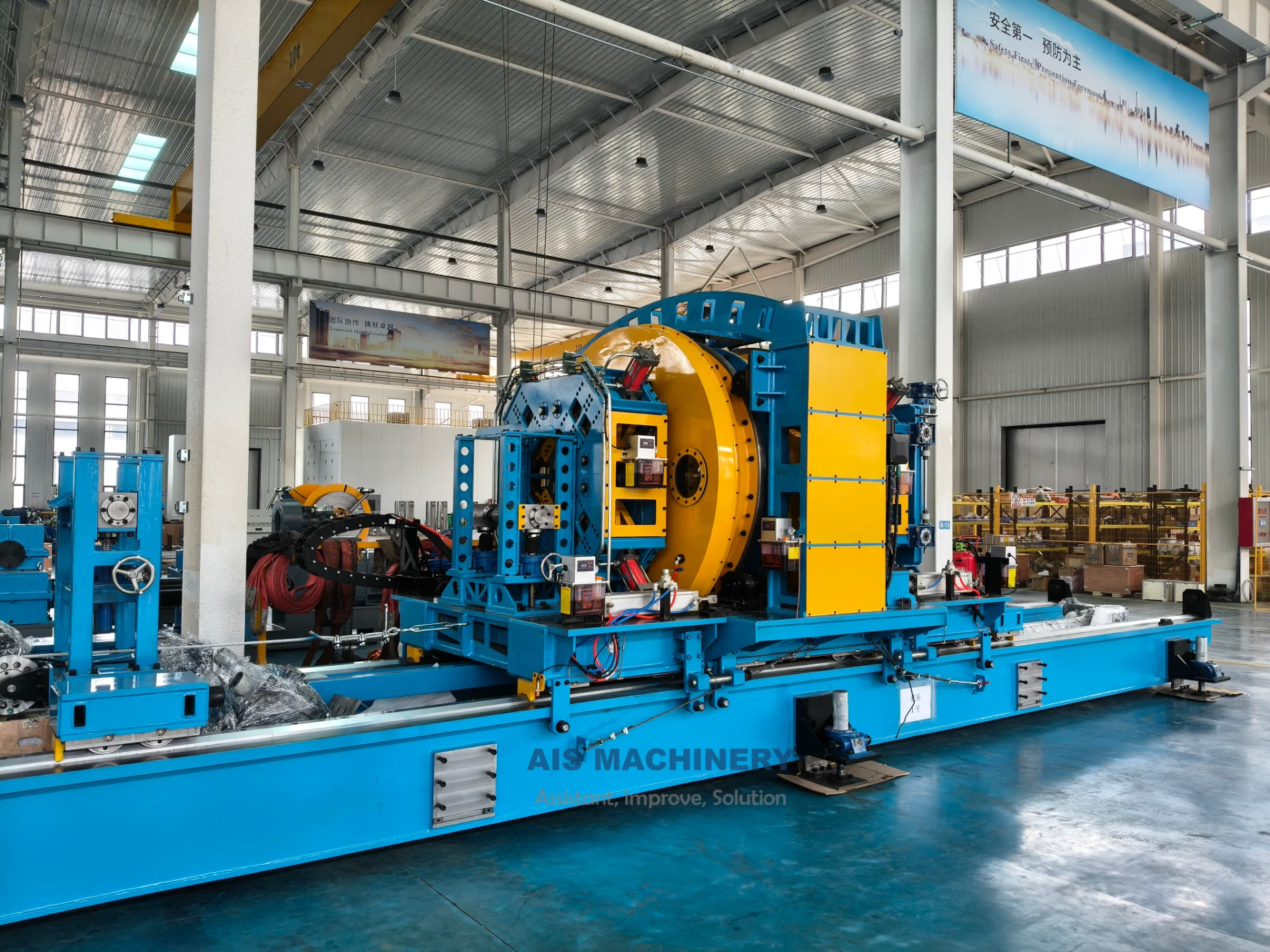
Looking for a Milling Saw for ERW Tube Mill? Here’s What You Need to Know
Looking for a high-performance milling saw for your ERW tube mill? Upgrade to burr-free, high-precision pipe cutting with advanced flying saw technology. Improve efficiency, reduce rework, and meet export standards for carbon steel, stainless steel, and API pipes. Contact us today for expert solutions and competitive pricing tailored to your production needs.
2026-04-09 16:15:19
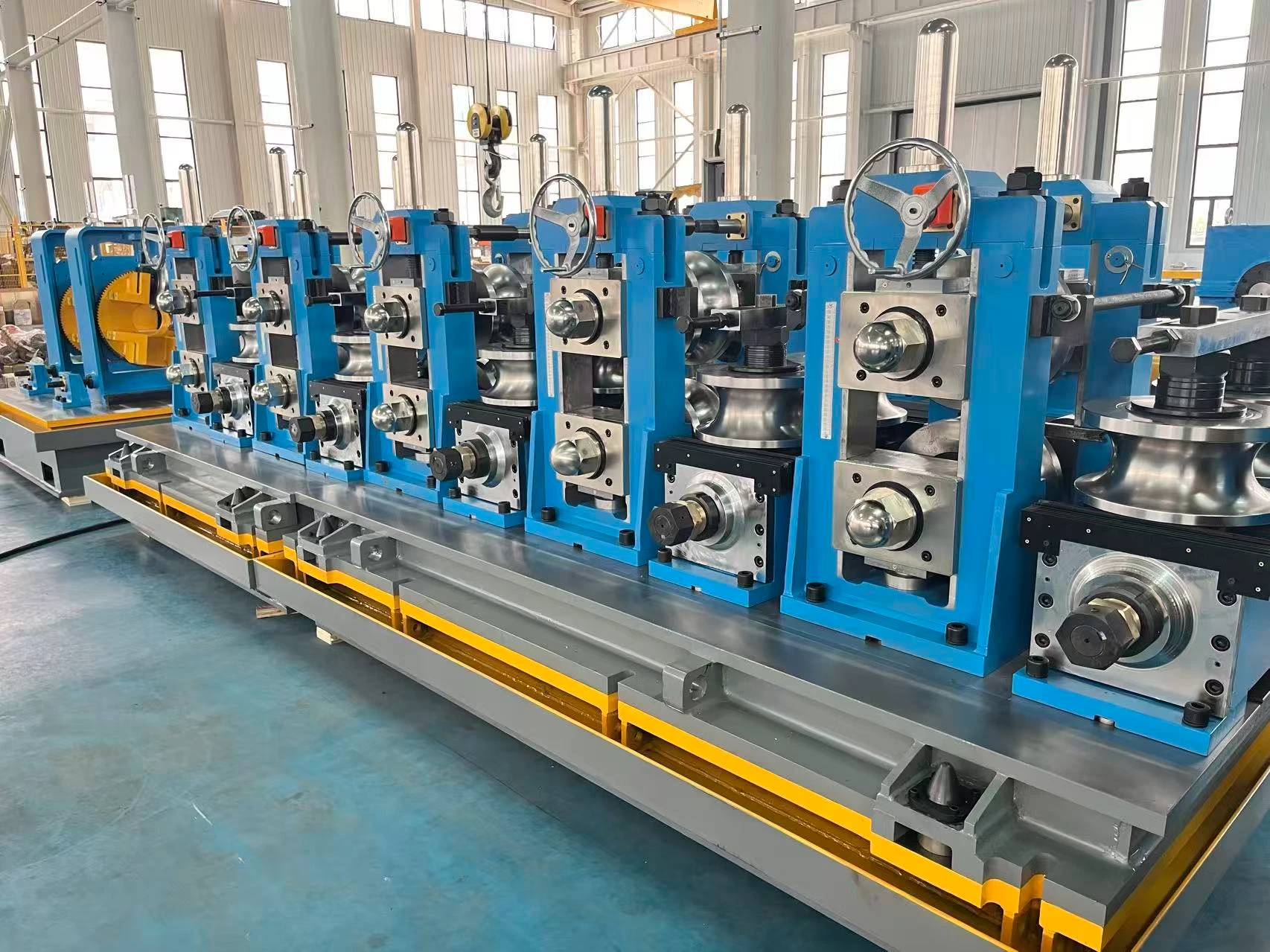
5-Inch (127mm) ERW Tube Making Machine Delivered with Heavy-Duty Design and Advanced Quick Change System
Send a Message
Dear customer, thank you for your attention! We provide high-quality machinery and equipment and look forward to your orders. Please inform us of your needs and we will respond quickly!
 English
  Albanian
  Arabic
  French
  German
  Indonesian
  Italian
  Japanese
  Kazakh
  Korean
  Latin
Latin  Macedonian
  Portuguese
  Russian
  Spanish
  Thai
Thai  Turkish
  Ukrainian
  Uzbek
Uzbek