
-
 Tel:86-15176910262
-

Search

Ferrite Impeder Rods: Boosting Efficiency & Sustainability in Modern Tube Mills
Nov . 30, 2025 08:55
Understanding Ferrite Impeder Rods: A Small Component with Global Impact
If you’re new to the term ferrite impeder rods, you might wonder why they deserve a place on your radar. Simply put, these little rods play a surprisingly vital role in modern tube induction furnaces and metal manufacturing worldwide. They help improve efficiency, save on energy costs, and reduce waste. In a world pushing for greener and smarter industry, grasping the ins and outs of ferrite impeder rods is more than technical curiosity—it’s a glance at where manufacturing innovation and sustainability intersect.
Ferrite impeder rods might sound niche, but their influence stretches across sectors from steel mills in South Korea to automotive plants in Europe, even to small-scale foundries in Africa. By improving induction heating, they contribute to stronger pipelines, better tools, and ultimately infrastructure that supports entire communities.
The Global Context: Why Ferrite Impeder Rods Matter Today
According to the International Energy Agency (IEA), the steel industry accounts for roughly 7–9% of global CO₂ emissions. That’s huge. Sustainable manufacturing is a clarion call across continents, countries, and corporations, and energy-saving technologies like ferrite impeder rods are a frontline response. The UN's sustainable development goals emphasize clean, affordable energy and resilient infrastructure—both of which connect directly to improving induction heating efficiency.
But here’s the catch: induction heating systems without proper impedance control waste energy, raise operational costs, and limit production quality. That’s where ferrite impeder rods come in, optimizing magnetic fields inside the tube mill furnaces to minimize losses and boost output. In technical terms, they act like magnetic traffic cops—guiding and controlling the electromagnetic flow.
Mini takeaway: Ferrite impeder rods might be behind the scenes, but they punch above their weight in fighting industry inefficiencies and environmental damage.
What Exactly Are Ferrite Impeder Rods?
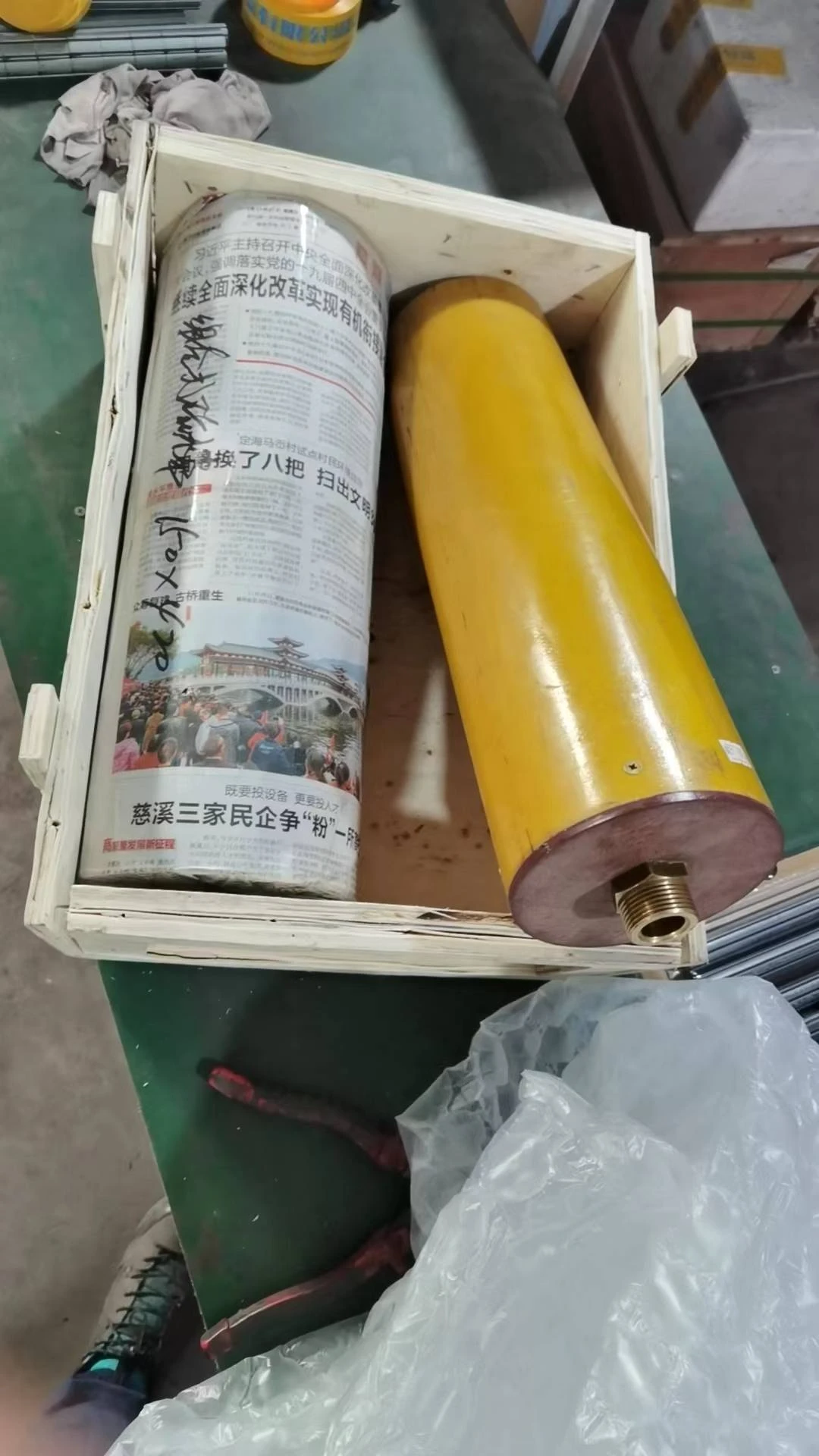
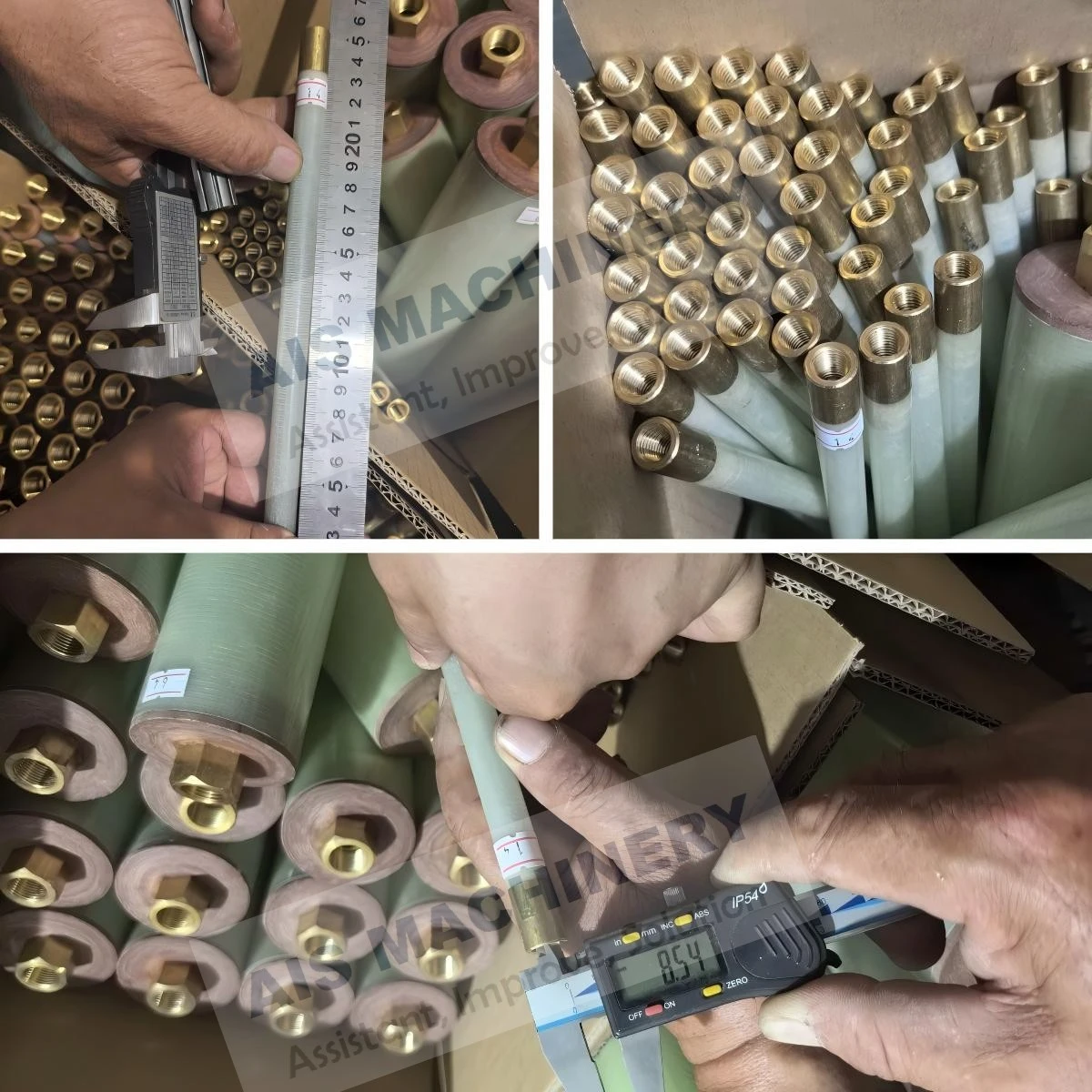
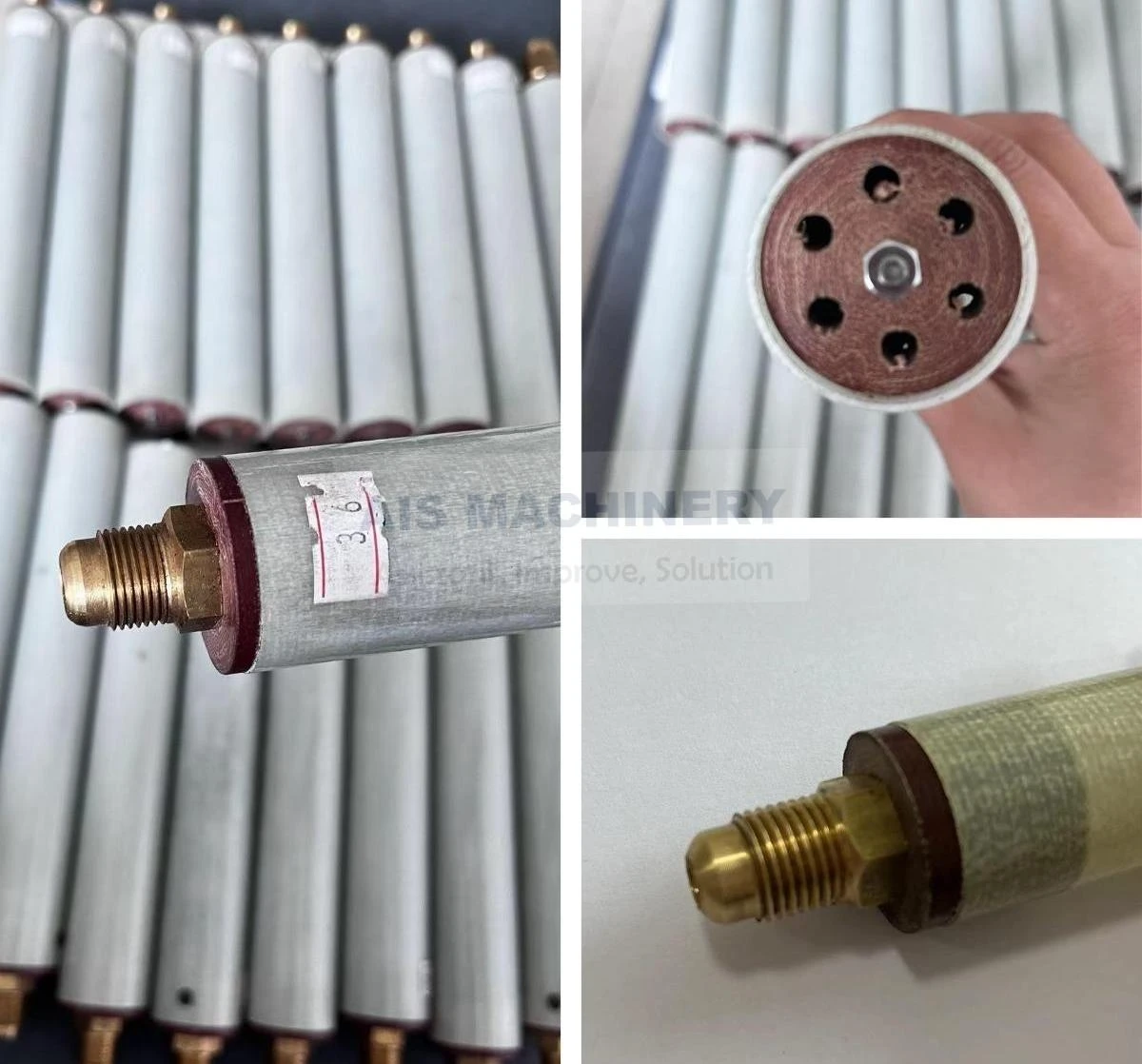
Simply put, a ferrite impeder rod is a cylindrical component made from ferrite—a type of ceramic magnetic material—that’s placed inside tube induction furnaces. Its job? To “impede” or block unwanted magnetic fields that cause energy dissipation during the induction heating process. This ensures more uniform heating and speeds up production without wasting power.
Think of it as a kind of magnetic choke. While ferrite is known for high magnetic permeability and low electrical conductivity, it’s precisely this combo that reduces eddy currents inside the furnace. Modern industries depend on these properties for robust product quality, especially where steel, copper, or aluminum tubes are concerned.
In humanitarian contexts, better steel and metal production means stronger water pipelines, sturdier housing materials, and equipment that doesn’t fail in harsh conditions. It’s one of those quietly important things—fundamental but easy to overlook.
Key Features and Components of Ferrite Impeder Rods
1. Magnetic Permeability and Material Quality
A good ferrite impeder rod must have high magnetic permeability to channel magnetic fields effectively. Many suppliers use manganese-zinc or nickel-zinc ferrite composites, balancing performance with heat resistance.
2. Thermal Stability
As these rods operate inside furnaces reaching high temperatures, durability under heat is non-negotiable. Thermal expansion mismatches can cause cracking, so materials are engineered to withstand up to around 250°C or more without performance drops.
3. Size and Customizability
Depending on the tube size and furnace design, impeder rods come in diameters ranging from a few millimeters up to several centimeters. Some vendors offer tailored dimensions to fit unique industrial setups.
4. Cost Versus Longevity
While a pricier impeder rod might seem like an upfront expense, many engineers swear by their long-term savings due to reduced furnace downtime and energy waste.
5. Installation Compatibility
Easy installation is key. Some rods feature modular ends or slip-fit designs to minimize furnace disassembly time.
| Specification | Typical Value | Notes |
|---|---|---|
| Diameter | 5-50 mm | Depends on tube size |
| Length | 100-500 mm | Customized per furnace |
| Max Operating Temp | 250 °C | Must resist thermal expansion |
| Material | MnZn ferrite | Balanced permeability, low losses |
| Magnetic Permeability | Up to 15,000 (relative) | Crucial for impedance efficiency |
Mini takeaway: Although it may seem just a material choice or size issue, those nuances shape furnace performance heavily.
Real-World Applications and Who Uses Them
Globally, industries from automotive, aerospace, to chemical pipemaking rely on induction heating lines fitted with ferrite impeder rods. In East Asia, where high-speed tube mills fuel construction booms, these rods help maintain production rates without costly halts. In Europe, they play a pivotal role during eco-industrial renovations aiming to lower carbon footprints.
Oddly enough, smaller foundries in developing countries benefit too. Because standardized rods lower energy bills, those operations can better compete with larger plants. NGOs involved in infrastructure rebuilding have, in some cases, supported tech transfer initiatives that include these rods—there’s a neat harmony between tech and aid there.
Vendor Comparison: Catching the Best Ferrite Impeder Rods
| Vendor | Product Range | Customization | Pricing | Lead Time |
|---|---|---|---|---|
| MagnoFerrite Co. | Standard & custom rods (5-40mm) | High – custom alloy options | Premium | 3-4 weeks |
| InducMat Solutions | Mass-produced rods (10-50mm) | Medium – standard sizes only | Competitive | 1-2 weeks |
| FerritePro Tech | Wide range with alloy variants | High – includes R&D support | Premium | 4-6 weeks |
Advantages and Why They’re Worth It
- Energy Efficiency: Cutting unnecessary magnetic losses reduces power consumption, supporting global energy sustainability goals.
- Improved Production Quality: Uniform heating means tubes come off the line with fewer defects, less waste, and higher customer satisfaction.
- Cost Savings: Though the rods have upfront costs, the long-term savings on energy bills and downtime are substantial.
- Longevity and Reliability: High thermal stability ensures rods last for many production cycles, minimizing replacement frequency.
- Supports Innovation: Enables manufacturers to experiment with high-strength alloys or exotic metals by offering better heating control.
Emotionally speaking, many factory managers I’ve talked to say these rods bring peace of mind — knowing their lines won’t unexpectedly halt, or that their output won’t suddenly dip just when they need to meet deadlines.
Up-and-Coming Developments in Ferrite Impeder Rod Tech
Digitally optimized rods, incorporating embedded sensors for real-time heat and stress monitoring, are starting to appear. Imagine a ferrite rod that “talks” to your furnace control system, adjusting its own position or signaling when replacement is due.
Green materials research is also progressing. New composite ferrite materials with even better thermal tolerance but lower environmental footprints (bio-based binders, recyclable ceramics) align with the circular economy ideals.
Frankly, these trends hint at a future where even seemingly static components become intelligent players in process automation and sustainability.
Common Challenges and How Industry Is Solving Them
It’s not all smooth sailing. Some chokepoints remain: thermal cracks, supply chain delays, and the need for better standards on rod composition and testing can trip up less experienced users. But here’s the thing—vendors increasingly offer R&D partnerships, accelerated testing labs, and flexible MOQ (minimum order quantity) policies to ease adoption.
Plus, training on correct installation and routine inspection helps avert premature failures.
FAQ: Practical Questions on Ferrite Impeder Rods
Q1: How long does a typical ferrite impeder rod last in a high-temp furnace?
A: Under standard operating conditions (below 250°C), a ferrite impeder rod can last between 6 months to 2 years. Longevity depends on material quality, furnace temperature fluctuations, and handling during installation.
Q2: Can ferrite impeder rods be customized for unusual tube sizes?
A: Yes, many suppliers offer customization for diameter, length, and material composition to fit specialized tube mills. It’s best to consult vendors with your specific setup details.
Q3: Are ferrite impeder rods compatible with all induction furnace types?
A: Mostly yes, though rod design must align with furnace coil configurations and tube dimensions. Compatibility checks with vendors are critical to avoid issues.
Q4: How do ferrite impeder rods contribute to energy savings?
A: By reducing eddy currents and magnetic losses inside the furnace, these rods improve power efficiency by roughly 10–20%, leading to measurable electricity cost reductions.
Q5: What’s the lead time for ordering custom ferrite impeder rods?
A: It varies but expect 3–6 weeks for customized orders from major suppliers, depending on complexity and quantity.
In Conclusion: Invest in Ferrite Impeder Rods to Future-Proof Manufacturing
In an industrial ecosystem increasingly driven by efficiency, sustainability, and intelligent automation, ferrite impeder rods represent a small but vital piece of the puzzle. Beyond improving induction furnace performance, they embody a quiet commitment to smarter metal production and global environmental goals.
Curious to learn more or looking for high-quality rods? Visit our website at https://www.aistubemill.com and explore our range of innovative solutions designed to boost your operation.
Sometimes, the tiniest parts hold the biggest future.
References

Related Products
Related News
2026-04-28 08:56:05
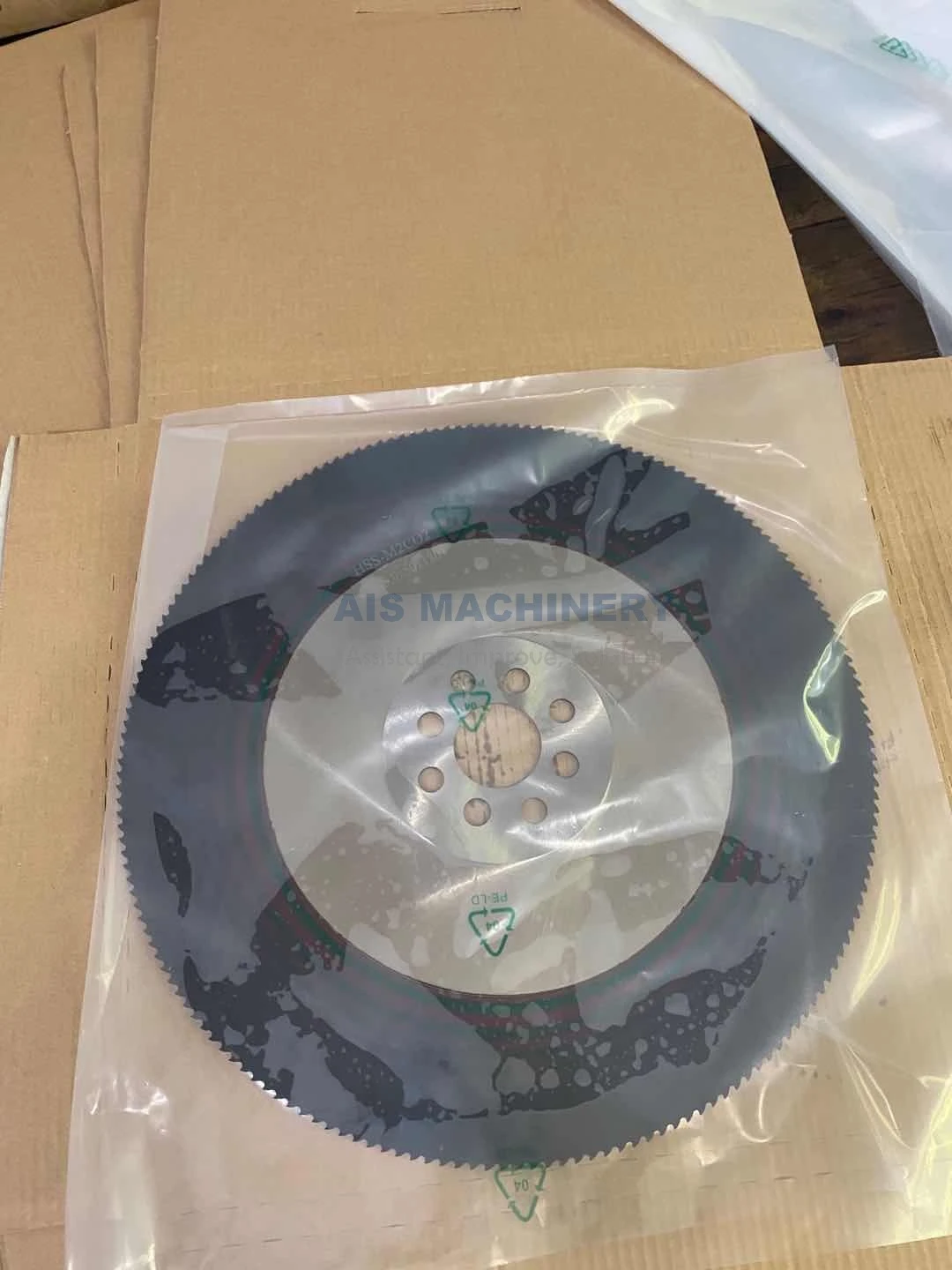
Saw Blade Guide for Tube Mills: Friction vs HSS vs TCT — Which One Should You Choose?
Confused about friction saw, HSS, and TCT blades? This guide explains their uses in cold saw and friction saw machines, with pros, cons, and expert selection tips.
2026-04-24 08:54:16
What is an Impeder and Ferrite Rods in ERW Tube Mill?
Struggling with impeder overheating or short service life in your ERW tube mill? This guide explains common impeder problems, the role of ferrite rods, and how to choose the right impeder for stable welding performance. Improve weld quality, reduce energy loss, and extend equipment lifespan with the right selection and proper cooling solutions.
2026-04-21 10:22:25
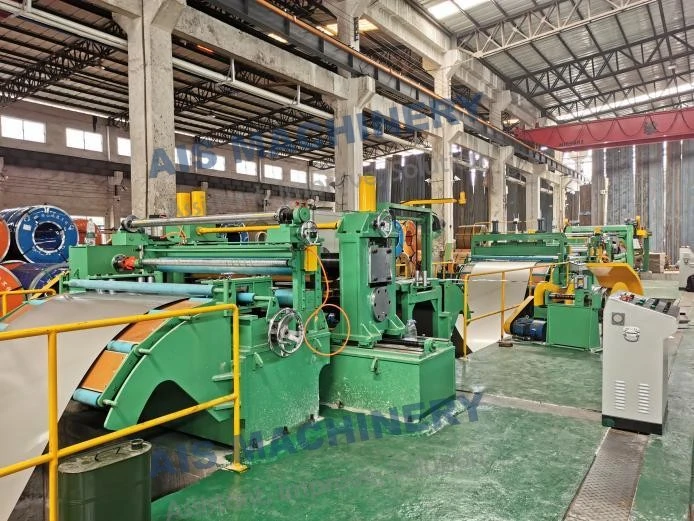
Slitting & Cut-to-Length Combined Production Line: A Smarter Way to Process Steel Coils
Discover the Slitting & Cut-to-Length Combined Production Line, a flexible solution for steel coil processing. This system integrates slitting line and cut-to-length line functions in one machine, saving space, reducing costs, and improving efficiency. Ideal for processing both steel strips and sheets, it is widely used in service centers and manufacturing industries. Learn its advantages, limitations, and applications.
2026-04-18 03:20:20
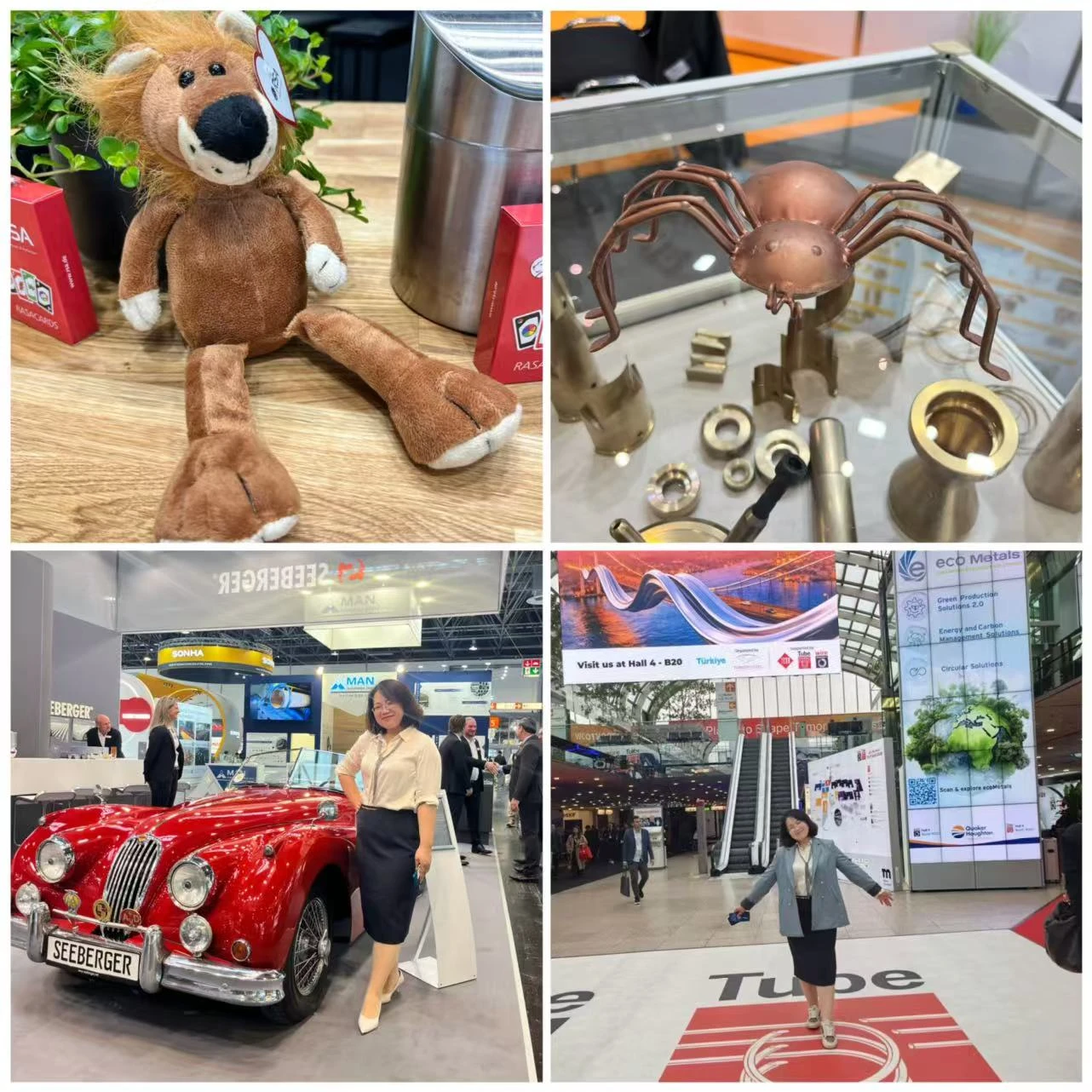
AIS Machinery Showcases Advanced Tube Solutions at Tube & Wire Düsseldorf 2026
Tube & Wire Düsseldorf 2026, one of the most influential exhibitions in the global tube and wire industry, held biennially in Düsseldorf, Germany
2026-04-17 00:00:00
Southeast Asia Client Visits Our Factory | Customized Tube Mill Solution Delivered
A Southeast Asia client visited our ERW tube mill factory to inspect production lines and discuss a customized tube mill solution. Impressed by our machine quality, welding performance, and engineering support, the client confirmed strong cooperation intentions. Discover how our ERW tube mill solutions improve efficiency, precision, and long-term production reliability.
2026-04-15 10:37:55
Flat Bar Production Line for Steel Coils: How It Works & Why It Matters
Looking for a flat bar production line? Learn how it turns steel coils into ready-to-use flat bars with precise length and high straightness. Compare it with slitting lines and get the best solution for your steel processing needs.
2026-04-14 00:00:00
Looking for a Milling Saw for ERW Tube Mill? Here’s What You Need to Know
Looking for a high-performance milling saw for your ERW tube mill? Upgrade to burr-free, high-precision pipe cutting with advanced flying saw technology. Improve efficiency, reduce rework, and meet export standards for carbon steel, stainless steel, and API pipes. Contact us today for expert solutions and competitive pricing tailored to your production needs.
2026-04-09 16:15:19
5-Inch (127mm) ERW Tube Making Machine Delivered with Heavy-Duty Design and Advanced Quick Change System
Send a Message
Dear customer, thank you for your attention! We provide high-quality machinery and equipment and look forward to your orders. Please inform us of your needs and we will respond quickly!
 English
  Albanian
  Arabic
  French
  German
  Indonesian
  Italian
  Japanese
  Kazakh
  Korean
  Latin
Latin  Macedonian
  Portuguese
  Russian
  Spanish
  Thai
Thai  Turkish
  Ukrainian
  Uzbek
Uzbek