
-
 Tel:86-15176910262
-

Search

Glass Fibre Sleeve: Durable, Heat-resistant Protection for Modern Industries
Nov . 30, 2025 10:30
Unlocking the Potential of Glass Fibre Sleeve: What You Need to Know
It might surprise some, but the humble glass fibre sleeve plays a far bigger role than most realize — from protecting critical wiring in renewable energy setups to ensuring industrial safety in some of the harshest environments. Globally, as industries push towards smarter, more resilient infrastructure, understanding such components isn't just niche knowledge; it’s central to modern manufacturing and engineering.
Why does it matter? Because in an era where sustainability and durability are frontline demands, glass fibre sleeves offer a solution that balances performance with eco-consciousness. Whether it’s preventing electrical failures or safeguarding equipment in disaster-prone zones, these sleeves are quietly doing their part — and knowing their value can really give engineers, procurement specialists, and even humanitarian organizers an edge.
Glass Fibre Sleeve: A Snapshot of Its Importance in Today's World
Globally, the market for glass fibre reinforced materials is growing — fueled by industries ranging from aerospace to energy. According to the International Organization for Standardization (ISO), glass fibre composites improve lifespan and safety in numerous applications. The World Bank reports increasing infrastructure investments in emerging economies, many of which rely on durable materials for long-term resilience.
A core challenge? Increasingly complex electrical and mechanical systems need reliable insulation and protection, even in extreme weather or corrosive environments. Here, glass fibre sleeves step in — offering a lightweight, highly resistant buffer between delicate cables and damaging external factors. Oddly enough, despite their simplicity, these sleeves tackle some very complex problems in global supply chains and on-site operations.
Mini Takeaway:
- Glass fibre sleeves are integral to modern, sustainable industries worldwide.
- They respond to pressing challenges like durability and environmental resistance.
What Exactly Is a Glass Fibre Sleeve?
Simply put, a glass fibre sleeve is a protective tube woven or braided from fine glass fibres. These fibres are heat- and abrasion-resistant, making the sleeves perfect for shielding electrical wiring, hydraulic hoses, and other components vulnerable to external damage.
Think of it as a second skin for wires and cables, enhancing safety and longevity without adding much bulk or weight. In practical terms, these sleeves are found everywhere — inside jet engines, in offshore oil rigs, and increasingly in humanitarian settings where robust, lightweight materials can mean the difference between success or failure in disaster relief equipment.
Mini Takeaway:
- Glass fibre sleeves are protective insulation sleeves made from woven glass fibres.
- They’re essential in industries requiring thermal, mechanical, or chemical resistance.
Core Attributes Driving Glass Fibre Sleeve Excellence
Durability & Heat Resistance
Glass fibre sleeves can sustain temperatures up to 550°C (and some specialized types even higher), which is crucial in industrial environments where wires undergo high thermal stress. Many engineers swear by their long-term performance when exposed to such harshness.
Lightweight with High Strength
Unlike metal conduits, these sleeves add minimal weight yet provide impressive tensile strength. This balance aids in easier installation and reduces strain on supporting structures.
Chemical and Corrosion Resistance
The glass fibres resist most solvents, oils, and acids, meaning the sleeve’s protective qualities aren’t compromised even in corrosive atmospheres — think chemical plants or marine settings.
Customizability & Scalability
Available in various diameters, weaves, and coatings, glass fibre sleeves can be tailored for specific applications, whether for mega-industrial projects or smaller-scale electrical repairs.
Cost Efficiency Over Lifecycle
Glass fibre sleeves not only lower maintenance needs but also improve safety, potentially saving thousands in downtime or liability over years of use.
Mini Takeaway:
- The sleeves combine toughness, heat and chemical resistance, and customization.
- They enhance both safety and cost-effectiveness across sectors.
How Glass Fibre Sleeves Are Making a Difference Around the Globe
Picture a wind farm in Northern Europe facing icy storms. The turbine cables are sheathed in glass fibre sleeves, protecting vital wiring from cracking under temperature swings. Meanwhile, in Southeast Asia, offshore oil rigs use these sleeves to protect against seawater’s corrosive effects, dramatically reducing costly failures.
Humanitarian organizations now turn to glass fibre sleeve products when designing portable medical kits and rapid-deployment electrical units for disaster zones where conditions are unforgiving. The rationale? Lightweight, nonflammable protection that’s reliable under pressure.
In the automotive industry, sleeves help bundle engine bay wires safely while resisting road grime and engine heat. The global aerospace sector uses glass fibre sleeves to optimize insulation in lightweight aircraft components.
Mini Takeaway:
- From wind turbines to disaster relief, glass fibre sleeves prove versatile and dependable worldwide.
- Major industries leverage their properties to enhance durability and reduce failure risks.
The Many Advantages and Long-Term Value of Glass Fibre Sleeve
Beyond the obvious technical merits, glass fibre sleeves contribute to sustainability goals — often made from recyclable materials, their durability means fewer replacements and less waste. Their safety profile helps prevent electrical fires and accidents, improving workforce security — a huge social win.
Emotionally, suppliers and users alike trust these sleeves because they’ve seen the product endure. It feels like a quiet promise that things won’t go wrong, even when environments turn hostile. Innovation continues to push the sleeves into new territories, embedding digital sensing layers or adapting for smart factories.
Product Specification Table
| Parameter | Typical Value | Units |
|---|---|---|
| Maximum Continuous Temperature | 550 | °C |
| Tensile Strength | 3,000 | MPa |
| Diameter Range | 3 – 50 | mm |
| Chemical Resistance | Excellent | - |
| Flame Retardant | Yes | - |
Vendor Comparison: Leading Glass Fibre Sleeve Suppliers
| Vendor | Product Range | Customization Options | Global Reach | Typical Lead Time |
|---|---|---|---|---|
| AISTubemill | Extensive (Diameters 3-50mm) | High (Weaves, Coatings) | Worldwide | 2–4 weeks |
| FiberglassPro | Medium (Standard sizes) | Limited | Europe, Asia | 3–6 weeks |
| GlobalSleeves | Broad (Including flame retardant) | Moderate | North America, Europe | 4–5 weeks |
Looking Ahead: Innovations and Trends in Glass Fibre Sleeves
The future is quietly exciting with developments like smart sleeves embedded with sensors that can detect wear or temperature spikes in real-time, feeding data directly into predictive maintenance systems. Materials science is also exploring bio-based resins combined with glass fibres to reduce environmental footprints.
In renewable energy sectors, stronger yet lighter glass fibre sleeves align perfectly with wind and solar projects needing long-lasting, low-maintenance solutions. Green certifications and ISO compliance are becoming selling points, pushing vendors to innovate continuously.
The Upside and How To Overcome Common Glass Fibre Sleeve Challenges
Despite their strengths, some challenges persist, like initial material costs and installation care — improper handling can lead to fibre exposure and irritation, or degraded performance if not fitted correctly. But savvy field teams now use protective gear and follow best practice workflows, minimizing issues effectively.
Also, sourcing custom sizes or special coatings may lengthen lead times. Partnering with trusted suppliers glass fibre sleeve vendors and early planning eases these bumps, ensuring projects stay on track.
FAQ: Common Questions About Glass Fibre Sleeves
- Q: How high of a temperature can a glass fibre sleeve handle?
Typically, these sleeves withstand up to 550°C continuously, with specialized products reaching even higher. This makes them ideal for most industrial thermal insulation needs. - Q: Can glass fibre sleeves be used outdoors in harsh weather?
Absolutely, they resist UV, moisture, and most chemicals, making them excellent for outdoor and marine applications. - Q: Are glass fibre sleeves eco-friendly compared to traditional solutions?
Yes, many sleeves are recyclable and more durable, reducing waste and the frequency of replacements compared to plastic or metal alternatives. - Q: How customizable are these sleeves?
Vendors offer various diameters, weaves, coatings, and flame-retardant options, often allowing tailored solutions to suit precise project demands. - Q: What's the typical lead time when ordering specific glass fibre sleeves?
Depending on complexity, lead times range from 2 to 6 weeks. Early communication with suppliers helps smooth the process.
Wrapping It All Up
Simply put, glass fibre sleeves might not be front-page news, but their long-term value — in safety, durability, and sustainability — is monumental. Whether you’re securing industrial cables, building renewable energy projects, or equipping disaster relief kits, these sleeves quietly provide peace of mind and performance.
If you want to explore premium options and customize your next order, do visit our website. It’s a good place to start untangling all your protective sleeve needs.
References

Related Products

Related News
2026-04-28 08:56:05
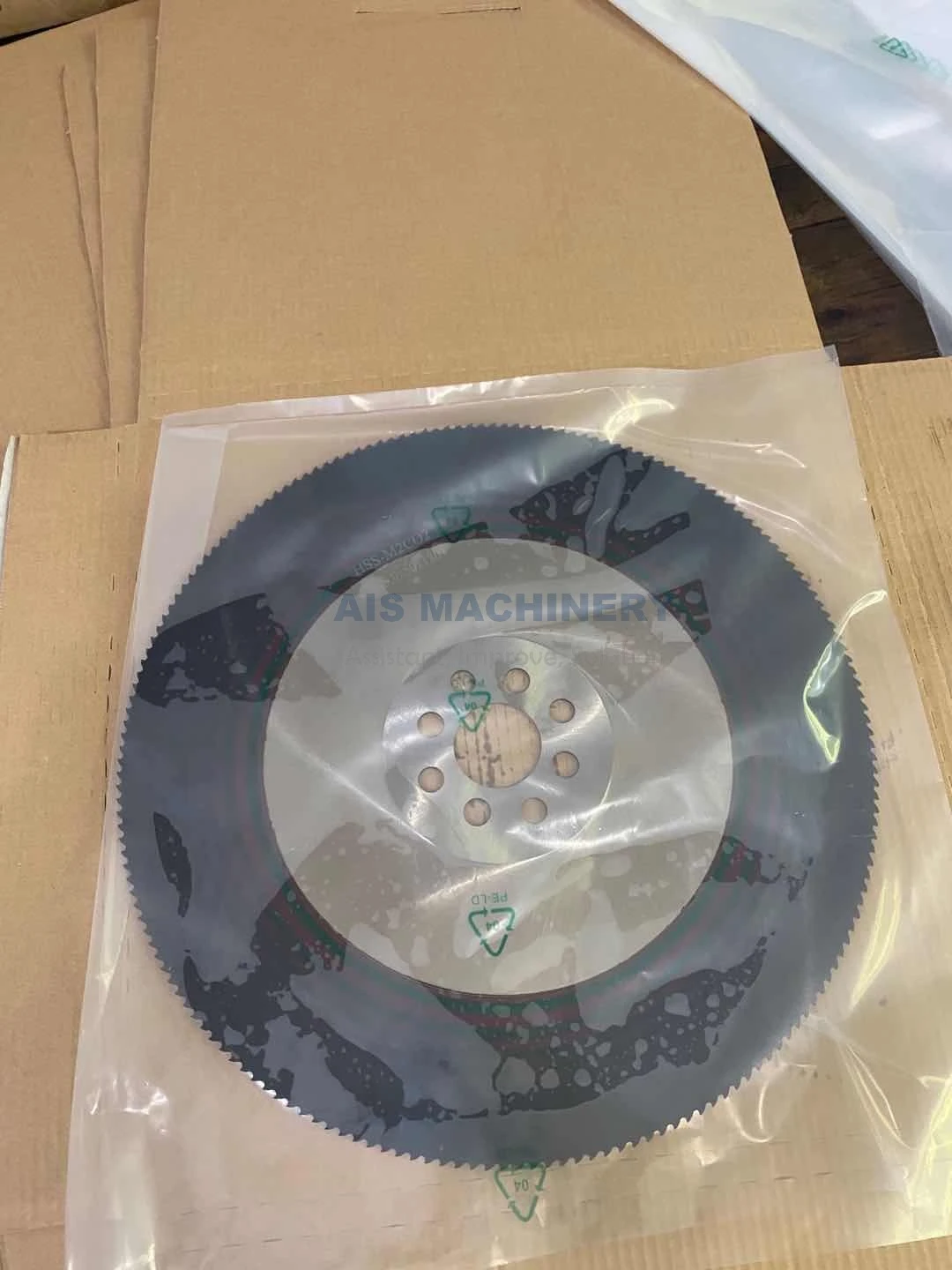
Saw Blade Guide for Tube Mills: Friction vs HSS vs TCT — Which One Should You Choose?
Confused about friction saw, HSS, and TCT blades? This guide explains their uses in cold saw and friction saw machines, with pros, cons, and expert selection tips.
2026-04-24 08:54:16
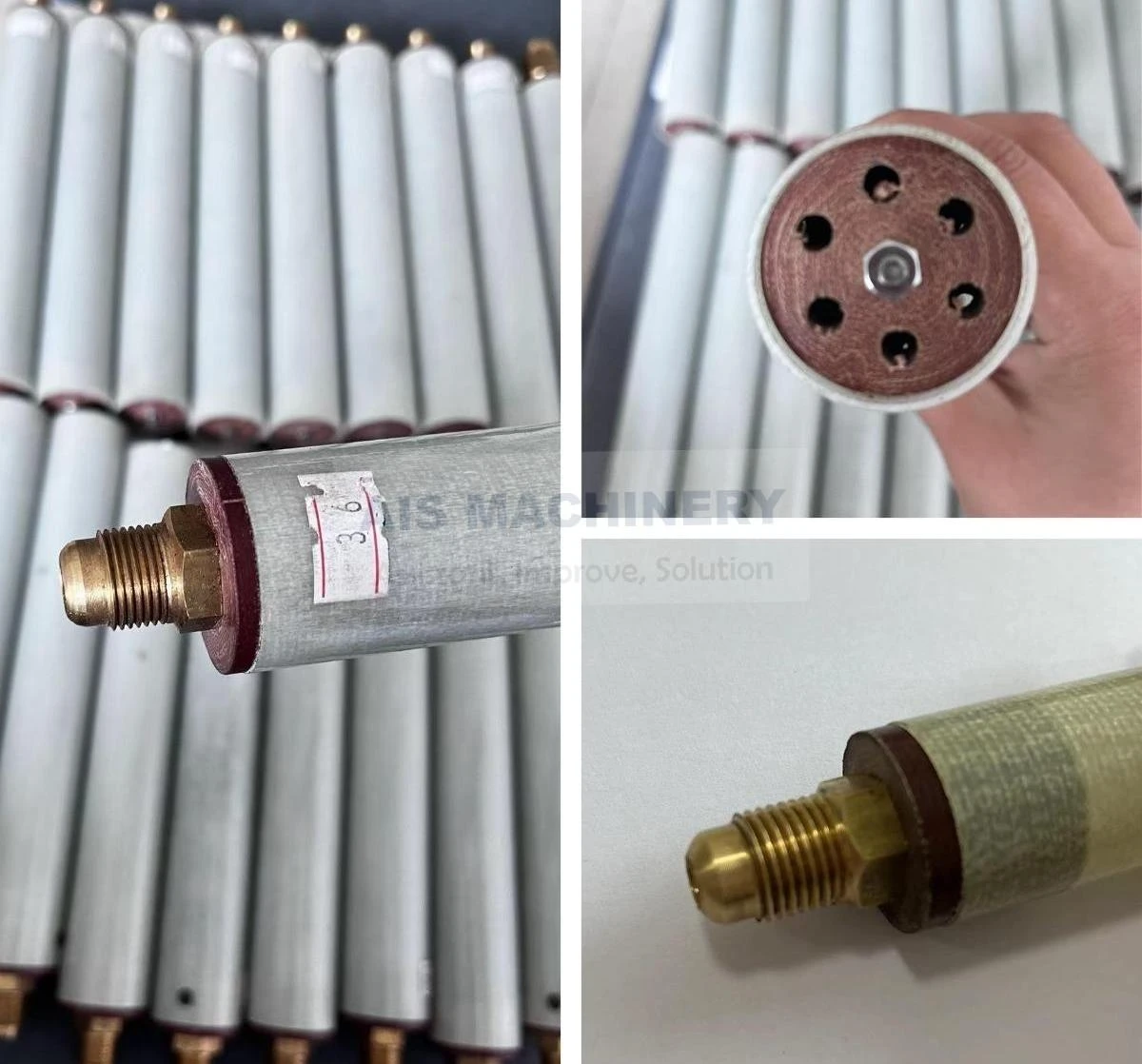
What is an Impeder and Ferrite Rods in ERW Tube Mill?
Struggling with impeder overheating or short service life in your ERW tube mill? This guide explains common impeder problems, the role of ferrite rods, and how to choose the right impeder for stable welding performance. Improve weld quality, reduce energy loss, and extend equipment lifespan with the right selection and proper cooling solutions.
2026-04-21 10:22:25
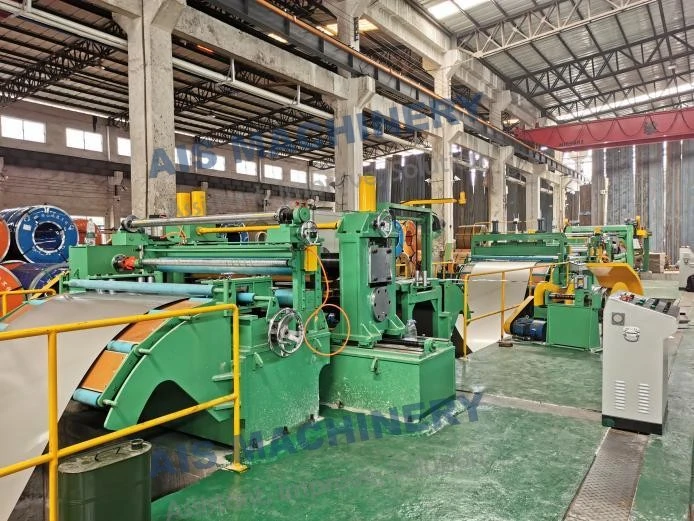
Slitting & Cut-to-Length Combined Production Line: A Smarter Way to Process Steel Coils
Discover the Slitting & Cut-to-Length Combined Production Line, a flexible solution for steel coil processing. This system integrates slitting line and cut-to-length line functions in one machine, saving space, reducing costs, and improving efficiency. Ideal for processing both steel strips and sheets, it is widely used in service centers and manufacturing industries. Learn its advantages, limitations, and applications.
2026-04-18 03:20:20
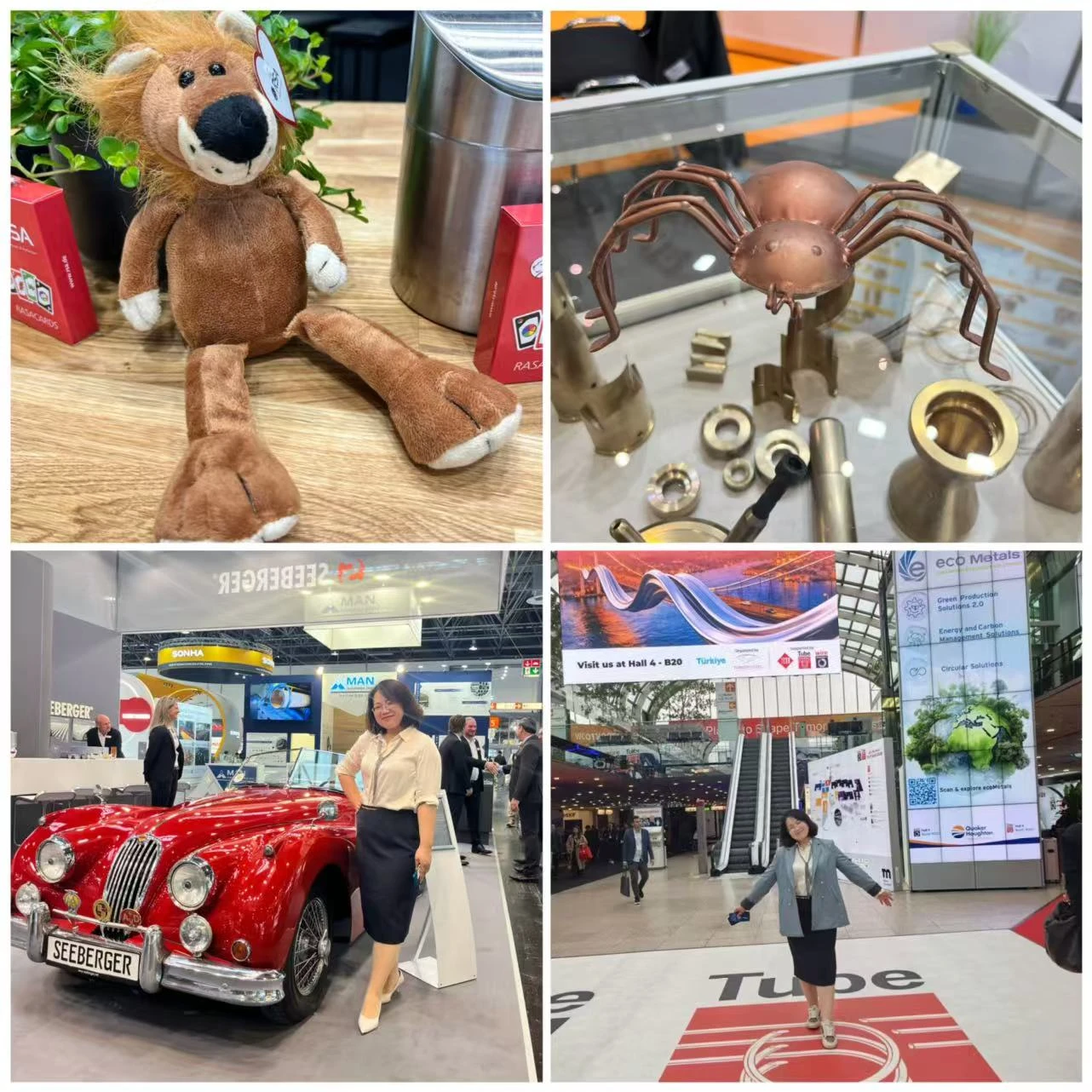
AIS Machinery Showcases Advanced Tube Solutions at Tube & Wire Düsseldorf 2026
Tube & Wire Düsseldorf 2026, one of the most influential exhibitions in the global tube and wire industry, held biennially in Düsseldorf, Germany
2026-04-17 00:00:00
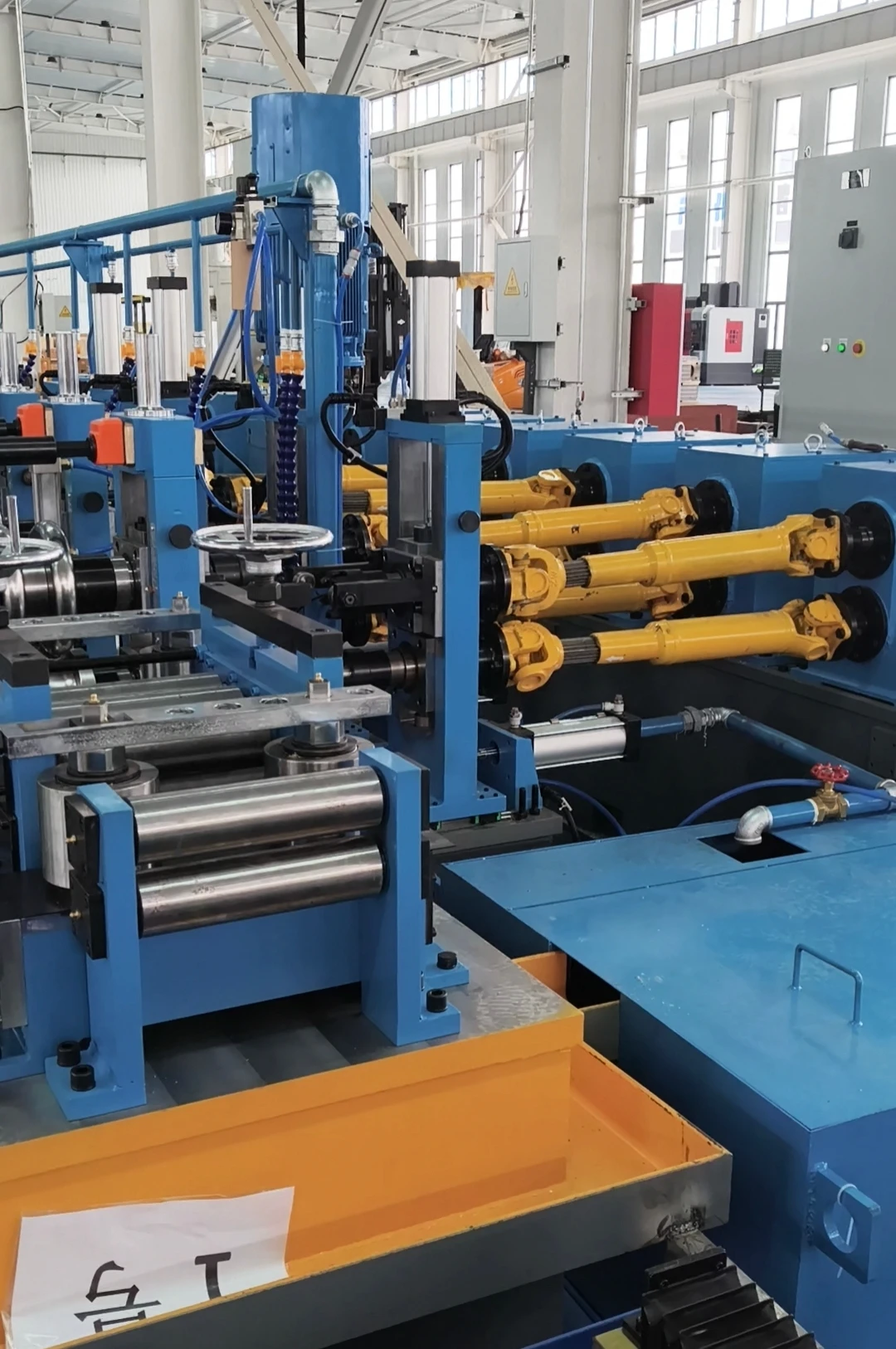
Southeast Asia Client Visits Our Factory | Customized Tube Mill Solution Delivered
A Southeast Asia client visited our ERW tube mill factory to inspect production lines and discuss a customized tube mill solution. Impressed by our machine quality, welding performance, and engineering support, the client confirmed strong cooperation intentions. Discover how our ERW tube mill solutions improve efficiency, precision, and long-term production reliability.
2026-04-15 10:37:55
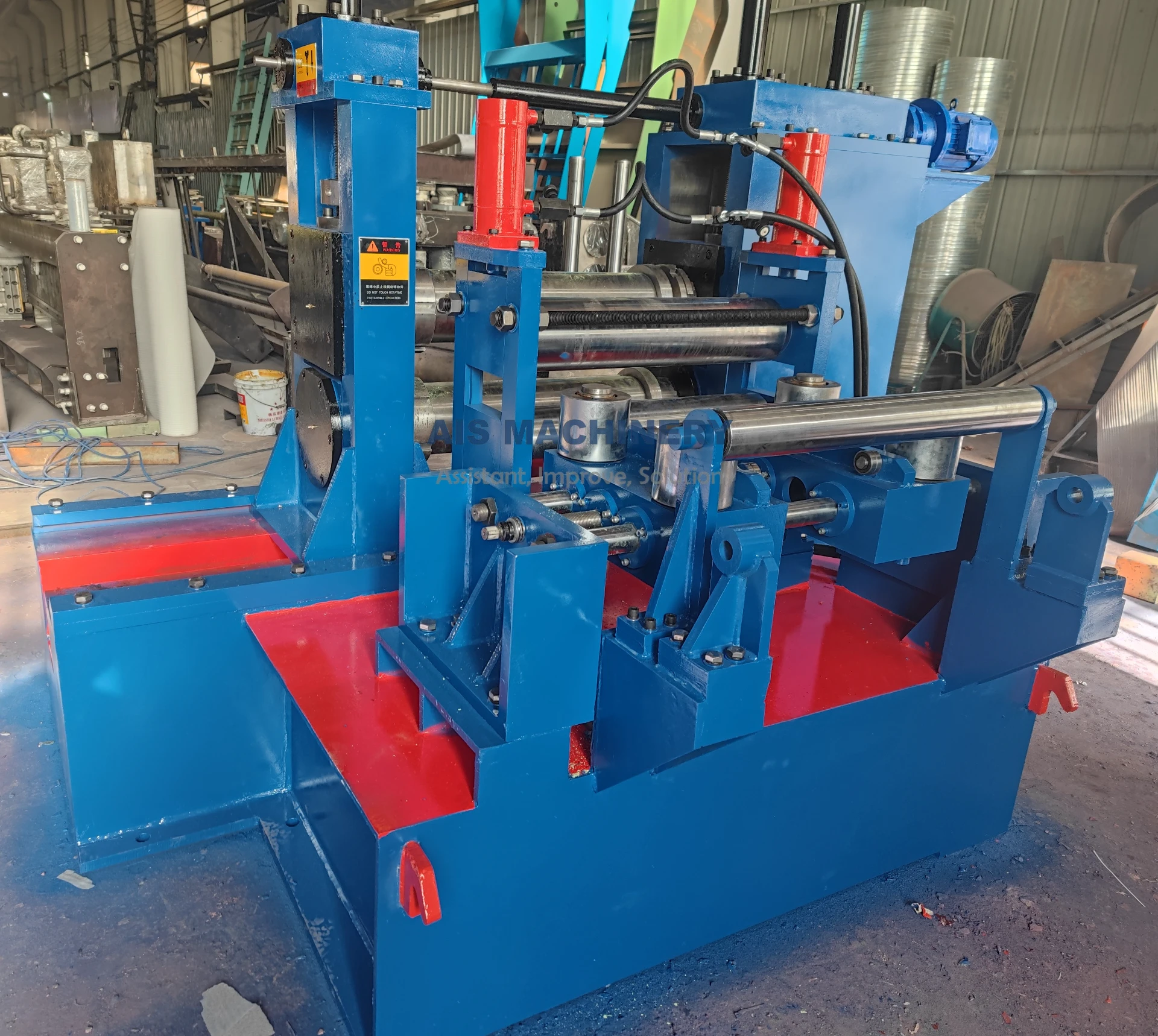
Flat Bar Production Line for Steel Coils: How It Works & Why It Matters
Looking for a flat bar production line? Learn how it turns steel coils into ready-to-use flat bars with precise length and high straightness. Compare it with slitting lines and get the best solution for your steel processing needs.
2026-04-14 00:00:00
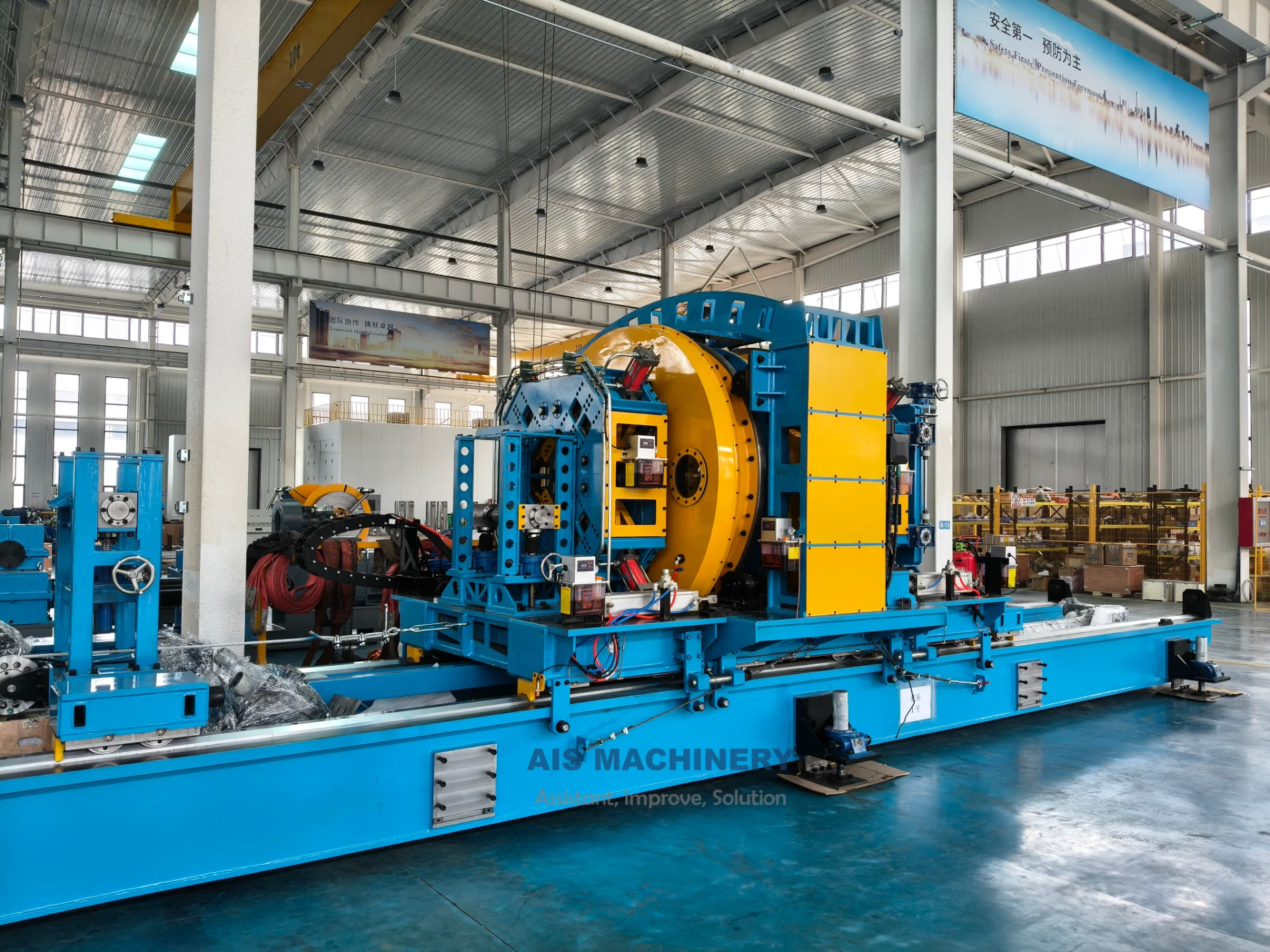
Looking for a Milling Saw for ERW Tube Mill? Here’s What You Need to Know
Looking for a high-performance milling saw for your ERW tube mill? Upgrade to burr-free, high-precision pipe cutting with advanced flying saw technology. Improve efficiency, reduce rework, and meet export standards for carbon steel, stainless steel, and API pipes. Contact us today for expert solutions and competitive pricing tailored to your production needs.
2026-04-09 16:15:19
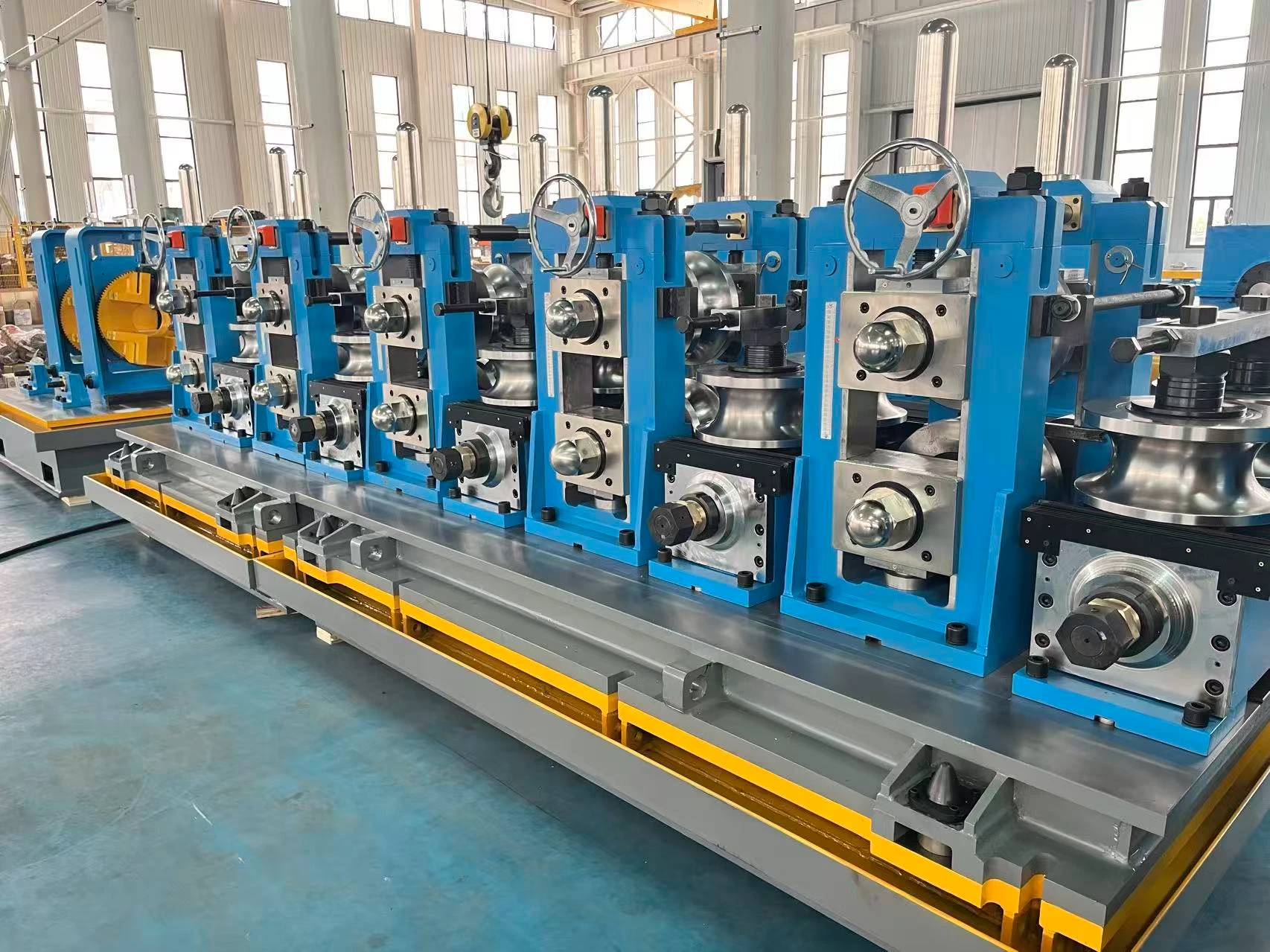
5-Inch (127mm) ERW Tube Making Machine Delivered with Heavy-Duty Design and Advanced Quick Change System
Send a Message
Dear customer, thank you for your attention! We provide high-quality machinery and equipment and look forward to your orders. Please inform us of your needs and we will respond quickly!
 English
  Albanian
  Arabic
  French
  German
  Indonesian
  Italian
  Japanese
  Kazakh
  Korean
  Latin
Latin  Macedonian
  Portuguese
  Russian
  Spanish
  Thai
Thai  Turkish
  Ukrainian
  Uzbek
Uzbek