
-
 Tel:86-15176910262
-

Search

Magnetic Rods for Industrial Purity & Safety – Durable, Reliable Solutions
Nov . 30, 2025 12:05
Magnetic Rods: Tiny Yet Mighty Tools in Modern Industry
Magnetic rods might not grab headlines daily like AI or electric vehicles do, but their quiet, magnetic pull powers some of the most critical industrial and humanitarian operations worldwide. In essence, a magnetic rod is a slim cylindrical magnet often encased in stainless steel, designed to collect ferrous contaminants in liquids or bulk materials. This simple component ensures purity in manufacturing processes, protects equipment from costly damage, and contributes significantly to industries ranging from food production to water treatment.
Why should we care globally? Well, as global manufacturing scales up, often in regions with less stringent contamination controls, magnetic rods play a stealth role in safeguarding millions of consumers and countless machines. Understanding their benefits means appreciating a tool that's not just functional but vital to safety, sustainability, and operational efficiency.
The Global Context: Why Magnetic Rods Matter More Than Ever
Worldwide industrial output has surged to an estimated $90 trillion in 2023 (World Bank), with raw material purity a persistent challenge. Contamination from metal shards or particles can halt production lines, contaminate food supplies, or lead to catastrophic equipment failures. ISO’s recently published guidelines on material integrity emphasize the use of magnetic separation as a frontline defense.
In this context, the humble magnetic rod emerges as a low-cost but highly effective solution for tackling micro-contaminants. For instance, in developing regions where automated filtration systems remain prohibitively expensive, magnetic rods provide a practical intervention, preventing metal buildup in pipelines and processing equipment. Industrial downtime due to contaminants can cost manufacturers up to 5% of their annual production output, so the stakes are high.
Mini takeaway: In an increasingly industrialized and interconnected economy, magnetic rods form the frontline defense against costly contamination, contributing directly to global operational resilience.
What Exactly Is a Magnetic Rod?
Put simply, a magnetic rod is a permanent magnet sealed within a stainless-steel tube. Its main job? To attract and gather tiny iron and steel particles suspended in liquids or flowing materials. Because contaminants like these sneak in during raw material handling or machine wear, magnetic rods act like invisible guardians — quietly sticking to the metal particles before they cause trouble.
They're commonly installed inside pipes, tanks, or hoppers, where liquids like water, chemicals, or even chocolate flow by — yes, even in food production! By doing so, magnetic rods help ensure purity, protect pumps and valves, and reduce expensive maintenance. Humanitarian efforts also benefit, as these rods help purify water in remote or disaster-stricken areas, reliably filtering metallic debris that would otherwise hamper water safety.
Core Components and Key Factors of Magnetic Rods
1. Durability
Most magnetic rods are housed in stainless steel, giving them corrosion resistance and the ability to withstand harsh chemical environments. In food or pharmaceutical industries, where hygiene matters, rods are often polished and sealed to prevent bacterial growth.
2. Magnet Strength
NdFeB (neodymium) magnets are most common for their powerful pull relative to size. The strength is crucial because it dictates how effectively the rod can trap microscopic iron particles.
3. Customization and Size
Magnetic rods range in length from a few centimeters to over a meter and come with different diameters. Some vendors offer modular designs for easy replacement or cleaning, a godsend for any maintenance crew.
4. Installation Flexibility
Whether fitted horizontally or vertically, rods adapt to pipelines, tanks, filters, or even conveyor belts. Their simple installation means minimal downtime—a huge plus in continuous production environments.
5. Cost Efficiency
Beyond manufacturing, their low maintenance costs and long service life make magnetic rods a wise investment for companies, especially in industries like mining or water treatment where metal contamination is routine.
Mini takeaway: Combining robust material construction with strong, reliable magnets and adaptable sizes, magnetic rods are designed to perform efficiently under a wide range of industrial conditions.
How Are Magnetic Rods Used Across the Globe?
Magnetic rods find diverse applications worldwide, often tailored to local industry demands:
- Food & Beverage Production: Ensuring that grains, syrups, and powders are free from ferrous debris before packaging.
- Water Treatment Plants: Removing microscopic steel contaminants to protect valves and improve water quality in both urban and rural setups.
- Mining and Minerals Processing: Magnetic rods help separate metallic waste from ores, preventing crusher damage and contamination.
- Pharmaceutical Industry: Assuring product purity by catching metallic contaminants in fluid suspensions.
- Disaster Relief & Remote Areas: Reliable water purification aid by trapping ferrous particles when advanced filtration is unavailable.
In fact, NGOs working in Southeast Asia have reported enhanced water safety after installing magnetic rods at local purification stations, cutting equipment repairs by nearly 40%. This real-world impact is why industry pros often call magnetic rods “unsung heroes” in maintenance and safety.
The Clear Advantages and Enduring Value of Magnetic Rods
So, what’s the actual value proposition here? On paper, magnetic rods offer:
- Cost Savings: Reduced machine downtime and lower maintenance expenses.
- Sustainability: Minimized waste and extended equipment life reduces ecological footprint.
- Product Purity and Safety: Critical in food and pharma sectors for consumer protection.
- Reliability: Passive and energy-free operation requiring minimal oversight.
Beyond numbers, there’s a human angle too. Protecting machinery and ensuring product safety means safeguarding jobs, consumer health, and industrial trustworthiness. Many engineers I’ve spoken to find a lot of satisfaction in promoting such “quiet” yet impactful technology.
Product Specifications: A Typical Magnetic Rod
| Specification | Details |
|---|---|
| Length | 100–600 mm (customizable) |
| Diameter | 12 mm standard, up to 25 mm available |
| Magnet Type | Neodymium (NdFeB), N42 to N52 grade |
| Housing Material | 304 Stainless Steel (food grade) |
| Temperature Range | -20°C to 80°C |
| Installation | Horizontal or vertical pipeline mounting |
Vendor Comparison: What to Look For When Buying Magnetic Rods
| Feature | MagnetPro Inc. | PureMag Solutions | SteelGuard Co. |
|---|---|---|---|
| Magnet Grade | N50 | N42 | N48 |
| Housing Material | 316 Stainless Steel | 304 Stainless Steel | Carbon Steel with coating |
| Special Features | Modular design, easy cleaning | Food-grade certification | High-temp resistant |
| Price Range | $$$ | $$ | $ |
| Lead Time | 1-2 weeks | 3-4 weeks | 1 week |
Emerging Trends and Innovations in Magnetic Rod Technology
Roughly speaking, magnetic rod design is quiet but does buzz with innovation. For instance, some companies are exploring coatings that resist biofilm buildup, a game-changer for hygienic installations. Others combine magnetic rods with IoT sensors that alert managers when cleaning is needed — a neat bridge between traditional tech and digital transformation.
Also, advancements in eco-friendly magnet production reduce rare earth metal waste, supporting circular economy goals. Lightweight composite housings equipped with stronger neodymium magnets hint at future portability and wider uses, especially in remote mobile water-treatment units powered by solar energy.
Challenges and How Industry Pros Are Tackling Them
Despite their strengths, magnetic rods have limits. They only capture ferrous (iron-based) materials—non-ferrous debris slips by unnoticed. Also, rods require regular cleaning to maintain efficiency, which can be overlooked during busy production shifts.
Thankfully, engineering teams are devising modular rods with easy-release housings and self-cleaning magnetic assemblies. By integrating IoT monitoring, operators can receive maintenance reminders, cutting human error. Using magnetic rods alongside other filtration methods offers a more robust contamination control strategy, emphasizing the need for a layered defense rather than one-stop solutions.
FAQs: What People Commonly Ask About Magnetic Rods
- Q: How often should magnetic rods be cleaned during operation?
- A: Cleaning frequency depends on contamination level, but generally, rods should be inspected and cleaned weekly or monthly. Real-time monitoring systems can help schedule cleaning before efficiency drops.
- Q: Can magnetic rods be used in food production safely?
- A: Absolutely. When housed in food-grade stainless steel and properly sealed, magnetic rods meet hygiene standards and are widely used in food and beverage processing lines.
- Q: What's the typical lifespan of a magnetic rod?
- A: With proper maintenance, magnetic rods can last several years. The magnet strength slowly degrades over a decade, but the stainless steel housing often outlasts it, so replacement is usually magnet-focused.
- Q: Are there alternatives to magnetic rods for metal contamination?
- A: Yes, metal detectors and mesh filters can serve as supplements or alternatives, but magnetic rods are often preferred for their low-cost, simplicity, and energy-free operation.
Wrapping Up: Why Magnetic Rods Deserve Your Attention
In real terms, magnetic rods might seem unassuming, but their contribution to industrial purity, equipment safety, and even humanitarian efforts is impressive. They combine simplicity with reliability — a rare combo in complex industries. As companies face intensified demand for quality and sustainability, magnetic rods remain a practical, proven choice.
Want to explore magnetic rod options that fit your operational needs? Visit our website: magnetic rod portal for detailed product info, custom specs, and expert advice. You might just find the magnetic solution your process has been silently waiting for.
References

Related Products

Related News
2026-04-28 08:56:05
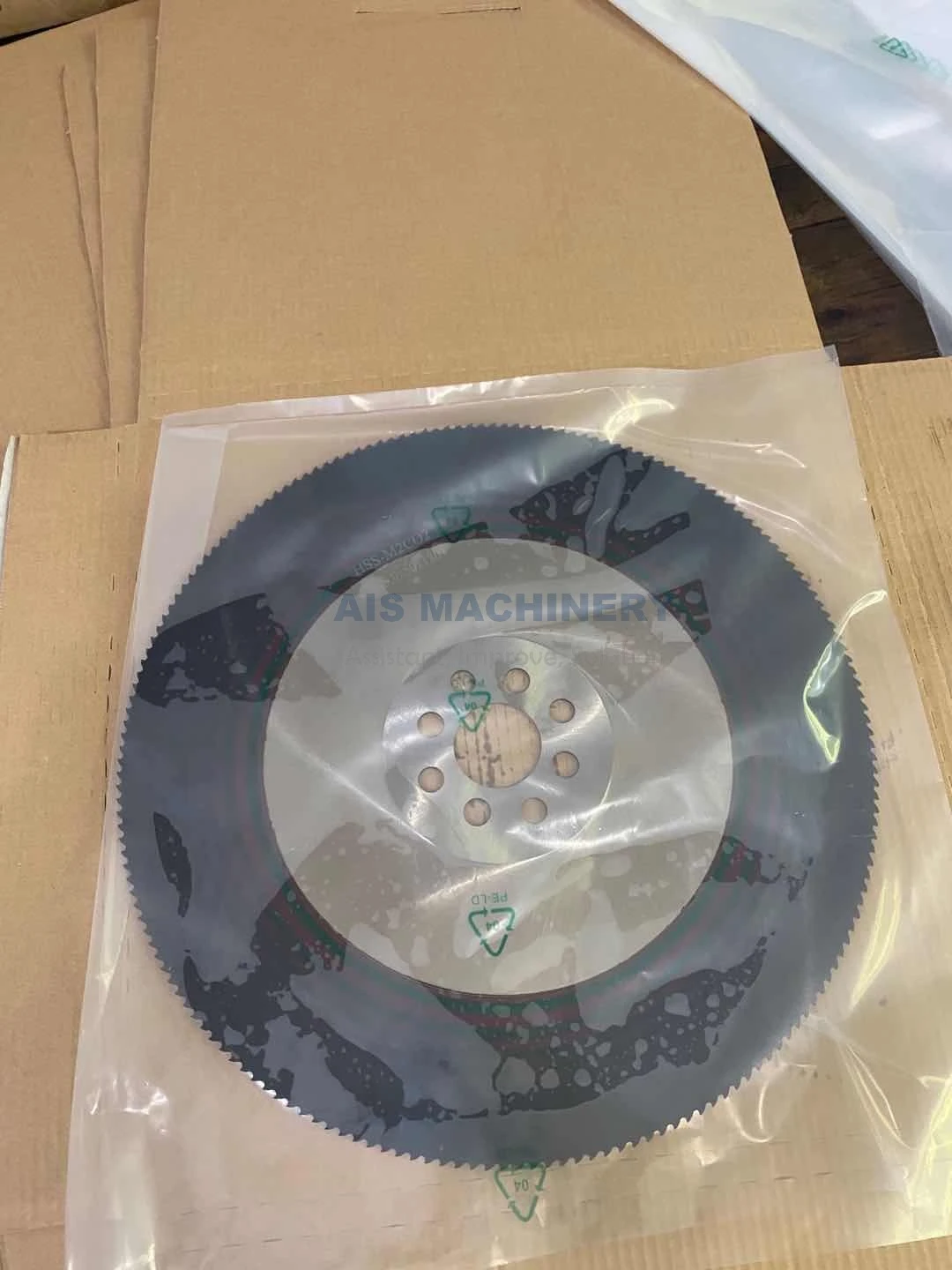
Saw Blade Guide for Tube Mills: Friction vs HSS vs TCT — Which One Should You Choose?
Confused about friction saw, HSS, and TCT blades? This guide explains their uses in cold saw and friction saw machines, with pros, cons, and expert selection tips.
2026-04-24 08:54:16
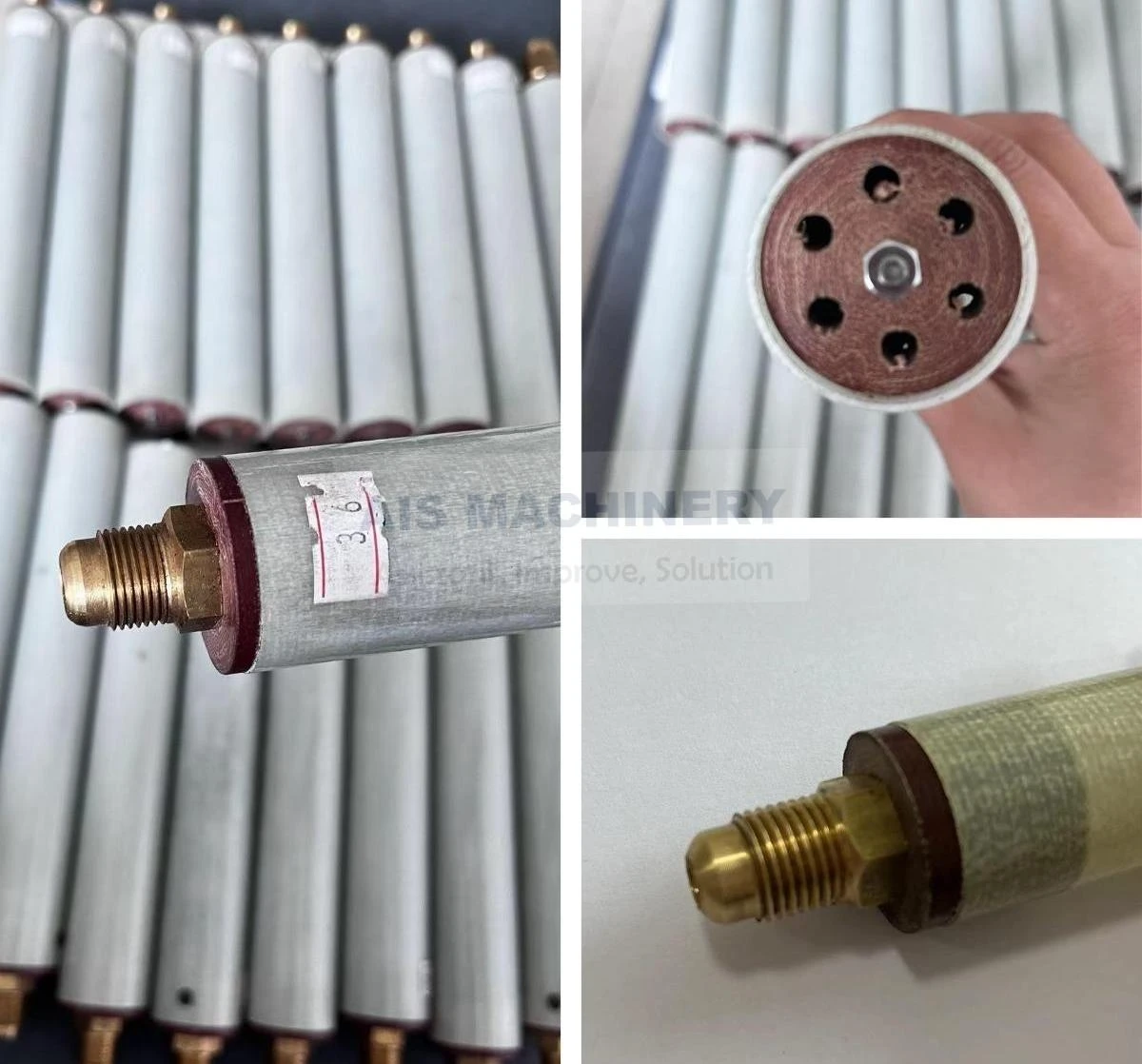
What is an Impeder and Ferrite Rods in ERW Tube Mill?
Struggling with impeder overheating or short service life in your ERW tube mill? This guide explains common impeder problems, the role of ferrite rods, and how to choose the right impeder for stable welding performance. Improve weld quality, reduce energy loss, and extend equipment lifespan with the right selection and proper cooling solutions.
2026-04-21 10:22:25
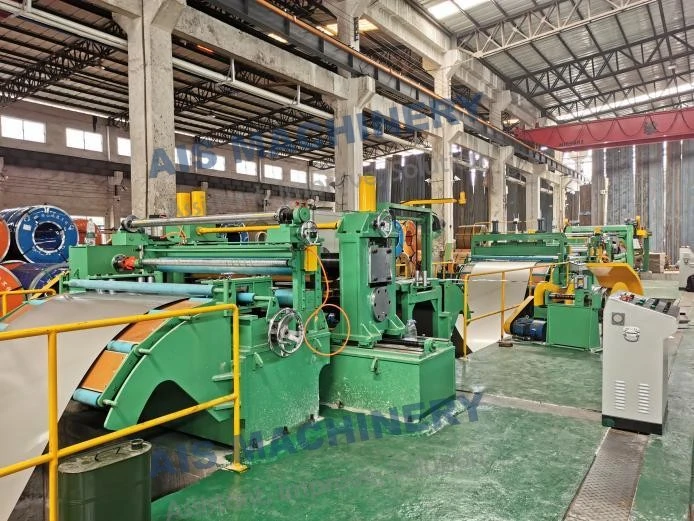
Slitting & Cut-to-Length Combined Production Line: A Smarter Way to Process Steel Coils
Discover the Slitting & Cut-to-Length Combined Production Line, a flexible solution for steel coil processing. This system integrates slitting line and cut-to-length line functions in one machine, saving space, reducing costs, and improving efficiency. Ideal for processing both steel strips and sheets, it is widely used in service centers and manufacturing industries. Learn its advantages, limitations, and applications.
2026-04-18 03:20:20
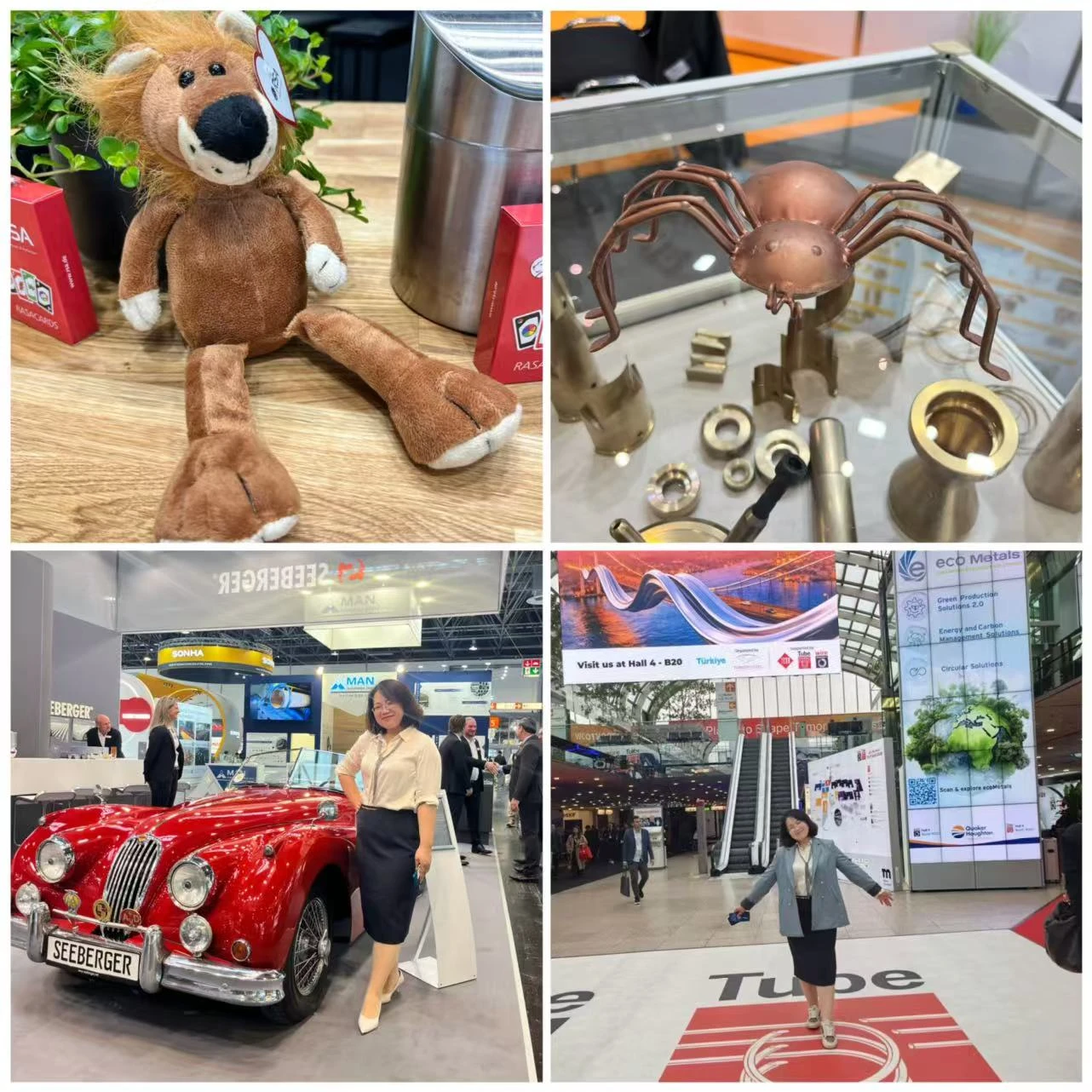
AIS Machinery Showcases Advanced Tube Solutions at Tube & Wire Düsseldorf 2026
Tube & Wire Düsseldorf 2026, one of the most influential exhibitions in the global tube and wire industry, held biennially in Düsseldorf, Germany
2026-04-17 00:00:00
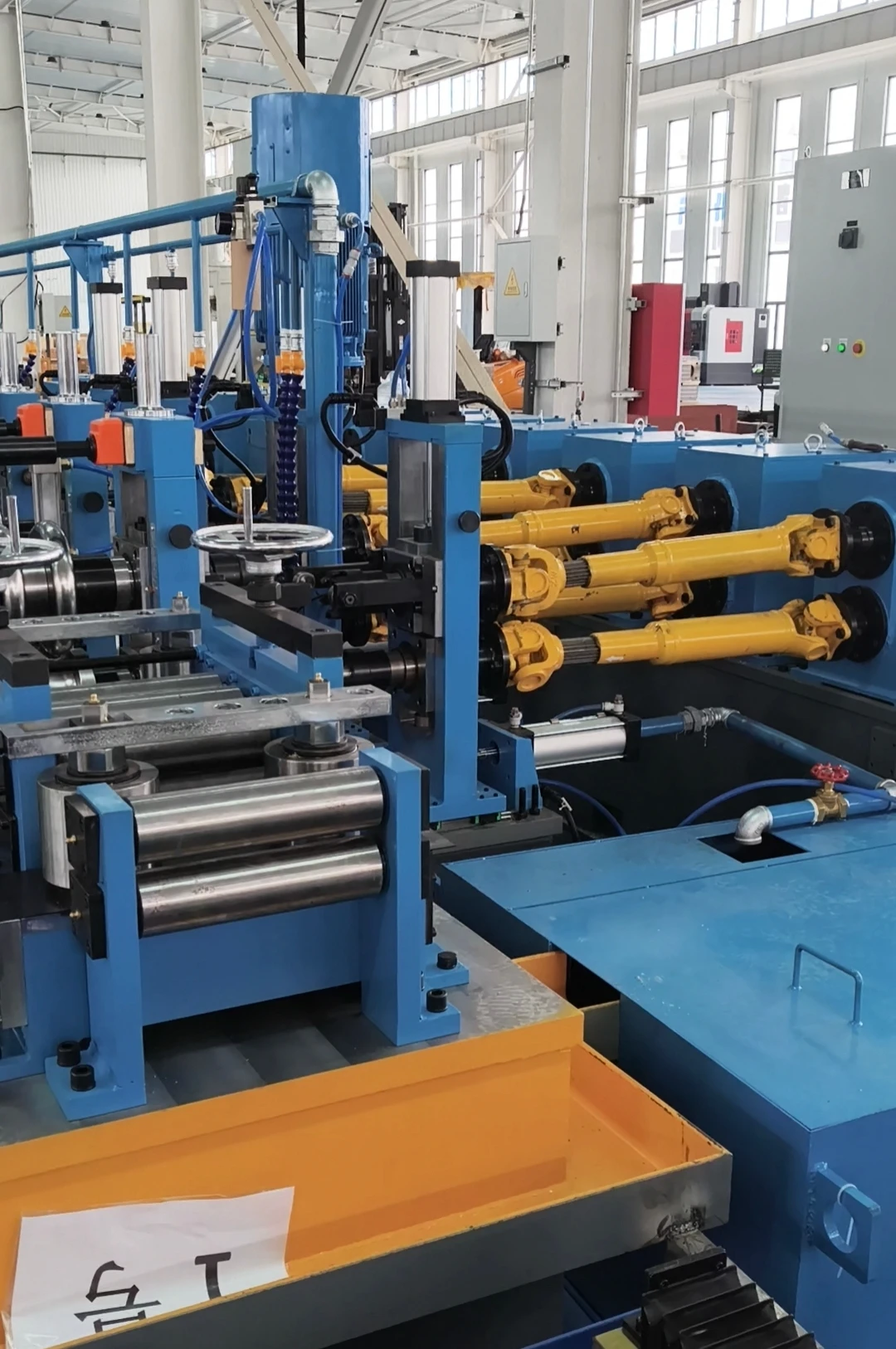
Southeast Asia Client Visits Our Factory | Customized Tube Mill Solution Delivered
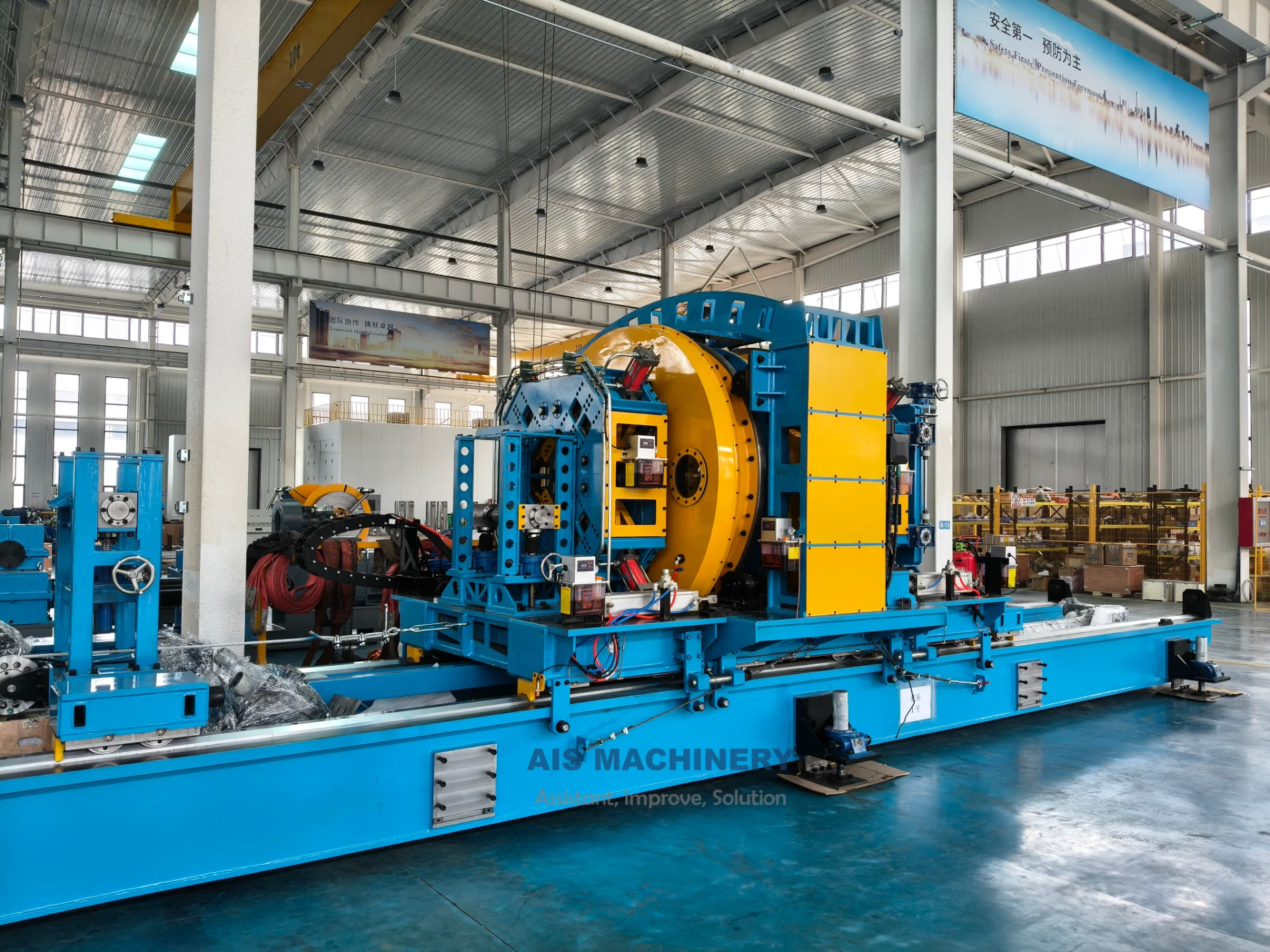
A Southeast Asia client visited our ERW tube mill factory to inspect production lines and discuss a customized tube mill solution. Impressed by our machine quality, welding performance, and engineering support, the client confirmed strong cooperation intentions. Discover how our ERW tube mill solutions improve efficiency, precision, and long-term production reliability.
2026-04-15 10:37:55
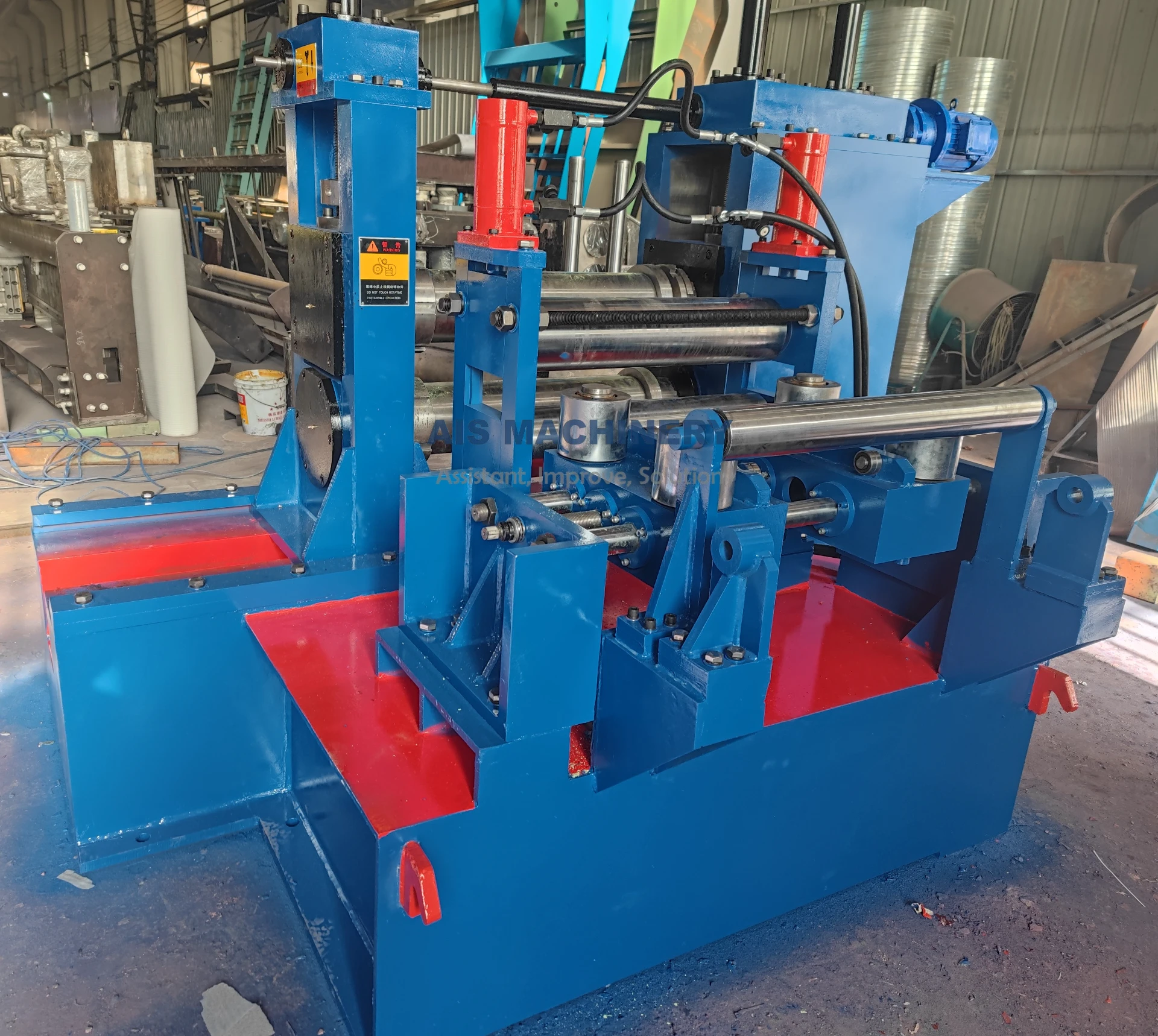
Flat Bar Production Line for Steel Coils: How It Works & Why It Matters
Looking for a flat bar production line? Learn how it turns steel coils into ready-to-use flat bars with precise length and high straightness. Compare it with slitting lines and get the best solution for your steel processing needs.
2026-04-14 00:00:00
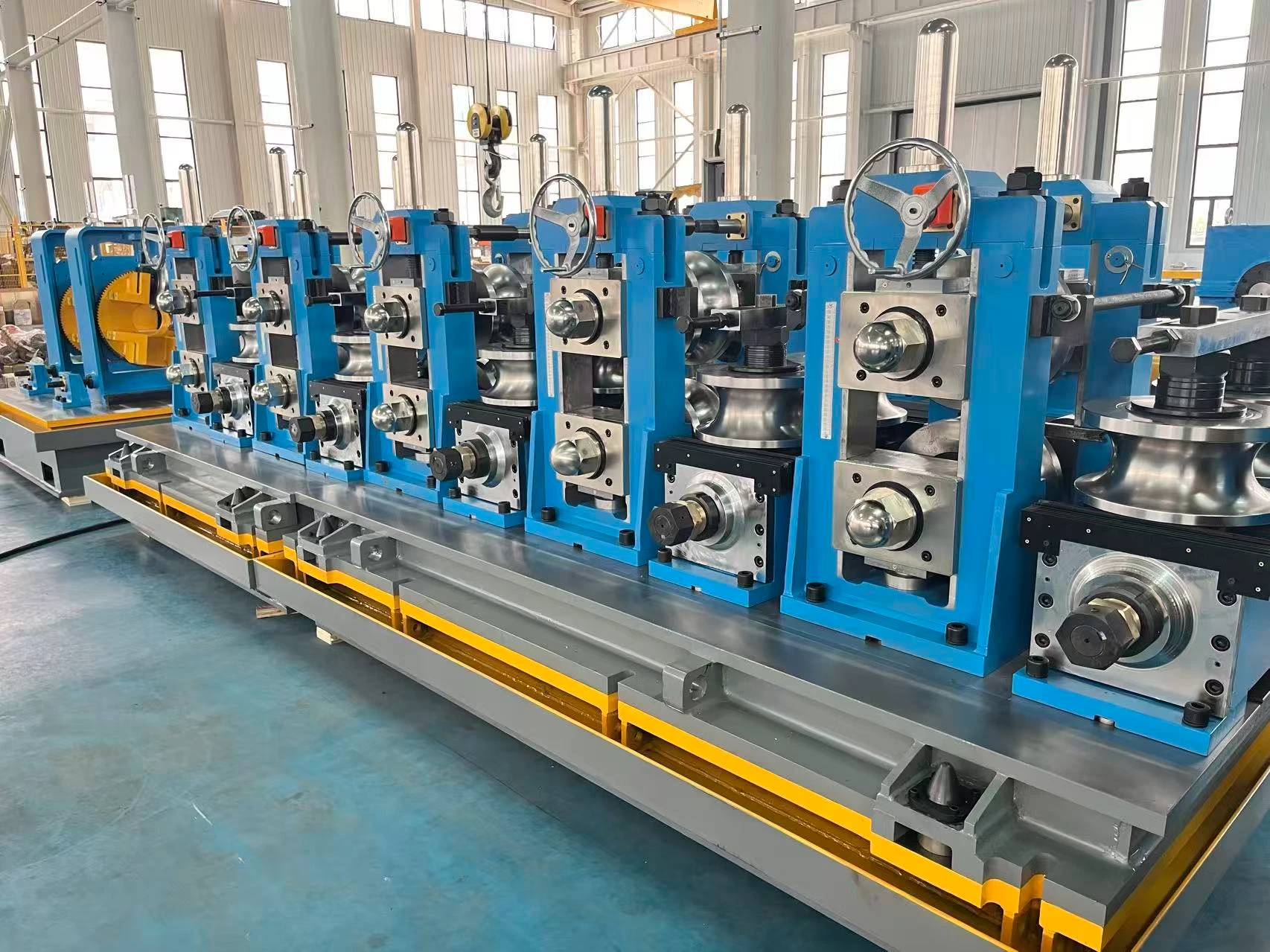
Looking for a Milling Saw for ERW Tube Mill? Here’s What You Need to Know
Looking for a high-performance milling saw for your ERW tube mill? Upgrade to burr-free, high-precision pipe cutting with advanced flying saw technology. Improve efficiency, reduce rework, and meet export standards for carbon steel, stainless steel, and API pipes. Contact us today for expert solutions and competitive pricing tailored to your production needs.
2026-04-09 16:15:19
5-Inch (127mm) ERW Tube Making Machine Delivered with Heavy-Duty Design and Advanced Quick Change System
Send a Message
Dear customer, thank you for your attention! We provide high-quality machinery and equipment and look forward to your orders. Please inform us of your needs and we will respond quickly!
 English
  Albanian
  Arabic
  French
  German
  Indonesian
  Italian
  Japanese
  Kazakh
  Korean
  Latin
Latin  Macedonian
  Portuguese
  Russian
  Spanish
  Thai
Thai  Turkish
  Ukrainian
  Uzbek
Uzbek