
-
 Tel:86-15176910262
-

Search

Fiberglass Tube: Durable, Lightweight Solutions for Global Infrastructure
Nov . 30, 2025 13:45
Understanding Fiberglass Tube: A Global Perspective on Durability and Innovation
Fiberglass tube—a seemingly simple product, yet one that echoes through a surprising range of industries worldwide. But why should anyone beyond engineers or procurement managers care? Well, fiberglass tubes represent a smart blend of strength, flexibility, and cost-effectiveness that addresses real challenges, from infrastructure longevity to environmentally friendly construction. If you’ve ever wondered how we build reliable pipelines in remote locations or craft lightweight structures resilient to harsh weather, understanding fiberglass tubes is a fine place to start.
Introduction: Why Fiberglass Tubes Matter Globally
Across continents, industries wrestle with the tough balance between durability and sustainability. The World Bank estimates infrastructure failure costs developing economies billions annually, underlining the urgent need for materials that last longer and resist corrosion. Enter fiberglass tubes—a solution growing globally by about 7% annually per ISO standards and market reports. They tackle corrosion problems, reduce maintenance costs, and boost safety. For industries ranging from water supply to telecommunications, these tubes help plug gaps in infrastructure, particularly where traditional steel or concrete fall short.
However, the challenge remains: How do we make these materials affordable and adaptable to varying climates and demands? That’s where the science behind fiberglass tubes shines.
What Exactly Is a Fiberglass Tube?
At its core, a fiberglass tube is a hollow cylindrical structure made from layers of glass fibers embedded in a resin matrix—typically polyester, vinyl ester, or epoxy. Think of it as a high-tech composite that swaps out heavy metals for glass fibers, which are incredibly strong but light. This mix results in tubes that don’t just resist rust and corrosion but are also easier to install and maintain.
Nowadays, these tubes find their way into modern industrial applications, like transporting corrosive chemicals or insulating cables, and even humanitarian efforts such as water pipelines in remote areas where transporting heavy materials is challenging.
Core Features of Fiberglass Tubes
Durability and Corrosion Resistance
Unlike steel or iron pipes, fiberglass tubes shrug off corrosive agents—be it saltwater, acids, or alkalines. This means longer service life and less frequent replacements in industries that literally face harsh environments daily.
Lightweight Yet Strong
It’s almost unexpected—something so light can be so tough. Fiberglass tubes offer excellent strength-to-weight ratio, enabling easier transportation and quicker installation without sacrificing structural integrity.
Cost Efficiency Over Time
While the initial investment might seem a bit higher than traditional materials, the reduced maintenance, longer service intervals, and minimized downtime translate into significant cost savings over the product’s lifespan.
Thermal and Electrical Insulation
For sectors like telecommunications and power transmission, fiberglass tubes double as insulators, safeguarding critical cables from environmental damage and electrical interference.
Design Flexibility and Scalability
Manufacturers can tailor fiberglass tubes to various diameters, lengths, and wall thicknesses, allowing design flexibility for custom projects—whether you’re lining up tubes for oil refinery lines or bespoke green-building designs.
Real-World Applications: Fiberglass Tubes in Action
Industries spanning continents put fiberglass tubes to work in remarkable ways:
- Water and Wastewater Management: In arid regions of the Middle East, fiberglass tubes form critical parts of irrigation and desalination plants, where corrosion resistance is paramount.
- Telecommunications: Across Eastern Europe, fiberglass tubes protect fiber optic cables, ensuring high-speed internet delivery even in harsh winters.
- Oil & Gas: In the Gulf Coast, fiberglass tubes handle chemical transport lines with corrosive fluids, extending pipeline life and preventing costly leaks.
- Disaster Relief & Remote Infrastructure: NGOs in Southeast Asia use lightweight fiberglass tubes to quickly set up temporary water lines post-flooding, because transporting steel pipes is simply impractical.
Knowing these tubes aren't just industrial—they impact lives—makes their utility even more tangible.
Mini Takeaway
Fiberglass tubes quietly solve some tough global infrastructure problems by being lightweight, versatile, and long-lasting. I find that kind of simple elegance in technology pretty satisfying.
Advantages & Long-Term Value of Fiberglass Tubes
Choosing fiberglass tubes isn’t merely a technical decision. It’s also an investment in sustainability, safety, and social impact.
- Eco-friendliness: These tubes often have lower carbon footprints compared to steel—plus, they resist corrosion, reducing waste from replacements.
- Safety & Reliability: Fiberglass tubes don’t rust or crack easily, which means fewer environmental hazards or failures that could endanger communities.
- Innovation Support: As industries push toward digitalization and smart infrastructure, fiberglass tubes adapt easily by integrating sensors or coatings.
- Cost Effectiveness: Although upfront costs can be higher, the sustainability and longevity payoff typically wins in the end.
Typical Fiberglass Tube Specifications
| Specification | Value/Range | Notes |
|---|---|---|
| Outer Diameter | 20 – 200 mm | Custom sizes available |
| Wall Thickness | 3 – 15 mm | Depends on load requirements |
| Tensile Strength | ≥ 500 MPa | Ensures robust performance |
| Thermal Resistance | -40°C to 120°C | Suitable for diverse climates |
| Weight | ~1/4 of steel equivalent | Facilitates easier installation |
Comparing Leading Fiberglass Tube Vendors
| Vendor | Global Reach | Specializations | Warranty | Custom Options |
|---|---|---|---|---|
| AISTubemill | Europe, Asia, Americas | Water systems, telecom conduits | 10 years | Extensive size/diameter range |
| Fiberglass Solutions Inc. | North America, Europe | Industrial pipelines | 8 years | Moderate customization |
| Global Composites | Worldwide (55+ countries) | Marine & infrastructure | 12 years | High-level customization |
Emerging Trends & Innovations in Fiberglass Tubes
Innovation rarely sleeps, especially not in materials science. We’re seeing smart coatings that inhibit biofilm buildup, keeping tubes cleaner for longer, particularly in water treatment facilities. Green energy projects increasingly lean on lightweight fiberglass tubes for wind turbine components and solar mounting structures.
Plus, combining fiberglass tubes with digital sensors for condition monitoring is becoming routine, allowing engineers to preempt failures before they happen—a kind of preventative medicine for infrastructure.
Challenges and How the Industry Is Responding
Let’s be frank: fiberglass tubes aren’t perfect. Some common grumbles include susceptibility to UV degradation if not properly coated, and occasionally brittle behavior under extreme impact conditions. Pricing can also be a concern for sectors operating on tight budgets.
Fortunately, the industry’s response is multitiered—new resin formulations fight UV wear, hybrid composites blend fiberglass with carbon fibers for strength and flexibility, and production methods adapt to reduce costs without compromising quality. Many engineers I’ve chatted with say these solutions are game-changers but still evolving.
FAQ: Common Questions About Fiberglass Tubes
Q1: How does fiberglass tube installation compare with traditional steel piping?
A1: Fiberglass tubes are lighter and often come in longer lengths, reducing joints and thus installation time. They also require less heavy equipment, which is a big plus in remote sites.
Q2: Can fiberglass tubes withstand high pressures in industrial applications?
A2: Yes, depending on diameter and wall thickness. They’re engineered to handle pressures comparable to steel in many cases, but always verify specifications against project needs.
Q3: Are fiberglass tubes recyclable or environmentally friendly?
A3: While recycling fiberglass composites is challenging, their long service life reduces waste generation. Advances in thermoplastic resins may improve recyclability soon.
Q4: What’s the typical lifespan of fiberglass tubes in water pipelines?
A4: Most manufacturers guarantee 25+ years, with many installations lasting decades longer if maintained properly.
Q5: How do I source customized fiberglass tubes internationally?
A5: Reach out to suppliers with proven global logistics, like fiberglass tube manufacturers who offer tailored support for international clients.
Conclusion: Why Fiberglass Tubes Deserve a Place in Your Next Project
It feels like fiberglass tubes are quietly reshaping many sectors—bringing us a step closer to infrastructure that’s not just durable but smarter and kinder to the planet. Whether you’re in water management, telecommunications, or industrial transport, these tubes offer a compelling blend of efficiency, adaptability, and long-term value.
Curious to explore how fiberglass tubes could elevate your project? Visit our website: AISTubemill and see the options that might just fit your needs perfectly.
Mini Takeaway
Fiberglass tubes might not steal headlines, but they embody the kind of thoughtful engineering that keeps our world moving—with less fuss and more resilience.
References & Further Reading

Related Products

Related News
2026-04-28 08:56:05
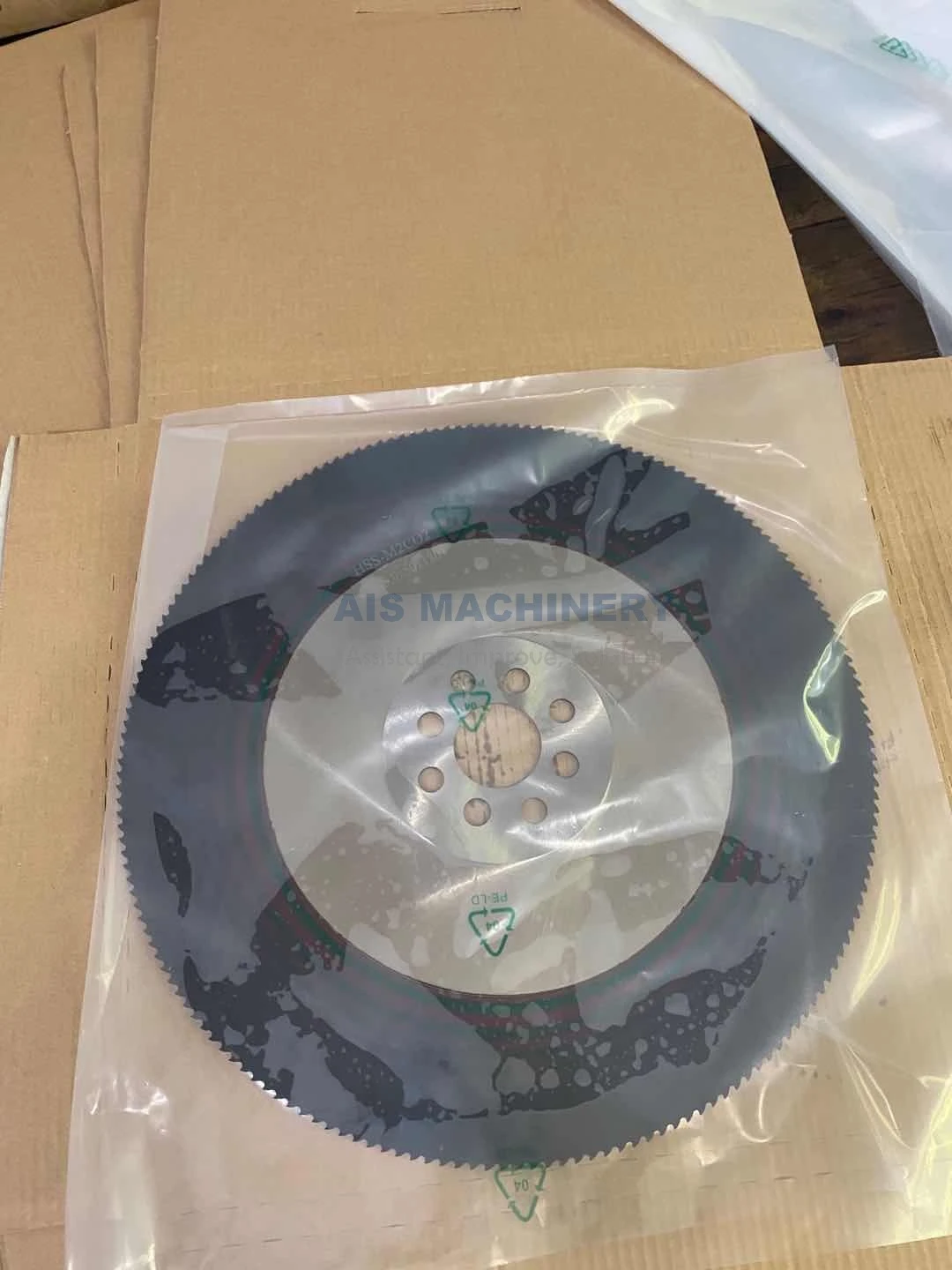
Saw Blade Guide for Tube Mills: Friction vs HSS vs TCT — Which One Should You Choose?
Confused about friction saw, HSS, and TCT blades? This guide explains their uses in cold saw and friction saw machines, with pros, cons, and expert selection tips.
2026-04-24 08:54:16
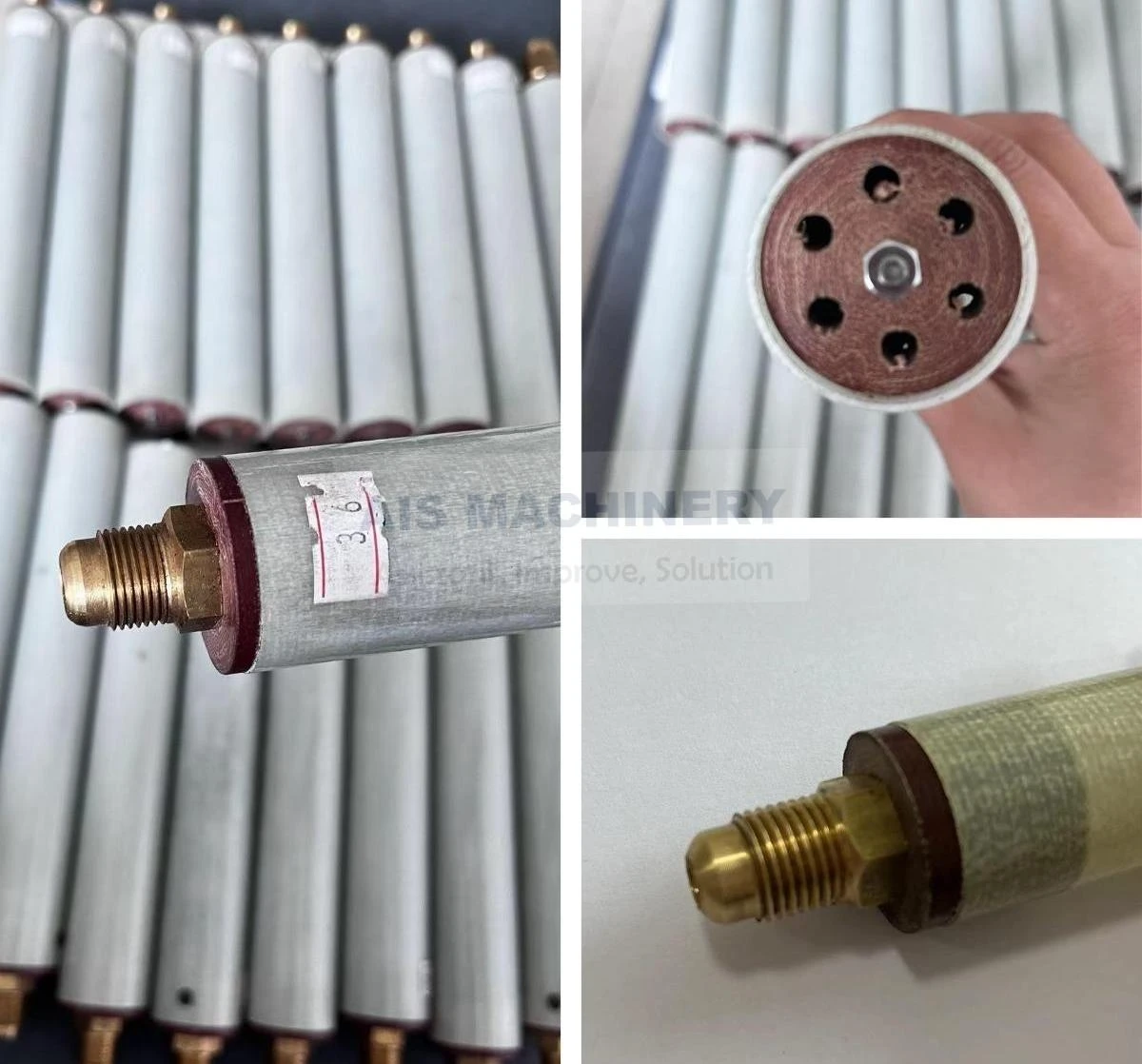
What is an Impeder and Ferrite Rods in ERW Tube Mill?
Struggling with impeder overheating or short service life in your ERW tube mill? This guide explains common impeder problems, the role of ferrite rods, and how to choose the right impeder for stable welding performance. Improve weld quality, reduce energy loss, and extend equipment lifespan with the right selection and proper cooling solutions.
2026-04-21 10:22:25
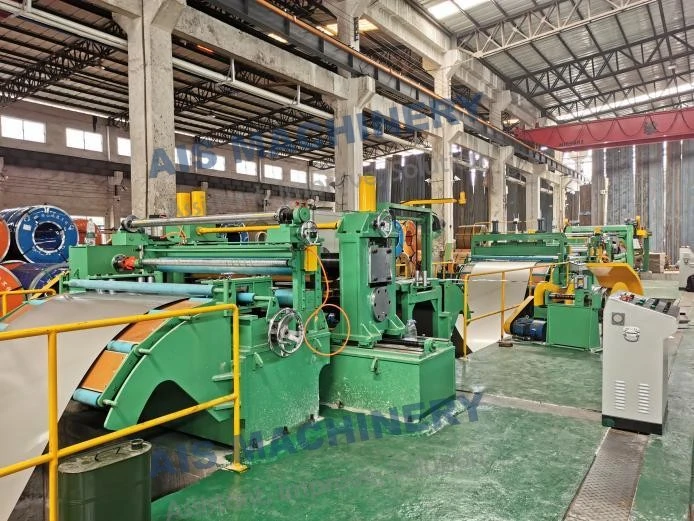
Slitting & Cut-to-Length Combined Production Line: A Smarter Way to Process Steel Coils
Discover the Slitting & Cut-to-Length Combined Production Line, a flexible solution for steel coil processing. This system integrates slitting line and cut-to-length line functions in one machine, saving space, reducing costs, and improving efficiency. Ideal for processing both steel strips and sheets, it is widely used in service centers and manufacturing industries. Learn its advantages, limitations, and applications.
2026-04-18 03:20:20
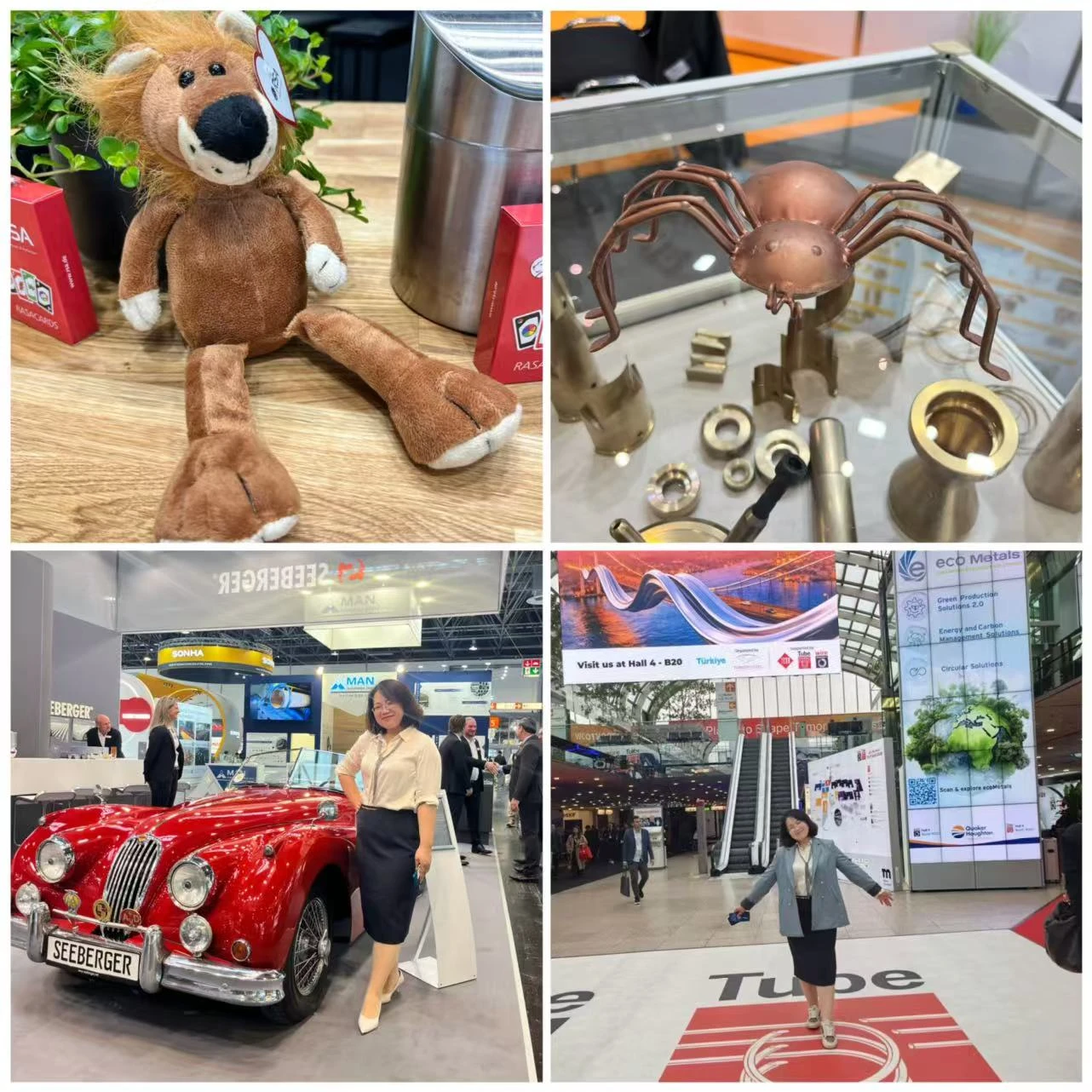
AIS Machinery Showcases Advanced Tube Solutions at Tube & Wire Düsseldorf 2026
Tube & Wire Düsseldorf 2026, one of the most influential exhibitions in the global tube and wire industry, held biennially in Düsseldorf, Germany
2026-04-17 00:00:00
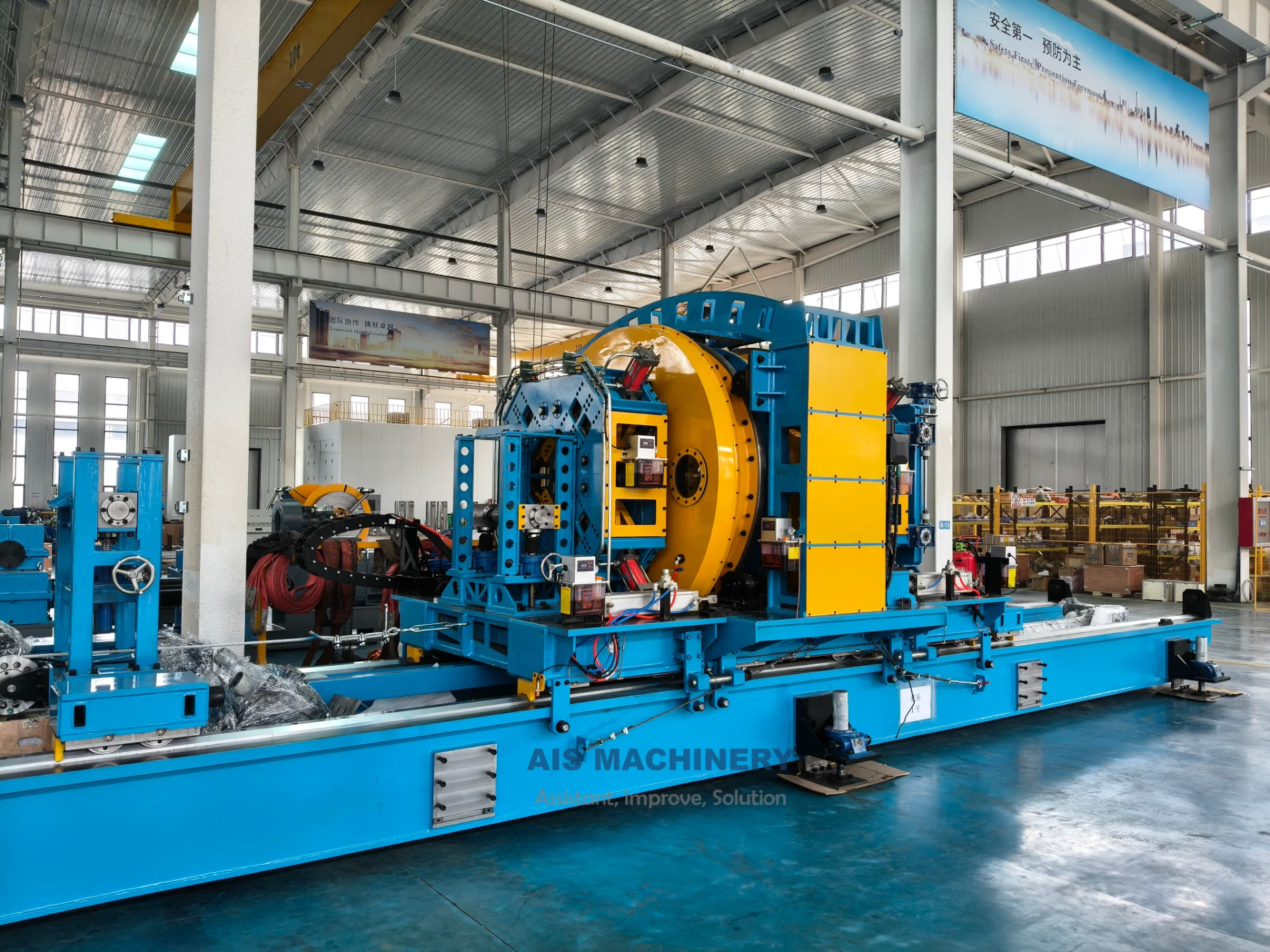
Southeast Asia Client Visits Our Factory | Customized Tube Mill Solution Delivered
A Southeast Asia client visited our ERW tube mill factory to inspect production lines and discuss a customized tube mill solution. Impressed by our machine quality, welding performance, and engineering support, the client confirmed strong cooperation intentions. Discover how our ERW tube mill solutions improve efficiency, precision, and long-term production reliability.
2026-04-15 10:37:55
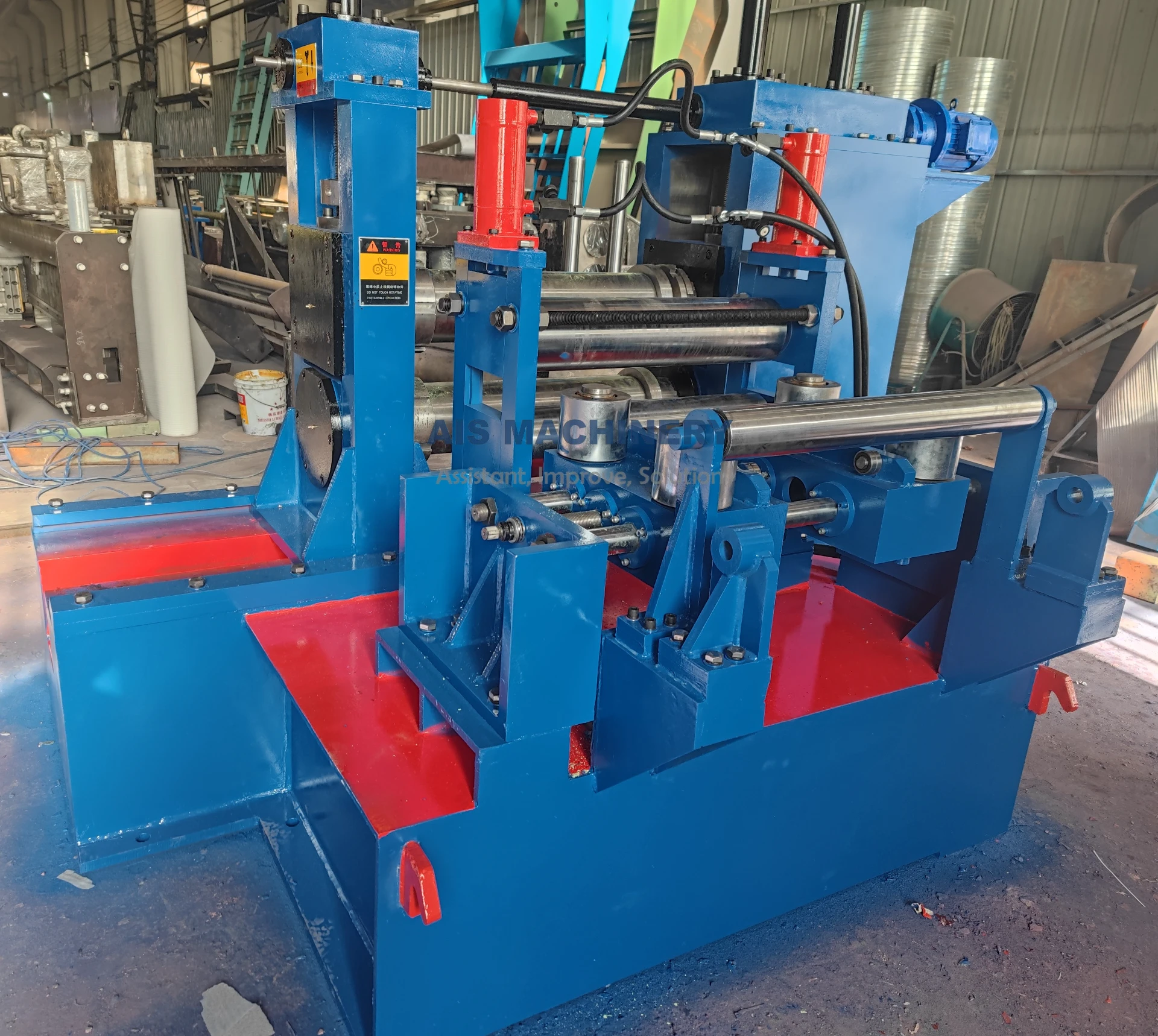
Flat Bar Production Line for Steel Coils: How It Works & Why It Matters
Looking for a flat bar production line? Learn how it turns steel coils into ready-to-use flat bars with precise length and high straightness. Compare it with slitting lines and get the best solution for your steel processing needs.
2026-04-14 00:00:00
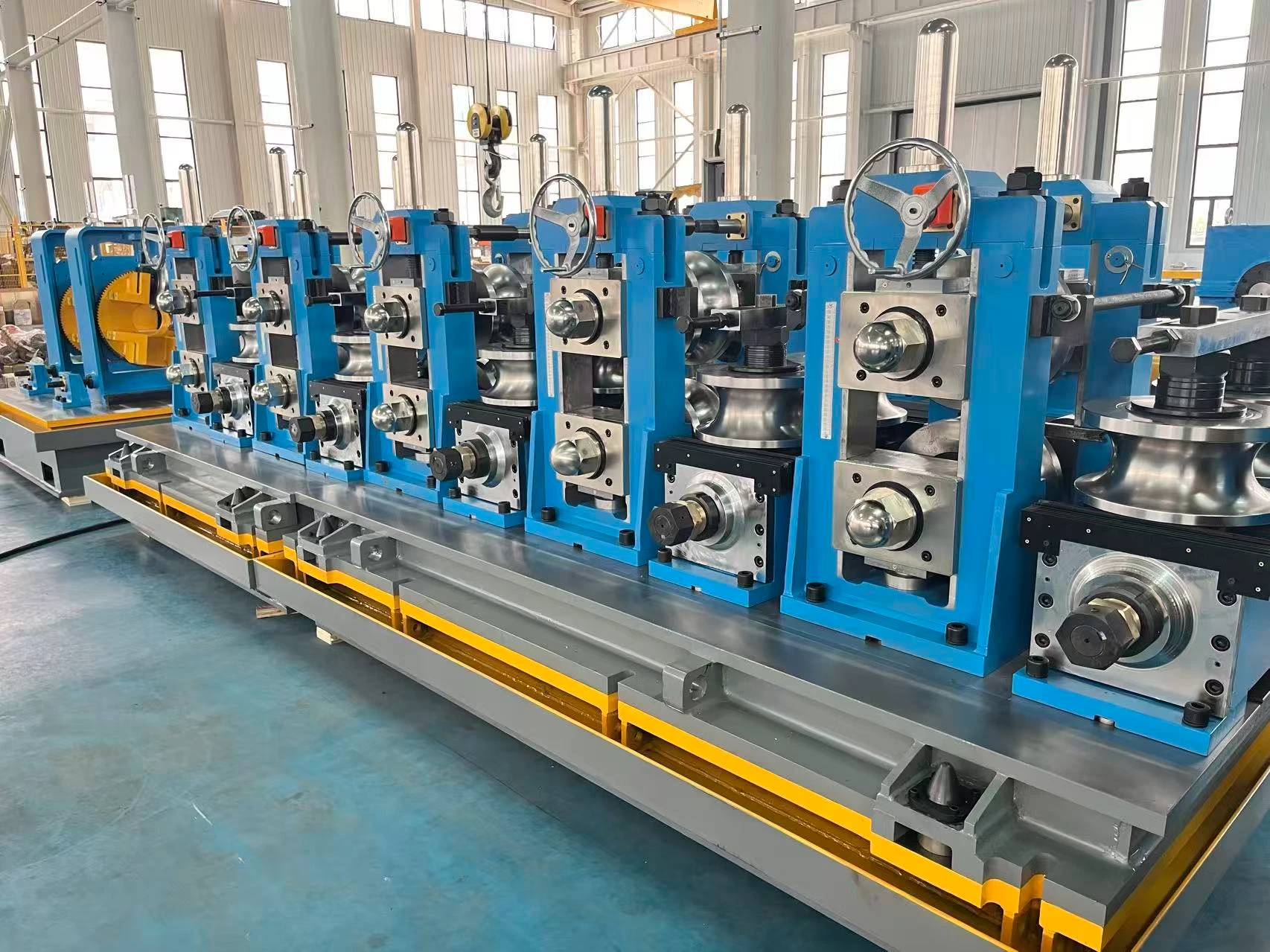
Looking for a Milling Saw for ERW Tube Mill? Here’s What You Need to Know
Looking for a high-performance milling saw for your ERW tube mill? Upgrade to burr-free, high-precision pipe cutting with advanced flying saw technology. Improve efficiency, reduce rework, and meet export standards for carbon steel, stainless steel, and API pipes. Contact us today for expert solutions and competitive pricing tailored to your production needs.
2026-04-09 16:15:19
5-Inch (127mm) ERW Tube Making Machine Delivered with Heavy-Duty Design and Advanced Quick Change System
Send a Message
Dear customer, thank you for your attention! We provide high-quality machinery and equipment and look forward to your orders. Please inform us of your needs and we will respond quickly!
 English
  Albanian
  Arabic
  French
  German
  Indonesian
  Italian
  Japanese
  Kazakh
  Korean
  Latin
Latin  Macedonian
  Portuguese
  Russian
  Spanish
  Thai
Thai  Turkish
  Ukrainian
  Uzbek
Uzbek