
-
 Tel:86-15176910262
-

Search
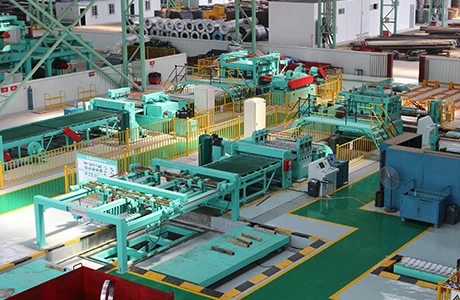
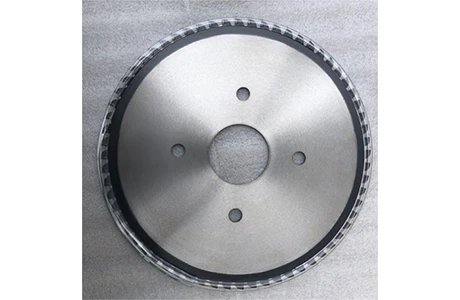

Heavy Duty Coil Car: Safe Steel Coil Transfer Solutions
Sep . 01, 2025 06:40
The Indispensable Role of Coil Cars in Modern Tube Milling Operations
In the demanding environment of modern steel processing and tube manufacturing, the efficient and safe handling of heavy steel coils is paramount. At the heart of this critical logistical challenge lies the coil car, a specialized piece of material handling equipment designed to transport massive coils from storage areas to uncoiling stations with precision and reliability. These robust machines are integral to enhancing operational throughput, minimizing manual labor, and significantly improving safety standards within tube mills, slitting lines, and other metal forming facilities. Specifically engineered for applications such as ERW (Electric Resistance Welded) tube mills, these systems ensure a seamless supply of raw material, thereby reducing downtime and optimizing production cycles. The strategic implementation of advanced coil transfer solutions directly impacts the efficiency and profitability of high-volume manufacturing environments, underscoring their vital contribution to the modern industrial landscape.
Industry Trends and the Evolution of Steel Coil Transfer Technology
The global steel industry is continually evolving, driven by demands for higher production speeds, greater automation, and enhanced safety protocols. This evolution directly influences the design and capabilities of auxiliary equipment like the coil car. Current trends emphasize fully automated systems that integrate seamlessly with plant-wide control architectures, employing advanced sensor technology for precise positioning and collision avoidance. The shift towards larger, heavier steel coils to achieve longer production runs necessitates more robust and higher-capacity transfer solutions. Furthermore, there is a growing focus on energy efficiency, with modern designs incorporating features such as regenerative braking and optimized motor-drive systems to reduce operational costs and environmental impact. The demand for steel coil transfer car units capable of handling a broader range of material types, including high-strength low-alloy (HSLA) steels and specialized alloys, also drives innovation in gripping mechanisms and structural integrity. These advancements ensure that coil handling remains a bottleneck-free process, essential for maintaining competitive edge in industries ranging from automotive to construction and energy infrastructure.
Technical Specifications and Manufacturing Process Flow
The design and construction of a coil car are critical to its performance and longevity in strenuous industrial environments. These machines are engineered to precise technical specifications, ensuring stability, durability, and operational accuracy. Key design parameters include lifting capacity, travel speed, lift height, and coil diameter range. Materials selection is paramount; high-grade structural steels, often ASTM A36 or equivalent high-strength alloys, are standard for the main chassis and lifting arms, providing the necessary rigidity and fatigue resistance. Wheels are typically constructed from hardened steel (e.g., AISI 1045 or GCr15 equivalent), often with a polyurethane coating for reduced wear and improved traction on various floor surfaces or rails. Hydraulic or electromechanical drive systems provide the motive power, chosen for their reliability and precise control. Safety features such as emergency stop buttons, overload protection sensors, and anti-derailment mechanisms are integrated as standard.
Manufacturing Process Flow for a Coil Car:
Design & Engineering: Detailed CAD modeling and finite element analysis (FEA) to ensure structural integrity and compliance with ISO 9001 standards for quality management. This phase defines material specifications and component tolerances.
Material Procurement: Sourcing of certified high-grade steel plates (e.g., Q345B, S355JR), hydraulic components, electrical motors, and control systems from trusted suppliers, adhering to international material specifications.
Fabrication & Machining:
- Cutting: CNC plasma or laser cutting for high precision shaping of steel plates.
- Forming: Bending and rolling processes to create structural components.
- Welding: Robotic or certified manual welding (e.g., AWS D1.1 standards) with strict quality control, including non-destructive testing (NDT) like ultrasonic or magnetic particle inspection.
- CNC Machining: Precision machining of axles, bearings housings, and other critical mechanical components to tight tolerances.
- Surface Preparation: Sandblasting to SA 2.5 standard, followed by multi-layer industrial epoxy and polyurethane paint systems for corrosion resistance.
Assembly: Integration of mechanical, hydraulic, and electrical systems. This includes motor installation, hydraulic cylinder mounting, wiring, and control panel setup. Functional checks are performed at this stage.
Testing & Quality Assurance:
- Load Testing: Static and dynamic load tests to verify lifting capacity and structural integrity, often exceeding 125% of rated capacity as per FEM 1.001 standards.
- Functional Testing: Comprehensive operational tests including travel speed, lift/lower cycles, emergency stops, and control responsiveness.
- Electrical & Safety Checks: Verification of wiring, motor performance, sensor calibration, and adherence to CE directives and ANSI B30.2 standards for material handling equipment.
- Final Inspection: Detailed visual inspection and documentation before shipment.
Key Technical Parameters for Coil Cars:
| Parameter | Typical Specification Range | Unit |
|---|---|---|
| Lifting Capacity | 10 - 40 | Tons |
| Coil Width | 500 - 2500 | mm |
| Coil Outer Diameter | 1000 - 2500 | mm |
| Coil Inner Diameter | 508 - 760 | mm |
| Lift Height | 500 - 1500 | mm |
| Travel Speed | 5 - 20 | m/min |
| Power Supply | AC 380V/50Hz, 440V/60Hz, etc. | - |
| Control System | PLC, HMI, Remote Control | - |
| Service Life | 15 - 20+ | Years |
Application Scenarios and Strategic Advantages
The versatility and robust construction of the steel coil transfer car make it an indispensable asset across a multitude of heavy industries. Its primary role is to bridge the gap between raw material storage and processing lines, ensuring a continuous and uninterrupted material flow. Target industries include:
- Metallurgy & Steel Mills: Essential for feeding steel coils to slitting lines, cut-to-length lines, cold rolling mills, and particularly ERW tube mills.
- Tube & Pipe Manufacturing: Critical for loading coils onto uncoilers for forming into various tube and pipe products used in construction, automotive, and general engineering.
- Stamping & Press Shops: Facilitating the transfer of large metal sheets or coils to stamping presses for component fabrication.
- Service Centers: Optimizing material flow for processing and distribution of metal coils.
- Other Heavy Manufacturing: Any facility requiring the safe and efficient movement of heavy, coiled materials.
The advantages conferred by high-quality coil car systems are significant:
- Enhanced Operational Efficiency: Automated or semi-automated transfer reduces loading times, thereby increasing overall line throughput and minimizing production bottlenecks.
- Improved Safety: By eliminating the need for forklifts or overhead cranes in confined spaces, coil cars significantly reduce the risk of accidents and injuries associated with manual handling of heavy coils. Features like proximity sensors and controlled acceleration/deceleration further enhance safety.
- Reduced Material Damage: Precise positioning and gentle handling mechanisms prevent scratching, denting, or deformation of valuable steel coils, preserving material quality and reducing waste.
- Cost Savings: Lower labor costs, reduced material damage, and optimized production cycles contribute to substantial operational savings. Energy-efficient designs also lead to lower utility bills.
- Corrosion Resistance & Durability: With proper surface treatment and robust construction, these cars are designed to withstand harsh industrial environments, including exposure to dust, moisture, and temperature variations, ensuring a long service life with minimal maintenance.
Technical Advantages and Performance Benchmarks
Leading manufacturers focus on incorporating advanced engineering and robust components to deliver superior technical advantages. These include:
- Precision Positioning: Utilizing advanced PLC (Programmable Logic Controller) systems with encoder feedback, modern coil car units achieve positional accuracy within ±5mm, critical for seamless integration with downstream processing equipment like uncoilers and welders.
- Hydraulic or Electro-mechanical Lifting: Both systems offer distinct advantages. Hydraulic systems provide high lifting force and smooth operation, while electro-mechanical systems offer excellent energy efficiency and minimal maintenance. Many high-performance units combine aspects to leverage benefits from both, ensuring controlled and stable lift/lower cycles.
- Robust Drive Systems: Equipped with industrial-grade gearmotors and variable frequency drives (VFDs), these cars offer smooth acceleration, deceleration, and precise speed control, preventing shock loads on coils and machinery. This also contributes to energy saving by optimizing motor output based on load and speed requirements.
- Modular Design: Facilitates easier maintenance, upgrades, and customization. This design philosophy also ensures quicker installation and commissioning, minimizing disruption to production schedules.
- Advanced Safety Features: Beyond basic E-stops, systems incorporate laser scanners for obstacle detection, light curtains, audible/visual alarms, and intelligent interlocking with adjacent machinery to prevent operation under unsafe conditions. Adherence to international safety standards like EN ISO 13849-1 for safety-related parts of control systems is paramount.
Performance benchmarks for a high-quality unit often include a Mean Time Between Failures (MTBF) exceeding 5,000 hours and a maintenance factor that minimizes downtime, showcasing the reliability and engineering excellence integral to these systems.
Vendor Comparison: Evaluating Coil Car Solutions
Selecting the right supplier for a coil car is a strategic decision that impacts long-term operational efficiency and total cost of ownership. Key differentiation points among vendors include their engineering capabilities, manufacturing quality, customization flexibility, and after-sales support. Below is a comparative overview of typical vendor offerings, emphasizing factors critical for B2B decision-makers:
| Feature/Criterion | Vendor A (Standard/Budget) | Vendor B (Mid-Range/Optimized) | Vendor C (Premium/Custom) |
|---|---|---|---|
| Build Quality & Materials | Standard commercial steel, basic welds. | High-grade structural steel (Q345B), quality welds with basic NDT. | Certified high-strength alloys (e.g., S355JR), robotic welding, comprehensive NDT. |
| Control System | Basic relay control, manual operation. | PLC-based with pushbutton/remote control, basic integration. | Advanced PLC, HMI touch panel, remote diagnostics, full automation integration. |
| Drive & Lift Mechanism | Standard motor, simple hydraulic/chain. | Industrial-grade gearmotor, robust hydraulic cylinder. | High-efficiency servo motors with VFD, precise multi-stage hydraulic lift. |
| Safety Features | Emergency stop, overload valve. | Standard E-stop, limit switches, audible alarm. | SIL-rated safety components, laser scanners, light curtains, comprehensive interlocks. |
| Customization Options | Limited to basic dimensions. | Moderate, adjustments to capacity, speed, and specific features. | Extensive, full design-to-order, integration with existing plant systems. |
| Warranty & Support | Standard 1-year, local service. | 1-2 years, regional service network. | 2+ years, global service, remote diagnostics, dedicated support. |
When evaluating a vendor, consider not just the initial cost but the total cost of ownership (TCO), including maintenance, energy consumption, and potential downtime. A higher upfront investment in a premium, customized solution often yields significant returns through enhanced reliability, efficiency, and safety over the equipment's lifespan.
Customized Solutions for Unique Operational Needs
While standard coil car models offer robust performance, many industrial facilities have unique layouts, coil specifications, or integration requirements that necessitate customized solutions. Experienced manufacturers excel at tailoring coil transfer systems to precise operational demands. Customization options can include:
- Varying Capacities and Dimensions: Designing cars for coils significantly heavier or wider than standard, or for tracks with specific gauge requirements.
- Specialized Coil Supports: V-block, saddle-type, or flat-top designs, sometimes with adjustable features, to securely cradle different coil diameters or prevent surface damage.
- Automated Integration: Seamless interfacing with existing ERP systems, manufacturing execution systems (MES), and other automated machinery through industrial communication protocols (e.g., Profinet, Ethernet/IP).
- Environmental Adaptations: Modifications for extreme temperatures, dusty conditions, corrosive atmospheres, or cleanroom environments, including specialized coatings, sealed components, or explosion-proof electricals (ATEX compliant).
- Power Supply Options: Battery-powered, cable-reel, busbar, or induction-powered designs for various operational ranges and mobility needs.
- Advanced Control Features: Incorporating features like automatic centering, anti-sway technology, remote diagnostics, and predictive maintenance capabilities.
Engaging with a manufacturer that possesses deep engineering expertise and a proven track record in delivering bespoke solutions is crucial for optimizing material flow in complex production setups. This collaborative approach ensures that the final product not only meets but exceeds specific performance expectations.
Application Case Studies & Customer Successes
Real-world implementations highlight the tangible benefits of well-designed coil handling solutions. Our experience, backed by numerous installations, demonstrates how optimizing material transfer leads to significant operational improvements.
Case Study 1: High-Volume ERW Tube Mill Upgrade
A major steel tube manufacturer in the Midwest faced bottlenecks at their uncoiling stations, impacting the throughput of their high-speed ERW tube mills. Their existing coil transfer system was semi-manual and prone to delays. We designed and installed two heavy-duty, automated steel coil transfer car units, each capable of handling 35-ton coils with a 2-meter outer diameter. These cars were integrated with the mill's central PLC, featuring automatic indexing and precise alignment with the uncoiler mandrels. The implementation resulted in a 30% reduction in coil changeover time, a 15% increase in overall production line efficiency, and a significant improvement in operator safety. Customer feedback highlighted the robust construction and the intuitive HMI as key factors in their success, noting an almost immediate ROI due to increased output.
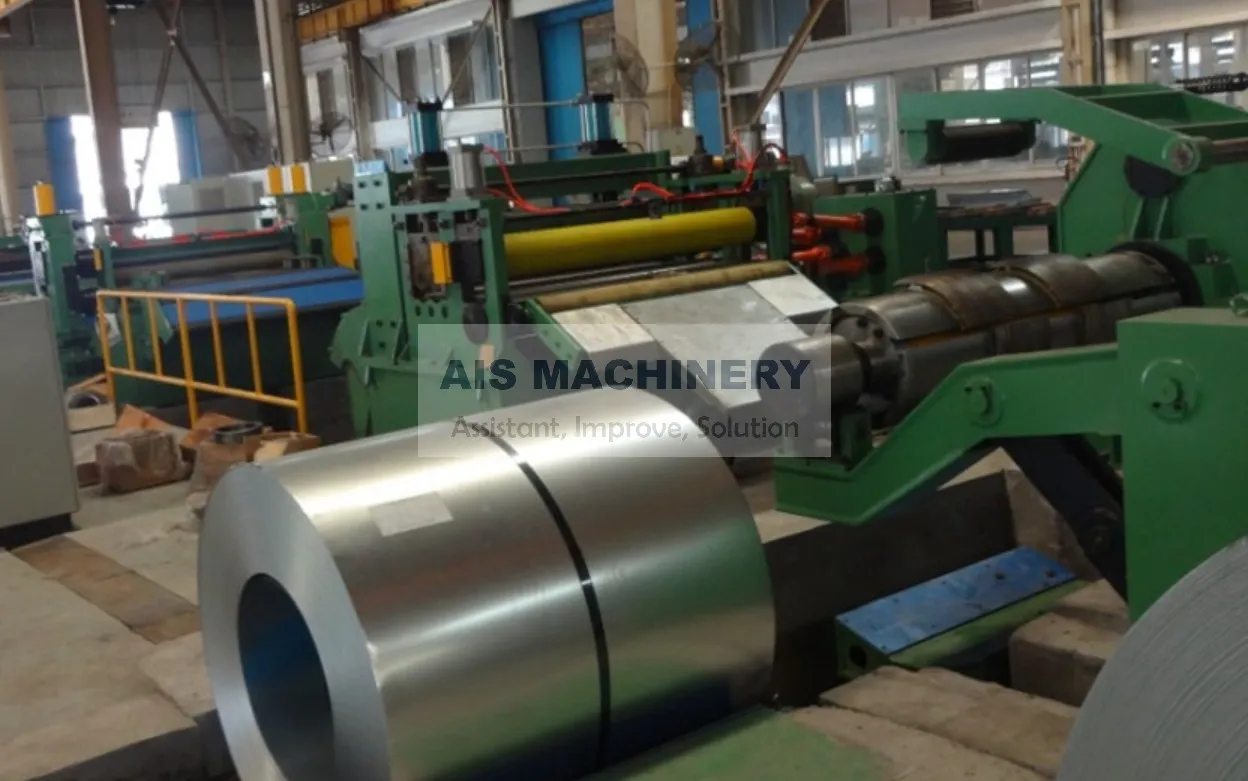
Image: Steel coils ready for processing by a coil car system.
Case Study 2: Precision Slitting Line Integration
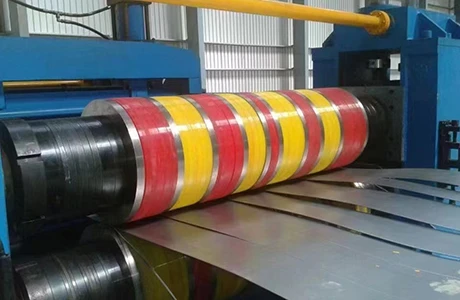
A specialized metal service center required a highly precise and gentle transfer system for delicate, surface-critical stainless steel coils prior to slitting. Their conventional methods caused occasional surface imperfections, leading to material waste. We provided a custom-engineered steel coil transfer car with specialized V-block saddles lined with non-marking, high-friction polymer pads. The car also featured a servo-driven lift mechanism for extremely smooth vertical movement and a variable speed drive for controlled horizontal travel. The system's precise positioning accuracy (within ±2mm) ensured perfect alignment with the slitting machine's entry guides. This solution completely eliminated surface damage during transfer, reducing material scrap by 8% and improving final product quality, ultimately boosting customer satisfaction and brand reputation. The client praised the customization capabilities and the attention to detail in addressing their specific material handling challenges.
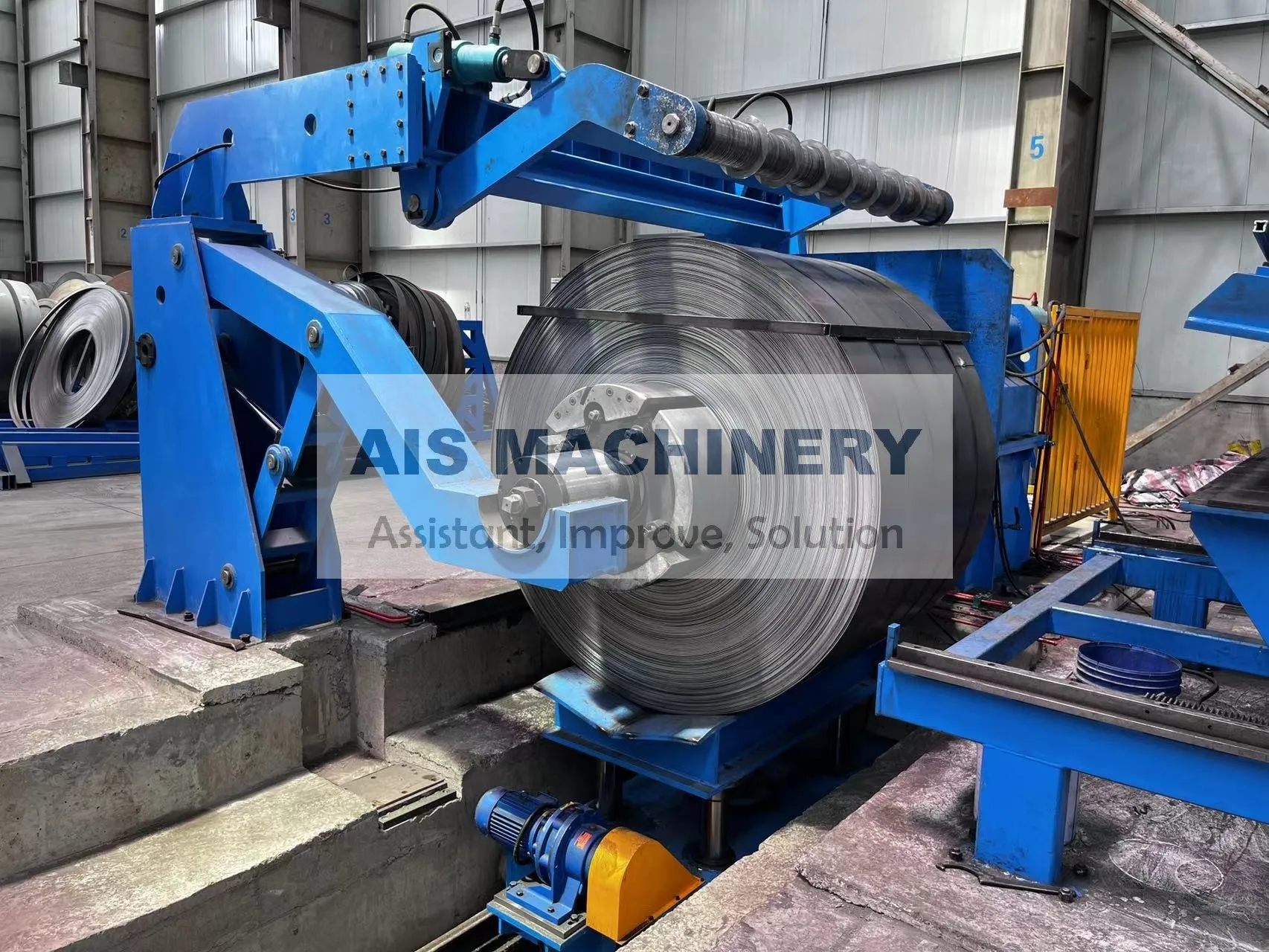
Image: Metal slitting machine, often fed by a precision coil car.
Ensuring Quality and Compliance: Our Commitment
Our commitment to delivering high-quality and reliable steel coil transfer car solutions is underpinned by stringent adherence to international standards and robust quality management systems. We pride ourselves on certifications such as ISO 9001:2015 for quality management, ensuring that every stage from design to manufacturing and testing meets the highest benchmarks. Our products are designed to comply with relevant safety directives and industry norms, including CE Marking for European markets and applicable sections of ANSI/ASME standards for material handling equipment. Partnerships with globally recognized component suppliers (e.g., Siemens, Schneider Electric, Rexroth) further guarantee the reliability and availability of critical parts. With decades of experience in serving the metallurgy and manufacturing sectors, we have cultivated a reputation for engineering excellence and dependable service, evidenced by our long-standing relationships with industry leaders.
Trust & Partnership: Your Questions Answered
Frequently Asked Questions (FAQ)
Q1: What is the typical lead time for a custom coil car solution?
A1: Lead times for custom coil car solutions typically range from 12 to 20 weeks, depending on the complexity of the design, required capacity, and specific customization features. This includes design, material procurement, fabrication, assembly, and rigorous testing. Standard models may have shorter lead times, often 8-12 weeks.
Q2: What kind of warranty do you offer on your coil car systems?
A2: We provide a standard 12-month warranty from the date of commissioning or 18 months from shipment, whichever comes first, covering defects in materials and workmanship. Extended warranty options and comprehensive service contracts are available upon request to ensure peace of mind and long-term operational reliability.
Q3: What after-sales support and maintenance services are available?
A3: Our after-sales support includes installation supervision, commissioning, operator training, and readily available technical support. We offer spare parts supply, preventative maintenance programs, and emergency breakdown assistance. Remote diagnostics capabilities are often integrated into advanced systems for faster troubleshooting and reduced service visits.
Q4: Can your coil cars integrate with existing plant automation systems?
A4: Absolutely. Our engineering team specializes in seamless integration. Our coil cars are designed with open architecture control systems (typically PLC-based) that can communicate with various plant-wide automation platforms via common industrial protocols such as Ethernet/IP, Profinet, Modbus TCP/IP, or custom interfaces to suit your specific setup.
Lead Time & Fulfillment
Our project management approach is designed for efficiency and transparency. From initial consultation to final delivery, we provide clear timelines and regular updates. Typical fulfillment for a standard project involves:
- Phase 1 (Engineering & Design): 2-4 weeks
- Phase 2 (Procurement & Fabrication): 6-10 weeks
- Phase 3 (Assembly & Testing): 2-4 weeks
- Phase 4 (Shipping & Commissioning): Varies by location, typically 1-3 weeks.
Total project duration can be influenced by specific client requirements and global supply chain conditions, but our commitment is always to timely and efficient delivery.
Warranty Commitments & Customer Support
We stand behind the quality and performance of our equipment. Our warranty is a testament to our confidence in the engineering and manufacturing excellence of our products. Beyond the warranty period, our dedicated customer support team remains available for technical assistance, remote diagnostics, and on-site service as needed. We view our clients as long-term partners, providing ongoing support to ensure the optimal performance and longevity of their investment.
Conclusion
The modern industrial landscape demands efficiency, safety, and precision in every operational facet, especially in the handling of heavy materials like steel coils. The advanced coil car is no longer just a utility vehicle but a sophisticated piece of equipment central to the seamless flow of high-volume production lines such as ERW tube mills. By investing in a robust, precisely engineered coil transfer solution, B2B stakeholders can significantly enhance their manufacturing capabilities, reduce operational risks, and secure a competitive advantage. Our commitment to quality, customization, and comprehensive support ensures that our coil cars are not just purchases, but strategic investments in the future of your operations.
References
- International Organization for Standardization (ISO). ISO 9001:2015, Quality management systems – Requirements.
- American National Standards Institute (ANSI). ANSI B30.2-2022, Overhead and Gantry Cranes (Top Running Bridge, Single or Multiple Girder, Top Running Trolley Hoist).
- Fédération Européenne de la Manutention (FEM). FEM 1.001, Rules for the design of hoisting appliances.
- American Welding Society (AWS). AWS D1.1/D1.1M:2020, Structural Welding Code – Steel.
- European Committee for Standardization (CEN). EN ISO 13849-1:2023, Safety of machinery – Safety-related parts of control systems – Part 1: General principles for design.

Related Products
Related News
2026-04-30 09:35:04
Automatic Stacking Machine (Magnetic Chuck Type)
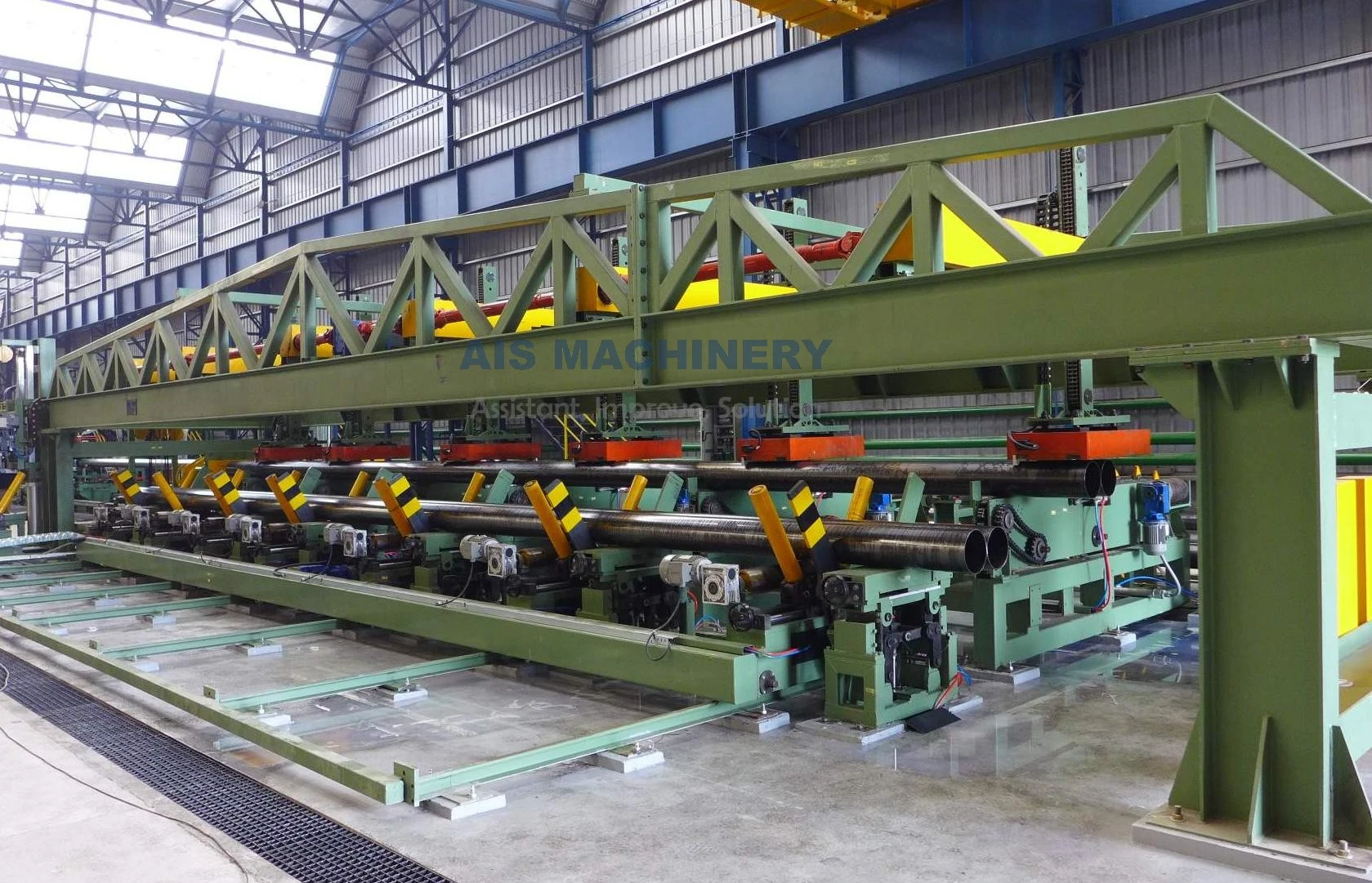
The Automatic Stacking Machine (Magnetic Chuck Type) from AIS Machinery is designed to efficiently collect and stack steel tubes in ERW tube mill production lines. Using electromagnetic lifting, it can pick up multiple tubes at once and place them neatly in layers. This reduces manual labor, improves stacking accuracy, and increases overall production efficiency. It is installed after the flying saw and works seamlessly with the mill line, making it an ideal solution for modern tube manufacturers.
2026-04-28 08:56:05
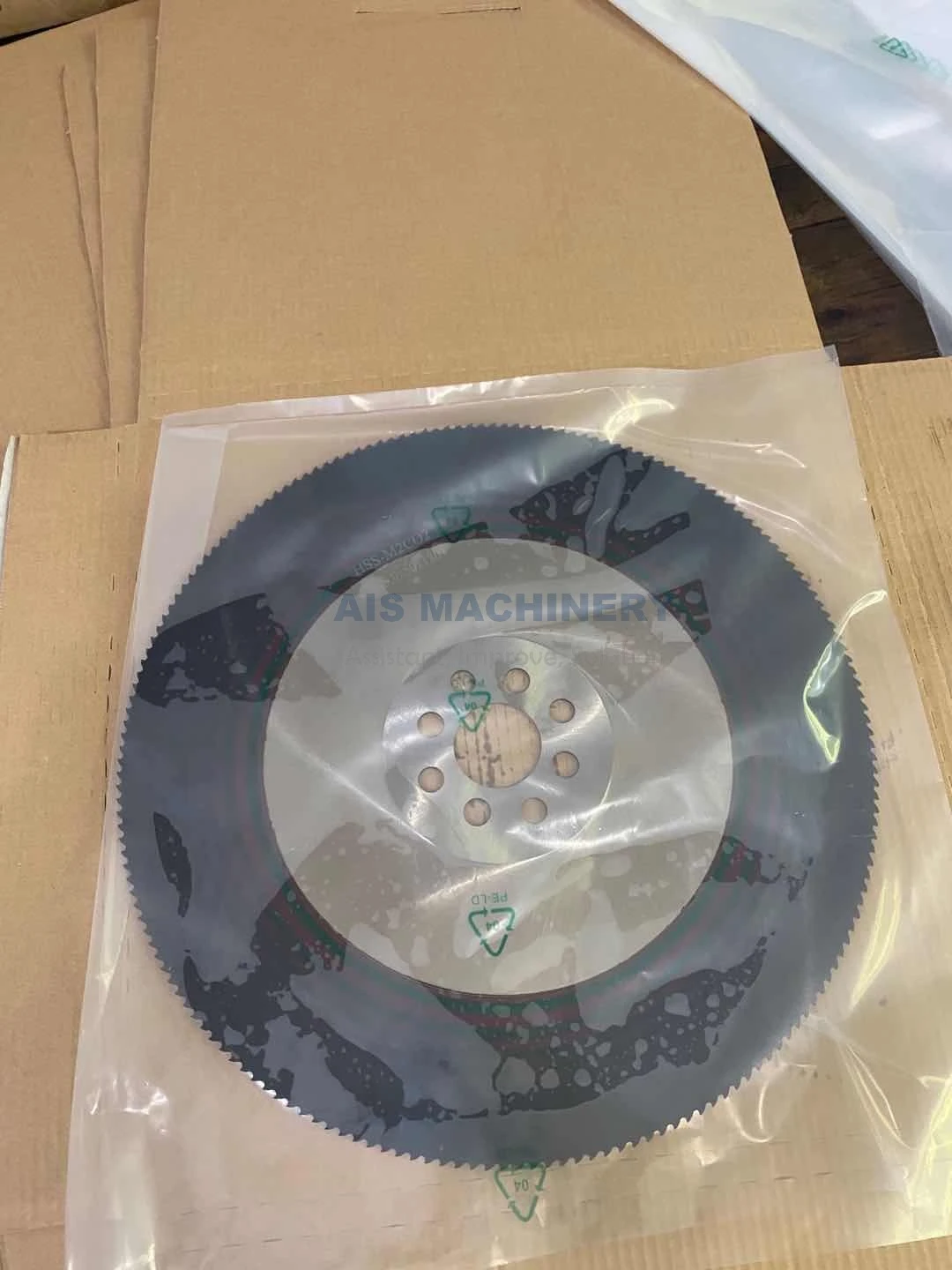
Saw Blade Guide for Tube Mills: Friction vs HSS vs TCT — Which One Should You Choose?
Confused about friction saw, HSS, and TCT blades? This guide explains their uses in cold saw and friction saw machines, with pros, cons, and expert selection tips.
2026-04-24 08:54:16
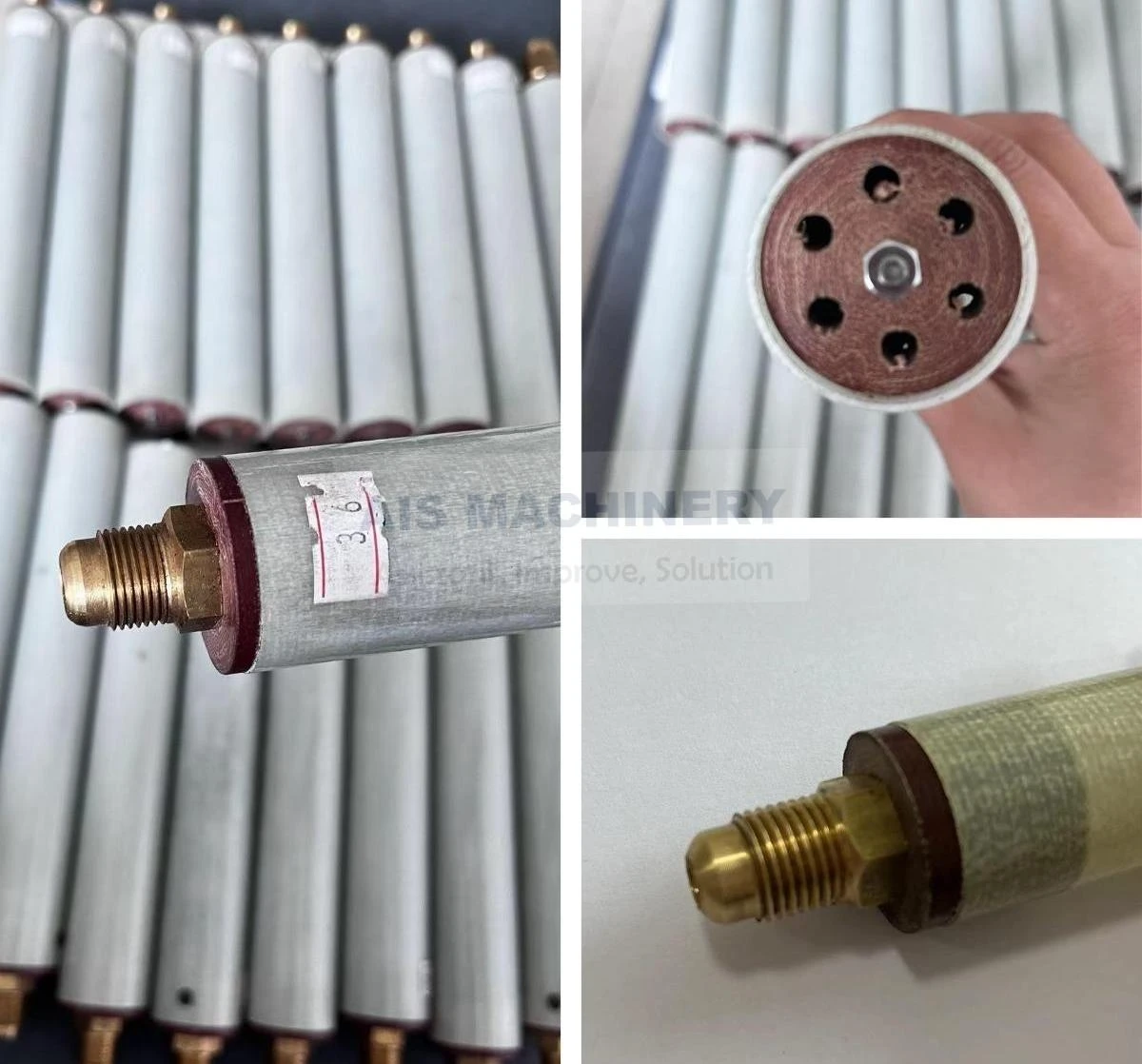
What is an Impeder and Ferrite Rods in ERW Tube Mill?
Struggling with impeder overheating or short service life in your ERW tube mill? This guide explains common impeder problems, the role of ferrite rods, and how to choose the right impeder for stable welding performance. Improve weld quality, reduce energy loss, and extend equipment lifespan with the right selection and proper cooling solutions.
2026-04-21 10:22:25
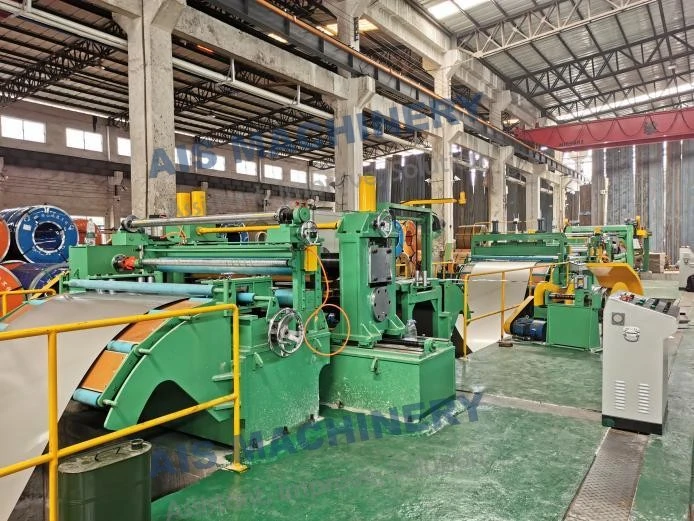
Slitting & Cut-to-Length Combined Production Line: A Smarter Way to Process Steel Coils
Discover the Slitting & Cut-to-Length Combined Production Line, a flexible solution for steel coil processing. This system integrates slitting line and cut-to-length line functions in one machine, saving space, reducing costs, and improving efficiency. Ideal for processing both steel strips and sheets, it is widely used in service centers and manufacturing industries. Learn its advantages, limitations, and applications.
2026-04-18 03:20:20
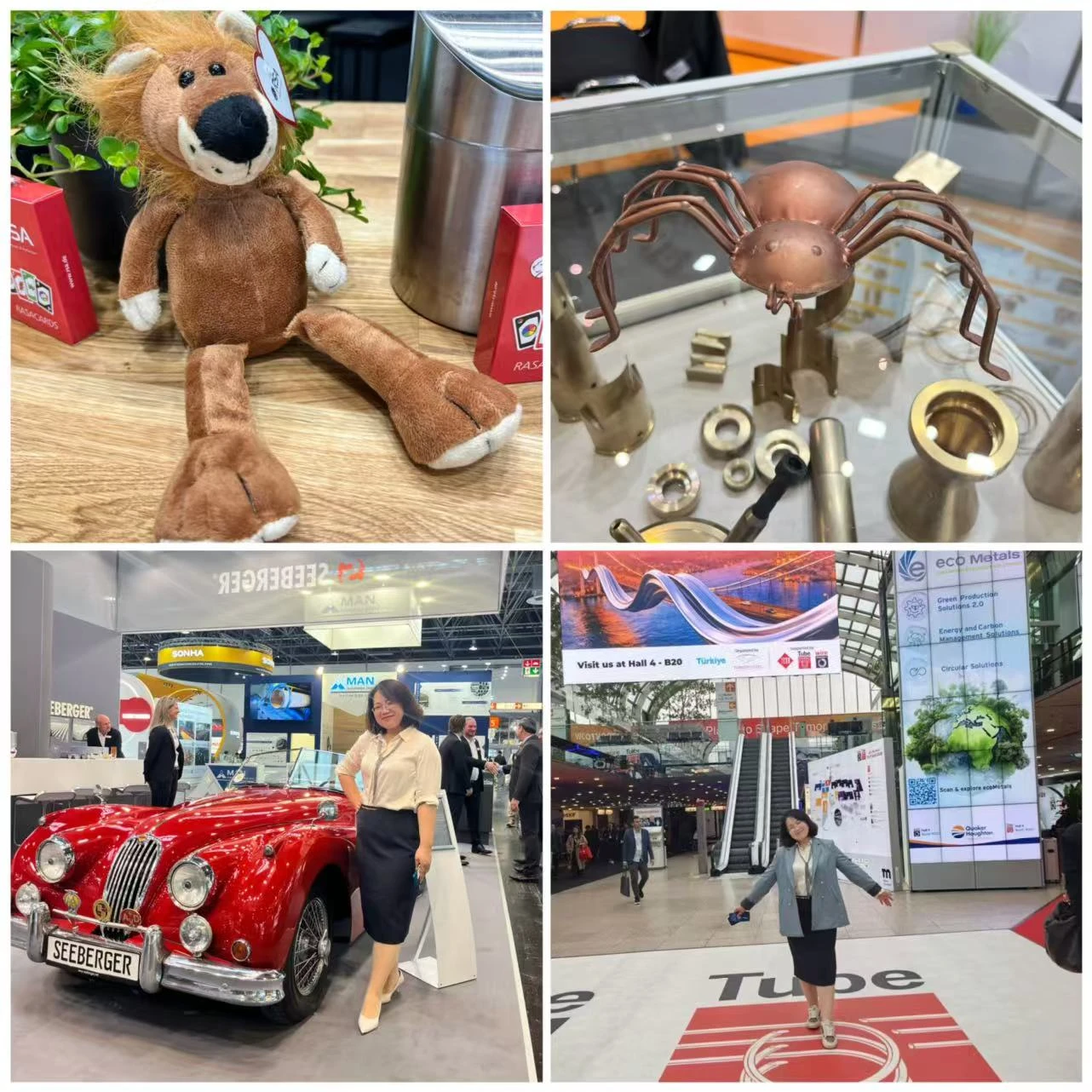
AIS Machinery Showcases Advanced Tube Solutions at Tube & Wire Düsseldorf 2026
Tube & Wire Düsseldorf 2026, one of the most influential exhibitions in the global tube and wire industry, held biennially in Düsseldorf, Germany
2026-04-17 00:00:00
Southeast Asia Client Visits Our Factory | Customized Tube Mill Solution Delivered
A Southeast Asia client visited our ERW tube mill factory to inspect production lines and discuss a customized tube mill solution. Impressed by our machine quality, welding performance, and engineering support, the client confirmed strong cooperation intentions. Discover how our ERW tube mill solutions improve efficiency, precision, and long-term production reliability.
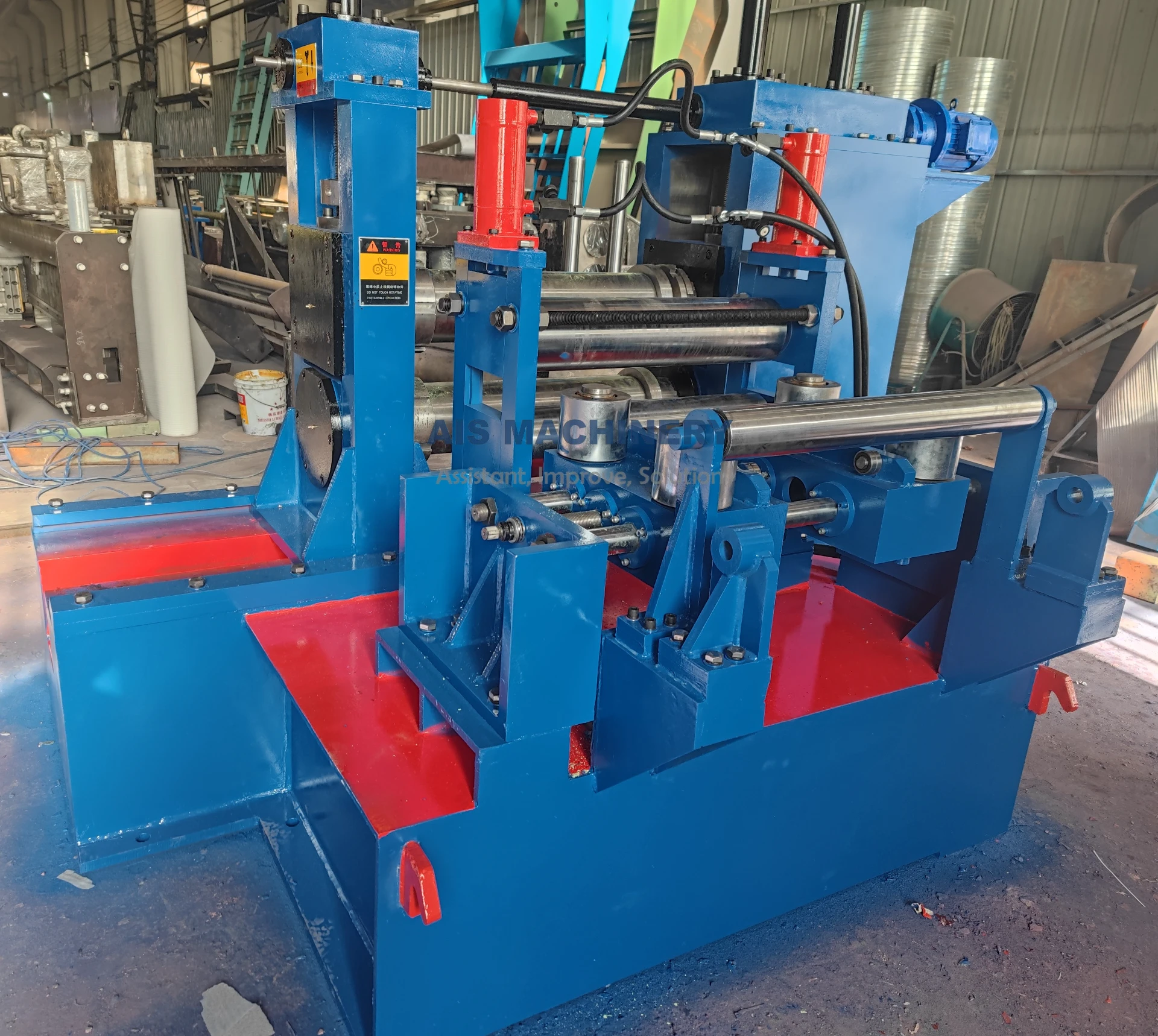
2026-04-15 10:37:55
Flat Bar Production Line for Steel Coils: How It Works & Why It Matters
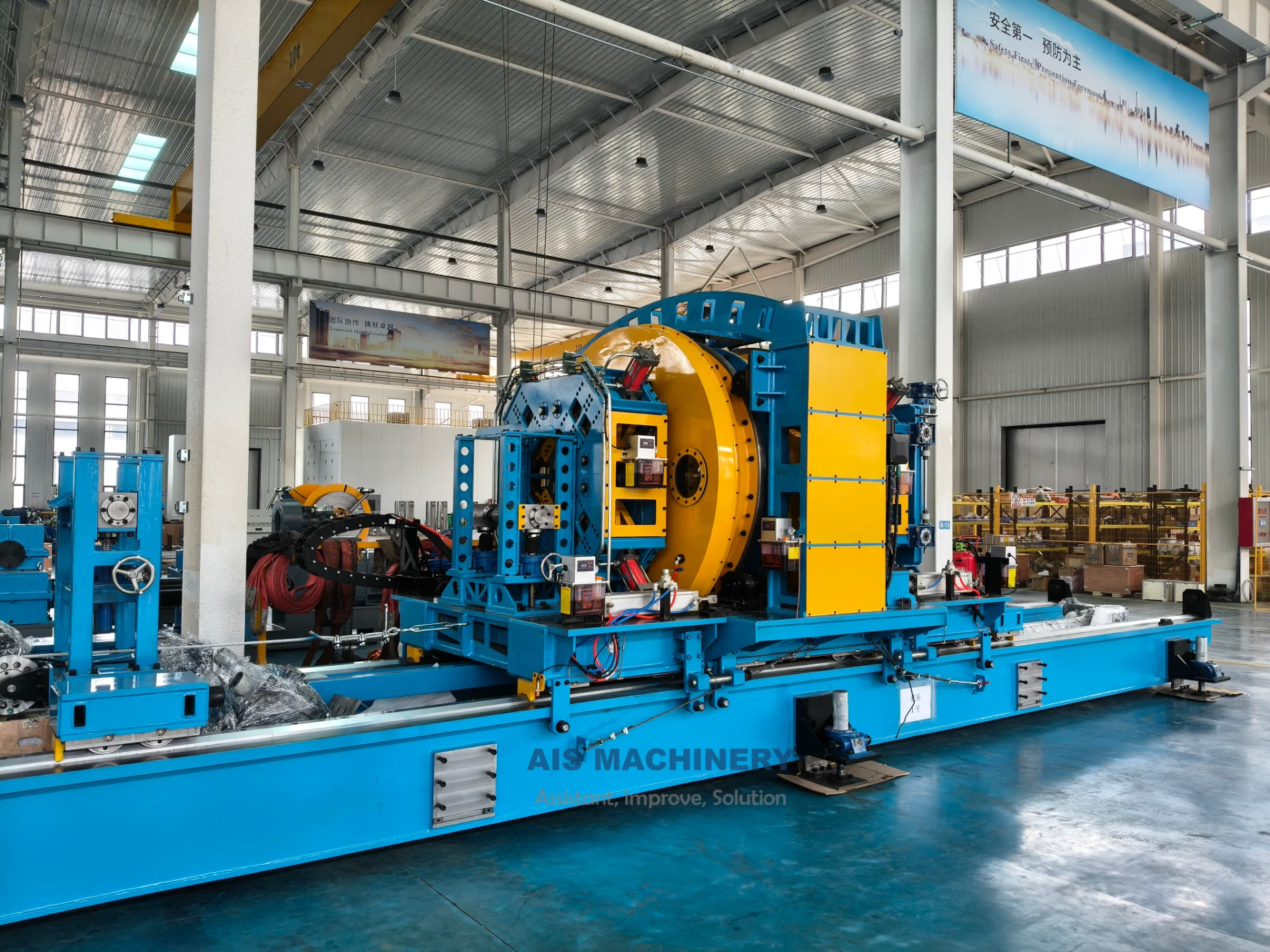
Looking for a flat bar production line? Learn how it turns steel coils into ready-to-use flat bars with precise length and high straightness. Compare it with slitting lines and get the best solution for your steel processing needs.
2026-04-14 00:00:00
Looking for a Milling Saw for ERW Tube Mill? Here’s What You Need to Know
Looking for a high-performance milling saw for your ERW tube mill? Upgrade to burr-free, high-precision pipe cutting with advanced flying saw technology. Improve efficiency, reduce rework, and meet export standards for carbon steel, stainless steel, and API pipes. Contact us today for expert solutions and competitive pricing tailored to your production needs.
Send a Message
Dear customer, thank you for your attention! We provide high-quality machinery and equipment and look forward to your orders. Please inform us of your needs and we will respond quickly!
 English
  Albanian
  Arabic
  French
  German
  Indonesian
  Italian
  Japanese
  Kazakh
  Korean
  Latin
Latin  Macedonian
  Portuguese
  Russian
  Spanish
  Thai
Thai  Turkish
  Ukrainian
  Uzbek
Uzbek