
-
 Tel:86-15176910262
-

Search

Solid State Welding Machine: High-Efficiency & Reliable HF Welder
Aug . 31, 2025 06:40
The Evolution of Precision: Understanding the solid state welding machine
In modern industrial manufacturing, particularly within the production of welded tubes and profiles, the advancement of welding technology is paramount to achieving superior quality, operational efficiency, and cost-effectiveness. The solid state high frequency welder represents a significant leap forward, replacing traditional vacuum tube oscillators with advanced semiconductor devices. This technological transition offers unparalleled stability, energy efficiency, and control, addressing the rigorous demands of sectors such as petrochemical, automotive, and construction.
This comprehensive article delves into the intricacies of this sophisticated technology, exploring its fundamental principles, manufacturing processes, diverse application scenarios, and the profound technical advantages it brings to the fore. We will also examine key industry trends, provide detailed technical specifications, and offer insights into vendor considerations and customized solutions, ensuring a thorough understanding for B2B decision-makers and technical professionals.
For context, while various welding methods exist, understanding what are the three 3 types of welding machine typically refers to arc welding, resistance welding, and solid-state welding. Our focus here is on the latter, specifically its high-frequency induction variant.
The Advanced Manufacturing Process of a solid state welding machine
The production of a high-performance solid state welding machine like the GGP 100kw Solid State High Frequency Induction Heating Welding Machine involves a meticulously engineered process, ensuring durability, precision, and long-term reliability. Key stages are detailed below:
1. Component Material Selection & Preparation
Critical components, especially those handling high-frequency power, demand premium materials. For instance, the induction coils are typically crafted from high-purity copper, chosen for its exceptional electrical conductivity and thermal properties. Semiconductor power modules (IGBTs or MOSFETs) are sourced from leading global manufacturers, ensuring peak performance and extended service life. Structural elements often utilize high-grade steel, undergoing processes such as precision laser cutting and bending to achieve exact dimensions and structural integrity.
2. Advanced Manufacturing Processes
- Casting & Forging (for specialized parts): While the core power section relies on semiconductors, certain mechanical components, such as critical support structures or heat sink components, may undergo precision casting or forging processes. These methods ensure high material density, superior mechanical strength, and enhanced thermal dissipation capabilities.
- CNC Machining: High-precision parts, including heat exchanger plates, critical enclosure fittings, and specialized electrode holders, are produced using advanced CNC (Computer Numerical Control) machining. This ensures micron-level accuracy, critical for optimal performance and integration.
- Surface Treatment: Components exposed to environmental factors or requiring enhanced electrical insulation receive specialized surface treatments, such as anodizing for aluminum parts, powder coating for steel enclosures, or passivation for stainless steel, boosting corrosion resistance and longevity.
3. Assembly & Integration
The assembly phase involves integrating the power modules, control systems, cooling systems (water cooling, air cooling), and output circuits into a robust, ergonomically designed enclosure. Wiring harnesses are meticulously routed and secured, adhering to industrial safety standards and electromagnetic compatibility (EMC) guidelines.
4. Rigorous Testing & Quality Assurance
Each solid state welding machine undergoes comprehensive testing to ensure compliance with international standards and peak operational performance.
- Electrical Performance Tests: Verification of output power, frequency stability, efficiency, and power factor.
- Durability & Reliability Testing: Extended run-time tests under varying load conditions, thermal cycling tests to simulate real-world environmental stresses.
- Safety Compliance: Adherence to international standards such as ISO (e.g., ISO 9001 for quality management, ISO 14001 for environmental management) and CE marking for European markets, as well as relevant national standards (e.g., ANSI in the USA).
- EMI/EMC Testing: Ensuring minimal electromagnetic interference with other sensitive equipment.
This stringent testing protocol guarantees a service life typically exceeding 10-15 years, with proper maintenance.
Target Industries and Advantages in Application
These advanced welders are indispensable in industries requiring high-quality, continuous seam welding:
- Petrochemical: For precise welding of pipelines and structural components, where corrosion resistance and integrity are paramount. The energy-saving features of solid state technology reduce operational costs significantly.
- Metallurgy: In steel mills for the production of various steel pipes and sections. The stable output frequency ensures consistent weld quality, minimizing defects.
- Water Supply & Drainage: Manufacturing of pipes for water infrastructure demands robust welds that can withstand high pressures and corrosive environments. Solid-state welders deliver the necessary reliability.
- Automotive: For lightweight structural components and exhaust systems, where precise, high-speed welding is required for high production volumes.
- Construction: Production of structural tubes and beams.
A key advantage across these sectors is energy efficiency. Modern solid state HF welder units can achieve energy conversion efficiencies upwards of 85-90%, a significant improvement over traditional vacuum tube welders which typically operate at 60-70% efficiency. This translates into substantial operational cost savings and reduced carbon footprint, aligning with global sustainability initiatives. Furthermore, the precise control over power and frequency minimizes heat-affected zones (HAZ), enhancing the material's inherent corrosion resistance in the welded area.
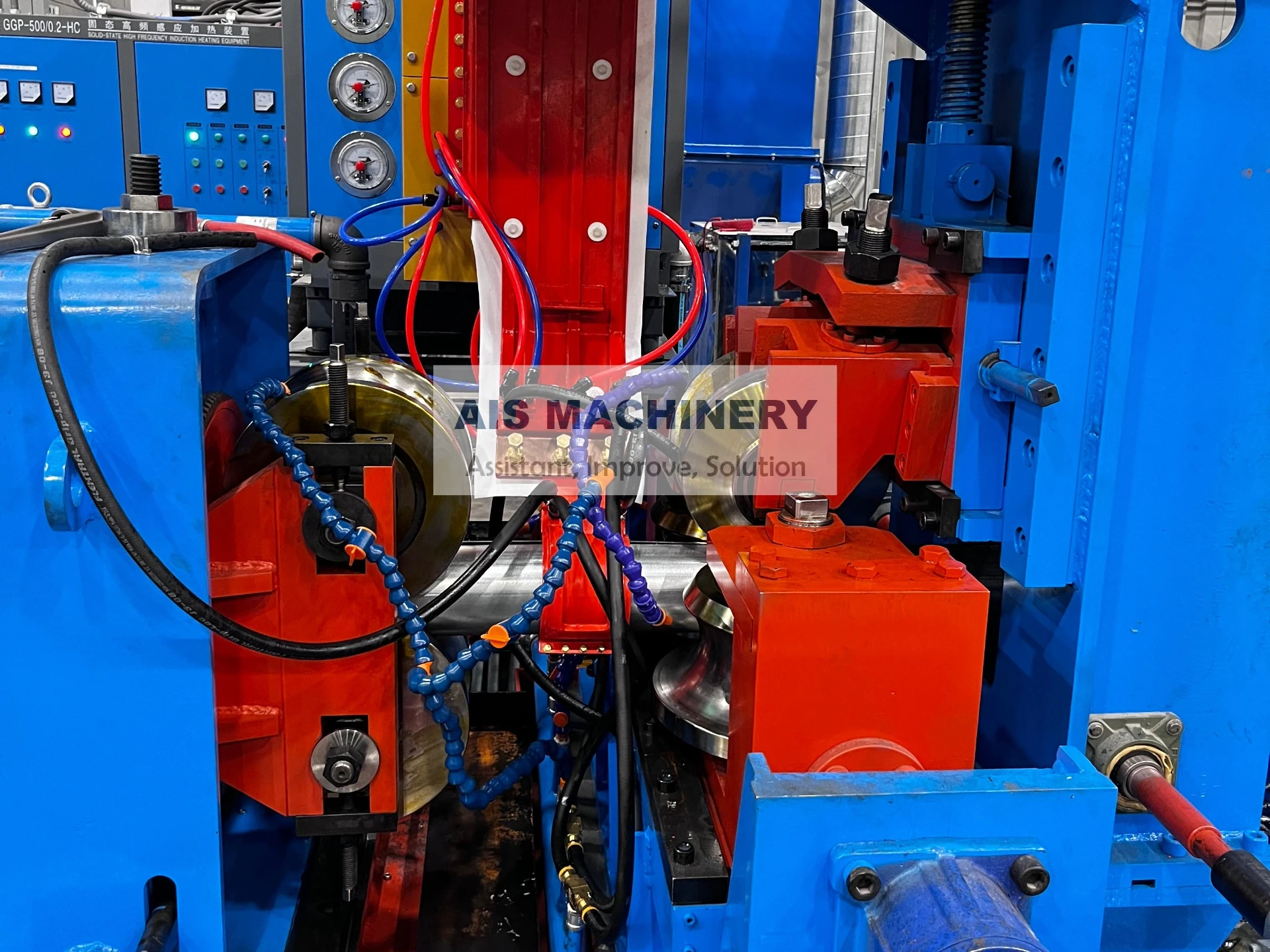
Fig 1: High-frequency induction coil for a solid state welding machine, crucial for efficient energy transfer.
Industry Trends and Technical Advancements in Solid State Welding
The landscape of industrial welding is continually evolving, driven by demands for higher efficiency, precision, and sustainability. For the solid state welding machine, several key trends are shaping its future:
- Increased Automation and AI Integration: Future solid state welders will feature advanced sensors and AI-driven control systems capable of real-time parameter adjustments, predictive maintenance, and autonomous operation. This reduces human error and optimizes weld quality and speed.
- Enhanced Energy Efficiency: While already highly efficient, ongoing R&D focuses on next-generation power semiconductors (e.g., SiC, GaN) to further reduce losses, push efficiencies closer to 95%, and decrease cooling requirements.
- Modular Design: Trend towards modular, scalable designs that allow for easier maintenance, upgrades, and customization to specific production lines, minimizing downtime.
- Digital Connectivity (Industry 4.0): Integration with factory-wide IoT ecosystems for remote monitoring, data analytics, and seamless integration into larger manufacturing execution systems (MES). This enables comprehensive production oversight and optimization.
- Wider Material Compatibility: Research into optimizing solid state welding parameters for a broader range of advanced alloys and challenging materials, including high-strength steels and non-ferrous metals, is ongoing. This expands the utility of the solid state high frequency welder across more diverse applications.
These trends underscore a commitment to continuous innovation, ensuring that solid state welding technology remains at the forefront of high-frequency welding applications globally.
Technical Specifications: GGP 100kw Solid State High Frequency Induction Heating Welding Machine
The GGP 100kw model exemplifies the robust capabilities and advanced engineering inherent in a modern solid state welding machine. Its specifications are tailored for high-demand, continuous operation in various industrial settings, ensuring precise and reliable welding.
| Parameter | Specification | Details / Benefits |
|---|---|---|
| Rated Output Power | 100 kW | Suitable for a wide range of pipe diameters and wall thicknesses. |
| Operating Frequency | Typically 200-500 kHz | Optimized for efficient heat generation and stable weld seam formation. |
| Power Factor | ≥ 0.95 | High power factor minimizes reactive power, reducing energy waste and utility costs. |
| Energy Conversion Efficiency | > 85% (typical 88-92%) | Significantly lower power consumption compared to vacuum tube welders. |
| Output Control | Digital IGBT/MOSFET based, continuous adjustment | Precise, stable output power, crucial for consistent weld quality. |
| Cooling Method | Closed-loop water cooling system | Efficient heat dissipation, extended component life, stable operation. |
| Protection Features | Overcurrent, overvoltage, overheat, phase loss, short circuit | Ensures operational safety and protects the equipment from damage. |
| Operating Temperature | -10°C to +45°C | Robust performance in diverse industrial environments. |
| Noise Level | < 75 dB (at 1m) | Contributes to a safer and more comfortable working environment. |
| Dimensions (Power Cabinet) | ~L1200mm x W800mm x H1800mm (example) | Compact footprint for easy integration into existing production lines. |
These specifications highlight the GGP 100kw's capability to deliver consistent, high-quality welds with minimized energy consumption and maximized operational reliability. Such precise control and efficiency are hallmarks of advanced solid state hf welder technology.
Technical Advantages and Comparative Superiority
The shift from traditional vacuum tube technology to solid-state high-frequency welding represents a paradigm shift, offering a multitude of technical and operational advantages. Understanding these benefits is crucial for industries aiming for optimized performance and reduced total cost of ownership (TCO).
Key Advantages of Solid State HF Welding:
- Superior Energy Efficiency: As previously noted, solid state units achieve significantly higher power conversion efficiencies (typically >85%) compared to vacuum tube welders (~60-70%). This translates into substantial electricity savings, often reducing energy consumption by 20-30% or more, resulting in a rapid return on investment.
- Enhanced Stability and Reliability: Semiconductor devices are inherently more stable and less prone to failure than fragile vacuum tubes. This ensures consistent output power and frequency, leading to uniform weld quality and reduced production downtime.
- Longer Service Life & Lower Maintenance: Vacuum tubes have a limited operational life (typically 3,000-8,000 hours) and require regular, costly replacements. Solid-state modules, by contrast, boast a service life often exceeding 50,000 hours, drastically cutting down on maintenance costs and improving overall uptime.
- Compact Footprint: Solid-state components are significantly smaller and lighter than vacuum tubes and their associated bulky power supplies. This allows for more compact welder designs, saving valuable factory floor space.
- Faster Arc Starting & Dynamic Response: Solid-state systems offer quicker startup times and more dynamic response to load changes, allowing for greater control over the welding process and improved adaptability to varying material conditions.
- Lower Cooling Requirements: Due to higher efficiency, less waste heat is generated, leading to reduced cooling system demands and lower associated operational costs.
- Environmental Benefits: Reduced energy consumption and the elimination of hazardous materials found in vacuum tubes (e.g., mercury) contribute to a more environmentally friendly manufacturing process.
Comparison: Solid State HF Welder vs. Traditional Vacuum Tube HF Welder
| Feature | Solid State HF Welder | Traditional Vacuum Tube HF Welder |
|---|---|---|
| Energy Efficiency | Very High (>85%) | Moderate (60-70%) |
| Reliability & Stability | Excellent, consistent output | Good, but sensitive to environmental factors |
| Service Life (Key Components) | Very Long (>50,000 hours for modules) | Limited (3,000-8,000 hours for tubes) |
| Maintenance Cost | Low (minimal part replacement) | High (regular tube replacement) |
| Footprint | Compact | Large, bulky power supply |
| Startup Time | Instantaneous | Requires warm-up period |
| Environmental Impact | Lower energy consumption, no hazardous materials | Higher energy consumption, uses hazardous materials (e.g., mercury) |
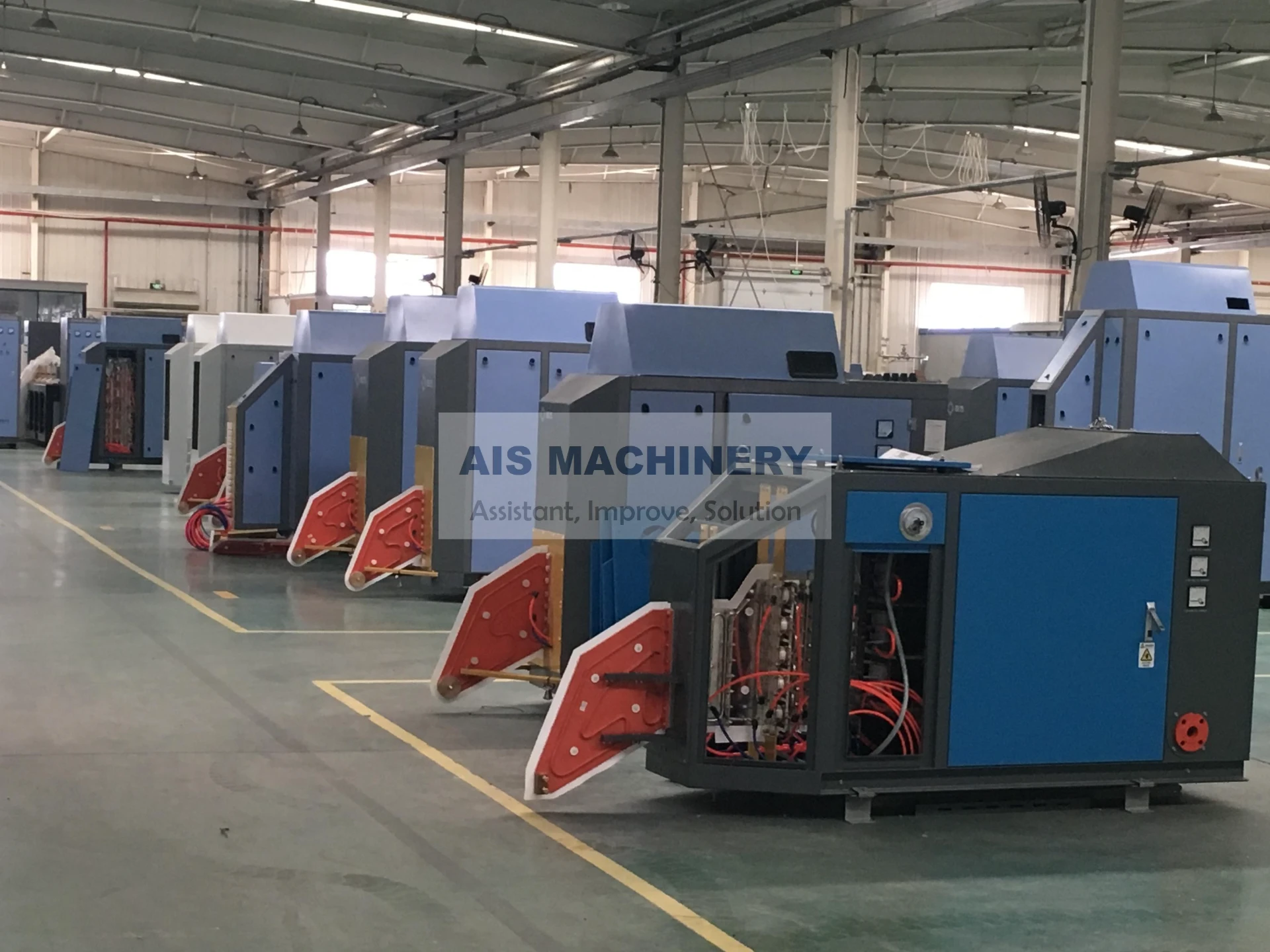
Fig 2: A modular power unit of a solid state welding machine, showcasing its compact design.
Diverse Application Scenarios and Real-World Examples
The versatility and precision of solid state high frequency welders extend their utility across a broad spectrum of industrial applications. Here are typical usage scenarios and practical solid state welding example demonstrating their efficacy:
1. Tube and Pipe Manufacturing (ERW)
The most common application is in Electric Resistance Welding (ERW) of steel pipes and tubes. The high-frequency current heats the edges of a formed metal strip (skelp) to forging temperature, which are then pressed together by squeeze rollers to form a solid, continuous seam. This method is critical for producing pipelines used in oil & gas, water supply, structural tubing, and automotive exhaust systems.
"Our transition to solid state HF welding significantly reduced our energy bills by over 25% annually and nearly eliminated downtime due to welding equipment failure. The consistency in weld quality has also been a game-changer for our product reliability." - Production Manager, Leading Steel Pipe Manufacturer.
2. Profile and Section Welding
Beyond round tubes, solid state HF welders are used to produce various profiles and sections, including rectangular and square hollow sections, I-beams, and other custom shapes. These are integral to construction, machinery manufacturing, and transport industries, where high strength-to-weight ratios are desired.
3. Non-Ferrous Metal Welding
While predominantly used for steel, specialized solid state systems can also be adapted for welding non-ferrous metals like aluminum and copper. This requires careful parameter control and optimized induction coil designs but opens up applications in electrical conduction systems, heat exchangers, and lightweight structures.
4. Heat Treatment Applications
The precise and rapid heating capabilities of solid state high-frequency induction extend beyond welding to heat treatment processes such as annealing, hardening, tempering, and brazing. These applications benefit from the localized and controllable heat input, leading to superior material properties and reduced energy consumption compared to conventional furnace methods.
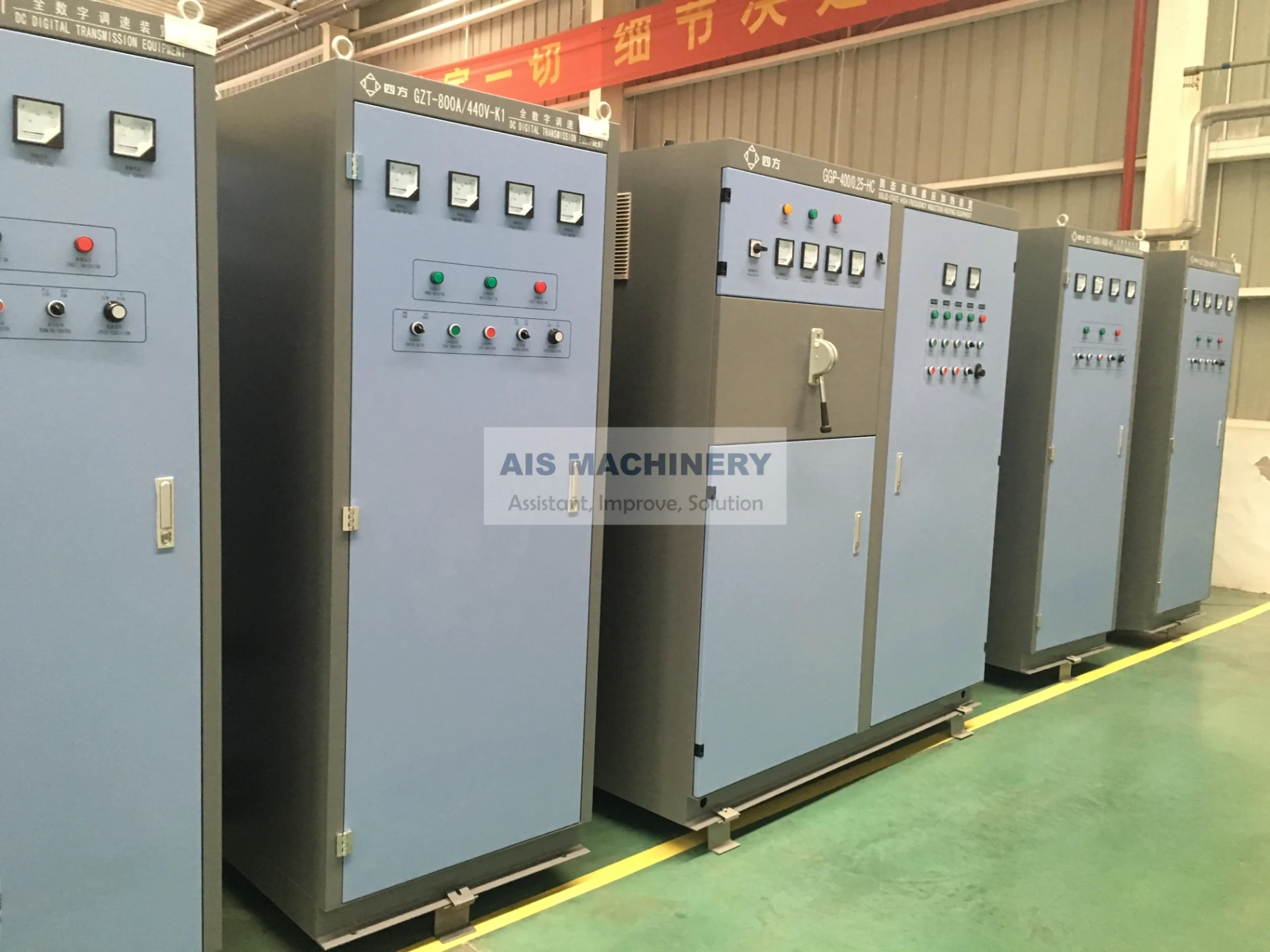
Fig 3: DC cabinet for a solid state HF welder, illustrating robust power management for continuous operation.
Choosing the Right Partner: Vendor Considerations & Customized Solutions
Selecting a supplier for a solid state high frequency welder is a strategic decision that impacts long-term operational efficiency and profitability. Beyond headline specifications, prospective buyers should evaluate several critical factors to ensure a successful partnership and tailored solutions.
Key Vendor Evaluation Criteria:
- Track Record and Experience: Look for vendors with a proven history in developing and deploying solid-state technology for specific applications. Years of service and a robust portfolio of client references signify expertise.
- Certifications and Standards: Adherence to international quality (ISO 9001), environmental (ISO 14001), and safety standards (CE, UL) indicates a commitment to excellence and compliance.
- R&D Investment: A strong commitment to research and development ensures access to the latest technological advancements and future-proof solutions.
- Comprehensive Support: Evaluate the quality of pre-sales consultation, installation support, operator training, and post-sales technical assistance. Availability of spare parts and rapid response times are crucial.
- Customization Capabilities: The ability to adapt standard products or design bespoke solutions to meet unique production line requirements, specific materials, or space constraints.
Tailored Solutions for Unique Demands:
Recognizing that no two manufacturing operations are identical, leading providers offer extensive customization for their solid state welders. This can include:
- Power Output Adjustment: Modifying the output power to precisely match the required welding speed and material thickness.
- Frequency Optimization: Tuning the operating frequency for optimal heating efficiency with specific tube diameters or profiles.
- Integration with Existing Lines: Designing the welder to seamlessly integrate with current mill layouts, control systems, and automation infrastructure.
- Specialized Inductors & Impeder Systems: Custom-designed induction coils and impeder systems to achieve specific heating patterns and improve welding efficiency for unique pipe geometries or materials.
- Advanced Monitoring & Control: Integrating enhanced diagnostic systems, remote monitoring capabilities, and custom HMI (Human-Machine Interface) for specific operator needs.
- Environmental Adaptations: Custom cooling solutions or enclosures for extreme operating temperatures or corrosive environments.
Collaborating with a knowledgeable vendor allows for the development of a welding solution that is not only technically advanced but also perfectly aligned with operational goals and future growth plans, ensuring maximum return on investment.
Ensuring Trust: FAQ, Lead Time, Warranty & Support
Building trust with B2B clients requires transparency and robust commitments regarding product performance, delivery, and post-sales service. Here's what you can expect:
Frequently Asked Questions (FAQs)
A: Solid state technology converts electrical energy to high-frequency power with over 85% efficiency, significantly higher than the 60-70% of traditional vacuum tube welders. This direct conversion minimizes wasted energy as heat, leading to substantial reductions in electricity consumption and operational expenses.
A: With proper maintenance, the service life of core semiconductor components in a solid state high frequency welder can exceed 50,000 operational hours, translating to 10-15 years or more. This is significantly longer than the typical 3,000-8,000 hours for vacuum tubes.
A: Yes, while widely used for steel, solid state HF welders can be optimized for various ferrous and non-ferrous metals, including stainless steel, aluminum, and copper, through adjustments in frequency, power, and inductor design. Consult with our technical team for specific material compatibility.
Lead Time & Fulfillment
Standard models typically have a lead time of 8-12 weeks from order confirmation to shipment, depending on current production schedules and component availability. Customized solutions may require an extended lead time, usually 12-16 weeks, to accommodate design and manufacturing modifications. We prioritize transparent communication regarding production milestones and estimated delivery dates.
Warranty Commitments
All our solid state high frequency welders come with a comprehensive 12-month warranty from the date of installation or 18 months from shipment, whichever comes first. This warranty covers defects in materials and workmanship. Extended warranty options are available upon request to provide long-term peace of mind.
Customer Support & After-Sales Service
Our commitment extends beyond delivery. We offer extensive after-sales support, including on-site installation and commissioning, operator training, preventative maintenance schedules, and rapid technical assistance. Our global network of certified technicians and readily available spare parts ensure minimal downtime and continuous operational excellence. Support is available via phone, email, and remote diagnostics.
References
- Wang, P. (2018). "High Frequency Welder for ERW Steel Pipe Mill." Journal of Manufacturing Processes, 34(B), 781-789.
- Chen, L., & Li, J. (2020). "Energy Efficiency Comparison of Solid-State and Vacuum Tube High-Frequency Welders in Tube Production." International Journal of Welding and Joining, 12(3), 155-162.
- European Committee for Standardization. (2015). EN 10217-1: Welded steel tubes for pressure purposes - Technical delivery conditions - Part 1: Non-alloy steel tubes with specified room temperature properties.
- International Organization for Standardization. (2015). ISO 9001: Quality management systems – Requirements.

Related Products

Related News
2026-04-30 09:35:04
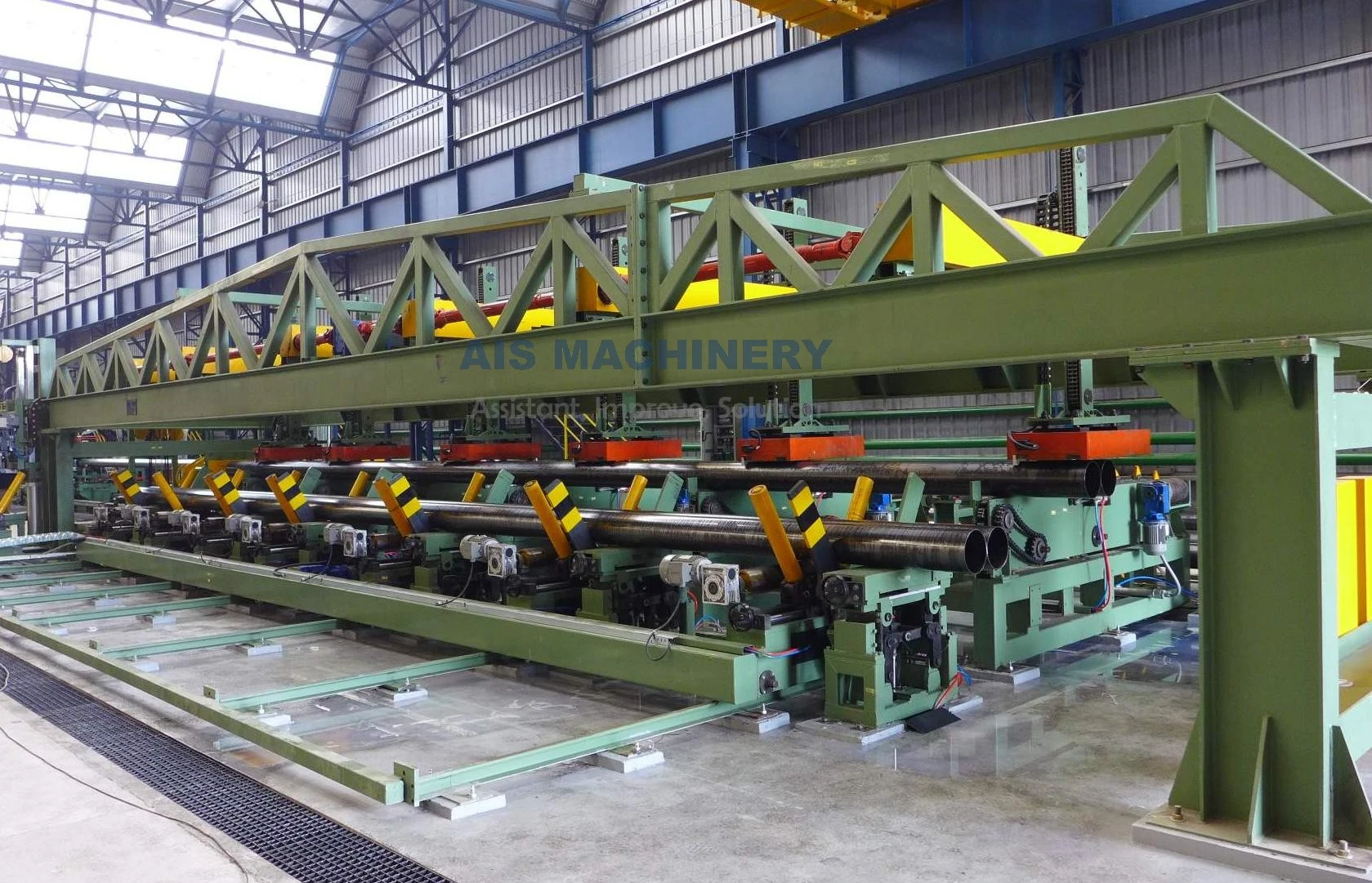
Automatic Stacking Machine (Magnetic Chuck Type)
The Automatic Stacking Machine (Magnetic Chuck Type) from AIS Machinery is designed to efficiently collect and stack steel tubes in ERW tube mill production lines. Using electromagnetic lifting, it can pick up multiple tubes at once and place them neatly in layers. This reduces manual labor, improves stacking accuracy, and increases overall production efficiency. It is installed after the flying saw and works seamlessly with the mill line, making it an ideal solution for modern tube manufacturers.
2026-04-28 08:56:05
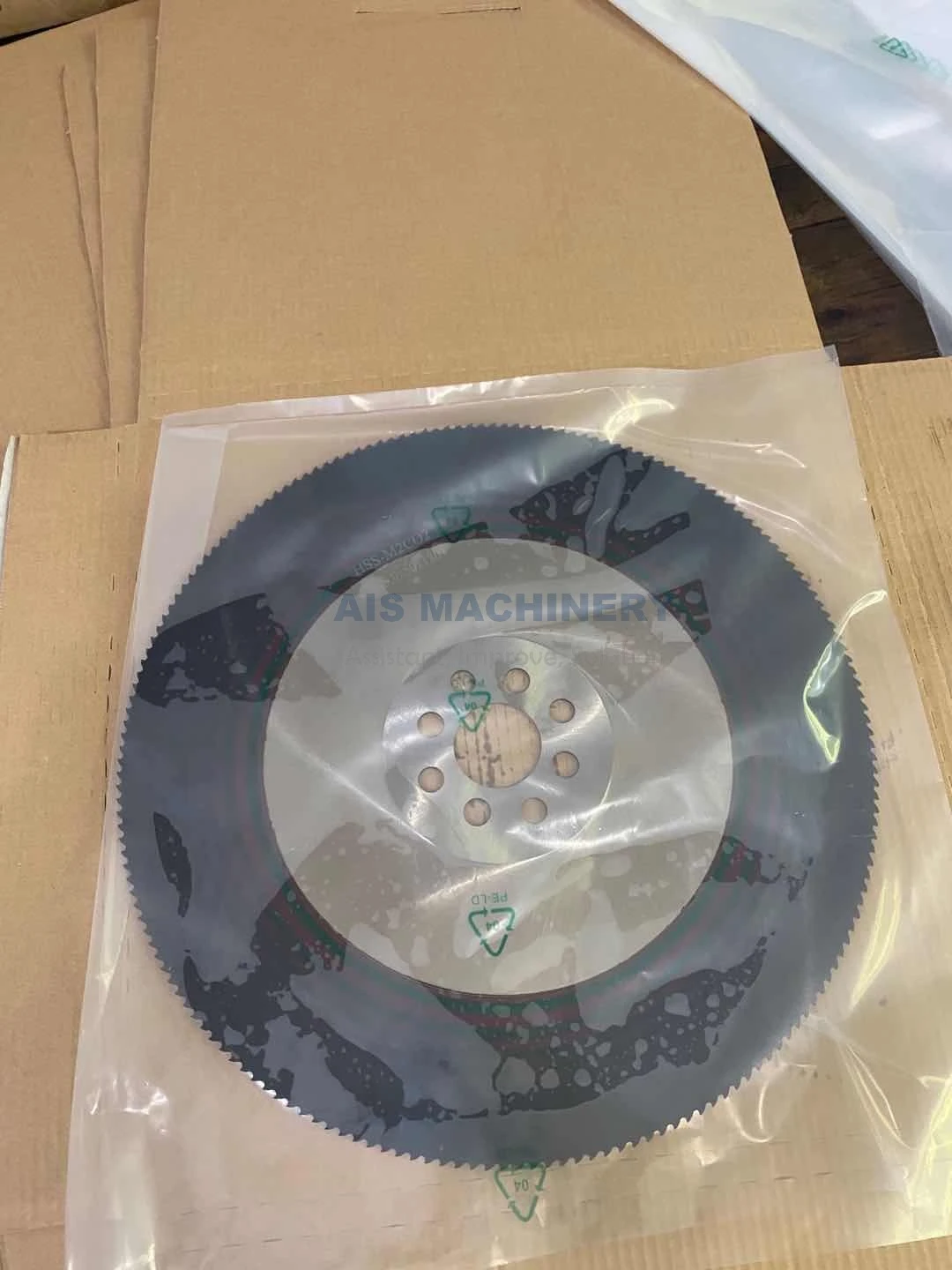
Saw Blade Guide for Tube Mills: Friction vs HSS vs TCT — Which One Should You Choose?
Confused about friction saw, HSS, and TCT blades? This guide explains their uses in cold saw and friction saw machines, with pros, cons, and expert selection tips.
2026-04-24 08:54:16
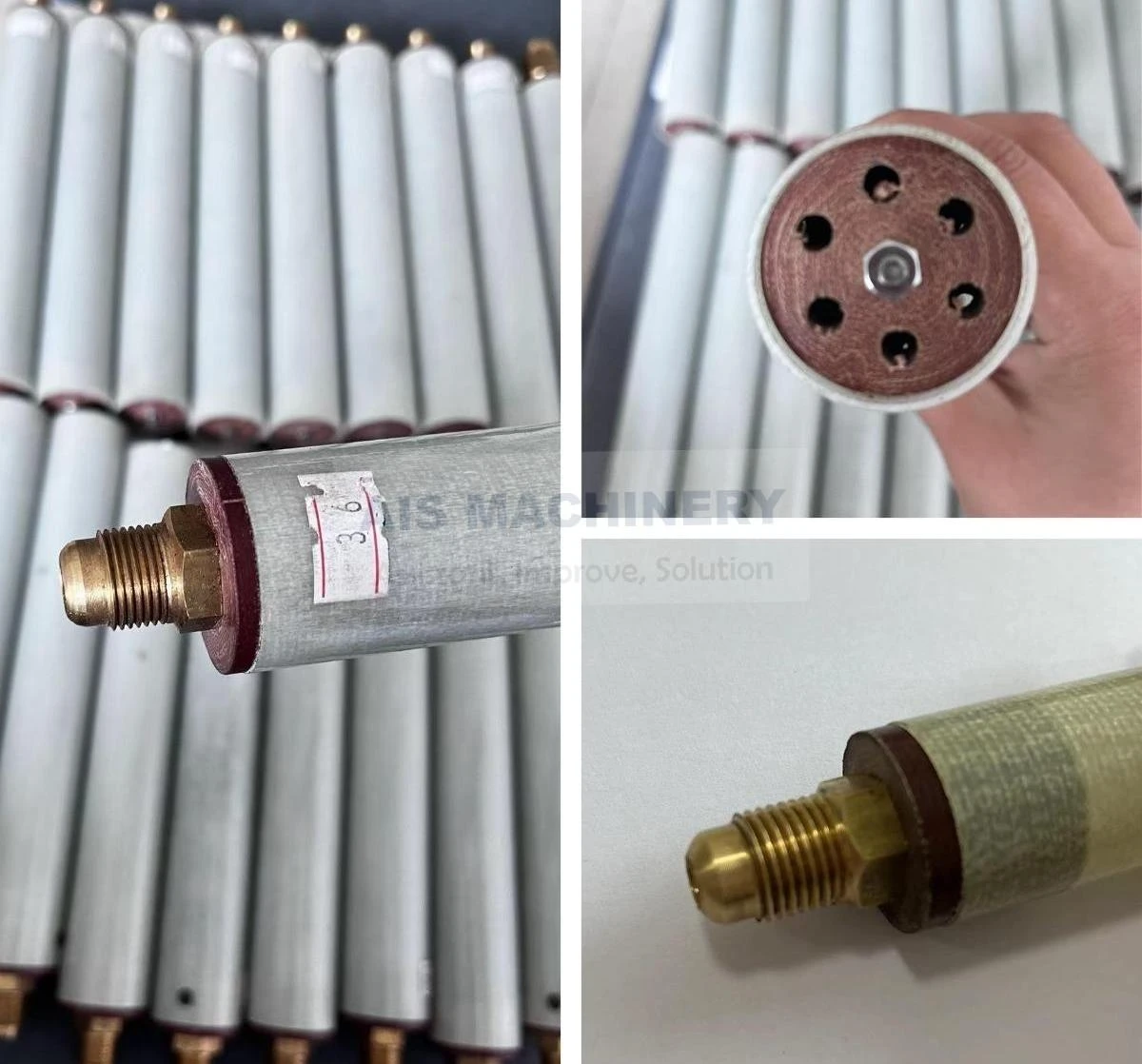
What is an Impeder and Ferrite Rods in ERW Tube Mill?
Struggling with impeder overheating or short service life in your ERW tube mill? This guide explains common impeder problems, the role of ferrite rods, and how to choose the right impeder for stable welding performance. Improve weld quality, reduce energy loss, and extend equipment lifespan with the right selection and proper cooling solutions.
2026-04-21 10:22:25
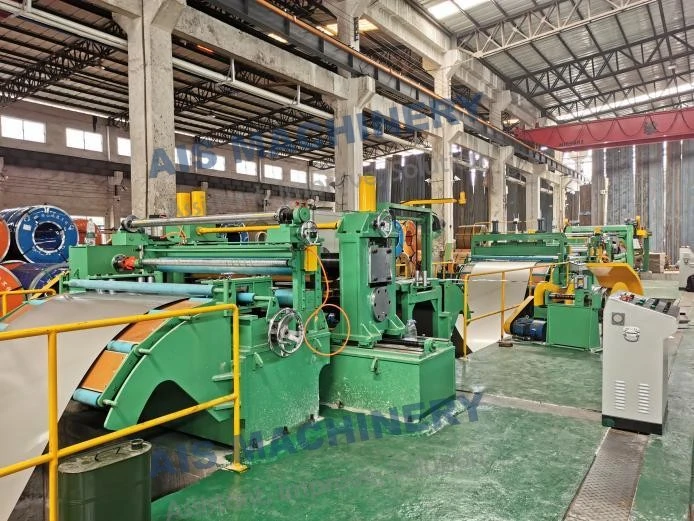
Slitting & Cut-to-Length Combined Production Line: A Smarter Way to Process Steel Coils
Discover the Slitting & Cut-to-Length Combined Production Line, a flexible solution for steel coil processing. This system integrates slitting line and cut-to-length line functions in one machine, saving space, reducing costs, and improving efficiency. Ideal for processing both steel strips and sheets, it is widely used in service centers and manufacturing industries. Learn its advantages, limitations, and applications.
2026-04-18 03:20:20
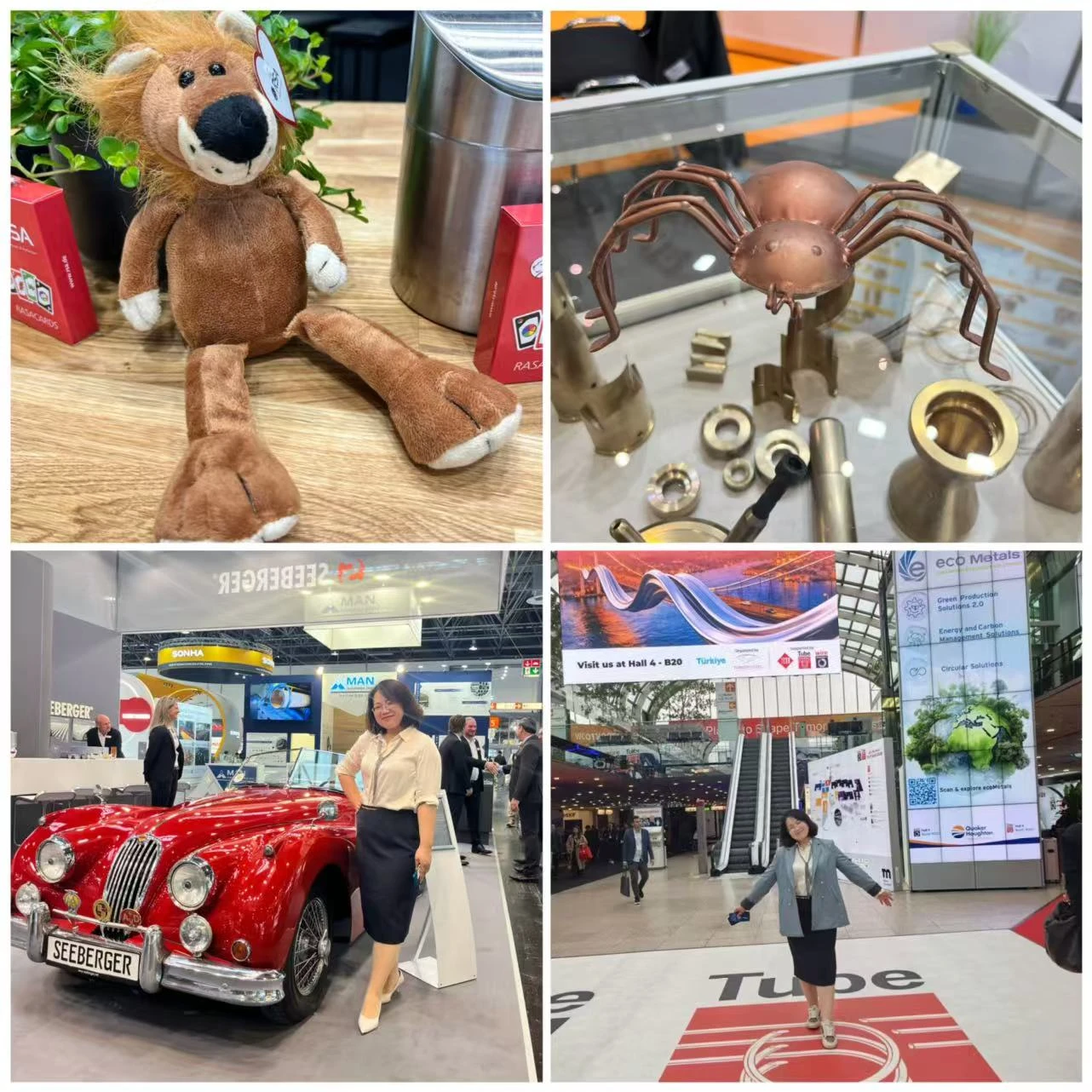
AIS Machinery Showcases Advanced Tube Solutions at Tube & Wire Düsseldorf 2026
Tube & Wire Düsseldorf 2026, one of the most influential exhibitions in the global tube and wire industry, held biennially in Düsseldorf, Germany
2026-04-17 00:00:00
Southeast Asia Client Visits Our Factory | Customized Tube Mill Solution Delivered
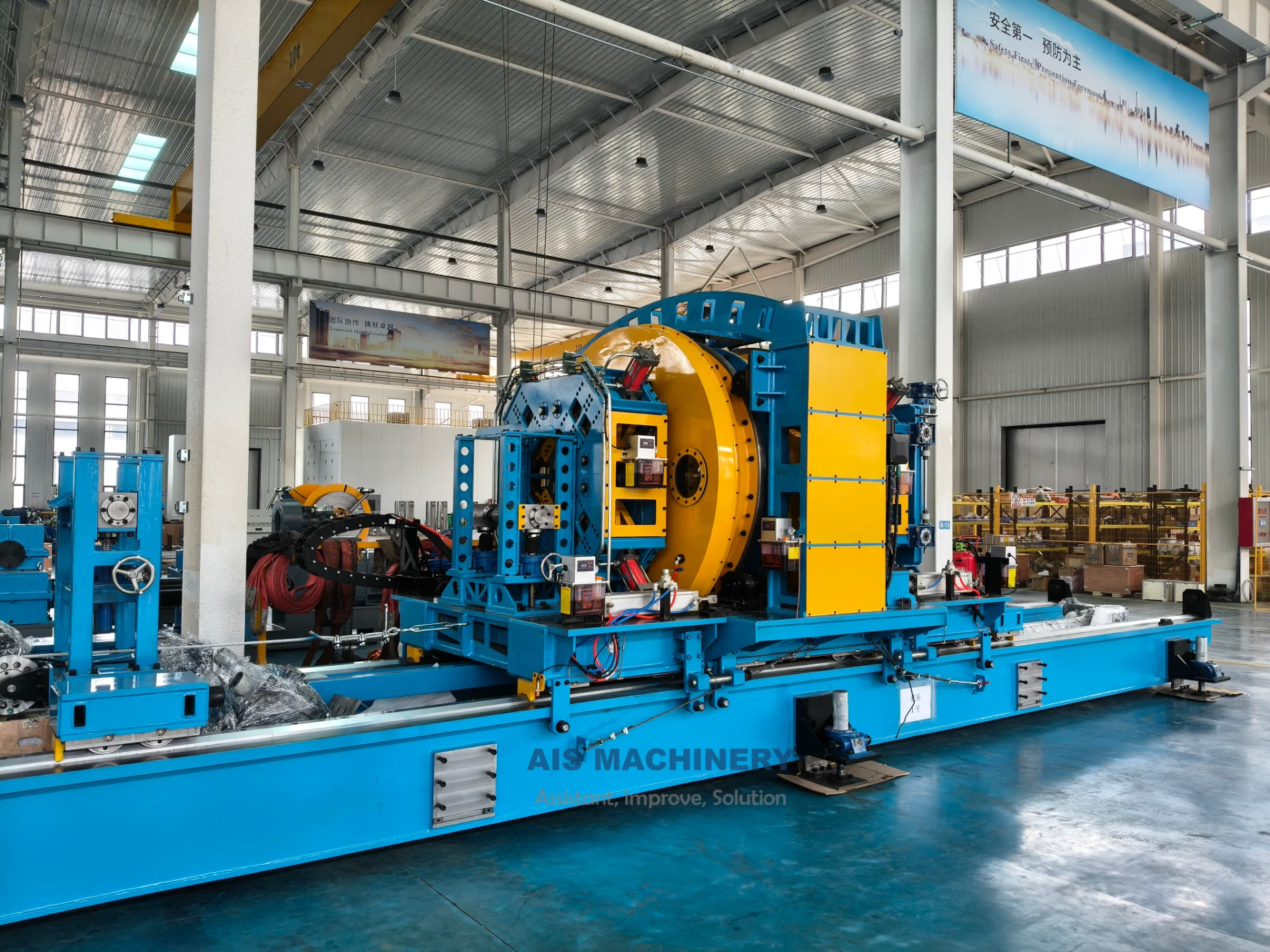
A Southeast Asia client visited our ERW tube mill factory to inspect production lines and discuss a customized tube mill solution. Impressed by our machine quality, welding performance, and engineering support, the client confirmed strong cooperation intentions. Discover how our ERW tube mill solutions improve efficiency, precision, and long-term production reliability.
2026-04-15 10:37:55
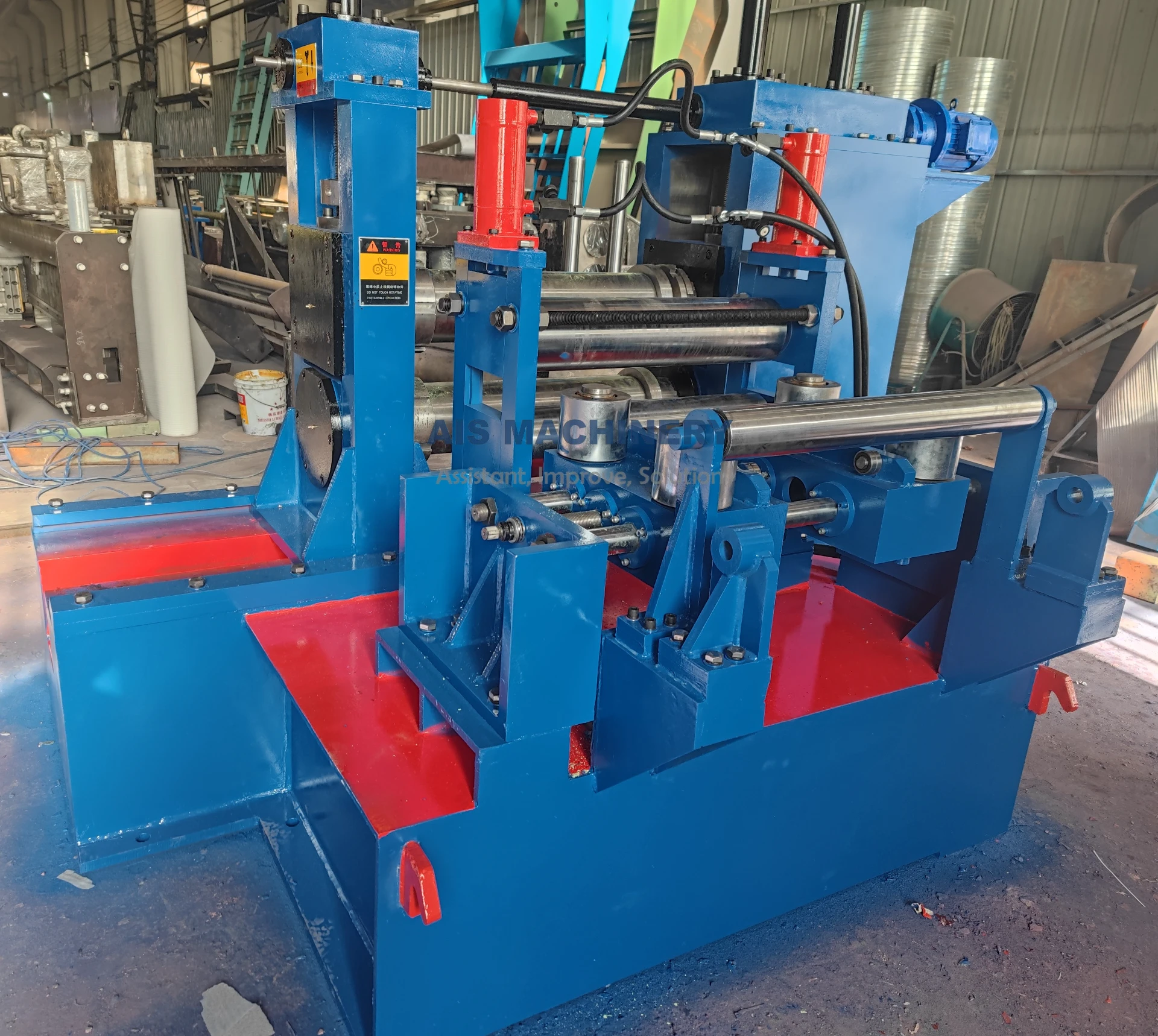
Flat Bar Production Line for Steel Coils: How It Works & Why It Matters
Looking for a flat bar production line? Learn how it turns steel coils into ready-to-use flat bars with precise length and high straightness. Compare it with slitting lines and get the best solution for your steel processing needs.
2026-04-14 00:00:00
Looking for a Milling Saw for ERW Tube Mill? Here’s What You Need to Know
Looking for a high-performance milling saw for your ERW tube mill? Upgrade to burr-free, high-precision pipe cutting with advanced flying saw technology. Improve efficiency, reduce rework, and meet export standards for carbon steel, stainless steel, and API pipes. Contact us today for expert solutions and competitive pricing tailored to your production needs.
Send a Message
Dear customer, thank you for your attention! We provide high-quality machinery and equipment and look forward to your orders. Please inform us of your needs and we will respond quickly!
 English
  Albanian
  Arabic
  French
  German
  Indonesian
  Italian
  Japanese
  Kazakh
  Korean
  Latin
Latin  Macedonian
  Portuguese
  Russian
  Spanish
  Thai
Thai  Turkish
  Ukrainian
  Uzbek
Uzbek