
-
 Tel:86-15176910262
-

Search

Reliable Tube Mill for Sale - Welded & ERW Tube Mill Machines
Aug . 30, 2025 06:40
The Advanced Tube Mill Market: Precision, Efficiency, and Innovation
In the dynamic landscape of industrial manufacturing, the demand for high-quality, precisely engineered tubular products continues to escalate across a multitude of sectors. From critical infrastructure projects to automotive components and energy pipelines, the integrity and performance of tubes are paramount. This sustained demand fuels a robust market for sophisticated tube production equipment. For businesses seeking to optimize their manufacturing capabilities and meet stringent industry standards, investing in a high-performance tube mill for sale represents a strategic imperative. Modern tube mills are engineered for unparalleled accuracy, speed, and material versatility, driving efficiency and profitability.
This comprehensive guide delves into the technical intricacies, application benefits, and market considerations surrounding advanced tube mill solutions, catering specifically to B2B decision-makers and engineering professionals. We will explore key industry trends, technical specifications, application scenarios, and the critical factors that differentiate leading manufacturers in this specialized field.
Industry Trends and Market Dynamics in Tube Manufacturing
The global tube manufacturing industry is currently experiencing significant evolution, driven by several overarching trends. The increasing urbanization and industrialization, particularly in emerging markets, continue to fuel demand for structural and utility piping. Simultaneously, stricter environmental regulations and the push for sustainable practices are compelling manufacturers to adopt more energy-efficient and waste-reducing production methods. Automation and Industry 4.0 integration are transforming traditional operations, leading to smart factories capable of real-time monitoring, predictive maintenance, and optimized production schedules.
Key trends include:
- Advanced Materials: A growing demand for tubes made from high-strength low-alloy (HSLA) steels, stainless steels, and exotic alloys for specialized applications requiring superior corrosion resistance and strength-to-weight ratios.
- Precision and Tolerances: The aerospace, automotive, and medical industries demand extremely tight dimensional tolerances and superior surface finishes, pushing manufacturers to invest in cutting-edge forming and welding technologies.
- Energy Efficiency: Focus on reducing operational costs through more efficient motors, welding power supplies, and optimized machine designs.
- Customization and Flexibility: Manufacturers require tube mills capable of producing a wide range of pipe sizes and profiles with quick changeovers to cater to diverse customer orders efficiently. The market for a specialized tube mill machine capable of handling unique requirements is expanding.
- Digitalization: Integration of IoT sensors, data analytics, and AI for improved quality control, operational efficiency, and reduced downtime. This is particularly evident in modern erw tube mill china facilities, which are often at the forefront of adopting such technologies.
These trends underscore the importance of selecting a robust and technologically advanced welded tube mill that can adapt to future market demands and deliver consistent, high-quality output.
Detailed Process Flow of a Cored Wire Tube Production Line
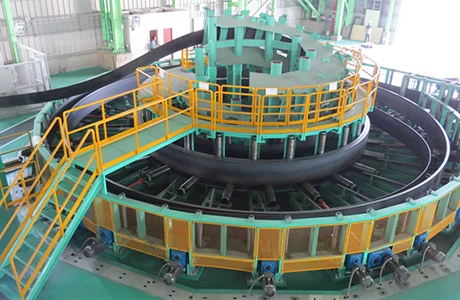
The manufacturing process for high-quality tubes, particularly those produced by an advanced tube mill such as a Cored Wire Tube Production Line, involves a meticulously engineered sequence of operations. This line specializes in creating flux-cored or metal-cored wires, which are themselves a form of specialized tube. The underlying principles of tube formation, welding, and finishing remain critical.
Key Stages in Tube Production:
-
Raw Material Preparation (Coil Entry):
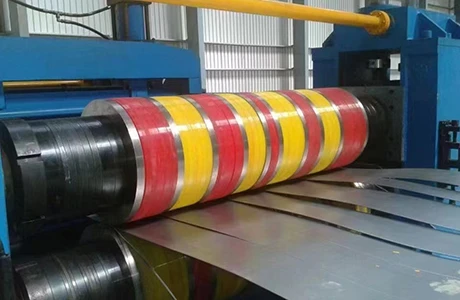
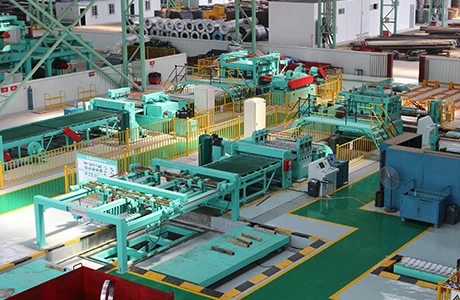
High-quality steel coils (e.g., carbon steel, stainless steel, alloy steel) are selected based on the end-product specification. These coils undergo initial processing, including uncoiling, leveling, and end-shearing, to ensure a flat, consistent strip ready for forming. For cored wire production, the strip material typically has specific properties to facilitate the subsequent filling process. Strict material traceability is maintained through certifications like ASTM A1011 or EN 10025.
-
Forming Section:
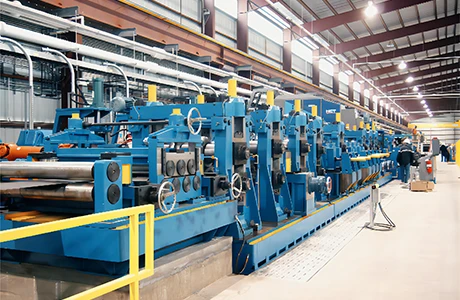
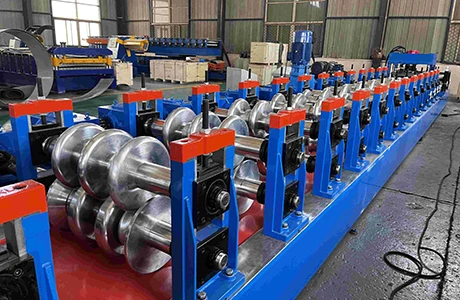
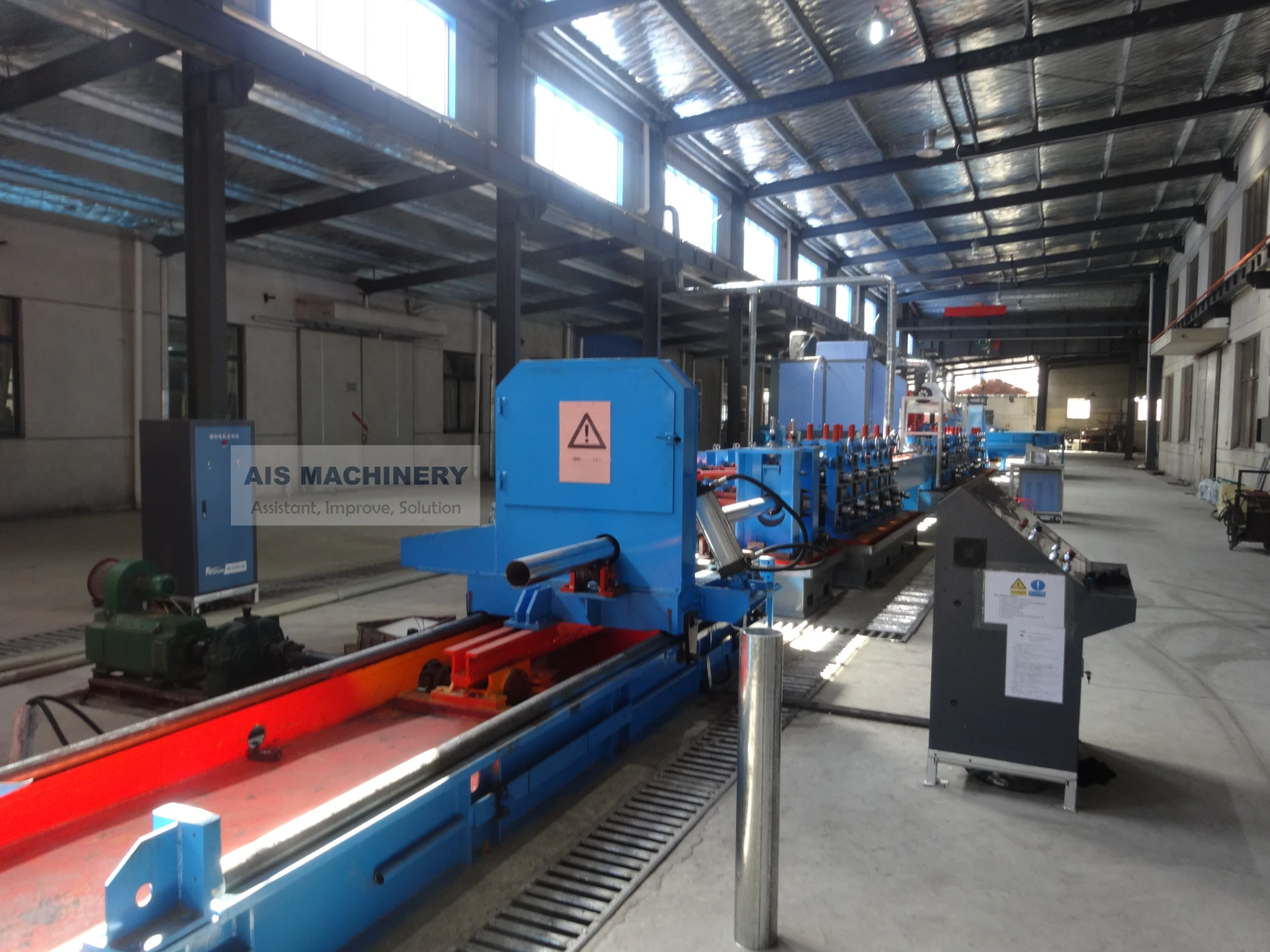
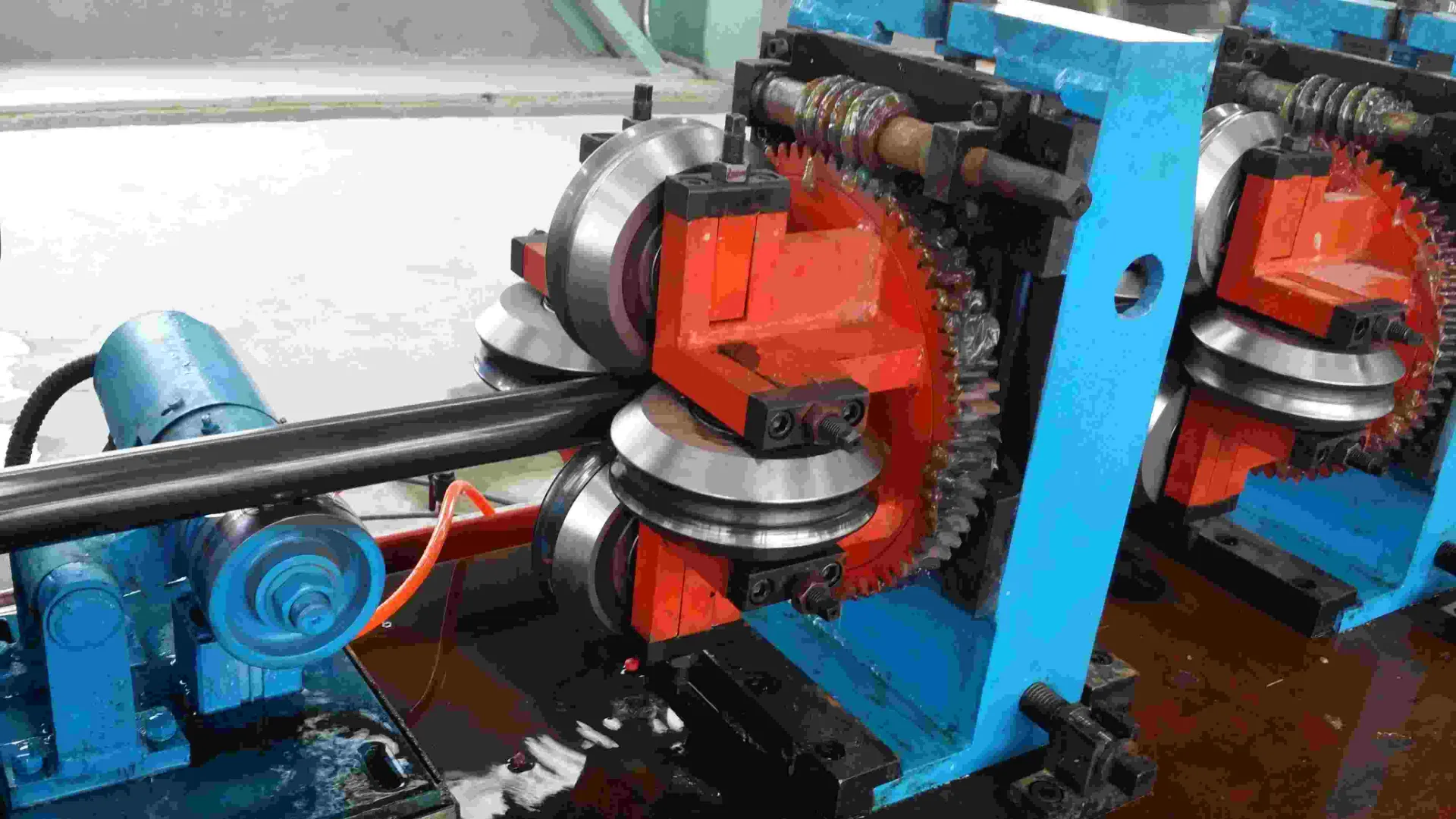
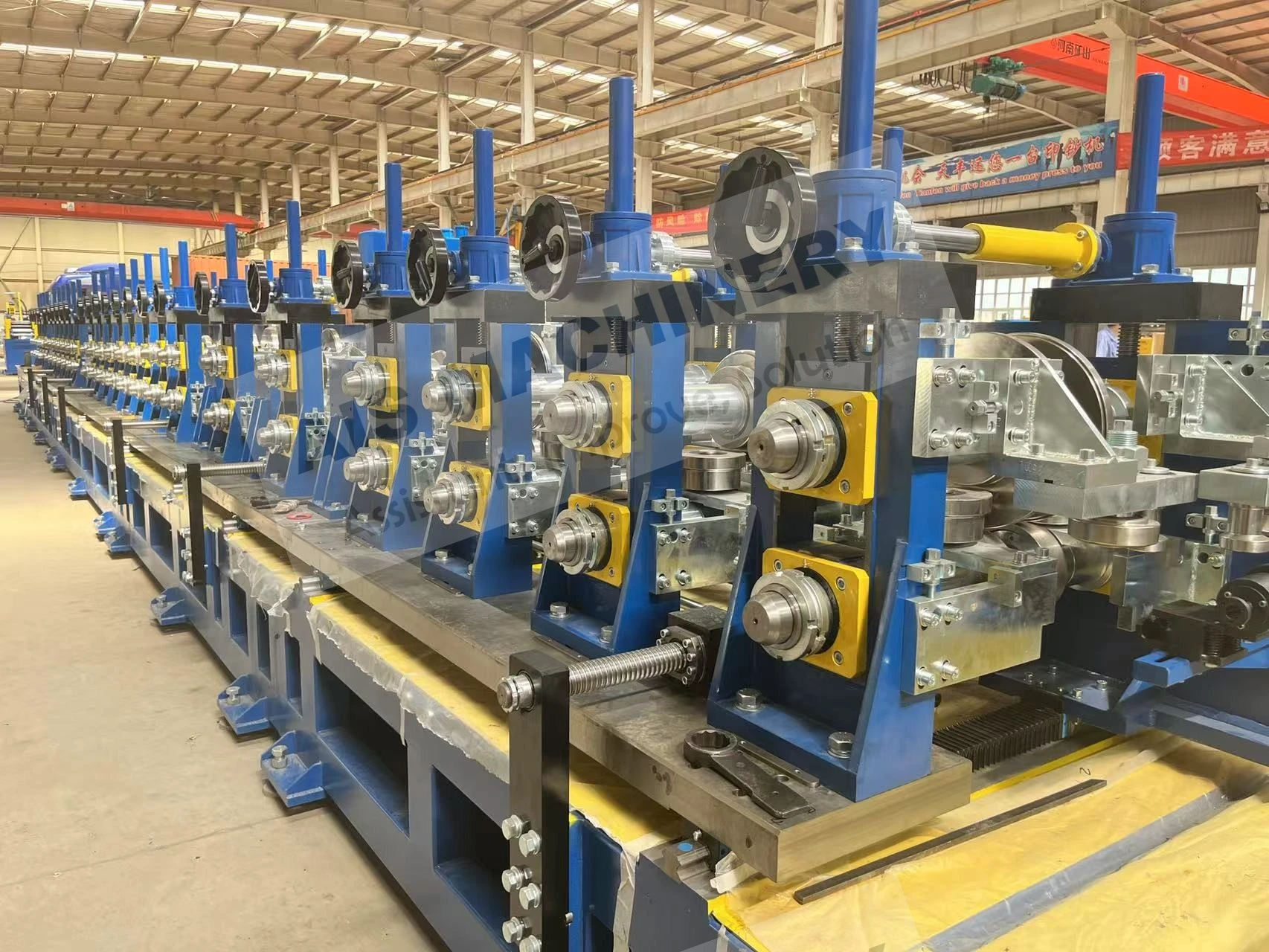
The flat steel strip passes through a series of precision-engineered roller dies. These dies progressively shape the flat strip into an open, tubular form. The process employs sophisticated CNC machining for roller fabrication to ensure exact profiles, minimizing stress on the material and achieving consistent seam gap for welding. The forming section often includes multiple passes (e.g., breakdown, fin pass, pre-weld) to gradually achieve the desired circumference and shape.
-
Welding Section (e.g., ERW, High-Frequency Induction Welding):
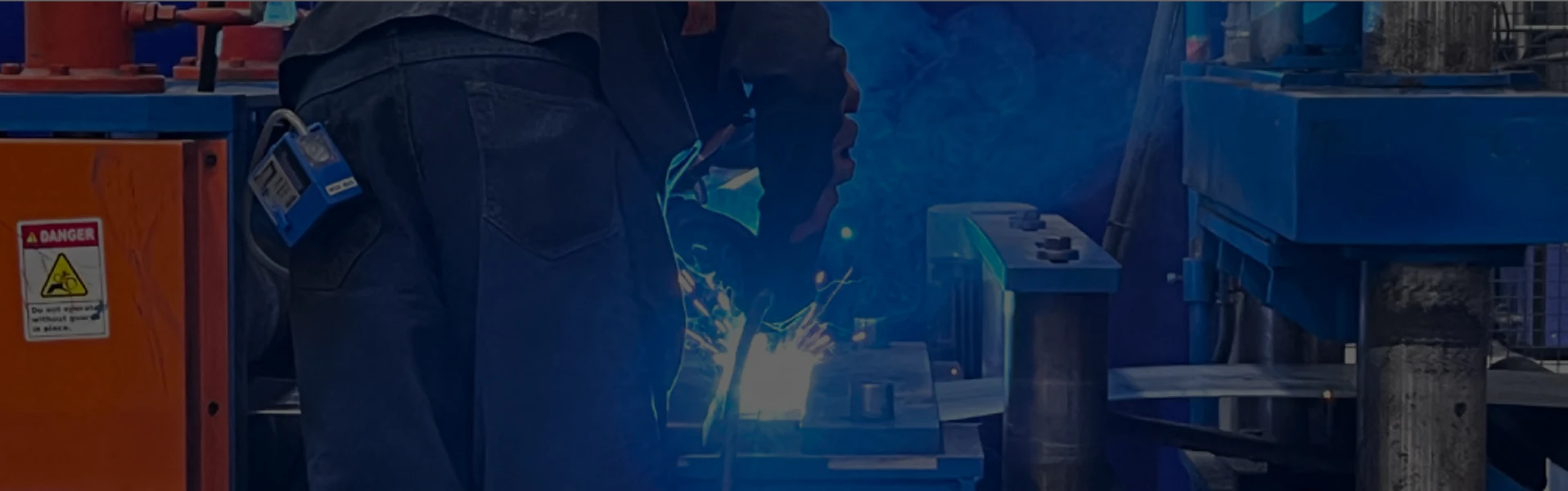
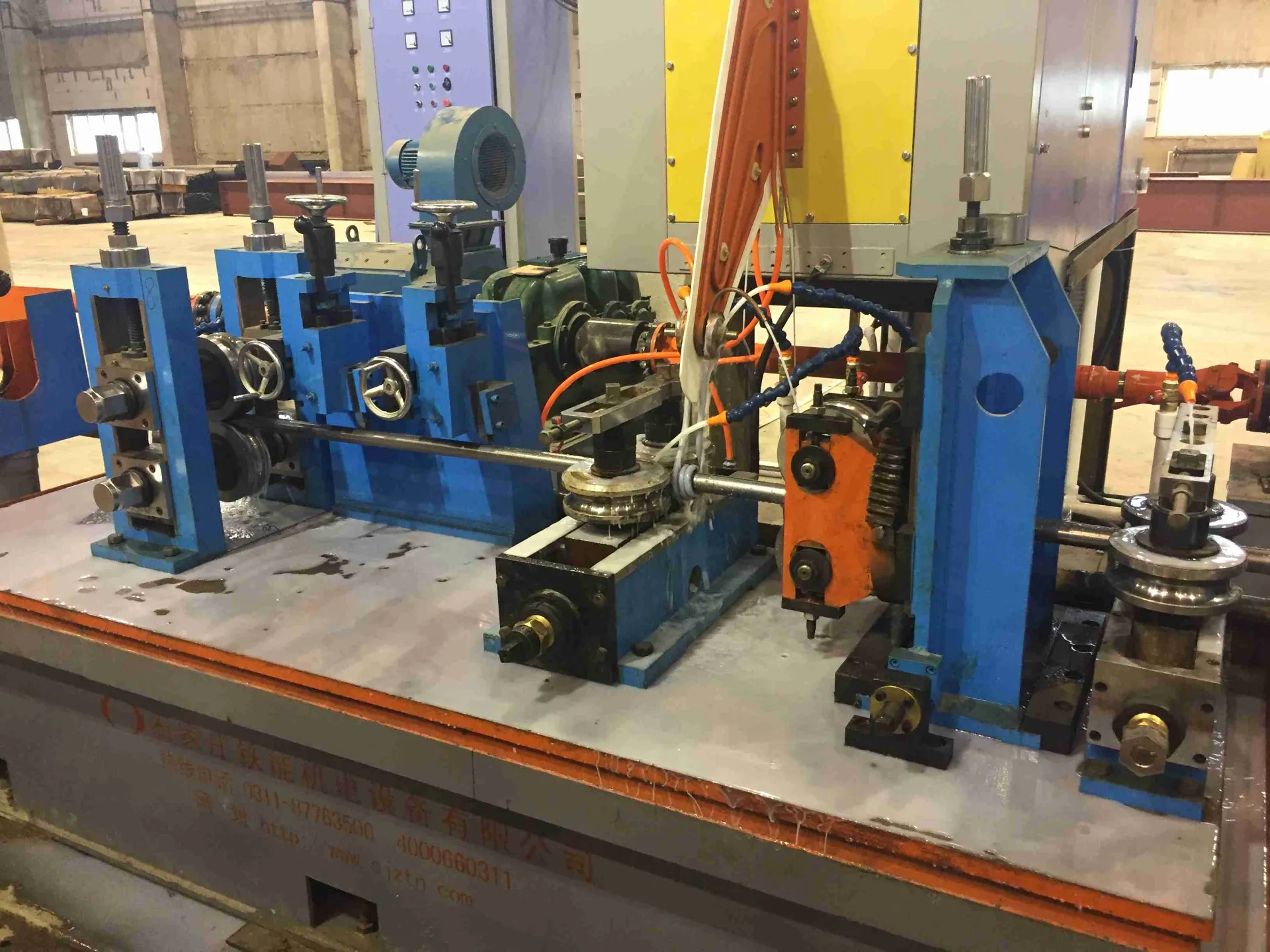
For conventional tubes, the formed open seam is then welded. An ERW (Electric Resistance Welding) tube mill utilizes high-frequency current to heat the edges of the strip to forging temperature. Pressure rollers then force the heated edges together, creating a solid-state weld without the addition of filler material. This method ensures a strong, clean weld with minimal heat-affected zone (HAZ). For cored wire, the 'tube' formation might involve a very fine strip that is later filled and closed, potentially with a micro-welding or folding process. Testing standards for welds include ASTM E213 (ultrasonic) and ASTM E309 (eddy current).
-
Scarfing / Outer Bead Removal:
Immediately after welding, any excess weld flash (scarf) on the outer diameter is precisely removed by a scarfing tool. This ensures a smooth exterior surface, critical for aesthetics and subsequent processing. Internal scarfing tools can also be employed for specific applications.
-
Sizing and Straightening Section:
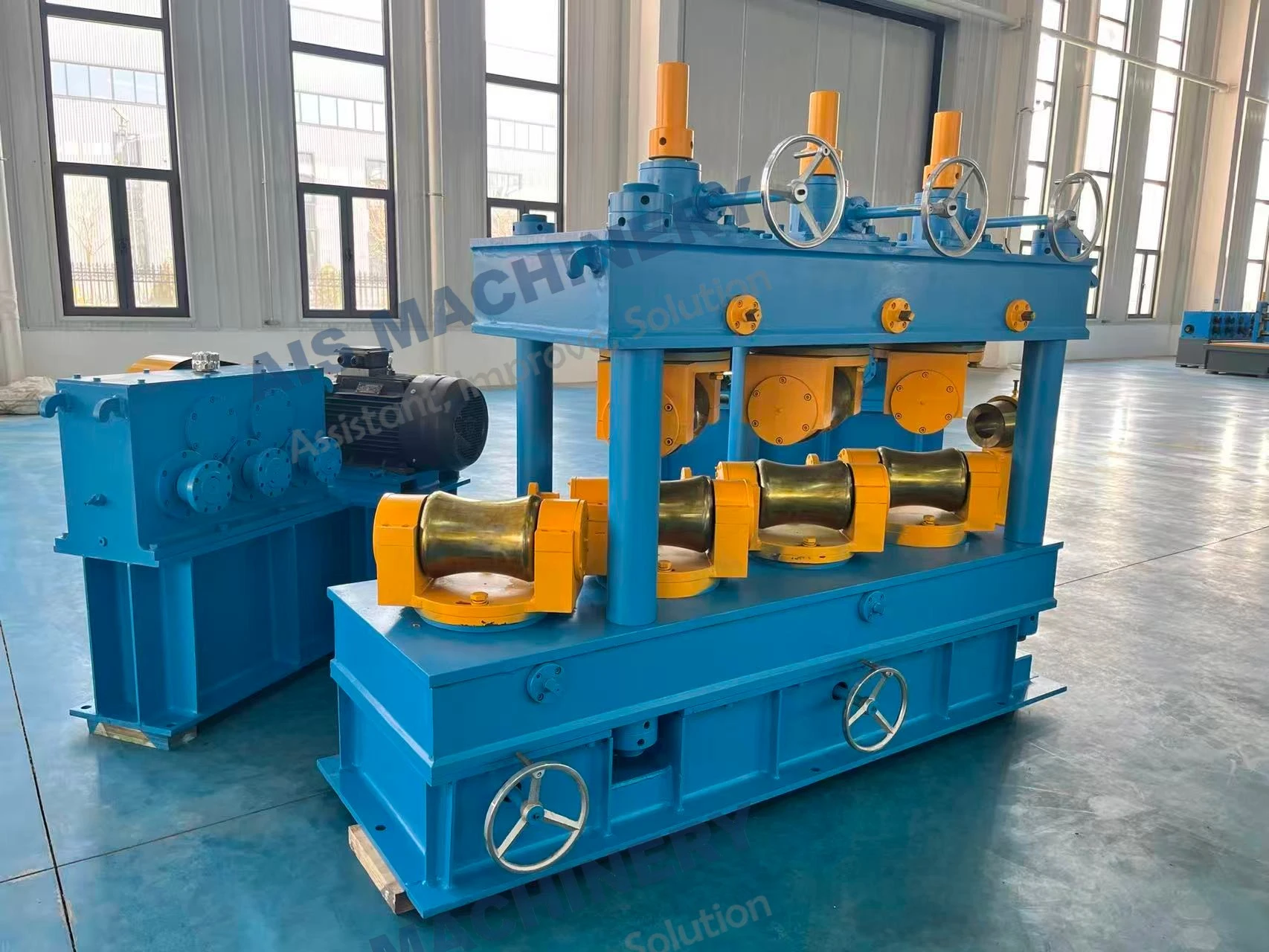
The welded tube passes through another series of sizing rolls to achieve the final precise outer diameter and wall thickness. This section also ensures the tube is perfectly straight, meeting standards like API 5L or ISO 3183. Straighteners (e.g., Turks head or roller straighteners) guarantee dimensional accuracy and eliminate residual stresses.
-
Cutting Section:
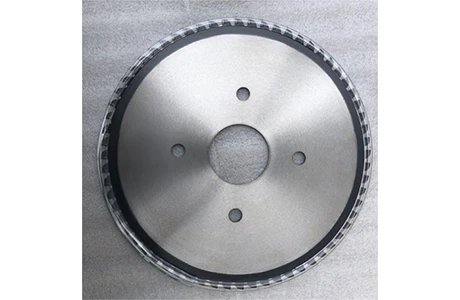
A flying cutoff saw or cold saw precisely cuts the continuous tube into pre-determined lengths without stopping the production line. This high-speed cutting mechanism, often integrated with a servo-driven system, ensures cut length accuracy within ±1mm.
-
Finishing and Inspection:
Finished tubes may undergo deburring, end-facing, hydrostatic testing, non-destructive testing (NDT) like eddy current or ultrasonic testing, and visual inspection. These stringent testing standards, often conforming to ISO 9001 quality management systems and ANSI B31.3 for process piping, ensure the highest product quality and integrity, guaranteeing a long service life typically exceeding 20 years for the produced tubes in various target industries such as petrochemical, metallurgy, water supply & drainage, and automotive. Advantages in typical application scenarios include significant energy saving due to optimized welding processes and superior corrosion resistance when using appropriate base materials and welding techniques.
-
Coring (Specific to Cored Wire):
After initial tube formation (or sometimes integrated with it), the tube is filled with powdered flux or metal composites. This requires specialized dosing and compaction equipment to ensure a consistent fill ratio and density, critical for the performance of the cored wire in welding applications. The tube is then often re-closed (e.g., by further rolling or drawing) to encapsulate the core material securely.
Technical Specifications and Parameters of a Modern ERW Tube Mill
When considering a tube mill for sale, understanding its core technical specifications is crucial for evaluating its suitability for your production needs. The efficiency, precision, and versatility of an ERW tube mill are directly tied to its design parameters.
Key Specifications for a High-Frequency ERW Tube Mill (Example Data):
| Parameter | Typical Range / Value | Significance |
|---|---|---|
| Pipe Outer Diameter (OD) Range | Ø10mm - Ø325mm | Defines the range of pipe sizes the mill can produce. Broader range offers more versatility. |
| Wall Thickness (WT) Range | 0.4mm - 12.7mm | Indicates the minimum and maximum material thickness. Thicker walls require more robust forming and welding power. |
| Max. Line Speed | 60 - 150 m/min | Production capacity; higher speeds mean higher output. Optimized for stability at speed. |
| Material Type | Carbon Steel, Stainless Steel, Galvanized Steel, HSLA | Versatility in material processing, critical for diverse product portfolios. |
| Welding Method | High-Frequency Induction (HFI) or Contact (HFC) Welding | HFI offers cleaner welds, HFC is suitable for thicker walls. Often selected based on material and thickness. |
| Total Power Consumption | 250 kW - 1200 kW (depending on size) | Operational cost factor; energy-efficient designs are paramount. |
| Roll Stand Configuration | Multi-stage (e.g., 6-12 forming, 3-6 sizing) | More stands generally allow for better control over tube shape and precision, reducing residual stress. |
| PLC Control System | Siemens, Allen-Bradley, Mitsubishi | Ensures automation, precise control, and integration with factory IT systems. |
| Length Cutting Accuracy | ±0.5mm to ±1.5mm | Precision of the flying cut-off saw, reducing material waste and rework. |
These parameters directly influence the type of products that can be manufactured, the overall production capacity, and the operational costs. Advanced control systems and robust mechanical designs ensure consistent product quality, even at high speeds. The optimal configuration for any given operation hinges on a careful analysis of target product mix, required output volume, and budget.
Application Scenarios and Strategic Advantages
The versatility of modern tube mills, including the specific Cored Wire Tube Production Line, makes them indispensable across a broad spectrum of industries. Understanding typical application scenarios highlights the strategic advantages of investing in this advanced machinery.
Key Application Industries:
- Automotive Industry: Production of exhaust systems, chassis components, seat frames, and various structural parts where lightweight, high-strength tubes are critical.
- Construction & Infrastructure: Manufacturing of structural steel tubing for buildings, bridges, guardrails, and scaffolding. A robust tube mill machine is essential for these applications.
- Oil & Gas Sector: Production of line pipes for conveying oil, gas, and water, requiring tubes with high pressure resistance and corrosion properties, often to API 5L standards.
- Furniture & Appliances: Tubes for chairs, tables, appliance frames, and decorative elements where aesthetic appeal and precise bending are important.
- Heat Exchangers & Boilers: Specialised tubing for thermal transfer applications, demanding excellent heat conductivity and resistance to high temperatures and pressures.
- Welding Consumables (Cored Wire): For the Cored Wire Tube Production Line, the primary application is the creation of flux-cored or metal-cored welding wires used in advanced welding processes, offering superior arc stability, deposition rates, and metallurgical properties compared to solid wires. This niche application demonstrates the precision and versatility of a specialized tube mill.
Technical Advantages Driving ROI:
Investing in a modern tube mill offers several significant operational and economic advantages:
- High Production Efficiency: Advanced mills can achieve line speeds of up to 150 m/min, drastically increasing output volume and reducing per-unit manufacturing costs.
- Superior Weld Quality: High-frequency welding technology minimizes the heat-affected zone, resulting in stronger, more ductile welds that meet or exceed international standards like ASTM, EN, and JIS.
- Dimensional Precision: State-of-the-art forming and sizing sections ensure tight tolerances on outer diameter, wall thickness, and straightness, reducing waste and the need for secondary processing. This is a hallmark of any quality erw tube mill china or global manufacturer.
- Material Versatility: Modern mills can process a wide range of materials, including various grades of carbon steel, stainless steel (e.g., 304, 316L), and high-strength low-alloy steels, expanding product offerings.
- Energy Optimization: Integration of energy-efficient motors, advanced inverter welding power supplies, and regenerative braking systems significantly lowers energy consumption, contributing to reduced operational expenses and a smaller carbon footprint.
- Reduced Maintenance and Longer Service Life: Robust construction, high-quality components, and intelligent diagnostic systems reduce downtime and extend the overall operational life of the equipment, often exceeding 20 years with proper maintenance.
Application Case Study: High-Volume Automotive Component Production
A leading automotive parts manufacturer in Europe, faced with increasing demand for lightweight exhaust components, invested in a high-speed ERW welded tube mill. This mill, customized for stainless steel (304L) tube production, featured automated coil handling, an advanced HFI welding unit, and a precision flying cutoff. The implementation resulted in a 40% increase in daily output, a 15% reduction in material scrap due to superior dimensional control, and a 20% decrease in energy consumption compared to their previous setup. The exceptional weld quality also reduced post-welding inspection failures, enhancing overall product reliability for their Tier 1 automotive clients. This case demonstrates the tangible benefits of a well-chosen tube mill for sale.
Vendor Comparison and Customized Solutions
Selecting the right tube mill manufacturer is as critical as choosing the machine itself. The market offers a diverse range of suppliers, each with varying levels of expertise, technology, and support. A thorough vendor comparison, coupled with an understanding of customized solutions, ensures alignment with specific business objectives.
Factors for Vendor Evaluation:
- Technological Advancement: Evaluate the innovation in forming, welding, and control systems. Does the manufacturer utilize the latest high-frequency welding technology? Are their automation features cutting-edge?
- Machine Stability & Durability: Assess the build quality, materials used, and expected service life. Seek references for long-term operational performance.
- Customization Capabilities: Can the vendor tailor the mill to specific pipe sizes, material types, line speeds, or integration requirements (e.g., with existing ERP systems)?
- After-Sales Support: Investigate their responsiveness, availability of spare parts, technical assistance, and training programs. This is crucial for minimizing downtime.
- Certifications & Compliance: Verify adherence to international quality standards (ISO 9001), safety standards (CE), and industry-specific certifications.
- Industry Reputation & Experience: Longevity in the market, client testimonials, and a portfolio of successful installations speak volumes about a vendor's reliability. Reputable manufacturers of a tube mill machine often have decades of experience.
Generic Vendor Comparison Table:
| Feature/Criterion | Vendor A (Premium) | Vendor B (Mid-Range) | Vendor C (Cost-Effective) |
|---|---|---|---|
| Automation Level | High (Full PLC, IoT integration) | Moderate (Standard PLC, some automation) | Basic (Manual adjustments, simple controls) |
| Max. Line Speed (m/min) | 120-150 | 80-120 | 40-80 |
| Material Versatility | High (CS, SS, HSLA, Alloys) | Good (CS, SS) | Limited (Mainly CS) |
| After-Sales Support | Global, 24/7, Onsite, Remote | Regional, Business Hours, Remote | Local, Limited Hours, Basic |
| Certifications (e.g., ISO, CE) | Full Compliance (ISO 9001, CE, TUV) | ISO 9001, CE | Basic Quality Assurance |
| Customization Options | Extensive, Engineering Consultation | Moderate, Standard Modifications | Limited, Off-the-shelf |
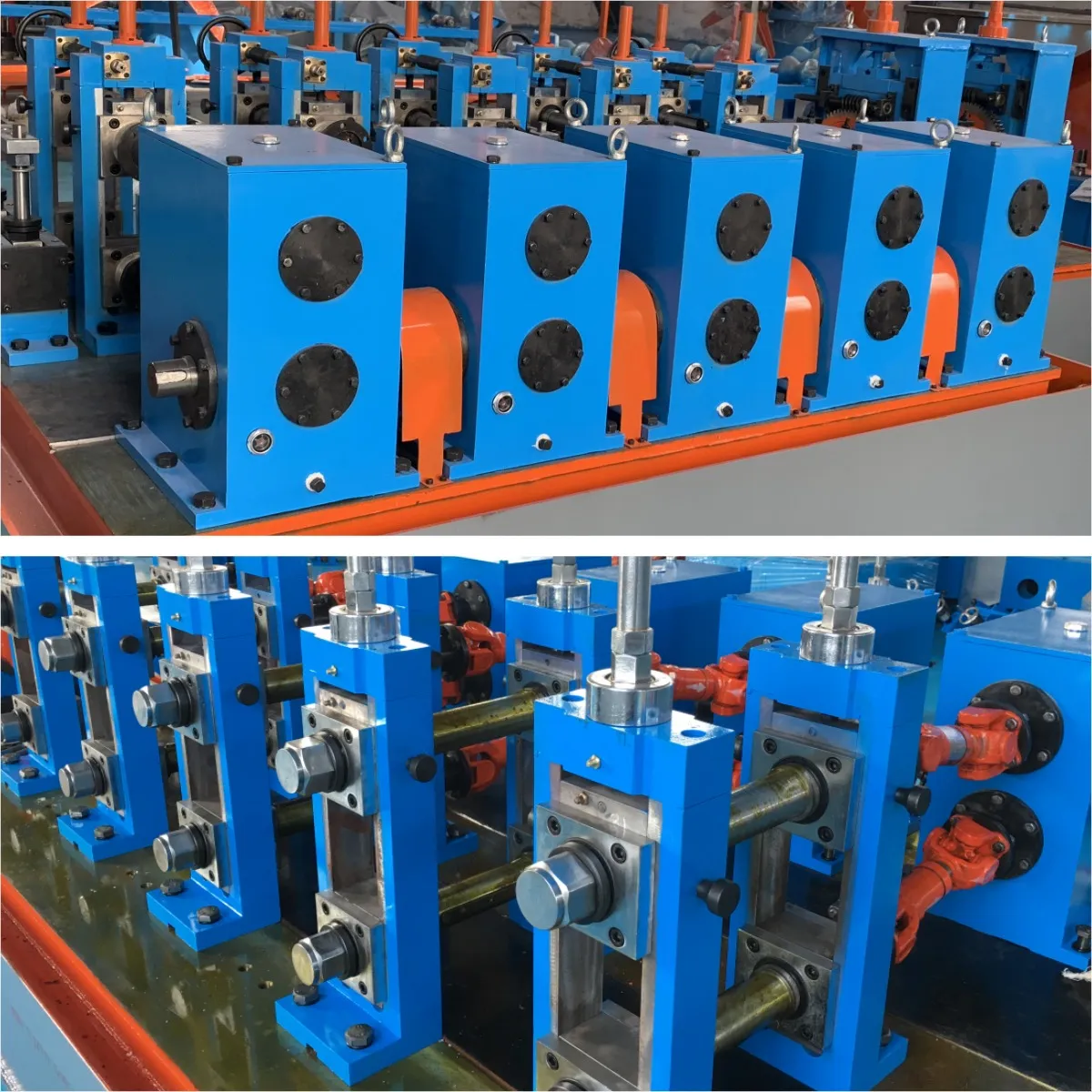
This comparison illustrates that while a lower initial cost might be appealing, the long-term TCO (Total Cost of Ownership) is heavily influenced by factors such as efficiency, reliability, and support. A premium tube mill for sale might offer significantly higher ROI through reduced downtime and superior product quality.
Ensuring Trustworthiness and Comprehensive Support
Trust and reliability are paramount in B2B transactions, especially for significant capital investments like a welded tube mill. Reputable manufacturers provide transparent information regarding lead times, warranties, and robust customer support to ensure long-term operational success.
Frequently Asked Questions (FAQ):
A: Lead times vary based on customization and mill complexity. Standard models generally range from 3 to 6 months for manufacturing and testing, followed by shipping. Highly customized lines or large-scale projects may require 6-12 months. This includes engineering, procurement, fabrication, assembly, and factory acceptance testing (FAT).
A: Most manufacturers offer a standard 12-month warranty from the date of commissioning or 18 months from shipment, whichever comes first. This typically covers manufacturing defects and component failures under normal operating conditions. Extended warranty options are often available.
A: Yes, reputable vendors provide comprehensive services, including on-site installation supervision, commissioning, and hands-on training for your operational and maintenance staff. This ensures a smooth startup and efficient knowledge transfer for optimal utilization of your tube mill machine.
A: Critical wear parts are typically stocked and can be dispatched quickly. For non-standard or custom parts, lead times may apply. A reliable supplier will provide a recommended spare parts list for two years of operation upon delivery.
A: Manufacturers committed to client success offer multi-channel support, including 24/7 technical hotlines, remote diagnostics, and dispatch of skilled engineers for on-site troubleshooting. Dedicated account managers ensure personalized service. Many leading erw tube mill china providers now offer extensive international support networks.
Lead Time and Fulfillment Details:
The journey from initial inquiry to a fully operational tube mill is a structured process. After an initial consultation and agreement on specifications, the project moves to design and engineering, followed by component procurement and manufacturing. Factory Acceptance Testing (FAT) is conducted to ensure the machine meets all performance parameters before shipment. Logistics are carefully managed for timely and secure delivery to your facility. Our process emphasizes transparent communication at every stage, providing detailed progress reports.
Warranty and Customer Support Commitments:
Our commitment extends beyond the sale. We provide comprehensive warranty coverage and a dedicated customer support team accessible through multiple channels. This includes remote diagnostics, on-site technical assistance, and a readily available inventory of genuine spare parts to minimize any potential downtime. Our goal is to ensure your production line operates at peak efficiency for decades, reflecting our confidence in the durability and reliability of our tube mill solutions.
Conclusion: Strategic Investment in Tube Mill Technology
The decision to acquire a new tube mill is a significant strategic investment that profoundly impacts a company's long-term production capabilities, efficiency, and market competitiveness. As the industry continues to evolve towards higher precision, greater automation, and enhanced material versatility, choosing an advanced tube mill for sale that aligns with these trends is paramount. From the intricate process flow involving precise forming and welding to the robust technical specifications and comprehensive after-sales support, every aspect contributes to the overall value proposition.
By focusing on high-quality engineering, reliable performance, and dedicated customer service, manufacturers can secure a foundational asset that delivers consistent, high-quality tubular products for decades to come, ensuring a strong return on investment in an ever-demanding global market.
References
- American Society for Testing and Materials (ASTM) Standards. Various standards related to steel pipe and tube, and non-destructive testing.
- International Organization for Standardization (ISO) 9001:2015 - Quality management systems.
- American Petroleum Institute (API) Specification 5L for Line Pipe.
- Welding Journal, American Welding Society. Technical articles on ERW and cored wire welding technologies.
- European Committee for Standardization (CEN) EN 10025 series - Hot rolled products of structural steels.

Related Products

Related News
2026-04-30 09:35:04
Automatic Stacking Machine (Magnetic Chuck Type)
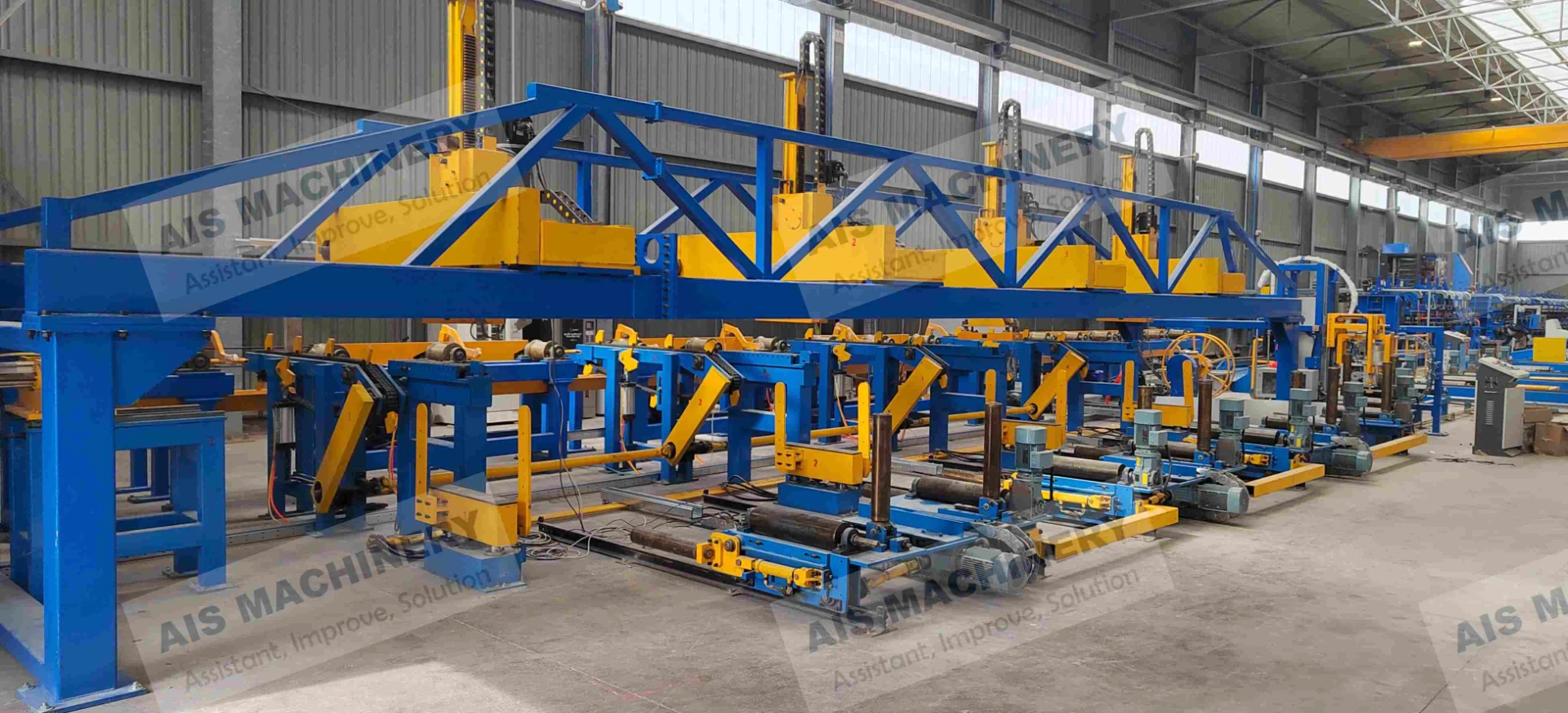
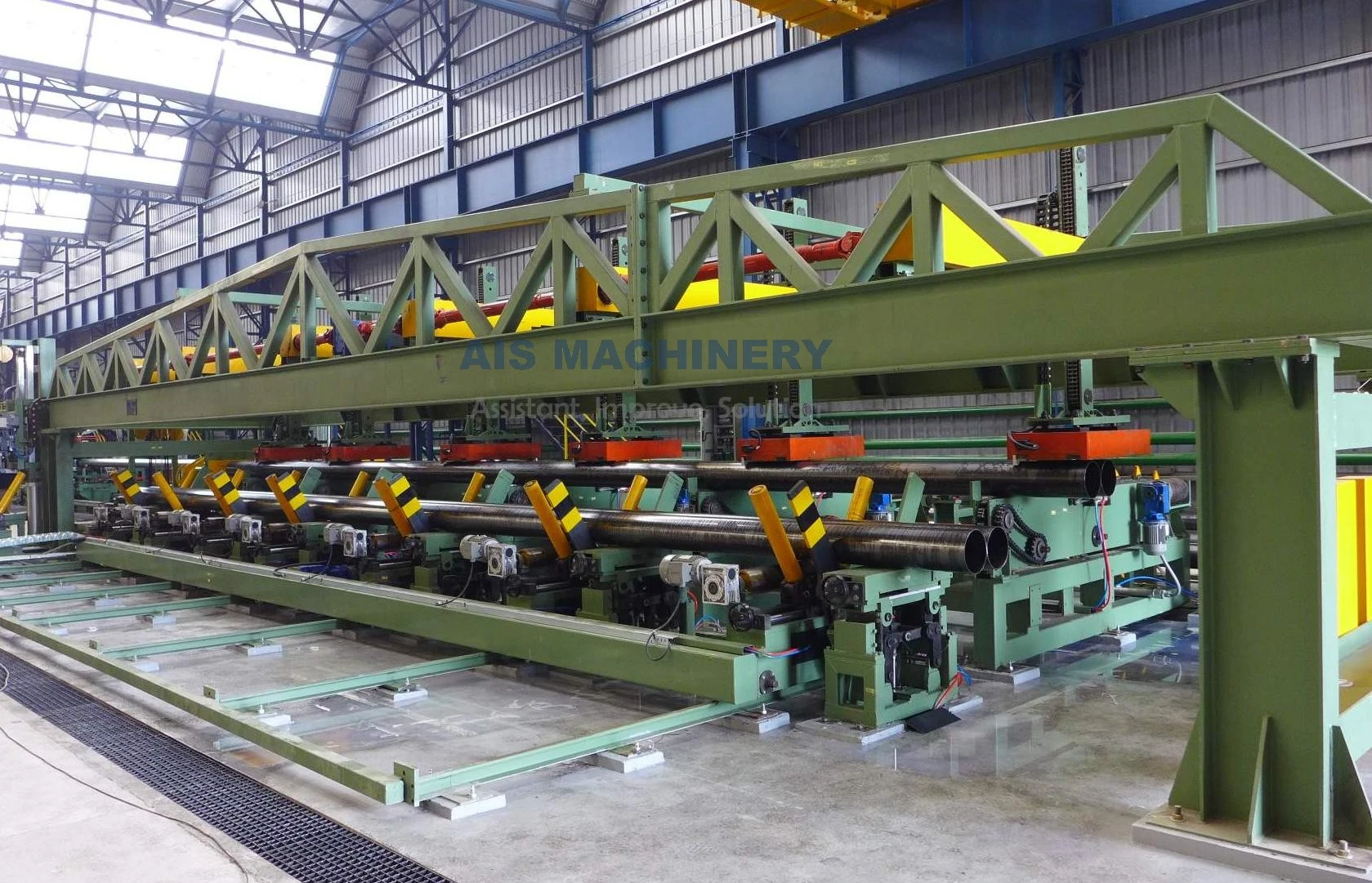
The Automatic Stacking Machine (Magnetic Chuck Type) from AIS Machinery is designed to efficiently collect and stack steel tubes in ERW tube mill production lines. Using electromagnetic lifting, it can pick up multiple tubes at once and place them neatly in layers. This reduces manual labor, improves stacking accuracy, and increases overall production efficiency. It is installed after the flying saw and works seamlessly with the mill line, making it an ideal solution for modern tube manufacturers.
2026-04-28 08:56:05
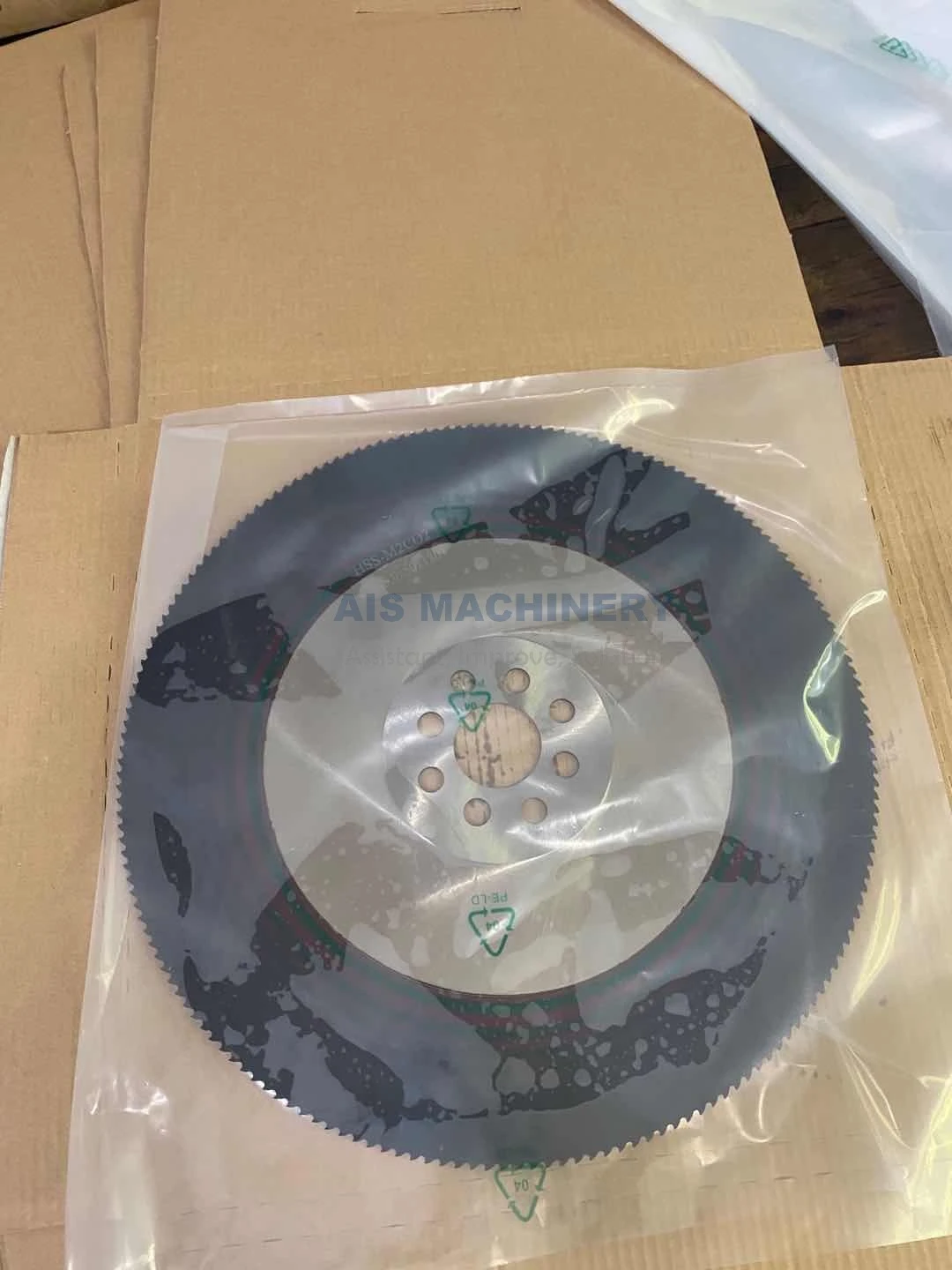
Saw Blade Guide for Tube Mills: Friction vs HSS vs TCT — Which One Should You Choose?
Confused about friction saw, HSS, and TCT blades? This guide explains their uses in cold saw and friction saw machines, with pros, cons, and expert selection tips.
2026-04-24 08:54:16
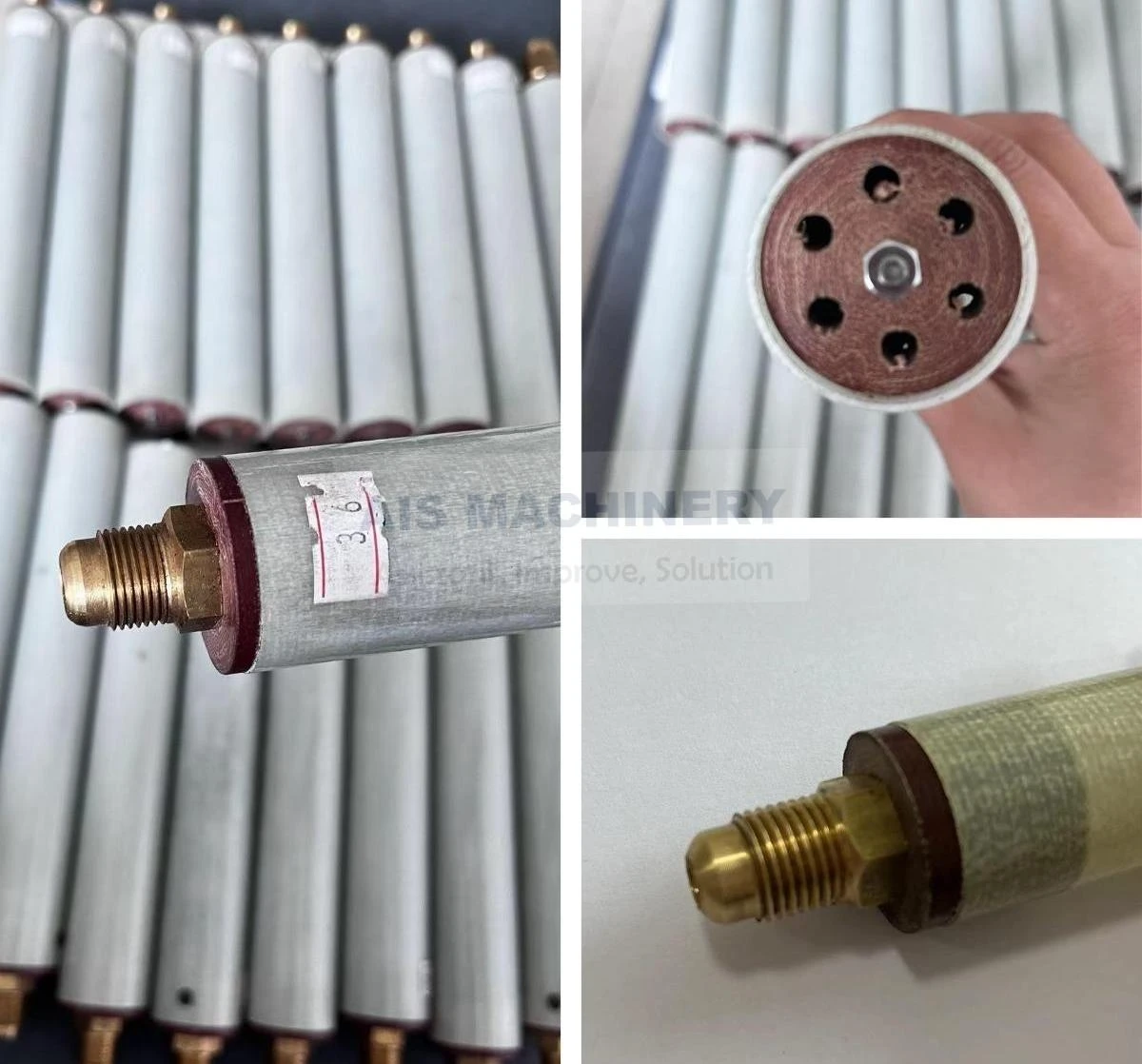
What is an Impeder and Ferrite Rods in ERW Tube Mill?
Struggling with impeder overheating or short service life in your ERW tube mill? This guide explains common impeder problems, the role of ferrite rods, and how to choose the right impeder for stable welding performance. Improve weld quality, reduce energy loss, and extend equipment lifespan with the right selection and proper cooling solutions.
2026-04-21 10:22:25
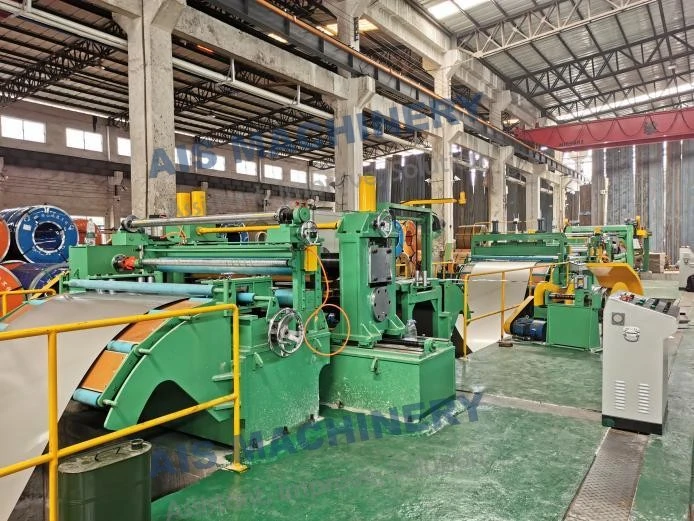
Slitting & Cut-to-Length Combined Production Line: A Smarter Way to Process Steel Coils
Discover the Slitting & Cut-to-Length Combined Production Line, a flexible solution for steel coil processing. This system integrates slitting line and cut-to-length line functions in one machine, saving space, reducing costs, and improving efficiency. Ideal for processing both steel strips and sheets, it is widely used in service centers and manufacturing industries. Learn its advantages, limitations, and applications.
2026-04-18 03:20:20
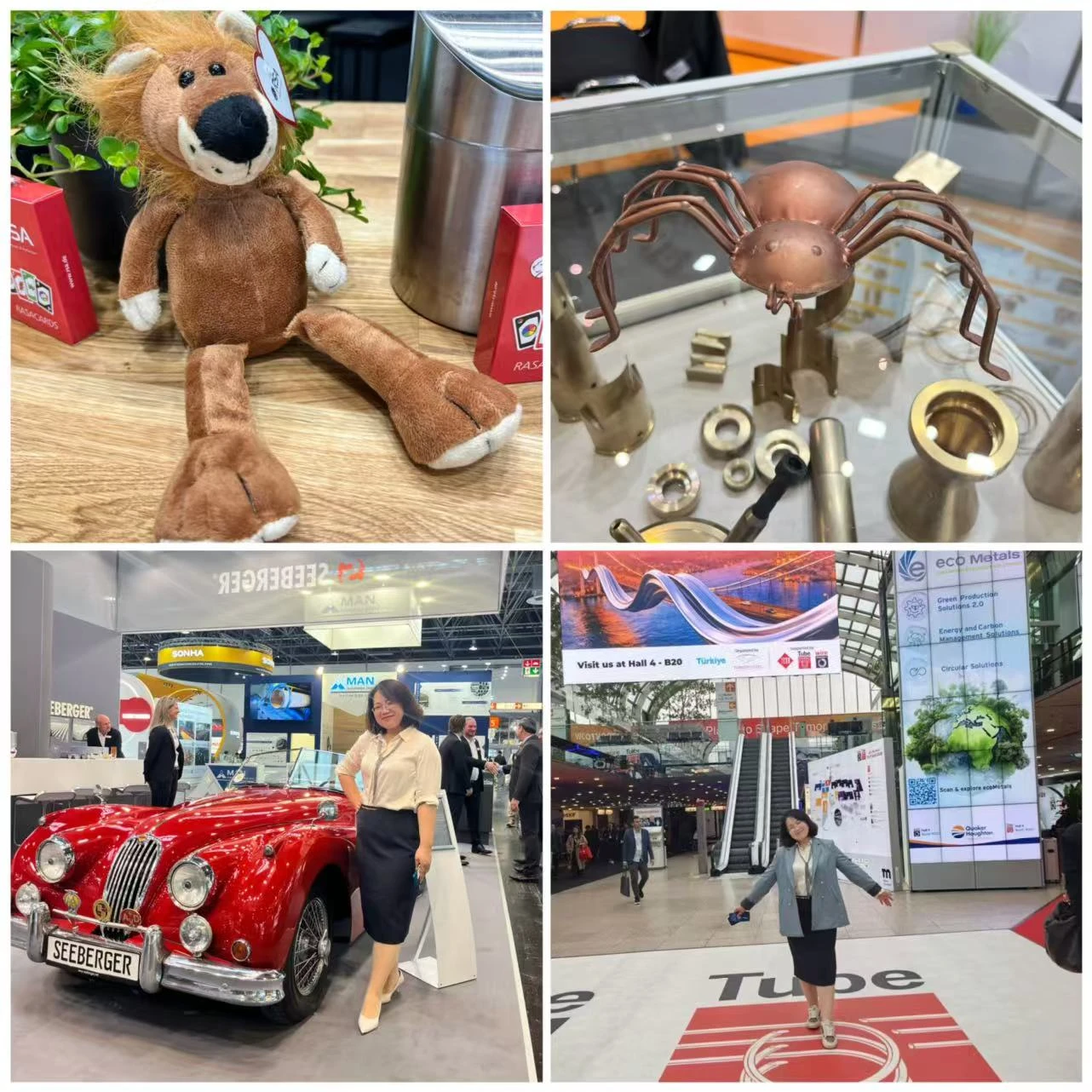
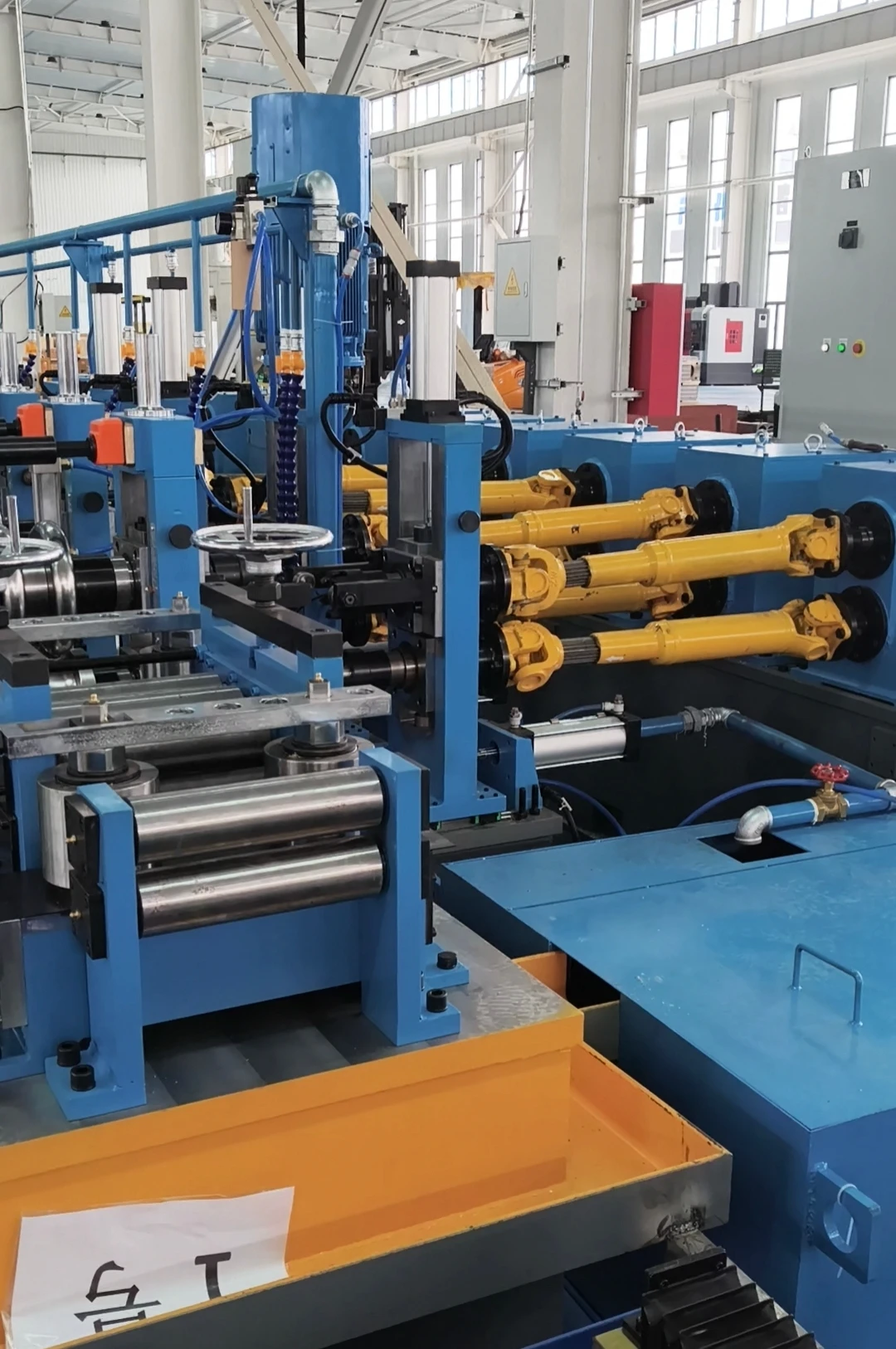
AIS Machinery Showcases Advanced Tube Solutions at Tube & Wire Düsseldorf 2026
Tube & Wire Düsseldorf 2026, one of the most influential exhibitions in the global tube and wire industry, held biennially in Düsseldorf, Germany
2026-04-17 00:00:00
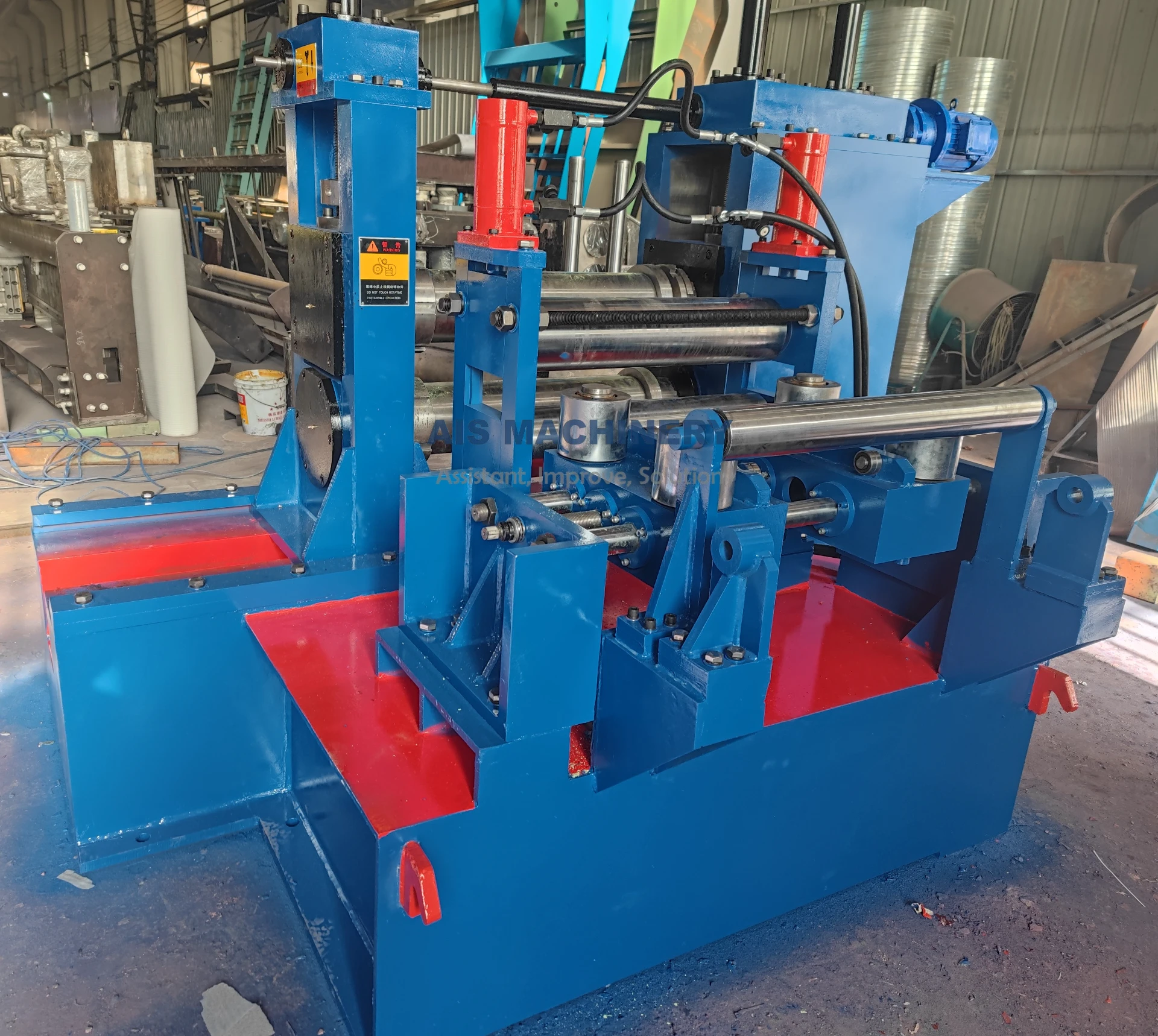
Southeast Asia Client Visits Our Factory | Customized Tube Mill Solution Delivered
A Southeast Asia client visited our ERW tube mill factory to inspect production lines and discuss a customized tube mill solution. Impressed by our machine quality, welding performance, and engineering support, the client confirmed strong cooperation intentions. Discover how our ERW tube mill solutions improve efficiency, precision, and long-term production reliability.
2026-04-15 10:37:55
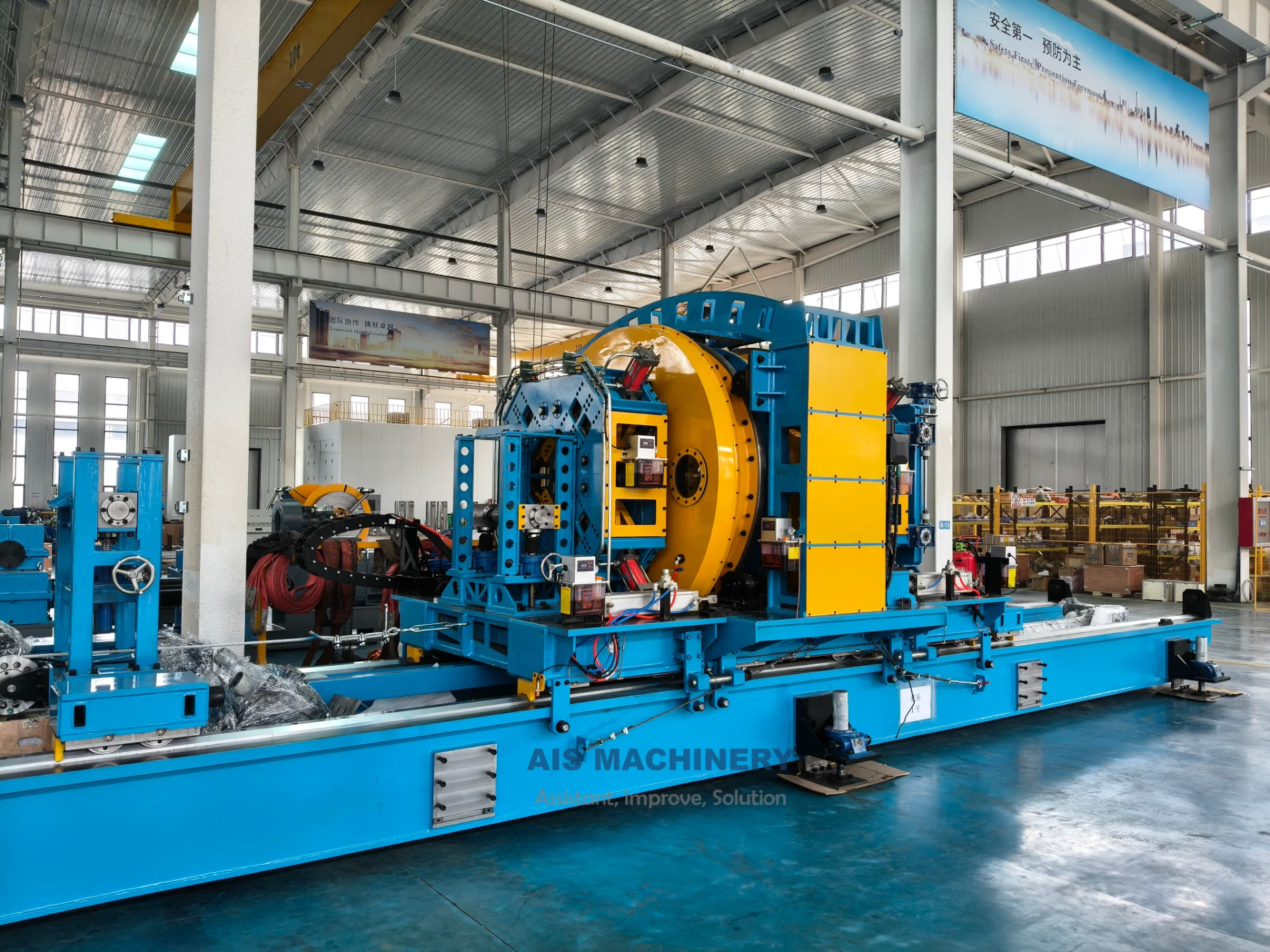
Flat Bar Production Line for Steel Coils: How It Works & Why It Matters
Looking for a flat bar production line? Learn how it turns steel coils into ready-to-use flat bars with precise length and high straightness. Compare it with slitting lines and get the best solution for your steel processing needs.
2026-04-14 00:00:00
Looking for a Milling Saw for ERW Tube Mill? Here’s What You Need to Know
Looking for a high-performance milling saw for your ERW tube mill? Upgrade to burr-free, high-precision pipe cutting with advanced flying saw technology. Improve efficiency, reduce rework, and meet export standards for carbon steel, stainless steel, and API pipes. Contact us today for expert solutions and competitive pricing tailored to your production needs.
Send a Message
Dear customer, thank you for your attention! We provide high-quality machinery and equipment and look forward to your orders. Please inform us of your needs and we will respond quickly!
 English
  Albanian
  Arabic
  French
  German
  Indonesian
  Italian
  Japanese
  Kazakh
  Korean
  Latin
Latin  Macedonian
  Portuguese
  Russian
  Spanish
  Thai
Thai  Turkish
  Ukrainian
  Uzbek
Uzbek