
-
 Tel:86-15176910262
-

Search
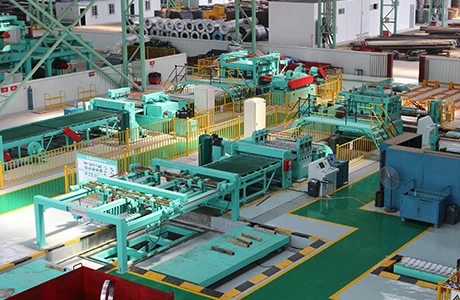

Heavy Gauge Slitting & Cut-to-Length Lines Precision Manufacturing Solutions
May . 07, 2025 16:46
- Understanding Heavy Gauge Slitting Lines: Core Functionality and Industry Impact
- Technical Superiority: Precision, Speed, and Material Handling
- Performance Metrics: Key Data Comparison Across Leading Manufacturers
- Customization Strategies for High-Strength Material Processing
- Operational Efficiency Enhancements Through Advanced Engineering
- Real-World Applications in Steel and Metal Fabrication
- Future-Proofing Production with Heavy Gauge Slitting Line Innovations
(heavy gauge slitting line)
Heavy Gauge Slitting Lines: Powering Industrial Metal Processing
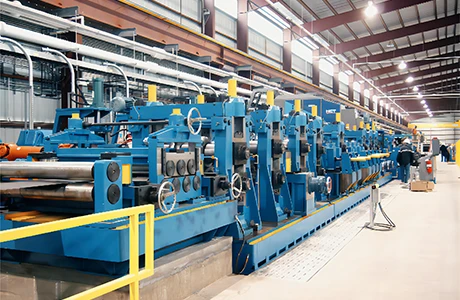
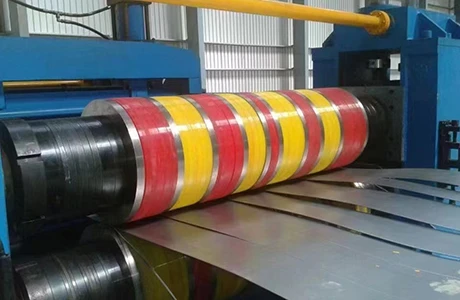
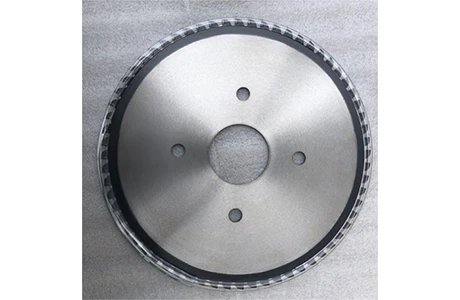
Heavy gauge slitting lines dominate metal fabrication, processing steel coils up to 25mm thick with tolerances of ±0.1mm. These systems handle 98% of automotive-grade steel globally, with modern lines achieving throughput of 120 metric tons/hour. Unlike standard slitters, heavy gauge variants incorporate hardened tungsten carbide blades rated for 800+ Rockwell hardness, extending service life by 300% compared to traditional tools.
Engineering Excellence in Material Processing
Advanced tension control systems maintain 0.5% web stability during high-speed operations (up to 450mpm). Dual-servo configurations reduce scrap rates to 0.8% versus industry-standard 2.5%. Thermal imaging sensors detect blade wear 40% earlier than vibration-based systems, preventing costly production halts.
Manufacturer Capability Analysis
| Parameter | AlphaCo HG-25 | BetaCut ProSeries | GammaSlit Ultra |
|---|---|---|---|
| Max Thickness | 22mm | 25mm | 20mm |
| Line Speed | 400mpm | 350mpm | 420mpm |
| Energy Consumption | 85kW | 110kW | 78kW |
| Tool Life Cycles | 1.2M cuts | 850K cuts | 1.5M cuts |
Tailored Solutions for Specialized Requirements
Modular designs enable rapid configuration changes (under 90 minutes) for processing varying material grades. Hybrid systems combining slitting and cut-to-length functions reduce handling steps by 60%. Custom blade geometries improve edge quality on AHSS (Advanced High-Strength Steel) by 55% compared to standard profiles.
Optimizing Production Workflows
Integrated AI predictive maintenance reduces unplanned downtime by 73%. Automated coil loading systems achieve 98% positioning accuracy, minimizing material waste. Real-time thickness monitoring via laser scanners maintains ±0.05mm consistency across 2m-wide coils.
Industrial Deployment Success Stories
A North American automotive supplier increased output by 210% after installing dual heavy gauge lines with robotic stacking. European shipbuilders reduced material costs 18% through precision-cut steel components. Asian appliance manufacturers achieved 99.2% yield rates using vision-guided slitting systems.
Heavy Gauge Cut-to-Length Line Evolution
Next-generation systems integrate blockchain-enabled quality tracking and hydrogen-compatible components for green steel processing. Patented quick-change cassettes slash tooling downtime by 85%, while augmented reality interfaces improve operator efficiency by 40%. These advancements position heavy gauge slitting technology as critical infrastructure for Industry 4.0 metal production.
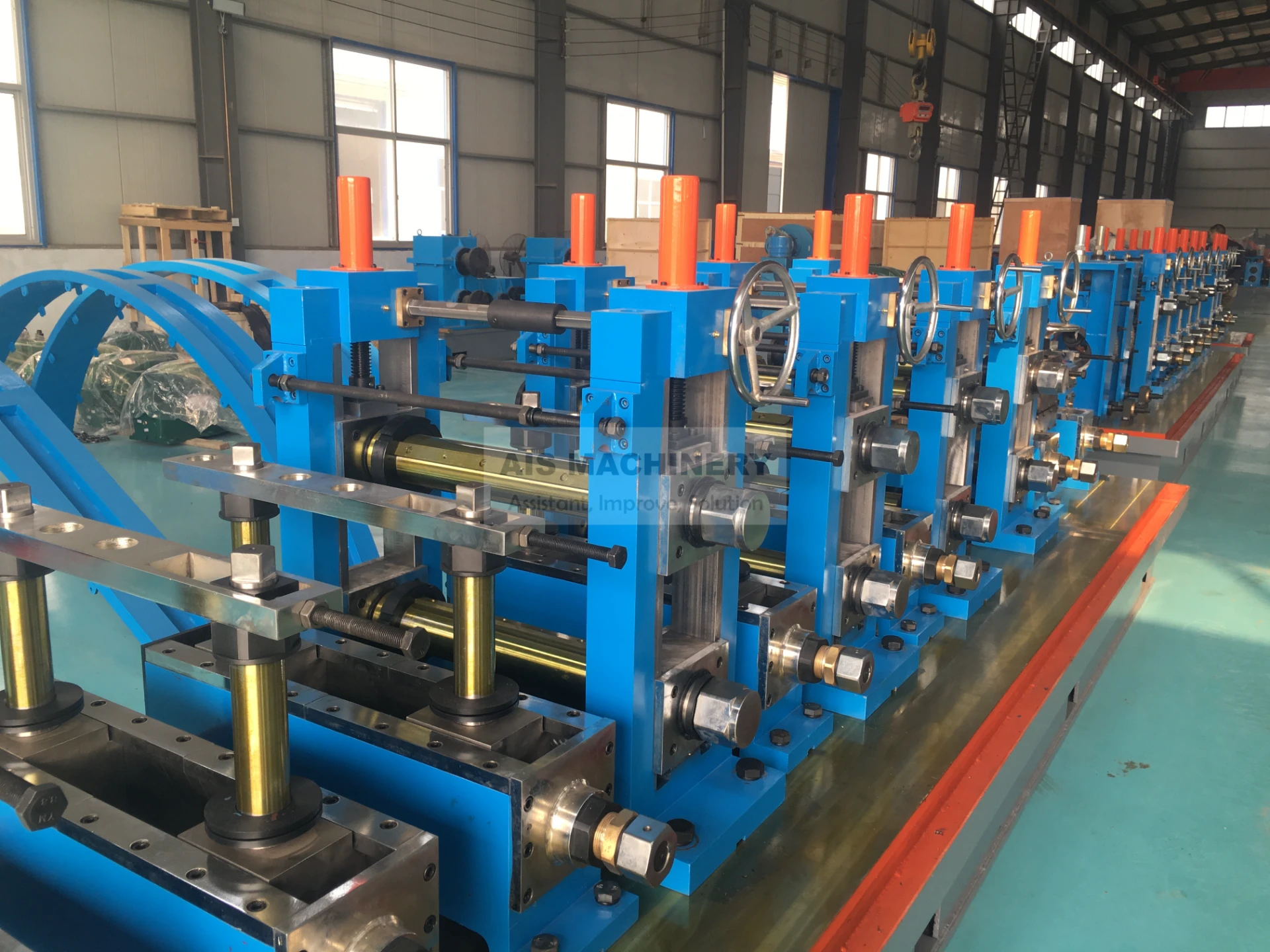
(heavy gauge slitting line)
FAQS on heavy gauge slitting line
Q: What is a heavy gauge slitting line used for?
A: A heavy gauge slitting line processes thick metal coils into narrower strips. It uses precision rotary knives for consistent widths and is ideal for automotive or construction materials.
Q: How does a heavy gauge cut to length line differ from a slitting line?
A: A cut to length line trims coils into flat sheets, while a slitting line divides coils into narrower strips. Both handle thick materials but serve different end-product requirements.
Q: What should I look for in slitting line manufacturers?
A: Prioritize manufacturers with proven expertise in heavy gauge systems, customization options, and robust after-sales support. Check certifications and client reviews for reliability validation.
Q: Can heavy gauge slitting lines handle stainless steel?
A: Yes, advanced heavy gauge slitting lines can process stainless steel. Ensure the machine has hardened blades and adjustable tension controls for optimal performance.
Q: What maintenance is required for heavy gauge slitting lines?
A: Regular blade sharpening, lubrication of moving parts, and alignment checks are essential. Follow manufacturer guidelines to prevent downtime and ensure consistent output quality.

Related Products

Related News
2026-05-13 10:09:29
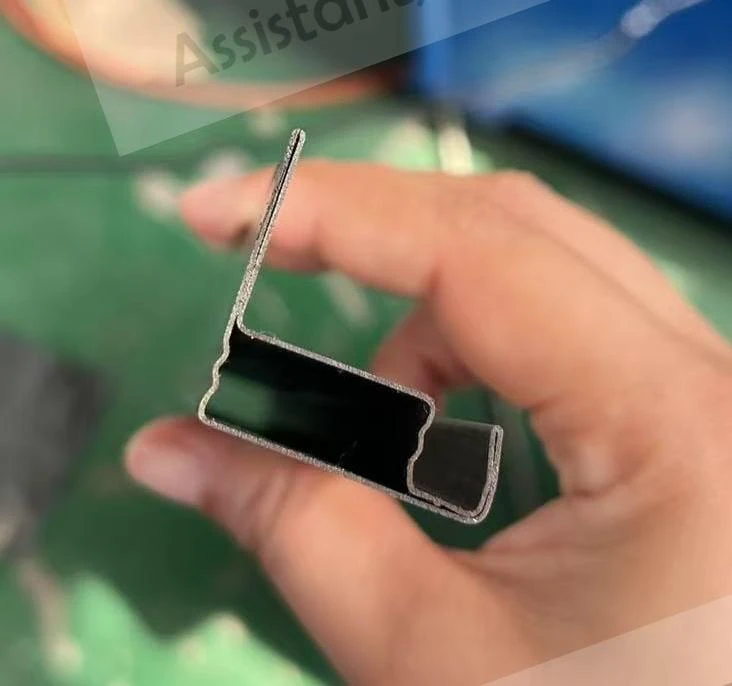
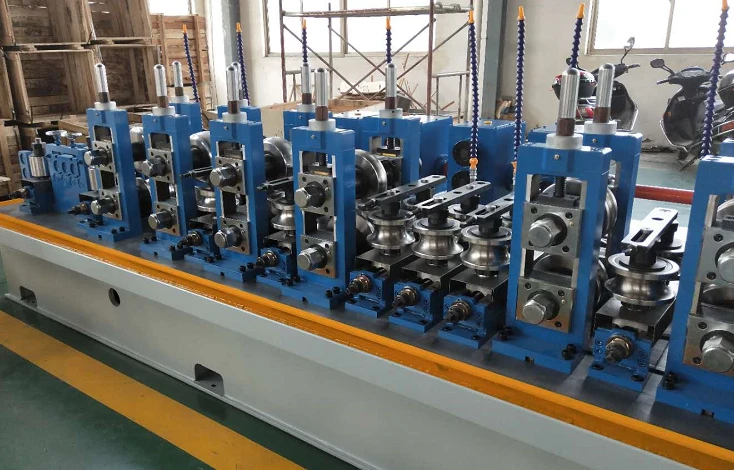
Small Diameter Tube Mill Is Becoming More Popular in the Market
Our small diameter tube mill is designed for efficient and continuous production. It combines advanced forming, welding, sizing, and cutting technology to produce high-quality steel tubes with excellent accuracy.
2026-05-07 10:20:02
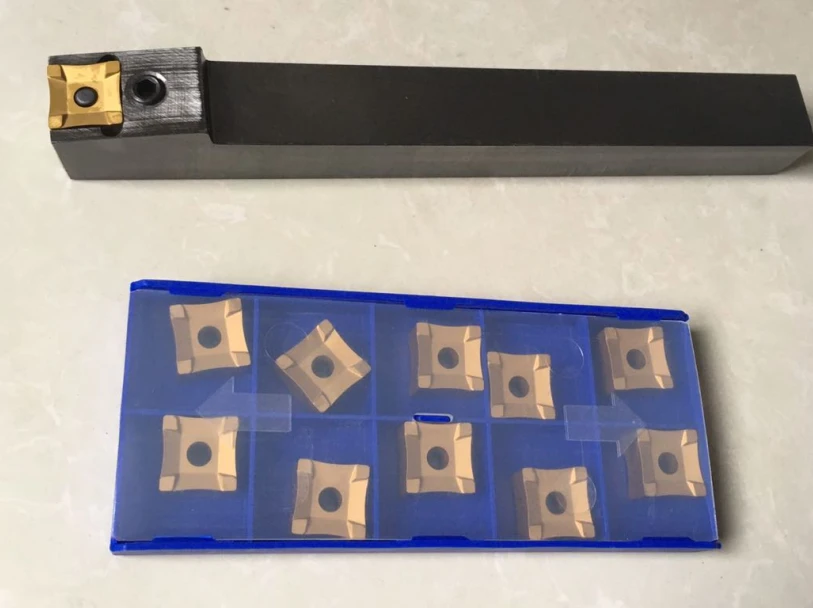
How to Choose the Right External Burr Scraper Blade
Learn about external burr scraper blade types used in ERW tube mills, including four-sided and six-sided scraper blades. Discover their working principle, applications, advantages, and how they improve steel pipe surface quality and production efficiency.
2026-05-06 10:16:16
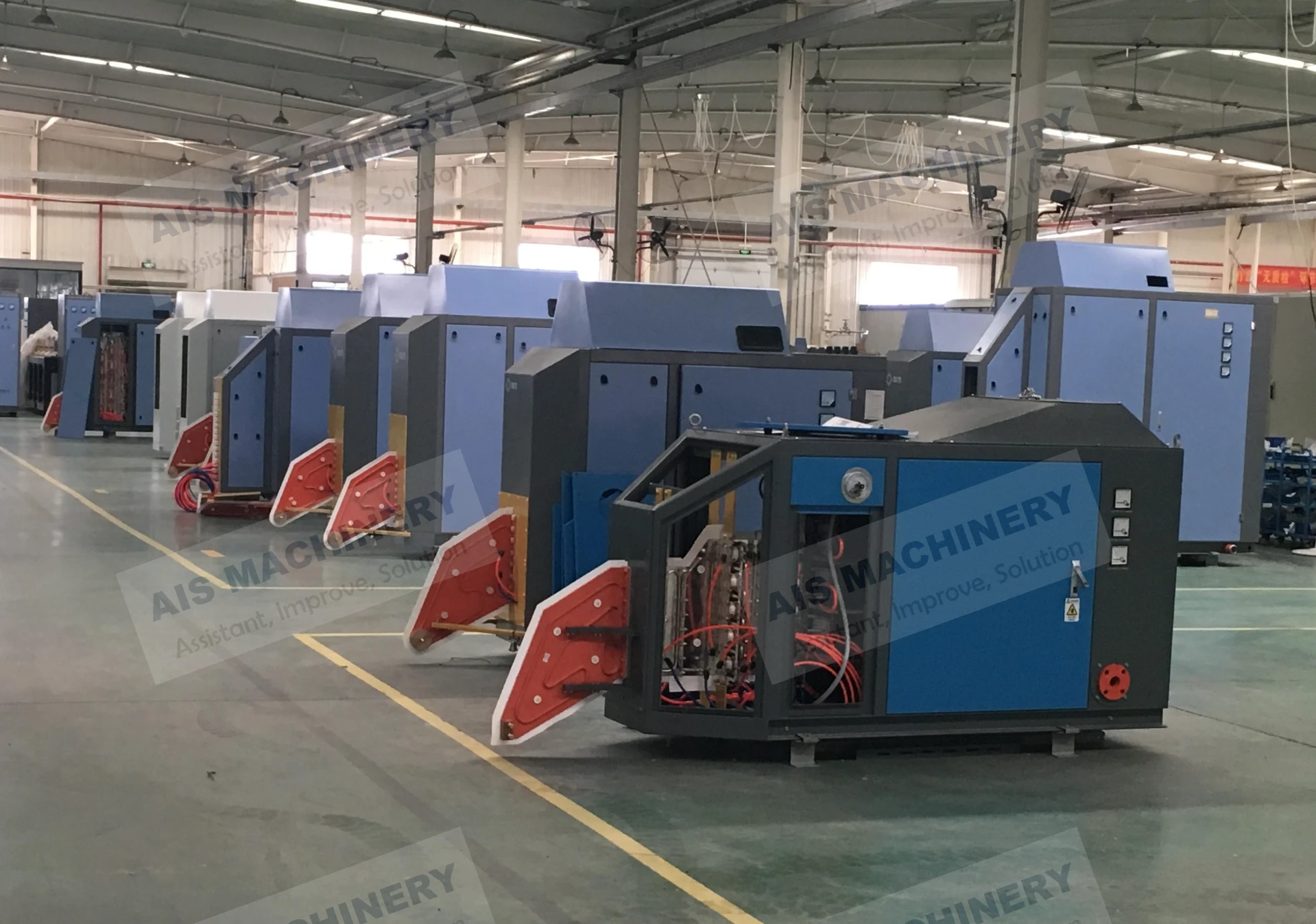
HF Welder for ERW Tube Mill: Types, IGBT vs SiC & Selection Guide
Looking for a reliable HF welder for your ERW tube mill? Compare solid state (IGBT), SiC, and traditional vacuum tube types in terms of performance, efficiency, and cost. This guide helps you choose the best solution for your production needs. Boost weld strength, reduce downtime, and save energy with a high-performance HF welding system designed for modern steel pipe manufacturing.
2026-04-30 09:35:04
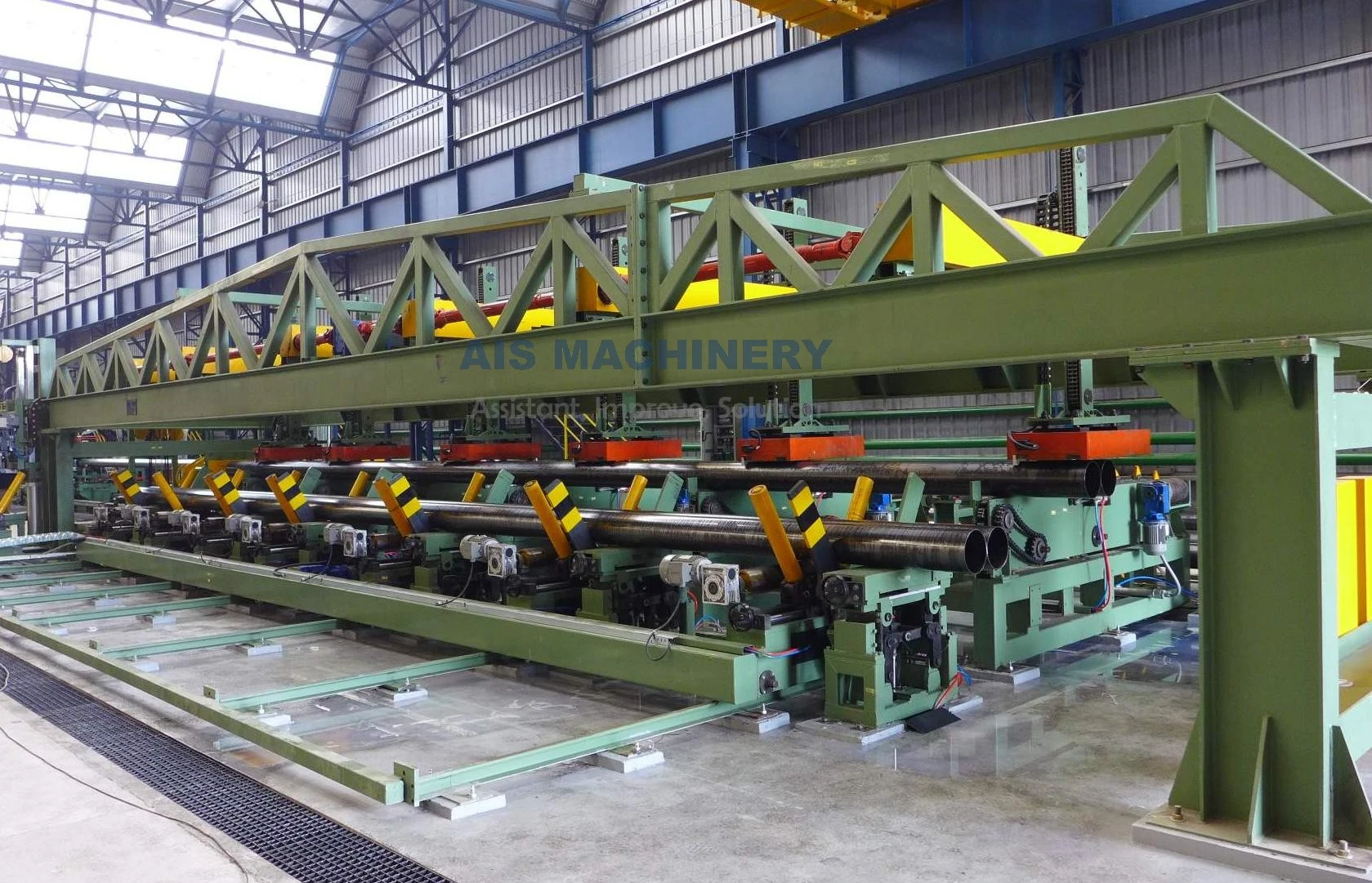
Automatic Stacking Machine (Magnetic Chuck Type)
The Automatic Stacking Machine (Magnetic Chuck Type) from AIS Machinery is designed to efficiently collect and stack steel tubes in ERW tube mill production lines. Using electromagnetic lifting, it can pick up multiple tubes at once and place them neatly in layers. This reduces manual labor, improves stacking accuracy, and increases overall production efficiency. It is installed after the flying saw and works seamlessly with the mill line, making it an ideal solution for modern tube manufacturers.
2026-04-28 08:56:05
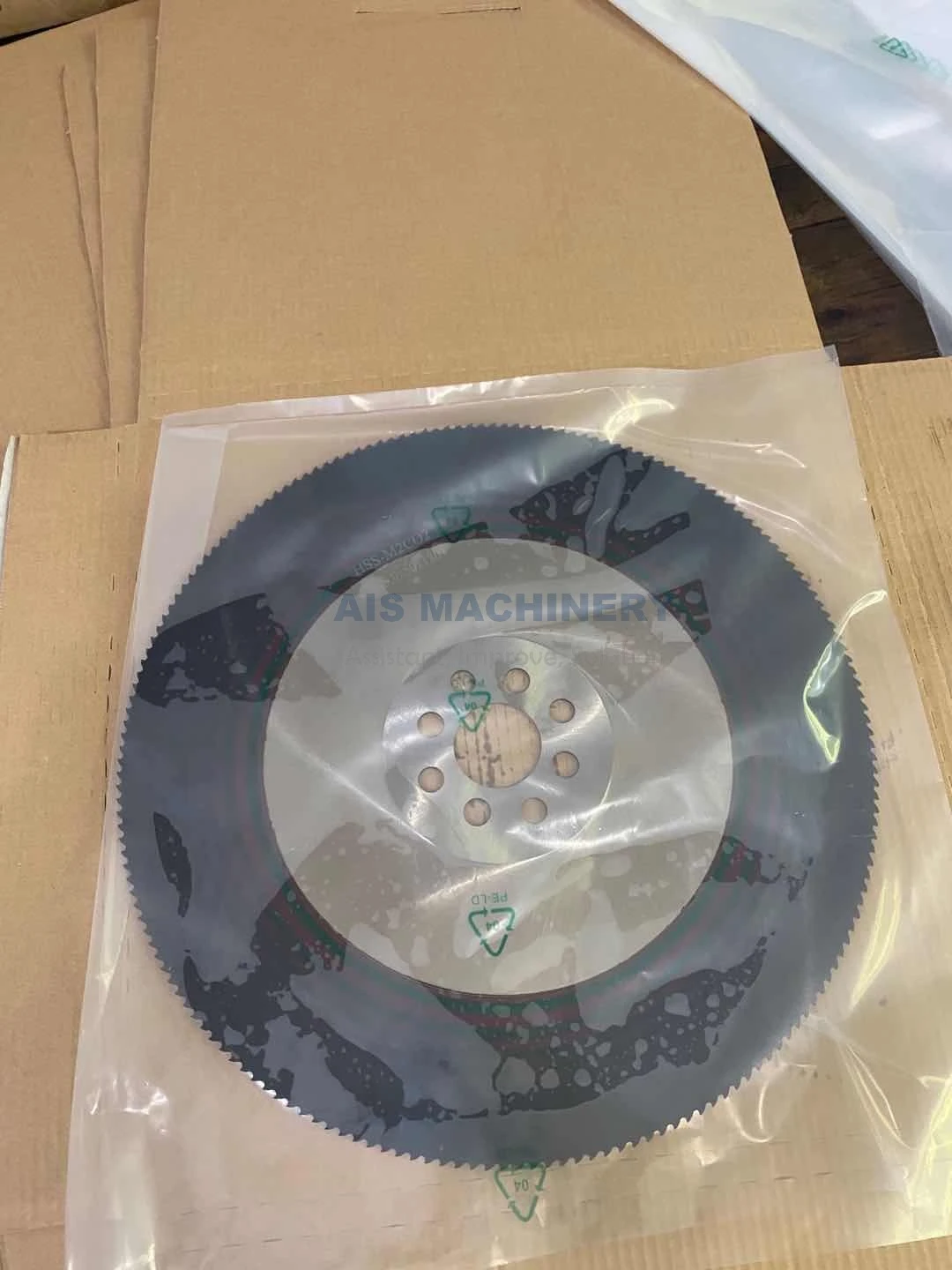
Saw Blade Guide for Tube Mills: Friction vs HSS vs TCT — Which One Should You Choose?
Confused about friction saw, HSS, and TCT blades? This guide explains their uses in cold saw and friction saw machines, with pros, cons, and expert selection tips.
2026-04-24 08:54:16
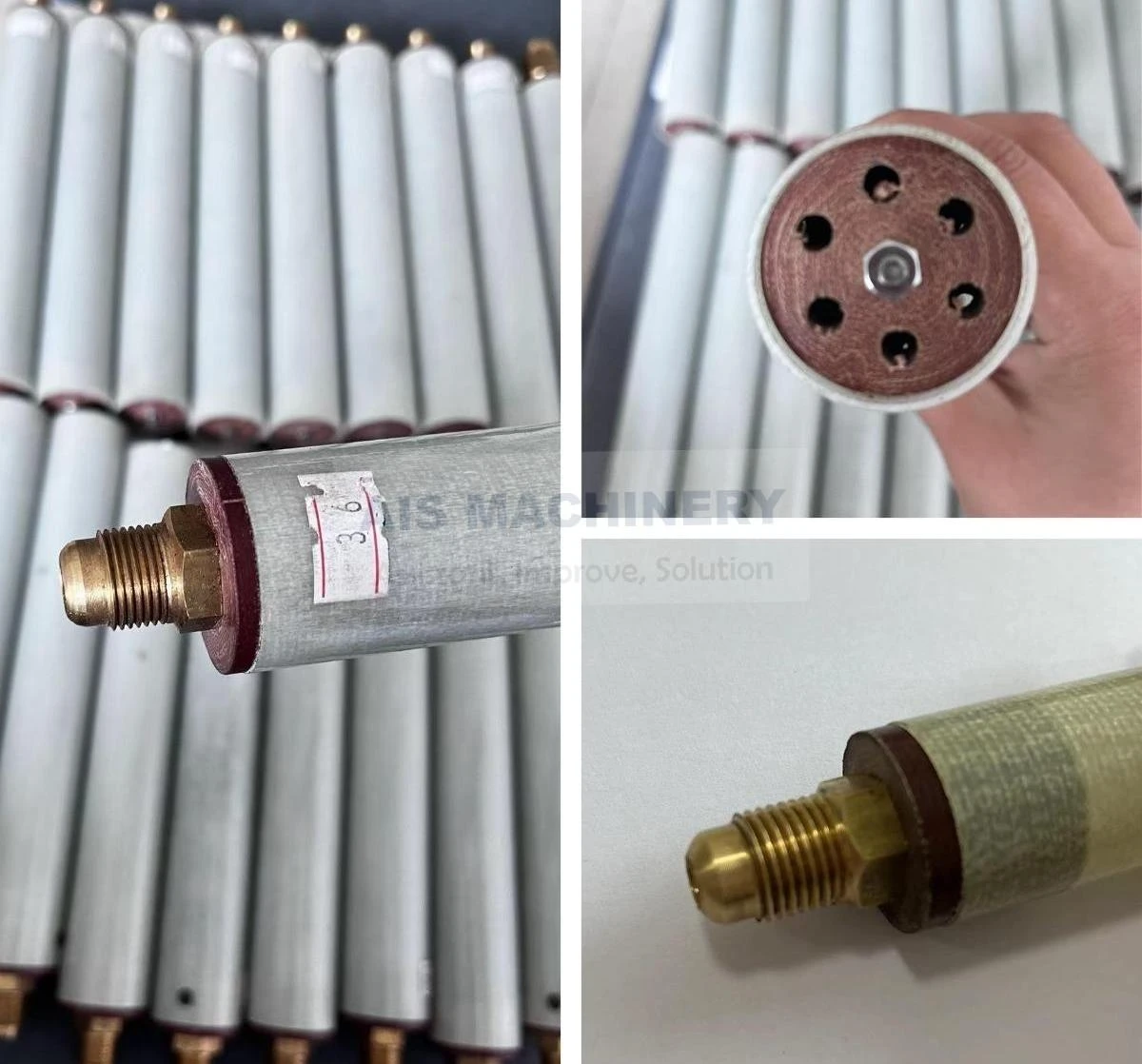
What is an Impeder and Ferrite Rods in ERW Tube Mill?
Struggling with impeder overheating or short service life in your ERW tube mill? This guide explains common impeder problems, the role of ferrite rods, and how to choose the right impeder for stable welding performance. Improve weld quality, reduce energy loss, and extend equipment lifespan with the right selection and proper cooling solutions.
2026-04-21 10:22:25
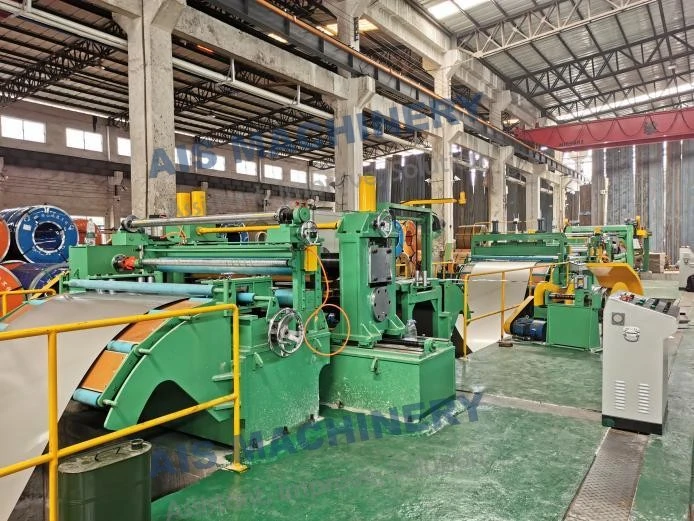
Slitting & Cut-to-Length Combined Production Line: A Smarter Way to Process Steel Coils
Discover the Slitting & Cut-to-Length Combined Production Line, a flexible solution for steel coil processing. This system integrates slitting line and cut-to-length line functions in one machine, saving space, reducing costs, and improving efficiency. Ideal for processing both steel strips and sheets, it is widely used in service centers and manufacturing industries. Learn its advantages, limitations, and applications.
2026-04-18 03:20:20
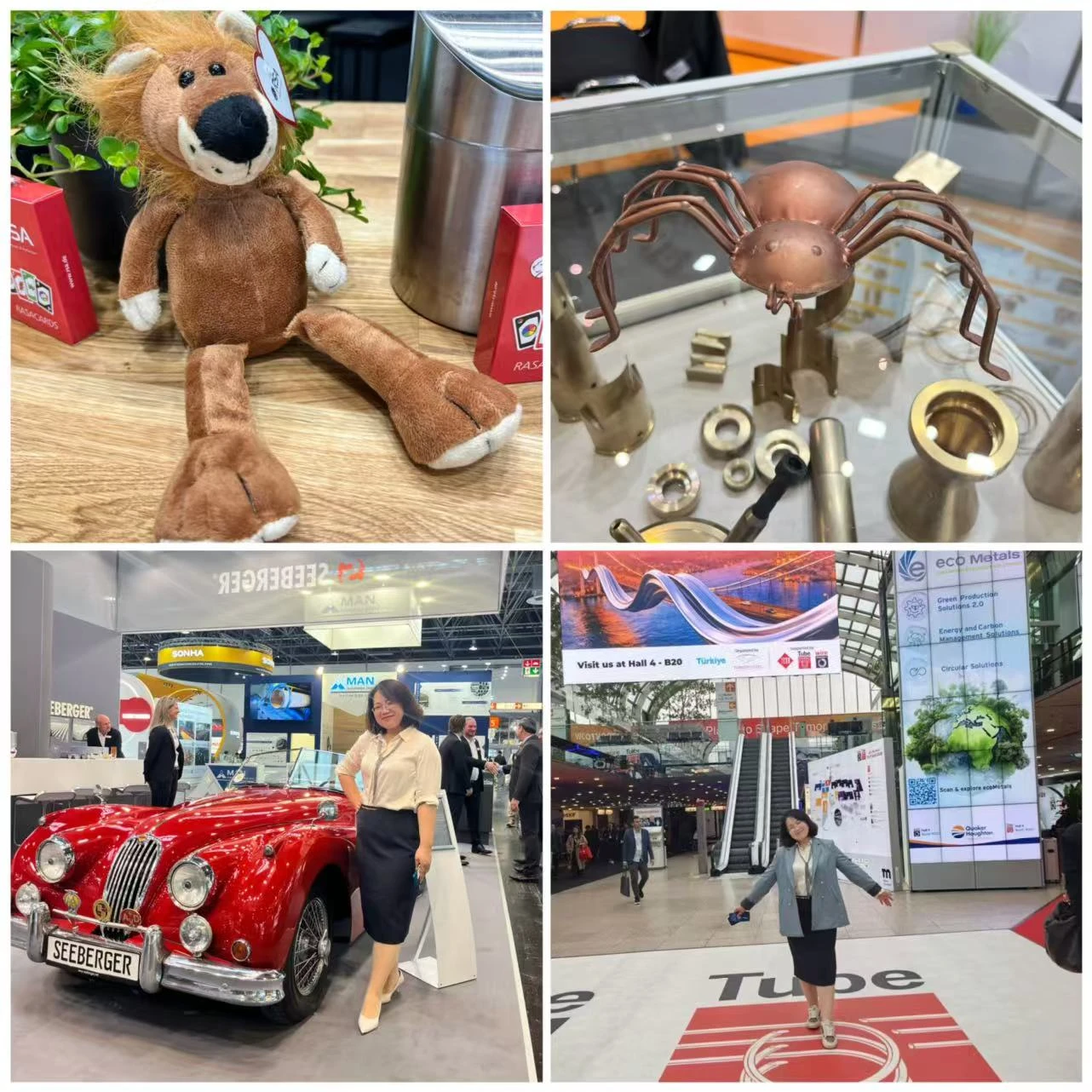
AIS Machinery Showcases Advanced Tube Solutions at Tube & Wire Düsseldorf 2026
Tube & Wire Düsseldorf 2026, one of the most influential exhibitions in the global tube and wire industry, held biennially in Düsseldorf, Germany
Send a Message
Dear customer, thank you for your attention! We provide high-quality machinery and equipment and look forward to your orders. Please inform us of your needs and we will respond quickly!
 English
  Albanian
  Arabic
  French
  German
  Indonesian
  Italian
  Japanese
  Kazakh
  Korean
  Latin
Latin  Macedonian
  Portuguese
  Russian
  Spanish
  Thai
Thai  Turkish
  Ukrainian
  Uzbek
Uzbek