
-
 Tel:86-15176910262
-

Search
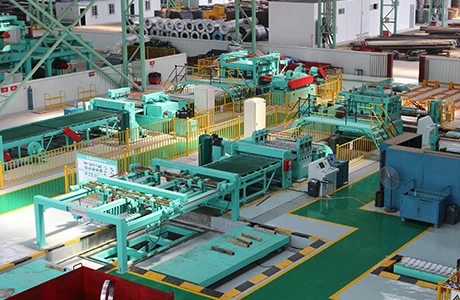
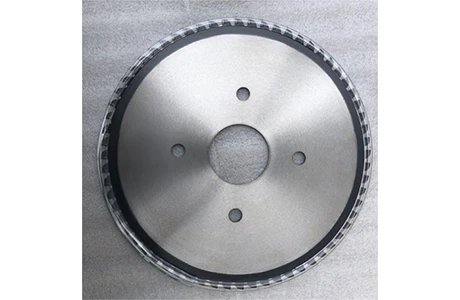
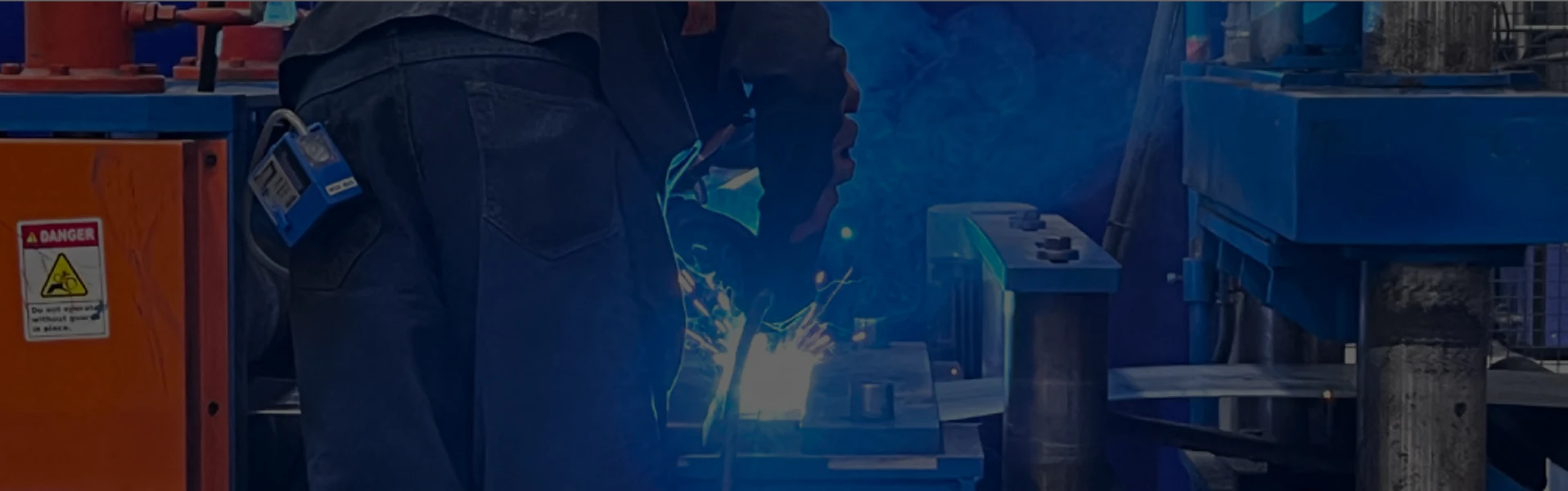

High-Performance Rollers for ERW Tube Mills – Longer Life, Better Forming
Feb . 03, 2026 00:00
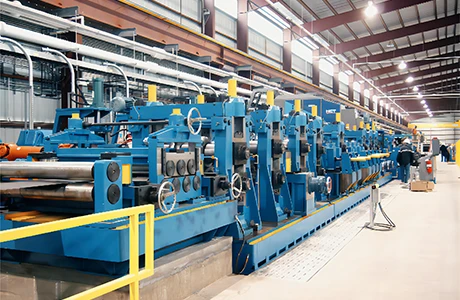
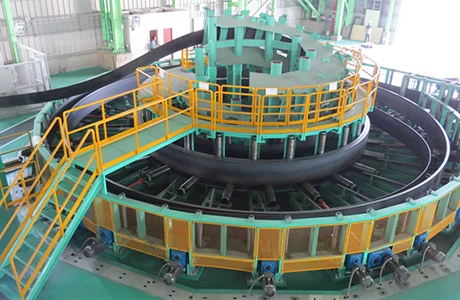
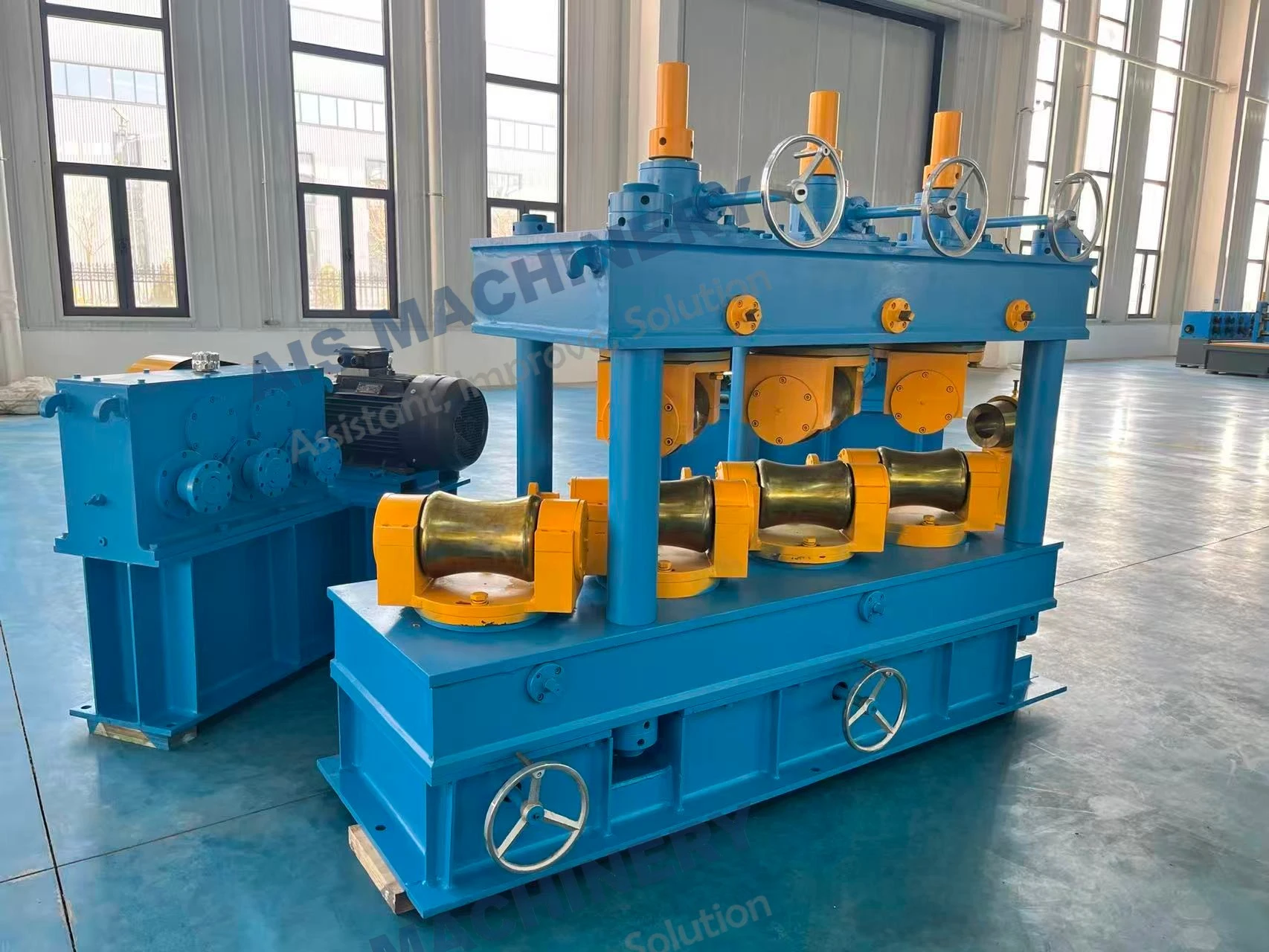
In an ERW Tube Mill, the roller is one of the most critical components that directly affects forming accuracy, welding stability, and final tube quality.
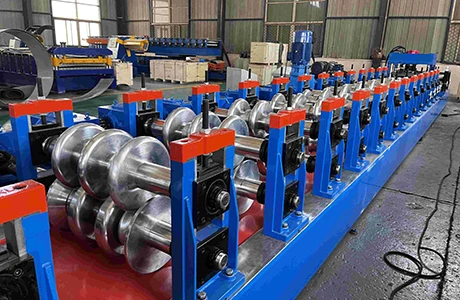
From strip entry to forming, welding, and sizing, rollers guide and shape the steel strip step by step into a finished tube.
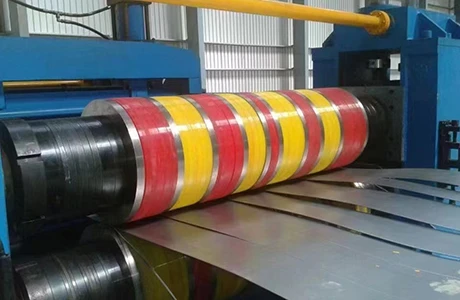
Simply put, rollers are responsible for guiding, forming, supporting, and controlling the shape and dimensions of the tube throughout the production process.
The roller design, material selection, and manufacturing quality have a direct impact on:
-
• Tube surface finish
-
• Diameter and roundness accuracy
-
• Welding consistency
-
• Roller service life and maintenance cost
-
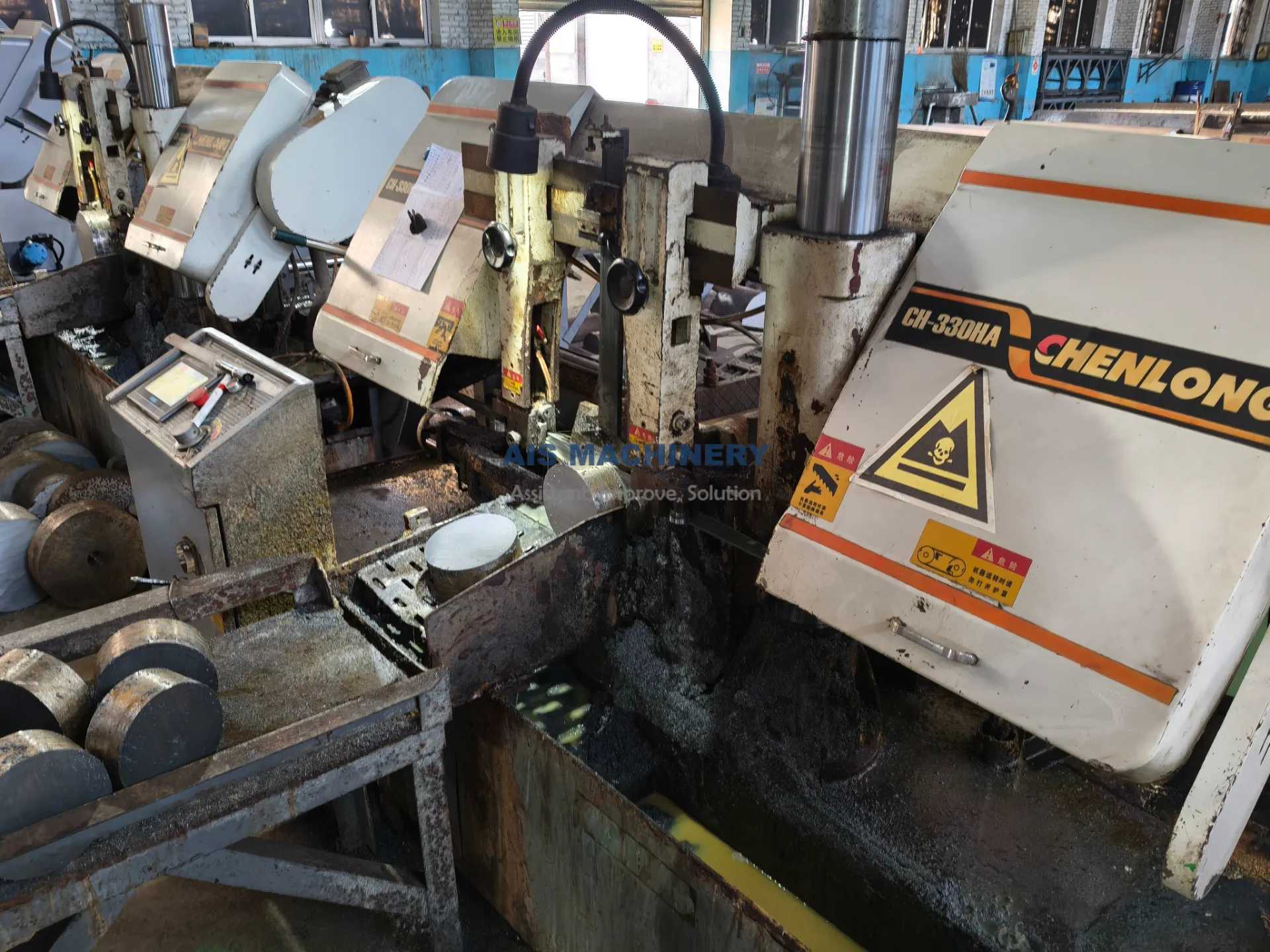
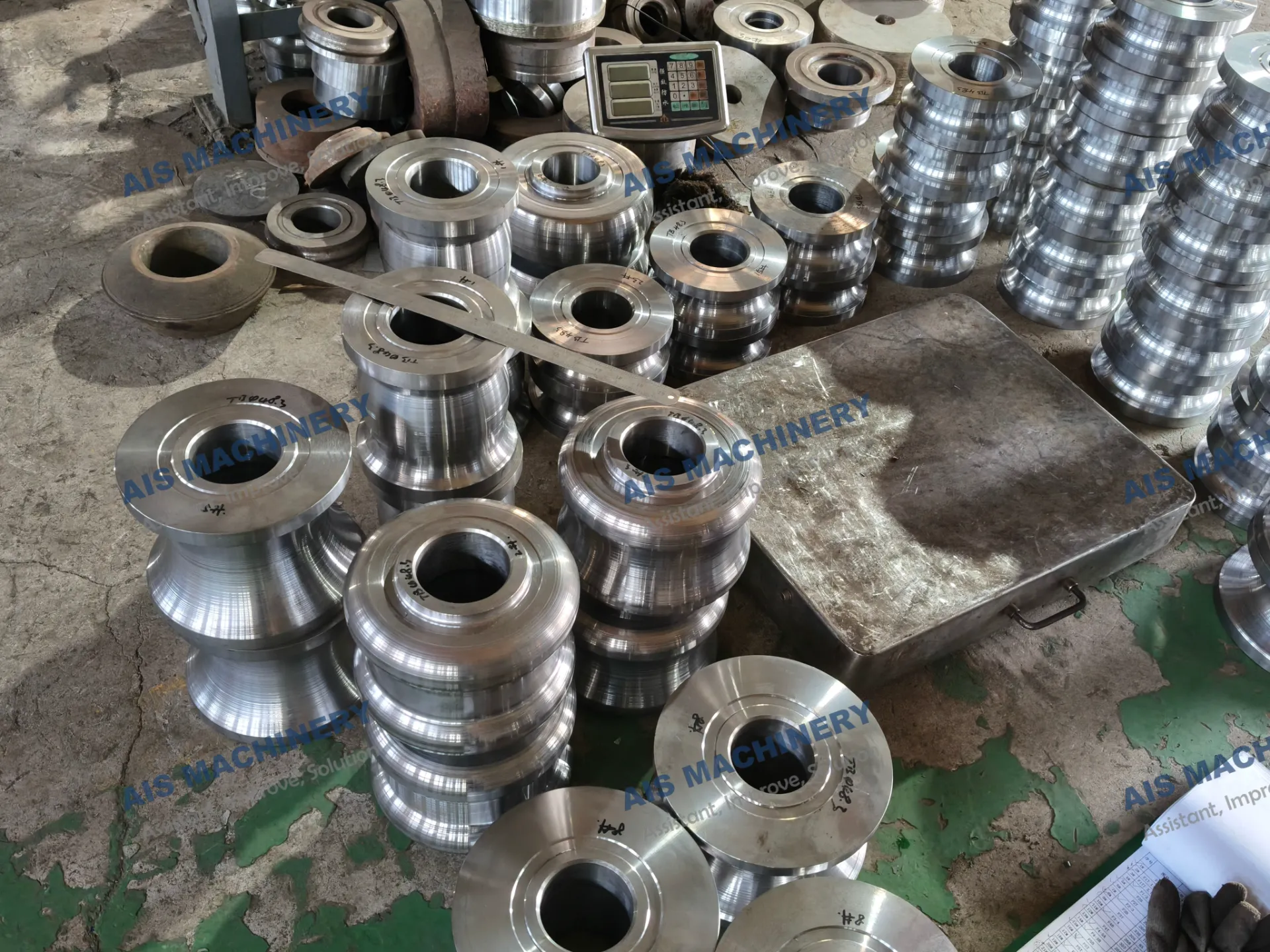
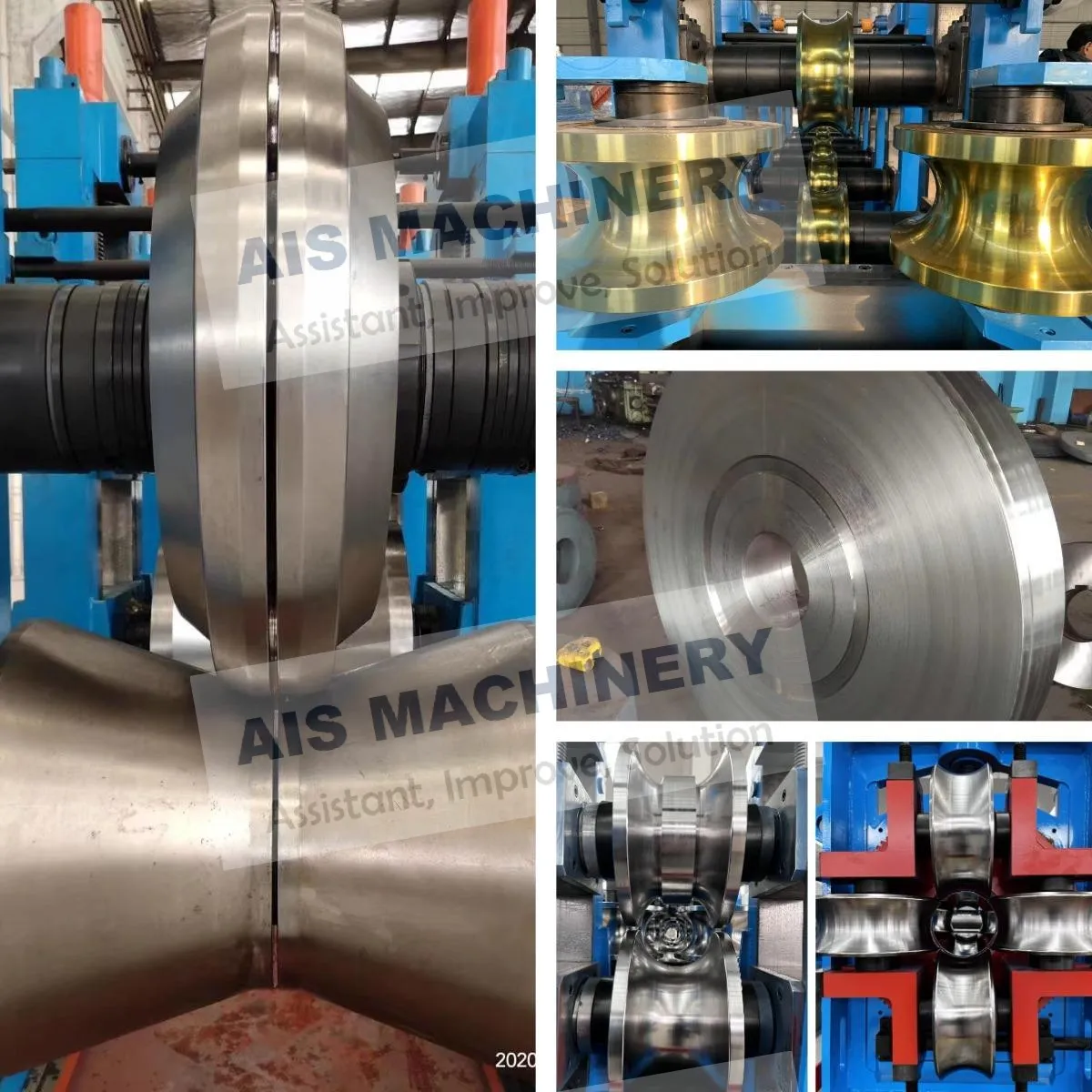
Function of Rollers in an ERW Tube Mill
Rollers are installed at different sections of an ERW tube mill line, each serving a specific function:
-
1️⃣Forming Section
Gradually bends the steel strip into an open round shape -
2️⃣Welding Section
Stabilizes the tube shape and ensures accurate edge alignment for welding -
3️⃣Sizing Section
Precisely controls tube diameter, roundness, and straightness -
4️⃣Straightening / Finishing Section
Reduces internal stress and improves final appearance
👉 In short:
Stable rollers mean stable forming, smooth welding, and consistent tube quality.
Common Roller Materials for ERW Tube Mills
Different production conditions require different roller materials. Below are the most commonly used materials in ERW tube mill applications:
| Roller Material | Typical Grade | Main Characteristics | Typical Application |
|---|---|---|---|
| Alloy Tool Steel | D2 / Cr12MoV | High hardness, good wear resistance | Carbon steel tubes, standard production lines |
| Bearing Steel | GCr15 | Uniform structure, good fatigue resistance | Medium to high precision tube mills |
| High Alloy Steel | H13 / SKD61 | High toughness, good thermal stability | High-speed or heavy-duty mills |
| Stainless Steel Special Alloy | Customized | Anti-adhesion, better surface finish | Stainless steel tube production |
| Tungsten Carbide (Optional) | WC-based | Extremely high wear resistance | Ultra-high output or special specifications |
Comparison of Roller Materials
From a practical production perspective, roller materials differ mainly in the following aspects:
-
Wear Resistance
Tungsten Carbide > High Alloy Steel > Tool Steel > Bearing Steel -
Manufacturing Cost
Tool steel is the most economical, while carbide rollers have the highest cost -
Suitable Production Speed
High-speed lines usually require high alloy steel or carbide rollers -
Maintenance Frequency
Higher wear resistance means longer service life, but also higher initial investment
✅ There is no “best” roller material—only the most suitable solution for specific production conditions.
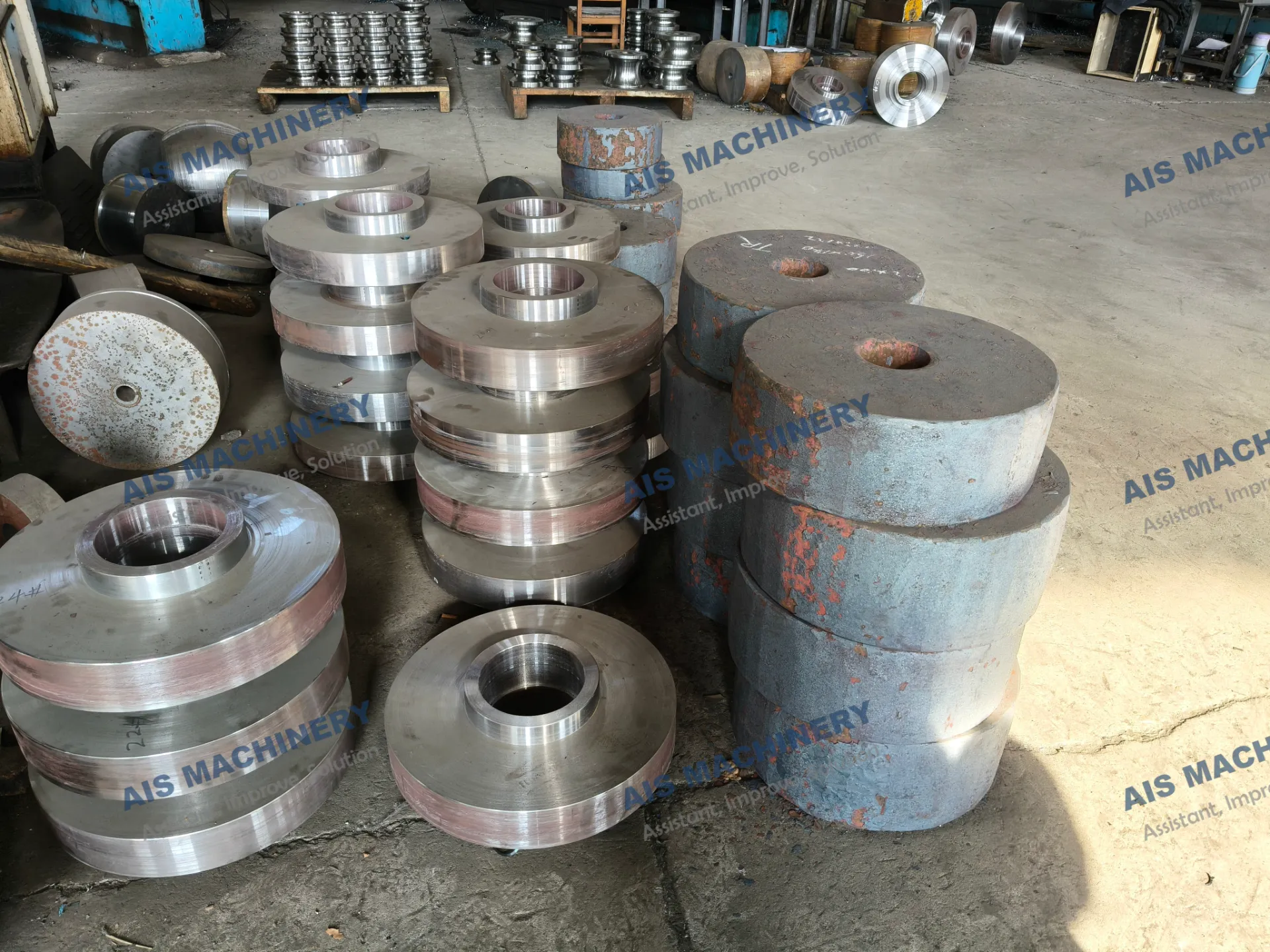
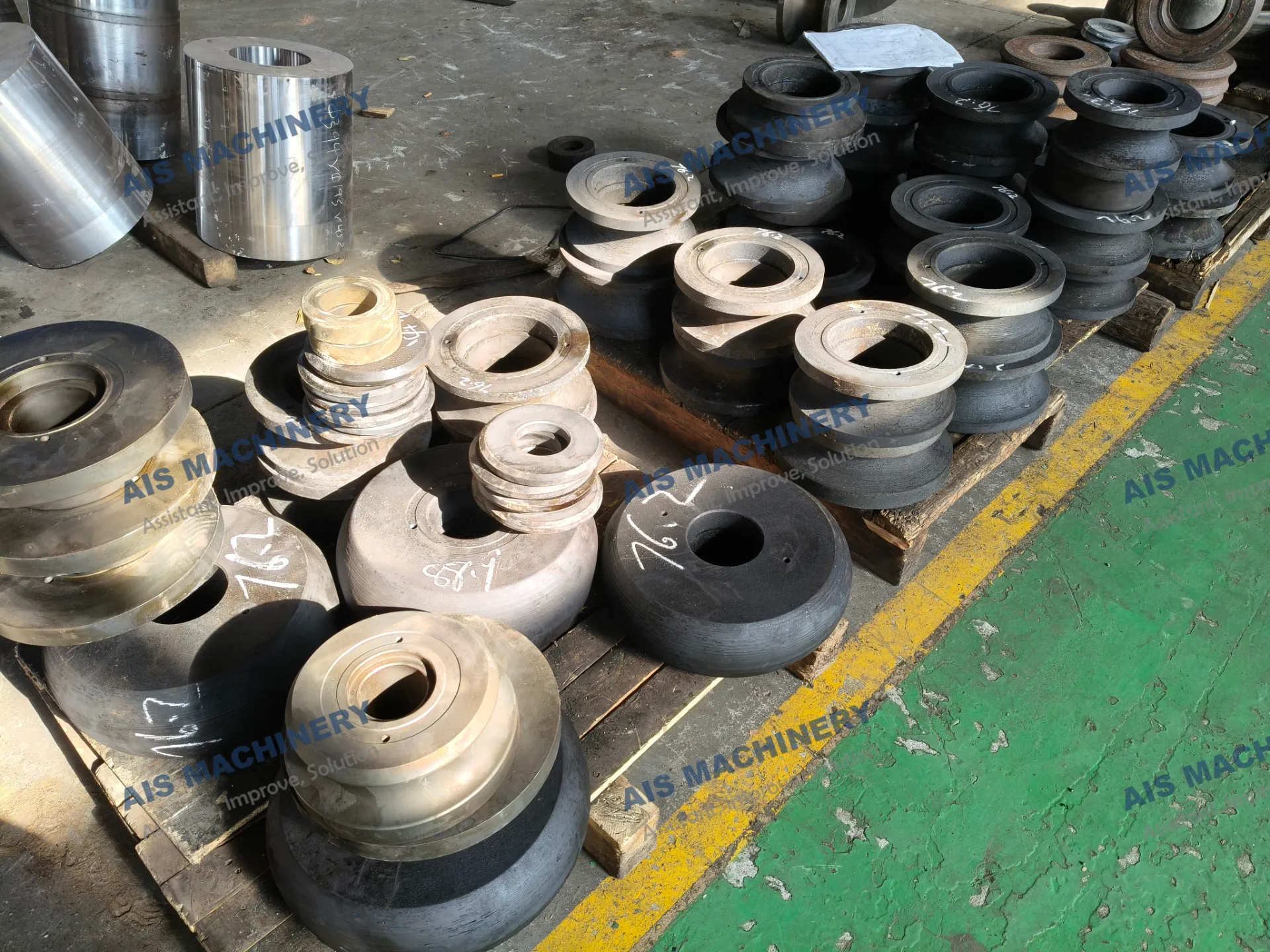
Typical Roller Manufacturing Process (Arrow-Style)
Raw Material Selection →Rough Machining →Heat Treatment →Finish Machining (Roll Profile) →Surface Treatment (Optional) →Inspection & Matching
Process Explanation
Raw Material Selection
Roller material is selected based on tube diameter range, wall thickness, strip material, and production speed to ensure stable chemical composition and internal structure.
Rough Machining
Turning and preliminary shaping of the roller blank, leaving allowance for heat treatment while controlling concentricity and basic dimensions.
Heat Treatment
Quenching, tempering, or other heat treatment processes are applied to improve surface hardness, wear resistance, and fatigue strength while maintaining core toughness.
Finish Machining (Roll Profile)
Precision machining of the roll profile to ensure accurate forming curves, tight tolerances, and consistent tube quality.
Surface Treatment (Optional)
Polishing, coating, or special surface treatment may be applied to improve wear resistance or reduce material adhesion, especially for stainless steel tubes.
Inspection & Matching
Each roller is inspected for dimensions, hardness, concentricity, and balance, then matched and numbered according to the mill stand sequence.
FAQ – ERW Tube Mill Roller
Q1: What causes roller wear in ERW tube mills?
A: Roller wear is mainly caused by high production speed, high-strength strip material, insufficient lubrication, or improper material selection.
Q2: How long is the service life of tube mill rollers?
A: Roller life depends on material, heat treatment quality, production intensity, and maintenance. Properly selected rollers can operate for several months or longer.
Q3: How to choose the right roller material?
A: Selection should be based on tube size range, wall thickness, strip material, and mill speed. Alloy tool steel is common for carbon steel tubes, while high alloy steel is preferred for high-speed lines.
Q4: Can rollers be re-ground and reused?
A: Yes. Most ERW tube mill rollers can be re-ground multiple times, significantly extending their overall service life and reducing operating cost.
Q5: Does roller profile design affect welding quality?
A: Yes. Accurate roll profile design ensures stable forming and proper edge alignment, which directly improves welding consistency and tube quality.
Conclusion
Rollers are not just consumable parts—they are core components that determine the stability, efficiency, and product quality of an ERW tube mill.
Choosing the right roller material, combined with a reliable manufacturing process and precise roll profile design, is essential for long-term stable operation and cost control.
For new ERW tube mill projects or roller upgrades, a well-matched roller solution can significantly reduce trial-and-error costs and improve overall production performance.

Related Products

Related News
2026-04-18 03:20:20
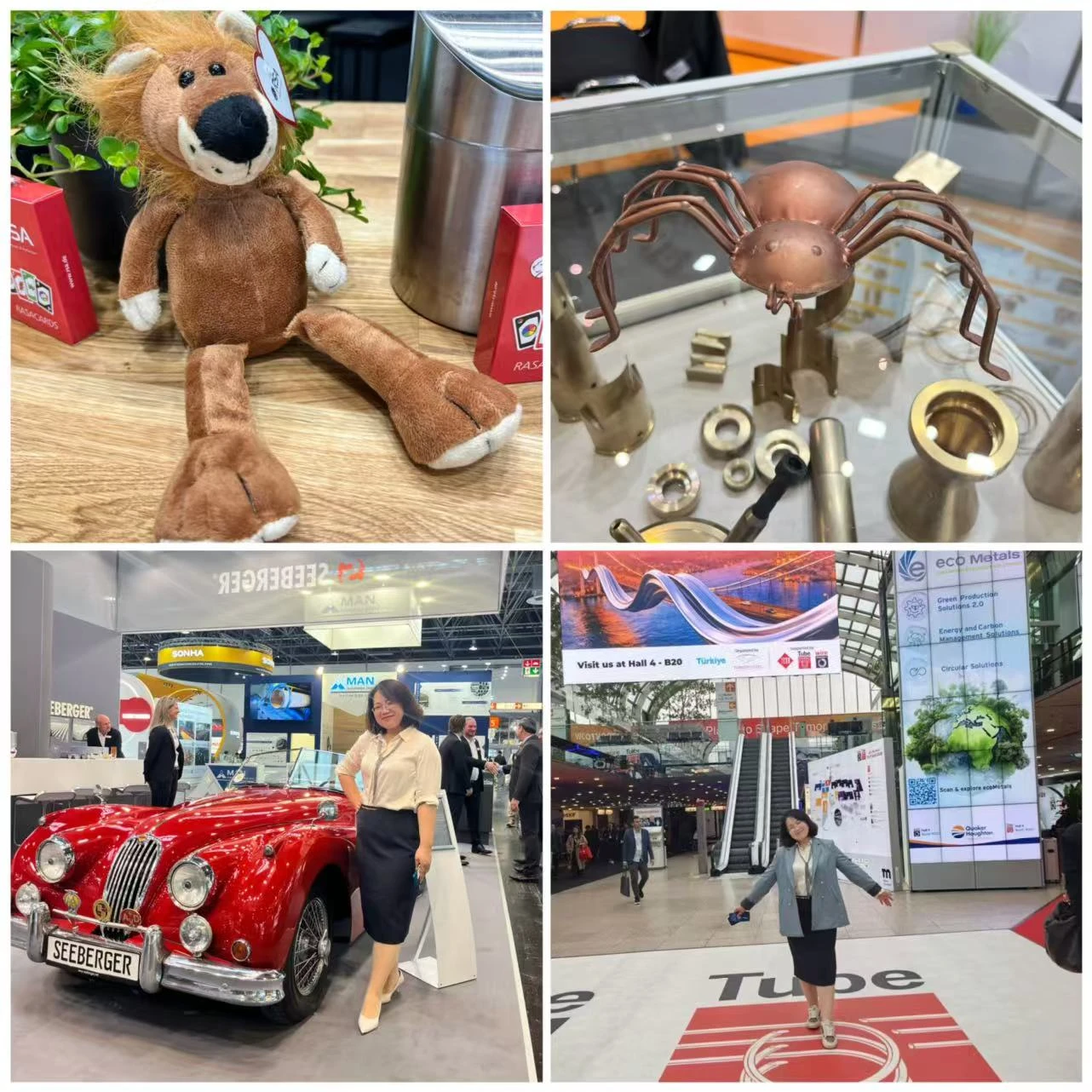
AIS Machinery Showcases Advanced Tube Solutions at Tube & Wire Düsseldorf 2026
Tube & Wire Düsseldorf 2026, one of the most influential exhibitions in the global tube and wire industry, held biennially in Düsseldorf, Germany
2027-04-17 00:00:00
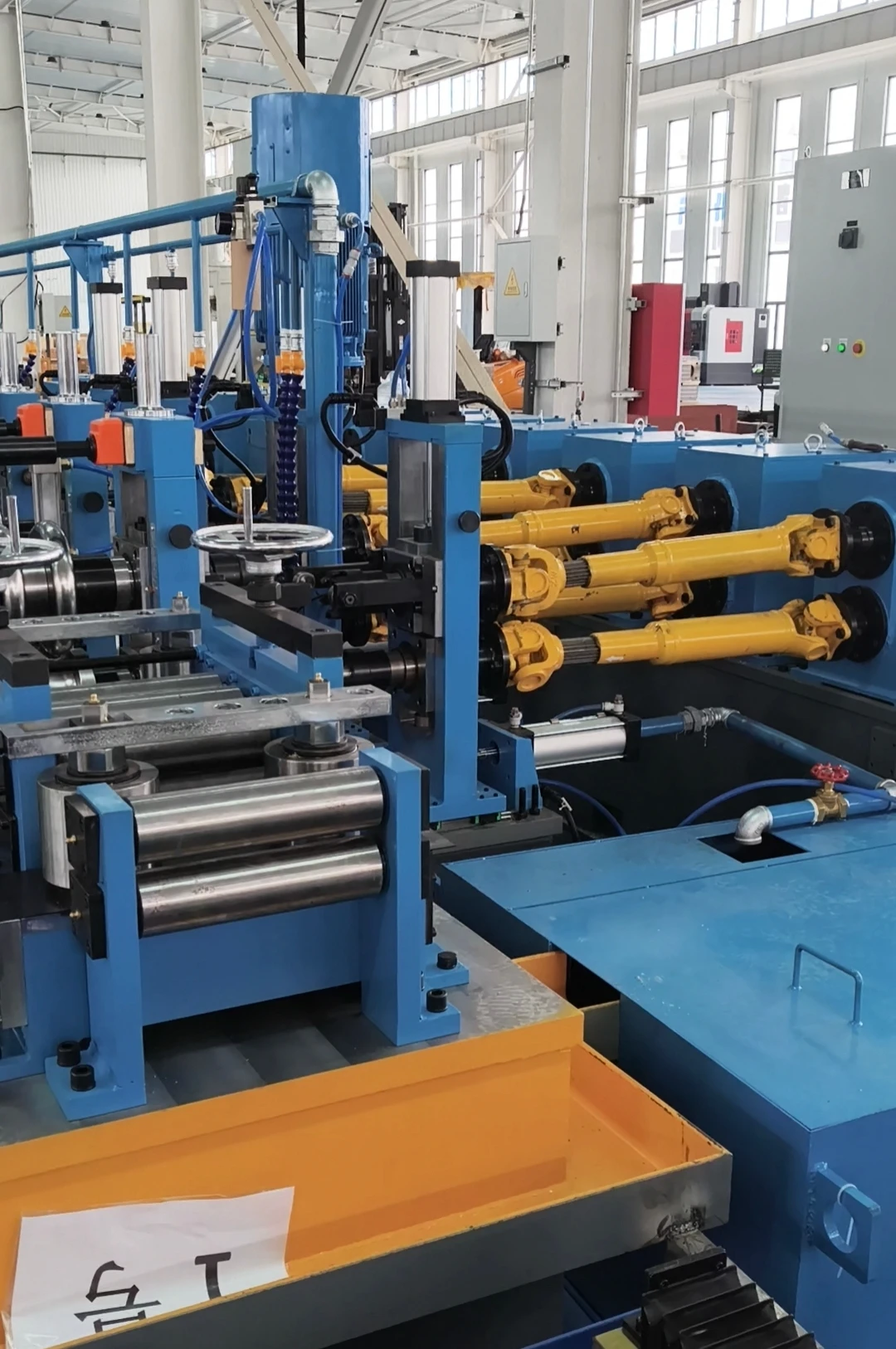
Southeast Asia Client Visits Our Factory | Customized Tube Mill Solution Delivered
A Southeast Asia client visited our ERW tube mill factory to inspect production lines and discuss a customized tube mill solution. Impressed by our machine quality, welding performance, and engineering support, the client confirmed strong cooperation intentions. Discover how our ERW tube mill solutions improve efficiency, precision, and long-term production reliability.
2026-04-16 02:35:12
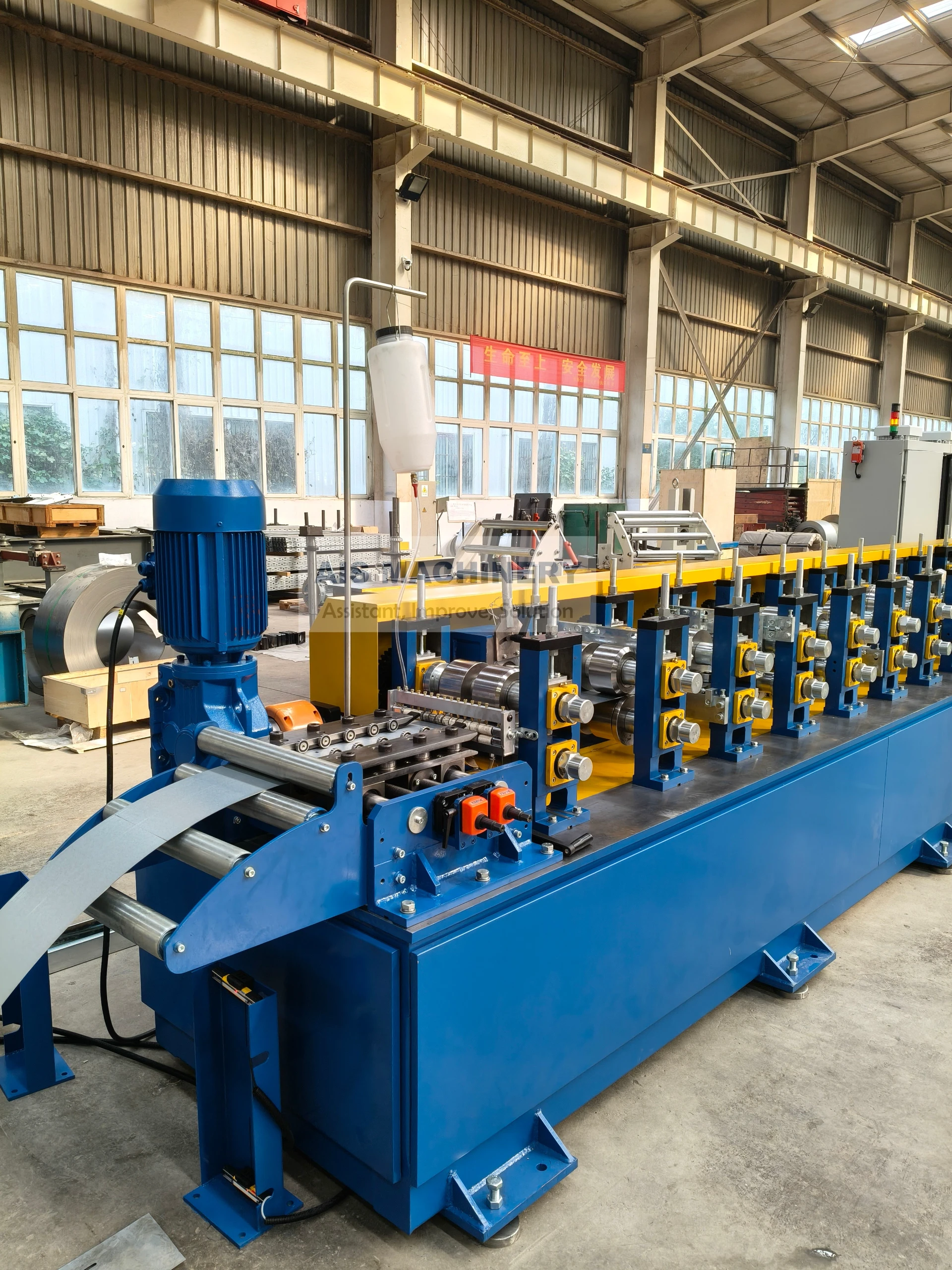
Professional Cold Roll Forming Machine Factory for Production
In the modern industrial landscape, the precision of metal shaping is the cornerstone of quality manufacturing. Partnering with a professional cold roll forming machine factory is essential for businesses looking to optimize their production lines, reduce material waste, and ensure high-dimensional accuracy. Whether you are producing C-channels, square tubes, or custom profiles, the choice of machinery determines your competitive edge in the market. This guide will explore the critical factors in selecting a factory and the technical advantages of advanced roll forming technology to help you make an informed investment.
2026-04-15 10:37:55
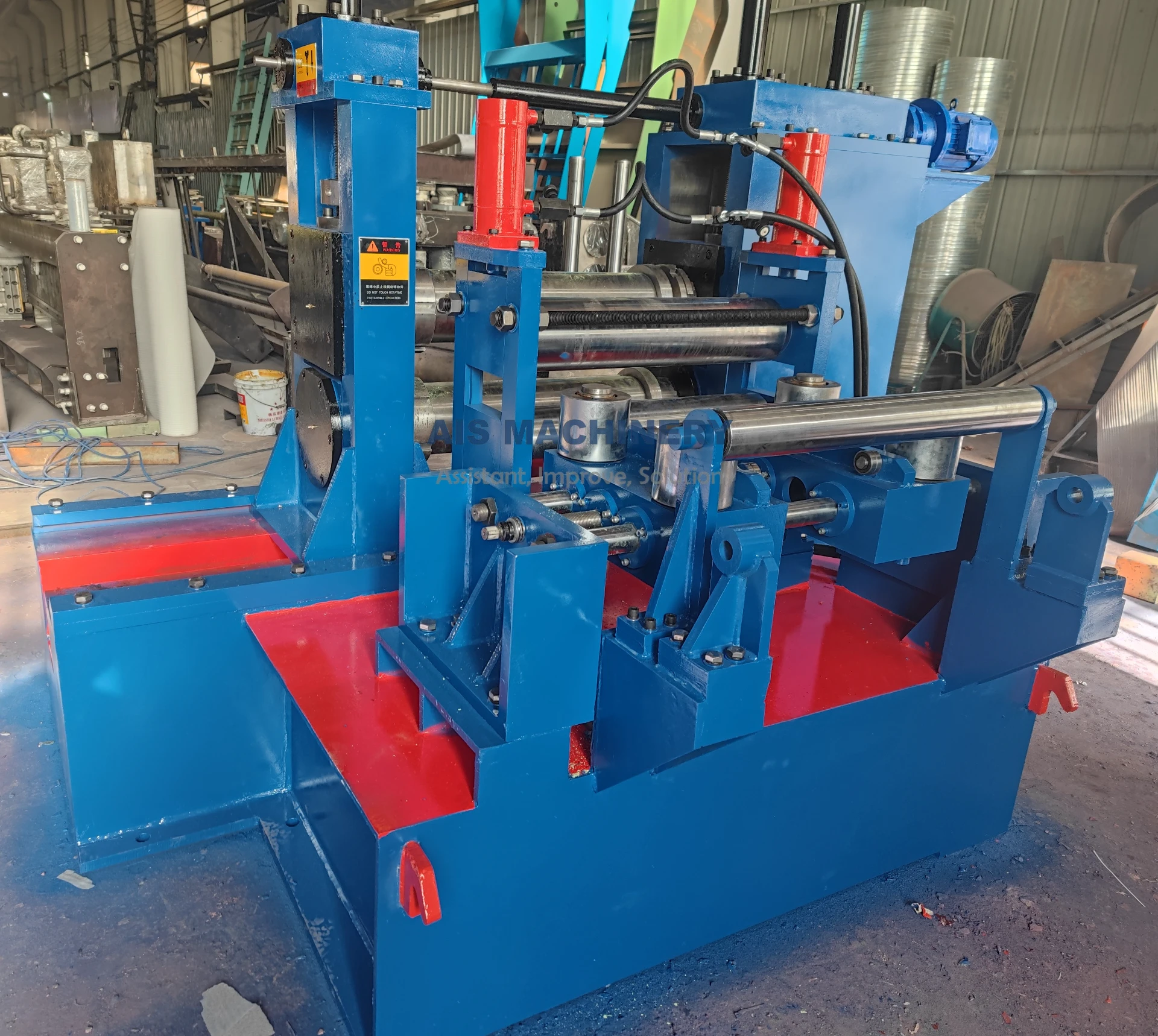
Flat Bar Production Line for Steel Coils: How It Works & Why It Matters
Looking for a flat bar production line? Learn how it turns steel coils into ready-to-use flat bars with precise length and high straightness. Compare it with slitting lines and get the best solution for your steel processing needs.
2026-04-14 00:00:00
Looking for a Milling Saw for ERW Tube Mill? Here’s What You Need to Know
Looking for a high-performance milling saw for your ERW tube mill? Upgrade to burr-free, high-precision pipe cutting with advanced flying saw technology. Improve efficiency, reduce rework, and meet export standards for carbon steel, stainless steel, and API pipes. Contact us today for expert solutions and competitive pricing tailored to your production needs.
2026-04-09 16:15:19
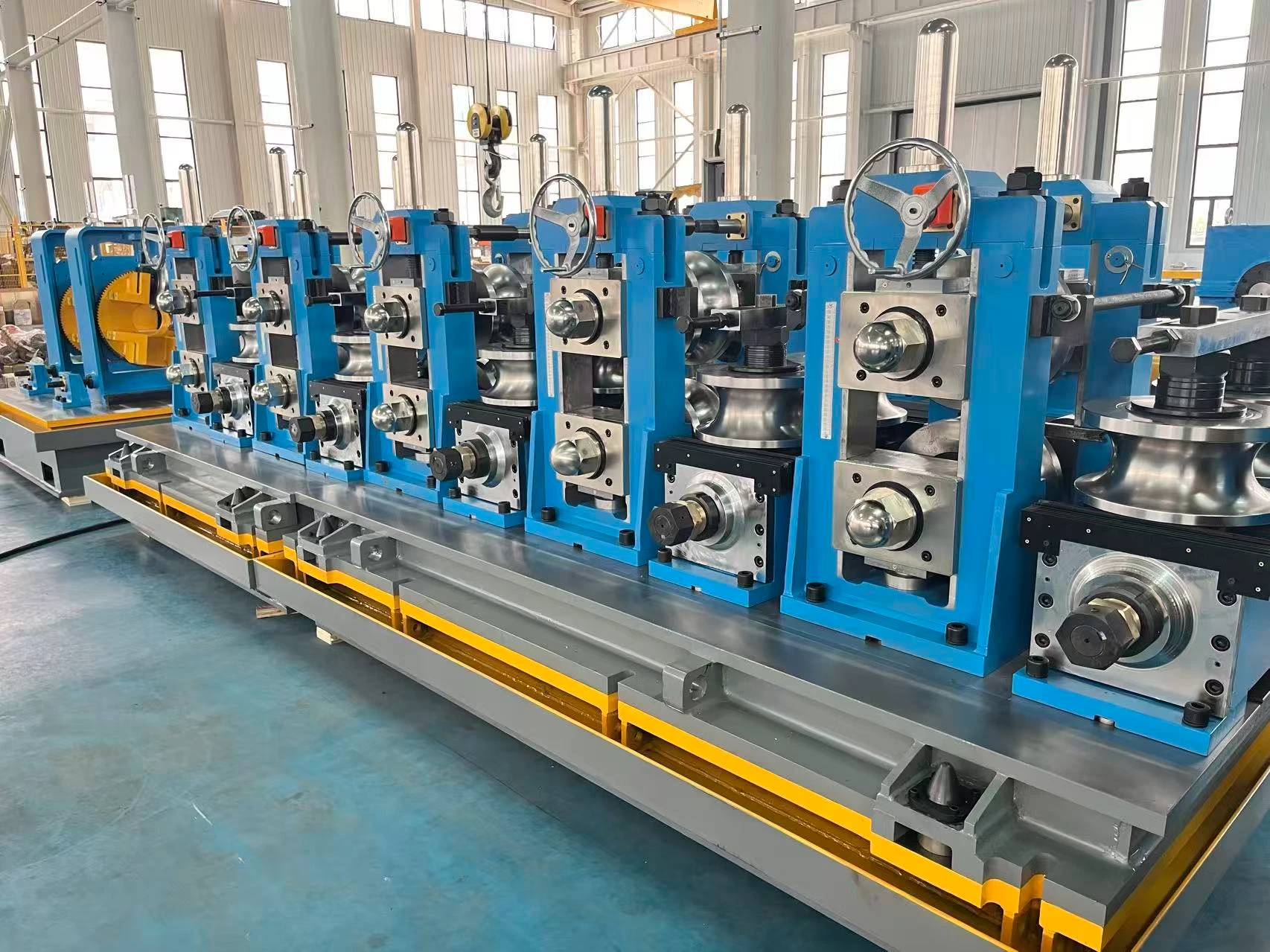
5-Inch (127mm) ERW Tube Making Machine Delivered with Heavy-Duty Design and Advanced Quick Change System
2027-04-07 00:00:00
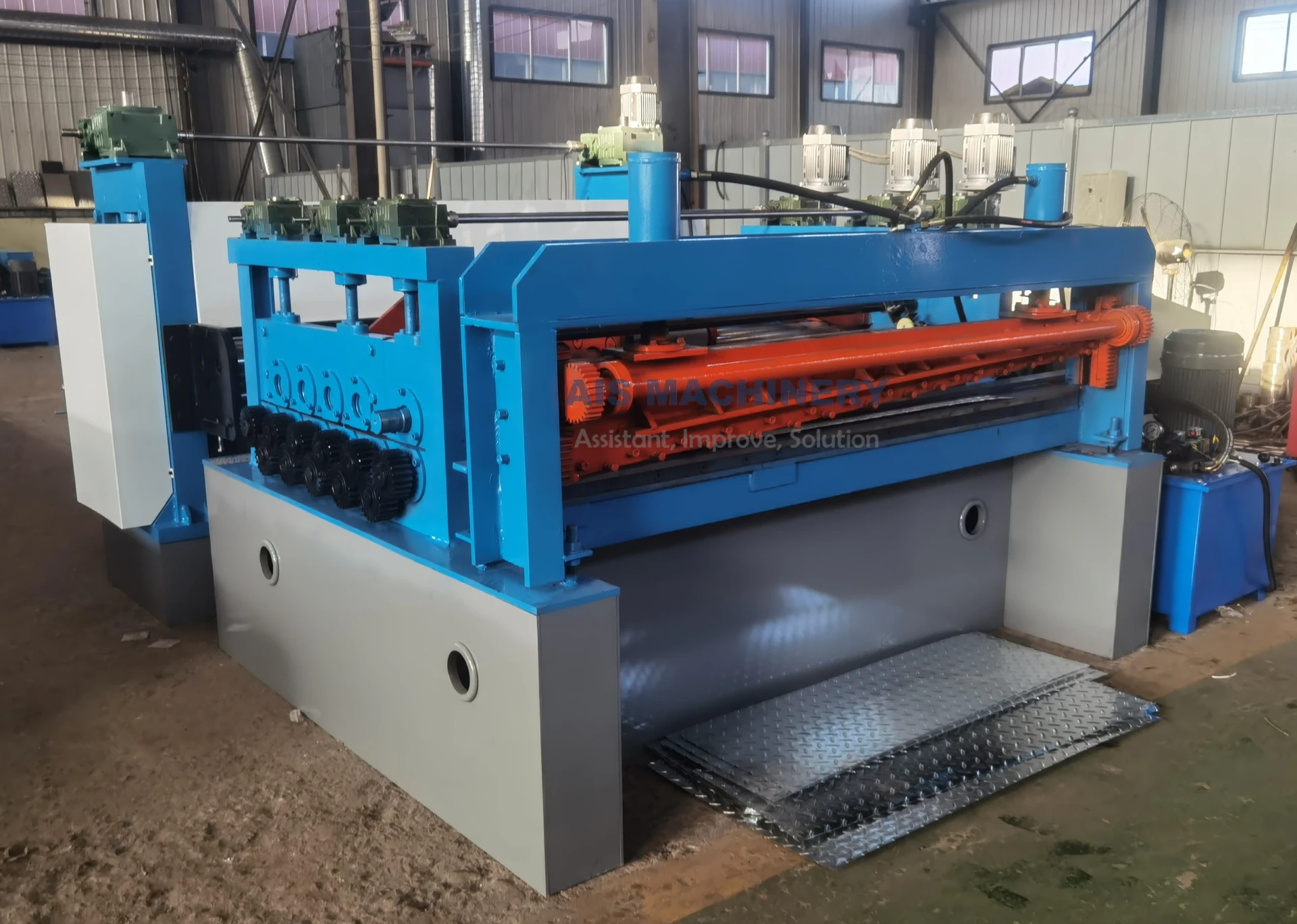
Metal Embossing Machine: Turn Flat Sheets into High-Value Textured Products
Discover how a metal embossing machine transforms flat steel, stainless steel, and aluminum sheets into high-value textured products. Learn about its working principle, key components, and applications. Ideal for decorative and industrial use, embossing machines improve both appearance and performance. Explore complete embossing line solutions and find the right machine for your production needs.
2026-04-04 20:37:18
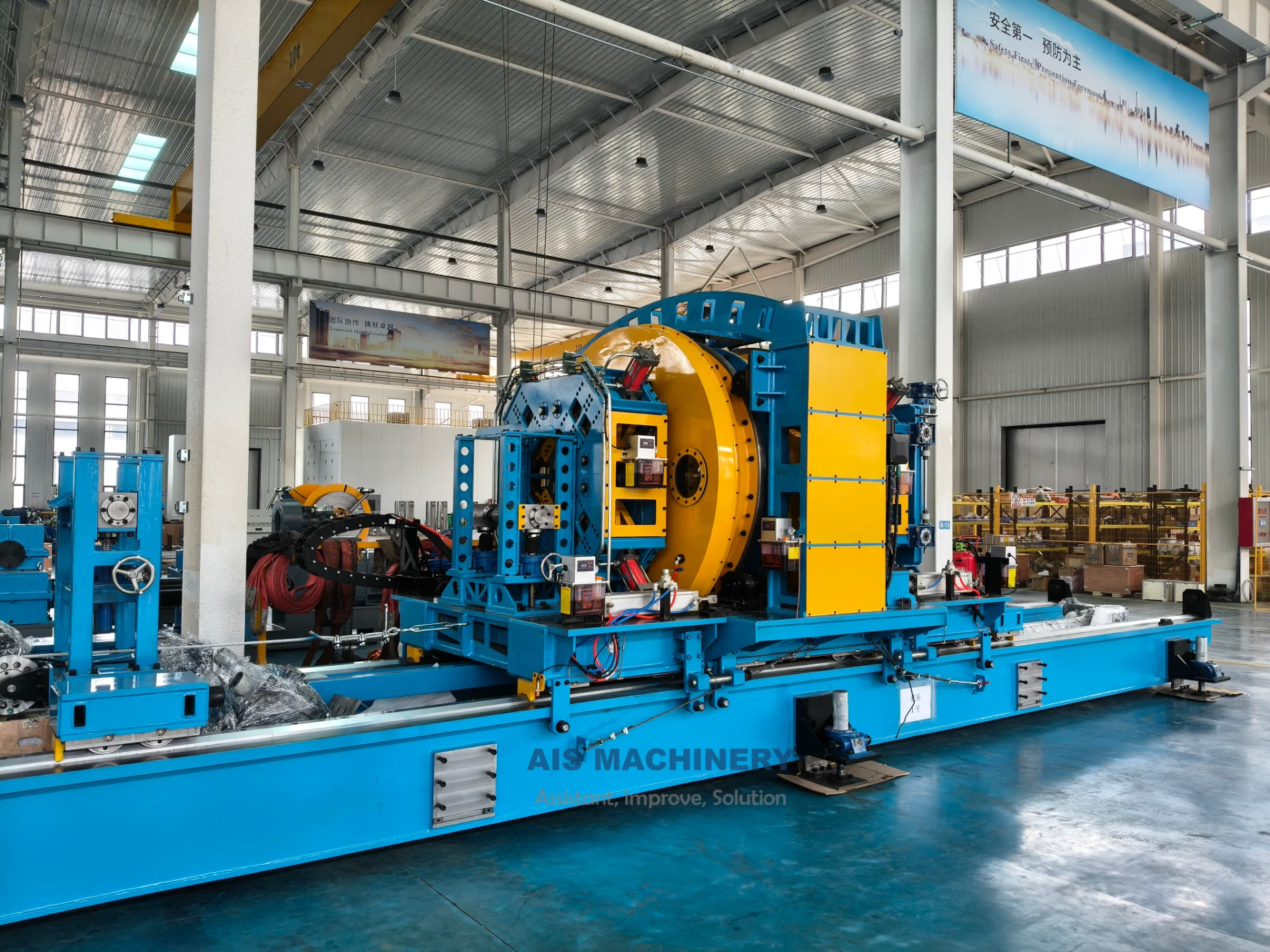
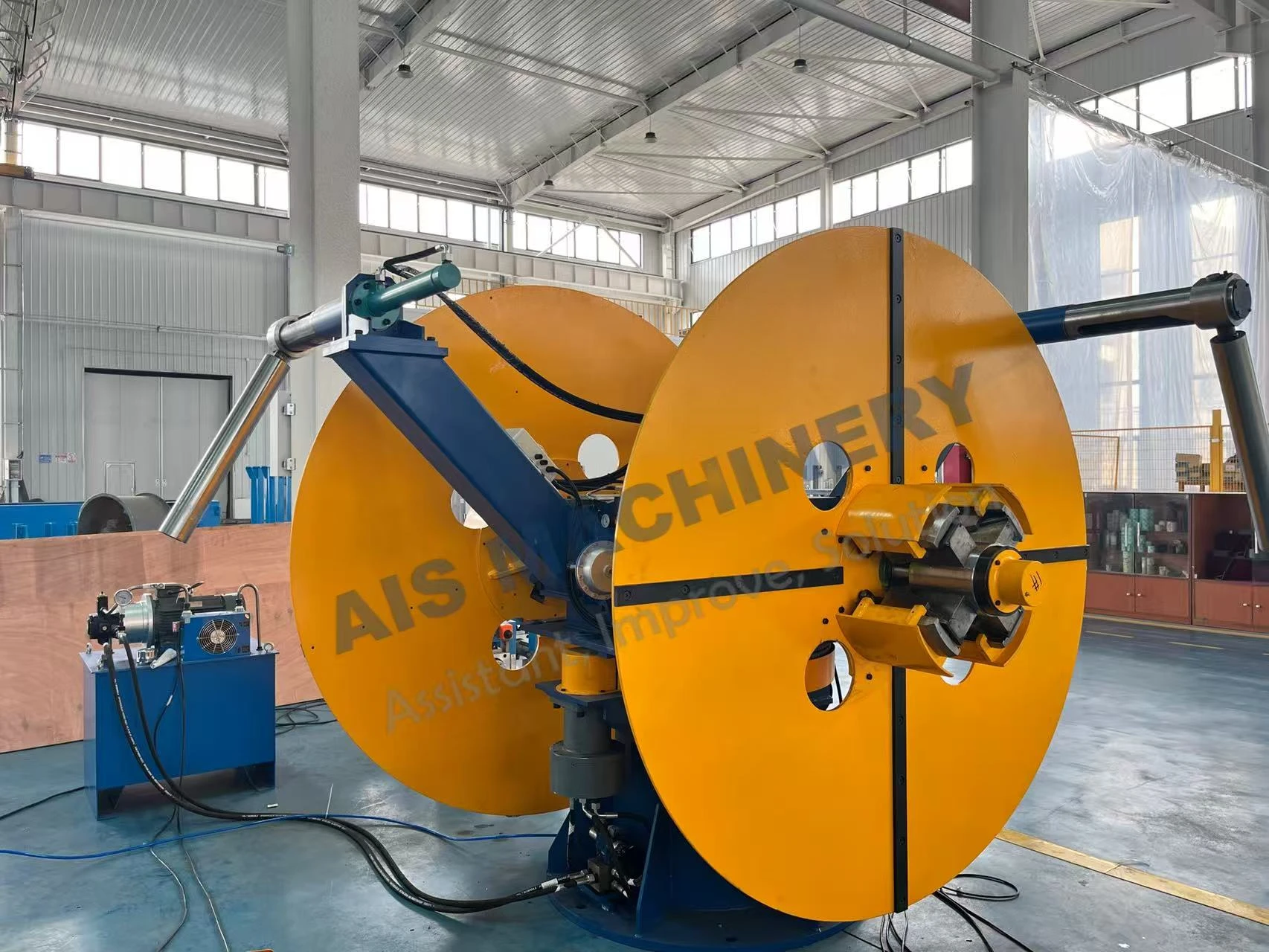
Automatic Double Side Uncoiler with Hydraulic Expansion and Auto Rotation for Steel Coil Processing
The Automatic Double Side Uncoiler is a high-efficiency solution designed for modern steel coil processing lines, including tube mills, roll forming machines, and slitting lines. With a maximum capacity of 4 tons per side, this machine ensures stable and continuous coil feeding while reducing downtime during coil change.
Send a Message
Dear customer, thank you for your attention! We provide high-quality machinery and equipment and look forward to your orders. Please inform us of your needs and we will respond quickly!
 English
  Albanian
  Arabic
  French
  German
  Indonesian
  Italian
  Japanese
  Kazakh
  Korean
  Latin
Latin  Macedonian
  Portuguese
  Russian
  Spanish
  Thai
Thai  Turkish
  Ukrainian
  Uzbek
Uzbek