
-
 Tel:86-15176910262
-

Search
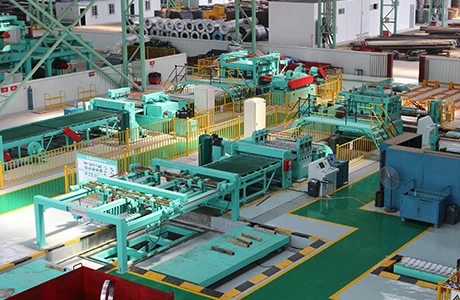
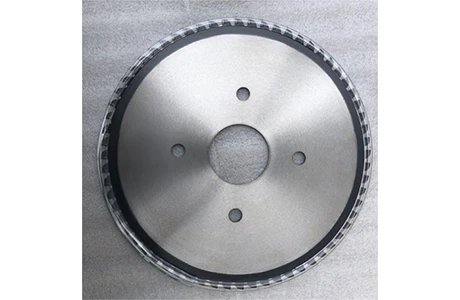

High Precision Metal Coil Slitting Line - Steel, SS, Aluminum
Aug . 10, 2025 08:00
The Transformative Role of Metal Coil Slitting Lines in Modern Manufacturing
In the intricate landscape of contemporary industrial production, the ability to precisely process raw materials is not merely an advantage but a fundamental necessity for maintaining competitiveness and achieving operational excellence. At the heart of this precision lies the metal coil slitting line, a sophisticated machinery system engineered to transform wide master coils of various metals into narrower, precisely dimensioned strips. This critical process is indispensable across a myriad of sectors, including automotive manufacturing, construction, HVAC, home appliances, electrical equipment, and general fabrication, where materials like steel, stainless steel, and aluminum are primary inputs. The global demand for pre-processed metal strips, characterized by stringent dimensional accuracy and superior edge quality, continues to escalate, driven by trends such as lightweighting in automotive, rapid prototyping, and the pervasive shift towards automation in assembly lines. This escalating demand underscores the pivotal role of advanced slitting technologies in enabling downstream manufacturing processes to operate with maximal efficiency, minimizing material waste, and reducing overall production costs. The market for these lines is experiencing robust growth, propelled by the expansion of infrastructure projects, increasing industrialization in emerging economies, and the continuous pursuit of higher throughput and greater precision in developed markets. Manufacturers are increasingly investing in high-speed, automated slitting solutions that incorporate advanced controls, real-time monitoring, and quick-change tooling to adapt to diverse production requirements and shorter lead times. The strategic importance of integrating such high-performance equipment into supply chains cannot be overstated, as it directly impacts raw material utilization, production flexibility, and ultimately, the profitability of metal-processing enterprises. Companies like AIS MACHINERY are at the forefront of this evolution, developing sophisticated solutions that meet the evolving demands of a dynamic global industry, offering custom configurations that cater to specific material types, thickness ranges, and production volumes, thereby empowering manufacturers to achieve unparalleled levels of operational performance and material optimization. The precision achieved by a modern metal coil slitting line is not just about cutting to size; it involves meticulous control over factors such as burr formation, camber, and coil integrity, which are paramount for ensuring the suitability of the slit product for subsequent high-speed stamping, roll forming, or tube welding processes. Without consistently high-quality slit coils, downstream operations face increased downtime, higher rejection rates, and elevated production costs, eroding profitability. Furthermore, the ability of a specialized steel slitting machine to process various grades of steel, from commercial quality to advanced high-strength steels (AHSS), signifies its adaptability to the ever-evolving material science landscape. This adaptability extends to other non-ferrous metals, with dedicated aluminium coil slitting machine and stainless steel slitting machine configurations addressing the unique properties and surface sensitivities of these materials. The shift towards just-in-time (JIT) manufacturing and reduced inventory holding costs further highlights the imperative for in-house or readily accessible slitting capabilities, making the metal coil slitting line a strategic asset. Companies that can quickly transform wide master coils into specific narrow strips gain significant competitive advantages, including reduced lead times, optimized material procurement, and enhanced responsiveness to market fluctuations. The integration of advanced automation and data analytics into the operation of a steel coil slitting machine is another significant trend, allowing for predictive maintenance, real-time quality control, and optimized production scheduling. This level of sophistication transforms the slitting line from a mere cutting tool into an intelligent manufacturing hub, capable of contributing valuable data to overall factory management systems. The continued investment in robust, high-precision metal coil slitting lines is therefore not just an upgrade but a strategic imperative for any enterprise aiming to thrive in the demanding and precise world of modern metal fabrication and supply. This technological advancement directly impacts material yield, energy consumption, labor efficiency, and the overall environmental footprint of metal processing operations, making these machines a cornerstone of sustainable industrial growth, particularly in achieving superior steel coil slitting results.
Decoding the Anatomy and Process of a High-Performance Steel Coil Slitting Line
A modern metal coil slitting line is a marvel of mechanical engineering, integrating multiple complex sub-systems that work in precise synchronization to achieve highly accurate and efficient coil processing. The typical workflow commences with the uncoiler, a robust unit designed to securely hold and precisely pay off the master coil, often featuring hydraulic expansion mandrels and back tension control to ensure smooth, consistent material feed into the line. For heavy-gauge applications, double-mandrel or cone-type uncoilers might be employed to handle substantial coil weights and facilitate faster coil changes. Following this, a pinch roll or feeding unit guides the material towards the leveler, which, through a series of work rolls, removes coil set, crossbow, and other residual stresses or defects, ensuring the strip is perfectly flat before slitting. This process, known as tension leveling or stretch leveling depending on the material and desired outcome, is crucial for maintaining dimensional accuracy and preventing issues like oil-canning or wavy edges in subsequent processes. For high-speed lines, a looping pit or accumulator often precedes the slitter head, providing a buffer of material that allows continuous operation while the uncoiler or recoiler adjusts or changes coils, maximizing throughput and minimizing downtime. This buffer is essential for lines aiming for speeds upwards of 100 meters per minute (mpm) and is a key differentiator for high-volume steel coil slitting operations. The core of the line is the slitter head, equipped with precision-ground rotary knives made from high-grade tool steels like D2, HSS (High-Speed Steel), or even specialized carbide alloys for abrasive materials or ultra-long runs. These knives, precisely spaced on arbors, slice the wide coil into multiple narrower strips. The knife clearance, the precise gap between the upper and lower knives, is a critical parameter that must be meticulously set based on material type and thickness to minimize burr and ensure clean, straight cuts, a hallmark of an effective metal coil slitting line. Adjacent to the slitter head, a scrap chopper or rewinder efficiently manages the edge trim, which is the waste material generated from the outer edges of the coil, ensuring a clean and safe operational environment. A tension unit, often incorporating felt pads, brake rolls, or hydraulic clamping systems, applies precise back tension to the individual slit strips as they exit the slitter, which is essential for ensuring tight, uniform recoiling and preventing inter-wrap slippage or "telescoping" of the finished coils. Finally, the recoiler winds the slit strips onto individual mandrels or a common drum, often with separator discs to ensure each slit coil is neatly wound, producing finished coils ready for shipment or further processing. Advanced recoilers may feature automated strip guiding and strapping systems to further streamline the offloading process of the finished product from the steel coil slitting line. The manufacturing process of these slitting line components themselves adheres to stringent industrial standards, critical for the machine's longevity and precision. Components such as uncoiler mandrels, slitter shafts, and gearboxes are frequently manufactured from high-strength alloy steels, undergoing processes like precision casting for large structural elements, forging for high-stress components like shafts and gears, and extensive CNC machining for intricate parts requiring tight tolerances and superior surface finishes. Heat treatment processes, including induction hardening or nitriding, are applied to wear-prone surfaces like knife shafts, leveling rolls, and slitter blades to enhance their hardness, wear resistance, and ultimately, extend their service life. Quality control throughout the manufacturing process is paramount, with strict adherence to international standards such as ISO 9001 for quality management systems, ANSI (American National Standards Institute) for mechanical component specifications, and CE marking for European market compliance, signifying adherence to health, safety, and environmental protection standards. Non-destructive testing (NDT) methods like ultrasonic inspection, magnetic particle testing, and dye penetrant inspection are routinely employed to detect internal flaws, surface cracks, or material inconsistencies in critical components before assembly, ensuring the structural integrity and operational reliability of the entire steel coil slitting line. The expected service life of a well-designed and properly maintained steel coil slitting line can extend for decades, typically 20-30 years or more, largely dependent on the quality of initial design, the robust nature of materials used, diligent operational practices, and regular preventative maintenance schedules. These robust systems find critical application in industries requiring precise metal strips for fabrication, ensuring material integrity and dimensional accuracy essential for subsequent stages of manufacturing, from intricate stamping for electronics to robust profiles for heavy construction, making the metal coil slitting line a cornerstone of efficient production.
Technical Parameters and Performance Metrics of Advanced Metal Slitting Solutions
The performance and suitability of a steel slitting machine are primarily defined by its technical parameters, which dictate its capacity, precision, and operational efficiency. Key specifications include the maximum coil width and thickness range the machine can process, typically ranging from thin gauge (0.2 mm) for intricate components in the electrical appliance sector to heavy gauge (16 mm or more) for structural applications in construction or heavy machinery. The material types supported are also critical, encompassing various grades of carbon steel (cold rolled, hot rolled, pickled and oiled), high-strength low-alloy (HSLA) steel, stainless steel (e.g., 300 and 400 series), galvanized steel, pre-painted steel, silicon steel, and non-ferrous metals like aluminum and copper alloys. A pivotal metric is the slitting speed, which for high-speed metal coil slitting lines can range from 60 meters per minute (mpm) to over 200 mpm, directly impacting throughput and the overall return on investment. The number of cuts and the minimum/maximum slit width determine the versatility of the line in producing various strip dimensions, with high-precision lines capable of producing upwards of 40 individual strips from a single master coil. Precision metrics are paramount for downstream processes: tolerance refers to the permissible deviation from the target width, with modern lines achieving tolerances as tight as ±0.05 mm, a critical factor for automated assembly. Burr, the rough edge created during shearing, is a critical quality indicator; advanced slitting lines employ precision tooling, optimized knife geometry, and precise knife clearance settings to minimize burr to less than 5% of material thickness, often striving for near burr-free cuts essential for safety and subsequent forming. Excessive burr can lead to premature tool wear in stamping dies and cause issues in roll-forming processes. Camber, the lateral curvature of the slit strip, must also be meticulously controlled to ensure straightness, typically limited to 2 mm per 5 meters of strip length. This is vital for processes like tube welding, where even slight camber can lead to weld defects. Strip deviation, or the side-to-side movement of the strip during processing, is minimized through precise guiding systems, often employing laser or optical sensors for real-time adjustments and edge tracking, ensuring uniform feeding into the slitter head. High-performance lines also feature advanced control systems, such as Programmable Logic Controllers (PLCs) from reputable brands like Siemens or Rockwell Automation, coupled with intuitive Human-Machine Interfaces (HMIs), for automated setup, real-time diagnostics, fault reporting, and remote monitoring. These systems often integrate seamlessly with enterprise resource planning (ERP) systems for comprehensive production scheduling, inventory management, and data logging, enhancing overall operational efficiency and reducing reliance on manual adjustments and human error. The quality of the finished slit coil, including parameters like uniform tension, tight winding, and minimal telescoping (axial misalignment of wraps), is crucial for downstream processes and is directly influenced by the precise control of the recoiler's drive system and the tension unit's feedback mechanisms, ensuring a perfect steel coil slitting outcome. Investment in such technologically advanced steel coil slitting machines is justified by the tangible benefits they deliver: superior product quality leading to fewer rejections, significant reduction in material waste due to high precision, increased throughput that boosts production capacity, and lower operational costs per unit produced through optimized energy consumption and reduced labor intervention. This holistic improvement in operational metrics underscores the value of sophisticated slitting technology in competitive manufacturing environments, proving the efficacy of a reliable metal coil slitting line.
Typical Metal Coil Slitting Line Parameters
| Parameter | Light Gauge Line (e.g., HVAC, Appliance) | Medium Gauge Line (e.g., Automotive, Construction) | Heavy Gauge Line (e.g., Structural Steel) |
|---|---|---|---|
| Material Thickness Range (mm) | 0.2 - 3.0 | 0.8 - 8.0 | 3.0 - 16.0+ |
| Max Coil Width (mm) | 600 - 1600 | 1000 - 2000 | 1500 - 2500 |
| Min Slit Width (mm) | 25 | 50 | 80 |
| Slitting Speed (m/min) | 80 - 200 | 60 - 150 | 30 - 80 |
| Slitting Tolerances (mm) | ±0.05 - ±0.1 | ±0.1 - ±0.2 | ±0.2 - ±0.5 |
| Max Coil Weight (Tons) | 5 - 15 | 15 - 30 | 25 - 40+ |
| Max Number of Cuts | 20 - 40 | 10 - 25 | 5 - 15 |
Diverse Applications and Strategic Advantages Across Key Industries
The versatility and precision offered by a modern steel coil slitting machine make it an indispensable asset across a vast spectrum of manufacturing sectors, fundamentally transforming raw coil into specific inputs required for high-volume, precision manufacturing. In the automotive industry, for example, precisely slit steel and aluminium coil slitting machine processed aluminum coils are fundamental for producing components ranging from body panels, chassis parts, and structural members to intricate interior elements. The tight tolerances achieved by these lines are crucial for automated stamping and robotic assembly operations, where even minor dimensional deviations or excessive burr can lead to significant material waste, tooling damage, and production delays, directly impacting vehicle safety ratings and fuel efficiency goals. The ability to supply material in specific widths significantly reduces scrap rates in downstream processes, contributing to both cost savings and environmental sustainability by optimizing material utilization. Similarly, the construction industry relies heavily on slit coils for manufacturing metal studs, roofing panels, cladding, and various structural profiles used in both residential and commercial buildings. The consistency in width and edge quality, often produced by robust steel slitting machine configurations, ensures that these components fit together accurately, meet stringent building codes, and possess the necessary structural integrity for long-term performance in diverse environmental conditions. For HVAC (Heating, Ventilation, and Air Conditioning) systems, galvanized and stainless steel slitting machine processed coils are slit into specific widths for ductwork, casing components, and ventilation grilles. These applications demand high corrosion resistance and precise dimensions for efficient air flow, quiet operation, and ease of assembly. The precise edge quality provided by advanced slitting lines minimizes air leakage and ensures system efficiency. The home appliance sector utilizes precision-slit coils for refrigerators, washing machines, ovens, and other white goods, where aesthetic appeal, seamless assembly, and functional precision are paramount. Manufacturers often require various grades of pre-painted steel and polished stainless steel, demanding metal coil slitting lines capable of handling diverse surface finishes without scratching or marring, often employing specialized non-marking rolls and tensioning systems. Furthermore, the electrical industry employs slit silicon steel for transformer cores and other magnetic components, where material thickness uniformity and exceptionally tight burr control are critical for minimizing energy losses and ensuring the efficiency and longevity of electrical devices. The strategic advantages derived from implementing high-quality metal coil slitting lines extend beyond mere material processing to encompass comprehensive operational and economic benefits. They enable manufacturers to implement Just-In-Time (JIT) production strategies by allowing them to stock wider, more economical master coils and slit them into specific dimensions only as needed, thereby reducing expensive inventory holding costs, freeing up warehouse space, and enhancing overall production flexibility. This capability also facilitates rapid response to fluctuating market demands and custom orders, providing a significant competitive edge in a fast-paced global market. Modern slitting lines are designed with energy efficiency as a core consideration, incorporating features such as variable frequency drives (VFDs) for optimized motor speed and power consumption, high-efficiency servo motors, and intelligent control systems that minimize energy waste during idling or light-load conditions, significantly reducing operational expenditure over the machine's long service life. The robust construction and use of corrosion-resistant materials for critical components, especially in lines processing stainless steel slitting machine materials or operating in humid or harsh industrial environments, ensure prolonged operational life and consistent performance, minimizing maintenance downtime and associated costs. For instance, hardened chrome-plated rolls, stainless steel guiding surfaces, and automated lubrication systems reduce wear and prevent material contamination, guaranteeing the longevity and reliability of the initial investment in a cutting-edge steel coil slitting line.
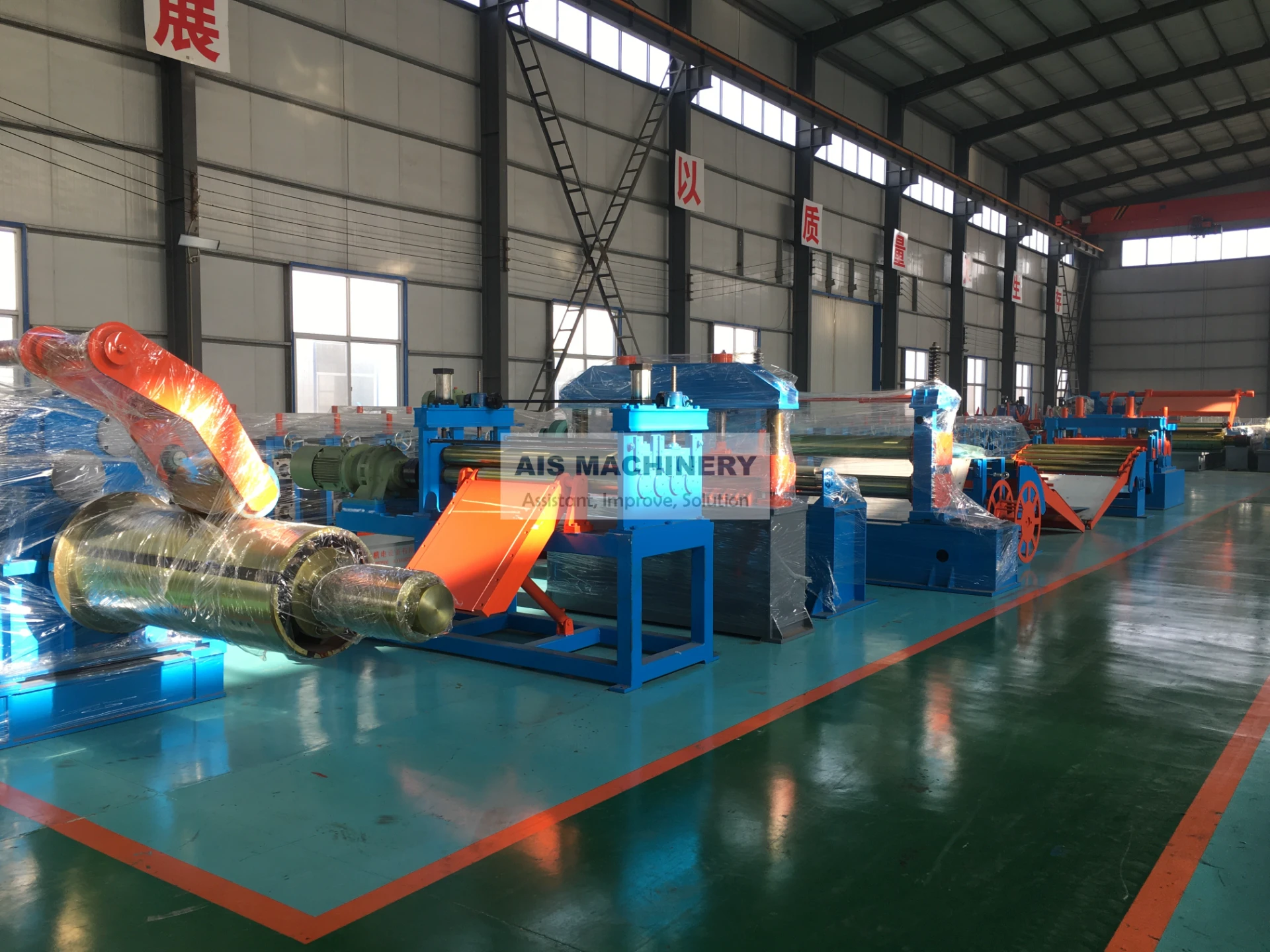
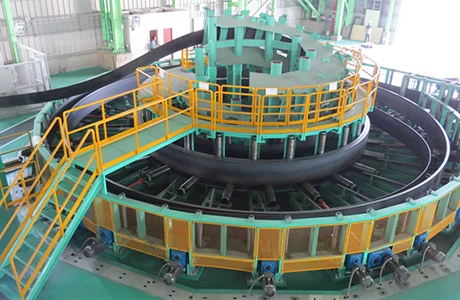
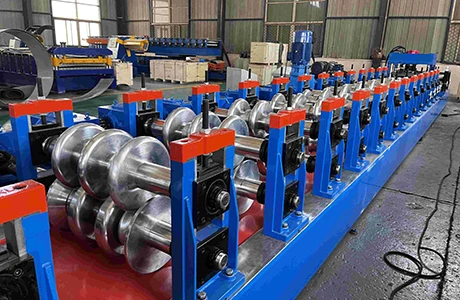
Precision slitting and recoiling of various steel plates – a core function of the metal coil slitting line.
AIS MACHINERY's Edge: Innovation, Customization, and Unwavering Support in Steel Coil Slitting Solutions
AIS MACHINERY stands as a recognized leader in the design, manufacturing, and deployment of high-speed steel coil slitting machines, distinguishing itself through a relentless commitment to innovation, unparalleled customization capabilities, and comprehensive customer support, ensuring that our clients receive not just equipment, but a complete solution tailored to their unique operational demands. Our technical advantages are deeply rooted in decades of specialized experience in metal processing equipment, culminating in designs that embody robustness, precision, and efficiency. We integrate cutting-edge technologies, such as highly rigid slitter heads with minimal shaft deflection – a critical factor for maintaining uniform slit width and minimizing burr across varying material thicknesses. Our robust gearbox designs ensure smooth and consistent power transmission, reducing wear and extending operational life. Furthermore, our precision leveling systems, which often include multi-roll tension levelers, virtually eliminate coil memory, crossbow, and wavy edges, ensuring optimal flatness and material preparedness for subsequent high-speed manufacturing processes. Our advanced control systems, powered by industry-leading Siemens or Allen-Bradley PLCs, provide intuitive operation via user-friendly Human-Machine Interfaces (HMIs), real-time diagnostics that alert operators to potential issues before they escalate, and predictive maintenance insights that help schedule proactive servicing, leading to maximized uptime and significantly reduced operational complexities. The unique selling proposition of AIS MACHINERY lies profoundly in our ability to deliver bespoke metal coil slitting line solutions tailored precisely to client specifications, moving beyond a one-size-fits-all approach. Whether a client requires optimizing for specific material types like high-strength low-alloy (HSLA) steels that demand exceptional shearing force and machine rigidity, configuring for ultra-narrow slitting requirements as small as 15mm with extremely tight tolerances, or integrating complex automation features for seamless factory integration with existing ERP or MES systems, our expert engineering team collaborates closely with clients from initial concept to final commissioning. This consultative approach ensures that each investment yields maximum return by providing a line optimized for specific throughput, precision, material handling needs, and future scalability. For example, a client requiring the processing of delicate pre-painted coils might benefit from our specialized tension units with soft contact surfaces (e.g., non-marking rubberized rolls) and advanced electronic tension control systems, preventing surface damage and maintaining aesthetic integrity. Conversely, a manufacturer dealing with thick, high-tensile strength steel would necessitate a steel slitting machine with heavier-duty components, robust shears with high cutting capacities, and powerful recoilers capable of handling substantial coil weights and material resistance without compromising winding quality. When comparing AIS MACHINERY's offerings against generic market alternatives or older generation equipment, several distinct advantages emerge that underscore our commitment to superior performance and long-term value. While older machines might offer lower initial capital expenditure, they often fall short in terms of precision (resulting in higher burr, greater camber, and inconsistent widths), speed, energy efficiency, and automation levels, leading to significantly higher long-term operational costs, increased material waste, and reduced overall competitiveness. Many entry-level machines lack the robust construction, advanced material handling capabilities, and sophisticated control systems required for continuous, high-volume production, resulting in frequent breakdowns, inconsistent product quality, and higher labor costs. Our lines, by contrast, are engineered for sustained high performance, ensuring superior slit quality (burr typically less than 3% of thickness, camber less than 1mm per 5m length), higher operational speeds, and significantly reduced energy consumption per ton of processed material through optimized drive systems. We regularly receive overwhelmingly positive feedback from clients who report significant improvements in their downstream production efficiency, drastic reductions in material waste, and enhanced end-product quality after deploying our steel slitting machine solutions. For instance, a major automotive supplier reported a 15% reduction in scrap rates and a 20% increase in line speed after replacing their outdated slitting line with an AIS MACHINERY high-speed solution, demonstrating tangible gains in profitability and productivity within challenging manufacturing environments. Our commitment to client success extends far beyond the sale, encompassing comprehensive operator and maintenance training, readily available genuine spare parts through an efficient logistics network, and proactive, responsive technical support, fostering long-term partnerships built on reliability, innovation, and mutual growth in the global steel coil slitting market, cementing our reputation as a leading metal coil slitting line provider.
AIS MACHINERY Steel Coil Slitting Machine: Feature Comparison
| Feature/Attribute | AIS MACHINERY High-Speed Line | Typical Market Standard/Older Generation |
|---|---|---|
| Slitting Speed (m/min) | Up to 200+ (material dependent) | 40 - 100 |
| Slit Width Tolerance (mm) | ±0.05 (for specific material/thickness) | ±0.15 - ±0.3 |
| Burr Control | Typically <3% of material thickness, near burr-free | 5-10% of material thickness, noticeable burr |
| Camber Control | <1mm per 5m length | Often >2mm per 5m length |
| Automation & Control | Advanced PLC, HMI, remote diagnostics, auto-setup | Basic manual controls, limited diagnostics |
| Energy Efficiency | High-efficiency motors, VFDs, optimized power consumption | Standard motors, higher idle consumption |
| Tooling Changeover Time | Quick-change slitter heads, automated knife spacing (optional) | Manual, time-consuming knife setup |
| Service Life & Durability | 25+ years with proper maintenance, robust components | 10-15 years, higher wear and tear |
Ensuring Trust and Operational Excellence: FAQs, Warranty, and After-Sales Support
Building and maintaining trust with B2B clients, particularly when dealing with significant capital investments like a metal coil slitting line, requires absolute transparency, clear commitments, and robust support systems that instill confidence throughout the machine's operational lifespan. At AIS MACHINERY, we prioritize establishing a foundation of trust through comprehensive pre-sales consultation, transparent project timelines, and an unwavering post-sales commitment. Our approach is meticulously designed to provide complete peace of mind to our clients throughout the entire lifecycle of their investment in a high-performance steel coil slitting machine. We understand that prospective buyers and technical personnel often have critical questions regarding functionality, material compatibility, maintenance requirements, and long-term viability, which is why we’ve curated a set of Frequently Asked Questions (FAQs) that address common concerns with precise and authoritative answers. These FAQs cover topics such as: What specific material grades can your slitting lines handle, including specialized alloys and various tempers, and what are their respective thickness limitations for optimal performance without compromising edge quality? How do your lines minimize burr formation and ensure optimal flatness for delicate materials like pre-painted steel or polished stainless steel, preventing surface damage and ensuring end-product quality for a flawless finish, especially for a stainless steel slitting machine? What are the precise power requirements, average energy consumption rates, and estimated operational costs of your high-speed models, providing clarity on the total cost of ownership and expected return on investment? What is the typical lead time from initial order confirmation and detailed engineering design reviews to final commissioning on-site, including allowances for international shipping, customs clearance, and local regulations? And what comprehensive level of training is provided for our operational and maintenance staff, including both theoretical instruction on machine mechanics and control systems, and hands-on practical experience, to ensure seamless integration and self-sufficiency in operating the steel slitting machine? These questions are typically answered with detailed technical specifications, operational guidelines, and empirical performance data, often reinforced with stringent performance guarantees and certifications like ISO 9001. The delivery process for a custom steel coil slitting machine is meticulously managed, typically involving a phased approach: detailed engineering design reviews with client approval, precise material procurement from certified suppliers, advanced component manufacturing utilizing CNC machinery, rigorous factory assembly, comprehensive factory acceptance testing (FAT) at our state-of-the-art facility where clients are encouraged to participate and validate performance against agreed parameters, professional dismantling and meticulous packaging for secure transit, efficient international shipping logistics, precise on-site installation by our experienced technicians, and final commissioning with performance validation. The lead time can vary significantly, ranging from 6 to 12 months or more depending on the complexity, customization level, and specific production schedule requirements of the line. We provide a detailed, Gantt chart-based project schedule at the outset, allowing clients to effectively plan their facility integration, staff training, and subsequent production ramp-up. Each AIS MACHINERY steel coil slitting machine comes with a comprehensive warranty, typically covering mechanical components for 12-24 months from final commissioning or 18-30 months from shipment, whichever comes first, safeguarding against defects in materials and workmanship under normal operating conditions. Our warranty terms are clearly articulated and transparent, providing clients with certainty regarding their significant investment protection. Beyond the initial warranty period, our unwavering commitment to customer support remains steadfast. We offer various levels of flexible after-sales service agreements, including preventative maintenance programs designed to maximize uptime, remote diagnostic support facilitated by integrated machine telemetry, rapid on-site technical assistance by our global network of field service engineers, and a readily available inventory of genuine spare parts to minimize any potential downtime and ensure continuous operation. Furthermore, we provide ongoing operational training refreshers and advanced technical workshops to client personnel, ensuring they are always equipped with the latest knowledge and skills to maximize the line's performance, optimize maintenance routines, and extend its overall operational life, thereby fostering long-term partnerships built on reliability, mutual growth, and consistent productivity in the competitive world of steel coil slitting.
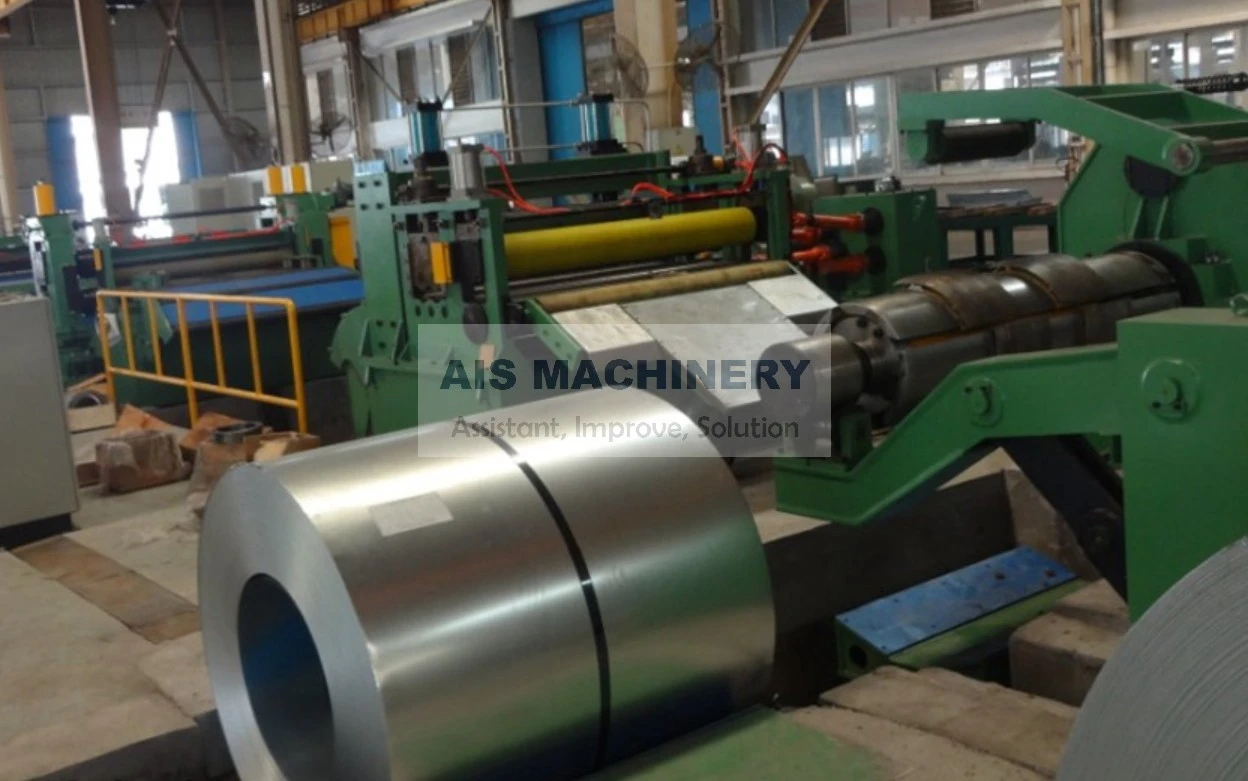
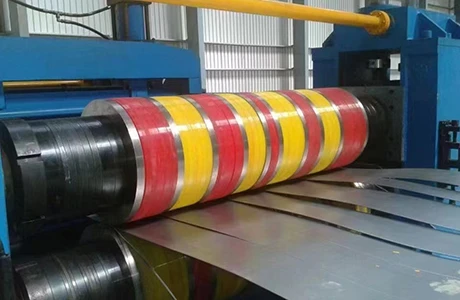
The precision outcome: a master steel coil transformed into perfectly narrow, usable strips.
Real-World Impact: Case Studies and Future Outlook for Metal Coil Slitting Technology
The tangible benefits of investing in a high-performance metal coil slitting line are best illustrated through real-world applications and the demonstrable improvements they bring to clients' operations, showcasing how advanced technology translates into significant competitive advantages and economic gains. Consider a hypothetical yet representative case study involving a prominent supplier to the global automotive industry specializing in complex stamped components for electric vehicles. Faced with increasing demands for lighter, higher-strength materials such as Generation 3 AHSS (Advanced High-Strength Steel) and increasingly tighter production schedules to meet surging EV market growth, their existing slitting infrastructure, an older steel slitting machine acquired over a decade ago, was struggling to meet the new precision and speed requirements. This resulted in significant material waste due to excessive burr and problematic camber issues that plagued their stamping dies, alongside frequent line stoppages for time-consuming manual tooling changes. Upon commissioning a new, custom-engineered AIS MACHINERY high-speed metal coil slitting line tailored specifically for HSLA and AHSS processing, the client experienced a transformative shift in their entire production paradigm. The integrated, advanced tension leveling system virtually eliminated coil set and crossbow, drastically reducing material springback and ensuring unparalleled flatness in subsequent stamping operations, which is critical for complex part geometries. The incorporation of a quick-change slitter head and automated knife spacing system significantly cut down setup times from hours to mere minutes, boosting overall equipment effectiveness (OEE) by nearly 25% and dramatically increasing usable production hours. Furthermore, the superior burr control (consistently less than 3% of material thickness, as verified by independent metallurgical analysis) led to a remarkable 18% reduction in scrap metal, translating directly into millions of dollars in annual savings on high-value material costs and reducing their environmental footprint. This profound efficiency gain allowed them to take on higher-volume contracts for critical EV components and expand their market share, demonstrating the profound and measurable impact of investing in state-of-the-art slitting technology. Another compelling example could be a major HVAC manufacturer aiming to streamline their production of intricate galvanized steel ductwork and casing components. Their previous practice involved exclusively purchasing pre-slit coils from third-party service centers, leading to higher material costs due to middleman markups and unpredictable long lead times that frequently disrupted their production schedules. By integrating an in-house steel coil slitting line from AIS MACHINERY, they gained complete control over their material supply chain, enabling true just-in-time production and reducing raw material inventory by an impressive 30%, freeing up significant working capital. The line's precise capabilities for handling thin-gauge galvanized steel with high accuracy and without surface damage was critical, yielding consistently high-quality strips that seamlessly fed into their automated roll-forming machines and robotic welding cells. This strategic move not only reduced operational costs and increased material yield but also significantly enhanced their responsiveness to market demands and custom order requirements, solidifying their competitive position and ability to innovate within the industry. Looking ahead, the future of steel coil slitting technology is poised for continued and rapid innovation, driven by emerging industry trends and the increasing sophistication of metal products. The push towards Industry 4.0 and smart manufacturing will see even greater integration of artificial intelligence (AI) and machine learning (ML) algorithms for predictive maintenance, optimized operational parameters based on real-time material feedback, and adaptive quality control systems, minimizing human intervention, maximizing output consistency, and reducing overall cost per ton. The development of new high-strength, lightweight alloys for various applications, from aerospace to consumer electronics, will necessitate metal coil slitting lines capable of processing these advanced materials with even greater precision, speed, and durability, prompting continuous advancements in knife metallurgy, machine rigidity, and control system responsiveness. Sustainability initiatives will also play an increasingly crucial role, with manufacturers demanding more energy-efficient systems and processes that minimize material waste, reduce power consumption, and lower the overall carbon footprint throughout the metal supply chain. AIS MACHINERY is actively involved in researching and developing these next-generation slitting solutions, ensuring our clients remain at the absolute forefront of technological advancement and sustainable manufacturing practices, ready to face the complex challenges and seize the significant opportunities of the evolving global industrial landscape. The continuous evolution of these lines confirms their enduring role as a cornerstone of modern industrial productivity, especially for precision steel coil slitting.
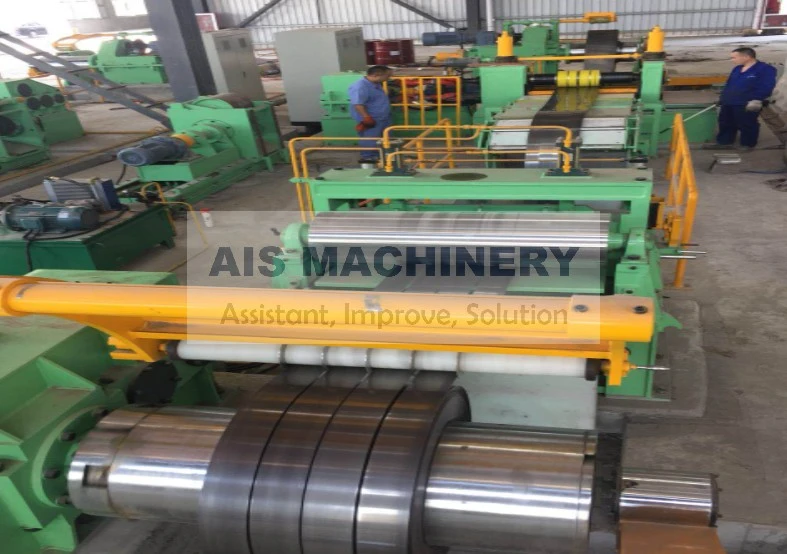
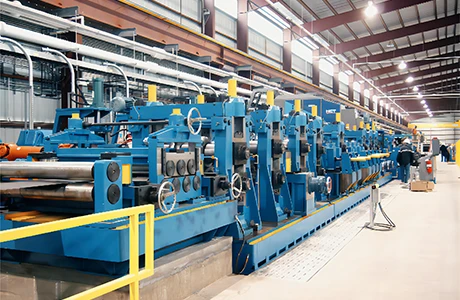
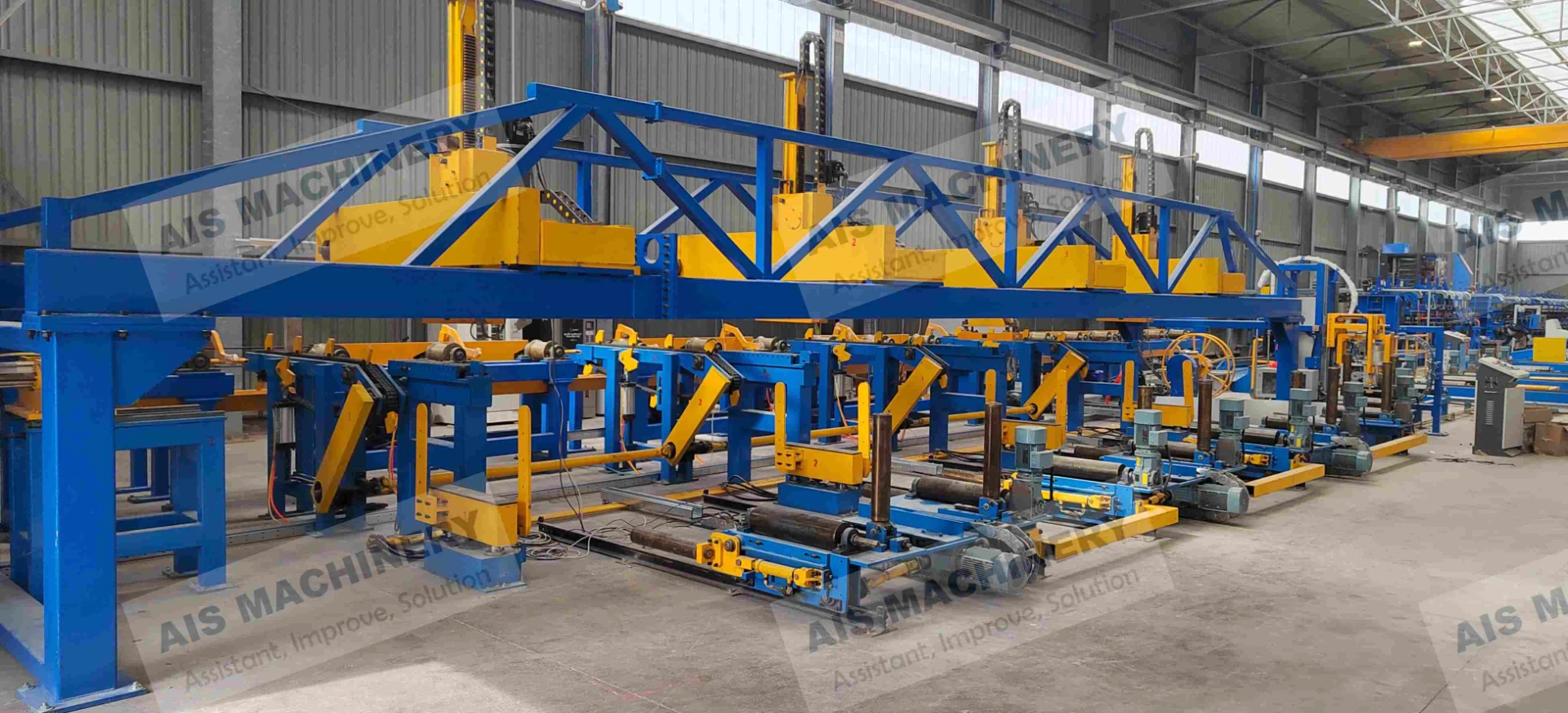
A comprehensive view of a high-speed steel coil slitting line, showcasing its robust design and advanced automation.
Authoritative Insights and Further Reading
For those seeking deeper technical insights and industry perspectives on metal coil slitting line technologies and their broader impact on metal processing, a wealth of authoritative resources are available from academic journals, industry associations, and specialized forums. These resources often provide in-depth analyses of material science innovations, advancements in machine control systems, and the economic implications of precision slitting on the global supply chain. Research papers frequently delve into specific aspects such as optimizing knife materials for extended life and reduced burr, modeling strip tension control for various metal alloys, or analyzing the impact of slitting line parameters on downstream forming operations, offering empirically validated data and theoretical frameworks. Industry forums serve as invaluable platforms for sharing best practices, troubleshooting common operational challenges, and discussing emerging technologies, often featuring direct input from leading engineers, researchers, and equipment manufacturers from across the globe. Trade publications and market reports offer vital intelligence on market growth projections, technological adoption rates across different regions, and shifts in demand for specific metal types and slit dimensions, providing a holistic view of the slitting industry's trajectory and future outlook. Engaging with these credible resources is crucial for metal processing professionals, manufacturing engineers, procurement managers, and strategic planners to stay abreast of the latest advancements and make informed, data-driven decisions regarding their equipment investments and operational strategies. This continuous learning ensures that businesses can adapt to evolving material properties, production demands, and technological paradigms in the ever-dynamic metal processing sector, maintaining a competitive edge and fostering innovation within their own operations through the judicious deployment of advanced steel coil slitting technologies.
- "Advances in Metal Forming Processes: A Review of Slitting and Shearing Technologies." Journal of Materials Processing Technology, Vol. 219, May 2015, pp. 200-215. This comprehensive review highlights fundamental principles and contemporary innovations in slitting, offering deep insights into material behavior during shearing. Available via academic and scientific databases. [Example Journal Link - ScienceDirect]
- "The Role of Precision Slitting in High-Strength Steel Processing for Automotive Applications." Presented at the International Steel Forum, October 2022. This presentation discusses the specific challenges and solutions for slitting advanced high-strength steels, crucial for modern lightweight vehicle construction. For more information, visit the Steel Market Development Institute. [Example Industry Association Link - Steel.org]
- "Optimizing Coil Slitting Operations for Energy Efficiency and Waste Reduction." Discussion on Metal Fabrication Forum, focusing on practical approaches to sustainable manufacturing through optimized slitting parameters. This forum provides valuable peer-to-peer insights and real-world problem-solving strategies from industry practitioners. [Example Forum Link - Practical Machinist]
- "Quality Control in Coil Slitting: Minimizing Burr and Camber in Different Materials." Article by Dr. John Smith, published on MetalForming Magazine Online, January 2023. This article provides practical guidance on achieving high-quality slit edges across various metals. [Example Industry Publication Link - MetalForming Magazine]

Related Products

Related News
2026-04-30 09:35:04
Automatic Stacking Machine (Magnetic Chuck Type)
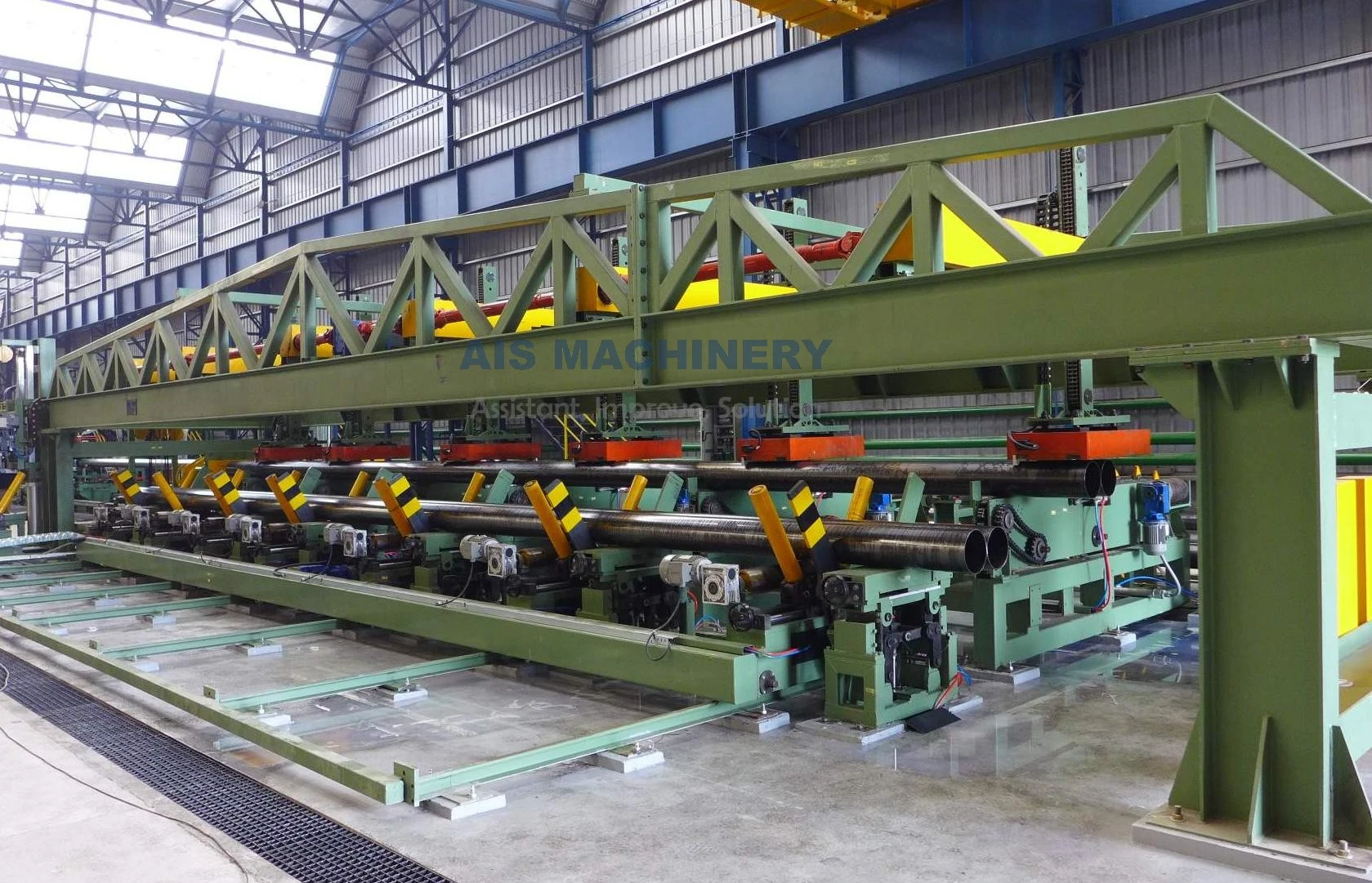
The Automatic Stacking Machine (Magnetic Chuck Type) from AIS Machinery is designed to efficiently collect and stack steel tubes in ERW tube mill production lines. Using electromagnetic lifting, it can pick up multiple tubes at once and place them neatly in layers. This reduces manual labor, improves stacking accuracy, and increases overall production efficiency. It is installed after the flying saw and works seamlessly with the mill line, making it an ideal solution for modern tube manufacturers.
2026-04-28 08:56:05
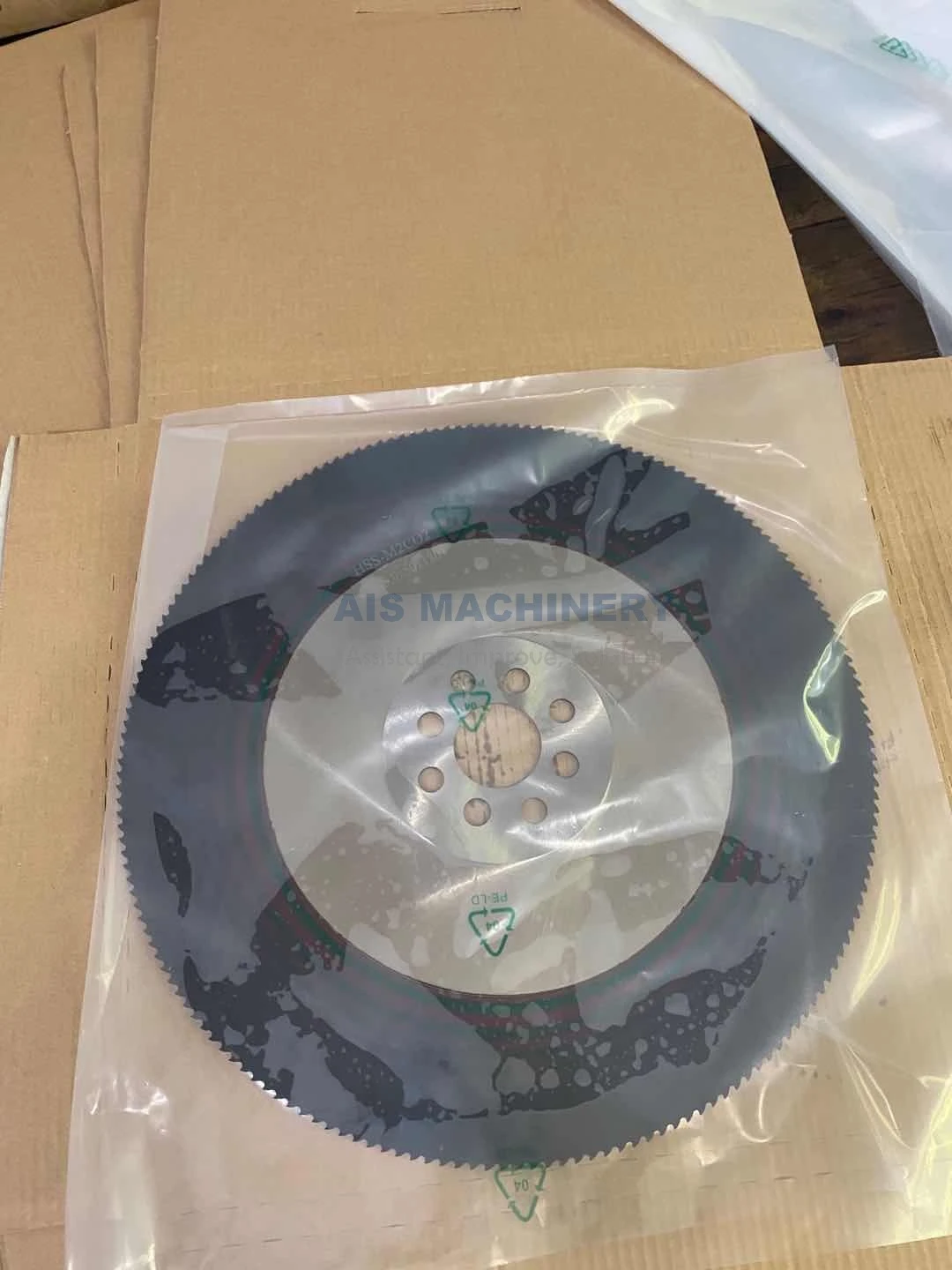
Saw Blade Guide for Tube Mills: Friction vs HSS vs TCT — Which One Should You Choose?
Confused about friction saw, HSS, and TCT blades? This guide explains their uses in cold saw and friction saw machines, with pros, cons, and expert selection tips.
2026-04-24 08:54:16
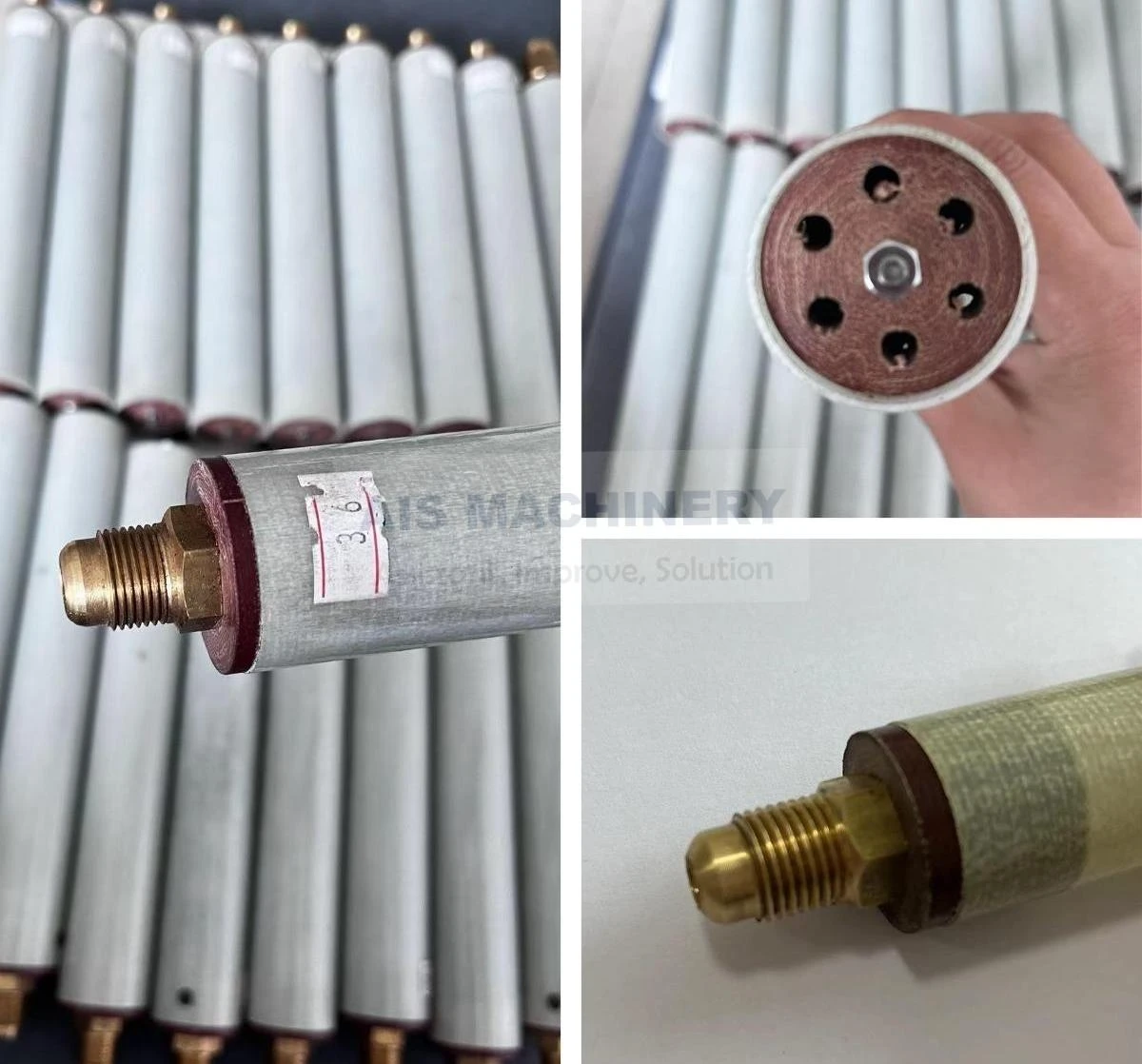
What is an Impeder and Ferrite Rods in ERW Tube Mill?
Struggling with impeder overheating or short service life in your ERW tube mill? This guide explains common impeder problems, the role of ferrite rods, and how to choose the right impeder for stable welding performance. Improve weld quality, reduce energy loss, and extend equipment lifespan with the right selection and proper cooling solutions.
2026-04-21 10:22:25
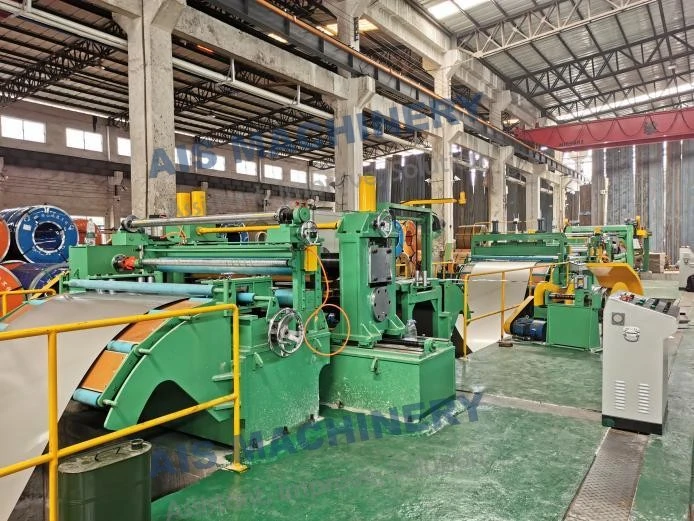
Slitting & Cut-to-Length Combined Production Line: A Smarter Way to Process Steel Coils
Discover the Slitting & Cut-to-Length Combined Production Line, a flexible solution for steel coil processing. This system integrates slitting line and cut-to-length line functions in one machine, saving space, reducing costs, and improving efficiency. Ideal for processing both steel strips and sheets, it is widely used in service centers and manufacturing industries. Learn its advantages, limitations, and applications.
2026-04-18 03:20:20
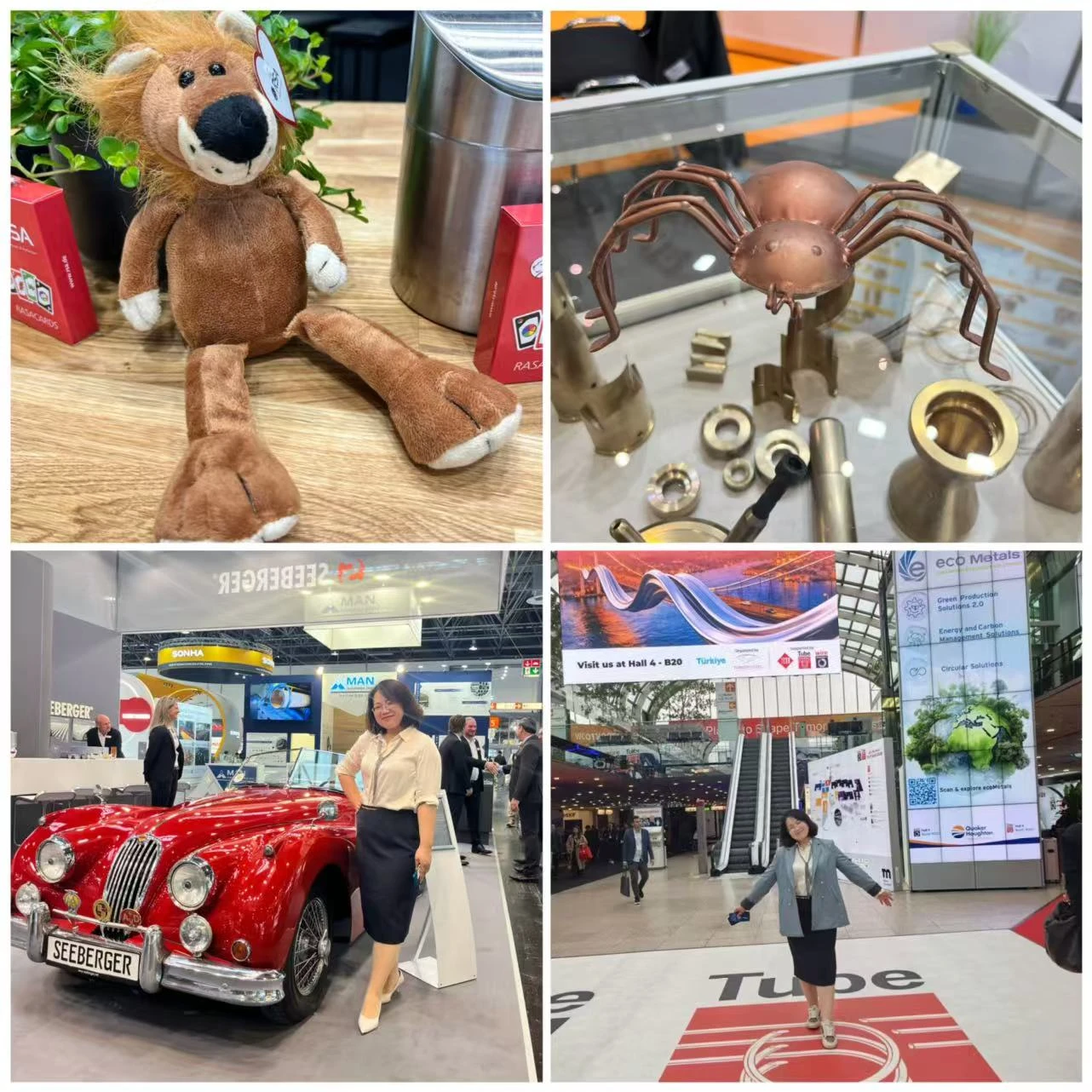
AIS Machinery Showcases Advanced Tube Solutions at Tube & Wire Düsseldorf 2026
Tube & Wire Düsseldorf 2026, one of the most influential exhibitions in the global tube and wire industry, held biennially in Düsseldorf, Germany
2026-04-17 00:00:00
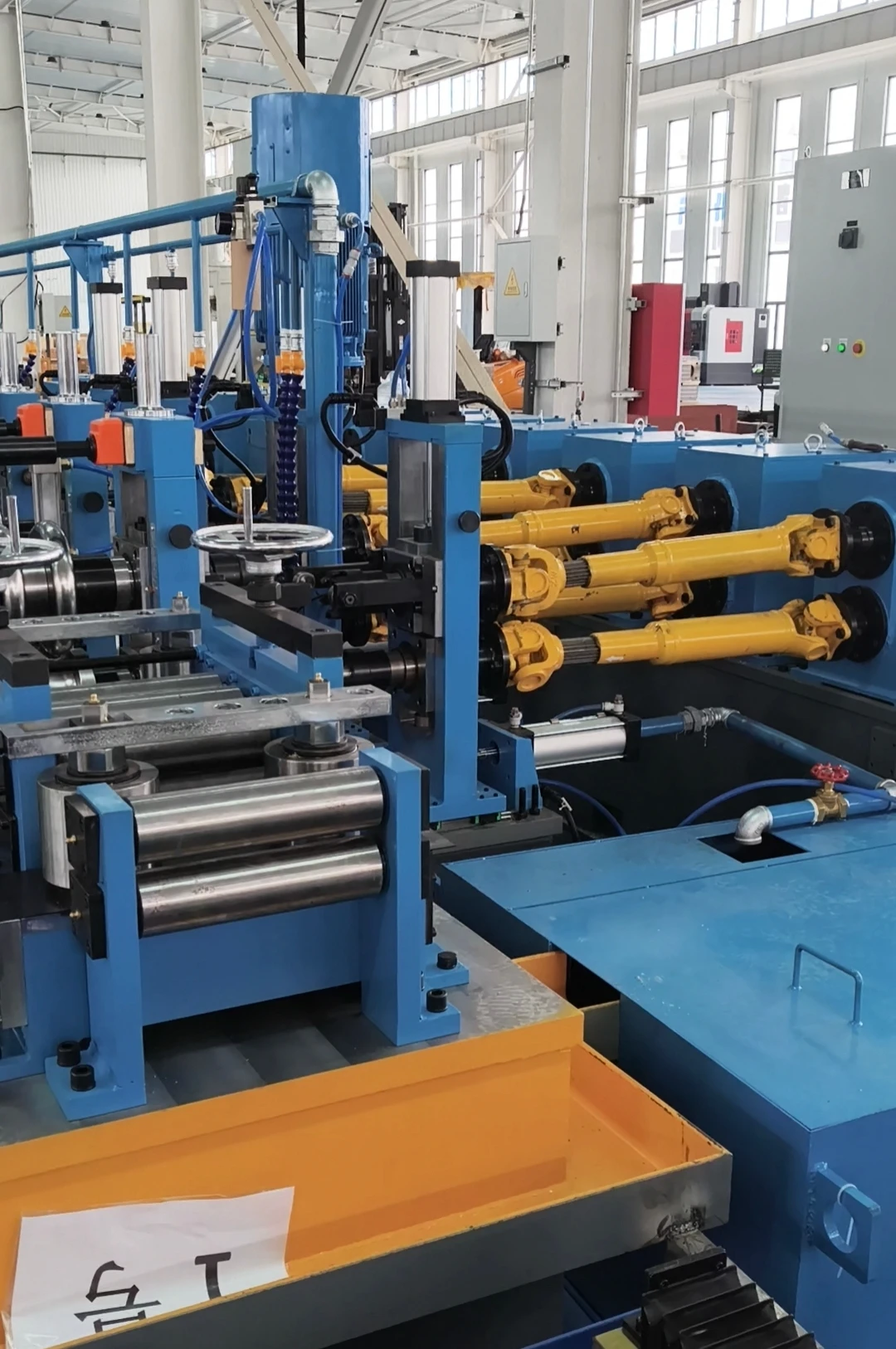
Southeast Asia Client Visits Our Factory | Customized Tube Mill Solution Delivered
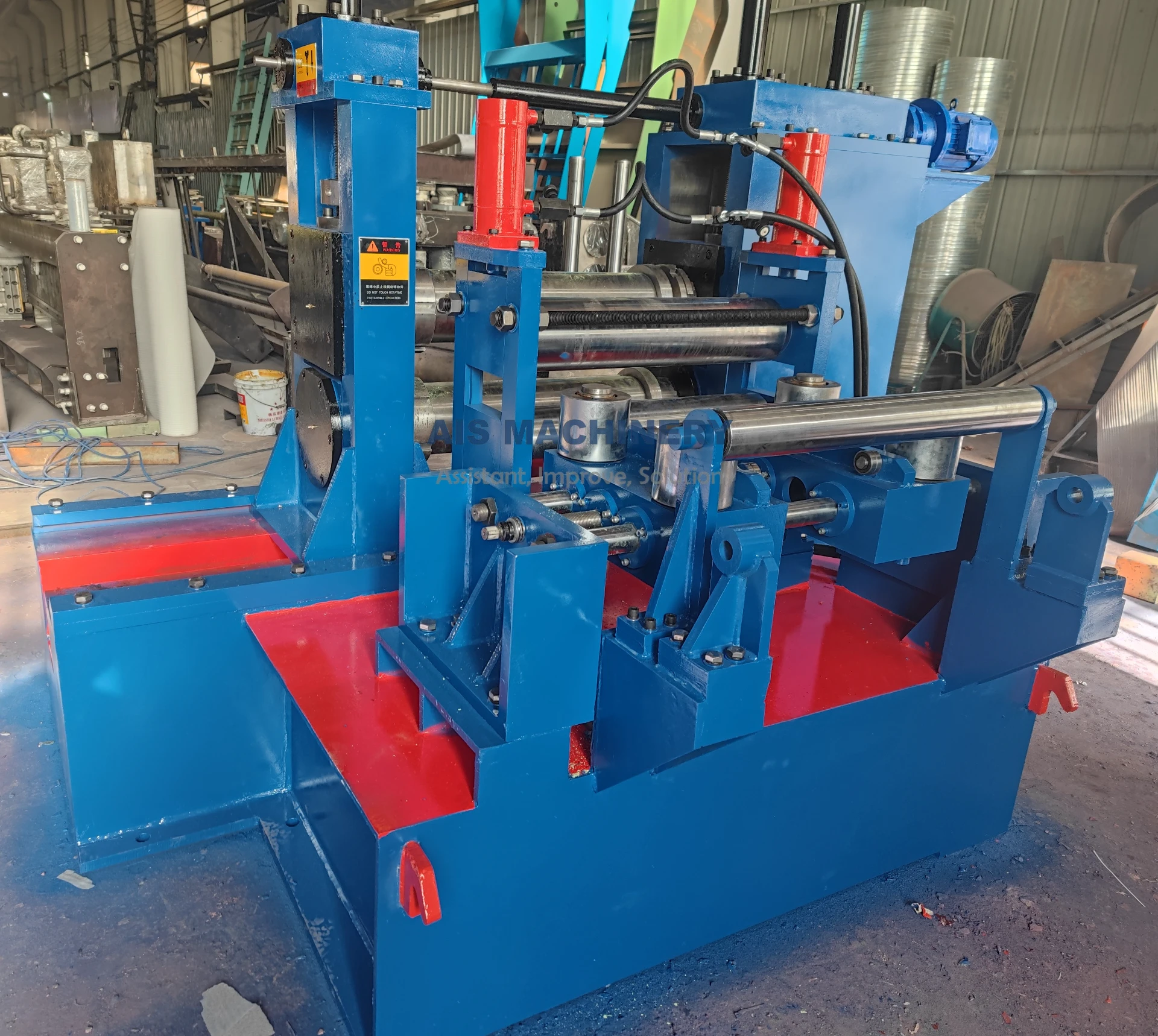
A Southeast Asia client visited our ERW tube mill factory to inspect production lines and discuss a customized tube mill solution. Impressed by our machine quality, welding performance, and engineering support, the client confirmed strong cooperation intentions. Discover how our ERW tube mill solutions improve efficiency, precision, and long-term production reliability.
2026-04-15 10:37:55
Flat Bar Production Line for Steel Coils: How It Works & Why It Matters
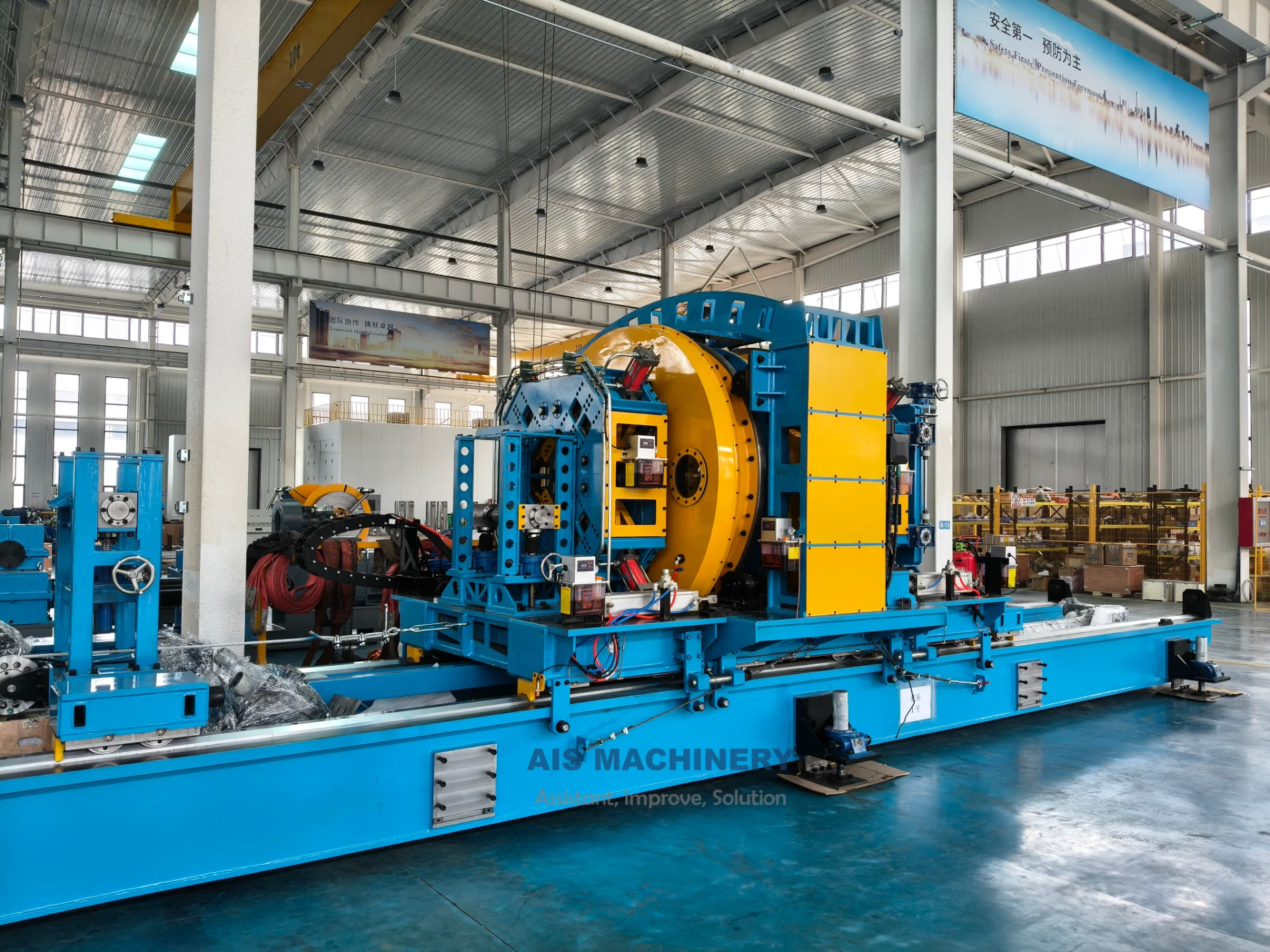
Looking for a flat bar production line? Learn how it turns steel coils into ready-to-use flat bars with precise length and high straightness. Compare it with slitting lines and get the best solution for your steel processing needs.
2026-04-14 00:00:00
Looking for a Milling Saw for ERW Tube Mill? Here’s What You Need to Know
Looking for a high-performance milling saw for your ERW tube mill? Upgrade to burr-free, high-precision pipe cutting with advanced flying saw technology. Improve efficiency, reduce rework, and meet export standards for carbon steel, stainless steel, and API pipes. Contact us today for expert solutions and competitive pricing tailored to your production needs.
Send a Message
Dear customer, thank you for your attention! We provide high-quality machinery and equipment and look forward to your orders. Please inform us of your needs and we will respond quickly!
 English
  Albanian
  Arabic
  French
  German
  Indonesian
  Italian
  Japanese
  Kazakh
  Korean
  Latin
Latin  Macedonian
  Portuguese
  Russian
  Spanish
  Thai
Thai  Turkish
  Ukrainian
  Uzbek
Uzbek