
-
 Tel:86-15176910262
-

Search
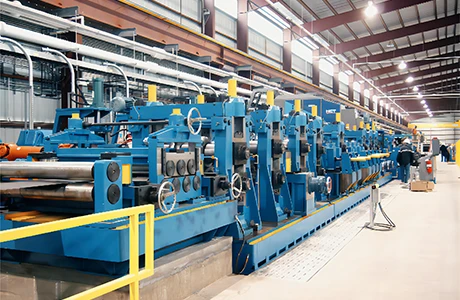
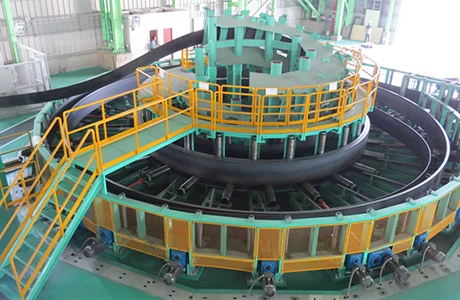
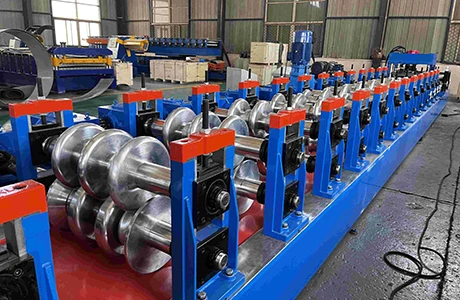
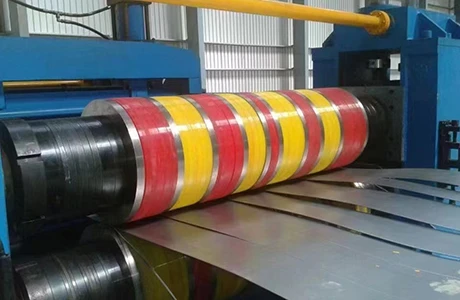

High-Speed Flying Cut Off Machine: Precise, Automated Steel Cutting
Sep . 26, 2025 09:35
Flying cold saws are a key solution in the manufacturing industry, specifically within the Special Equipment Manufacturing Industry and Manufacturing of metallurgical specialized equipment. This article explores how HEBEI AIS MACHINERY EQUIPMENT CO.,LTD supports professionals with durable, high-performance products, and explains why this product is an ideal choice for businesses in these sectors.
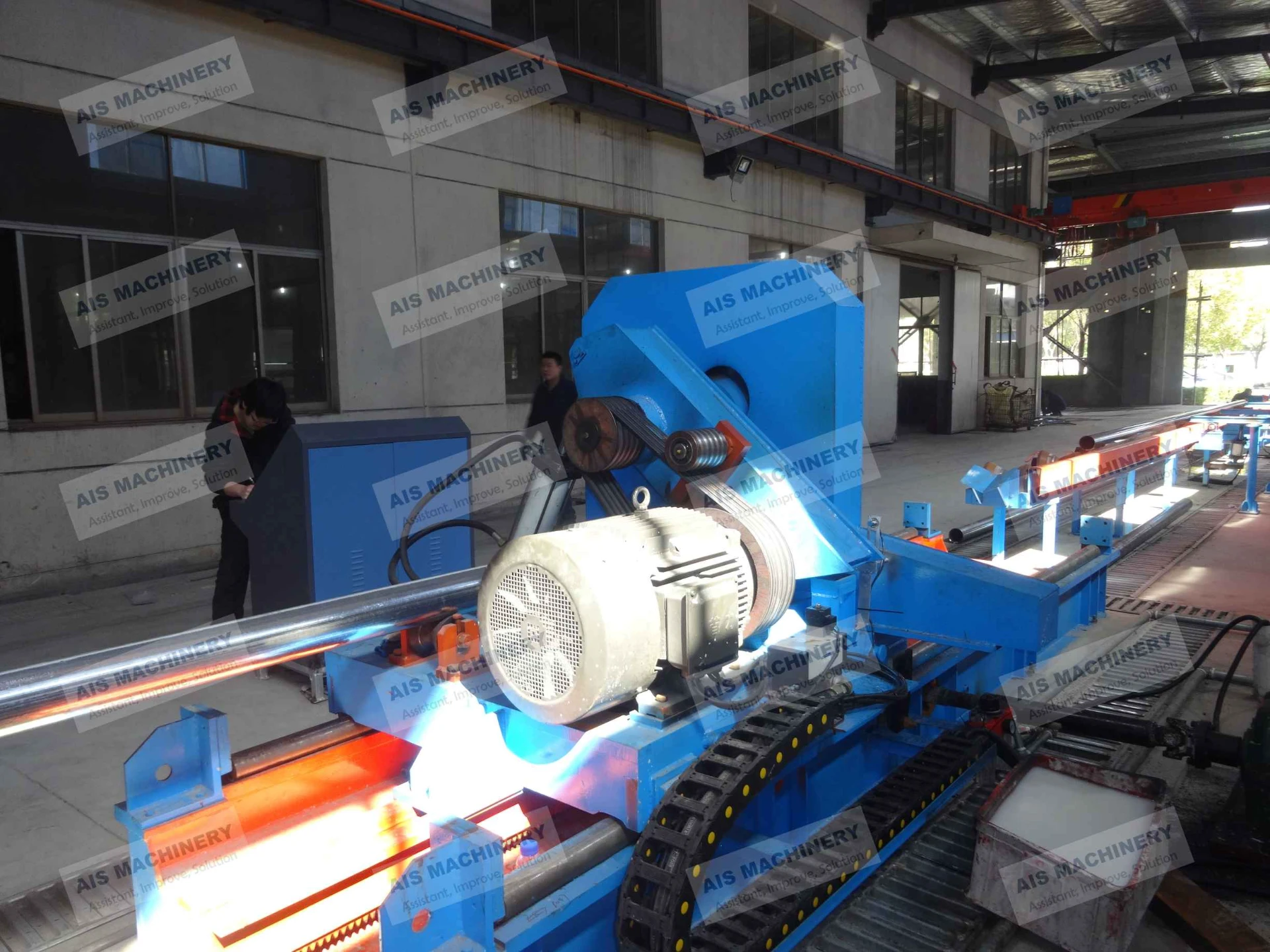
Table of Contents
- Flying Cold Saw Overview
- Benefits & Use Cases of Flying Cold Saws in Manufacturing of metallurgical specialized equipment
- Cost, Maintenance & User Experience
- Sustainability & Market Trends in manufacturing
- Conclusion on Flying Cold Saws from HEBEI AIS MACHINERY EQUIPMENT CO.,LTD
Flying Cold Saw Overview
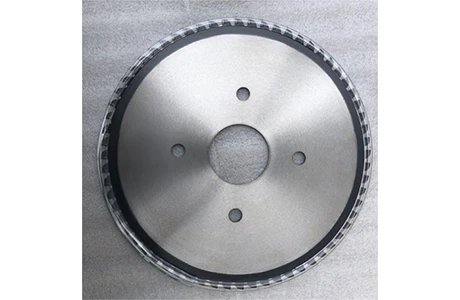
In the demanding world of manufacturing, especially within the Special Equipment Manufacturing Industry and the specialized field of metallurgical equipment, efficiency and precision are non-negotiable. This is where the flying cold saw stands out as a critical innovation. A flying cold saw, also often referred to as a flying cut off machine or flying cut off saw, is engineered to cut continuously moving materials, such as tubes and pipes, without interrupting the production line. Unlike traditional friction saws that generate significant heat and burrs, a cold cut saw utilizes specialized blades designed for minimal heat generation, resulting in clean, burr-free cuts.
This technology is paramount for high-speed, high-volume production, ensuring that downstream processes can proceed without additional deburring or finishing. Its ability to synchronize precisely with the material's speed, often controlled by advanced PLC systems, guarantees consistent cut lengths and superior edge quality. HEBEI AIS MACHINERY EQUIPMENT CO.,LTD is renowned for manufacturing robust and technically advanced flying cold saws, setting industry benchmarks for reliability and performance in metallurgical applications.
Benefits & Use Cases of Flying Cold Saws in Manufacturing of metallurgical specialized equipment
The applications for a high-performance flying cut off machine are extensive, particularly in the manufacturing of metallurgical specialized equipment where strict quality controls are in place. These machines are indispensable in steel pipe mills, stainless steel tube production, and for fabricating specialized profiles used across diverse sectors like construction, automotive, and energy. The primary benefits of implementing a state-of-the-art flying cold saw include significantly enhanced precision and accuracy, which are critical for seamless fitment and reduced rejection rates in subsequent manufacturing stages.
Furthermore, the burr-free cuts delivered by a cold cutting saw dramatically reduce the need for costly and time-consuming post-processing, thereby lowering labor costs and increasing overall production efficiency. The continuous operation capability of a flying cut off machine eliminates downtime associated with material stops, translating into higher throughput. HEBEI AIS MACHINERY EQUIPMENT CO.,LTD leverages its deep expertise in this sector to produce cold cut saws known for their exceptional reliability, flexible customization options, and integration of advanced control systems, ensuring optimal performance for every client's unique requirements.
Cost, Maintenance & User Experience
For B2B decision makers, the total cost of ownership (TCO) and return on investment (ROI) are paramount considerations when investing in a flying cold saw. While the initial investment for a high-quality cold cut saw may be higher than simpler cutting solutions, the long-term benefits far outweigh the upfront cost. The exceptional durability and robust construction of machines from HEBEI AIS MACHINERY EQUIPMENT CO.,LTD ensure a prolonged service life, minimizing the need for frequent replacements.
Maintenance requirements for a flying cut off machine are relatively low, primarily involving routine blade changes and lubrication, thanks to precision engineering and quality components. This contributes significantly to reduced operational expenditures. Customers in the Special Equipment Manufacturing Industry sector consistently report improved operational efficiency, higher product quality, and a substantial reduction in material waste, leading to a rapid ROI. Moreover, modern flying cold saws feature intuitive Human-Machine Interface (HMI) and PLC controls, making them remarkably user-friendly and reducing the learning curve for operators, which minimizes potential errors and maximizes productivity.
Sustainability & Market Trends in manufacturing
As the manufacturing landscape evolves, sustainability and adherence to stringent regulations are becoming increasingly important. The flying cold saw aligns perfectly with these modern demands. Its ability to produce precise, burr-free cuts significantly reduces material waste compared to methods that require extensive post-processing or result in higher scrap rates. Furthermore, cold cutting technology generally consumes less energy than processes involving high-heat generation or friction saw blades, contributing to a lower carbon footprint.
Market trends in the manufacturing industry, particularly in metallurgical specialized equipment, point towards a growing demand for higher precision, increased automation, and seamless integration with Industry 4.0 principles. Advanced cold cut saw systems are equipped with smart diagnostics and connectivity features, enabling predictive maintenance and optimizing production flows. HEBEI AIS MACHINERY EQUIPMENT CO.,LTD is at the forefront of these advancements, continuously investing in R&D to develop energy-efficient, highly automated, and intelligently controlled flying cut off machines, positioning them as a forward-thinking and eco-conscious partner for businesses globally.
Conclusion on Flying Cold Saws from HEBEI AIS MACHINERY EQUIPMENT CO.,LTD
In conclusion, the flying cold saw represents an indispensable asset for businesses operating within the manufacturing, Special Equipment Manufacturing Industry, and the specialized field of metallurgical equipment. Its unparalleled precision, efficiency, and ability to deliver burr-free cuts are crucial for maintaining high production standards and optimizing operational costs. HEBEI AIS MACHINERY EQUIPMENT CO.,LTD stands as a trusted leader in providing advanced, durable, and sustainable cold cut saw solutions, empowering B2B decision makers to achieve superior product quality and enhanced productivity.
Choosing a flying cut off machine from HEBEI AIS MACHINERY EQUIPMENT CO.,LTD means investing in proven technology and reliable partnership that drives long-term success. Elevate your production capabilities with cutting-edge solutions.
Contact us: email: LINDA@AISMACHINERY.COM
Visit our website: https://www.aistubemill.com

Related Products

Related News
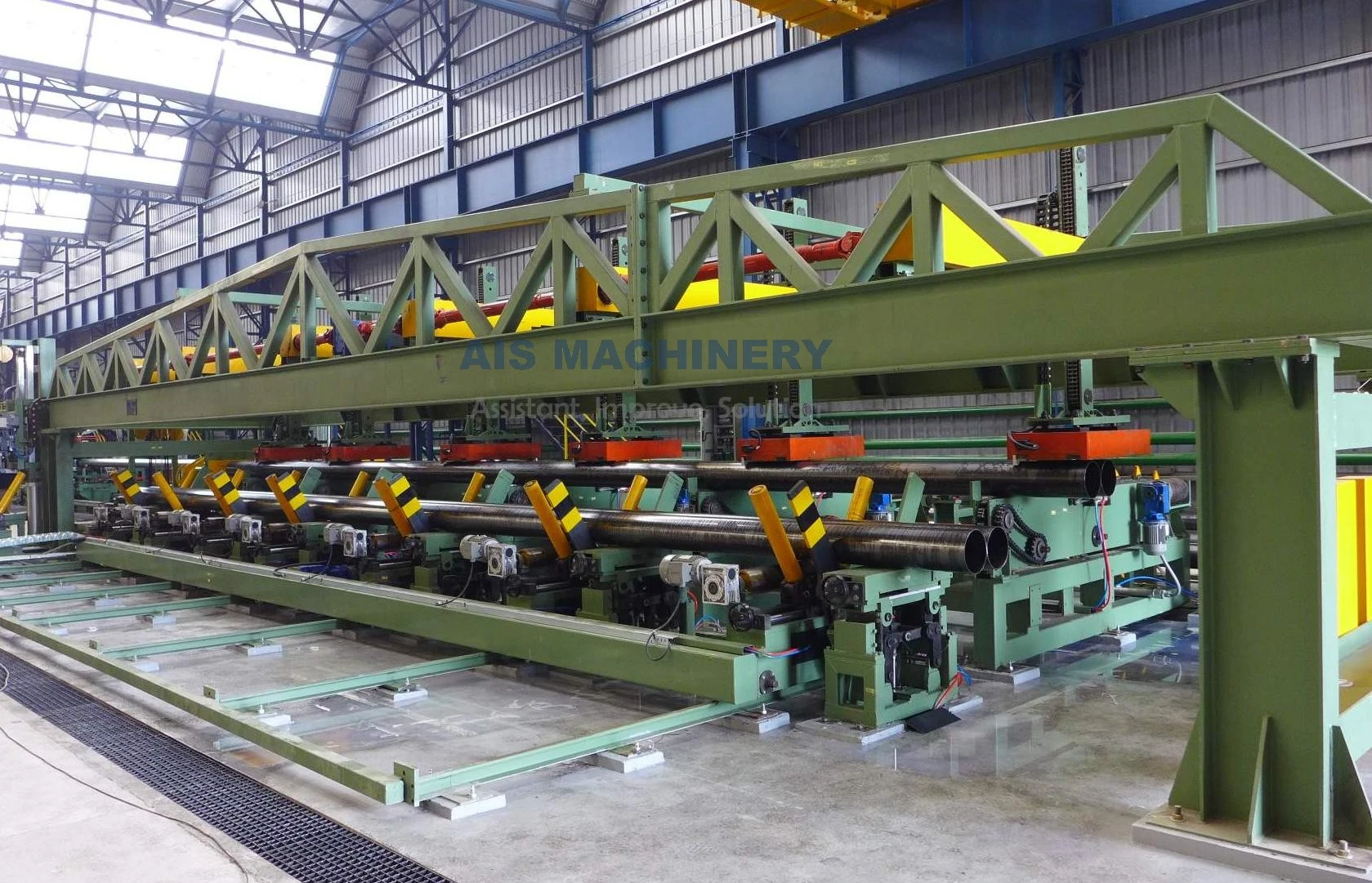
2026-04-30 09:35:04
Automatic Stacking Machine (Magnetic Chuck Type)
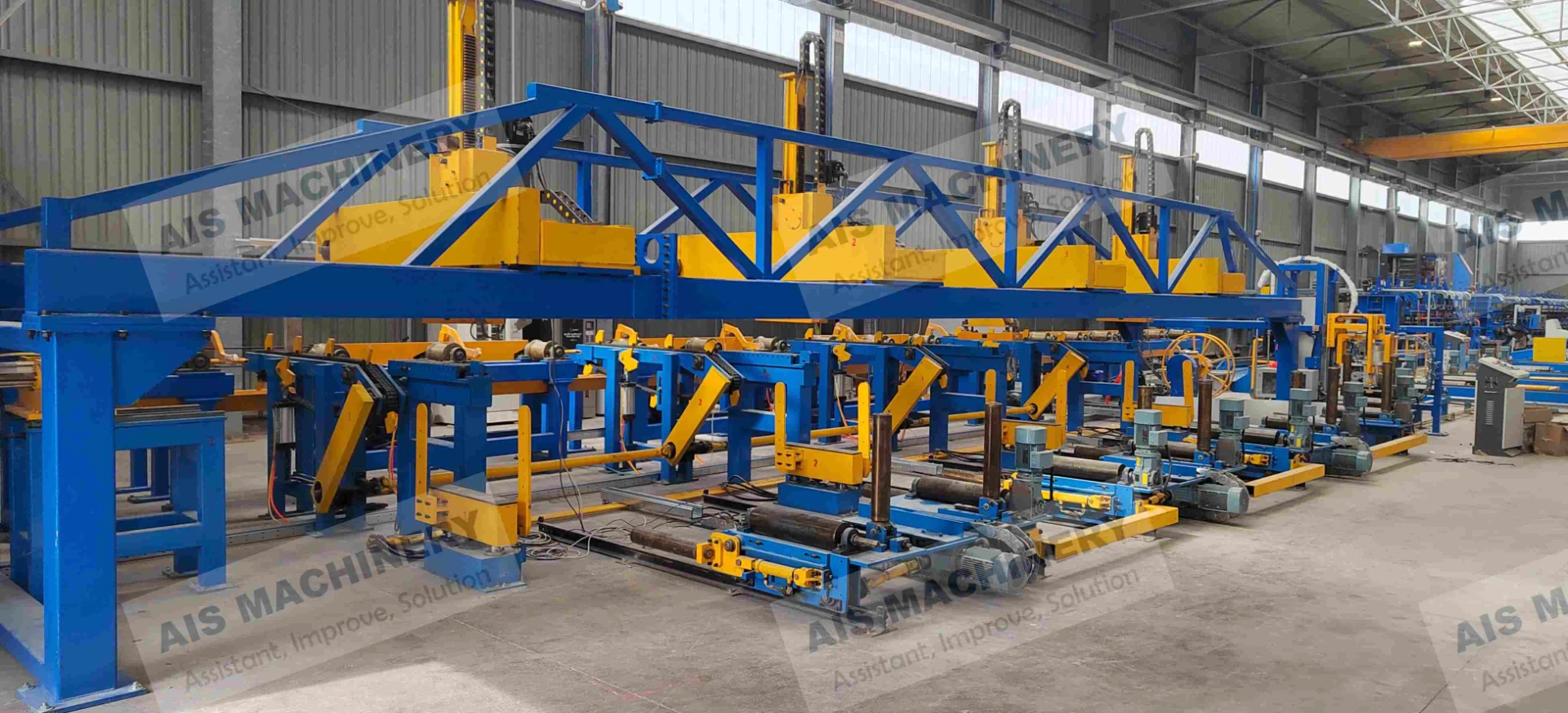
The Automatic Stacking Machine (Magnetic Chuck Type) from AIS Machinery is designed to efficiently collect and stack steel tubes in ERW tube mill production lines. Using electromagnetic lifting, it can pick up multiple tubes at once and place them neatly in layers. This reduces manual labor, improves stacking accuracy, and increases overall production efficiency. It is installed after the flying saw and works seamlessly with the mill line, making it an ideal solution for modern tube manufacturers.
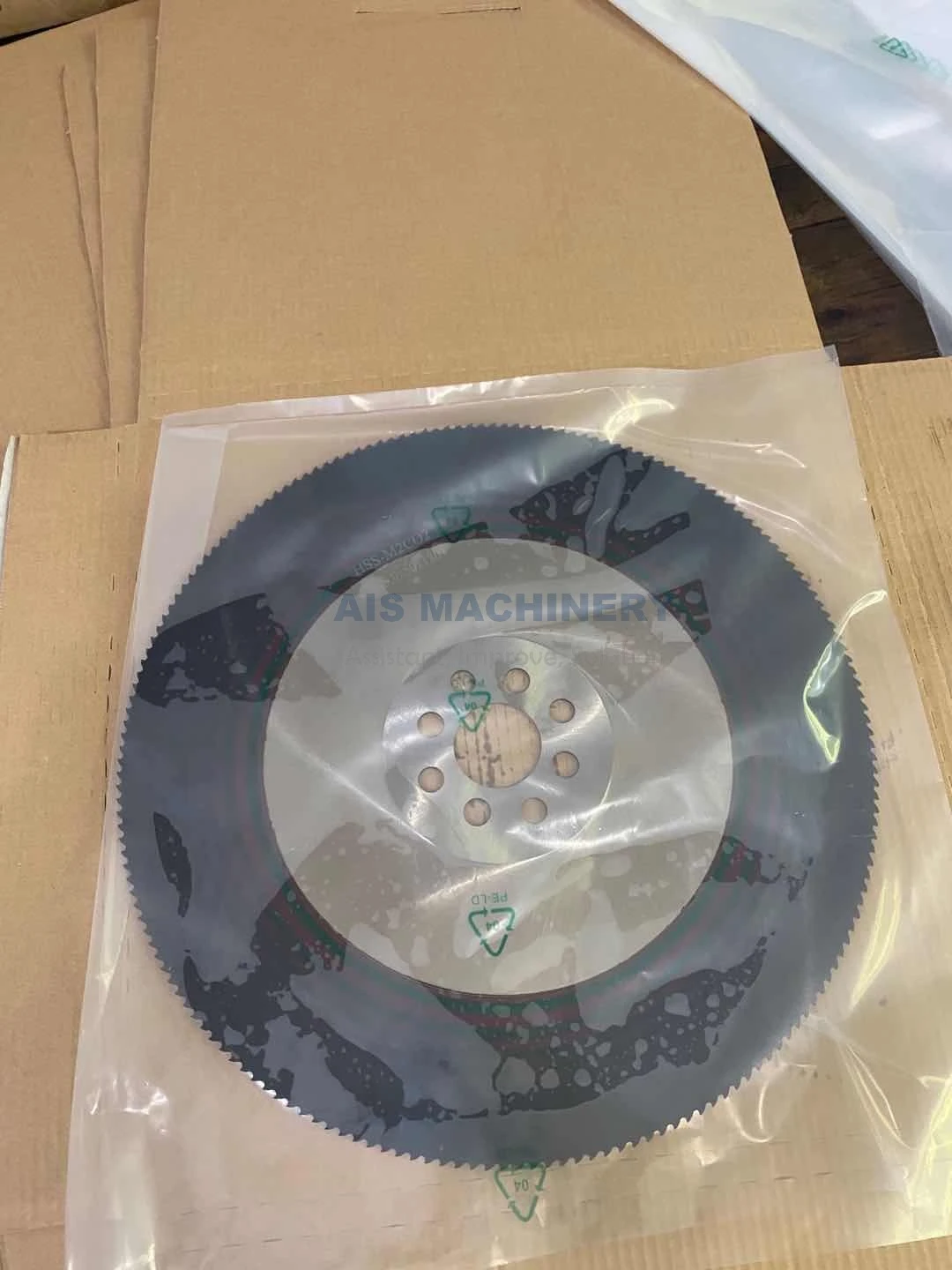
2026-04-28 08:56:05
Saw Blade Guide for Tube Mills: Friction vs HSS vs TCT — Which One Should You Choose?
Confused about friction saw, HSS, and TCT blades? This guide explains their uses in cold saw and friction saw machines, with pros, cons, and expert selection tips.
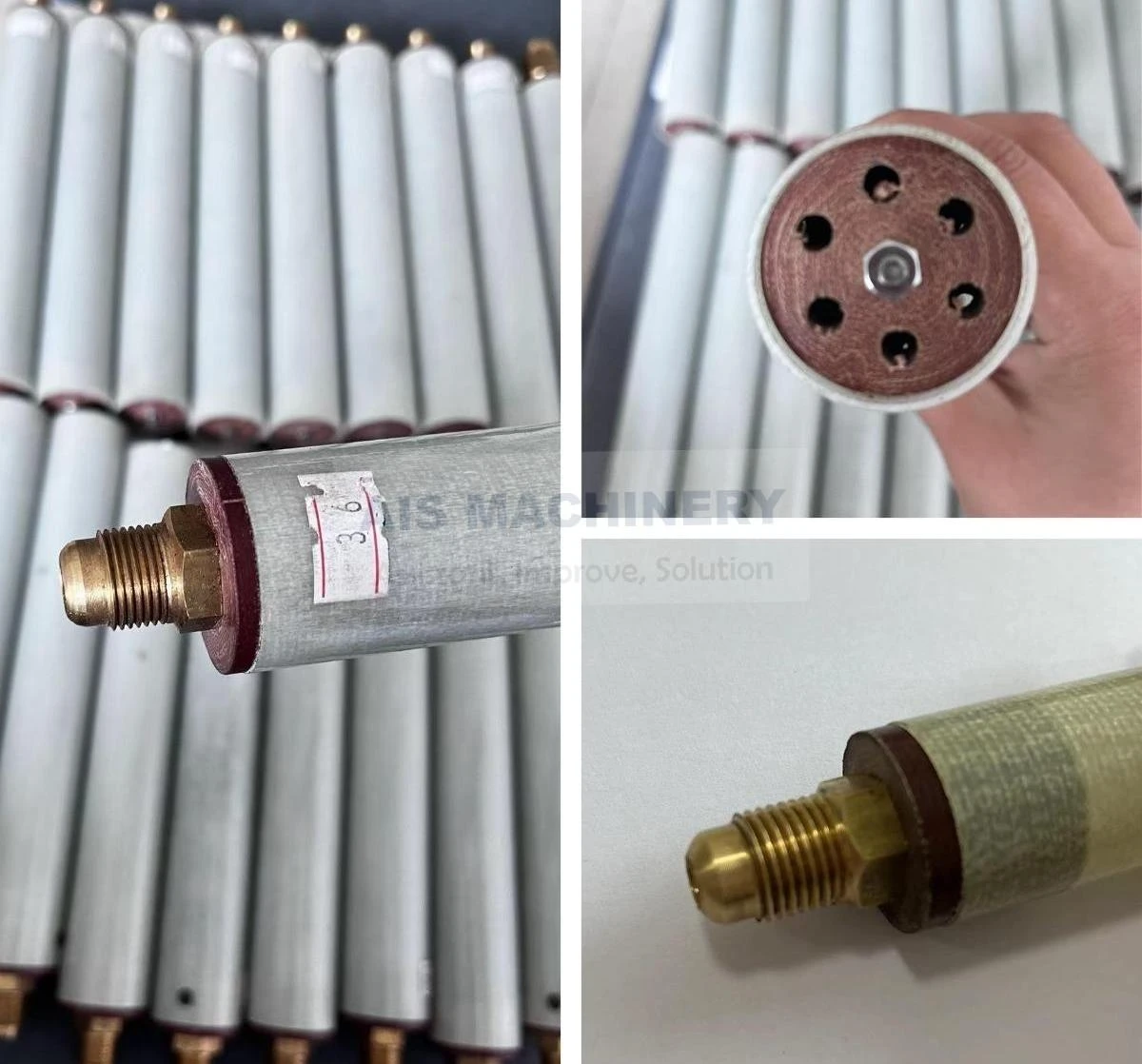
2026-04-24 08:54:16
What is an Impeder and Ferrite Rods in ERW Tube Mill?
Struggling with impeder overheating or short service life in your ERW tube mill? This guide explains common impeder problems, the role of ferrite rods, and how to choose the right impeder for stable welding performance. Improve weld quality, reduce energy loss, and extend equipment lifespan with the right selection and proper cooling solutions.
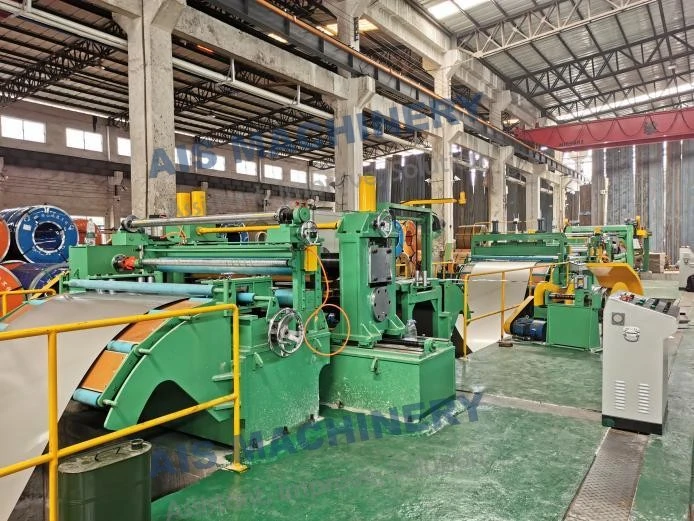
2026-04-21 10:22:25
Slitting & Cut-to-Length Combined Production Line: A Smarter Way to Process Steel Coils
Discover the Slitting & Cut-to-Length Combined Production Line, a flexible solution for steel coil processing. This system integrates slitting line and cut-to-length line functions in one machine, saving space, reducing costs, and improving efficiency. Ideal for processing both steel strips and sheets, it is widely used in service centers and manufacturing industries. Learn its advantages, limitations, and applications.
2026-04-18 03:20:20
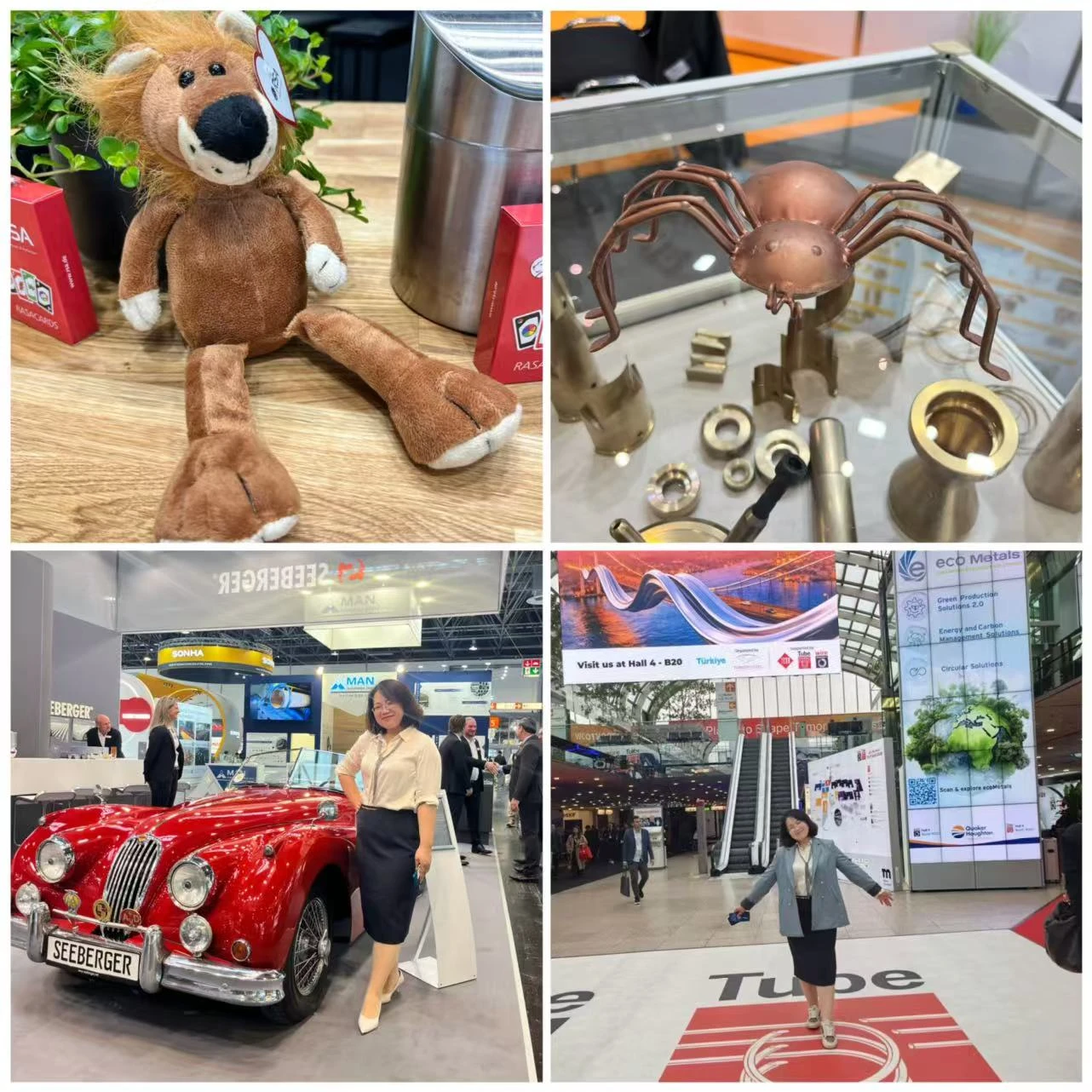
AIS Machinery Showcases Advanced Tube Solutions at Tube & Wire Düsseldorf 2026
Tube & Wire Düsseldorf 2026, one of the most influential exhibitions in the global tube and wire industry, held biennially in Düsseldorf, Germany
2026-04-17 00:00:00
Southeast Asia Client Visits Our Factory | Customized Tube Mill Solution Delivered
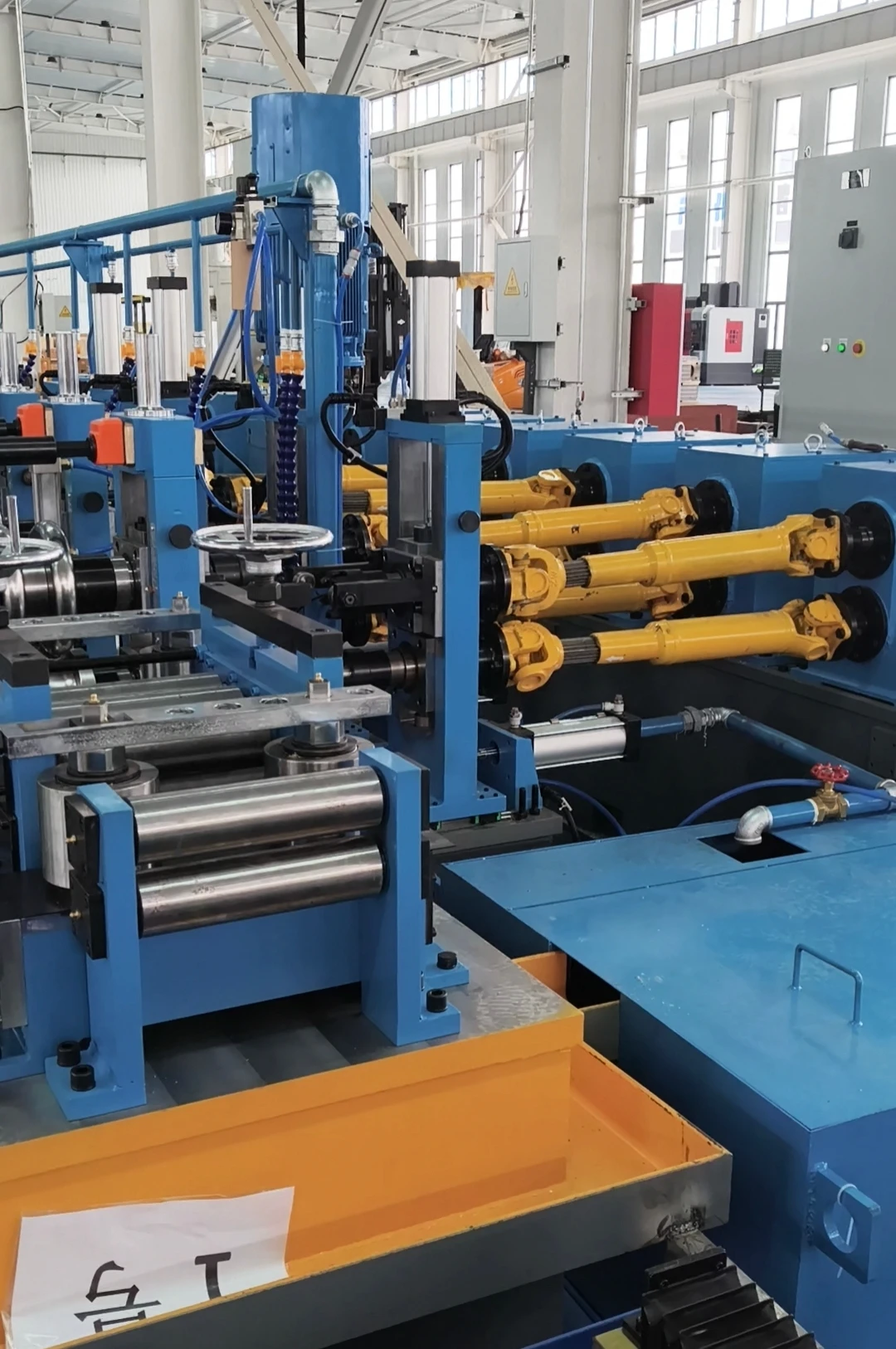
A Southeast Asia client visited our ERW tube mill factory to inspect production lines and discuss a customized tube mill solution. Impressed by our machine quality, welding performance, and engineering support, the client confirmed strong cooperation intentions. Discover how our ERW tube mill solutions improve efficiency, precision, and long-term production reliability.
2026-04-15 10:37:55
Flat Bar Production Line for Steel Coils: How It Works & Why It Matters
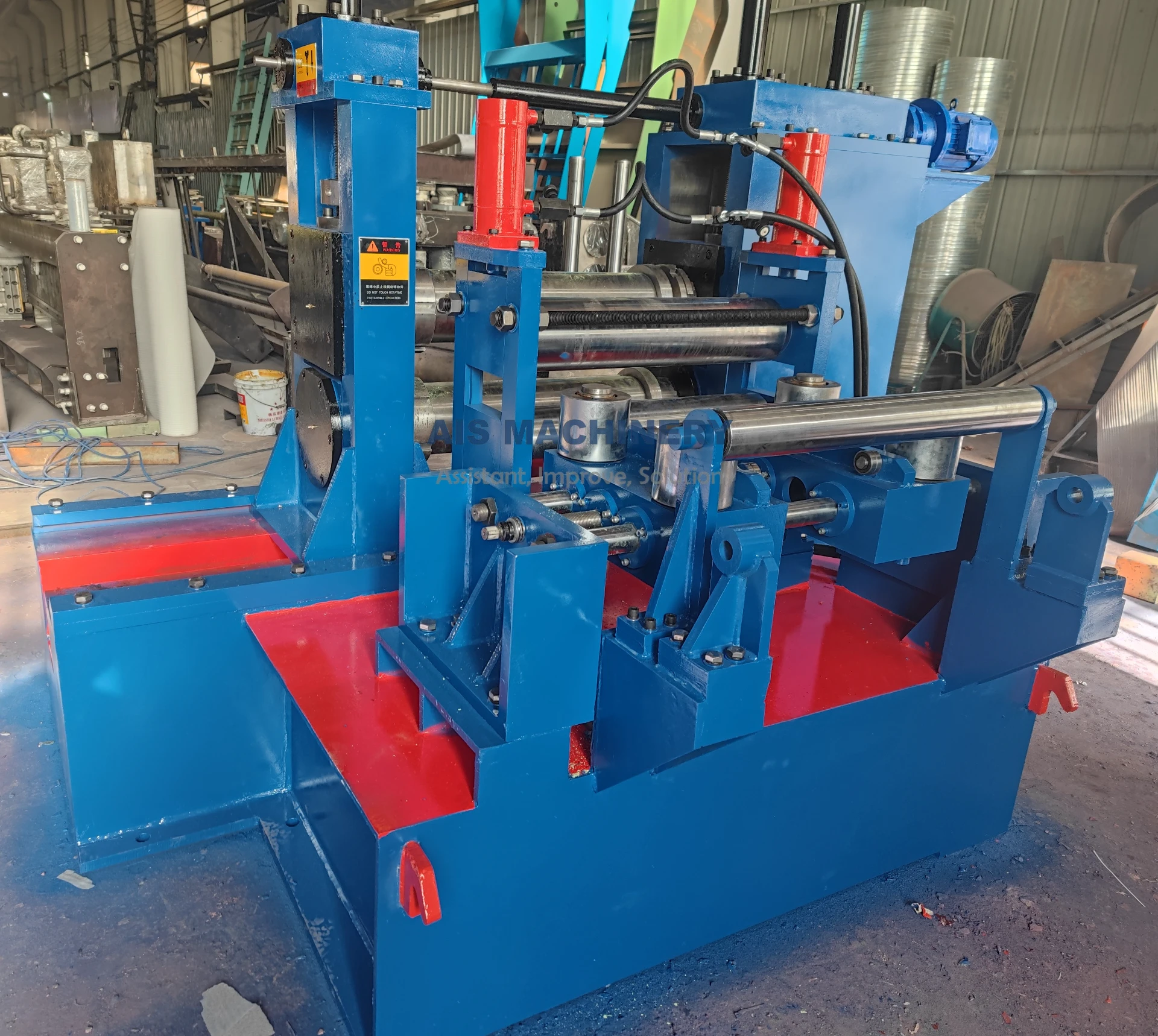
Looking for a flat bar production line? Learn how it turns steel coils into ready-to-use flat bars with precise length and high straightness. Compare it with slitting lines and get the best solution for your steel processing needs.
2026-04-14 00:00:00
Looking for a Milling Saw for ERW Tube Mill? Here’s What You Need to Know
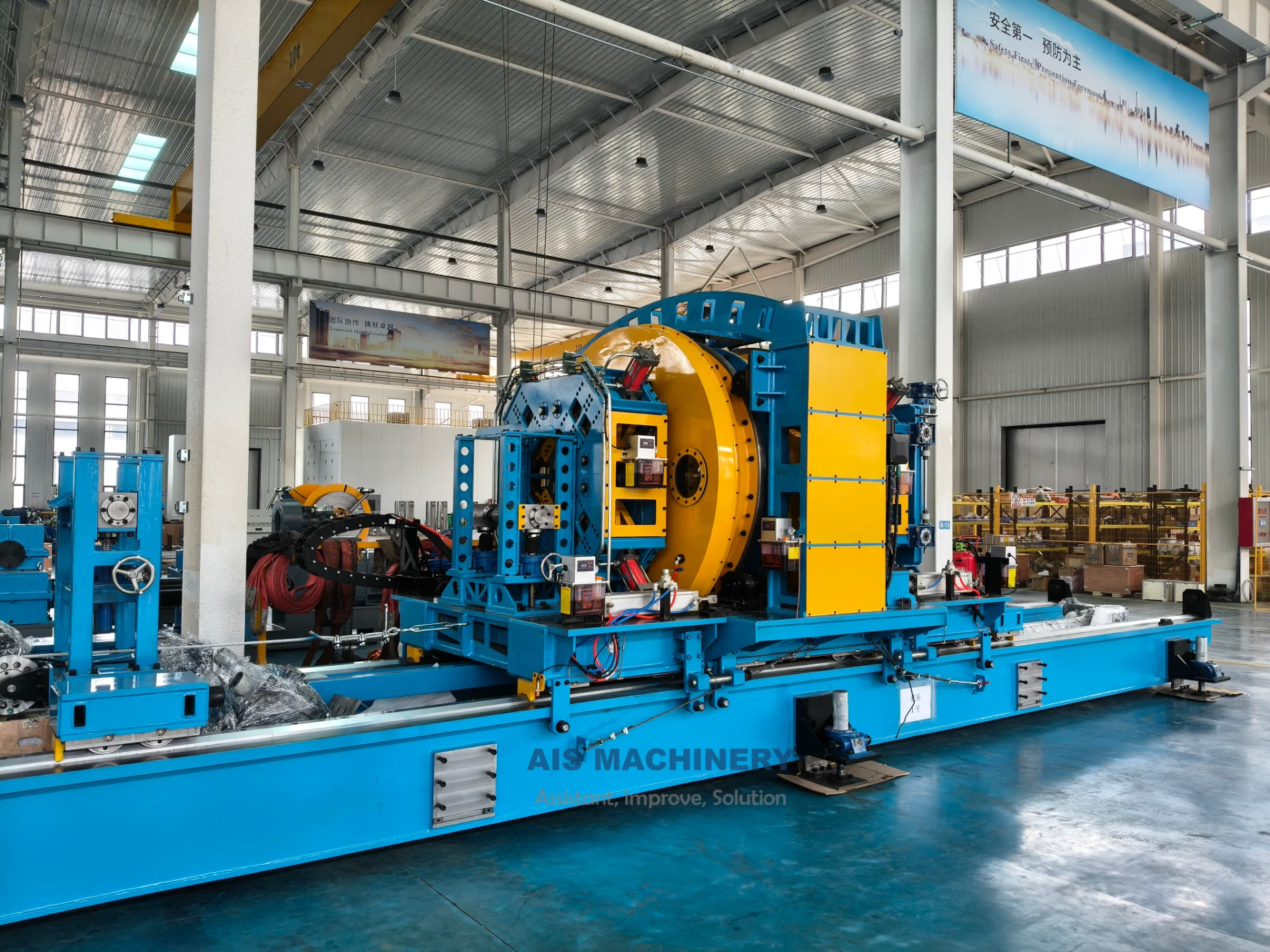
Looking for a high-performance milling saw for your ERW tube mill? Upgrade to burr-free, high-precision pipe cutting with advanced flying saw technology. Improve efficiency, reduce rework, and meet export standards for carbon steel, stainless steel, and API pipes. Contact us today for expert solutions and competitive pricing tailored to your production needs.
Send a Message
Dear customer, thank you for your attention! We provide high-quality machinery and equipment and look forward to your orders. Please inform us of your needs and we will respond quickly!
 English
  Albanian
  Arabic
  French
  German
  Indonesian
  Italian
  Japanese
  Kazakh
  Korean
  Latin
Latin  Macedonian
  Portuguese
  Russian
  Spanish
  Thai
Thai  Turkish
  Ukrainian
  Uzbek
Uzbek