
-
 Tel:86-15176910262
-

Search

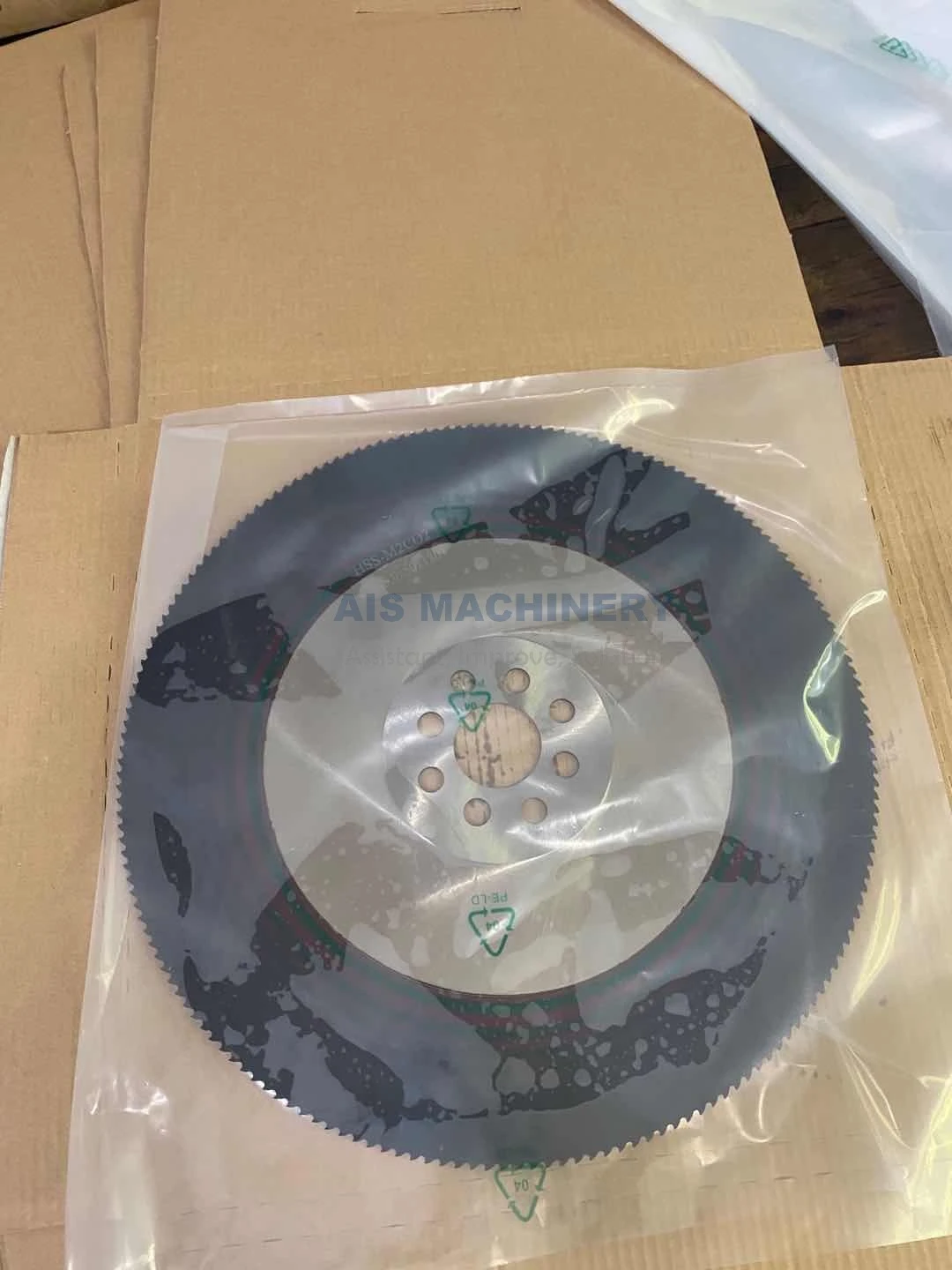
High Speed Steel Mini Circular Saw Blades – Precision, Durability & Industrial Use
Dec . 01, 2025 12:30
Why HSS Mini Circular Saw Blades Matter More Than You Think
At first glance, hss mini circular saw blades might seem like a niche topic suited only for metalworkers or tiny hobbyists tinkering with miniature models. But in truth, their impact resonates far beyond the bench. These little powerhouses are central to high-precision cutting tasks worldwide, from industrial manufacturing in Asia to emergency construction work in remote African villages. Grasping what makes these blades tick—and why industries rely so heavily on them—unlocks something bigger: how small, specialized tools can accelerate global productivity, reduce waste, and ultimately, fuel economic progress.
Curious? Stick around—I’ll walk you through everything you need to know about these compact but mighty saw blades, and why they matter in today’s industrial landscape.
The Global Landscape: Why HSS Mini Circular Saw Blades Are in Demand
Mining the latest data, it’s clear that precision engineering equipment is on a steady incline globally. For example, according to the International Organization for Standardization (ISO), demand for high-speed steel (HSS) tools saw a near 4% annual increase between 2018 and 2022, driven predominantly by Asia-Pacific manufacturing and European automotive sectors. The hss mini circular saw blades play an outsized role here. These blades tackle the nuance of intricate cutting that giant saws simply can't handle without risking waste or damage.
Still, it’s not just the factory floors benefiting. Disaster recovery teams require quick deployment gear—including portable cutting tools—to restore infrastructure after earthquakes or hurricanes. Here, hss mini circular saw blades shine because of their versatility and robustness. Yet, even as demand rises, challenges such as tool longevity, cost efficiency, and adaptability to new materials persist.
Mini takeaway: The global push for fine machining and rapid repair solutions keeps hss mini circular saw blades at the forefront of industrial needs.
What Exactly Are HSS Mini Circular Saw Blades?
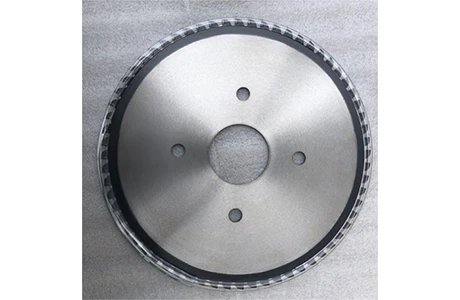
In straightforward terms, an HSS (high-speed steel) mini circular saw blade is a small-diameter cutting tool designed to slice through metals and tough materials swiftly while maintaining stability. Crafted from hardened steel alloys, these blades resist heat build-up—crucial when cutting dense steels or composites.
The "mini" size refers to blades typically under 150 mm in diameter, optimized for precision tools or compact machines. They’re common in sectors ranging from electronics assembly to aerospace component fabrication, bridging modern industrial needs with surgical accuracy.
It’s fascinating how these blades align with broader humanitarian goals too. For instance, they enable rapid fabrication of emergency shelters or water system pipes by cutting materials to exact specs on-site, reducing time and resource wastage in crisis zones.
Mini takeaway: HSS mini circular saw blades marry speed, precision, and versatility within a compact design suited for both industry and humanitarian efforts.
Key Factors Making These Blades Tick
Durability
Long-lasting toughness is non-negotiable here. They must withstand high-RPM rotation without dulling or cracking. The high-speed steel alloy blends carbon, tungsten, and molybdenum, delivering resilience under intense heat and friction.
Cut Quality
A blade’s tooth design—ranging from fine-toothed for metal sheets to coarser versions for plastics—directly influences cut smoothness and speed. Poor tooth design means more burrs and wasted material.
Heat Resistance
During cutting, friction can spike temperatures to well over 600°C. HSS composition minimizes deformation and preserves cutting edge sharpness, an aspect water-cooled or oil-lubricated setups further enhance.
Versatility
From mild steel to aluminum and composite materials, these blades work effectively on a surprisingly wide material range. This adaptability simplifies inventory management for many shops.
Size & Compatibility
The mini size doesn’t just mean smaller diameter; it enables fitting into compact machines, portable units, and CNC precision tools impossible with traditional large blades.
| Specification | Details |
|---|---|
| Blade Diameter | 75 mm – 150 mm |
| Tooth Count | 24 – 120 teeth, depending on application |
| Material | High-Speed Steel (HSS) Alloy |
| Maximum RPM | 16,000 RPM |
| Cutting Capacity | Up to 12 mm mild steel thickness |
Mini takeaway: The blend of material science and smart design ensures reliable, versatile blades suitable for a variety of precise cutting tasks.
Real-World Applications Around the Globe
Industries from electronics manufacturing in Taiwan to bespoke metal fabrication shops in Germany rely heavily on these blades. Notably:
- Disaster Relief: Quick-cutting pipes for water supply systems, metal framing for shelters.
- Aerospace & Automotive: Fabrication of intricate metal parts where every millimeter counts.
- Jewelry and Tool Making: Mini circular blades are vital for delicate, precise cuts.
- Remote Industrial Zones: Portable cutting solutions aid mining or pipeline repair teams operating in hard-to-reach areas.
In fact, NGOs working in sub-Saharan Africa have adopted portable toolkits featuring hss mini circular saw blades for their reconstruction projects, dramatically speeding up turnaround times.
Vendor Comparison: Choosing the Right HSS Mini Circular Saw Blades
| Feature | Vendor A | Vendor B | Vendor C |
|---|---|---|---|
| Blade Quality | Premium HSS alloy, heat-treated | Standard HSS, limited heat resistance | HSS with cobalt mix, enhanced durability |
| Price Range | $$$ | $ | $$ |
| Cutting Precision | High (24-120 teeth options) | Moderate (limited tooth configurations) | High (cobalt-infused for extra edge retention) |
| Lead Time | 2 weeks | 1 week | 3 weeks |
Advantages & Enduring Value of HSS Mini Circular Saw Blades
The value of these blades doesn’t just reflect in cost savings—though that’s certainly a factor. It’s their role in sustainable manufacturing, reducing material waste by delivering cleaner cuts, that echoes longer-term benefits. Many engineers I’ve talked to mention how tool reliability builds trust with operations teams, cutting downtime and preventing on-site hazards.
Plus, there’s an emotional weight at play. Reliable tools mean safer working environments. For disaster relief workers, that’s more than just efficiency—it’s about dignity and safety in rebuilding lives.
What’s Next? Innovations Shaping The Future
Looking ahead, smart materials like M42 cobalt steel blends and nanocoatings are pushing blade efficiency to new levels, improving wear resistance without sacrificing flexibility. Digital manufacturing techniques, including precision laser cutting for blade teeth, allow for unprecedented customization tailored to specific projects.
Also on the horizon: integration with automated CNC systems for seamless tool changes, and leveraging greener manufacturing processes to reduce carbon footprints of tool production—a nod to industry-wide sustainability goals championed by entities such as the UN’s Sustainable Development Goals (SDGs).
Challenges & Overcoming Them
Of course, no tool is perfect. The biggest sticking points remain blade wear and heat-induced warping, especially in continuous heavy-duty operations. Some workshops combat this by implementing routine blade sharpening and switching to oil or water-based cooling lubricants. Others experiment with hybrid alloys or ceramic composites to give new life to these blades.
On a broader scale, ensuring broad availability—especially in developing markets—requires smarter supply chains and partnerships among manufacturers, distributors, and NGOs.
FAQ: Your Common Questions on HSS Mini Circular Saw Blades
- Q: How do I know which hss mini circular saw blade is best for my material?
A: Consider the material hardness and thickness. For metals like mild steel, a fine-toothed HSS blade works well; for softer materials like plastics, fewer teeth with a wider gullets are better. Always check manufacturer guidelines. - Q: How frequently should I replace or sharpen these blades?
A: It depends on usage intensity. Heavy daily cutting warrants sharpening every few weeks, whereas light use can extend blade life to several months. Signs like rough cuts or excessive heat discoloration signal it’s time. - Q: Are HSS mini circular saw blades compatible with portable cutting machines?
A: Yes, their compact size is precisely designed for portability and use in handheld or CNC devices, facilitating on-site cutting tasks. - Q: Can these blades be used in emergency disaster relief for shelter construction?
A: Absolutely. Their precision and durability enable rapid cutting of framing and piping materials critical for swift assembly in crisis zones.
Wrapping Up: Why These Tiny Blades Pack a Big Punch
From industrial precision to humanitarian aid, hss mini circular saw blades offer a fascinating glimpse into how specialized tools enable modern needs—balancing speed, accuracy, and sustainability. Investing in the right blade is investing in operational efficiency and safety, themes that echo across industries worldwide.
Curious to explore specific blade options or need expert advice tailored to your cutting challenges? Visit our website: https://www.aistubemill.com for detailed specs, consultations, and ordering.
References

Related Products

Related News
2026-04-30 09:35:04
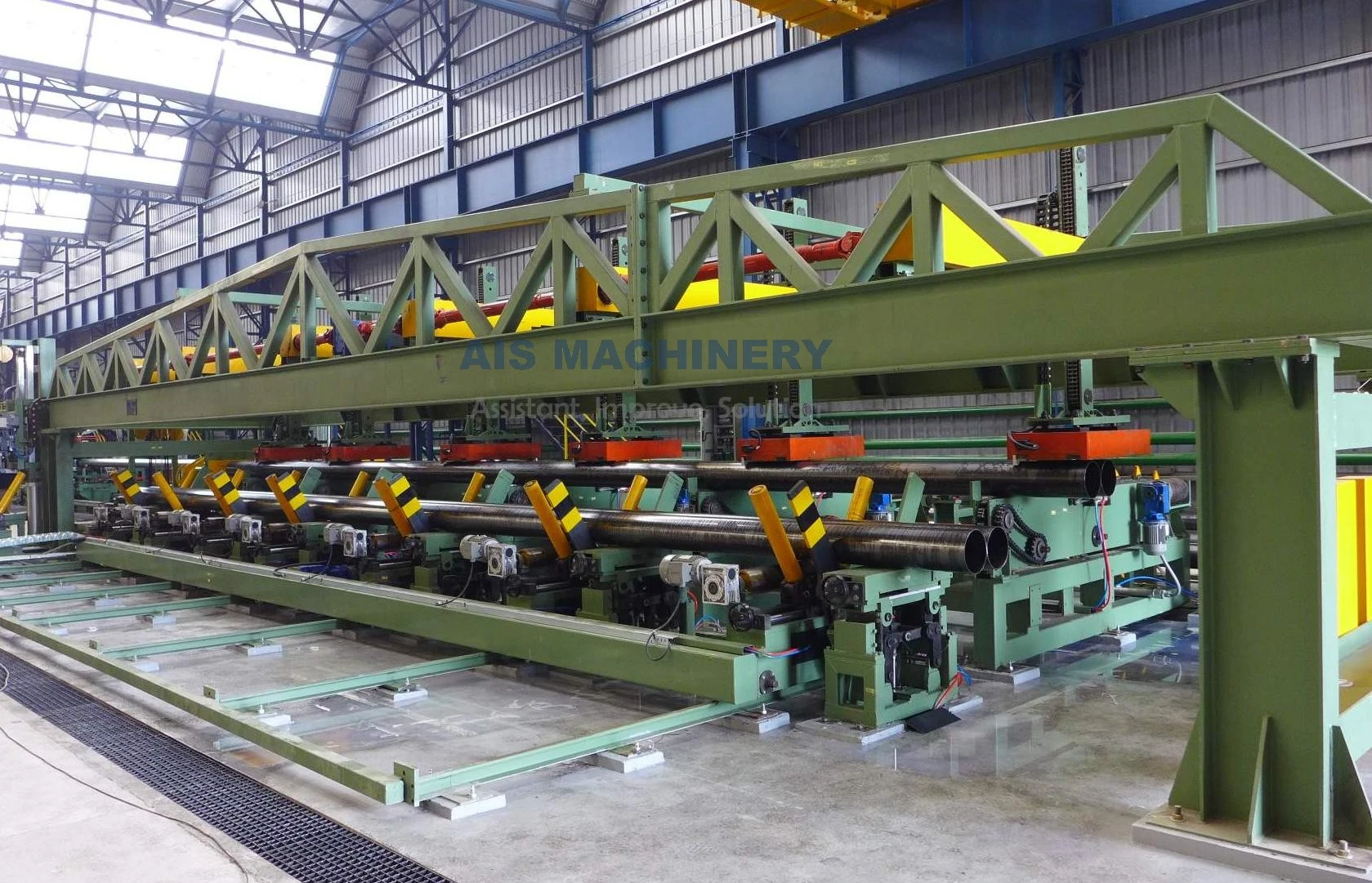
Automatic Stacking Machine (Magnetic Chuck Type)
The Automatic Stacking Machine (Magnetic Chuck Type) from AIS Machinery is designed to efficiently collect and stack steel tubes in ERW tube mill production lines. Using electromagnetic lifting, it can pick up multiple tubes at once and place them neatly in layers. This reduces manual labor, improves stacking accuracy, and increases overall production efficiency. It is installed after the flying saw and works seamlessly with the mill line, making it an ideal solution for modern tube manufacturers.
2026-04-28 08:56:05
Saw Blade Guide for Tube Mills: Friction vs HSS vs TCT — Which One Should You Choose?
Confused about friction saw, HSS, and TCT blades? This guide explains their uses in cold saw and friction saw machines, with pros, cons, and expert selection tips.
2026-04-24 08:54:16
What is an Impeder and Ferrite Rods in ERW Tube Mill?
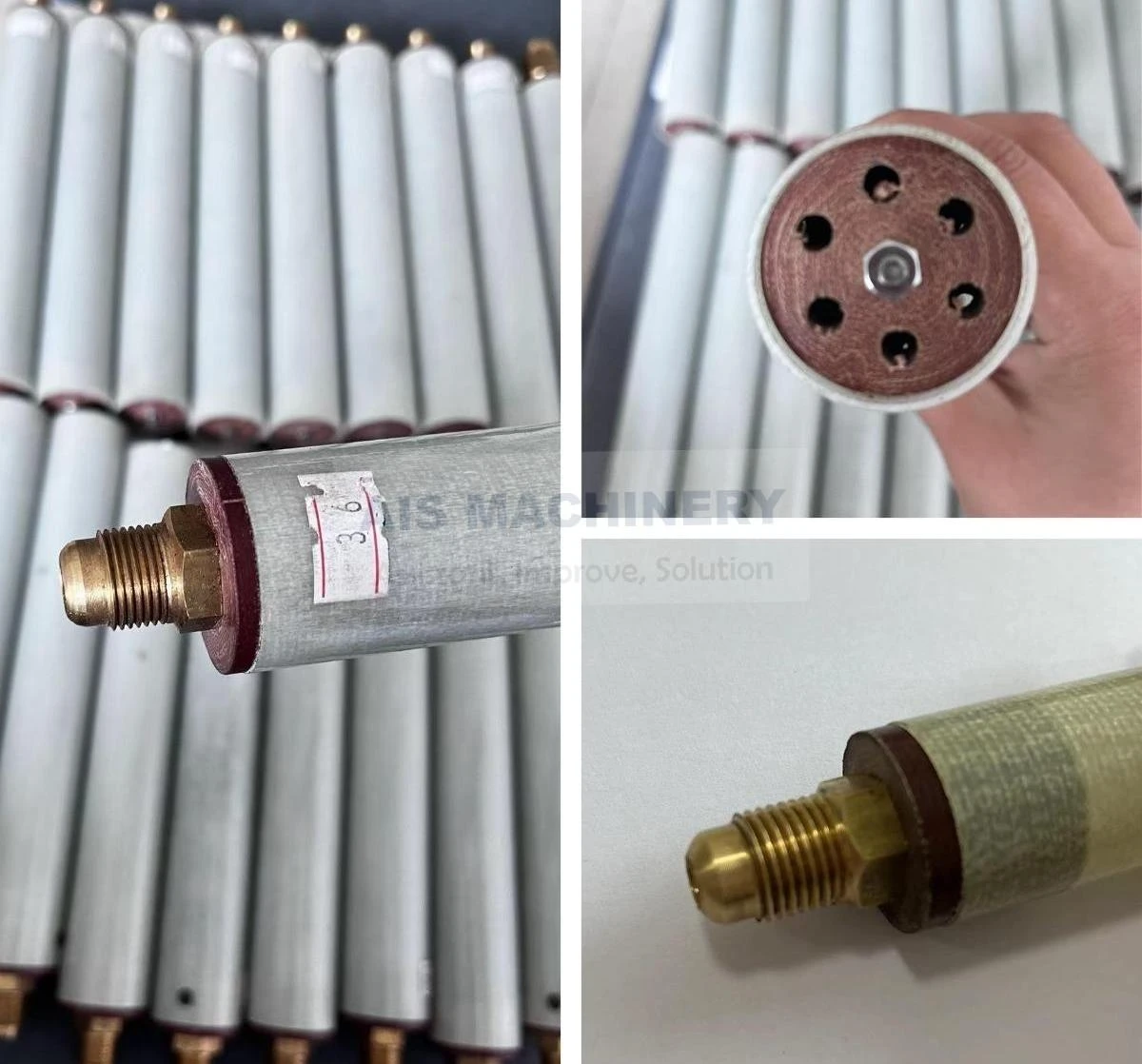
Struggling with impeder overheating or short service life in your ERW tube mill? This guide explains common impeder problems, the role of ferrite rods, and how to choose the right impeder for stable welding performance. Improve weld quality, reduce energy loss, and extend equipment lifespan with the right selection and proper cooling solutions.
2026-04-21 10:22:25
Slitting & Cut-to-Length Combined Production Line: A Smarter Way to Process Steel Coils
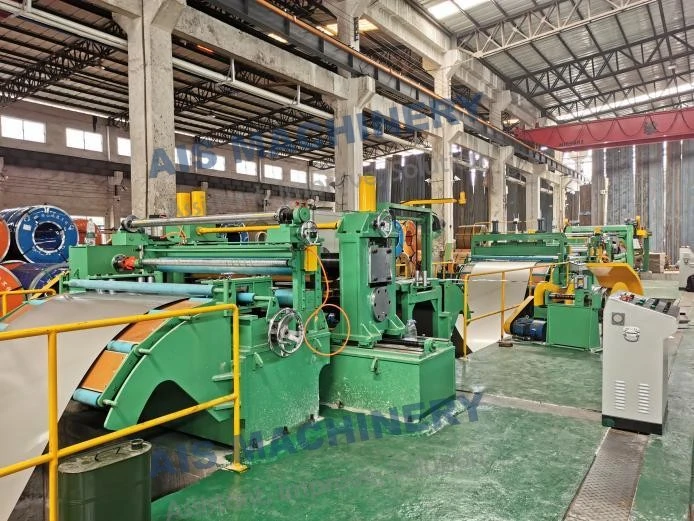
Discover the Slitting & Cut-to-Length Combined Production Line, a flexible solution for steel coil processing. This system integrates slitting line and cut-to-length line functions in one machine, saving space, reducing costs, and improving efficiency. Ideal for processing both steel strips and sheets, it is widely used in service centers and manufacturing industries. Learn its advantages, limitations, and applications.

2026-04-18 03:20:20
AIS Machinery Showcases Advanced Tube Solutions at Tube & Wire Düsseldorf 2026
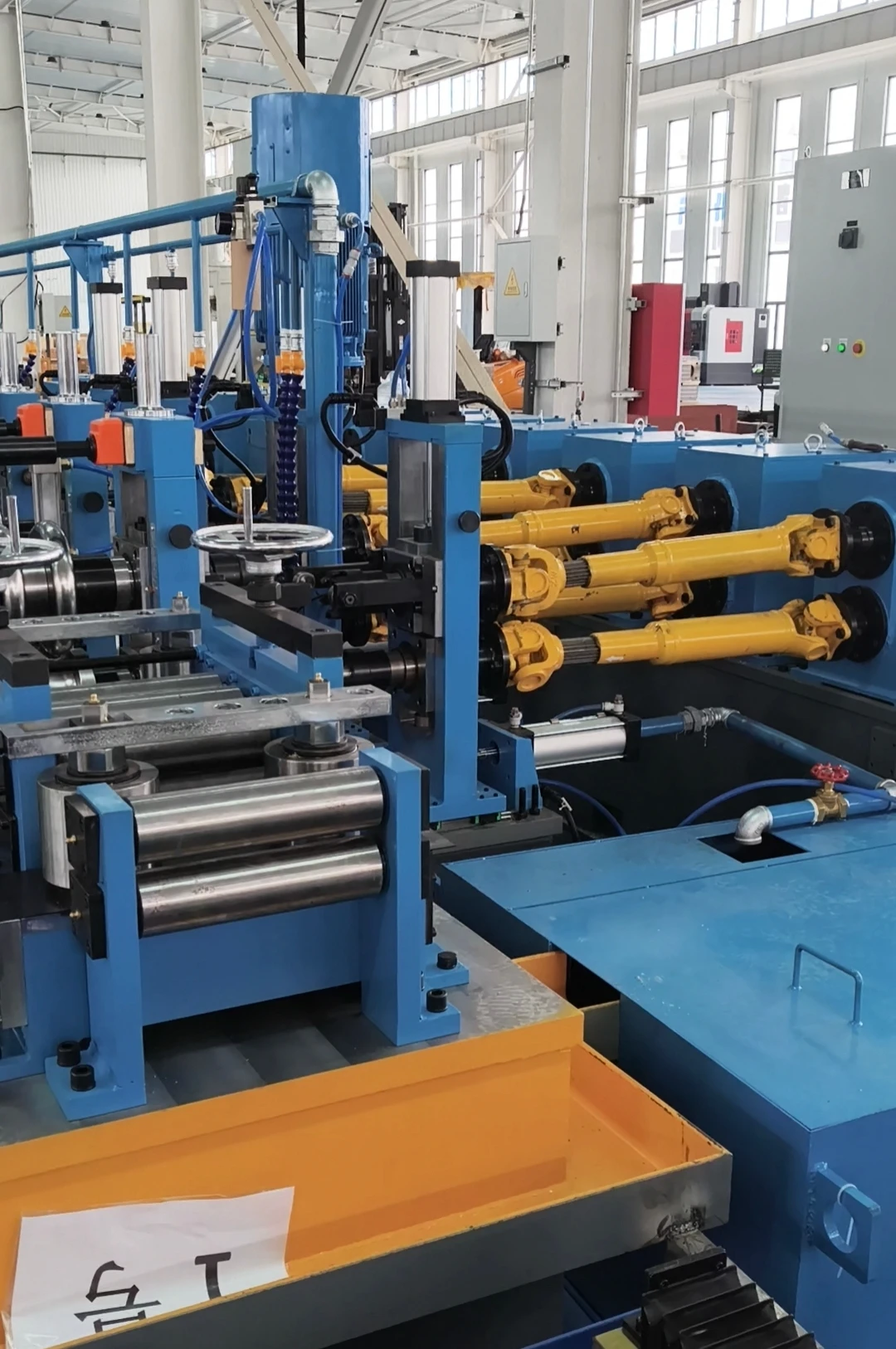
Tube & Wire Düsseldorf 2026, one of the most influential exhibitions in the global tube and wire industry, held biennially in Düsseldorf, Germany
2026-04-17 00:00:00
Southeast Asia Client Visits Our Factory | Customized Tube Mill Solution Delivered
A Southeast Asia client visited our ERW tube mill factory to inspect production lines and discuss a customized tube mill solution. Impressed by our machine quality, welding performance, and engineering support, the client confirmed strong cooperation intentions. Discover how our ERW tube mill solutions improve efficiency, precision, and long-term production reliability.
2026-04-15 10:37:55
Flat Bar Production Line for Steel Coils: How It Works & Why It Matters
Looking for a flat bar production line? Learn how it turns steel coils into ready-to-use flat bars with precise length and high straightness. Compare it with slitting lines and get the best solution for your steel processing needs.
2026-04-14 00:00:00
Looking for a Milling Saw for ERW Tube Mill? Here’s What You Need to Know
Looking for a high-performance milling saw for your ERW tube mill? Upgrade to burr-free, high-precision pipe cutting with advanced flying saw technology. Improve efficiency, reduce rework, and meet export standards for carbon steel, stainless steel, and API pipes. Contact us today for expert solutions and competitive pricing tailored to your production needs.
Send a Message
Dear customer, thank you for your attention! We provide high-quality machinery and equipment and look forward to your orders. Please inform us of your needs and we will respond quickly!
 English
  Albanian
  Arabic
  French
  German
  Indonesian
  Italian
  Japanese
  Kazakh
  Korean
  Latin
Latin  Macedonian
  Portuguese
  Russian
  Spanish
  Thai
Thai  Turkish
  Ukrainian
  Uzbek
Uzbek