
-
 Tel:86-15176910262
-

Search

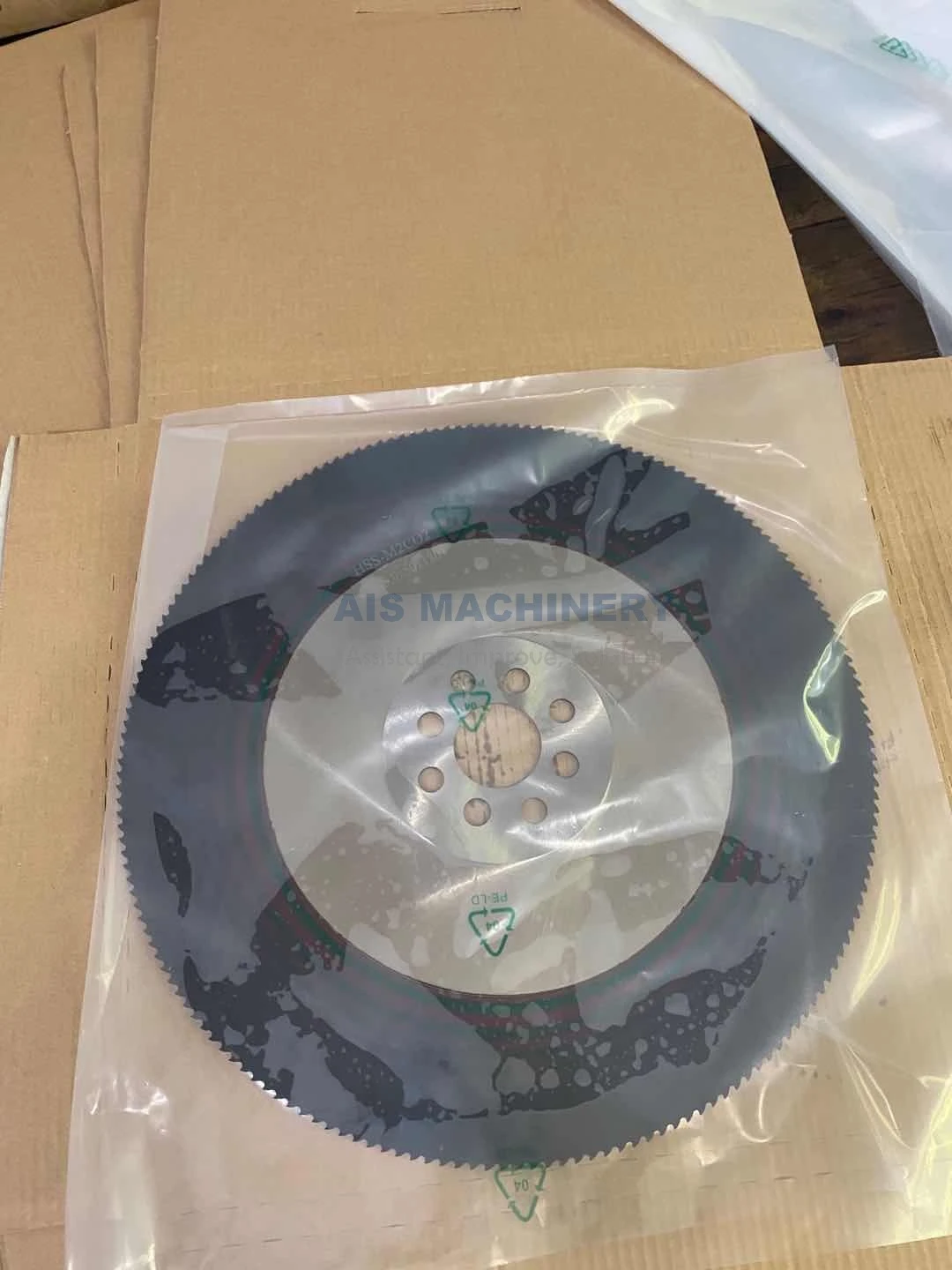
Durable and Efficient High Speed Steel Circular Saw Blades for Precise Cutting
Dec . 01, 2025 10:50
Why High Speed Steel Circular Saw Blades Deserve a Spot in Your Workshop
If you’ve ever peeked into a busy metal fabrication shop or a woodworking factory, chances are you’ve seen high speed steel circular saw blades in action—cutting cleanly, efficiently, and without complaint. But beyond that, these blades have quietly become essential worldwide, powering industries from construction to machinery manufacturing. Why should that matter, you ask? Well, understanding these blades not only reveals how modern manufacturing achieves precision at scale but also how innovation in materials engineering keeps pushing global development forward. Plus, knowing their benefits can save your projects time, money, and serious headaches in blade replacements.
Global Context: Why High Speed Steel Circular Saw Blades Matter Today
In a world increasingly dependent on infrastructure development and manufacturing, high speed steel circular saw blades are silently driving progress. According to the International Organization for Standardization (ISO), the demand for cutting tools that combine durability with versatility has soared by roughly 12% annually over the last decade (1). From Asia’s sprawling construction projects to Europe’s precision engineering sectors, these blades help alleviate one core challenge: balancing speed with precision. Essentially, industries need tools that won’t buckle or dull quickly — and high speed steel answers that, reliably.
Oddly enough, many industries struggle with tool wear and downtime. A dull blade can cost thousands in lost productivity and material waste. So, figuring out blades that last longer—while maintaining sharpness and safety—makes a huge difference globally.
Breaking It Down: What Are High Speed Steel Circular Saw Blades?
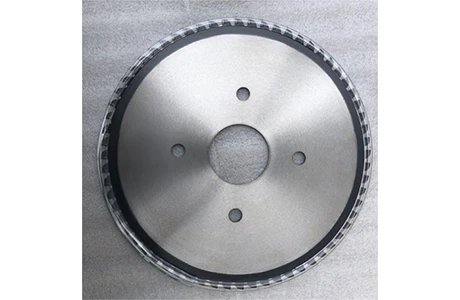
At its core, a high speed steel circular saw blade is exactly what it sounds like: a round saw blade made from high speed steel (HSS). This steel alloy includes elements like tungsten, molybdenum, chromium, and vanadium, each conferring strength, heat resistance, and toughness. These blades can sustain cutting speeds far beyond traditional carbon steel blades without losing hardness or warping. You can think of them as the marathon runners of saw blades—built to endure long periods of heavy cutting without fatigue.
This makes them incredibly valuable not only in delicate machine shops but also in tougher environments like construction sites or emergency repair settings, where steady, reliable performance matters.
Key Features That Define These Blades
Durability: Built to Last Through Thick and Thin
High speed steel’s combination of heat resistance and toughness means these blades don’t dull as quickly, surviving thousands of cuts without needing frequent sharpening. This reduces downtime—a factor that most machinists swear by.
Cutting Precision: The Fine Art of a Clean Cut
Thanks to their alloy composition and sharp design, these blades offer consistent, clean edges that reduce material waste and the need for post-cut finishing, saving both time and expense.
Cost Efficiency: Investing in Longevity Pays Off
While these blades may carry a higher upfront cost, their longevity and less frequent replacements lead to better return on investment over time—especially in high-volume operations.
Versatility: From Metals to Wood and More
Though optimized for cutting metals, many variants of high speed steel circular saw blades can tackle a variety of materials, including composites and plastics, often simplifying tool inventories.
Safety: Minimizing Risks on the Job
Since they resist heat build-up and maintain sharpness, these blades reduce the chances of kick-back and blade failure—a critical consideration for worker protection.
Practical Specs: A Typical Blade at a Glance
| Specification | Value | Notes |
|---|---|---|
| Blade Diameter | 250 mm (10 inches) | Common size for metal cutting |
| Teeth Count | 60 Teeth | Balances speed with clean cut |
| Material Composition | High Speed Steel (M2 Grade) | Typical alloy for durability |
| Max Cutting Speed | 70 m/s | Safe operational limit |
Where in the World Do These Blades Shine?
Industry choices and innovations often cluster by region, and high speed steel circular saw blades are no exception.
- Asia: Countries like China and India lead in mass manufacturing. High speed steel blades are indispensable in factories producing automotive parts and electronics.
- Europe: Precision engineering hubs in Germany and Italy rely on these blades for clean, fine cutting necessary in aerospace and medical device components.
- North America: Construction and heavy machinery manufacturers use these blades for durable performance on-site, especially where rapidly changing materials meet strict environmental standards.
For instance, in post-disaster rebuilding operations, teams often turn to high speed steel circular saw blades to quickly and safely cut metal framing materials — enabling faster shelter construction in challenging environments.
Vendor Snapshot: Choosing the Right Supplier
| Vendor | Price Range (per blade) | Material Grade | Special Features |
|---|---|---|---|
| AISTubemill | $50 - $80 | M2 HSS | Precision grinding, customizable tooth counts |
| GlobalBlade Co. | $45 - $75 | M35 HSS | Magnetron coating for wear resistance |
| SteelEdge Tools | $60 - $90 | M42 HSS | High cobalt content for extreme heat tolerance |
Advantages That Keep These Blades in Demand
One of their most appreciated qualities is reliability. Unlike cheaper blades that quickly dull, these maintain sharpness and reduce the risk of accidents—making workshops safer and managers happier. There’s also the sustainability angle. Fewer blade replacements mean less waste, which is crucial as industries seek greener credentials.
On a more human level, using high quality tools like these fosters trust within teams; people feel safer and more confident handling reliable equipment. Innovation combined with trust is rare, and these blades embody that pairing well.
Where We're Headed: Future Trends in High Speed Steel Blades
Looking ahead, manufacturers are exploring coatings and composites that enhance heat dissipation and cut longevity even further. Additive manufacturing (3D metal printing) might soon allow bespoke blade geometries tailored to specific tasks and materials.
Automation and IoT integration could mean smart blades that monitor wear in real-time, alerting operators before performance drops. Aligning this with sustainability goals, blades that can be recycled efficiently or produced with less environmental impact are definitely on the horizon.
Challenges & How Industry Tackles Them
Though excellent, high speed steel circular saw blades aren’t perfect. They can be costly upfront, and some variants may not work well on extremely hard exotic alloys. Interestingly, many engineers say the key is pairing the right blade with the right machine and material.
Innovations like improved carbide tips or hybrid alloys are expanding their versatility, while better training programs help workers select and use blades more effectively. Plus, vendors are increasingly focused on customization, making it easier for industries with niche needs to find the perfect fit.
Frequently Asked Questions About High Speed Steel Circular Saw Blades
1. What materials can high speed steel circular saw blades cut effectively?
These blades excel at cutting a wide range of metals, including steel, aluminum, and copper alloys. Many can also handle plastics and wood, but specialized blades might be preferable for non-metals to maximize performance and safety.
2. How do I know when it’s time to replace the blade?
If you notice increased friction, rougher cuts, or a significant slow-down in cutting speed, it’s likely the blade is dulling. Routine visual inspections for chipped teeth or warping also help catch problems early.
3. Can I resharpen a high speed steel circular saw blade?
Absolutely. Unlike some coated carbide blades, HSS blades can be resharpened multiple times, which extends their lifecycle — making them even more cost effective over time.
4. Are these blades suitable for automated cutting machines?
Yes. Their heat resistance and durability make them ideal for CNC machines and robotic cutting lines, where precision and consistent performance are critical.
5. How do I select the right tooth count for my application?
Generally, more teeth mean finer, smoother cuts suitable for thin materials, while fewer teeth provide faster, rougher cuts for thick or hard substances. Your blade supplier can help tailor the tooth count to your needs.
Wrapping It Up
So, whether you’re running a metal fabrication plant in Germany or leading a construction team in California, high speed steel circular saw blades represent more than just cutting tools. They’re investments in safety, longevity, and efficiency that can literally save your operation hours and dollars. And frankly, in a fast-paced industrial world, that edge matters.
Curious to explore reliable, precision-crafted blades? Check out our specifications and offerings at AISTubemill — where quality meets innovation.
Mini Takeaway: In real terms, understanding the specs, advantages, and proper use of high speed steel circular saw blades lets you cut smarter, not harder.
References

Related Products


Related News
2026-04-30 09:35:04
Automatic Stacking Machine (Magnetic Chuck Type)
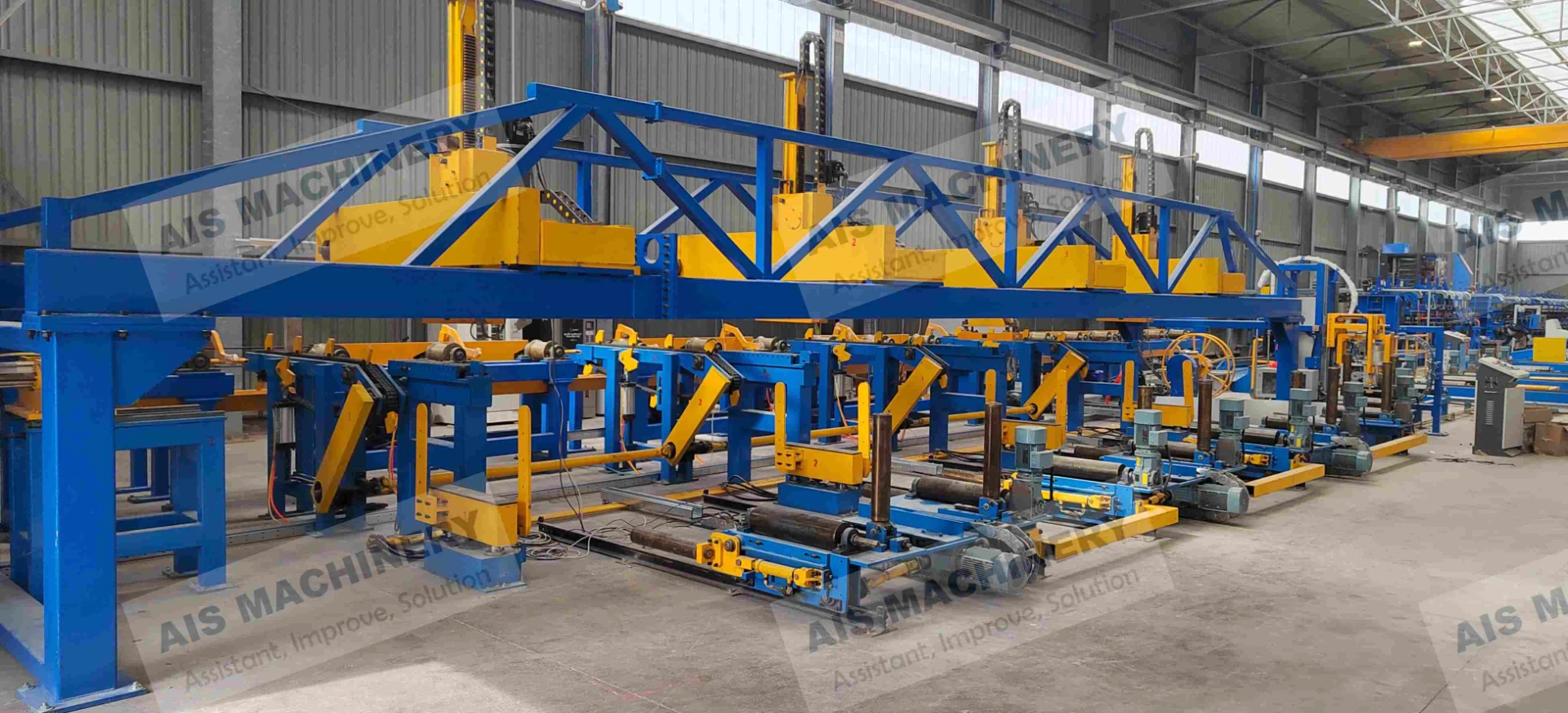
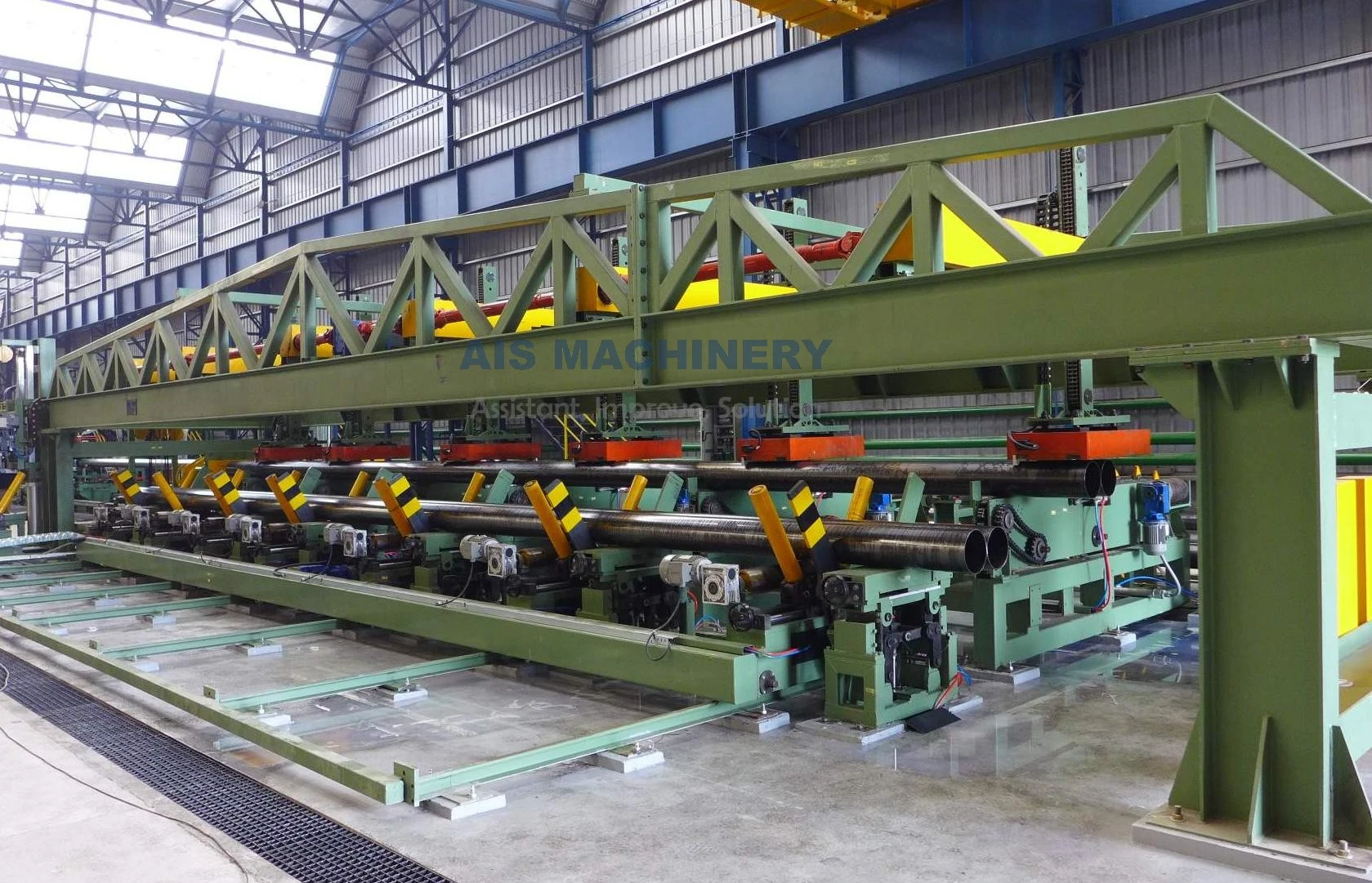
The Automatic Stacking Machine (Magnetic Chuck Type) from AIS Machinery is designed to efficiently collect and stack steel tubes in ERW tube mill production lines. Using electromagnetic lifting, it can pick up multiple tubes at once and place them neatly in layers. This reduces manual labor, improves stacking accuracy, and increases overall production efficiency. It is installed after the flying saw and works seamlessly with the mill line, making it an ideal solution for modern tube manufacturers.
2026-04-28 08:56:05
Saw Blade Guide for Tube Mills: Friction vs HSS vs TCT — Which One Should You Choose?
Confused about friction saw, HSS, and TCT blades? This guide explains their uses in cold saw and friction saw machines, with pros, cons, and expert selection tips.
2026-04-24 08:54:16
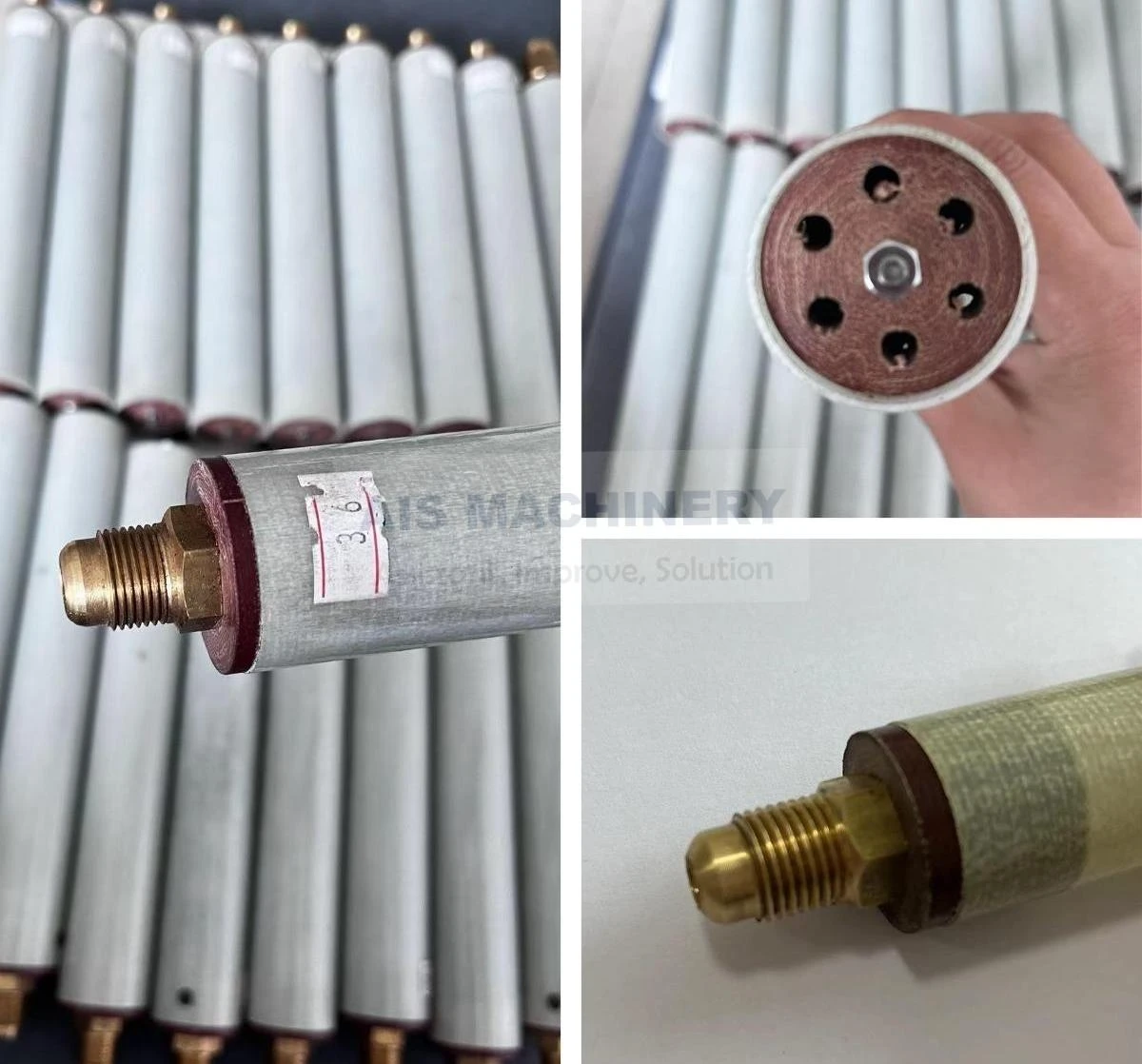
What is an Impeder and Ferrite Rods in ERW Tube Mill?
Struggling with impeder overheating or short service life in your ERW tube mill? This guide explains common impeder problems, the role of ferrite rods, and how to choose the right impeder for stable welding performance. Improve weld quality, reduce energy loss, and extend equipment lifespan with the right selection and proper cooling solutions.
2026-04-21 10:22:25
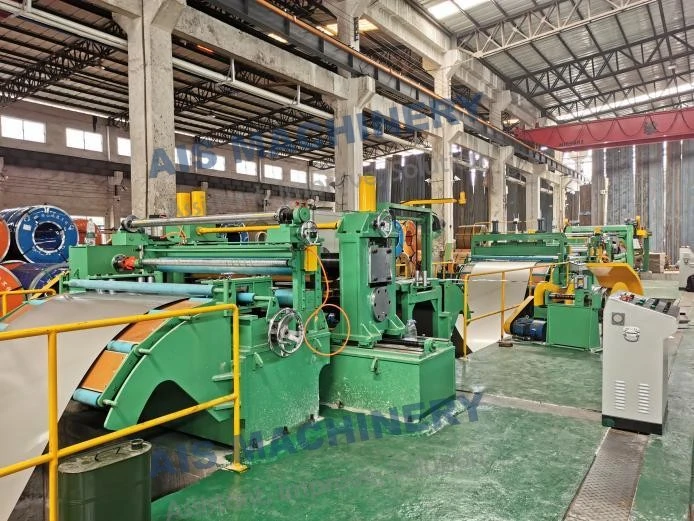
Slitting & Cut-to-Length Combined Production Line: A Smarter Way to Process Steel Coils
Discover the Slitting & Cut-to-Length Combined Production Line, a flexible solution for steel coil processing. This system integrates slitting line and cut-to-length line functions in one machine, saving space, reducing costs, and improving efficiency. Ideal for processing both steel strips and sheets, it is widely used in service centers and manufacturing industries. Learn its advantages, limitations, and applications.

2026-04-18 03:20:20
AIS Machinery Showcases Advanced Tube Solutions at Tube & Wire Düsseldorf 2026
Tube & Wire Düsseldorf 2026, one of the most influential exhibitions in the global tube and wire industry, held biennially in Düsseldorf, Germany
2026-04-17 00:00:00
Southeast Asia Client Visits Our Factory | Customized Tube Mill Solution Delivered
A Southeast Asia client visited our ERW tube mill factory to inspect production lines and discuss a customized tube mill solution. Impressed by our machine quality, welding performance, and engineering support, the client confirmed strong cooperation intentions. Discover how our ERW tube mill solutions improve efficiency, precision, and long-term production reliability.
2026-04-15 10:37:55
Flat Bar Production Line for Steel Coils: How It Works & Why It Matters
Looking for a flat bar production line? Learn how it turns steel coils into ready-to-use flat bars with precise length and high straightness. Compare it with slitting lines and get the best solution for your steel processing needs.
2026-04-14 00:00:00
Looking for a Milling Saw for ERW Tube Mill? Here’s What You Need to Know
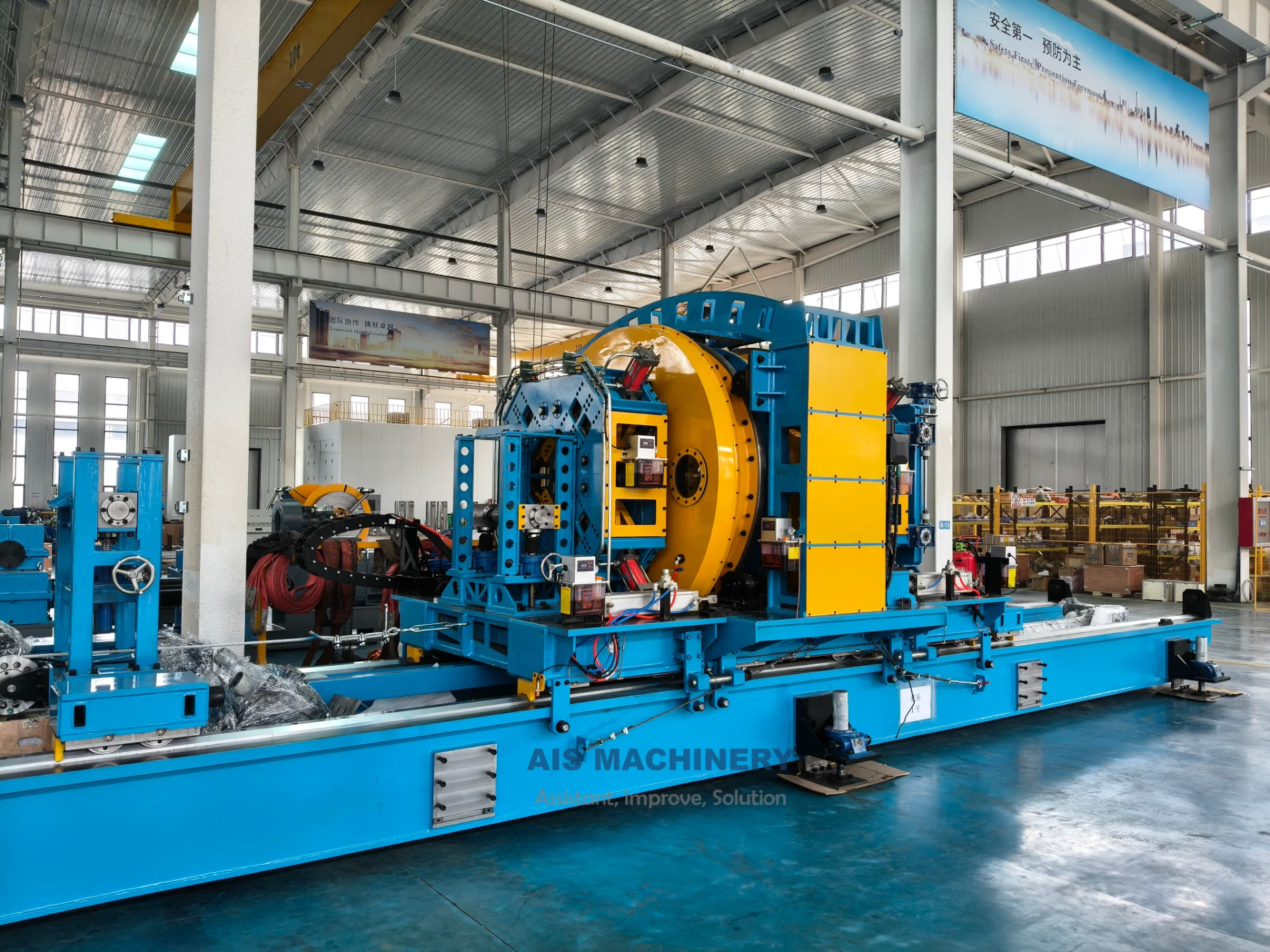
Looking for a high-performance milling saw for your ERW tube mill? Upgrade to burr-free, high-precision pipe cutting with advanced flying saw technology. Improve efficiency, reduce rework, and meet export standards for carbon steel, stainless steel, and API pipes. Contact us today for expert solutions and competitive pricing tailored to your production needs.
Send a Message
Dear customer, thank you for your attention! We provide high-quality machinery and equipment and look forward to your orders. Please inform us of your needs and we will respond quickly!
 English
  Albanian
  Arabic
  French
  German
  Indonesian
  Italian
  Japanese
  Kazakh
  Korean
  Latin
Latin  Macedonian
  Portuguese
  Russian
  Spanish
  Thai
Thai  Turkish
  Ukrainian
  Uzbek
Uzbek