
-
 Tel:86-15176910262
-

Search
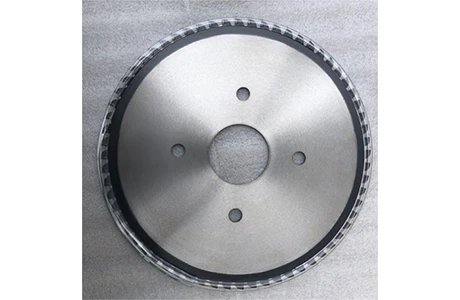

Durable and Precise: Saw Blade HSS for Industrial Cutting Excellence
Dec . 01, 2025 09:15
Understanding Saw Blade HSS: The Cutting Edge of High-Speed Tooling
If you've ever marveled at how smoothly a metal-cutting machine slices through tough materials — or wondered what makes some saw blades last far longer than others — then you’re already halfway to appreciating saw blade HSS. High-Speed Steel (HSS) saw blades are essential tools in modern manufacturing, construction, and many fields relying on precision cutting. They don’t just cut metal; they help keep industries moving worldwide.
Why does this matter? From the automotive plants of Germany to expansive shipyards in South Korea, saw blades made with HSS technology ensure faster production cycles, lower downtime, and better quality products. In fact, market reports suggest that the global high-speed steel tooling market has been growing steadily, with demand driven by increased automation and the need for durable cutting solutions. In critical infrastructure and humanitarian settings alike, reliable cutting tools are often the unsung heroes enabling timely progress.
Global Context: How Saw Blade HSS Shapes Industry and Innovation
According to ISO standards, precision tools like saw blade HSS must withstand intense heat and pressure without deforming — an imperative increasingly relevant as industries push machines to faster speeds and tougher tasks.
Globally, metal cutting accounts for a significant chunk of manufacturing energy consumption. A World Bank report notes that improving tooling efficiency can cut waste and energy by up to 30% in steel production processes. But here’s the problem: traditional tool steels dull quickly or crack under stress, causing frequent replacements and production halts. That’s where saw blade HSS comes in, balancing cutting speed, toughness, and wear resistance to address a real bottleneck in manufacturing.
Mini Takeaway:
- Saw blade HSS offers a durable, heat-resistant cutting edge critical for modern manufacturing.
- Global demand reflects growing industrial automation and cost-efficiency needs.
What Is Saw Blade HSS — Getting to the Core meaning
Simply put, saw blade HSS refers to saw blades constructed from high-speed steel — a subset of tool steels that withstand high temperatures without losing hardness. Unlike ordinary carbon steel blades, HSS blends tungsten, molybdenum, and chromium within iron to produce a resilient metal alloy. This alloy keeps its cutting edge sharp even when the blade is spinning at thousands of RPMs, slicing through steel, aluminum, and other hard materials.
In practical terms, HSS saw blades mean faster cuts, less frequent tool changes, and consistent reliability. It’s a small technology that keeps factories humming and projects—from construction to disaster relief shelters—on schedule. Oddly enough, industries as far apart as timber cutting and aerospace manufacturing both rely on these blades’ versatility.
Mini Takeaway:
- HSS stands for high-speed steel, an alloy known for heat resistance and durability.
- Saw blades made from HSS cut faster with less wear.
Key Factors Affecting Saw Blade HSS Performance
Durability and Wear Resistance
One of the top reasons engineers swear by saw blade HSS is its remarkable ability to resist abrasion and maintain hardness through repetitive high-speed cuts. The alloying elements form microstructures that slow dulling significantly compared to standard steels.
Heat Tolerance
Running blades at several thousand RPM generates heaps of heat. Without proper heat resistance, blades degrade or warp. HSS formulas adapt to reduce thermal softening, enabling longer usage without resharpening.
Sharpness and Edge Retention
The initial grind and edge profile combined with intrinsic HSS properties allow blades to hold a sharper edge longer, maintaining cut precision, which matters in industries like aerospace or automotive where tolerances are tight.
Compatibility and Versatility
Saw blade HSS fits well with diverse machines—from hand-held circular saws to computer-controlled band saws—supporting different cutting speeds and feed rates. This adaptability makes it a favorite tool across sectors.
Cost Efficiency
The upfront cost of HSS blades is higher than simpler alloys, but their longevity and reliability usually save money overall by reducing downtime, replacements, and quality issues.
Mini Takeaway:
- Durability and heat resistance allow HSS blades to outlast alternatives.
- Edge sharpness ensures precision and reduces scrap rates.
- Though pricier upfront, HSS blades bring lasting value.
Product Specifications for Popular Saw Blade HSS Models
| Model | Diameter (mm) | Teeth Count | Kerf Width (mm) | Max RPM | Material Grade |
|---|---|---|---|---|---|
| HSS-Pro 255 | 255 | 120 | 2.3 | 5,600 | M42 |
| TitanCut HSS 305 | 305 | 160 | 2.7 | 4,800 | M35 |
| SteelCut Ultra 200 | 200 | 100 | 1.9 | 6,300 | T1 |
Global Industry Vendors Comparison: Choosing Your Saw Blade HSS Supplier
| Vendor | Product Range | Typical Lead Time | Customization Options | Global Distribution |
|---|---|---|---|---|
| EdgeMaster Tools | Wide (HSS, Carbide) | 2-3 weeks | Tooth pitch, diameter | North America, Europe |
| GlobalCut Solutions | Medium (HSS) | 4-6 weeks | Custom alloys & coatings | Worldwide, incl. Asia |
| SteelWorks Inc. | Niche (Specialty HSS) | 1-2 weeks | Size & tooth geometry | Europe & Middle East |
Where and How Saw Blade HSS Finds Its Place Worldwide
The versatility of saw blade HSS means it’s at work in many corners of the world. In South Korea and Japan, where automotive manufacturing reigns supreme, these blades form the backbone of highly automated assembly lines. In Europe’s aerospace sector, HSS blades are prized for precision, enabling components critical to flight safety.
Oddly enough, humanitarian groups tackling rubble clearance after earthquakes in Nepal or Chile also depend on portable HSS saw blades, which offer the reliability needed under tough field conditions. Remote mining operations in Africa benefit as well— fewer blade failures mean less downtime where replacement parts might take days to arrive.
Mini Takeaway:
- Saw blade HSS supports industries ranging from automotive to disaster relief.
- Its reliability proves critical in environments where downtime costs are high.
Benefits and Long-term Value of Choosing Saw Blade HSS
- Cost savings over time: Though initial costs may be higher, fewer replacements and quicker jobs balance budgets.
- Sustainability: Longer-lasting blades reduce steel consumption and waste from frequent tool disposal.
- Safety and trust: A sharp, reliable blade cuts cleaner, reducing accidents and rework.
- Innovation driver: Use of HSS enables development of new alloy tech and coatings, pushing tooling ahead.
Frankly, investing in saw blade HSS feels like choosing reliability — a choice that stresses less about downtime and focuses more on quality output.
Emerging Trends and Innovations in Saw Blade HSS
Looking ahead, the future of saw blade HSS is bright and high-tech. Manufacturers are integrating saw blade HSS with coatings like titanium aluminum nitride (TiAlN) to push wear resistance even further while minimizing heat build-up.
Digitally assisted grinding and laser sharpening promise tighter edge tolerances, which means even better cuts and blade longevity. Sustainability trends are influencing companies to develop HSS alloys using recycling-friendly methods and to design blades with replaceable teeth, reducing waste.
Automation continues to drive blade use in precision CNC systems where materials like stainless steel and hardened alloys are common. These machines demand blades that can endure high speeds without microfractures, which HSS continues to excel at.
Common Challenges & How the Industry Addresses Them
Despite many benefits, saw blade HSS has its quirks. Some users report brittleness under certain stress conditions, or limitations when cutting super-hard exotic alloys. Also, cost barriers remain for small workshops that can’t justify premium blades.
Innovations like hybrid blades combining HSS with carbide teeth aim to bridge those gaps, offering a middle ground in price and performance. Training users to optimize blade speeds and feeds reduces premature wear, and many suppliers now offer consultation services to tailor solution choices per application.
FAQ: Practical Questions About Saw Blade HSS
- What makes saw blade HSS better than regular steel blades?
- HSS blades resist heat and wear better, maintaining sharpness at higher speeds. This means faster cutting, fewer blade changes, and better precision overall.
- How long can an HSS saw blade typically last in industrial use?
- Depending on material and maintenance, HSS blades can last several months in heavy use—far longer than carbon or low-grade steel blades, which might need daily changes.
- Are HSS saw blades more expensive to buy and maintain?
- They cost more upfront, but their extended life reduces downtime and replacement costs, making them more economical in the long run.
- Can HSS blades cut non-metal materials?
- Yes, they can cut wood, composites, and plastics, but optimized blade designs might be preferred for softer materials to avoid overkill and unnecessary wear.
- How can I ensure I’m buying quality saw blade HSS?
- Look for certified vendors with clear specifications and customer reviews. Also, confirm they offer matching alloys like M42 or M35 for your application.
Conclusion
Saw blade HSS represents a cornerstone in tooling technology — a small steel alloy that keeps huge industries moving faster, cleaner, and more efficiently. Its combined strengths of durability, heat resistance, and sharp edge retention make it a worthy investment for anyone cutting steel, aluminum, or other tough materials.
Curious to upgrade your cutting efficiency? Visit our website: https://www.aistubemill.com to explore our full range of saw blade HSS solutions and request a free consultation today.
Quick Reflection
It’s fascinating how such a specialized product quietly supports innovation worldwide, from sophisticated factories to remote field operations. The balance of chemistry, engineering, and practical know-how embedded in saw blade HSS underscores how even the sharpest edges need solid foundations.
References

Related Products

Related News
2026-04-30 09:35:04
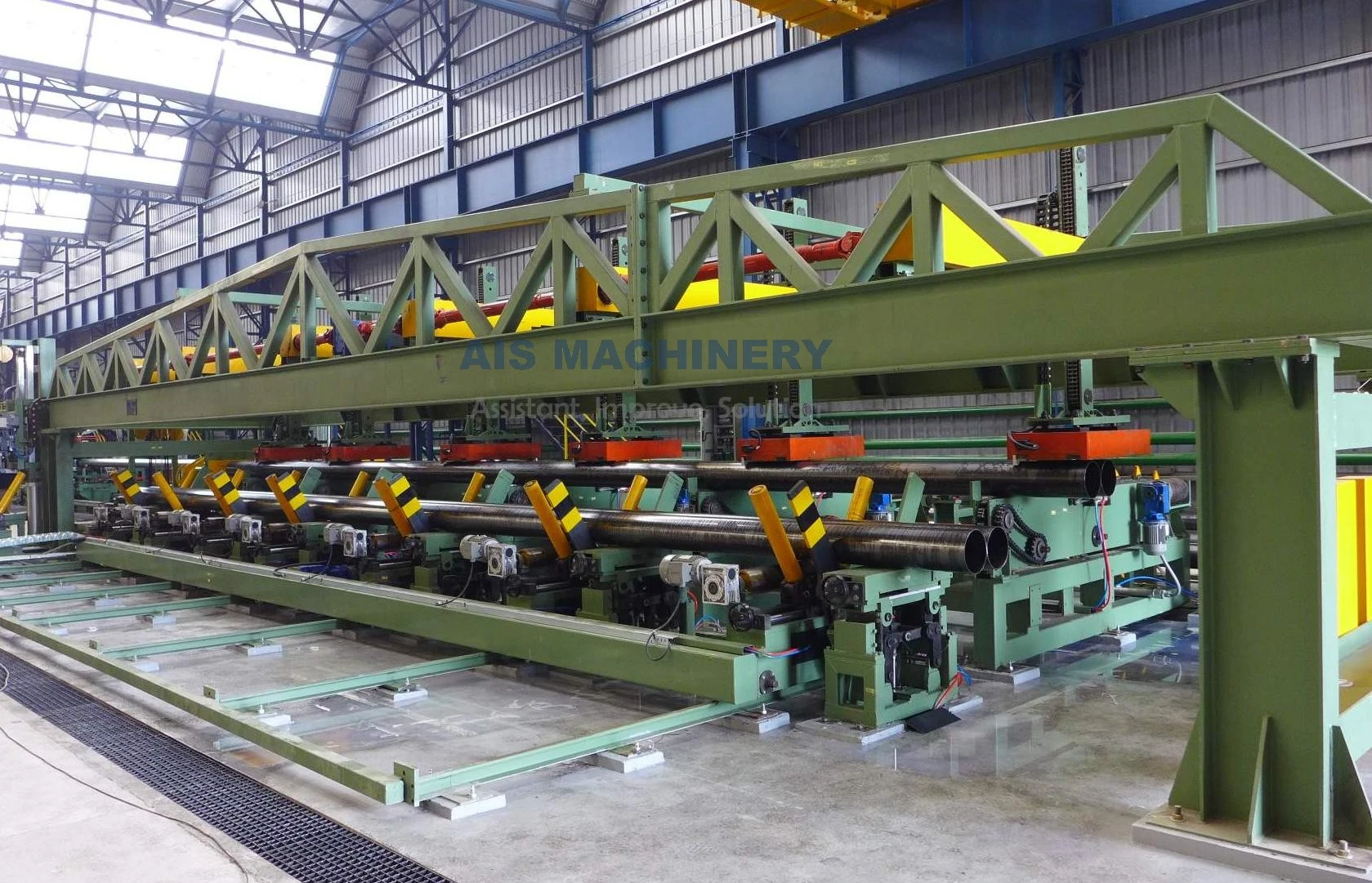
Automatic Stacking Machine (Magnetic Chuck Type)
The Automatic Stacking Machine (Magnetic Chuck Type) from AIS Machinery is designed to efficiently collect and stack steel tubes in ERW tube mill production lines. Using electromagnetic lifting, it can pick up multiple tubes at once and place them neatly in layers. This reduces manual labor, improves stacking accuracy, and increases overall production efficiency. It is installed after the flying saw and works seamlessly with the mill line, making it an ideal solution for modern tube manufacturers.
2026-04-28 08:56:05
Saw Blade Guide for Tube Mills: Friction vs HSS vs TCT — Which One Should You Choose?
Confused about friction saw, HSS, and TCT blades? This guide explains their uses in cold saw and friction saw machines, with pros, cons, and expert selection tips.
2026-04-24 08:54:16
What is an Impeder and Ferrite Rods in ERW Tube Mill?
Struggling with impeder overheating or short service life in your ERW tube mill? This guide explains common impeder problems, the role of ferrite rods, and how to choose the right impeder for stable welding performance. Improve weld quality, reduce energy loss, and extend equipment lifespan with the right selection and proper cooling solutions.
2026-04-21 10:22:25
Slitting & Cut-to-Length Combined Production Line: A Smarter Way to Process Steel Coils
Discover the Slitting & Cut-to-Length Combined Production Line, a flexible solution for steel coil processing. This system integrates slitting line and cut-to-length line functions in one machine, saving space, reducing costs, and improving efficiency. Ideal for processing both steel strips and sheets, it is widely used in service centers and manufacturing industries. Learn its advantages, limitations, and applications.

2026-04-18 03:20:20
AIS Machinery Showcases Advanced Tube Solutions at Tube & Wire Düsseldorf 2026
Tube & Wire Düsseldorf 2026, one of the most influential exhibitions in the global tube and wire industry, held biennially in Düsseldorf, Germany
2026-04-17 00:00:00
Southeast Asia Client Visits Our Factory | Customized Tube Mill Solution Delivered
A Southeast Asia client visited our ERW tube mill factory to inspect production lines and discuss a customized tube mill solution. Impressed by our machine quality, welding performance, and engineering support, the client confirmed strong cooperation intentions. Discover how our ERW tube mill solutions improve efficiency, precision, and long-term production reliability.
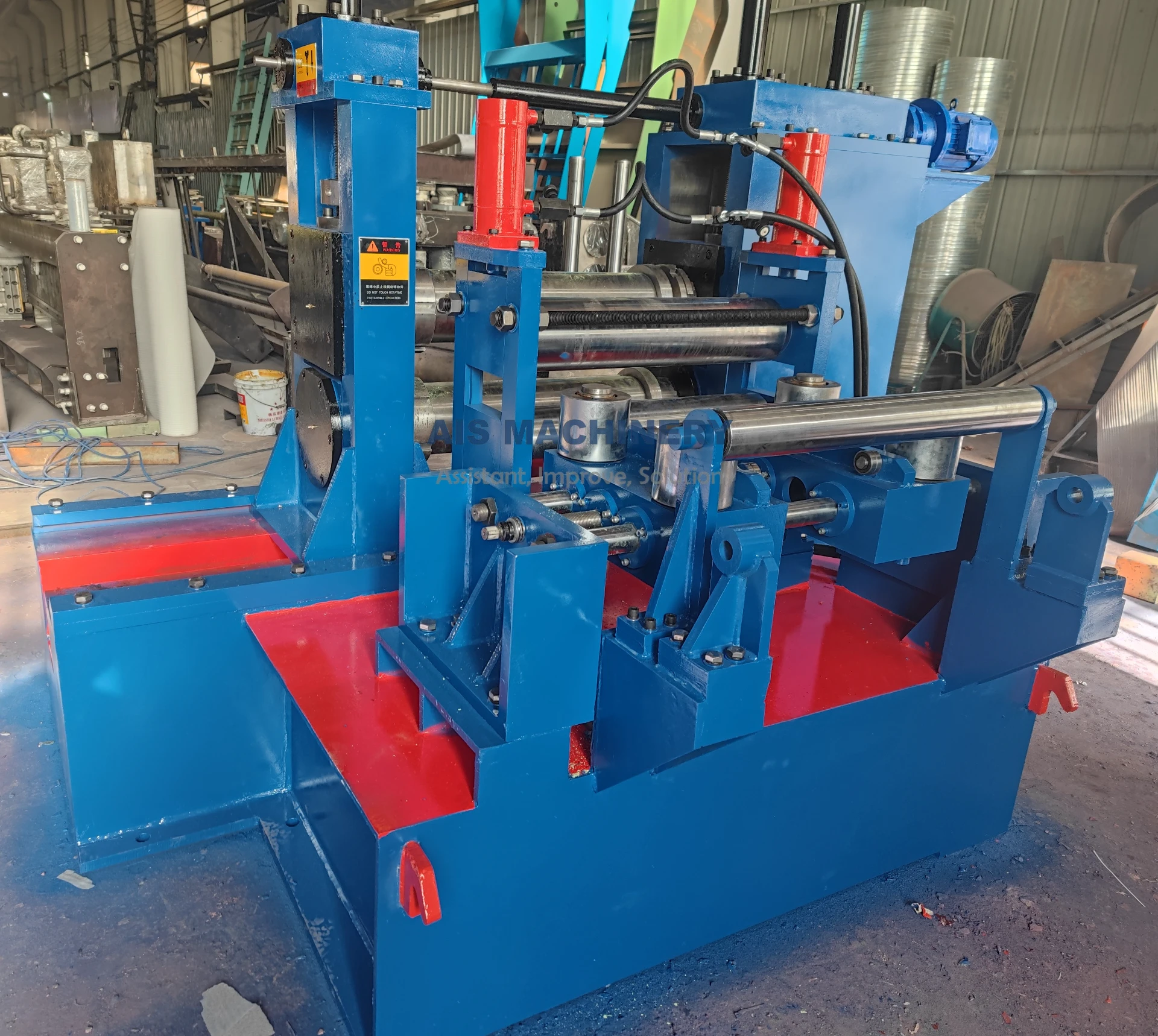
2026-04-15 10:37:55
Flat Bar Production Line for Steel Coils: How It Works & Why It Matters
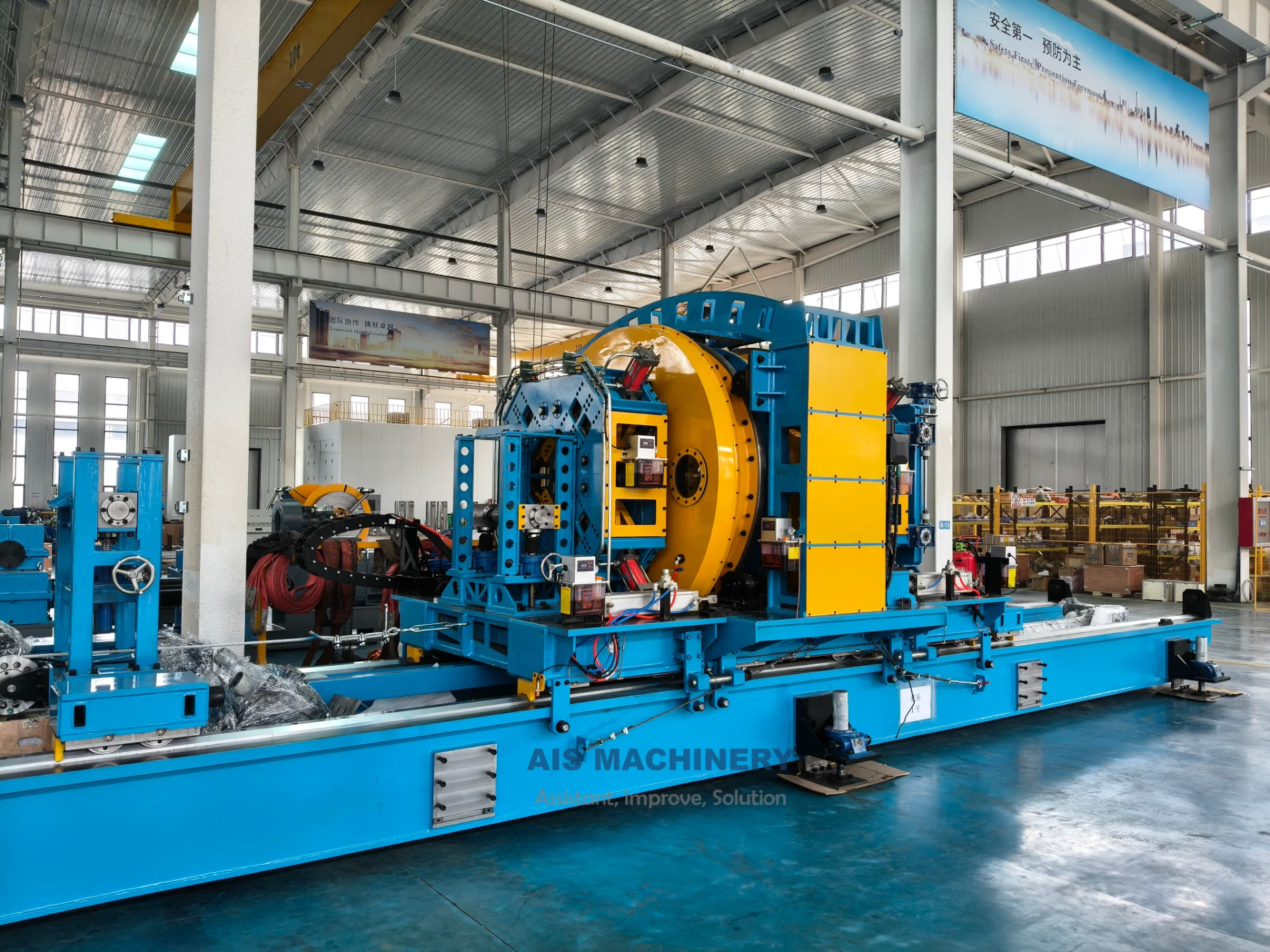
Looking for a flat bar production line? Learn how it turns steel coils into ready-to-use flat bars with precise length and high straightness. Compare it with slitting lines and get the best solution for your steel processing needs.
2026-04-14 00:00:00
Looking for a Milling Saw for ERW Tube Mill? Here’s What You Need to Know
Looking for a high-performance milling saw for your ERW tube mill? Upgrade to burr-free, high-precision pipe cutting with advanced flying saw technology. Improve efficiency, reduce rework, and meet export standards for carbon steel, stainless steel, and API pipes. Contact us today for expert solutions and competitive pricing tailored to your production needs.
Send a Message
Dear customer, thank you for your attention! We provide high-quality machinery and equipment and look forward to your orders. Please inform us of your needs and we will respond quickly!
 English
  Albanian
  Arabic
  French
  German
  Indonesian
  Italian
  Japanese
  Kazakh
  Korean
  Latin
Latin  Macedonian
  Portuguese
  Russian
  Spanish
  Thai
Thai  Turkish
  Ukrainian
  Uzbek
Uzbek