
-
 Tel:86-15176910262
-

Search

Mini HSS Circular Saw – Precision Cutting Tools for Global Industries
Dec . 01, 2025 07:40
Understanding the Mini HSS Circular Saw: Small Tool, Global Impact
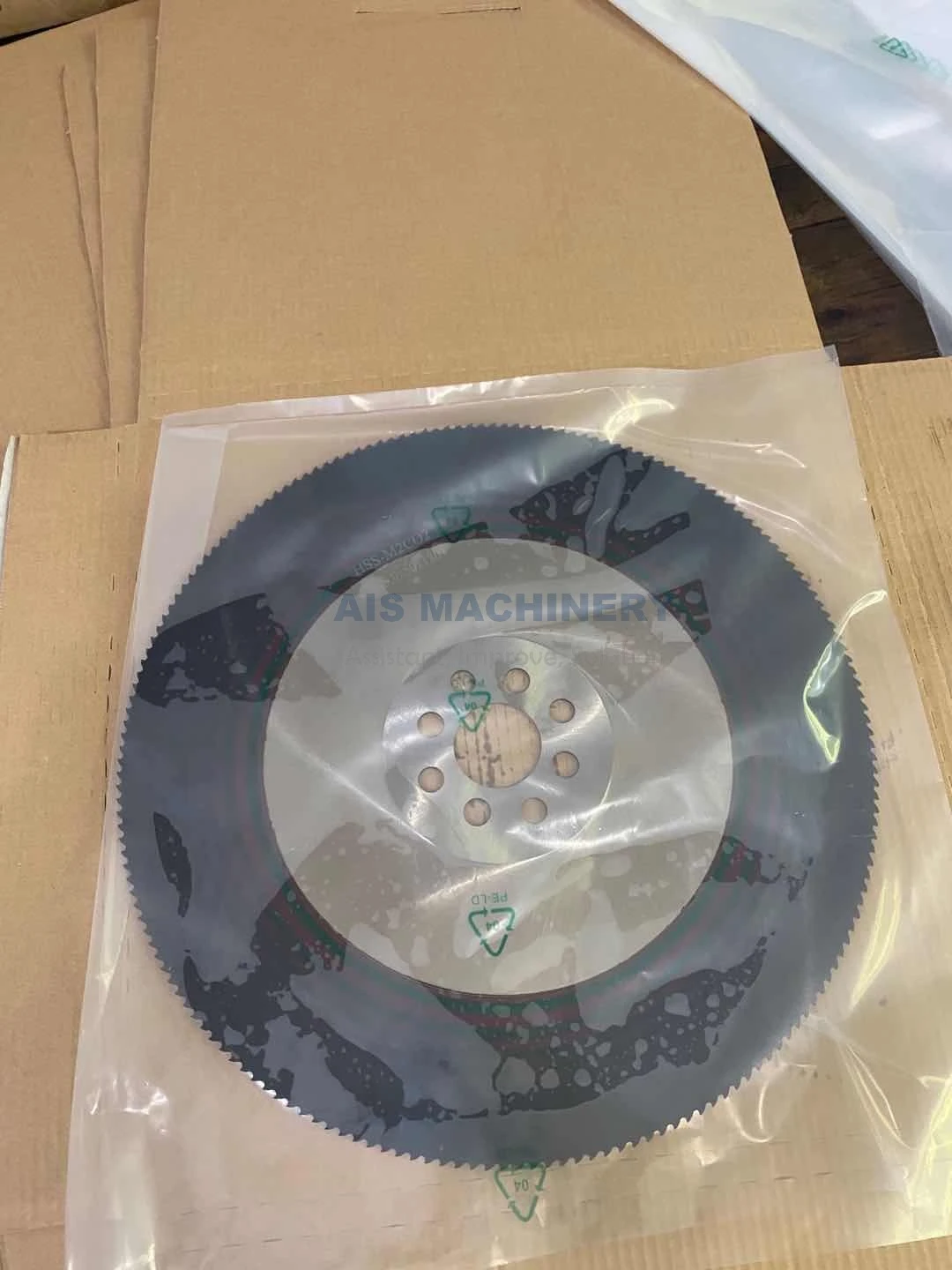
In today’s fast-moving industrial world, the mini HSS circular saw is more than just a tool—it’s a linchpin in precision cutting that quietly powers everything from microfabrication to field repair. HSS stands for High-Speed Steel, a material known for its toughness and ability to maintain sharpness under intense heat—a must-have when you’re slicing through metals or composite materials. The mini HSS circular saw offers compact efficiency, enabling detailed work in tight spaces where larger saws just can’t reach.
Globally, industries lean heavily on compact yet powerful tools to drive production, maintenance, and innovation. From tiny workshop benches in Europe to remote assembly lines in Asia, these saws help keep things moving—literally and figuratively. Grasping their role and benefits sheds light on a broader trend: how miniaturized industrial tools fuel growth without bulky infrastructure. And frankly, it’s a fascinating window into how something small can have outsized influence.
The Global Role of Mini HSS Circular Saws: Why the World Needs Them
At first glance, a mini HSS circular saw might seem like just another power tool, but its global relevance is significant. According to ISO standards for metalworking tools, tools made from optimized HSS grades have increased productivity by roughly 15% over older carbon steels. Regions with flourishing manufacturing hubs — think Germany, Japan, South Korea — rely heavily on these saws for prototyping and repair.
But there’s a challenge: Many industrial operations in developing zones face limited access to large-scale equipment and high-powered machinery. Mini HSS circular saws fill this gap, empowering local workshops to maintain quality without compromises. In the humanitarian sphere, disaster relief teams use compact circular saws for rapid debris clearing and mobile repairs—a quiet hero in crisis zones.
What Exactly Is a Mini HSS Circular Saw?
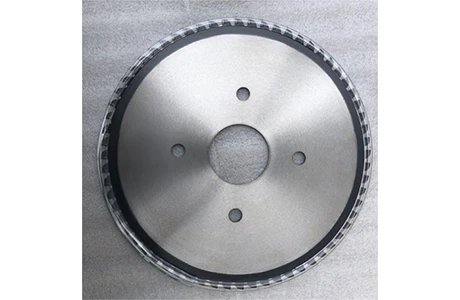
Simply put, it’s a small-sized circular saw blade and accompanying driver, crafted from high-speed steel, designed to cut through metal and other tough materials with speed and precision. The “mini” aspect refers not to power but to portability and blade diameter—usually between 40mm and 100mm — making it an indispensable tool when accessibility, size, and finesse matter.
This tool’s connection to modern industry is quite straightforward: it streamlines work processes, reduces downtime, and brings craftsmanship-level precision to tasks that would otherwise require bulky equipment. It’s also vital in sectors where space constraints are a big deal, such as aerospace component manufacturing, electronics, or custom tooling.
Key Factors That Make Mini HSS Circular Saws Tick
1. Durability
The high-speed steel composition is tough against wear and thermal damage. It means the saw stays sharp longer, even when cutting dense metals or alloys. That’s pivotal in cutting costs and improving workflow.
2. Precision
Thanks to their small blade size and advanced design, these saws deliver clean, precise cuts. Many engineers say it’s this accuracy that makes them favored for delicate jobs where every millimeter counts.
3. Portability
Compact design and lightweight housing mean operators can bring them directly to the worksite. This factor is crucial for on-the-go repairs, field maintenance, and even DIY enthusiasts aiming for professional results.
4. Cost Efficiency
Compared with larger cutting machines, mini HSS circular saws have lower upfront costs and keep maintenance expenses manageable. For small businesses or startups, this is a game-changer.
5. Versatility
Besides metal, with the right blade, these saws slice through plastics, wood composites, and sometimes ceramics—opening up broad applications.
Mini takeaways:
- Mini HSS circular saws blend toughness with precision.
- They fill the gap where size and accessibility are key.
- Durability plus portability equals widespread usability across industries.
Global Applications: Mini HSS Circular Saws in Action
From steel fabrication workshops in Europe to artisan toolmakers in Southeast Asia, mini HSS circular saws show up everywhere. In post-disaster relief operations, for instance, rescue teams use them to cut through metal debris to clear trapped victims quickly. Meanwhile, in remote industrial zones such as mining camps in Africa, these saws enable rapid on-site equipment repair without waiting for parts to reach town centers.
Major aerospace corporations in North America turn to mini HSS saws for crafting micro-components and testing precision fits. Even renewable energy projects—installing wind turbine parts in tight assemblies—benefit from their compact efficiency.
Advantages and Long-Term Value of Mini HSS Circular Saws
Beyond immediate productivity, the mini HSS circular saw offers enduring benefits. The cost savings from less blade replacement, lower energy consumption, and reduced logistics footprint translate into sustainability. From an emotional and organizational stance, trust grows when teams know their tools won’t fail mid-job—a factor that oddly improves morale and safety on-site.
Social impact is interesting here: by empowering small-scale workshops and makers globally, these saws democratize access to industrial capability. It fosters innovation, self-reliance, and even dignity in local economies.
Looking Ahead: Trends and Innovations on the Horizon
The future of mini HSS circular saws is edging toward smarter, greener tech. Manufacturers are experimenting with coatings like titanium nitride to push blade lifespan, and hybrid materials that reduce weight without losing strength. Digital transformation brings predictive maintenance sensors embedded in tool heads, anticipating wear and dispatching alerts before breaks.
Automation? Expect integration with CNC mini-machines for ultra-precise cuts in tiny batches. Environmentally, as green energy powers more manufacturing lines, the mini HSS saw’s small energy footprint becomes another selling point.
Challenges and Practical Solutions
Despite their many perks, mini HSS circular saws face hurdles—limited cutting depth compared to larger blades and potential overheating with improper use. Users often underestimate the importance of proper cooling or blade speed settings, which can reduce tool life dramatically.
Expert advice points to training as a key solution: proper operator technique, matched with blades best suited to material types. Some vendors now offer modular blade kits that swap out quickly, minimizing downtime and ensuring precision.
Mini HSS Circular Saw Product Specification Table
| Specification | Description |
|---|---|
| Blade Diameter | 40mm - 100mm |
| Material | High-Speed Steel with optional TiN coating |
| RPM Range | 5,000 – 15,000 RPM |
| Weight | 1.2 – 2.5 kg |
| Power Source | Corded electric or battery operated |
| Cutting Capacity | Up to 25mm steel |
Vendor Comparison: Choosing the Right Mini HSS Circular Saw
| Vendor | Blade Quality | Price Range | After-Sales Support | Customization Options |
|---|---|---|---|---|
| SawTech Industrial | Premium TiN coated blades | $$$ | 24/7 technical support | Custom diameters & RPM settings |
| MiniCut Tools | Standard HSS without coating | $ | Email support with 48h response | Basic model variations only |
| PrecisionEdge | Advanced cobalt-infused HSS blades | $$$$ | On-site training & support | Full custom engineering options |
Frequently Asked Questions About Mini HSS Circular Saws
Q: What materials can I safely cut with a mini HSS circular saw?
A: Primarily metals like steel, aluminum, and brass. With appropriate blades, you can cut plastics and some composites too. Avoid using blades outside manufacturer specs to prevent damage.
Q: How long does the blade typically last under normal use?
A: It depends on use intensity and materials cut, but a quality HSS blade can last several months in light workshop conditions. Coated blades tend to last longer and resist heat wear.
Q: Are battery-powered mini HSS circular saws as powerful as corded ones?
A: Battery tech has improved enormously, and many cordless models offer almost equal power for everyday tasks. However, for heavy or continuous cutting, corded versions excel in consistency.
Q: Can I use standard circular saw blades on a mini HSS saw?
A: No, mini HSS circular saws require blades designed specifically for their RPM and diameter ranges. Using standard large blades risks safety and equipment damage.
Q: How do I maintain my mini HSS circular saw to ensure longevity?
A: Regular cleaning, correct blade tension, proper cooling during cutting, and timely blade replacement are key. Also, follow manufacturer guidelines closely.
Conclusion: Small Saw, Big Difference
In summary, the mini HSS circular saw is a small but mighty tool that quietly supports industries and communities worldwide. Its combination of durability, precision, and portability addresses both everyday industrial demands and unique global challenges. For those keen on sustainable, efficient tooling solutions, it’s well worth a place in the toolkit.
Ready to upgrade your workflow? Visit our website: https://www.aistubemill.com to explore our range of mini HSS circular saws and expert advice on making the right choice.
References

Related Products

Related News
2026-04-30 09:35:04
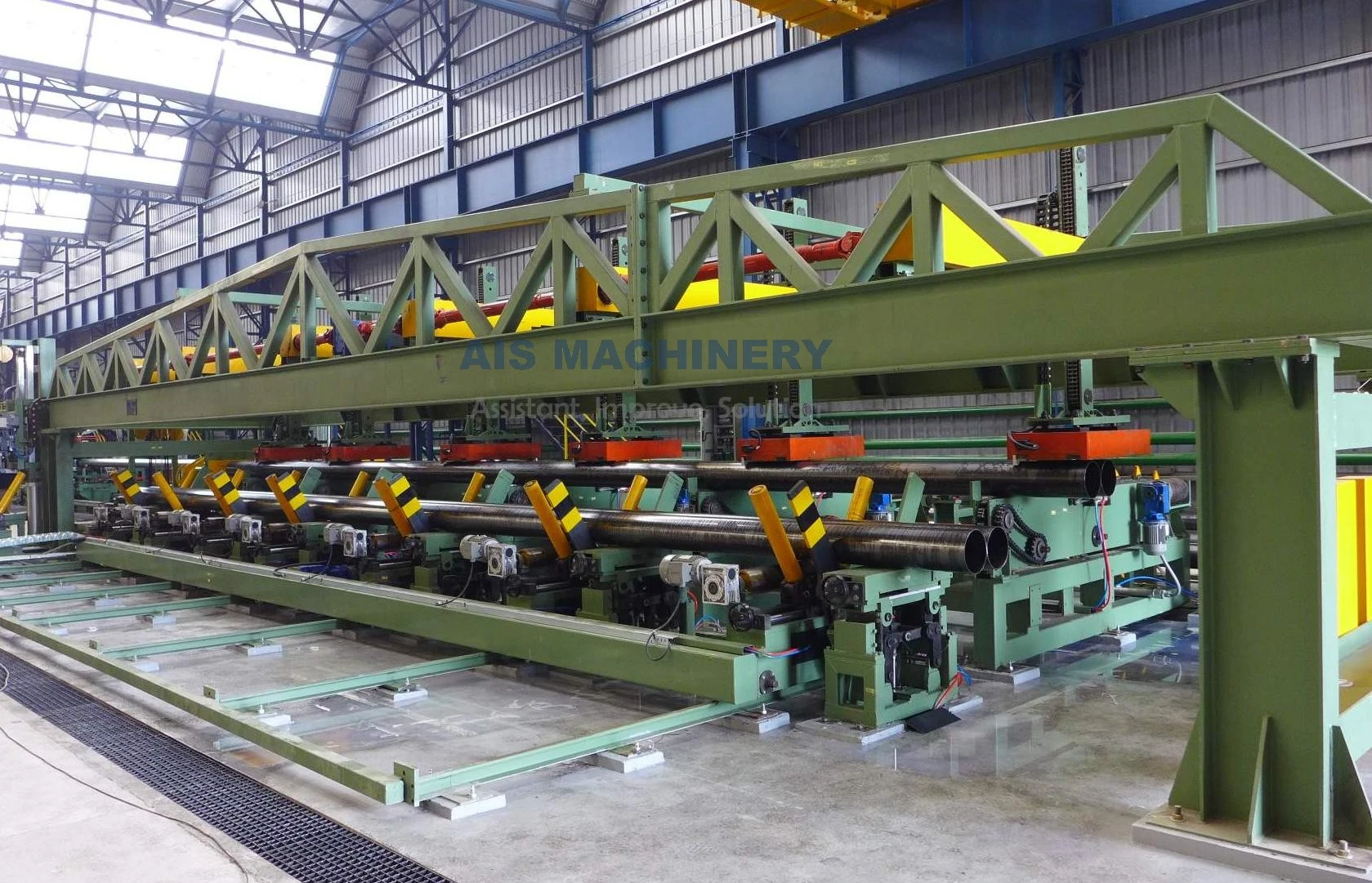
Automatic Stacking Machine (Magnetic Chuck Type)
The Automatic Stacking Machine (Magnetic Chuck Type) from AIS Machinery is designed to efficiently collect and stack steel tubes in ERW tube mill production lines. Using electromagnetic lifting, it can pick up multiple tubes at once and place them neatly in layers. This reduces manual labor, improves stacking accuracy, and increases overall production efficiency. It is installed after the flying saw and works seamlessly with the mill line, making it an ideal solution for modern tube manufacturers.
2026-04-28 08:56:05
Saw Blade Guide for Tube Mills: Friction vs HSS vs TCT — Which One Should You Choose?
Confused about friction saw, HSS, and TCT blades? This guide explains their uses in cold saw and friction saw machines, with pros, cons, and expert selection tips.
2026-04-24 08:54:16
What is an Impeder and Ferrite Rods in ERW Tube Mill?
Struggling with impeder overheating or short service life in your ERW tube mill? This guide explains common impeder problems, the role of ferrite rods, and how to choose the right impeder for stable welding performance. Improve weld quality, reduce energy loss, and extend equipment lifespan with the right selection and proper cooling solutions.
2026-04-21 10:22:25
Slitting & Cut-to-Length Combined Production Line: A Smarter Way to Process Steel Coils
Discover the Slitting & Cut-to-Length Combined Production Line, a flexible solution for steel coil processing. This system integrates slitting line and cut-to-length line functions in one machine, saving space, reducing costs, and improving efficiency. Ideal for processing both steel strips and sheets, it is widely used in service centers and manufacturing industries. Learn its advantages, limitations, and applications.

2026-04-18 03:20:20
AIS Machinery Showcases Advanced Tube Solutions at Tube & Wire Düsseldorf 2026
Tube & Wire Düsseldorf 2026, one of the most influential exhibitions in the global tube and wire industry, held biennially in Düsseldorf, Germany
2026-04-17 00:00:00
Southeast Asia Client Visits Our Factory | Customized Tube Mill Solution Delivered
A Southeast Asia client visited our ERW tube mill factory to inspect production lines and discuss a customized tube mill solution. Impressed by our machine quality, welding performance, and engineering support, the client confirmed strong cooperation intentions. Discover how our ERW tube mill solutions improve efficiency, precision, and long-term production reliability.
2026-04-15 10:37:55
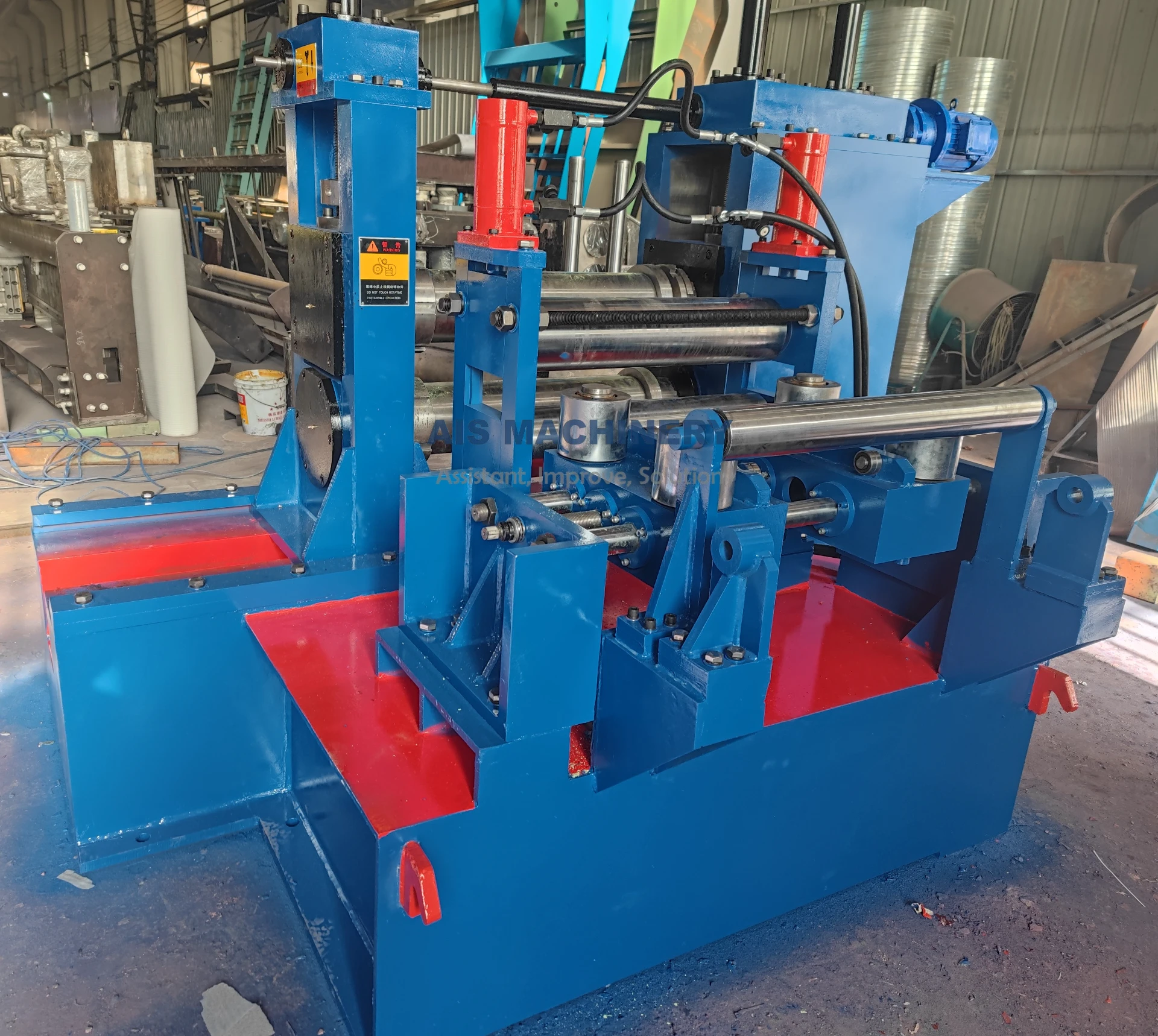
Flat Bar Production Line for Steel Coils: How It Works & Why It Matters
Looking for a flat bar production line? Learn how it turns steel coils into ready-to-use flat bars with precise length and high straightness. Compare it with slitting lines and get the best solution for your steel processing needs.
2026-04-14 00:00:00
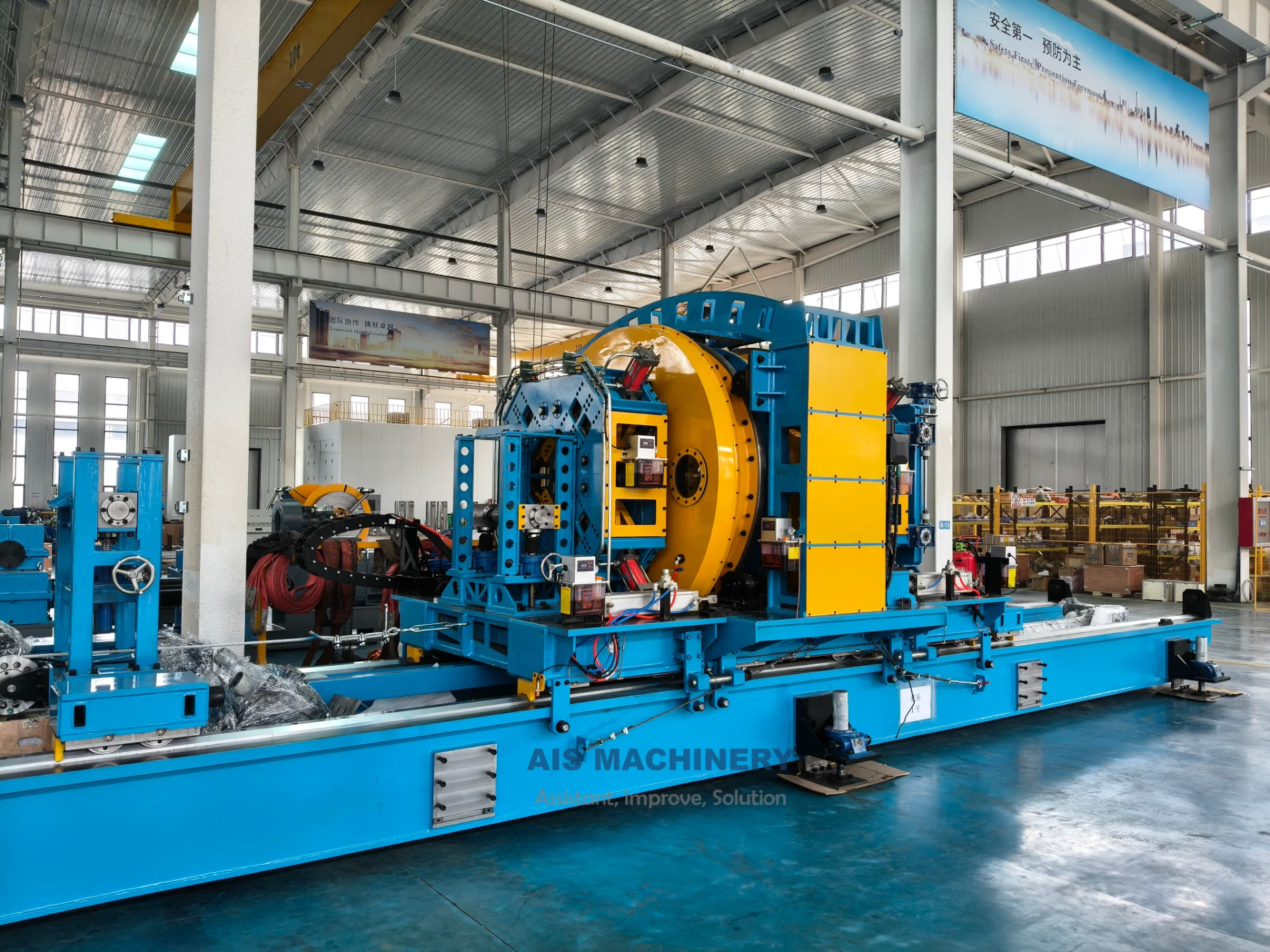
Looking for a Milling Saw for ERW Tube Mill? Here’s What You Need to Know
Looking for a high-performance milling saw for your ERW tube mill? Upgrade to burr-free, high-precision pipe cutting with advanced flying saw technology. Improve efficiency, reduce rework, and meet export standards for carbon steel, stainless steel, and API pipes. Contact us today for expert solutions and competitive pricing tailored to your production needs.
Send a Message
Dear customer, thank you for your attention! We provide high-quality machinery and equipment and look forward to your orders. Please inform us of your needs and we will respond quickly!
 English
  Albanian
  Arabic
  French
  German
  Indonesian
  Italian
  Japanese
  Kazakh
  Korean
  Latin
Latin  Macedonian
  Portuguese
  Russian
  Spanish
  Thai
Thai  Turkish
  Ukrainian
  Uzbek
Uzbek