
-
 Tel:86-15176910262
-

Search

Julia HSS Circular Saw Blades – Durable Cutting Solutions for Industry & Relief Efforts
Dec . 01, 2025 06:05
The Handy Power of Julia HSS Circular Saw Blades: Why They Matter Worldwide
If you’ve ever dealt with cutting metal, wood, or tough composite materials, you’ve probably heard of high-speed steel (HSS) blades. But why all the fuss about julia hss circular saw blades? Well, these specialized cutting tools aren’t just some random piece of tech; they’re a backbone in industries ranging from manufacturing to humanitarian aid. Their ability to maintain sharpness and withstand heat makes them a global favorite, especially when precise and durable cutting is crucial.
Understanding julia hss circular saw blades matters because they boost efficiency and safety while playing a vital role in sectors striving for sustainable production and rapid deployment solutions. The subtle science behind them may seem niche but the benefits ripple globally—from factory floors in Germany to disaster zones in Southeast Asia.
Global Context: The Role of Julia HSS Circular Saw Blades in Industry and Beyond
Did you know that the global cutting tools market is expected to grow by roughly 5% annually according to the latest reports from the International Organization for Standardization? This boom is driven by the increasing demand for robust and cost-efficient tooling solutions. Julia HSS circular saw blades fit right into this picture as they address a longstanding challenge: how to cut through tough materials quickly without frequent blade replacements.
In real terms, whether it's automotive manufacturing lines or small metal workshops scattered in emerging economies, their durability and precision reduce downtime. Yet, challenges remain. For example, some older blades wear down quickly, leading to unexpected delays or safety risks—a problem julia hss circular saw blades solve more gracefully.
What Exactly Are Julia HSS Circular Saw Blades?
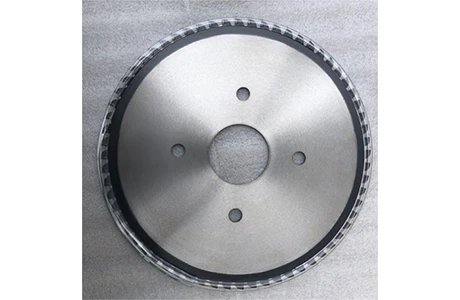
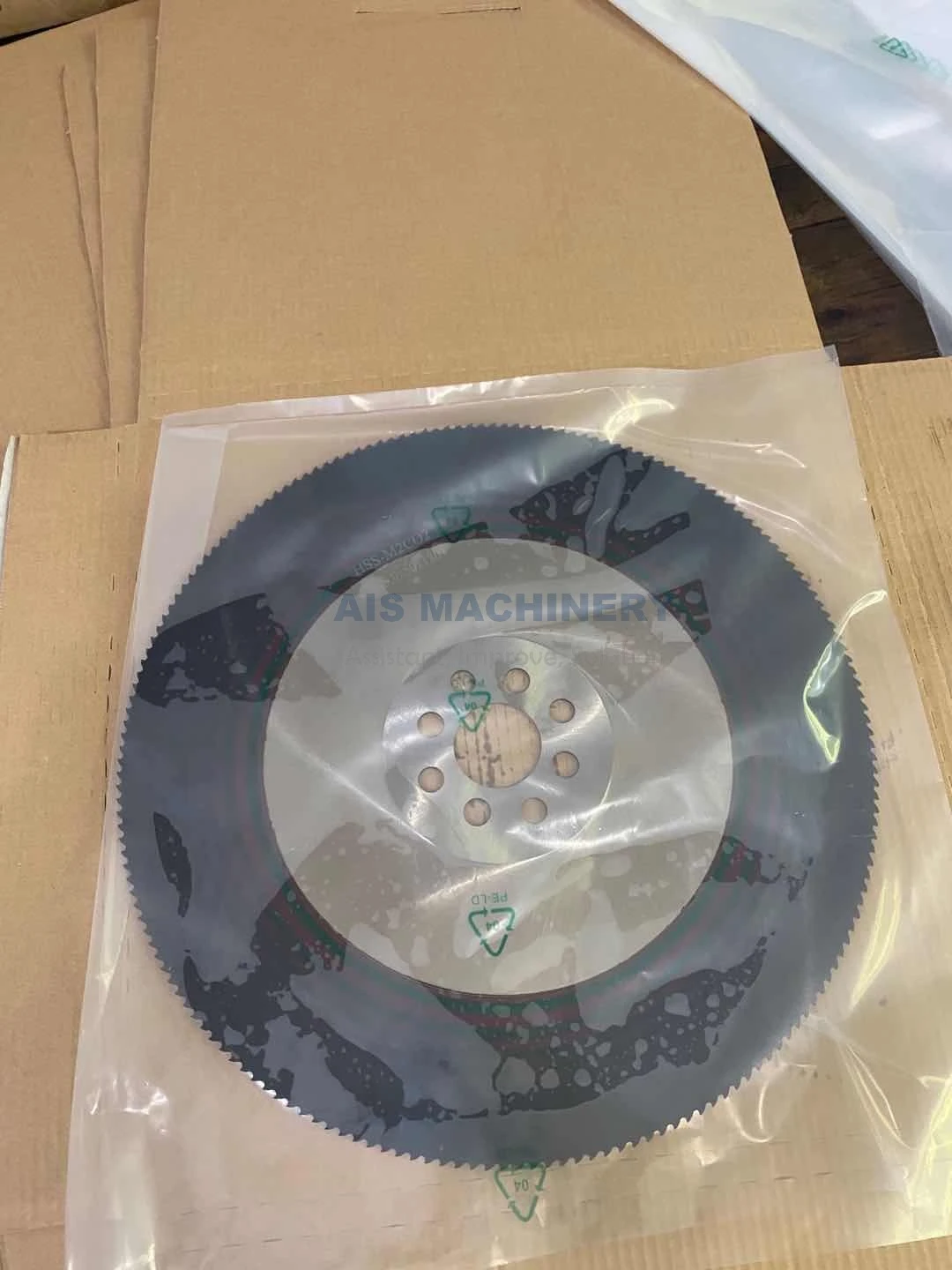
Let's simplify. Julia HSS circular saw blades are cutting discs made primarily of high-speed steel, coated or treated in specific ways to optimize their lifespan and cutting efficiency. The term “Julia” generally references a particular manufacturing line or proprietary tech that enhances the qualities of standard HSS blades.
These blades are crafted to slice through metals, plastics, and even composite building materials while enduring high temperatures without losing hardness. They’re closely tied to modern industrial workflows, especially where rapid prototyping or mass production occurs. On top of that, they’ve found unexpected uses in humanitarian contexts where construction materials need quick, clean cuts in difficult settings.
Key Features That Make Julia HSS Circular Saw Blades Stand Out
1. Durability
Their composition allows julia hss circular saw blades to withstand wear and heat better than typical carbon steel blades. For everyday users, this means fewer blade changes and less wasted time.
2. Precision Cutting
Engineers appreciate how these blades keep edges sharper longer, delivering cleaner cuts. For manufacturing or construction, this minimizes rework and material waste.
3. Versatility
These blades aren’t one-trick ponies. They’re effective on a broad range of materials—from stainless steel sheets to fiber boards—which is handy for multipurpose workshops or remote fieldwork.
4. Cost Efficiency
While the upfront price can be a little higher, the long-term savings from less downtime and increased productivity more than make up for it. A good blade pays for itself.
5. Safety Enhancements
Reduced blade wear means less chance of unexpected breakage, protecting operators during high-speed cutting tasks.
Where Julia HSS Circular Saw Blades Make the Biggest Impact
These blades are everywhere, literally. From industrial hubs in Europe and North America to developing countries’ construction sites, their footprint is global.
- Manufacturing sectors: Automotive and aerospace companies rely on them for cutting metal components swiftly without sacrificing quality.
- Construction and infrastructure: Quick and clean cuts enable efficient building assembly in tight timelines, particularly in urban redevelopment projects.
- Disaster relief construction: NGOs use them to rapidly produce shelters and temporary structures, exemplifying their role in humanitarian technology.
- Remote mining operations: Regions like Australia and parts of Africa benefit where equipment needs durable tools that can be maintained easily long after shipment.
In a recent relief project after flooding in Southeast Asia, teams reportedly shaved days off setup times thanks to julia hss circular saw blades, enabling faster shelter provision.
Advantages and Lasting Benefits of Choosing Julia HSS Circular Saw Blades
- Economic longevity: A durable blade reduces replacement frequency, allowing factories to run leaner budgets.
- Environmental impact: Using blades that last longer means less waste going into landfills, aligning with sustainability goals.
- Safety and trust: Workers feel safer with reliable blades, which boosts morale and reduces injuries.
- Innovation enablement: Clean, precise cuts foster innovation in design and prototyping — nothing kills creativity like jagged edges!
Frankly, as someone who’s watched the industry evolve, these advantages aren’t just buzzwords — they reflect how tools impact real people’s workdays.
Looking Forward: Trends and Innovations in Julia HSS Circular Saw Blade Technology
We’re seeing new coatings (like nano-composite layers) that further improve heat resistance and edge retention. Some blades integrate digital sensors that monitor wear in real-time, letting operators plan maintenance proactively.
Additionally, green manufacturing practices have pushed vendors toward using recycled steel or less toxic bonding agents, making the blades part of the sustainability push.
Automation also plays a role — robotic saw systems fitted with these blades are increasingly common in high-precision factories. So the evolution is not just in the blade itself but in its ecosystem.
Tackling Challenges: What Stands in the Way and How We Can Improve
No tool is perfect, of course. One recurring hurdle is the initial cost barrier, especially for smaller workshops in emerging markets. The technology can seem out-of-reach despite the long-term savings.
Also, correct blade selection remains a challenge — using a julia hss circular saw blade improperly (say, cutting materials outside its specification) can cause premature wear or safety risks.
Experts suggest more training programs and modular blade designs as solutions. Vendor support and customization options are also improving, making these blades more accessible and versatile.
Specification Table: Julia HSS Circular Saw Blade Model JX-110
| Feature | Specification |
|---|---|
| Material | High-Speed Steel with TiN coating |
| Diameter | 110 mm |
| Teeth Count | 60 Tapered teeth |
| Max RPM | 13,300 |
| Cutting Materials | Metal, Plastics, Wood composites |
| Weight | 95 grams |
Vendor Comparison: Julia HSS Circular Saw Blade Suppliers
| Vendor | Price per blade (USD) | Customization Options | Warranty | Delivery Speed |
|---|---|---|---|---|
| CutMaster Tools | $45 | Standard sizes only | 1 year | 5-7 days |
| Julia Tech | $52 | Custom diameter/teeth count | 2 years | 3-4 days |
| GlobalCut Supplies | $40 | Bulk orders only | 6 months | 7-10 days |
FAQ: Your Top Questions About Julia HSS Circular Saw Blades
Q1: What makes julia hss circular saw blades more durable than standard blades?
Julia HSS blades use superior high-speed steel alloys and often feature coatings like titanium nitride, which help reduce heat buildup and wear. This combination enables them to stay sharp longer even under heavy, high-velocity cutting tasks.
Q2: Can these blades be used for cutting both metal and wood?
Yes, one of the core strengths of julia hss circular saw blades is their versatility. They can efficiently cut metals like steel and aluminum as well as softer materials including wood composites and plastics, making them ideal for diverse work environments.
Q3: How should I maintain my julia hss circular saw blades to maximize lifespan?
Regular cleaning after use to remove debris, ensuring the blade is properly mounted, and avoiding exceeding recommended RPM limits will help. Also, store blades in dry conditions to prevent corrosion.
Q4: Where can I buy authentic julia hss circular saw blades?
Reputable vendors include specialized industrial tool suppliers like julia hss circular saw blades authorized dealers, or original manufacturers such as Julia Tech. Always verify authenticity to avoid counterfeit products.
Wrapping It Up: Why Julia HSS Circular Saw Blades Are Worth Your Attention
When you consider the blend of durability, precision, and adaptability, julia hss circular saw blades seem almost indispensable for modern industry and humanitarian efforts alike. They reduce downtime, enhance safety, and slide neatly into sustainable production strategies. For anyone looking to upgrade their tooling or optimize operational costs, these blades deserve a close look.
Want to see what these blades can really do? Visit our website for detailed specs, purchasing options, and expert advice: https://www.aistubemill.com. Take it from engineers who rely on them daily — your next project’s success might depend on making the right cut.
References & Further Reading

Related Products


Related News
2026-04-30 09:35:04
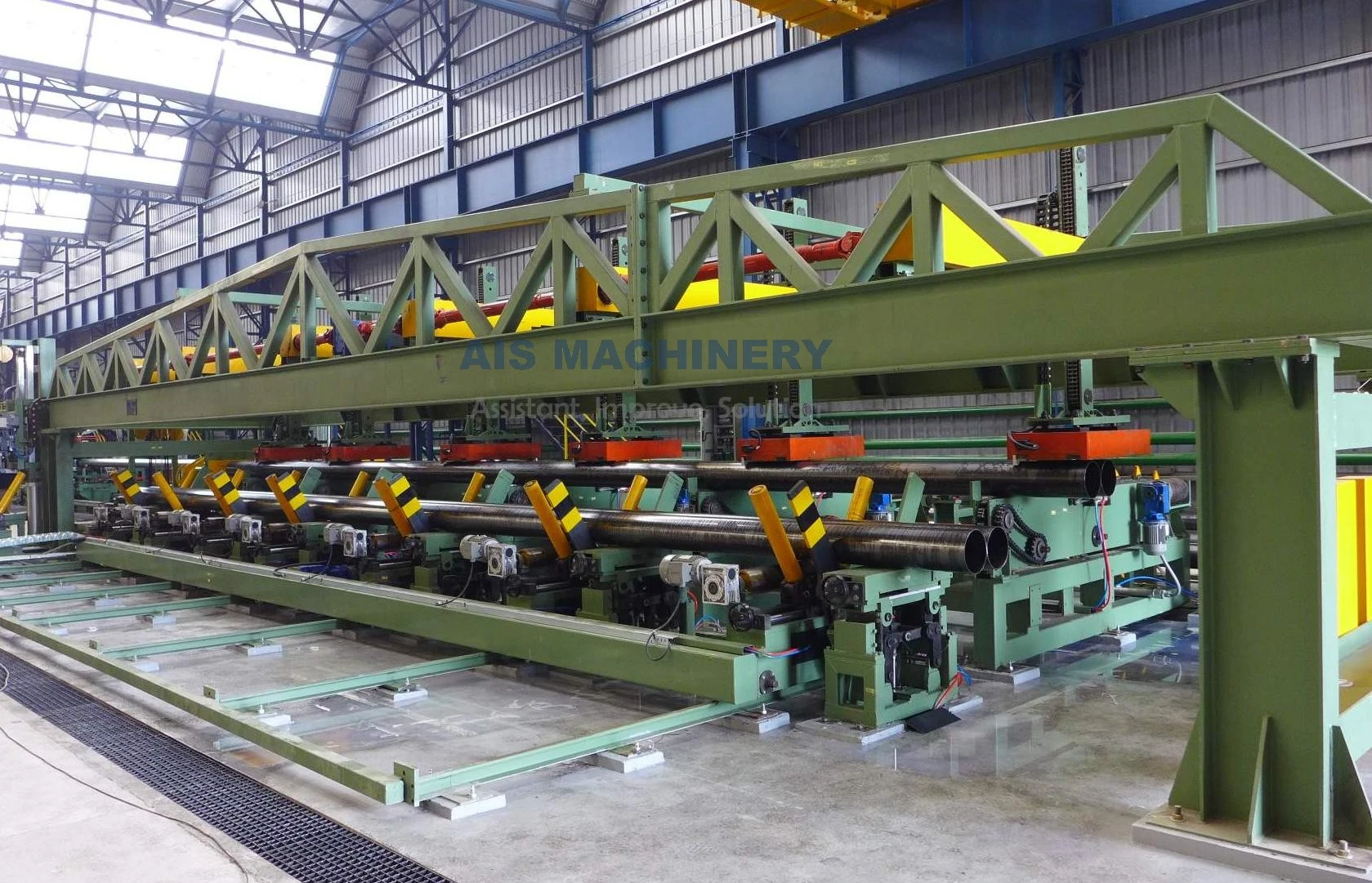
Automatic Stacking Machine (Magnetic Chuck Type)
The Automatic Stacking Machine (Magnetic Chuck Type) from AIS Machinery is designed to efficiently collect and stack steel tubes in ERW tube mill production lines. Using electromagnetic lifting, it can pick up multiple tubes at once and place them neatly in layers. This reduces manual labor, improves stacking accuracy, and increases overall production efficiency. It is installed after the flying saw and works seamlessly with the mill line, making it an ideal solution for modern tube manufacturers.
2026-04-28 08:56:05
Saw Blade Guide for Tube Mills: Friction vs HSS vs TCT — Which One Should You Choose?
Confused about friction saw, HSS, and TCT blades? This guide explains their uses in cold saw and friction saw machines, with pros, cons, and expert selection tips.
2026-04-24 08:54:16
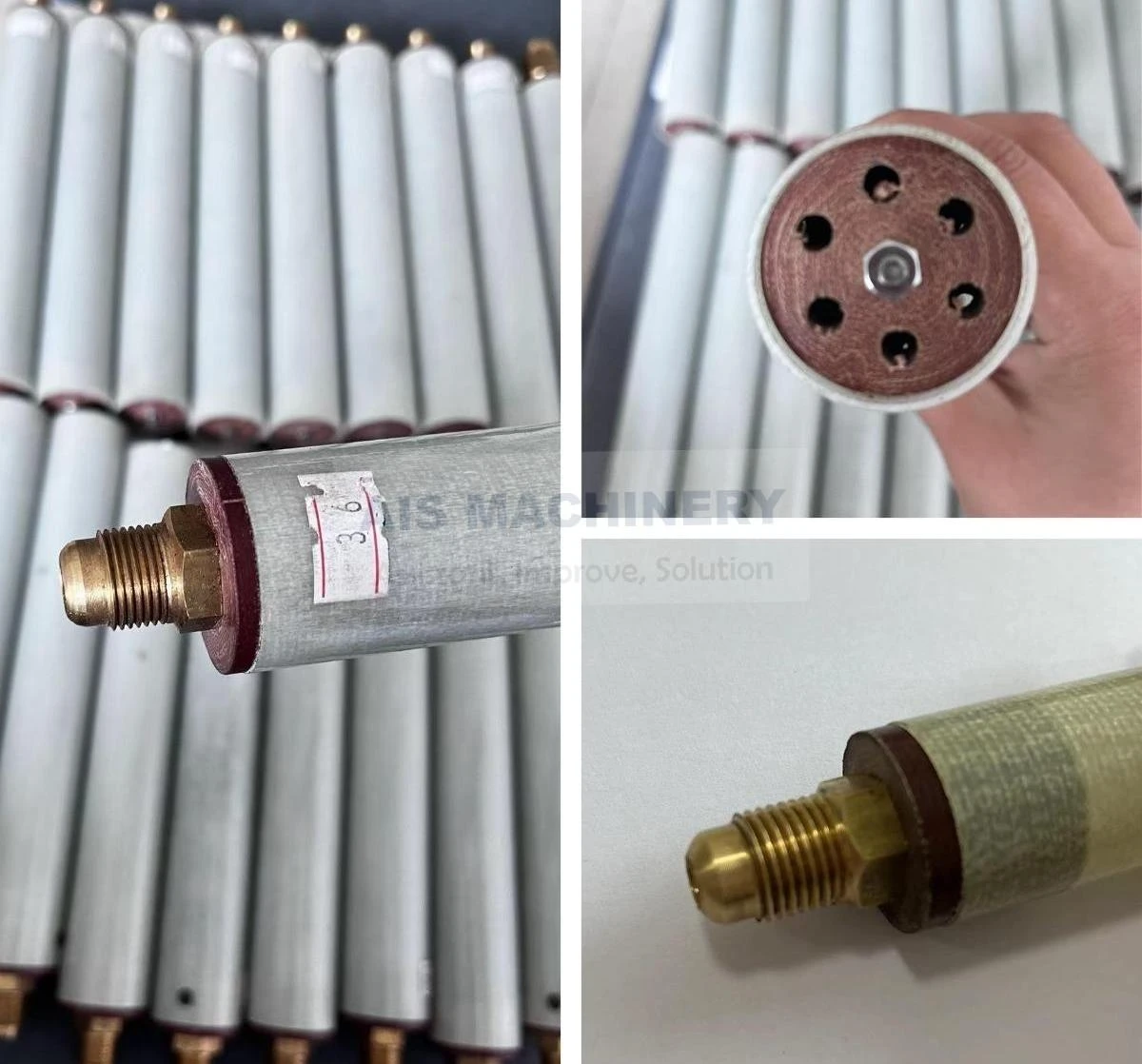
What is an Impeder and Ferrite Rods in ERW Tube Mill?
Struggling with impeder overheating or short service life in your ERW tube mill? This guide explains common impeder problems, the role of ferrite rods, and how to choose the right impeder for stable welding performance. Improve weld quality, reduce energy loss, and extend equipment lifespan with the right selection and proper cooling solutions.
2026-04-21 10:22:25
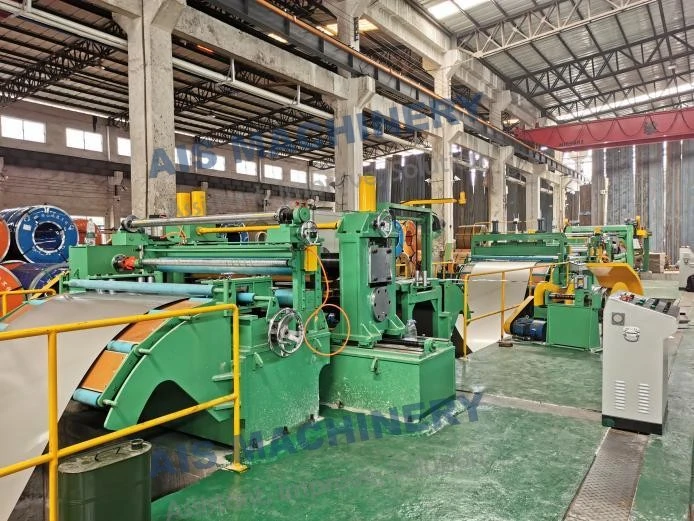
Slitting & Cut-to-Length Combined Production Line: A Smarter Way to Process Steel Coils
Discover the Slitting & Cut-to-Length Combined Production Line, a flexible solution for steel coil processing. This system integrates slitting line and cut-to-length line functions in one machine, saving space, reducing costs, and improving efficiency. Ideal for processing both steel strips and sheets, it is widely used in service centers and manufacturing industries. Learn its advantages, limitations, and applications.

2026-04-18 03:20:20
AIS Machinery Showcases Advanced Tube Solutions at Tube & Wire Düsseldorf 2026
Tube & Wire Düsseldorf 2026, one of the most influential exhibitions in the global tube and wire industry, held biennially in Düsseldorf, Germany
2026-04-17 00:00:00
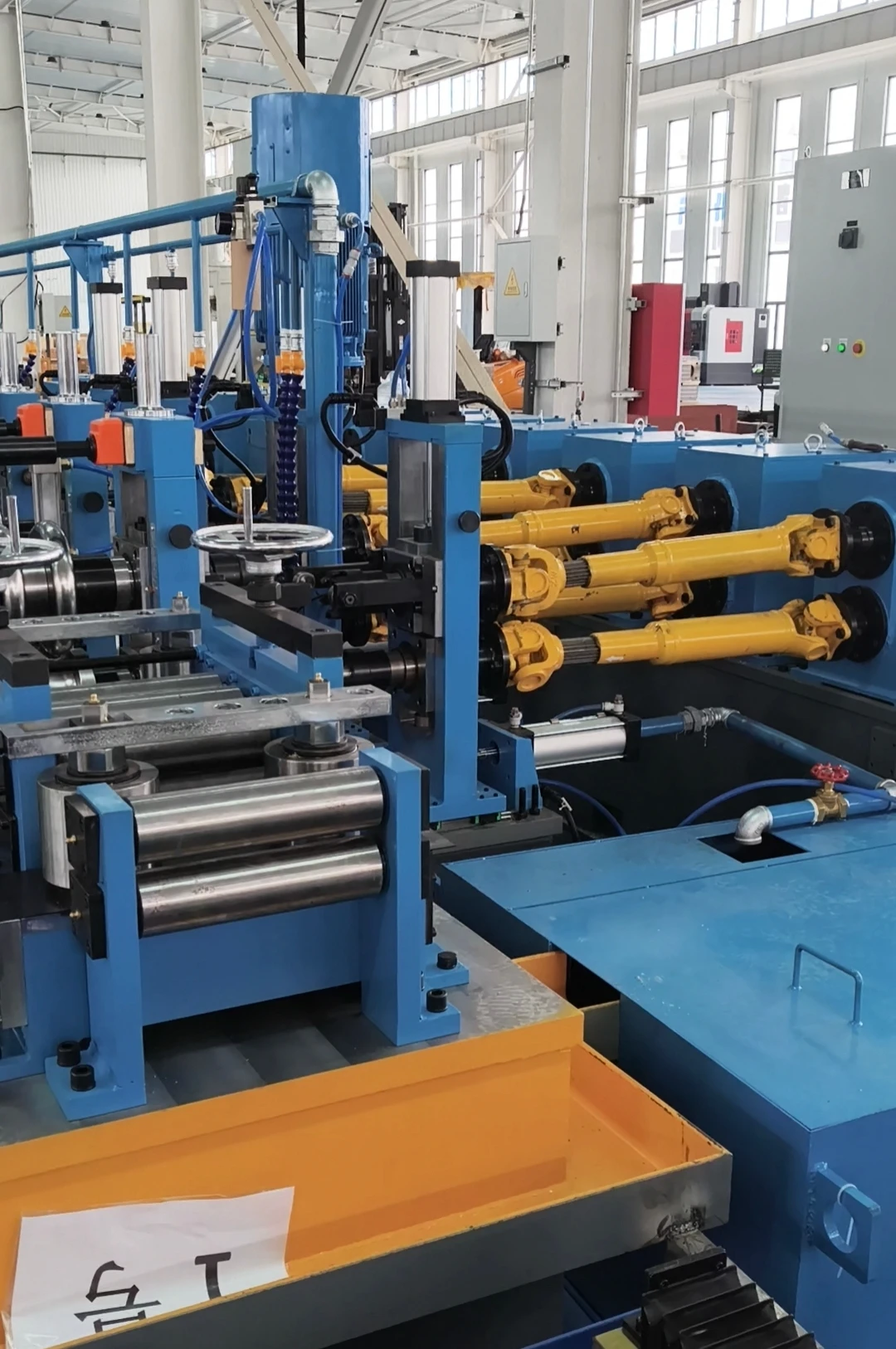
Southeast Asia Client Visits Our Factory | Customized Tube Mill Solution Delivered
A Southeast Asia client visited our ERW tube mill factory to inspect production lines and discuss a customized tube mill solution. Impressed by our machine quality, welding performance, and engineering support, the client confirmed strong cooperation intentions. Discover how our ERW tube mill solutions improve efficiency, precision, and long-term production reliability.
2026-04-15 10:37:55
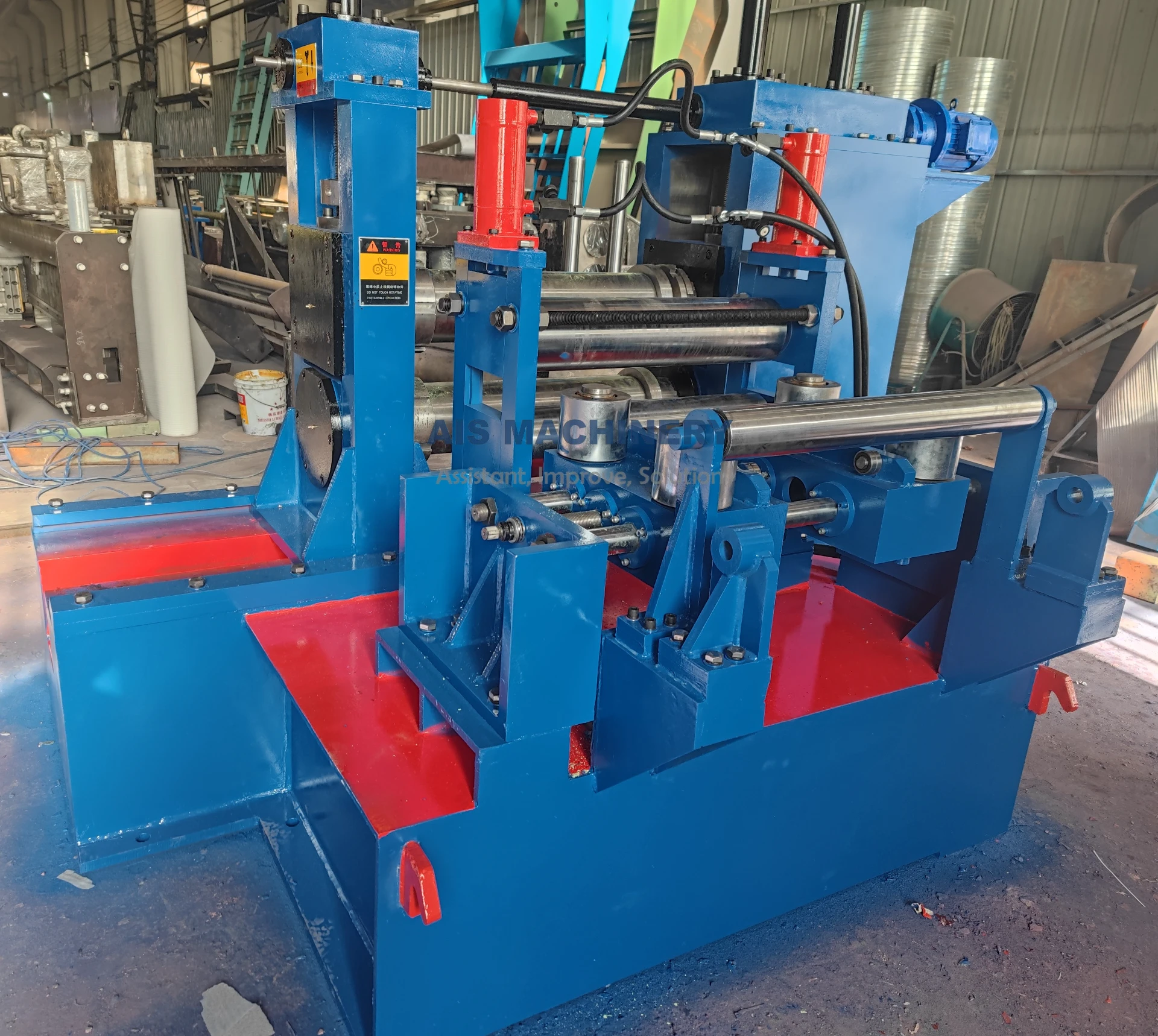
Flat Bar Production Line for Steel Coils: How It Works & Why It Matters
Looking for a flat bar production line? Learn how it turns steel coils into ready-to-use flat bars with precise length and high straightness. Compare it with slitting lines and get the best solution for your steel processing needs.
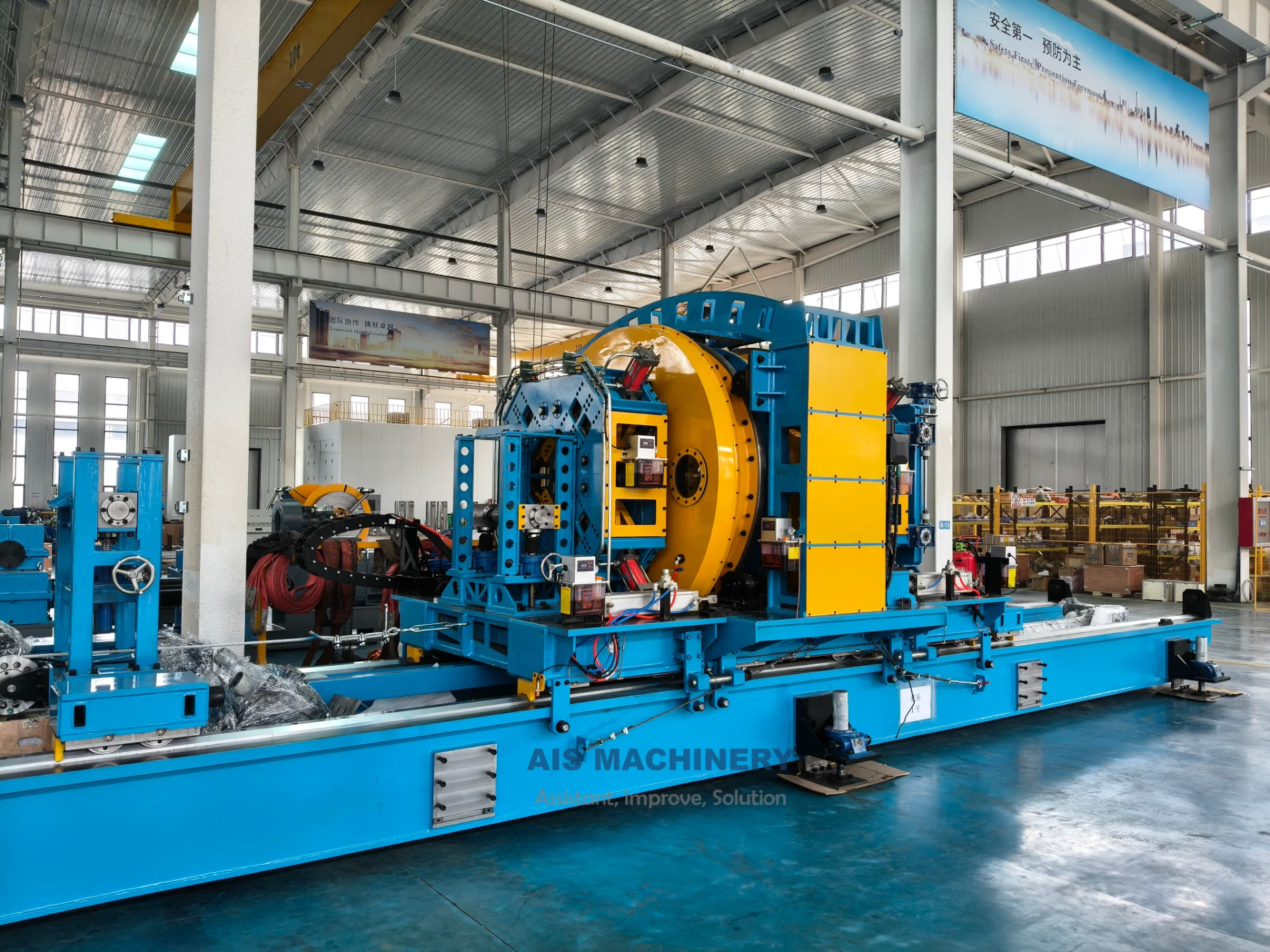
2026-04-14 00:00:00
Looking for a Milling Saw for ERW Tube Mill? Here’s What You Need to Know
Looking for a high-performance milling saw for your ERW tube mill? Upgrade to burr-free, high-precision pipe cutting with advanced flying saw technology. Improve efficiency, reduce rework, and meet export standards for carbon steel, stainless steel, and API pipes. Contact us today for expert solutions and competitive pricing tailored to your production needs.
Send a Message
Dear customer, thank you for your attention! We provide high-quality machinery and equipment and look forward to your orders. Please inform us of your needs and we will respond quickly!
 English
  Albanian
  Arabic
  French
  German
  Indonesian
  Italian
  Japanese
  Kazakh
  Korean
  Latin
Latin  Macedonian
  Portuguese
  Russian
  Spanish
  Thai
Thai  Turkish
  Ukrainian
  Uzbek
Uzbek