
-
 Tel:86-15176910262
-

Search

Horizontal Accumulator for Tube Mills: Speed & Uptime?
Oct . 07, 2025 13:20
What Manufacturers Really Want from a Horizontal Accumulator (and How Disc-Type Designs Deliver)
If you’ve ever tried to push an ERW tube line hard, you already know the bottleneck: coil changeover. A well-tuned horizontal accumulator can be the difference between “nearly there” and truly continuous production. I’ve walked shop floors where a few extra seconds of buffer saved an entire shift’s target, and honestly, it still feels a bit like magic when the line never blinks during coil swaps.
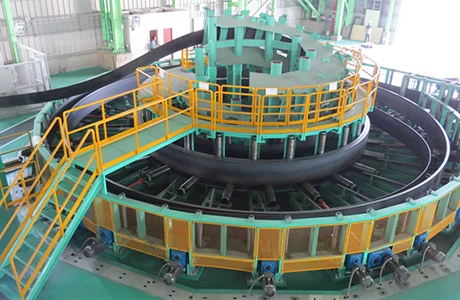
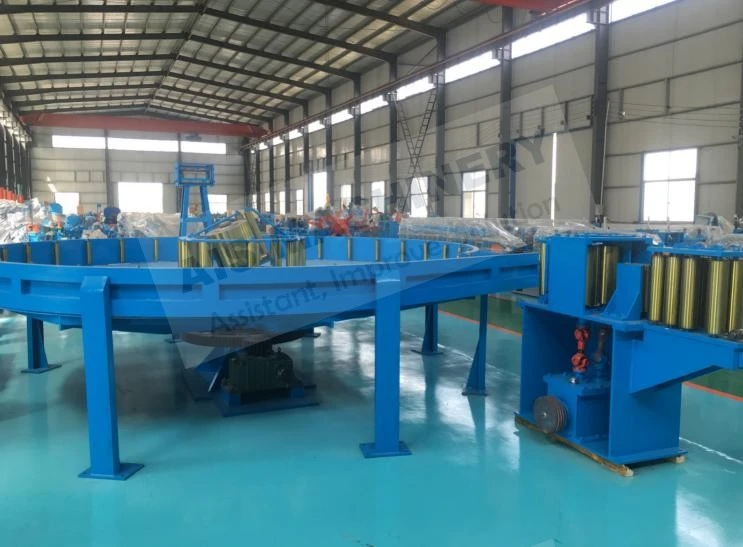
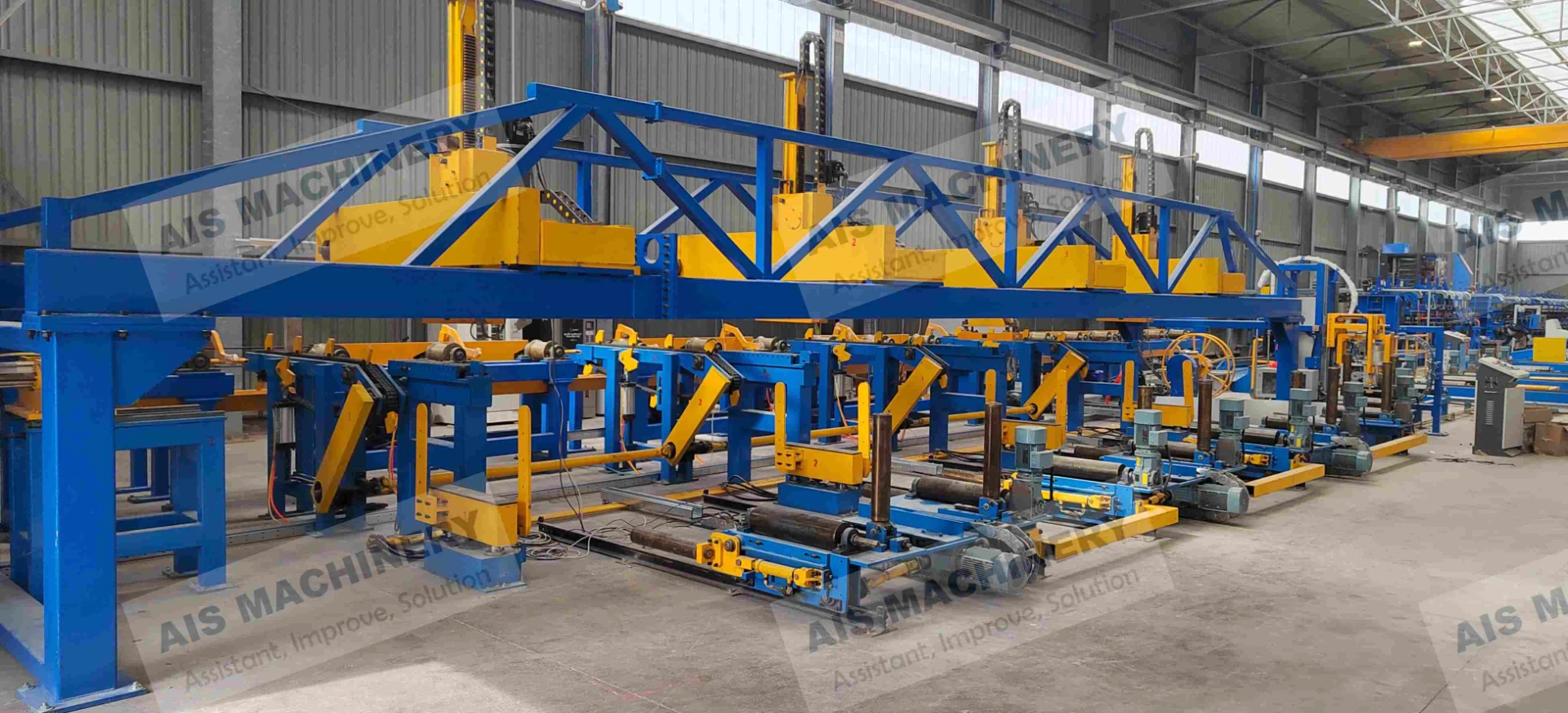
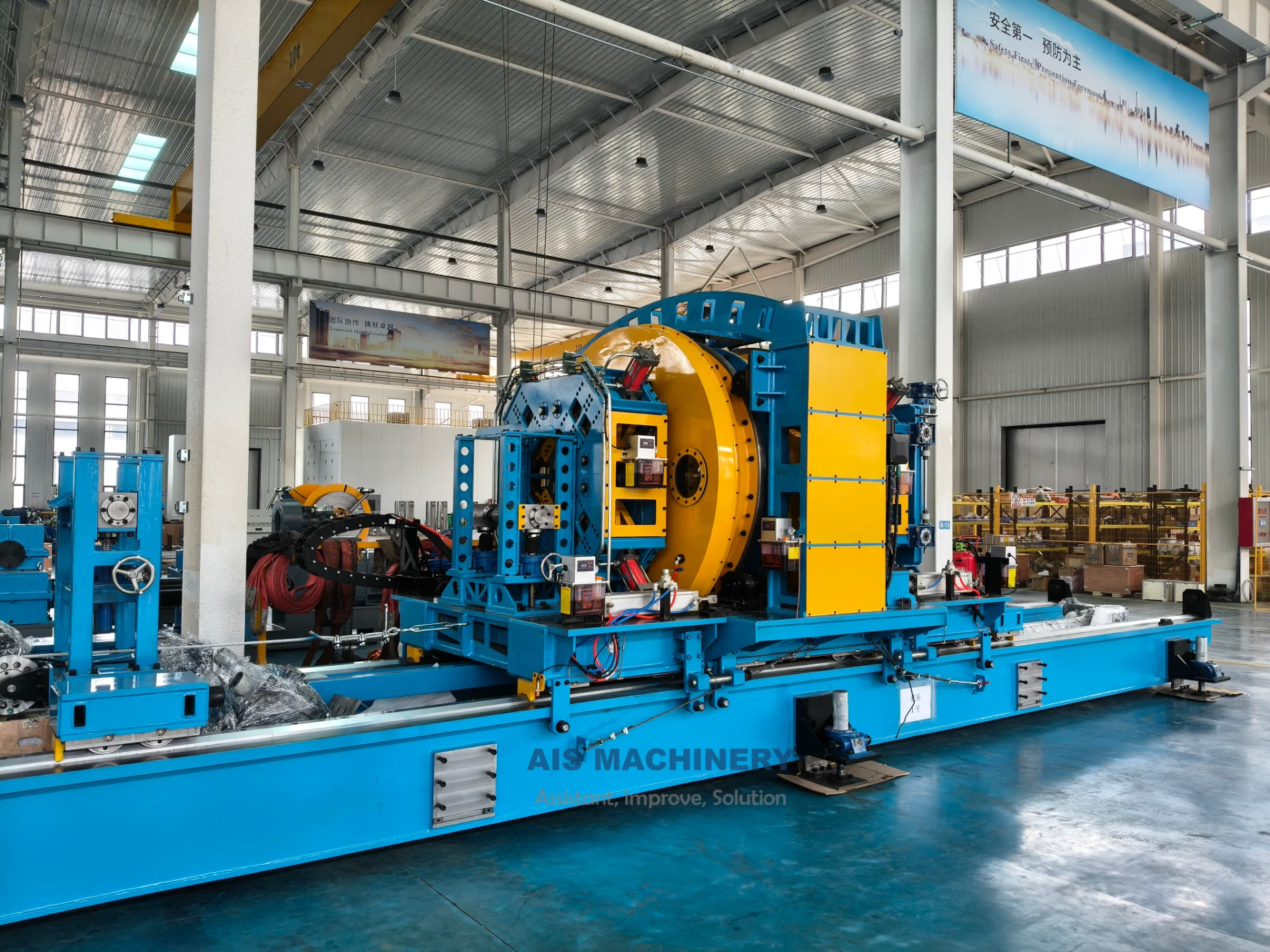
The Disc Type Accumulator from AISTUBEMILL (origin: RM604 Shenxing Building, Xinhua Street, Shijiazhuang City, Hebei, China, 050000) is built around a practical idea: after uncoiling and leveling, the strip enters an upper disc group, winds across fixed discs, then exits below. The disc stack creates a controlled buffer zone that automatically modulates feed speed with the main line. During coil changeover, it accelerates to keep output steady. On paper it sounds simple; in real plants it’s a lifesaver.
Where it Fits and Why It Matters
This disc-type unit targets pipe mills up to ≈5-inch OD and around 5 mm thickness—sweet spot for many ERW lines making structural tubes, conduits, or furniture profiles. Many customers say the payoff shows up fastest on mid-speed lines chasing uptime without overcomplicating their setup. And yes, the layout works comfortably as a horizontal accumulator in compact plants where vertical towers don’t make sense.
Process Flow, Materials, and Real-World Performance
- Materials: low-carbon hot-rolled/cold-rolled strip steels (ASTM A568 range), common ERW grades.
- Flow: uncoiler → leveling → entry guides → disc group storage → exit pinch/loop control → mill.
- Control method: loop dancer/encoder feedback to synchronize with mill speed and coil payoff.
- Testing standards: electrical per IEC 60204-1/GB-T equivalents; QA per ISO 9001; guarding to ANSI B11.19.
- Service life: typically 10–15 years with routine bearing, belt, and disc inspections (real-world use may vary).
- Industries: HVAC tube, furniture, scaffolding, automotive brackets, light structural.
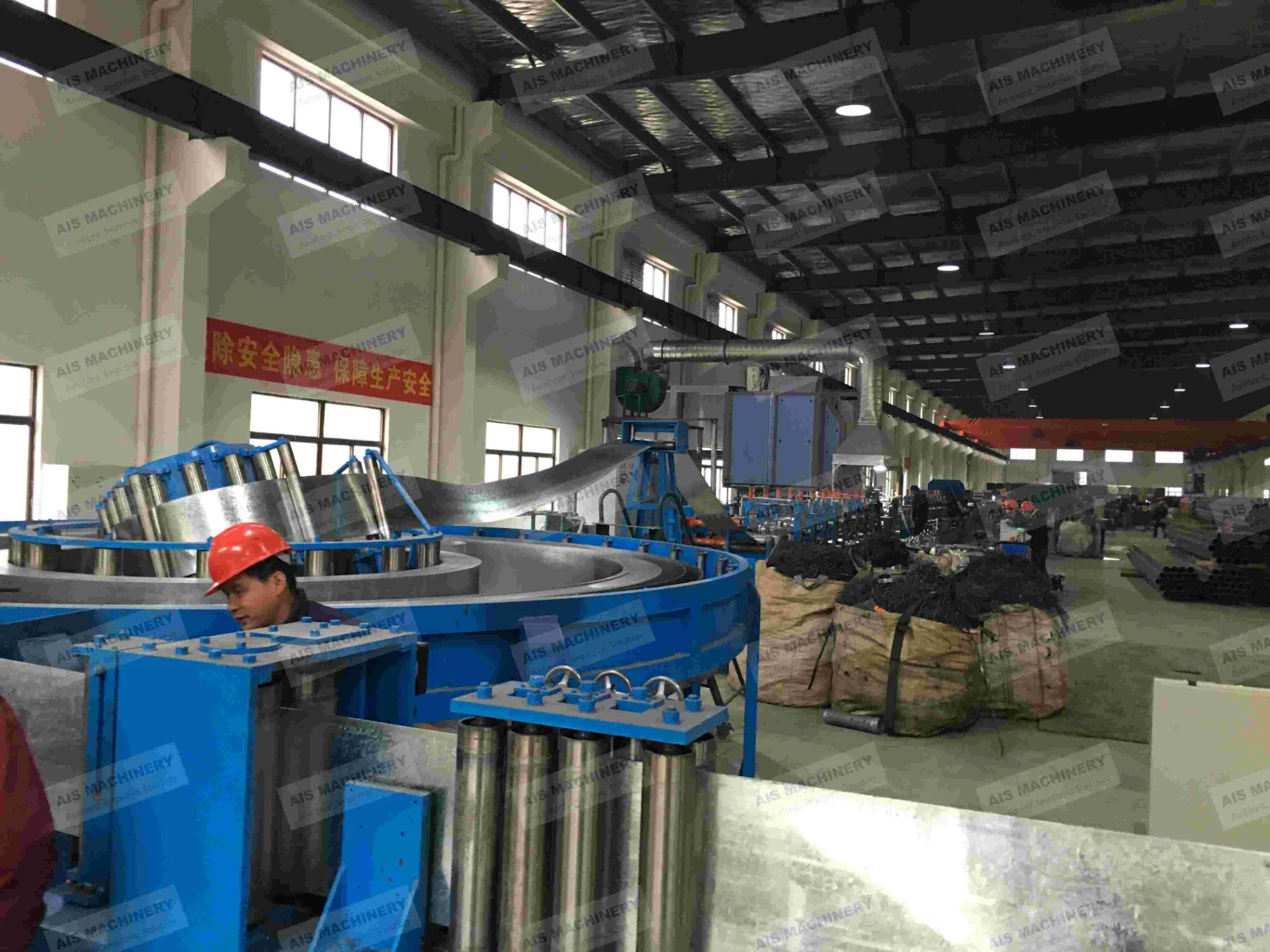
Product Snapshot: Disc Type Accumulator
| Recommended pipe size | Up to ≈5 inch OD (≈5 mm wall) |
| Strip width | ≈80–500 mm (line-dependent) |
| Storage capacity | ≈60–150 m strip length (configurable) |
| Line speed support | Up to ≈180 m/min (setup and steel matter) |
| Controls | VFD/servo loop control, encoder feedback |
| Safety/guarding | Per ANSI B11.19; interlocks on service doors |
In factory testing, we’ve seen loop stability within ±2–3% and line restart recovery under 3 seconds—good signs. Noise tends to sit under ~78 dB at 1 m with proper lubrication and shields. Not silent, but civilized.
Why a Disc-Type horizontal accumulator Instead of a Tower?
- Lower height, easier installation where headroom is tight.
- Fewer moving parts than some loop towers—often cheaper to maintain.
- Fast response during coil swaps; no dramatic loop swings.
Downsides? If you’re pushing very wide strip, the footprint can grow. And I’ll be honest: getting the entry guides dialed is a craft. Good news—once aligned, it tends to stay put.
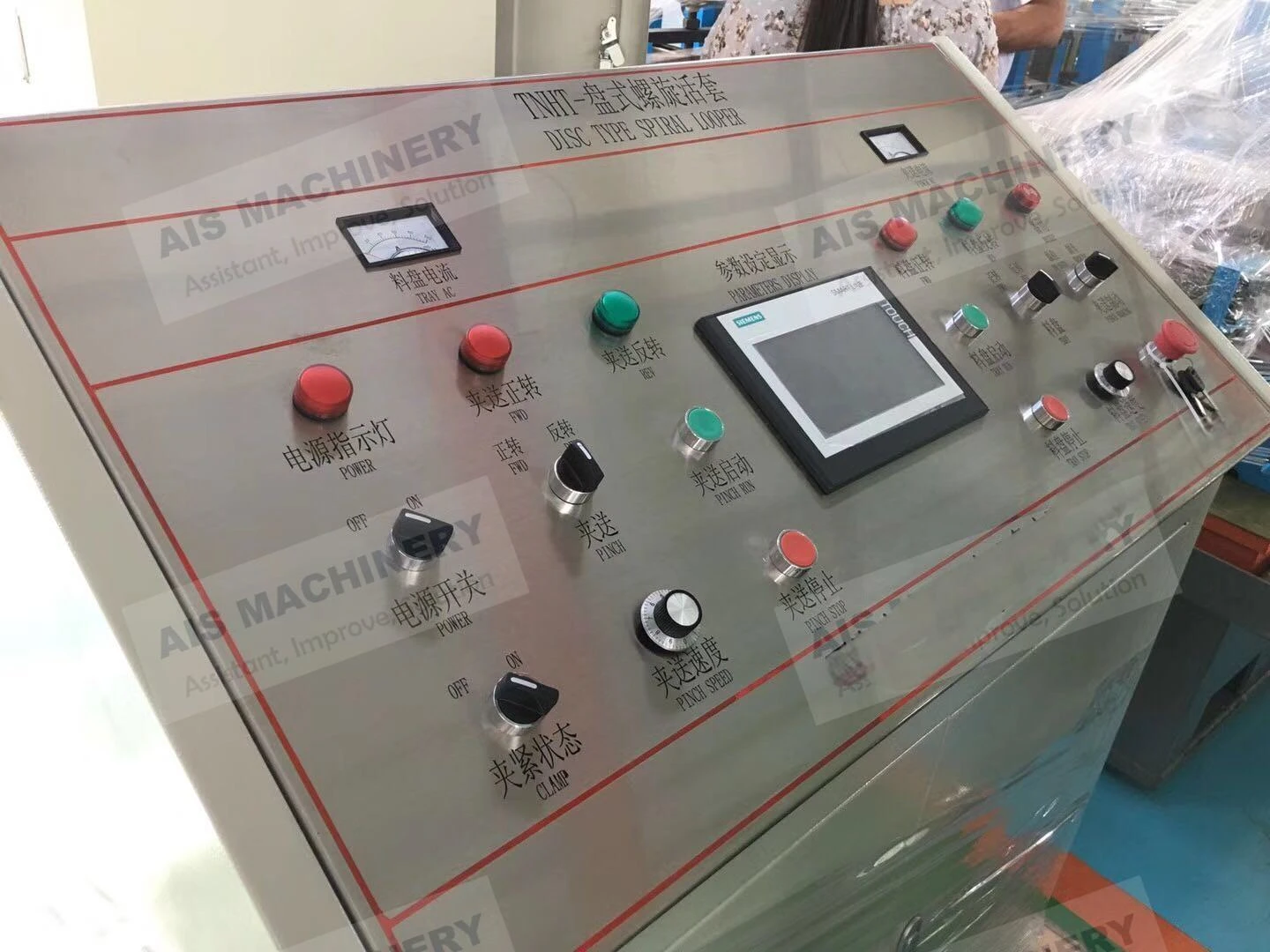
Vendor Comparison at a Glance
| Vendor | Layout | Capacity (≈m) | Max speed (≈m/min) | Certifications | Notes |
|---|---|---|---|---|---|
| AISTUBEMILL Disc Type | Disc-based horizontal accumulator | 60–150 | Up to 180 | ISO 9001; CE on request | Strong value, compact height |
| Vendor E (EU) | Loop tower | 80–200 | 200+ | ISO 9001; CE | Higher capex, very stable at high speed |
| Vendor N (US) | Horizontal basket | 50–120 | 150–180 | ISO 9001 | Robust build, larger footprint |
Customization and Field Notes
- Custom disc counts and diameter for desired storage length.
- Enhanced guarding packages and light curtains per site policy.
- Integration with existing PLCs (Siemens/Rockwell) is common.
Feedback from one Southeast Asian mill: “Coil changes dropped from 90 to 45 seconds, and the horizontal accumulator masked almost all of it.” Another customer mentioned easier maintenance—“bearings are accessible, nothing exotic.”
Standards and References

Related Products

Related News
2026-04-28 08:56:05
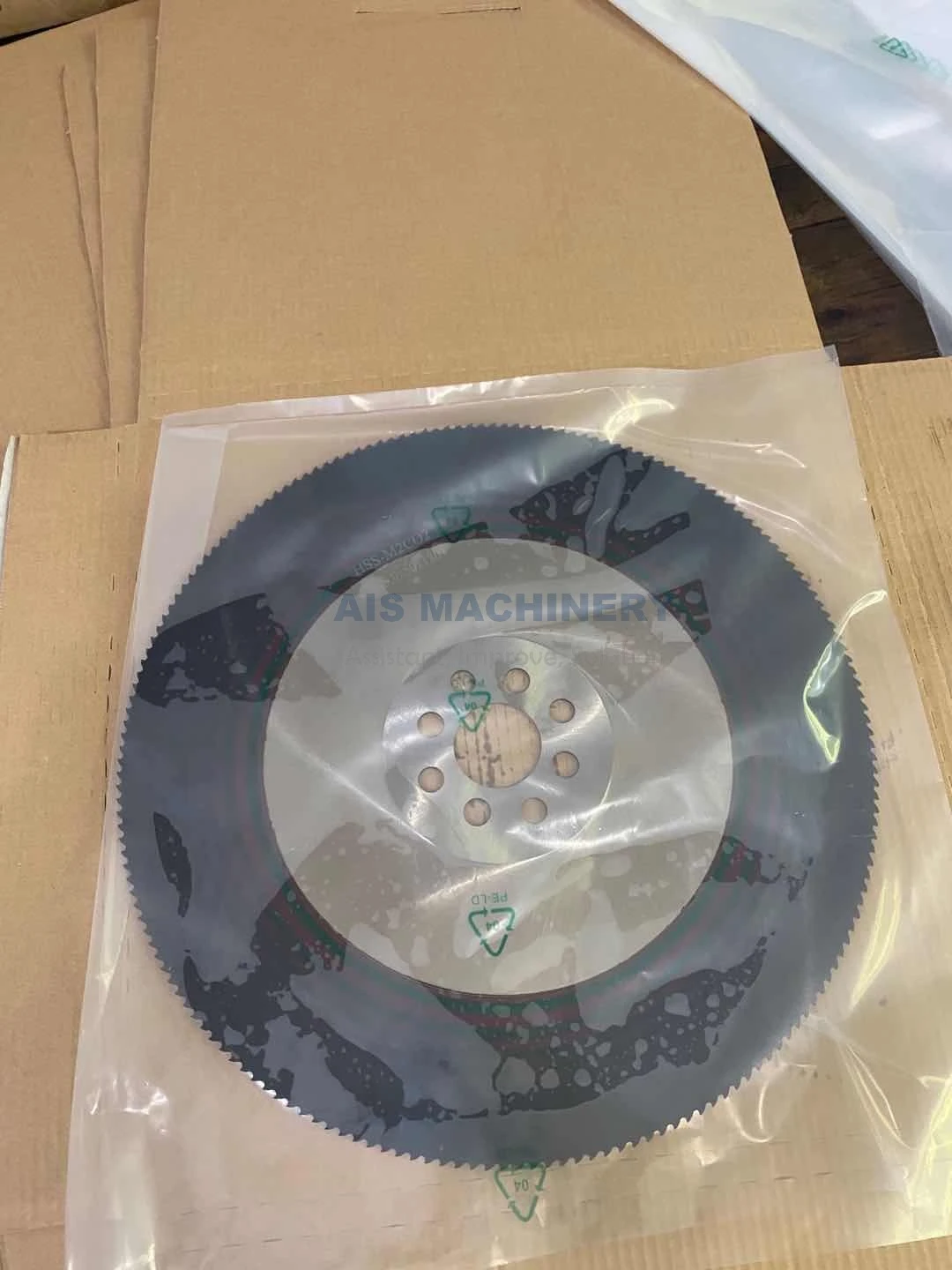
Saw Blade Guide for Tube Mills: Friction vs HSS vs TCT — Which One Should You Choose?
Confused about friction saw, HSS, and TCT blades? This guide explains their uses in cold saw and friction saw machines, with pros, cons, and expert selection tips.
2026-04-24 08:54:16
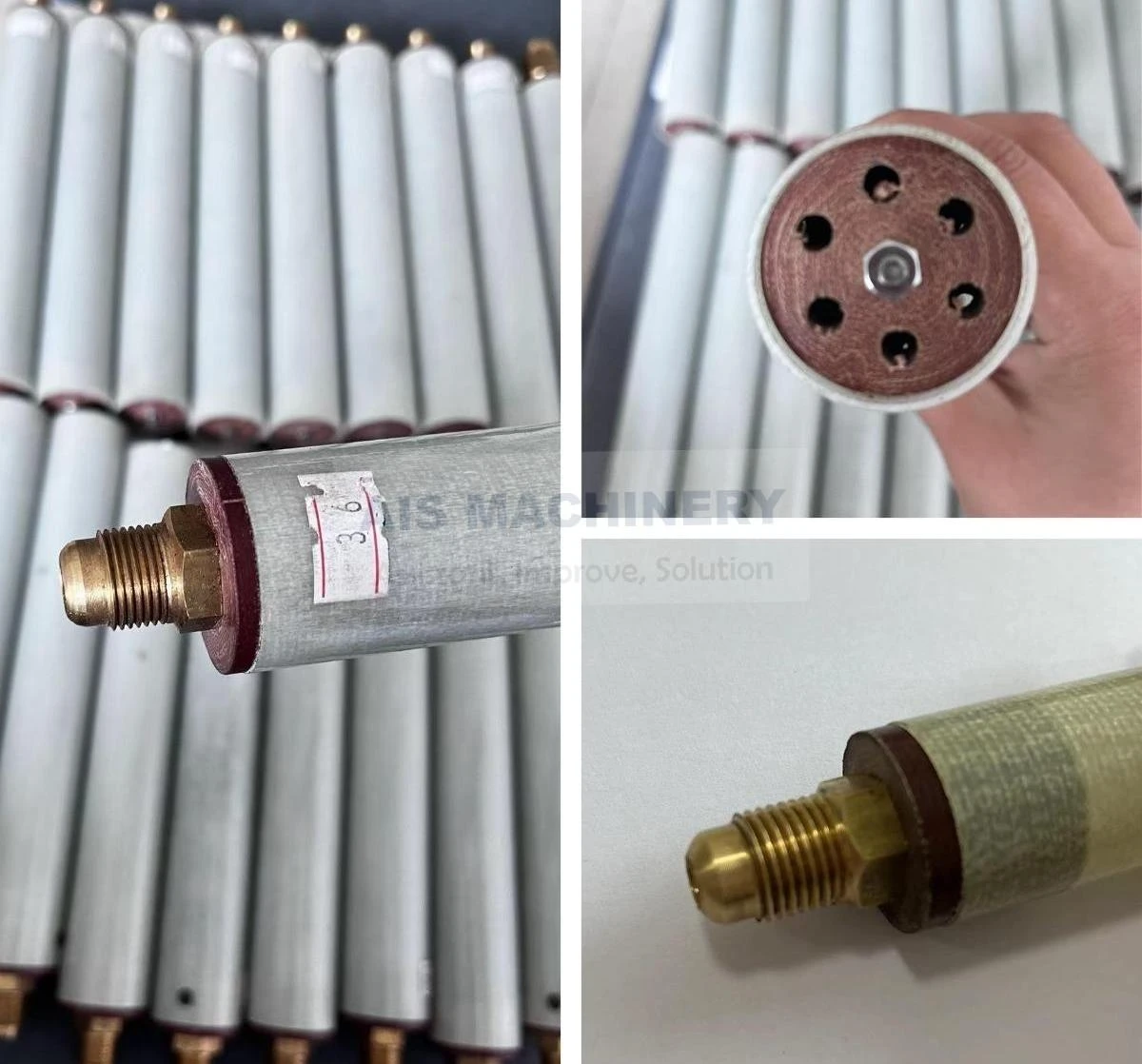
What is an Impeder and Ferrite Rods in ERW Tube Mill?
Struggling with impeder overheating or short service life in your ERW tube mill? This guide explains common impeder problems, the role of ferrite rods, and how to choose the right impeder for stable welding performance. Improve weld quality, reduce energy loss, and extend equipment lifespan with the right selection and proper cooling solutions.
2026-04-21 10:22:25
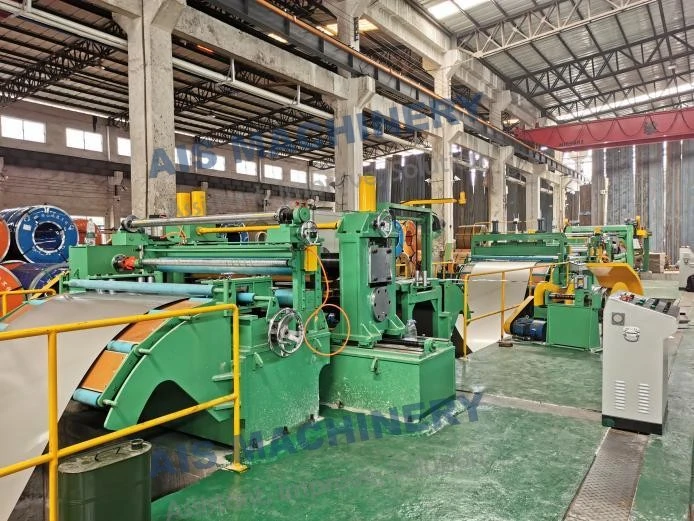
Slitting & Cut-to-Length Combined Production Line: A Smarter Way to Process Steel Coils
Discover the Slitting & Cut-to-Length Combined Production Line, a flexible solution for steel coil processing. This system integrates slitting line and cut-to-length line functions in one machine, saving space, reducing costs, and improving efficiency. Ideal for processing both steel strips and sheets, it is widely used in service centers and manufacturing industries. Learn its advantages, limitations, and applications.
2026-04-18 03:20:20
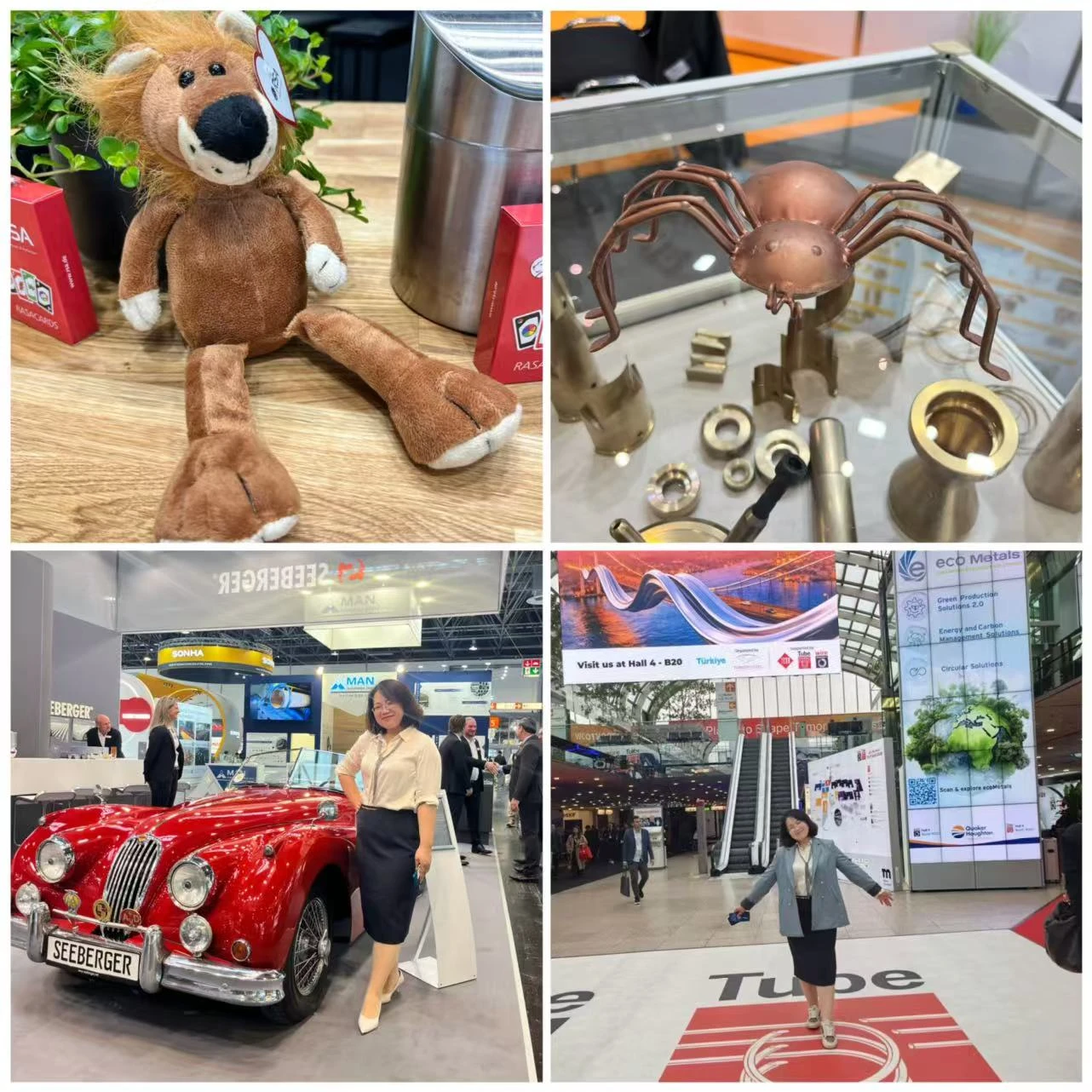
AIS Machinery Showcases Advanced Tube Solutions at Tube & Wire Düsseldorf 2026
Tube & Wire Düsseldorf 2026, one of the most influential exhibitions in the global tube and wire industry, held biennially in Düsseldorf, Germany
2026-04-17 00:00:00
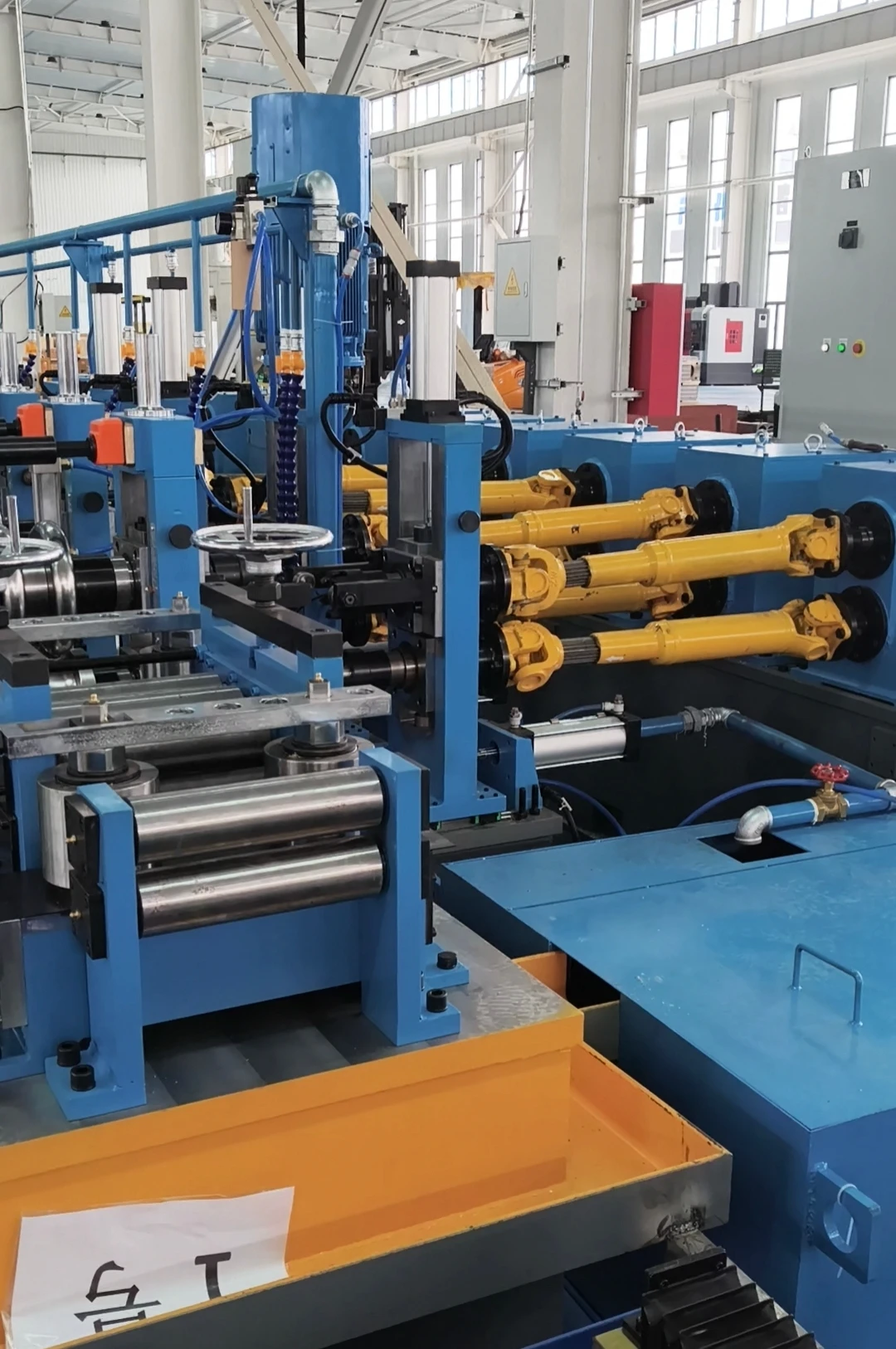
Southeast Asia Client Visits Our Factory | Customized Tube Mill Solution Delivered
A Southeast Asia client visited our ERW tube mill factory to inspect production lines and discuss a customized tube mill solution. Impressed by our machine quality, welding performance, and engineering support, the client confirmed strong cooperation intentions. Discover how our ERW tube mill solutions improve efficiency, precision, and long-term production reliability.
2026-04-15 10:37:55
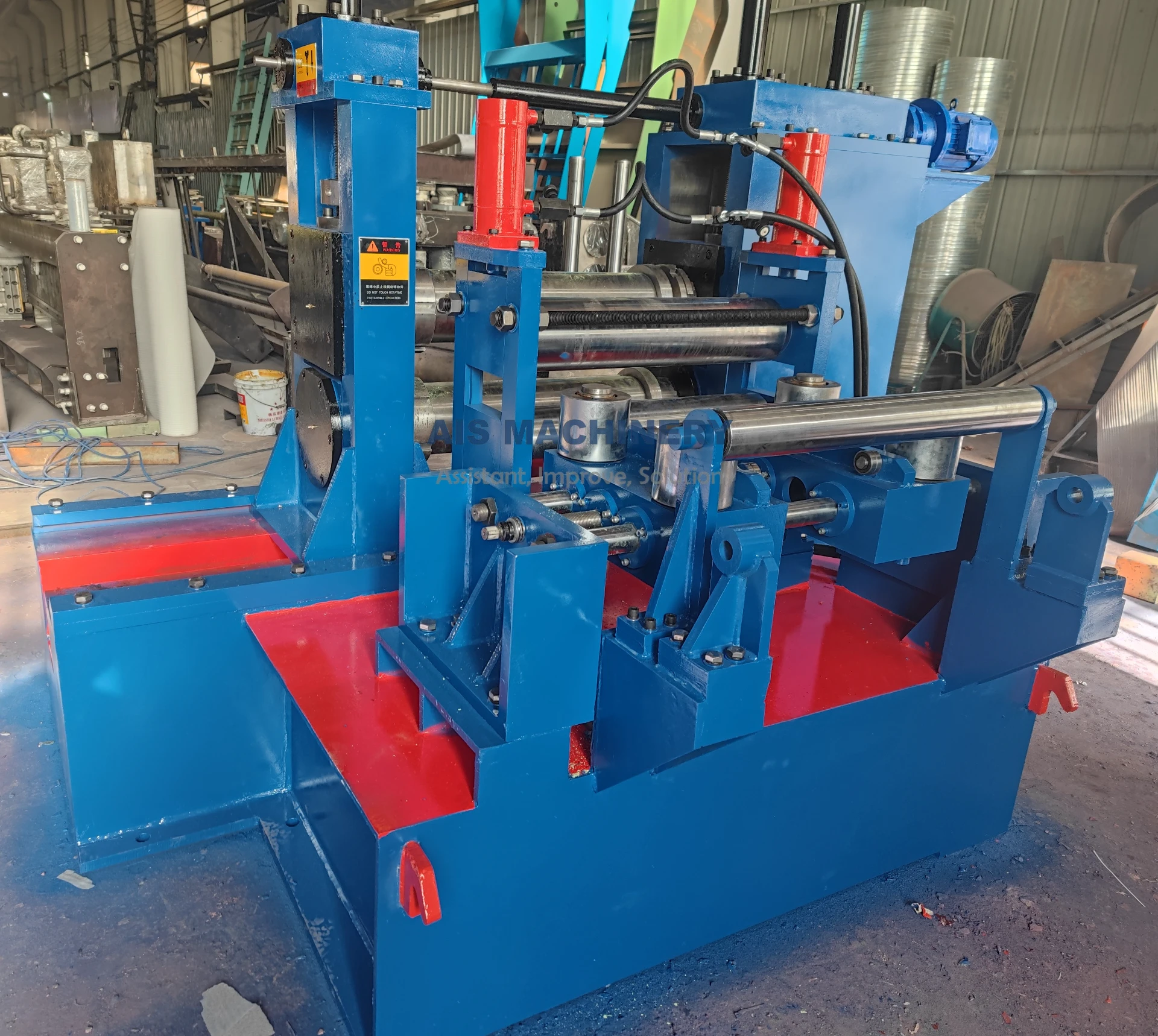
Flat Bar Production Line for Steel Coils: How It Works & Why It Matters
Looking for a flat bar production line? Learn how it turns steel coils into ready-to-use flat bars with precise length and high straightness. Compare it with slitting lines and get the best solution for your steel processing needs.
2026-04-14 00:00:00
Looking for a Milling Saw for ERW Tube Mill? Here’s What You Need to Know
Looking for a high-performance milling saw for your ERW tube mill? Upgrade to burr-free, high-precision pipe cutting with advanced flying saw technology. Improve efficiency, reduce rework, and meet export standards for carbon steel, stainless steel, and API pipes. Contact us today for expert solutions and competitive pricing tailored to your production needs.
2026-04-09 16:15:19
5-Inch (127mm) ERW Tube Making Machine Delivered with Heavy-Duty Design and Advanced Quick Change System
Send a Message
Dear customer, thank you for your attention! We provide high-quality machinery and equipment and look forward to your orders. Please inform us of your needs and we will respond quickly!
 English
  Albanian
  Arabic
  French
  German
  Indonesian
  Italian
  Japanese
  Kazakh
  Korean
  Latin
Latin  Macedonian
  Portuguese
  Russian
  Spanish
  Thai
Thai  Turkish
  Ukrainian
  Uzbek
Uzbek