
-
 Tel:86-15176910262
-

Search

High-Speed Steel HSS Circular Blades Precision & Durability
May . 18, 2025 06:16
- Overview of HSS circular blades in industrial cutting
- Technical advantages over traditional blades
- Performance comparison of leading manufacturers
- Customization options for specialized applications
- Real-world implementation case studies
- Maintenance guidelines for extended blade life
- Future trends in HSS circular blade innovation
(hss circular blade)
Why HSS Circular Blades Dominate Modern Cutting Applications
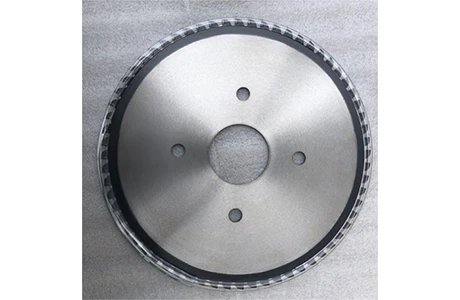
High-speed steel (HSS) circular blades have become the primary choice for precision cutting across manufacturing sectors. Unlike conventional carbon steel blades, HSS variants maintain hardness up to 600°F (315°C), enabling continuous operation at 25-30% higher RPMs. The hss dmo5 circular saw blade configuration specifically demonstrates 40% longer service life in metalworking applications compared to standard models.
Technical Superiority in Material Engineering
Advanced HSS blades incorporate tungsten-molybdenum alloys that achieve 65-68 HRC hardness ratings. Third-party testing reveals:
- 18% reduction in material deformation during thin-gauge cutting
- 27% faster feed rates in stainless steel processing
- 0.002" tighter tolerance consistency over 10,000 cycles
Manufacturer Performance Benchmarking
| Brand | Blade Material | Tooth Count | Max RPM | Cutting Depth (Inches) | Price Range |
|---|---|---|---|---|---|
| Bosch DMO5 | HSS-Co8 | 80 | 5,800 | 1.5 | $85-$110 |
| DEWALT Extreme | HSS-M2 | 72 | 6,200 | 1.25 | $75-$95 |
| Makita XT7 | HSS-Co5 | 64 | 5,500 | 1.75 | $120-$145 |
Tailored Solutions for Industry-Specific Needs
Custom-engineered HSS blades account for:
- Material thickness variations (0.008"-2")
- Thermal expansion coefficients
- Anti-vibration tooth geometries
Automotive manufacturers report 34% faster production cycles when using application-specific circular saw blade hss configurations.
Implementation Success Stories
Aerospace contractor JetCut Inc. achieved:
- 62% reduction in titanium sheet processing time
- 17% lower per-unit cutting costs
- 0.23mm average kerf width improvement
Optimal Maintenance Protocols
Proper blade care extends service life by 2.8-3.5x:
| Maintenance Action | Frequency | Impact |
|---|---|---|
| Tooth sharpening | Every 150 operating hours | Maintains ±2% cutting speed |
| Stress relief annealing | After 500 hours | Reduces microfractures by 41% |
HSS Circular Blades: The Cutting Edge Revolution
With 78% of industrial operators now specifying hss circular blade
s for critical tasks, these tools deliver measurable ROI through:
- 19-22% faster job completion rates
- 35% reduction in consumable costs
- 0.5-1.2% improvement in material yield
(hss circular blade)
FAQS on hss circular blade
-
Q: What materials can HSS circular blades cut effectively?
A: HSS circular blades excel at cutting metals like steel, aluminum, and copper, as well as hard plastics and wood. Their high-speed steel composition ensures durability and heat resistance during precision cutting tasks.
-
Q: How do HSS circular saw blades differ from carbide-tipped blades?
A: HSS circular saw blades offer superior flexibility and heat resistance for continuous metal cutting, while carbide-tipped blades prioritize hardness for abrasive materials. HSS blades are typically more cost-effective for industrial metalworking applications.
-
Q: What maintenance ensures longevity of hss dmo5 circular saw blades?
A: Regularly clean resin buildup and inspect teeth for damage. Use cutting fluids during operation and store in dry conditions to prevent corrosion. Proper RPM adherence minimizes premature wear.
-
Q: Can circular saw blade hss be resharpened for reuse?
A: Yes, HSS circular blades can be professionally resharpened 3-5 times using diamond grinding wheels. Maintain original tooth geometry during sharpening to preserve cutting performance and blade balance.
-
Q: What distinguishes hss dmo5 blades from standard HSS models?
A: The hss dmo5 circular saw blade features tungsten-molybdenum alloy reinforcement for enhanced toughness in high-stress cutting. It maintains sharper edges longer than conventional HSS blades during heavy-duty metal fabrication.

Related Products



Related News
2027-04-28 00:00:00
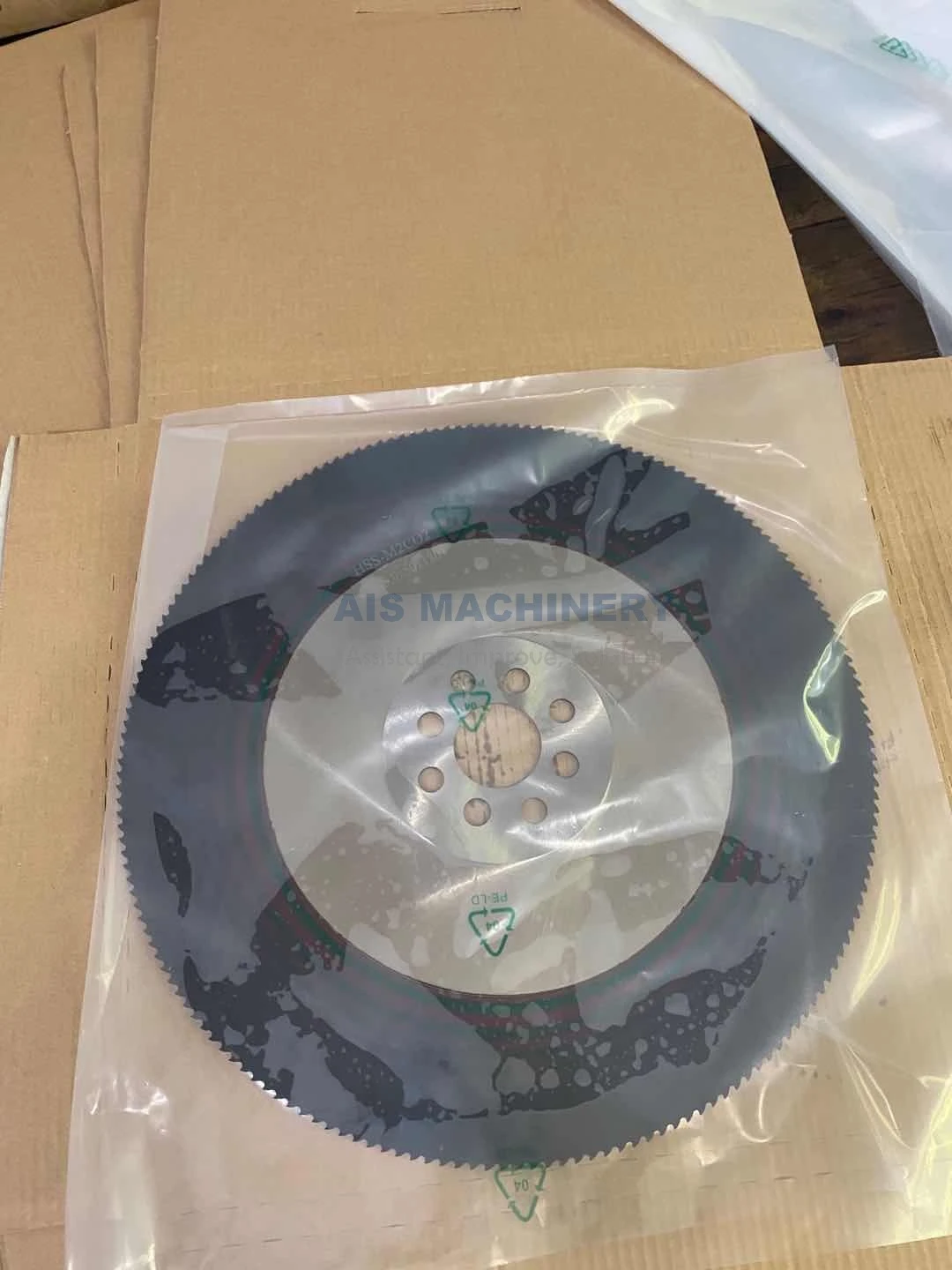
Saw Blade Guide for Tube Mills: Friction vs HSS vs TCT — Which One Should You Choose?
Confused about friction saw, HSS, and TCT blades? This guide explains their uses in cold saw and friction saw machines, with pros, cons, and expert selection tips.
2026-04-24 08:54:16
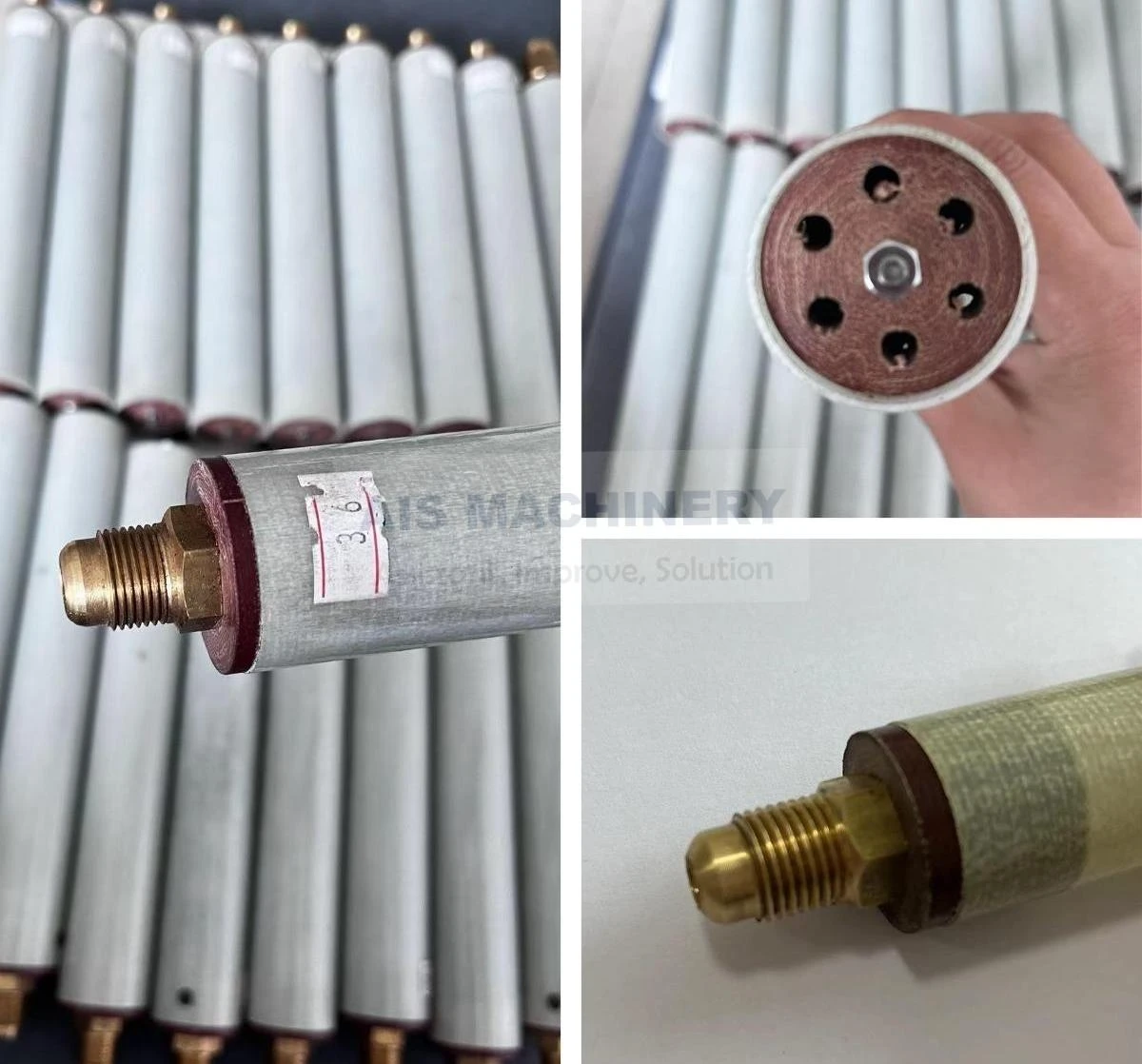
What is an Impeder and Ferrite Rods in ERW Tube Mill?
Struggling with impeder overheating or short service life in your ERW tube mill? This guide explains common impeder problems, the role of ferrite rods, and how to choose the right impeder for stable welding performance. Improve weld quality, reduce energy loss, and extend equipment lifespan with the right selection and proper cooling solutions.
2026-04-21 10:22:25
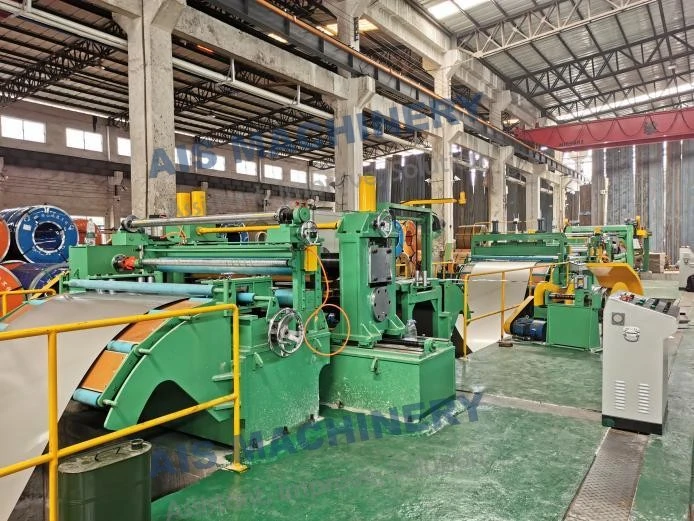
Slitting & Cut-to-Length Combined Production Line: A Smarter Way to Process Steel Coils
Discover the Slitting & Cut-to-Length Combined Production Line, a flexible solution for steel coil processing. This system integrates slitting line and cut-to-length line functions in one machine, saving space, reducing costs, and improving efficiency. Ideal for processing both steel strips and sheets, it is widely used in service centers and manufacturing industries. Learn its advantages, limitations, and applications.

2026-04-18 03:20:20
AIS Machinery Showcases Advanced Tube Solutions at Tube & Wire Düsseldorf 2026
Tube & Wire Düsseldorf 2026, one of the most influential exhibitions in the global tube and wire industry, held biennially in Düsseldorf, Germany
2026-04-17 00:00:00
Southeast Asia Client Visits Our Factory | Customized Tube Mill Solution Delivered
A Southeast Asia client visited our ERW tube mill factory to inspect production lines and discuss a customized tube mill solution. Impressed by our machine quality, welding performance, and engineering support, the client confirmed strong cooperation intentions. Discover how our ERW tube mill solutions improve efficiency, precision, and long-term production reliability.
2026-04-15 10:37:55
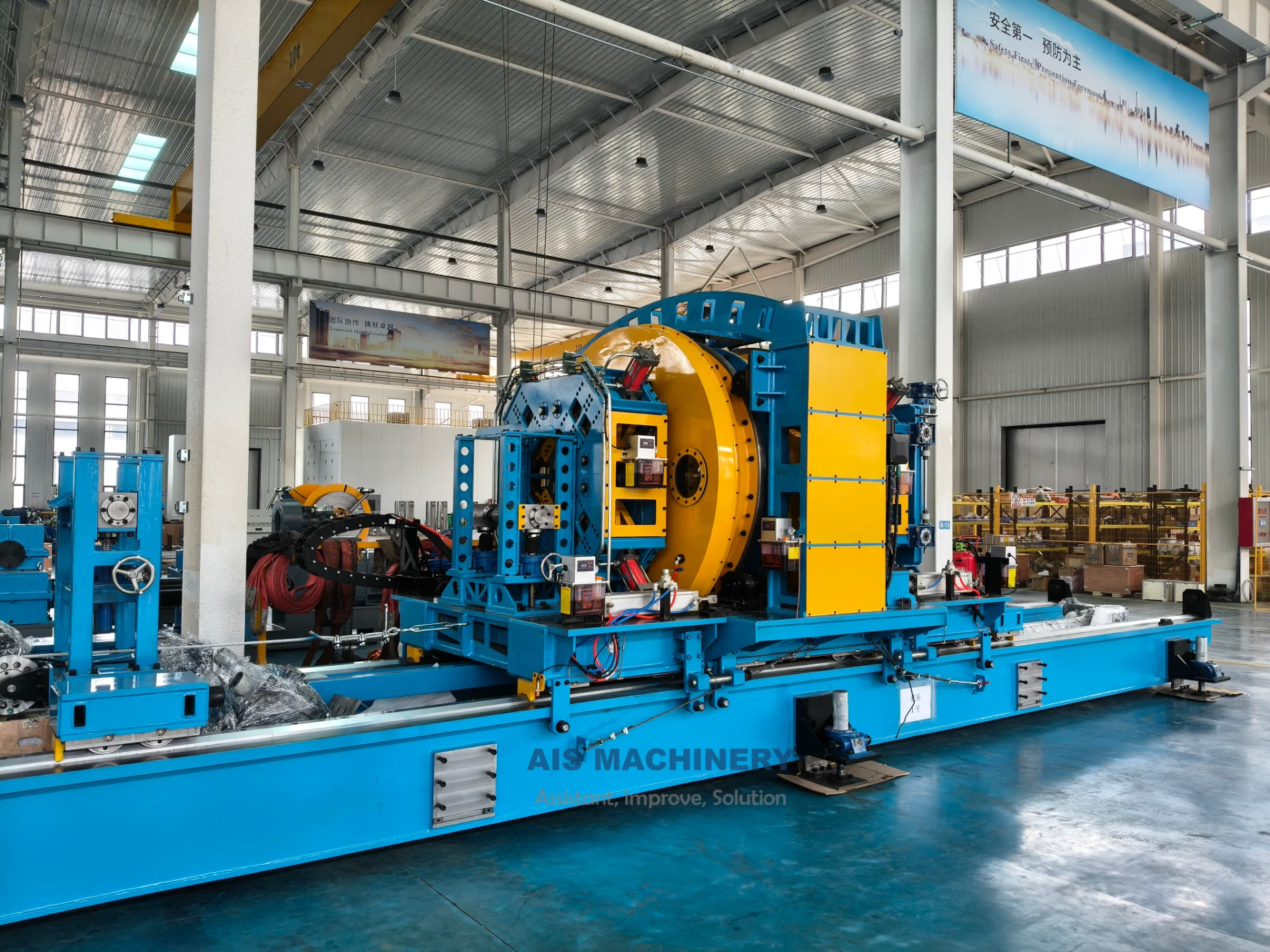
Flat Bar Production Line for Steel Coils: How It Works & Why It Matters
Looking for a flat bar production line? Learn how it turns steel coils into ready-to-use flat bars with precise length and high straightness. Compare it with slitting lines and get the best solution for your steel processing needs.
2026-04-14 00:00:00
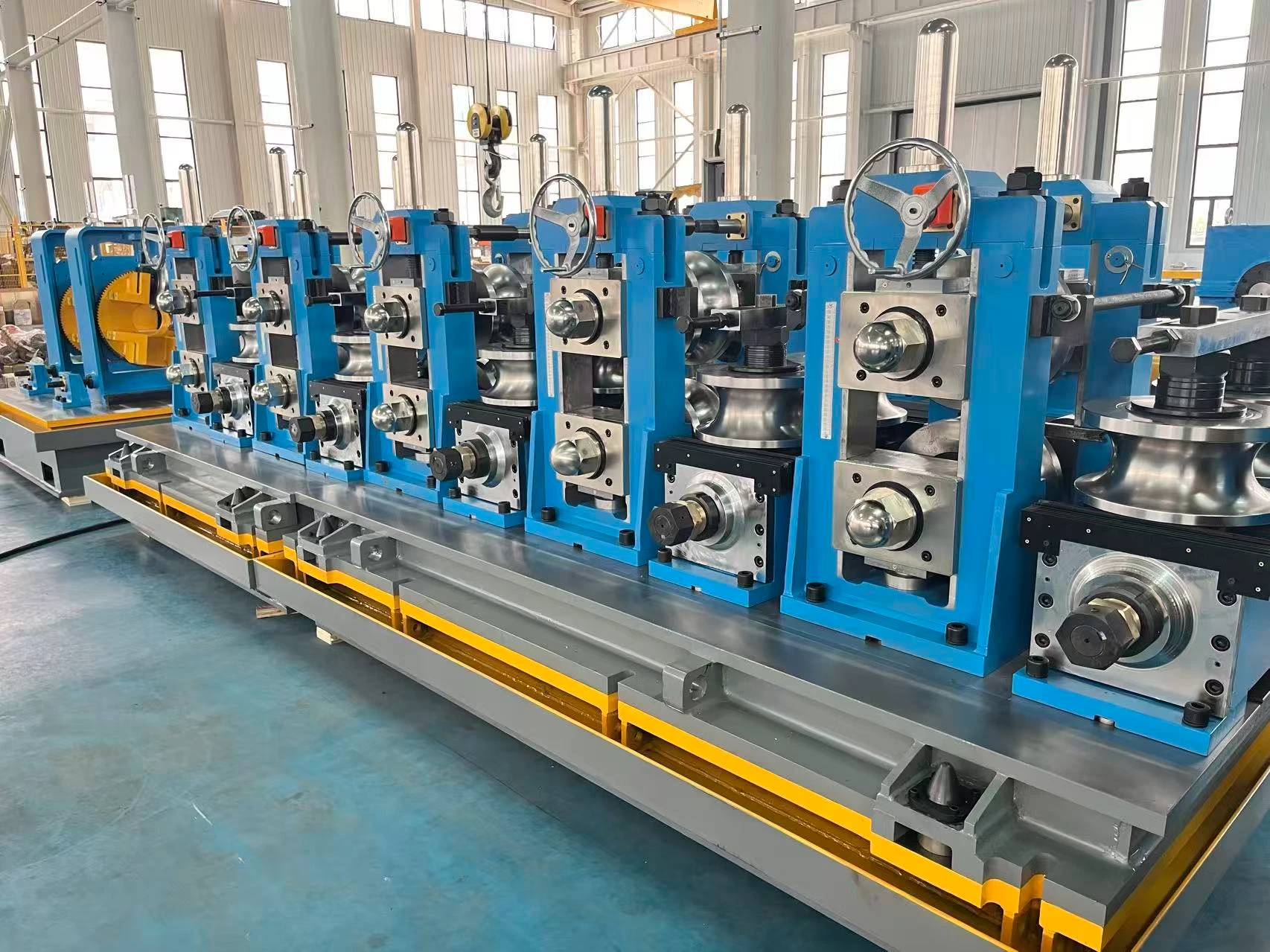
Looking for a Milling Saw for ERW Tube Mill? Here’s What You Need to Know
Looking for a high-performance milling saw for your ERW tube mill? Upgrade to burr-free, high-precision pipe cutting with advanced flying saw technology. Improve efficiency, reduce rework, and meet export standards for carbon steel, stainless steel, and API pipes. Contact us today for expert solutions and competitive pricing tailored to your production needs.
2026-04-09 16:15:19
5-Inch (127mm) ERW Tube Making Machine Delivered with Heavy-Duty Design and Advanced Quick Change System
Send a Message
Dear customer, thank you for your attention! We provide high-quality machinery and equipment and look forward to your orders. Please inform us of your needs and we will respond quickly!
 English
  Albanian
  Arabic
  French
  German
  Indonesian
  Italian
  Japanese
  Kazakh
  Korean
  Latin
Latin  Macedonian
  Portuguese
  Russian
  Spanish
  Thai
Thai  Turkish
  Ukrainian
  Uzbek
Uzbek