-
 Tel:86-15176910262
-

Search
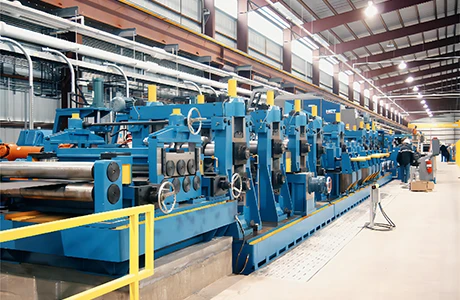
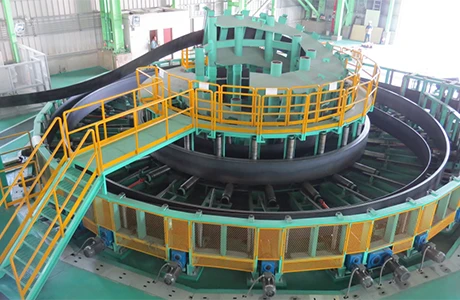
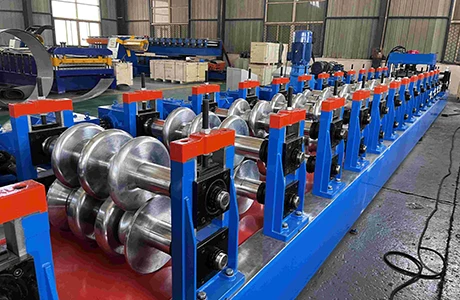

Induction Coil – High-Efficiency Heating Solution for Industrial Applications
Sep . 19, 2025 00:00
Product Introduction
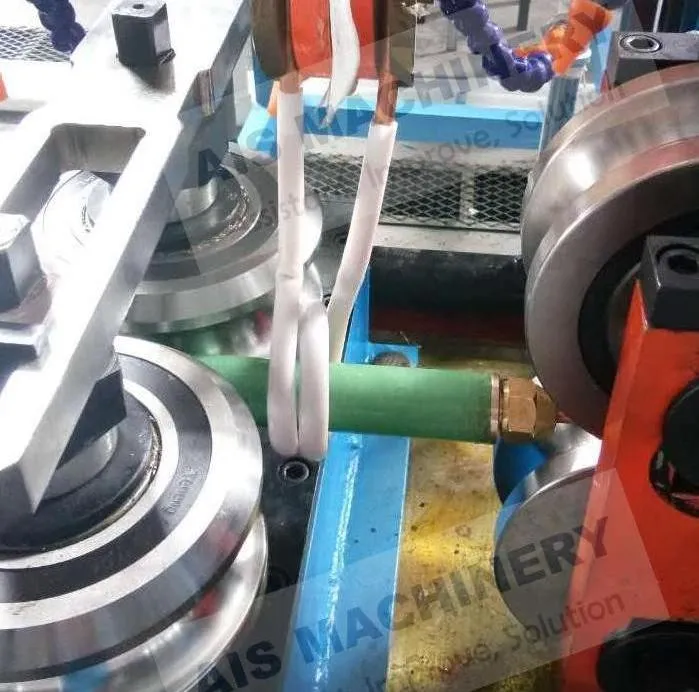
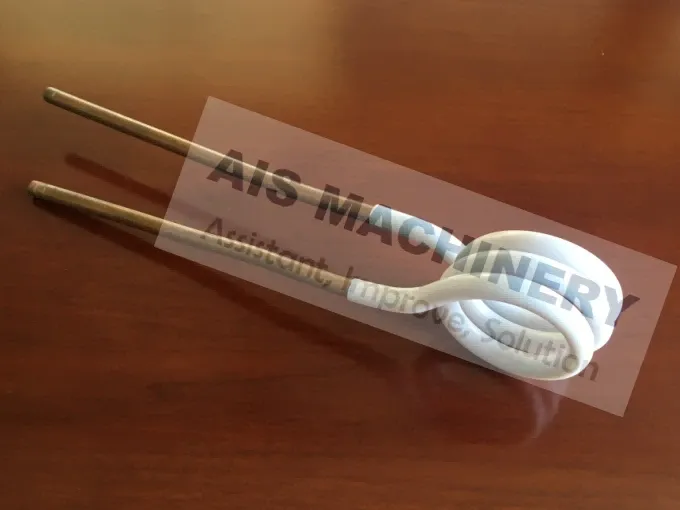
An induction coil is a critical component of induction heating systems, widely used in the metal processing, tube mill, automotive, and foundry industries. It converts high-frequency electrical energy into magnetic fields, generating eddy currents within the workpiece for precise, clean, and energy-efficient heating. Induction coils are customized based on the material, shape, and heating requirements of the product, ensuring optimal efficiency and uniform temperature distribution.
Main Functions
-
🔹Rapid Heating: Achieves fast and localized heating for metals such as steel, stainless steel, copper, and aluminum.
-
🔹Energy Efficiency: Converts more than 90% of electrical energy into heat within the workpiece, reducing energy costs.
-
🔹Precise Control: Provides accurate temperature regulation, minimizing deformation and improving product quality.
-
🔹Clean & Safe Process: No open flames or direct contact with the workpiece, ensuring a safer working environment.
-
🔹Versatile Applications: Used in pipe welding (ERW/HF welding), hardening, forging, brazing, and coating processes.
Technical Parameters (General Reference)
| Parameter | Range/Description |
|---|---|
| Frequency | 50 kHz – 500 kHz (customizable per application) |
| Material Compatibility | Carbon steel, stainless steel, copper, aluminum |
| Cooling System | Water-cooled (circulation or chiller system) |
| Power Input | 10 kW – 500 kW (depending on induction unit) |
| Coil Design | Helical, pancake, U-shape, custom geometry |
| Typical Lifespan | 6–18 months (depending on workload & maintenance) |
Types of Induction Coils and Comparison
| Type of Induction Coil | Features | Application |
|---|---|---|
| Helical Coil | Spiral-shaped, good for cylindrical workpieces | Tube heating, rod forging |
| Pancake Coil | Flat, concentrated heating surface | Surface hardening, brazing |
| U-Shaped Coil | Easy to place around the workpiece | Localized heating, joints |
| Channel Coil | Designed for continuous processing | Strip heating, coating lines |
| Customized Coil | Tailored to specific dimensions | Special shapes & high-precision applications |
Advantages of Using Induction Coil Technology
-
Reduced energy consumption compared to traditional resistance or gas heating.
-
Consistent heating improves weld seam quality in ERW tube mills.
-
Easy integration with automated production lines.
-
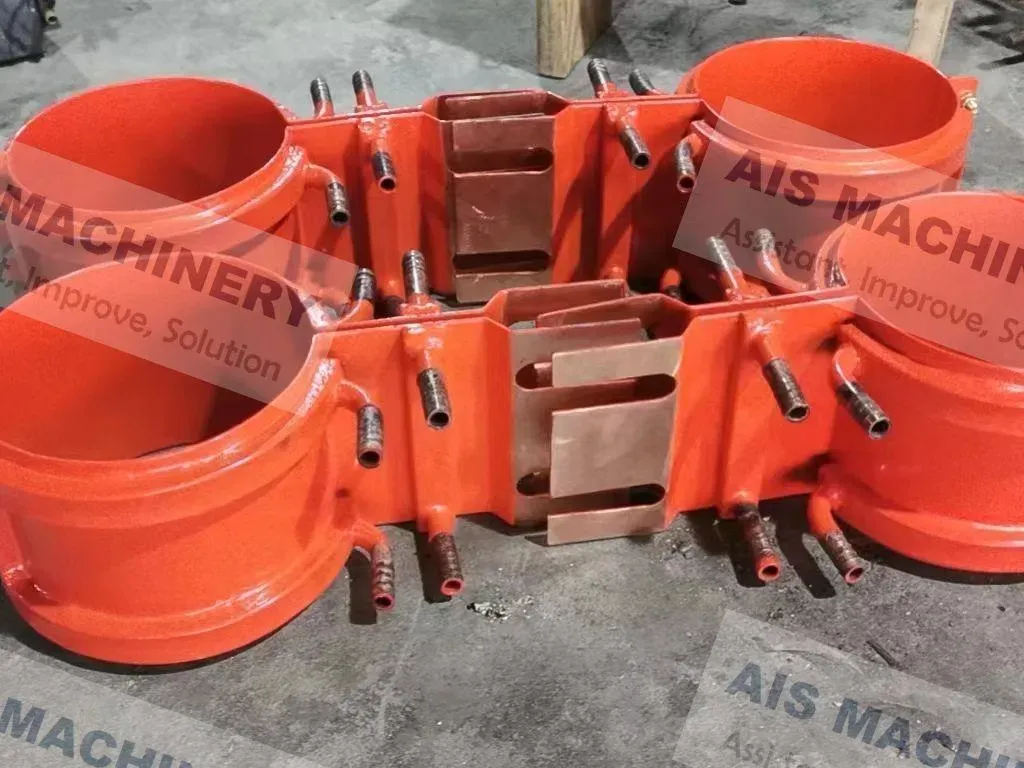
Long service life when combined with proper water cooling and ferrite materials.
-
-
Common Questions (Q&A)
Q1: How do I choose the right induction coil for my application?
A1: The selection depends on your workpiece material, size, heating area, and production speed. For example, tube mills often require helical or channel coils for continuous heating.
Q2: How often should induction coils be replaced?
A2: On average, coils last between 6 to 18 months, depending on operating conditions, cooling quality, and material hardness.
Q3: Can induction coils be customized?
A3: Yes. Coils can be designed for different diameters, wall thicknesses, and shapes to achieve maximum heating efficiency.
Q4: What cooling system is required for induction coils?
A4: A water-cooling system is essential to maintain coil stability and extend service life.
Applications of Induction Coils:
-
✅ERW Tube Mills – for high-frequency welding of steel pipes
-
✅Automotive Industry – hardening gears, shafts, and bearings
-
✅Metal Forging – heating billets and rods before forming
-
✅Brazing & Soldering – joining copper, brass, and aluminum parts
-
✅Surface Treatment – coating and heat-treating metal surfaces
Maintenance & Service Life
Maintenance Tips for Induction Coils:
-
Ensure proper water cooling at all times to avoid overheating.
-
Clean the coil surface regularly to prevent scaling or oxidation.
-
Check ferrite materials and insulation periodically.
-
Replace worn-out coils in time to maintain consistent heating efficiency.

Related Products





Related News

2026-11-02 02:23:25
ERW Pipe Mill for Sale: Buyer FAQs for a 76 mm Line
Review the 21.3 mm to 76 mm range, materials, equipment, speed, power, cutting methods, and production controls for an ERW pipe mill for sale.

2026-10-29 00:44:48
High-Speed Steel Coil Slitting Line FAQ: Specifications, Ordering and Support Questions
Get direct answers about High-Speed Steel Coil Slitting Line specifications, material compatibility, component layout, process steps, quality standards, and after-sales support from HEBEI AIS MACHINERY EQUIPMENT CO.,LTD.

2026-10-28 00:06:34
Learn the key working requirements and integration criteria for selecting a steel pipe making machine manufacturer. Covers diameter range, wall thickness, strip grade, HF welding power, footprint, and electrical supply using the 10inch 273mm ERW Pipe Making Machine from HEBEI AIS MACHINERY EQUIPMENT CO.,LTD.

2026-10-28 00:05:55
Choosing a Flying Cold Saw: Working Requirements and Integration Fit
Learn the key selection criteria for a flying cold saw — pipe diameter, line speed, cut precision, blade type, and PLC integration — to find the right cold cutting flying saw machine for your ERW tube mill.

2026-10-28 00:05:28
Evaluate whether the GGP 100kw Solid State High Frequency Induction Heating Welding Machine fits your ERW pipe production line. This guide covers power requirements, cooling infrastructure, electrical supply, and control integration criteria.

2026-10-28 00:04:41
Choosing Quick-Change System for Forming & Sizing Section: Application Fit and Specification Checks
Learn the key selection criteria for a Quick-Change System for Forming & Sizing Section in ERW tube mills — covering changeover frequency, cassette structure, pneumatic couplings, and application scope for structural, automotive, and export tube production.

2026-10-23 17:54:55
Compare a steel pipe seam annealing machine and a pipe threading machine: function, published ranges, PLC/HMI and CNC controls, operating steps and maintenance.

2026-10-04 16:13:15
HEBEI AIS MACHINERY at Tube & Wire Shanghai 2026 | Tube Mill Solutions
HEBEI AIS MACHINERY participated in Tube & Wire Shanghai 2026, meeting new and long-term customers to discuss ERW tube mills, steel processing equipment, new projects, and future cooperation.
Send a Message
Dear customer, thank you for your attention! We provide high-quality machinery and equipment and look forward to your orders. Please inform us of your needs and we will respond quickly!
 English
 Albanian
 Arabic
 French
 German
 Indonesian
 Italian
 Japanese
 Kazakh
 Korean
 Latin
 Macedonian
 Portuguese
 Russian
 Spanish
 Thai
 Turkish
 Ukrainian
 Uzbek