
-
 Tel:86-15176910262
-

Search

What Are OD Scarfing Tools? Complete Guide for ERW Tube Mills
Nov . 11, 2025 00:00
What Are OD Scarfing Tools?
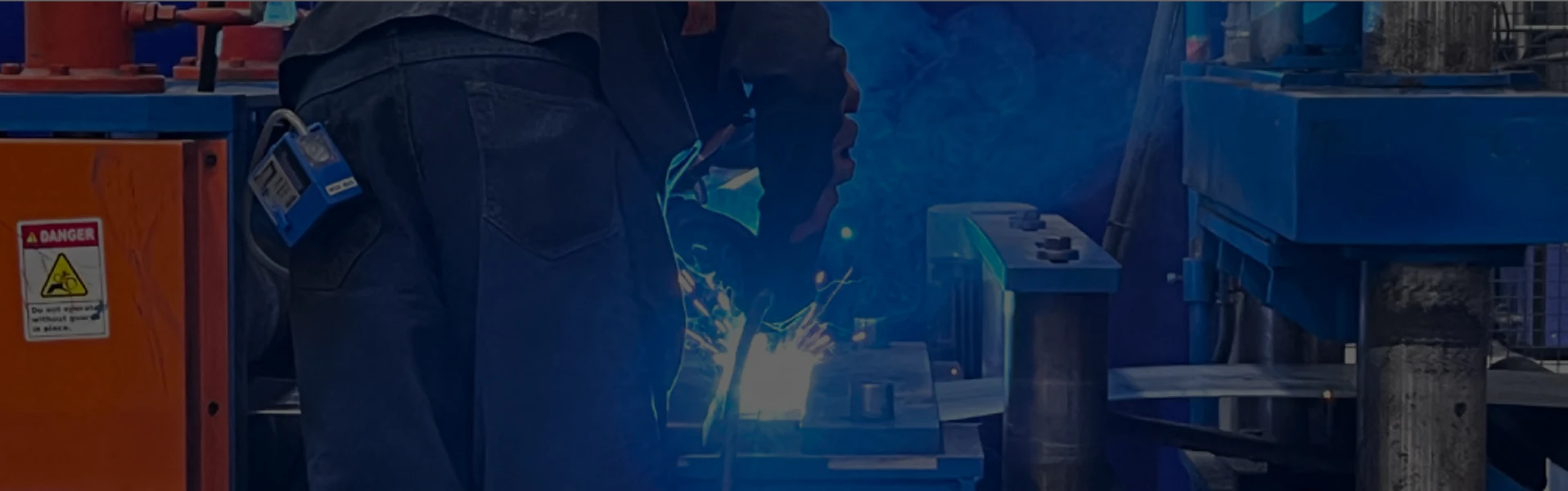
During the production of steel pipes and tubes—especially ERW (Electric Resistance Welded) pipes—a small weld bead often forms along the outside of the tube after welding.
To ensure a smooth surface and maintain precise outer diameter tolerance, this excess metal must be removed.
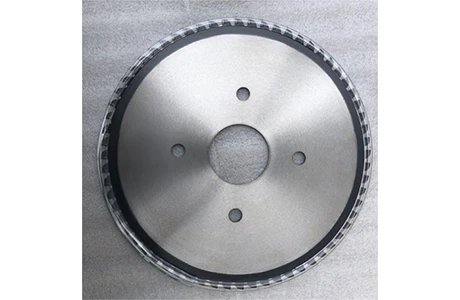
OD Scarfing Tools (Outer Diameter Scarfing Tools) are specialized cutting tools designed to remove that external weld bead, burrs, or flash from the pipe’s surface.
In simple terms, an OD scarfing tool is a high-precision cutting tool used in tube mills to improve surface quality and prepare the tube for subsequent processes such as sizing, straightening, or coating.
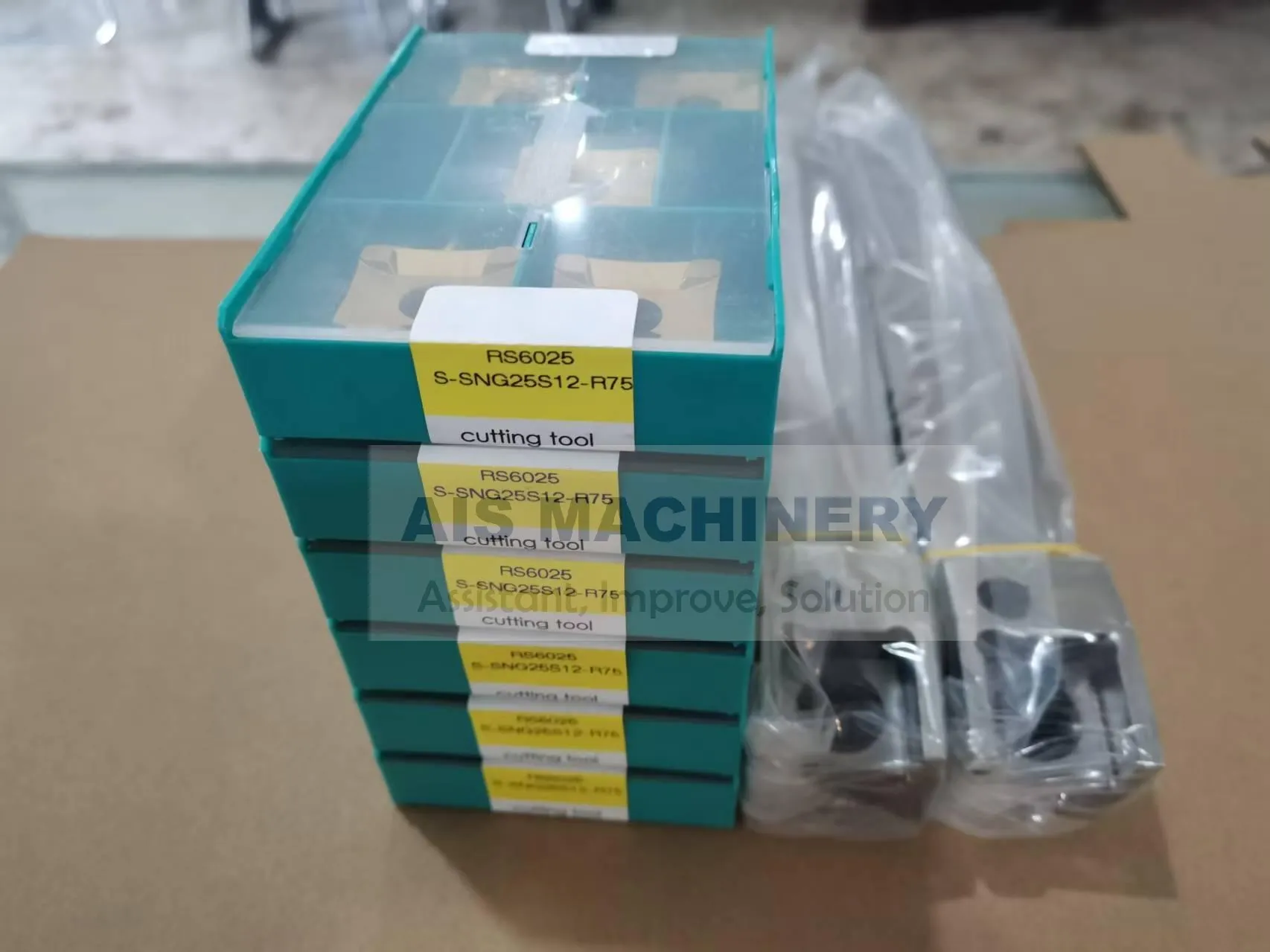
Performance and Technical Range
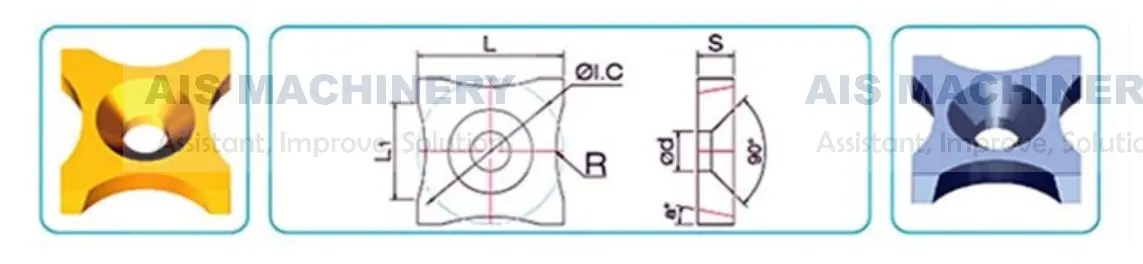
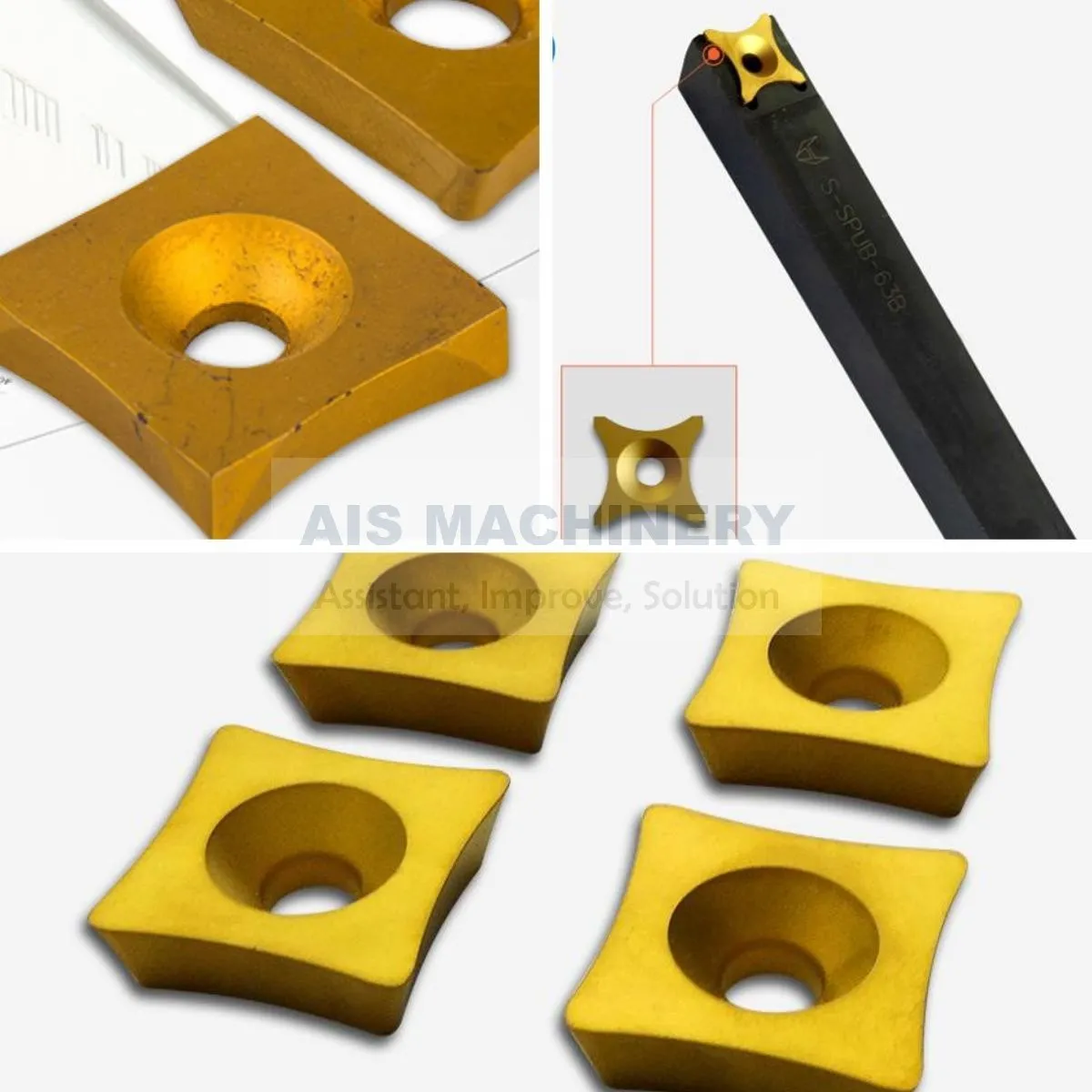
Tool Construction & Materials
-
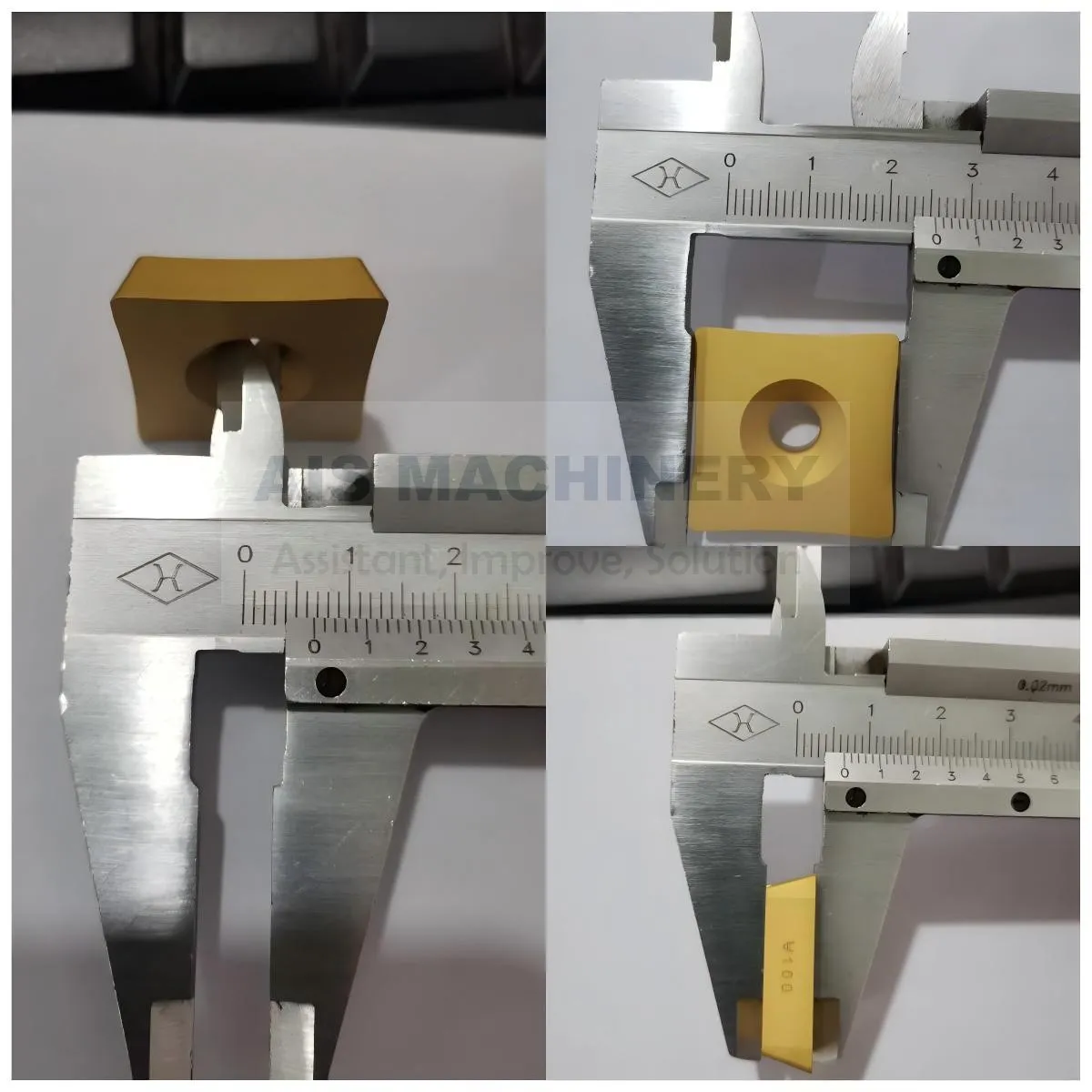
Typically made from tungsten carbide (carbide alloy) with multi-layer CVD or PVD coatings (such as TiN, TiAlN, or Al₂O₃) for maximum heat and wear resistance.
-
Designed with a holder body and replaceable inserts, allowing quick tool changes and reduced downtime.
-
Cutting edges are precisely ground to maintain consistent surface finish and tight tolerance control.
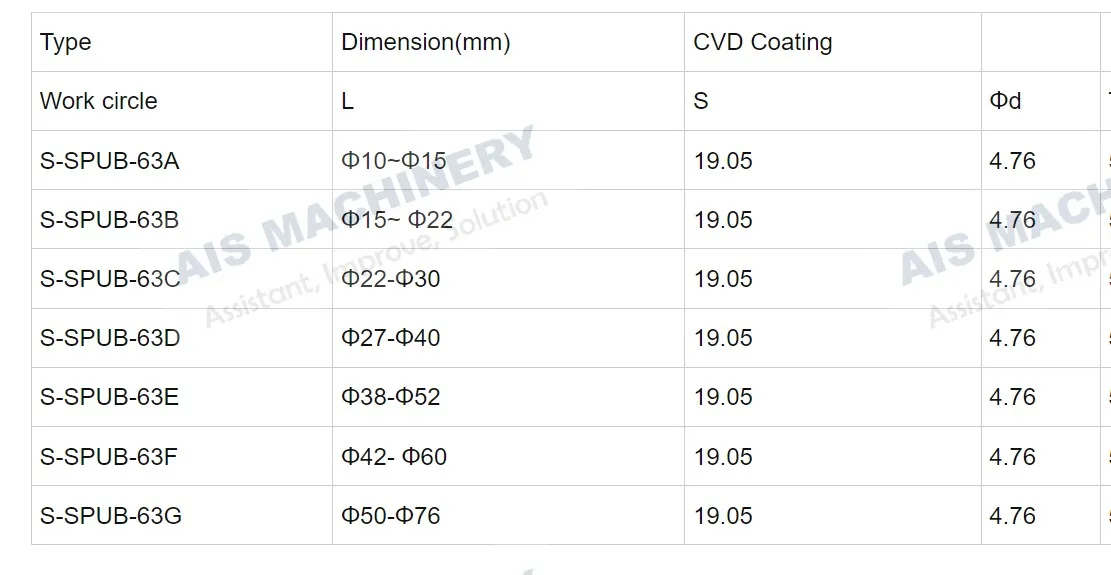
Operating Range
-
Applicable pipe outer diameters: from 0.5" to 24" (≈ 12 mm – 610 mm), depending on model.
-
Insert radius range: R09 to R100, covering light to heavy weld bead removal.
-
Typical insert codes:
-
H-R9 (DET-3) for Ø9 – 15 mm
-
H-R13 (DET-5) for Ø15 – 23 mm
-
H-R17 (DET-7) for Ø23 – 32 mm
-
H-R60 (DET-12) for Ø92 – 118 mm
-
-
Coating grades like P812G / D812G correspond to ISO P25-P45 or M25-M45 ranges, making them suitable for both carbon and alloy steels.
Key Advantages
-
• High Precision: Ensures smooth, even outer surfaces with minimal material loss.
-
• Long Tool Life: Advanced carbide substrates and coatings extend durability up to 3 times longer than conventional tools.
-
• Quick Changeover: Modular insert design enables fast replacement, minimizing downtime.
-
• Wide Application Range: Works with thin-wall or thick-wall tubes, stainless steel, galvanized steel, and structural tubing.
Applications
OD Scarfing Tools are widely used in:
-
ERW / HFI Tube Mills: Removing external weld beads immediately after welding.
-
Structural & Mechanical Tubing: Achieving precise outer dimensions and clean surfaces for construction and automotive applications.
-
Oil & Gas Pipes: Preparing welded joints and ensuring smooth OD for coating or threading.
-
Stainless and Galvanized Tubes: Maintaining appearance and preventing coating defects.
-
Pipe Repair & Rework: Re-machining or resurfacing old or damaged pipes during maintenance.
How to Choose the Right OD Scarfing Tool
-
✅Match Pipe Diameter: Select insert radius according to the pipe’s outer diameter.
-
✅Choose the Right Grade: Use proper coating and carbide grade for the tube material (e.g., galvanized steel requires higher heat resistance).
-
✅Check Holder Compatibility: Ensure your tool holder and clamping system are compatible with your tube mill line.
-
✅Maintain Correct Geometry: Proper clearance angle and cutting radius reduce vibration and improve surface finish.
-
✅Inspect Regularly: Replace inserts when wear or chipping occurs to maintain consistent cutting quality.
-
✅Use Proper Cooling: Effective coolant and chip evacuation systems extend tool life.
Summary
Though often overlooked, OD Scarfing Tools play a crucial role in tube production quality and efficiency.
A well-designed OD scarfing system ensures smooth weld removal, accurate dimensions, and reduced scrap rates—all of which translate to better product consistency and lower production costs.
In today’s high-precision, automated tube manufacturing industry, investing in high-performance OD scarfing tools can significantly enhance your production efficiency and competitiveness.

Related Products

Related News
2026-04-18 03:20:20
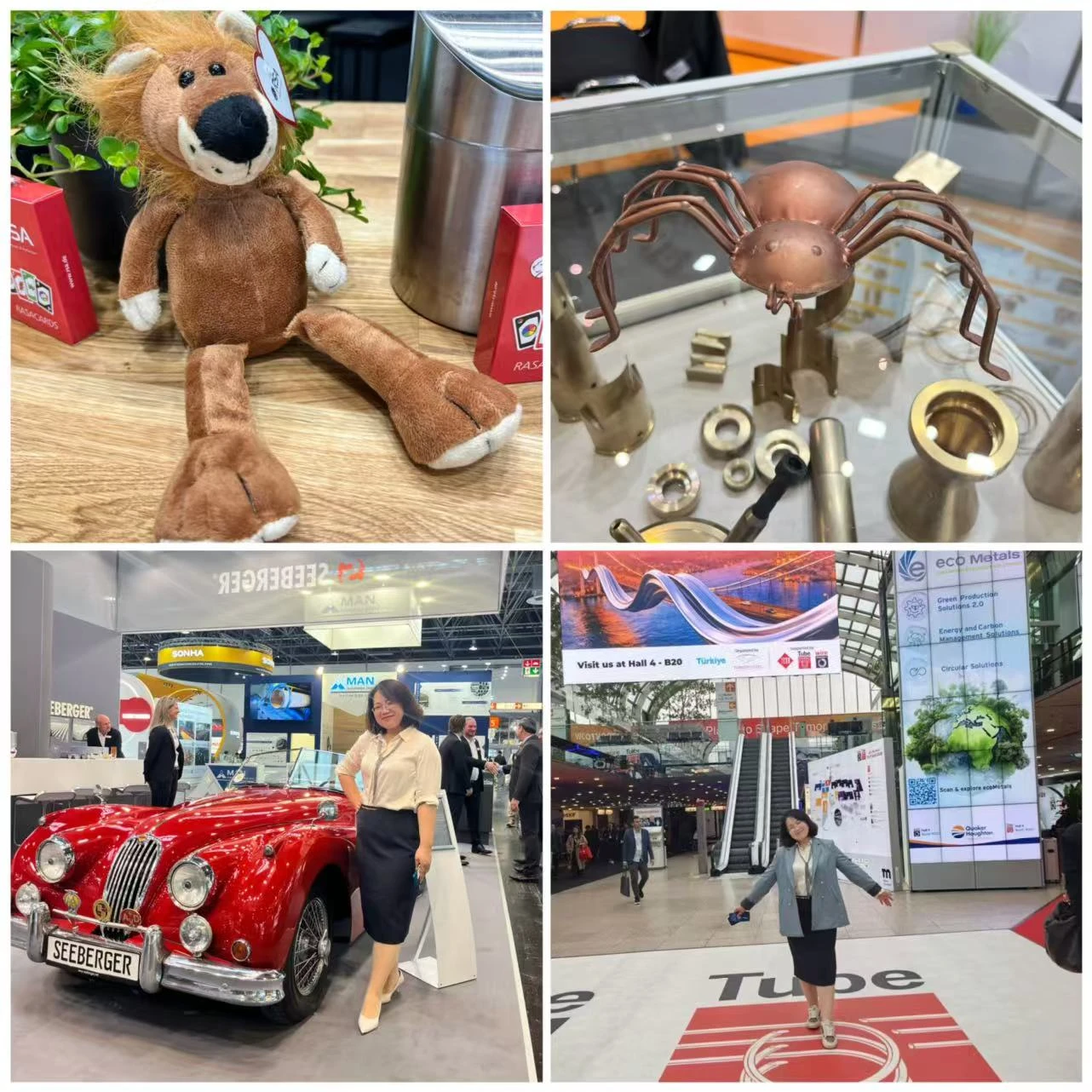
AIS Machinery Showcases Advanced Tube Solutions at Tube & Wire Düsseldorf 2026
Tube & Wire Düsseldorf 2026, one of the most influential exhibitions in the global tube and wire industry, held biennially in Düsseldorf, Germany
2027-04-17 00:00:00
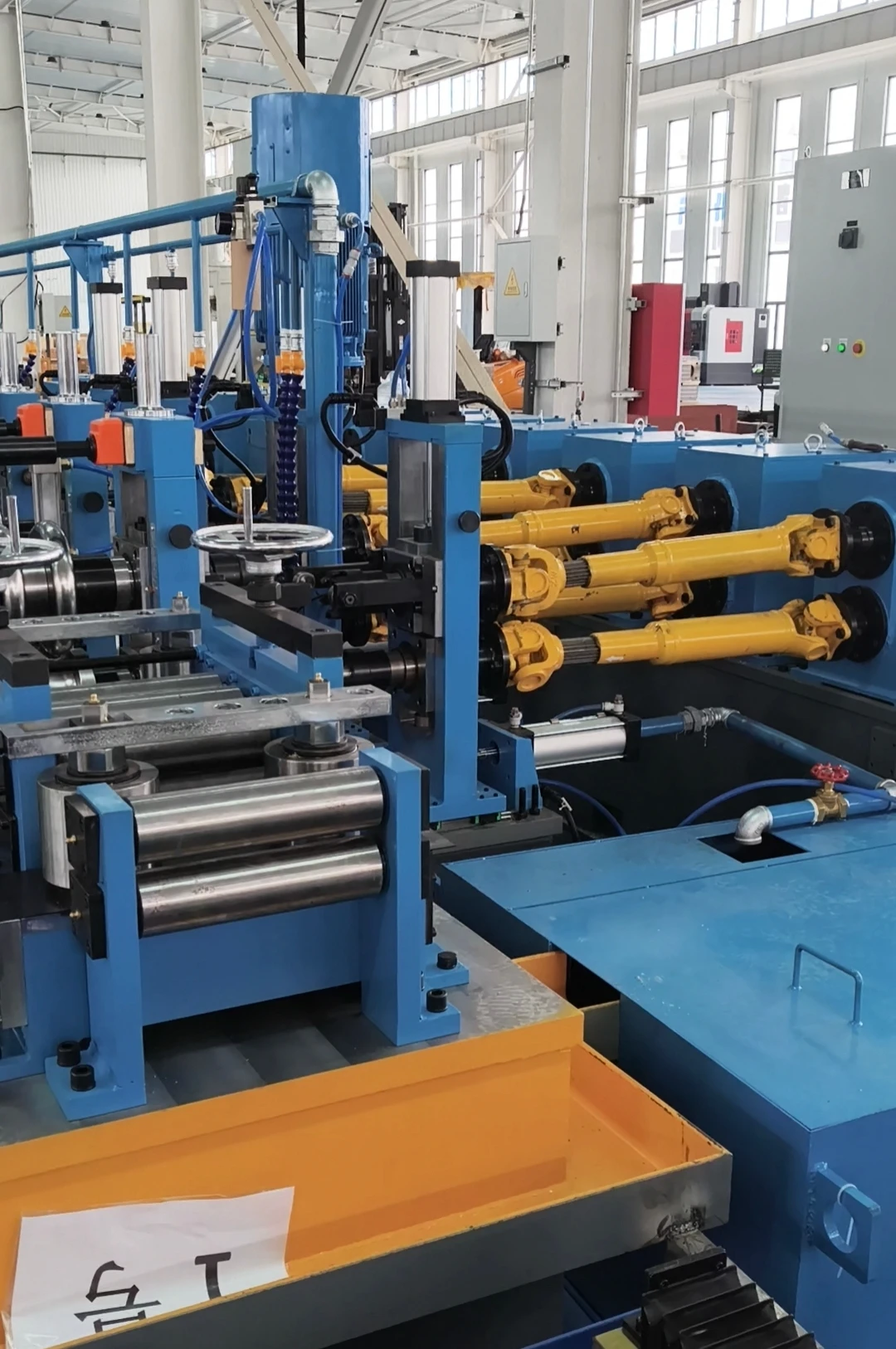
Southeast Asia Client Visits Our Factory | Customized Tube Mill Solution Delivered
A Southeast Asia client visited our ERW tube mill factory to inspect production lines and discuss a customized tube mill solution. Impressed by our machine quality, welding performance, and engineering support, the client confirmed strong cooperation intentions. Discover how our ERW tube mill solutions improve efficiency, precision, and long-term production reliability.
2026-04-16 02:35:12
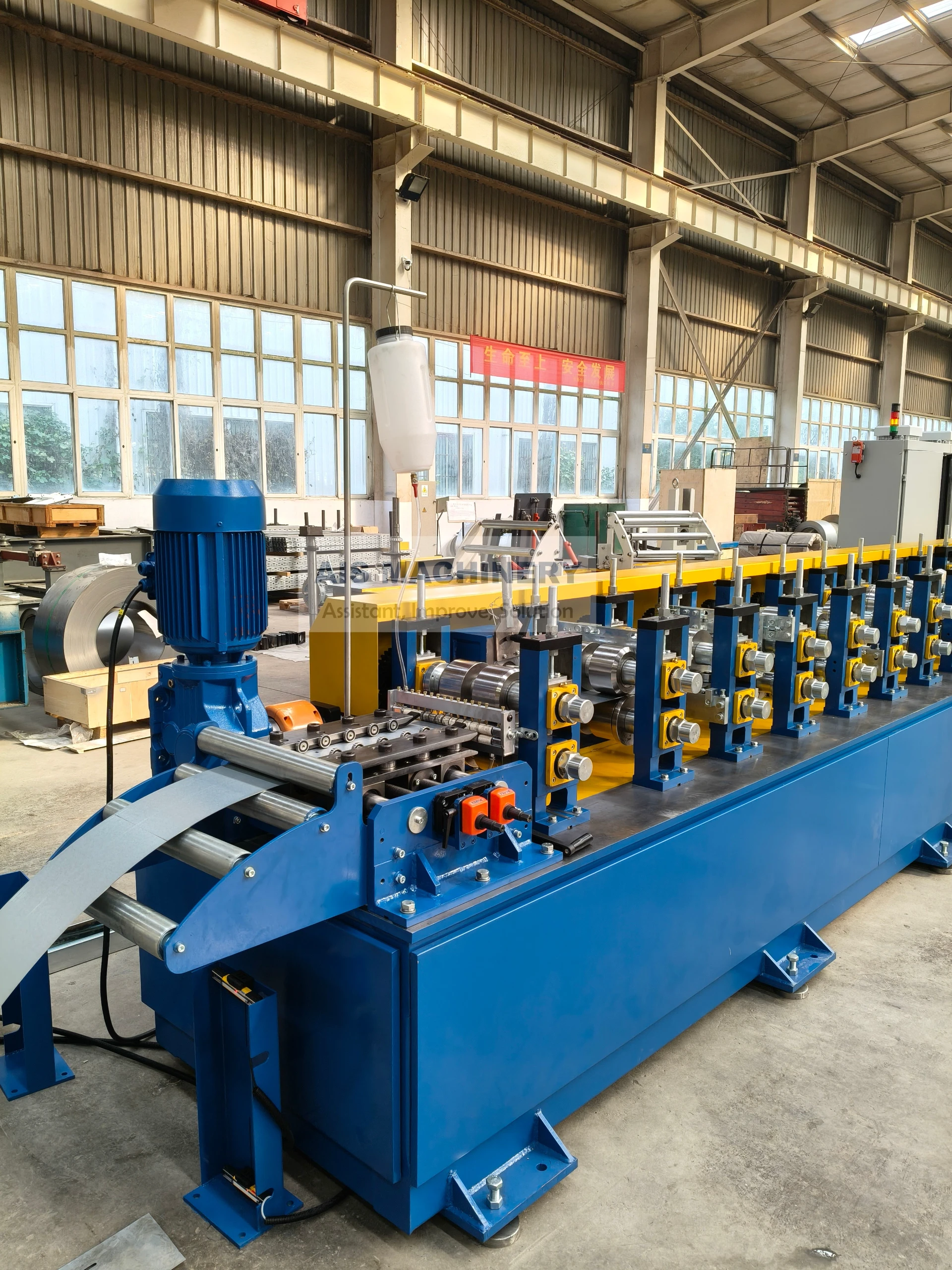
Professional Cold Roll Forming Machine Factory for Production
In the modern industrial landscape, the precision of metal shaping is the cornerstone of quality manufacturing. Partnering with a professional cold roll forming machine factory is essential for businesses looking to optimize their production lines, reduce material waste, and ensure high-dimensional accuracy. Whether you are producing C-channels, square tubes, or custom profiles, the choice of machinery determines your competitive edge in the market. This guide will explore the critical factors in selecting a factory and the technical advantages of advanced roll forming technology to help you make an informed investment.
2026-04-15 10:37:55
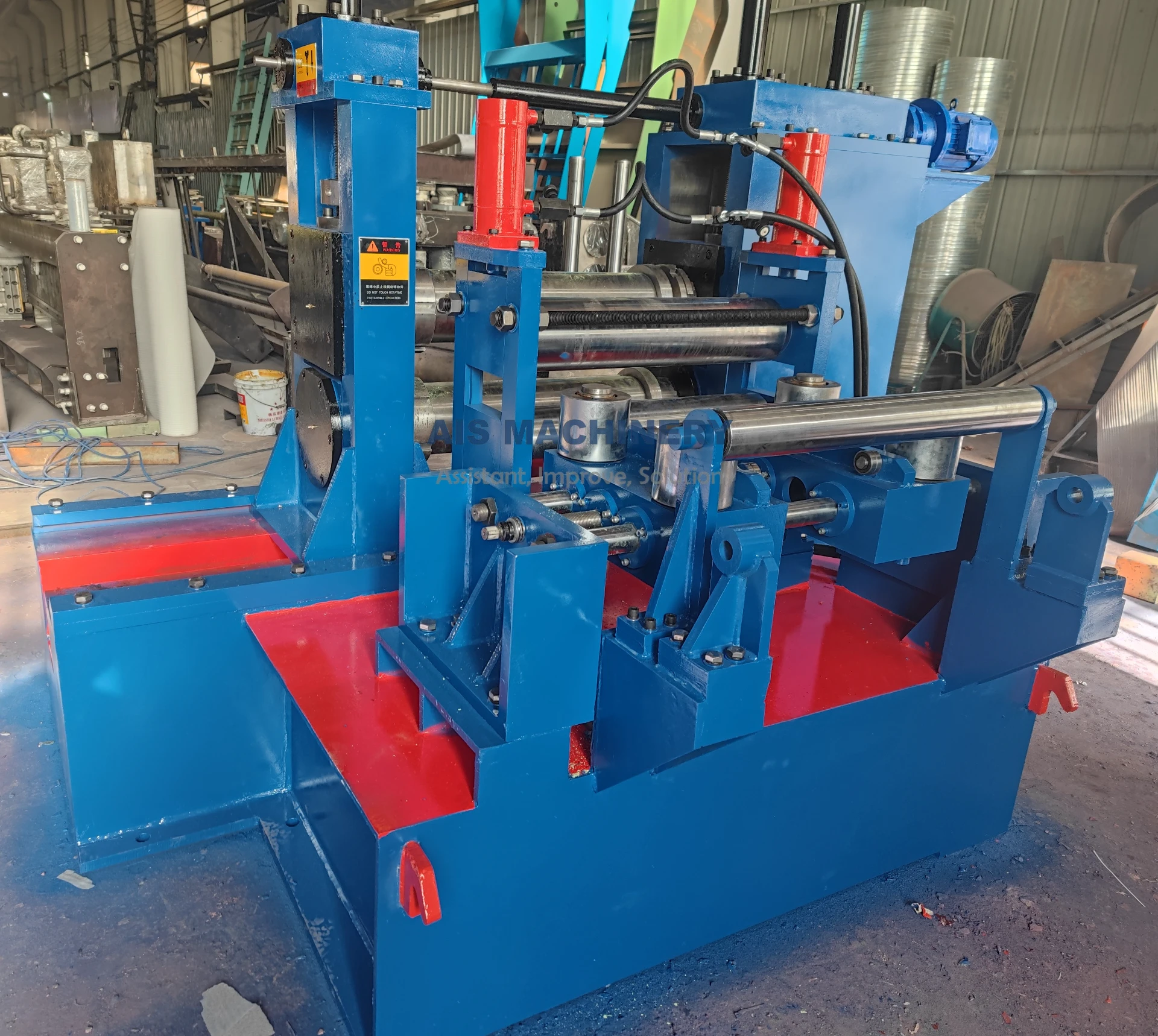
Flat Bar Production Line for Steel Coils: How It Works & Why It Matters
Looking for a flat bar production line? Learn how it turns steel coils into ready-to-use flat bars with precise length and high straightness. Compare it with slitting lines and get the best solution for your steel processing needs.
2026-04-14 00:00:00
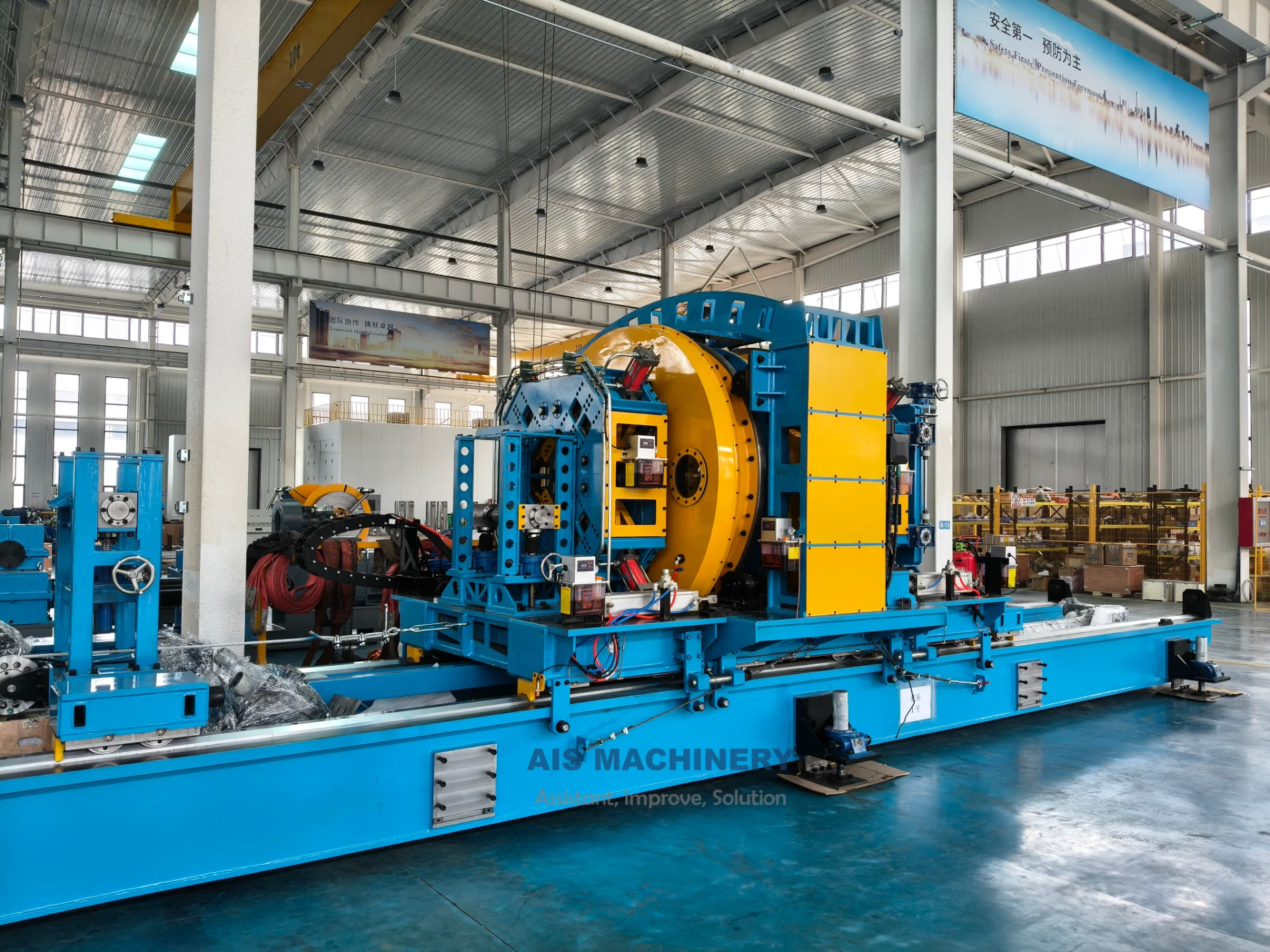
Looking for a Milling Saw for ERW Tube Mill? Here’s What You Need to Know
Looking for a high-performance milling saw for your ERW tube mill? Upgrade to burr-free, high-precision pipe cutting with advanced flying saw technology. Improve efficiency, reduce rework, and meet export standards for carbon steel, stainless steel, and API pipes. Contact us today for expert solutions and competitive pricing tailored to your production needs.
2026-04-09 16:15:19
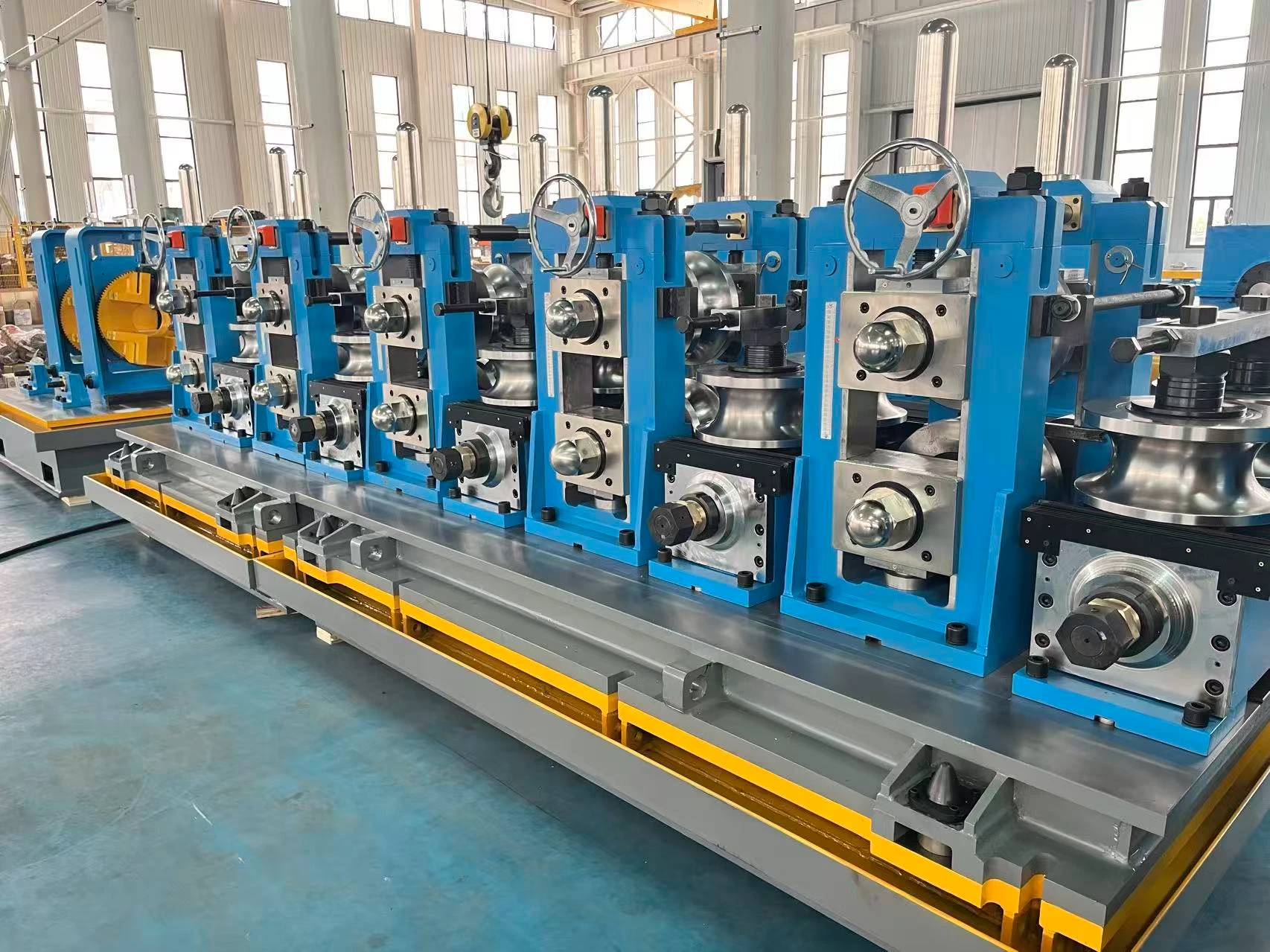
5-Inch (127mm) ERW Tube Making Machine Delivered with Heavy-Duty Design and Advanced Quick Change System
2027-04-07 00:00:00
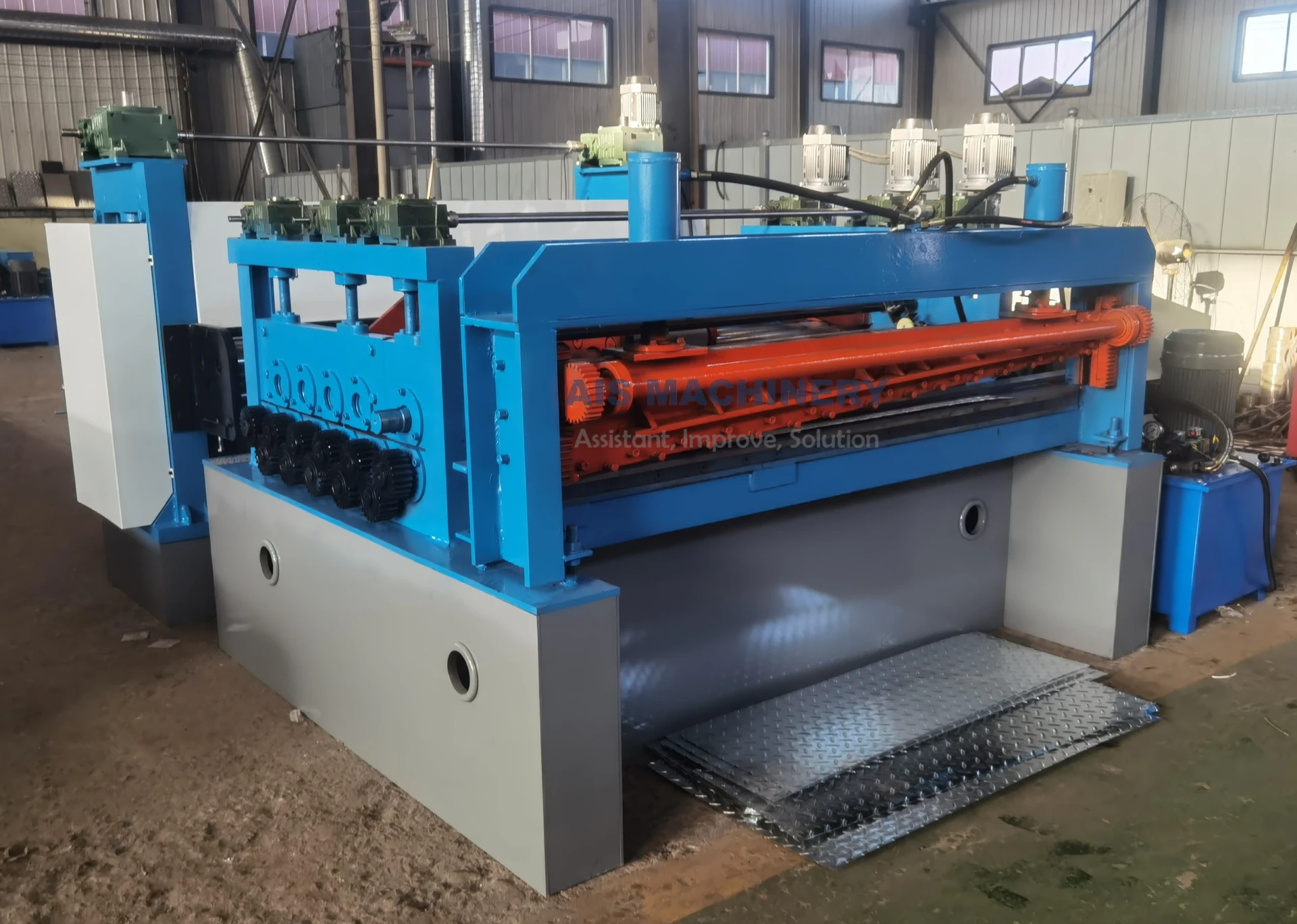
Metal Embossing Machine: Turn Flat Sheets into High-Value Textured Products
Discover how a metal embossing machine transforms flat steel, stainless steel, and aluminum sheets into high-value textured products. Learn about its working principle, key components, and applications. Ideal for decorative and industrial use, embossing machines improve both appearance and performance. Explore complete embossing line solutions and find the right machine for your production needs.
2026-04-04 20:37:18
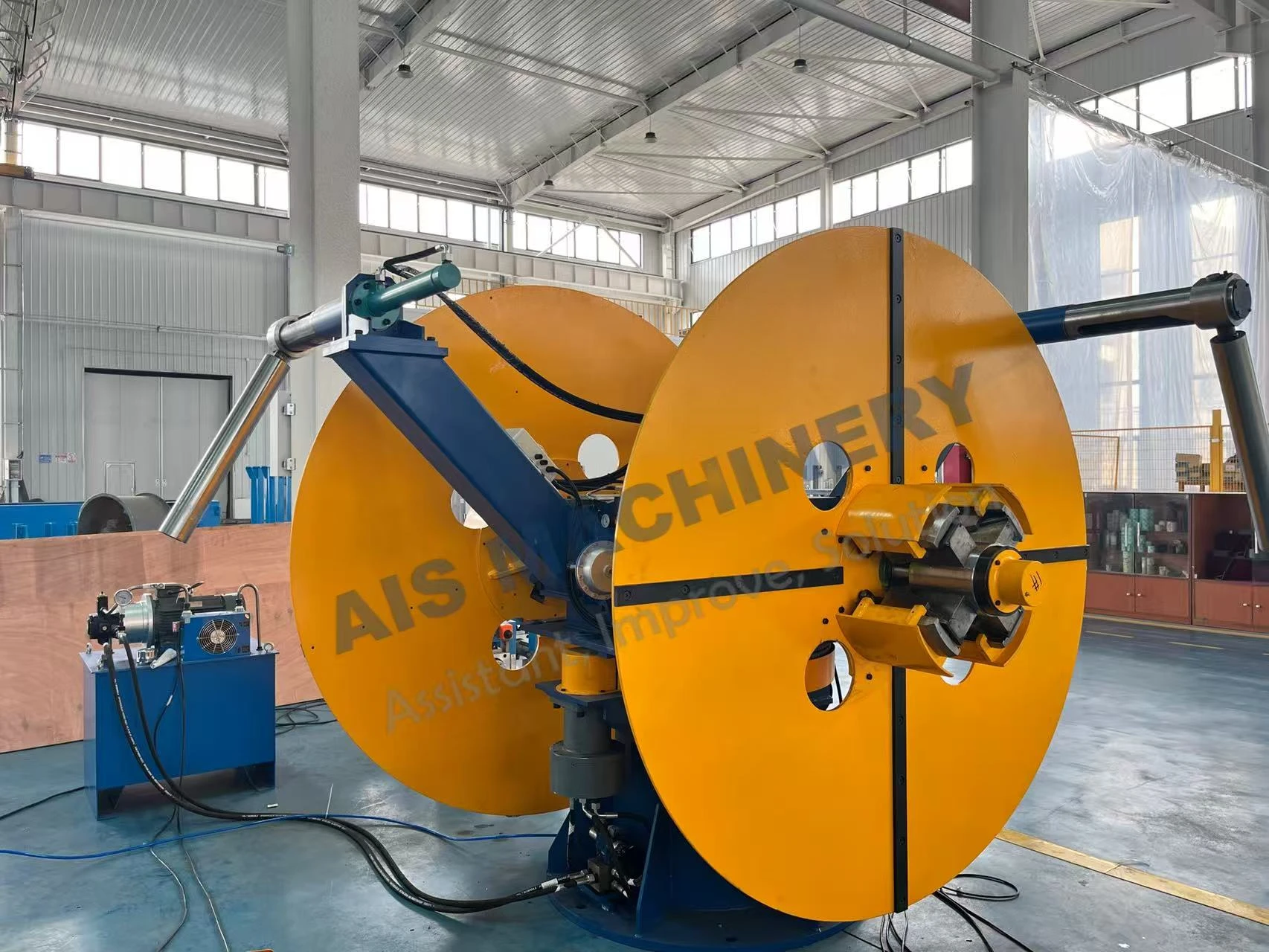
Automatic Double Side Uncoiler with Hydraulic Expansion and Auto Rotation for Steel Coil Processing
The Automatic Double Side Uncoiler is a high-efficiency solution designed for modern steel coil processing lines, including tube mills, roll forming machines, and slitting lines. With a maximum capacity of 4 tons per side, this machine ensures stable and continuous coil feeding while reducing downtime during coil change.
Send a Message
Dear customer, thank you for your attention! We provide high-quality machinery and equipment and look forward to your orders. Please inform us of your needs and we will respond quickly!
 English
  Albanian
  Arabic
  French
  German
  Indonesian
  Italian
  Japanese
  Kazakh
  Korean
  Latin
Latin  Macedonian
  Portuguese
  Russian
  Spanish
  Thai
Thai  Turkish
  Ukrainian
  Uzbek
Uzbek