
-
 Tel:86-15176910262
-

Search

Pre-Seasoned Non-Stick Cast Iron Wok-HEBEI AIS MACHINERY EQUIPMENT CO.,LTD|Ergonomic Wooden Handle&Durability
Aug . 18, 2025 05:25
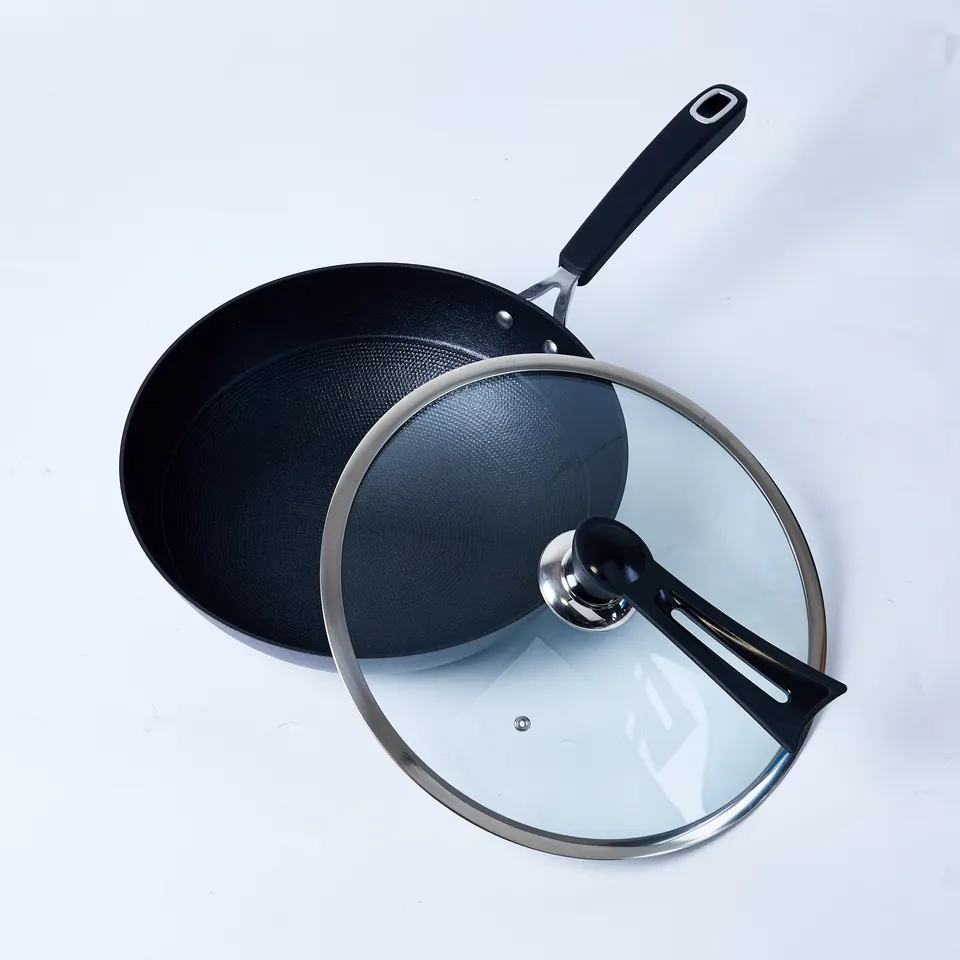
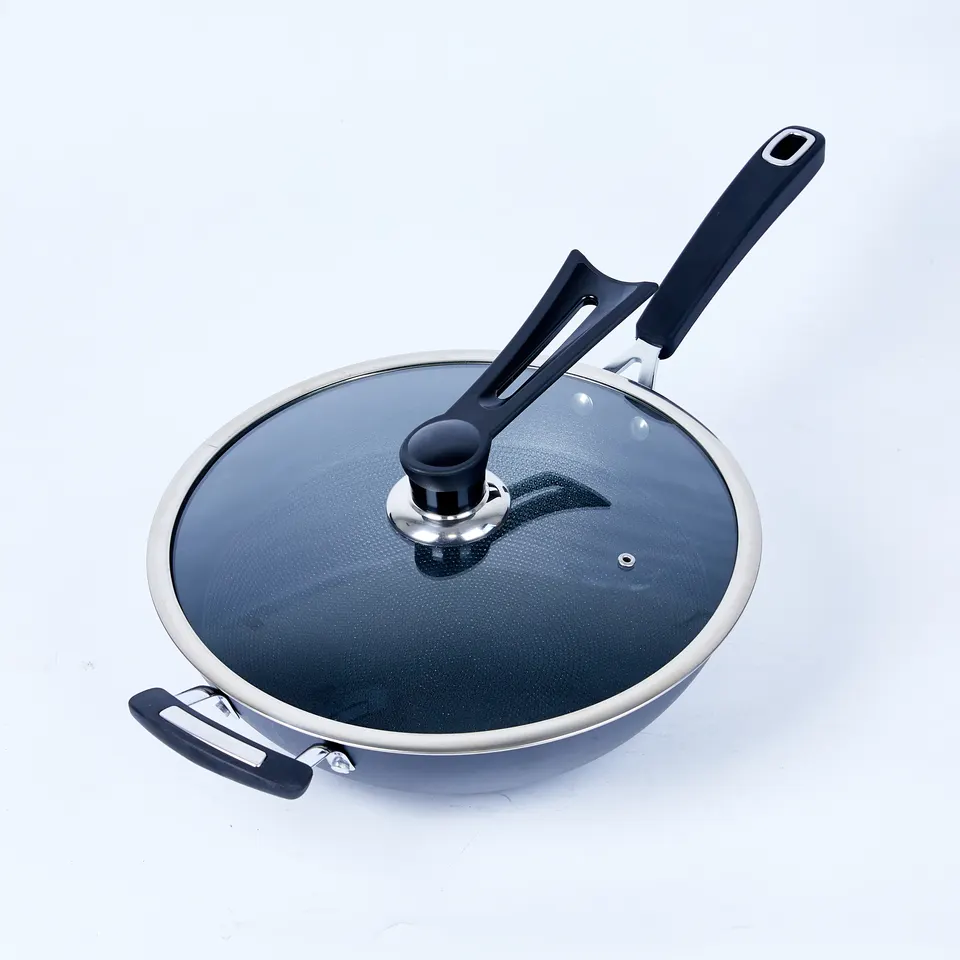
The Pre-Seasoned Non-Stick Cast Iron Wok is a versatile and durable cooking tool designed to combine traditional craftsmanship with modern functionality. Manufactured by HEBEI AIS MACHINERY EQUIPMENT CO.,LTD, this wok is ideal for home chefs and professional cooks seeking a reliable, long-lasting kitchen essential.

Product Features
Ergonomic Wooden Handle
The wooden handle is designed to address common wok challenges, such as heat transfer and uncomfortable grip. Wood's natural insulating properties keep the handle cool during high-heat cooking, eliminating the need for oven mitts. Its ergonomic shape reduces hand fatigue during prolonged use, while the textured surface ensures a secure grip even with oily hands. This design bridges traditional aesthetics with modern kitchen needs, making authentic cooking techniques accessible to home chefs.
Durability and Sustainability
Constructed from cast iron, the wok is renowned for its durability. Cast iron resists warping and damage, outlasting thinner materials. The wooden handle avoids issues like corrosion or loosening, aging gracefully over time. This combination of materials makes the wok a sustainable choice, reducing kitchen waste and offering long-term value. As noted by the National Institute of Standards and Technology (NIST), materials like cast iron and wood demonstrate exceptional longevity when properly maintained, aligning with sustainable practices.
Non-Stick Coating
The wok features a pre-seasoned non-stick coating, enhancing its usability for various cooking methods. This coating ensures even heat distribution and easy food release, making it ideal for stir-frying, sautéing, and searing. The non-stick surface also simplifies cleaning, preserving the wok's performance over time.
Technical Specifications
| Feature | Details |
|---|---|
| Product Name | Cast Iron Wok |
| Applicable Stove | Gas Cooker |
| Wok Type | Non-Stick |
| Pot Cover Type | Glass Cover |
| Material | Cast Iron |
| Handle Material | Wooden Bakelite |
| Size | 36 cm Diameter |
| Packaging | Caron Box (OEM) |
Applications
The cast iron wok is suitable for a wide range of cooking techniques, including:
- Stir-frying: The non-stick surface and even heat distribution ensure quick, efficient cooking.
- Sautéing: Ideal for searing meats and vegetables with minimal oil.
- Braising: The wok's deep sides and heat retention make it perfect for slow-cooked dishes.
- Roasting: The glass cover allows for even heat circulation, suitable for roasting or baking.
Company Background
HEBEI AIS MACHINERY EQUIPMENT CO.,LTD is a Chinese manufacturer specializing in cast iron cookware. Based in Hebei, China, the company focuses on producing high-quality, durable kitchen tools that blend traditional craftsmanship with modern design. Their commitment to sustainability and innovation is reflected in products like the pre-seasoned non-stick wok, which meets global standards for performance and longevity.
Why Choose This Wok?
1. Longevity: Cast iron and wood age gracefully, ensuring decades of use. 2. Sustainability: Reduces kitchen waste with a durable, reusable design. 3. Versatility: Suitable for gas stoves and multiple cooking methods. 4. Aesthetic Appeal: Combines traditional charm with modern ergonomics.
Conclusion
The Pre-Seasoned Non-Stick Cast Iron Wok is a testament to the enduring value of quality craftsmanship. With its ergonomic design, sustainable materials, and exceptional durability, it is an essential addition to any kitchen. Whether you're a seasoned chef or a home cook, this wok offers the perfect blend of tradition and innovation.
References
National Institute of Standards and Technology (NIST). (n.d.). About NIST. Retrieved from https://www.nist.gov/

Related Products

Related News
2027-04-24 00:00:00
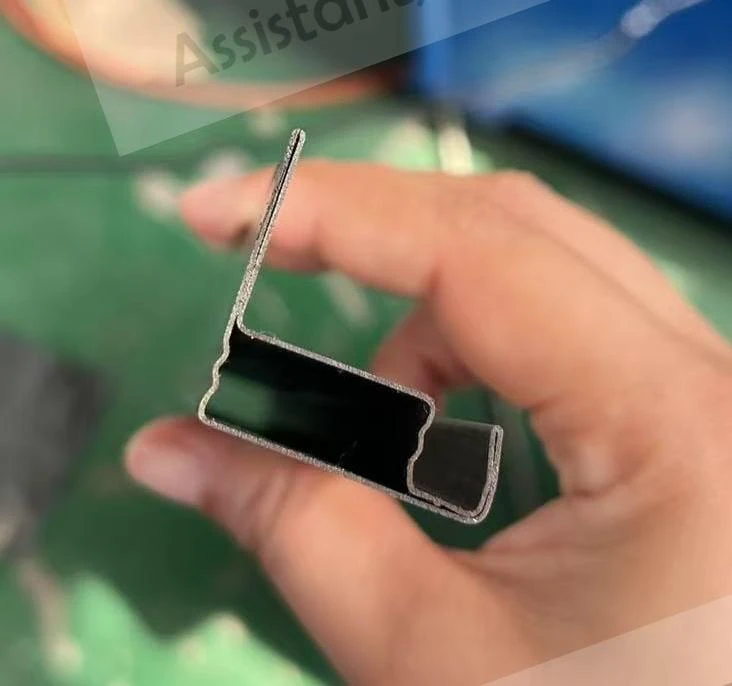
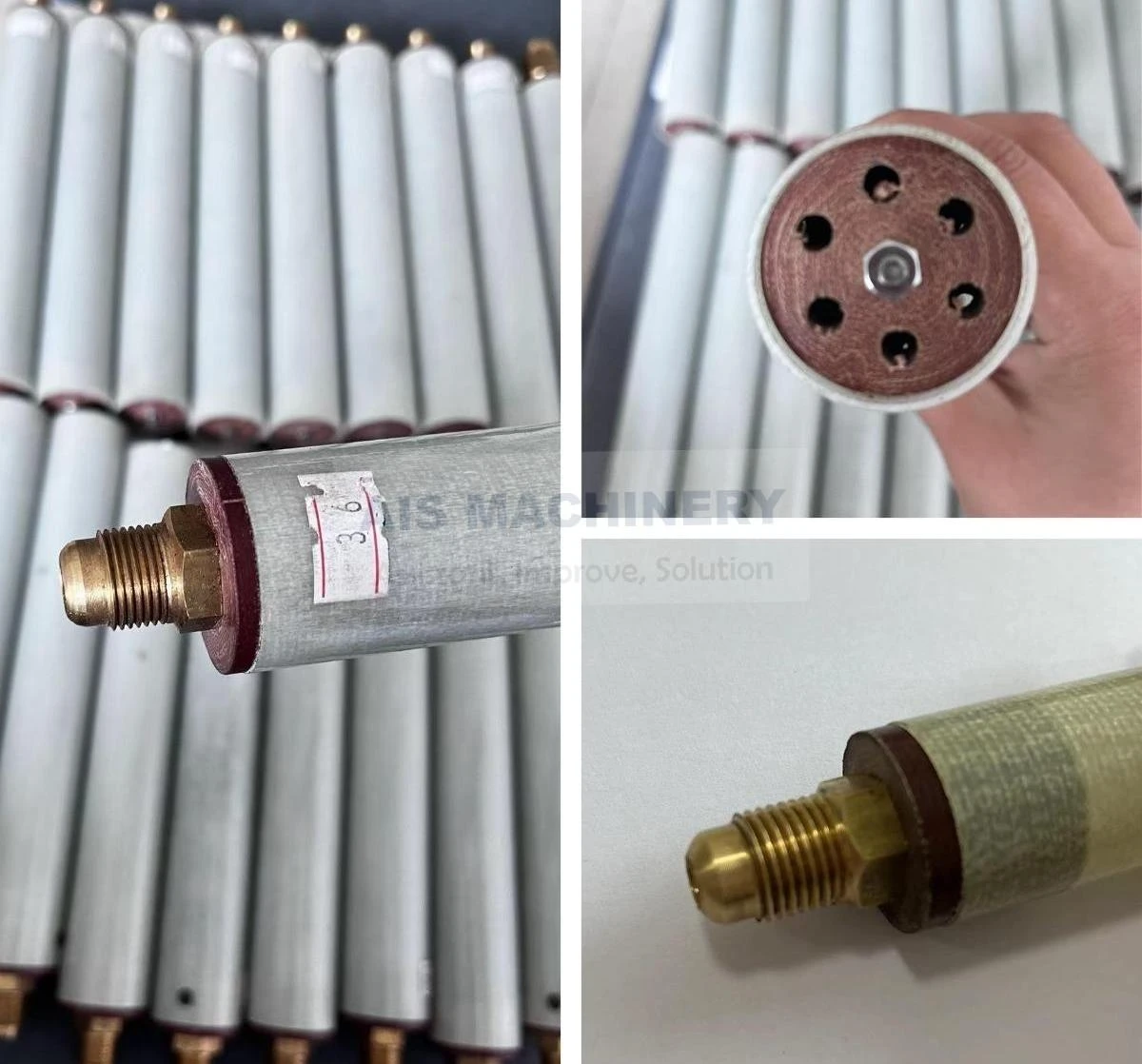
What is an Impeder and Ferrite Rods in ERW Tube Mill?
Struggling with impeder overheating or short service life in your ERW tube mill? This guide explains common impeder problems, the role of ferrite rods, and how to choose the right impeder for stable welding performance. Improve weld quality, reduce energy loss, and extend equipment lifespan with the right selection and proper cooling solutions.
2026-04-21 10:22:25
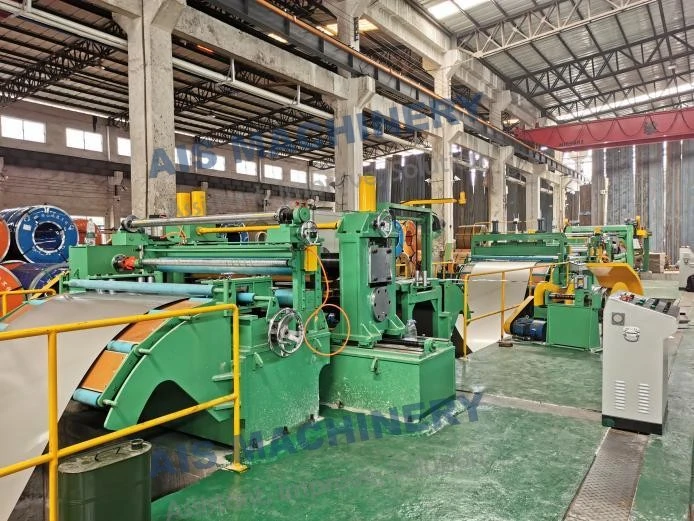
Slitting & Cut-to-Length Combined Production Line: A Smarter Way to Process Steel Coils
Discover the Slitting & Cut-to-Length Combined Production Line, a flexible solution for steel coil processing. This system integrates slitting line and cut-to-length line functions in one machine, saving space, reducing costs, and improving efficiency. Ideal for processing both steel strips and sheets, it is widely used in service centers and manufacturing industries. Learn its advantages, limitations, and applications.
2026-04-18 03:20:20
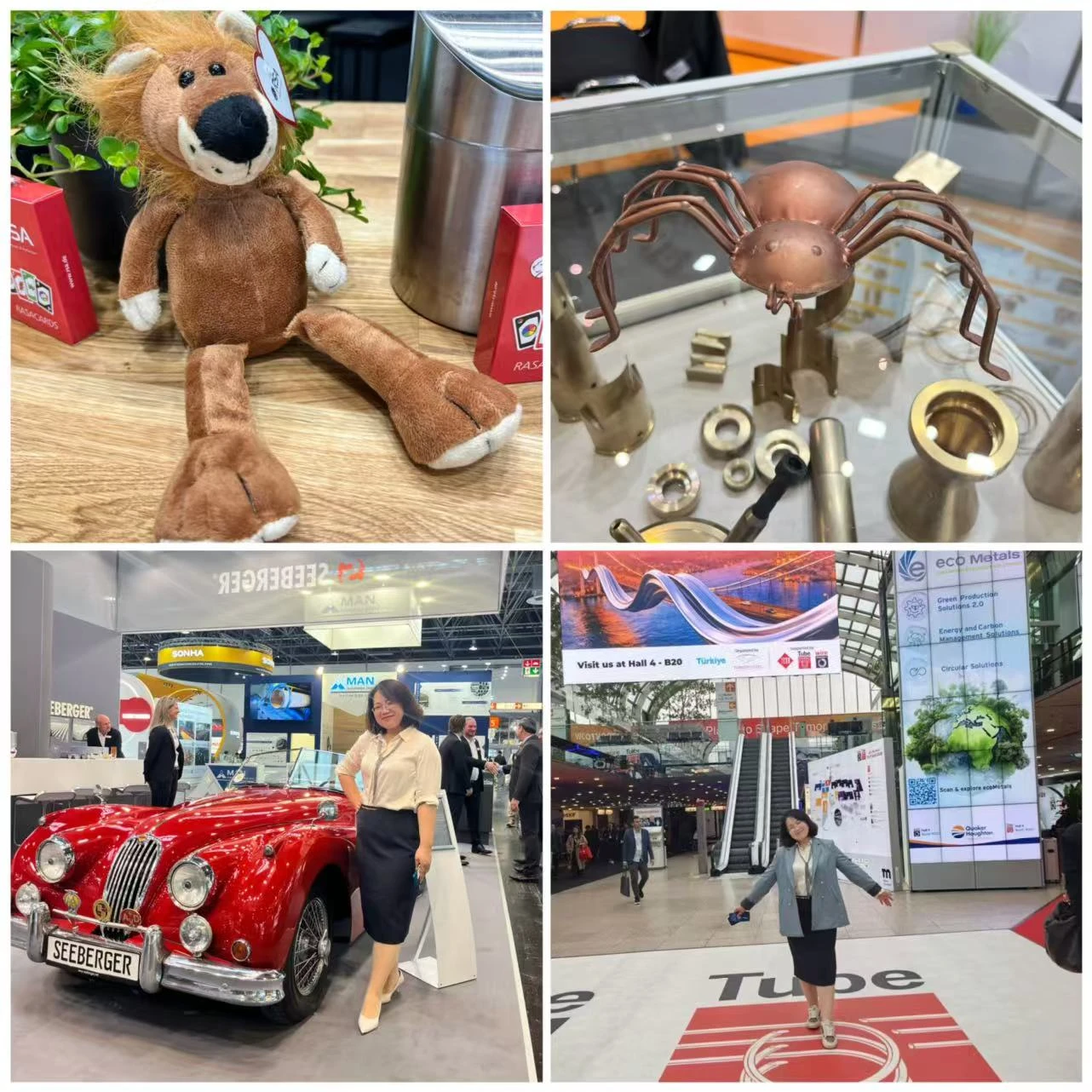
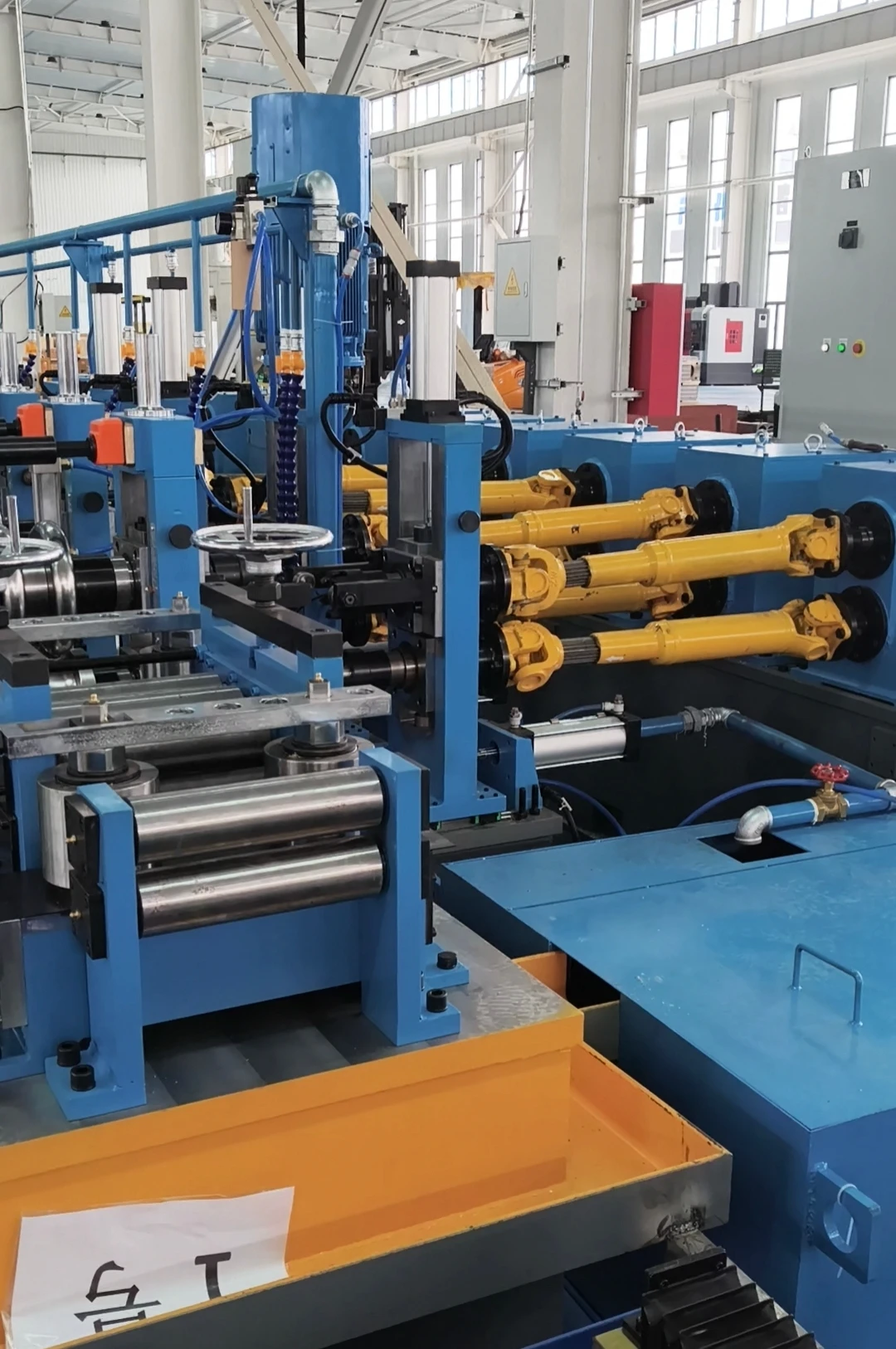
AIS Machinery Showcases Advanced Tube Solutions at Tube & Wire Düsseldorf 2026
Tube & Wire Düsseldorf 2026, one of the most influential exhibitions in the global tube and wire industry, held biennially in Düsseldorf, Germany
2026-04-17 00:00:00
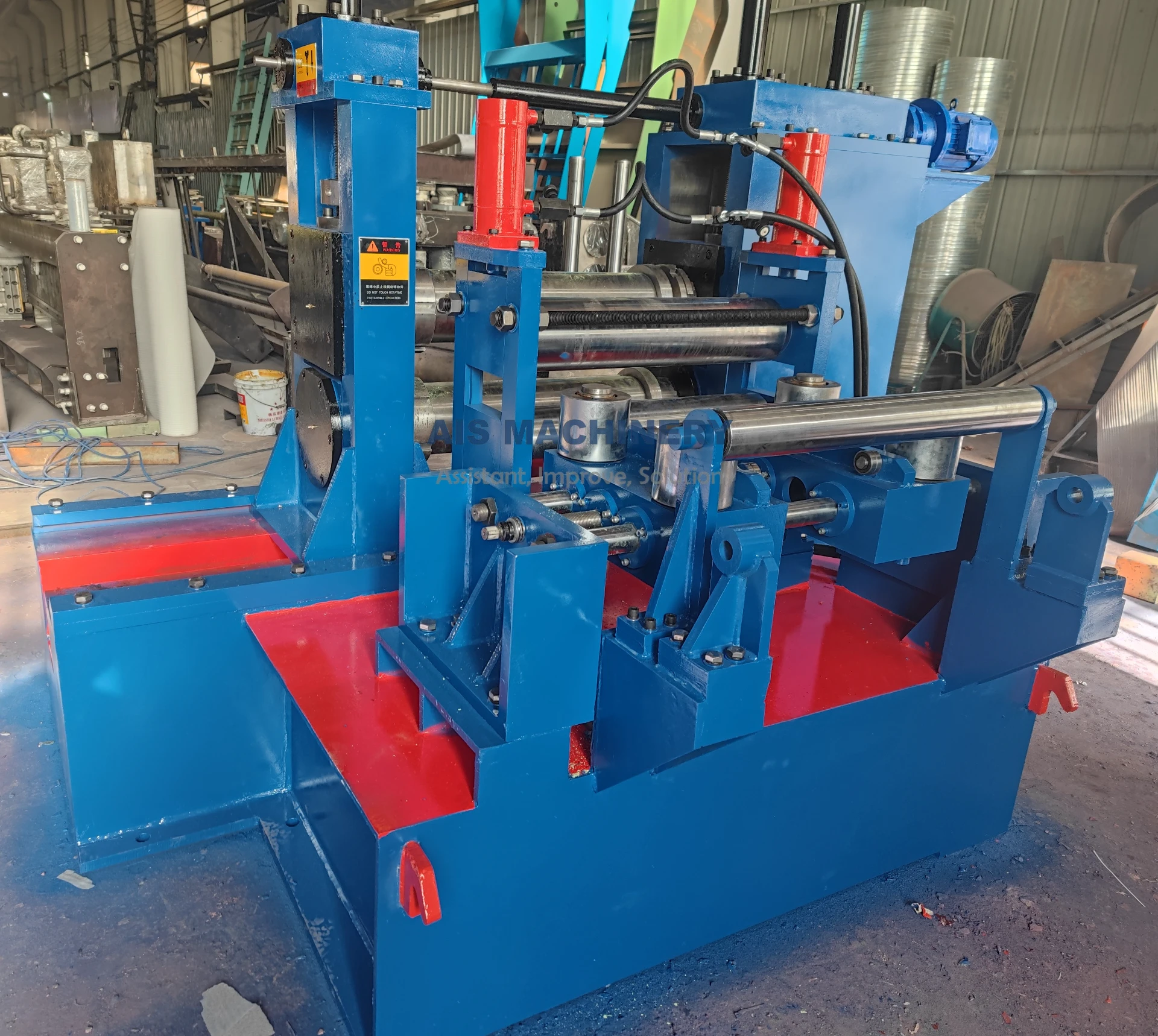
Southeast Asia Client Visits Our Factory | Customized Tube Mill Solution Delivered
A Southeast Asia client visited our ERW tube mill factory to inspect production lines and discuss a customized tube mill solution. Impressed by our machine quality, welding performance, and engineering support, the client confirmed strong cooperation intentions. Discover how our ERW tube mill solutions improve efficiency, precision, and long-term production reliability.
2026-04-15 10:37:55
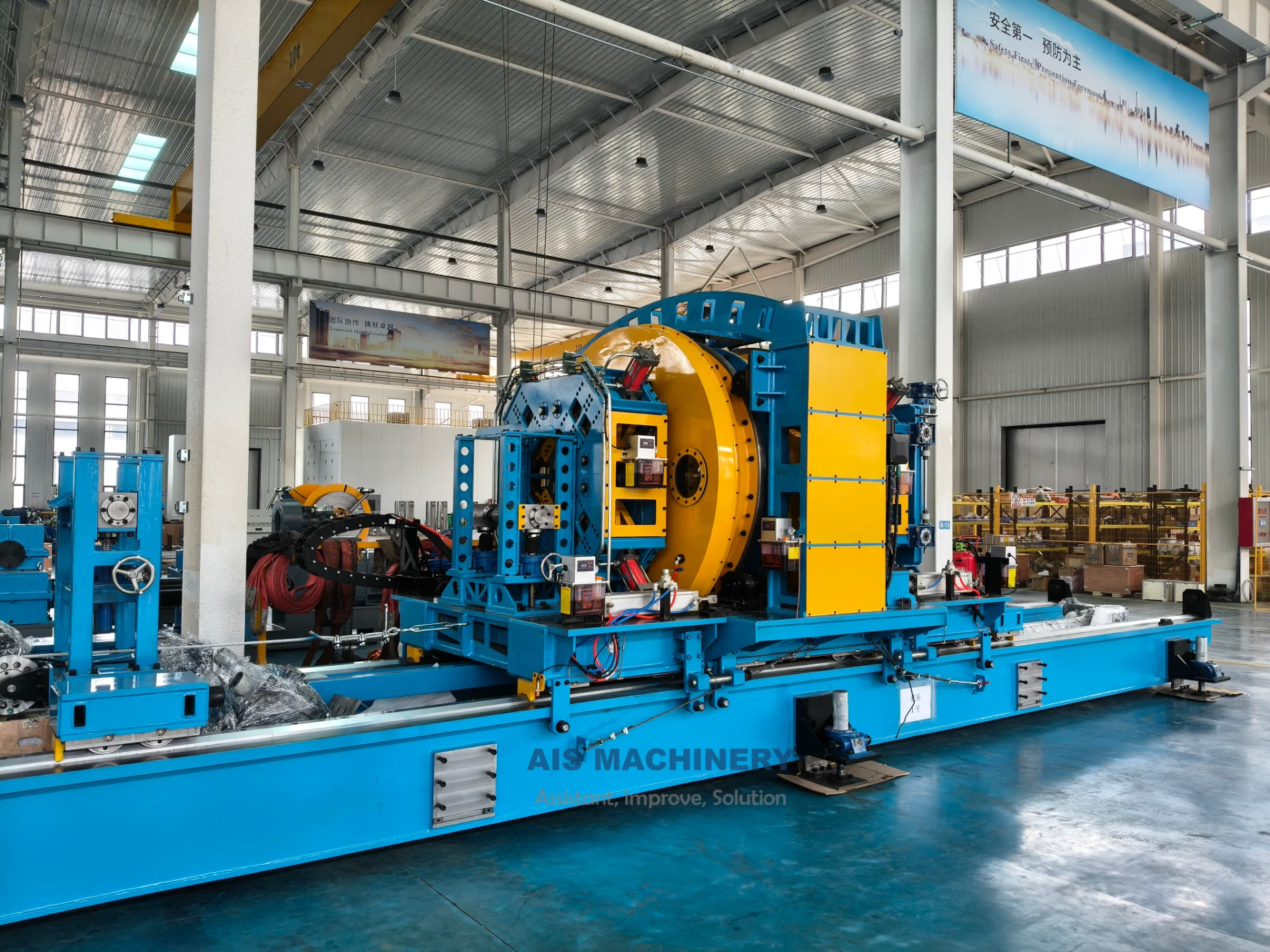
Flat Bar Production Line for Steel Coils: How It Works & Why It Matters
Looking for a flat bar production line? Learn how it turns steel coils into ready-to-use flat bars with precise length and high straightness. Compare it with slitting lines and get the best solution for your steel processing needs.
2026-04-14 00:00:00
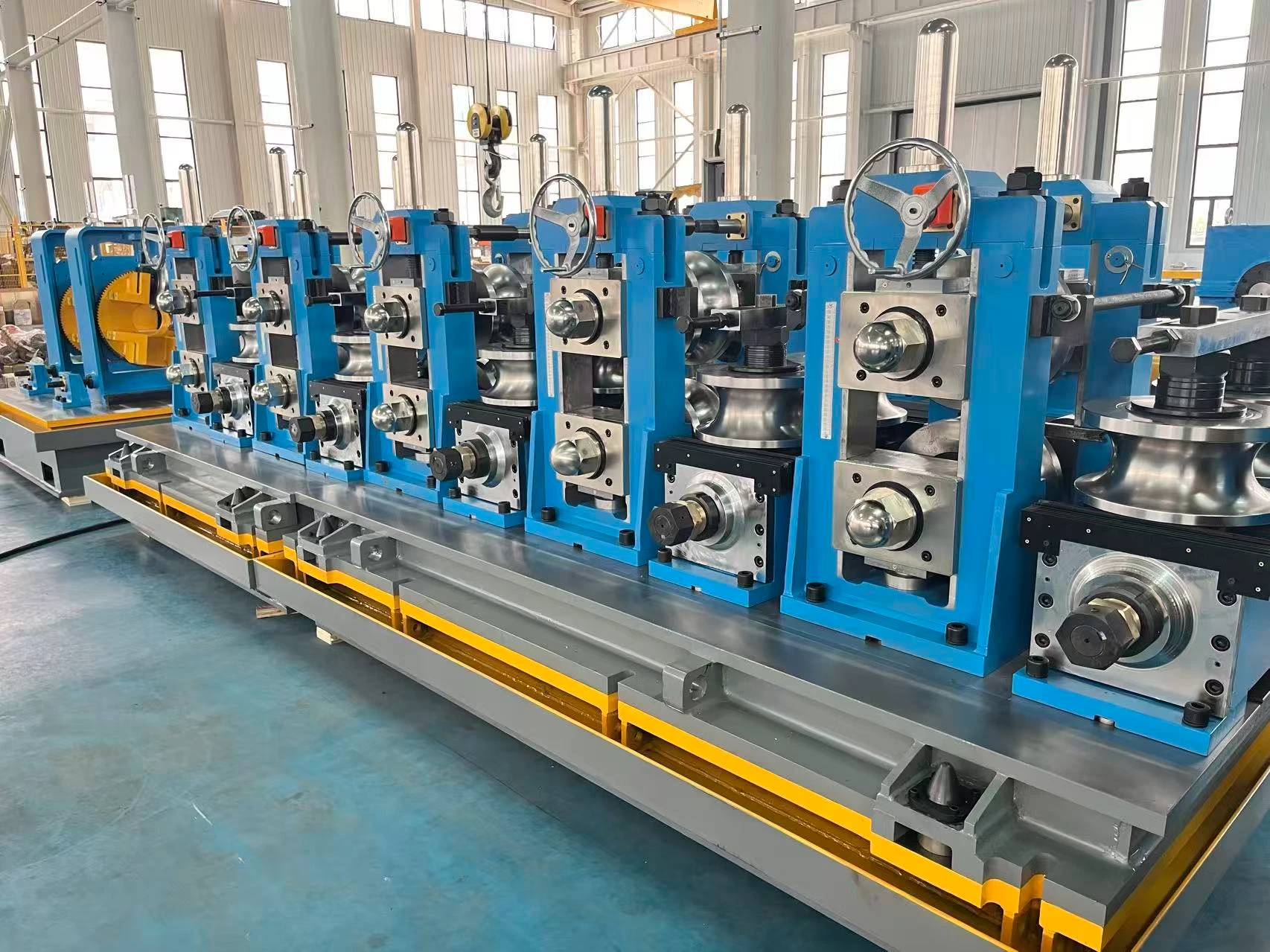
Looking for a Milling Saw for ERW Tube Mill? Here’s What You Need to Know
Looking for a high-performance milling saw for your ERW tube mill? Upgrade to burr-free, high-precision pipe cutting with advanced flying saw technology. Improve efficiency, reduce rework, and meet export standards for carbon steel, stainless steel, and API pipes. Contact us today for expert solutions and competitive pricing tailored to your production needs.
2026-04-09 16:15:19
5-Inch (127mm) ERW Tube Making Machine Delivered with Heavy-Duty Design and Advanced Quick Change System
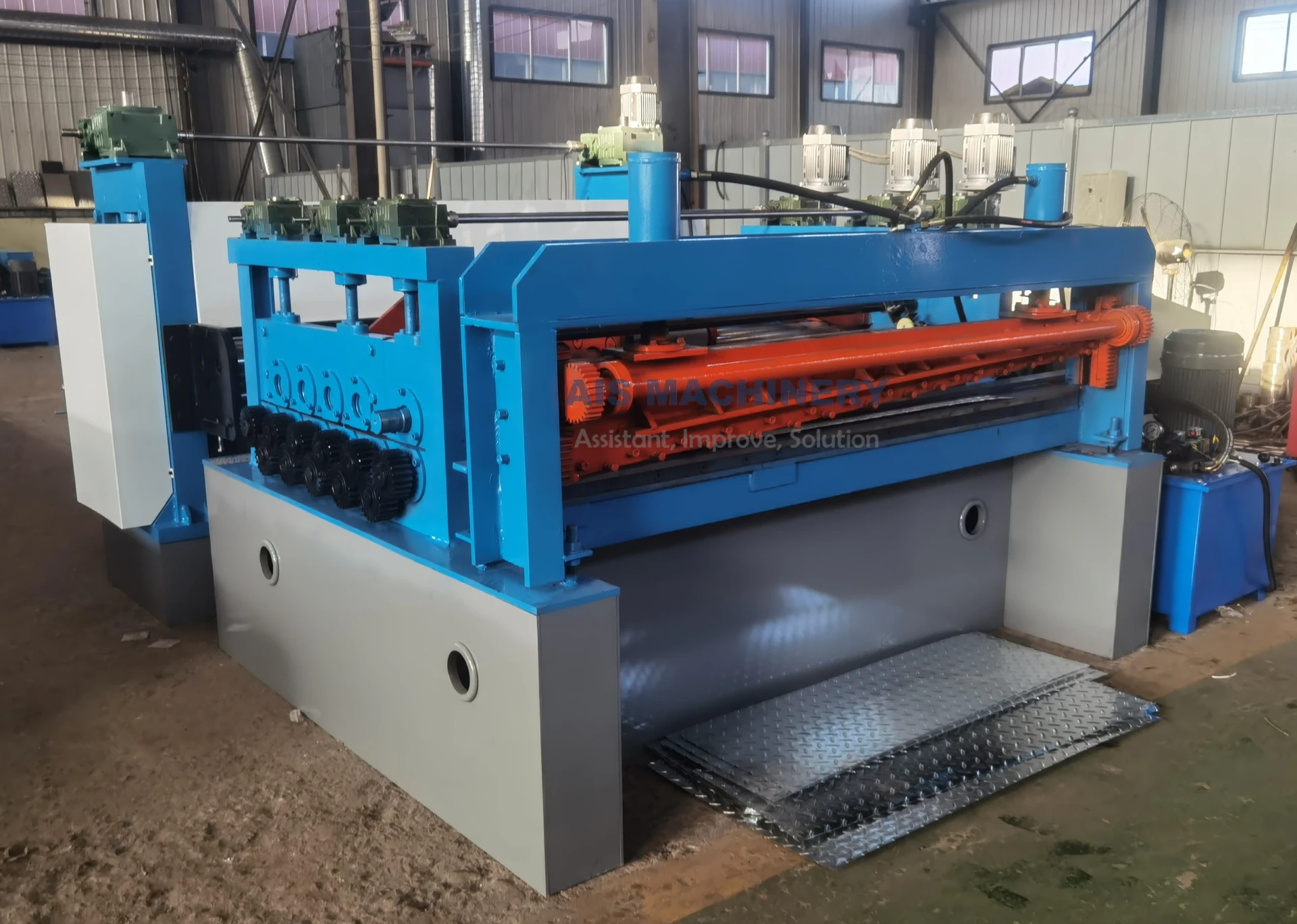
2027-04-07 00:00:00
Metal Embossing Machine: Turn Flat Sheets into High-Value Textured Products
Discover how a metal embossing machine transforms flat steel, stainless steel, and aluminum sheets into high-value textured products. Learn about its working principle, key components, and applications. Ideal for decorative and industrial use, embossing machines improve both appearance and performance. Explore complete embossing line solutions and find the right machine for your production needs.
Send a Message
Dear customer, thank you for your attention! We provide high-quality machinery and equipment and look forward to your orders. Please inform us of your needs and we will respond quickly!
 English
  Albanian
  Arabic
  French
  German
  Indonesian
  Italian
  Japanese
  Kazakh
  Korean
  Latin
Latin  Macedonian
  Portuguese
  Russian
  Spanish
  Thai
Thai  Turkish
  Ukrainian
  Uzbek
Uzbek