
-
 Tel:86-15176910262
-

Search

Precision Eddy Current Tester | NDT Flaw Detection
Sep . 22, 2025 12:10
The Advanced Capabilities of an eddy current tester for Industrial Inspection
In the demanding world of B2B industrial inspection, ensuring the integrity and reliability of materials and components is paramount. Non-destructive testing (NDT) methodologies are critical, and among them, eddy current testing (ECT) stands out for its precision, speed, and versatility. An eddy current tester is a sophisticated instrument utilizing electromagnetic induction to detect surface and near-surface flaws in conductive materials. This technology is indispensable across a multitude of sectors, offering unparalleled insights into material conditions without causing any damage.
This comprehensive guide explores the multifaceted aspects of modern eddy current inspection, from underlying principles and manufacturing insights to real-world applications and strategic advantages. We delve into industry trends, technical specifications, and the tangible benefits our solutions provide to B2B partners, emphasizing reliability, efficiency, and compliance with stringent industry standards.
Current Industry Trends in Eddy Current Testing Equipment
The landscape of NDT is continually evolving, driven by demands for greater accuracy, automation, and data integration. Key trends impacting eddy current testing equipment include:
- Advanced Sensor Technology: Development of more sensitive and specialized probes (e.g., array probes, rotating probes) capable of detecting smaller flaws and covering larger areas faster.
- Integration with Industry 4.0: Seamless integration of eddy current instruments with industrial IoT (IIoT) platforms, enabling real-time data acquisition, cloud-based analysis, and predictive maintenance capabilities. This minimizes human error and maximizes operational uptime.
- Artificial Intelligence (AI) and Machine Learning (ML): AI algorithms are being employed for automated defect recognition, data interpretation, and false-positive reduction, significantly enhancing the efficiency and reliability of eddy current flaw detector systems.
- Miniaturization and Portability: A growing demand for compact, lightweight, and battery-powered eddy current inspection devices for field applications and hard-to-reach areas.
- Multi-frequency and Pulsed ECT: Enhanced capabilities for inspecting a wider range of materials, depths, and detecting complex flaw geometries through multi-frequency and pulsed eddy current technology (ECT).
These trends underscore a move towards smarter, faster, and more comprehensive inspection solutions, directly addressing the critical needs of modern manufacturing and maintenance operations.
The Manufacturing Process of a High-Performance Eddy Current Tester
The creation of a precision eddy current tester involves a meticulous multi-stage manufacturing process, ensuring robust performance and long service life. Our manufacturing adheres strictly to international testing standards such as ISO 9712 and ANSI/ASNT CP-189, guaranteeing product quality and operator competency.
Process Flow: From Concept to Calibration
- Design and Engineering: Initial conceptualization involves advanced CAD/CAE software to define the system architecture, probe designs, and user interface. Focus is on ergonomic design, modularity, and future-proofing.
- Material Selection: Critical components, especially probes and internal shielding, utilize high-grade materials. For probe coils, high-purity copper wire is essential. Housing components often use corrosion-resistant aluminum alloys or robust engineering plastics (e.g., ABS, polycarbonate) for durability and EMI shielding.
- Circuit Board Fabrication (PCB): High-precision manufacturing of multi-layer PCBs, incorporating surface-mount technology (SMT) for miniaturization and reliability. This includes rigorous testing of each board for electrical integrity.
- Component Assembly: Integration of specialized microprocessors, analog-to-digital converters (ADCs), signal conditioning circuits, and display units. This stage often involves automated pick-and-place machines for speed and accuracy.
- Probe Manufacturing: This is a highly specialized step. Probe bodies are often precision CNC machined from materials like PEEK or stainless steel. The winding of eddy current coils requires extreme precision to ensure consistent inductance and impedance characteristics. Coils are encapsulated in wear-resistant, non-conductive materials to protect against environmental factors.
- System Integration and Enclosure: Assembling the electronic modules within a robust, often IP-rated enclosure. Considerations for thermal management and electromagnetic compatibility (EMC) are paramount.
- Calibration and Performance Testing: Each eddy current tester undergoes extensive calibration using certified reference standards. Performance tests include sensitivity, linearity, frequency response, and noise floor measurements to meet specified technical parameters.
- Quality Assurance & Certification: Final inspection, adherence to ISO 9001 quality management systems, and obtaining necessary certifications (e.g., CE, FCC) before dispatch.
Our eddy current testing equipment is designed for a service life of 10-15 years under typical industrial usage, subject to regular maintenance. Target industries include petrochemical, metallurgy, aerospace, automotive, and water supply & drainage, where the detection of micro-cracks, material sorting, and thickness measurement are critical.
In typical application scenarios, our eddy current instruments demonstrate advantages such as energy-saving operation through optimized power management, and exceptional corrosion resistance due to material choices, leading to lower total cost of ownership (TCO) for our B2B partners.
Technical Specifications and Parameters
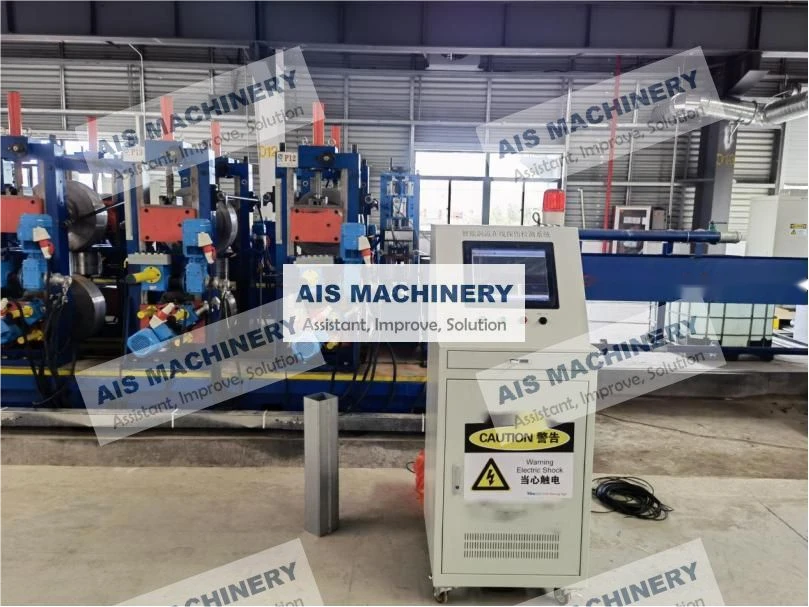
Understanding the core technical parameters of an eddy current tester is vital for B2B decision-makers to select the appropriate equipment for specific applications. Our eddy current flaw detectors are engineered for precision and reliability, offering a range of capabilities to meet diverse industrial needs.
| Parameter | Specification | Explanation |
|---|---|---|
| Frequency Range | 100 Hz to 10 MHz | Determines inspection depth (lower frequencies for deeper penetration) and sensitivity to material conductivity changes. |
| Channels | 1-4 (expandable) | Number of independent probe inputs, allowing simultaneous inspection or complex array configurations. |
| Dynamic Range | ≥ 80 dB | The range of signal amplitudes the instrument can accurately process, critical for detecting both small and large flaws. |
| Lift-off Compensation | Automatic, up to 2mm | Minimizes interference from variations in probe-to-surface distance, ensuring accurate flaw detection. |
| Defect Detection Limit | 0.1 mm surface crack (in aluminum) | Smallest detectable flaw size, directly impacting inspection reliability. |
| Operating Temperature | -10°C to +50°C | Ensures reliable operation in varied industrial environments. |
| Data Storage | 128 GB SSD (expandable) | Capacity for storing inspection data, settings, and reports. |
| Connectivity | USB 3.0, Ethernet, Wi-Fi | Facilitates data transfer, remote operation, and integration into networked systems. |
These specifications highlight the sophisticated engineering behind our eddy current instruments, ensuring they meet the rigorous demands of industrial quality control and maintenance. Parameters such as signal-to-noise ratio and phase shift discrimination are optimized to provide clear, actionable data even in challenging inspection conditions.
Diverse Application Scenarios and Proven Experience
The versatility of eddy current technology makes it an indispensable tool across numerous industrial sectors. Our eddy current tester solutions have been deployed successfully in a broad spectrum of applications, enhancing safety and operational efficiency.
- Aerospace: Detection of fatigue cracks in aircraft structures, wheels, and engine components, critical for flight safety. Our systems are used by major aerospace manufacturers for routine maintenance checks.
- Automotive: Inspection of automotive components such as crankshafts, camshafts, and cylinder heads for manufacturing defects, heat treatment anomalies, and material composition verification. Customer feedback often highlights significant reductions in warranty claims.
- Oil & Gas / Petrochemical: Inspection of heat exchanger tubes, pipelines, and storage tanks for corrosion, pitting, and stress corrosion cracking. This proactive eddy current inspection helps prevent catastrophic failures and unplanned downtime.
- Power Generation: Detecting flaws in steam generator tubes, turbine blades, and other critical components in nuclear, thermal, and hydropower plants, ensuring continuous and safe operation.
- Manufacturing & Metallurgy: In-line inspection for surface defects in raw materials (e.g., bars, wires, tubes) and finished products, material sorting based on conductivity or hardness, and thickness measurement of coatings.
For instance, in a recent project for a major petrochemical refinery, our custom eddy current flaw detector system was deployed for inspecting stainless steel heat exchanger tubes. The system accurately identified numerous sub-surface defects, which, if undetected, could have led to expensive shutdowns. The client reported a 25% reduction in inspection time compared to previous methods, coupled with a 15% increase in detection reliability for critical flaws, directly contributing to enhanced plant safety and operational continuity.
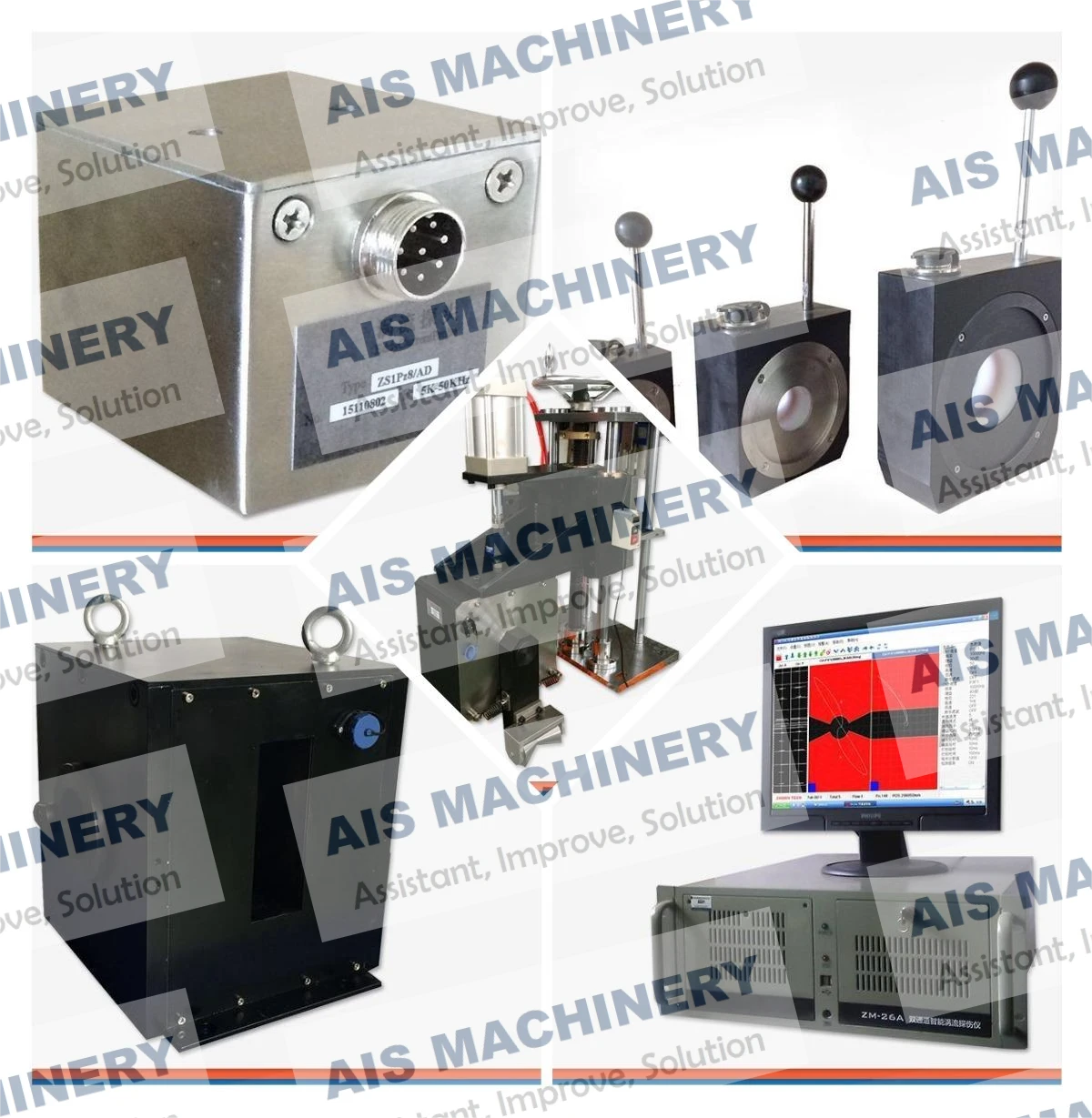
Technical Advantages of Our Eddy Current Solutions
Our eddy current testing equipment offers distinct advantages that translate into significant operational benefits for our B2B clients:
- High Sensitivity and Accuracy: Capable of detecting minute surface and near-surface flaws, down to 0.1mm, ensuring early detection of potential material failures.
- Speed of Inspection: Provides rapid, real-time inspection, significantly reducing downtime and increasing throughput in production lines.
- Non-Contact Measurement: Since no couplant is required and probes do not physically touch the material, inspection can be performed on hot, moving, or delicate surfaces without damage.
- Versatility: Effective on a wide range of conductive materials, including ferrous and non-ferrous metals, for flaw detection, material characterization, and dimensional measurements.
- Automation Potential: Easily integrated into automated inspection systems, reducing labor costs and improving consistency.
- Data-Rich Results: Provides comprehensive data analysis and visualization, allowing for detailed defect characterization and trend monitoring.
These advantages contribute directly to enhanced quality control, extended asset life, improved safety, and ultimately, a stronger competitive edge for our clients.
Vendor Comparison and Competitive Edge
In a competitive market, selecting the right vendor for eddy current instruments is crucial. While many providers offer eddy current flaw detector systems, our commitment to innovation, customization, and comprehensive support sets us apart.
| Feature/Aspect | Our Solution (AISTubeMill) | Standard Market Offerings |
|---|---|---|
| Customization Capabilities | Extensive: Tailored probes, software, integration options for unique applications. | Limited: Primarily off-the-shelf configurations. |
| Proprietary AI/ML Algorithms | Integrated for enhanced defect recognition and data analysis. | Rarely included; often requires third-party add-ons. |
| Post-Sales Support | Dedicated 24/7 technical support, on-site training, extensive warranty. | Standard business hours support, limited training, basic warranty. |
| Certifications & Compliance | ISO 9001, CE, FCC, ASTM E309/E426 compliant, audited by TUV. | Varies, often basic CE/FCC. |
| System Integration | Designed for easy integration with existing PLCs, SCADA, and IIoT systems. | May require significant engineering effort for integration. |
Our long-standing presence (over 20 years) in the NDT industry, coupled with strategic partnerships with leading material science institutes, ensures our eddy current technology (ECT) remains at the forefront of innovation. We pride ourselves on not just selling equipment, but providing complete, high-value inspection solutions.
Customized Solutions and Application Case Studies
Understanding that off-the-shelf solutions rarely fit every unique industrial challenge, we specialize in providing customized eddy current testing equipment. Our engineering team collaborates closely with clients to develop bespoke probes, software algorithms, and mechanical integration solutions tailored to specific materials, geometries, and inspection requirements.
Case Study: High-Speed Tube Inspection in Metallurgy
Client: Leading steel tube manufacturer for automotive exhaust systems.
Challenge: Inspecting welded steel tubes (6-25mm diameter) for surface cracks and weld defects at line speeds exceeding 100 meters/minute, ensuring 100% defect detection while minimizing false positives.
Solution: We designed a multi-channel rotating eddy current array probe system, integrated with advanced signal processing and an automated pneumatic rejection mechanism. The system included custom software with AI-driven defect classification.
Results: The client achieved an impressive 99.8% defect detection rate for critical flaws, reduced false rejections by 40%, and maintained production speeds. This led to a substantial reduction in scrap material and enhanced product quality, solidifying their reputation as a premium supplier. The system operates continuously, a testament to the robust design and our commitment to product excellence, including certifications like CE and compliance with ASTM standards.
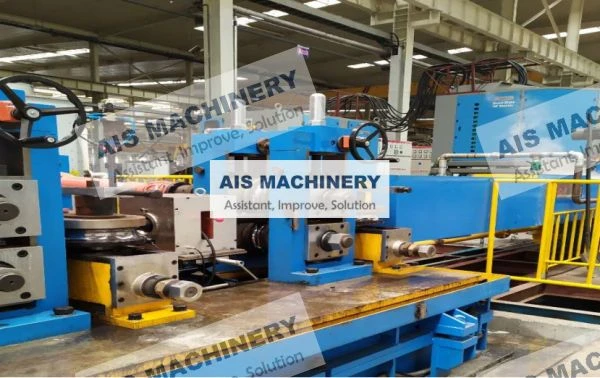
Trustworthiness: FAQ, Lead Time, Warranty, and Support
Building long-term partnerships is founded on trust and transparency. We are committed to providing clear information regarding our products and services.
Frequently Asked Questions (FAQ)
Q: What materials can an eddy current tester inspect?
A: Eddy current technology is effective on all electrically conductive materials, including ferrous metals (steel, iron) and non-ferrous metals (aluminum, copper, titanium, brass).
Q: What types of defects can ECT detect?
A: Primarily surface and near-surface flaws such as cracks, pits, corrosion, laminations, and material property variations (e.g., hardness, conductivity changes). It can also be used for thickness measurement of non-conductive coatings on conductive substrates.
Q: Is specialized training required to operate your eddy current instruments?
A: While our systems are designed for intuitive operation, formal NDT training (e.g., ASNT Level I/II for Eddy Current Testing) is highly recommended for optimal use and data interpretation. We offer comprehensive training programs tailored to client needs.
Lead Time & Fulfillment
Standard eddy current testing equipment typically has a lead time of 4-6 weeks from order confirmation. Customized solutions or complex integrated systems may require 8-12 weeks, depending on the scope of work. We maintain efficient supply chains and transparent communication to ensure timely delivery.
Warranty Commitments
All our eddy current instruments come with a standard 2-year warranty covering parts and labor for manufacturing defects. Extended warranty options and service contracts are available to provide additional peace of mind and maximize equipment uptime.
Customer Support
Our dedicated technical support team is available 24/7 for troubleshooting, application assistance, and remote diagnostics. We offer on-site support, preventative maintenance, and calibration services globally to ensure your eddy current tester operates at peak performance throughout its service life. Our commitment extends beyond the sale, fostering a true partnership.
Conclusion: Partnering for Precision and Reliability
The modern industrial landscape demands uncompromising quality and efficiency. A high-performance eddy current tester is more than just an inspection tool; it is a critical asset for ensuring material integrity, preventing failures, and optimizing operational costs. Our advanced eddy current testing equipment, backed by extensive expertise, proven experience, and unwavering trustworthiness, represents a strategic investment for any B2B operation focused on excellence. Partner with us to leverage the full potential of eddy current technology and safeguard your assets and reputation.
References
- American Society for Nondestructive Testing (ASNT). Nondestructive Testing Handbook, Third Edition: Vol. 5, Eddy Current Testing.
- International Organization for Standardization (ISO). ISO 9712: Nondestructive testing — Qualification and certification of NDT personnel.
- ASTM International. Standard E309: Standard Practice for Eddy-Current Examination of Steel Tubular Products Using Magnetic Saturation.
- "Review of Eddy Current Testing with Applications in Metallurgy," Journal of Materials Science Research, Vol. 8, No. 3, 2019, pp. 245-258.
- "Advances in Pulsed Eddy Current Techniques for Corrosion Detection," NDT & E International, Vol. 98, 2018, pp. 112-123.

Related Products
Related News
2027-04-24 00:00:00
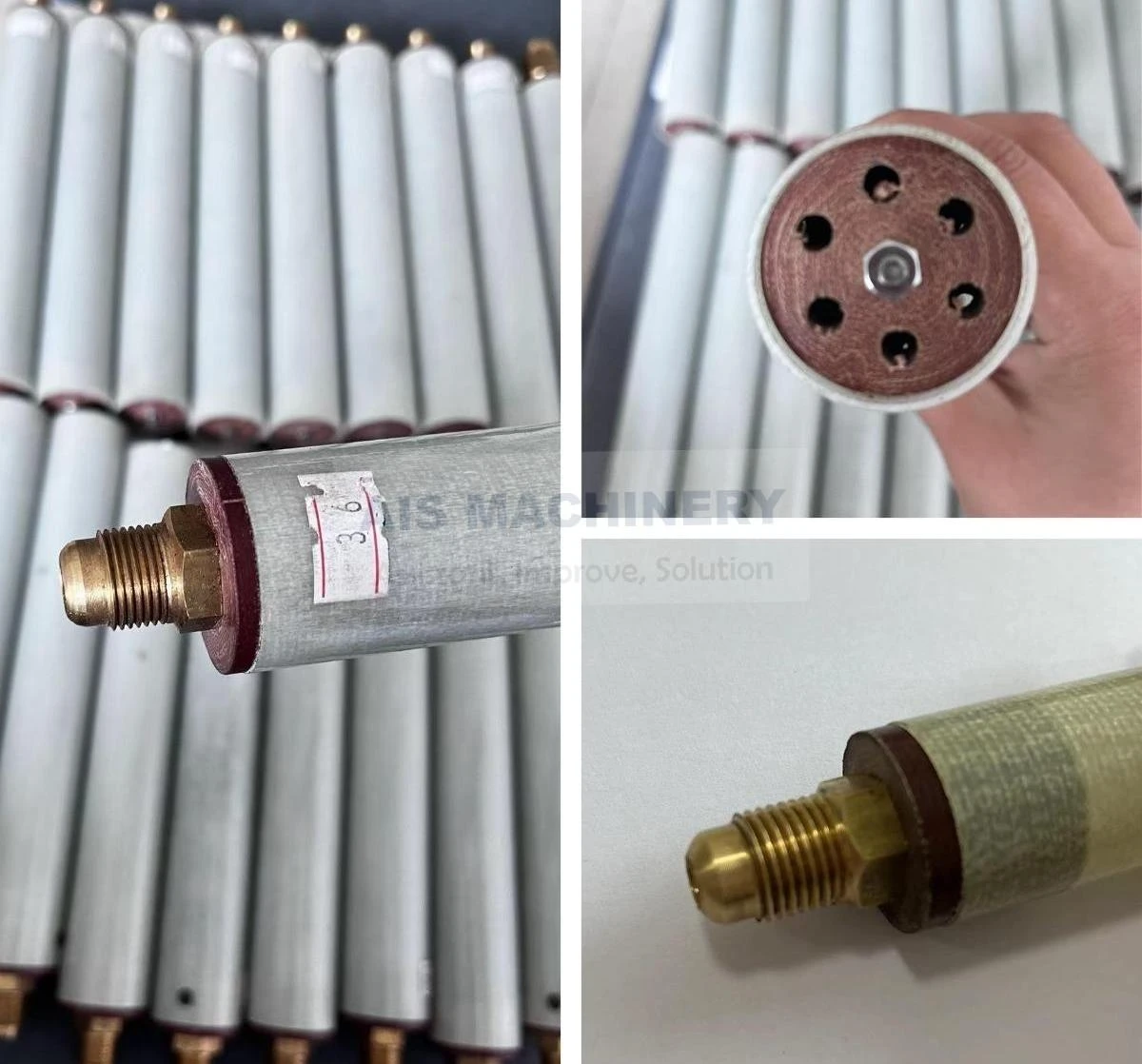
What is an Impeder and Ferrite Rods in ERW Tube Mill?
Struggling with impeder overheating or short service life in your ERW tube mill? This guide explains common impeder problems, the role of ferrite rods, and how to choose the right impeder for stable welding performance. Improve weld quality, reduce energy loss, and extend equipment lifespan with the right selection and proper cooling solutions.
2026-04-21 10:22:25
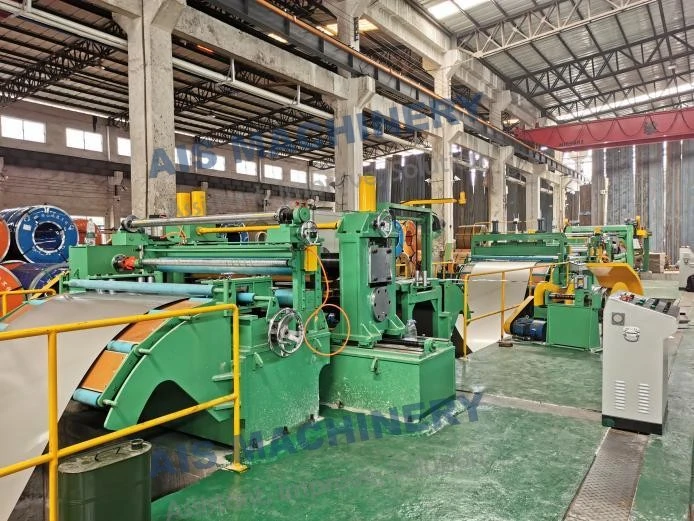
Slitting & Cut-to-Length Combined Production Line: A Smarter Way to Process Steel Coils
Discover the Slitting & Cut-to-Length Combined Production Line, a flexible solution for steel coil processing. This system integrates slitting line and cut-to-length line functions in one machine, saving space, reducing costs, and improving efficiency. Ideal for processing both steel strips and sheets, it is widely used in service centers and manufacturing industries. Learn its advantages, limitations, and applications.
2026-04-18 03:20:20
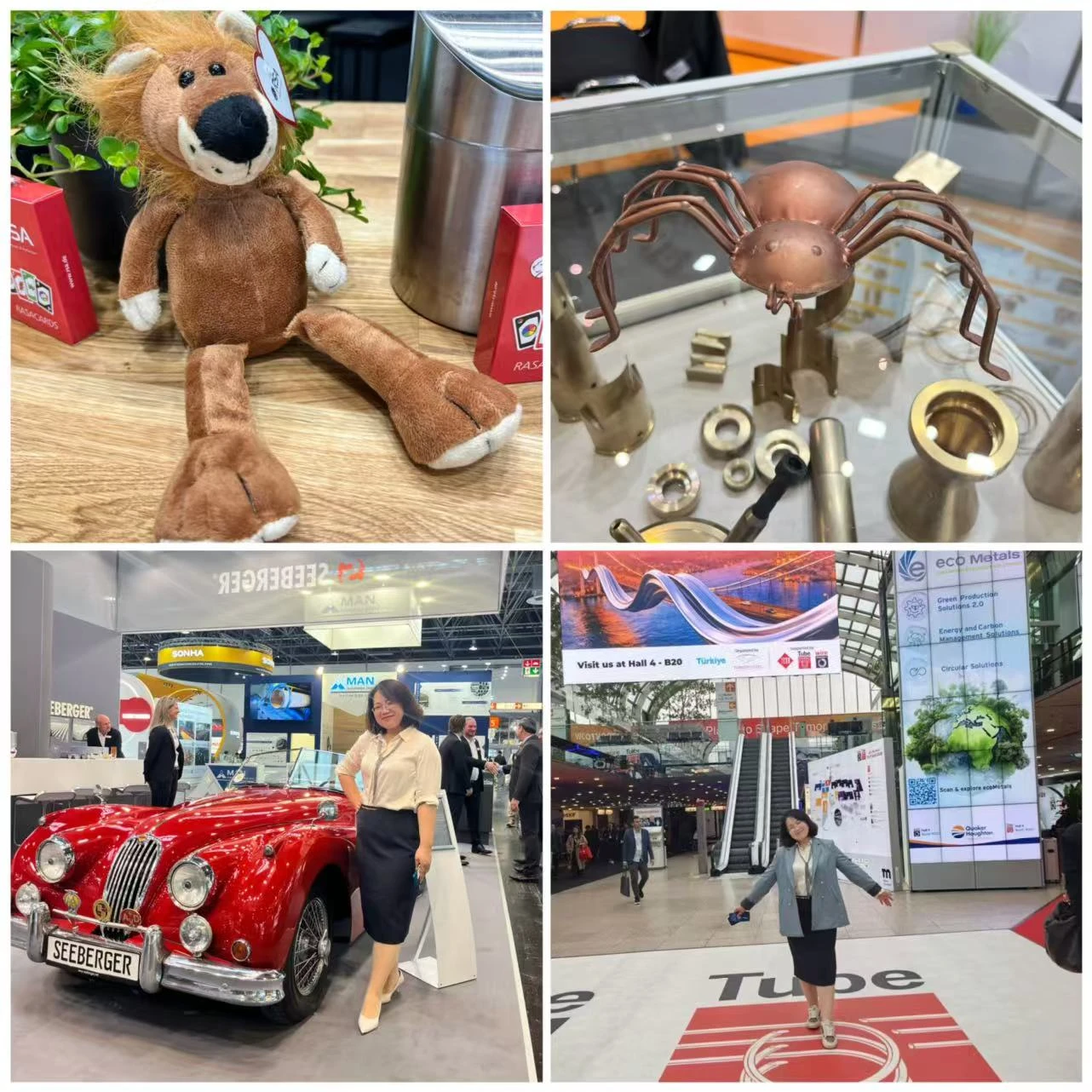
AIS Machinery Showcases Advanced Tube Solutions at Tube & Wire Düsseldorf 2026
Tube & Wire Düsseldorf 2026, one of the most influential exhibitions in the global tube and wire industry, held biennially in Düsseldorf, Germany
2026-04-17 00:00:00
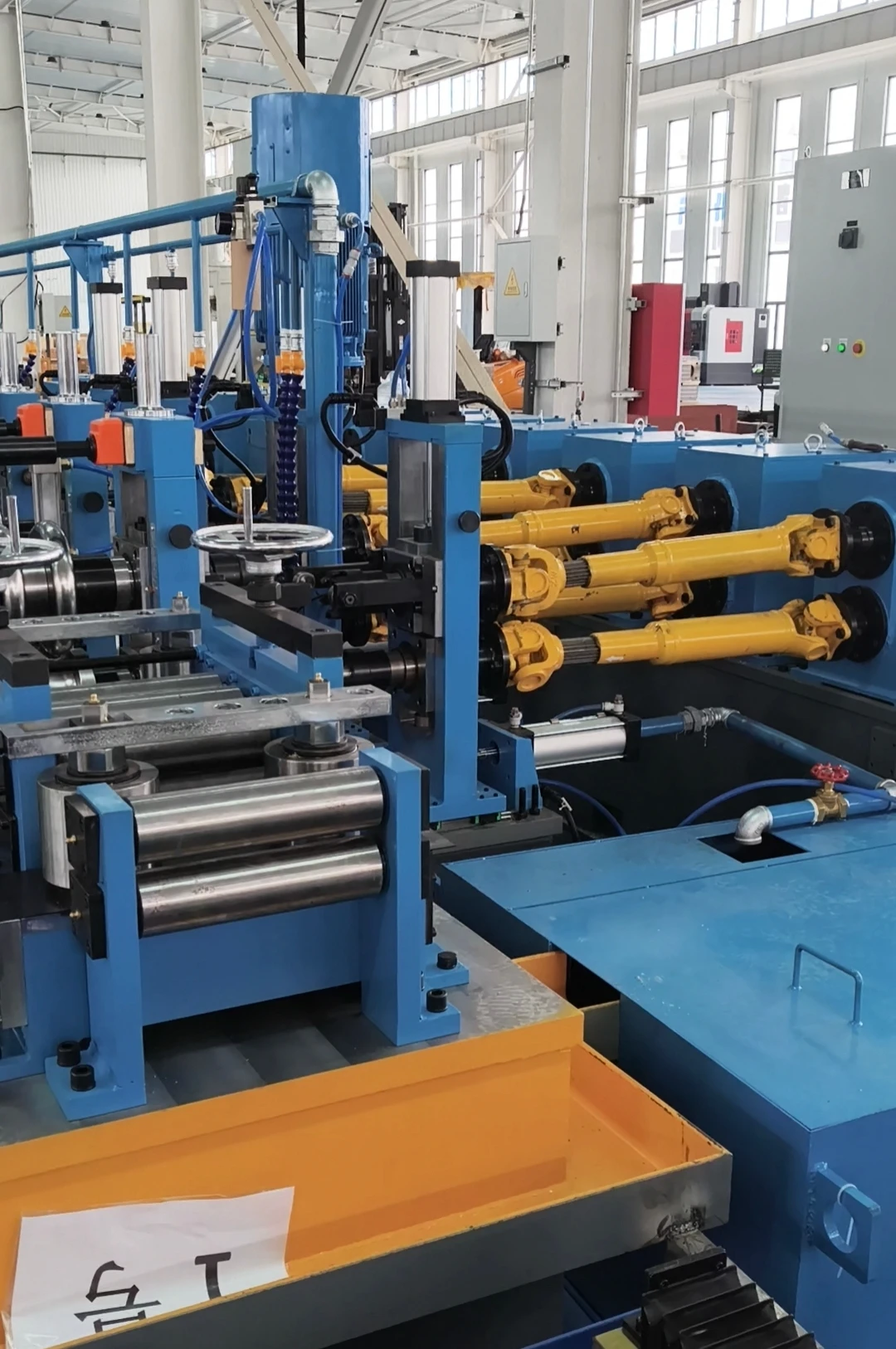
Southeast Asia Client Visits Our Factory | Customized Tube Mill Solution Delivered
A Southeast Asia client visited our ERW tube mill factory to inspect production lines and discuss a customized tube mill solution. Impressed by our machine quality, welding performance, and engineering support, the client confirmed strong cooperation intentions. Discover how our ERW tube mill solutions improve efficiency, precision, and long-term production reliability.
2026-04-15 10:37:55
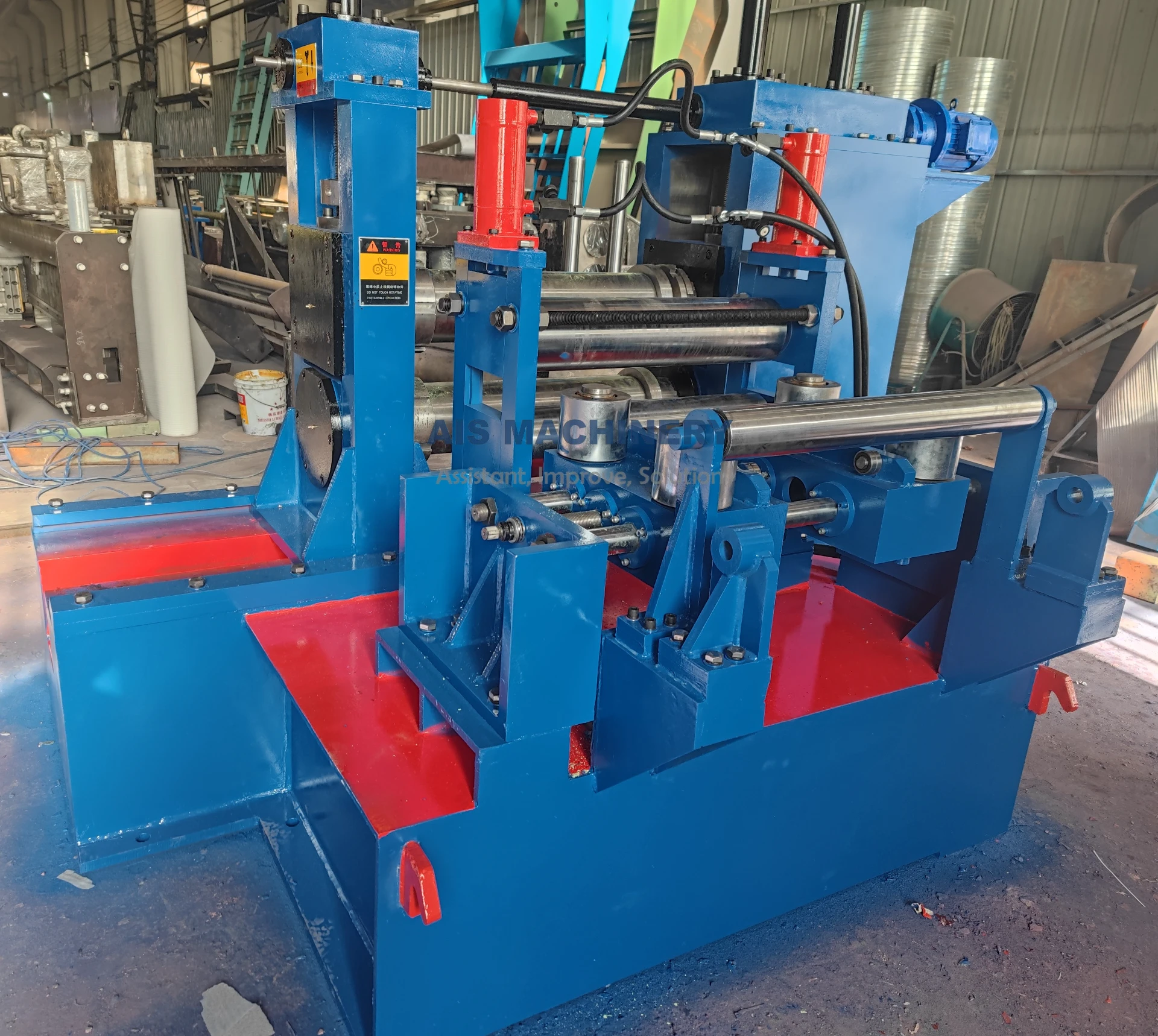
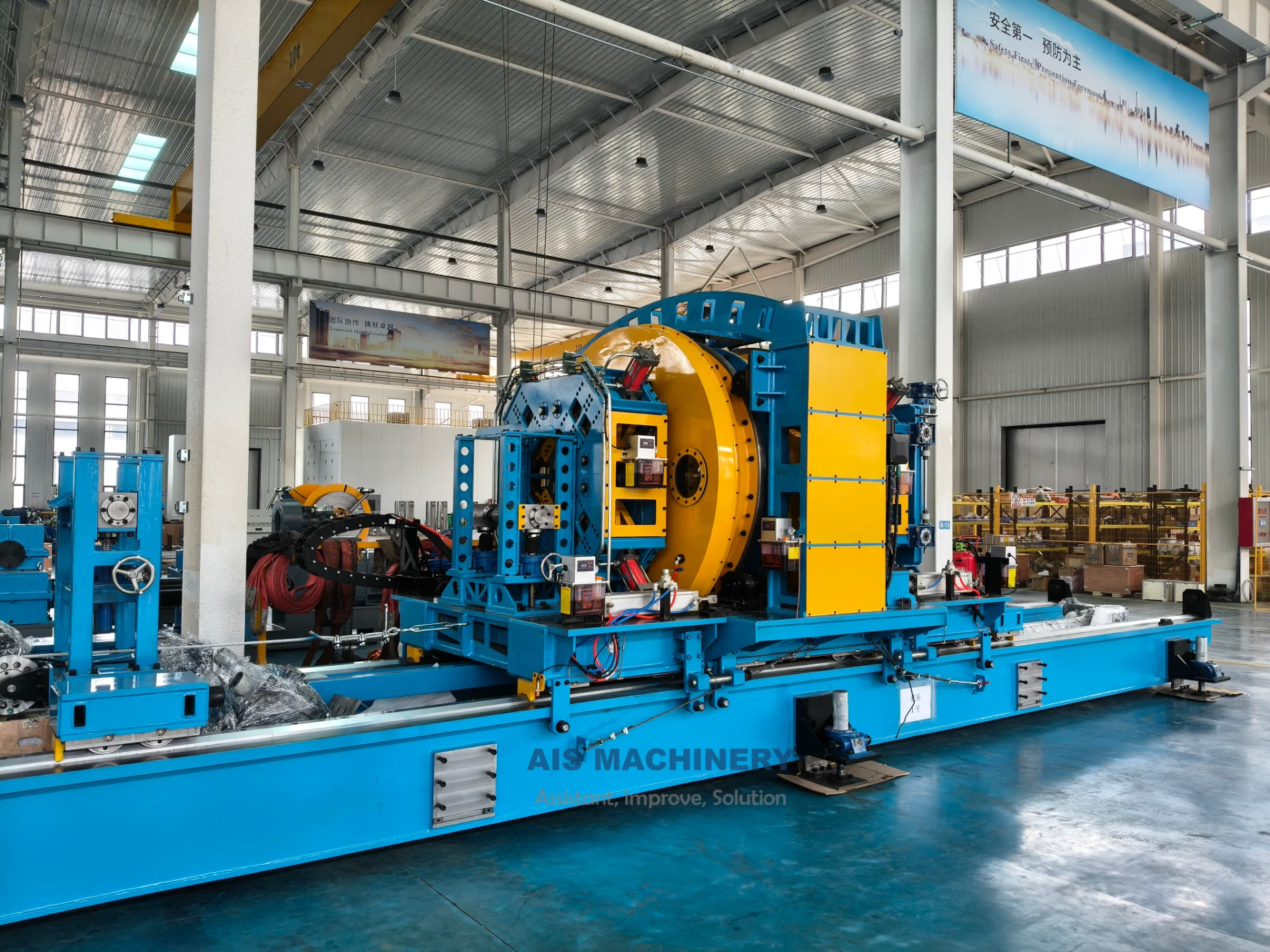
Flat Bar Production Line for Steel Coils: How It Works & Why It Matters
Looking for a flat bar production line? Learn how it turns steel coils into ready-to-use flat bars with precise length and high straightness. Compare it with slitting lines and get the best solution for your steel processing needs.
2026-04-14 00:00:00
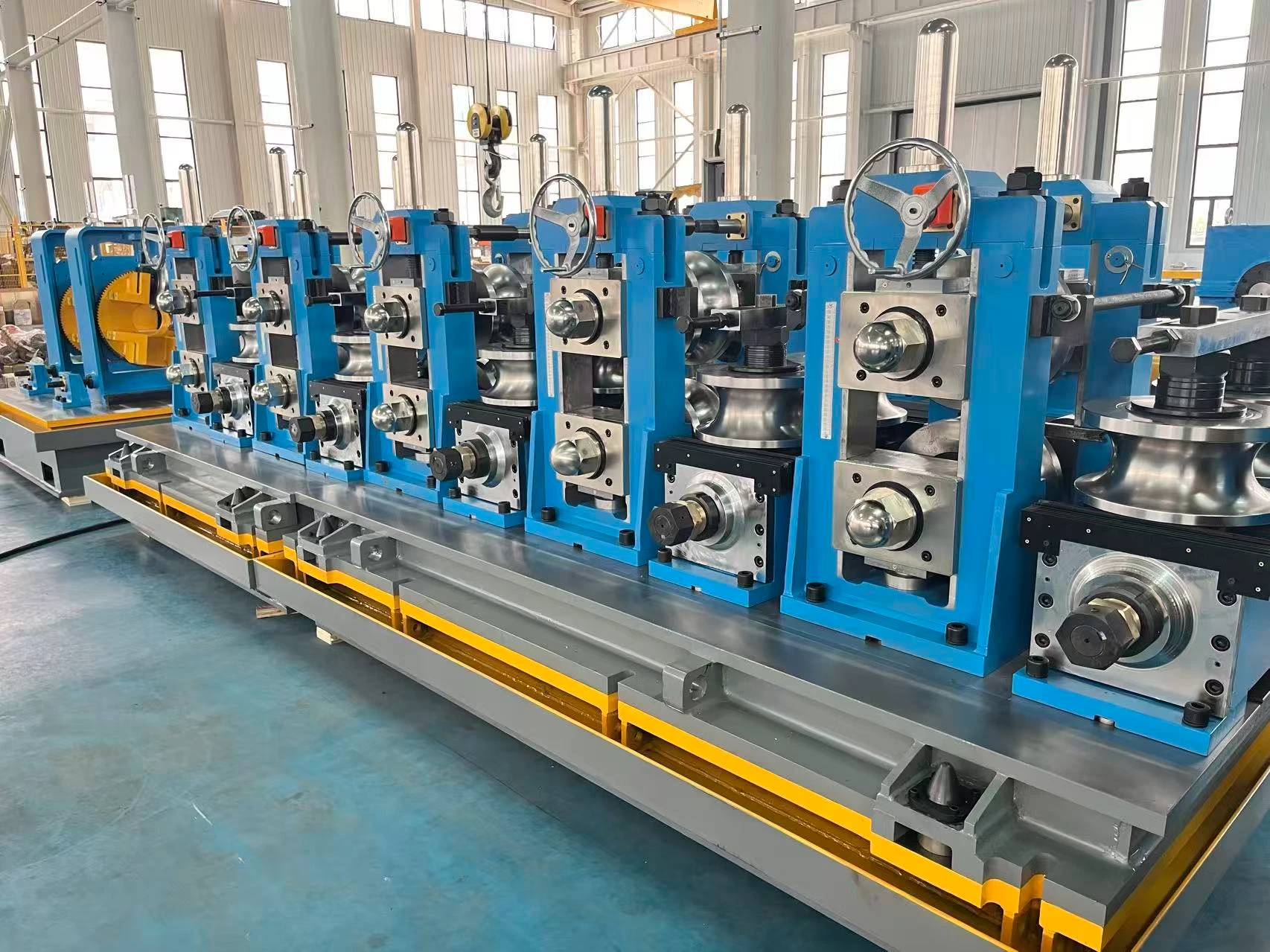
Looking for a Milling Saw for ERW Tube Mill? Here’s What You Need to Know
Looking for a high-performance milling saw for your ERW tube mill? Upgrade to burr-free, high-precision pipe cutting with advanced flying saw technology. Improve efficiency, reduce rework, and meet export standards for carbon steel, stainless steel, and API pipes. Contact us today for expert solutions and competitive pricing tailored to your production needs.
2026-04-09 16:15:19
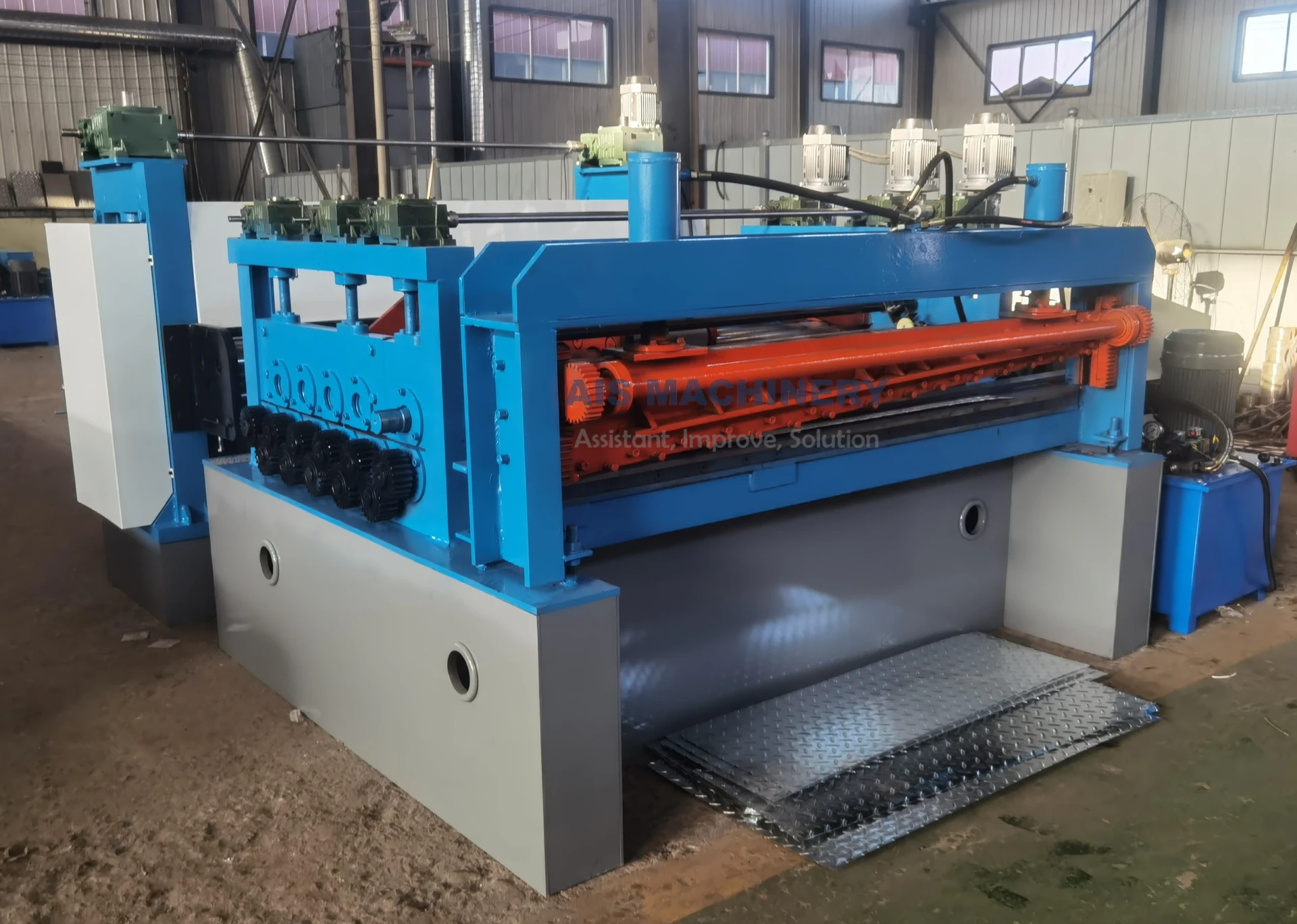
5-Inch (127mm) ERW Tube Making Machine Delivered with Heavy-Duty Design and Advanced Quick Change System
2027-04-07 00:00:00
Metal Embossing Machine: Turn Flat Sheets into High-Value Textured Products
Discover how a metal embossing machine transforms flat steel, stainless steel, and aluminum sheets into high-value textured products. Learn about its working principle, key components, and applications. Ideal for decorative and industrial use, embossing machines improve both appearance and performance. Explore complete embossing line solutions and find the right machine for your production needs.
Send a Message
Dear customer, thank you for your attention! We provide high-quality machinery and equipment and look forward to your orders. Please inform us of your needs and we will respond quickly!
 English
  Albanian
  Arabic
  French
  German
  Indonesian
  Italian
  Japanese
  Kazakh
  Korean
  Latin
Latin  Macedonian
  Portuguese
  Russian
  Spanish
  Thai
Thai  Turkish
  Ukrainian
  Uzbek
Uzbek