
-
 Tel:86-15176910262
-

Search

Separator Discs: Key Industrial Components Driving Efficiency and Safety Worldwide
Dec . 03, 2025 13:10
Understanding Separator Discs: Their Role and Impact in Modern Industry
Separator discs aren’t exactly the star of everyday conversations, but they quietly hold a pivotal place in many industrial and engineering processes worldwide. Essentially, these small yet mighty components help separate and protect parts within complex machinery, ensuring everything runs smoothly, safely, and efficiently. Their importance goes beyond just mechanical function; they’re part of frameworks that support global industries — from oil and gas pipelines to water treatment plants and the food sector. In an increasingly interconnected world, having reliable separator solutions translates into better safety, enhanced productivity, and sometimes, even environmental protection.
Oddly enough, understanding separator discs opens a window into how behind-the-scenes technology safeguards massive systems we depend on daily. So, why does this matter globally? Because inefficiencies or failures at this level can cascade into costly downtimes, environmental risks, or compromised worker safety — and that affects economies and communities worldwide.
Global Context: Why Separator Discs Are More Important Than You Think
Global industrial infrastructure is expanding rapidly. According to the International Energy Agency (IEA), world energy consumption is expected to grow over 25% by 2040, much of it relying on complex pipelines and processing stations. Within those critical systems, separator discs act as barriers that prevent debris, pressure surges, or contamination from causing mechanical failures. For instance, in pipeline systems carrying oil, gas, or water, these discs keep different media separate or prevent components from contacting under stress.
The challenge? Aging infrastructure and the demand for safer, more efficient technologies put continuous pressure on manufacturers and operators to seek advanced separator disc solutions. The separator discs industry is responding with innovations in materials and design that are more durable, corrosion resistant, and adaptable to extreme environments. This is crucial for sectors where downtime means huge financial losses.
What Are Separator Discs? A Simple Definition
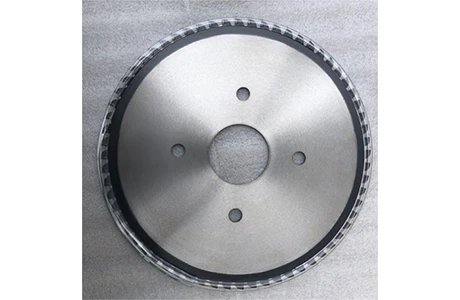
In the simplest terms, a separator disc is a thin, circular component designed to create a physical barrier between parts inside equipment like pumps, valves, or separators. These discs help control the flow or direction of fluids, separate oil from water, or prevent contamination. They’re custom engineered for different pressure, temperature, and chemical environments. So, their role isn’t glamorous, but they’re integral for reliable machinery operation — especially in heavy industry, chemical processing, and water treatment.
In humanitarian or disaster-relief contexts, consider how mobile water-treatment units rely on separator discs to maintain clean water flows. Without this reliable separation, faulty equipment could produce harmful outputs, posing health risks. So, their practical reach is surprisingly broad.
Key Factors Making Separator Discs Effective
1. Durability and Material Choice
The longevity of separator discs depends heavily on the materials used. Many are crafted from stainless steel alloys, specialized polymers, or composite materials that resist corrosion, temperature extremes, and mechanical wear. This is especially important in environments with acids, saltwater, or abrasive fluids.
2. Design Flexibility
Separator discs come in various thicknesses, diameters, and perforation patterns, tailored to specific system needs. Flexibility in design ensures compatibility across diverse equipment — from subsea oil pipelines to food-grade processing machines.
3. Cost Efficiency
While the upfront cost of high-quality separator discs might seem higher, their durability and ability to reduce maintenance and downtime often result in lower total lifecycle expenses. Plus, some vendors offer modular discs that can be quickly swapped on-site, reducing outage windows.
4. Scalability for Industrial Applications
Whether for a small local plant or an international pipeline network, separator discs scale well. Custom manufacturing means units can be produced in batches or one-offs to meet volume and specification demands.
Summary takeaway:
- Material durability and smart design directly translate into improved system reliability and lower operational headaches down the line.
Global Applications: Where Separator Discs Make a Real Difference
Separator discs are everywhere, though they often go unnoticed. For example:
- Oil & Gas Industry: Used in multi-stage separators to divide gas, oil, and water streams efficiently, improving processing safety and quality.
- Water Treatment Plants: Ensure contaminants remain separated during filtration processes, promoting safe municipal water supplies.
- Food and Beverage Manufacturing: Maintain sanitary environments by separating fluids or solids, meeting strict hygiene standards.
- Disaster Relief Operations: Mobile filtration units rely on separator discs for clean water access in remote zones.
Regions like the Middle East, North America, and emerging Southeast Asian markets especially benefit because of their heavy reliance on pipeline infrastructure and clean water accessibility.
Advantages & Long-Term Value of Separator Discs
The benefits are multiple and interwoven:
- Reducing Tank or Pipeline Failure: By minimizing contact between incompatible materials or debris, separator discs lengthen equipment lifespans.
- Cost Reduction: Less downtime and fewer repairs mean project operators save millions yearly.
- Sustainability: Increasingly, environmentally friendly materials and coatings reduce waste and help companies meet regulatory standards.
- Human Impact: Safe, reliable separation means fewer accidents and better quality products reaching consumers, maintaining trust.
Product Specifications of Typical Separator Discs
| Specification | Details |
|---|---|
| Material | 316 Stainless Steel / Composite Polymers |
| Diameter Range | 50mm to 1000mm |
| Temperature Range | -40°C to 450°C |
| Pressure Tolerance | Up to 350 bar |
| Typical Life Span | 5–15 years depending on usage |
Vendor Comparison: Leading Separator Disc Manufacturers
| Feature | Vendor A | Vendor B | Vendor C |
|---|---|---|---|
| Material Options | Steel & Polymers | Alloy Steel | Composite Polymers |
| Customization Level | High | Medium | High |
| Lead Times | 2-4 weeks | 3-6 weeks | 1-3 weeks |
| Experience (Years) | 20+ | 15 | 10 |
Emerging Trends and Innovations in Separator Discs
Looking ahead, the future of separator discs includes notable innovations:
- Eco-friendly Materials: New biodegradable or recyclable polymers reduce environmental footprint.
- Advanced Coatings: Nano-coatings improve corrosion resistance and decrease fouling.
- Smart Sensors: Integration with digital monitoring reveals wear and tear before failures happen.
- Automation Compatibility: Designs increasingly cater to automated assembly and maintenance robots.
Frankly, these advancements could redefine maintenance cycles and operational transparency in critical infrastructure.
Challenges in Separator Disc Use and Possible Solutions
Even the best separator discs face challenges:
- Material Fatigue: Constant pressure cycles cause wear; manufacturers address this by improving alloys and composites.
- Installation Complexity: Custom fit is essential but can slow deployment—modular designs and 3D scanning tech help mitigate this.
- Supply Chain Interruptions: Sourcing specialized materials globally can introduce delays; strategic stockpiling and diversified suppliers lessen risk.
In real terms, staying ahead means companies must blend traditional engineering with forward-thinking tech solutions.
FAQ: Common Questions About Separator Discs
- What materials are best for separator discs in corrosive environments?
- Stainless steel 316 and specialized composite polymers are generally preferred for corrosive settings, offering excellent resistance and longevity.
- How often should separator discs be inspected or replaced?
- It depends on usage conditions, but typically every 5-10 years, or sooner if visual wear or efficiency drops are noticed during routine maintenance.
- Can separator discs be customized for unusual sizes or shapes?
- Yes, many manufacturers offer tailored solutions to fit unique machinery specifications, including unusual diameters or multi-layer constructions.
- Are separator discs reusable after maintenance?
- Some discs can be reused if undamaged and cleaned properly; however, most critical applications recommend replacement to avoid risk.
Conclusion: Why Investing in Quality Separator Discs Makes Sense
In the grand scheme, separator discs might seem like humble workhorses — but overlooking their importance is a costly mistake. They’re integral to system safety, efficiency, and sustainability. As industries become more complex and demanding, the need for reliable, advanced separator discs only grows. If you’re seeking to enhance your machinery or infrastructure, checking out specialized providers is a smart start.
For top-quality products and expert advice, visit our website at https://www.aistubemill.com. Get the right components that help your systems run better, last longer, and support your responsible global footprint.
In short: separator discs quietly keep the world's industry clean, safe, and reliable — a small part with a huge impact.
References

Related Products

Related News
2026-04-30 09:35:04
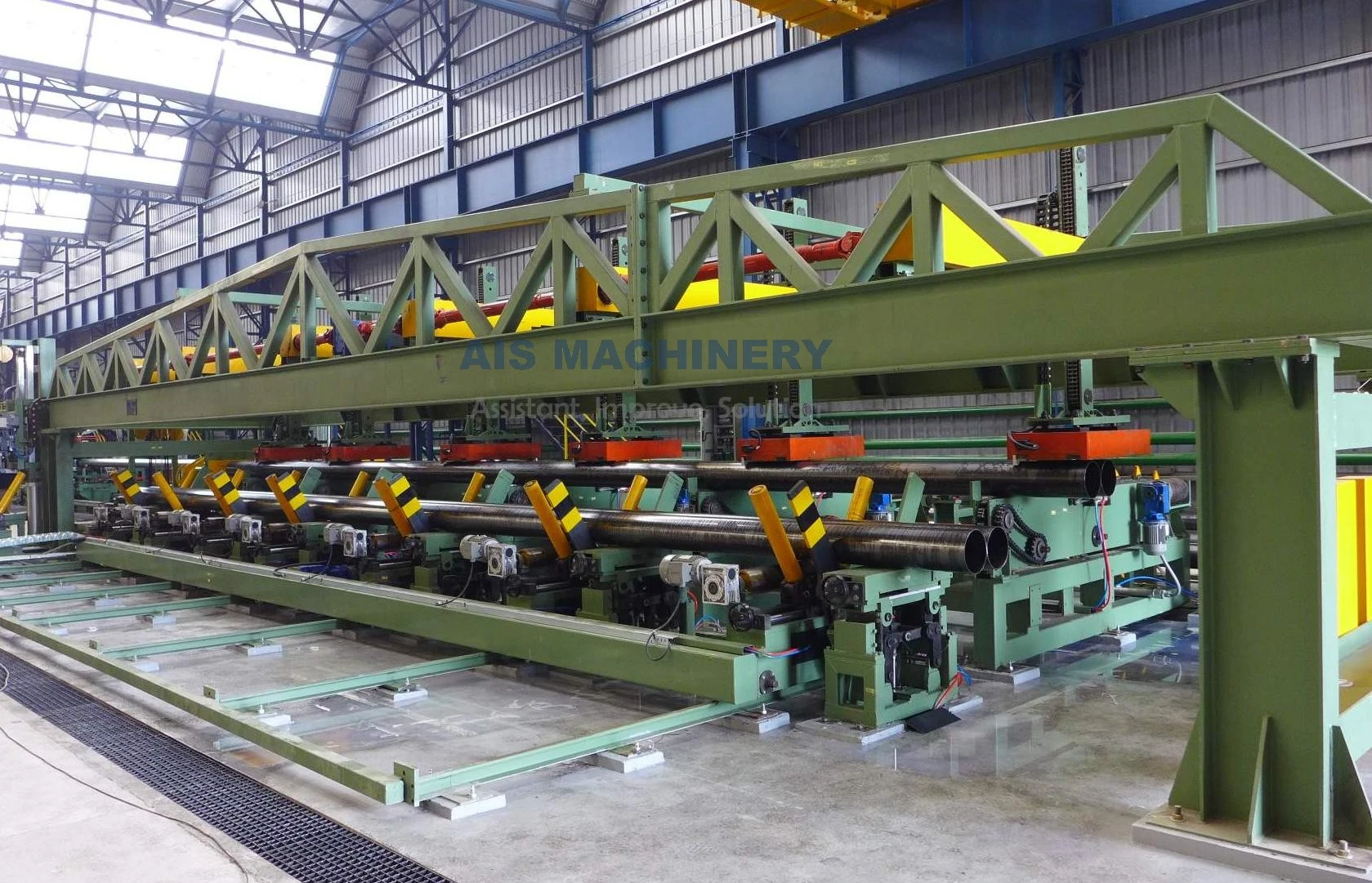
Automatic Stacking Machine (Magnetic Chuck Type)
The Automatic Stacking Machine (Magnetic Chuck Type) from AIS Machinery is designed to efficiently collect and stack steel tubes in ERW tube mill production lines. Using electromagnetic lifting, it can pick up multiple tubes at once and place them neatly in layers. This reduces manual labor, improves stacking accuracy, and increases overall production efficiency. It is installed after the flying saw and works seamlessly with the mill line, making it an ideal solution for modern tube manufacturers.
2026-04-28 08:56:05
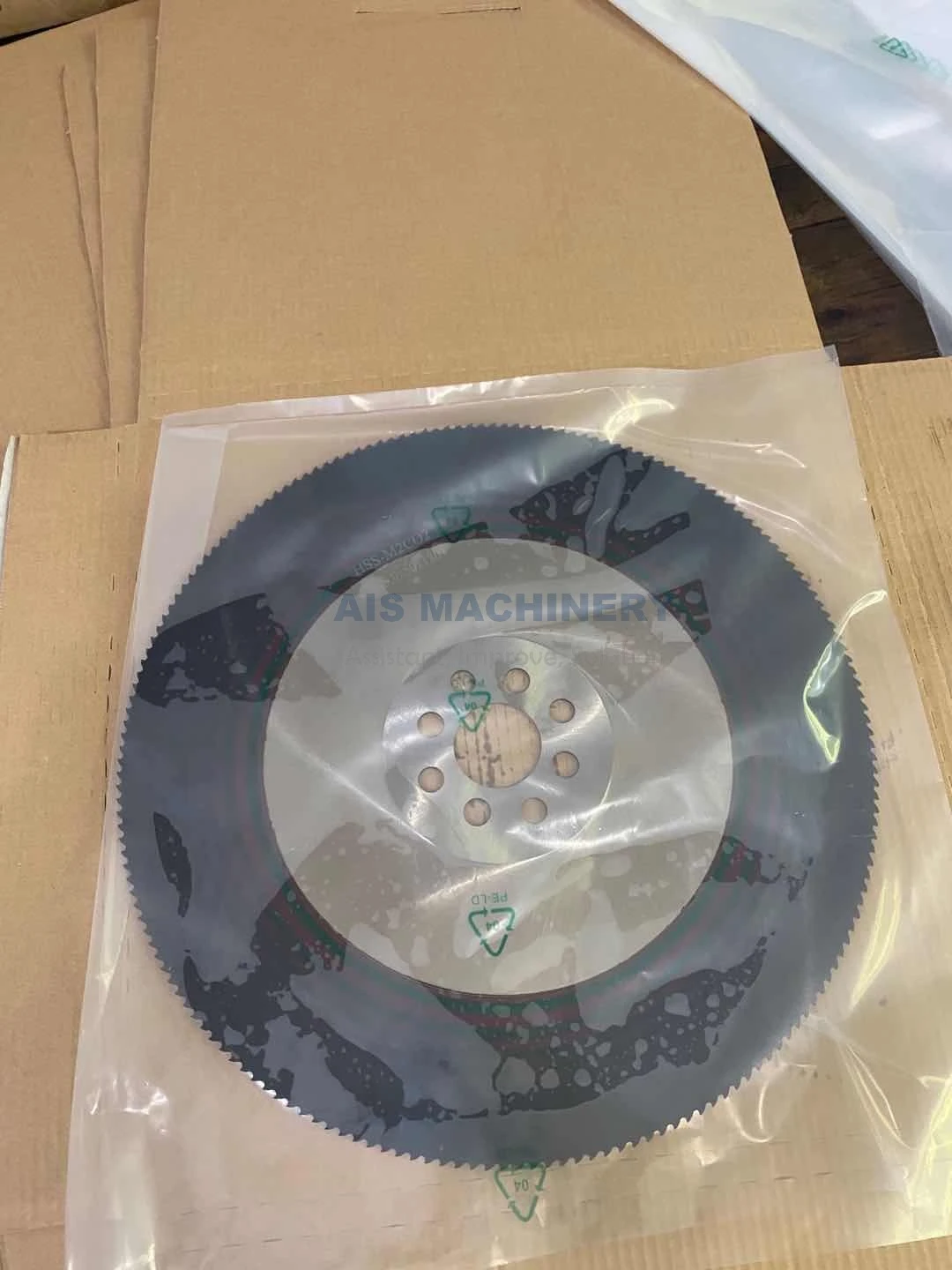
Saw Blade Guide for Tube Mills: Friction vs HSS vs TCT — Which One Should You Choose?
Confused about friction saw, HSS, and TCT blades? This guide explains their uses in cold saw and friction saw machines, with pros, cons, and expert selection tips.
2026-04-24 08:54:16
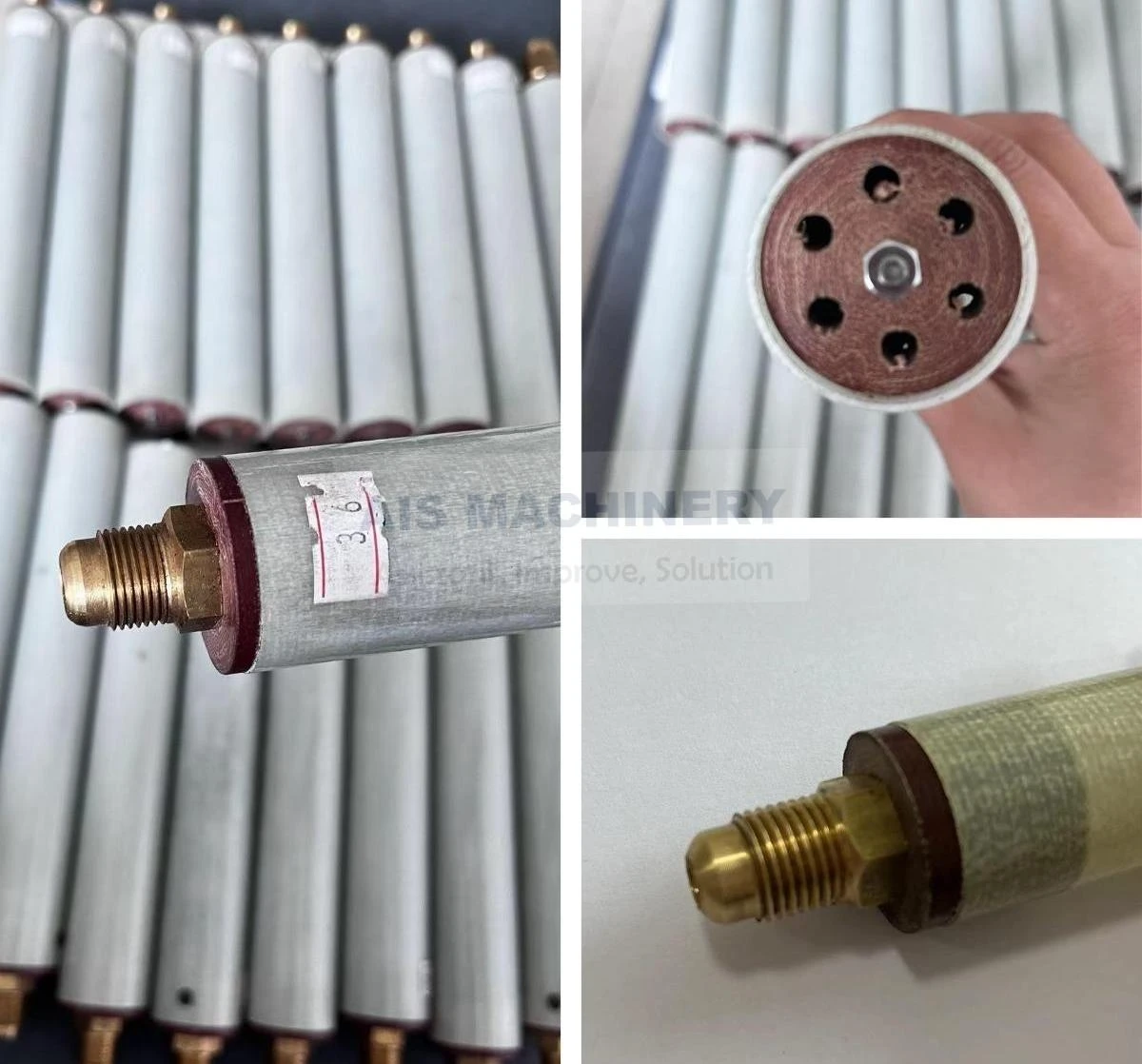
What is an Impeder and Ferrite Rods in ERW Tube Mill?
Struggling with impeder overheating or short service life in your ERW tube mill? This guide explains common impeder problems, the role of ferrite rods, and how to choose the right impeder for stable welding performance. Improve weld quality, reduce energy loss, and extend equipment lifespan with the right selection and proper cooling solutions.
2026-04-21 10:22:25
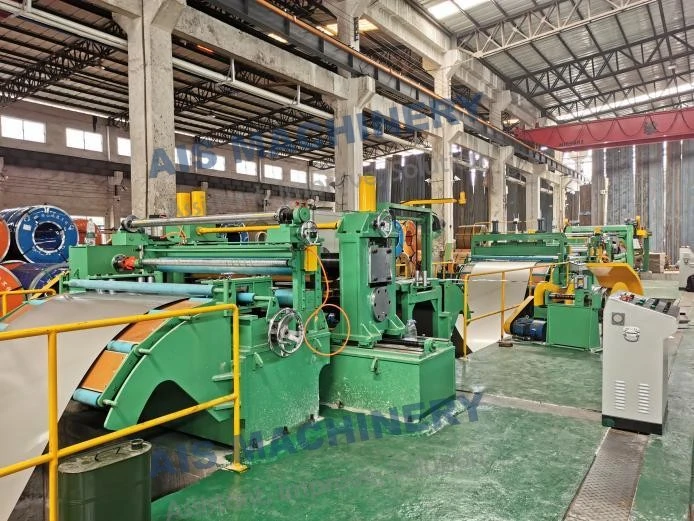
Slitting & Cut-to-Length Combined Production Line: A Smarter Way to Process Steel Coils
Discover the Slitting & Cut-to-Length Combined Production Line, a flexible solution for steel coil processing. This system integrates slitting line and cut-to-length line functions in one machine, saving space, reducing costs, and improving efficiency. Ideal for processing both steel strips and sheets, it is widely used in service centers and manufacturing industries. Learn its advantages, limitations, and applications.
2026-04-18 03:20:20
AIS Machinery Showcases Advanced Tube Solutions at Tube & Wire Düsseldorf 2026
Tube & Wire Düsseldorf 2026, one of the most influential exhibitions in the global tube and wire industry, held biennially in Düsseldorf, Germany
2026-04-17 00:00:00
Southeast Asia Client Visits Our Factory | Customized Tube Mill Solution Delivered
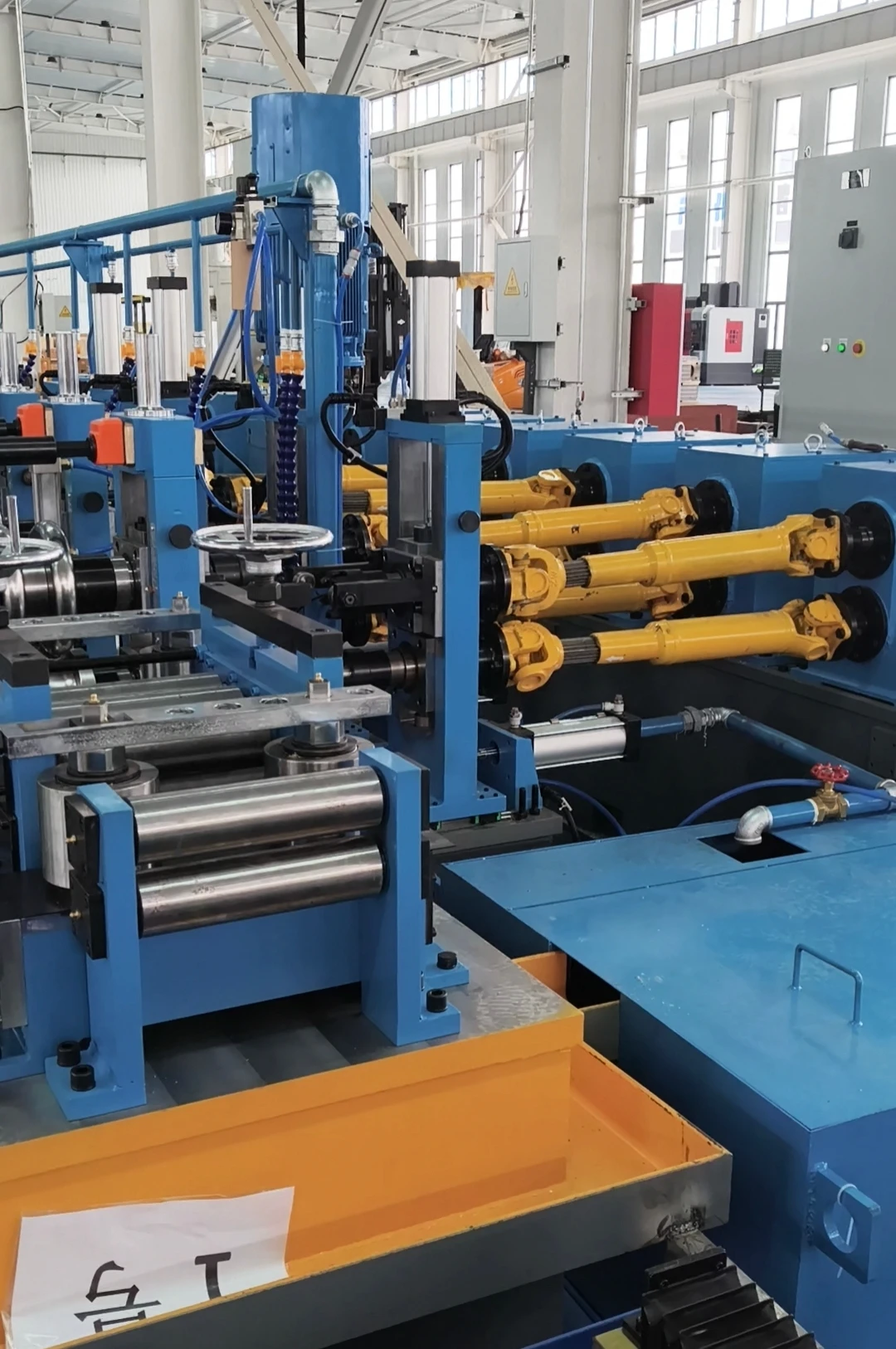
A Southeast Asia client visited our ERW tube mill factory to inspect production lines and discuss a customized tube mill solution. Impressed by our machine quality, welding performance, and engineering support, the client confirmed strong cooperation intentions. Discover how our ERW tube mill solutions improve efficiency, precision, and long-term production reliability.
2026-04-15 10:37:55
Flat Bar Production Line for Steel Coils: How It Works & Why It Matters
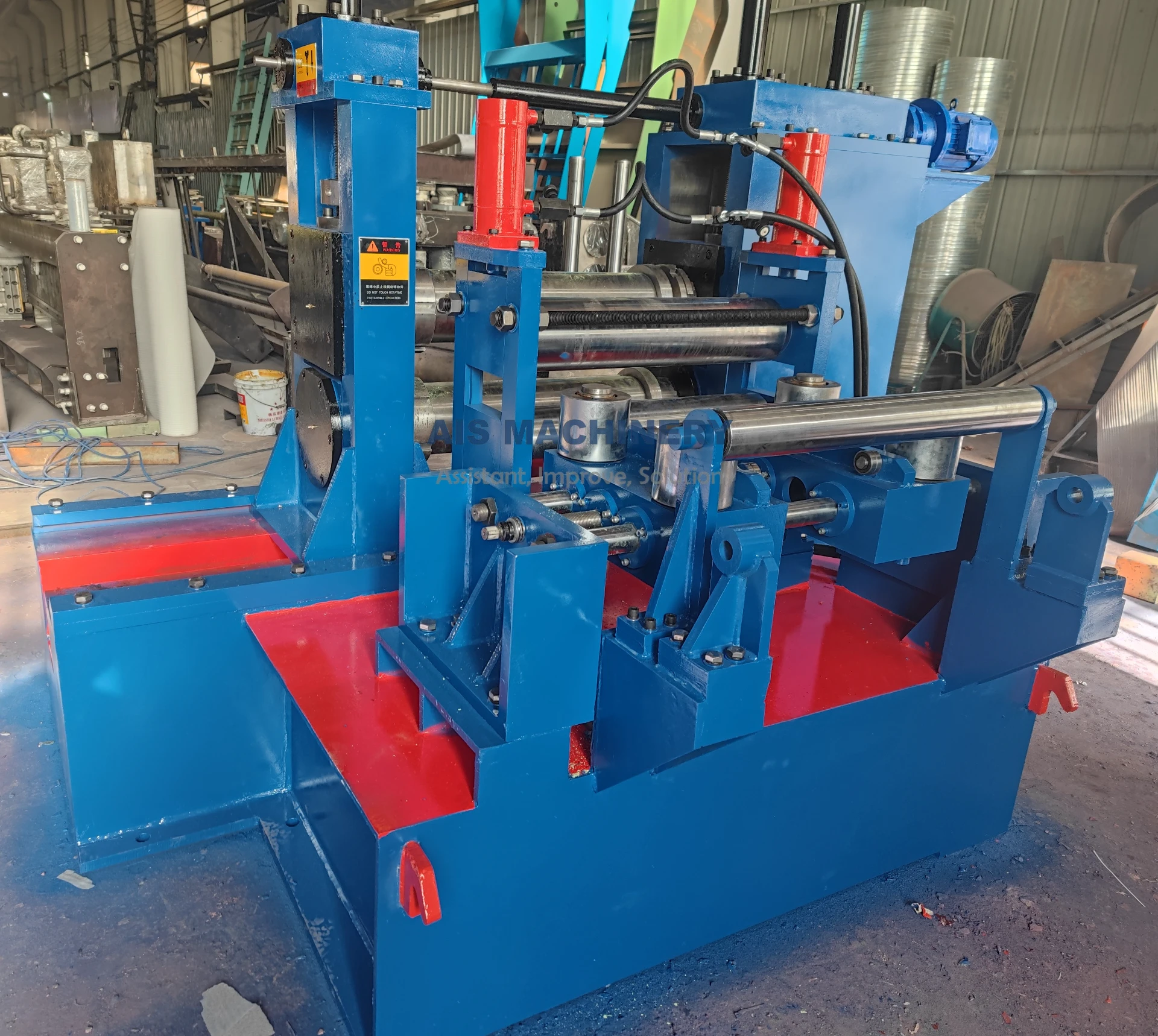
Looking for a flat bar production line? Learn how it turns steel coils into ready-to-use flat bars with precise length and high straightness. Compare it with slitting lines and get the best solution for your steel processing needs.
2026-04-14 00:00:00
Looking for a Milling Saw for ERW Tube Mill? Here’s What You Need to Know
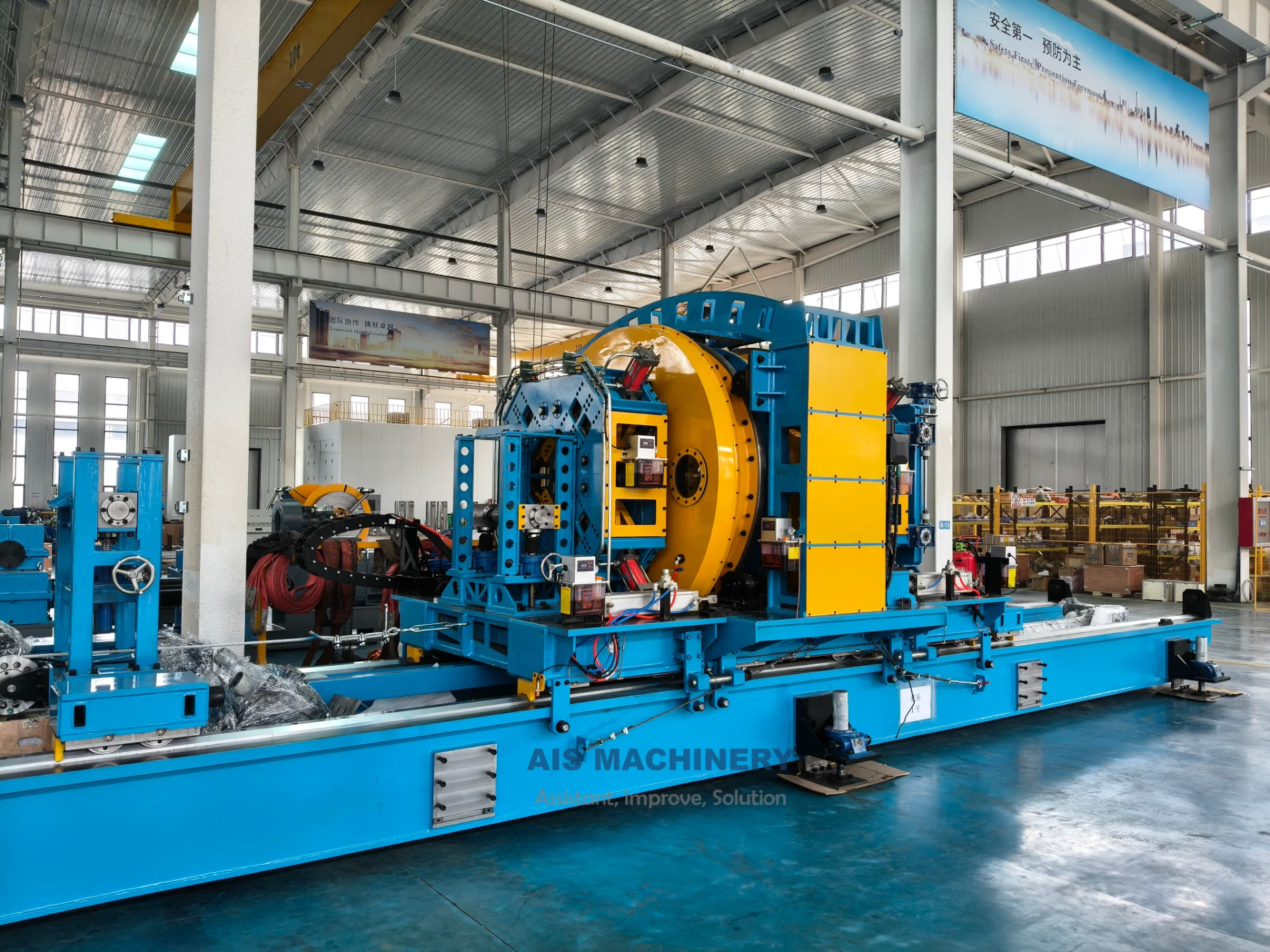
Looking for a high-performance milling saw for your ERW tube mill? Upgrade to burr-free, high-precision pipe cutting with advanced flying saw technology. Improve efficiency, reduce rework, and meet export standards for carbon steel, stainless steel, and API pipes. Contact us today for expert solutions and competitive pricing tailored to your production needs.
Send a Message
Dear customer, thank you for your attention! We provide high-quality machinery and equipment and look forward to your orders. Please inform us of your needs and we will respond quickly!
 English
  Albanian
  Arabic
  French
  German
  Indonesian
  Italian
  Japanese
  Kazakh
  Korean
  Latin
Latin  Macedonian
  Portuguese
  Russian
  Spanish
  Thai
Thai  Turkish
  Ukrainian
  Uzbek
Uzbek