
-
 Tel:86-15176910262
-

Search

Comprehensive Guide to Steel Coil Leveler for Industrial Excellence | AISTubemill
Dec . 03, 2025 13:28
Steel Coil Leveler is a key solution in the industry, specifically within processing lines that demand precision and efficiency. This article explores how https://www.aistubemill.com supports professionals with durable, high-performance products, and explains why this product is an ideal choice for businesses in these sectors.
Table of Contents
- Steel Coil Leveler Overview
- Benefits & Use Cases of Steel Coil Leveler
- Cost, Maintenance & User Experience
- Sustainability & Market Trends
Steel Coil Leveler Overview
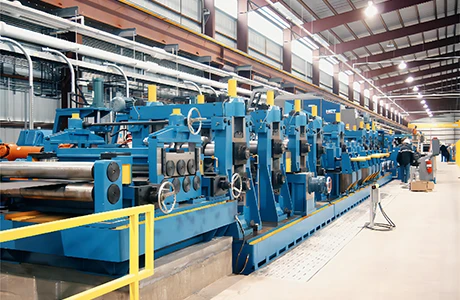
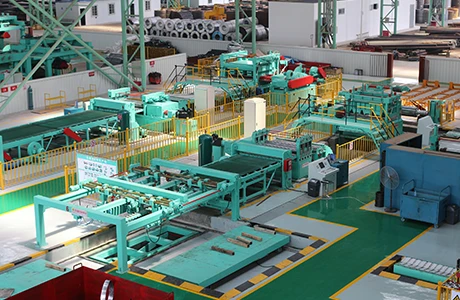
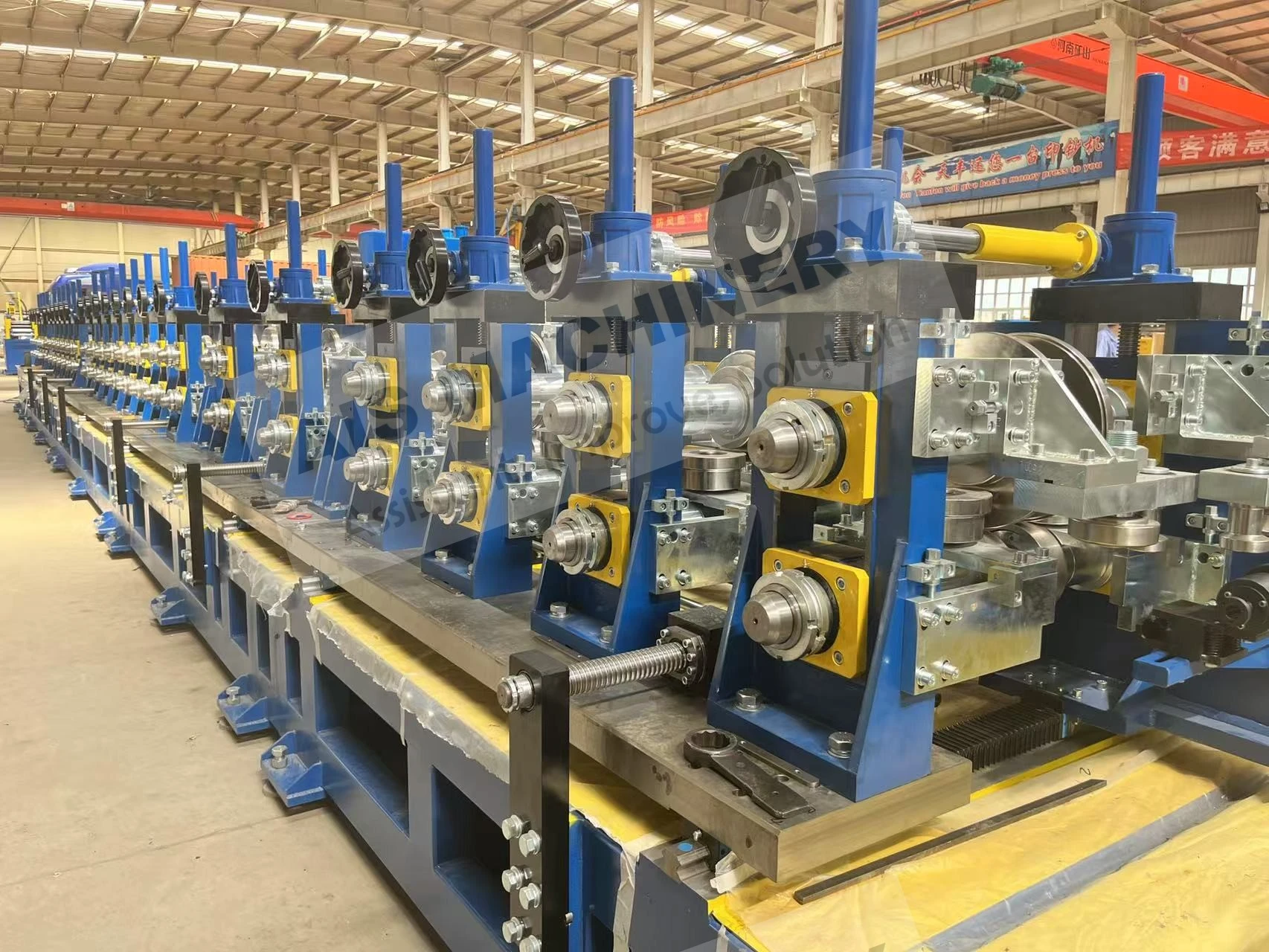
To put it simply, a Steel Coil Leveler is an industrial device designed to flatten and straighten coiled steel before it moves on down the production line. It’s one of those unsung heroes in metalworking, quietly ensuring that rolls of steel are uniform and ready for accurate fabrication downstream. What makes it so relevant? Well, in real-world terms, uneven steel can mess up everything from welding to forming, impacting both quality and efficiency.
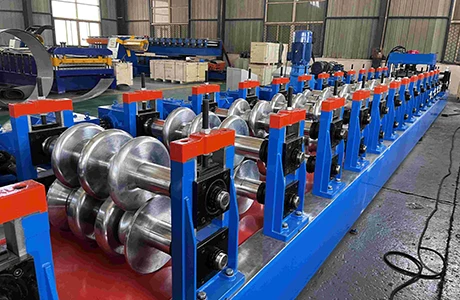
- Technically, it uses a series of rolling shafts, adjustable pressure, and feed rate control to progressively level the strip’s surface.
- Typical specs include leveling capacity up to 4mm thickness, widths up to 2000mm, and tonnage options depending on coil hardness.
| Parameter | Specification |
|---|---|
| Max Coil Thickness | 4 mm |
| Max Coil Width | 2000 mm |
| Number of Rolls | 7 - 13 |
| Max Leveling Speed | 20 m/min |
Benefits & Use Cases of Steel Coil Leveler
If you’ve ever wondered where precision meets productivity, the Steel Coil Leveler is your answer. In industries like automotive parts manufacturing, shipbuilding, and heavy equipment, perfectly leveled steel strips ensure better welds, formability, and reduced wear on downstream machinery. This device isn’t just about squashing curls and bends; it’s about improving the overall workflow.
- Advanced features include variable roll pressure and automated feedback controls that adapt to different steel grades on the fly.
- It’s often praised over conventional leveling methods for reducing material waste and decreasing production downtime.
Cost, Maintenance & User Experience
Frankly, upfront cost might make some hesitate, but it’s the total cost of ownership that’s convincing many decision makers. The sturdy engineering means fewer breakdowns; regular maintenance mostly involves roll inspections and lubrication, which, oddly enough, is quite straightforward. I noticed clients often speak about ROI in terms of improved throughput and less scrap.
- Durability makes long-term investment worthwhile—some plants report service life beyond 15 years with minimal retrofitting.
- Users appreciate intuitive interfaces and rapid setup, which reduce the learning curve.
| Feature | AISTubemill | Competitor A | Competitor B |
|---|---|---|---|
| Max Coil Width | 2000 mm | 1800 mm | 1500 mm |
| Roll Number | 7 - 13 | 5 - 11 | 6 - 10 |
| Automation Level | High (Feedback Controls) | Medium | Low |
| Warranty | 24 months | 12 months | 12 months |
Sustainability & Market Trends
Sustainability in metal manufacturing is increasingly non-negotiable. Steel Coil Levelers help reduce the scrap and energy wasted on flawed coils. Various industry regulations now more tightly control waste and emissions, encouraging the adoption of advanced leveling technology that maximizes material utilization.
- Growth in sectors like construction and automotive points to a larger market share for reliable levelers.
- Besides regulation, customer demands for higher-quality output push technology to smarter, more adaptive machines.
Frequently Asked Questions about Steel Coil Leveler
- What is Steel Coil Leveler and how does it work?
- Simply put, a Steel Coil Leveler straightens coiled steel by passing it through multiple rollers with carefully controlled pressure, gradually ironing out any bends or curvature to produce a flat, consistent sheet.
- What are the main benefits of using Steel Coil Leveler in industrial applications?
- Benefits include improved product quality, reduction in material waste, enhanced machine uptime, and a smoother downstream manufacturing process — all of which translate to cost savings and efficiency gains.
- How does Steel Coil Leveler compare to traditional alternatives?
- Compared to traditional manual or less automated methods, Steel Coil Levelers offer higher precision, faster processing speeds, and better adaptability to different steel grades, making them a smarter operational choice.
- What industries can benefit most from Steel Coil Leveler implementation?
- Primary sectors include automotive manufacturing, shipbuilding, appliance production, and heavy machinery industries — virtually anywhere coiled steel needs transforming into flat, consistent sheets for further processing.
Conclusion on Steel Coil Leveler from china
To wrap up, adopting a Steel Coil Leveler – especially the models you can find at https://www.aistubemill.com – really means investing in quality, operational efficiency, and long-term sustainability. It’s not just a machine; it’s an upgrade to your entire steel processing workflow. Whether you’re scaling production or tightening quality controls, the leveler stands out as a smart, dependable choice. Give them a look if you're serious about boosting your process.
- A strong mix of durability, precision, and smart engineering sets these levelers apart.
- Visit our website: https://www.aistubemill.com
Reflecting on this, it’s clear that marrying technology with industrial tradition often leads to better outcomes. As the steel industry evolves, tools like the Steel Coil Leveler become not just convenient, but necessary—helping steelmakers meet higher standards and new challenges with fewer headaches.

Related Products






Related News

2026-11-02 02:23:25
ERW Pipe Mill for Sale: Buyer FAQs for a 76 mm Line
Review the 21.3 mm to 76 mm range, materials, equipment, speed, power, cutting methods, and production controls for an ERW pipe mill for sale.

2026-10-29 00:44:48
High-Speed Steel Coil Slitting Line FAQ: Specifications, Ordering and Support Questions
Get direct answers about High-Speed Steel Coil Slitting Line specifications, material compatibility, component layout, process steps, quality standards, and after-sales support from HEBEI AIS MACHINERY EQUIPMENT CO.,LTD.

2026-10-28 00:06:34
Learn the key working requirements and integration criteria for selecting a steel pipe making machine manufacturer. Covers diameter range, wall thickness, strip grade, HF welding power, footprint, and electrical supply using the 10inch 273mm ERW Pipe Making Machine from HEBEI AIS MACHINERY EQUIPMENT CO.,LTD.

2026-10-28 00:05:55
Choosing a Flying Cold Saw: Working Requirements and Integration Fit
Learn the key selection criteria for a flying cold saw — pipe diameter, line speed, cut precision, blade type, and PLC integration — to find the right cold cutting flying saw machine for your ERW tube mill.

2026-10-28 00:05:28
Evaluate whether the GGP 100kw Solid State High Frequency Induction Heating Welding Machine fits your ERW pipe production line. This guide covers power requirements, cooling infrastructure, electrical supply, and control integration criteria.

2026-10-28 00:04:41
Choosing Quick-Change System for Forming & Sizing Section: Application Fit and Specification Checks
Learn the key selection criteria for a Quick-Change System for Forming & Sizing Section in ERW tube mills — covering changeover frequency, cassette structure, pneumatic couplings, and application scope for structural, automotive, and export tube production.

2026-10-23 17:54:55
Compare a steel pipe seam annealing machine and a pipe threading machine: function, published ranges, PLC/HMI and CNC controls, operating steps and maintenance.

2026-10-04 16:13:15
HEBEI AIS MACHINERY at Tube & Wire Shanghai 2026 | Tube Mill Solutions
HEBEI AIS MACHINERY participated in Tube & Wire Shanghai 2026, meeting new and long-term customers to discuss ERW tube mills, steel processing equipment, new projects, and future cooperation.
Send a Message
Dear customer, thank you for your attention! We provide high-quality machinery and equipment and look forward to your orders. Please inform us of your needs and we will respond quickly!
 English
 Albanian
 Arabic
 French
 German
 Indonesian
 Italian
 Japanese
 Kazakh
 Korean
 Latin
 Macedonian
 Portuguese
 Russian
 Spanish
 Thai
 Turkish
 Ukrainian
 Uzbek