
-
 Tel:86-15176910262
-

Search

What Is a Coil Accumulator? Benefits, Applications & Future Trends
Dec . 03, 2025 13:46
Understanding the Coil Accumulator: A Vital Component in Modern Industry
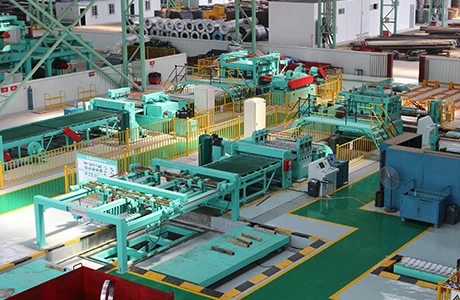
In the sprawling landscape of industrial processes, the coil accumulator quietly plays a pivotal role. Although it may sound a bit technical or obscure at first, coil accumulators are fundamental in ensuring smooth, continuous operations—especially in steel tube mills, sheet metal lines, and other coil processing applications worldwide. Frankly, getting a grasp on what coil accumulators do can unlock insight into how industries maintain precision, efficiency, and sustainability on a global scale.
Why Coil Accumulators Matter Globally
Globally, manufacturing and processing industries face ever-increasing demands: higher throughput, reduced downtime, and growing attention to energy efficiency. According to the International Organization for Standardization (ISO), continuous production lines reduce waste and improve product quality, but only if upstream and downstream processes are well synchronized.
Here’s where the coil accumulator steps in. It mitigates challenges caused by speed differences between production stages by temporarily storing coils of metal, allowing processes to continue seamlessly. This translates into less downtime and better overall plant productivity—which is crucial in a competitive global market.
What Is a Coil Accumulator?
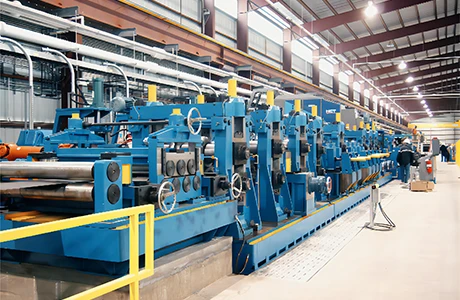
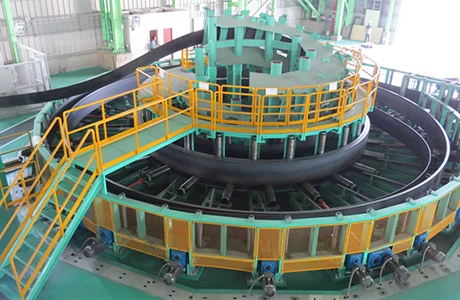
To put it simply, a coil accumulator is a mechanical storage system designed to hold coils of metal (steel, aluminum, copper, etc.) during processing. Imagine an industrial "buffer zone" that can gather and hold excess material temporarily. When one section of the production line slows down or stops, the coil accumulator holds the material, allowing the rest of the line to keep running without interruption.
In modern industries—ranging from automotive manufacturing to electronics—coil accumulators connect production rhythms, balancing flow and preventing bottlenecks. They not only improve operational efficiency but are integral for maintaining consistent product quality and reducing waste.
Core Components and Key Factors of Coil Accumulators
- Durability: Built from heavy-duty materials to withstand the constant stress of rolling coils that can weigh tons. High-quality steel frames and wear-resistant rollers are typical.
- Scalability & Capacity: Coil accumulators come in various sizes—from handling a few tons to hundreds—meeting the specific needs of industries.
- Automation & Control: Advanced systems include sensors and PLC controls enabling real-time monitoring and integration with production management software.
- Energy Efficiency: Designed to minimize energy use by leveraging gravity and low-friction roller designs, helping industries address sustainability goals.
- Flexibility: Modular designs allow quick adjustment to different coil widths and diameters, essential for versatile production lines.
Mini takeaway: Coil accumulators are not mere storage racks; they're complex, engineered systems tailored to enhance energy efficiency, reliability, and flexibility in demanding industrial environments.
Global Applications and Real-World Use Cases
Industries across continents use coil accumulators extensively. In Europe’s steel tube sector, coil accumulators facilitate continuous processing of galvanized steel coils for automotive parts. In Asia, especially countries like China and South Korea, they integrate into massive sheet metal lines powering consumer electronics manufacturing.
In post-disaster recovery scenarios, mobile coil accumulating setups help fabricate temporary steel structures swiftly — it might surprise some how crucial that “holding” step is when speed and precision matter.
Remote industrial zones—where supply chain disruption is common—also benefit, because coil accumulators allow production lines to keep running even if materials delivery fluctuates unexpectedly.
Product Specification Table: Typical Coil Accumulator Characteristics
| Specification | Typical Range | Notes |
|---|---|---|
| Coil Diameter Capacity | 400 - 1,200 mm | Adjustable rollers for different sizes |
| Maximum Coil Weight | Up to 30,000 kg | Heavy-duty steel frames |
| Accumulation Length | 10 - 60 meters | Depends on line speed requirements |
| Control System | PLC with HMI interface | Enables automation and remote monitoring |
| Energy Consumption | Minimal (gravity & electric drives) | Designed for sustainability |
Comparing Leading Coil Accumulator Vendors
| Vendor | Customization | Price Range | Automation Level | Lead Time |
|---|---|---|---|---|
| AisTube Mills | High – tailored solutions | $$$ | Full PLC integration | 4-6 weeks |
| Global Accumulators Inc. | Medium – standard modules | $$ | Semi-automated | 6-8 weeks |
| MetalFlow Solutions | Low – off-the-shelf | $ | Manual control | 2-3 weeks |
Advantages and Long-Term Value of Coil Accumulators
Investing in a coil accumulator may initially seem like just buying a piece of equipment. But beyond that, it unlocks:
- Cost savings: By minimizing downtime and waste, accumulators directly reduce operational expenses.
- Improved Sustainability: Reduced stoppages mean fewer restsarts, translating to less energy consumption and emissions.
- Social Impact: Enhanced reliability boosts worker safety and morale, plus it supports consistent product availability for customers.
- Innovation Enablement: With automation ready, coil accumulators fit right into Industry 4.0 frameworks, future-proofing production lines.
So you could say the coil accumulator is a sort of “quiet hero” — enhancing both the bottom line and operational dignity.
Future Trends and Innovations
Looking ahead, coil accumulators will increasingly mesh with digital transformation trends. Smart sensors and IoT devices will provide predictive maintenance data, reducing unexpected failures.
Moreover, advances in lightweight but strong materials promise even more energy-efficient designs that reduce the overall carbon footprint of manufacturing plants. Some innovative vendors are also exploring integration with renewable energy-powered drives and automated robotics to further cut costs and emissions.
Challenges and Proven Solutions
Some challenges persist. For example, adapting coil accumulators to highly variable coil dimensions can be tricky. Mechanical wear is inevitable but can be minimized by choosing premium materials and scheduling preventive maintenance based on real-time data.
Another issue is upfront investment costs, which might deter smaller manufacturers. However, leasing options and modular designs can ease this burden and still provide solid ROI.
FAQ: Frequently Asked Questions About Coil Accumulators
- What is the main function of a coil accumulator in a production line?
- Its principal role is to temporarily store coils, enabling continuous operation even when some upstream or downstream processes slow down or stop. This prevents costly line shutdowns and improves productivity.
- How do coil accumulators improve sustainability in manufacturing?
- By reducing production interruptions, coil accumulators help lower energy usage associated with stopping and starting heavy machinery, contributing to lower greenhouse gas emissions.
- Can coil accumulators be customized for different materials?
- Yes, many vendors offer customizable solutions that accommodate various coil diameters, weights, and materials such as steel, aluminum, or copper, ensuring compatibility with diverse production needs.
- Are coil accumulators compatible with Industry 4.0 automation systems?
- Modern coil accumulators typically feature PLC control and sensor integration, allowing seamless incorporation into automated and smart manufacturing environments.
- What factors influence the lead time for installing a coil accumulator?
- Lead times depend on customization level, equipment complexity, and vendor capacity. Standard systems can be delivered in weeks, whereas tailored setups might take several months.
Conclusion: Harnessing the Power of Coil Accumulators
Understanding and utilizing the right coil accumulator can transform your operational efficiency and sustainability in thrilling ways. It’s not just equipment — it’s a strategic investment in reliability, innovation, and future-proofing industrial production lines globally.
If you’re ready to explore tailored coil accumulator solutions designed to fit your unique production demands, I invite you to visit our website and start the conversation.
Sometimes, the best innovations are those working silently to keep the wheels turning smoothly.
References
- Industrial buffer - Wikipedia
- ISO Standards for Continuous Production
- World Steel Association Statistics

Related Products
Related News
2026-04-30 09:35:04
Automatic Stacking Machine (Magnetic Chuck Type)
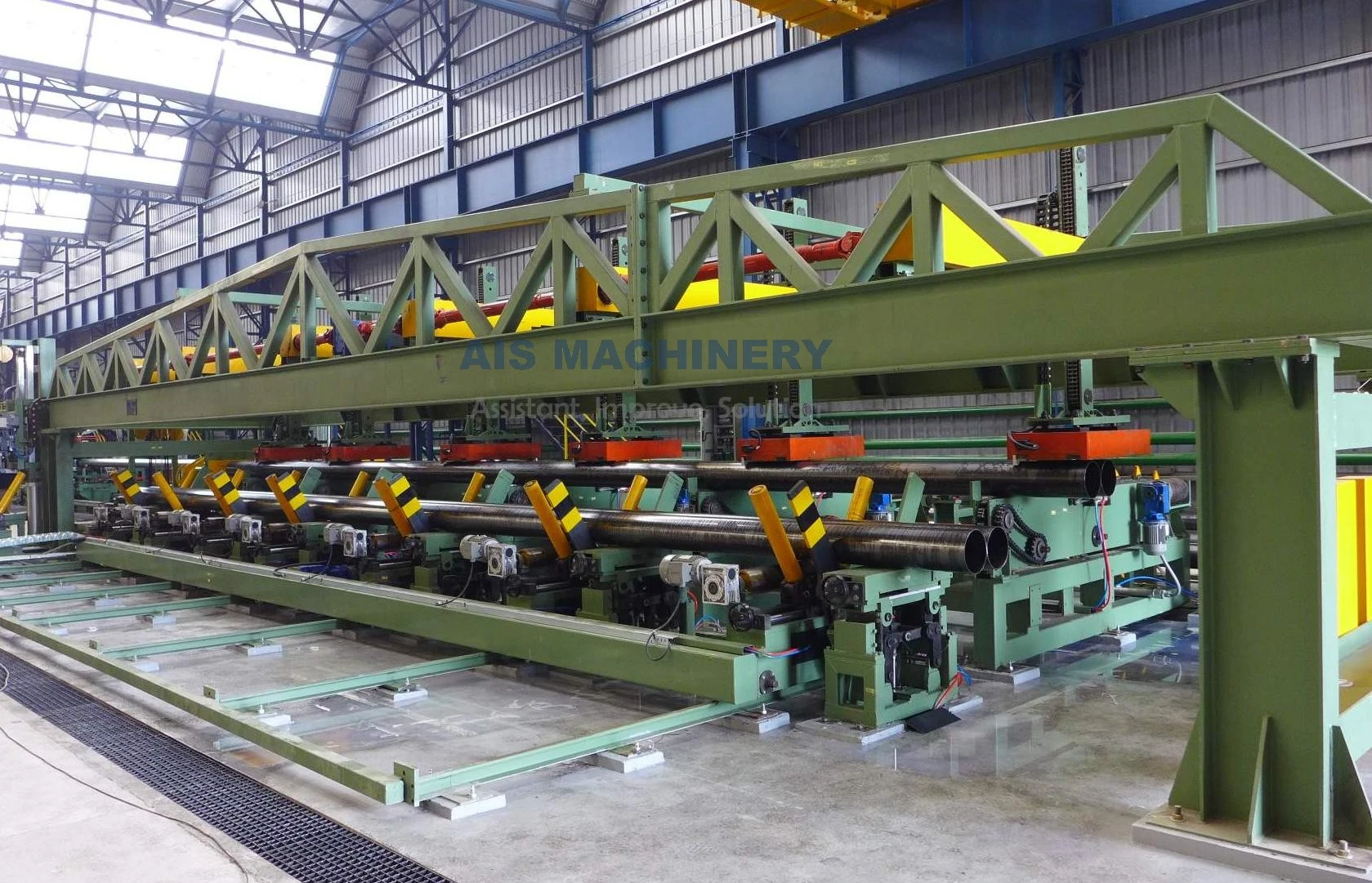
The Automatic Stacking Machine (Magnetic Chuck Type) from AIS Machinery is designed to efficiently collect and stack steel tubes in ERW tube mill production lines. Using electromagnetic lifting, it can pick up multiple tubes at once and place them neatly in layers. This reduces manual labor, improves stacking accuracy, and increases overall production efficiency. It is installed after the flying saw and works seamlessly with the mill line, making it an ideal solution for modern tube manufacturers.
2026-04-28 08:56:05
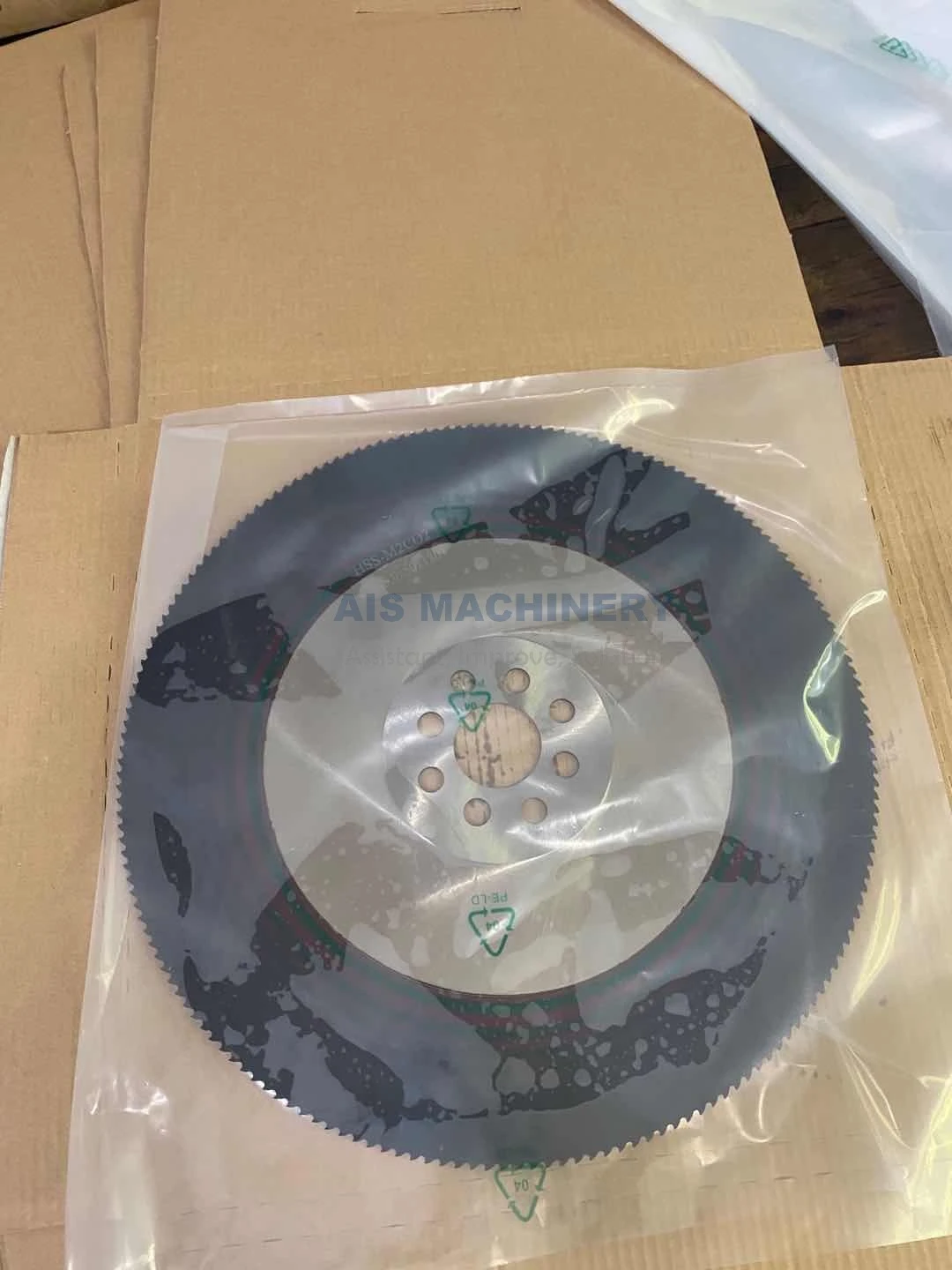
Saw Blade Guide for Tube Mills: Friction vs HSS vs TCT — Which One Should You Choose?
Confused about friction saw, HSS, and TCT blades? This guide explains their uses in cold saw and friction saw machines, with pros, cons, and expert selection tips.
2026-04-24 08:54:16
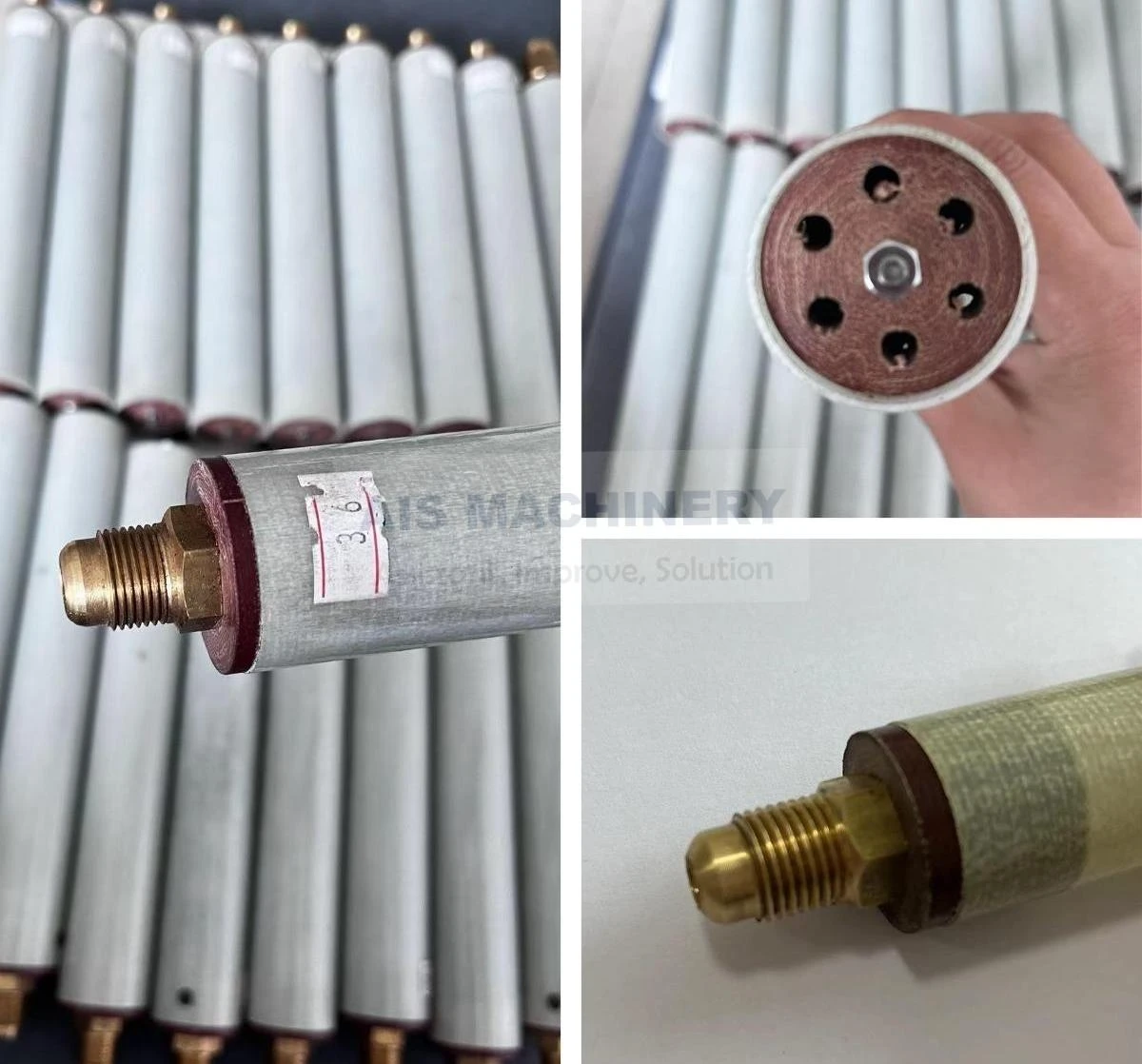
What is an Impeder and Ferrite Rods in ERW Tube Mill?
Struggling with impeder overheating or short service life in your ERW tube mill? This guide explains common impeder problems, the role of ferrite rods, and how to choose the right impeder for stable welding performance. Improve weld quality, reduce energy loss, and extend equipment lifespan with the right selection and proper cooling solutions.
2026-04-21 10:22:25
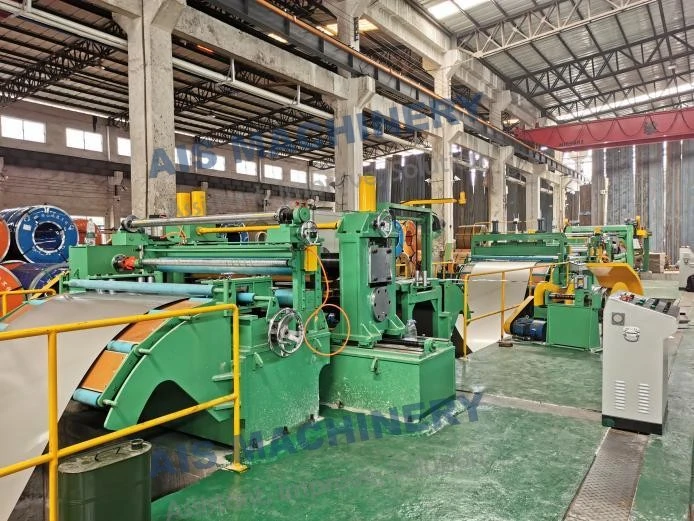
Slitting & Cut-to-Length Combined Production Line: A Smarter Way to Process Steel Coils
Discover the Slitting & Cut-to-Length Combined Production Line, a flexible solution for steel coil processing. This system integrates slitting line and cut-to-length line functions in one machine, saving space, reducing costs, and improving efficiency. Ideal for processing both steel strips and sheets, it is widely used in service centers and manufacturing industries. Learn its advantages, limitations, and applications.
2026-04-18 03:20:20
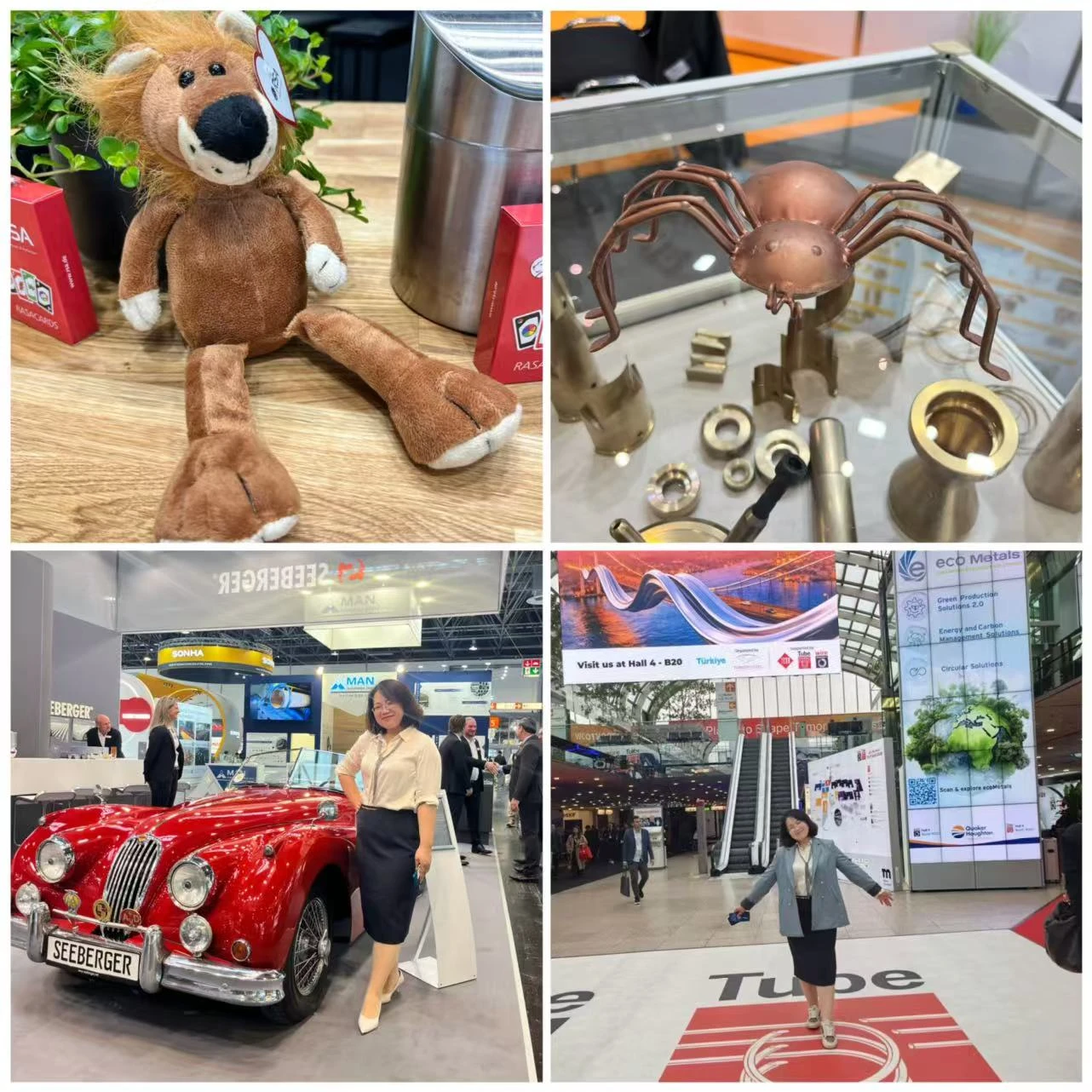
AIS Machinery Showcases Advanced Tube Solutions at Tube & Wire Düsseldorf 2026
Tube & Wire Düsseldorf 2026, one of the most influential exhibitions in the global tube and wire industry, held biennially in Düsseldorf, Germany
2026-04-17 00:00:00
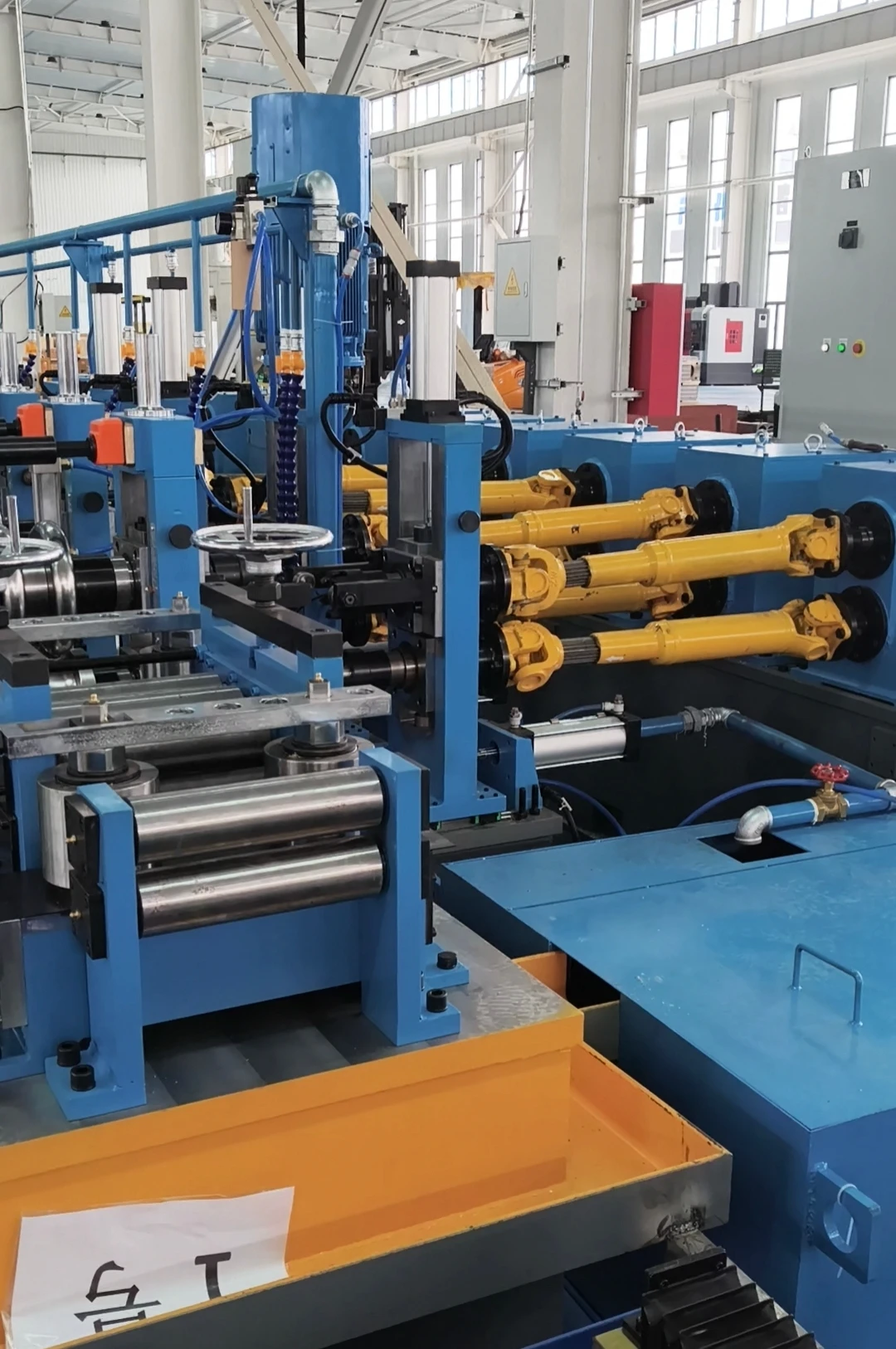
Southeast Asia Client Visits Our Factory | Customized Tube Mill Solution Delivered
A Southeast Asia client visited our ERW tube mill factory to inspect production lines and discuss a customized tube mill solution. Impressed by our machine quality, welding performance, and engineering support, the client confirmed strong cooperation intentions. Discover how our ERW tube mill solutions improve efficiency, precision, and long-term production reliability.
2026-04-15 10:37:55
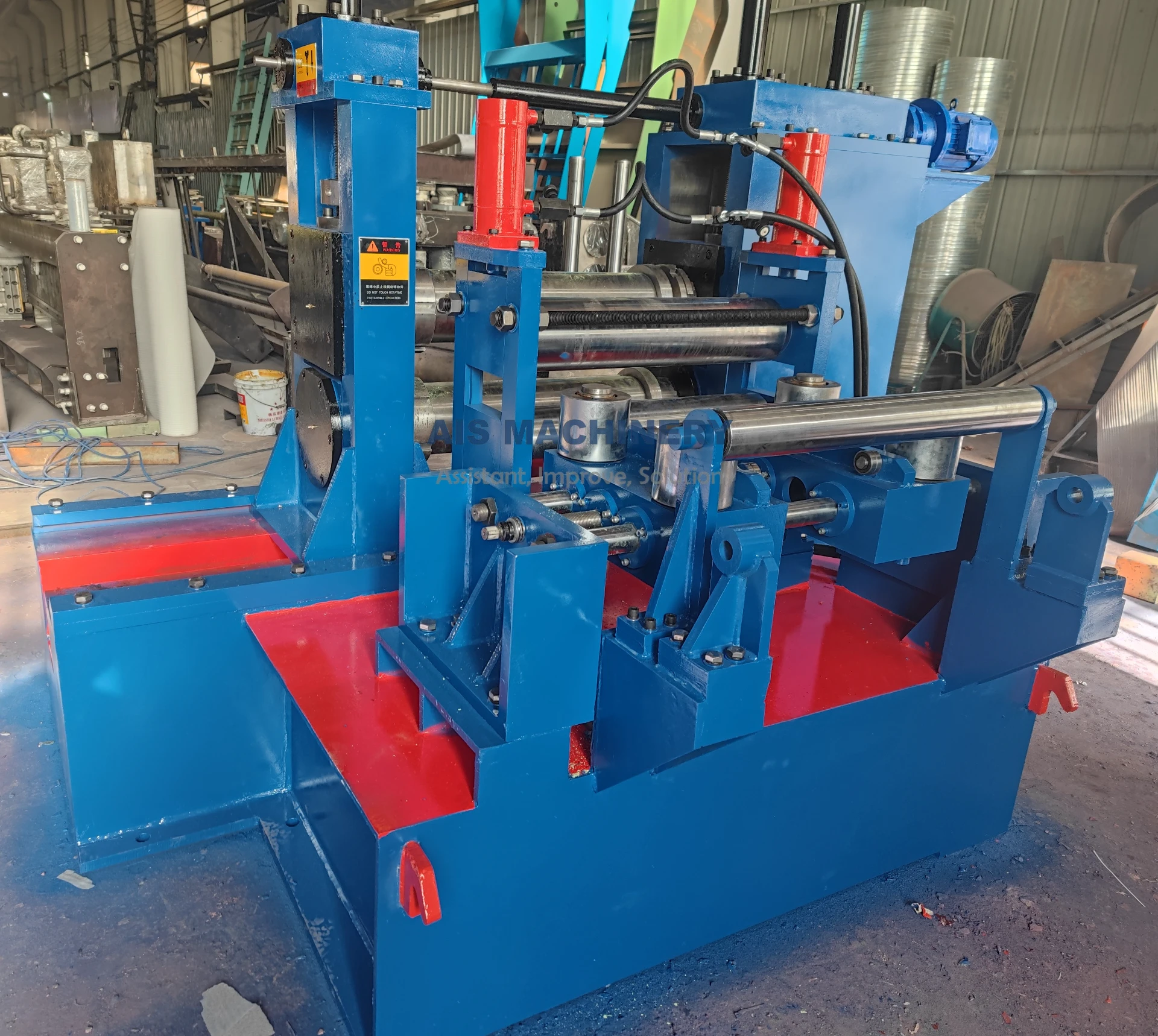
Flat Bar Production Line for Steel Coils: How It Works & Why It Matters
Looking for a flat bar production line? Learn how it turns steel coils into ready-to-use flat bars with precise length and high straightness. Compare it with slitting lines and get the best solution for your steel processing needs.
2026-04-14 00:00:00
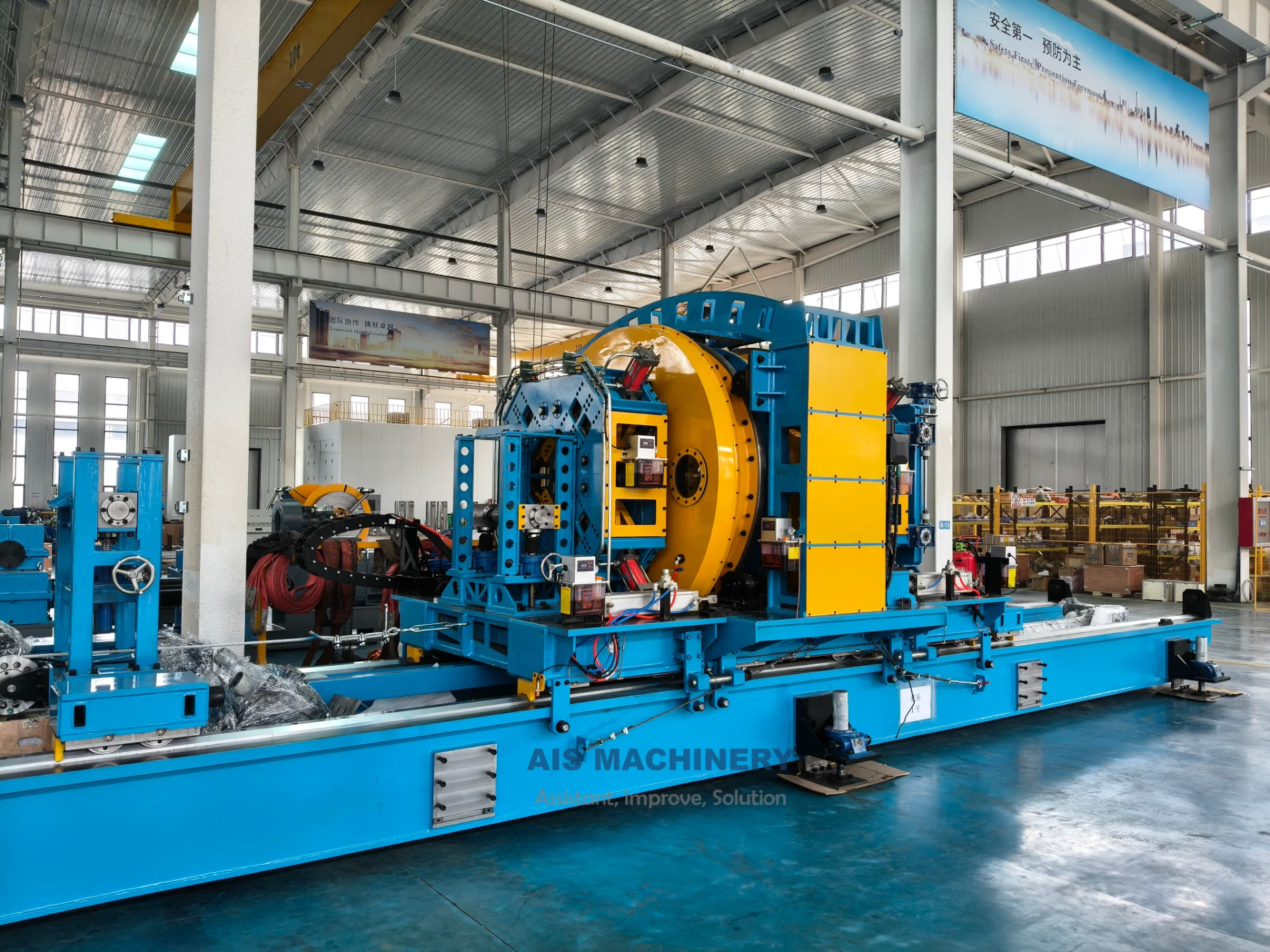
Looking for a Milling Saw for ERW Tube Mill? Here’s What You Need to Know
Looking for a high-performance milling saw for your ERW tube mill? Upgrade to burr-free, high-precision pipe cutting with advanced flying saw technology. Improve efficiency, reduce rework, and meet export standards for carbon steel, stainless steel, and API pipes. Contact us today for expert solutions and competitive pricing tailored to your production needs.
Send a Message
Dear customer, thank you for your attention! We provide high-quality machinery and equipment and look forward to your orders. Please inform us of your needs and we will respond quickly!
 English
  Albanian
  Arabic
  French
  German
  Indonesian
  Italian
  Japanese
  Kazakh
  Korean
  Latin
Latin  Macedonian
  Portuguese
  Russian
  Spanish
  Thai
Thai  Turkish
  Ukrainian
  Uzbek
Uzbek