
-
 Tel:86-15176910262
-

Search

Reliable Strip Accumulator Solutions for Continuous Metal Processing
Dec . 03, 2025 14:02
Understanding the Strip Accumulator: An Industrial Workhorse
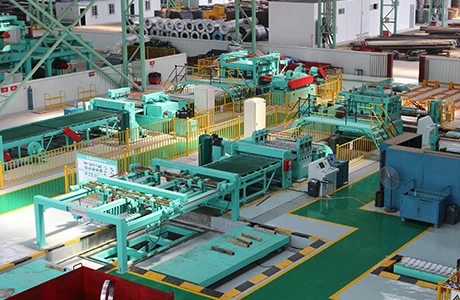
After spending more than a decade knee-deep in the industrial equipment sector, I can tell you that some machines just quietly keep the factory floor humming without getting much spotlight. The strip accumulator is one of those unsung heroes. Oddly enough, while it sounds like a simple conveyor accessory, its impact on metal strip processing lines is pretty significant.
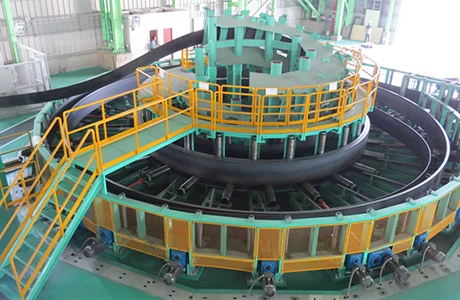
Let’s start with the basics. A strip accumulator is essentially a storage unit for metal strip coils between different manufacturing processes. This might not seem thrilling at first glance, but trust me, this "buffer" plays a critical role in maintaining continuous production flow—especially when processes upstream and downstream don’t perfectly sync.
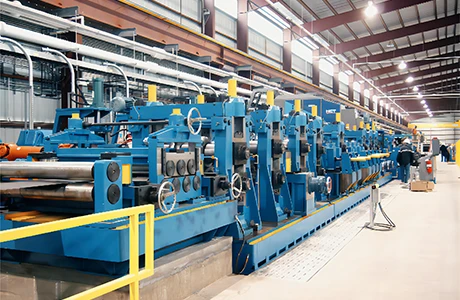
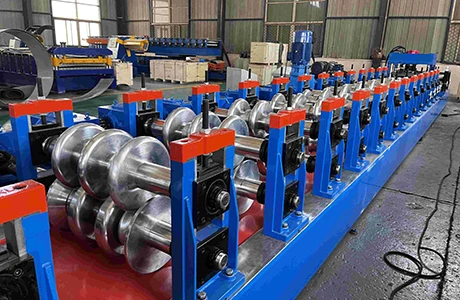
From my experience, the best ones combine robust design with intelligent control systems. They’re typically constructed from high-strength steel, with precision rollers arranged in a loop or serpentine pattern to store the strip temporarily without damaging it. Frankly, the engineering challenge lies in balancing smooth movement with enough holding capacity so the line doesn’t stall when there’s a hiccup later on.
One thing I noticed early on is how vital customization is. Not every plant is the same. Some may need a larger buffer for heavy-gauge strips, while others prioritize compact footprints or rapid acceleration/deceleration to keep up with high-speed lines. Many manufacturers offer modular designs which can be tailored with various roller diameters, drive systems, and safety features—pretty neat, right?
| Specification | Details |
|---|---|
| Max Strip Width | 2,000 mm (78.7 in) |
| Strip Thickness Range | 0.2 – 4 mm |
| Accumulation Capacity | Up to 150 m of strip length |
| Drive Type | Servo or AC motor with variable frequency drive |
| Roller Diameter | 70 – 150 mm |
| Control System | PLC-based with touch screen interface |
On the subject of reliability, a memorable story comes to mind. I was consulting for a plant that was facing frequent line stoppages due to mismatched production speeds between decoilers and slitting lines. After installing a new strip accumulator with a well-designed servo system, the production uptick was immediately noticeable. It wasn't just a matter of storage; the unit actively compensated for speed variances in real time.
I suppose what struck me most was how many engineers often overlook this component. They tend to focus on the headline machines—the presses, the cutters, or the coating lines—yet without a good strip accumulator, the line’s efficiency bounces unpredictably. With the right accumulator, you’re basically giving the line a breath—a bit like a traffic cop who skillfully directs flows without anyone realizing.
| Feature | Vendor A | Vendor B | Vendor C |
|---|---|---|---|
| Max Strip Width (mm) | 2,000 | 1,800 | 2,200 |
| Accumulation Length (m) | 150 | 120 | 160 |
| Drive Type | Servo motor | AC motor with VFD | Hydraulic |
| Control Interface | PLC w/ HMI | Basic PLC | Custom proprietary |
| Customization Options | High | Medium | Low |
In terms of trends, more recent designs lean heavily into smart automation—think real-time tension monitoring and adaptive speed control. These features not only protect the strip from damage but can also feed valuable data back to plant control systems. You know, Industry 4.0 isn’t just buzz; it’s changing how we think about even these "simple" components.
To sum it up, a strip accumulator might be overshadowed by flashier equipment, but its role is essential for any strip processing line that values smooth, continuous operation. If you’re curious about how an accumulator fits into your workflow—or simply want to source a reliable unit—it’s worth reaching out and digging a little deeper.
“You don’t just buy a strip accumulator. You invest in peace of mind for your line.”
References:
1. Industrial Metal Equipment Journal, 2023 Annual Review
2. “Metal Strip Processing Fundamentals,” J. R. Ellis, 2021
3. Supplier Case Study: Improving Slitting Line Efficiency, 2022

Related Products

Related News
2026-04-30 09:35:04
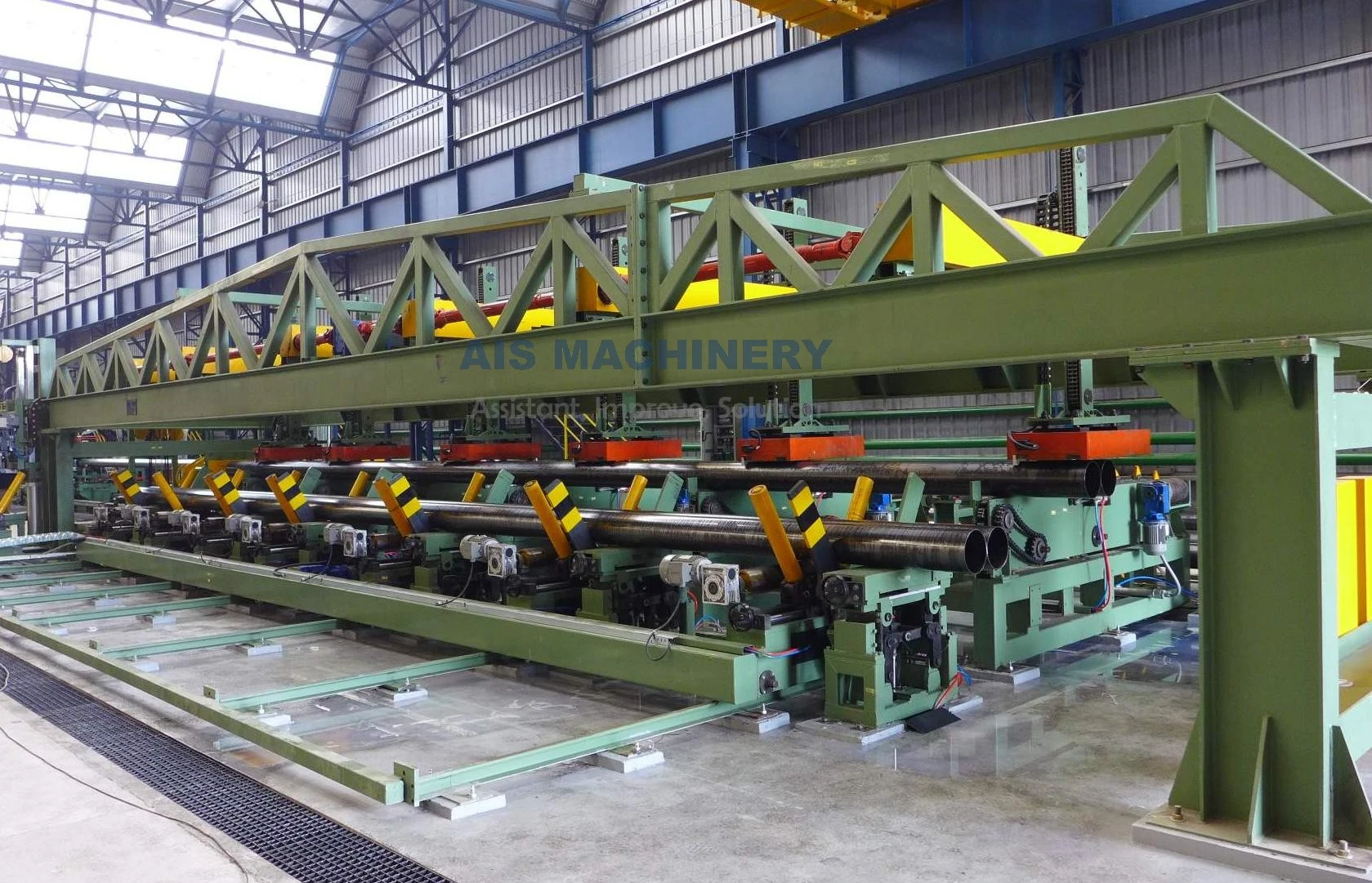
Automatic Stacking Machine (Magnetic Chuck Type)
The Automatic Stacking Machine (Magnetic Chuck Type) from AIS Machinery is designed to efficiently collect and stack steel tubes in ERW tube mill production lines. Using electromagnetic lifting, it can pick up multiple tubes at once and place them neatly in layers. This reduces manual labor, improves stacking accuracy, and increases overall production efficiency. It is installed after the flying saw and works seamlessly with the mill line, making it an ideal solution for modern tube manufacturers.
2026-04-28 08:56:05
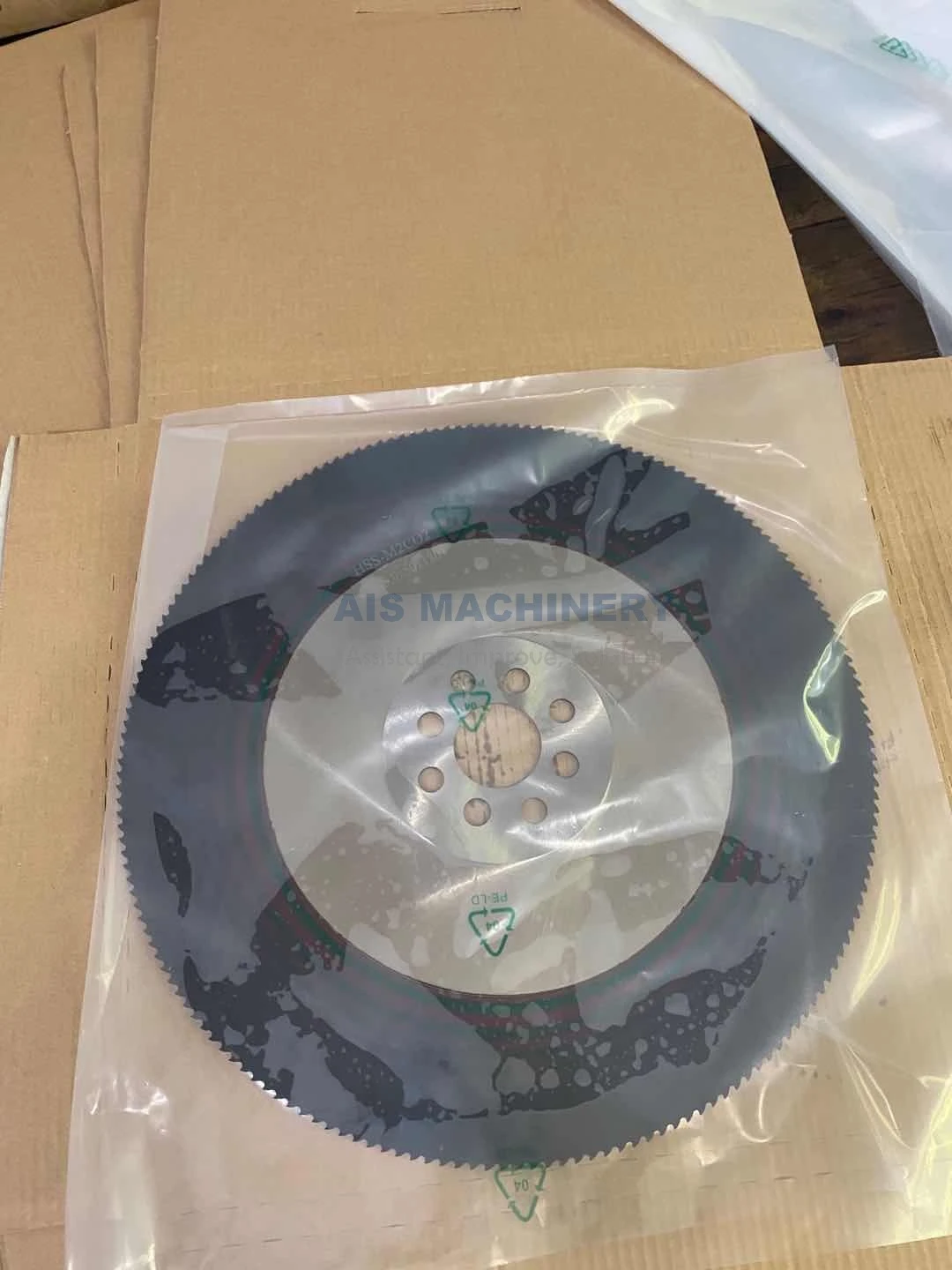
Saw Blade Guide for Tube Mills: Friction vs HSS vs TCT — Which One Should You Choose?
Confused about friction saw, HSS, and TCT blades? This guide explains their uses in cold saw and friction saw machines, with pros, cons, and expert selection tips.
2026-04-24 08:54:16
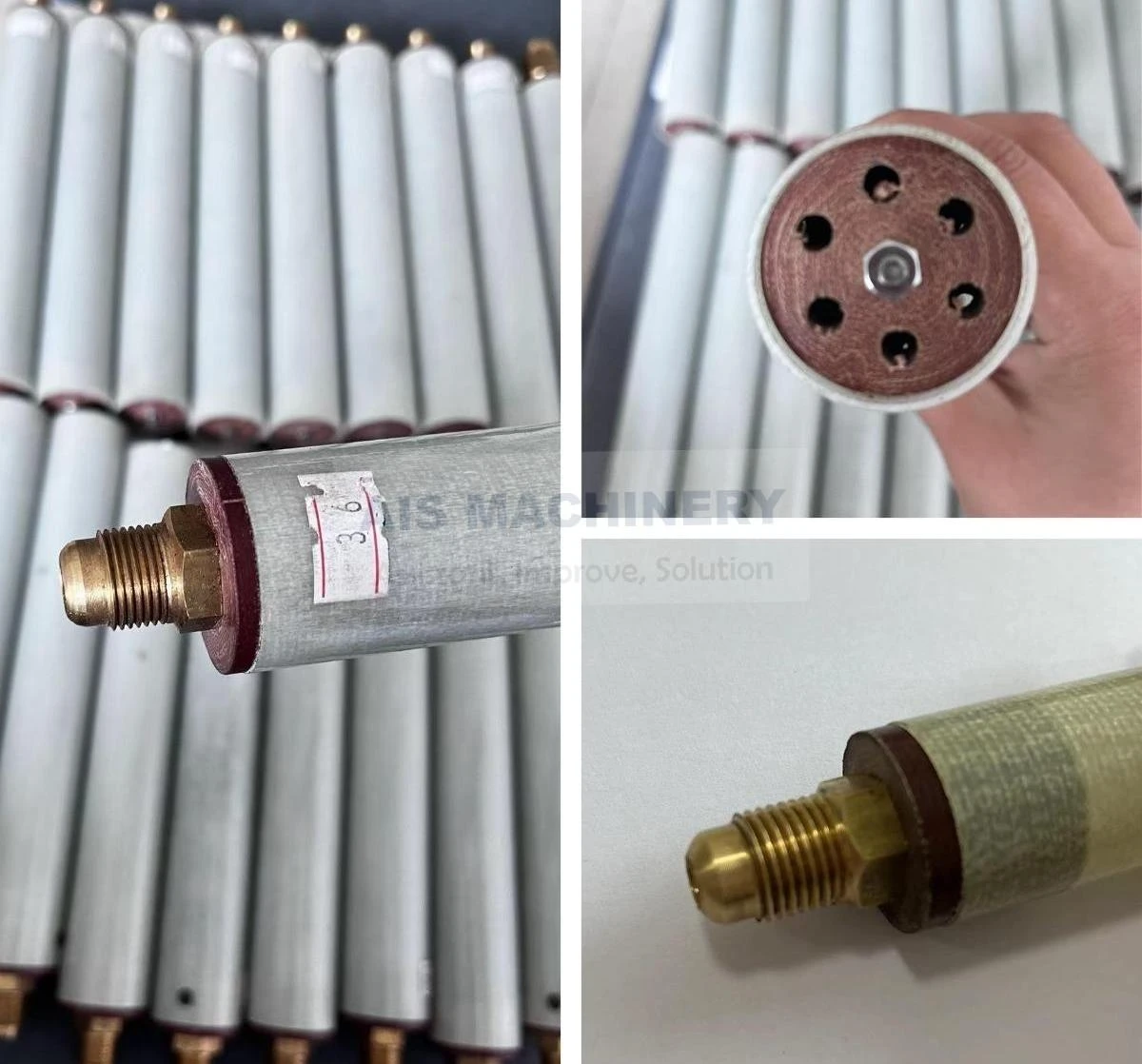
What is an Impeder and Ferrite Rods in ERW Tube Mill?
Struggling with impeder overheating or short service life in your ERW tube mill? This guide explains common impeder problems, the role of ferrite rods, and how to choose the right impeder for stable welding performance. Improve weld quality, reduce energy loss, and extend equipment lifespan with the right selection and proper cooling solutions.
2026-04-21 10:22:25
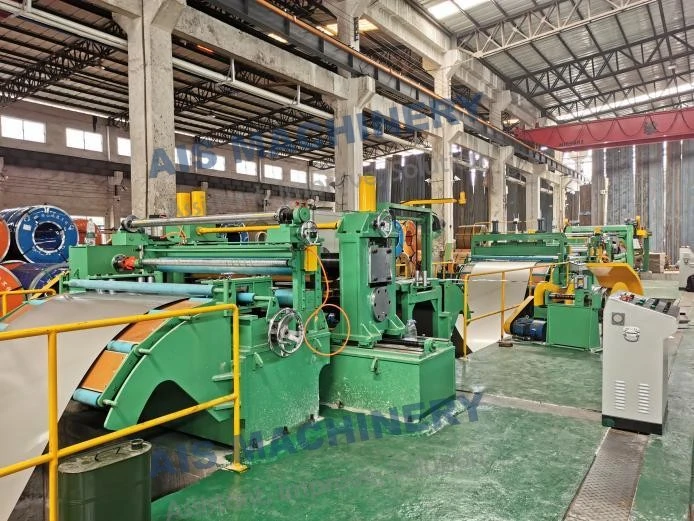
Slitting & Cut-to-Length Combined Production Line: A Smarter Way to Process Steel Coils
Discover the Slitting & Cut-to-Length Combined Production Line, a flexible solution for steel coil processing. This system integrates slitting line and cut-to-length line functions in one machine, saving space, reducing costs, and improving efficiency. Ideal for processing both steel strips and sheets, it is widely used in service centers and manufacturing industries. Learn its advantages, limitations, and applications.
2026-04-18 03:20:20
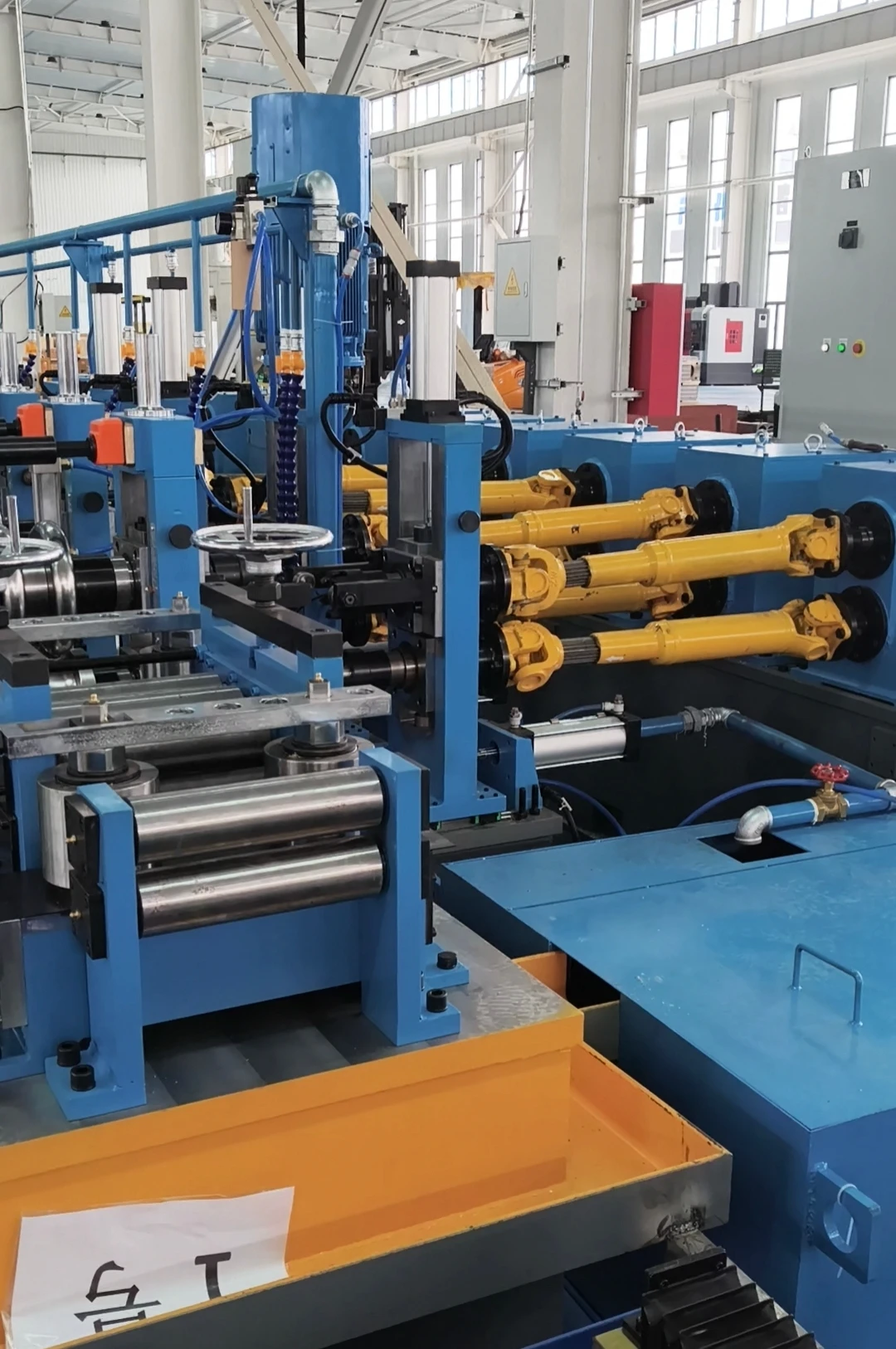
AIS Machinery Showcases Advanced Tube Solutions at Tube & Wire Düsseldorf 2026
Tube & Wire Düsseldorf 2026, one of the most influential exhibitions in the global tube and wire industry, held biennially in Düsseldorf, Germany
2026-04-17 00:00:00
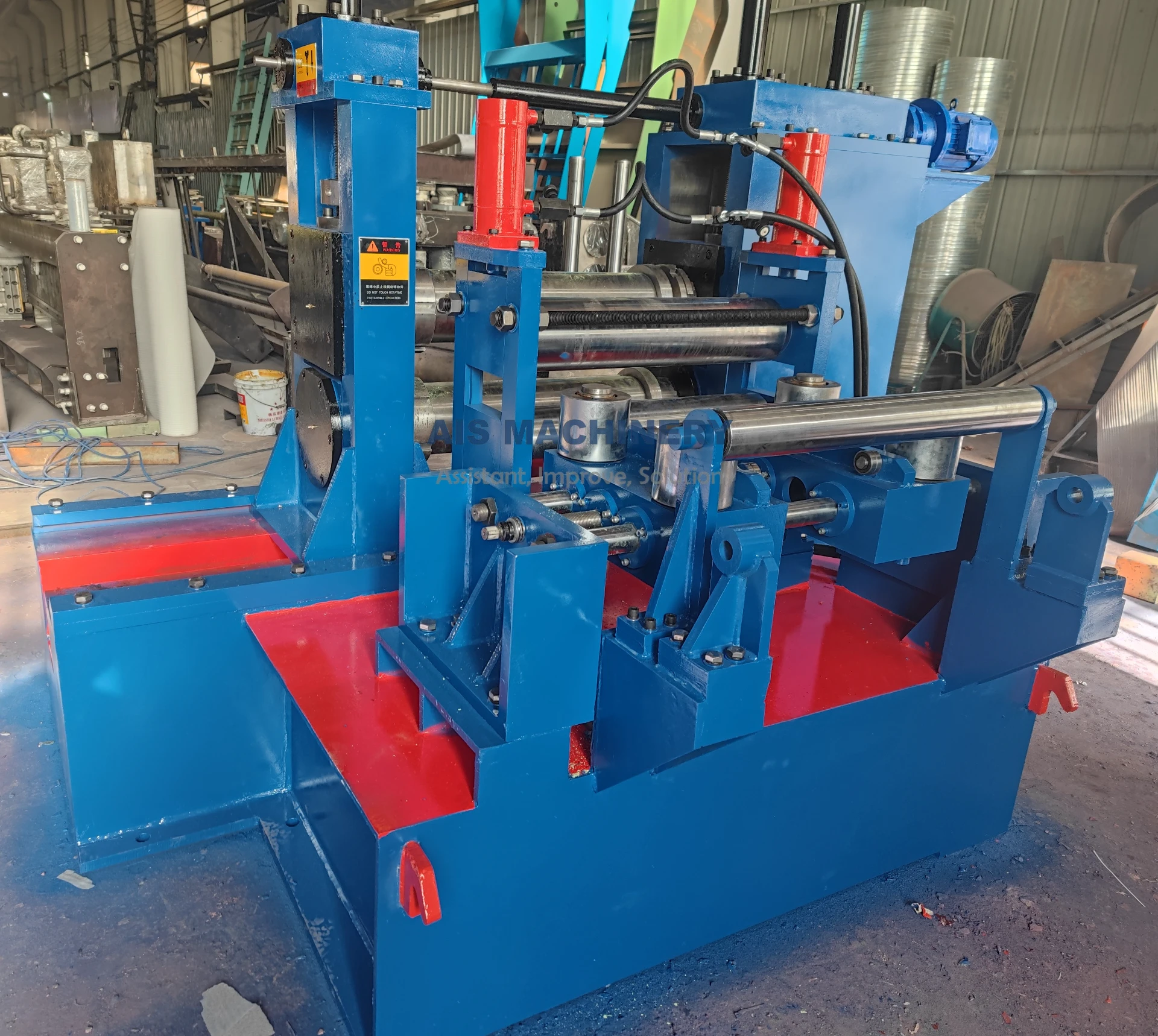
Southeast Asia Client Visits Our Factory | Customized Tube Mill Solution Delivered
A Southeast Asia client visited our ERW tube mill factory to inspect production lines and discuss a customized tube mill solution. Impressed by our machine quality, welding performance, and engineering support, the client confirmed strong cooperation intentions. Discover how our ERW tube mill solutions improve efficiency, precision, and long-term production reliability.
2026-04-15 10:37:55
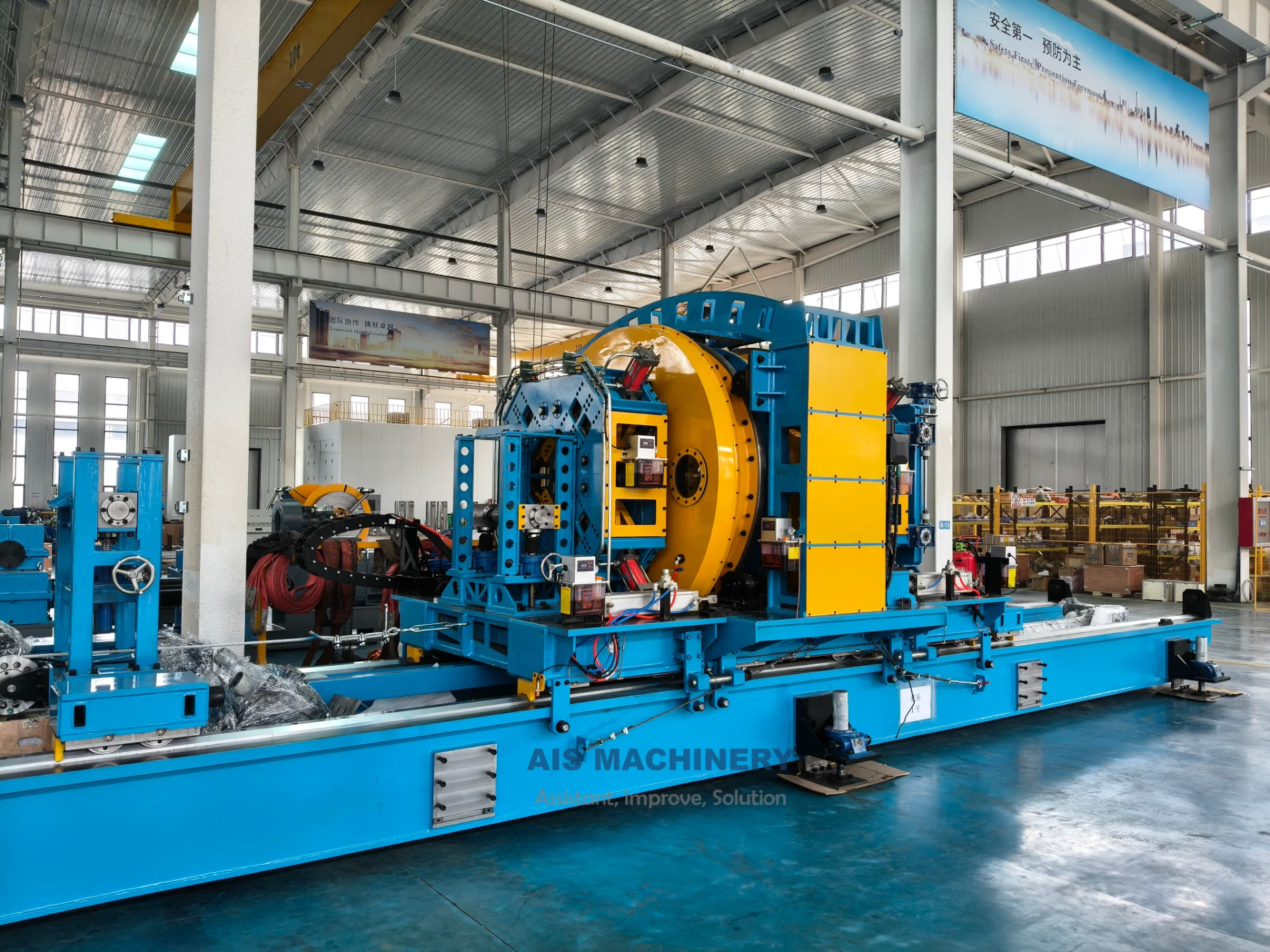
Flat Bar Production Line for Steel Coils: How It Works & Why It Matters
Looking for a flat bar production line? Learn how it turns steel coils into ready-to-use flat bars with precise length and high straightness. Compare it with slitting lines and get the best solution for your steel processing needs.
2026-04-14 00:00:00
Looking for a Milling Saw for ERW Tube Mill? Here’s What You Need to Know
Looking for a high-performance milling saw for your ERW tube mill? Upgrade to burr-free, high-precision pipe cutting with advanced flying saw technology. Improve efficiency, reduce rework, and meet export standards for carbon steel, stainless steel, and API pipes. Contact us today for expert solutions and competitive pricing tailored to your production needs.
Send a Message
Dear customer, thank you for your attention! We provide high-quality machinery and equipment and look forward to your orders. Please inform us of your needs and we will respond quickly!
 English
  Albanian
  Arabic
  French
  German
  Indonesian
  Italian
  Japanese
  Kazakh
  Korean
  Latin
Latin  Macedonian
  Portuguese
  Russian
  Spanish
  Thai
Thai  Turkish
  Ukrainian
  Uzbek
Uzbek