
-
 Tel:86-15176910262
-

Search
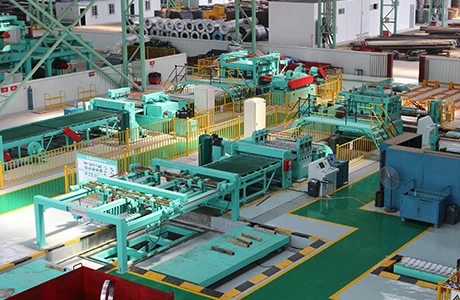

Essential Guide to Coil Storage Systems: Industrial Efficiency & Safety
Dec . 03, 2025 14:22
Understanding the Coil Storage System: A Key to Efficient Industrial and Humanitarian Logistics
When we talk about modern industries and complex logistics chains, the coil storage system often pops up as a deceptively simple yet crucial component. Fundamentally, a coil storage system is a means to store heavy metallic coils (think steel, aluminum, copper) safely and efficiently. But why should you care about something that sounds so industrial and inert? Well, the truth is that these systems help countless sectors worldwide—from manufacturing plants to humanitarian relief operations—function smoothly and sustainably.
Globally, the demand for metals and rolled materials continues to surge, supported by infrastructure projects, automotive production, and even green energy initiatives. For instance, according to the World Steel Association, steel production hit 1.8 billion metric tons in 2023, amplifying the need for optimized storage and handling solutions. A reliable coil storage system isn’t just about space-saving; it’s about safety, reducing material damage, and ensuring operational excellence. And, oddly enough, as industries face evolving sustainability goals, efficient storage touches on energy use and waste reduction too.
Mini takeaway: A coil storage system is a vital yet often underappreciated element that supports global industrial productivity and environmental goals.
Defining the Coil Storage System
In simple terms, a coil storage system refers to engineered structures and devices designed to hold metal coils safely and accessibly. This can range from basic racks and cradles to more sophisticated automated storage that integrates with warehouse management systems. These systems aren't just for industrial convenience; they’re crucial in protecting sensitive materials from damage, maintaining workplace safety, and facilitating efficient material flow.
Their relevance extends beyond the factory floor. Think of coil storage as a backbone in sectors like construction, energy manufacturing, and even humanitarian logistics where raw materials need to be securely stored and transported—sometimes in remote or challenging locations.
Mini takeaway: A coil storage system bridges the gap between heavy metal handling and practical logistics, ensuring materials stay intact and accessible.
Key Components of an Effective Coil Storage System
1. Durability & Strength
Coils are heavy and unwieldy; storing them safely demands racks or pallets made from high-strength steel with robust welding. Durability reduces the risk of failure or accidents, which can be costly or even fatal.
2. Scalability and Modularity
Industries evolve, and so must storage systems. Modular coil racks that can expand or reconfigure are prized in dynamic manufacturing environments, offering flexibility as inventory fluctuates.
3. Cost Efficiency
Cost matters—both initial investment and operational expenses. Good coil storage systems minimize the need for frequent replacement, reduce coil damage (which is expensive), and support efficient warehouse layouts that save space and labor.
4. Safety Features
From anti-slip coatings to secure locking mechanisms, safety-focused design protects workers and materials alike. Compliance with international standards such as ISO 9001 helps ensure systems meet rigorous safety criteria.
5. Ease of Handling and Accessibility
Accessibility links directly to productivity. Storage systems equipped for forklift access or automated retrieval cut handling times and reduce manual labor risks.
| Specification | Typical Value | Notes |
|---|---|---|
| Load Capacity per Coil | Up to 15 tons | Varies by rack design |
| Material of Construction | High-grade steel | Corrosion-resistant coatings often applied |
| Rack Height | Up to 4 meters customizable | Optimized for available warehouse space |
| Coil Diameter Range | From 400mm to 2200mm | Supports wide variety of coils |
| Integration | Manual and automated handling | Compatible with warehouse management software |
Mini takeaway: The best coil storage systems balance toughness, flexibility, safety, and cost-effectiveness to suit their operational environment.
Global Applications and Use Cases
Oddly enough, while coil storage seems very niche, its applications are surprisingly widespread. In Asia’s booming steel market, for example, coil storage systems ensure continuous production lines for automotive and construction materials. Similarly, in Europe and North America, manufacturers rely on flexible rack systems that integrate with automated robotics to meet just-in-time delivery demands.
There's also an interesting humanitarian application: in post-disaster rebuilding efforts where metal coils are transported and stored temporarily on-site, robust systems enable quicker reconstruction by keeping inventories organized despite chaos.
If you’re interested in warehouse tech upgrades, there’s an excellent resource on coil storage system solutions that blend innovation and practical design.
Advantages and Long-Term Value of Coil Storage Systems
- Cost Savings: Reduces coil damage, limits material loss, and optimizes space to cut warehousing costs.
- Improved Safety: Secure design reduces risk of accidents, protecting staff and assets.
- Sustainability: Efficient storage means fewer replacements and less waste — bonuses for green initiatives.
- Operational Efficiency: Easier access to coils improves workflow and reduces downtime.
- Emotional Angle: Trustworthy storage means peace of mind for managers and workers alike, fostering dignity and pride in the workplace.
Future Trends and Innovations
Looking ahead, coil storage systems are becoming smarter and greener. Automation is a major trend—robotic cranes and AI-driven inventory make operations quicker and safer. Materials science innovations are bringing lighter but stronger coating options that endure harsh environments.
Green policies from bodies like the ISO emphasize sustainability, pushing manufacturers toward eco-friendly designs. Integration with digital warehouse management systems (WMS) ensures that coil storage is no longer just about physical space but about smart data handling and predictive maintenance, too.
Challenges and Solutions in Coil Storage
Despite all these advances, challenges hang around. Space constraints, especially in dense urban industrial zones, limit scalability. Also, budgetary limits sometimes force compromises on quality or automation levels. There's also the occasional issue of standardization due to the variety of coil sizes and weights globally.
Experts recommend modular designs to overcome space issues, phased automation to manage costs, and adopting international storage standards to harmonize handling procedures. Plus, leveraging new lightweight but durable materials can reduce structural footprints.
| Vendor | Product Range | Automation Capability | Global Presence | Typical Pricing (USD) |
|---|---|---|---|---|
| SteelStor Inc. | Manual & Semi-Automated Racks | Limited | North America, Europe | $15k - $40k per unit |
| AutoCoil Solutions | Fully Automated Systems | High | Global | $50k - $120k per system |
| SafeRack | Modular Manual Systems | Low | Asia, Europe | $12k - $30k per unit |
FAQ: Common Questions About Coil Storage Systems
Q1: How can I select the right coil storage system for my warehouse?
It depends on coil size, weight, frequency of movement, and space. Consider modular systems for flexibility; also evaluate automation needs. Consulting with suppliers who offer site surveys helps tailor the best fit.
Q2: Are coil storage systems compatible with automated warehouse solutions?
Absolutely. Many modern coil racks integrate seamlessly with robotic retrieval and warehouse management software to increase speed and accuracy of inventory handling.
Q3: What safety standards apply to coil storage?
ISO 9001 and local occupational safety regulations usually govern design and use. Look for racks tested to handle actual load capacities with built-in fail-safes.
Q4: Can coil storage reduce material damage significantly?
Yes, properly designed storage minimizes scratching, deformation, and contamination, which translates to cost savings and better quality products downstream.
Q5: How sustainable are modern coil storage systems?
Innovations like corrosion-resistant coatings and automated inventory reduce waste and energy usage, helping facilities meet sustainability goals.
Conclusion: Why Invest in a Quality Coil Storage System?
In real terms, a coil storage system isn’t just a bulky structure in your warehouse—it’s a strategic asset. It safeguards valuable materials, promotes worker safety, cuts operational downtime, and aligns with modern sustainability trends. Whether you operate in heavy industry, humanitarian logistics, or advanced manufacturing, taking coil storage seriously makes sense.
Curious about the options available or ready to revamp your storage? Visit https://www.aistubemill.com to explore state-of-the-art coil storage system solutions tailored for efficiency and longevity.
Final takeaway: Efficient coil storage may be behind-the-scenes, but it drives industries forward in powerful ways.
- World Steel Association: Steel Statistical Yearbook 2023
- ISO Standards for Industrial Storage Systems (ISO 9001)
- Wikipedia: Industrial Storage Rack

Related Products

Related News
2026-04-30 09:35:04
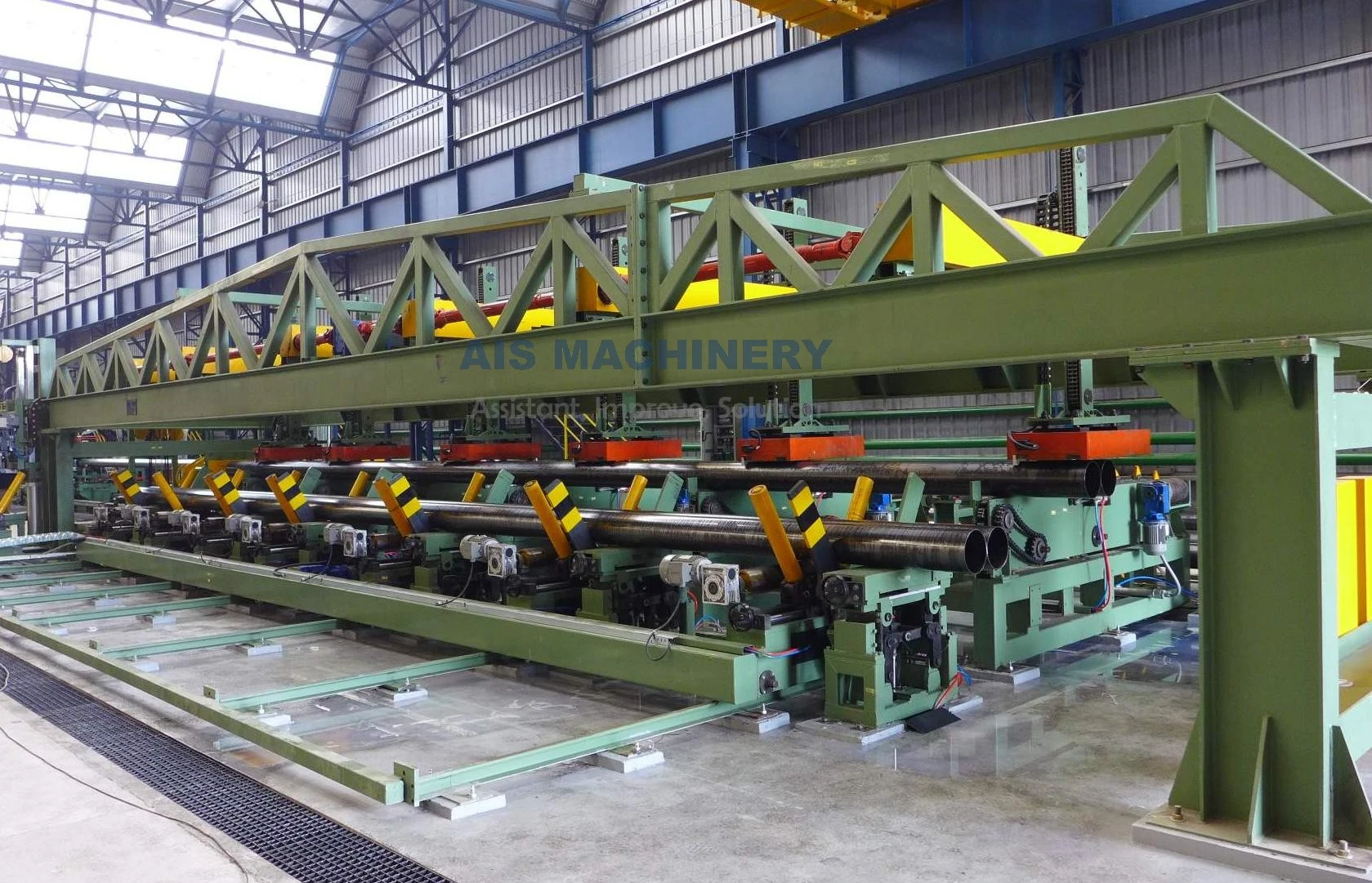
Automatic Stacking Machine (Magnetic Chuck Type)
The Automatic Stacking Machine (Magnetic Chuck Type) from AIS Machinery is designed to efficiently collect and stack steel tubes in ERW tube mill production lines. Using electromagnetic lifting, it can pick up multiple tubes at once and place them neatly in layers. This reduces manual labor, improves stacking accuracy, and increases overall production efficiency. It is installed after the flying saw and works seamlessly with the mill line, making it an ideal solution for modern tube manufacturers.
2026-04-28 08:56:05
Saw Blade Guide for Tube Mills: Friction vs HSS vs TCT — Which One Should You Choose?
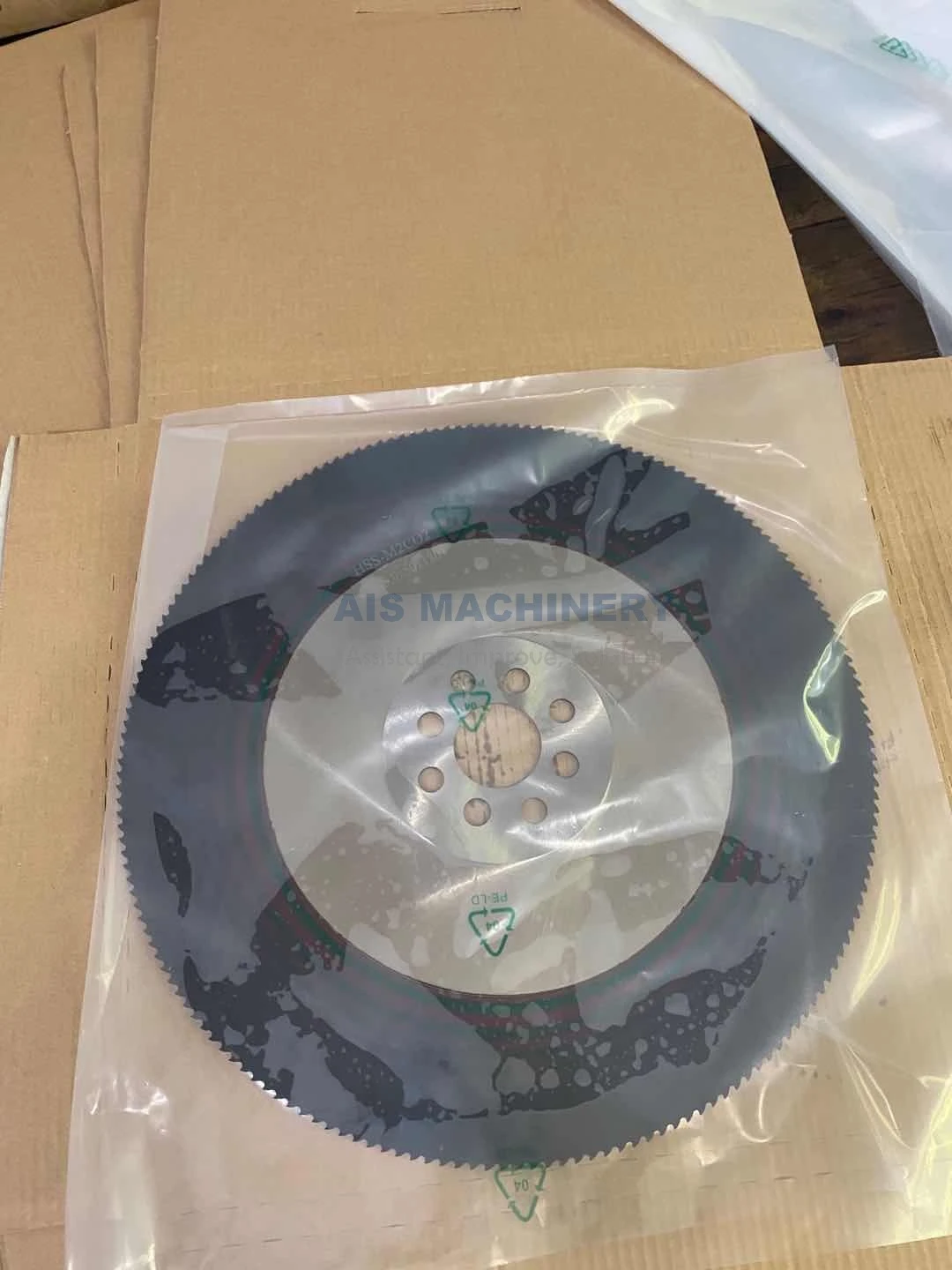
Confused about friction saw, HSS, and TCT blades? This guide explains their uses in cold saw and friction saw machines, with pros, cons, and expert selection tips.
2026-04-24 08:54:16
What is an Impeder and Ferrite Rods in ERW Tube Mill?
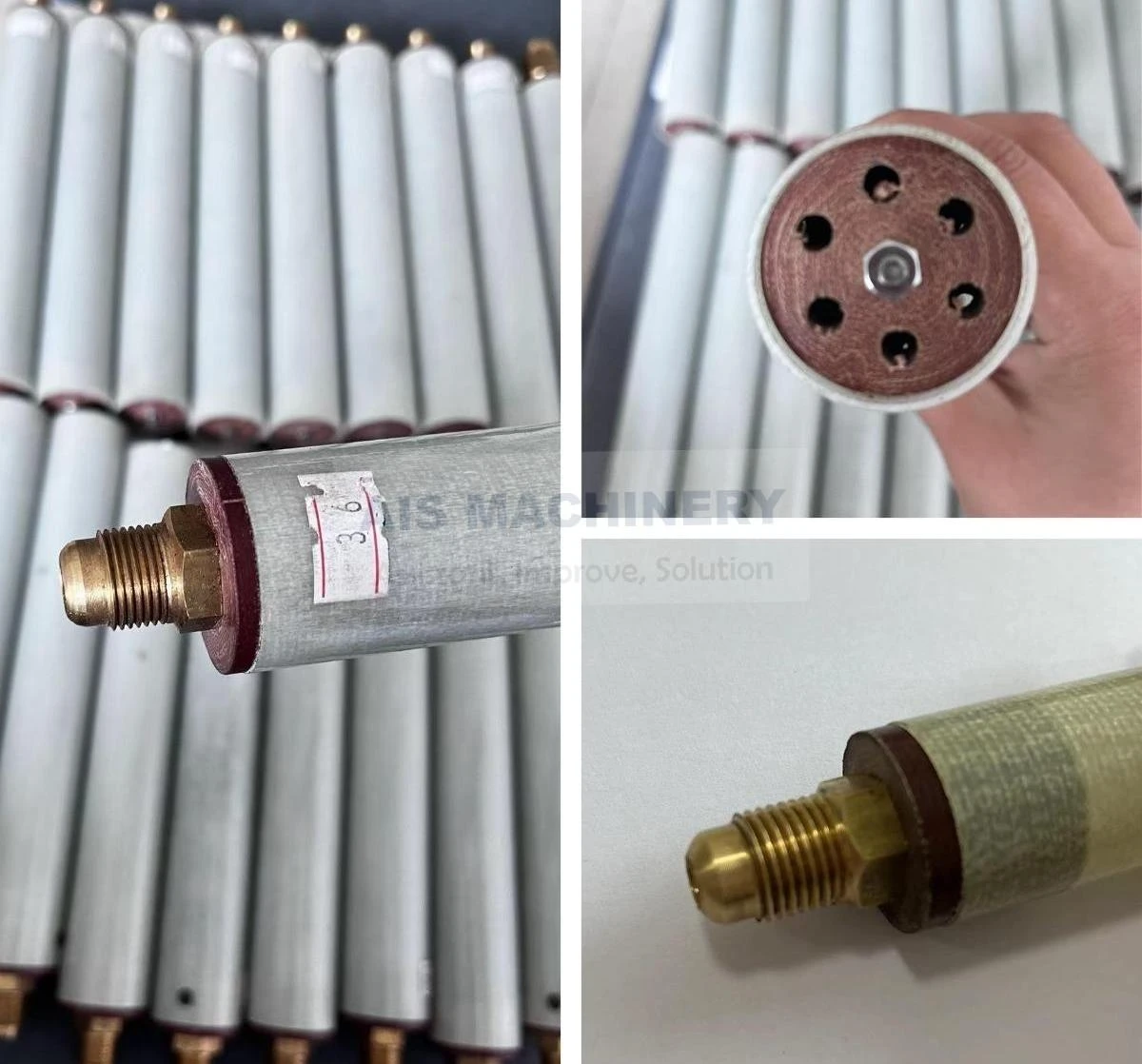
Struggling with impeder overheating or short service life in your ERW tube mill? This guide explains common impeder problems, the role of ferrite rods, and how to choose the right impeder for stable welding performance. Improve weld quality, reduce energy loss, and extend equipment lifespan with the right selection and proper cooling solutions.
2026-04-21 10:22:25
Slitting & Cut-to-Length Combined Production Line: A Smarter Way to Process Steel Coils
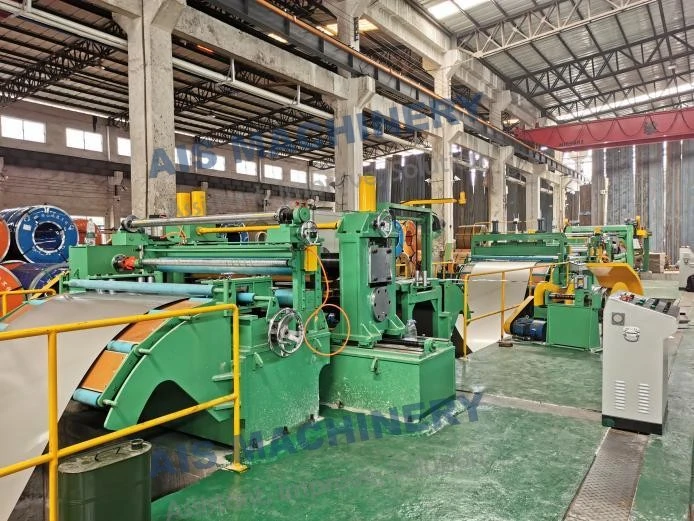
Discover the Slitting & Cut-to-Length Combined Production Line, a flexible solution for steel coil processing. This system integrates slitting line and cut-to-length line functions in one machine, saving space, reducing costs, and improving efficiency. Ideal for processing both steel strips and sheets, it is widely used in service centers and manufacturing industries. Learn its advantages, limitations, and applications.
2026-04-18 03:20:20
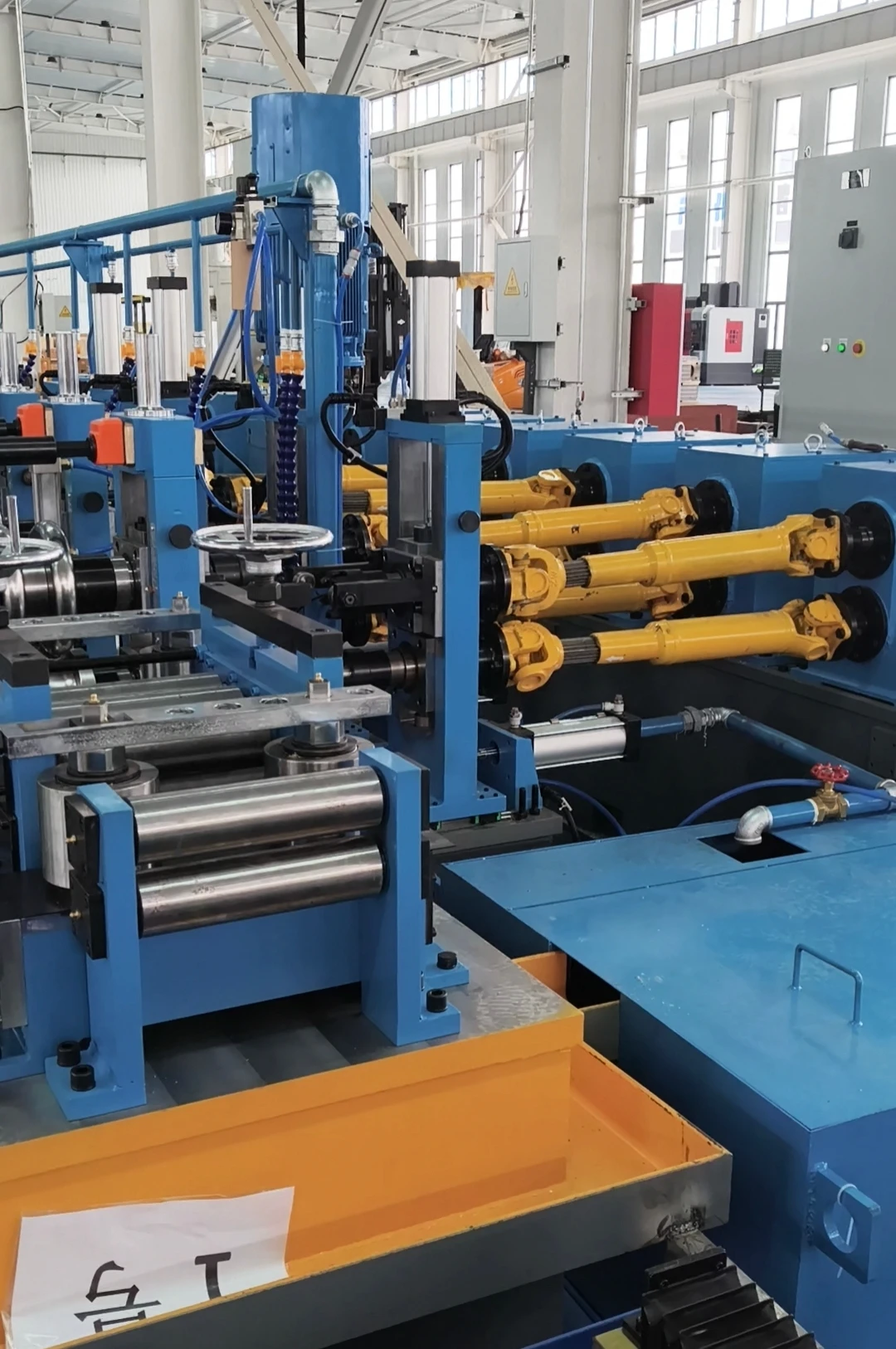
AIS Machinery Showcases Advanced Tube Solutions at Tube & Wire Düsseldorf 2026
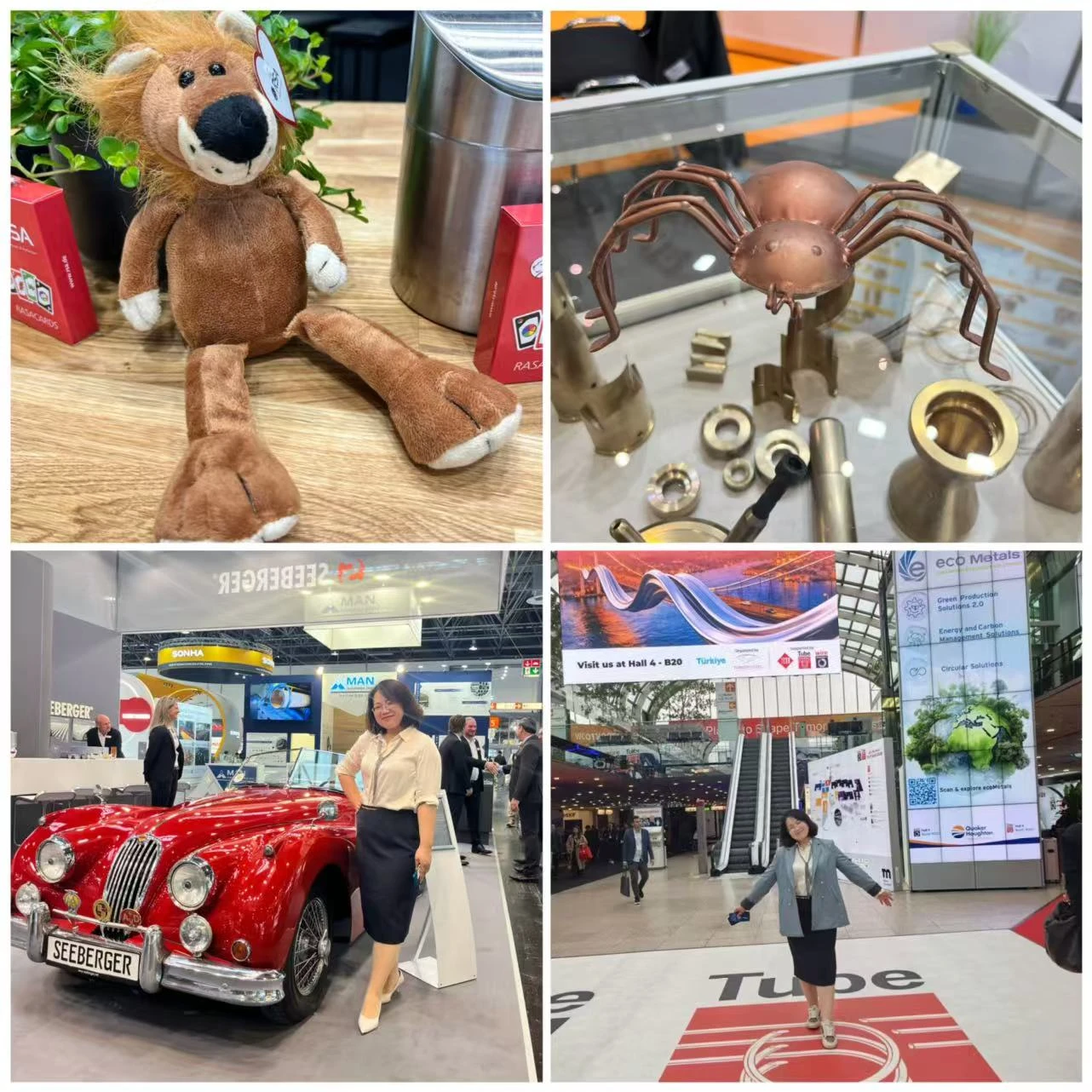
Tube & Wire Düsseldorf 2026, one of the most influential exhibitions in the global tube and wire industry, held biennially in Düsseldorf, Germany
2026-04-17 00:00:00
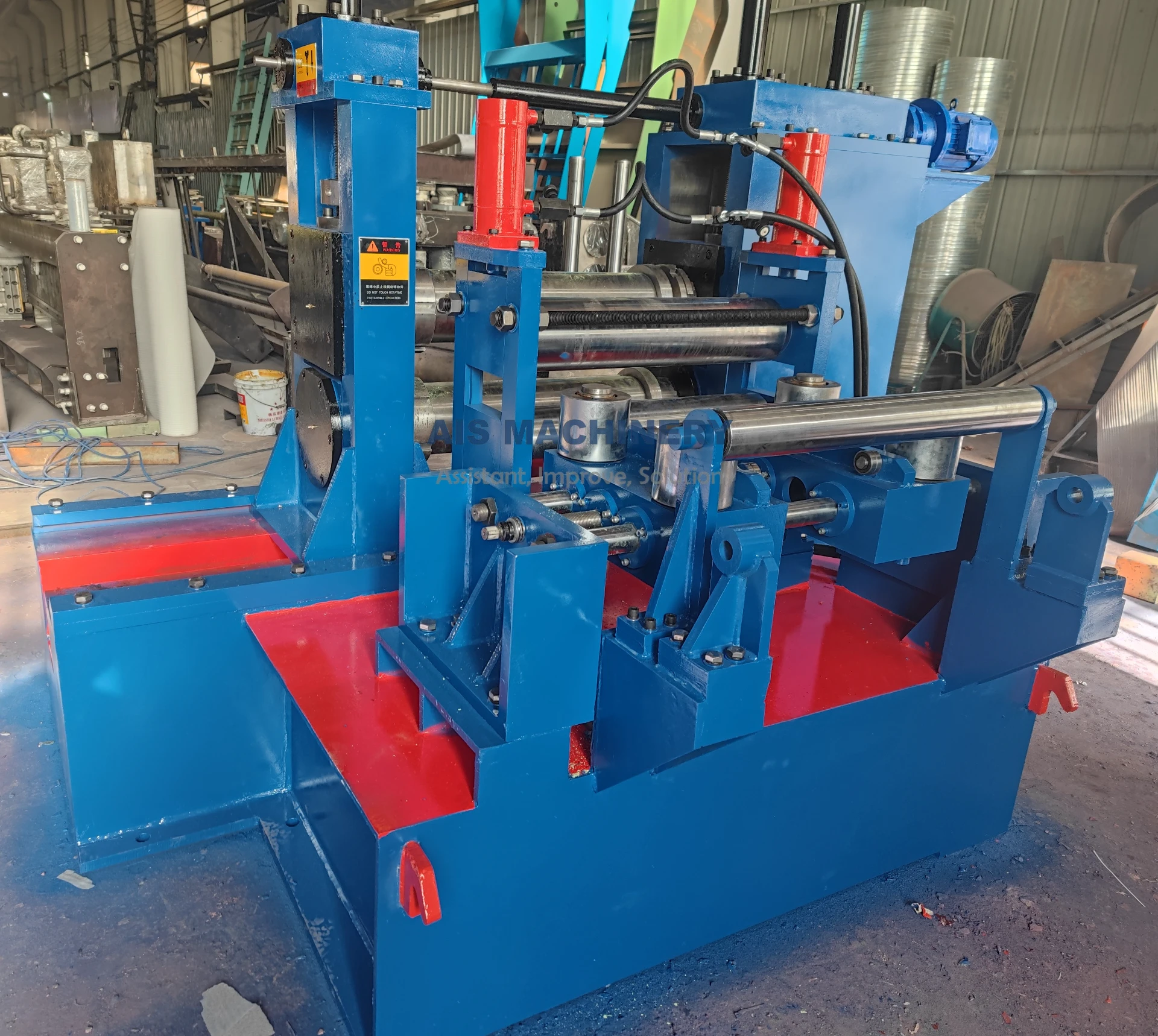
Southeast Asia Client Visits Our Factory | Customized Tube Mill Solution Delivered
A Southeast Asia client visited our ERW tube mill factory to inspect production lines and discuss a customized tube mill solution. Impressed by our machine quality, welding performance, and engineering support, the client confirmed strong cooperation intentions. Discover how our ERW tube mill solutions improve efficiency, precision, and long-term production reliability.
2026-04-15 10:37:55
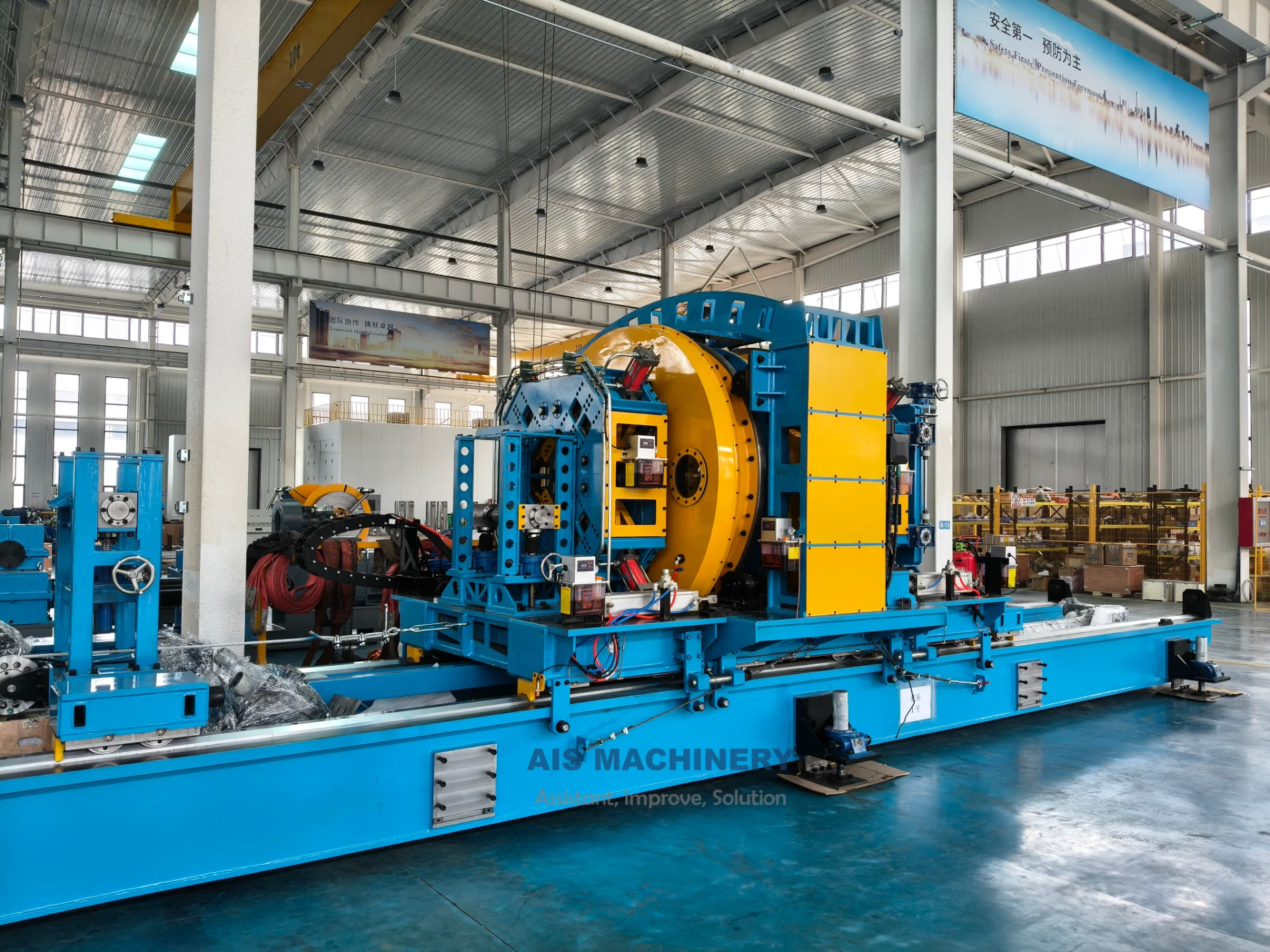
Flat Bar Production Line for Steel Coils: How It Works & Why It Matters
Looking for a flat bar production line? Learn how it turns steel coils into ready-to-use flat bars with precise length and high straightness. Compare it with slitting lines and get the best solution for your steel processing needs.
2026-04-14 00:00:00
Looking for a Milling Saw for ERW Tube Mill? Here’s What You Need to Know
Looking for a high-performance milling saw for your ERW tube mill? Upgrade to burr-free, high-precision pipe cutting with advanced flying saw technology. Improve efficiency, reduce rework, and meet export standards for carbon steel, stainless steel, and API pipes. Contact us today for expert solutions and competitive pricing tailored to your production needs.
Send a Message
Dear customer, thank you for your attention! We provide high-quality machinery and equipment and look forward to your orders. Please inform us of your needs and we will respond quickly!
 English
  Albanian
  Arabic
  French
  German
  Indonesian
  Italian
  Japanese
  Kazakh
  Korean
  Latin
Latin  Macedonian
  Portuguese
  Russian
  Spanish
  Thai
Thai  Turkish
  Ukrainian
  Uzbek
Uzbek