
-
 Tel:86-15176910262
-

Search

Smarter Welding Starts Here
May . 08, 2025 16:24
The rise of the solid state welding machine in modern manufacturing is no accident—this technology offers superior performance, higher energy efficiency, and increased reliability compared to traditional welding methods. Unlike conventional arc welding, solid state welding joins metals without melting them. Instead, it uses pressure and high-frequency energy to form a strong, seamless bond. This eliminates many of the defects associated with melting, such as porosity and weak weld zones, which makes it ideal for high-quality industrial applications.
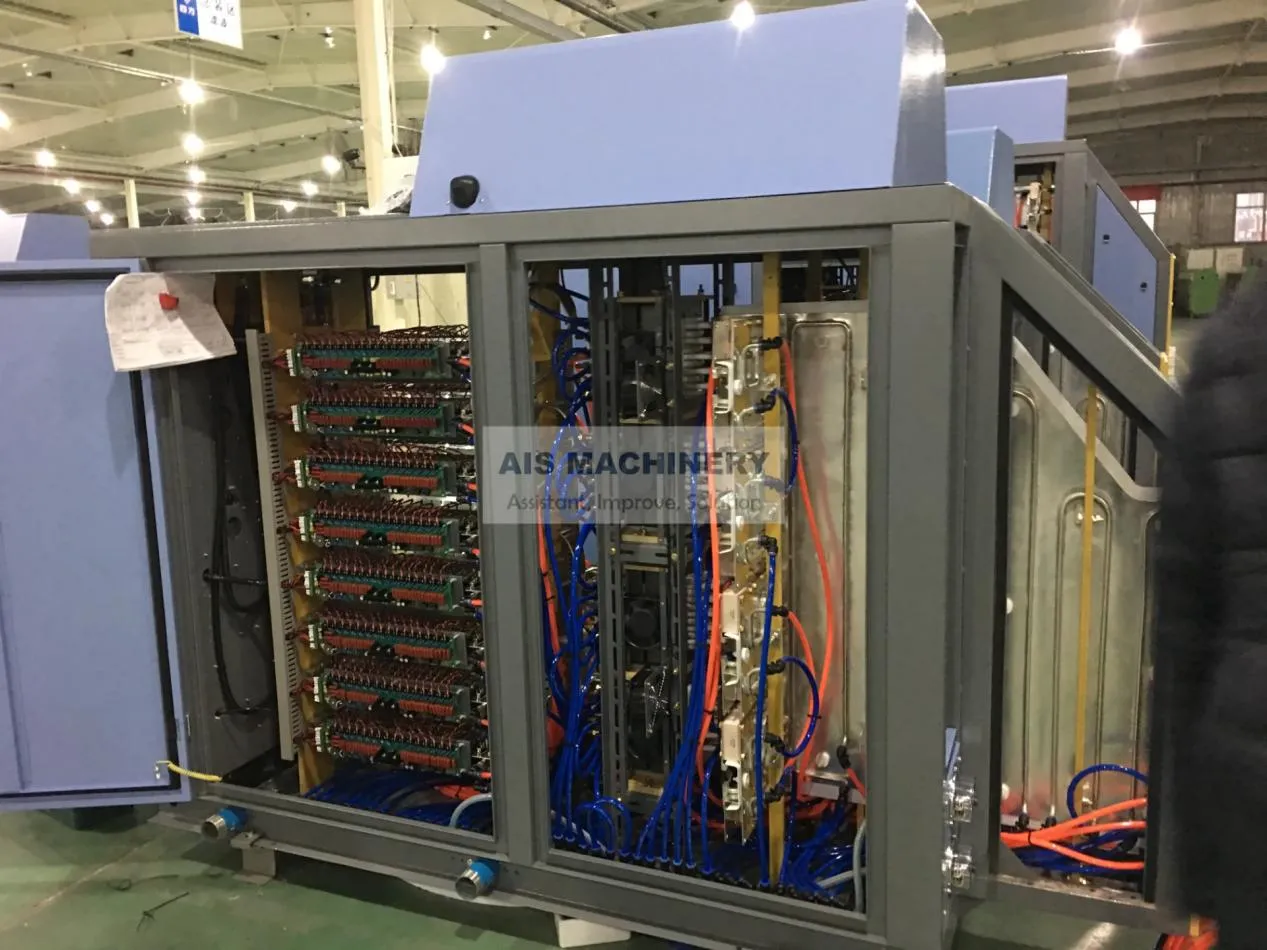
One of the most important advantages of the solid state welding machine is its ability to maintain the mechanical properties of the base material. Since there is no melting involved, the heat-affected zone is minimal, preserving the original grain structure of the metal. This results in stronger, more durable welds that are ideal for products requiring high strength and tight tolerances. Industries such as automotive, aerospace, and pipe manufacturing are increasingly turning to this technology to meet modern demands.
Another key feature of a solid state welding machine is its energy efficiency. Traditional welding processes can waste a significant amount of power due to heat dispersion and arc inefficiencies. In contrast, solid state systems concentrate energy directly at the weld point, dramatically reducing energy consumption. This not only lowers operating costs but also contributes to more sustainable production practices—an important factor for manufacturers today.
What makes the solid state welding machine even more attractive is its low maintenance. With fewer consumables like electrodes and filler material, and less wear on mechanical parts, these systems require less frequent servicing. That translates to reduced downtime and more consistent performance on the production floor. For companies looking for a welding solution that blends strength, speed, and reliability, solid state welding machines are the future-ready choice.
How Solid State High Frequency Welder Changes Everything
In high-volume production environments, the solid state high frequency welder has transformed how materials are joined. It utilizes high-frequency electrical current—often in the range of 100 to 400 kHz—to create friction at the weld interface, rapidly heating the surfaces for a fast and strong bond. This makes it especially effective in industries that require clean, consistent, and continuous welding, such as pipe and tube manufacturing.
The efficiency of the solid state high frequency welder lies in its ability to deliver uniform heat exactly where it’s needed. With digital controls and advanced circuitry, operators can easily fine-tune welding parameters to match different materials and thicknesses. This level of precision ensures minimal material distortion and improved weld quality. Unlike traditional tube welding methods that can leave behind slag or oxidation, solid state HF welding produces a cleaner, oxide-free seam.
Another compelling reason to choose a solid state high frequency welder is its speed. These welders are capable of maintaining high welding speeds without sacrificing quality, making them ideal for high-throughput applications. Whether it's mild steel, stainless steel, or non-ferrous materials, the welder adapts easily to different grades and profiles. This flexibility allows manufacturers to handle a wide range of production tasks with one system.
Maintenance and durability also make the solid state high frequency welder a smart investment. With solid state components replacing older vacuum tube designs, these machines are less prone to failure and require fewer replacements. The absence of mechanical parts like moving transformers or carbon brushes adds to their long lifespan. For companies looking to streamline operations and ensure consistency, this equipment delivers performance you can count on.
Solid State Welding Applications Are Expanding Rapidly
The range of solid state welding applications continues to grow across industries as companies discover the technology’s advantages in quality, efficiency, and strength. This type of welding is widely used in tube and pipe manufacturing, automotive exhaust systems, fuel rails, aerospace components, and even electronic connectors. Wherever precision and structural integrity are critical, solid state welding offers solutions that traditional processes can’t match.
One of the most prominent solid state welding applications is in the production of steel pipes and tubing. Using high-frequency induction, manufacturers can create continuous welds that are clean, fast, and incredibly strong. The process is ideal for producing long sections of piping without flaws or leaks, which is critical in sectors like oil and gas, HVAC, and infrastructure.
Another growing segment for solid state welding applications is the automotive industry. Lightweight construction and stringent safety requirements mean that manufacturers are constantly looking for ways to join high-strength steels and aluminum alloys without compromising integrity. Solid state welding allows them to achieve these goals while also supporting faster production cycles and lower costs.
In electronics and electrical systems, solid state welding applications have found a niche in joining copper and aluminum conductors. The clean, precise welds made by this process help improve electrical conductivity and reduce resistance. This is especially valuable in battery assembly, power cable production, and renewable energy systems where performance and reliability are non-negotiable.
Medical equipment manufacturing also benefits from solid state welding applications, particularly in producing surgical tools and implantable devices. The minimal heat and contamination-free process ensures safe and sterile welds that meet strict regulatory standards. The range of industries adopting solid state welding is only expected to grow as demand for precision and efficiency increases.
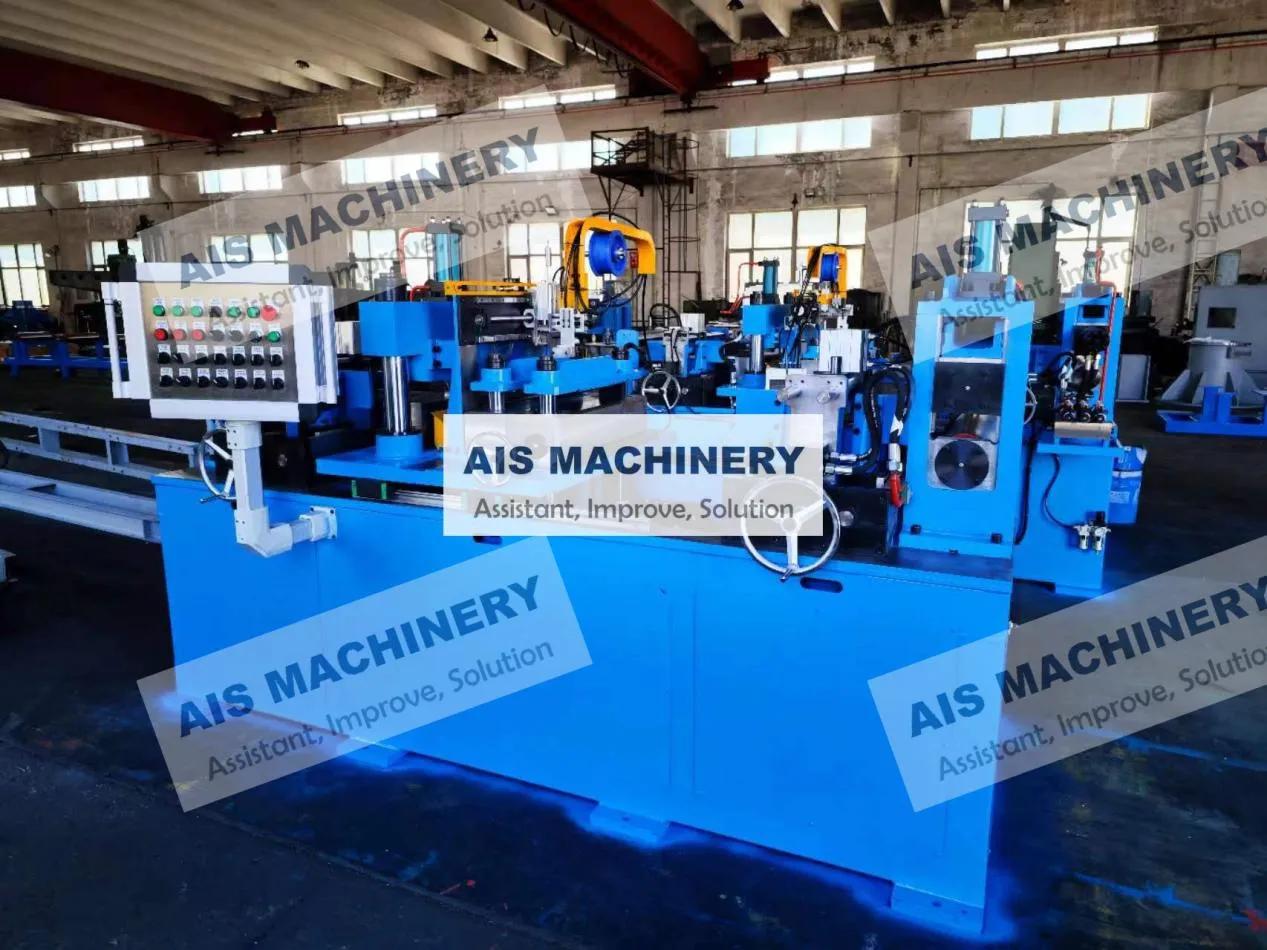
What Makes Solid State High Frequency Welder Worth the Investment
When evaluating industrial equipment, the solid state high frequency welder stands out for its high return on investment. Although the initial purchase price may be higher than traditional welding systems, the long-term savings in energy, maintenance, and material waste quickly offset the upfront cost. This makes it a cost-effective choice for businesses focused on long-term performance and sustainability.
A major reason the solid state high frequency welder is worth the investment is its improved energy efficiency. By directing energy precisely at the weld interface, it minimizes heat loss and power usage. This is especially important in large-scale operations where energy costs are a significant part of the budget. Over time, these savings add up to a noticeable difference in operating expenses.
Another important factor is the solid state high frequency welder's reliability. Solid state components offer greater durability and stability compared to older electronic systems. They are less susceptible to overheating and voltage fluctuations, leading to fewer breakdowns and a longer service life. This reduces repair costs and improves uptime, keeping your production line running smoothly.
The digital control capabilities of the solid state high frequency welder also contribute to its value. With real-time monitoring, programmable settings, and data tracking, operators can ensure optimal welding performance on every job. This reduces human error and ensures quality control, which is crucial in industries where every weld must meet exact specifications.
For growing manufacturers, scalability is another advantage. As production demands increase, solid state high frequency welders can easily integrate into automated lines and adapt to new materials or products. This future-proofs your investment and allows you to expand capacity without needing to purchase entirely new systems.
Solid State Welding Machine FAQs
What is a solid state welding machine used for?
A solid state welding machine is used to join metals without melting them, typically in applications like pipe manufacturing, automotive parts, and electrical components where high strength and precision are required.
How does a solid state high frequency welder differ from traditional welders?
The solid state high frequency welder uses high-frequency current to create friction and heat at the joint, providing cleaner welds, faster speeds, and less energy consumption compared to conventional arc welders.
Are solid state welding applications suitable for aluminum?
Yes, many solid state welding applications are ideal for aluminum and other non-ferrous metals, offering strong joints without the problems of oxidation or distortion common in melt-based processes.
What are the maintenance needs of a solid state high frequency welder?
Modern solid state high frequency welders require minimal maintenance due to their durable electronic components and lack of moving parts, which leads to fewer breakdowns and longer service intervals.
Where can I buy a high-quality solid state welding machine?
To explore top-performing solid state welding machines, you can visit our official website where you’ll find product specifications, technical support, and purchasing assistance tailored to your industry needs.
If your production line demands speed, consistency, and quality, upgrading to a solid state welding machine is a move you won’t regret. These machines are designed for high-performance operations, low maintenance, and long-term savings. Whether you're manufacturing pipes, vehicles, or electrical systems, solid state technology helps you stay ahead of the competition. Visit our website today to learn more about our advanced solid state high frequency welders and discover which model fits your needs—efficiency, precision, and power are just a click away.

Related Products

Related News
2025-07-28 15:14:17
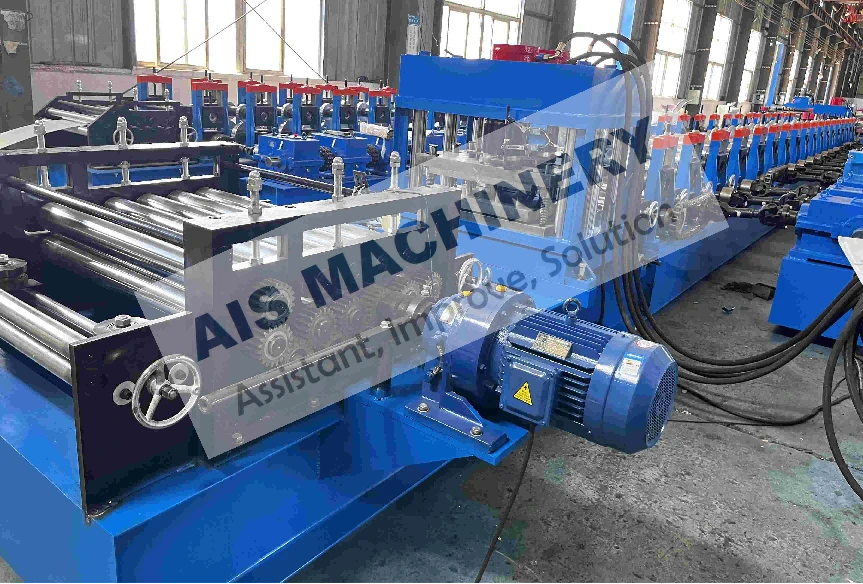
Steel Pipe Making Machine Material Compatibility
Understanding material compatibility in steel pipe making machine operations is crucial for ensuring product quality, equipment longevity, and production efficiency.
2025-07-28 15:10:43
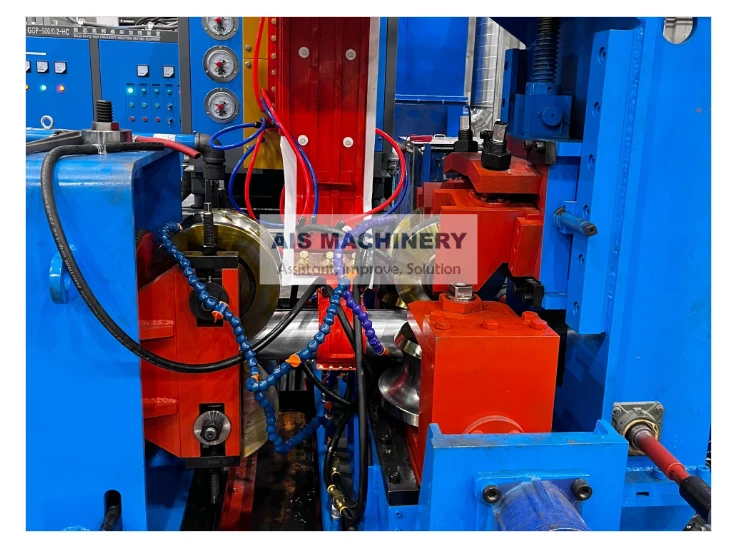
Solid State Welding Machine Material Compatibility
Understanding material compatibility is foundational to maximizing the performance of solid state welding machine systems, ensuring strong, durable welds while protecting equipment integrity.
2025-07-28 15:07:32
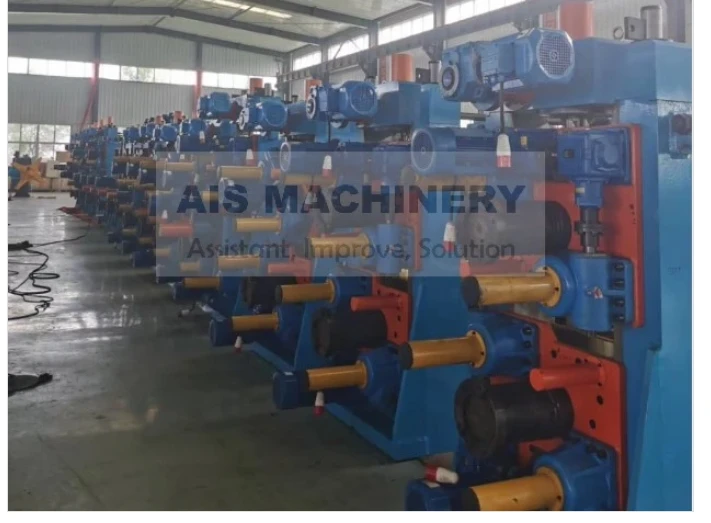
Production speed is a critical metric for pipe mill operations, directly impacting productivity, cost efficiency, and customer satisfaction.
2025-07-28 15:02:13
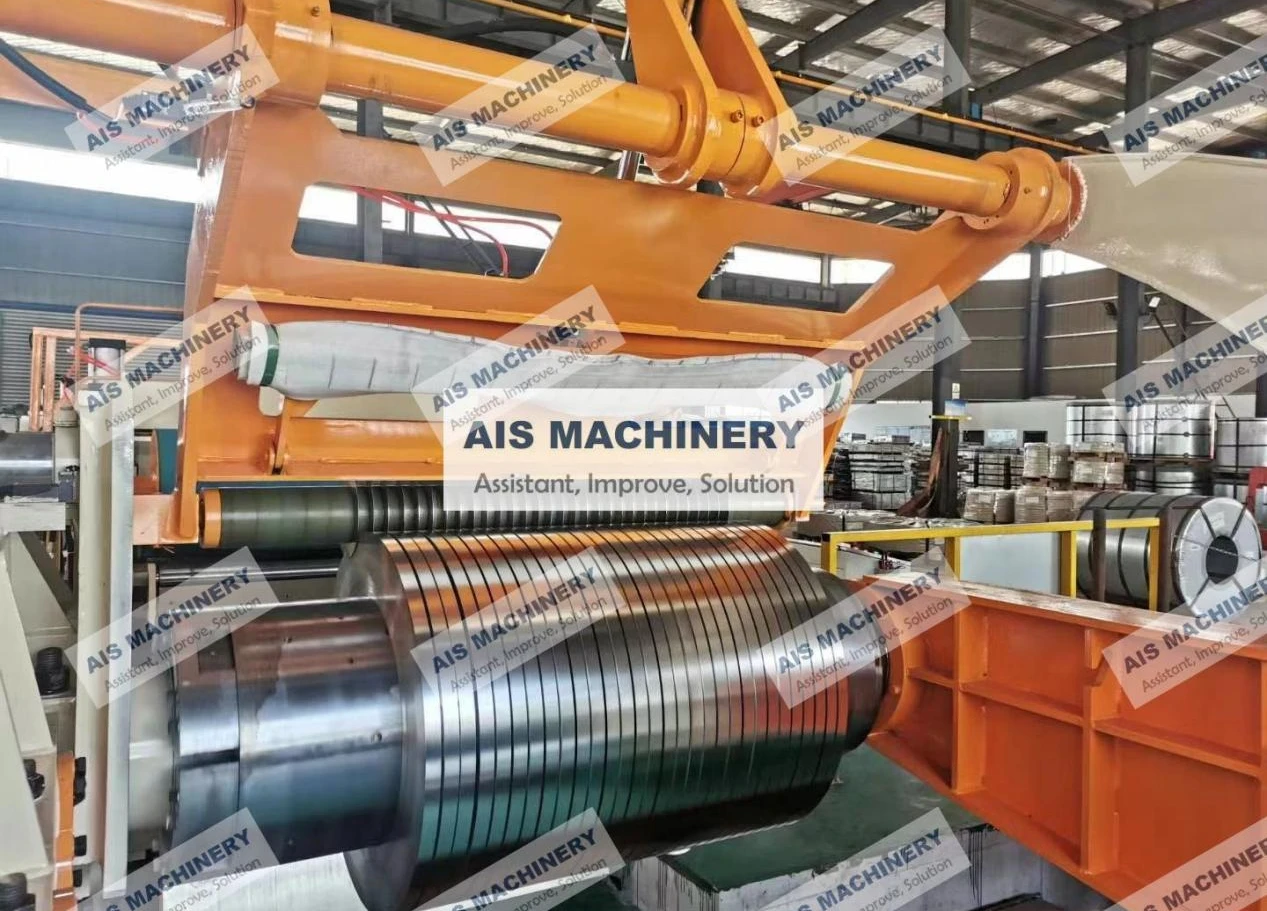
Metal Slitting Line Coil Width Range
Understanding the coil width range capabilities of a metal slitting line is essential for selecting equipment that aligns with diverse material processing needs, from narrow strips to wide coils.
2025-07-28 14:57:53
ERW Pipe Mill Material Compatibility
Material compatibility is a cornerstone of efficient and high-quality pipe production in ERW Pipe Mill operations.
2025-07-28 14:53:56
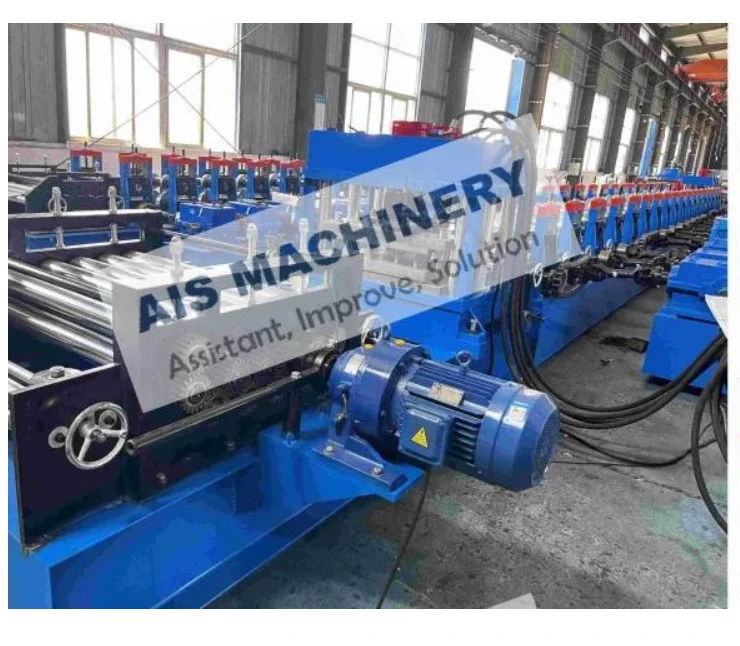
Cold Roll Forming Machine Speed Control
Precise speed control is a defining feature of efficient cold roll forming machine operations, directly influencing product quality, material utilization, and overall production throughput.
2025-07-25 16:36:17
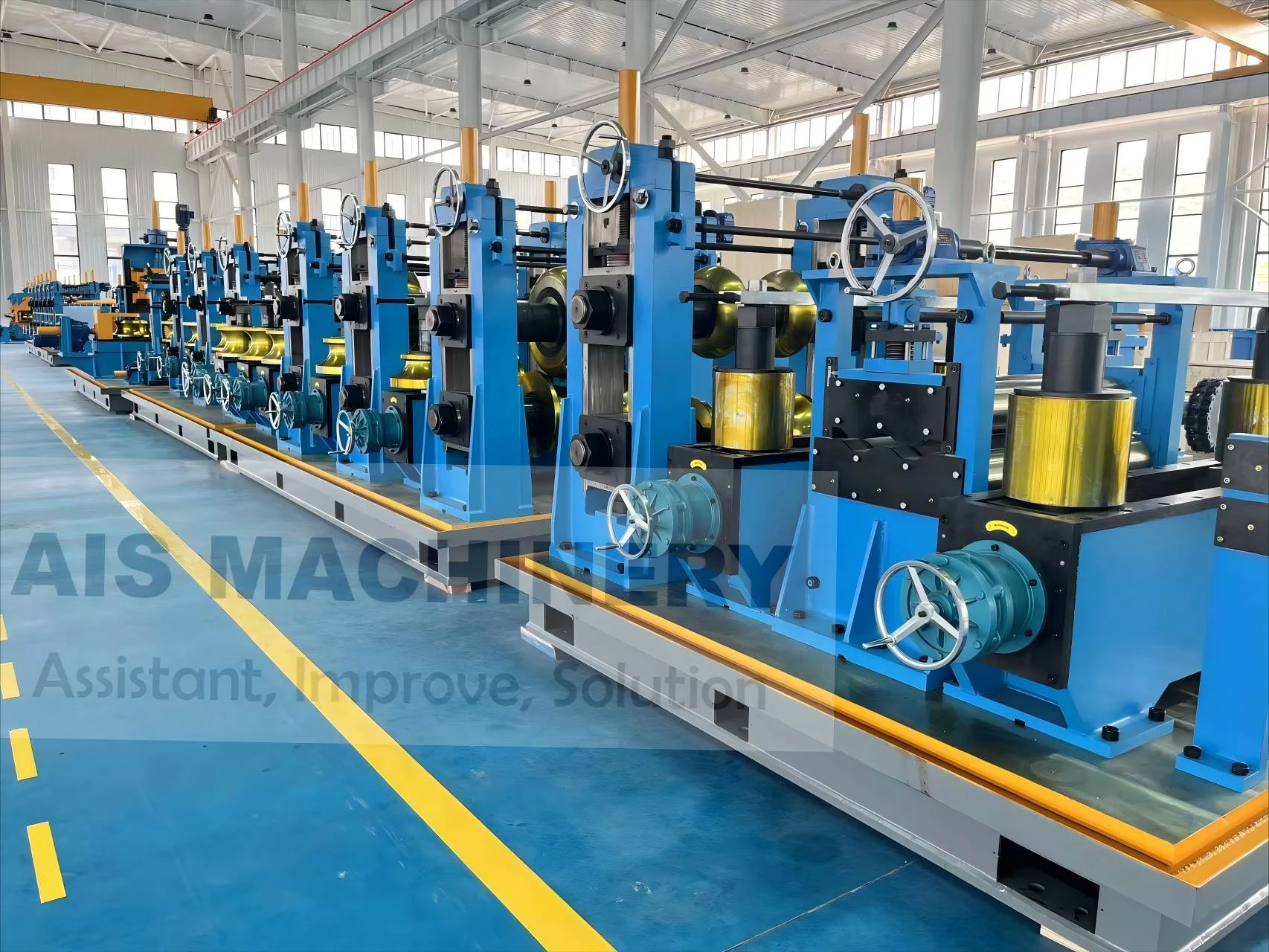
10Inch ERW Tube Mill Delivered to Middle East AIS Machinery
AIS Machinery is proud to announce the successful delivery of a 10-inch ERW tube mill line to a valued customer in the Middle East. The production line is designed for high precision and efficiency, capable of producing tubes ranging from Φ89mm to Φ254mm, with thicknesses up to 8mm.
2025-07-16 10:13:22
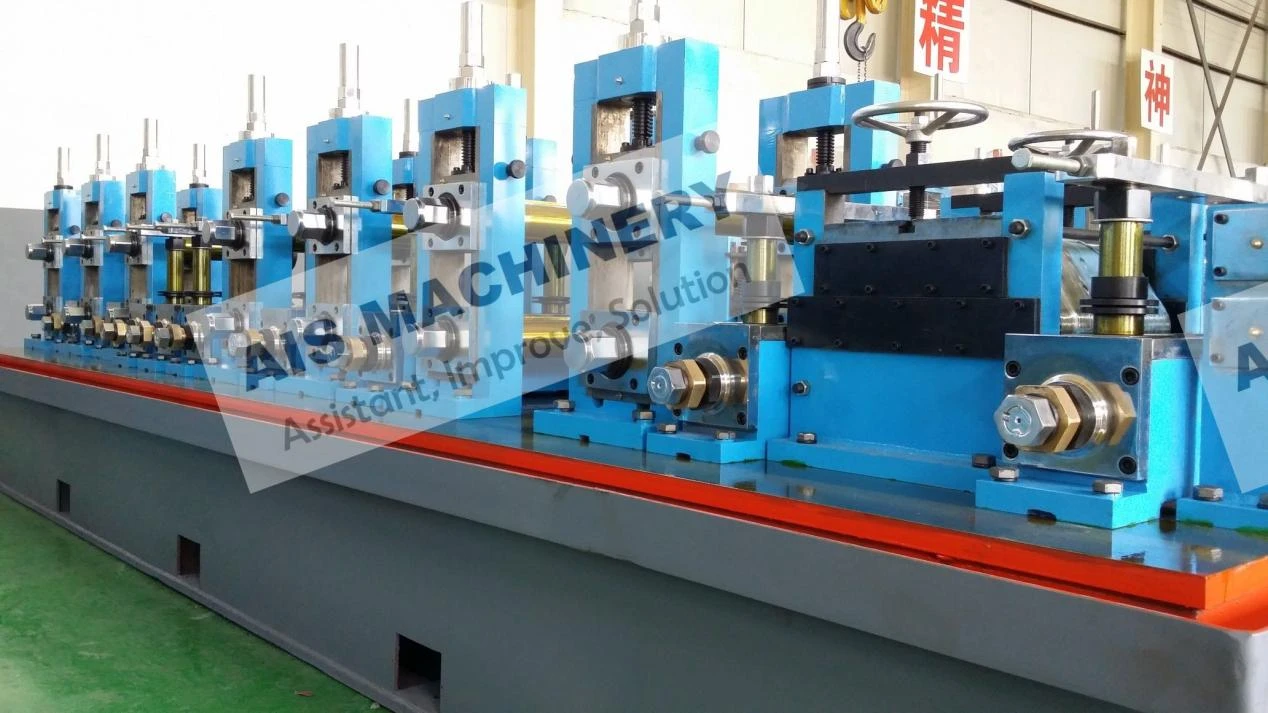
Modern metal fabrication demands precision and productivity, which is why our roll forming tube mill technology leads the industry in pipe and tube production.
Send a Message
Dear customer, thank you for your attention! We provide high-quality machinery and equipment and look forward to your orders. Please inform us of your needs and we will respond quickly!
 English
  Albanian
  Arabic
  French
  German
  Indonesian
  Italian
  Japanese
  Kazakh
  Korean
  Latin
Latin  Macedonian
  Portuguese
  Russian
  Spanish
  Thai
Thai  Turkish
  Ukrainian
  Uzbek
Uzbek