
-
 Tel:86-15176910262
-

Search
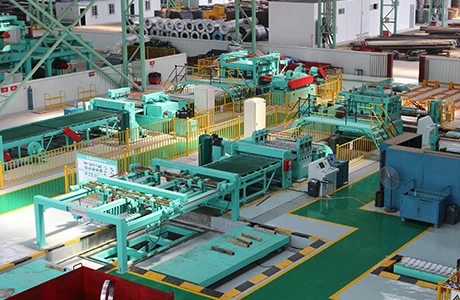

Steel Coil Slitting Process Precision Slitting Coil & Solid State Welding Solutions
Jul . 08, 2025 08:07
- Introduction to the steel coil slitting process
and its importance - Step-by-step overview of the slitting coil process
- Overview of solid state welding process and its integration with slitting lines
- Technological advancements and key performance data in modern slitting systems
- Comparison of major slitting coil manufacturers and technology providers
- Customization strategies for steel coil slitting process based on client needs
- Conclusion: The future of steel coil slitting process and market trends
(steel coil slitting process)
Introduction to the Steel Coil Slitting Process
The steel coil slitting process plays a critical role in modern metal fabrication and supply chain management. As global demand for precisely sized sheet metals and coils grows, the need for highly efficient slitting operations has intensified. This process enables manufacturers to convert large master coils of steel into narrower coils, known as mults, suited to specific application requirements. Recent industry surveys indicate that over 60% of cold-rolled steel worldwide undergoes some form of slitting before reaching end-users in the automotive, construction, and appliance sectors. The ability to deliver consistent width tolerances while maintaining edge quality is pivotal for downstream processes and has become a significant value differentiator in competitive steel markets.
Step-by-step Overview of the Slitting Coil Process
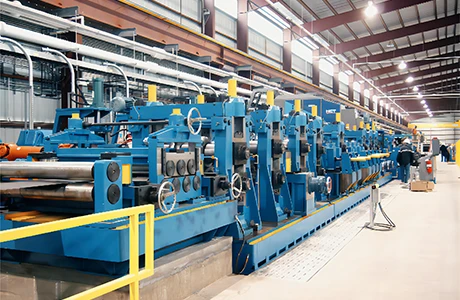
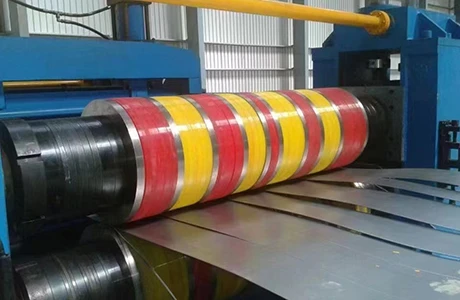
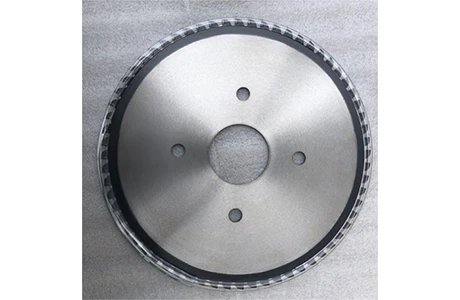
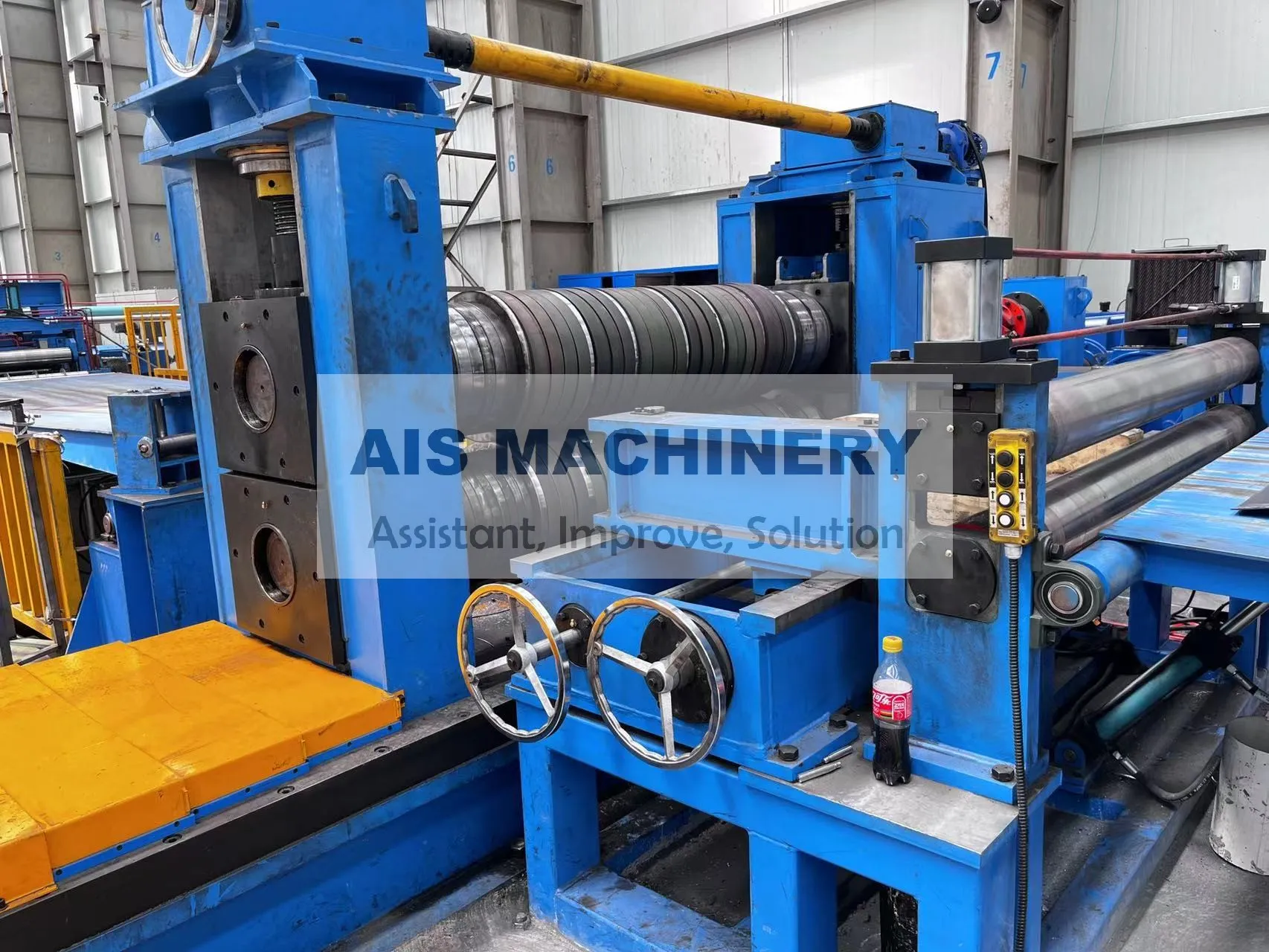
The slitting coil process encompasses several stages that collectively transform wide steel coils into usable strips. It begins with loading the parent coil onto an uncoiler, followed by threading through pinch rolls and a set of circular rotary knives precisely machined according to the required strip widths. The knives slice the coil longitudinally, producing multiple strips with minimal edge burr. Each strip is then passed through tensioning equipment and recoiled onto separate mandrels. Operators monitor several process parameters – including coil speed, tension, and knife clearance – to ensure consistent product quality. Automation technologies, such as high-resolution sensors and PLC systems, have streamlined the process, resulting in improved throughput and decreased downtime.
Solid State Welding Process and Integration with Slitting Lines
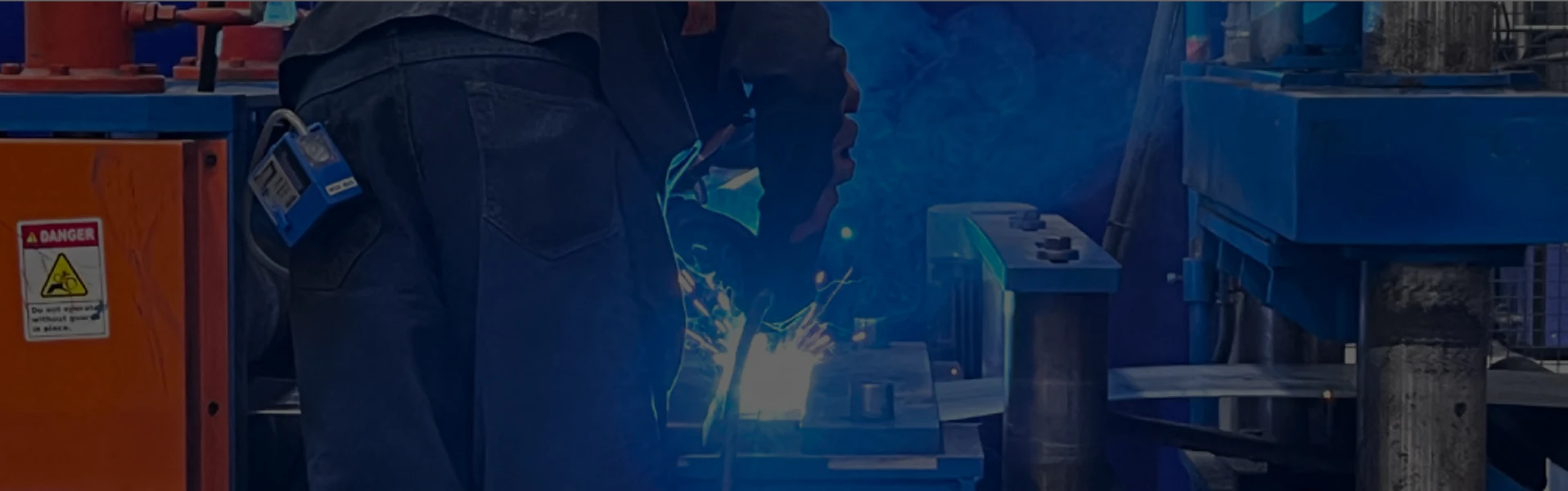
Solid state welding is an increasingly adopted joining method for steel strips, particularly where coil ends must be welded with minimal structural change. Unlike conventional fusion welding, the solid state welding process utilizes heat and pressure below the melting point, maintaining the metallurgical integrity of the parent coils. Its synergy with high-speed slitting lines enhances operational efficiency, allowing rapid coil changeovers without sacrificing product performance. Recent industrial benchmarks suggest that integrating solid state welders can reduce end-to-end coil processing times by up to 30%, significantly increasing roll mill and slitting line productivity. This advanced process favors applications demanding superior mechanical properties, such as automotive body panels and electrical steel strips.
Technological Advancements and Key Performance Data
As the demand for high-precision slit coils escalates, engineering developments have fundamentally enhanced slitting performance. Innovations include automated knife adjustment systems enabling tool changes in under 10 minutes and real-time width measurement modules capable of maintaining +/-0.05 mm tolerances. Machine-drive upgrades and gearless direct drives have reduced vibration, resulting in lower edge burr formation and increased strip quality. According to industry studies, modern state-of-the-art slitting lines can achieve processing speeds exceeding 350 meters per minute with downtime reductions of 20% compared to legacy models. The data below illustrates quantitative improvements in processing efficiency, edge quality, and operational reliability in systems deployed between 2018 and 2023:
| Year | Avg. Line Speed (m/min) | Setup Time (min) | Width Tolerance (mm) | Burr Height (μm) | Downtime Reduction (%) |
|---|---|---|---|---|---|
| 2018 | 240 | 30 | ±0.12 | 16 | 8% |
| 2020 | 270 | 22 | ±0.09 | 13 | 12% |
| 2023 | 355 | 8 | ±0.05 | 7 | 20% |
Comparison of Major Slitting Coil Manufacturers and Technology Providers
Selecting the right equipment supplier is crucial for achieving high performance in steel coil slitting. Leading technology firms differ in terms of their machine design innovation, automation integration, aftersales support, and overall reliability. The table below provides a comparative analysis of four internationally recognized manufacturers. The evaluation criteria include maximum line speed, knife change automation, edge quality, warranty, and global service presence:
| Manufacturer | Max Line Speed (m/min) | Knife Change Automation | Edge Quality (μm Burr) | Warranty (Years) | Global Service Points |
|---|---|---|---|---|---|
| MestariTech | 350 | Yes (Robotic) | 6-8 | 3 | 38 |
| PTI Slitting Systems | 330 | Manual Assist | 8-11 | 2 | 21 |
| NEWMARS | 310 | Semi-Auto | 9-10 | 3 | 25 |
| Hansung Engineering | 355 | Full Automation | 6-7 | 5 | 30 |
Customization Strategies for Steel Coil Slitting Process
Tailoring the steel coil slitting process to specific industry or client needs delivers clear competitive advantages. Diverse steel grades, from ultra-high strength automotive to silicon electrical steels, call for precise configuration of slitting knives, tension controls, and uncoiler/recoiler torque management. Leading custom solutions include variable-speed feedback systems for micro-coil applications, edge-trimming modules integrated for tight-width demands, and advanced surface inspection cameras for premium finish standards. A recent customer case involved retrofitting a 12-year-old line to accommodate dual-mandrel quick changeover, reducing downtime by 35% and supporting over 2200 coil changeover cycles/year. These types of bespoke solutions demonstrate that process customization is vital for maintaining quality, minimizing waste, and supporting sophisticated downstream manufacturing.
Application Cases: Enhanced Outcomes Through Advanced Slitting and Welding
Successful implementation of advanced slitting and solid state welding techniques has yielded impressive results across multiple sectors. For instance, an Asian appliances manufacturer reported a 17% reduction in reject rates and improved throughput by updating their slitting and welding line to the newest solid state technology. In another case, an automotive Tier-1 supplier integrated smart width-control modules and robotic knife changers, achieving a record 340 m/min line speed with less than 0.04 mm width variance across 20,000 mt of aluminum-zinc coated steel. These data-driven outcomes underline how combining high-precision slitting, fast changeover, and robust welding deliver downstream savings, product consistency, and elevated end-user satisfaction.
Conclusion: Market Trends in Steel Coil Slitting Process
The steel coil slitting process continues to evolve, influenced by digital transformation, automation, and growing demands for quality and speed. Market data forecasts a compound annual growth rate (CAGR) of 6.8% for automated slitting line systems between 2024 and 2029, emphasizing the sector’s strong outlook. As advanced slitting coil process and solid state welding process techniques become standard, industry leaders are investing in full-line integration, digital monitoring, and predictive maintenance to secure operational excellence. Manufacturers poised to adopt these innovations are best placed to serve diversified markets, reduce operational costs and develop sustainable, high-performance solutions for the decades ahead.
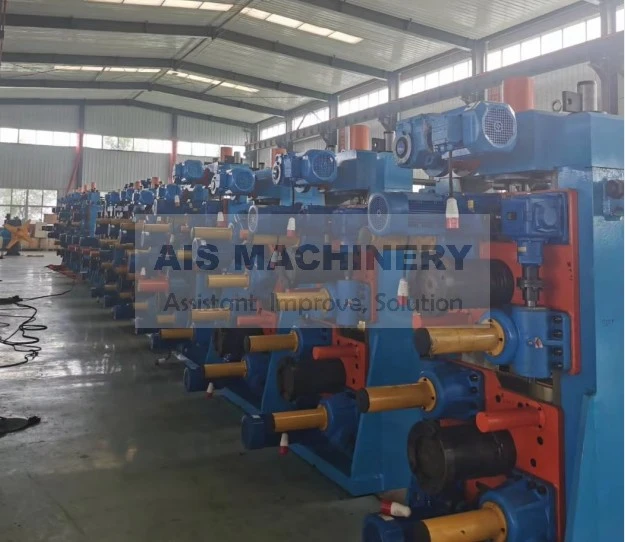
(steel coil slitting process)
FAQS on steel coil slitting process
Q: What is the steel coil slitting process?
A: The steel coil slitting process involves cutting wide steel coils into narrower strips using rotary slitting knives. This allows the steel to meet specific width requirements for various applications. It's a precise and efficient method commonly used in steel processing industries.Q: How does the slitting coil process work?
A: The slitting coil process feeds a steel coil through a set of rotating blades that slit the material into several narrower coils. Each strip is then rewound into separate coils. This process ensures minimal waste and consistent strip widths.Q: What are the main steps in the steel coil slitting process?
A: The main steps are uncoiling the steel, slitting it into strips, and recoiling the finished strips. Quality checks are performed throughout. These steps ensure high precision and optimal output.Q: How does the solid state welding process relate to slit steel coils?
A: Solid state welding process can join the ends of steel strips from slit coils without melting the material. This ensures a continuous strip for further processing. It's commonly used for coil joining in automated lines.Q: What are the advantages of the steel coil slitting process?
A: The steel coil slitting process offers high precision, material flexibility, and reduced waste. It enables customization for customer requirements. Additionally, it increases processing speed in manufacturing operations.
Related Products

Related News
2026-04-30 09:35:04
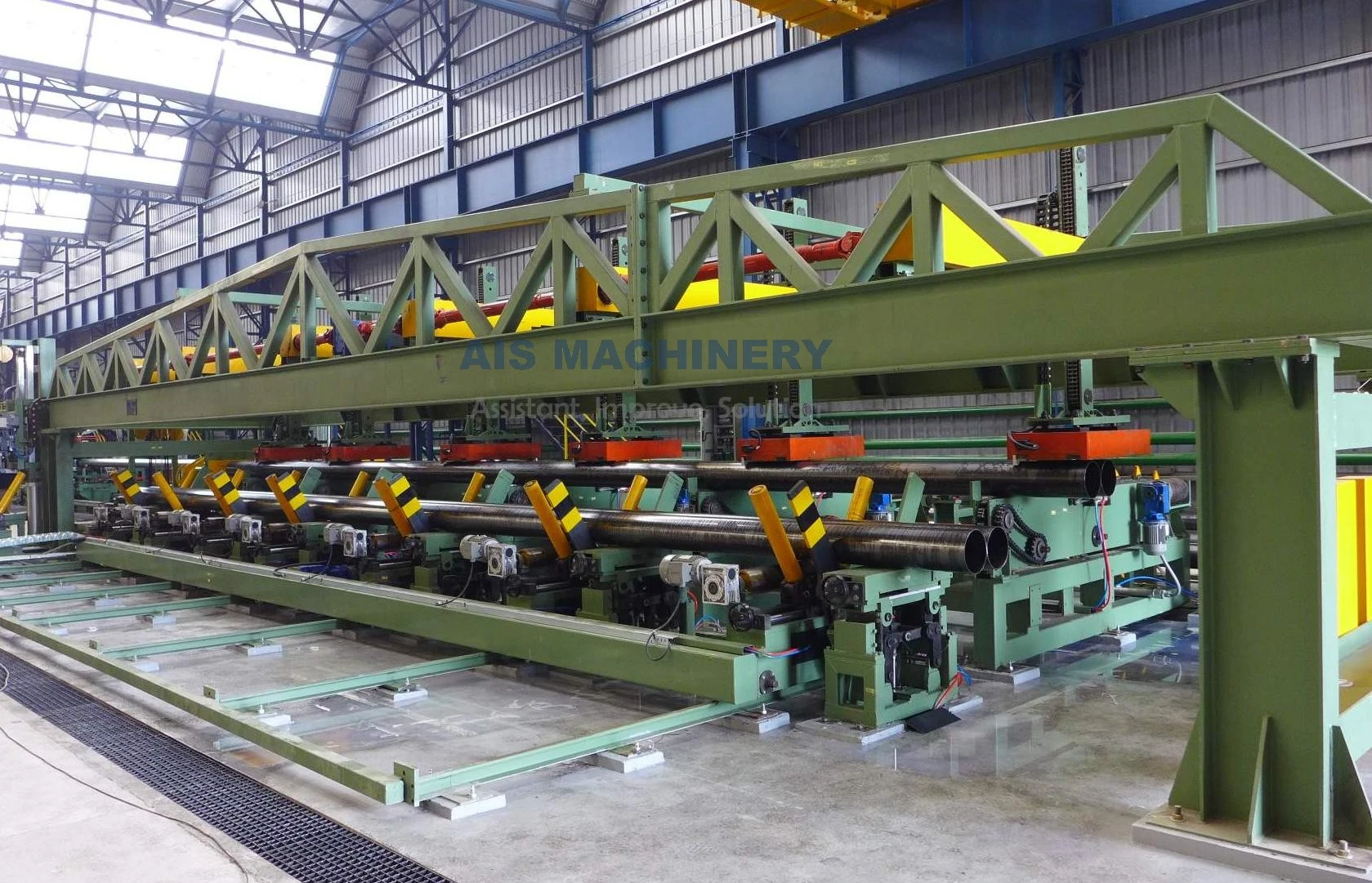
Automatic Stacking Machine (Magnetic Chuck Type)
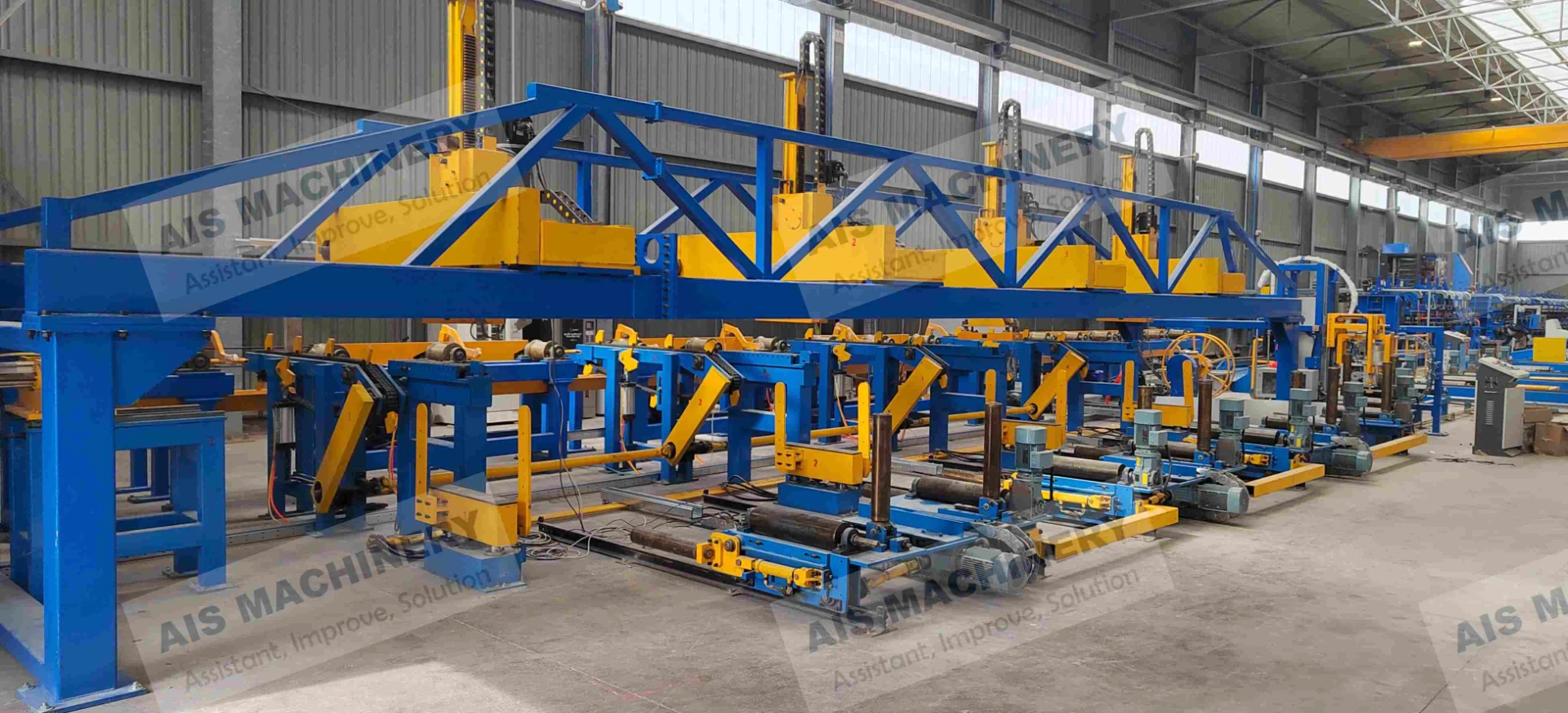
The Automatic Stacking Machine (Magnetic Chuck Type) from AIS Machinery is designed to efficiently collect and stack steel tubes in ERW tube mill production lines. Using electromagnetic lifting, it can pick up multiple tubes at once and place them neatly in layers. This reduces manual labor, improves stacking accuracy, and increases overall production efficiency. It is installed after the flying saw and works seamlessly with the mill line, making it an ideal solution for modern tube manufacturers.
2026-04-28 08:56:05
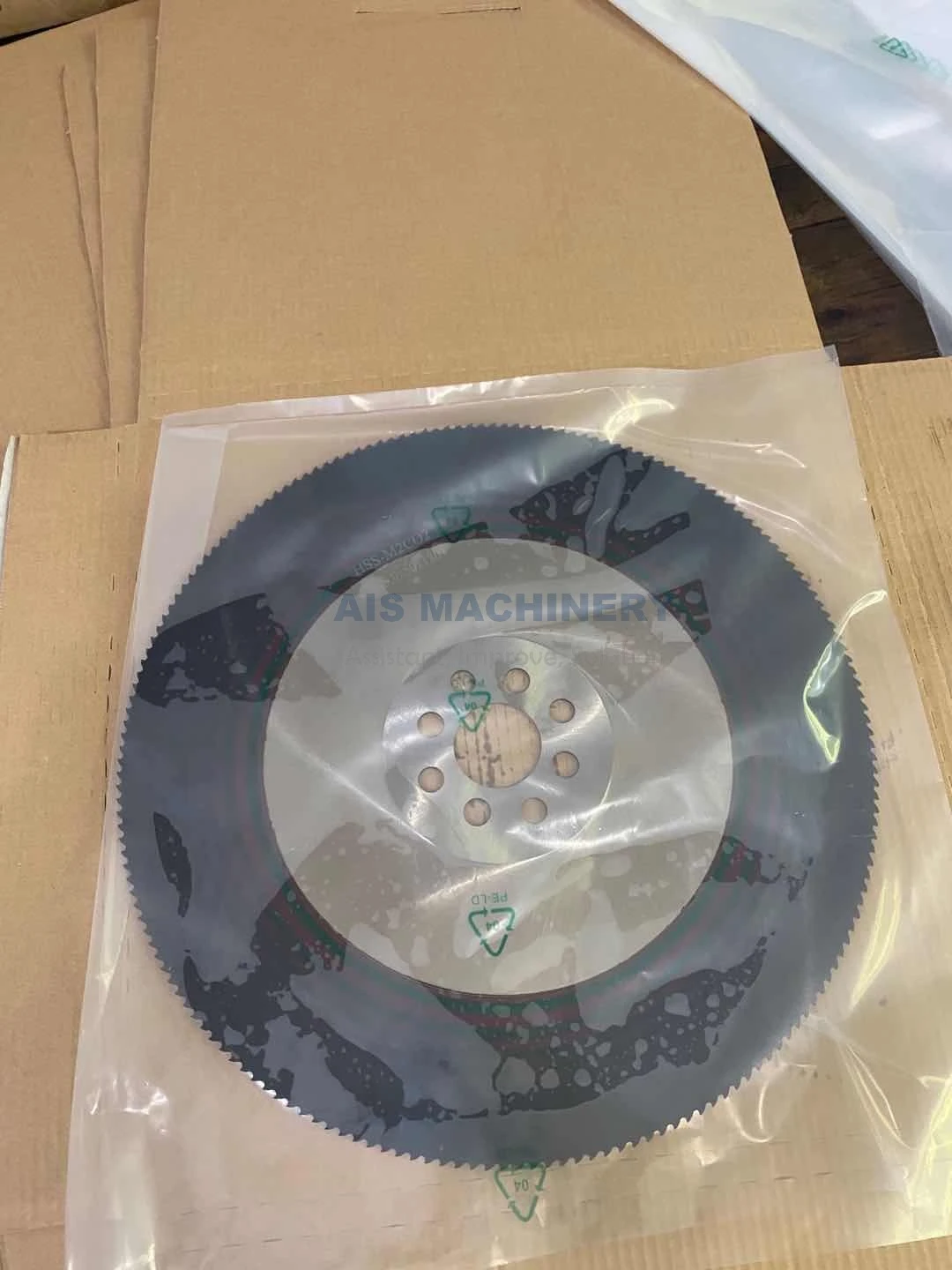
Saw Blade Guide for Tube Mills: Friction vs HSS vs TCT — Which One Should You Choose?
Confused about friction saw, HSS, and TCT blades? This guide explains their uses in cold saw and friction saw machines, with pros, cons, and expert selection tips.
2026-04-24 08:54:16
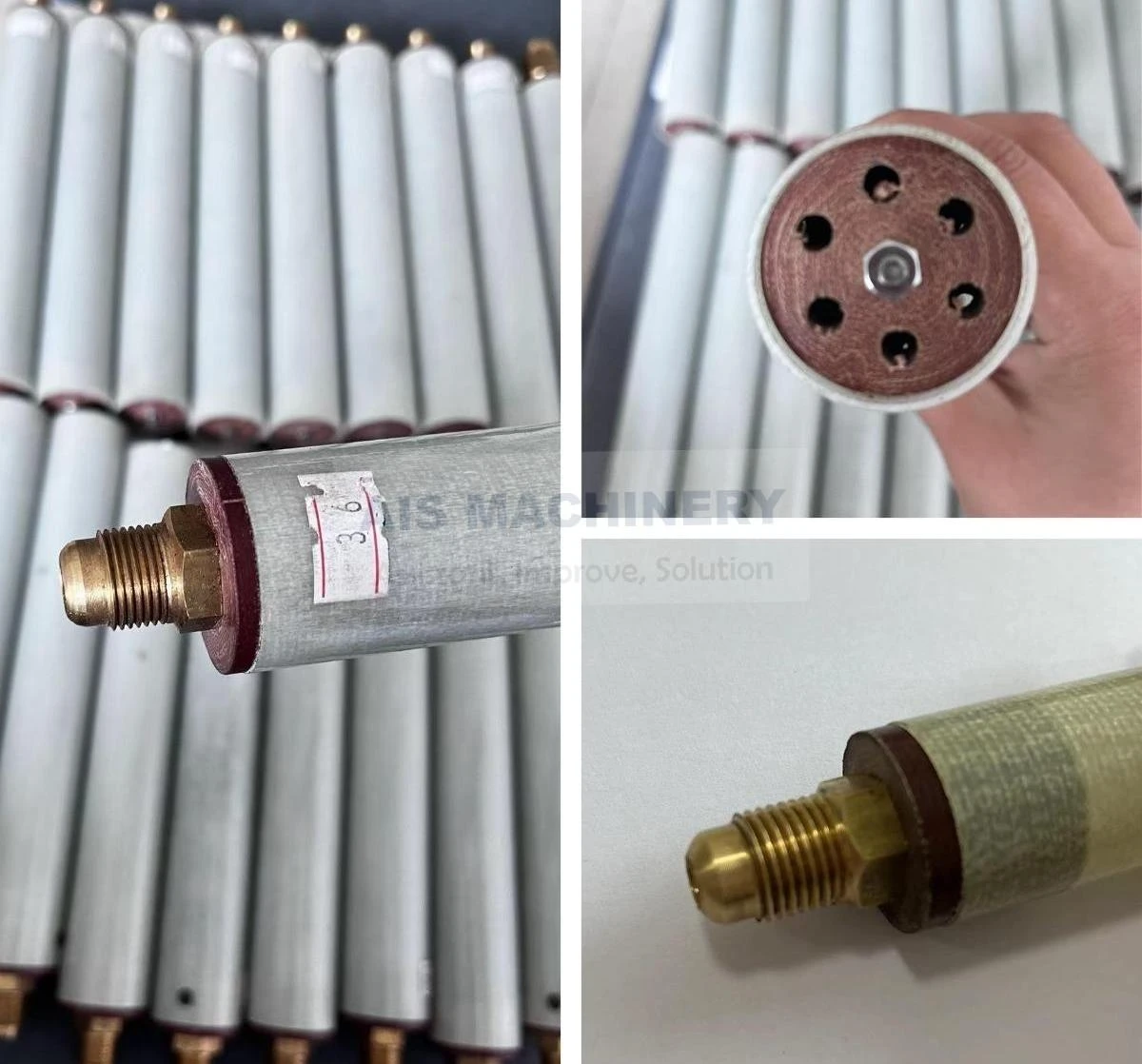
What is an Impeder and Ferrite Rods in ERW Tube Mill?
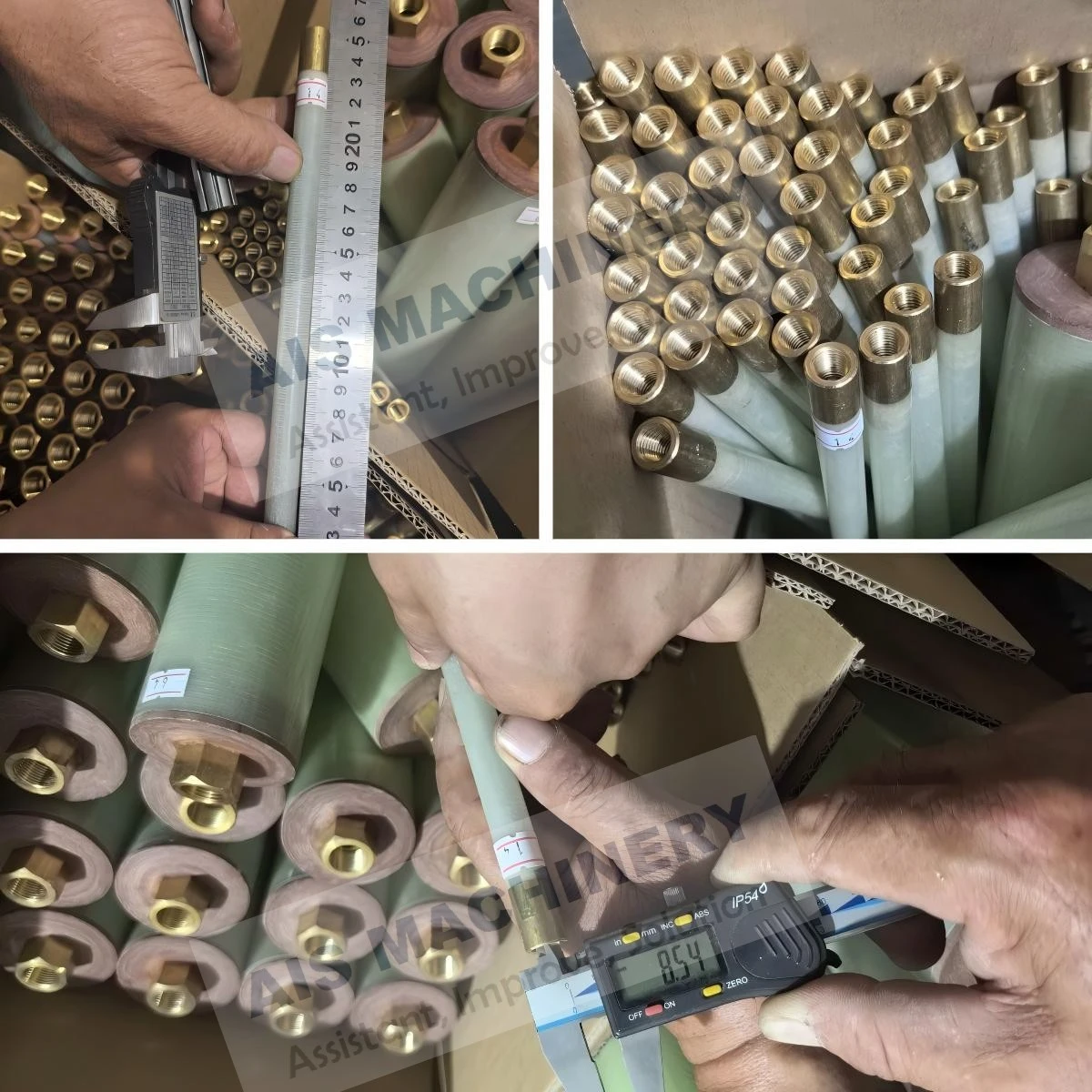
Struggling with impeder overheating or short service life in your ERW tube mill? This guide explains common impeder problems, the role of ferrite rods, and how to choose the right impeder for stable welding performance. Improve weld quality, reduce energy loss, and extend equipment lifespan with the right selection and proper cooling solutions.
2026-04-21 10:22:25
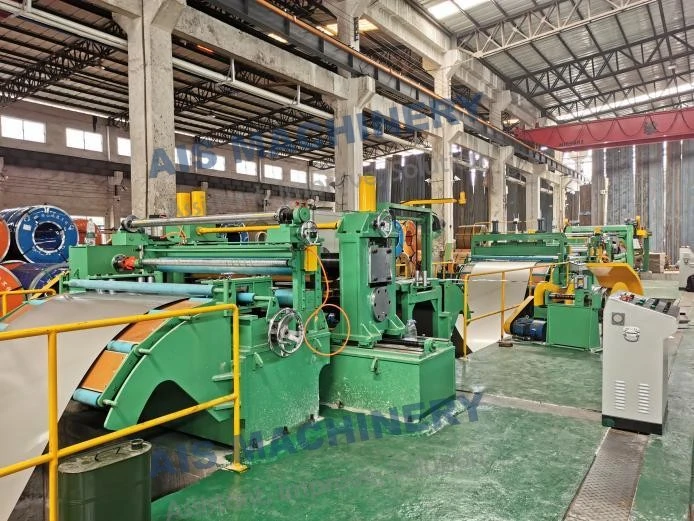
Slitting & Cut-to-Length Combined Production Line: A Smarter Way to Process Steel Coils
Discover the Slitting & Cut-to-Length Combined Production Line, a flexible solution for steel coil processing. This system integrates slitting line and cut-to-length line functions in one machine, saving space, reducing costs, and improving efficiency. Ideal for processing both steel strips and sheets, it is widely used in service centers and manufacturing industries. Learn its advantages, limitations, and applications.
2026-04-18 03:20:20
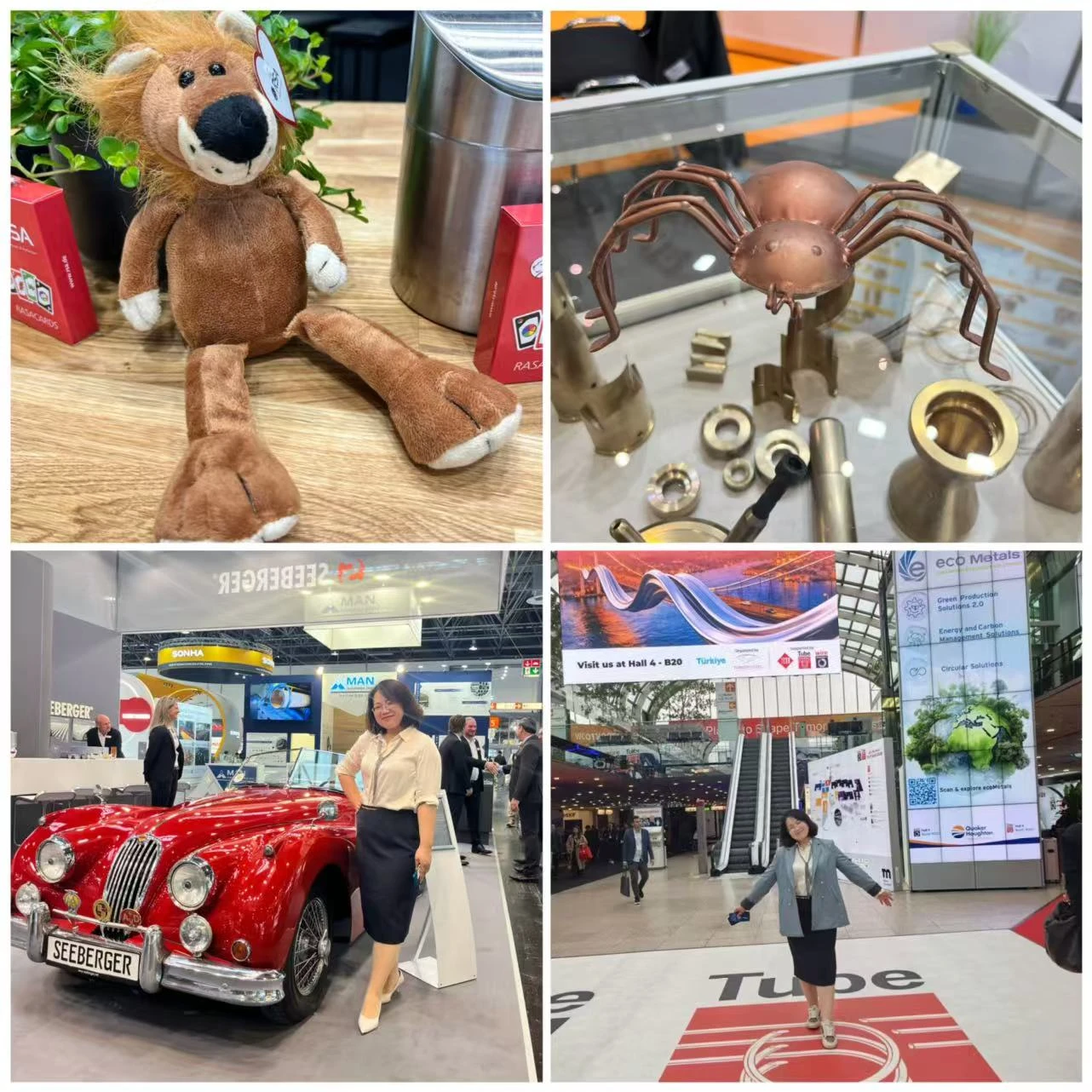
AIS Machinery Showcases Advanced Tube Solutions at Tube & Wire Düsseldorf 2026
Tube & Wire Düsseldorf 2026, one of the most influential exhibitions in the global tube and wire industry, held biennially in Düsseldorf, Germany
2026-04-17 00:00:00
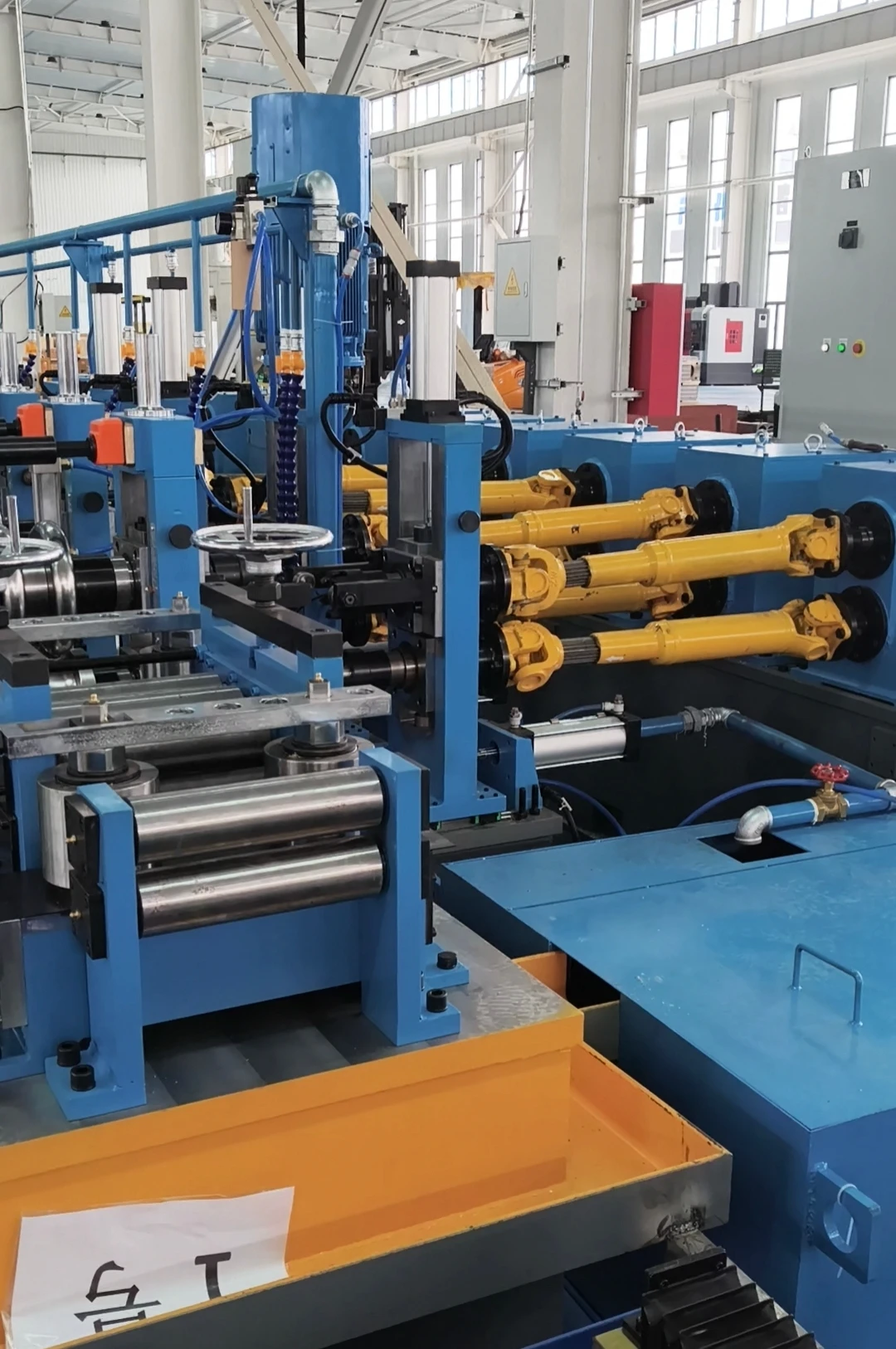
Southeast Asia Client Visits Our Factory | Customized Tube Mill Solution Delivered
A Southeast Asia client visited our ERW tube mill factory to inspect production lines and discuss a customized tube mill solution. Impressed by our machine quality, welding performance, and engineering support, the client confirmed strong cooperation intentions. Discover how our ERW tube mill solutions improve efficiency, precision, and long-term production reliability.
2026-04-15 10:37:55
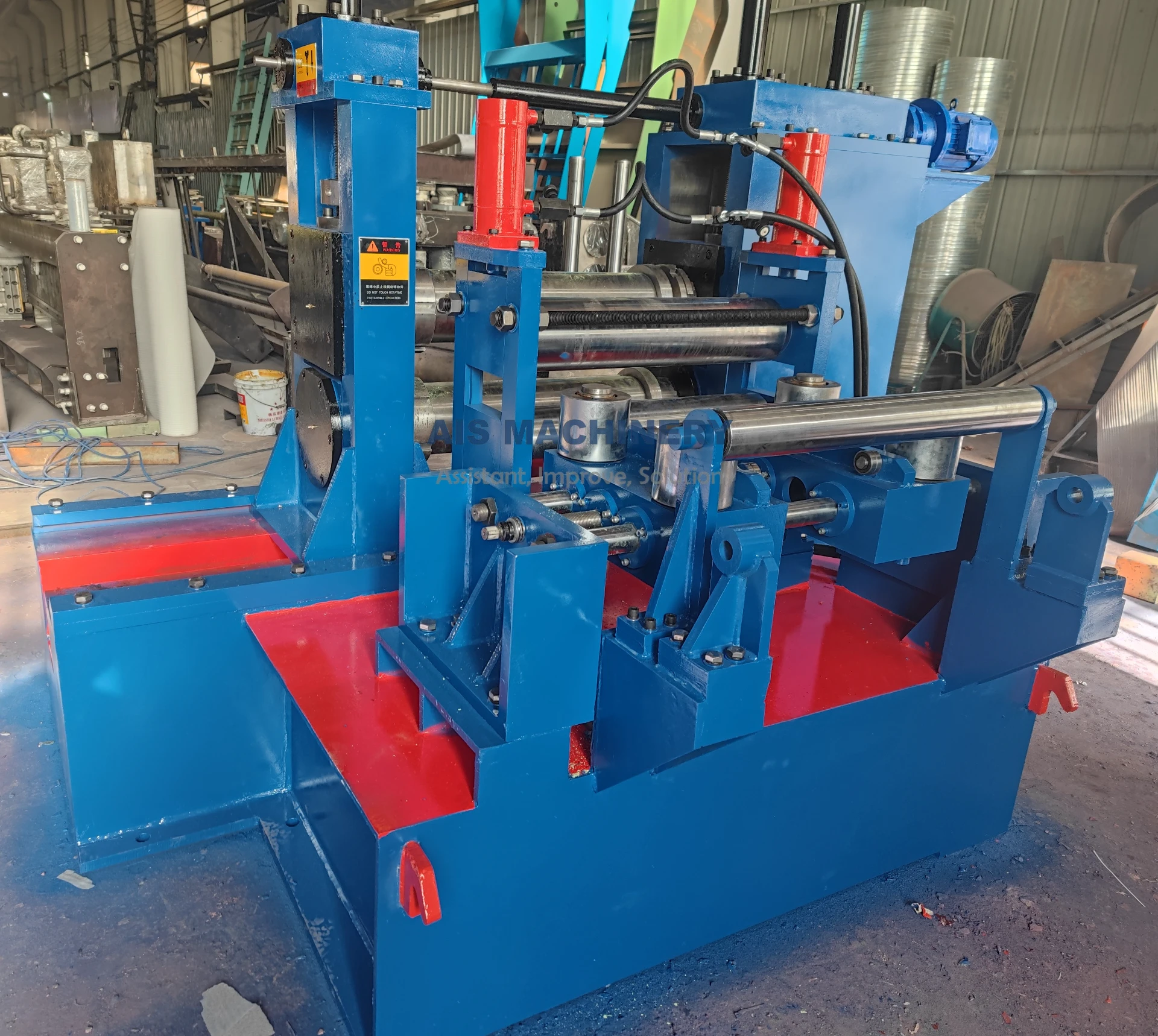
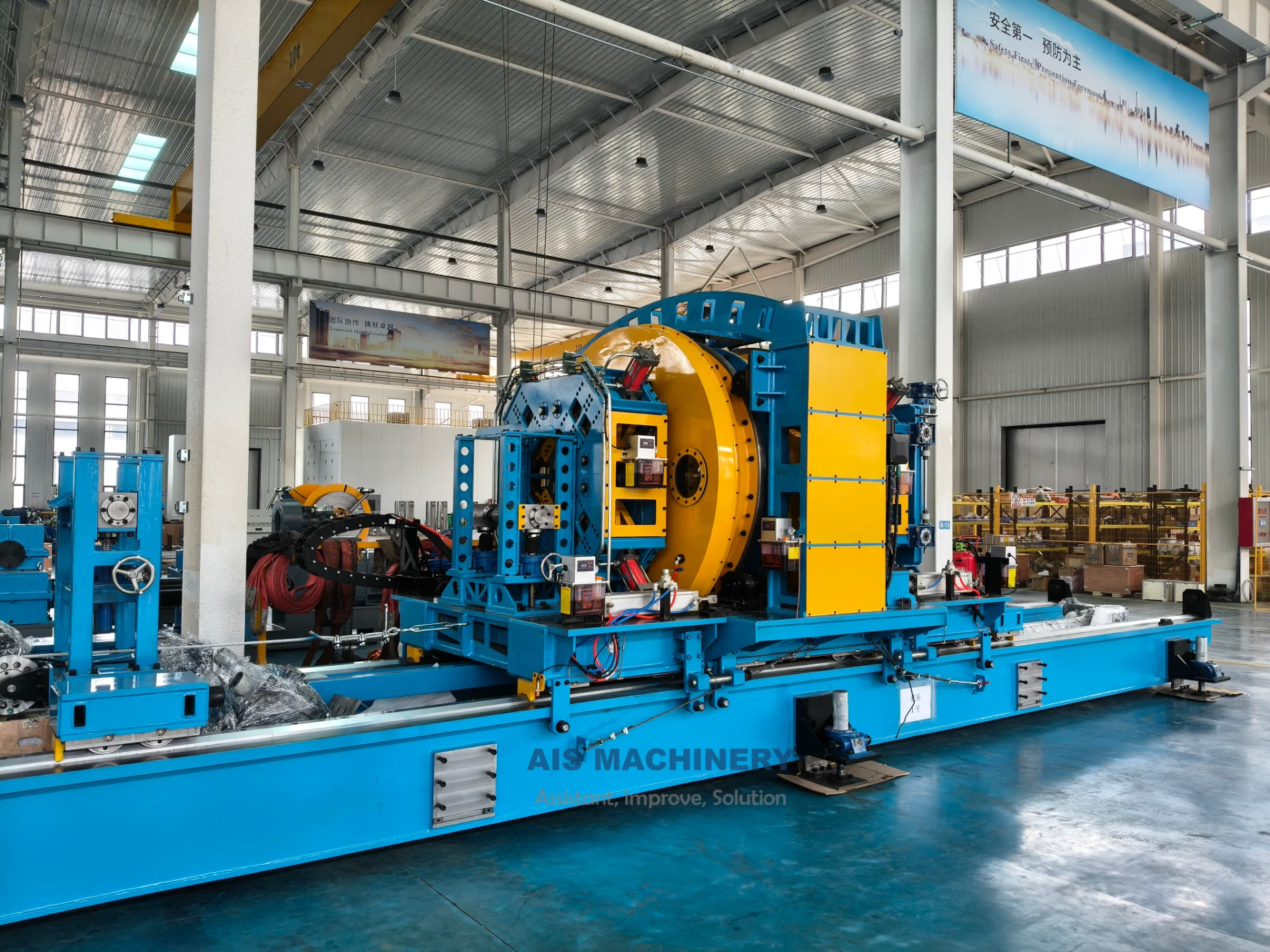
Flat Bar Production Line for Steel Coils: How It Works & Why It Matters
Looking for a flat bar production line? Learn how it turns steel coils into ready-to-use flat bars with precise length and high straightness. Compare it with slitting lines and get the best solution for your steel processing needs.
2026-04-14 00:00:00
Looking for a Milling Saw for ERW Tube Mill? Here’s What You Need to Know
Looking for a high-performance milling saw for your ERW tube mill? Upgrade to burr-free, high-precision pipe cutting with advanced flying saw technology. Improve efficiency, reduce rework, and meet export standards for carbon steel, stainless steel, and API pipes. Contact us today for expert solutions and competitive pricing tailored to your production needs.
Send a Message
Dear customer, thank you for your attention! We provide high-quality machinery and equipment and look forward to your orders. Please inform us of your needs and we will respond quickly!
 English
  Albanian
  Arabic
  French
  German
  Indonesian
  Italian
  Japanese
  Kazakh
  Korean
  Latin
Latin  Macedonian
  Portuguese
  Russian
  Spanish
  Thai
Thai  Turkish
  Ukrainian
  Uzbek
Uzbek