
-
 Tel:86-15176910262
-

Search

Steel Tube Packaging: Durable, Sustainable Industrial Transport Solutions
Dec . 03, 2025 18:38
Steel Tube Packaging: A Global Solution for Durable, Sustainable Transport
When we talk about steel tube packaging, it might sound like just another shipping container variety, but frankly, it's much more than that. This packaging method is critical for industries worldwide, shaping how we transport everything from automotive parts to humanitarian supplies safely and efficiently. In a rapidly globalizing world where logistics can be a complex mess of moving parts, understanding how steel tube packaging functions—and why it's so effective—has never mattered more.
Setting the Global Stage: Why Steel Tube Packaging Matters
Steel tubes have long been a backbone material across multiple sectors—energy, construction, manufacturing—but packaging these tubes properly addresses a daunting problem: how to transport sturdy, heavy, sometimes oversized items without damage or delay. According to data from the International Organization for Standardization (ISO), packaging failures can add up to 10-20% in transportation costs globally due to damage and inefficiency.
Moreover, the United Nations highlights the importance of sustainable industrial processes. Steel tube packaging, designed for reuse and recyclability, fits right into that push. The packaging challenge here is huge: how do you create systems that protect, scale, and remain cost-effective while ensuring minimal environmental footprint?
What Exactly Is Steel Tube Packaging?
At its core, steel tube packaging refers to the method and materials used to secure and protect steel tubes during storage and transport. It’s not just about wrapping or bottling steel tubes—it's an engineering challenge to balance robustness with cost and handling ease. Picture long, heavy pipes that need to stay perfectly aligned and safe from denting or corrosion during shipping or warehousing. The packaging solution must ensure all that.
More broadly, steel tube packaging also supports industry's need for modular, reusable, stackable, and even climate-adapted solutions—a critical factor in sectors like oil and gas or construction where steel tubing is foundational.
Core Components of Effective Steel Tube Packaging
1. Durability and Protection
The packaging materials themselves must resist weather, impact, and corrosion. Most often, manufacturers combine heavy-duty plastic wrapping, timber frameworks, and steel strapping to ensure integrity. It's a bit like giving the tubes their own portable fortress.
2. Scalability and Customization
Not every steel tube is created equal, and packaging needs to adapt. Modular pallet designs, adjustable separators, and flexible wrappings help companies tailor solutions, whether the tubes are tiny conduits or meter-long drill pipes. Scalability also ties into ease of handling, which translates to cost savings.
3. Cost Efficiency
Steel tube packaging isn't simply about expense on paper; it directly impacts warehouse space utilization, transportation loads, and damage rates. Cost-effective designs come from selecting materials that can be reused multiple times without compromising tube safety.
4. Environmental Impact
With rising material costs and green regulations, sustainability is a major consideration. The packaging must be recyclable or have a minimal waste footprint. Many vendors are now offering biodegradable wraps or reducing non-recyclable components.
5. Compliance and Standards
Meeting international transport standards is non-negotiable—whether it's ISO norms, ASTM specs, or maritime container ordinances. Compliance ensures smoother border crossings and insurance approvals.
Steel Tube Packaging in Action: Real-World Uses
In global energy hubs like the Middle East and North America, pipelines made of steel tubes require packaging solutions that withstand desert heat or freezing winters. Shipping companies serving African infrastructure projects rely on specialized steel tube packaging adapted for dusty roads and humid climates.
In post-disaster recovery, steel tubes come in handy for rebuilding critical shelters or water systems. Durable packaging enables quick deployment without delay or damage, which frankly can mean the difference between rapid recovery and prolonged hardship.
Finally, in manufacturing clusters across Asia and Europe, well-designed packaging helps automate logistics, reducing manual labor and speeding up production lines—kind of a quiet hero of supply chain efficiency.
Quick Takeaway
- Steel tube packaging is indispensable for protecting and transporting a vital industrial product.
- Its design balances strength, adaptability, cost, and sustainability.
- Global industries rely on it to maintain efficiency and safety from production to deployment.
Advantages & Long-Term Value of Steel Tube Packaging
Beyond the obvious physical protection, this packaging creates long-term value by reducing material waste, lowering transportation costs, and promoting sustainability. The confidence it instills among stakeholders—knowing their materials will arrive intact—has a social and economic ripple effect.
There's also a subtle but meaningful emotional edge: workers on-site recognize safety risks are reduced, preserving their dignity and wellbeing. That human aspect, often overlooked, is a powerful motivator for companies investing in better packaging solutions.
Product Specification: Typical Steel Tube Packaging Solutions
| Specification | Details |
|---|---|
| Material | High-tensile steel, treated timber, UV-resistant plastic films |
| Packaging Type | Bundle, Palletized, Wooden Crate |
| Protective Features | Corrosion inhibitors, shock absorbent pads, water-resistant sealing |
| Reusable | Yes, typically 3-5 cycles |
| Compliance | ISO 9001, ASTM A53, IMDG Code (for sea transport) |
Comparing Leading Vendors for Steel Tube Packaging
| Vendor | Customization Options | Sustainability Practices | Global Reach | Average Delivery Time |
|---|---|---|---|---|
| SteelPack Corp. | Standard + Custom Crating | Uses recycled packaging materials | North America, Europe | 2-3 weeks |
| Global Tube Packers | Fully Customizable Pallets, Bulk Wrapping | Biodegradable wraps available | Asia, Africa | 3-4 weeks |
| EcoTube Solutions | Modules for stacking efficiency | 100% recyclable materials | Europe, Middle East | 1-2 weeks |
Looking Ahead: Trends & Innovations in Steel Tube Packaging
It's no secret that the packaging world is evolving fast. Frankly, advancements in digital tracking and sensor technologies allow for real-time monitoring of packaged steel tubes—something engineers have been longing for to reduce theft and damage.
Moreover, the rise of green energy and circular economy principles pushes vendors to innovate with biodegradable wraps and fully modular packaging that can be repurposed endlessly. Automation in packing and unpacking also speeds operations while reducing human error—an interesting change, especially for remote deployment projects.
Challenges & Solutions in Current Practice
Despite strong advances, challenges remain. Cost pressures can lead some to compromise on packaging quality, resulting in damaged tubes and delays. In some regions, lack of standardized packaging increases confusion and handling errors. Additionally, environmental regulations can be a tricky maze to navigate, especially when shipping across borders.
Experts advise adopting lean packaging principles and collaborating closely with supply chain partners early on. Investing in training around packaging standards and embracing digital solutions often mitigates these issues.
FAQ: Your Steel Tube Packaging Questions Answered
- 1. How does steel tube packaging reduce transportation damage?
- Steel tube packaging uses protective layers like corrosion inhibitors, shock-absorbent materials, and secure strapping to keep tubes stable and shielded from impacts, vibrations, or weather changes during transport.
- 2. Can steel tube packaging be reused?
- Yes, most steel tube packaging components such as timber crates and strapping can be reused multiple times—typically 3 to 5 cycles—provided they are maintained properly.
- 3. Is steel tube packaging environmentally friendly?
- Many modern packaging solutions prioritize sustainability, using recyclable materials and biodegradable wraps to reduce waste, aligning with global green initiatives.
- 4. What industries benefit most from steel tube packaging?
- Oil and gas, construction, automotive, and infrastructure sectors rely heavily on this packaging due to the heavy and lengthy nature of steel tubes.
- 5. How do companies ensure steel tube packaging meets global shipping standards?
- By adhering to ISO, ASTM, and international maritime codes, and by working with certified packaging vendors, companies ensure compliance and smoother customs clearances.
In Conclusion
Steel tube packaging is not just a necessary evil—it's a clever engineering solution that ensures durability, sustainability, and cost efficiency for a vital industrial product. As industries grow and global supply chains become more complex, investing in better packaging translates to stronger logistics, lower environmental impacts, and safer workplaces.
If you're interested in pioneering designs and reliable steel tube packaging services, do check out our website for detailed information and expert consultation.
Quick reflection: Sometimes, it's the unseen things like packaging that quietly keep industries turning. It feels great to peel back that layer and see the complexity beneath.

Related Products

Related News
2026-04-18 03:20:20
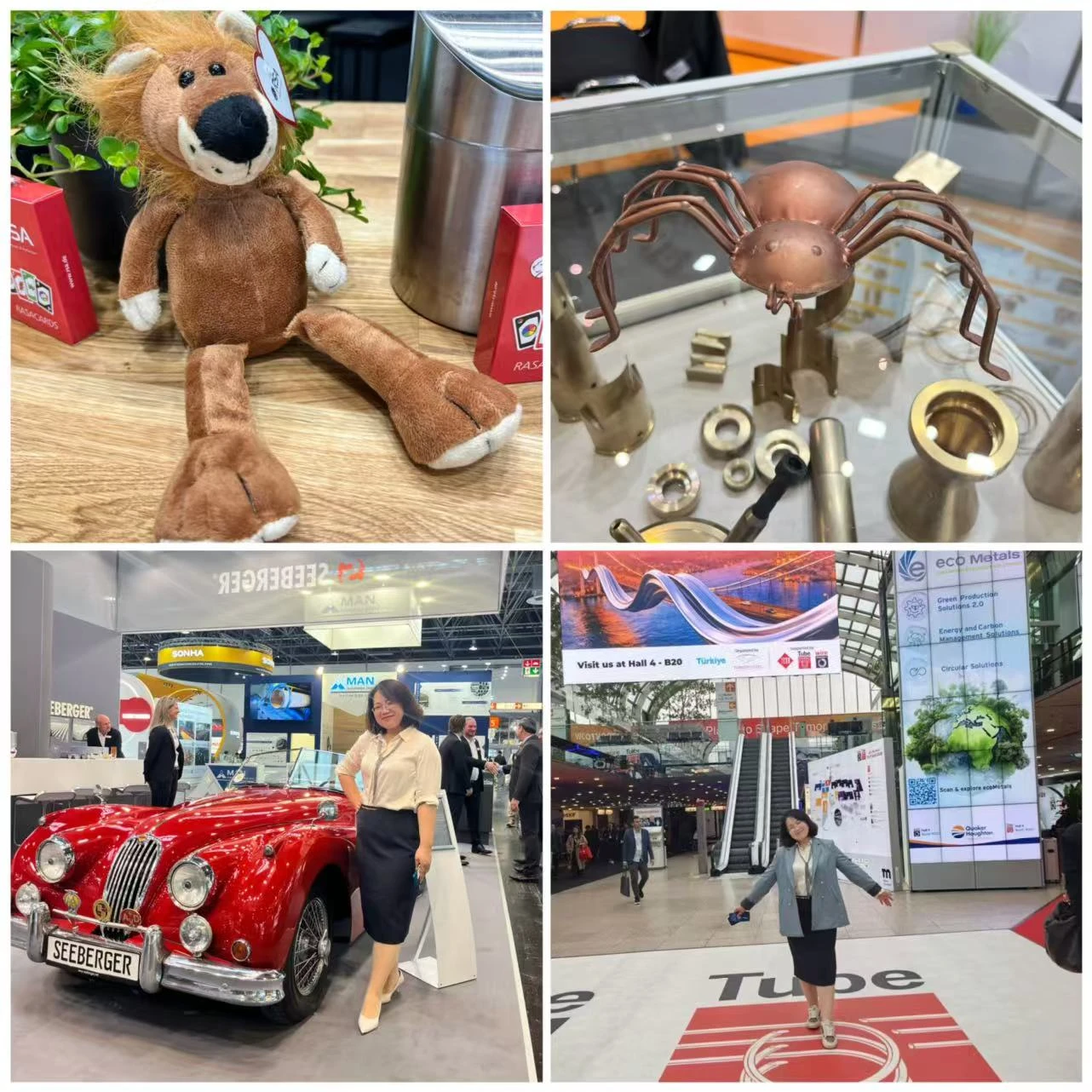
AIS Machinery Showcases Advanced Tube Solutions at Tube & Wire Düsseldorf 2026
Tube & Wire Düsseldorf 2026, one of the most influential exhibitions in the global tube and wire industry, held biennially in Düsseldorf, Germany
2027-04-17 00:00:00
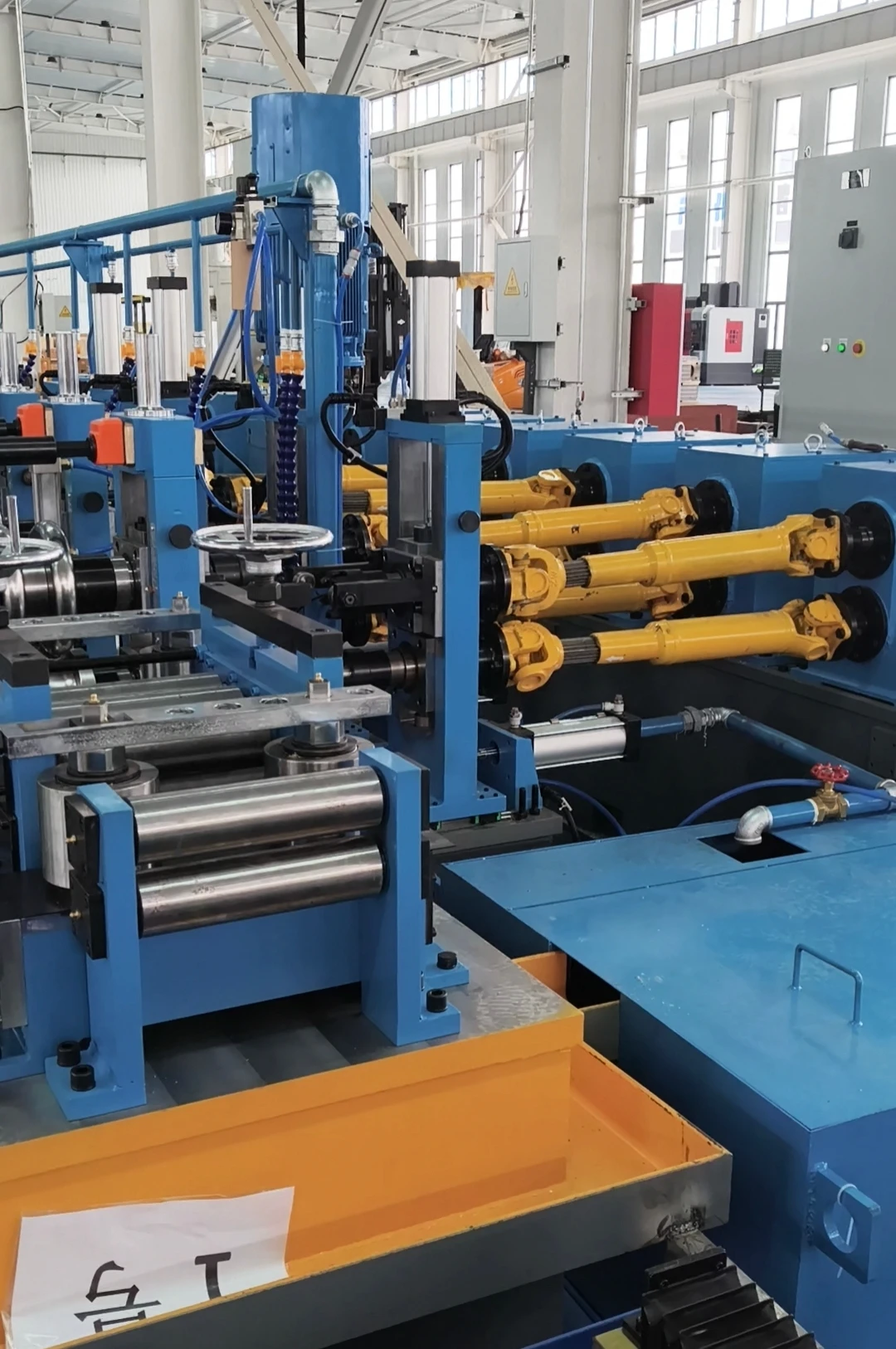
Southeast Asia Client Visits Our Factory | Customized Tube Mill Solution Delivered
A Southeast Asia client visited our ERW tube mill factory to inspect production lines and discuss a customized tube mill solution. Impressed by our machine quality, welding performance, and engineering support, the client confirmed strong cooperation intentions. Discover how our ERW tube mill solutions improve efficiency, precision, and long-term production reliability.
2026-04-16 02:35:12
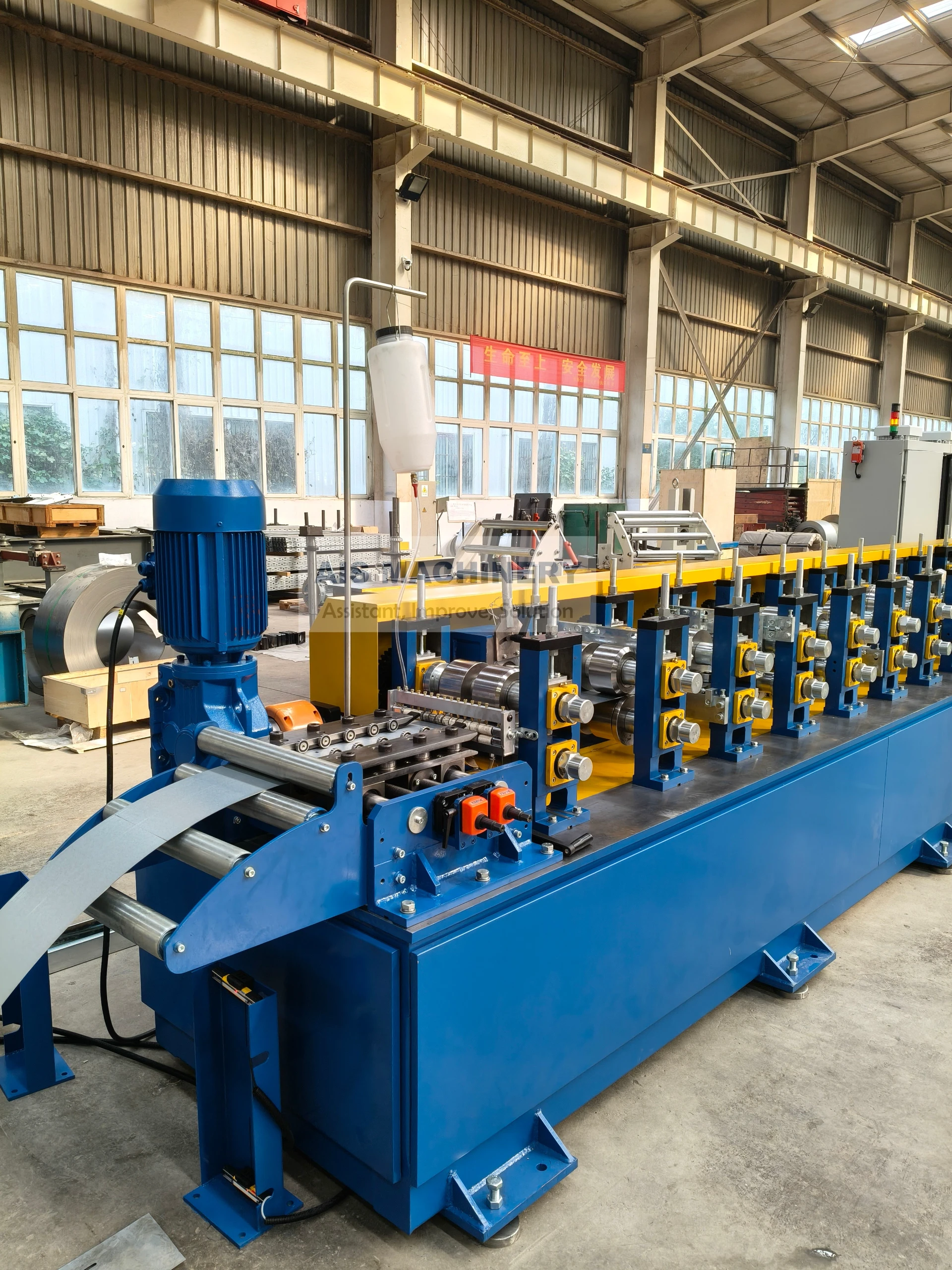
Professional Cold Roll Forming Machine Factory for Production
In the modern industrial landscape, the precision of metal shaping is the cornerstone of quality manufacturing. Partnering with a professional cold roll forming machine factory is essential for businesses looking to optimize their production lines, reduce material waste, and ensure high-dimensional accuracy. Whether you are producing C-channels, square tubes, or custom profiles, the choice of machinery determines your competitive edge in the market. This guide will explore the critical factors in selecting a factory and the technical advantages of advanced roll forming technology to help you make an informed investment.
2026-04-15 10:37:55
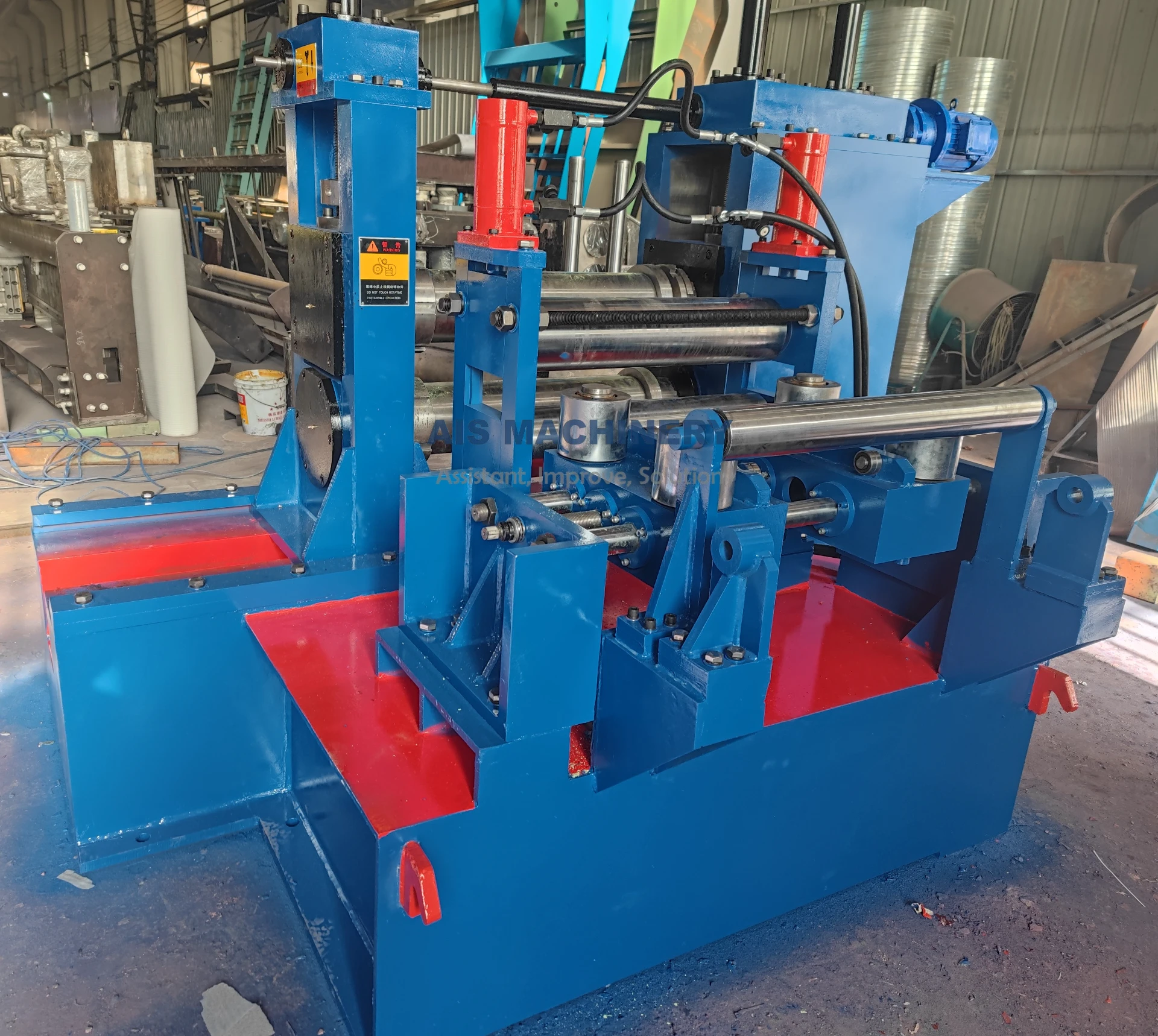
Flat Bar Production Line for Steel Coils: How It Works & Why It Matters
Looking for a flat bar production line? Learn how it turns steel coils into ready-to-use flat bars with precise length and high straightness. Compare it with slitting lines and get the best solution for your steel processing needs.
2026-04-14 00:00:00
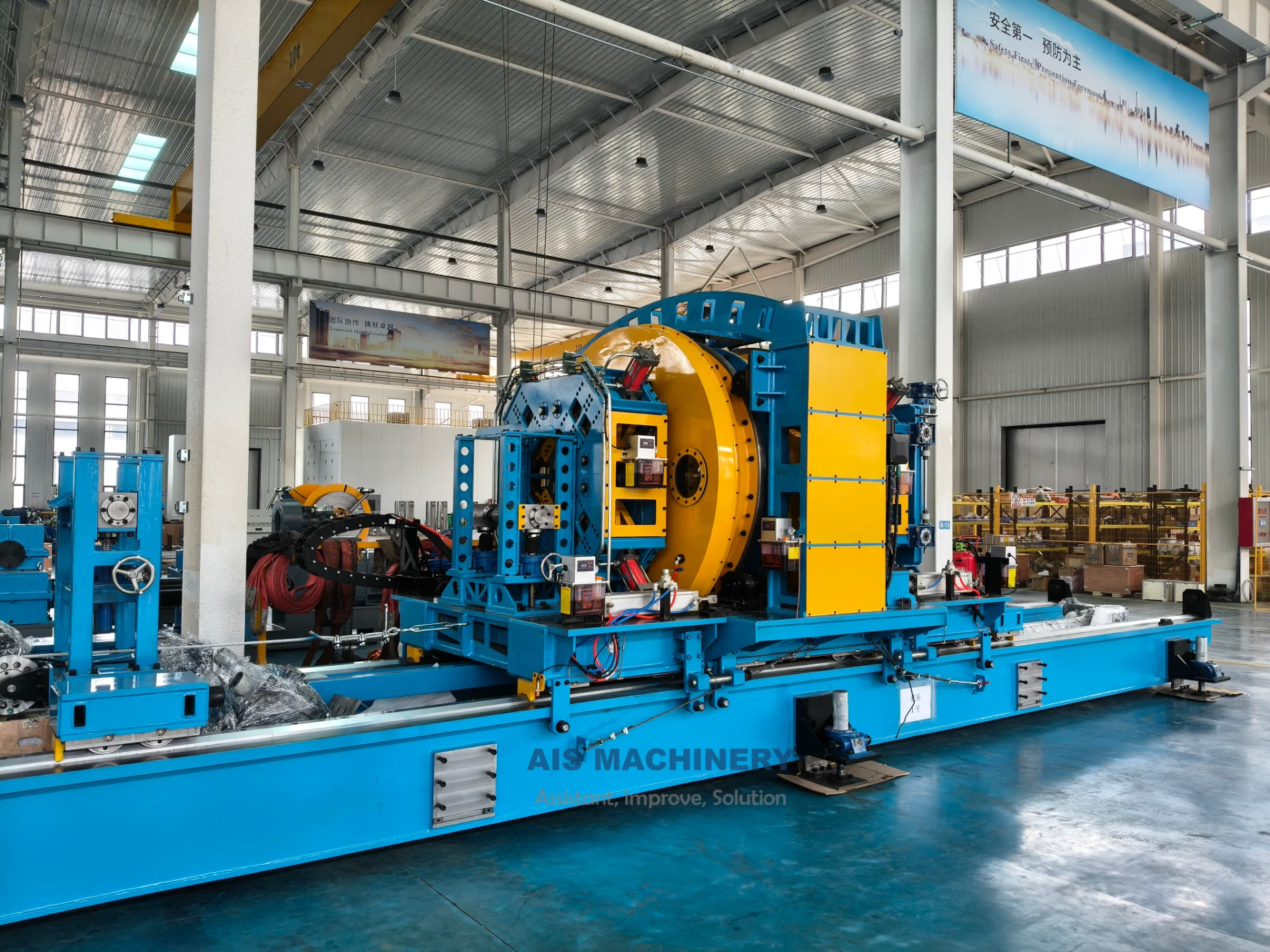
Looking for a Milling Saw for ERW Tube Mill? Here’s What You Need to Know
Looking for a high-performance milling saw for your ERW tube mill? Upgrade to burr-free, high-precision pipe cutting with advanced flying saw technology. Improve efficiency, reduce rework, and meet export standards for carbon steel, stainless steel, and API pipes. Contact us today for expert solutions and competitive pricing tailored to your production needs.
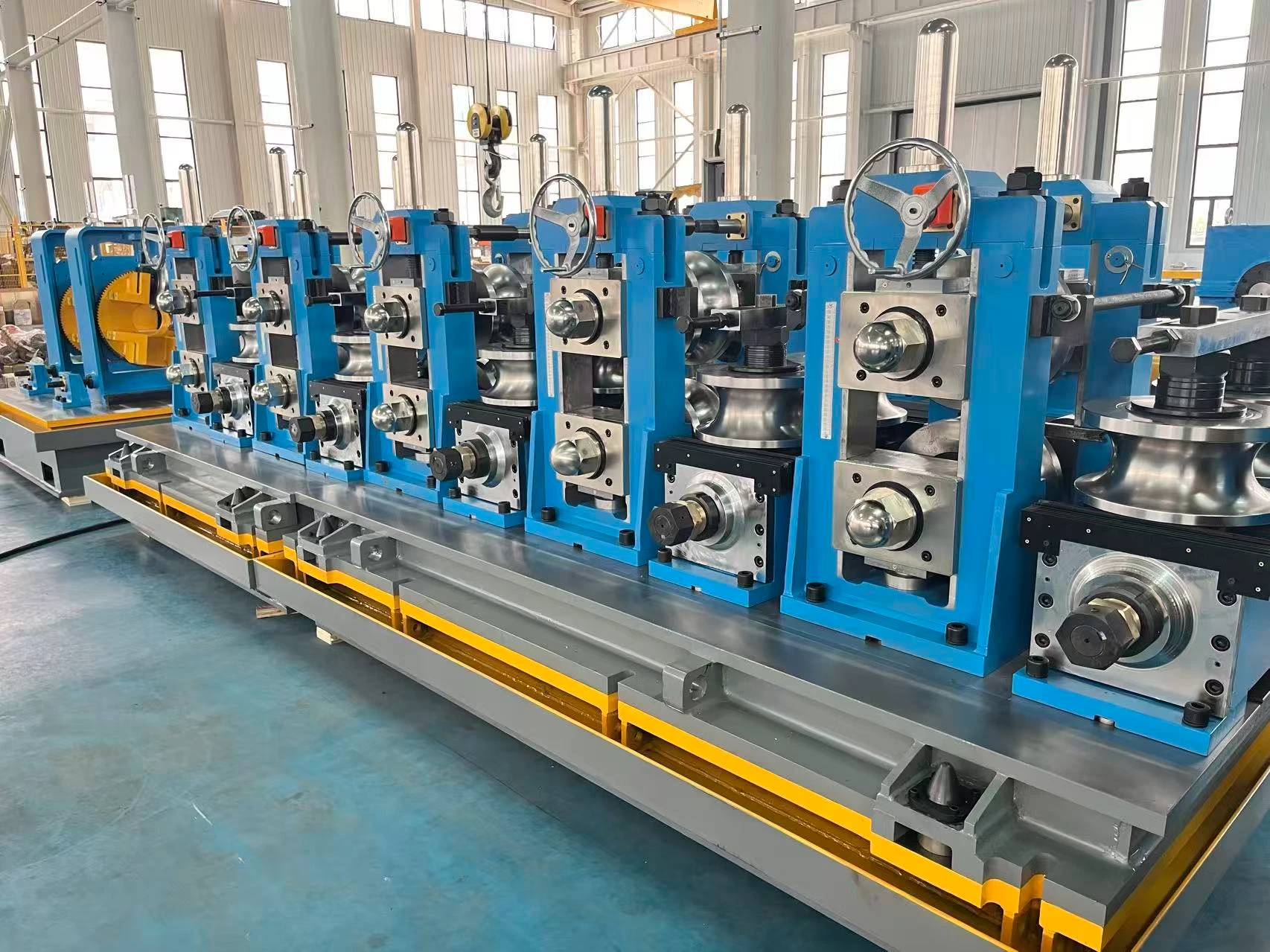
2026-04-09 16:15:19
5-Inch (127mm) ERW Tube Making Machine Delivered with Heavy-Duty Design and Advanced Quick Change System
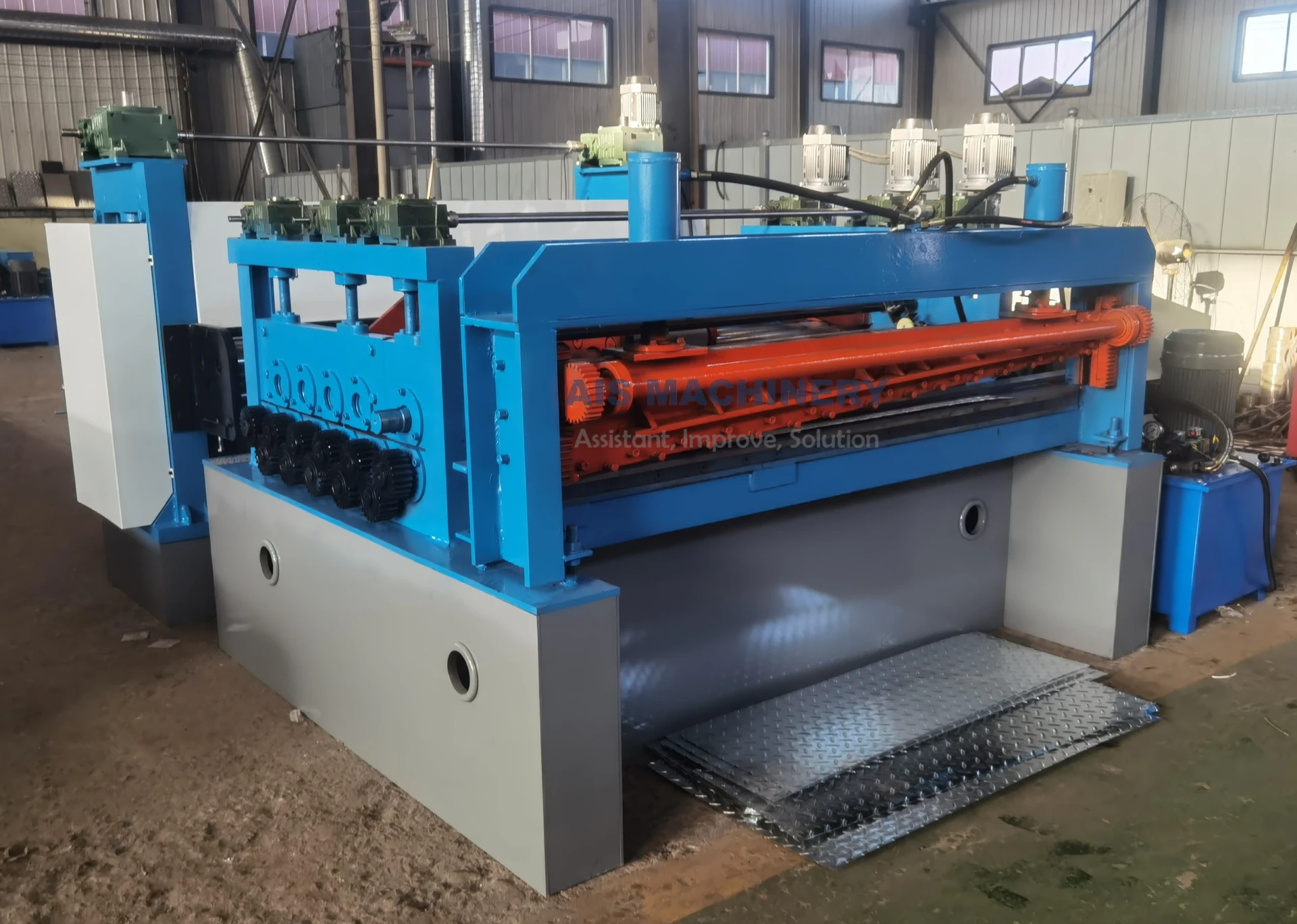
2027-04-07 00:00:00
Metal Embossing Machine: Turn Flat Sheets into High-Value Textured Products
Discover how a metal embossing machine transforms flat steel, stainless steel, and aluminum sheets into high-value textured products. Learn about its working principle, key components, and applications. Ideal for decorative and industrial use, embossing machines improve both appearance and performance. Explore complete embossing line solutions and find the right machine for your production needs.
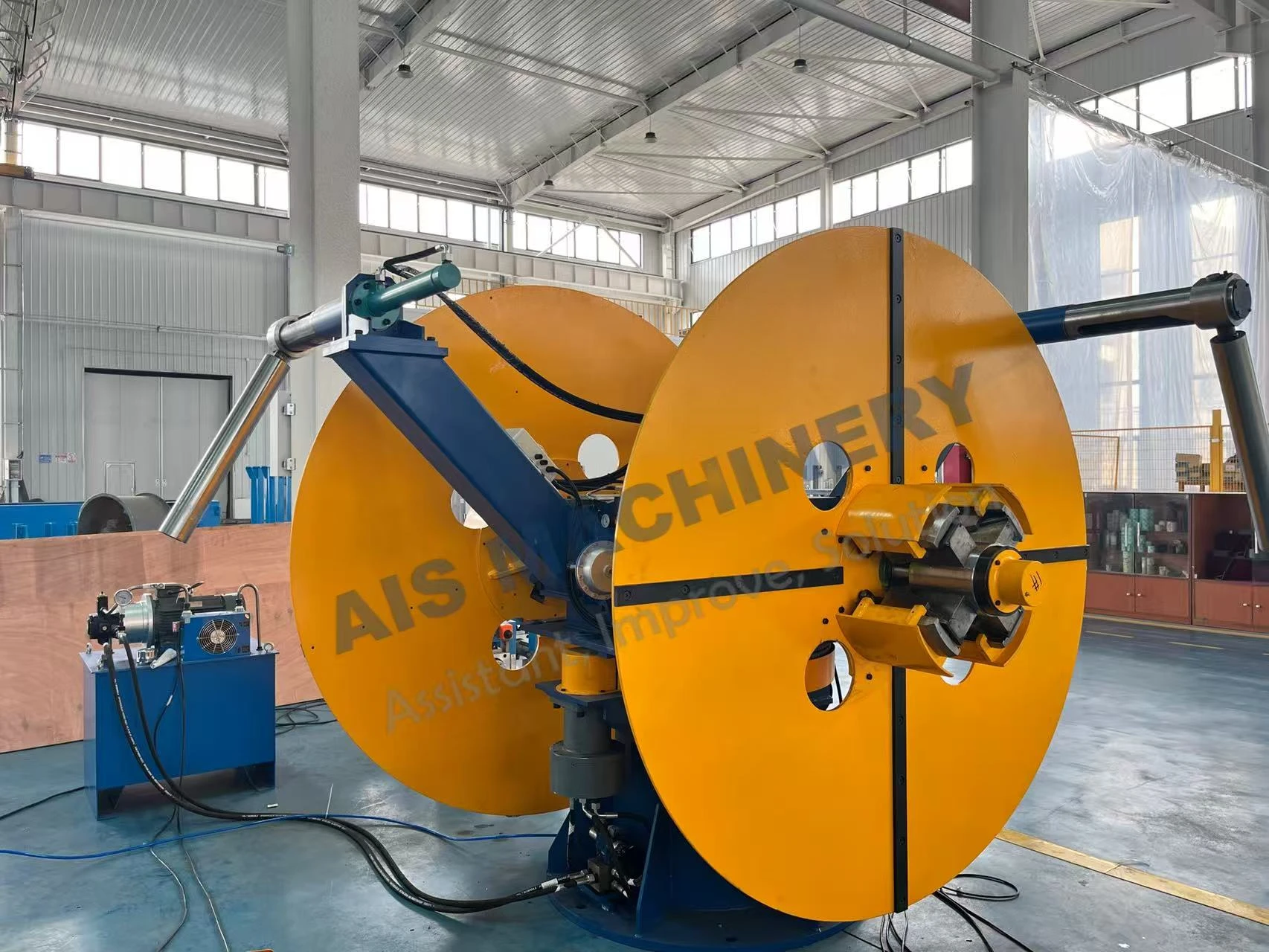
2026-04-04 20:37:18
Automatic Double Side Uncoiler with Hydraulic Expansion and Auto Rotation for Steel Coil Processing
The Automatic Double Side Uncoiler is a high-efficiency solution designed for modern steel coil processing lines, including tube mills, roll forming machines, and slitting lines. With a maximum capacity of 4 tons per side, this machine ensures stable and continuous coil feeding while reducing downtime during coil change.
Send a Message
Dear customer, thank you for your attention! We provide high-quality machinery and equipment and look forward to your orders. Please inform us of your needs and we will respond quickly!
 English
  Albanian
  Arabic
  French
  German
  Indonesian
  Italian
  Japanese
  Kazakh
  Korean
  Latin
Latin  Macedonian
  Portuguese
  Russian
  Spanish
  Thai
Thai  Turkish
  Ukrainian
  Uzbek
Uzbek