
-
 Tel:86-15176910262
-

Search

TCT Circular Saw Blades: Durable, Precise Cutting Tools for Global Industry
Dec . 01, 2025 15:40
Understanding TCT Circular Saw Blades: Why They Matter Worldwide
For those unfamiliar, tct circular saw blades – or tungsten carbide tipped circular saw blades – are the kind of blades that can slice through seemingly anything: wood, metal, plastic, composites. But beyond the simple cut, these blades symbolize the backbone of industries worldwide, from construction to automotive manufacturing and even humanitarian relief efforts. Knowing how these blades work and what sets them apart isn’t just an insider’s tech talk; it’s about understanding a tool that shapes infrastructure, economies, and livelihoods globally.
Why does this matter? According to the International Organization for Standardization (ISO), demand for durable cutting tools like TCT blades has surged alongside rapid urbanization and industrial growth, especially in Asia and emerging markets. But more importantly, as industries push for sustainability and cost-efficiency, TCT blades help tackle challenges around material waste and operational downtime.
Mini takeaway: TCT circular saw blades are essential tools playing quiet yet critical roles, powering industries that shape modern life—and understanding them offers insights into ongoing technological and economic shifts worldwide.A Global Cut Above: The Industry Context of TCT Circular Saw Blades
It’s fascinating when you zoom out and see the bigger picture. The tct circular saw blades market is truly global, valued at over $1.5 billion and growing steadily with a CAGR around 5% (MarketWatch, 2023). This growth is not random. Infrastructure projects, growing automation, and increasing specialization in materials have all made cutting precision crucial.
But there’s a catch: as materials become harder or more diverse—think composites for aerospace or reinforced concrete—the demand for blades that don’t just “get the job done” but last longer and deliver cleaner cuts becomes more pressing. And cheaper blades just won’t cut it (pun intended). In remote zones where replacement might delay work by days, tool reliability translates to survival of projects — literally and financially.
What Exactly Are TCT Circular Saw Blades?
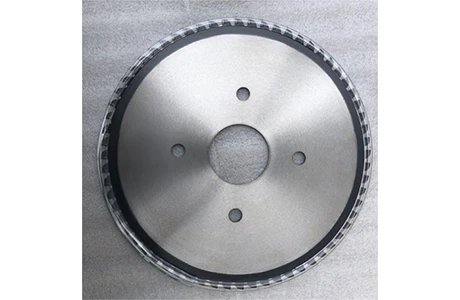
At its core, a tct circular saw blade is a circular steel disc with tips or teeth made from tungsten carbide – a super-hard material that stays razor-sharp and resists wear much better than conventional steel teeth. These tips are usually brazed or welded onto the blade, creating a hybrid tool that blends toughness with cutting precision.
This means unlike normal steel blades that dull quickly, TCT blades can keep cutting accurately through tough materials, which is why they're the choice in modern industries, whether building skyscrapers or shaping humanitarian aid materials in disaster zones.
Key Components Breakdown
- Tungsten Carbide Tips: The star feature — extremely hard and heat-resistant.
- Steel Core: Provides flexibility and strength to withstand cutting forces.
- Tooth Geometry: Shapes and angles affect cut quality and material compatibility.
- Bonding Technology: How tips attach affects durability and repairability.
Key Attributes of TCT Circular Saw Blades That Matter in Practice
Durability: Built for the Long Haul
Few tools match the lifespan of tungsten carbide-tipped blades. Many engineers note they last 5-10 times longer than traditional blades, which in real terms means less frequent changes and fewer project delays.
Precision and Versatility
Cutting clean edges is crucial, especially in industries like aerospace or furniture making. TCT blades offer sharper, cleaner cuts on a wide variety of materials — metals, plastics, composites, and of course, wood.
Cost Efficiency
While initial costs are higher, the extended lifespan and reduced downtime lead to better overall ROI.
Heat and Wear Resistance
Tungsten carbide withstands high temperatures generated by high-speed cutting, preventing warping or teeth chipping – a common failure mode in conventional blades.
Easy Maintenance and Repair
Some models allow re-tipping, making them even more sustainable by extending overall tool life.
Product Specifications at a Glance
| Specification | Typical Range | Remarks |
|---|---|---|
| Blade Diameter | 100 mm – 600 mm | Varies by application |
| Number of Teeth | 20 – 120 Teeth | Influences cut quality |
| Tip Material | Tungsten Carbide Grade 30-45 | Higher grade = longer life |
| Tooth Spacing (Pitch) | 2.0 mm – 6.5 mm | Adjusts for finer or rougher cuts |
| Max RPM | 3,500 – 6,000 RPM | Depends on blade size & usage |
Comparing Top Vendors: What Sets Them Apart?
| Brand | Specialization | Custom Options | Price Range |
|---|---|---|---|
| AlphaCut | High precision aerospace blades | Yes, extensive customization | $$$ |
| BladePro | General purpose industrial blades | Limited | $$ |
| CutMaster | Heavy-duty construction | Standard designs only | $ |
Real-World Applications of TCT Circular Saw Blades
From the skyscrapers of Dubai to the rural workshops of Southeast Asia, these blades are the silent workhorses across industries:
- Construction: Cutting reinforced concrete, steel beams, and wood framing.
- Automotive Manufacturing: Precision metal parts shaping and trimming.
- Furniture Production: Fine wood cutting with minimal splintering.
- Disaster Relief: Rapid building of shelters using composite panels thanks to speed and blade durability.
- Aerospace: Machining complex composite materials with high accuracy.
Oddly enough, I once heard of a humanitarian NGO outfitting their mobile workshops with portable saws fitted with TCT blades. The cutting reliability reduced their setup time significantly during emergency rebuilds.
Mini takeaway: This blade’s versatility means it’s contributing to innovation, safety, and economic progress worldwide — even where things get tough.Why Are TCT Blades Worth the Investment?
When you consider the lifecycle costs — purchase price, maintenance, downtime, replacement frequency — TCT blades come out ahead. They help reduce operational risks, improve safety by cutting cleanly (less kickback and accidents), and even support green initiatives by reducing waste.
Emotionally, there’s a level of trust and peace of mind workers and project managers develop knowing their tools won't give out mid-cut. It’s the difference between stress and confidence on the job.
Looking Forward: What’s Next for TCT Circular Saw Blades?
Material science keeps pushing these blades to new heights. Some promising innovations include:
- Nanostructured Carbide Tips: For even longer lasting cutting edges.
- Laser Welded Carbide: Improving tip retention and allowing for easier maintenance.
- Smart Saws with Sensors: Monitoring blade wear in real time.
- Eco-friendly Manufacturing: Recycling carbide tips and greener production processes.
Automation and digital integration also hint at smarter blade usage, lowering waste and maximizing productivity — a trend that’s hard to ignore in an increasingly digitized world.
Common Challenges & How Experts Overcome Them
Of course, no tool is perfect. TCT blades come with a higher upfront cost and require proper handling. They also can falter when used on inappropriate materials or at wrong speeds.
Experts recommend:
- Matching blade geometry precisely to material type.
- Using correct RPM and feed rates.
- Regular inspections to detect early wear signs.
- Training operators on proper blade maintenance.
Some blade makers even provide re-tipping or refurbishment services that extend blade life, a win-win for cost and sustainability.
FAQ: Practical Questions About TCT Circular Saw Blades
- What materials can TCT circular saw blades cut effectively?
- TCT blades are versatile: they can cut wood, non-ferrous and some ferrous metals, plastics, and composites. For very hard metals, specialized tips or alternative blade types might be better.
- How often do TCT blades need to be replaced?
- Blade life depends on usage, material hardness, and maintenance. Typically, they last 5-10 times longer than steel blades, but routine checks help avoid surprises.
- Are TCT circular saw blades safe for high-speed cutting?
- Yes, tungsten carbide’s heat resistance allows TCT blades to operate safely at high RPMs, but always adhere to manufacturer RPM limits.
- Can these blades be customized for specific industries?
- Absolutely. Vendors often offer bespoke tooth geometries, tip grades, and blade sizes tailored to unique cutting needs.
- Is the higher cost of TCT blades justified?
- In most industrial contexts, yes. The longer lifespan, less downtime, and cleaner cuts reduce overall operational costs.
Final Thoughts: The Cutting Edge of Industry
The humble-looking tct circular saw blade is anything but ordinary. It’s a tool that quietly flexes muscle in shaping our world—from skyscrapers to refugee shelters—and drives efficiency and sustainability. If you’re looking to invest in cutting technology that lasts, cuts clean, and holds up to tomorrow’s challenges, these blades should be top of mind.
Want to dive deeper or get hands-on with the latest in cutting tech? Visit our website: https://www.aistubemill.com to explore our expert range and solutions.
References
- International Organization for Standardization (ISO), Machinery Cutting Tools Standards
- MarketWatch, TCT Blade Market Analysis, 2023
- Wikipedia, Tungsten Carbide: https://en.wikipedia.org/wiki/Tungsten_carbide

Related Products


Related News
2026-04-30 09:35:04
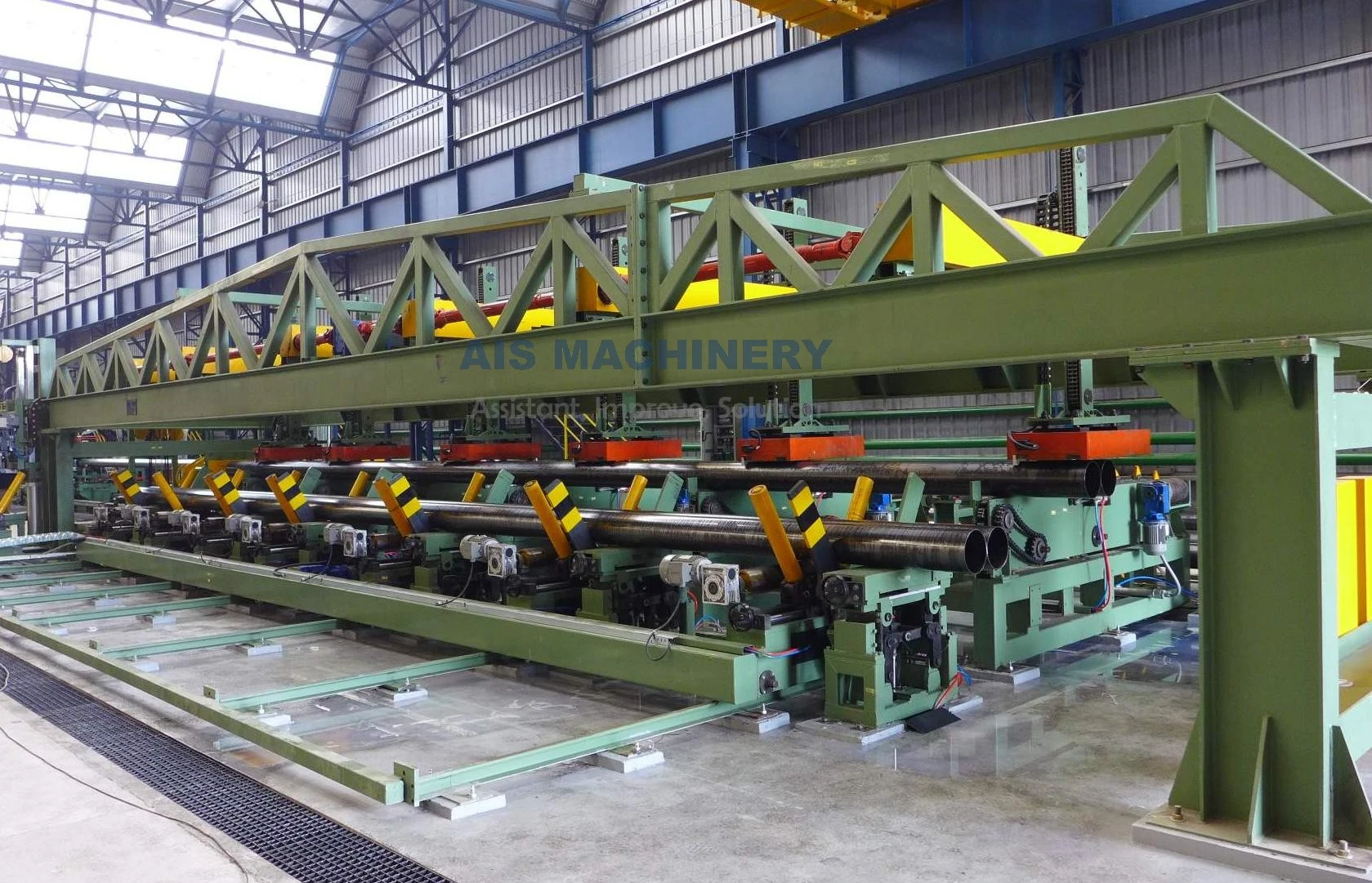
Automatic Stacking Machine (Magnetic Chuck Type)
The Automatic Stacking Machine (Magnetic Chuck Type) from AIS Machinery is designed to efficiently collect and stack steel tubes in ERW tube mill production lines. Using electromagnetic lifting, it can pick up multiple tubes at once and place them neatly in layers. This reduces manual labor, improves stacking accuracy, and increases overall production efficiency. It is installed after the flying saw and works seamlessly with the mill line, making it an ideal solution for modern tube manufacturers.
2026-04-28 08:56:05
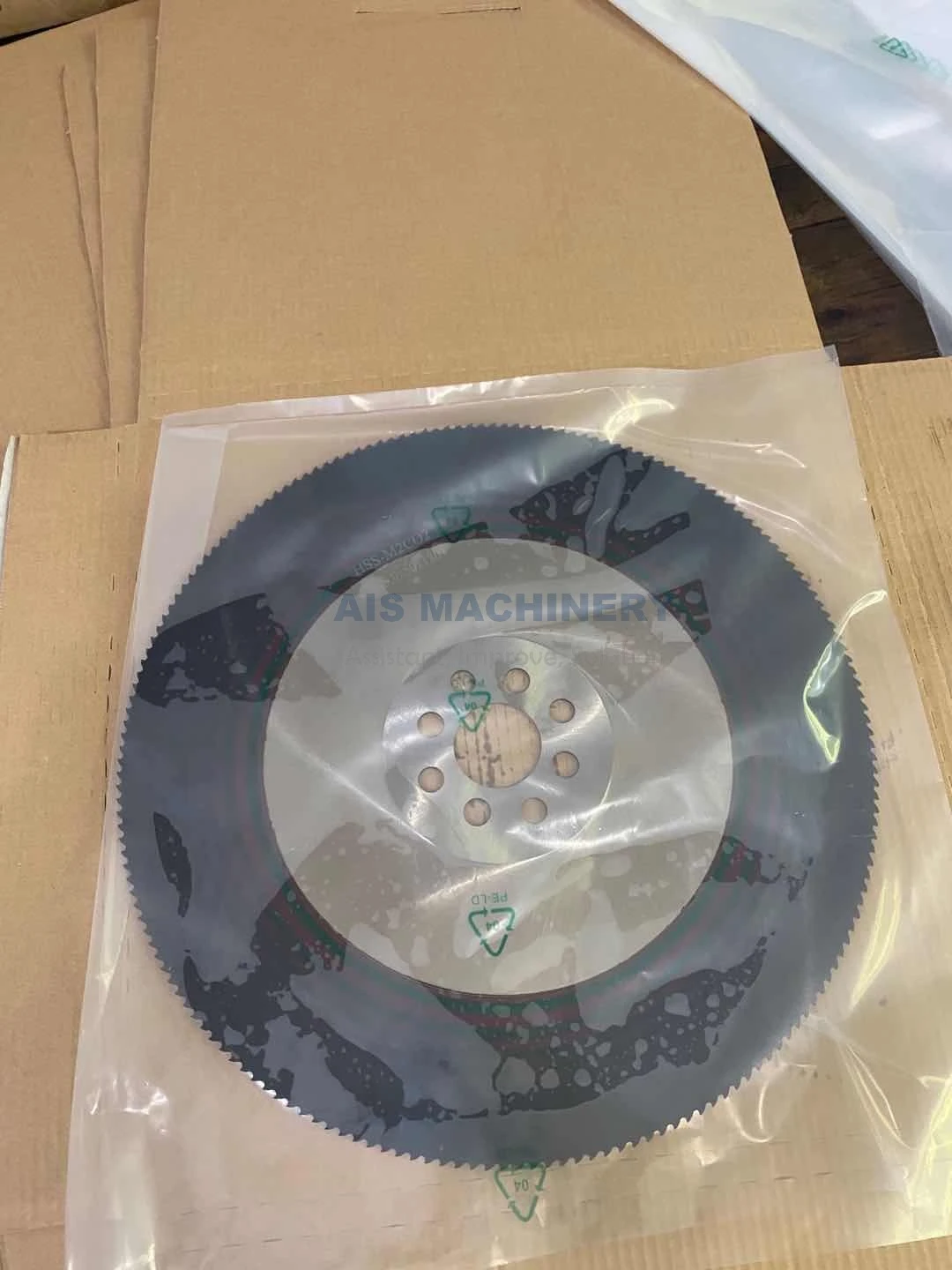
Saw Blade Guide for Tube Mills: Friction vs HSS vs TCT — Which One Should You Choose?
Confused about friction saw, HSS, and TCT blades? This guide explains their uses in cold saw and friction saw machines, with pros, cons, and expert selection tips.

2026-04-24 08:54:16
What is an Impeder and Ferrite Rods in ERW Tube Mill?
Struggling with impeder overheating or short service life in your ERW tube mill? This guide explains common impeder problems, the role of ferrite rods, and how to choose the right impeder for stable welding performance. Improve weld quality, reduce energy loss, and extend equipment lifespan with the right selection and proper cooling solutions.
2026-04-21 10:22:25
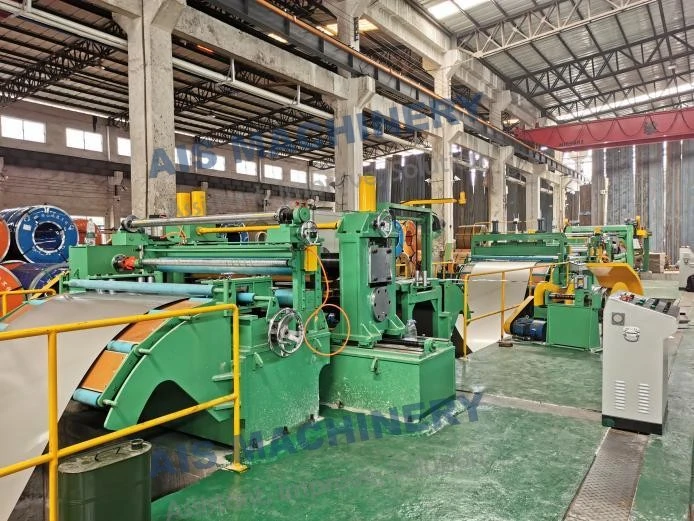
Slitting & Cut-to-Length Combined Production Line: A Smarter Way to Process Steel Coils
Discover the Slitting & Cut-to-Length Combined Production Line, a flexible solution for steel coil processing. This system integrates slitting line and cut-to-length line functions in one machine, saving space, reducing costs, and improving efficiency. Ideal for processing both steel strips and sheets, it is widely used in service centers and manufacturing industries. Learn its advantages, limitations, and applications.

2026-04-18 03:20:20
AIS Machinery Showcases Advanced Tube Solutions at Tube & Wire Düsseldorf 2026
Tube & Wire Düsseldorf 2026, one of the most influential exhibitions in the global tube and wire industry, held biennially in Düsseldorf, Germany
2026-04-17 00:00:00
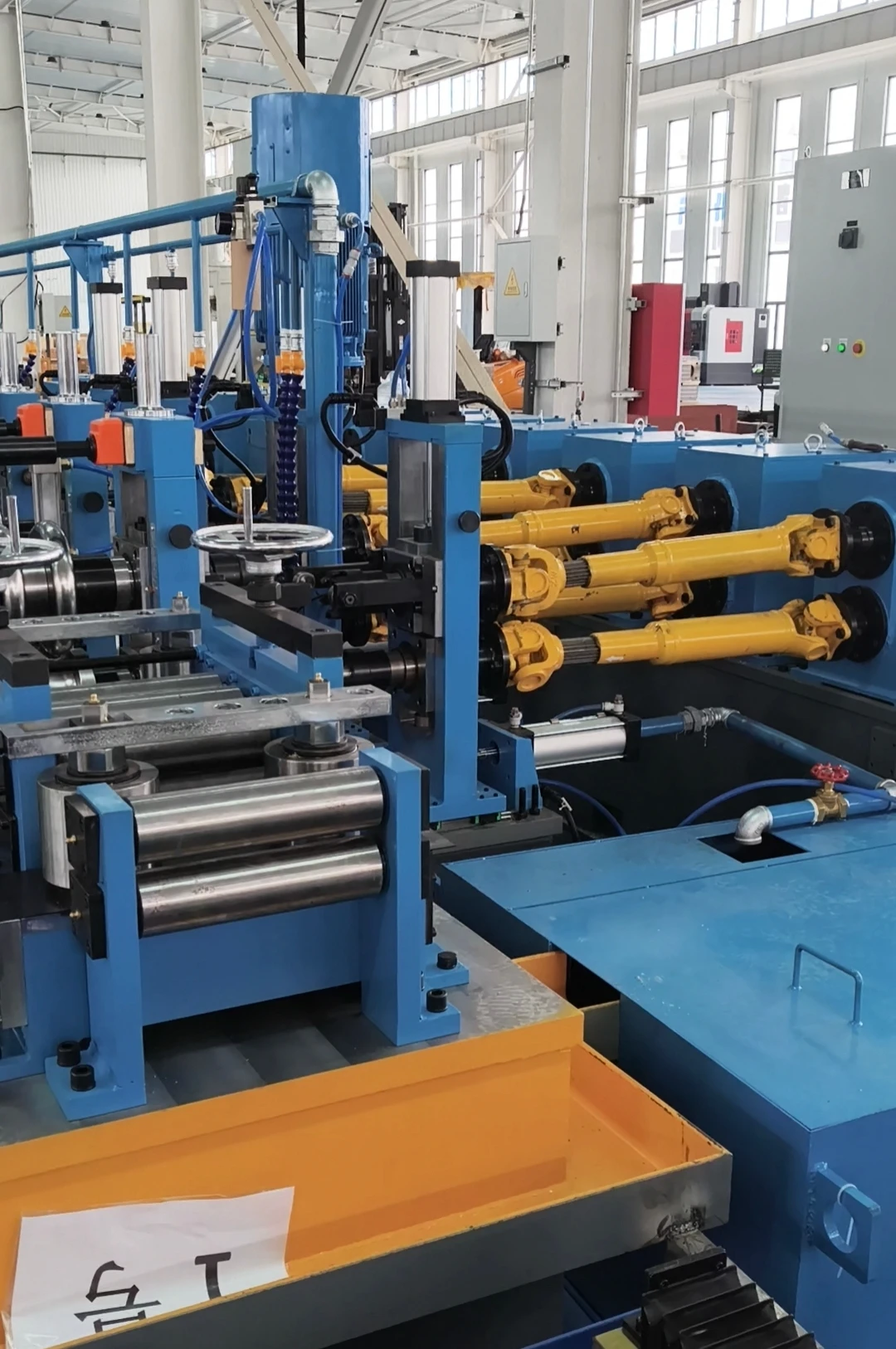
Southeast Asia Client Visits Our Factory | Customized Tube Mill Solution Delivered
A Southeast Asia client visited our ERW tube mill factory to inspect production lines and discuss a customized tube mill solution. Impressed by our machine quality, welding performance, and engineering support, the client confirmed strong cooperation intentions. Discover how our ERW tube mill solutions improve efficiency, precision, and long-term production reliability.
2026-04-15 10:37:55
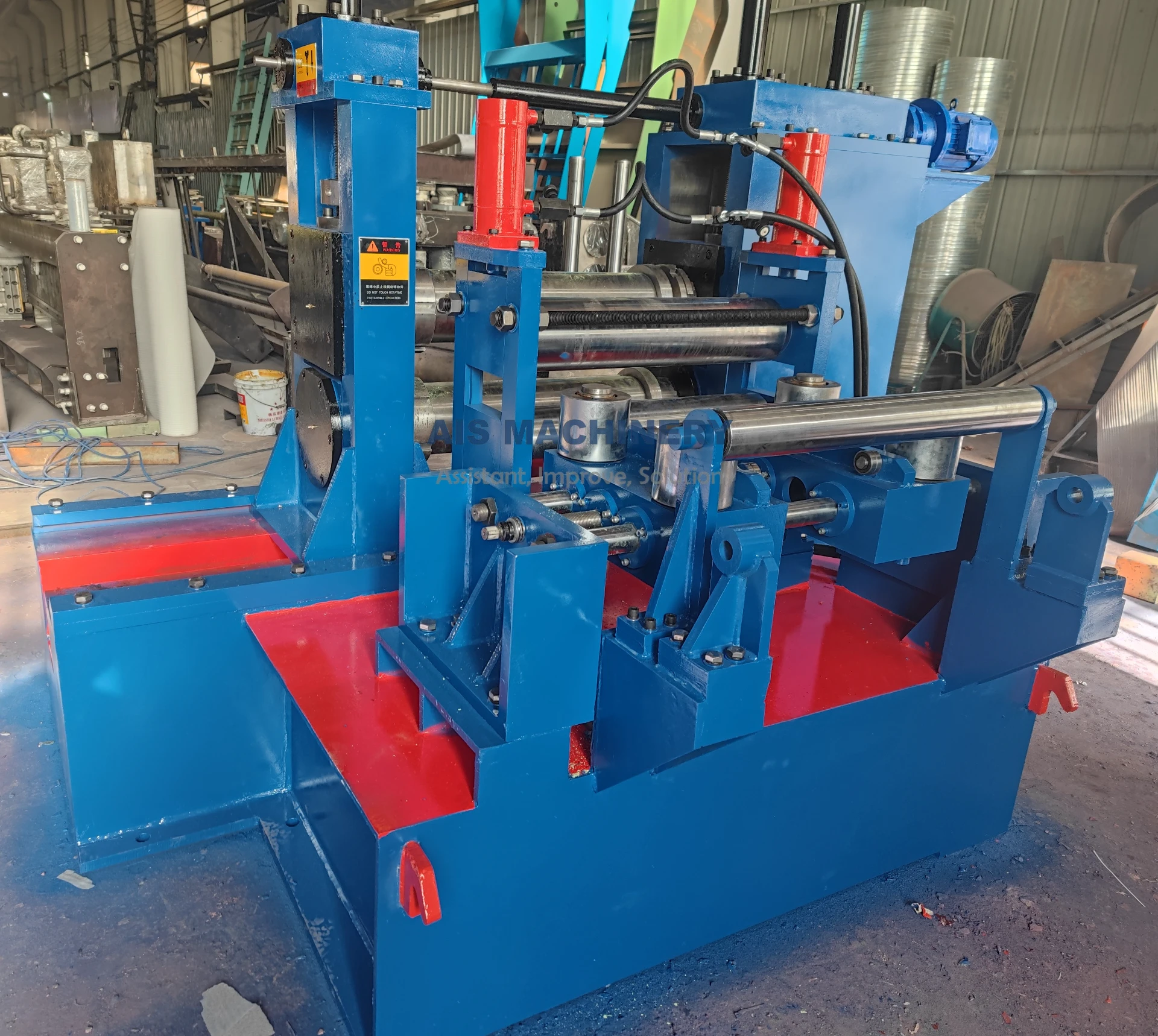
Flat Bar Production Line for Steel Coils: How It Works & Why It Matters
Looking for a flat bar production line? Learn how it turns steel coils into ready-to-use flat bars with precise length and high straightness. Compare it with slitting lines and get the best solution for your steel processing needs.
2026-04-14 00:00:00
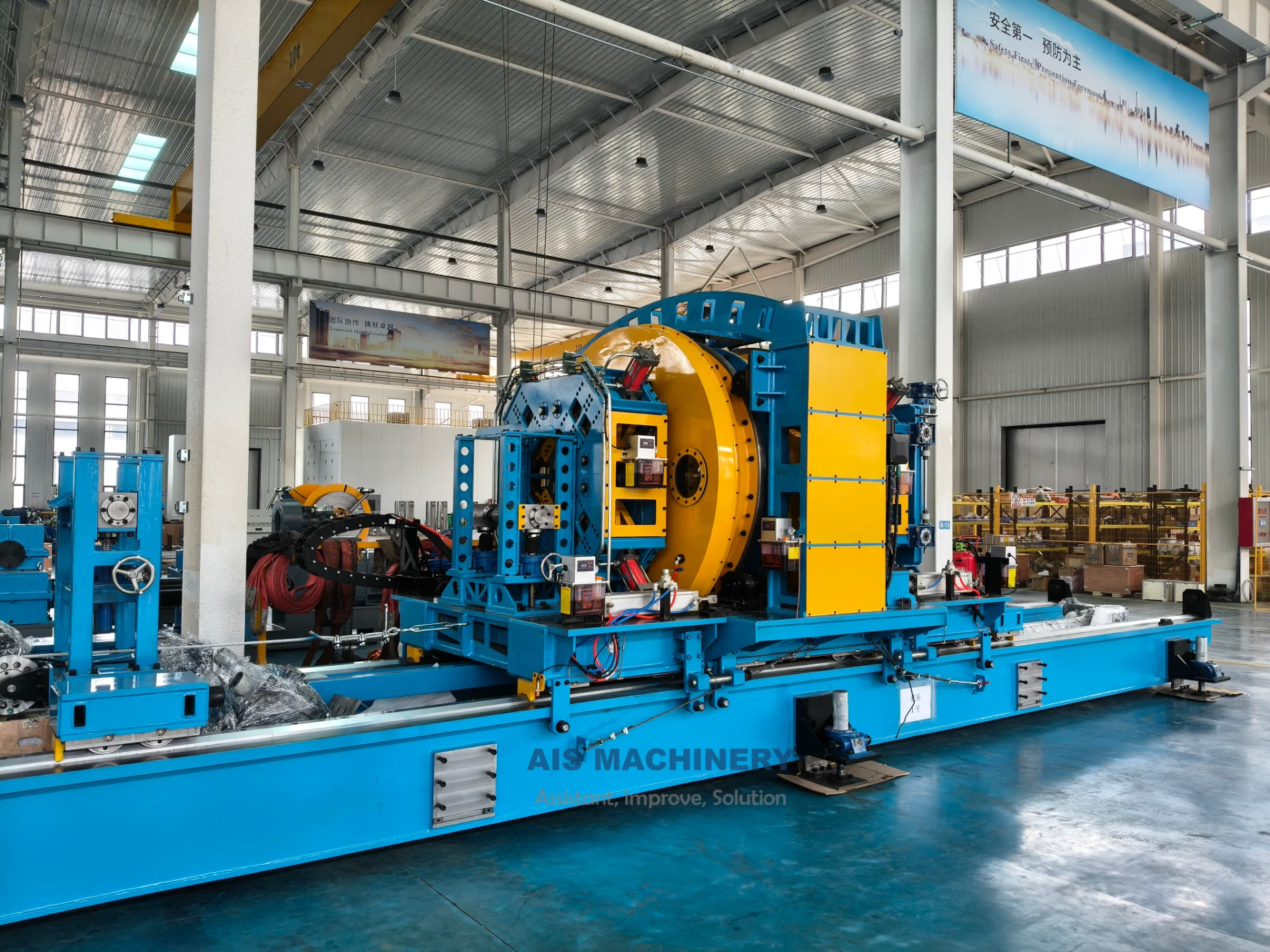
Looking for a Milling Saw for ERW Tube Mill? Here’s What You Need to Know
Looking for a high-performance milling saw for your ERW tube mill? Upgrade to burr-free, high-precision pipe cutting with advanced flying saw technology. Improve efficiency, reduce rework, and meet export standards for carbon steel, stainless steel, and API pipes. Contact us today for expert solutions and competitive pricing tailored to your production needs.
Send a Message
Dear customer, thank you for your attention! We provide high-quality machinery and equipment and look forward to your orders. Please inform us of your needs and we will respond quickly!
 English
  Albanian
  Arabic
  French
  German
  Indonesian
  Italian
  Japanese
  Kazakh
  Korean
  Latin
Latin  Macedonian
  Portuguese
  Russian
  Spanish
  Thai
Thai  Turkish
  Ukrainian
  Uzbek
Uzbek