
-
 Tel:86-15176910262
-

Search

Durable, Precise TCT Saw Blades for Industrial & Global Applications
Dec . 01, 2025 18:15
Understanding TCT Saw Blades: A Small Tool Making a Big Global Impact
Tungsten Carbide Tipped (TCT) saw blades might seem like just another tool in the vast world of industrial equipment, but they play a surprisingly pivotal role across many sectors worldwide. Why does this matter? Well, from precision engineering to large-scale construction, the reliability and efficiency of cutting tools can affect everything from infrastructure quality to project costs — and even worker safety.
I suppose it’s easy to overlook the blade itself until it’s dull or breaks, but understanding TCT saw blades helps industries stay cutting-edge (pun intended). Better blades lead to less downtime, higher-quality cuts, and often, a smaller environmental footprint. And in a world where precision and sustainability are increasingly intertwined, that’s no small thing.
Why TCT Saw Blades Matter Globally
Globally, the construction and manufacturing sectors are booming. According to the International Labour Organization (ILO), industrial growth is projected to increase by around 3.5% per year in developing regions, driving demand for reliable cutting tools like tct saw blades. The World Bank also reports on infrastructure growth needing more durable and efficient tools to keep pace.
The challenge? Ordinary saw blades wear out quickly, impacting costs and safety. TCT saw blades—owing to their tungsten carbide tips—offer longer life spans and precision cutting. This means fewer replacements, safer operations, and ultimately, smoother project timelines. In regions with limited access to frequent logistics or vendor support, this durability can be a gamechanger.
Key takeaway:
- TCT saw blades help meet growing global industrial demands efficiently.
- Durability and precision offering solutions to longstanding cutting challenges.
What Exactly Are TCT Saw Blades?
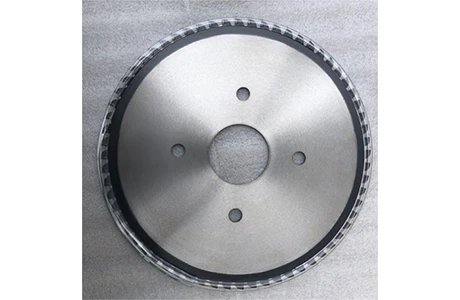
In simple terms, TCT saw blades are circular saw blades tipped with tungsten carbide — an extremely hard material known for its wear resistance. This combination gives the blade the sharpness of a steel blade with a cutting edge that holds up far longer. Because of this unique design, TCT blades are favored for cutting tougher materials like metal, wood composites, plastics, and even masonry.
Think of it this way: while traditional steel blades can lose sharpness and bend, a TCT blade stays razor-sharp and structurally sound much longer — like a marathon runner versus a weekend jogger.
Core Attributes That Shape TCT Saw Blades’ Performance
1. Durability
The key selling point of tungsten carbide is its incredible hardness and resistance to wear. This means TCT saw blades often outlast other types by two or three times, minimizing downtime. Plus, the carbide tips are brazed or laser-welded onto steel bodies, which balances toughness with flexibility.
2. Precision Cutting
Due to the hardness and sharp edges of tungsten carbide, TCT blades can deliver clean, accurate cuts even on complex materials. Many manufacturers tune the tooth geometry and pitch depending on the material—this adaptability helps reduce material wastage and improve finish quality.
3. Cost Efficiency
While initially more expensive than typical steel blades, the prolonged lifespan and superior cutting quality of TCT blades reduce long-term operational costs. Less frequent replacement, fewer tool changes, and improved productivity all add up.
4. Versatility
TCT saw blades come in various sizes and specifications suited for many industries—from woodworking and metal fabrication to plastics and ceramics processing. This versatility means industries ranging from automotive to construction can rely on the same foundational tool.
5. Heat Resistance
Cutting aggressive materials tends to generate a lot of heat. Tungsten carbide’s thermal stability means TCT blades maintain cutting edge integrity even under high temperatures, decreasing the chances of warping or chipping.
Mini take:
- TCT saw blades combine strength, sharpness, and adaptability.
- Long-term savings often outweigh upfront costs.
Global Applications & Real-World Use Cases
Globally, TCT saw blades have taken root in many surprising places. In Southeast Asia’s booming infrastructure projects, these blades handle hefty concrete and metal beams with ease, sometimes in tough tropical conditions. In Europe, precision manufacturing uses them to create finely detailed machine parts with minimal waste.
Oddly enough, NGOs involved in post-disaster rebuilding efforts often prefer TCT blades because they hold up well without frequent replacements — vital when logistics chains are disrupted. Meanwhile, in remote industrial zones like parts of West Africa or the Australian Outback, a durable saw blade significantly reduces the need for spare parts, cutting down downtime and operational costs.
| Parameter | Typical Value |
|---|---|
| Diameter | 250 mm (can vary 100–600 mm) |
| Number of Teeth | 24 – 80 (depending on use) |
| Tooth Material | Tungsten carbide |
| Blade Body | High-strength steel |
| Max RPM | 6000 RPM |
| Typical Application | Wood, metal, plastics, masonry |
Advantages & The Long-Term Value of TCT Saw Blades
From a financial perspective, many engineers say switching to TCT blades reduces project costs by at least 15–20% in cutting and replacement expenses. But beyond the numbers, consider the emotional and social factors:
- Safety: Reliable blades reduce accidents caused by dull or shattered blades.
- Innovation: Precision cuts lead to better-fitting components and structures.
- Dignity: For communities rebuilding infrastructure, quality tools help restore pride and security.
- Sustainability: Longer-lasting blades mean less frequent disposal and resource consumption.
Put simply, TCT saw blades blend technical excellence with real-world benefits that ripple outward.
What’s Next? The Future of TCT Technology
Emerging trends suggest that TCT saw blades will get even smarter. We’re seeing research into nano-carbide coatings designed to extend blade life even further, and automated sensors embedded in blades to monitor wear and optimize replacements.
Green manufacturing practices, like recycling tungsten carbide and designing blades for minimal waste, are gaining traction. Digitalization means operators can track blade performance in real time, adjusting machine speed to enhance cuts and conserve energy. Plus, automation and robotic saw systems rely heavily on reliable blade performance, cementing TCT blades as vital components of Industry 4.0.
Challenges & How Industry is Addressing Them
Of course, no technology is perfect. Challenges include the upfront cost barrier for small-scale users and occasional brittleness if blades are mishandled. Also, sourcing high-quality tungsten carbide sustainably remains a concern.
To combat this, vendors offer modular sharpening services and blade recycling programs. Manufacturers are developing hybrid alloys that balance toughness and flexibility better than ever. Education around proper blade use is improving, helping end users maximize lifespan and safety.
| Vendor | Price Range | Specialties | Sustainability Initiatives |
|---|---|---|---|
| BladePro Co. | $$$ | High precision woodworking | Carbide recycling programs |
| CutMax Tools | $$ | General industrial applications | Eco-friendly brazing methods |
| GlobalEdge Blades | $$$ | Custom sizes & materials R&D | Sustainable tungsten sourcing |
Frequently Asked Questions About TCT Saw Blades
- Q: How do I know when to replace my TCT saw blade?
- A: Signs include slower cutting, increased noise, or visible wear on carbide tips. Regular inspection after 50+ hours of use is advised; sharper blades enhance safety and quality.
- Q: Can TCT blades cut both wood and metal?
- Yes. Different tooth geometries optimize cutting for various materials — check blade specs to ensure your blade matches the job.
- Q: Are TCT blades environmentally friendly?
- Generally yes. Longer lifespan means less waste, and many suppliers run recycling programs for tungsten carbide. Still, proper disposal and sourcing matter.
- Q: What maintenance do TCT blades require?
- Keep blades clean and dry, use appropriate speed settings, and avoid overheating. Periodic professional sharpening can restore peak cutting performance.
- Q: How can international buyers source quality TCT saw blades?
- Reach out to trusted vendors with global distribution channels. Many companies offer consultations to select blades suited for your industry and application.
Conclusion: Why Investing in TCT Saw Blades Pays Off
To wrap up: TCT saw blades may look simple, but their impact on industrial performance, sustainability, and safety is profound. They’re a small upgrade with outsized effects. Whether you’re in construction, manufacturing, or disaster relief, reliable blades enable you to work smarter, faster, and longer.
Interested? Visit our website at https://www.aistubemill.com to explore our full range of TCT saw blades and find the perfect fit for your needs. After all, every great project starts with the right cut.
Quick Takeaway:
Durable, precise, and efficient—TCT saw blades are an investment in quality, safety, and sustainability that truly lasts.
References

Related Products

Related News
2026-04-30 09:35:04
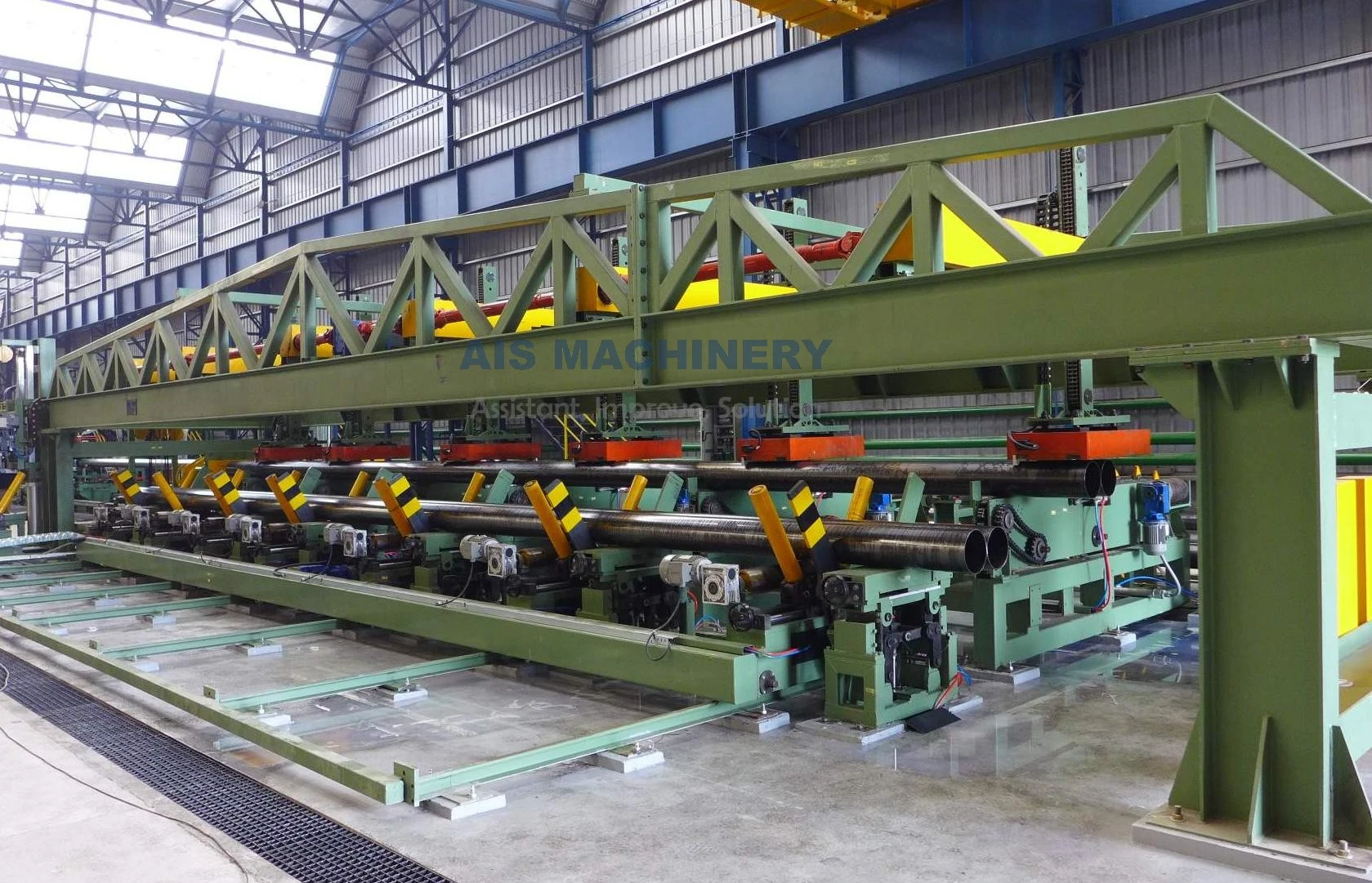
Automatic Stacking Machine (Magnetic Chuck Type)
The Automatic Stacking Machine (Magnetic Chuck Type) from AIS Machinery is designed to efficiently collect and stack steel tubes in ERW tube mill production lines. Using electromagnetic lifting, it can pick up multiple tubes at once and place them neatly in layers. This reduces manual labor, improves stacking accuracy, and increases overall production efficiency. It is installed after the flying saw and works seamlessly with the mill line, making it an ideal solution for modern tube manufacturers.
2026-04-28 08:56:05
Saw Blade Guide for Tube Mills: Friction vs HSS vs TCT — Which One Should You Choose?
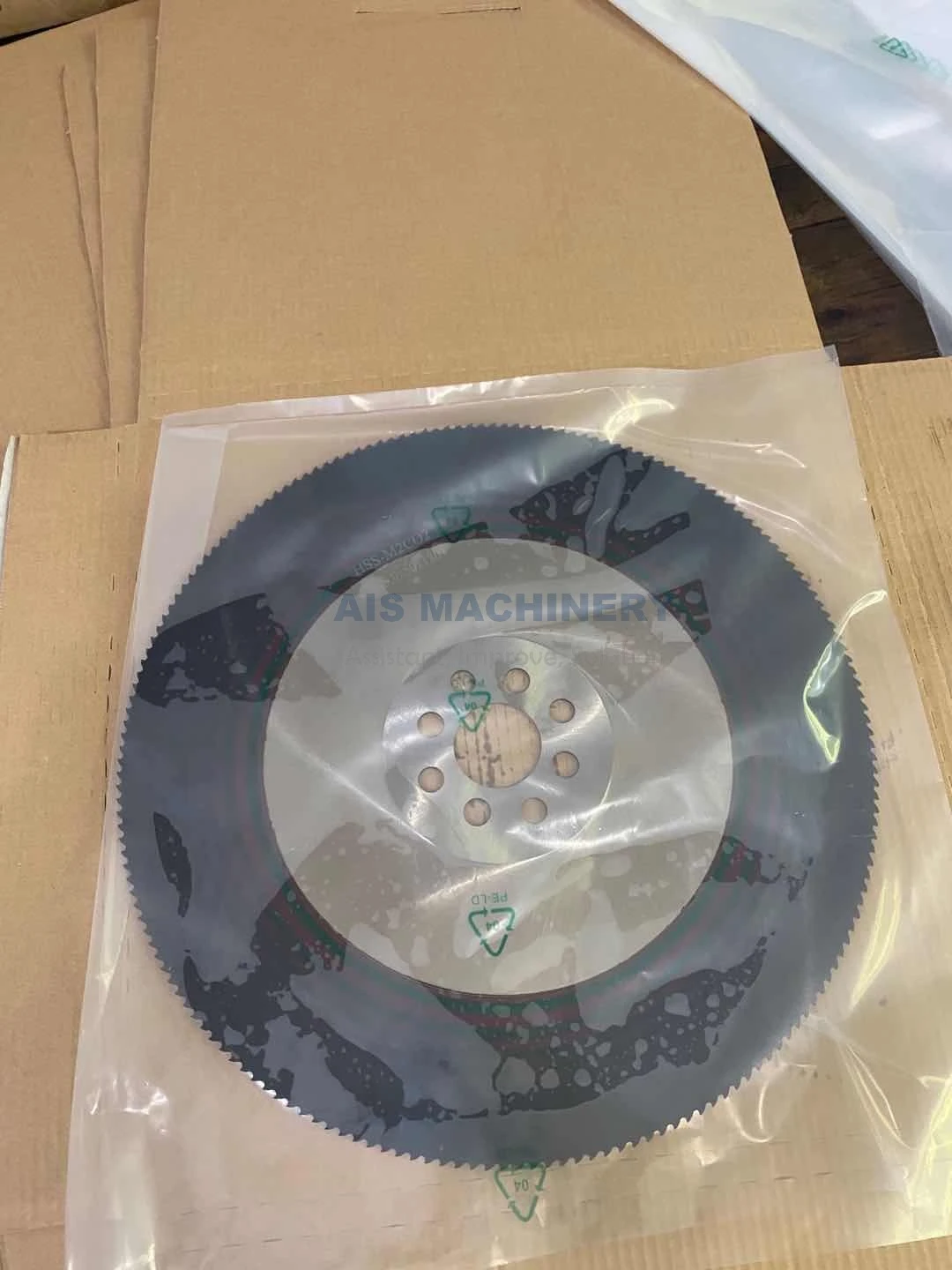
Confused about friction saw, HSS, and TCT blades? This guide explains their uses in cold saw and friction saw machines, with pros, cons, and expert selection tips.

2026-04-24 08:54:16
What is an Impeder and Ferrite Rods in ERW Tube Mill?
Struggling with impeder overheating or short service life in your ERW tube mill? This guide explains common impeder problems, the role of ferrite rods, and how to choose the right impeder for stable welding performance. Improve weld quality, reduce energy loss, and extend equipment lifespan with the right selection and proper cooling solutions.
2026-04-21 10:22:25
Slitting & Cut-to-Length Combined Production Line: A Smarter Way to Process Steel Coils
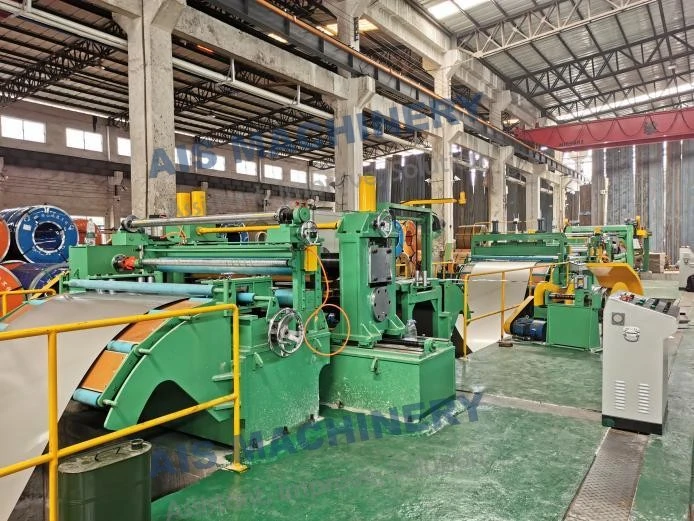
Discover the Slitting & Cut-to-Length Combined Production Line, a flexible solution for steel coil processing. This system integrates slitting line and cut-to-length line functions in one machine, saving space, reducing costs, and improving efficiency. Ideal for processing both steel strips and sheets, it is widely used in service centers and manufacturing industries. Learn its advantages, limitations, and applications.

2026-04-18 03:20:20
AIS Machinery Showcases Advanced Tube Solutions at Tube & Wire Düsseldorf 2026
Tube & Wire Düsseldorf 2026, one of the most influential exhibitions in the global tube and wire industry, held biennially in Düsseldorf, Germany
2026-04-17 00:00:00
Southeast Asia Client Visits Our Factory | Customized Tube Mill Solution Delivered
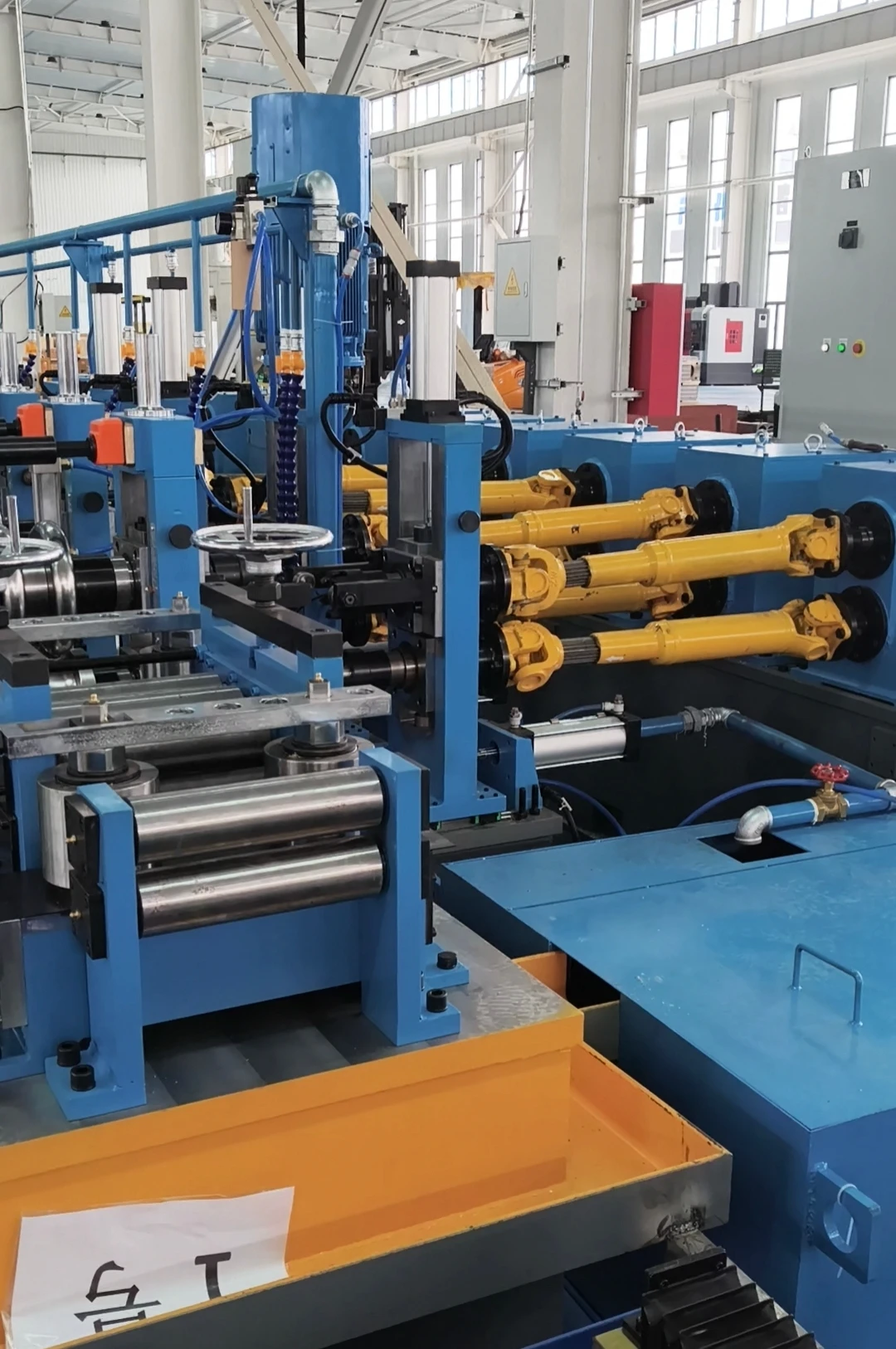
A Southeast Asia client visited our ERW tube mill factory to inspect production lines and discuss a customized tube mill solution. Impressed by our machine quality, welding performance, and engineering support, the client confirmed strong cooperation intentions. Discover how our ERW tube mill solutions improve efficiency, precision, and long-term production reliability.
2026-04-15 10:37:55
Flat Bar Production Line for Steel Coils: How It Works & Why It Matters
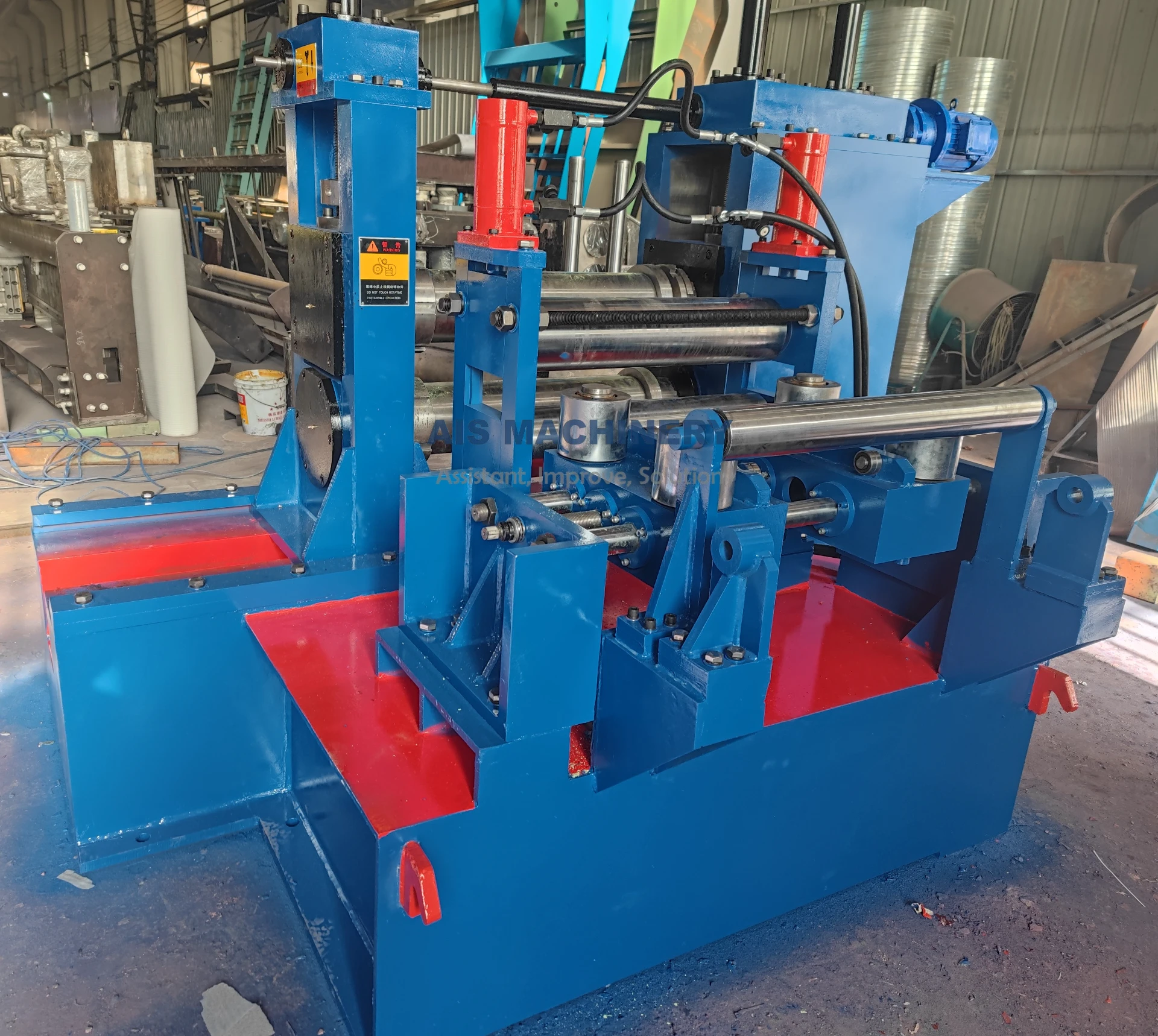
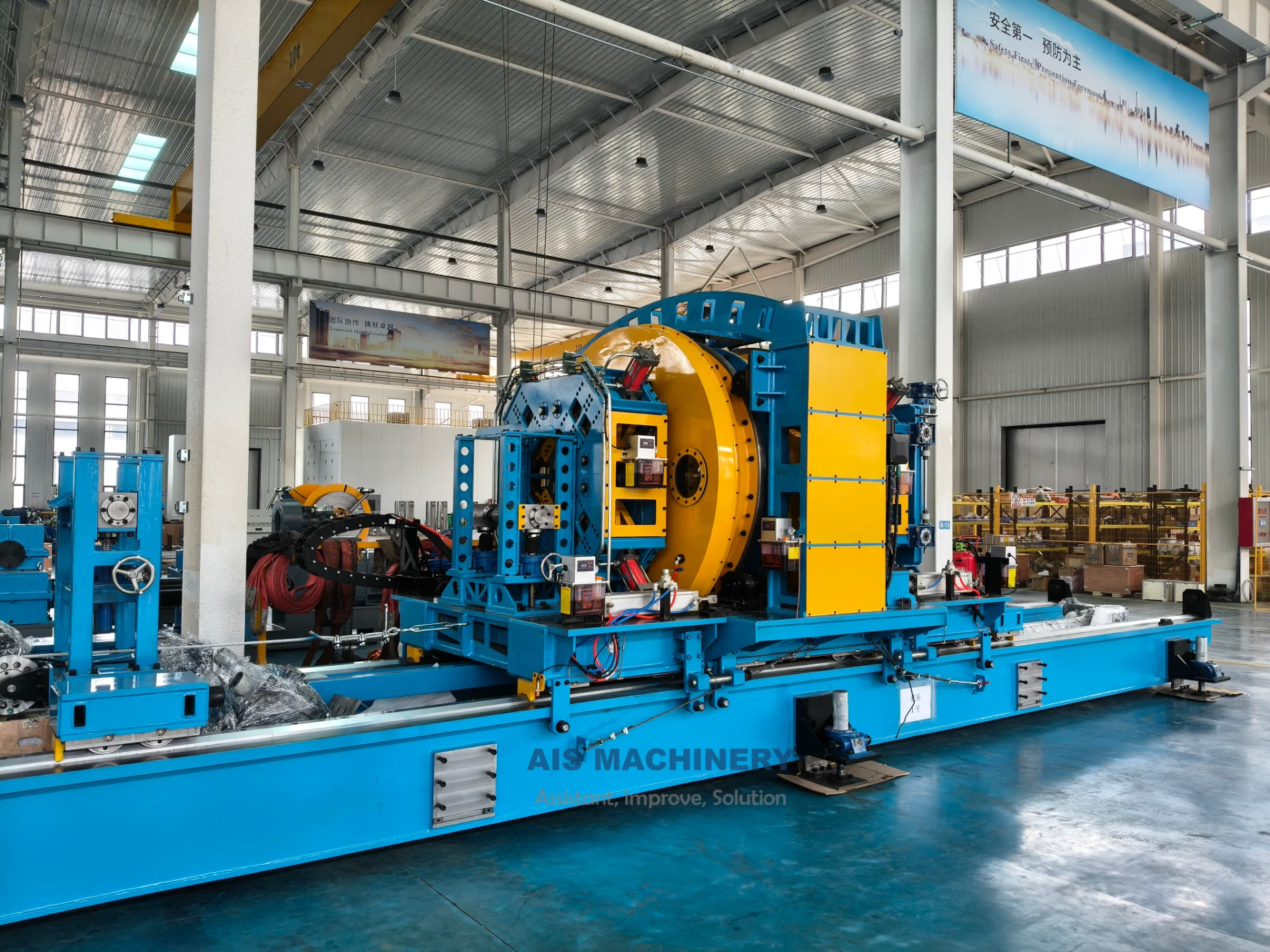
Looking for a flat bar production line? Learn how it turns steel coils into ready-to-use flat bars with precise length and high straightness. Compare it with slitting lines and get the best solution for your steel processing needs.
2026-04-14 00:00:00
Looking for a Milling Saw for ERW Tube Mill? Here’s What You Need to Know
Looking for a high-performance milling saw for your ERW tube mill? Upgrade to burr-free, high-precision pipe cutting with advanced flying saw technology. Improve efficiency, reduce rework, and meet export standards for carbon steel, stainless steel, and API pipes. Contact us today for expert solutions and competitive pricing tailored to your production needs.
Send a Message
Dear customer, thank you for your attention! We provide high-quality machinery and equipment and look forward to your orders. Please inform us of your needs and we will respond quickly!
 English
  Albanian
  Arabic
  French
  German
  Indonesian
  Italian
  Japanese
  Kazakh
  Korean
  Latin
Latin  Macedonian
  Portuguese
  Russian
  Spanish
  Thai
Thai  Turkish
  Ukrainian
  Uzbek
Uzbek