
-
 Tel:86-15176910262
-

Search

Thermal Metal Spray Equipment – Enhancing Industrial Durability & Efficiency
Dec . 01, 2025 18:55
Understanding Thermal Metal Spray Equipment: A Modern Industrial Game-Changer
If you haven’t stumbled across the term thermal metal spray equipment lately, you’re not alone. It’s one of those quietly transformative technologies that, frankly, doesn’t make the front page — but underpins the longevity and safety of countless machines worldwide.
In a nutshell, thermal metal spraying is a surface engineering process where metal or alloys are heated and sprayed onto a surface to improve wear resistance, corrosion protection, or even restore worn parts. Given the global push toward sustainability and extending asset life, it’s no surprise this equipment is gaining traction in many industrial sectors.
Why does it matter on a global scale? Because companies, whether in manufacturing hubs in Asia or heavy industries in Europe and the Americas, face constant challenges from harsh operational environments. Enhancing durability while reducing downtime and maintenance costs — that’s what thermal metal spray equipment helps solve.
The Global Need for Thermal Metal Spray Equipment
The industrial machinery ecosystem is enormous — from power plants to automotive factories — and all have one common foe: wear and corrosion. According to the International Standards Organization (ISO), corrosion alone costs the global economy about 3-4% of GDP annually. That’s trillions of dollars lost due to equipment degradation.
Thermal metal spray equipment addresses these issues head-on. By applying protective metal coatings, industries reduce repair frequencies, extend service life, and increase reliability. In developing regions, where infrastructure is sometimes aging or exposure to elements is harsh, such technology can make a critical difference to operational safety and efficiency.
However, the challenge remains: the equipment itself needs to be user-friendly, adaptable to different metals and surfaces, and cost-efficient, especially as industries grow restless with environmental regulations tightening worldwide.
Defining Thermal Metal Spray Equipment: What Is It Exactly?
Imagine a handheld device or automated station that melts powdered or wire metals with a heat source — often an electric arc, plasma, or combustion flame — then sprays these molten particles onto a substrate. The particles rapidly cool and solidify, forming a dense, protective coating.
This isn’t just some fancy painting job; it’s a high-precision process that bonds metals to metals, ceramics, or composites. The performance uplift can be substantial — think enhanced abrasion resistance on turbine blades, or corrosion-proof layers on pipelines.
Beyond industrial uses, this technique touches humanitarian needs too. For example, reliable water infrastructure in remote areas benefits from corrosion-resistant pumps made possible through thermal spraying.
Core Components and Key Factors in Thermal Metal Spray Equipment
1. Heat Generation Method
The heart of the system is how it produces heat — common variants include flame spray, electric arc spray, and plasma spray. Each has its merits in terms of coating thickness, quality, and substrate compatibility.
2. Spray Material Types
From aluminum and zinc to complex alloys like NiCrBSi, the choice depends on desired properties. Aluminum might be used for corrosion resistance, while carbides add wear protection.
3. Equipment Portability and Scalability
Smaller, portable units are vital for on-site repairs or maintenance in challenging environments. Larger setups serve mass production lines. In practice, many industries juggle both depending on operation scale.
4. Control and Automation
Modern equipment often includes digital controls, enabling precision spray patterns and thickness control. This reduces material waste and ensures consistent coatings — quite important for quality assurance.
5. Cost Efficiency
Material costs vary widely; however, the reduced downtime and extended equipment life generally outweigh initial investment. Many operators see this as a long-term value play rather than a quick fix.
Real-World Applications of Thermal Metal Spray Equipment
The uses are widespread and growing. For example:
- Power generation: Turbine blades and boiler components are sprayed for erosion and corrosion resistance.
- Oil & gas: Pipeline interiors receive coatings to combat harsh chemical exposure and seawater corrosion.
- Automotive: Engine parts and exhaust components benefit from wear-resistant coatings.
- Marine: Propellers and hull parts are protected against saltwater corrosive forces.
- Infrastructure in emerging economies: Repair teams use portable units to restore pumps and valves in remote water systems.
Asia’s rapid industrialization and infrastructure development drives huge demand, while Europe and North America focus on upgrading existing facilities with sustainable maintenance technologies.
Comparing Popular Thermal Metal Spray Equipment Models
| Model | Heat Source | Spray Material | Portability | Warranty |
|---|---|---|---|---|
| ThermoSpray Pro 400 | Electric Arc | Aluminum & Zinc | Portable | 2 Years |
| PlasmaCoater X7 | Plasma Spray | Nickel-Based Alloys | Stationary | 3 Years |
| FlameSpray Compact | Combustion Flame | Steel & Alloys | Semi-Portable | 1.5 Years |
Advantages and Long-Term Value of Using Thermal Metal Spray Technologies
Aside from the obvious benefits like enhancing equipment lifespan — which reduces both environmental waste and operating costs — there’s more subtle value:
- Environmental sustainability: Extending asset life reduces the need for production of replacements, cutting raw material use and emissions.
- Safety and reliability: Maintaining structural integrity prevents accidents, protecting workers and communities.
- Economic resilience: Reduced downtime leads to steady productivity; investors and operators can breathe easier.
- Adaptability: This technology fits various industries and regions, critical for dynamic global industrial environments.
Many plant managers I’ve chatted with say it gives them peace of mind — the kind money can’t always buy.
Looking Ahead: Trends and Innovations in Thermal Metal Spray Equipment
The industry is evolving. Some exciting directions include:
- Eco-friendly coatings: Developing biodegradable or low-toxic spraying materials.
- Digital integration: AI and IoT sensors embedded in equipment for real-time spray quality control.
- Automated robotic sprayers: Improving precision and reducing operator exposure to hazardous environments.
- Hybrid techniques: Combining thermal spray with laser cladding or cold spraying for specialized properties.
These trends support the drive for greener technologies and smarter factories — both buzzwords with real meaning behind them.
Common Challenges and How Experts Overcome Them
Thermal metal spray isn’t without its hurdles. Some challenges include:
- Adhesion issues: Poor bonding can lead to early coating failure. Mitigation involves surface preparation and selecting the right process.
- Equipment complexity: Training operators is essential to maximize results. More intuitive controls are helping here.
- Material compatibility: Not all substrates take coatings well. Research into metallurgical interactions continues.
Innovative operators deploy hybrid equipment, conduct rigorous testing, and collaborate with suppliers to refine processes continually.
FAQ: Your Questions About Thermal Metal Spray Equipment Answered
- Q: What materials can thermal metal spray equipment apply?
- A: It can spray a wide variety, including aluminum, zinc, nickel alloys, stainless steel, and even carbides, depending on the system used and the desired coating properties.
- Q: How portable is thermal metal spray equipment for field repairs?
- A: Many systems are designed for portability, allowing technicians to perform on-site maintenance in remote areas where equipment downtime would be costly.
- Q: Is thermal spraying environmentally friendly?
- A: Generally, yes. It can reduce waste by extending asset life and uses fewer raw materials over time. Newer coatings focus on minimizing environmental toxins during application.
- Q: What’s the typical lifespan of a sprayed coating?
- A: Lifespan varies by application but generally ranges from several years to decades, greatly extending the service interval compared to uncoated parts.
- Q: How can industries procure thermal metal spray equipment internationally?
- A: Many vendors offer global shipping and support; it’s important to select reputable manufacturers, and this thermal metal spray equipment portal can help you find verified suppliers.
Vendor Comparison: Leading Thermal Metal Spray Equipment Manufacturers
| Vendor | Years in Business | Product Range | Global Reach | Customer Support |
|---|---|---|---|---|
| MetalSpray Inc. | 25 | Arc, Plasma, Flame | Europe, Asia, Americas | 24/7 Tech Support |
| ThermoCoat Systems | 18 | Specialized Plasma | Global | On-site Training & Support |
| SprayaTech Solutions | 12 | Electric Arc & Portable Units | Asia, Americas | Online Support & Resources |
Wrapping Up
Thermal metal spray equipment isn’t just a niche technical tool — it’s an essential pillar supporting modern industry’s push for sustainability, safety, and efficiency. From heavy machinery lifespans to infrastructure resilience in vulnerable regions, this technology quietly plays a pivotal role.
If you’re involved in equipment maintenance or industrial manufacturing, it’s worth exploring what these solutions can bring to your operation. For a closer look at high-quality options and detailed guidance, I recommend visiting the comprehensive resources at thermal metal spray equipment.
Investing a little time now might save you serious headaches down the road — plus help your business operate smarter, not harder.
References:
1. ISO Corrosion Costs Report – iso.org
2. Material Science of Thermal Spray Coatings, Wikipedia – wikipedia.org
3. UN Industrial Development Data – unido.org

Related Products

Related News
2026-04-30 09:35:04
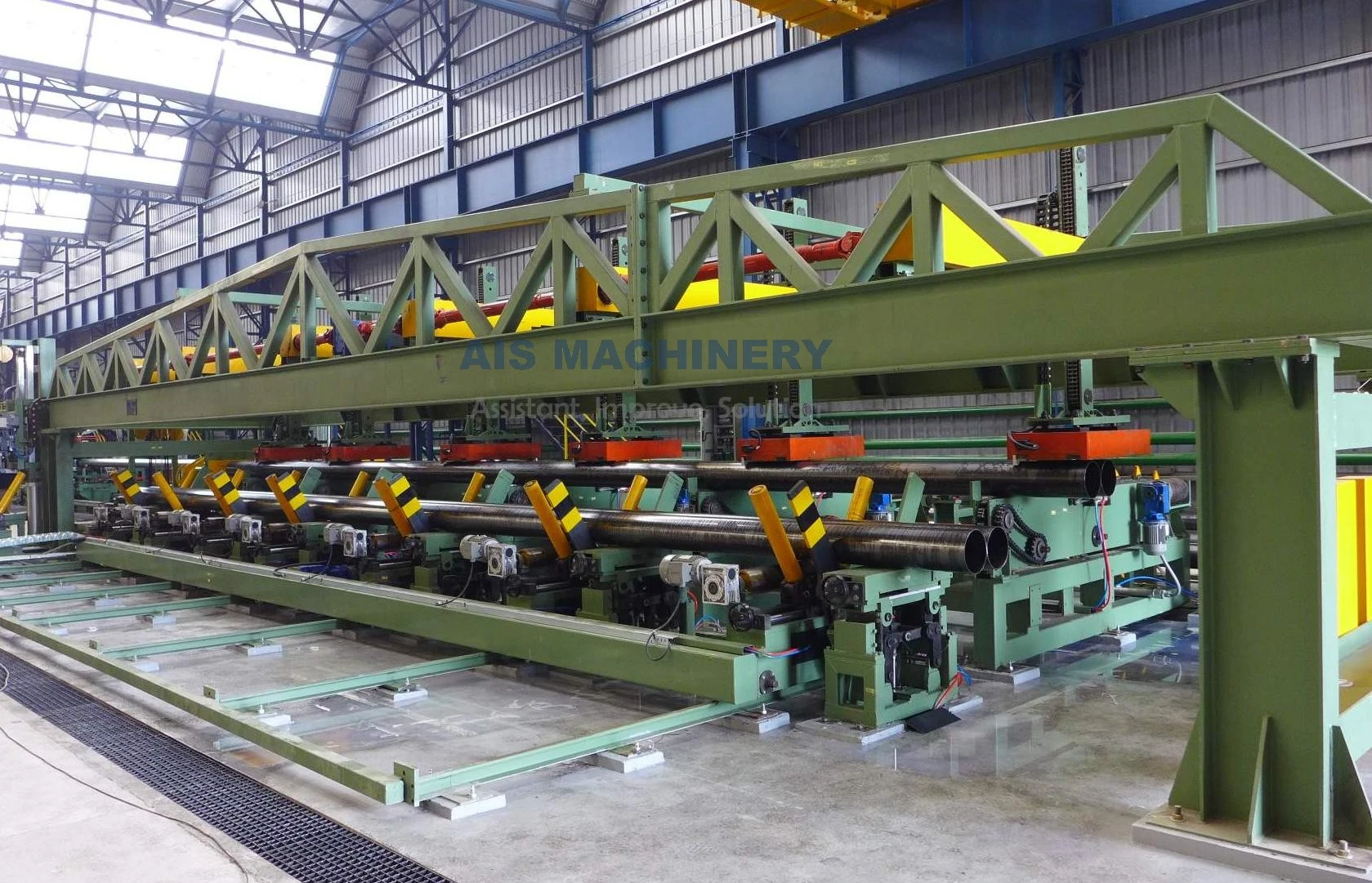
Automatic Stacking Machine (Magnetic Chuck Type)
The Automatic Stacking Machine (Magnetic Chuck Type) from AIS Machinery is designed to efficiently collect and stack steel tubes in ERW tube mill production lines. Using electromagnetic lifting, it can pick up multiple tubes at once and place them neatly in layers. This reduces manual labor, improves stacking accuracy, and increases overall production efficiency. It is installed after the flying saw and works seamlessly with the mill line, making it an ideal solution for modern tube manufacturers.
2026-04-28 08:56:05
Saw Blade Guide for Tube Mills: Friction vs HSS vs TCT — Which One Should You Choose?
Confused about friction saw, HSS, and TCT blades? This guide explains their uses in cold saw and friction saw machines, with pros, cons, and expert selection tips.
2026-04-24 08:54:16
What is an Impeder and Ferrite Rods in ERW Tube Mill?
Struggling with impeder overheating or short service life in your ERW tube mill? This guide explains common impeder problems, the role of ferrite rods, and how to choose the right impeder for stable welding performance. Improve weld quality, reduce energy loss, and extend equipment lifespan with the right selection and proper cooling solutions.
2026-04-21 10:22:25
Slitting & Cut-to-Length Combined Production Line: A Smarter Way to Process Steel Coils
Discover the Slitting & Cut-to-Length Combined Production Line, a flexible solution for steel coil processing. This system integrates slitting line and cut-to-length line functions in one machine, saving space, reducing costs, and improving efficiency. Ideal for processing both steel strips and sheets, it is widely used in service centers and manufacturing industries. Learn its advantages, limitations, and applications.
2026-04-18 03:20:20
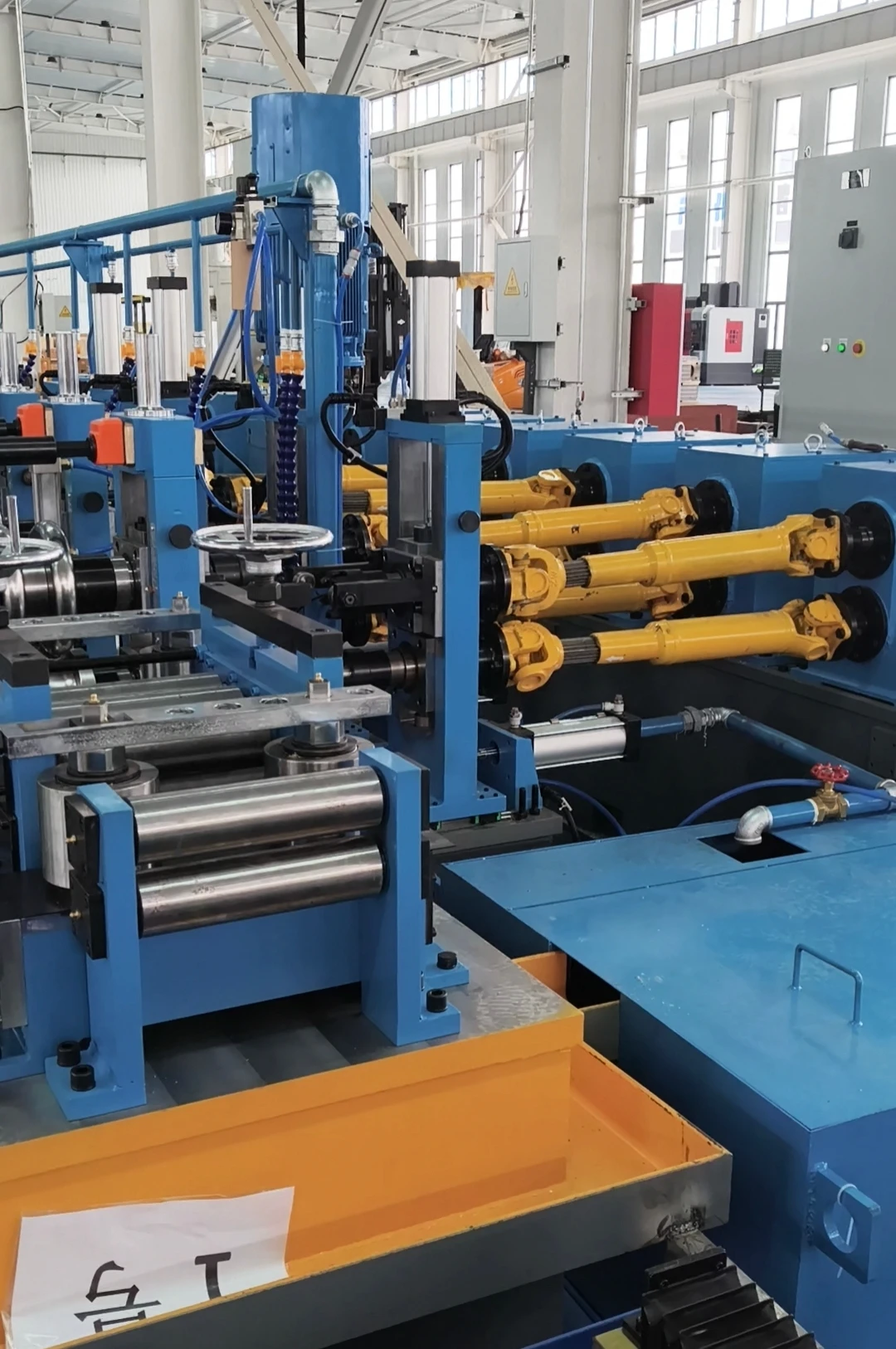
AIS Machinery Showcases Advanced Tube Solutions at Tube & Wire Düsseldorf 2026
Tube & Wire Düsseldorf 2026, one of the most influential exhibitions in the global tube and wire industry, held biennially in Düsseldorf, Germany
2026-04-17 00:00:00
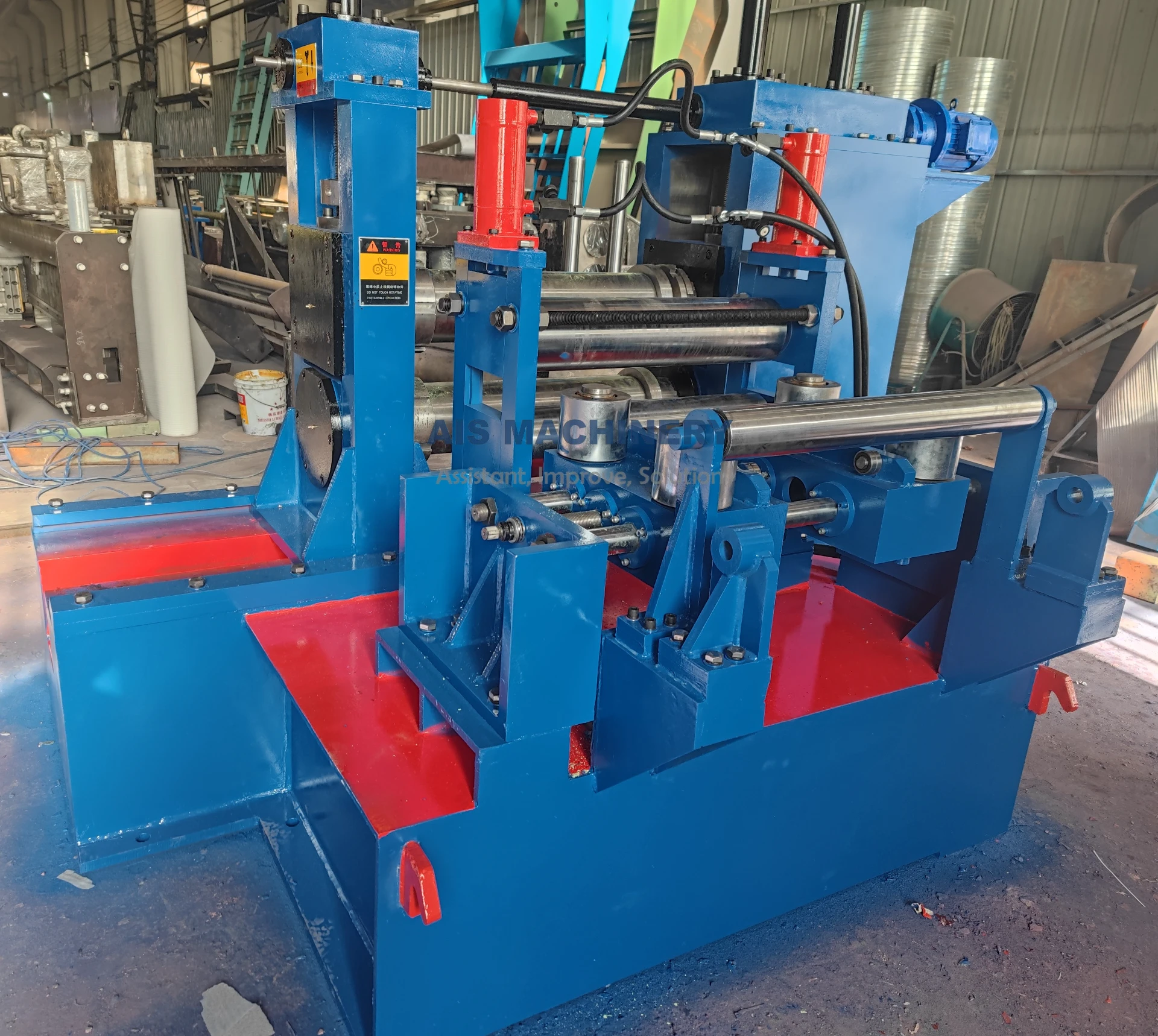
Southeast Asia Client Visits Our Factory | Customized Tube Mill Solution Delivered
A Southeast Asia client visited our ERW tube mill factory to inspect production lines and discuss a customized tube mill solution. Impressed by our machine quality, welding performance, and engineering support, the client confirmed strong cooperation intentions. Discover how our ERW tube mill solutions improve efficiency, precision, and long-term production reliability.
2026-04-15 10:37:55
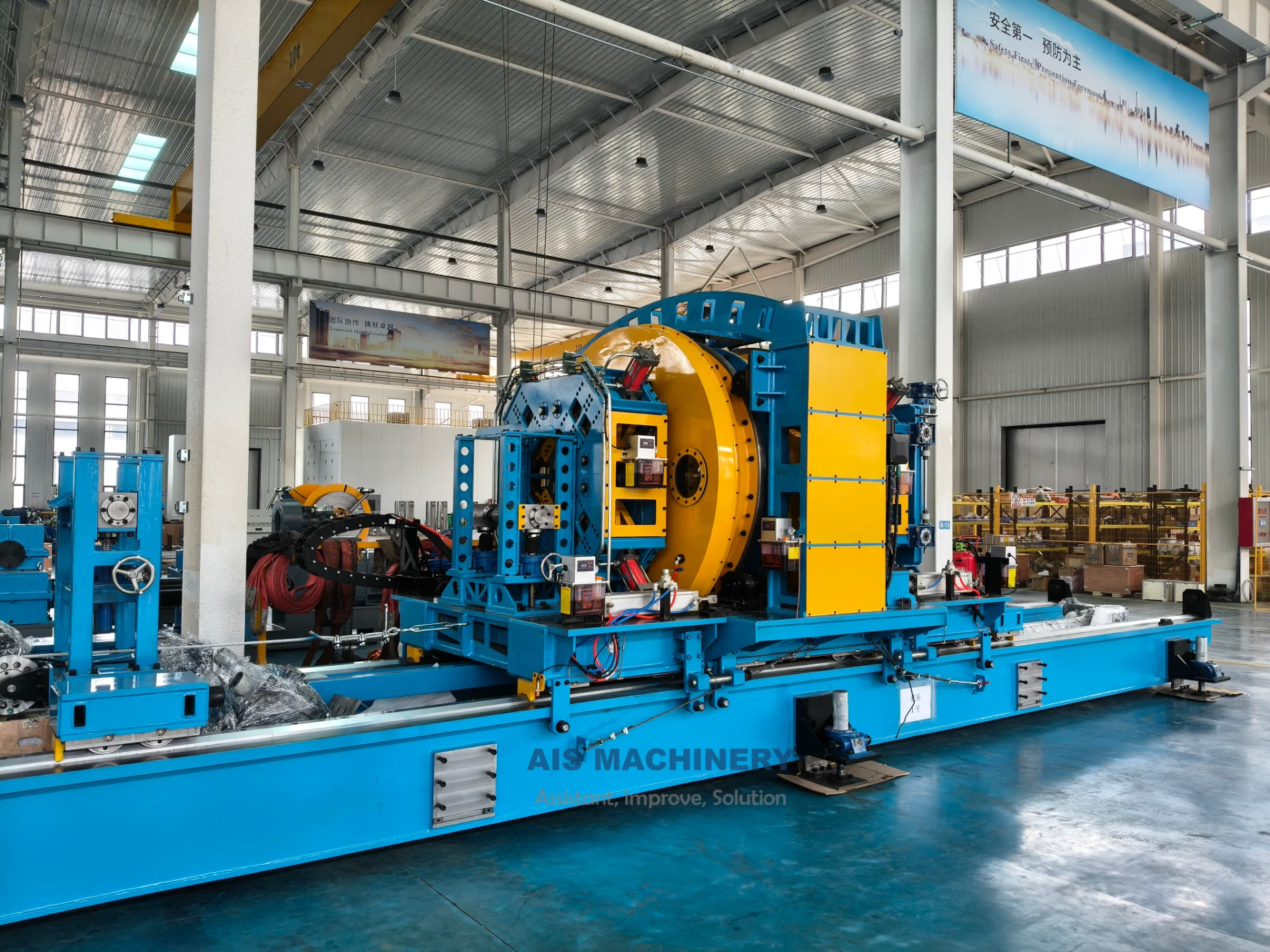
Flat Bar Production Line for Steel Coils: How It Works & Why It Matters
Looking for a flat bar production line? Learn how it turns steel coils into ready-to-use flat bars with precise length and high straightness. Compare it with slitting lines and get the best solution for your steel processing needs.
2026-04-14 00:00:00
Looking for a Milling Saw for ERW Tube Mill? Here’s What You Need to Know
Looking for a high-performance milling saw for your ERW tube mill? Upgrade to burr-free, high-precision pipe cutting with advanced flying saw technology. Improve efficiency, reduce rework, and meet export standards for carbon steel, stainless steel, and API pipes. Contact us today for expert solutions and competitive pricing tailored to your production needs.
Send a Message
Dear customer, thank you for your attention! We provide high-quality machinery and equipment and look forward to your orders. Please inform us of your needs and we will respond quickly!
 English
  Albanian
  Arabic
  French
  German
  Indonesian
  Italian
  Japanese
  Kazakh
  Korean
  Latin
Latin  Macedonian
  Portuguese
  Russian
  Spanish
  Thai
Thai  Turkish
  Ukrainian
  Uzbek
Uzbek