
-
 Tel:86-15176910262
-

Search

Top Cut to Length Line Manufacturers: Precision Metal Processing for Modern Industry
Nov . 29, 2025 05:30
Understanding Cut to Length Line Manufacturers and Their Growing Importance
In the vast realm of metal processing and fabrication, the role of cut to length line manufacturers is quietly transformative. For many industries worldwide — from automotive to construction — the ability to efficiently and precisely process raw metal stock into flat sheets of exact lengths is a game changer. Not only does mastering this process streamline production, but it also slashes waste, reduces costs, and often helps businesses meet rising environmental standards.
Globally, understanding these manufacturers is more than just industry trivia; it’s a glimpse into how modern manufacturing adapts to evolving demands. Whether you’re an engineer, purchasing director, or just curious about how sheets of metal magically arrive at perfect dimensions, learning about the nuances of these manufacturers sheds light on a vital part of the supply chain.
The Global Landscape: Why Cut to Length Lines Matter Now More Than Ever
Metal processing has grown parallel to industrialization and infrastructure expansion, especially in emerging markets where manufacturing hubs are blooming. According to the ISO’s categorization of metalwork processes, cut to length lines fall within crucial standards guiding material quality and handling.
Consider this: The global steel production topped 1.8 billion metric tons in recent years, with roughly 60% requiring further processing like slitting or cutting to length. The manufacturers who supply these critical systems are under increasing pressure to deliver reliability, efficiency, and eco-conscious solutions — particularly as supply chains tighten and lead times matter more than ever.
Yet, the main challenge remains: How to optimize cutting and handling without sacrificing speed or precision, especially when materials vary from ultra-thin coils to thick plates. This challenge keeps cut to length line manufacturers in a constant race to innovate.
So, What Exactly Are Cut to Length Line Manufacturers?
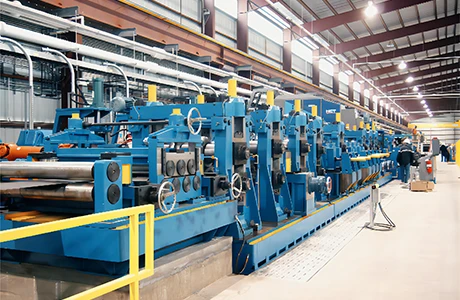
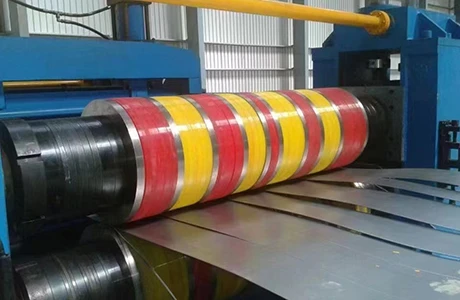
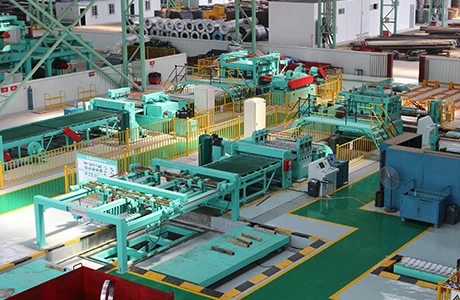
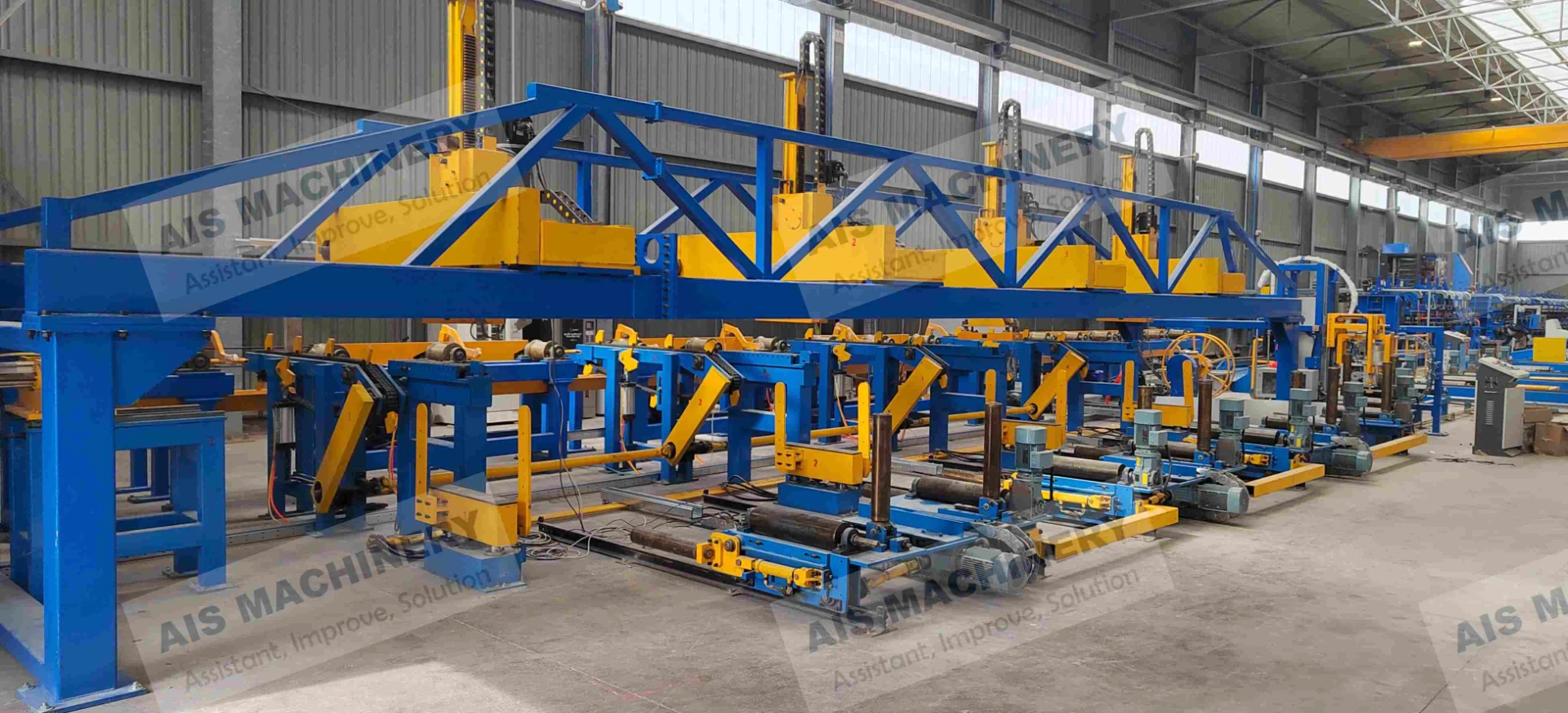
Simply put, these manufacturers design and produce machinery systems that automatically uncoil steel, flatten it, and cut it into sheets of specific lengths per customer requirements. Imagine a steel coil unwinding, then gradually passing through rollers that remove the typical coil curve, before precise blades or lasers snip it into exact lengths — ready for stamping, welding, or fabrication.
These lines are not just about slicing metal; they play a critical role in ensuring that the downstream processes receive uniform, defect-free plates — which significantly affects final product quality. In a humanitarian sense, these technologies contribute indirectly by enabling faster production of steel components used in housing, medical facilities, and infrastructure in developing regions.
Key Components of Cut to Length Lines
1. Durability and Robust Construction
Many engineers will tell you: these machines often endure 24/7 operation. Using hardened steel components and reinforced frames helps maintain accuracy over the long haul. This is crucial because operational downtime can quickly rack up costs.
2. Precision and Automation
The heart of any good line is in its sensors, PLC controls, and blade mechanisms. State-of-the-art automation ensures consistent length cuts even when coil widths or thicknesses vary. This reduces human error and boosts output.
3. Scalability and Integration
Manufacturers increasingly offer modular lines that can be scaled or integrated with upstream and downstream equipment (shearing, stacking) to customize workflows — a boon for plants with fluctuating demands.
4. Energy Efficiency
With rising utility costs and green mandates, cutting-edge lines incorporate energy-saving motors and regenerative drives that feed power back into the grid during deceleration. It’s good for the environment and the bottom line.
5. User-Friendly Operation and Maintenance
Touchscreen interfaces, remote diagnostics, and quick-change tooling minimize operator fatigue and service windows, meaning lines are ready to produce with less fuss.
Mini takeaway:
Cut to length lines blend ruggedness with high-tech refinement. Their core is to deliver repeatable, efficient metal slicing — the kind that keeps factories humming.
Where and How Are Cut to Length Lines Used Globally?
From sprawling automotive factories in Germany to shipyards in South Korea, cut to length lines find their place in nearly every metalworking hub. In heavy industries like construction and appliance manufacturing, flat sheets are basic building blocks.
Interestingly, they also serve niche roles in regions with thin industrial footprints. For example, some Southeast Asian countries use cut to length lines to produce material for modular housing units deployed in disaster relief—a pressing humanitarian application.
And in North America, several mid-sized manufacturers rely on these lines to compete in precision markets, including aerospace component suppliers. It’s a diverse ecosystem.
Advantages & Lasting Impact
Cut to length solutions offer more than just operational efficiency. Their long-term values span several dimensions:
- Cost reduction: less scrap, less manual rework, faster throughput.
- Environmental benefits: optimized energy use and reduced material waste.
- Social impact: enabling production of infrastructure needed for growing populations.
- Reliability: fewer stoppages mean on-time delivery and satisfied customers.
Plus, there’s a trust factor. When engineers know the lines are top-notch, they can push creative product designs further. It’s the quiet support structure beneath manufacturing innovation.
Emerging Trends Shaping the Future
What’s new? Well, for one, the integration of IoT sensors and AI-driven predictive maintenance is becoming more common, cutting down surprise breakdowns dramatically. Leading manufacturers are experimenting with smarter blades that self-adjust to material inconsistencies.
There’s also a growing emphasis on sustainability — lightweight materials combined with efficient line designs are helping factories shrink their carbon footprints. And add automation advances, and we get faster installation times and remote line management.
Challenges and How Industry Experts Tackle Them
It’s not all smooth. High upfront costs, complex calibration, and the need for skilled technicians can intimidate newcomers. Variability in coil quality sometimes causes edge cracking or miscuts.
To solve this, manufacturers increasingly offer tailored customer training and remote support, while investing in adaptable machine designs that automatically compensate for irregularities. This shift feels like a breath of fresh air for smaller operators.
Frequently Asked Questions about Cut to Length Line Manufacturers
Q1: How do I choose the right cut to length line for my factory size?
Look at your coil dimensions, desired throughput, and product tolerances. If you expect growth, pick scalable lines with modular options. Most manufacturers provide consultation — it pays off to ask before buying.
Q2: Can cut to length lines handle different metals like aluminum or stainless steel?
Yes, but settings like blade hardness and line speed may vary. Some lines specialize in certain metals, so confirm compatibility with your vendor.
Q3: What maintenance routines keep these lines running optimally?
Regular blade checks, lubrication of moving parts, and calibration of sensors are key. Many modern lines offer predictive alerts for maintenance needs.
Q4: Is it possible to integrate cut to length lines with existing production systems?
Absolutely. Most manufacturers design lines to work with upstream uncoilers and downstream stackers, often providing control system integration.
Product Specifications at a Glance
| Specification | Model A | Model B | Model C |
|---|---|---|---|
| Max coil width (mm) | 1,500 | 2,000 | 2,500 |
| Sheet thickness range (mm) | 0.5 - 6.0 | 0.3 - 8.0 | 0.5 - 10.0 |
| Max line speed (m/min) | 60 | 45 | 90 |
| Cut length accuracy (mm) | ±1.0 | ±0.8 | ±0.5 |
| Energy consumption (kW) | 15 | 12 | 18 |
Comparing Top Cut to Length Line Manufacturers
| Manufacturer | Strengths | Global Presence | After-Sales Support |
|---|---|---|---|
| SteelLine Technologies | Advanced automation, energy efficient | Europe, Asia, Americas | 24/7 remote diagnostics & training |
| MetalWorks Inc. | Highly robust, custom modular designs | North America, Middle East | On-site maintenance with rapid parts delivery |
| GlobalCut Systems | Top precision, IoT-enabled smart lines | Worldwide, strong Asia footprint | Comprehensive service contracts & upgrades |
For those scouting the market, it’s a strong idea to weigh these strengths against your specific needs. After all, a cut to length line is an investment as much about who supports you afterward as the initial specs.
Conclusion: A Cut Above for Industry and Beyond
In real terms, cut to length line manufacturers are quietly powering much of what modern manufacturing takes for granted — precision, speed, and reliability. Their evolving sophistication is as much about meeting today’s challenges as anticipating the shifts of tomorrow, from energy efficiency to digital transformation.
If your business depends on high-quality, precisely cut metal sheets (and who doesn’t at some point?), exploring the right manufacturer’s lineup can be a turning point. The long-term benefits pay dividends — lower operational costs, less waste, and a smoother workflow.
So, whether you’re retooling a facility or just dipping your toes, it’s worth diving deeper or chatting to an expert — the right cut to length line might surprise you with how much it brings to the factory floor.
Visit our website for detailed insights and connections to leading manufacturers.
References & Further Reading:

Related Products

Related News
2026-04-28 08:56:05
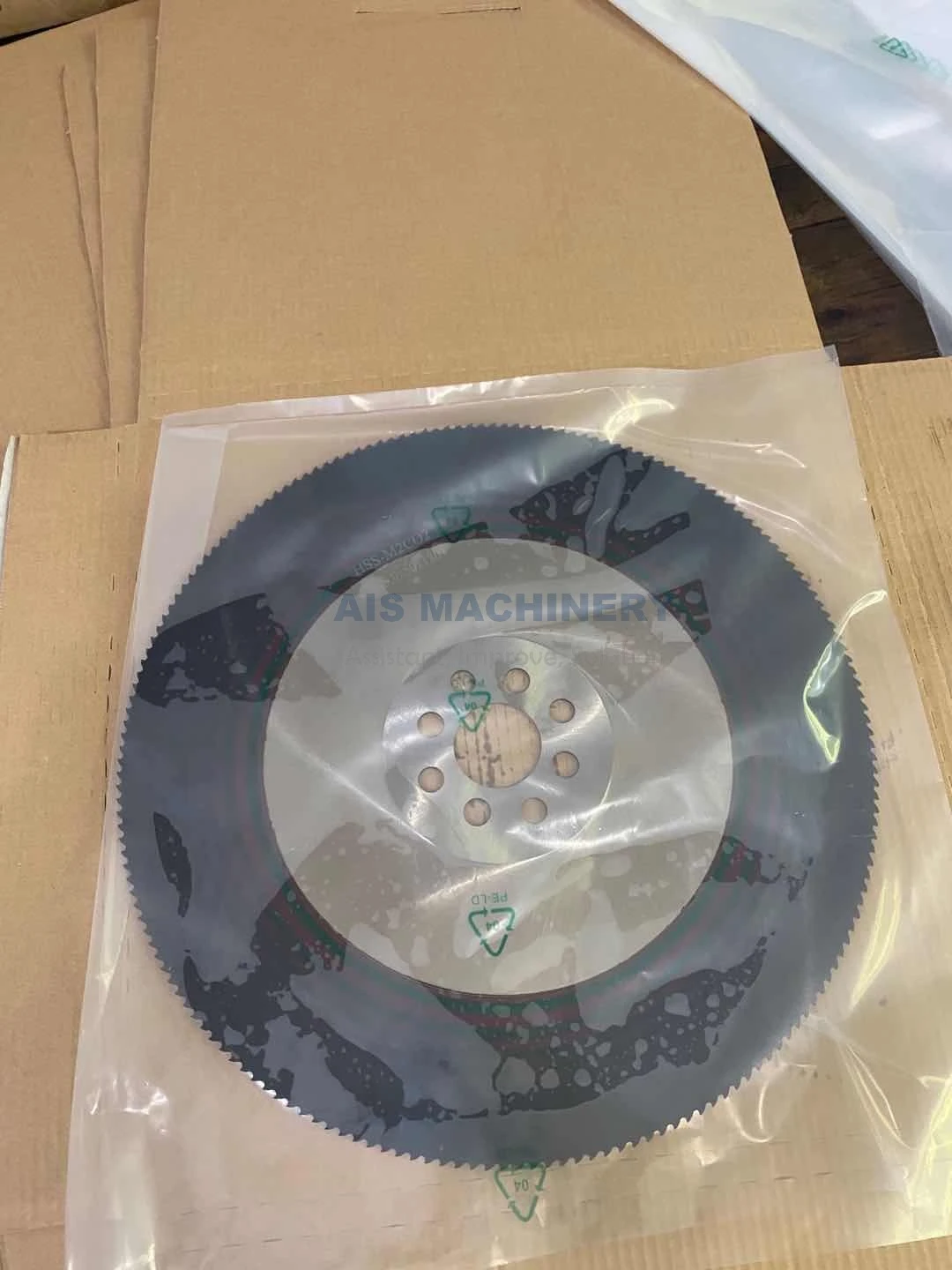
Saw Blade Guide for Tube Mills: Friction vs HSS vs TCT — Which One Should You Choose?
Confused about friction saw, HSS, and TCT blades? This guide explains their uses in cold saw and friction saw machines, with pros, cons, and expert selection tips.
2026-04-24 08:54:16
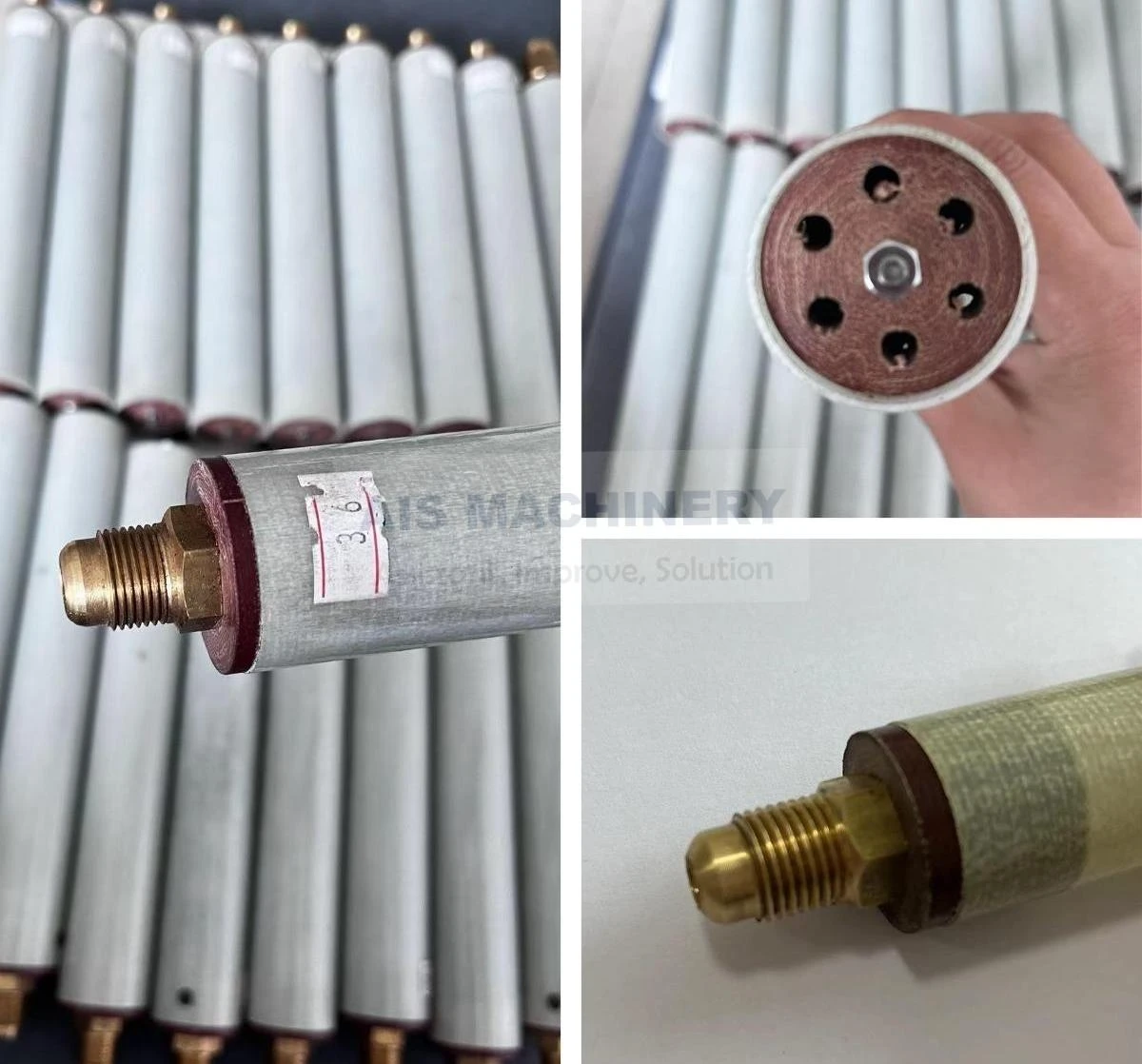
What is an Impeder and Ferrite Rods in ERW Tube Mill?
Struggling with impeder overheating or short service life in your ERW tube mill? This guide explains common impeder problems, the role of ferrite rods, and how to choose the right impeder for stable welding performance. Improve weld quality, reduce energy loss, and extend equipment lifespan with the right selection and proper cooling solutions.
2026-04-21 10:22:25
Slitting & Cut-to-Length Combined Production Line: A Smarter Way to Process Steel Coils
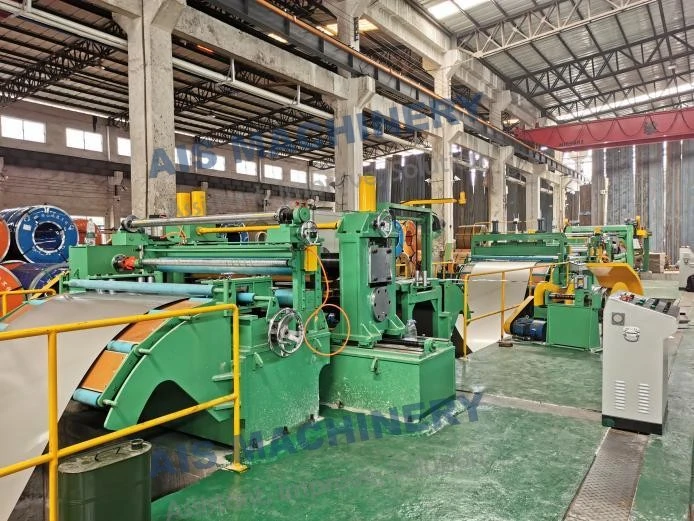
Discover the Slitting & Cut-to-Length Combined Production Line, a flexible solution for steel coil processing. This system integrates slitting line and cut-to-length line functions in one machine, saving space, reducing costs, and improving efficiency. Ideal for processing both steel strips and sheets, it is widely used in service centers and manufacturing industries. Learn its advantages, limitations, and applications.
2026-04-18 03:20:20
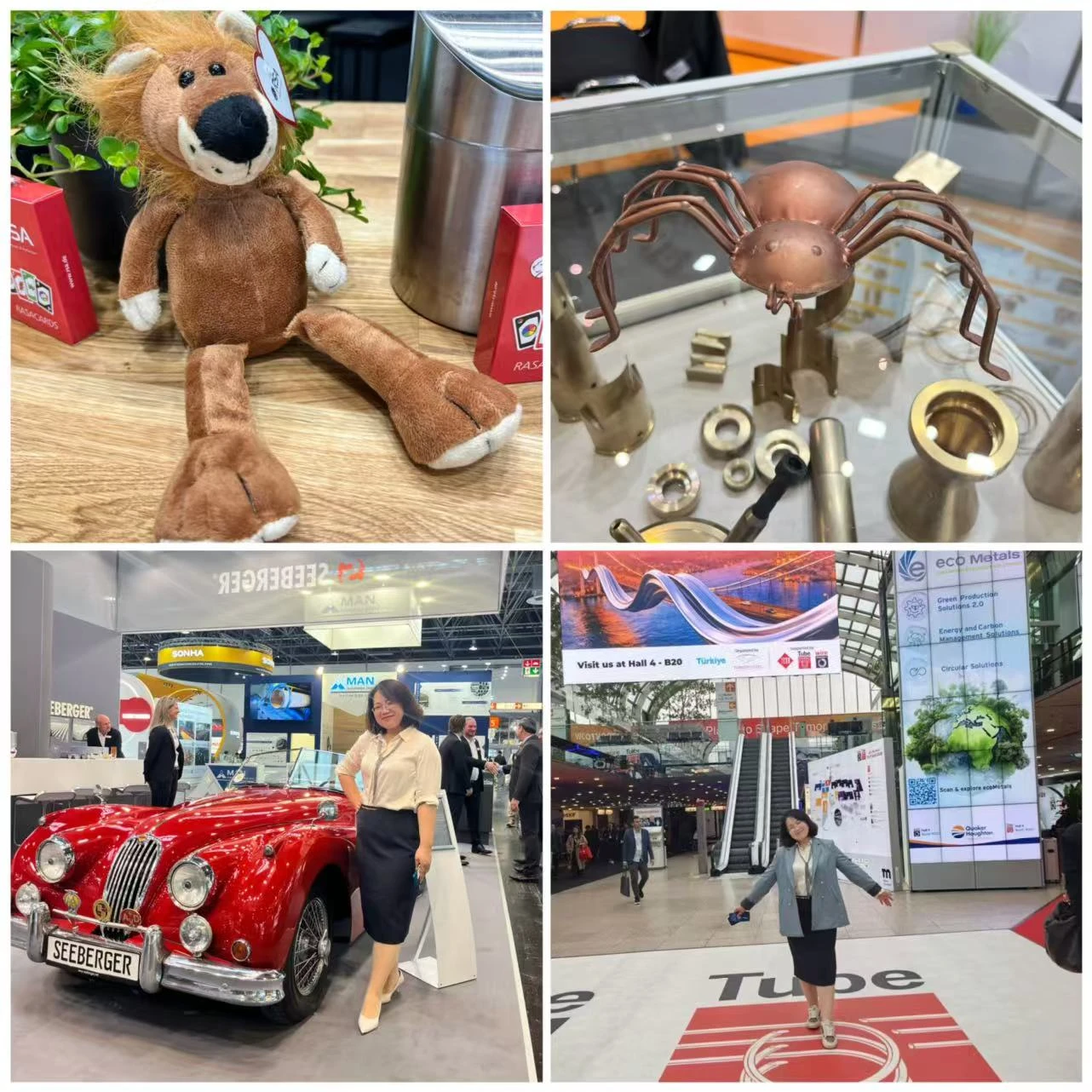
AIS Machinery Showcases Advanced Tube Solutions at Tube & Wire Düsseldorf 2026
Tube & Wire Düsseldorf 2026, one of the most influential exhibitions in the global tube and wire industry, held biennially in Düsseldorf, Germany
2026-04-17 00:00:00
Southeast Asia Client Visits Our Factory | Customized Tube Mill Solution Delivered
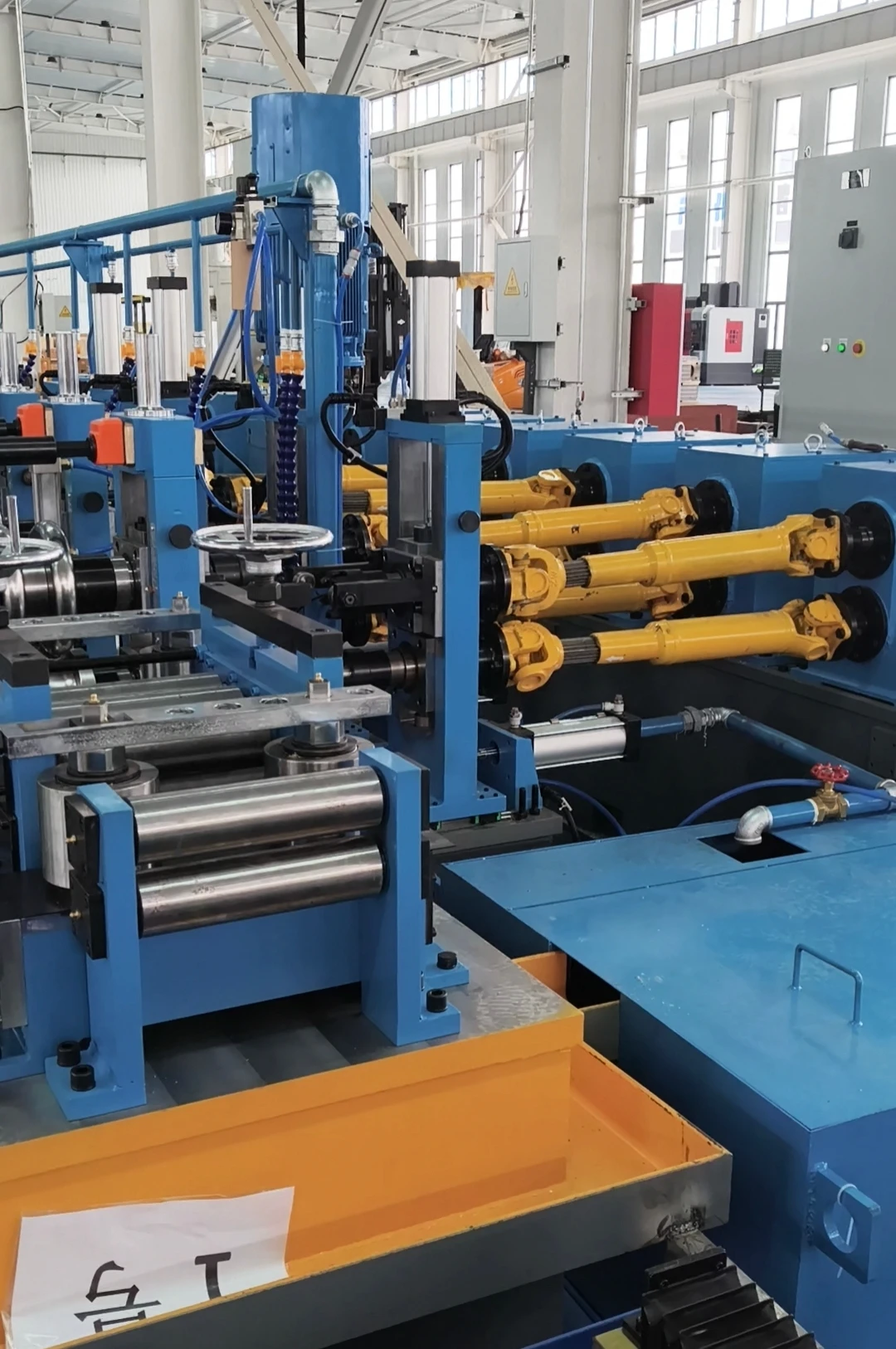
A Southeast Asia client visited our ERW tube mill factory to inspect production lines and discuss a customized tube mill solution. Impressed by our machine quality, welding performance, and engineering support, the client confirmed strong cooperation intentions. Discover how our ERW tube mill solutions improve efficiency, precision, and long-term production reliability.
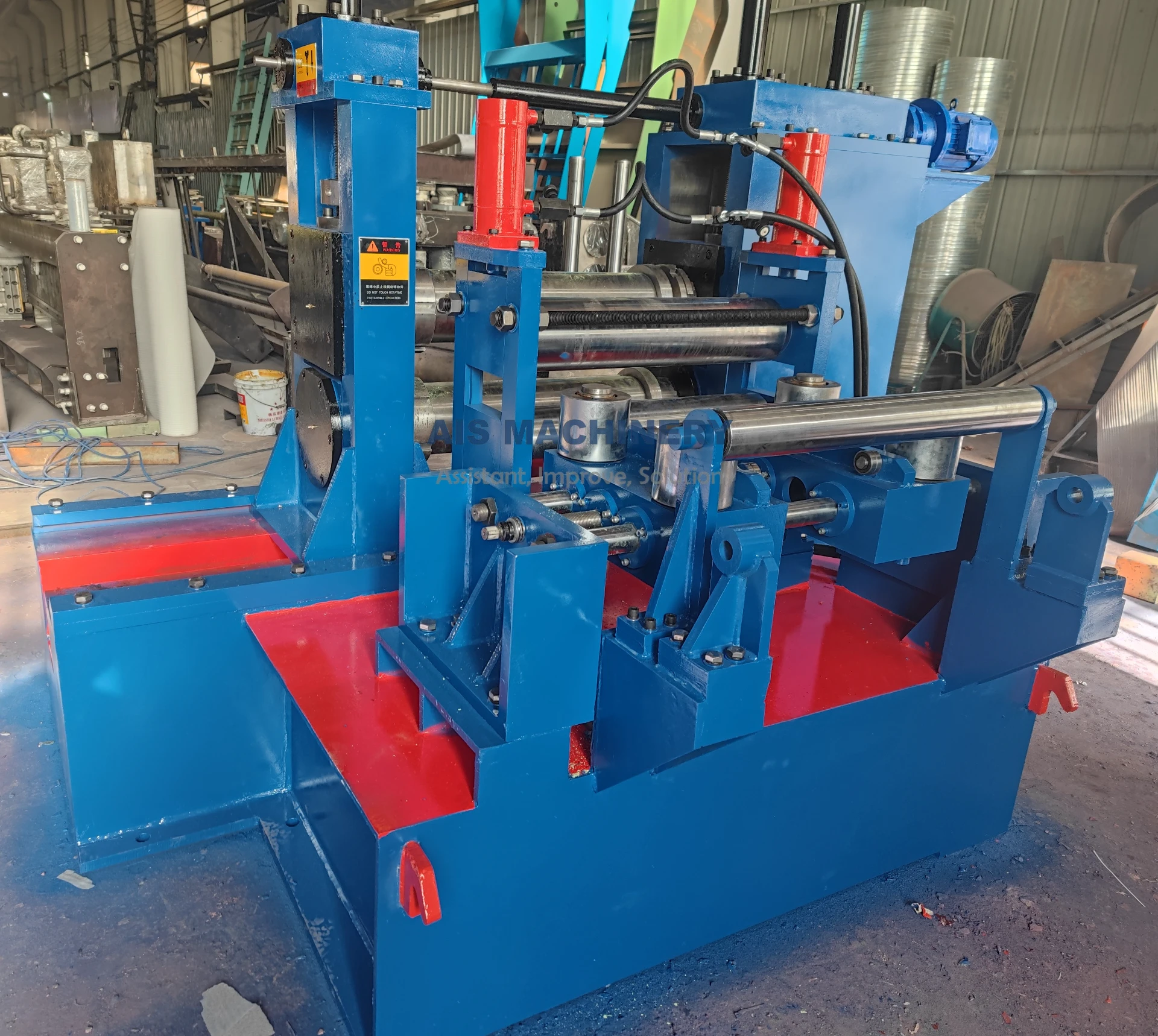
2026-04-15 10:37:55
Flat Bar Production Line for Steel Coils: How It Works & Why It Matters
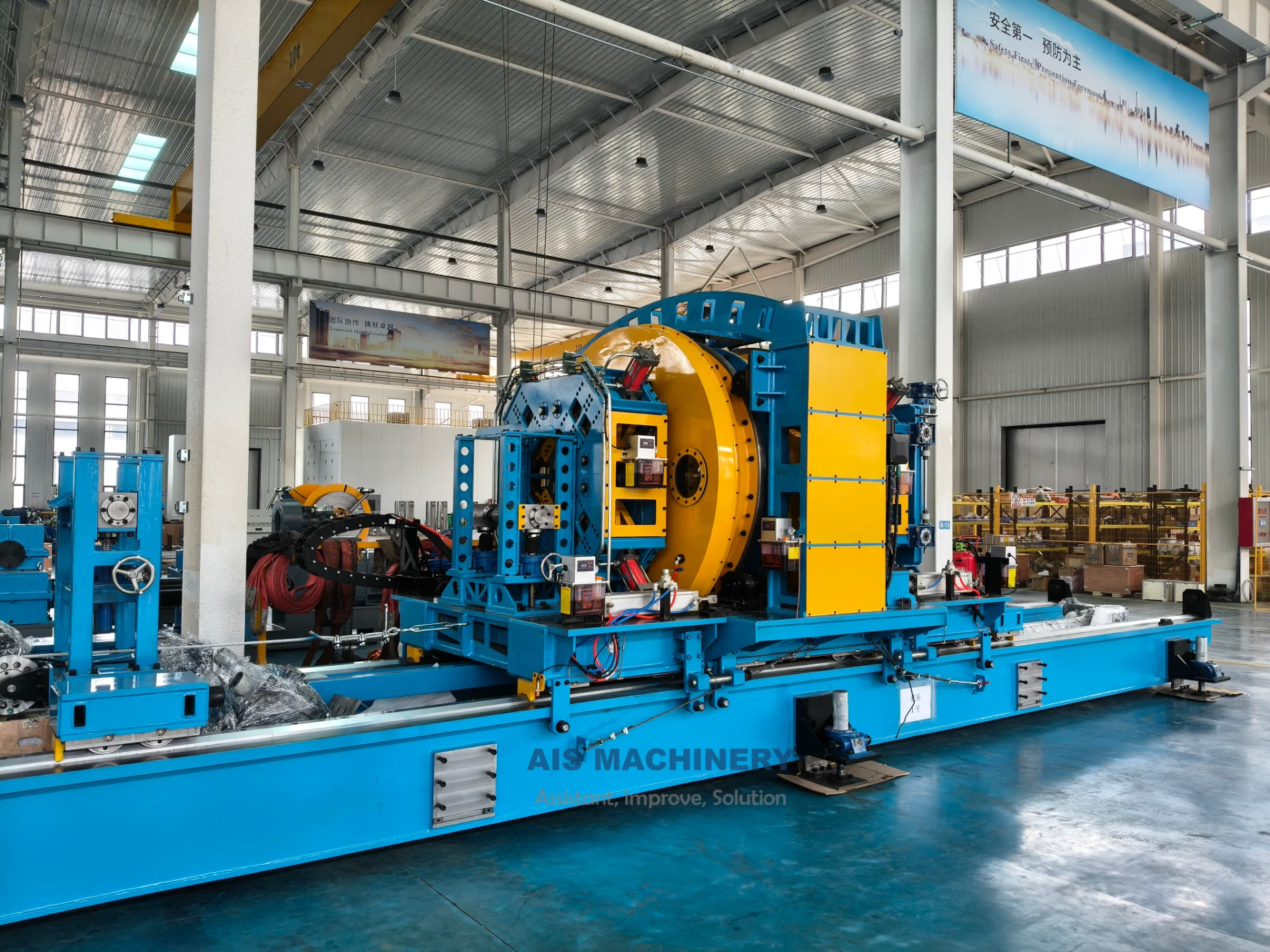
Looking for a flat bar production line? Learn how it turns steel coils into ready-to-use flat bars with precise length and high straightness. Compare it with slitting lines and get the best solution for your steel processing needs.
2026-04-14 00:00:00
Looking for a Milling Saw for ERW Tube Mill? Here’s What You Need to Know
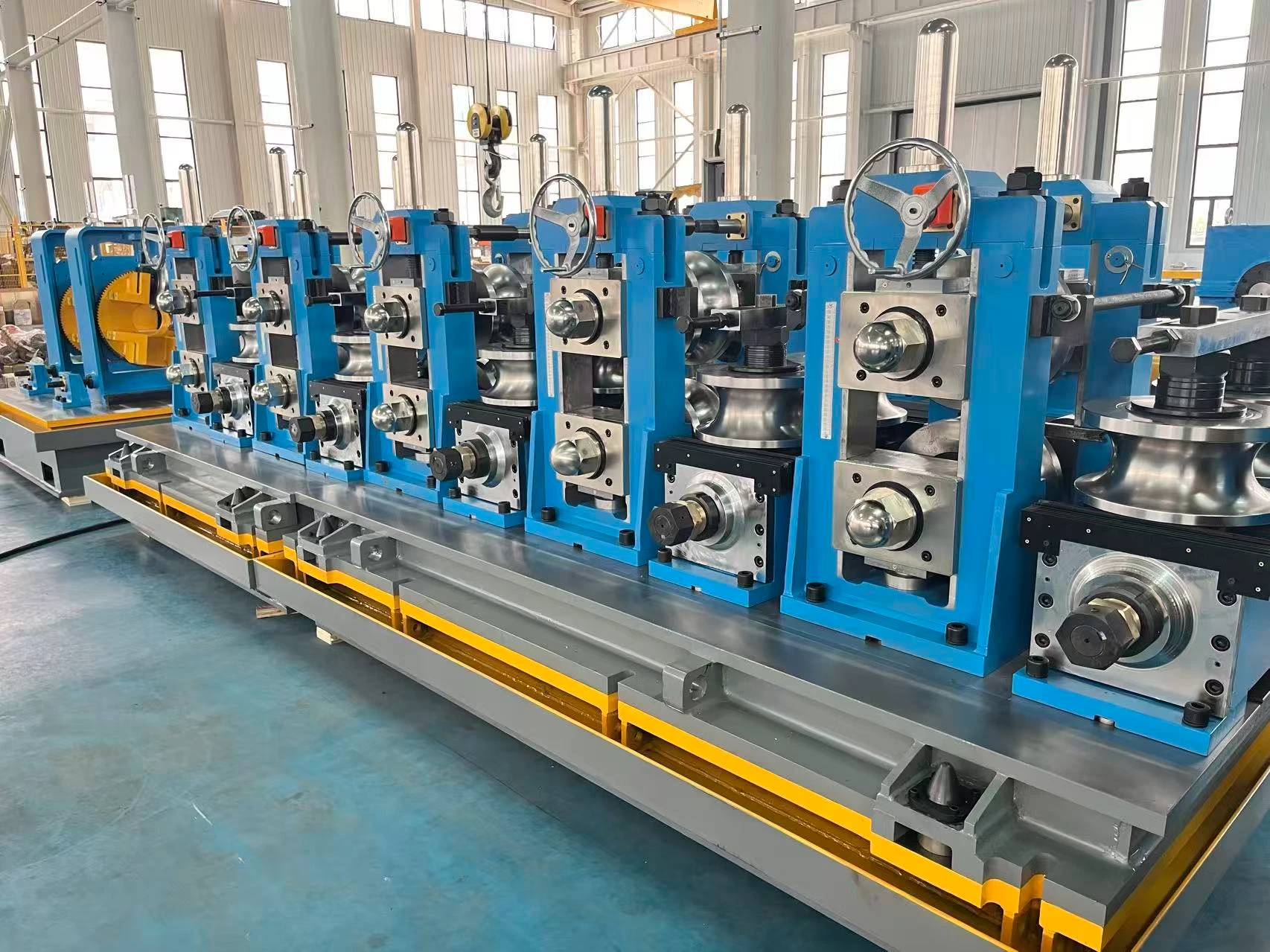
Looking for a high-performance milling saw for your ERW tube mill? Upgrade to burr-free, high-precision pipe cutting with advanced flying saw technology. Improve efficiency, reduce rework, and meet export standards for carbon steel, stainless steel, and API pipes. Contact us today for expert solutions and competitive pricing tailored to your production needs.
2026-04-09 16:15:19
5-Inch (127mm) ERW Tube Making Machine Delivered with Heavy-Duty Design and Advanced Quick Change System
Send a Message
Dear customer, thank you for your attention! We provide high-quality machinery and equipment and look forward to your orders. Please inform us of your needs and we will respond quickly!
 English
  Albanian
  Arabic
  French
  German
  Indonesian
  Italian
  Japanese
  Kazakh
  Korean
  Latin
Latin  Macedonian
  Portuguese
  Russian
  Spanish
  Thai
Thai  Turkish
  Ukrainian
  Uzbek
Uzbek