
-
 Tel:86-15176910262
-

Search

Tube Mill for Sale | Factory Direct ERW Lines In Stock
Oct . 27, 2025 14:00
Hunting for a tube mill for sale? Read this before you buy.
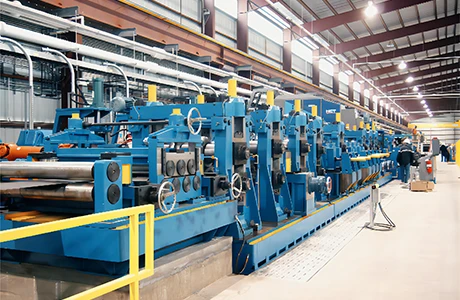
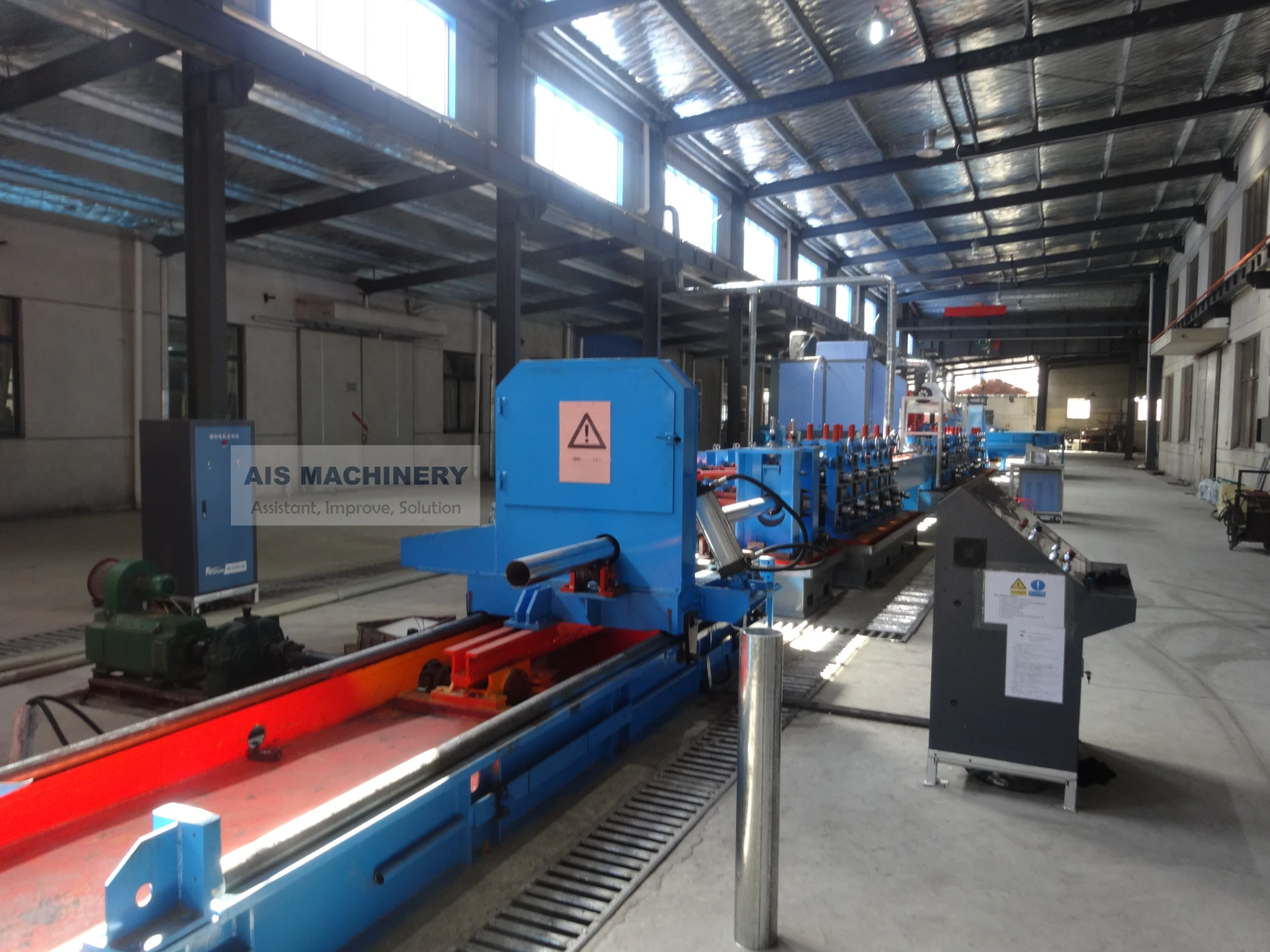
If you’re scanning the market for a tube mill for sale, here’s a field note from years of walking factory floors: your mill is only as fast as its front end. The unsung hero is the decoiler. A double-head unit eliminates line stops and keeps your forming, welding, and sizing sections fed without drama. Today I’m looking at a workhorse I’ve seen in action more than once—the Double Head Steel Coil Decoiler (4-ton) from Hebei, China—and how it fits into modern ERW production.
Why the double-head matters
In a typical ERW line, the bottleneck is coil changeover. A double-mandrel decoiler lets you prep the next coil while running the current one, then flip and weld in seconds. Many customers say changeovers drop from 6–8 minutes to ≈60–90 seconds. That translates to higher uptime—actually, in real-world audits we’ve seen 4–9% throughput gain on mid-speed lines.
Where it fits in the process
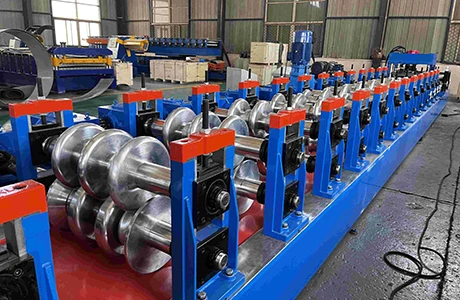
Process flow (simplified): coil loading → double-head decoiling → coil end shear & butt welding → accumulator → forming → HFI/ERW welding → scarfing → sizing → NDT (UT/ET) → cut-off → hydrostatic (where applicable) → packing. Materials range from low-carbon steel (ASTM A1011/A1018) to HSLA; occasional stainless runs are possible if the line is spec’d for it.
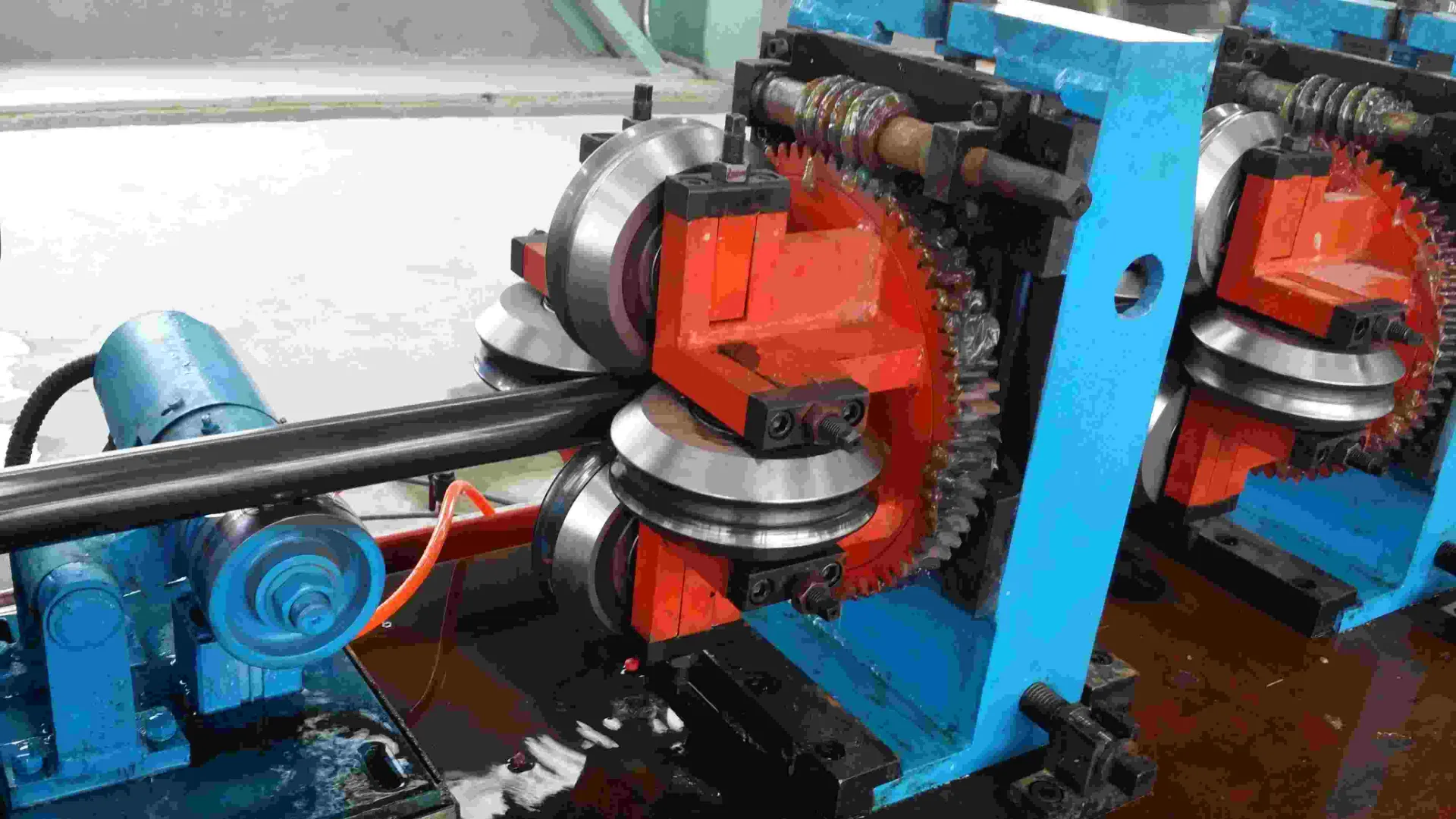
Product snapshot: Double Head Steel Coil Decoiler (4 Ton)
Origin: RM604 SHENXING BUILDING, XINHUA STREET, SHIJIAZHUANG CITY, HEBEI PROVINCE, CHINA CN, ZIP 050000. I visited the area once; not fancy, but the machinery I saw was solid, practical, and—surprisingly—quite serviceable.
| Spec | Typical Value (≈ / may vary) |
|---|---|
| Type | Double-mandrel, continuous decoiling |
| Load capacity | 4 t per mandrel (≈8 t total prepared) |
| Coil ID range | Ø 450–610 mm (customizable) |
| Max coil OD | ≈ Ø 1,500 mm |
| Strip width | 60–600 mm (line dependent) |
| Line speed integration | Up to 120 m/min typical ERW lines |
| Drive / control | AC motor + inverter, dancer/loop control |
| Service life | 10–15 years with PM (bearings/clutches wear parts) |
| Certifications | ISO 9001 factory; CE on request |
Testing and acceptance usually follow ISO 230/ANSI tooling checks for runout, and line trials include loop stability, strip tracking, and emergency braking. For tubing destined for ASTM A513 or EN 10219, NDT and dimensional checks occur downstream—but the decoiler’s constant feed reduces weld upset variability.
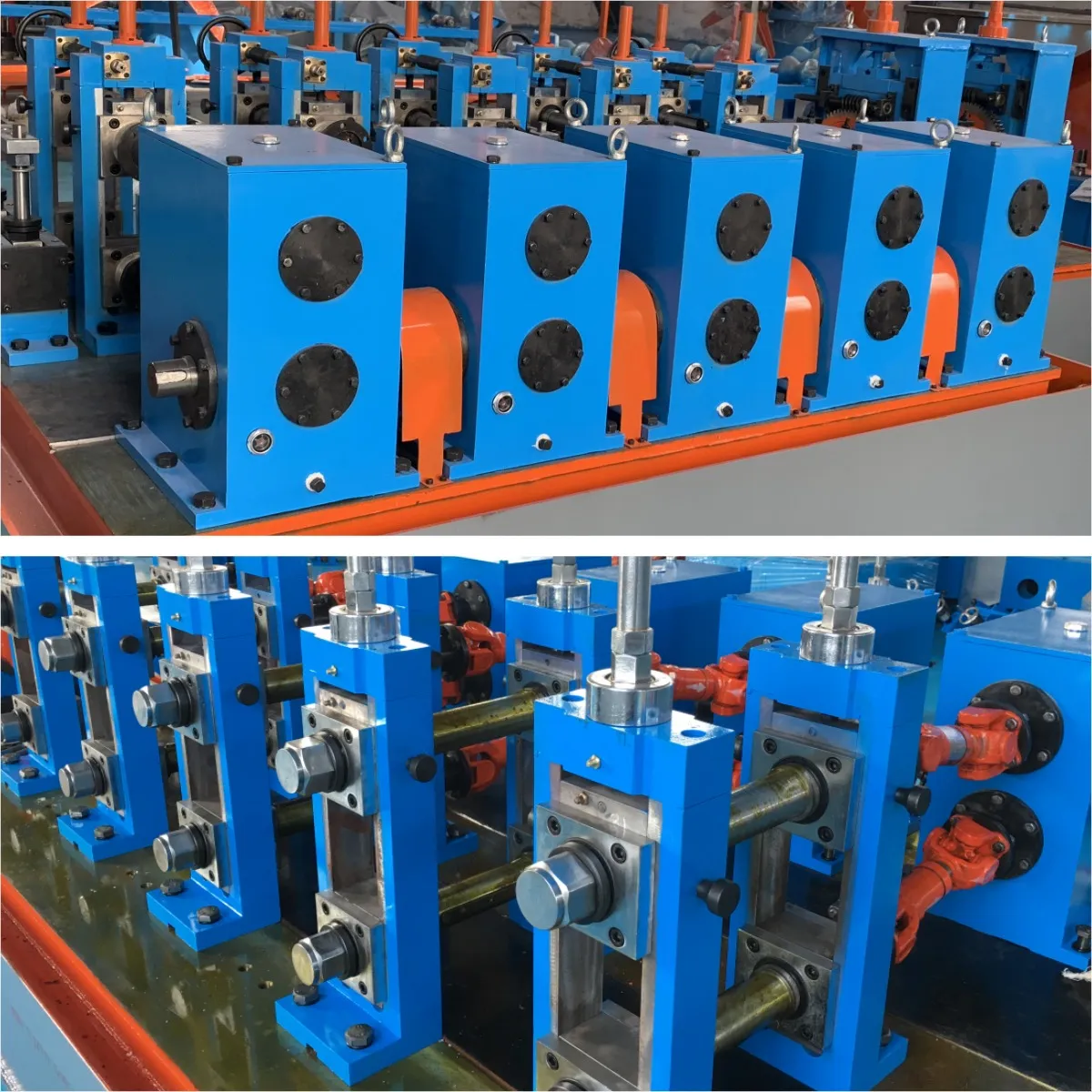
Who should consider this setup?
- ERW tube/pipe mills targeting ASTM A513, EN 10219, or API 5L (structural or light mechanical).
- Furniture, HVAC, racking, guardrail, and general fabrication shops aiming for higher uptime.
- Lines adding accumulators and butt welders to shift from batch to near-continuous runs.
Field data (indicative)
After switching to a double-head, one mid-size plant reported +6.2% OEE, scrap down ≈1.3%, and operators… less stressed. To be honest, that last part matters more than we admit.
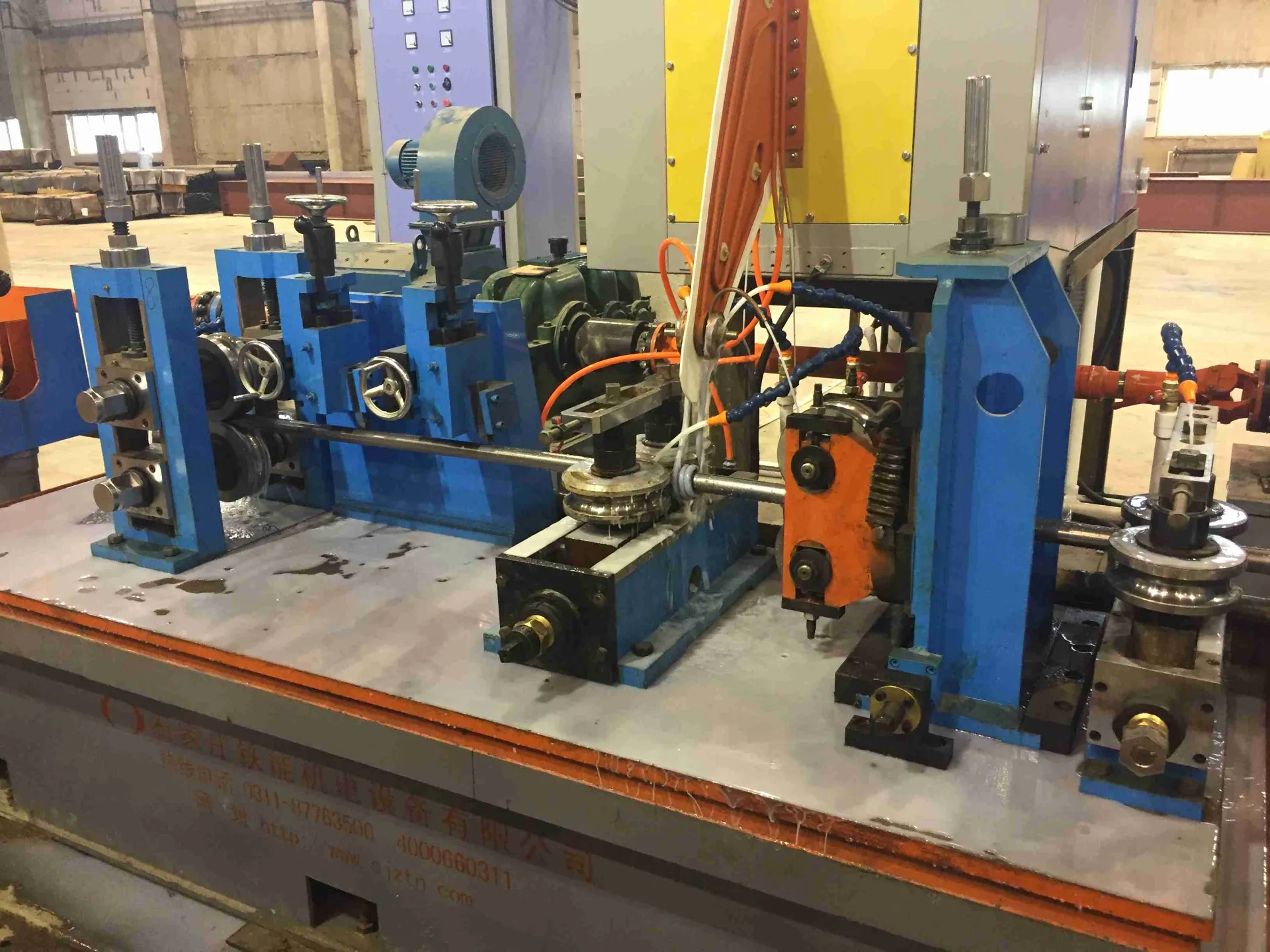
Vendor snapshot (quick comparison)
| Vendor | Key Feature | Certs | Lead Time | Support |
|---|---|---|---|---|
| Ais Tube Mill (Hebei) | Double-head 4 t; robust weld-prep integration | ISO 9001; CE optional | ≈6–10 weeks | Remote + on-site commissioning |
| Vendor B (EU) | High-spec drives; premium guarding | CE, ISO 9001 | ≈10–16 weeks | Strong EU network |
| Vendor C (India) | Cost-optimized, modular frames | ISO 9001 | ≈8–14 weeks | Hybrid (remote-first) |
Customization and add-ons
Options include hydraulic expansion, pneumatic hold-down arms, coil car, pit vs. overhead loop, safety PLCs, and quick-change mandrel sleeves. For buyers searching tube mill for sale, I’d match the decoiler to your strip width and accumulator style first, then finalize cut-off and NDT requirements (ASTM/EN/API).
Bottom line
If you want a tube mill for sale that doesn’t get hamstrung by coil changes, start the conversation with the decoiler. It’s not glamorous, but it’s the heartbeat that keeps production honest.
Citations

Related Products
Related News
2027-04-24 00:00:00
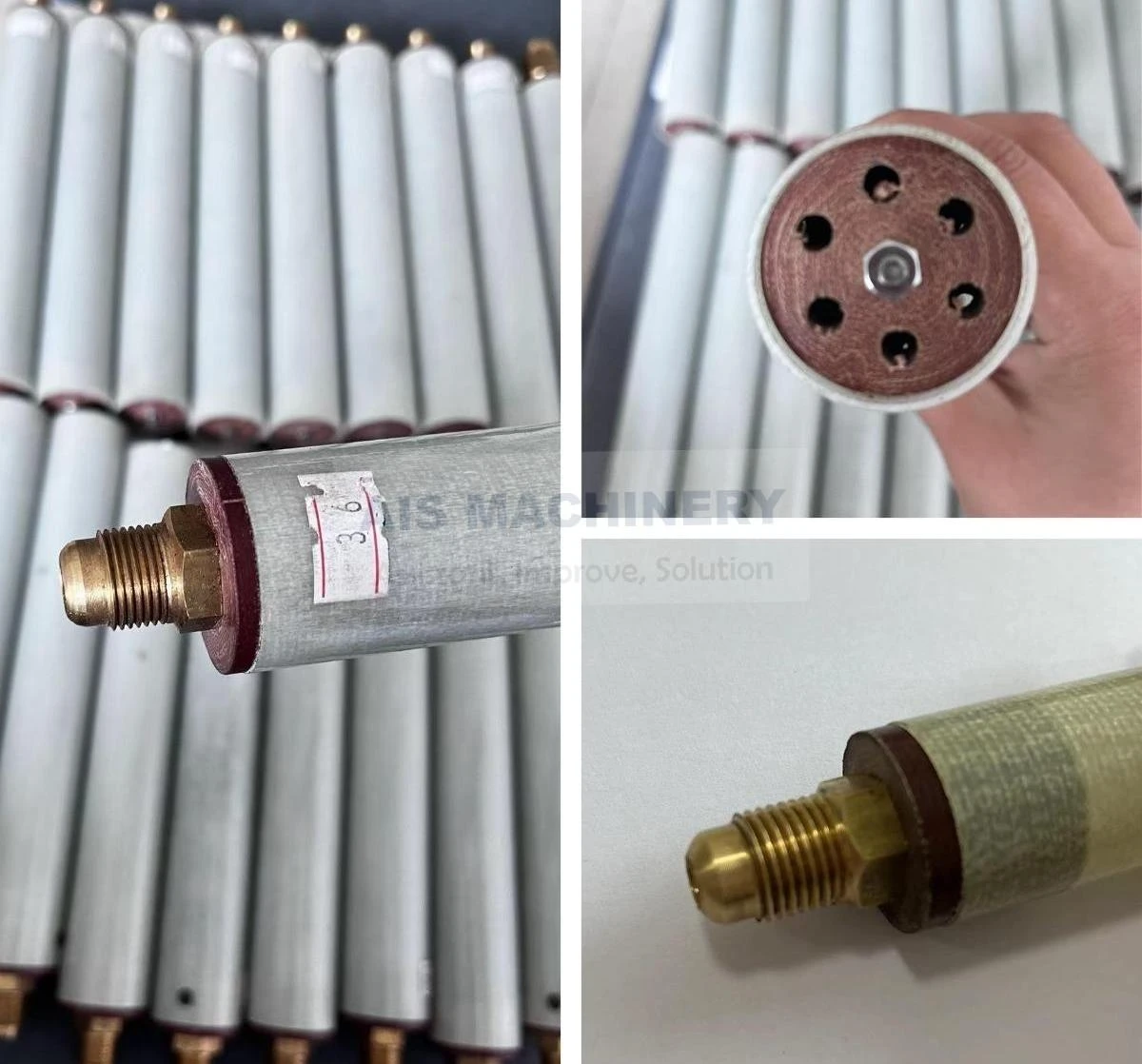
What is an Impeder and Ferrite Rods in ERW Tube Mill?
Struggling with impeder overheating or short service life in your ERW tube mill? This guide explains common impeder problems, the role of ferrite rods, and how to choose the right impeder for stable welding performance. Improve weld quality, reduce energy loss, and extend equipment lifespan with the right selection and proper cooling solutions.
2026-04-21 10:22:25
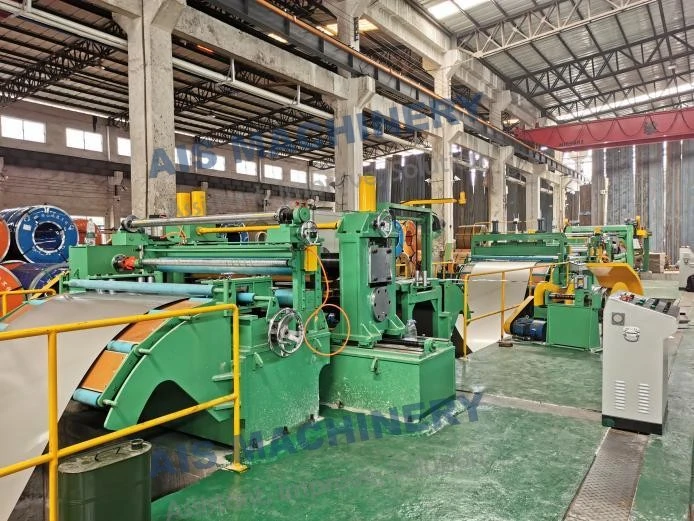
Slitting & Cut-to-Length Combined Production Line: A Smarter Way to Process Steel Coils
Discover the Slitting & Cut-to-Length Combined Production Line, a flexible solution for steel coil processing. This system integrates slitting line and cut-to-length line functions in one machine, saving space, reducing costs, and improving efficiency. Ideal for processing both steel strips and sheets, it is widely used in service centers and manufacturing industries. Learn its advantages, limitations, and applications.
2026-04-18 03:20:20
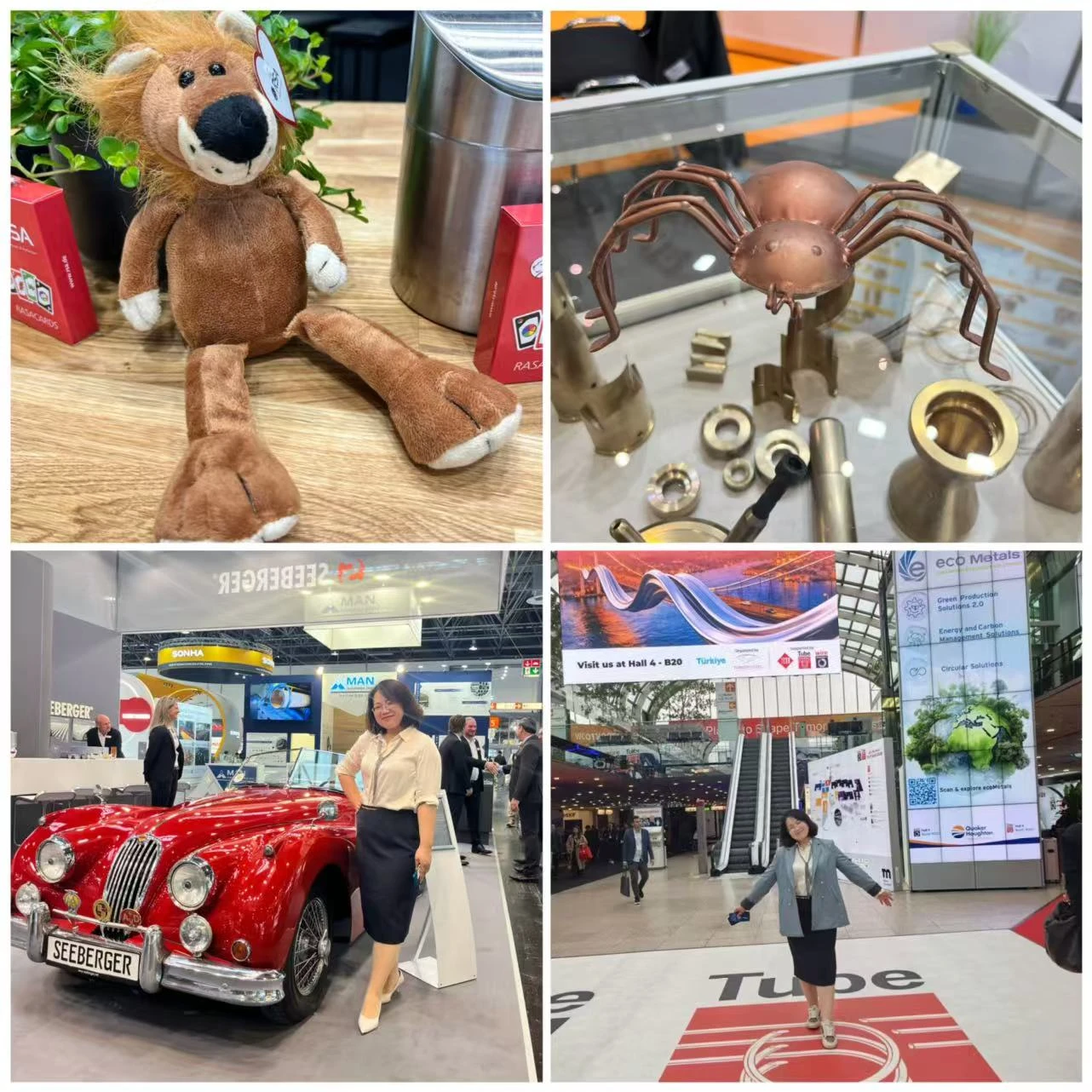
AIS Machinery Showcases Advanced Tube Solutions at Tube & Wire Düsseldorf 2026
Tube & Wire Düsseldorf 2026, one of the most influential exhibitions in the global tube and wire industry, held biennially in Düsseldorf, Germany
2026-04-17 00:00:00
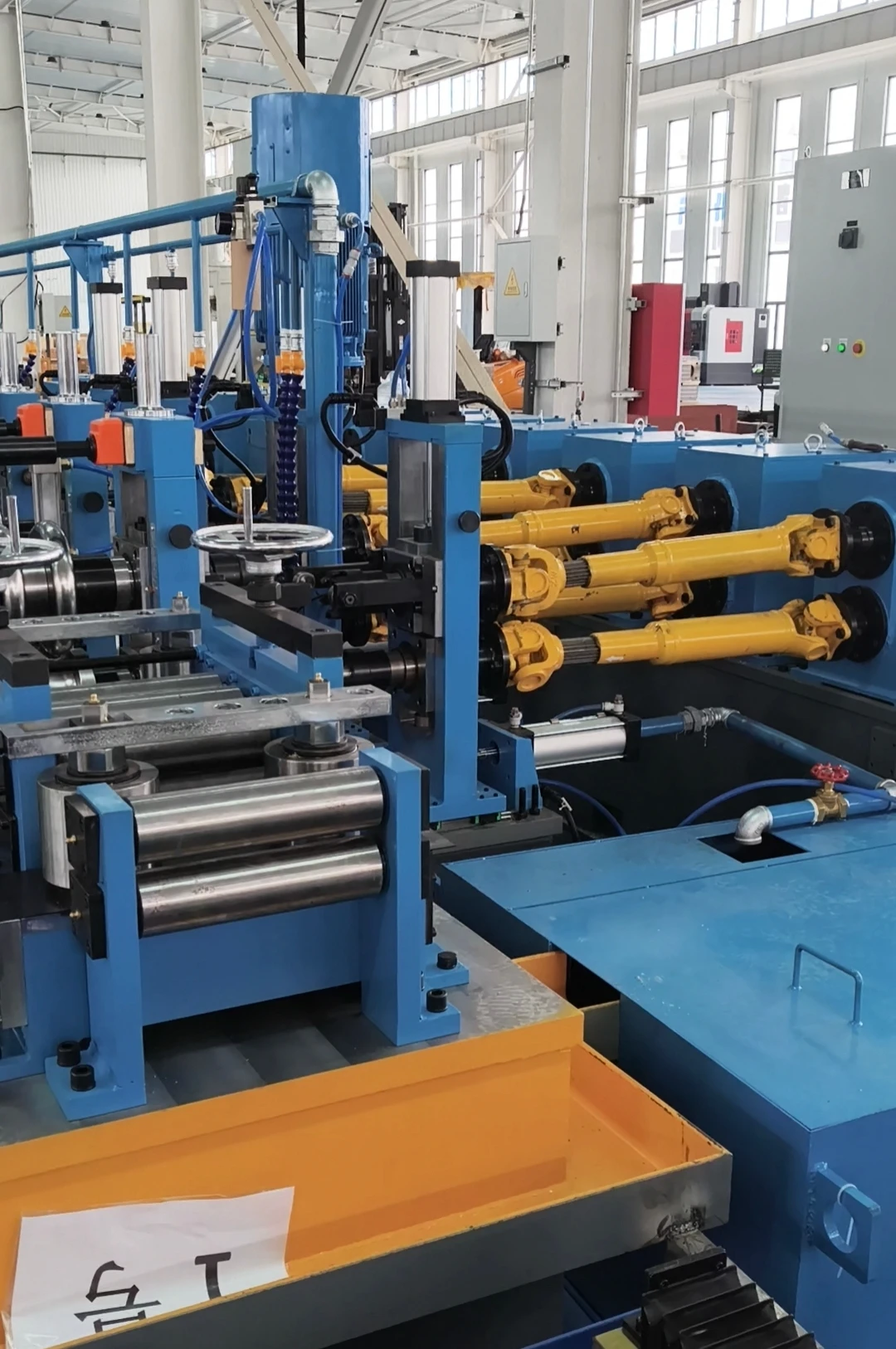
Southeast Asia Client Visits Our Factory | Customized Tube Mill Solution Delivered
A Southeast Asia client visited our ERW tube mill factory to inspect production lines and discuss a customized tube mill solution. Impressed by our machine quality, welding performance, and engineering support, the client confirmed strong cooperation intentions. Discover how our ERW tube mill solutions improve efficiency, precision, and long-term production reliability.
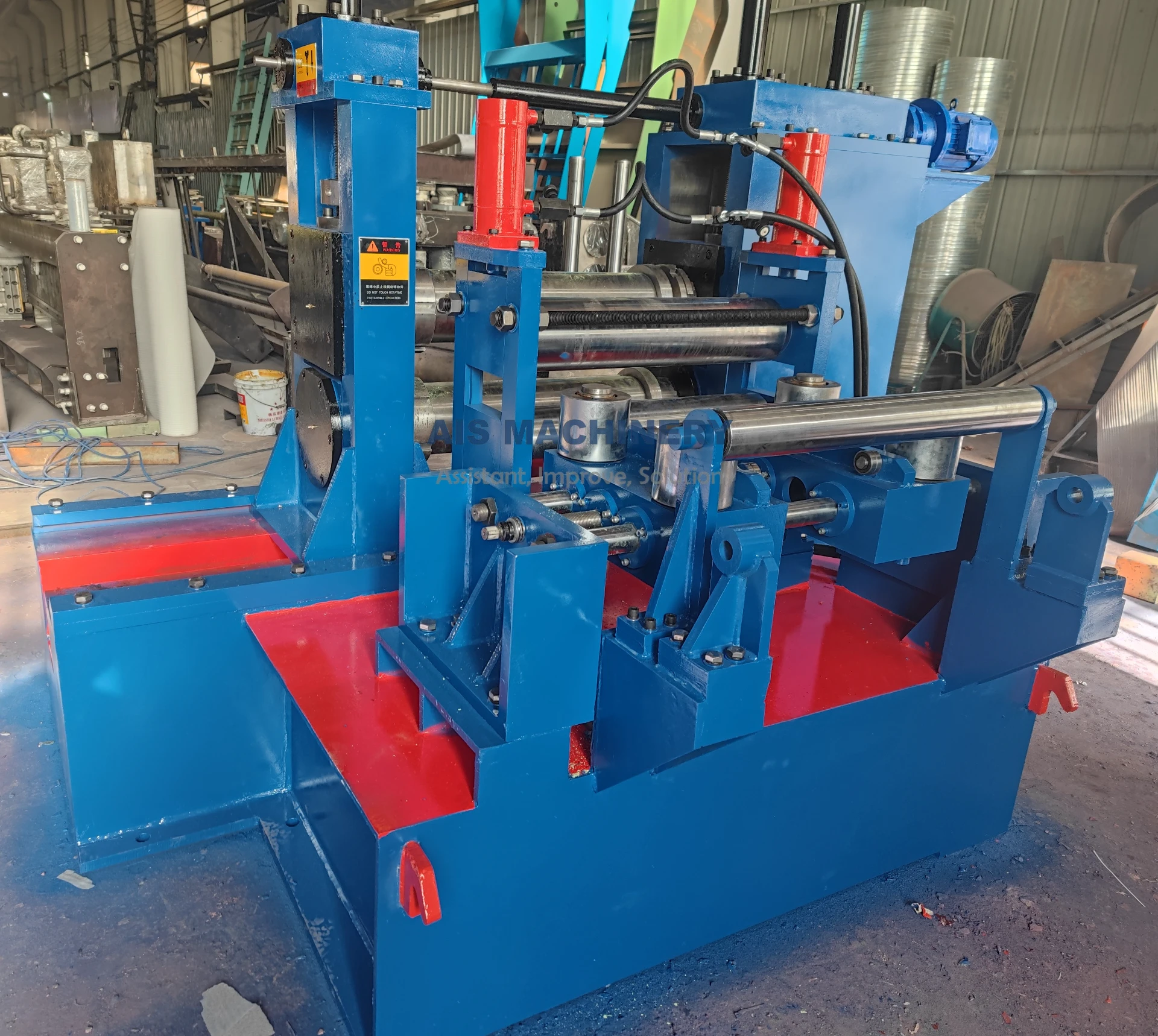
2026-04-15 10:37:55
Flat Bar Production Line for Steel Coils: How It Works & Why It Matters
Looking for a flat bar production line? Learn how it turns steel coils into ready-to-use flat bars with precise length and high straightness. Compare it with slitting lines and get the best solution for your steel processing needs.
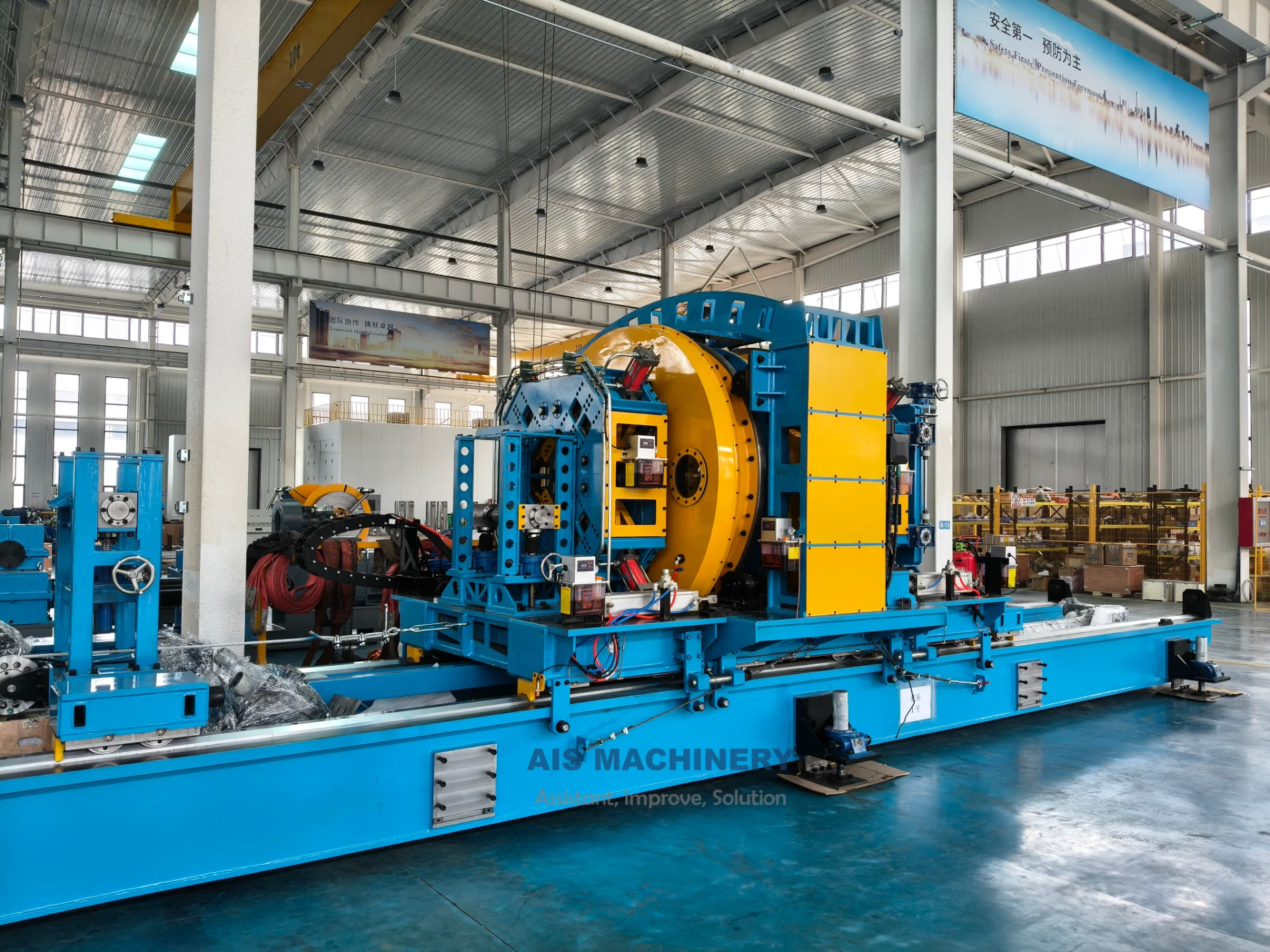
2026-04-14 00:00:00
Looking for a Milling Saw for ERW Tube Mill? Here’s What You Need to Know
Looking for a high-performance milling saw for your ERW tube mill? Upgrade to burr-free, high-precision pipe cutting with advanced flying saw technology. Improve efficiency, reduce rework, and meet export standards for carbon steel, stainless steel, and API pipes. Contact us today for expert solutions and competitive pricing tailored to your production needs.
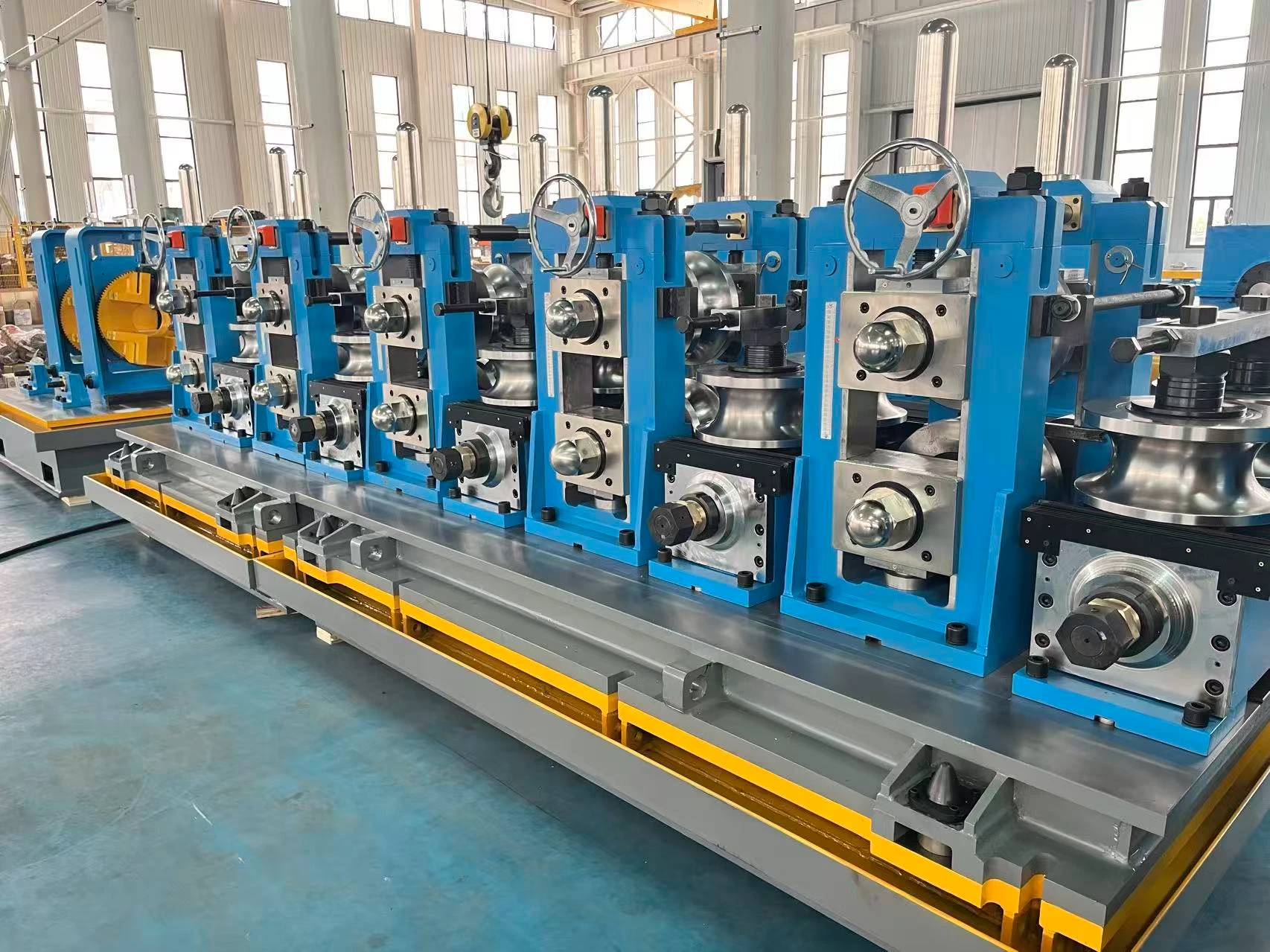
2026-04-09 16:15:19
5-Inch (127mm) ERW Tube Making Machine Delivered with Heavy-Duty Design and Advanced Quick Change System
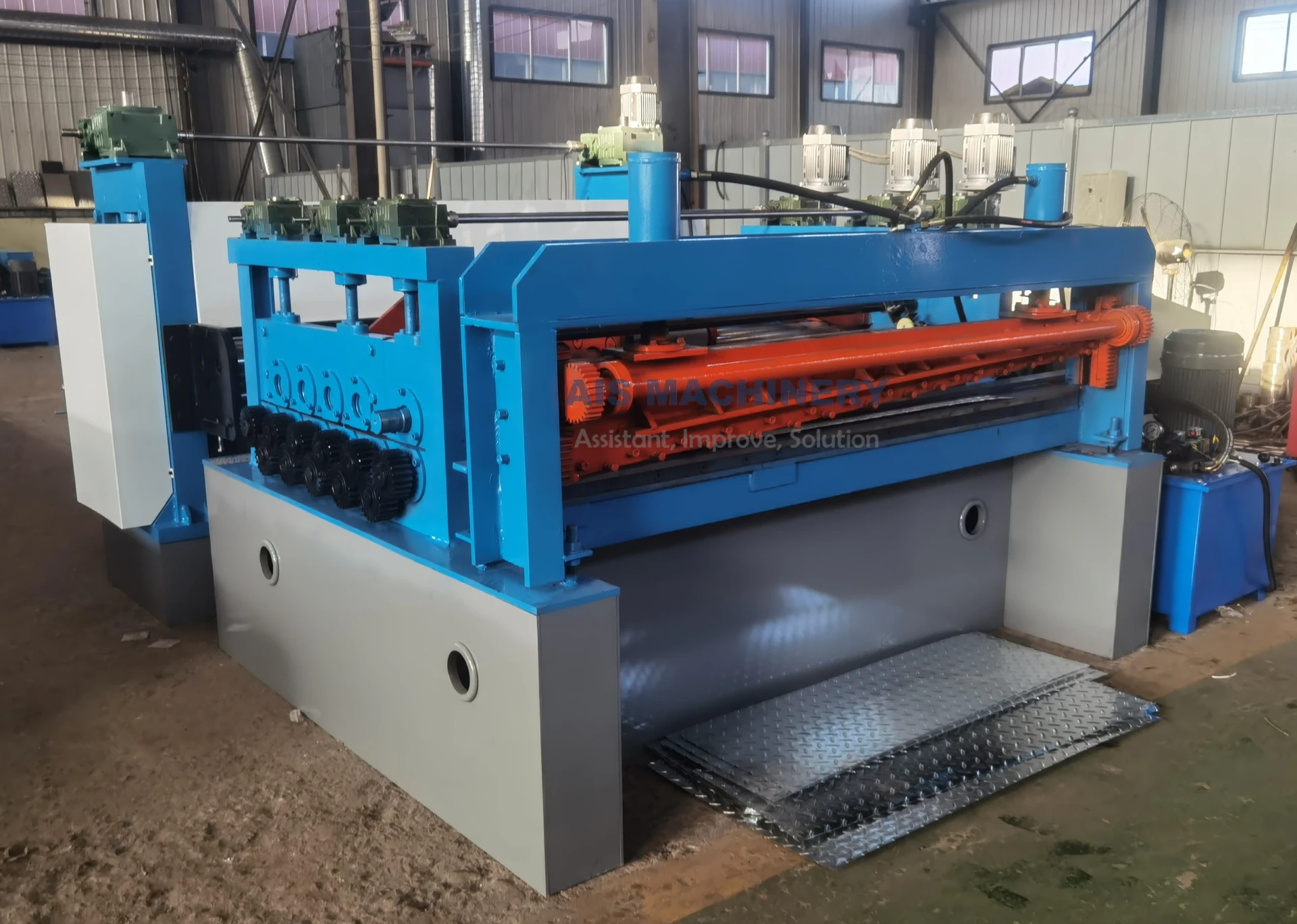
2027-04-07 00:00:00
Metal Embossing Machine: Turn Flat Sheets into High-Value Textured Products
Discover how a metal embossing machine transforms flat steel, stainless steel, and aluminum sheets into high-value textured products. Learn about its working principle, key components, and applications. Ideal for decorative and industrial use, embossing machines improve both appearance and performance. Explore complete embossing line solutions and find the right machine for your production needs.
Send a Message
Dear customer, thank you for your attention! We provide high-quality machinery and equipment and look forward to your orders. Please inform us of your needs and we will respond quickly!
 English
  Albanian
  Arabic
  French
  German
  Indonesian
  Italian
  Japanese
  Kazakh
  Korean
  Latin
Latin  Macedonian
  Portuguese
  Russian
  Spanish
  Thai
Thai  Turkish
  Ukrainian
  Uzbek
Uzbek