
-
 Tel:86-15176910262
-

Search

Roll Forming Tube Mill | Precision, Speed, Reliability
Oct . 27, 2025 16:40
DFT1200 Direct Square-to-Square Pipe Mill: a field note from the shop floor
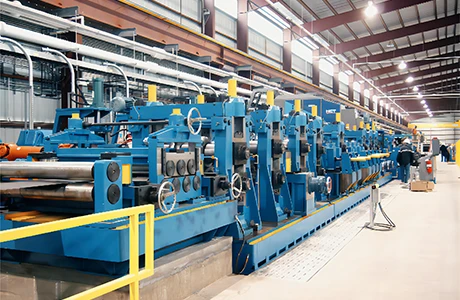
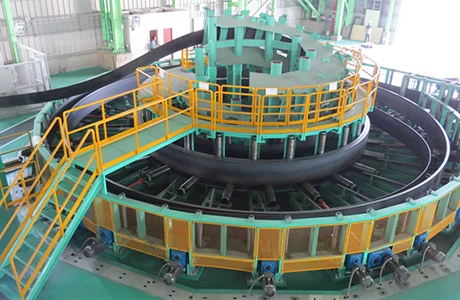
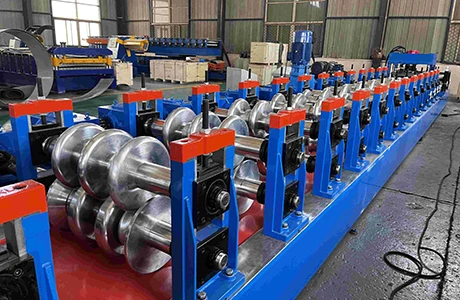
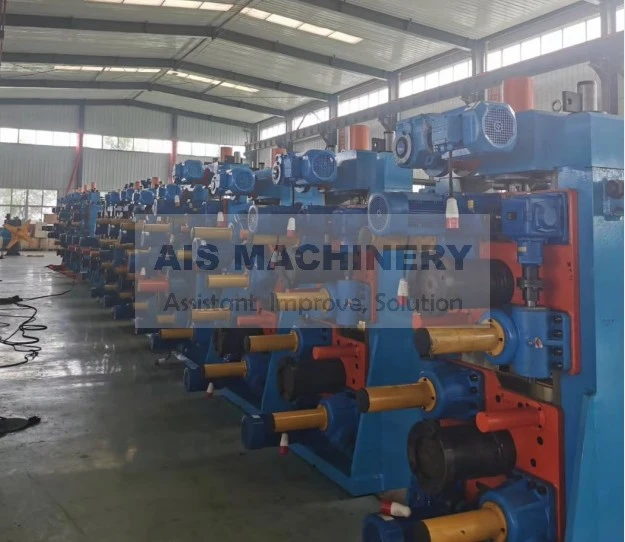
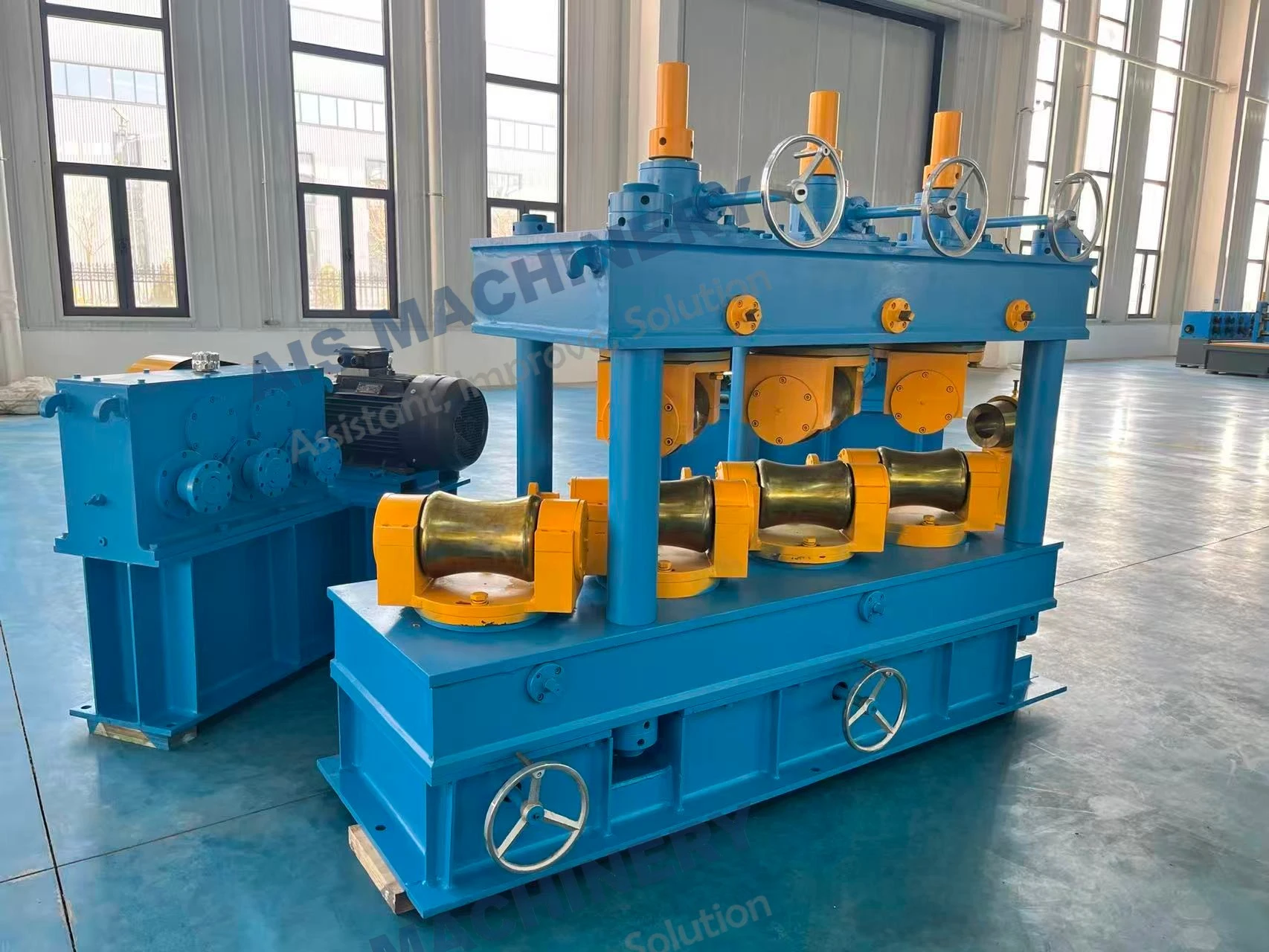
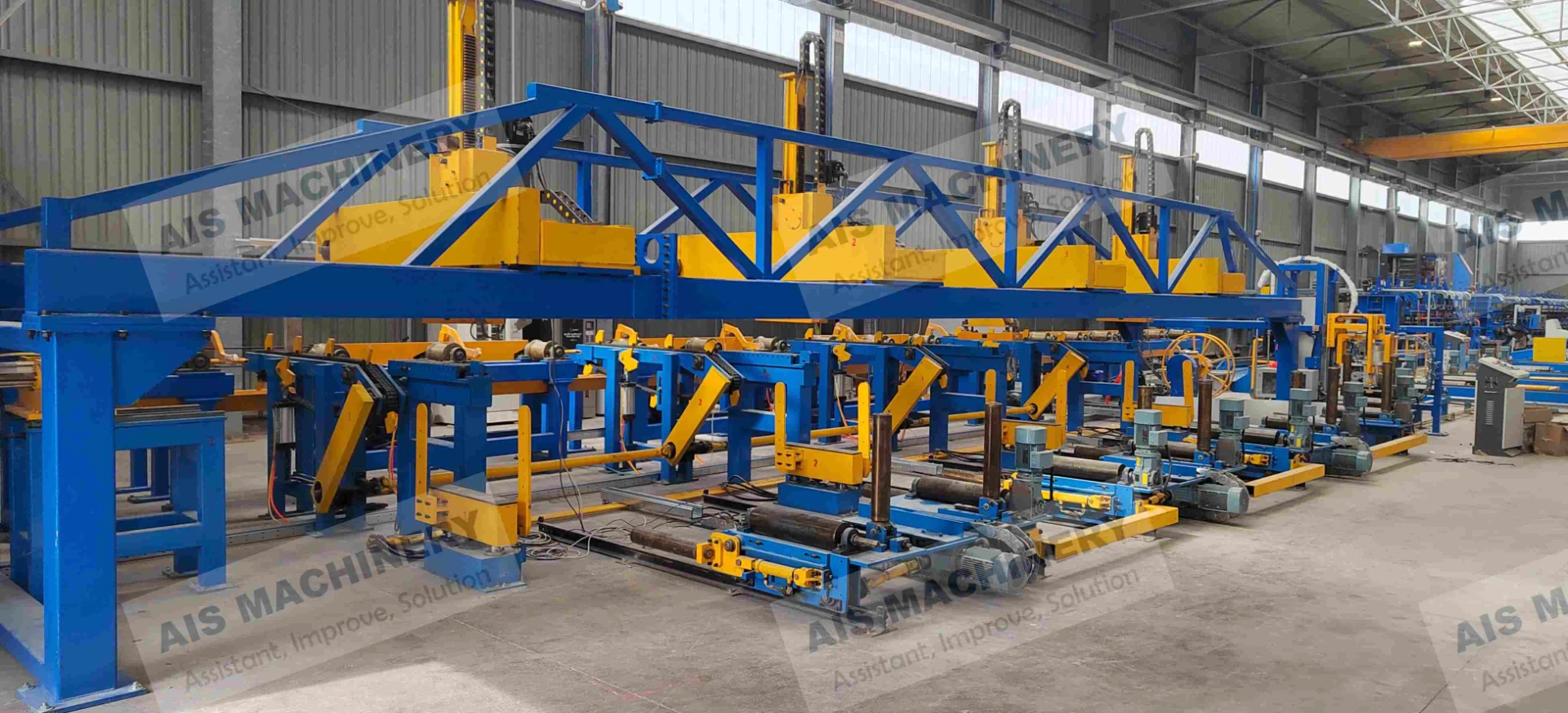
If you’ve been tracking heavy-section tube lines, you’ve seen the shift: fewer roll changes, smarter drives, and a gentle obsession with squareness. A modern Roll Forming Tube Mill isn’t just about speed anymore; it’s about repeatability with less tooling drama. The DFT1200 (300x300 mm) sits right in that pocket.
Why this line is getting attention
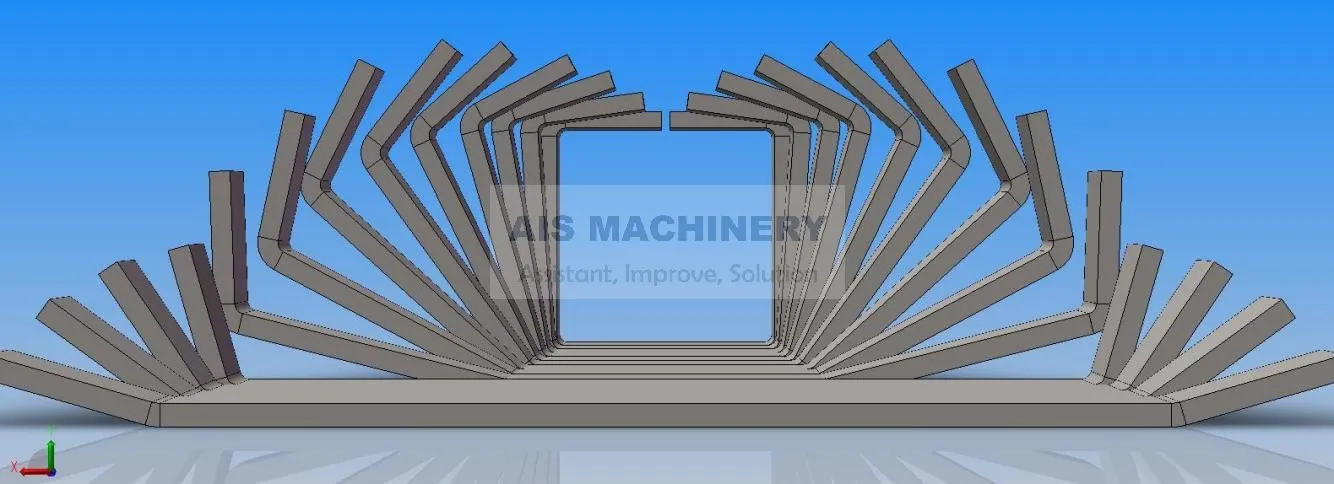
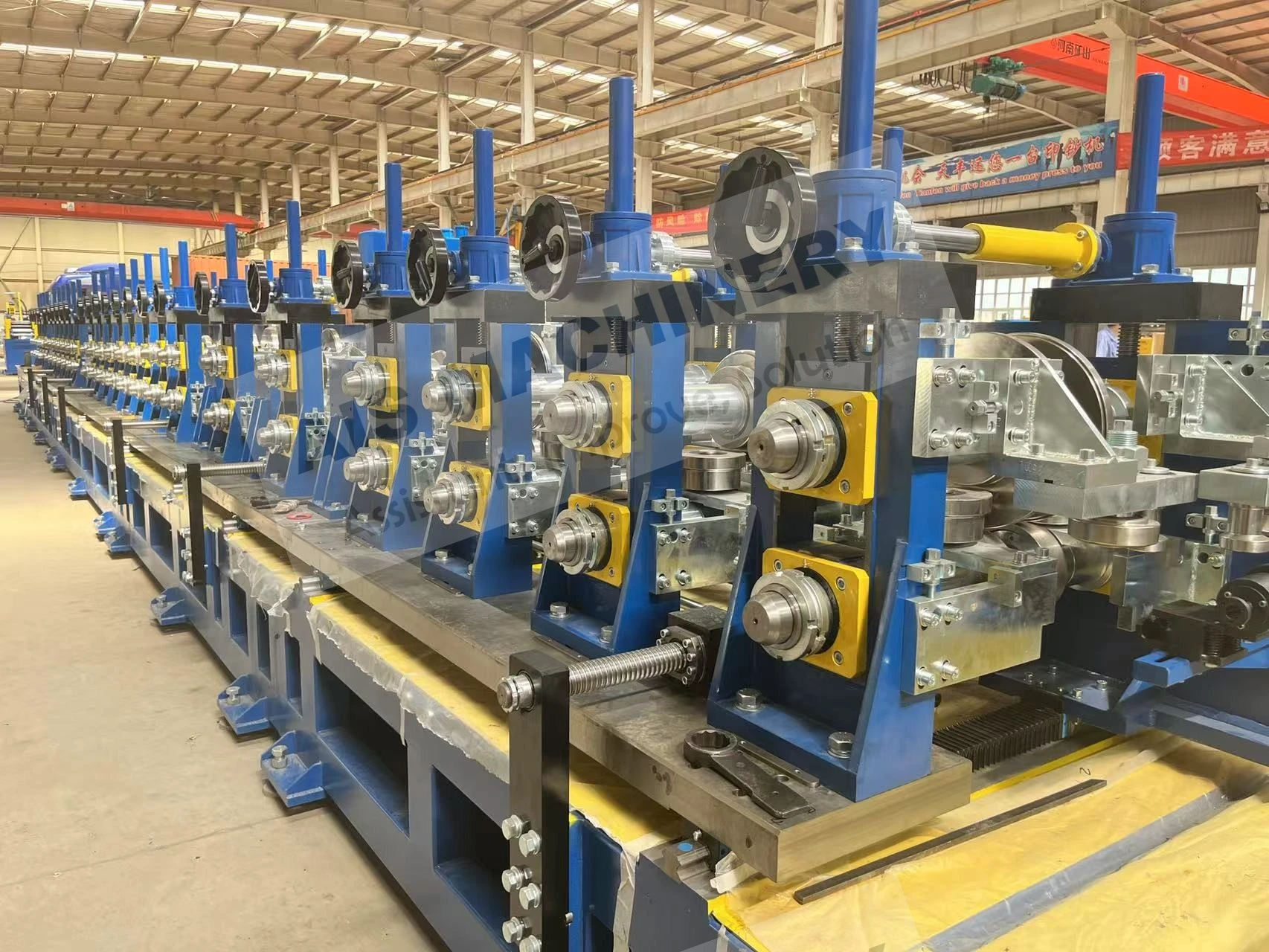
Directly square forming (no round-to-square detour) means one set of toolings covers 150×150 up to 300×300 mm. In practice, that cuts changeover hours and, honestly, arguments on the floor. Many customers say the “press-a-button” auto-adjust wins them over on day one.
Key specifications (DFT1200)
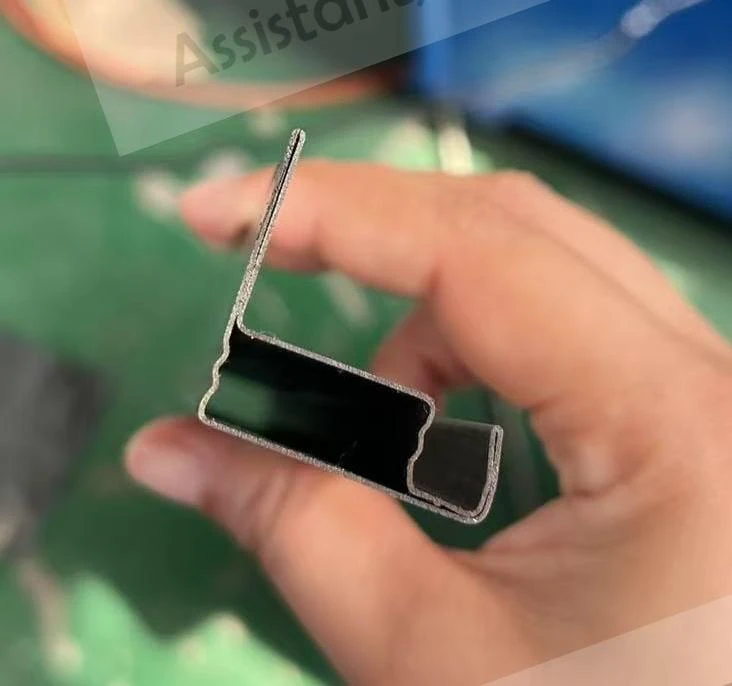
| Section Range | 150×150 to 300×300 mm (square); rectangles within similar envelope |
| Wall Thickness | ≈4.0–16.0 mm (real-world use may vary with grade) |
| Line Speed | ≈20–60 m/min, depending on size/grade and weld power |
| Forming Method | Direct square-to-square forming with automatic tooling adjustment |
| Welding | High-frequency (HF) welding, with inside/outside scarfing |
| Tolerances (typ.) | Diagonal difference ≤0.8 mm; straightness ≤1.5 mm/6 m; burr height controlled |
Process flow, materials, and standards
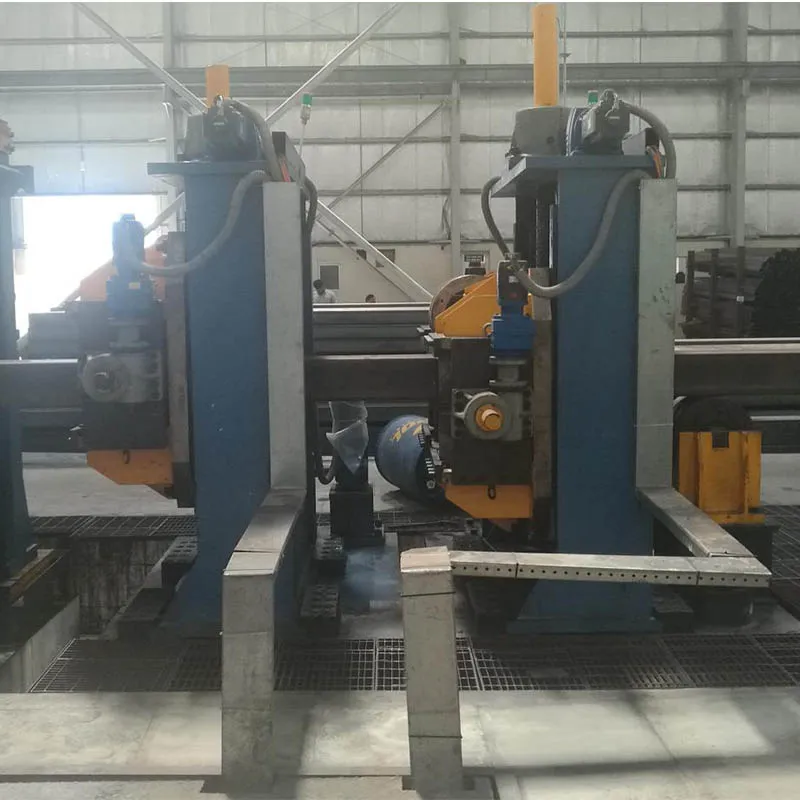
Typical flow: Decoiler → Leveling → Shear & end welder → Accumulator → Forming → HF welding → Bead scarfing → Sizing → Straightening → NDT (eddy current/UT) → Flying saw → Run-out → Packing.
Materials: carbon steels for structural tubes (e.g., ASTM A500 Gr. B/C, EN 10219 S355). Roll tooling usually SKD11/D2 or Cr12MoV (HRC 58–62); I’ve seen customers opt for coated passes on abrasive grades.
Testing and compliance: dimensional checks per ASTM A500/EN 10219, weld integrity via eddy current or UT, mechanical tests (YS/UTS/elong.). Quality systems typically align to ISO 9001; CE safety for the line is common.
- Sample FAT data (one 250×250×10 mm run): squareness 0.6 mm; straightness 1.2 mm/6 m; weld bond free of LF defects at 20 m/min.
- Service life: core stands and gearboxes ≈10–15 years with scheduled maintenance; tooling life depends on grade mix and lube discipline.
Where it’s used
Construction columns and braces, racking systems, solar trackers, heavy equipment frames, shipyard fixtures—wherever square/rectangular sections are king. In fact, some OEMs now standardize on Roll Forming Tube Mill lines with direct forming to avoid round-to-square marking.
Customization options
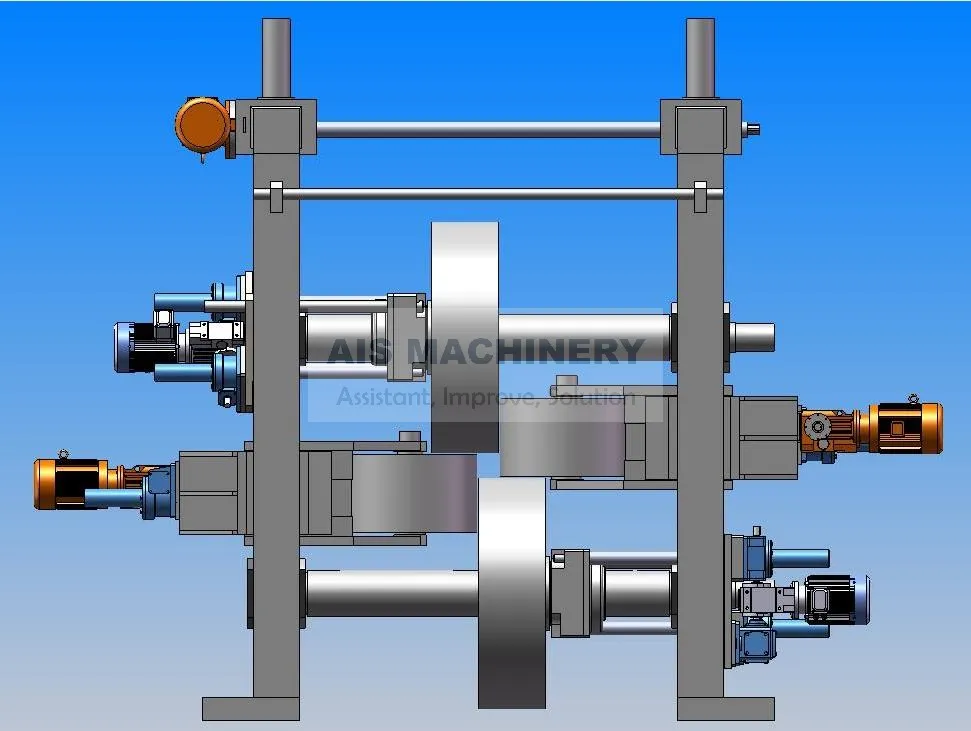
Automatic tool set recall, motorized stands, quick-release side rolls, alloy/tooling upgrades, digital thickness control, inline marking, and remote diagnostics. I guess the remote support has saved more night shifts than we admit.
Vendor snapshot (real-world, inevitably simplified)
| Vendor | Direct Square Tech | Changeover | Support | Notes |
|---|---|---|---|---|
| DFT1200 (China) | Yes, single tooling set | Auto adjust; minutes not hours | Remote + on-site | Value-forward, proven on 300×300 |
| Global Brand A | Available on premium tiers | Semi-auto; quick for small moves | Global service net | Higher capex; strong analytics |
| Regional OEM B | Sometimes retrofit only | Manual to semi-auto | Regional | Lower cost; watch tolerances |
Mini case study and feedback
A Southeast Asian rack fabricator swapped a conventional round-then-square line for a Roll Forming Tube Mill with direct forming. Changeovers went from ≈3.5 hours to under 40 minutes, scrap dipped by ~1.2%, and squareness improved enough to eliminate a downstream shim step. Their plant manager told me, “Surprisingly, the biggest win was morale—operators stopped fighting the setup.”
Compliance, origin, and logistics
Certifications typically include ISO 9001 and CE marking. Origin: RM604 SHENXING BUILDING, XINHUA STREET, SHIJIAZHUANG CITY, HEBEI PROVINCE, CHINA CN, ZIP 050000. Shipment is usually break-bulk or containers; commissioning includes welding parameter validation and safety training.
What’s the takeaway?
If you’re scaling square/rectangular profiles, direct forming with auto tooling adjustment isn’t a luxury now—it’s the baseline. The DFT1200 leans into that, with sane tolerances and service life that, with decent PM, makes the accountant happy.
References

Related Products

Related News
2027-04-24 00:00:00
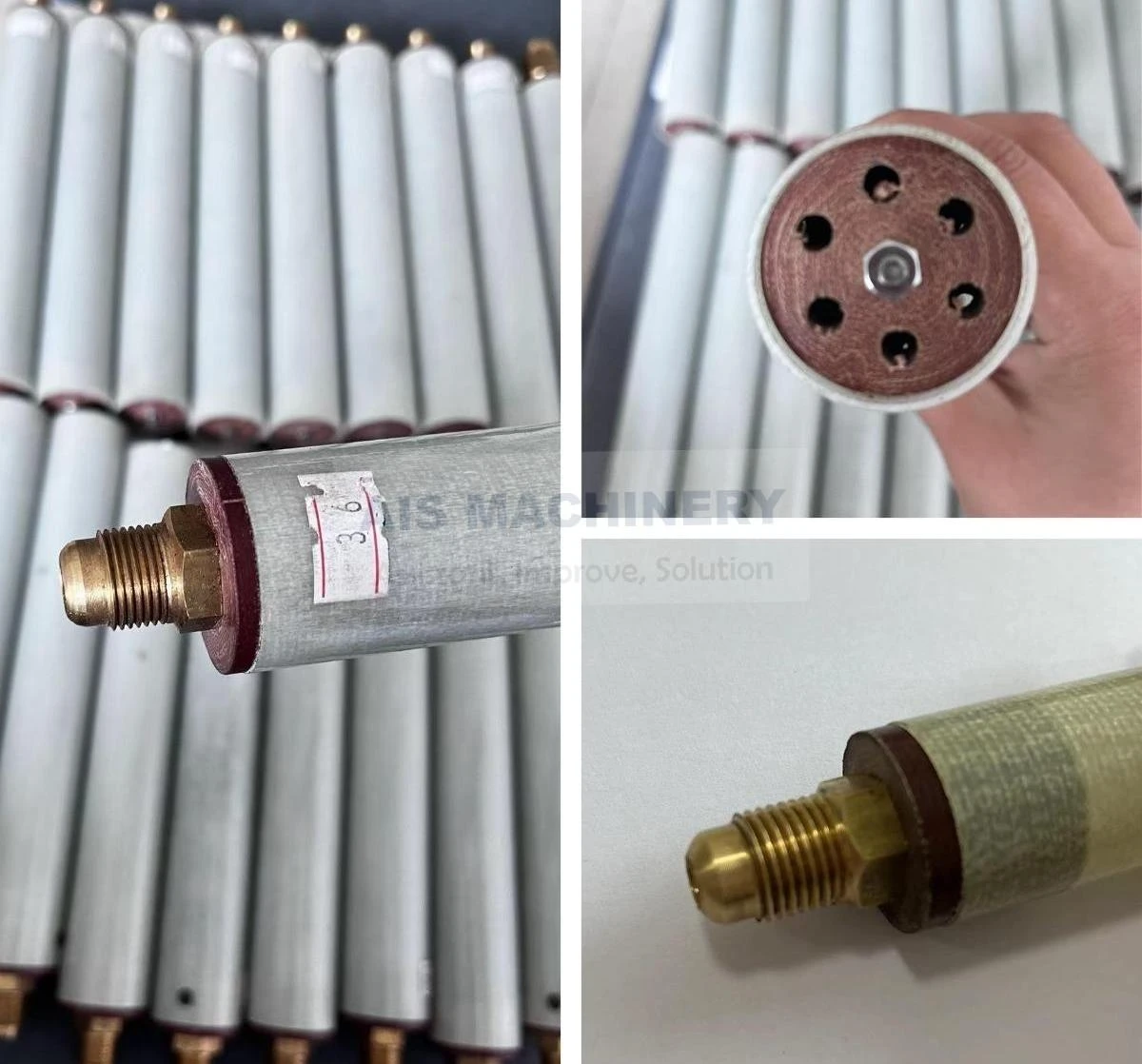
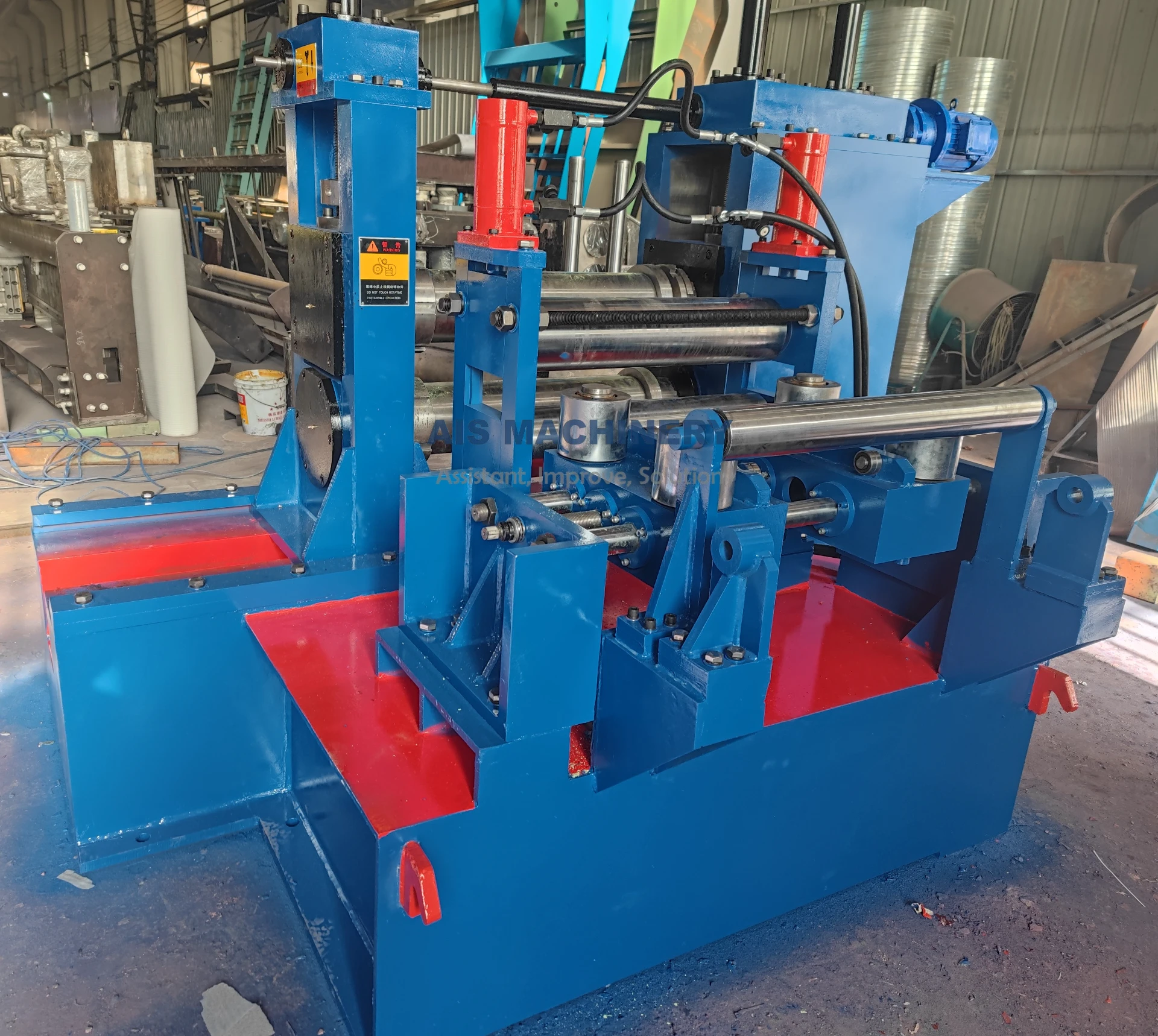
What is an Impeder and Ferrite Rods in ERW Tube Mill?
Struggling with impeder overheating or short service life in your ERW tube mill? This guide explains common impeder problems, the role of ferrite rods, and how to choose the right impeder for stable welding performance. Improve weld quality, reduce energy loss, and extend equipment lifespan with the right selection and proper cooling solutions.
2026-04-21 10:22:25
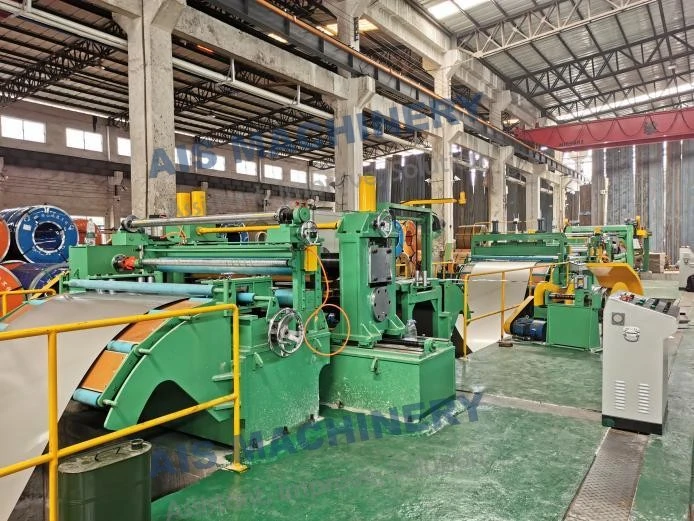
Slitting & Cut-to-Length Combined Production Line: A Smarter Way to Process Steel Coils
Discover the Slitting & Cut-to-Length Combined Production Line, a flexible solution for steel coil processing. This system integrates slitting line and cut-to-length line functions in one machine, saving space, reducing costs, and improving efficiency. Ideal for processing both steel strips and sheets, it is widely used in service centers and manufacturing industries. Learn its advantages, limitations, and applications.
2026-04-18 03:20:20
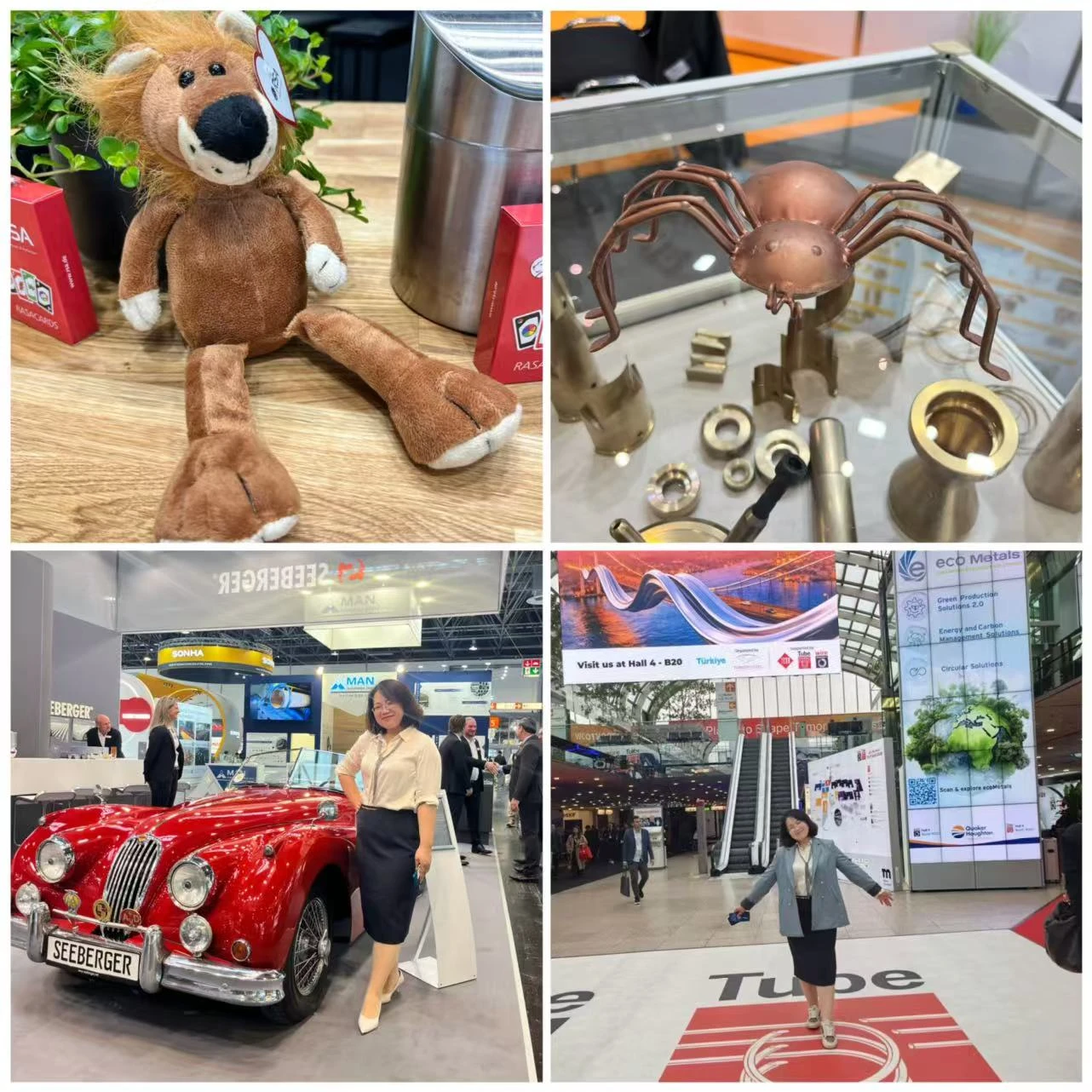
AIS Machinery Showcases Advanced Tube Solutions at Tube & Wire Düsseldorf 2026
Tube & Wire Düsseldorf 2026, one of the most influential exhibitions in the global tube and wire industry, held biennially in Düsseldorf, Germany
2026-04-17 00:00:00
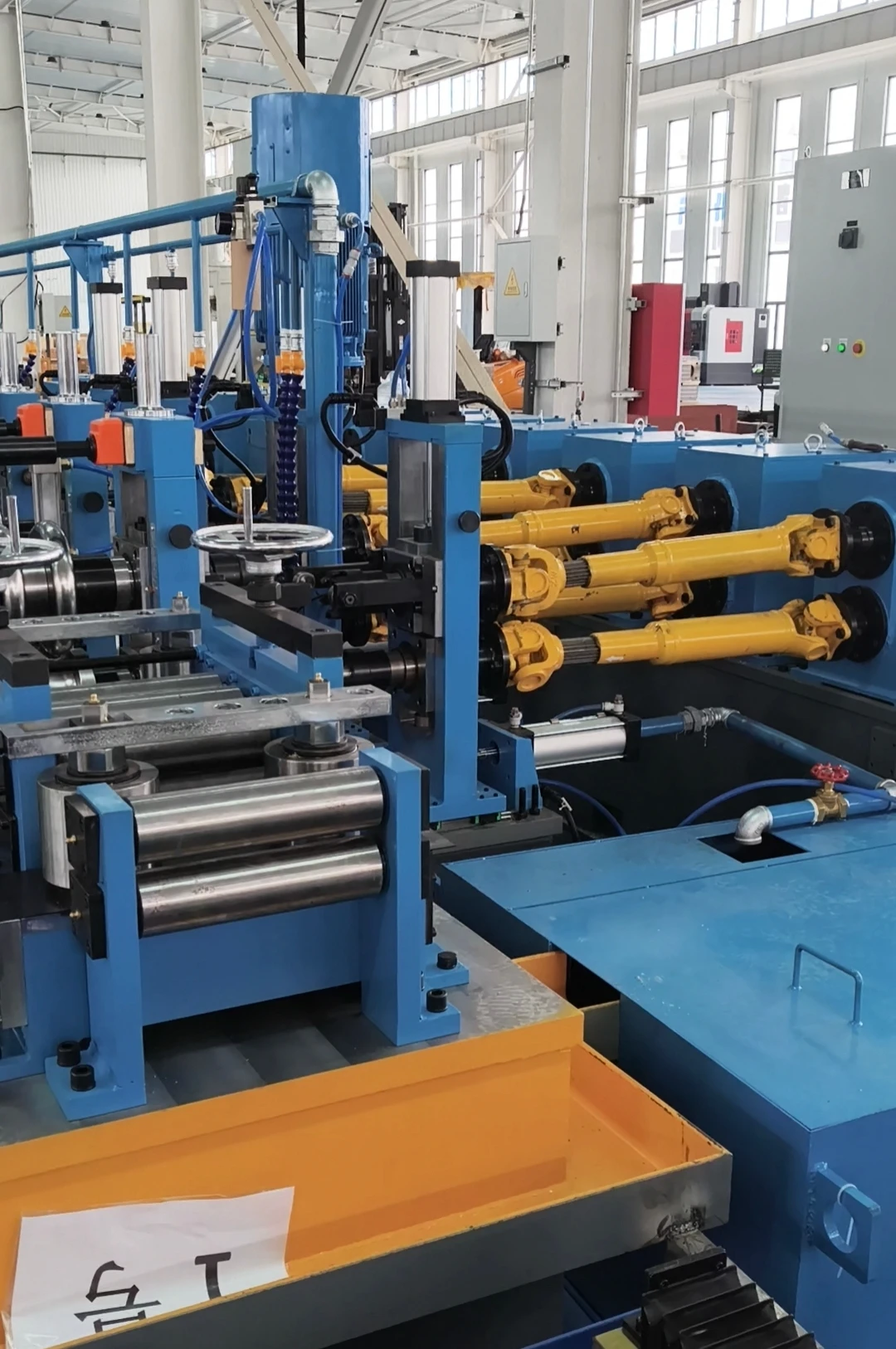
Southeast Asia Client Visits Our Factory | Customized Tube Mill Solution Delivered
A Southeast Asia client visited our ERW tube mill factory to inspect production lines and discuss a customized tube mill solution. Impressed by our machine quality, welding performance, and engineering support, the client confirmed strong cooperation intentions. Discover how our ERW tube mill solutions improve efficiency, precision, and long-term production reliability.
2026-04-15 10:37:55
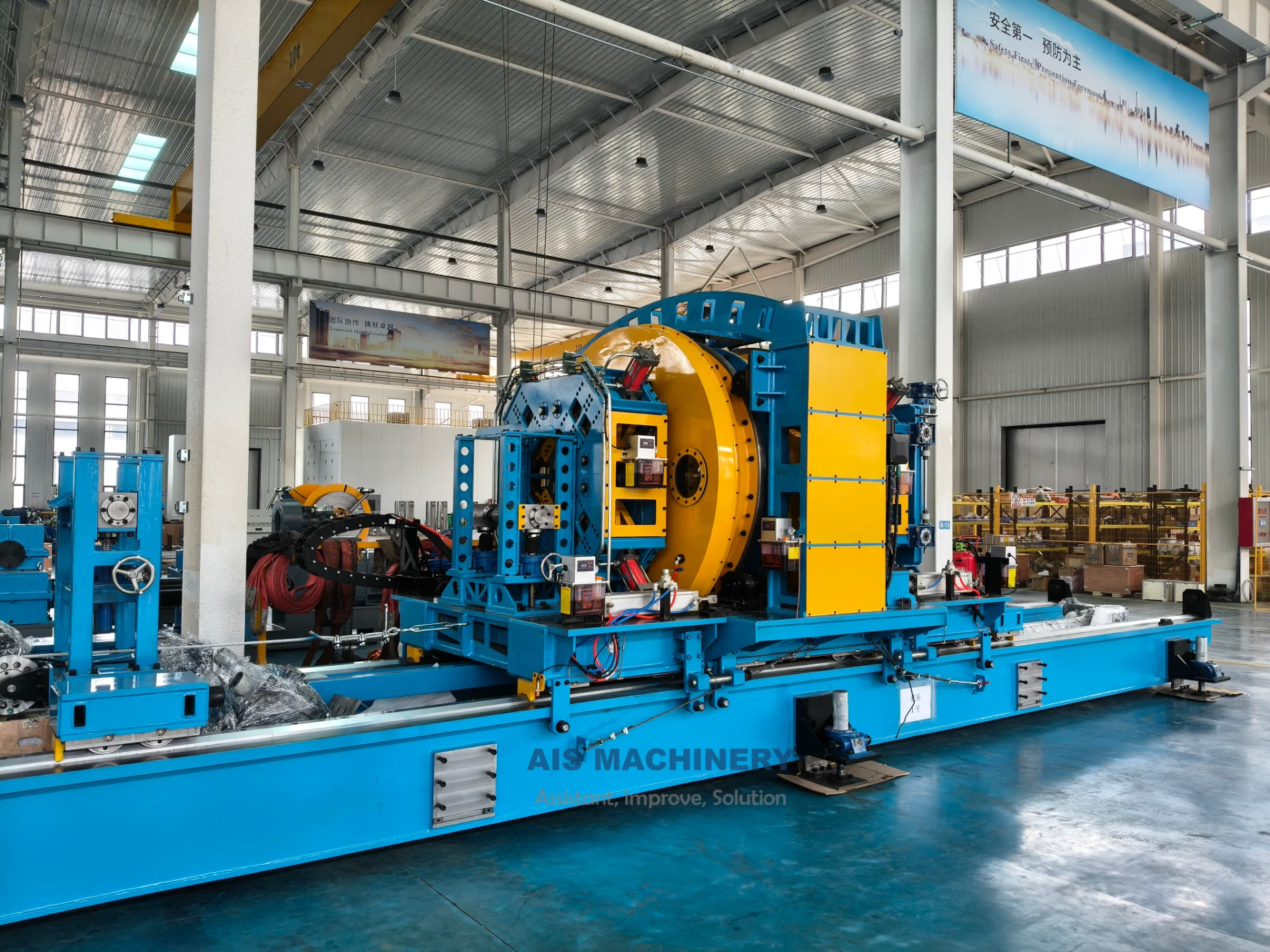
Flat Bar Production Line for Steel Coils: How It Works & Why It Matters
Looking for a flat bar production line? Learn how it turns steel coils into ready-to-use flat bars with precise length and high straightness. Compare it with slitting lines and get the best solution for your steel processing needs.
2026-04-14 00:00:00
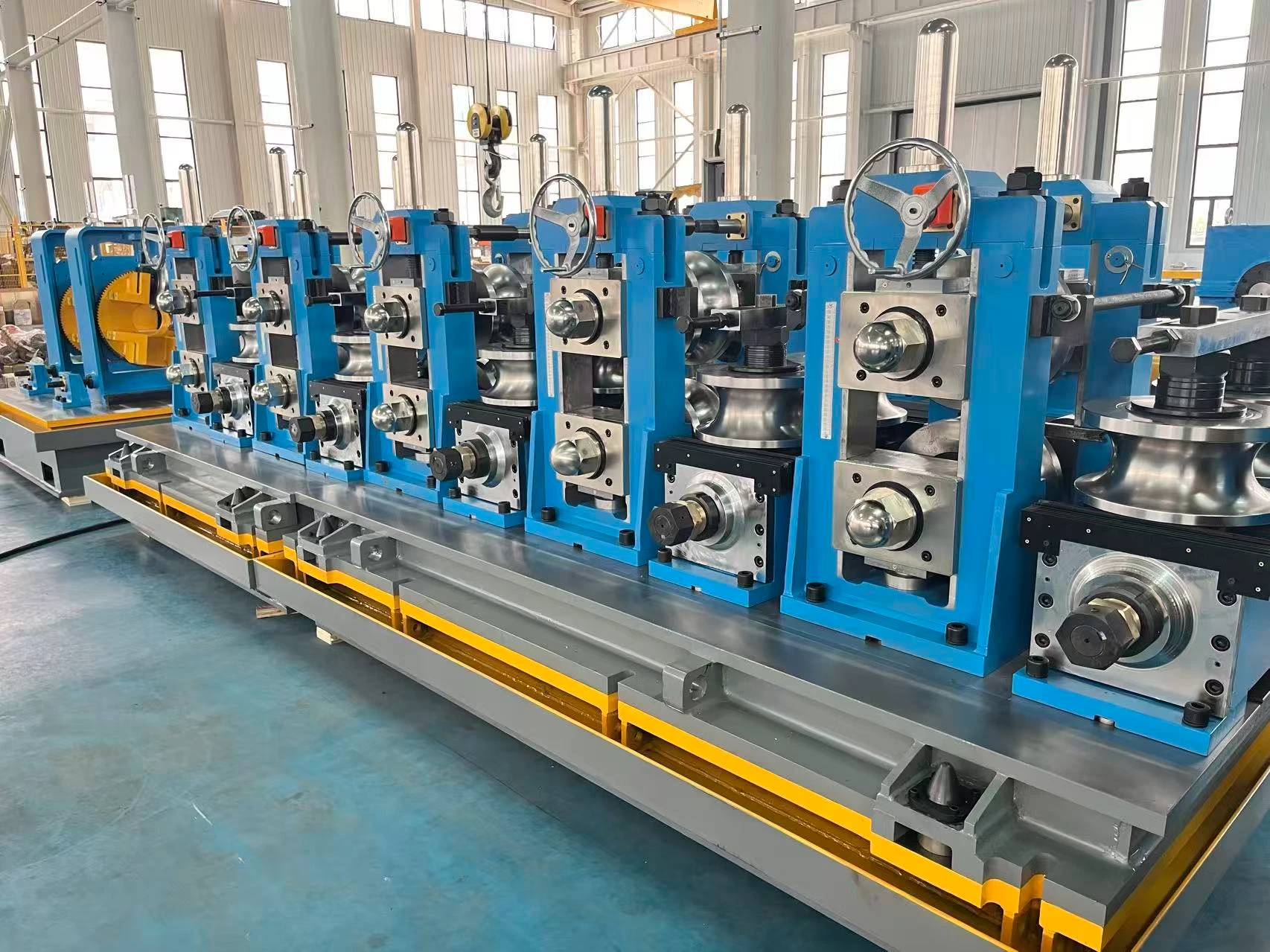
Looking for a Milling Saw for ERW Tube Mill? Here’s What You Need to Know
Looking for a high-performance milling saw for your ERW tube mill? Upgrade to burr-free, high-precision pipe cutting with advanced flying saw technology. Improve efficiency, reduce rework, and meet export standards for carbon steel, stainless steel, and API pipes. Contact us today for expert solutions and competitive pricing tailored to your production needs.
2026-04-09 16:15:19
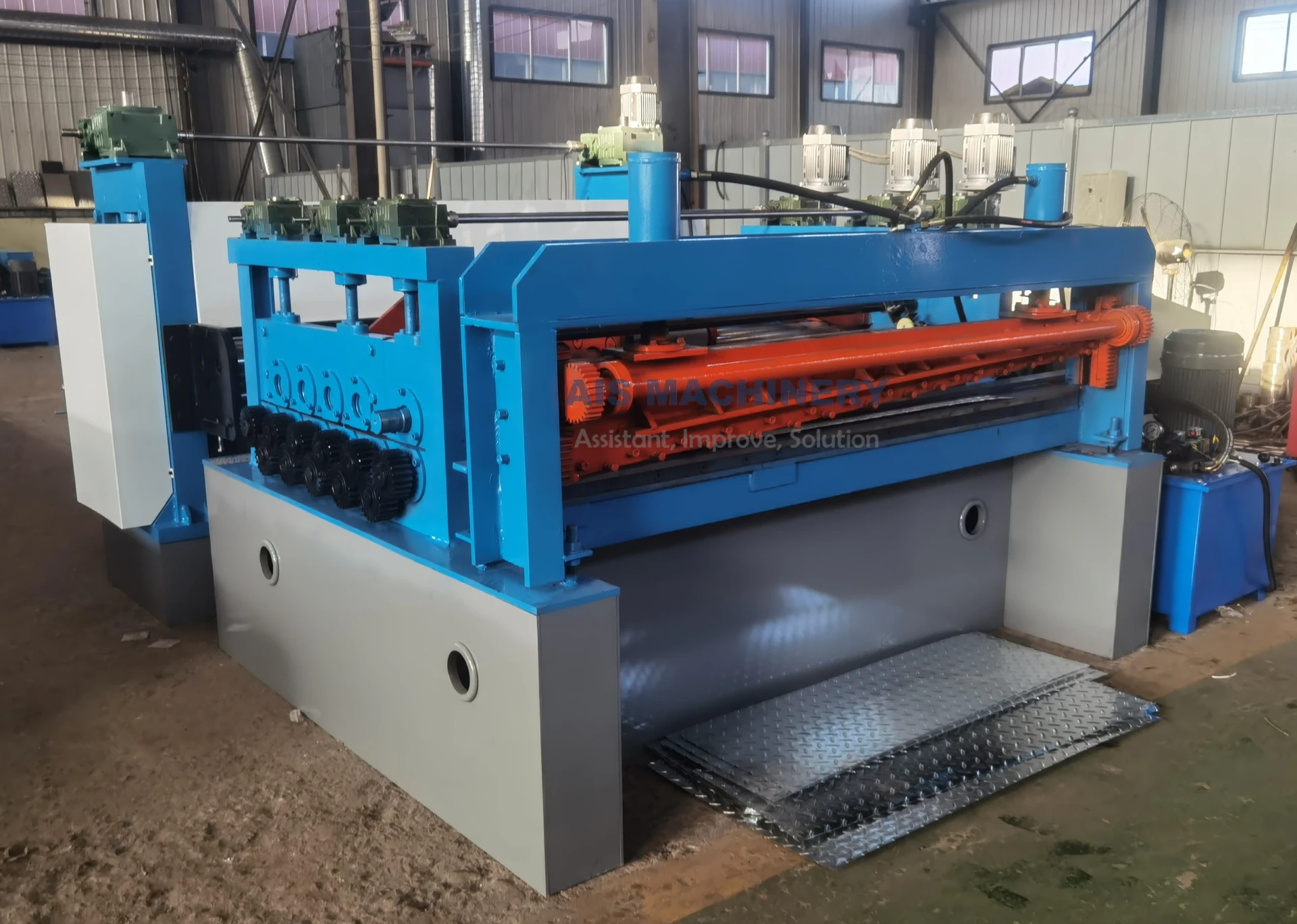
5-Inch (127mm) ERW Tube Making Machine Delivered with Heavy-Duty Design and Advanced Quick Change System
2027-04-07 00:00:00
Metal Embossing Machine: Turn Flat Sheets into High-Value Textured Products
Discover how a metal embossing machine transforms flat steel, stainless steel, and aluminum sheets into high-value textured products. Learn about its working principle, key components, and applications. Ideal for decorative and industrial use, embossing machines improve both appearance and performance. Explore complete embossing line solutions and find the right machine for your production needs.
Send a Message
Dear customer, thank you for your attention! We provide high-quality machinery and equipment and look forward to your orders. Please inform us of your needs and we will respond quickly!
 English
  Albanian
  Arabic
  French
  German
  Indonesian
  Italian
  Japanese
  Kazakh
  Korean
  Latin
Latin  Macedonian
  Portuguese
  Russian
  Spanish
  Thai
Thai  Turkish
  Ukrainian
  Uzbek
Uzbek