
-
 Tel:86-15176910262
-

Search

High Frequency Tube Mill | High-Speed, Precise, Efficient
Oct . 28, 2025 17:45
Field notes from the shop floor: choosing a High Frequency Tube Mill that actually delivers
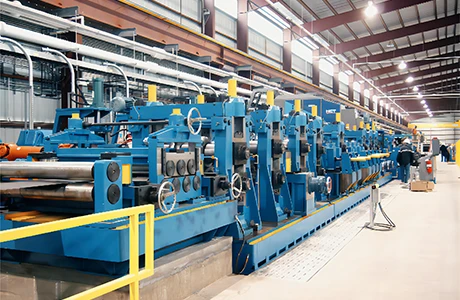
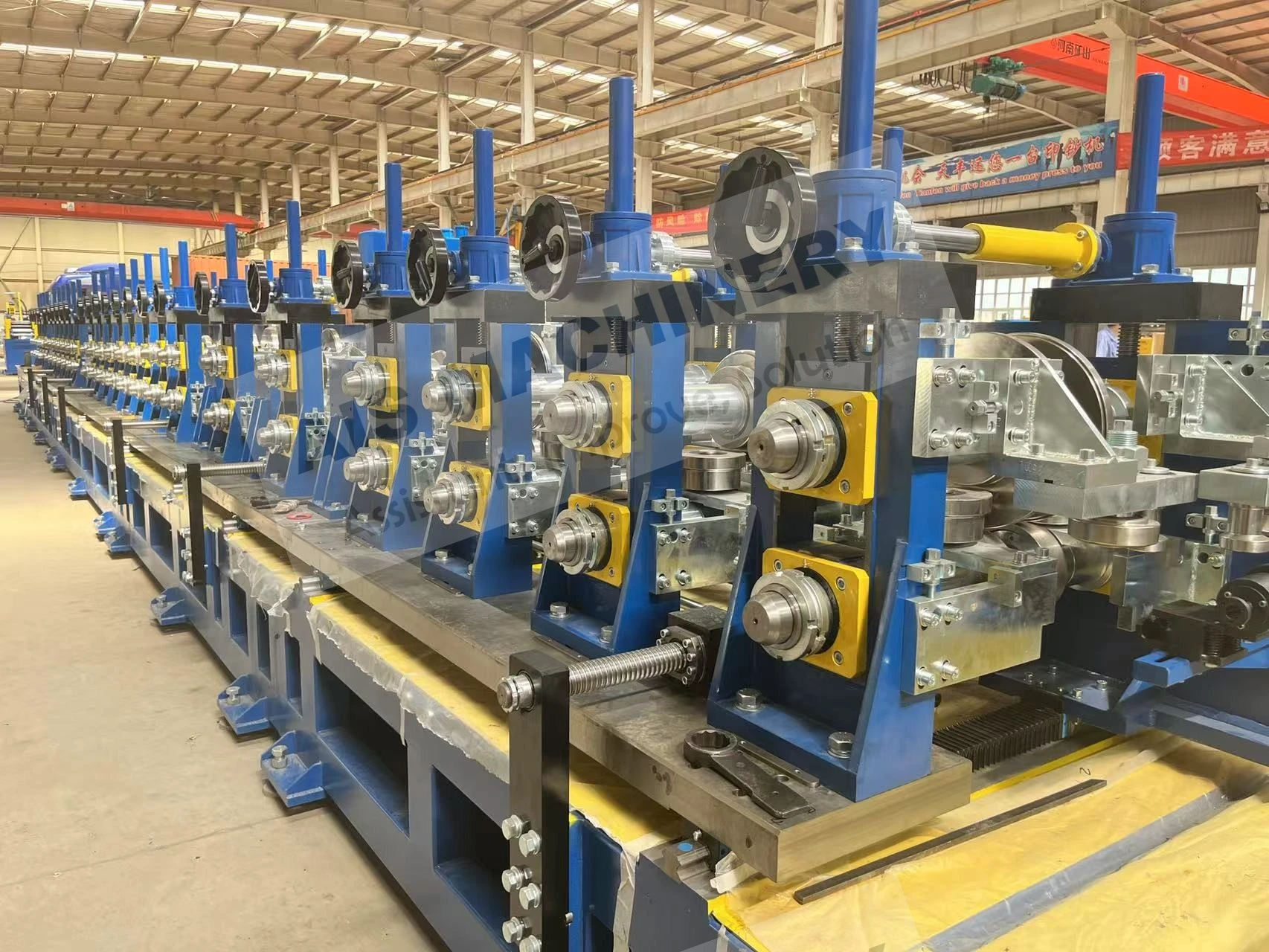
If you’re speccing a 10-inch ERW line, you already know the difference between a good day and a downtime day can be a few microns of setup, a welder that drifts, or a sizing stand that won’t hold tolerance under heat. The 10inch 273mm ERW Pipe Making Machine out of Shijiazhuang, Hebei (RM604 Shenxing Building, Xinhua Street, ZIP 050000) has been getting buzz in yards that run structural and fluid pipes. To be honest, I went in skeptical; in fact, many customers say “10-inch” and then quietly admit they’re producing 168–219 most of the time. This line didn’t flinch at 273.
What’s trending
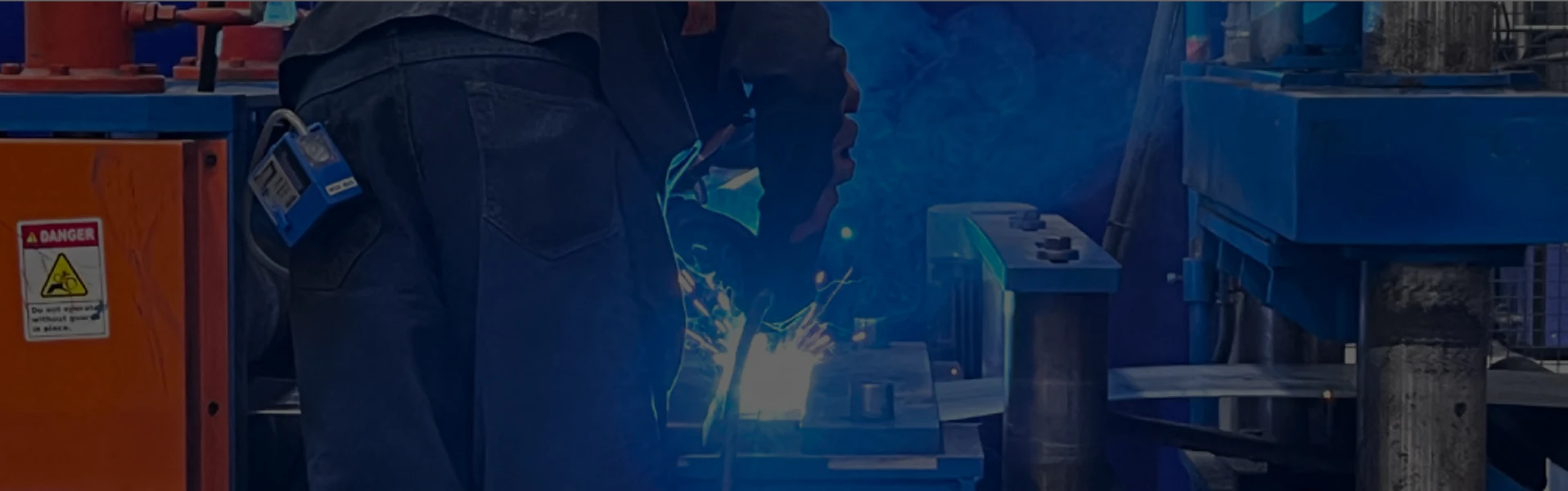
- IGBT solid-state HF welders replacing legacy vacuum-tube units for efficiency and stability.
- Inline NDT (UT or eddy current) tied to automatic reject chutes—data saved to MES. Auditors love it.
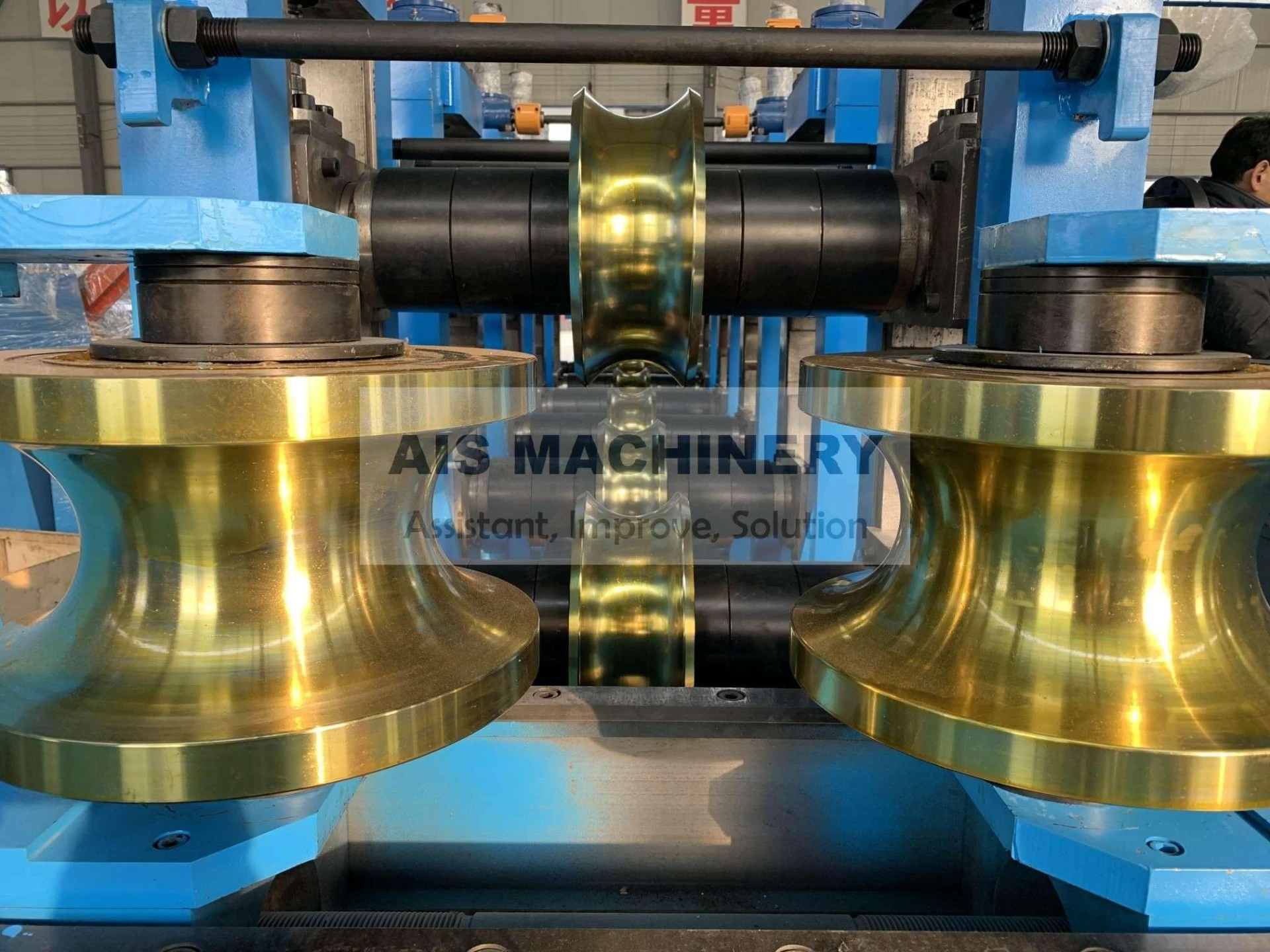
- Quick-change roll sets and digital recipes to shorten coil-to-coil changeover.
Process flow (real-world)
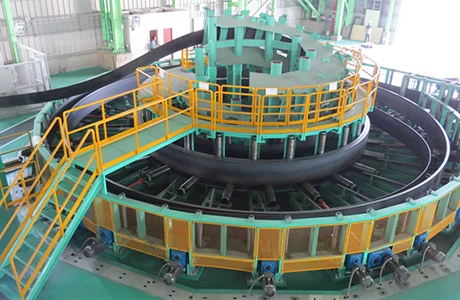
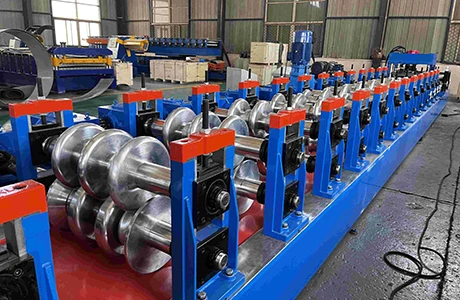
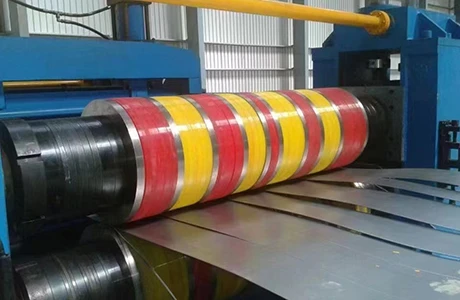
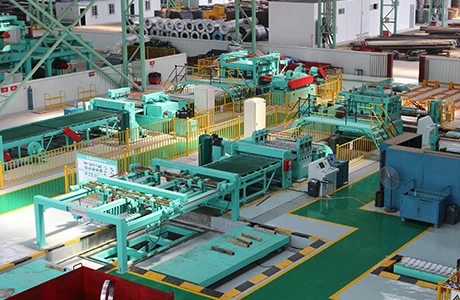
Coil prep → uncoiling and butt-welding → edge trimming → forming (breakdown/fin/edge) → HF induction welding with scarfing → coolant quench → inline NDT → sizing/straightening → flying saw → end-facing/hydro (as needed) → marking and bundling. Materials: low/medium carbon steels and mild alloy grades (e.g., ASTM A500/A53, API 5L up to X52 depending on coil), thickness around 4–10 mm. Testing often per API 5L/EN 10219; NDT per ASTM E213/E570; weld procedure qualification per ISO 15614-1.
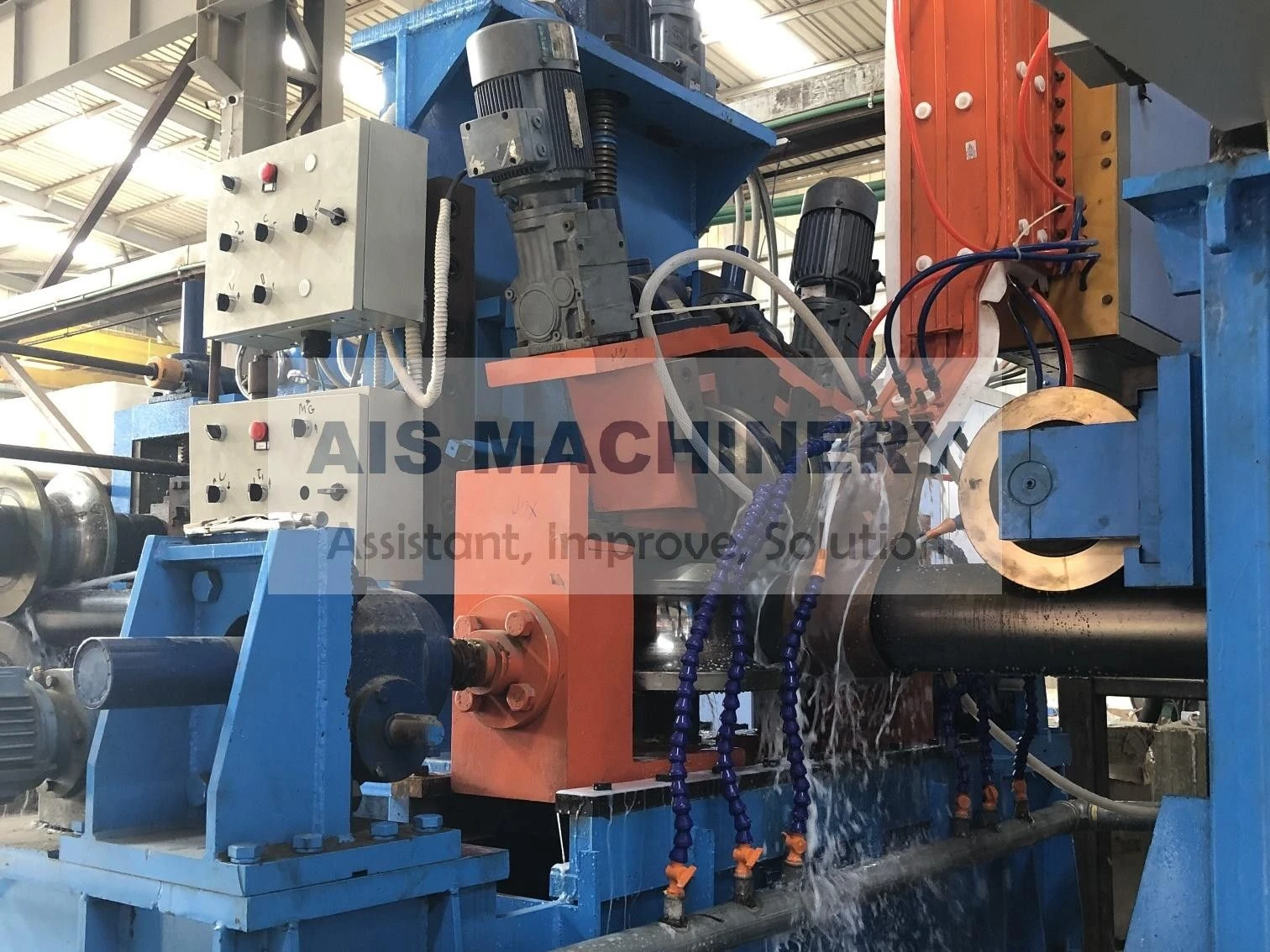
Product snapshot: 10inch 273mm ERW Pipe Making Machine
| Parameter | Typical value (≈, real-world use may vary) |
|---|---|
| Pipe OD range | 114–273 mm (4.5–10 in) |
| Wall thickness | ≈4.0–10.0 mm |
| Line speed | 10–50 m/min (dependent on grade/thickness) |
| HF welder | IGBT solid-state, ≈600–1200 kW |
| Length/tolerance | 6–12 m, ±0.5% typical |
| Ovality/thickness control | Ovality ≤0.8%, t tolerance ±7.5% (grade dependent) |
| Service life | Mill stands 15–20 yrs with PM; roll sets ≈8–20k tons/set |
| Certifications | ISO 9001; CE; API 5L-ready (mill audit required) |
Applications: structural, fluid, pressure, pile, and general-purpose tubes. In one Jiangsu yard, switching to this High Frequency Tube Mill cut scarfing scrap by ≈12% and nudged first-pass yield to 97.1% on 219×6 mm—a small tweak that paid the electricity bill for the month. Surprisingly, the flying saw (servo) handled API-grade runs without chatter.
Why shops pick this High Frequency Tube Mill
- Stable weld heat: closed-loop power control keeps bead uniform.
- Fast changeover: recipe-based roll positioning and laser alignment.
- Data traceability: NDT tags and coil-to-pipe genealogy for audits.
- Serviceability: common bearings/seals; spares shipment from Hebei in days, not months.
Vendor comparison (field impressions)
| Vendor | HF Welder | Typical speed @219×6 | NDT | Warranty |
|---|---|---|---|---|
| AIS 10-inch line | IGBT solid-state | ≈35 m/min | UT or EC, inline | 18 months |
| Vendor B (legacy) | Vacuum-tube | ≈25 m/min | EC only | 12 months |
| Vendor C (Euro) | IGBT solid-state | ≈32 m/min | UT integrated | 24 months |
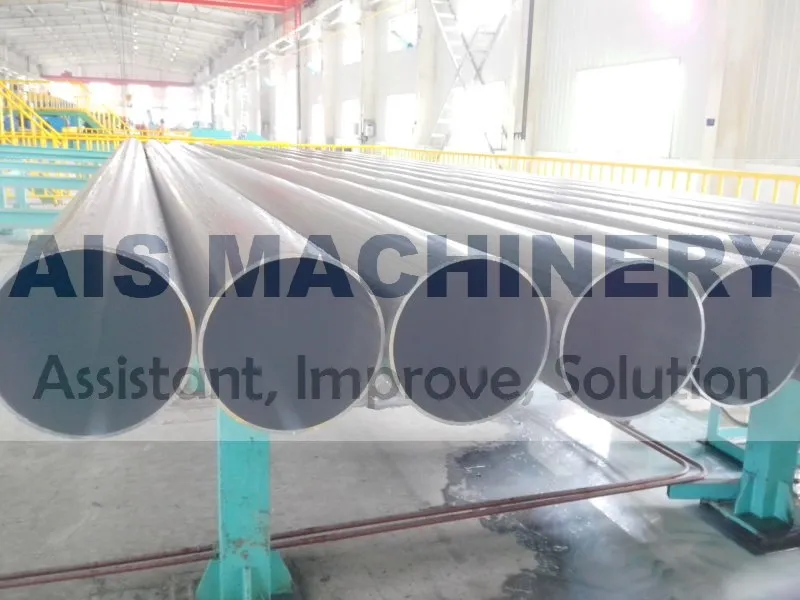
Customization and options
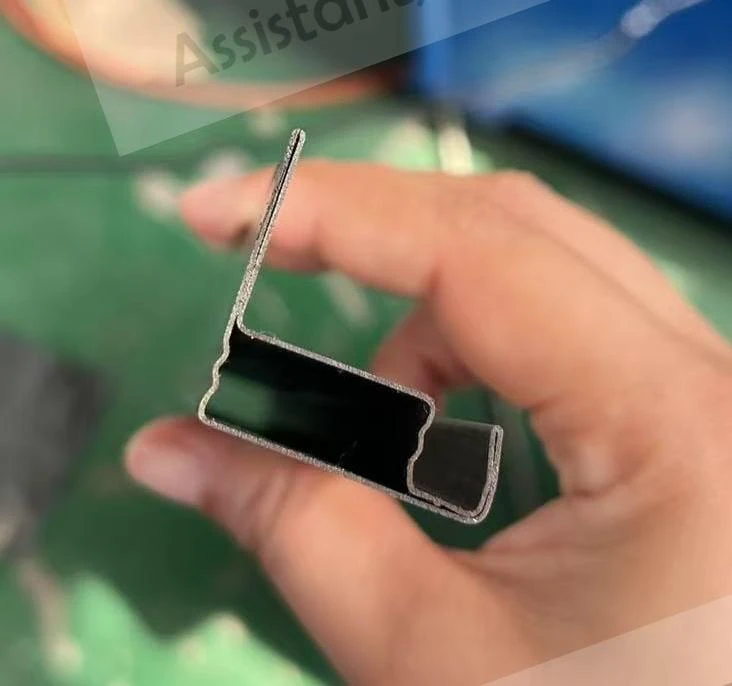
Square/rect profiles with extra sizing stands; bead in/out; inside scarfing; hydrostatic up to 30 MPa; beveling; API data packs; coil car upgrades. For higher grades (API X52+), ask for upgraded edge prep and additional power headroom. I guess the practical advice: spec the welder 15–20% above today’s needs.
Customer feedback
“Setup repeatability is the story,” a Northern India fabricator told me. Another noted straighter pipe (L/1000 ≤ 1.5 mm typical) reduced rework in pile driving projects.
References
- API 5L Specification for Line Pipe. https://www.api.org/
- EN 10219 Cold formed welded structural hollow sections. https://standards.iteh.ai/
- ASTM A500/A53; ASTM E213/E570 NDT methods. https://www.astm.org/
- ISO 15614-1 Welding procedure qualification; ISO 9001 Quality systems. https://www.iso.org/

Related Products

Related News
2027-04-24 00:00:00
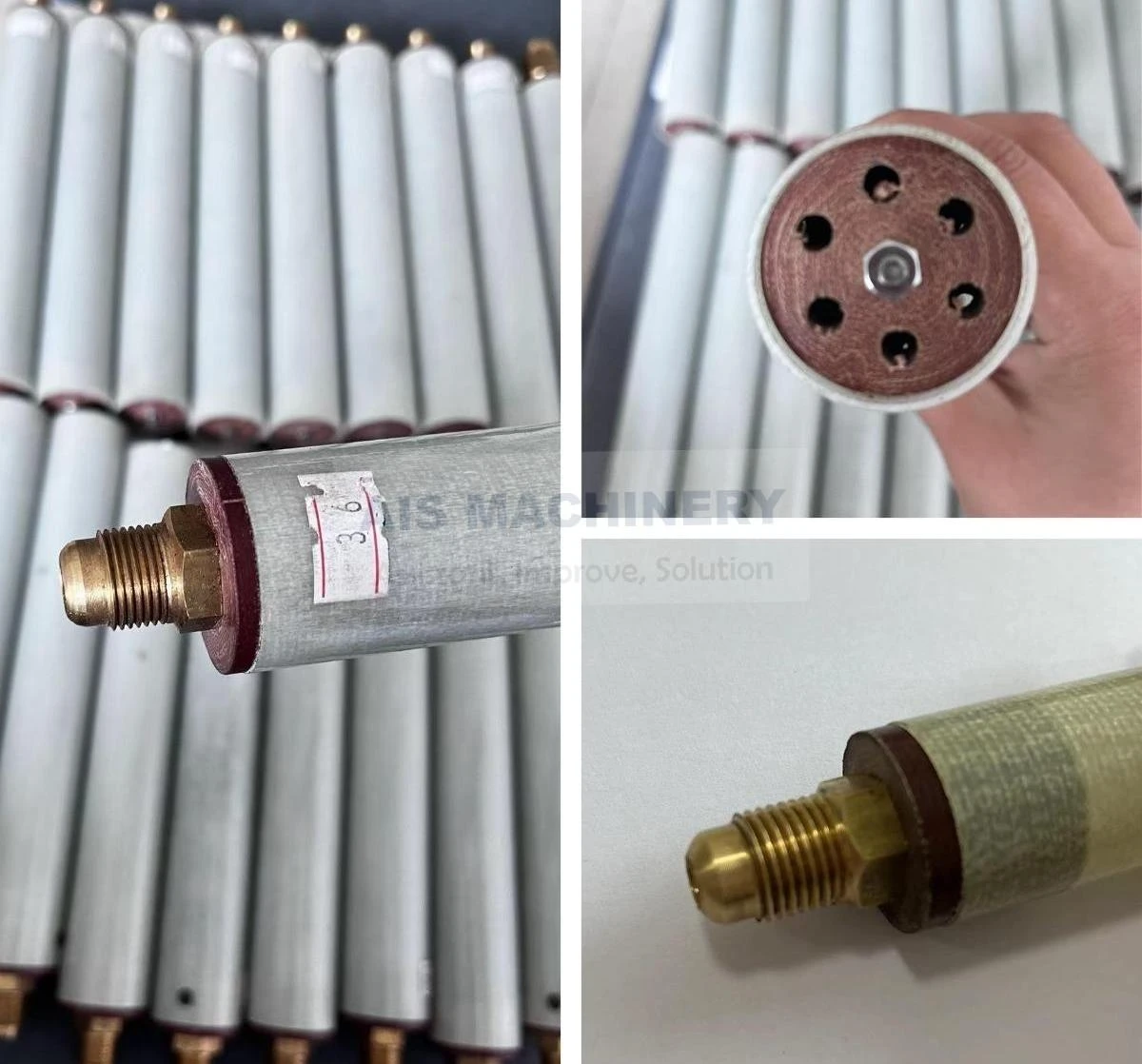
What is an Impeder and Ferrite Rods in ERW Tube Mill?
Struggling with impeder overheating or short service life in your ERW tube mill? This guide explains common impeder problems, the role of ferrite rods, and how to choose the right impeder for stable welding performance. Improve weld quality, reduce energy loss, and extend equipment lifespan with the right selection and proper cooling solutions.
2026-04-21 10:22:25
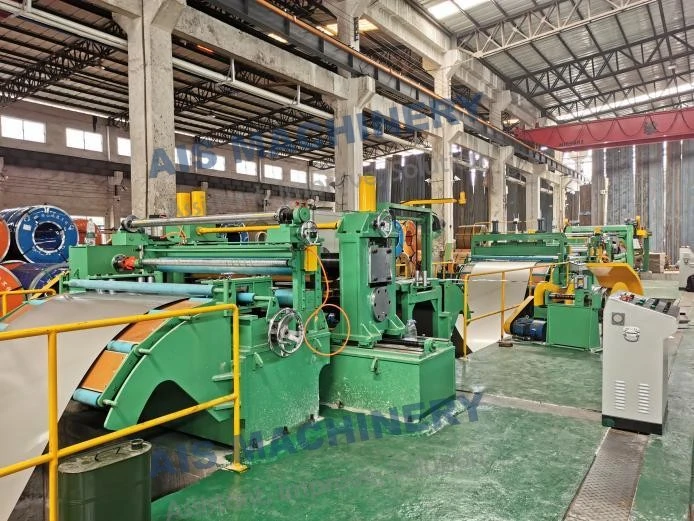
Slitting & Cut-to-Length Combined Production Line: A Smarter Way to Process Steel Coils
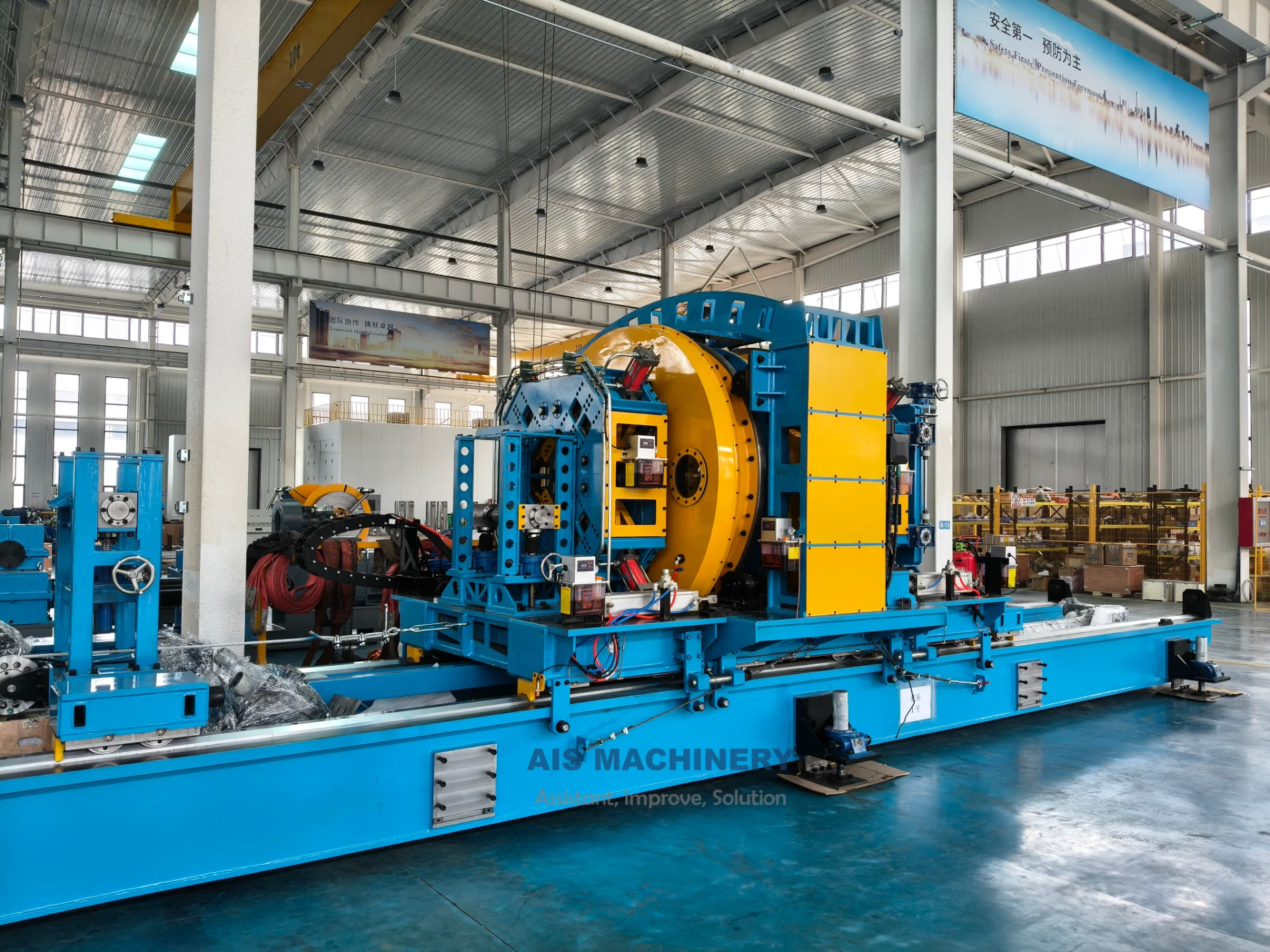
Discover the Slitting & Cut-to-Length Combined Production Line, a flexible solution for steel coil processing. This system integrates slitting line and cut-to-length line functions in one machine, saving space, reducing costs, and improving efficiency. Ideal for processing both steel strips and sheets, it is widely used in service centers and manufacturing industries. Learn its advantages, limitations, and applications.
2026-04-18 03:20:20
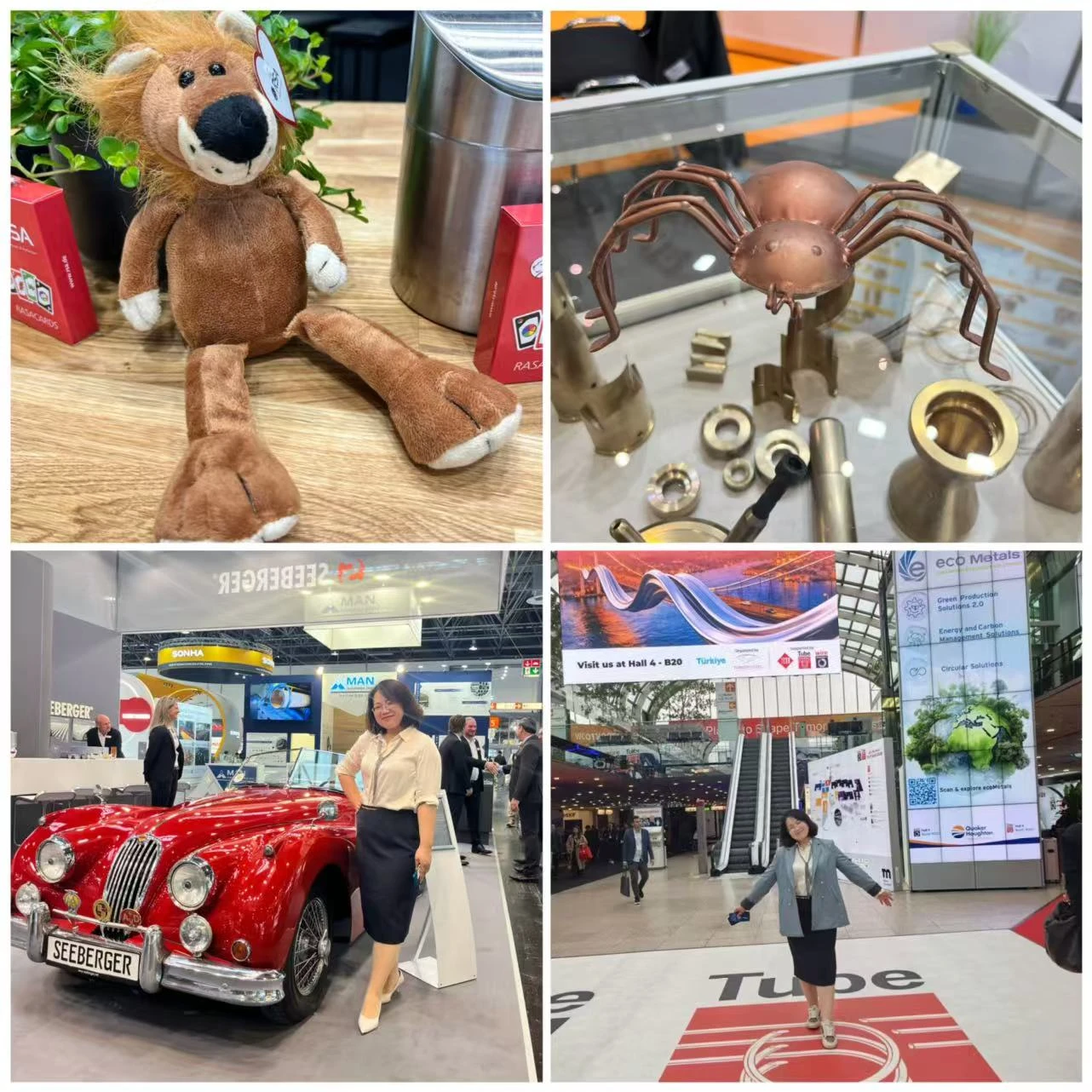
AIS Machinery Showcases Advanced Tube Solutions at Tube & Wire Düsseldorf 2026
Tube & Wire Düsseldorf 2026, one of the most influential exhibitions in the global tube and wire industry, held biennially in Düsseldorf, Germany
2026-04-17 00:00:00
Southeast Asia Client Visits Our Factory | Customized Tube Mill Solution Delivered
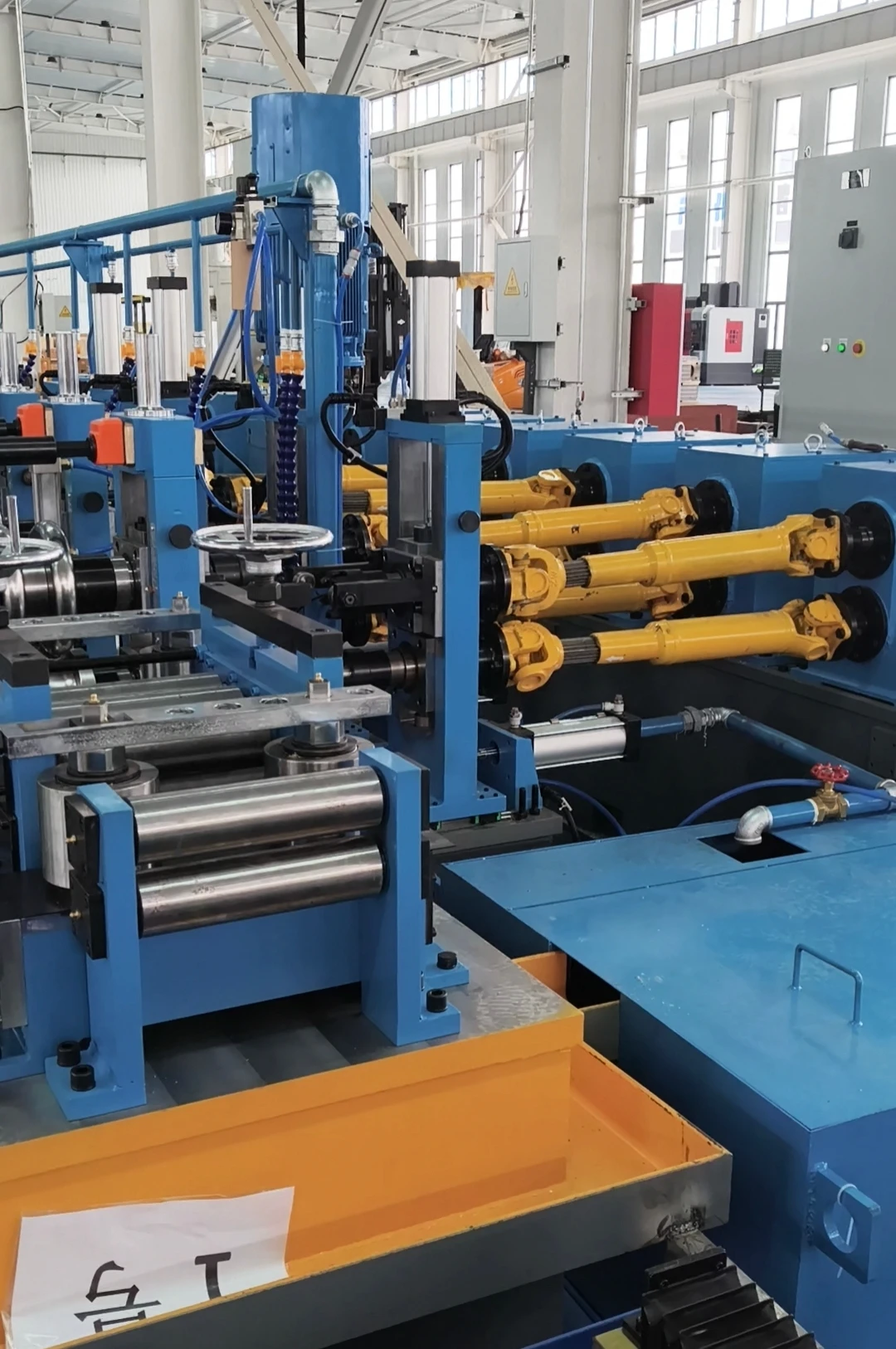
A Southeast Asia client visited our ERW tube mill factory to inspect production lines and discuss a customized tube mill solution. Impressed by our machine quality, welding performance, and engineering support, the client confirmed strong cooperation intentions. Discover how our ERW tube mill solutions improve efficiency, precision, and long-term production reliability.
2026-04-15 10:37:55
Flat Bar Production Line for Steel Coils: How It Works & Why It Matters
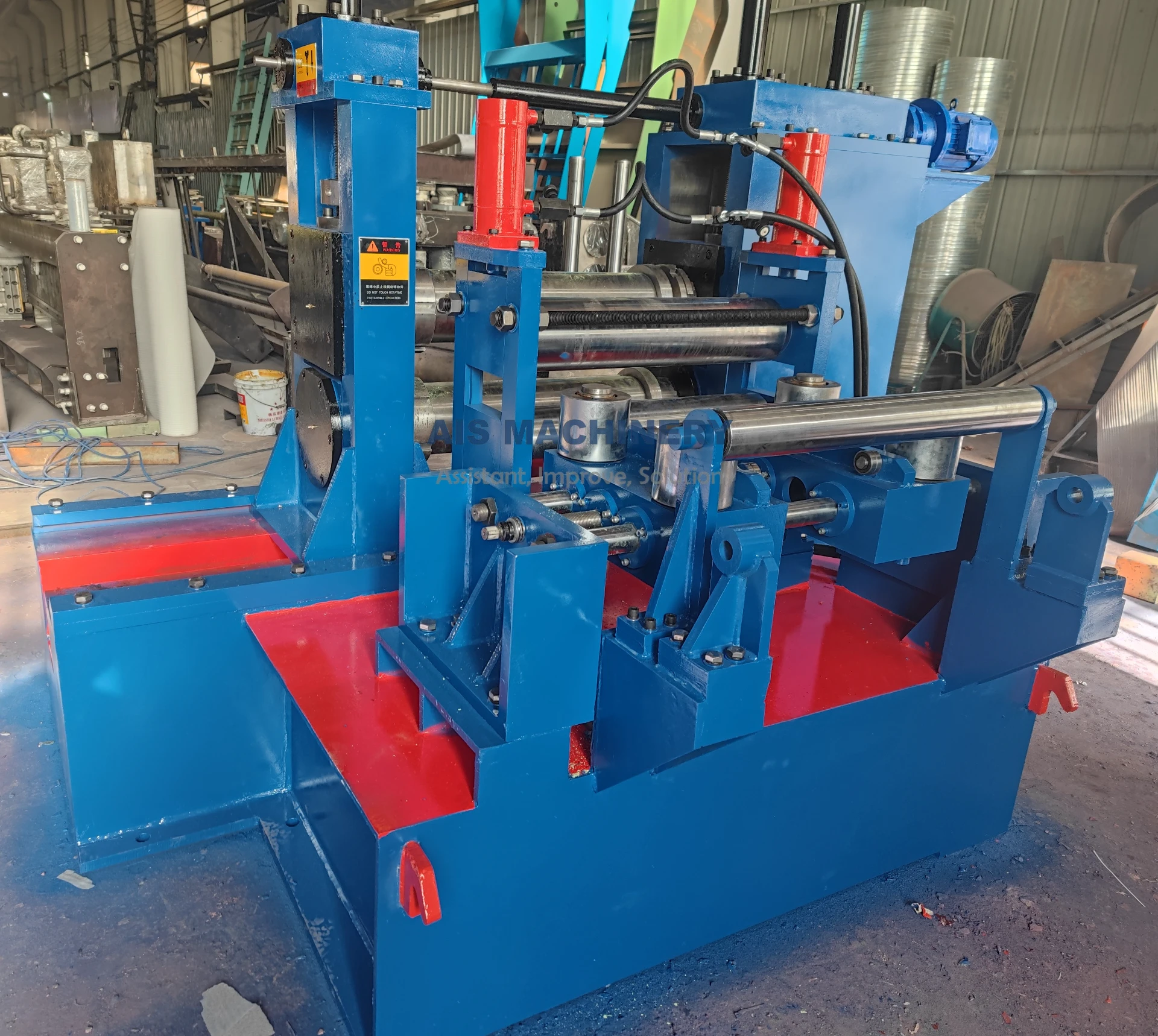
Looking for a flat bar production line? Learn how it turns steel coils into ready-to-use flat bars with precise length and high straightness. Compare it with slitting lines and get the best solution for your steel processing needs.
2026-04-14 00:00:00
Looking for a Milling Saw for ERW Tube Mill? Here’s What You Need to Know
Looking for a high-performance milling saw for your ERW tube mill? Upgrade to burr-free, high-precision pipe cutting with advanced flying saw technology. Improve efficiency, reduce rework, and meet export standards for carbon steel, stainless steel, and API pipes. Contact us today for expert solutions and competitive pricing tailored to your production needs.
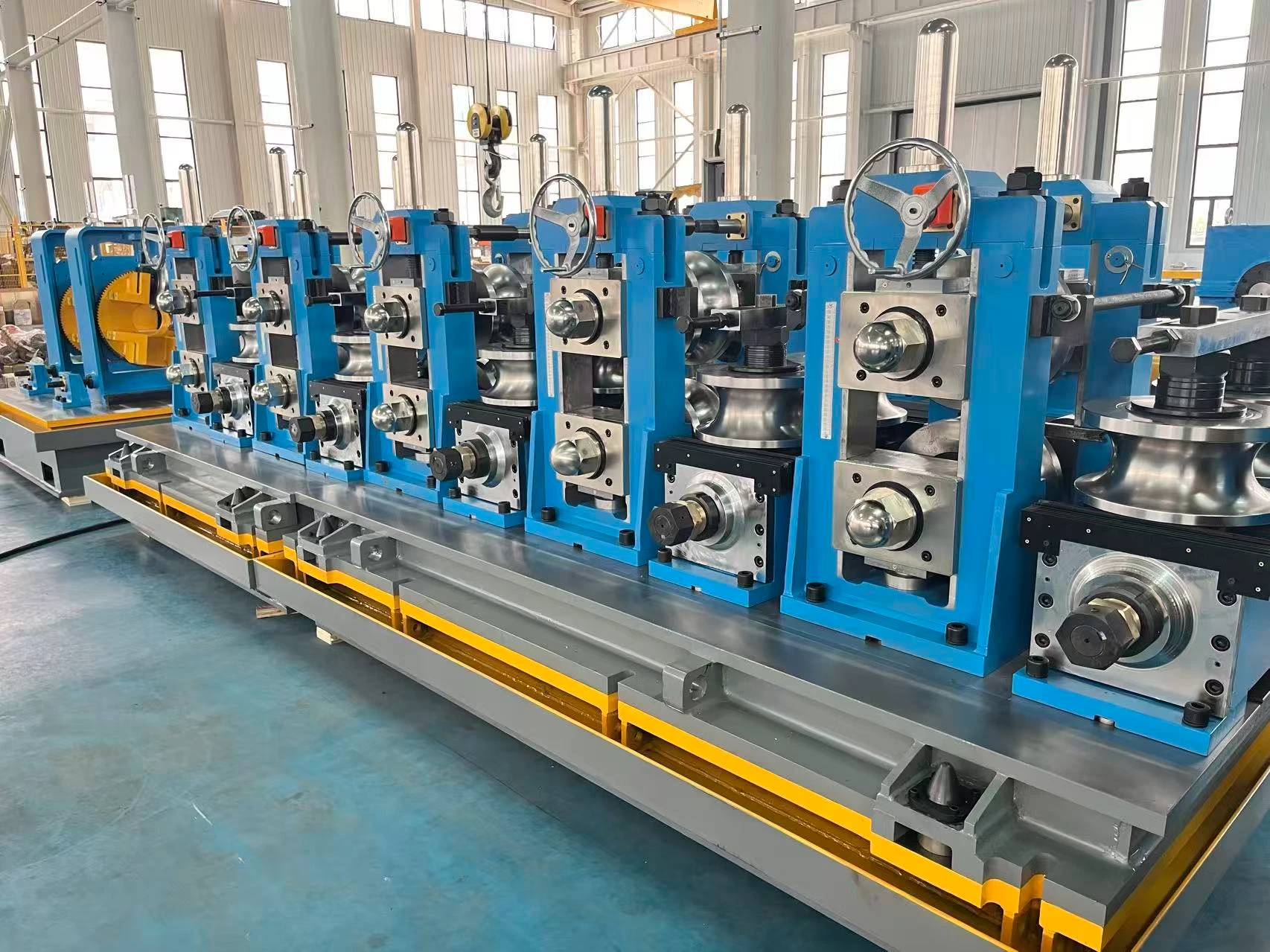
2026-04-09 16:15:19
5-Inch (127mm) ERW Tube Making Machine Delivered with Heavy-Duty Design and Advanced Quick Change System
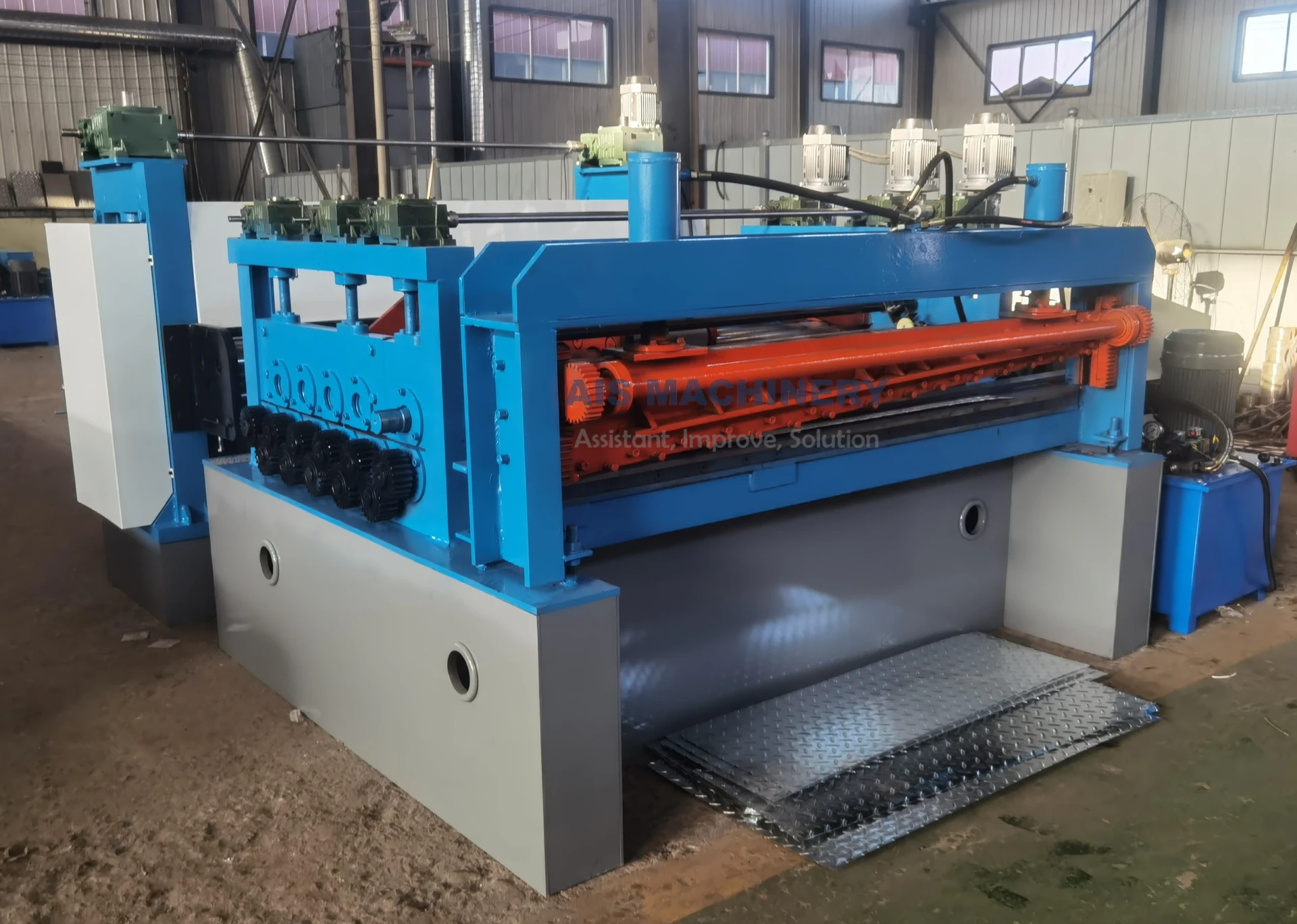
2027-04-07 00:00:00
Metal Embossing Machine: Turn Flat Sheets into High-Value Textured Products
Discover how a metal embossing machine transforms flat steel, stainless steel, and aluminum sheets into high-value textured products. Learn about its working principle, key components, and applications. Ideal for decorative and industrial use, embossing machines improve both appearance and performance. Explore complete embossing line solutions and find the right machine for your production needs.
Send a Message
Dear customer, thank you for your attention! We provide high-quality machinery and equipment and look forward to your orders. Please inform us of your needs and we will respond quickly!
 English
  Albanian
  Arabic
  French
  German
  Indonesian
  Italian
  Japanese
  Kazakh
  Korean
  Latin
Latin  Macedonian
  Portuguese
  Russian
  Spanish
  Thai
Thai  Turkish
  Ukrainian
  Uzbek
Uzbek