
-
 Tel:86-15176910262
-

Search

Precision Tube Mill Rolls Durable & Customized Solutions
May . 10, 2025 08:10
- Overview of Tube Mill Rolls in Modern Manufacturing
- Technical Advancements Driving Performance
- Comparative Analysis of Leading Manufacturers
- Custom Solutions for Diverse Industrial Needs
- Case Studies: Success Stories Across Industries
- Maintenance Strategies for Extended Roll Lifespan
- Choosing the Right Tube Mill Rolls Manufacturer
(tube mill rolls)
Understanding the Role of Tube Mill Rolls in Production
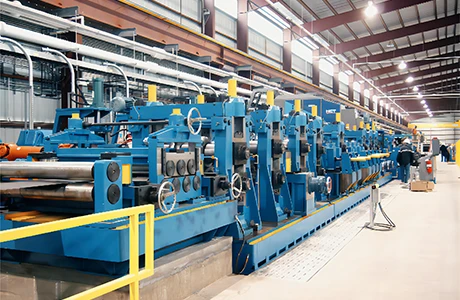
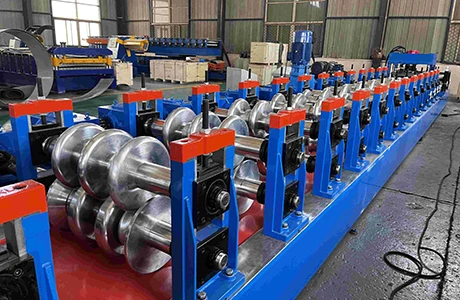
Tube mill rolls are critical components in the manufacturing of ERW (Electric Resistance Welded) pipes, responsible for shaping, forming, and welding metal strips into precise tubular profiles. These rolls account for 30-40% of a mill’s operational efficiency, directly influencing output quality and energy consumption. High-grade rolls reduce downtime by 22%, according to a 2023 industry report, making material selection and engineering precision paramount.
Technical Innovations Enhancing Durability
Modern tube mill rolls
leverage advanced alloys like H13 tool steel and tungsten carbide coatings, increasing wear resistance by 50% compared to traditional materials. CNC grinding ensures tolerances within ±0.002 mm, critical for producing pipes with diameters up to 24 inches. Heat treatment processes like induction hardening further extend service life by 35%, reducing replacement cycles from 6 months to 9 months in high-speed ERW mills.
Manufacturer Comparison: Performance Metrics
| Manufacturer | Hardness (HRC) | Max. Speed (m/min) | Price Range (USD) |
|---|---|---|---|
| Manufacturer A | 58-62 | 120 | $8,500-$12,000 |
| Manufacturer B | 60-64 | 150 | $10,200-$14,500 |
| Manufacturer C | 62-66 | 180 | $11,800-$16,000 |
Tailored Solutions for Complex Applications
Custom-designed rolls address challenges in producing non-standard profiles, such as square tubes or hydraulic cylinders. For instance, a recent project required rolls with 0.5 mm micro-grooves to process stainless steel 316L strips, achieving a 98.7% weld integrity rate. Modular roll systems now enable rapid configuration changes, cutting setup time by 40% for mills handling multiple product lines.
Industry-Specific Success Metrics
In the automotive sector, optimized rolls reduced material waste by 18% during exhaust pipe production. A European energy contractor reported a 27% increase in API 5L-grade pipe output after upgrading to forged steel rolls. These results highlight how precision engineering aligns with ROI goals, particularly when ERW tube mill price considerations factor in long-term operational savings.
Proactive Maintenance for Cost Efficiency
Implementing predictive maintenance schedules can reduce roll replacement costs by $15,000 annually per mill. Key practices include ultrasonic testing for subsurface cracks and laser alignment checks every 500 operating hours. Using synthetic lubricants with anti-spatter additives further extends polishing intervals by 60%, maintaining surface finish below 0.8 μm Ra.
Selecting a Reliable Tube Mill Rolls Manufacturer
Partnering with ISO 9001-certified manufacturers ensures adherence to global quality benchmarks. Top-tier providers offer 18-24 month warranties, backed by finite element analysis (FEA) simulations to validate roll designs. Evaluate suppliers based on lead times (ideally under 6 weeks), in-house metallurgical labs, and field support for urgent recalibration—critical factors for mills targeting ≤0.1% defect rates.
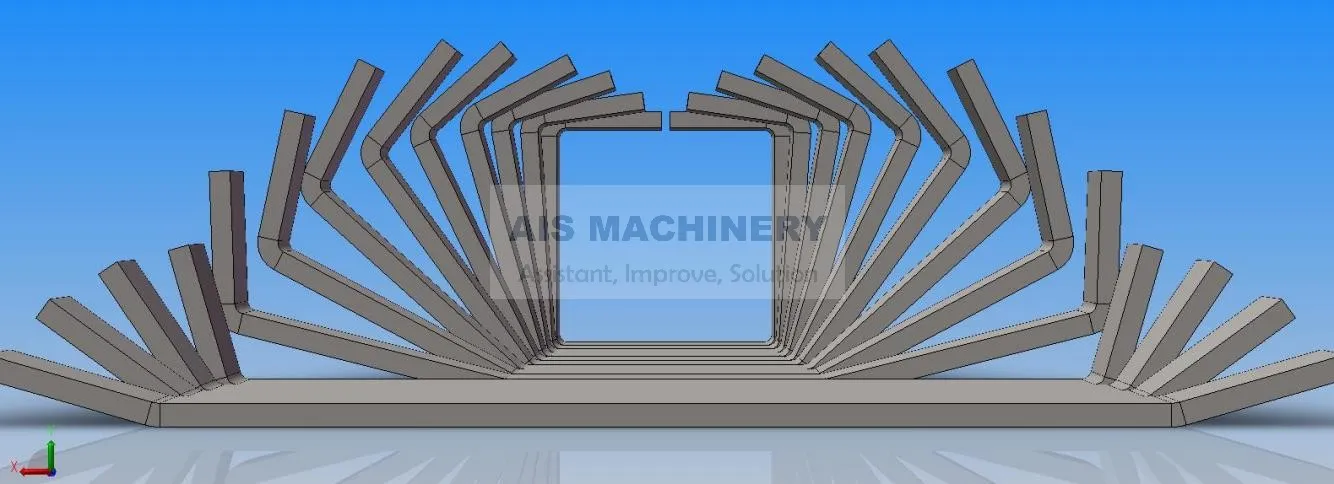
(tube mill rolls)
FAQS on tube mill rolls
Q: What factors determine the quality of tube mill rolls?
A: Quality depends on material composition, heat treatment precision, and surface finish. Reputable manufacturers use high-grade alloys and advanced hardening techniques. Consistent dimensional accuracy ensures optimal performance in tube-forming processes.
Q: How to choose a reliable tube mill rolls manufacturer?
A: Evaluate industry experience, certifications (ISO, ASTM), and client testimonials. Prioritize manufacturers offering custom engineering solutions and after-sales support. Verify their capability to meet specific production requirements and delivery timelines.
Q: What's the price range for ERW tube mill equipment?
A: ERW tube mill prices range from $200,000 to $2M+ depending on automation level and production capacity. Roll quality, auxiliary systems (welding, cutting), and brand reputation significantly impact costs. Custom configurations typically incur higher investments.
Q: How often should tube mill rolls be maintained?
A: Perform visual inspections after every production shift. Schedule professional regrinding every 3-6 months based on usage intensity. Proper lubrication and alignment checks between runs extend roll lifespan by 30-40%.
Q: Why choose ERW tube mill models over alternative technologies?
A: ERW mills offer superior weld consistency for high-speed production of structural tubes. They provide energy efficiency through solid-state welding technology. Modern ERW systems enable seamless diameter adjustments for multi-product manufacturing flexibility.

Related Products

Related News
2026-04-28 08:56:05
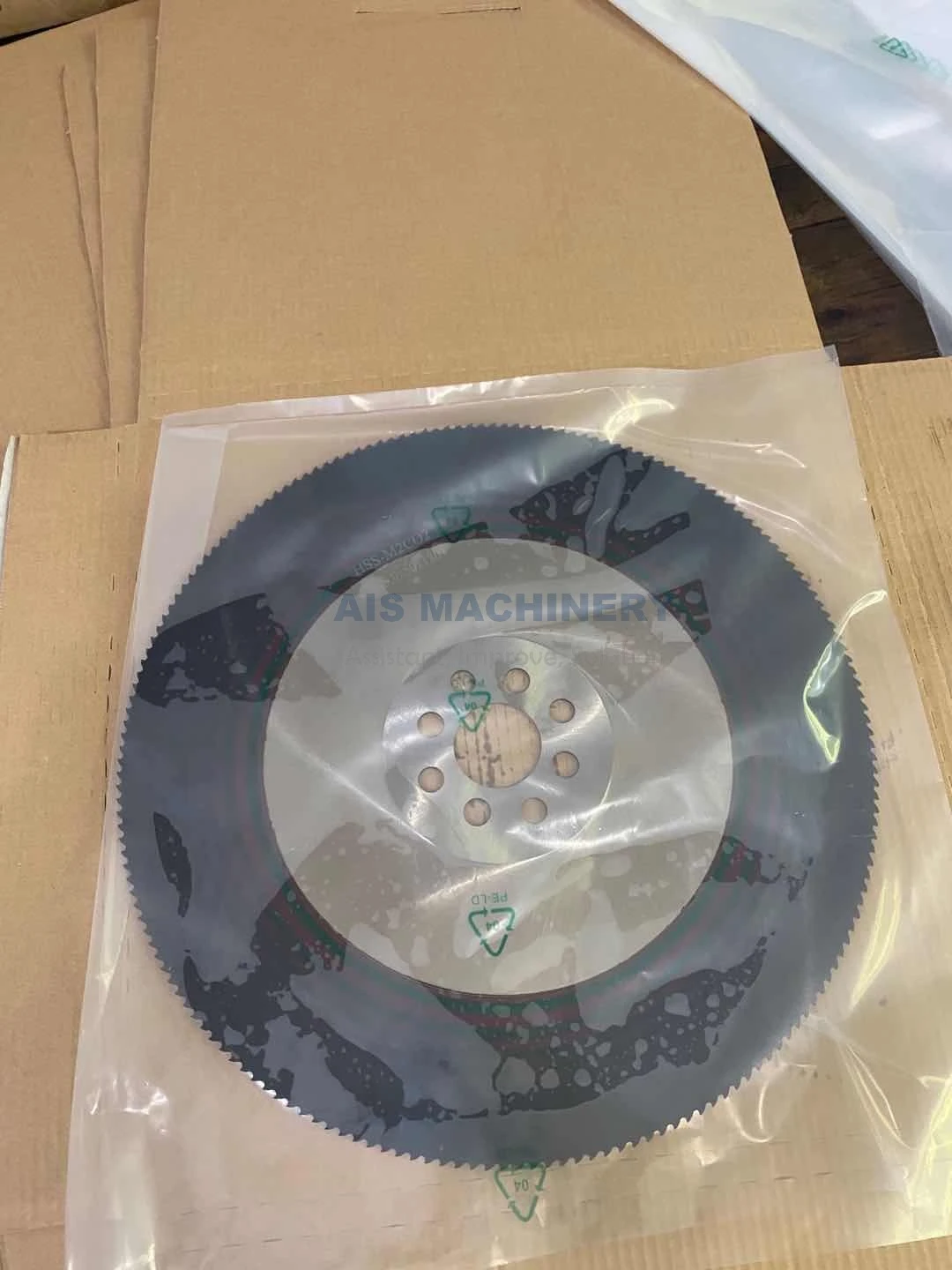
Saw Blade Guide for Tube Mills: Friction vs HSS vs TCT — Which One Should You Choose?
Confused about friction saw, HSS, and TCT blades? This guide explains their uses in cold saw and friction saw machines, with pros, cons, and expert selection tips.
2026-04-24 08:54:16
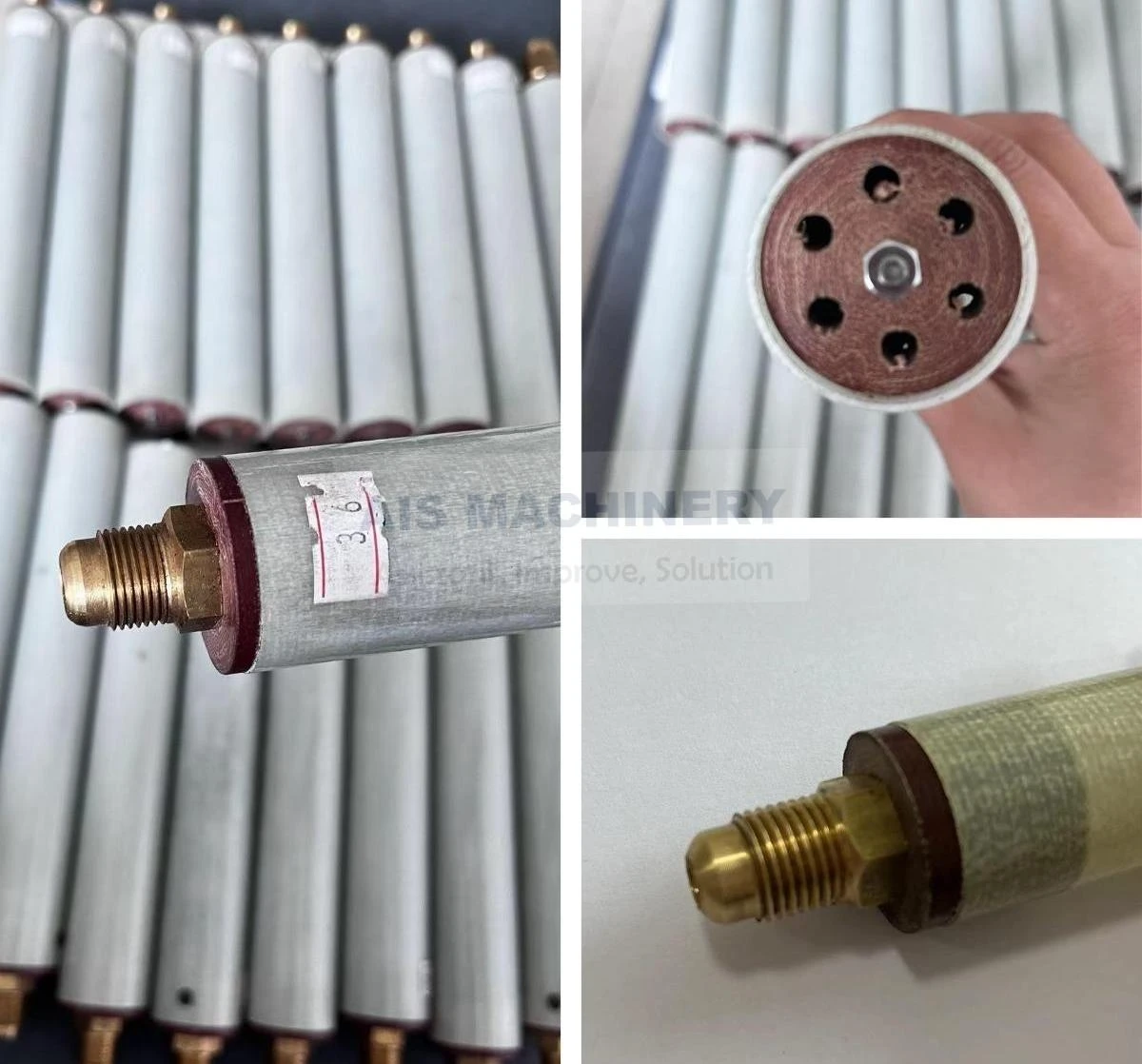
What is an Impeder and Ferrite Rods in ERW Tube Mill?
Struggling with impeder overheating or short service life in your ERW tube mill? This guide explains common impeder problems, the role of ferrite rods, and how to choose the right impeder for stable welding performance. Improve weld quality, reduce energy loss, and extend equipment lifespan with the right selection and proper cooling solutions.
2026-04-21 10:22:25
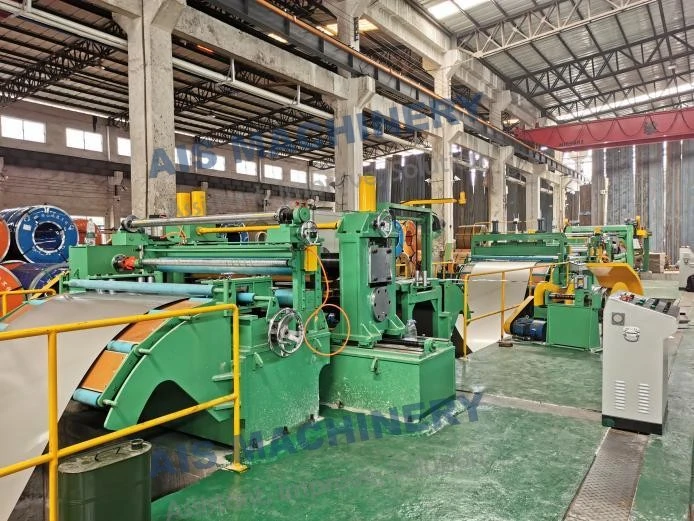
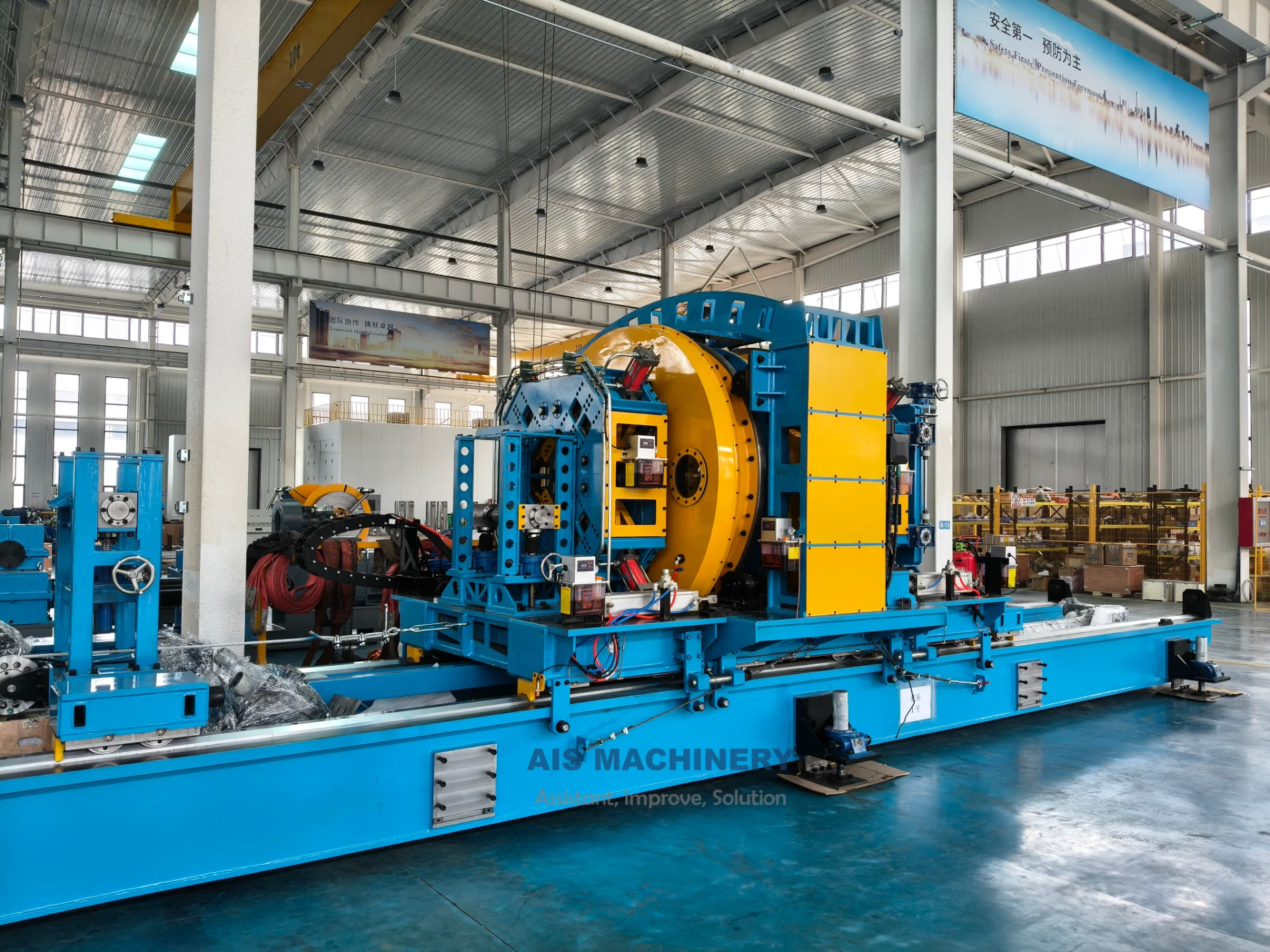
Slitting & Cut-to-Length Combined Production Line: A Smarter Way to Process Steel Coils
Discover the Slitting & Cut-to-Length Combined Production Line, a flexible solution for steel coil processing. This system integrates slitting line and cut-to-length line functions in one machine, saving space, reducing costs, and improving efficiency. Ideal for processing both steel strips and sheets, it is widely used in service centers and manufacturing industries. Learn its advantages, limitations, and applications.
2026-04-18 03:20:20
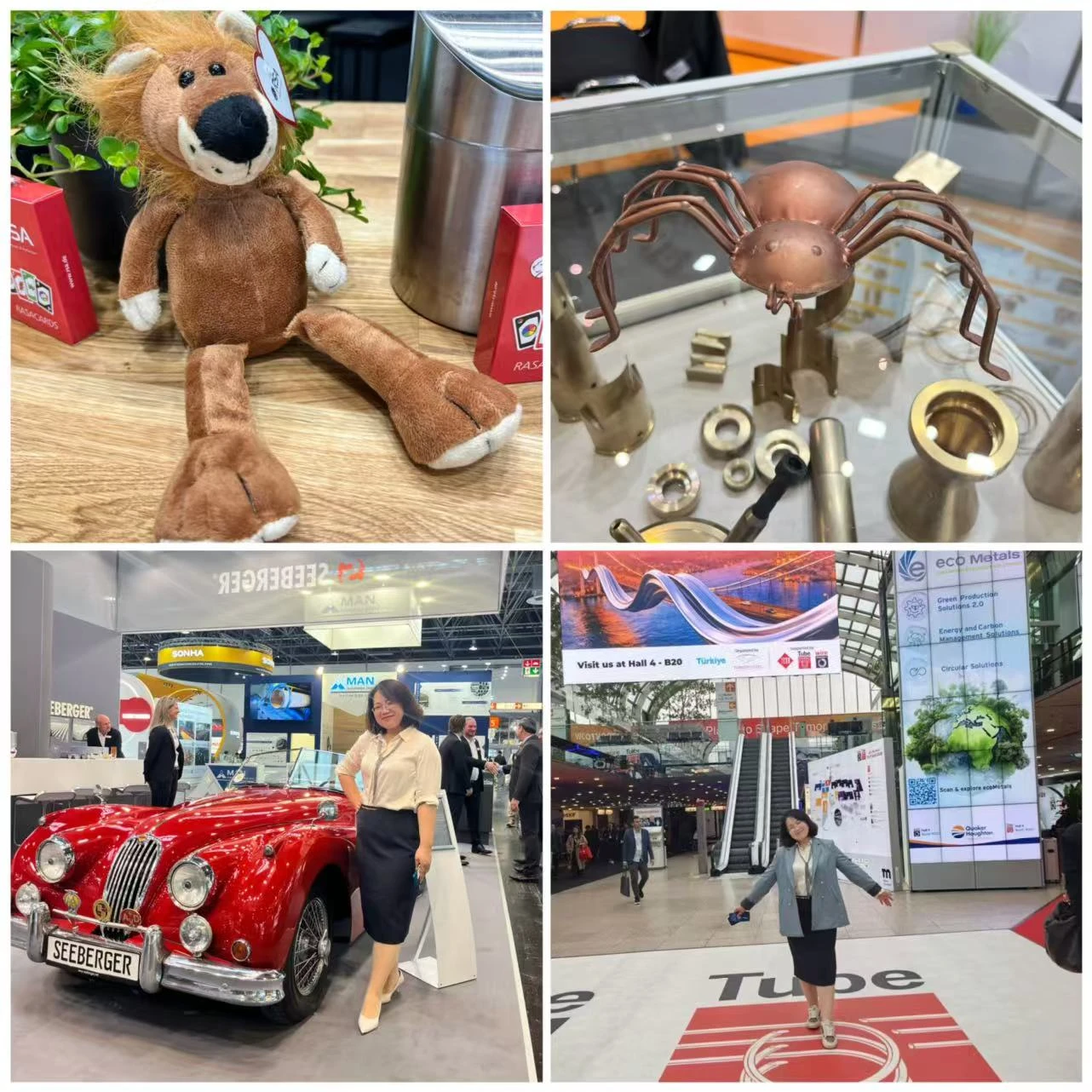
AIS Machinery Showcases Advanced Tube Solutions at Tube & Wire Düsseldorf 2026
Tube & Wire Düsseldorf 2026, one of the most influential exhibitions in the global tube and wire industry, held biennially in Düsseldorf, Germany
2026-04-17 00:00:00
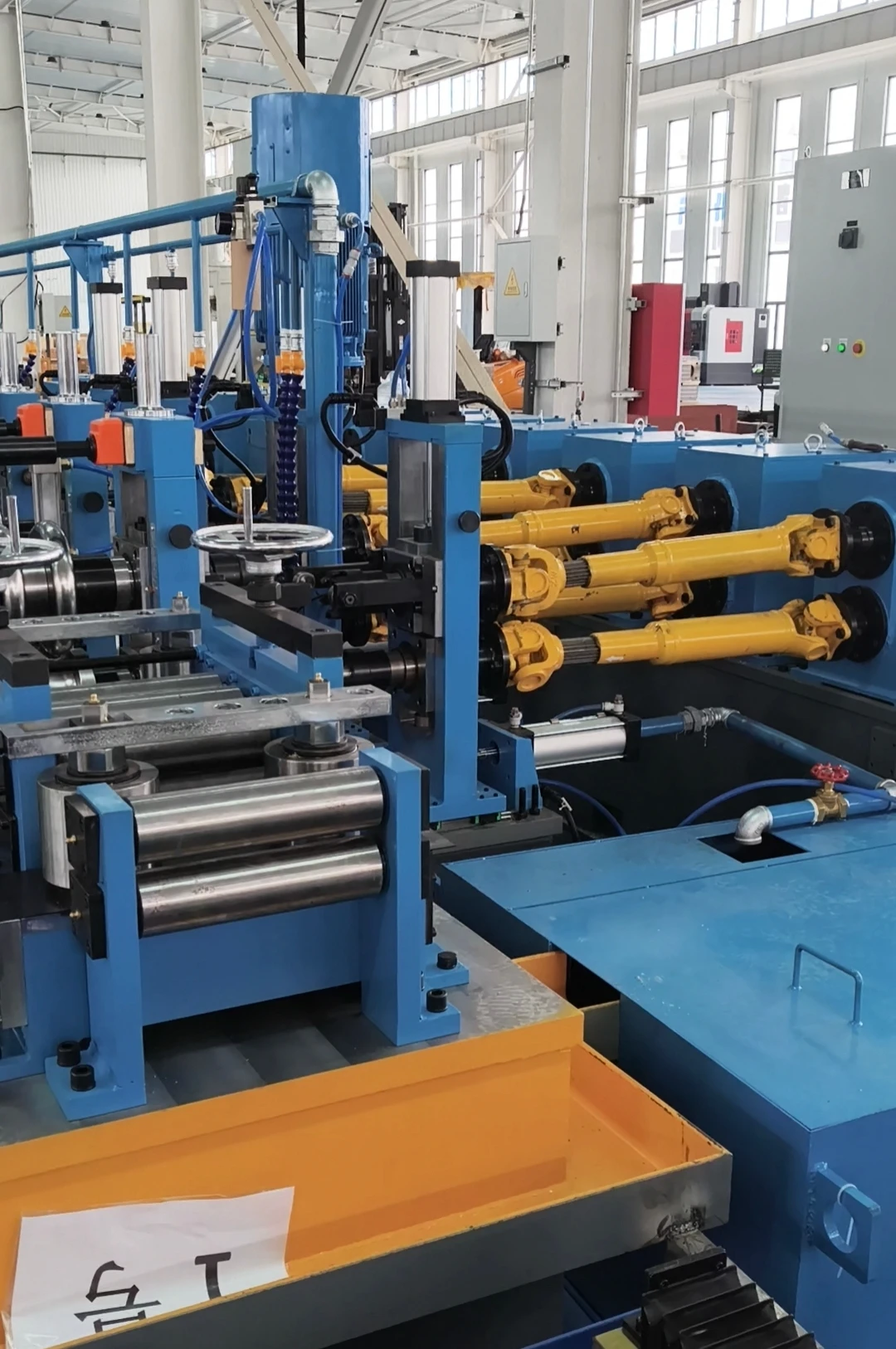
Southeast Asia Client Visits Our Factory | Customized Tube Mill Solution Delivered
A Southeast Asia client visited our ERW tube mill factory to inspect production lines and discuss a customized tube mill solution. Impressed by our machine quality, welding performance, and engineering support, the client confirmed strong cooperation intentions. Discover how our ERW tube mill solutions improve efficiency, precision, and long-term production reliability.
2026-04-15 10:37:55
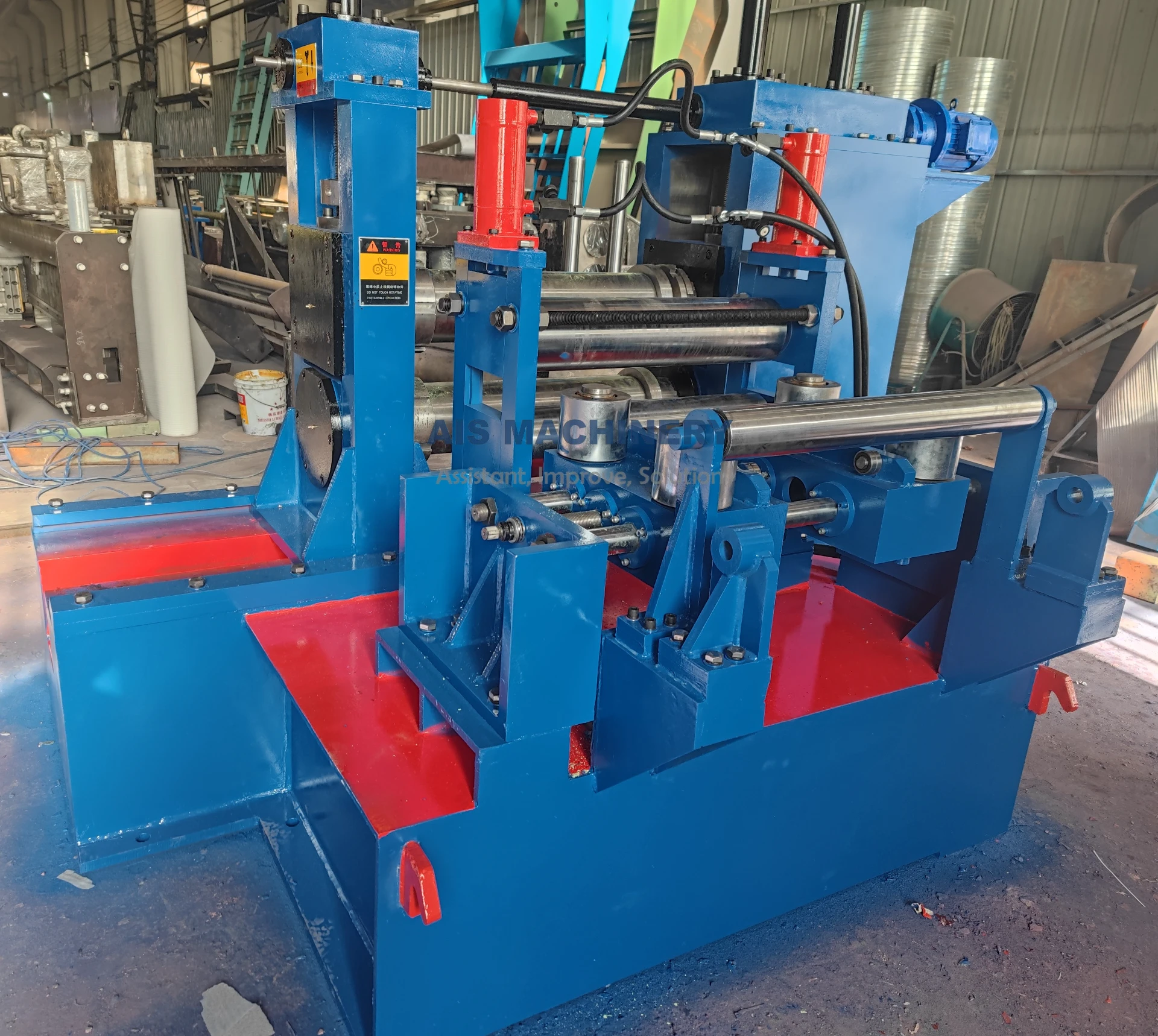
Flat Bar Production Line for Steel Coils: How It Works & Why It Matters
Looking for a flat bar production line? Learn how it turns steel coils into ready-to-use flat bars with precise length and high straightness. Compare it with slitting lines and get the best solution for your steel processing needs.
2026-04-14 00:00:00
Looking for a Milling Saw for ERW Tube Mill? Here’s What You Need to Know
Looking for a high-performance milling saw for your ERW tube mill? Upgrade to burr-free, high-precision pipe cutting with advanced flying saw technology. Improve efficiency, reduce rework, and meet export standards for carbon steel, stainless steel, and API pipes. Contact us today for expert solutions and competitive pricing tailored to your production needs.
2026-04-09 16:15:19
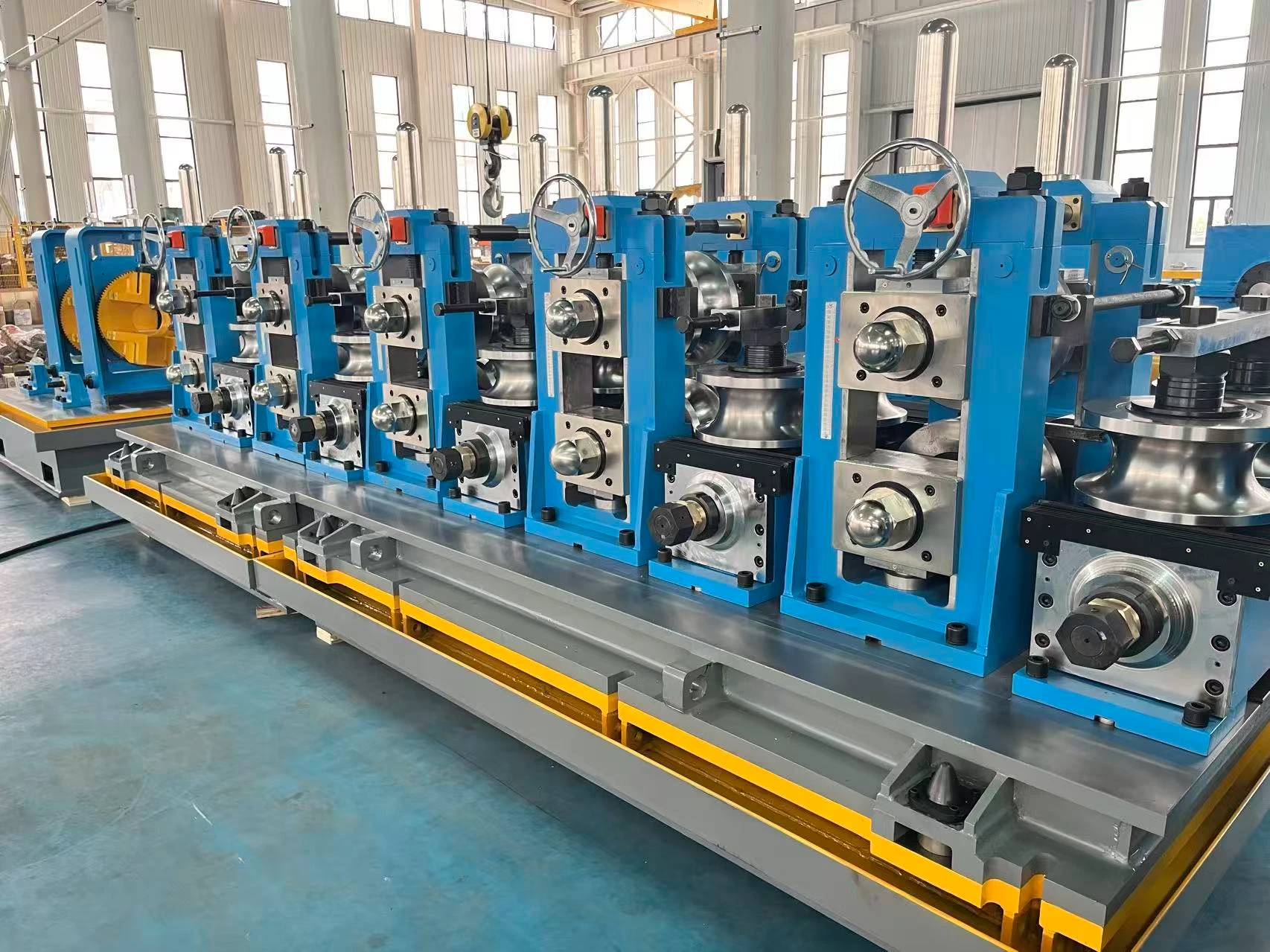
5-Inch (127mm) ERW Tube Making Machine Delivered with Heavy-Duty Design and Advanced Quick Change System
Send a Message
Dear customer, thank you for your attention! We provide high-quality machinery and equipment and look forward to your orders. Please inform us of your needs and we will respond quickly!
 English
  Albanian
  Arabic
  French
  German
  Indonesian
  Italian
  Japanese
  Kazakh
  Korean
  Latin
Latin  Macedonian
  Portuguese
  Russian
  Spanish
  Thai
Thai  Turkish
  Ukrainian
  Uzbek
Uzbek