
-
 Tel:86-15176910262
-

Search

What is a Ferrite Rod? Key Uses, Benefits & Impeder Core Solutions
May . 24, 2025 08:12
- Introduction to ferromagnetic components in modern electronics
- Data-driven impact of ferrite rods on industry efficiency
- Technical advantages over alternative impedance solutions
- Comparative analysis of leading manufacturers
- Custom design considerations for specific applications
- Real-world implementation across industries
- Future prospects of ferrite rod technology
(what is a ferrite rod)
What Is a Ferrite Rod and Why Does It Matter?
Ferrite rods, often interchangeably called impeder rods or ferrite cores, are cylindrical components made from iron oxide alloys. These materials exhibit high magnetic permeability and low electrical conductivity, making them ideal for managing electromagnetic interference (EMI) in circuits. A 2023 study by the Global Electronics Consortium revealed that 68% of industrial equipment failures stem from unmitigated EMI, underscoring the critical role of ferrite-based solutions.
Quantifying the Industrial Impact
The adoption of ferrite rods has increased signal clarity by 40-55% in high-frequency applications compared to air-core inductors. In RF communication systems, these components reduce power loss by 22% while operating at temperatures up to 200°C. Automotive manufacturers report a 31% reduction in electromagnetic compatibility (EMC) certification failures when using impedance-matched ferrite rods.
Engineering Superiority in Design
Ferrite rods outperform traditional impedance solutions through three key attributes:
- Frequency range customization (50 kHz to 500 MHz)
- Core loss values below 120 mW/cm³ at 100 MHz
- Permeability stability within ±5% from -40°C to +125°C
Manufacturer Performance Comparison
| Brand | Frequency Range | Permeability (μ) | Temp. Stability |
|---|---|---|---|
| Magnetics Inc. | 1 MHz - 300 MHz | 1250 | ±3% |
| Fair-Rite | 10 kHz - 200 MHz | 950 | ±4.5% |
| TDK | 50 kHz - 500 MHz | 2200 | ±2.8% |
Tailored Solutions for Complex Scenarios
Advanced manufacturers now offer ferrite cores with precision-tuned characteristics:
- Multi-segment impedance profiles for aerospace radar systems
- Coaxial rod configurations achieving 98% EMI suppression
- High-vibration variants with 15 G shock resistance
Implementation Case Studies
A telecommunications provider achieved 79% noise reduction in 5G base stations using diameter-optimized rods. Medical device manufacturers improved MRI compatibility by 62% through custom permeability gradients. Industrial IoT networks saw packet loss decrease from 8.2% to 0.9% after installing impedance-matched ferrite arrays.
Why Ferrite Rods Remain Essential
As wireless technologies advance, the demand for specialized ferrite rods grows exponentially. Market projections indicate a 7.8% CAGR through 2030, driven by needs in electric vehicle charging infrastructure and satellite communications. Manufacturers prioritizing material science innovation will dominate this $2.1 billion sector.
(what is a ferrite rod)
FAQS on what is a ferrite rod
Q: What is a ferrite rod?
A: A ferrite rod is a cylindrical core made of ferrite material, used in antennas and inductors to concentrate magnetic fields and improve efficiency in low-frequency applications like AM radios.
Q: How does an impeder rod differ from a ferrite rod?
A: An impeder rod is used in induction heating systems to restrict unwanted electrical currents, while a ferrite rod focuses on enhancing magnetic field efficiency in electronic components like antennas.
Q: What are ferrite cores commonly used for?
A: Ferrite cores are widely used in transformers, inductors, and cables to suppress high-frequency electromagnetic interference (EMI) and reduce energy loss in electronic circuits.
Q: Why are ferrite rods preferred in radio antennas?
A: Ferrite rods boost signal reception by efficiently capturing and concentrating magnetic waves, making them ideal for compact AM/FM radio antennas due to their high permeability and low conductivity.
Q: Can impeder rods and ferrite cores be used interchangeably?
A: No, impeder rods are specialized for controlling currents in heating systems, whereas ferrite cores are designed for EMI suppression and energy efficiency in electronic devices.

Related Products
Related News
2027-04-24 00:00:00
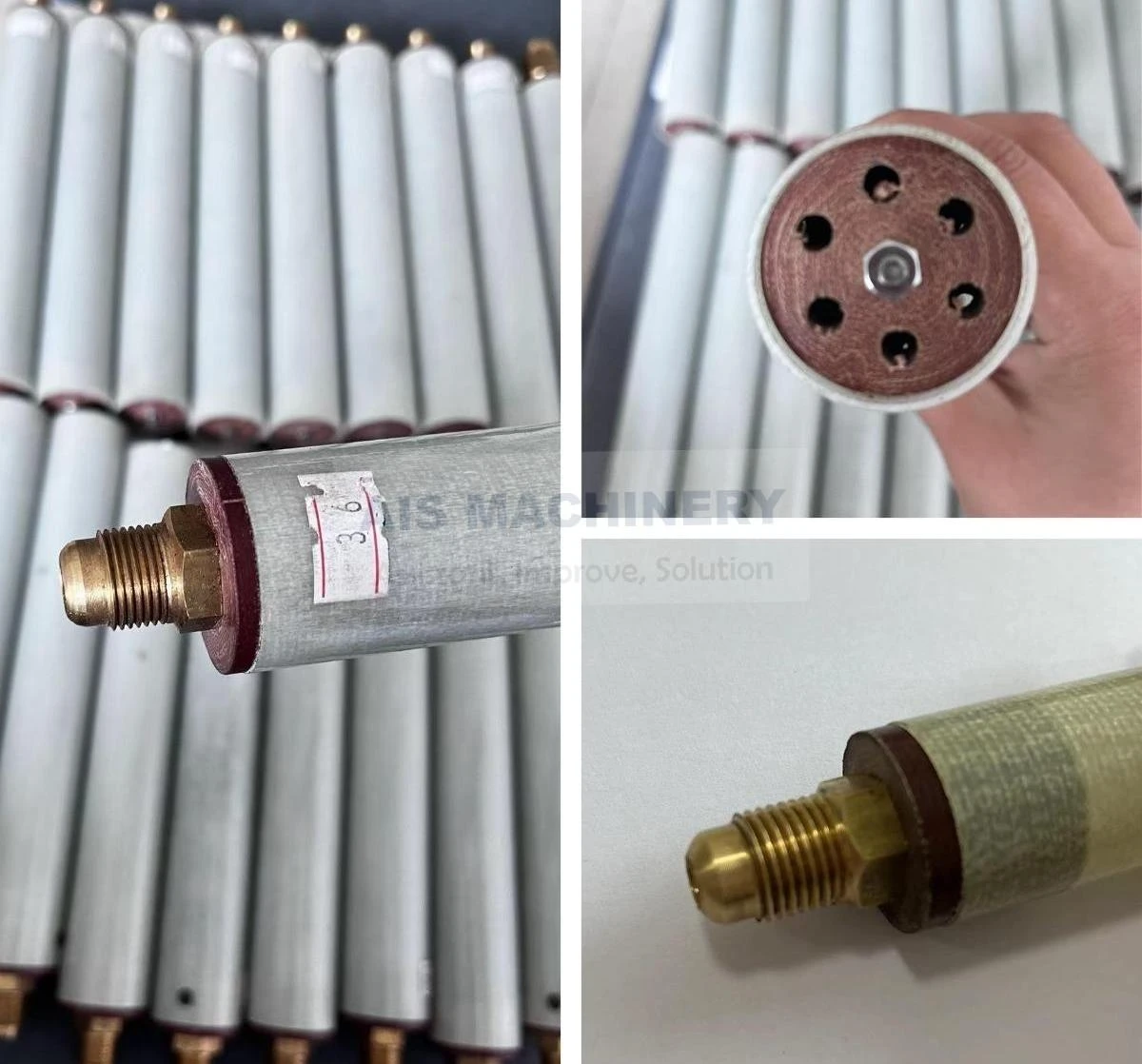
What is an Impeder and Ferrite Rods in ERW Tube Mill?
Struggling with impeder overheating or short service life in your ERW tube mill? This guide explains common impeder problems, the role of ferrite rods, and how to choose the right impeder for stable welding performance. Improve weld quality, reduce energy loss, and extend equipment lifespan with the right selection and proper cooling solutions.
2026-04-21 10:22:25
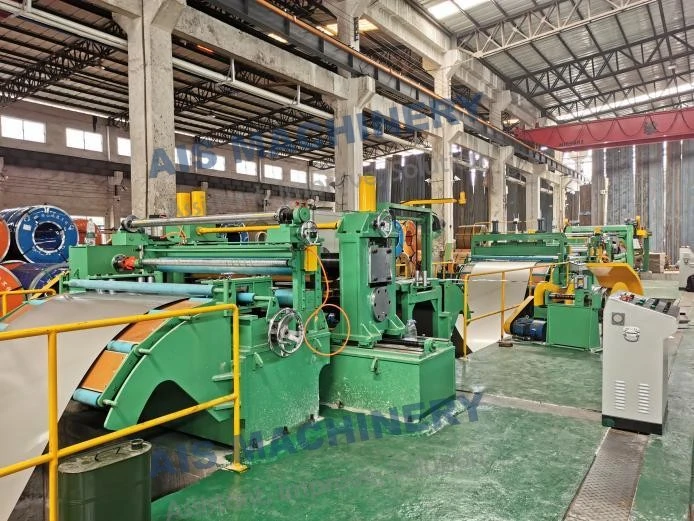
Slitting & Cut-to-Length Combined Production Line: A Smarter Way to Process Steel Coils
Discover the Slitting & Cut-to-Length Combined Production Line, a flexible solution for steel coil processing. This system integrates slitting line and cut-to-length line functions in one machine, saving space, reducing costs, and improving efficiency. Ideal for processing both steel strips and sheets, it is widely used in service centers and manufacturing industries. Learn its advantages, limitations, and applications.
2026-04-18 03:20:20
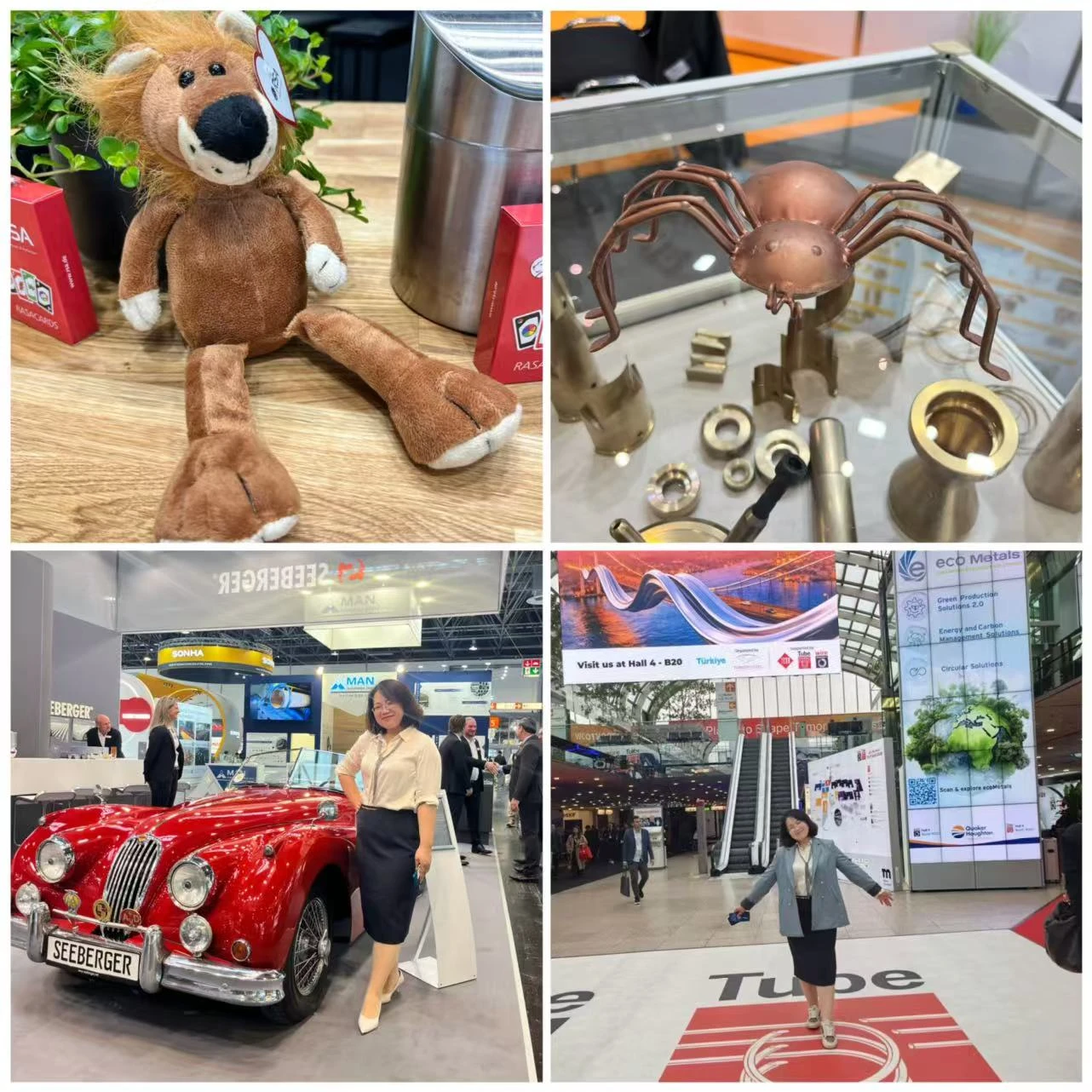
AIS Machinery Showcases Advanced Tube Solutions at Tube & Wire Düsseldorf 2026
Tube & Wire Düsseldorf 2026, one of the most influential exhibitions in the global tube and wire industry, held biennially in Düsseldorf, Germany
2026-04-17 00:00:00
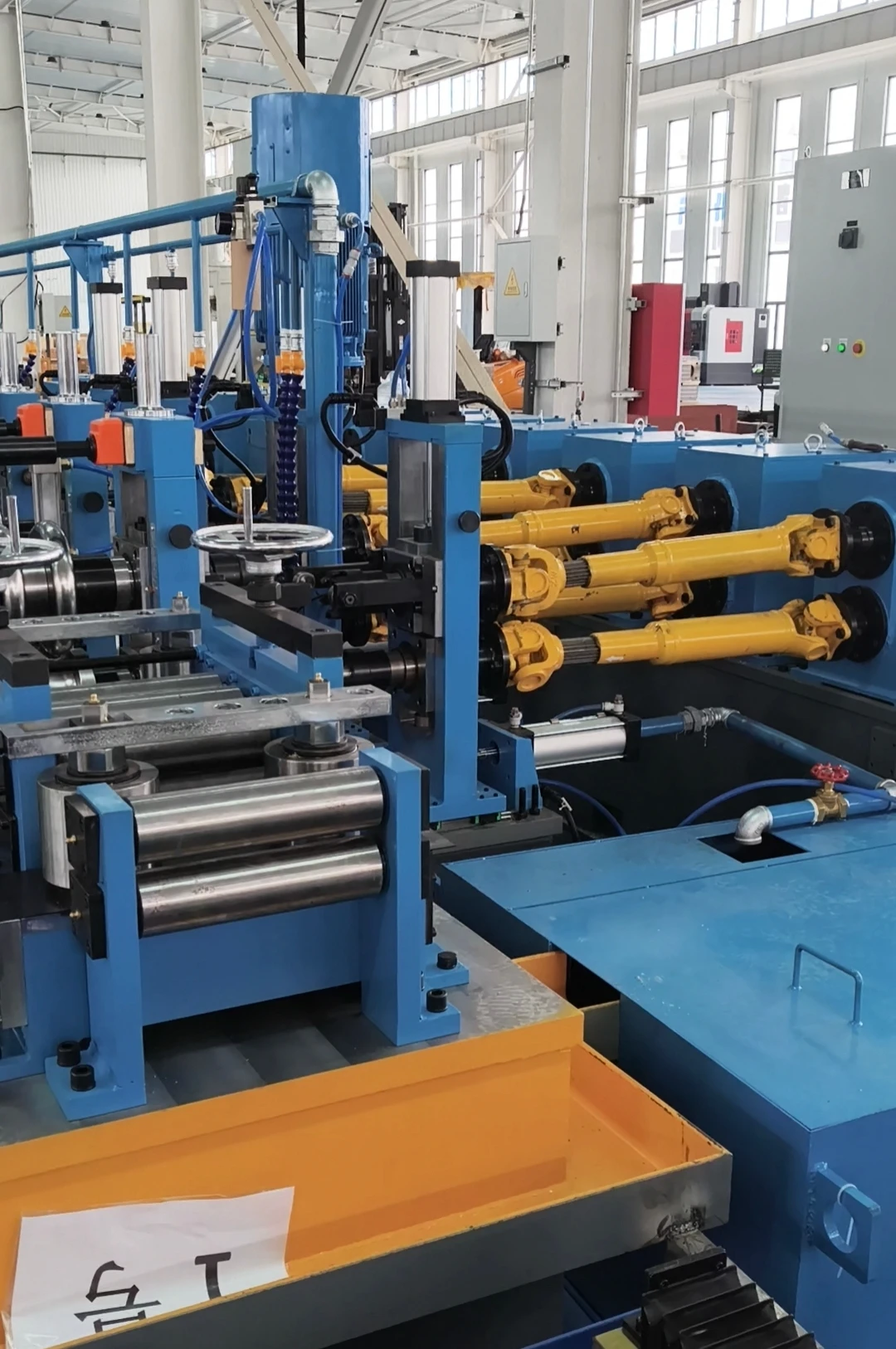
Southeast Asia Client Visits Our Factory | Customized Tube Mill Solution Delivered
A Southeast Asia client visited our ERW tube mill factory to inspect production lines and discuss a customized tube mill solution. Impressed by our machine quality, welding performance, and engineering support, the client confirmed strong cooperation intentions. Discover how our ERW tube mill solutions improve efficiency, precision, and long-term production reliability.
2026-04-15 10:37:55
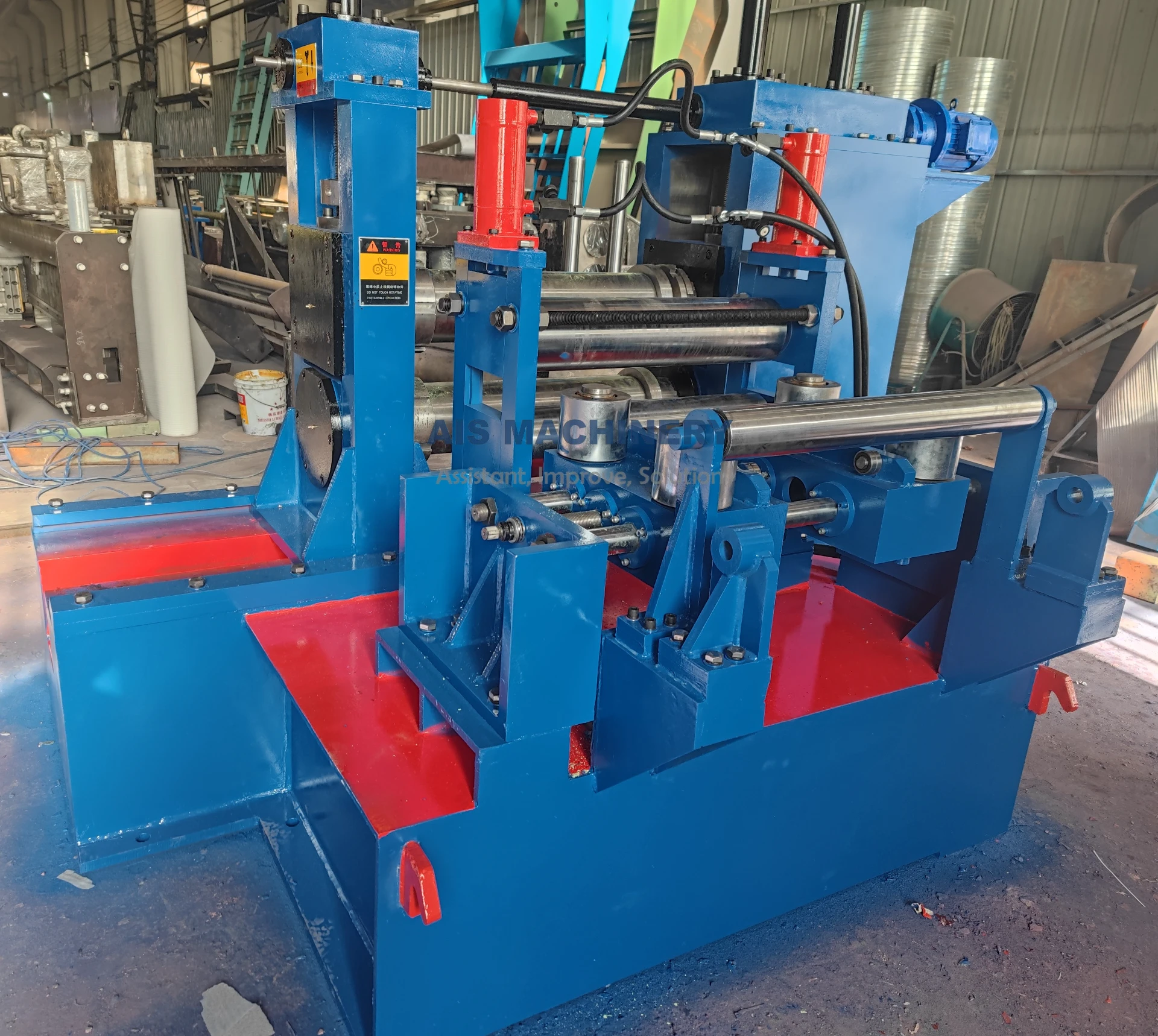
Flat Bar Production Line for Steel Coils: How It Works & Why It Matters
Looking for a flat bar production line? Learn how it turns steel coils into ready-to-use flat bars with precise length and high straightness. Compare it with slitting lines and get the best solution for your steel processing needs.
2026-04-14 00:00:00
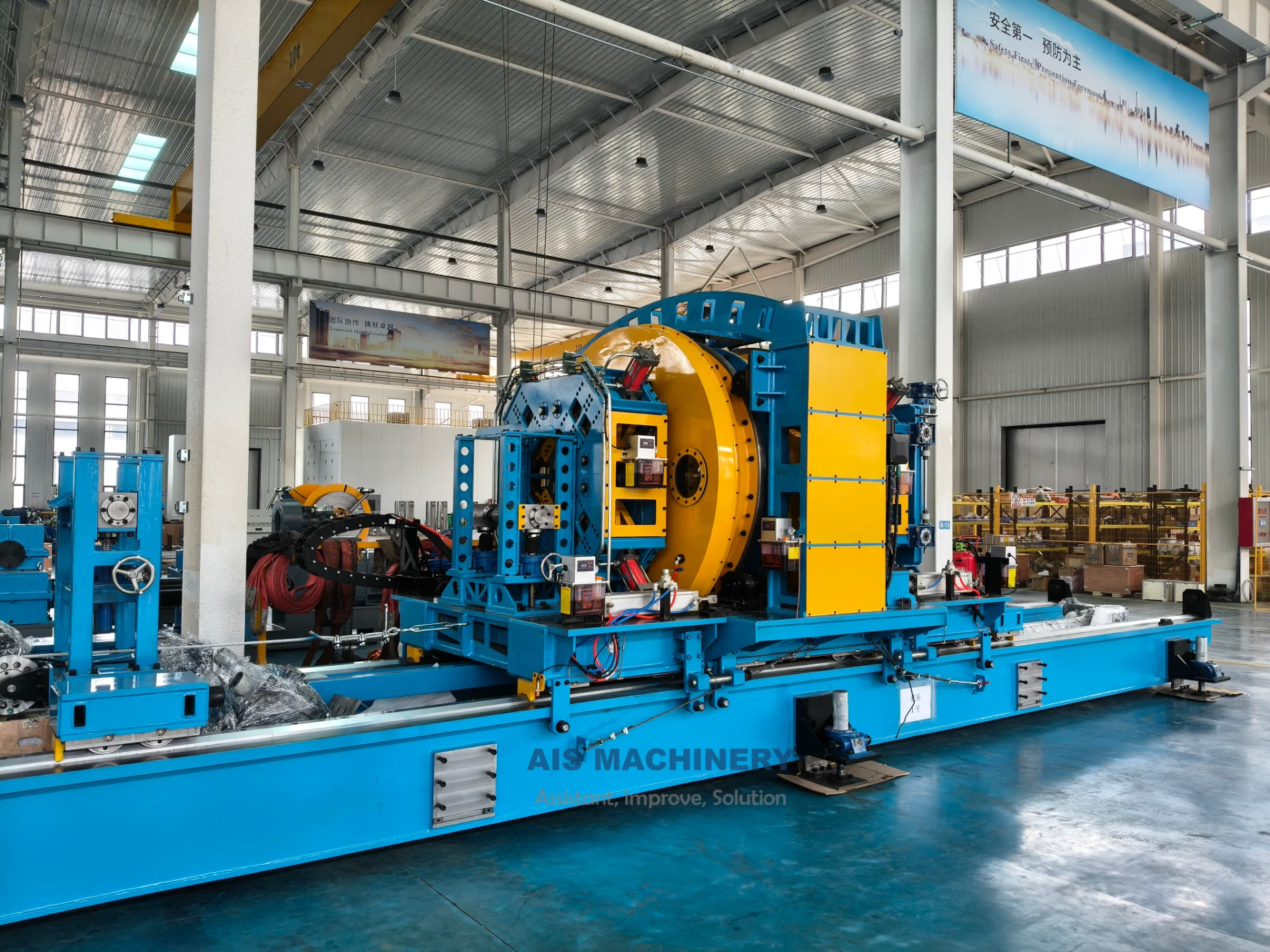
Looking for a Milling Saw for ERW Tube Mill? Here’s What You Need to Know
Looking for a high-performance milling saw for your ERW tube mill? Upgrade to burr-free, high-precision pipe cutting with advanced flying saw technology. Improve efficiency, reduce rework, and meet export standards for carbon steel, stainless steel, and API pipes. Contact us today for expert solutions and competitive pricing tailored to your production needs.
2026-04-09 16:15:19
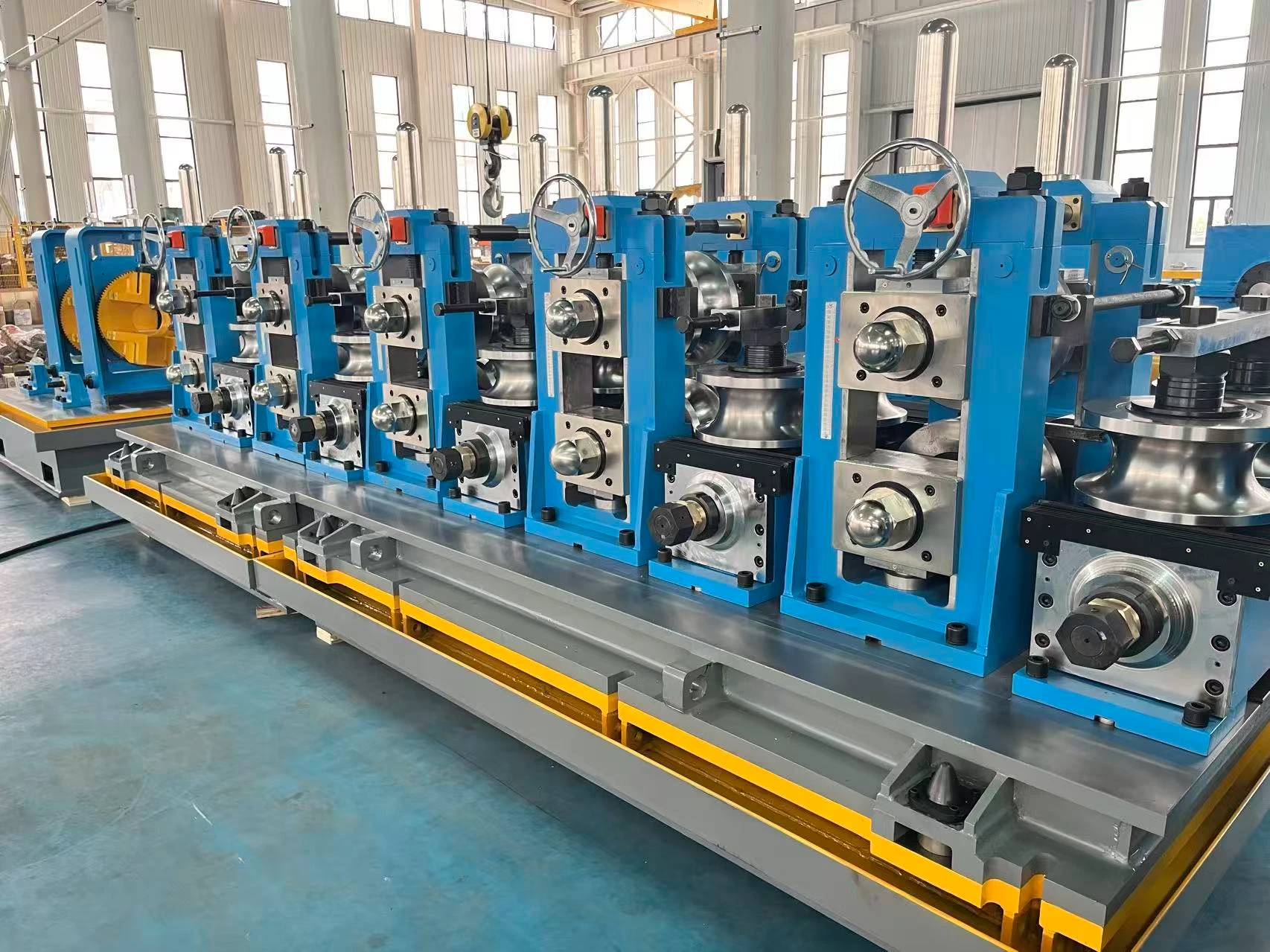
5-Inch (127mm) ERW Tube Making Machine Delivered with Heavy-Duty Design and Advanced Quick Change System
2027-04-07 00:00:00
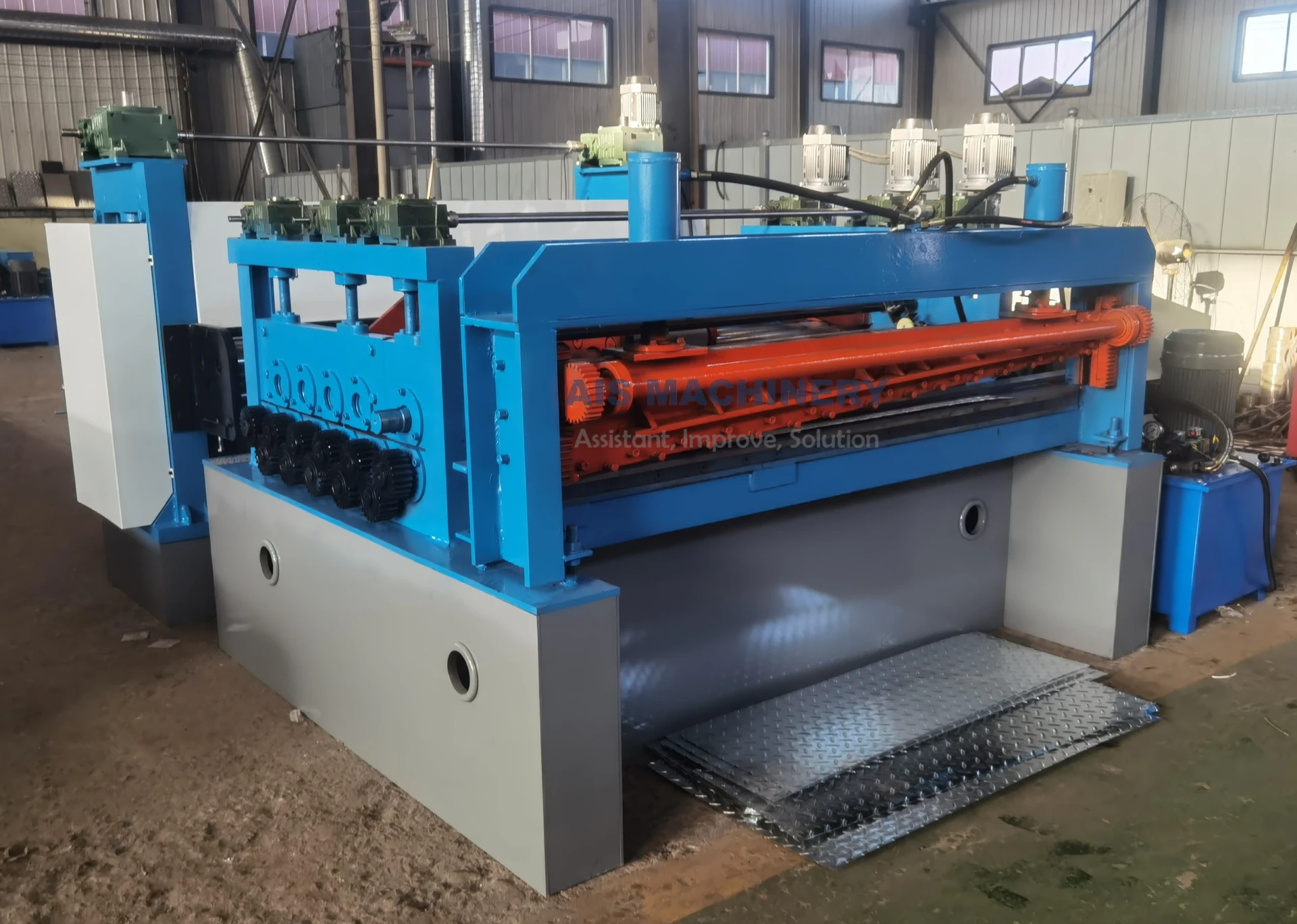
Metal Embossing Machine: Turn Flat Sheets into High-Value Textured Products
Discover how a metal embossing machine transforms flat steel, stainless steel, and aluminum sheets into high-value textured products. Learn about its working principle, key components, and applications. Ideal for decorative and industrial use, embossing machines improve both appearance and performance. Explore complete embossing line solutions and find the right machine for your production needs.
Send a Message
Dear customer, thank you for your attention! We provide high-quality machinery and equipment and look forward to your orders. Please inform us of your needs and we will respond quickly!
 English
  Albanian
  Arabic
  French
  German
  Indonesian
  Italian
  Japanese
  Kazakh
  Korean
  Latin
Latin  Macedonian
  Portuguese
  Russian
  Spanish
  Thai
Thai  Turkish
  Ukrainian
  Uzbek
Uzbek