
-
 Tel:86-15176910262
-

Search

Aluminium Coil Slitting Machine – Precision, Efficiency & Sustainability in Metal Processing
Nov . 27, 2025 04:15
What Is an Aluminium Coil Slitting Machine and Why It Matters
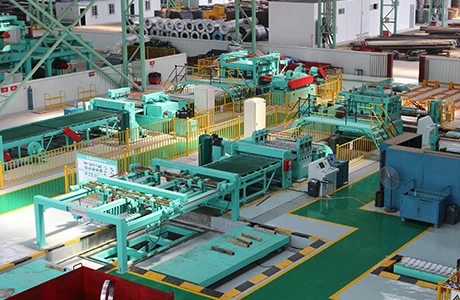
At first glance, an aluminium coil slitting machine might sound like a very niche piece of industrial equipment, and sure — it is. But its role is surprisingly pivotal in the global manufacturing ecosystem. Essentially, these machines slice large rolls of aluminium coil into narrower strips, prepping them for diverse uses, from automotive parts to building facades and electronics. Getting acquainted with this machine is important because aluminium — lightweight, corrosion-resistant, endlessly recyclable — has become a cornerstone metal of our industrial age. And the slitting process? Well, it's about precision, efficiency, and minimizing waste.
In a nutshell, the value here lies in turning raw aluminium coils into customizable widths, enabling downstream industries to thrive, save costs, and innovate. But let’s unpack this further...
Global Significance: Why the Aluminium Coil Slitting Machine is a Big Deal
Aluminium production worldwide has been on a steady rise, driven by construction booms, transportation industry growth, and renewable energy demands. According to the International Aluminium Institute, global aluminium output topped 65 million tonnes in 2023 with no signs of slowing down. The United Nations has also flagged aluminium's recyclability as a key factor in sustainable development goals (SDGs), particularly in climate action and responsible consumption.
Yet one challenge remains: raw aluminium rolls are bulky and mostly uniform in shape. Industries require different coil widths tailored for specific uses — and that’s where the aluminium coil slitting machine comes in. By converting broad coils into narrow strips quickly and accurately, manufacturers avoid costly waste and adapt dynamically to market needs.
In other words, without reliable slitting machinery, supply chains would face bottlenecks, quality issues, and inefficiencies — hardly what a globalized, efficiency-driven market can afford.
Defining the Aluminium Coil Slitting Machine
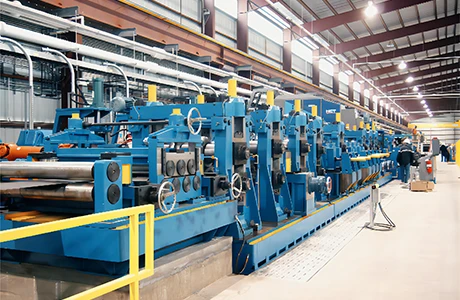
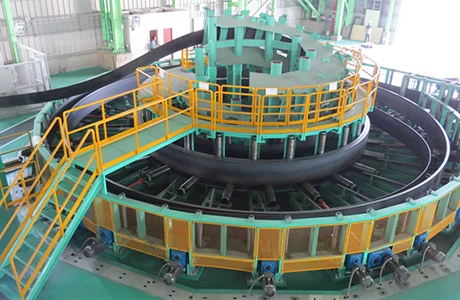
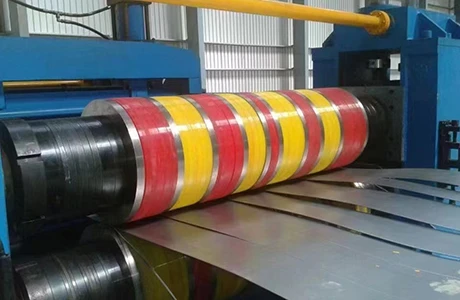
Simply put, an aluminium coil slitting machine is a piece of industrial equipment designed to cut large aluminium coils into narrower strips by passing the metal through rotary blades or knives.
Think of it like a super precise deli slicer for metal. The process preserves the coil’s surface quality while producing widths needed for diverse manufacturing operations. Given aluminium’s prevalence in trucks, airplanes, consumer goods, and even humanitarian aid supplies (think durable shelters), this machine is a quiet but vital workhorse.
Key Components That Keep the Machine Tickin’
1. Precision Blades
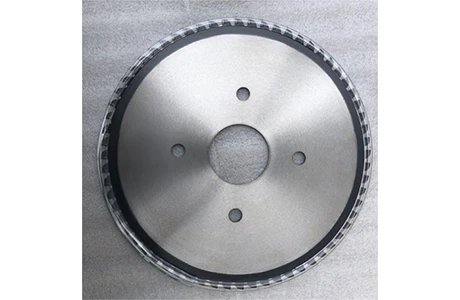
The heart of any aluminium coil slitting machine is its set of rotary blades. Their sharpness, adjustability, and material matter a lot. High-grade steel blades reduce damage and waste.
2. Web Handling System
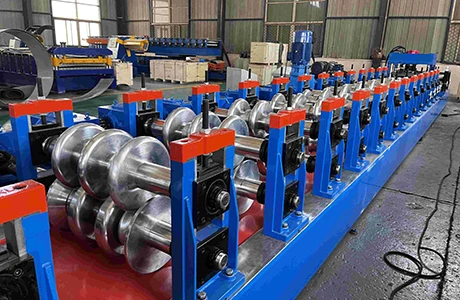
This ensures the coil feeds into the blades smoothly without tension anomalies. Think rollers, tension controls, and edge guides all synced to keep the aluminium from stretching or scratching.
3. Adjustable Slitting Width
Flexibility is key. The machine must quickly switch between coil widths with minimal downtime to keep production agile.
4. Automation and Controls
Modern machines feature programmable controls for speed, tension, blade positioning, and fault detection— meaning less manual intervention and greater consistency.
5. Robust Frame & Durability
These machines work under high speed and pressure — a sturdy frame means lower vibration and longer life span.
Mini Takeaway:
High-precision blades, smooth web handling, flexible width adjustments, advanced automation, and durable construction together make an aluminium coil slitting machine a production line’s unsung hero.
Where in the World Are These Machines Making a Difference?
From China’s massive automotive manufacturing centers to Europe’s aerospace facilities, aluminium coil slitting machines are everywhere.
- Asia: Not only the world's largest aluminium producers but also huge consumers. For example, India’s infrastructure push increases demand for architectural aluminium strips, requiring custom slit widths.
- Europe: Premium car makers and renewable energy firms benefit from exactly slit aluminium coils for lightweight, high-strength components.
- North America: The construction and packaging sectors rely heavily on these machines to tailor aluminium for diverse needs.
- Humanitarian Use: NGOs producing modular shelters or portable facilities often use aluminium slit strips for lightweight, durable building panels.
In remote industrial zones, quick-replace coils and reliably slit strips enable faster assembly lines. And where a disaster strikes? Rapid slitting means supply lines adjust to specific needs fast.
Advantages & Long-Term Benefits
There’s a blend of tangible and intangible benefits that should not be overlooked:
- Cost Efficiency: Precise slitting reduces material loss and scrap — saving money.
- Sustainability: Minimizing waste aligns with global carbon footprint goals. Aluminium recycling already saves up to 95% energy compared to primary production.
- Consistency & Quality: Modern automation ensures every strip has uniform width and no surface damage — critical for high-end manufacturing.
- Speed & Scalability: Fast changeovers and continuous operation translate to better supply chain responsiveness.
- Trust & Innovation: Manufacturers who rely on high-quality slit coils can innovate boldly — lighter, stronger, more complex designs.
Product Specification Table
| Specification | Details |
|---|---|
| Max Coil Width | 1600 mm |
| Max Coil Thickness | 0.2 - 6 mm |
| Slitting Speed | Up to 120 m/min |
| Blade Material | Hardened Steel / Tungsten Carbide |
| Automation Level | PLC Controlled with Touchscreen |
| Max Slitting Passes | 12 simultaneous slits |
Vendor Comparison: Top Aluminium Coil Slitting Machines
| Feature | Alpha Machines | Beta Slitters | Gamma Tech |
|---|---|---|---|
| Max Coil Width | 1500 mm | 1600 mm | 1400 mm |
| Automation | Semi-automatic | Fully Automatic PLC | Manual |
| Max Slitting Speed | 100 m/min | 120 m/min | 90 m/min |
| Blade Change | Manual | Automated | Manual |
| Ideal For | Small to Medium Batches | Large Scale Industrial Use | Budget-Conscious Buyers |
| Price Range | $50,000 - $80,000 | $70,000 - $120,000 | $30,000 - $45,000 |
Looking Ahead: Trends Shaping Aluminium Slitting Technologies
The future looks exciting. With sustainable manufacturing becoming gospel, aluminium coil slitting machines are evolving to reduce energy consumption, incorporate AI-driven fault detections, and adapt to lighter alloys.
Green energy industries require even more precision and zero waste, which pushes manufacturers to adopt integrated smart controls. Moreover, 3D printing and robotics integration might soon allow for unique coil shapes—but that’s a topic for another day.
Challenges and Clever Solutions
Of course, no process is flawless. Some issues cropping up with aluminium coil slitting machines include blade wear, tension control difficulties on ultra-thin coils, and downtime during blade changeovers. But advances like carbide blades, automated tension sensing, and modular blade holders are easing these problems.
FAQ: Important Questions Around Aluminium Coil Slitting Machines
- Q1: How does an aluminium coil slitting machine improve production efficiency?
- A: By converting large coils into precise narrower strips swiftly, the machine reduces handling time and material waste, enabling faster turnaround on production lines.
- Q2: Can these machines handle varying aluminium thicknesses and widths?
- A: Yes, most modern slitting machines are designed to adjust for a wide range of coil thickness (typically 0.2 to 6 mm) and widths, offering flexibility to cater to differing client demands.
- Q3: What about maintenance requirements?
- A: Regular blade inspection and replacement are critical, along with lubrication of rollers and sensors calibration. Automated machines often come with diagnostics that simplify upkeep.
- Q4: Are aluminium coil slitting machines suitable for recycling plants?
- A: Absolutely. Many aluminium recycling facilities use these machines to prepare recycled coils for resale or further processing, maximizing material value.
- Q5: How do I decide which slitting machine fits my business?
- A: Consider production volume, coil sizes, automation preferences, and budget. Vendors usually provide consultation to match machines with your specific operational needs.
Wrapping It Up: Why Aluminium Coil Slitting Machines Matter to You
Whether you’re in manufacturing, construction, or supply chain management, understanding aluminium coil slitting machinery gives you a leg up. It’s more than cutting metal; it’s about efficiency, innovation, and sustainability all rolled into one tight package. The ability to adapt coil sizes on-demand fuels industries that impact everything from your smartphone to the aircraft overhead.
Want to explore the latest models? Check out leading machines and get details at aluminium coil slitting machine. They can help you find the perfect slitting solution to take your production to the next level.
References

Related Products
Related News
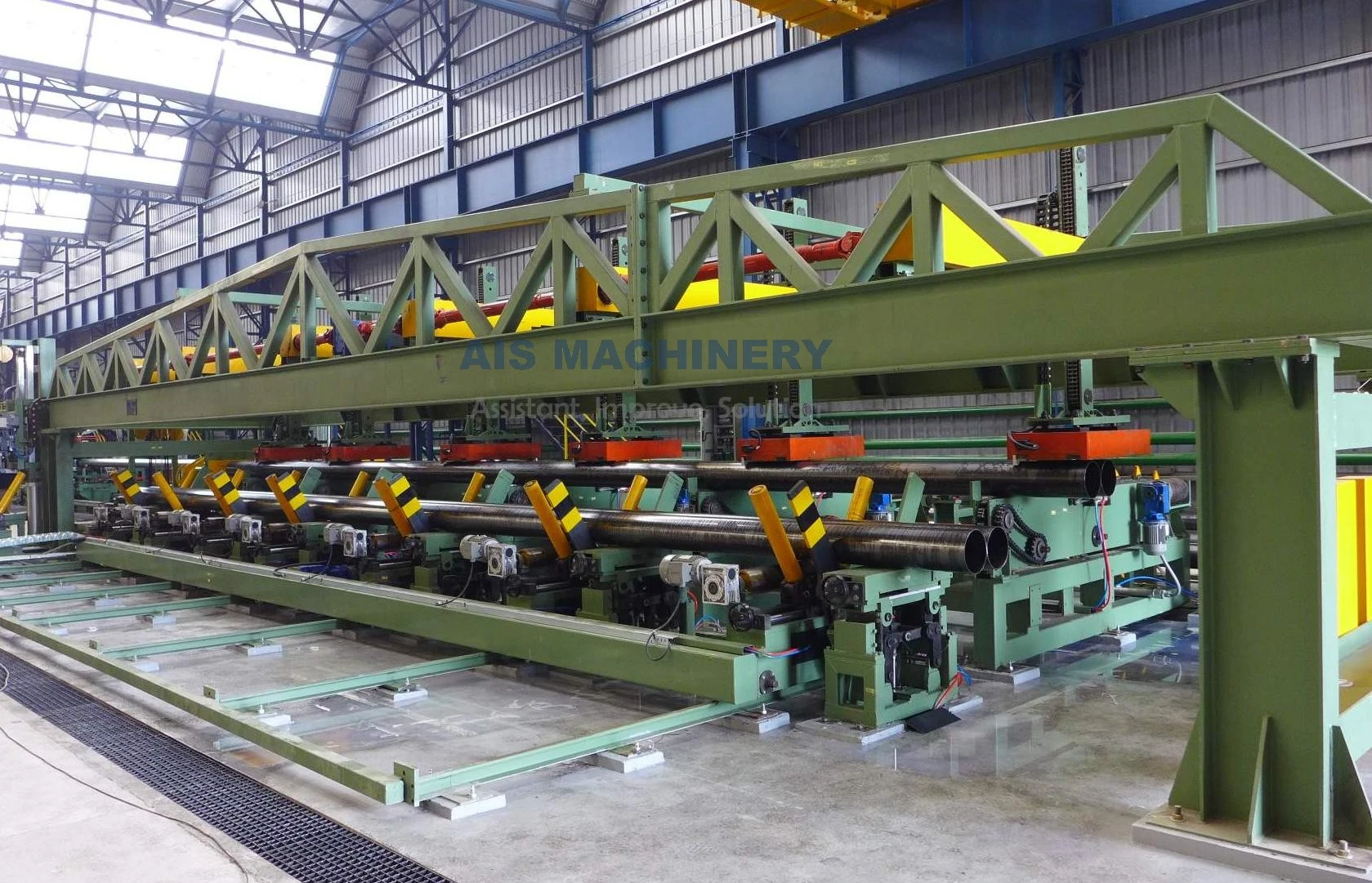
2026-04-30 09:35:04
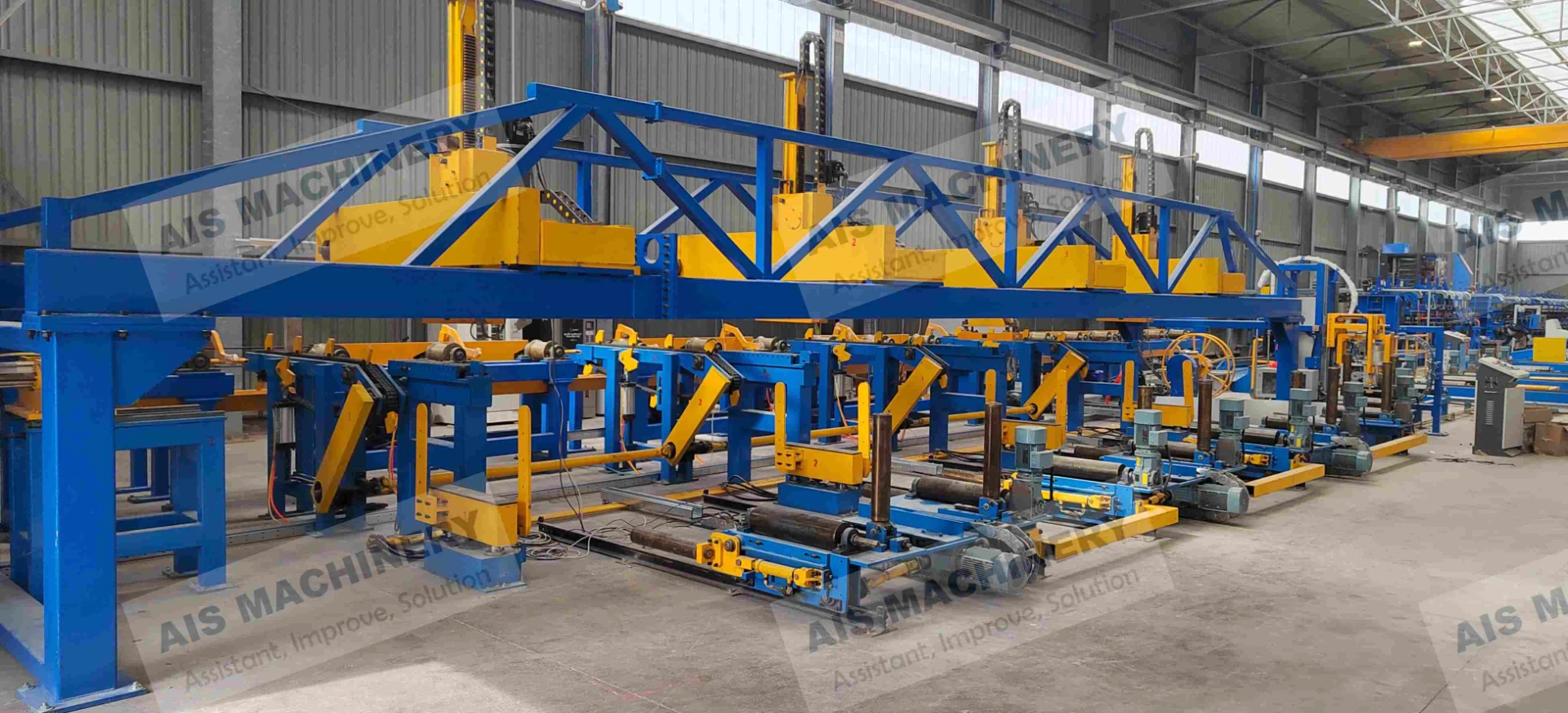
Automatic Stacking Machine (Magnetic Chuck Type)
The Automatic Stacking Machine (Magnetic Chuck Type) from AIS Machinery is designed to efficiently collect and stack steel tubes in ERW tube mill production lines. Using electromagnetic lifting, it can pick up multiple tubes at once and place them neatly in layers. This reduces manual labor, improves stacking accuracy, and increases overall production efficiency. It is installed after the flying saw and works seamlessly with the mill line, making it an ideal solution for modern tube manufacturers.
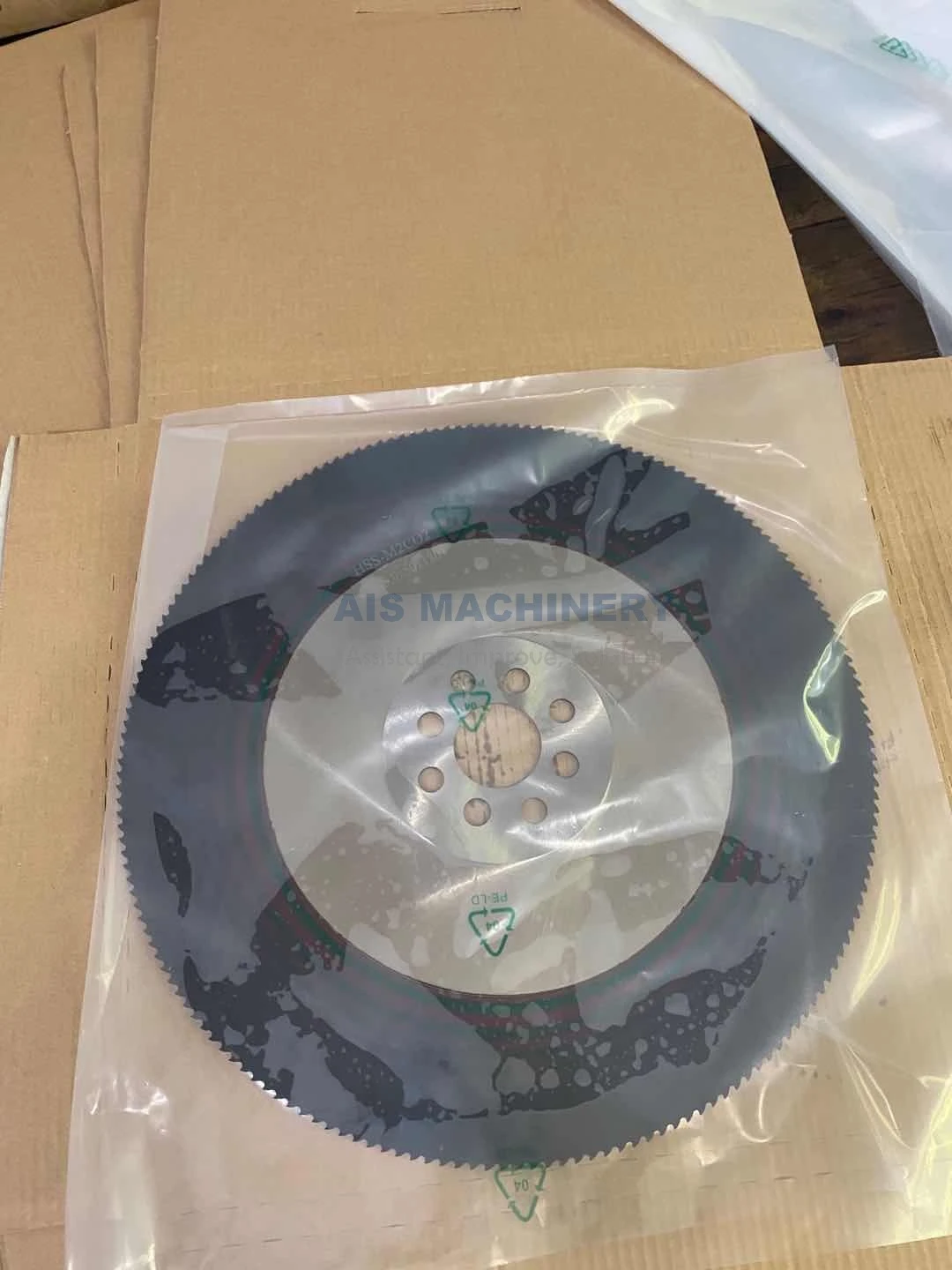
2026-04-28 08:56:05
Saw Blade Guide for Tube Mills: Friction vs HSS vs TCT — Which One Should You Choose?
Confused about friction saw, HSS, and TCT blades? This guide explains their uses in cold saw and friction saw machines, with pros, cons, and expert selection tips.
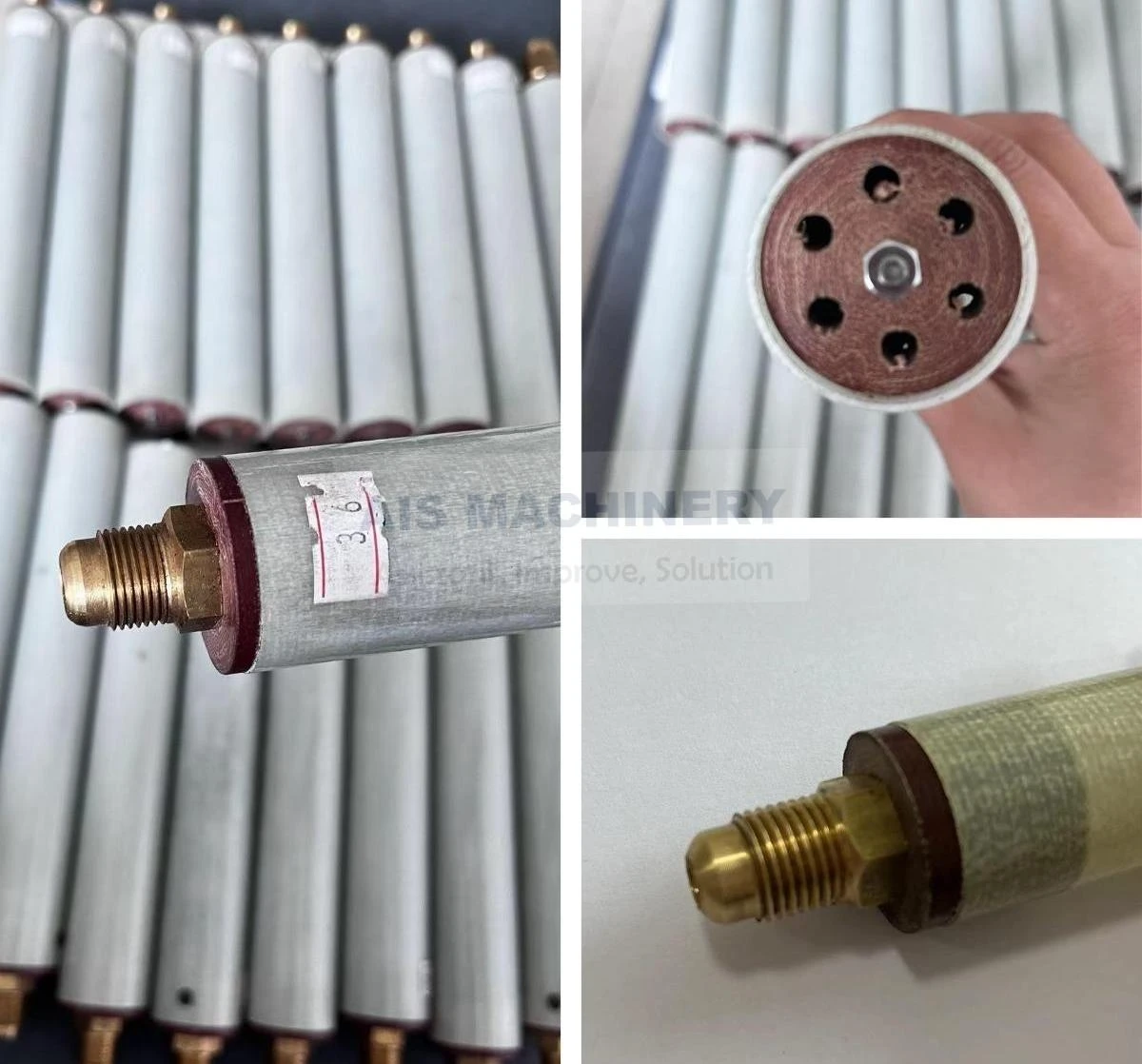
2026-04-24 08:54:16
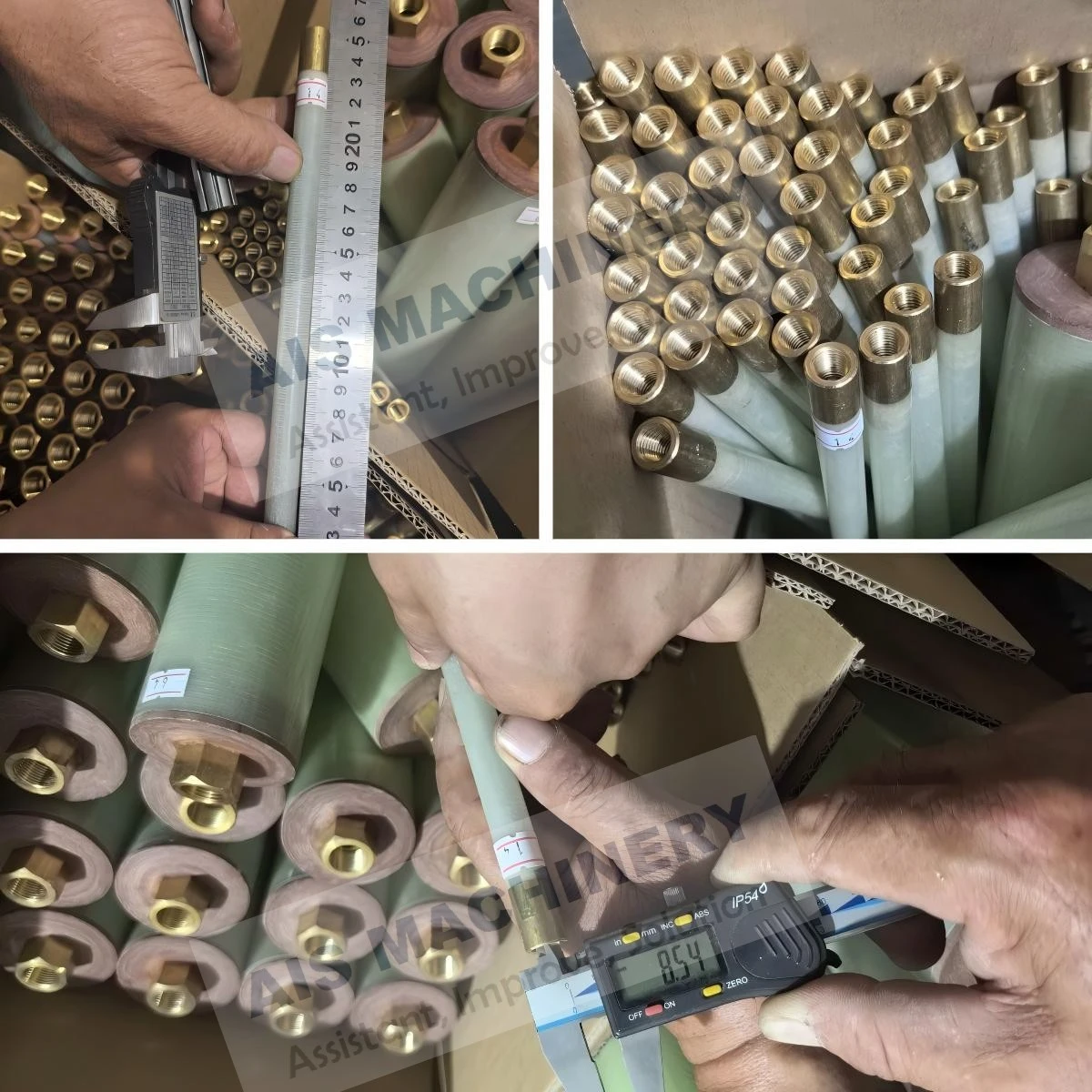
What is an Impeder and Ferrite Rods in ERW Tube Mill?
Struggling with impeder overheating or short service life in your ERW tube mill? This guide explains common impeder problems, the role of ferrite rods, and how to choose the right impeder for stable welding performance. Improve weld quality, reduce energy loss, and extend equipment lifespan with the right selection and proper cooling solutions.
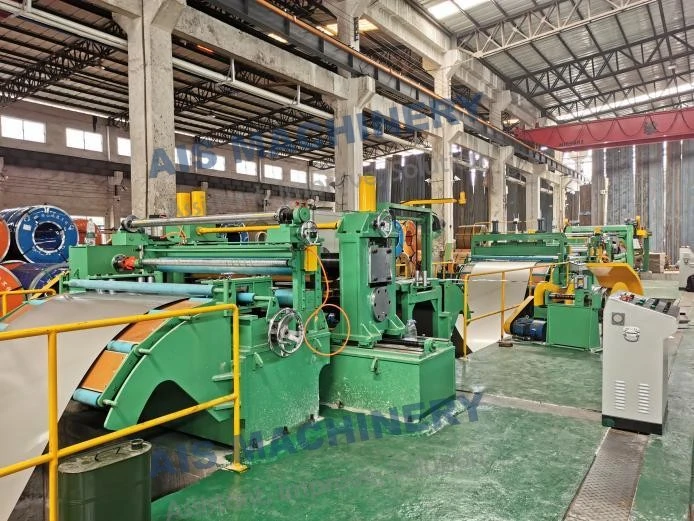
2026-04-21 10:22:25
Slitting & Cut-to-Length Combined Production Line: A Smarter Way to Process Steel Coils
Discover the Slitting & Cut-to-Length Combined Production Line, a flexible solution for steel coil processing. This system integrates slitting line and cut-to-length line functions in one machine, saving space, reducing costs, and improving efficiency. Ideal for processing both steel strips and sheets, it is widely used in service centers and manufacturing industries. Learn its advantages, limitations, and applications.
2026-04-18 03:20:20
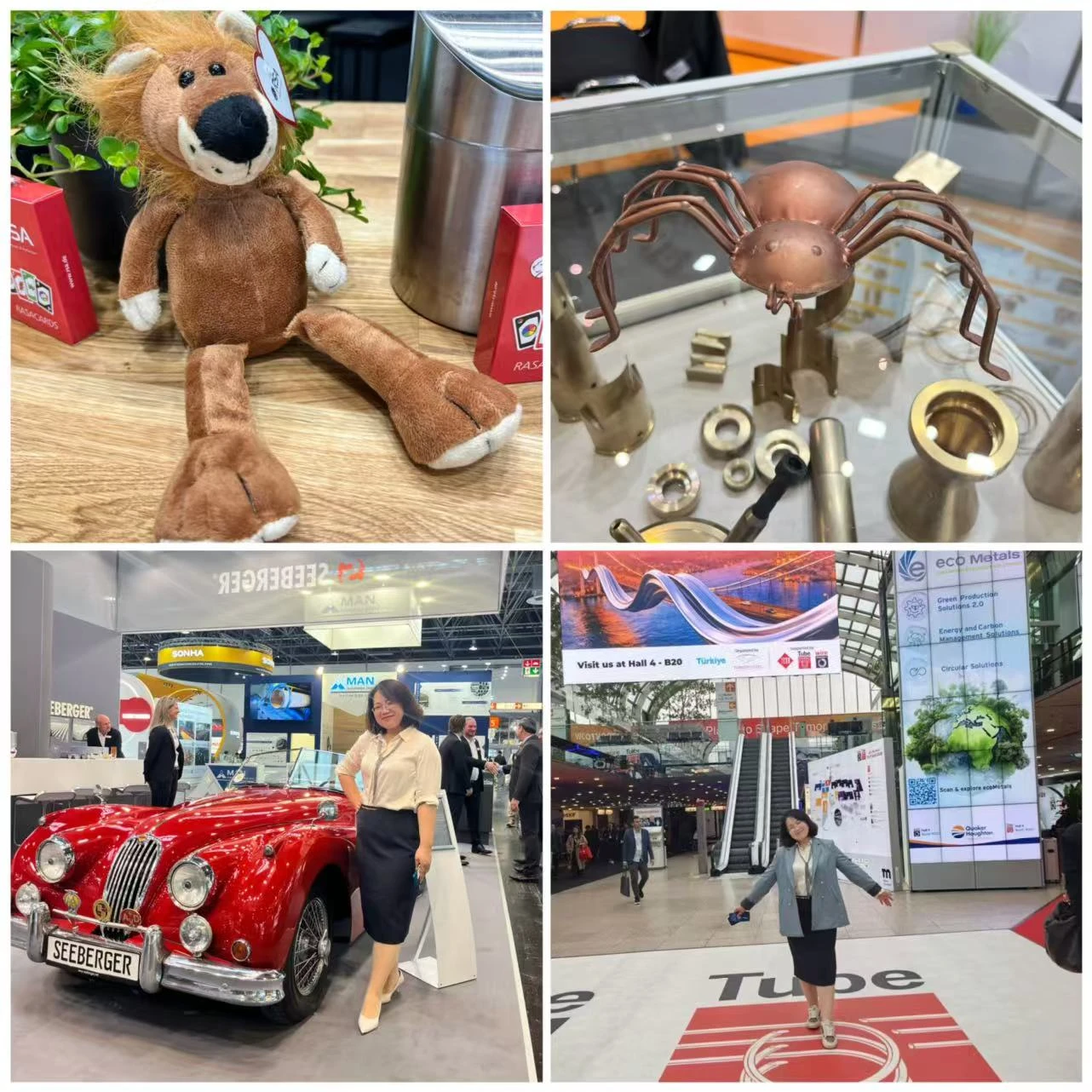
AIS Machinery Showcases Advanced Tube Solutions at Tube & Wire Düsseldorf 2026
Tube & Wire Düsseldorf 2026, one of the most influential exhibitions in the global tube and wire industry, held biennially in Düsseldorf, Germany
2026-04-17 00:00:00
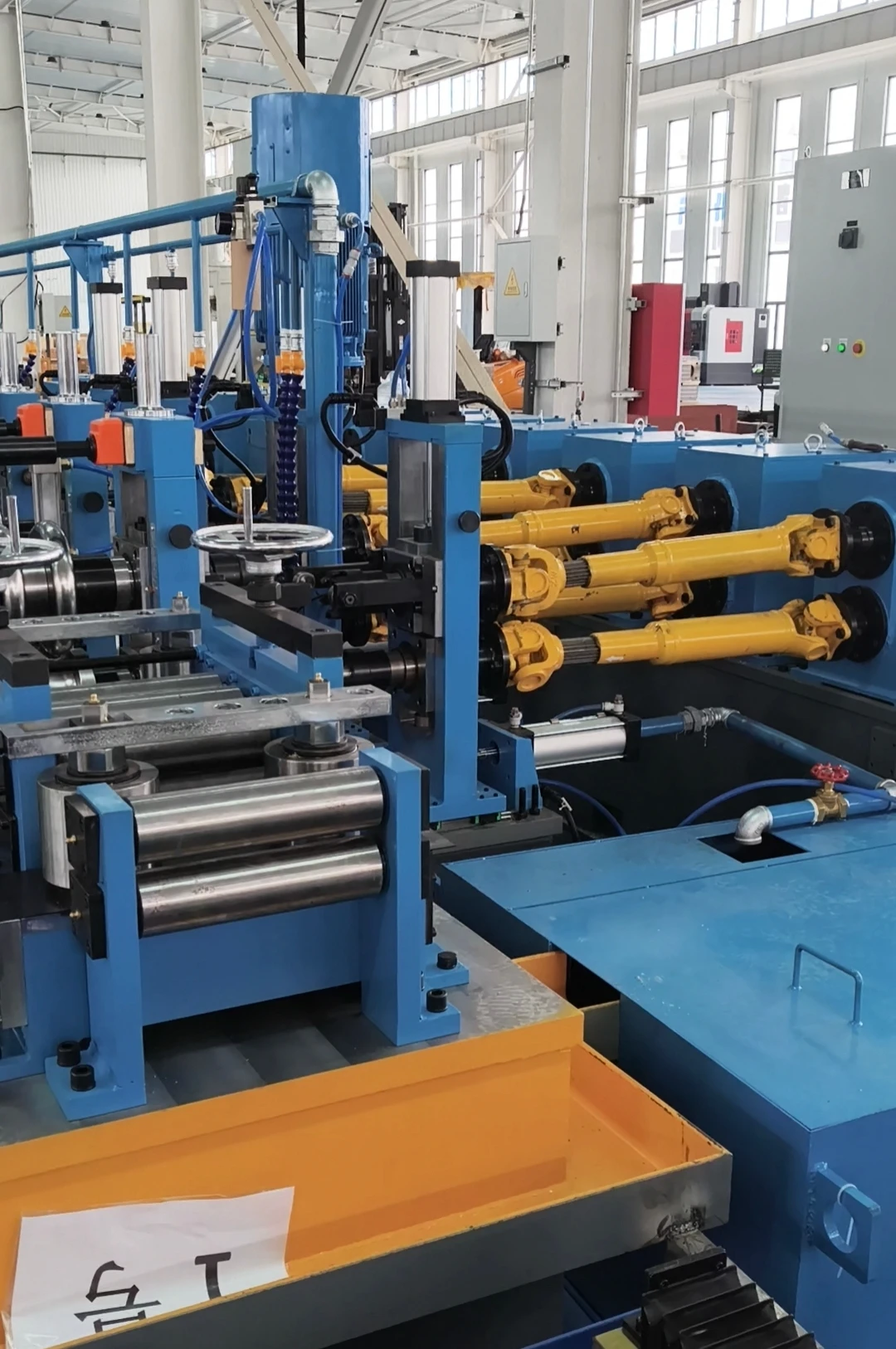
Southeast Asia Client Visits Our Factory | Customized Tube Mill Solution Delivered
A Southeast Asia client visited our ERW tube mill factory to inspect production lines and discuss a customized tube mill solution. Impressed by our machine quality, welding performance, and engineering support, the client confirmed strong cooperation intentions. Discover how our ERW tube mill solutions improve efficiency, precision, and long-term production reliability.
2026-04-15 10:37:55
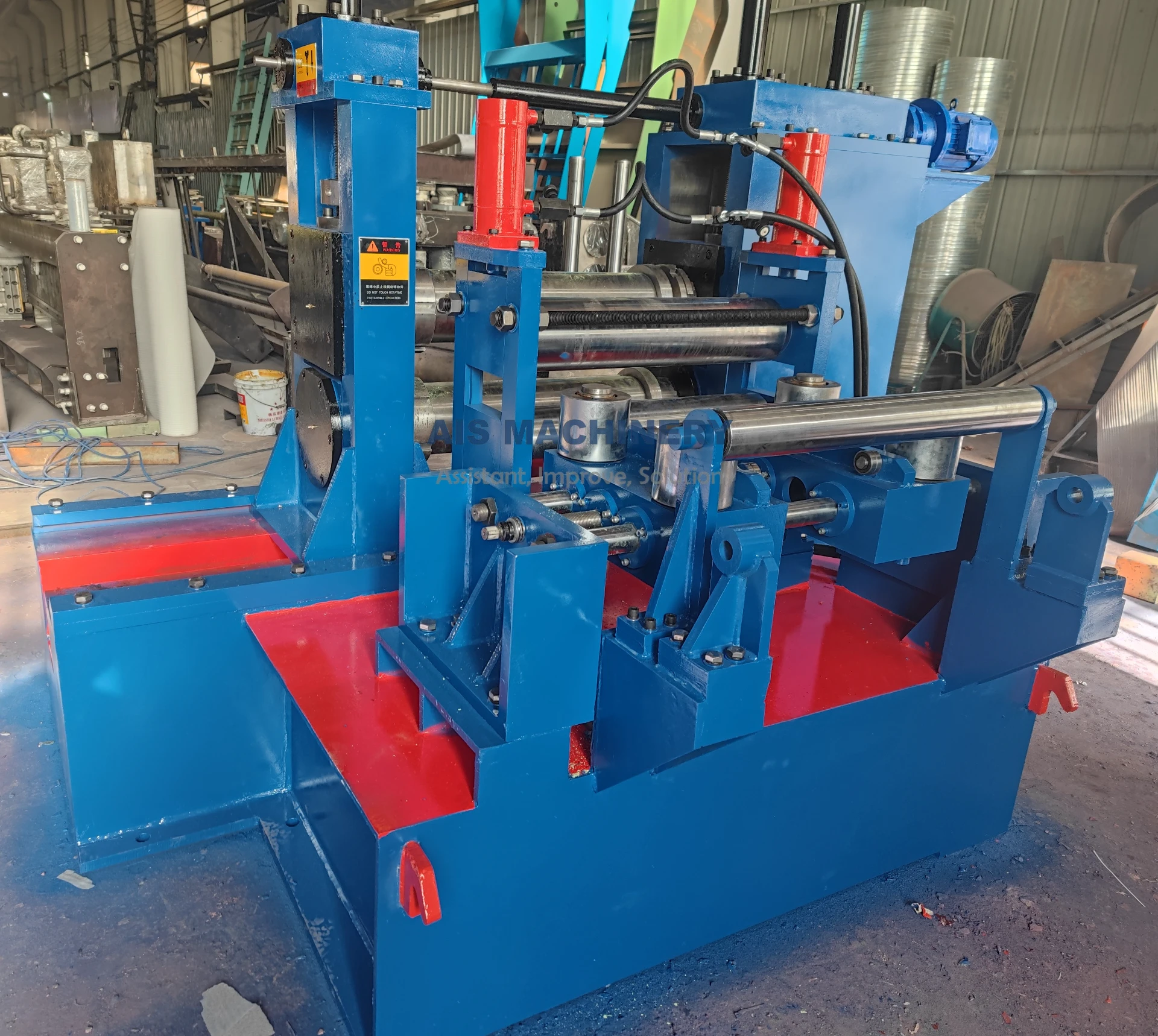
Flat Bar Production Line for Steel Coils: How It Works & Why It Matters
Looking for a flat bar production line? Learn how it turns steel coils into ready-to-use flat bars with precise length and high straightness. Compare it with slitting lines and get the best solution for your steel processing needs.
2026-04-14 00:00:00
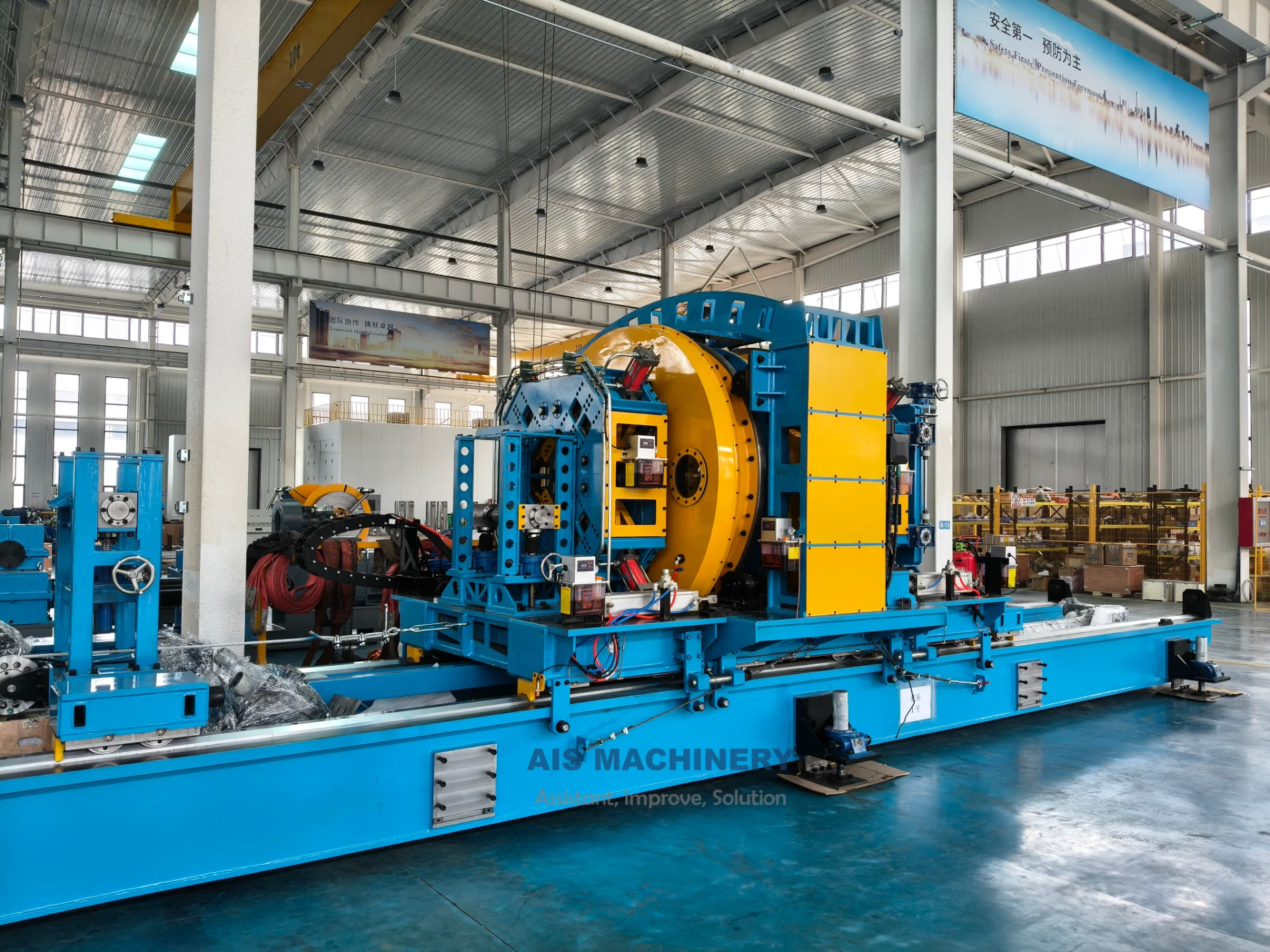
Looking for a Milling Saw for ERW Tube Mill? Here’s What You Need to Know
Looking for a high-performance milling saw for your ERW tube mill? Upgrade to burr-free, high-precision pipe cutting with advanced flying saw technology. Improve efficiency, reduce rework, and meet export standards for carbon steel, stainless steel, and API pipes. Contact us today for expert solutions and competitive pricing tailored to your production needs.
Send a Message
Dear customer, thank you for your attention! We provide high-quality machinery and equipment and look forward to your orders. Please inform us of your needs and we will respond quickly!
 English
  Albanian
  Arabic
  French
  German
  Indonesian
  Italian
  Japanese
  Kazakh
  Korean
  Latin
Latin  Macedonian
  Portuguese
  Russian
  Spanish
  Thai
Thai  Turkish
  Ukrainian
  Uzbek
Uzbek