
-
 Tel:86-15176910262
-

Search

Metal Coil Slitting Machine - Precision Cutting for Modern Industry Needs
Nov . 27, 2025 06:45
The Rise of the Metal Coil Slitting Machine: Why It Matters Today
Let’s start with a simple idea: metal coil slitting machines might not be the flashiest equipment on the factory floor, but they’re undeniably the unsung heroes in many manufacturing and construction processes worldwide. These machines transform giant rolls of metal into thinner, more manageable strips used in everything from automotive parts to kitchen appliances. Frankly, understanding this technology means peeking behind the curtain on how the metalwork industry shapes the modern world. Globally, the metal coil slitting machine plugs a major gap in resource efficiency and production speed. In markets where steel and metal consumption is projected to grow – according to the World Steel Association, global steel demand might edge close to 1.9 billion tons this year alone – the need for precise, efficient metal processing is critical. A machine that can quickly slit thick coils into exact widths not only saves materials but reduces industrial waste, aligning with global sustainability goals like those of ISO 14001 environmental standards. Mini Takeaway: Metal coil slitting machines are quietly driving material efficiency and sustainability, key in keeping global industries competitive and eco-friendly.Global Context: Tackling Manufacturing Challenges One Coil at a Time
The surge in infrastructure projects worldwide—from rising urban skylines in Asia to renewed manufacturing in Europe and North America—leans heavily on raw metal materials. The challenge? Catapulting metal production and processing with precision to reduce waste and lower costs. Enter the metal coil slitting machine. By automating the slicing of hefty metal rolls into standardized strips, these machines address some stubborn industry problems: speed variability, costly manual labor, and error-prone processes. Beyond efficiency, they play a subtle role in humanitarian efforts too. For NGOs delivering prefab shelters or medical equipment overseas, precise slitting means components that fit right, ship faster, and reduce costly delays. It’s fascinating to note that according to the United Nations Industrial Development Organization (UNIDO), advanced manufacturing techniques like coil slitting directly support sustainable industrialization goals globally. So it’s not just about metal; it’s a quiet revolution supporting livelihoods and infrastructure. Mini Takeaway: The metal coil slitting machine goes beyond factories—it’s a fulcrum in bridging industrial efficiency with humanitarian and development needs worldwide.What Exactly Is a Metal Coil Slitting Machine?
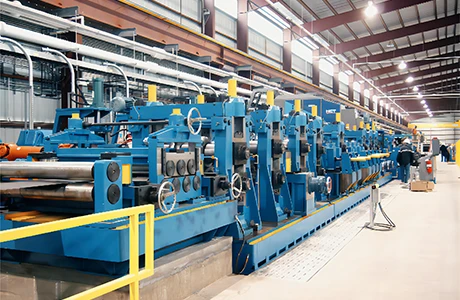
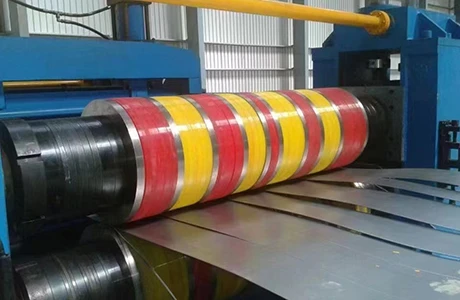
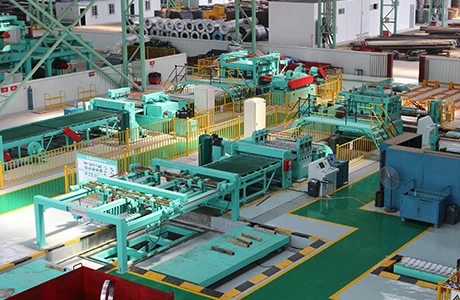
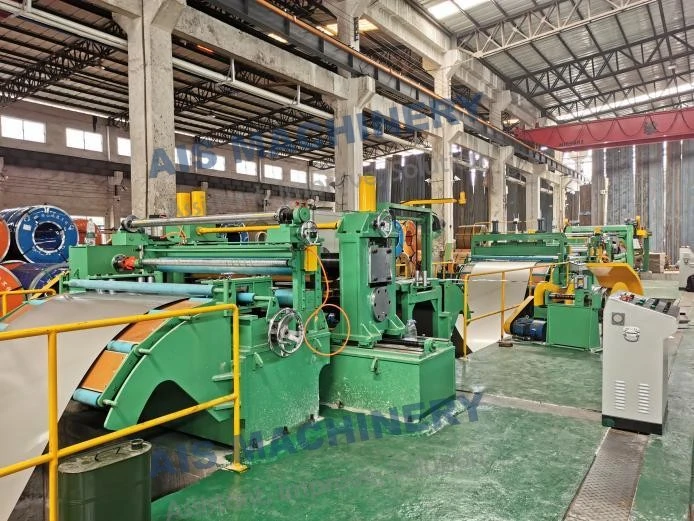
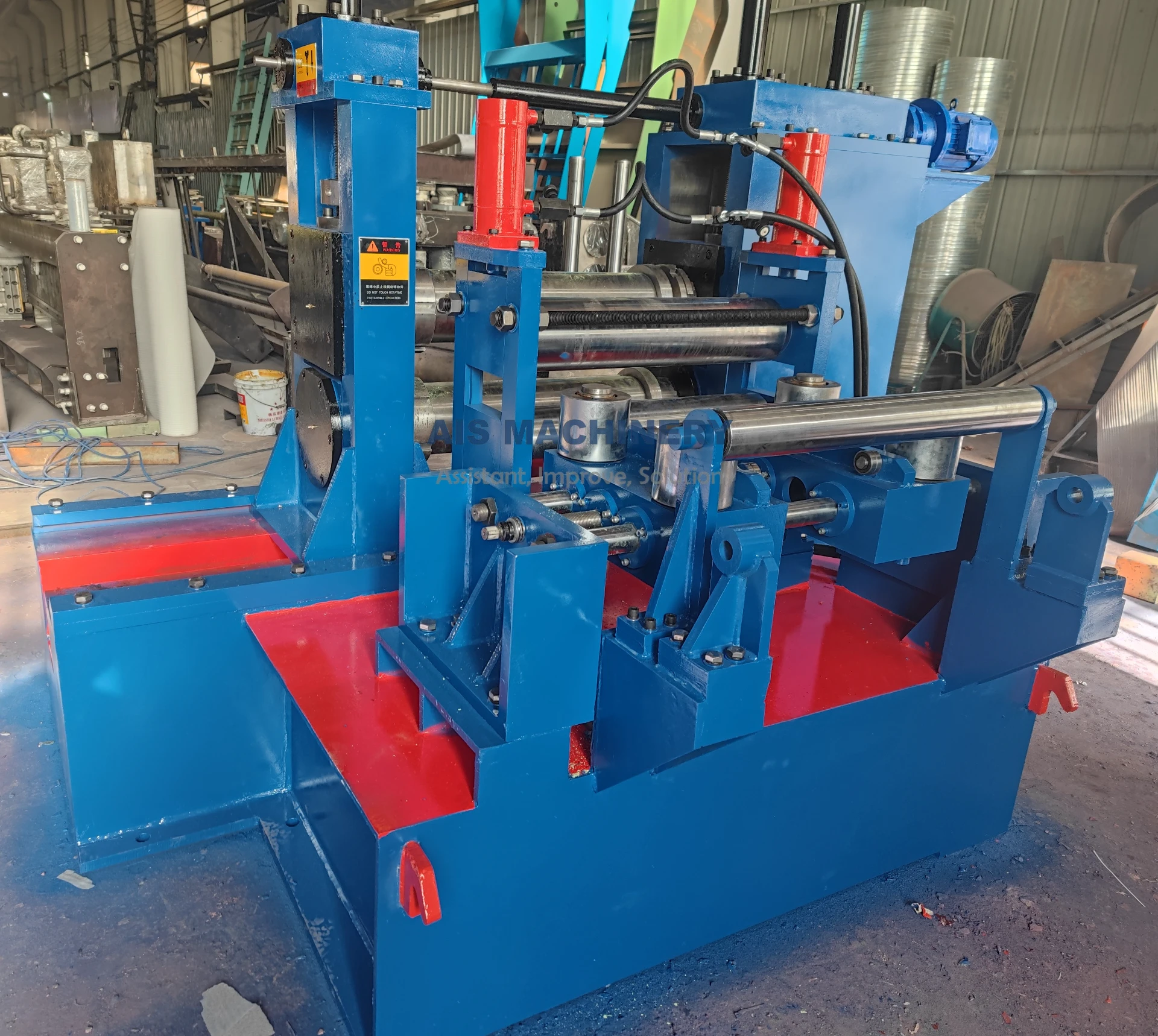
At its core, a metal coil slitting machine is industrial equipment designed to cut wide metal coils into narrower strips. Imagine taking a giant roll of steel or aluminum and slicing it lengthwise with surgical precision. That’s what this system does. Typically consisting of uncoilers, slitters, and recoilers, the machine feeds a coil through circular knives set to cut at predefined widths. The strips then spool back into coils for easy handling or immediate production use. This technology is connected tightly to industries requiring consistent metal widths—auto manufacturers, appliance builders, even aerospace players. It also indirectly supports humanitarian logistics, where modular housing or medical facilities sometimes rely on metal strips cut just so.Core Components and Factors That Make or Break Performance
1. Precision Cutting
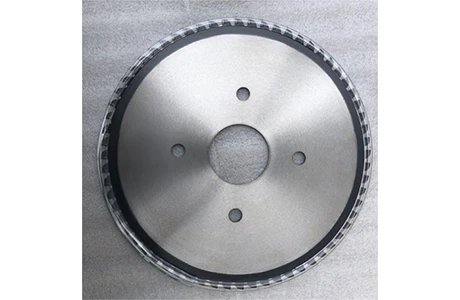
The heart of the process. If the cuts aren’t razor-sharp and exact, it’s scrap city. Many engineers swear by hardened circular blades that resist wear for hours on end.2. Scalability and Throughput
Some plants need to slit a few tons daily; others require massive output running 24/7. Machines range from simple manual setups to fully automated lines. The ability to scale affects ROI drastically.3. Durability of Construction
Given the mechanical stress and metal hardness, a robust frame of cast iron or steel is essential. Oddly enough, the machine’s heavy bulk is a testament to its resilience and reliability.4. Cost Efficiency
Speed + precision = less waste and higher productivity. The initial investment can be hefty, but over time, cutting scrap metal costs and faster processing pay off substantially.5. Automation and Control Systems
Modern machines come fitted with smart controls—from tension sensors to computerized blade angle adjustments—optimizing output and reducing human error.6. Safety Features
Don’t overlook the guards, emergency stops, and failsafes. In industries rife with heavy equipment, these are vital to protect operators. Mini Takeaway: A metal coil slitting machine’s worth boils down to how precise, scalable, and reliable it is — with automation now edging the balance toward smart manufacturing.Where You’ll Find Metal Coil Slitting Machines in Action
These machines work in manufacturing hubs across Europe, North America, and increasingly in Asia and Latin America. The automotive industry in Germany uses them to slim down steel sheets destined for car body panels. Appliance makers in China rely on them for aluminum strips that become refrigerators or ovens. Mining firms in Australia need these machines to process galvanized steel for heavy equipment. In post-disaster relief, modular housing manufacturers use slitted metal strips as framing components—fast to produce, lightweight, and durable. Even remote industrial zones rely on machines that offer quick metal shaping for repairs and infrastructure expansion. Mini Takeaway: From bustling metro factories to far-flung aid operations, metal coil slitting machines underpin diverse sectors and geographies.Advantages and Long-Term Gains of Using Metal Coil Slitting Machines
From a financial lens, reducing material waste and improving production speed means better margins, no question. But there’s also a sustainability story: less scrap ending up in landfills and more efficient energy use. Emotionally, workers feel safer with well-designed equipment, and management gains trust in systems that deliver consistently. Innovation-wise, using slitting machines often signals a company’s commitment to quality and forward-thinking. That reputation can translate into stronger customer loyalty and better contracts.Emerging Trends: What’s Next for Metal Coil Slitting Technology?
Automation continues its march. We’re seeing AI-driven slitting machines that predict blade wear before failure and adjust speed on the fly. Add to that, energy-efficient motors reducing carbon footprints. Some vendors explore using biodegradable lubricants and recyclable blade materials. Sustainability certification from bodies like ISO and ongoing digital transformation of factories (Industry 4.0) means these machines will interface seamlessly with production lines, reporting real-time data for smarter decision-making.Challenges and How Manufacturers Are Tackling Them
The most common pain points? Wear and tear on blades, energy consumption, and balancing throughput with precision. Some companies combat this with modular blade systems that swap out quickly or automated calibration tools reducing downtime. Another hurdle is skilled operator availability. Some manufacturers pair digital training with interactive controls to upskill workers fast.FAQ: Common Questions About Metal Coil Slitting Machines
Q1: What materials can a metal coil slitting machine handle?A1: Most machines handle a variety of metals including steel, aluminum, copper, and alloys. Specific machines are designed for surface thickness and metal hardness, so choosing the right model is key. Q2: How does slitting impact metal strength?
A2: Properly slit metal retains most of its structural integrity. However, incorrect blade settings or dull blades can cause edge burrs, potentially weakening the strips. Regular maintenance avoids this. Q3: Can the machine be customized for different widths?
A3: Absolutely. Blade sets can be repositioned to change the width of output strips. Many designs feature modular sets for quick changeovers. Q4: What kind of maintenance do these machines require?
A4: Regular blade sharpening or replacement, lubrication, and control system checks are essential. Preventive maintenance programs reduce unplanned downtime. Q5: Are automated slitting machines cost-effective for small businesses?
A5: For smaller scales, semi-automated or manual slitters might be more budget-friendly. However, automation can pay off when ramping up production or improving quality consistency.
Table: Typical Metal Coil Slitting Machine Specifications
| Specification | Details |
|---|---|
| Maximum Coil Width | 1,500 mm (59 inches) |
| Slitting Width Range | 10 mm to 300 mm (0.4 - 12 inches) |
| Material Thickness | 0.2 mm to 3.0 mm |
| Operating Speed | Up to 80 meters/min |
| Blade Type | HSS Circular Blades (High-Speed Steel) |
| Automation Level | Semi-automatic to fully automatic |
Vendor Comparison: Top Metal Coil Slitting Machine Providers
| Vendor | Machine Type | Automation Level | Price Range (USD) | Best For |
|---|---|---|---|---|
| AISTubemill | Fully automatic | High | $100,000 – $180,000 | Heavy industrial applications |
| Global MetalTech | Semi-automatic | Medium | $60,000 – $90,000 | Small to mid-sized plants |
| SlicePro | Manual to semi-automatic | Low to Medium | $30,000 – $70,000 | Entry-level and small workshops |
Wrapping Up: Think Big, Cut Smart
To sum up, the metal coil slitting machine is a quietly powerful tool in modern manufacturing. It glues together precision, efficiency, and sustainability — all vital as industries evolve and global demand grows. Whether it’s for a sprawling automotive plant or a lean startup, this equipment’s long-term benefits include cost savings, reduced waste, and better product quality. For anyone exploring ways to enhance metalworking performance, I suggest checking out advanced models like those from AISTubemill’s metal coil slitting machine. They balance innovation with rugged reliability, with options suited for multiple scales. Thanks for sticking around through this coil-cutting ride. Sometimes the best tech is the one that’s quietly changing the world without much fanfare…References

Related Products

Related News
2026-04-30 09:35:04
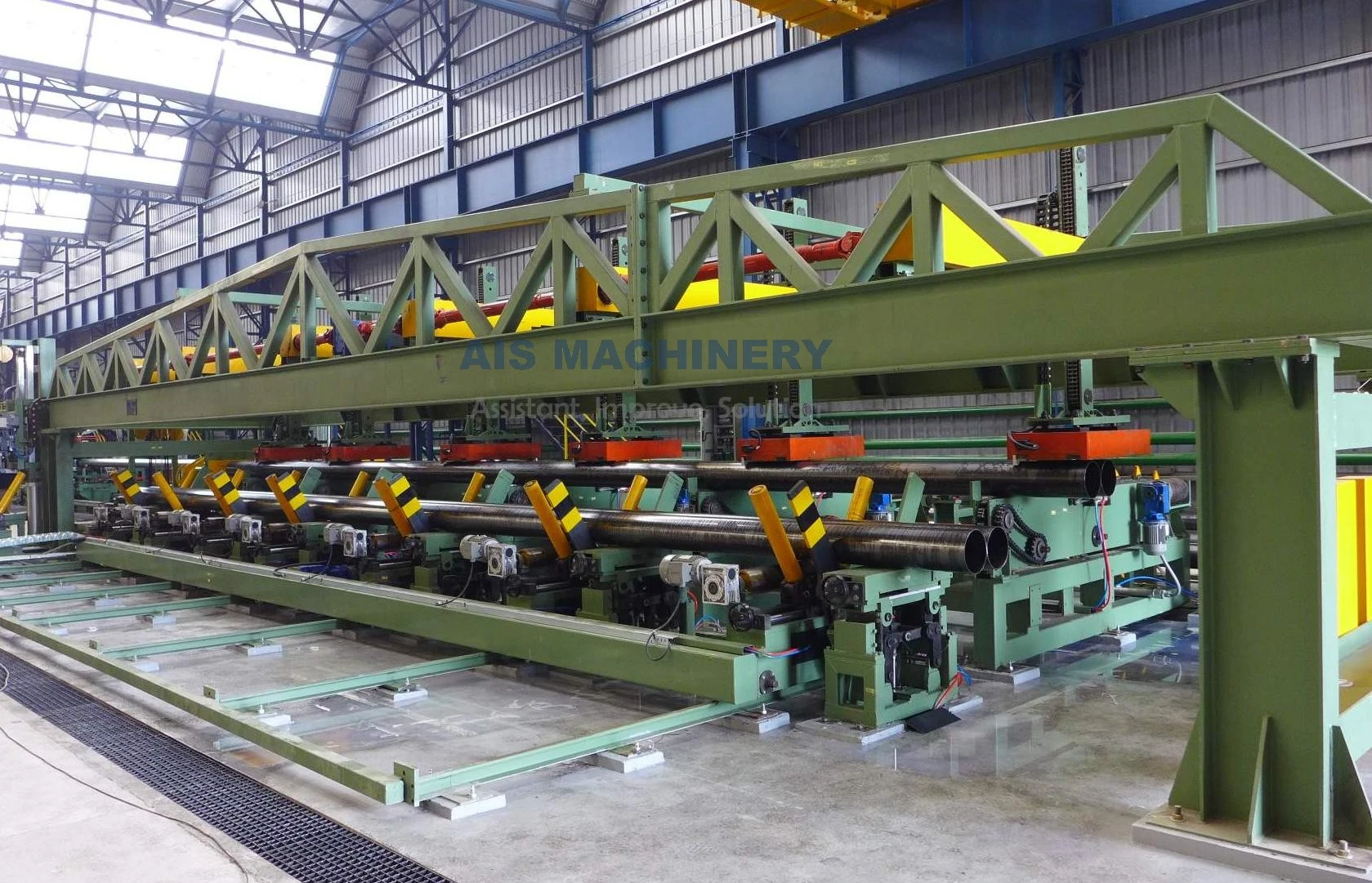
Automatic Stacking Machine (Magnetic Chuck Type)
The Automatic Stacking Machine (Magnetic Chuck Type) from AIS Machinery is designed to efficiently collect and stack steel tubes in ERW tube mill production lines. Using electromagnetic lifting, it can pick up multiple tubes at once and place them neatly in layers. This reduces manual labor, improves stacking accuracy, and increases overall production efficiency. It is installed after the flying saw and works seamlessly with the mill line, making it an ideal solution for modern tube manufacturers.
2026-04-28 08:56:05
Saw Blade Guide for Tube Mills: Friction vs HSS vs TCT — Which One Should You Choose?
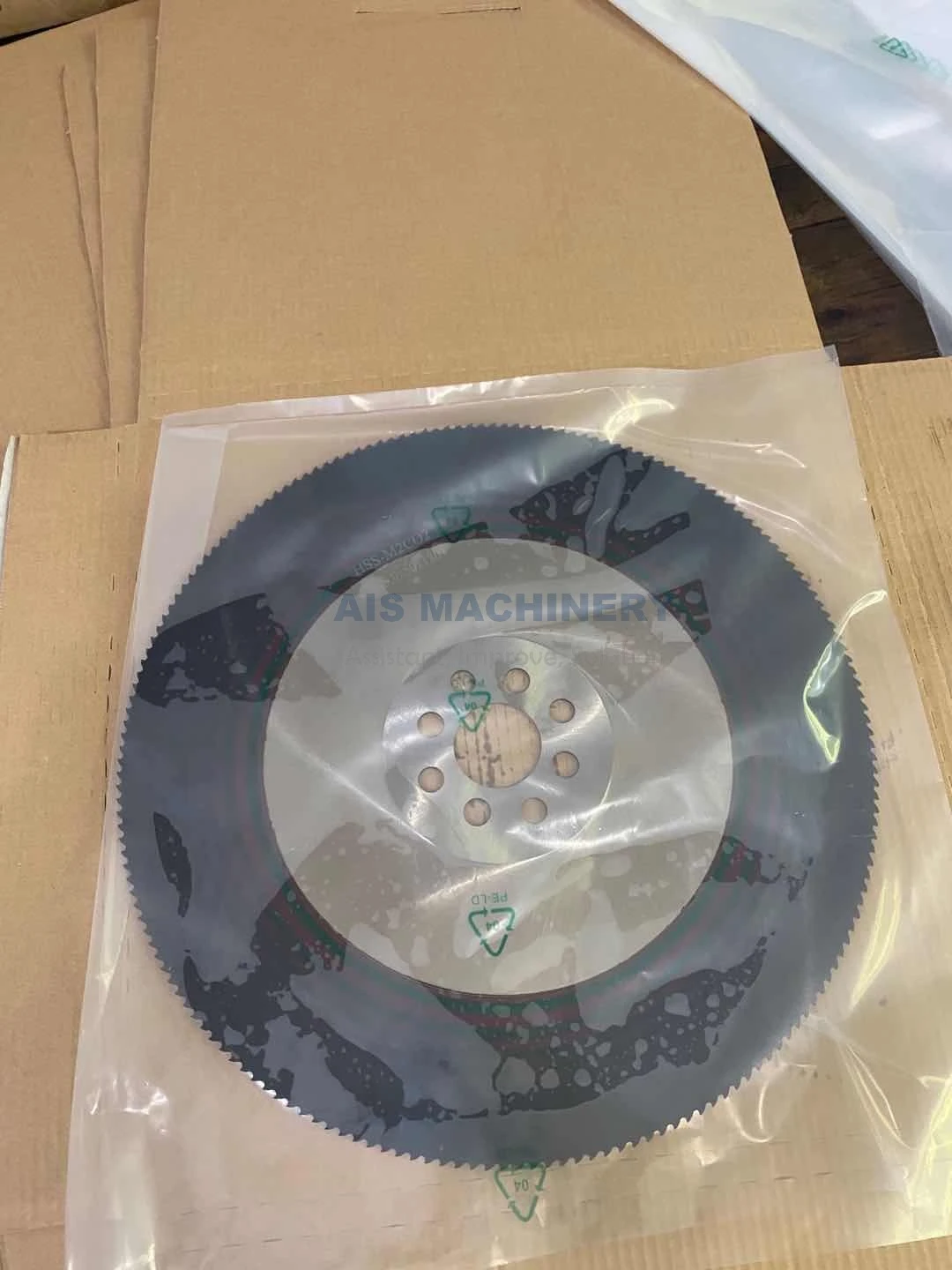
Confused about friction saw, HSS, and TCT blades? This guide explains their uses in cold saw and friction saw machines, with pros, cons, and expert selection tips.
2026-04-24 08:54:16
What is an Impeder and Ferrite Rods in ERW Tube Mill?
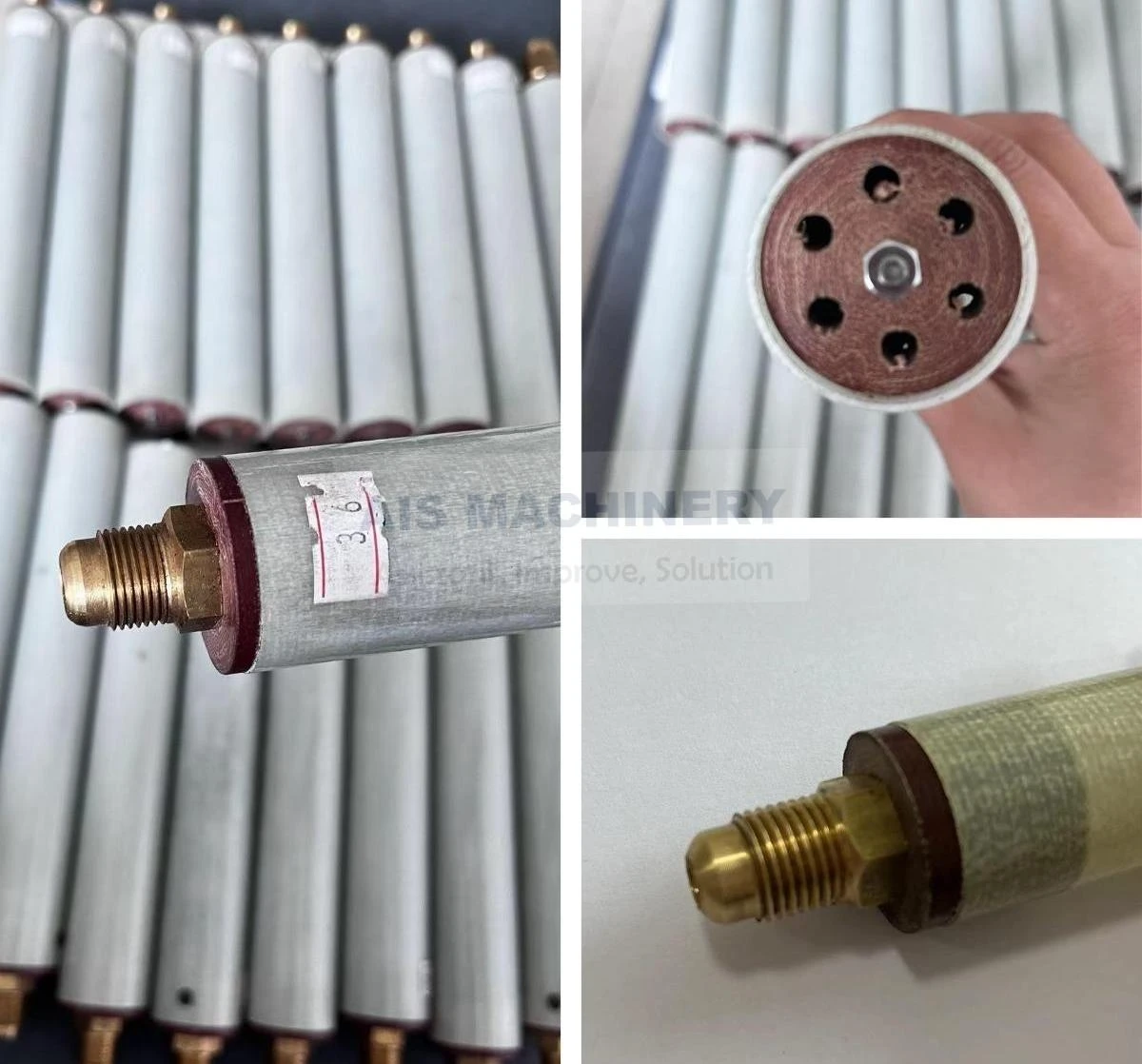
Struggling with impeder overheating or short service life in your ERW tube mill? This guide explains common impeder problems, the role of ferrite rods, and how to choose the right impeder for stable welding performance. Improve weld quality, reduce energy loss, and extend equipment lifespan with the right selection and proper cooling solutions.
2026-04-21 10:22:25
Slitting & Cut-to-Length Combined Production Line: A Smarter Way to Process Steel Coils
Discover the Slitting & Cut-to-Length Combined Production Line, a flexible solution for steel coil processing. This system integrates slitting line and cut-to-length line functions in one machine, saving space, reducing costs, and improving efficiency. Ideal for processing both steel strips and sheets, it is widely used in service centers and manufacturing industries. Learn its advantages, limitations, and applications.
2026-04-18 03:20:20
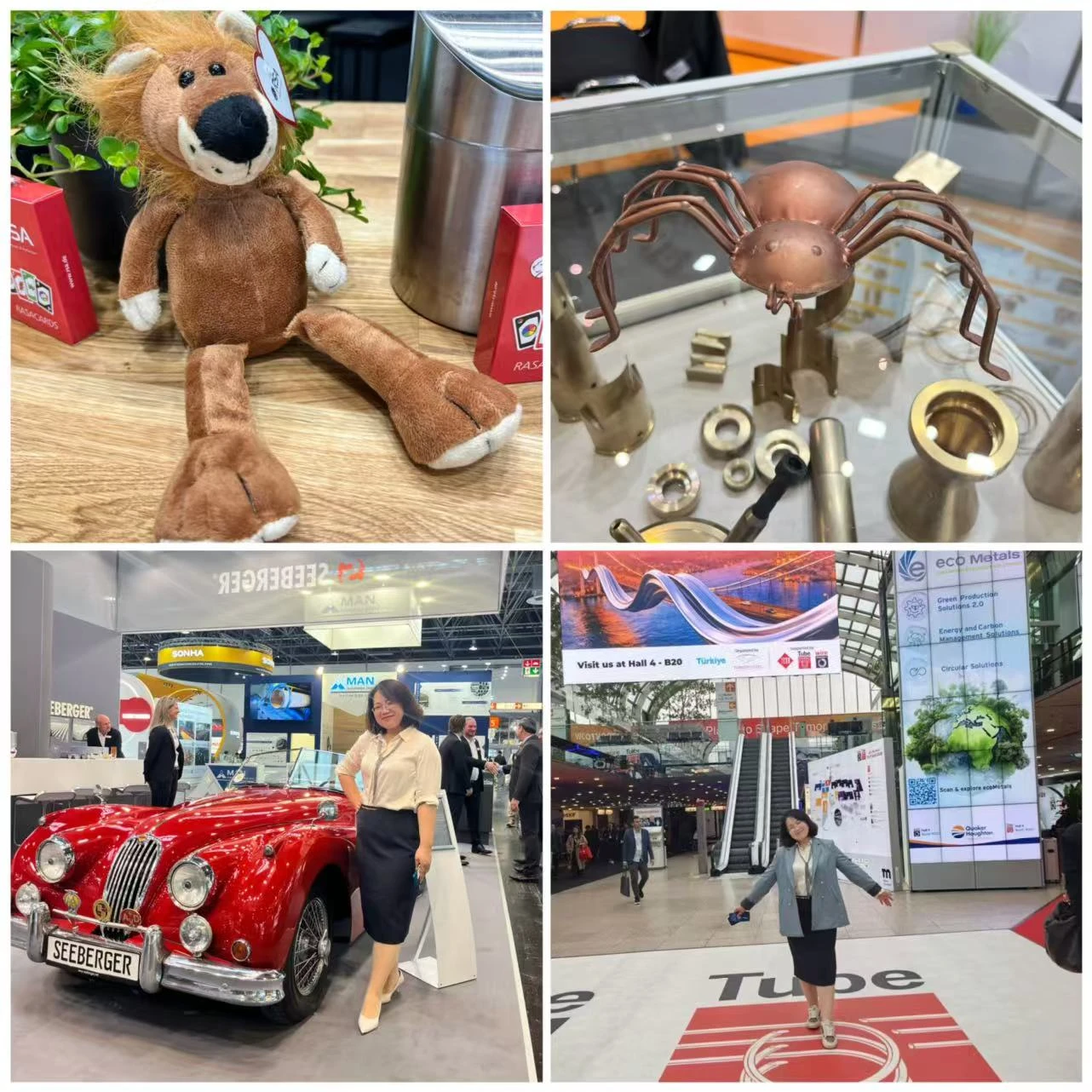
AIS Machinery Showcases Advanced Tube Solutions at Tube & Wire Düsseldorf 2026
Tube & Wire Düsseldorf 2026, one of the most influential exhibitions in the global tube and wire industry, held biennially in Düsseldorf, Germany
2026-04-17 00:00:00
Southeast Asia Client Visits Our Factory | Customized Tube Mill Solution Delivered
A Southeast Asia client visited our ERW tube mill factory to inspect production lines and discuss a customized tube mill solution. Impressed by our machine quality, welding performance, and engineering support, the client confirmed strong cooperation intentions. Discover how our ERW tube mill solutions improve efficiency, precision, and long-term production reliability.
2026-04-15 10:37:55
Flat Bar Production Line for Steel Coils: How It Works & Why It Matters
Looking for a flat bar production line? Learn how it turns steel coils into ready-to-use flat bars with precise length and high straightness. Compare it with slitting lines and get the best solution for your steel processing needs.
2026-04-14 00:00:00
Looking for a Milling Saw for ERW Tube Mill? Here’s What You Need to Know
Looking for a high-performance milling saw for your ERW tube mill? Upgrade to burr-free, high-precision pipe cutting with advanced flying saw technology. Improve efficiency, reduce rework, and meet export standards for carbon steel, stainless steel, and API pipes. Contact us today for expert solutions and competitive pricing tailored to your production needs.
Send a Message
Dear customer, thank you for your attention! We provide high-quality machinery and equipment and look forward to your orders. Please inform us of your needs and we will respond quickly!
 English
  Albanian
  Arabic
  French
  German
  Indonesian
  Italian
  Japanese
  Kazakh
  Korean
  Latin
Latin  Macedonian
  Portuguese
  Russian
  Spanish
  Thai
Thai  Turkish
  Ukrainian
  Uzbek
Uzbek