
-
 Tel:86-15176910262
-

Search

Comprehensive Guide to CR Slitting Machines: Specs, Applications & Trends
Nov . 27, 2025 08:50
Understanding CR Slitting Machines: Why They Matter in Modern Industry
If you've ever wondered how massive metal coils transform into thinner strips ready for production lines, you’ve likely brushed up against the work of a cr slitting machine. These machines play a pivotal role in industries ranging from automotive to appliance manufacturing — globally facilitating precise cutting with minimal waste.
Why does this matter on a global scale? Well, steel and metal strip production are fundamental to infrastructure development worldwide. According to the World Steel Association, global crude steel production exceeded 1.8 billion tonnes in recent years, and a significant portion undergoes slitting to meet end-user specifications. Understanding how cr slitting machines work and their benefits helps manufacturers optimize costs and quality — a ripple effect felt across supply chains and economies alike.
The Global Context: Manufacturing’s Unsung Precision Partner
Take a moment to think about any metal product around you — a car, an electronic device casing, even kitchen utensils. Many of these start as large steel coils. The challenge? Sizes, thicknesses, and applications vary wildly, and custom-cut strip widths are essential.
Global industry leaders face constant pressure to reduce material waste and improve productivity. The cr slitting machine addresses these precisely by efficiently converting large coils into customized narrow strips without compromising material integrity. Modern manufacturing demands such versatility; otherwise, you're stuck with costly overproduction or scrap.
In many emerging economies, where steel processing plants are scaling up, investing in advanced slitting machinery isn't optional — it’s a necessity for staying competitive. According to the ISO, standards for material handling and product quality regulation push adoption of these solutions further.
Mini takeaways:
- CR slitting machines are critical for meeting precise steel strip sizes globally.
- They help combat material waste — a huge cost factor in steel production.
- Increasing demand in emerging markets is pushing innovation in these machines.
What Exactly Is a CR Slitting Machine?
In simplest terms, a cr slitting machine is a specialized piece of equipment designed to cut wide coils of cold rolled (CR) steel into narrower strips — hence the name.
Cold Rolled steel refers to steel processed at room temperature, resulting in superior surface finish and tighter tolerances compared to hot-rolled alternatives. As such, it’s often used where aesthetics and precision matter.
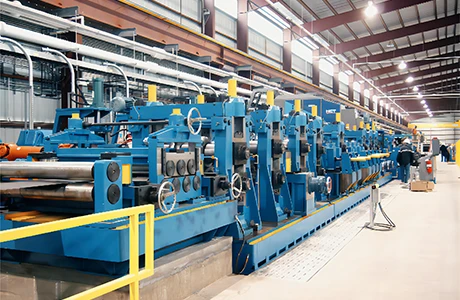
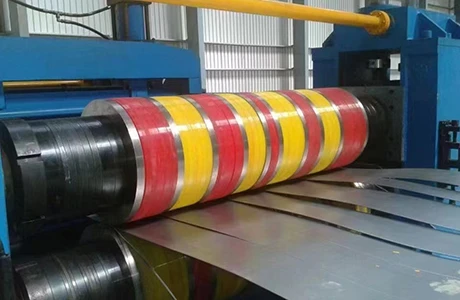
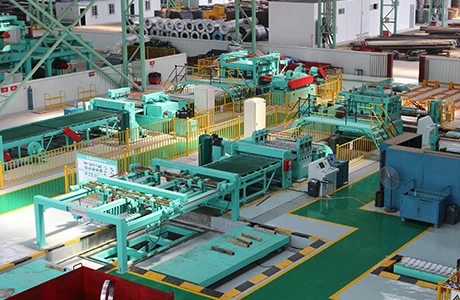
The slitting machine operates like a giant rotary paper cutter but for metal. It involves uncoiling the steel coil, guiding it through circular knives or blades spaced at set distances, and collecting the slit strips onto separate reels for further processing or shipment.
This straightforward process is deceptively complex — speed, blade hardness, tension control, and alignment must be just right to avoid defects or damage.
Core Components & Factors Affecting Machine Performance
1. Blade Quality and Configuration
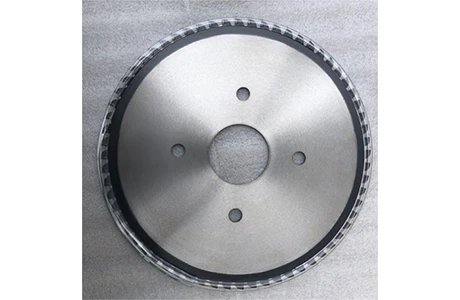
The choice of blade types (e.g., HSS, carbide-tipped) and their spacing affects cut precision, durability, and suitability for different steel thicknesses. Many engineers say blade maintenance can make or break uptime.
2. Tension Control Mechanisms
Keeping the steel strip taut, but not overstretched, prevents uneven slit edges and coil deformation. Advanced servo-driven tension systems allow for adjustable and consistent tension during high-speed operations.
3. Line Speed & Throughput
Efficiency is key. Machines can operate between 200 to 600 meters per minute, sometimes faster depending on product specs. Of course, faster isn't always better — accuracy can suffer if the system isn’t calibrated well.
4. Automation & Control Interface
Modern machines come equipped with touchscreen HMI panels, diagnostics, and remote monitoring capabilities. This enables operators to optimize settings quickly and minimize human error.
5. Durability & Build Quality
A robust frame and quality components reduce vibrations and wear, directly impacting cut quality and maintenance frequency. In harsh factory environments, this is a must-have.
6. Coil Handling & Loading Features
Efficient material loading and unloading reduce downtime. Some slitting machines integrate automatic coil changers, especially valuable for large-volume operations.
Mini takeaway:
- Blade and tension control are the heart of performance.
- Automation helps with consistency and operator ease.
- Durability ensures long-term reliability and minimal downtime.
Global Applications of CR Slitting Machines
The diversity of industries relying on slit cold rolled steel is impressively broad:
- Automotive Manufacture: Precision parts require tight tolerances on steel strips used in body panels and chassis components.
- Appliance Producers: Refrigerator and washing machine shells use CR steel strips.
- Construction Sector: Cold rolled steel is trusted for framing and other architectural elements.
- Electrical Equipment: CR steel laminations in transformers and electric motors.
- Packaging Industry: Thin steel coils for specialized packaging materials.
Regions like East Asia, particularly China and South Korea, dominate production and consumption. At the same time, emerging markets in Southeast Asia, South America, and Eastern Europe are growing fast — adding pressure on local industries to upgrade cr slitting machines to meet global standards.
Oddly enough, it's in some unexpected scenarios where the benefits shine too. For instance, in remote industrial zones where repeated supply disruptions challenge continuous production, reliable slitting equipment preserves valuable input materials and minimizes waste, directly supporting operational stability.
Advantages and Long-Term Value
Why invest in high-quality cr slitting machines? The immediate financial benefits come in through:
- Material Savings: Slitting to exact widths reduces scrap dramatically.
- Production Efficiency: Faster changeovers and improved throughput lower operational costs.
- Product Quality: Better edge conditions reduce rework and customer returns.
- Environmental Impact: Less waste means less landfill and aligns with sustainability goals.
- Workplace Safety: Modern machines include better guard systems and ergonomics to protect operators.
On an emotional level, there’s a subtle but real boost in confidence for users knowing their equipment delivers consistent quality. It feels almost like a silent partner ensuring they meet deadlines and maintain reputations — intangible but priceless in industrial environments.
Product Specification Table: Typical CR Slitting Machine Features
| Feature | Specification |
|---|---|
| Max Coil Width | 1,600 mm |
| Max Coil Weight | 10,000 kg |
| Slitting Thickness Range | 0.2 - 3.0 mm |
| Line Speed | 200 - 600 m/min |
| Blade Type | HSS or Carbide-Tipped |
| Tension Control | Servo driven |
Vendor Comparison: Leading CR Slitting Machine Providers
| Vendor | Key Strength | Price Range | Notable Feature |
|---|---|---|---|
| Aisberg Machinery | Robust build quality | $150k - $300k | Automatic coil changer |
| MegaSlice Tech | High speed and precision | $180k - $350k | Integrated digital controls |
| SteelCut Systems | Energy-efficient operation | $130k - $280k | Eco-mode for power savings |
Looking Ahead: Trends and Innovations in CR Slitting Machinery
The future of cr slitting machines feels like it's racing towards automation and sustainability simultaneously. With Industry 4.0 technologies, expect more machinery with IoT sensors feeding real-time data for predictive maintenance. This means fewer surprises on the factory floor and more uptime.
Materials are also shifting. As lighter and stronger alloys emerge, slitting systems must adapt blade materials and precision tolerances. Interestingly, some R&D labs are experimenting with adaptive edge-cutting technologies using lasers instead of blades — still somewhat experimental, but exciting nonetheless.
Energy efficiency is no longer a “nice to have” but a “must have.” Machines built for lower power consumption and reduced CO₂ footprints align with global carbon reduction policies. So, anyone in the metal processing space will be watching new launches closely.
Challenges and Smart Solutions in Cr Slitting Machines
Sure, no tech is perfect. Common hurdles include wear and tear on blades, difficulties maintaining tension at high speeds, and initial capital costs.
But smart operators use predictive blade replacement strategies and schedule maintenance during downtimes to limit disruption. Firmware updates and modular control upgrades often extend machine lifecycle significantly. And bulk purchasing or leasing programs help overcome upfront investment hurdles.
Oddly, sometimes the human factor is the biggest challenge—training operators to exploit the machine’s full tech without hesitation. Here, interactive simulation training is becoming popular.
FAQs About CR Slitting Machines
- 1. What steel thicknesses can a typical cr slitting machine handle?
- Most cr slitting machines support steel thicknesses ranging between 0.2 to 3.0 mm, accommodating a wide variety of applications from thin packaging material to structural components.
- 2. How does automation improve the slitting process?
- Automation enhances precision, reduces human error, and allows for faster changeovers. Features like servo-driven tension control and digital interfaces enable operators to maintain consistent quality without constant manual adjustments.
- 3. Can cr slitting machines process other metals besides cold rolled steel?
- Yes, many slitting machines are versatile enough to handle various metals such as stainless steel, aluminum, and coated steel, but blade type and machine settings must be adjusted accordingly.
- 4. How often should blades be replaced for optimal performance?
- Blade life depends on steel thickness, machine speed, and blade quality but typically ranges from tens of thousands to over a hundred thousand meters of slit material. Monitoring for edge quality is crucial to know when replacement is due.
- 5. What are the environmental benefits of using an efficient cr slitting machine?
- Efficient machines reduce material waste significantly and consume less energy, contributing to lower carbon emissions and better compliance with environmental regulations.
Conclusion: Why Invest in a CR Slitting Machine Today?
CR slitting machines might sound niche, but they hold vast importance wherever precision metal strips are needed—which is practically everywhere in modern manufacturing. From cost savings and sustainability gains to operational reliability, their impact runs deep and wide.
If you’re thinking about future-proofing your production line, whether in Asia, Europe, or the Americas, choosing the right cr slitting machine is a solid step in that direction.
Feel free to visit our website for more detailed specs, customization options, and customer success stories. Trust me, once you see the difference a great machine makes, you’ll wonder how you managed before.
References

Related Products

Related News
2026-04-30 09:35:04
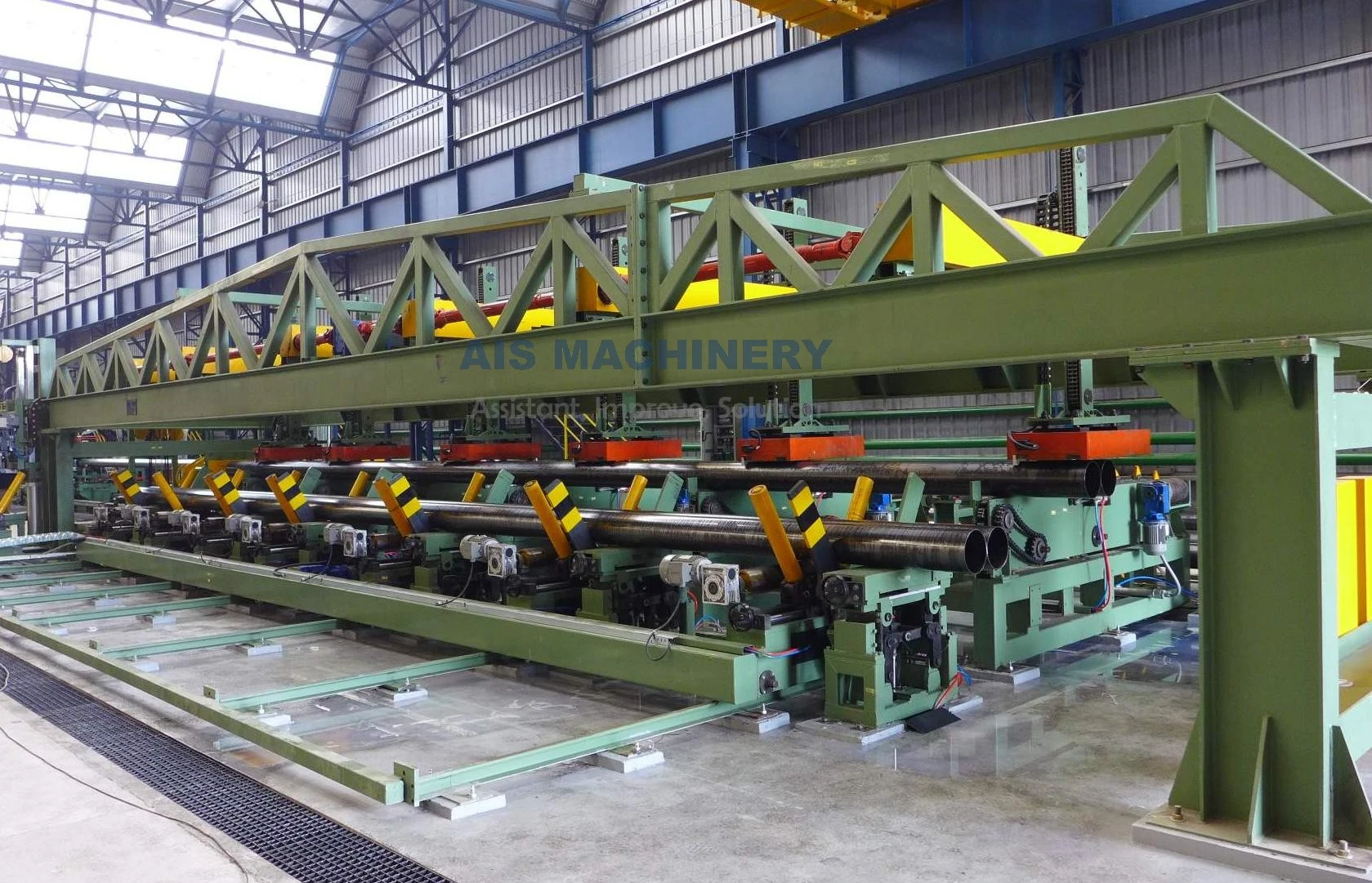
Automatic Stacking Machine (Magnetic Chuck Type)
The Automatic Stacking Machine (Magnetic Chuck Type) from AIS Machinery is designed to efficiently collect and stack steel tubes in ERW tube mill production lines. Using electromagnetic lifting, it can pick up multiple tubes at once and place them neatly in layers. This reduces manual labor, improves stacking accuracy, and increases overall production efficiency. It is installed after the flying saw and works seamlessly with the mill line, making it an ideal solution for modern tube manufacturers.
2026-04-28 08:56:05
Saw Blade Guide for Tube Mills: Friction vs HSS vs TCT — Which One Should You Choose?
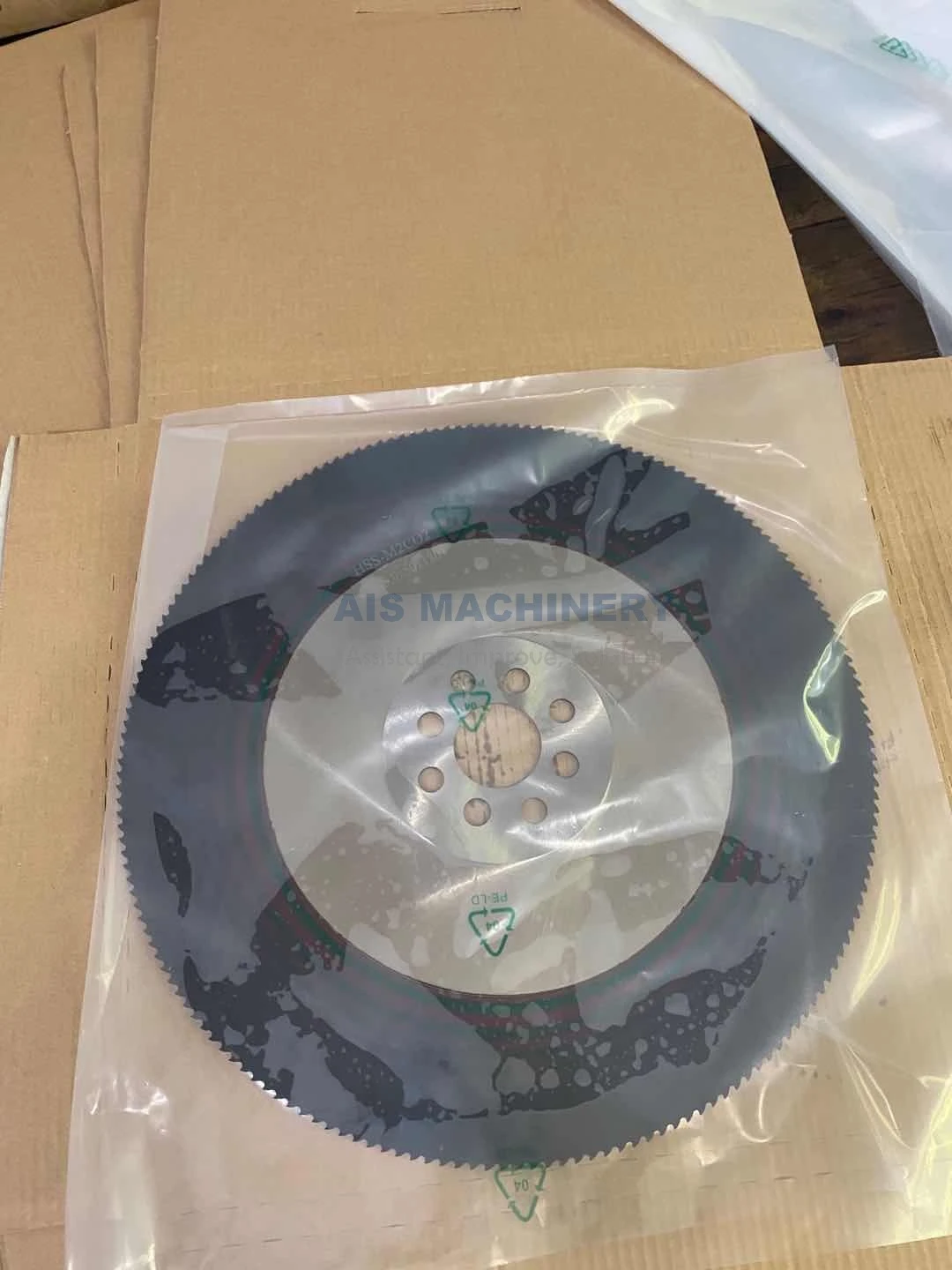
Confused about friction saw, HSS, and TCT blades? This guide explains their uses in cold saw and friction saw machines, with pros, cons, and expert selection tips.
2026-04-24 08:54:16
What is an Impeder and Ferrite Rods in ERW Tube Mill?
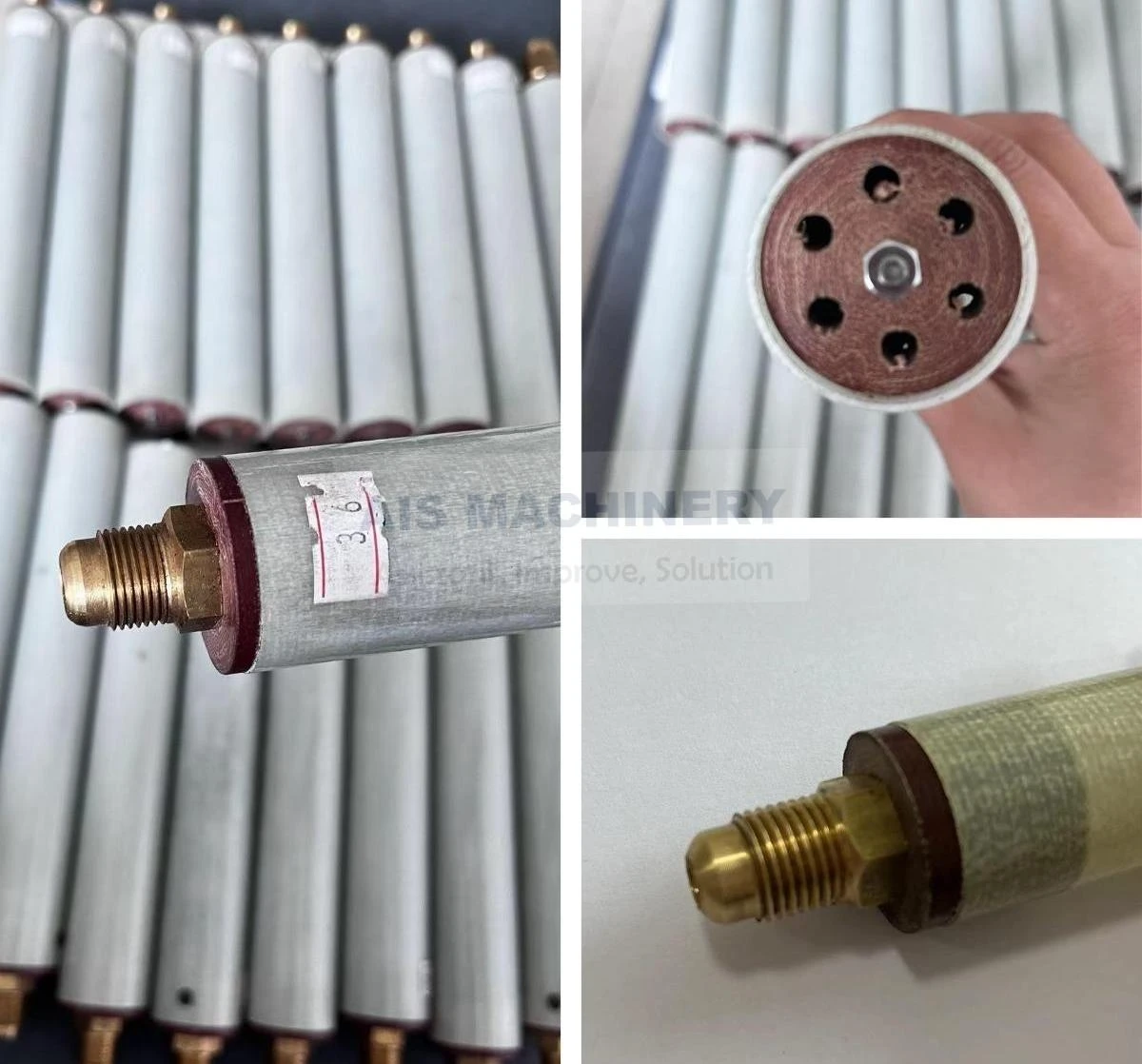
Struggling with impeder overheating or short service life in your ERW tube mill? This guide explains common impeder problems, the role of ferrite rods, and how to choose the right impeder for stable welding performance. Improve weld quality, reduce energy loss, and extend equipment lifespan with the right selection and proper cooling solutions.
2026-04-21 10:22:25
Slitting & Cut-to-Length Combined Production Line: A Smarter Way to Process Steel Coils
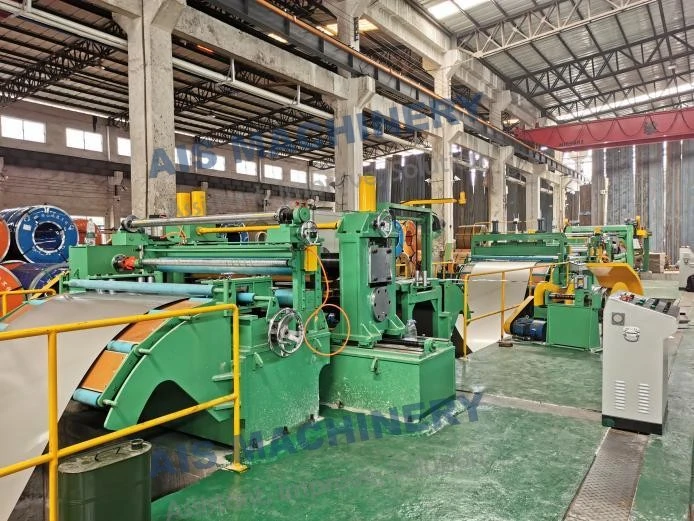
Discover the Slitting & Cut-to-Length Combined Production Line, a flexible solution for steel coil processing. This system integrates slitting line and cut-to-length line functions in one machine, saving space, reducing costs, and improving efficiency. Ideal for processing both steel strips and sheets, it is widely used in service centers and manufacturing industries. Learn its advantages, limitations, and applications.
2026-04-18 03:20:20
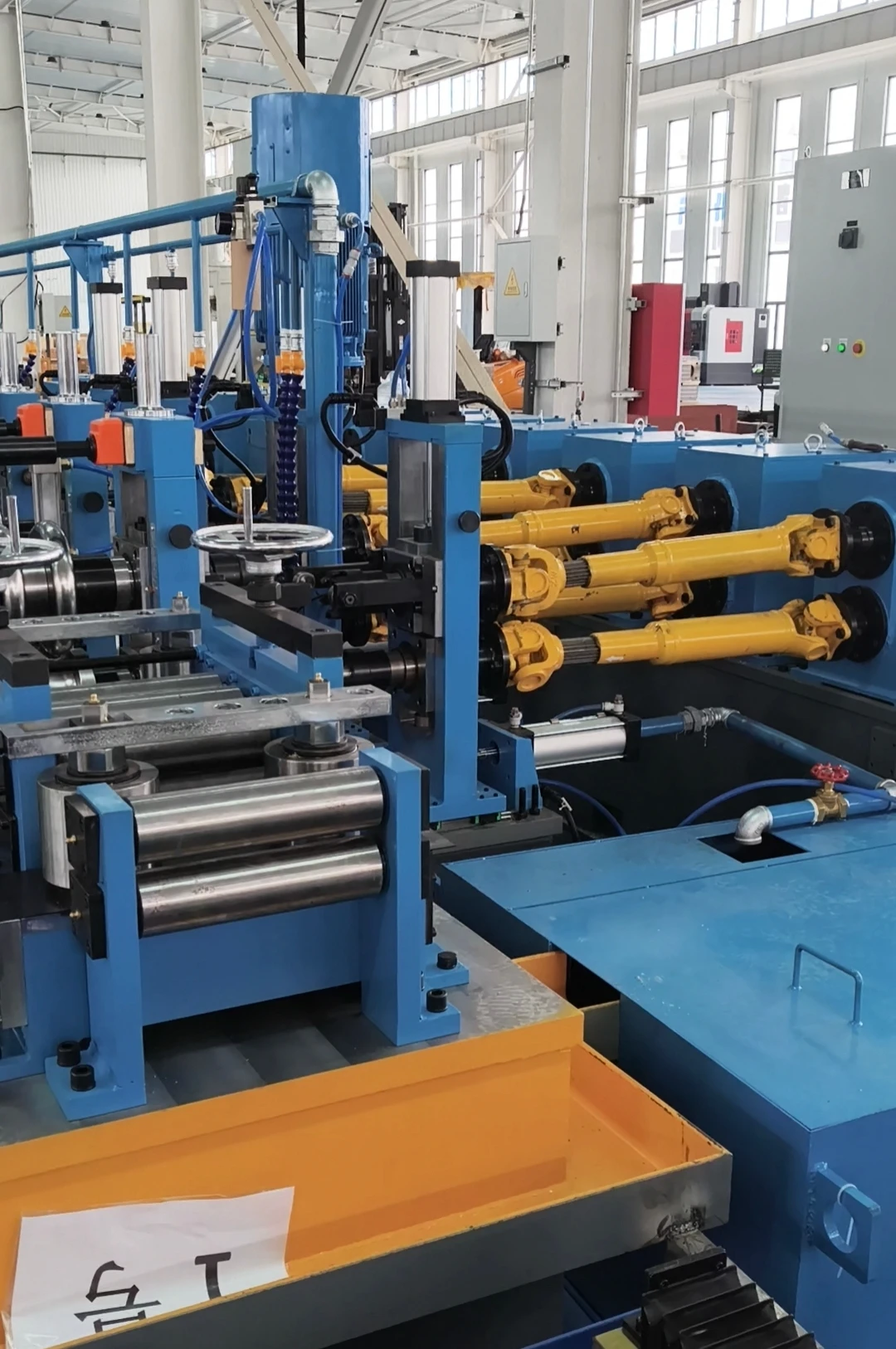
AIS Machinery Showcases Advanced Tube Solutions at Tube & Wire Düsseldorf 2026
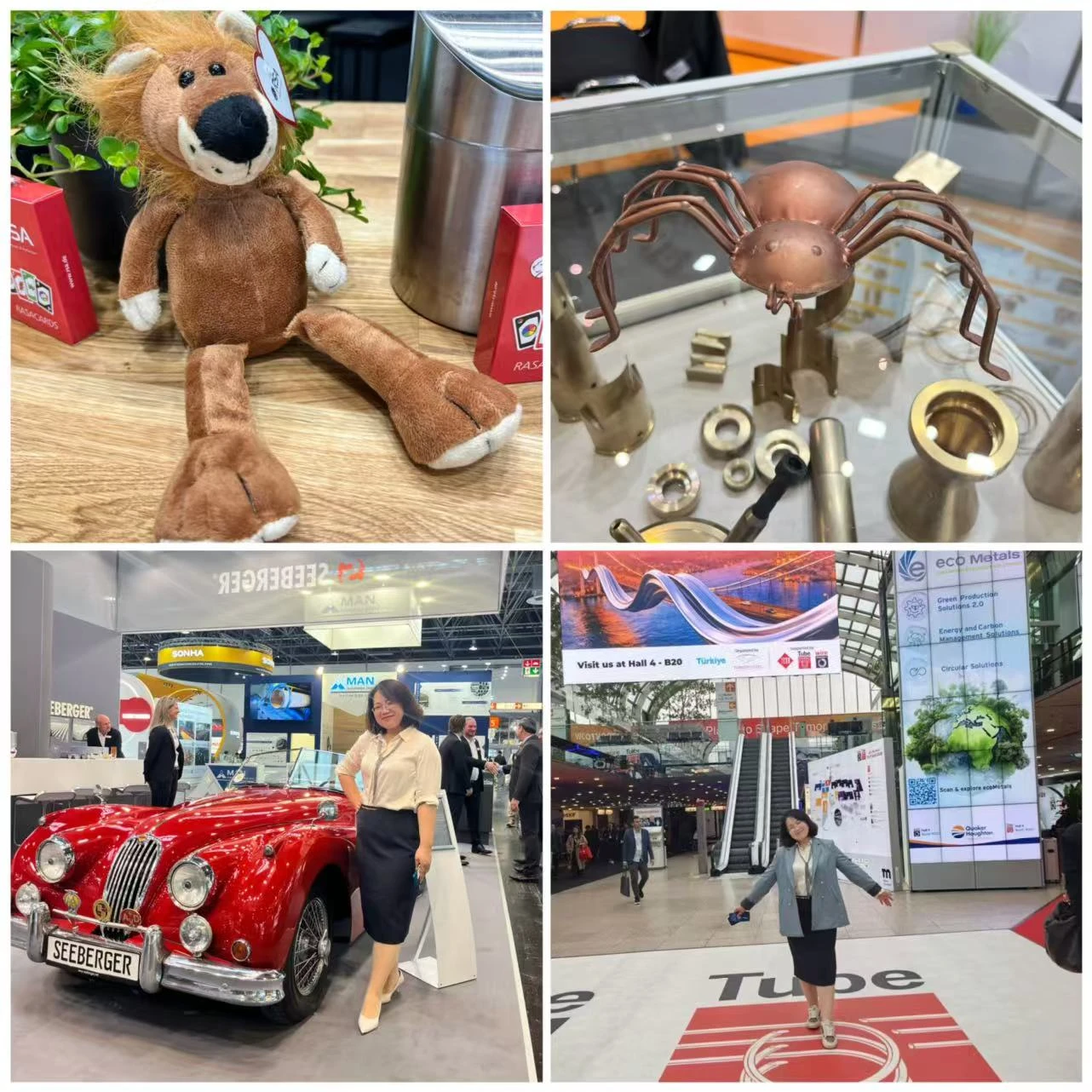
Tube & Wire Düsseldorf 2026, one of the most influential exhibitions in the global tube and wire industry, held biennially in Düsseldorf, Germany
2026-04-17 00:00:00
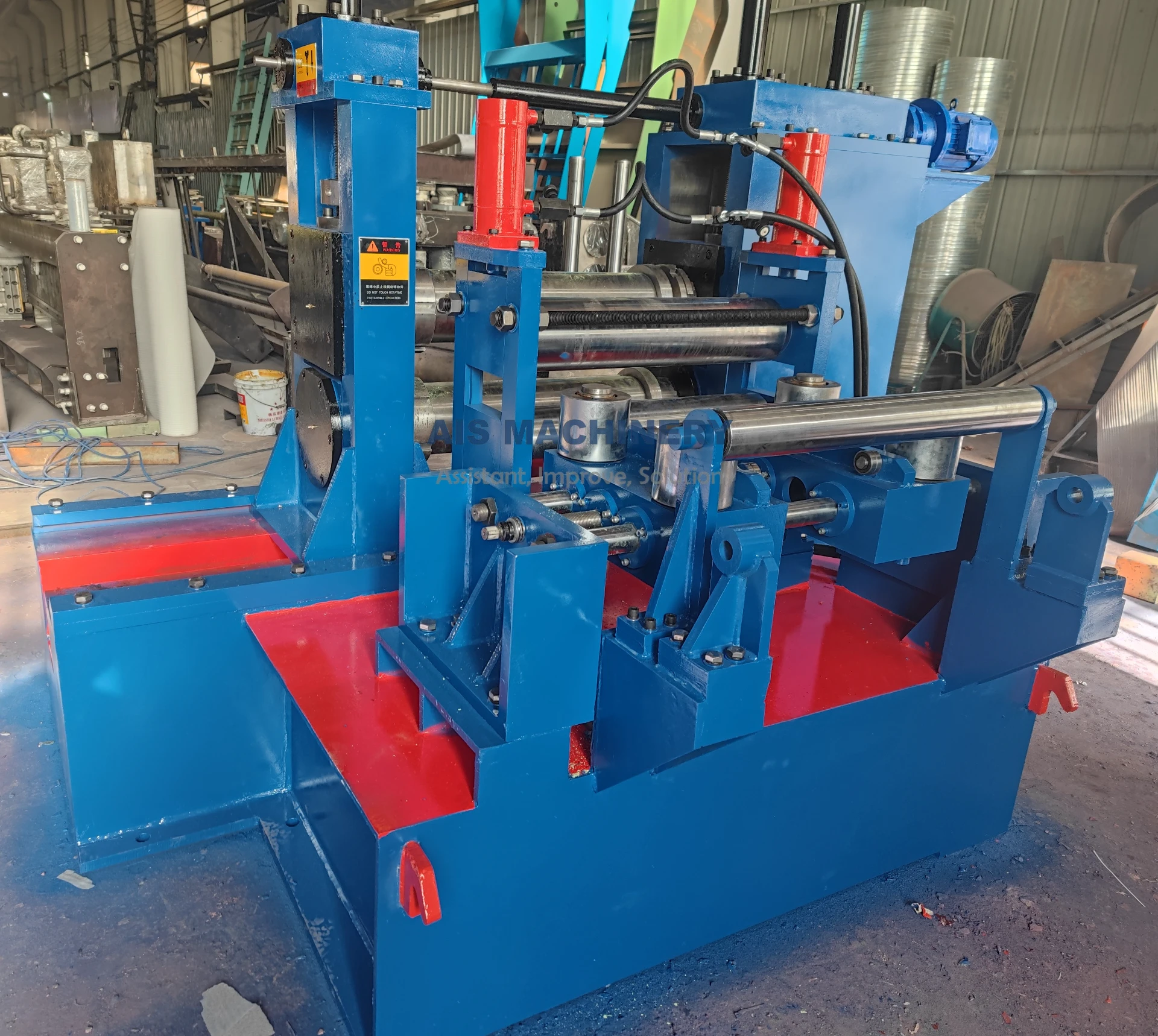
Southeast Asia Client Visits Our Factory | Customized Tube Mill Solution Delivered
A Southeast Asia client visited our ERW tube mill factory to inspect production lines and discuss a customized tube mill solution. Impressed by our machine quality, welding performance, and engineering support, the client confirmed strong cooperation intentions. Discover how our ERW tube mill solutions improve efficiency, precision, and long-term production reliability.
2026-04-15 10:37:55
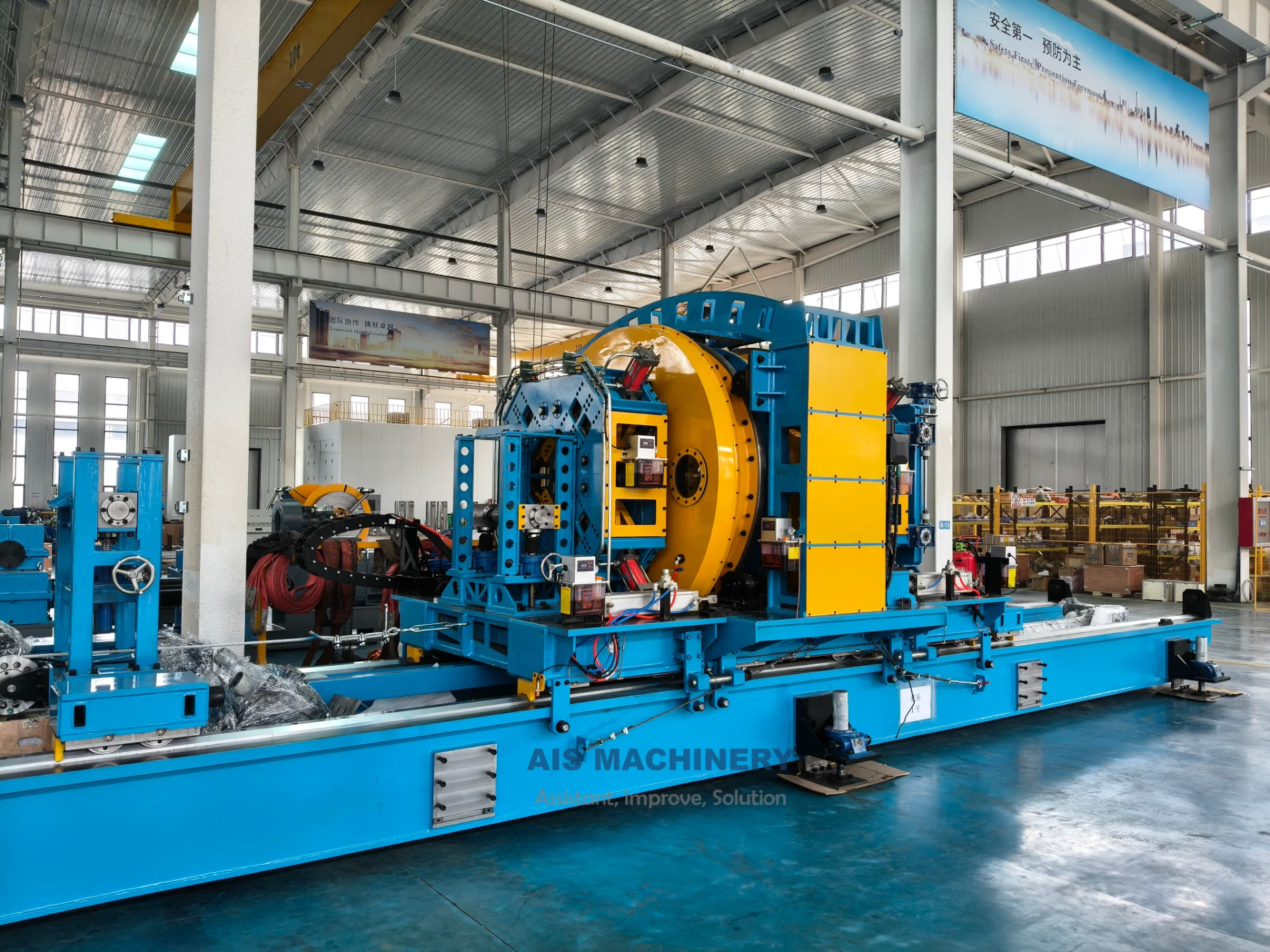
Flat Bar Production Line for Steel Coils: How It Works & Why It Matters
Looking for a flat bar production line? Learn how it turns steel coils into ready-to-use flat bars with precise length and high straightness. Compare it with slitting lines and get the best solution for your steel processing needs.
2026-04-14 00:00:00
Looking for a Milling Saw for ERW Tube Mill? Here’s What You Need to Know
Looking for a high-performance milling saw for your ERW tube mill? Upgrade to burr-free, high-precision pipe cutting with advanced flying saw technology. Improve efficiency, reduce rework, and meet export standards for carbon steel, stainless steel, and API pipes. Contact us today for expert solutions and competitive pricing tailored to your production needs.
Send a Message
Dear customer, thank you for your attention! We provide high-quality machinery and equipment and look forward to your orders. Please inform us of your needs and we will respond quickly!
 English
  Albanian
  Arabic
  French
  German
  Indonesian
  Italian
  Japanese
  Kazakh
  Korean
  Latin
Latin  Macedonian
  Portuguese
  Russian
  Spanish
  Thai
Thai  Turkish
  Ukrainian
  Uzbek
Uzbek