
-
 Tel:86-15176910262
-

Search

Stainless Steel Coil Slitting Machine | Precision Metal Cutting Solutions
Nov . 27, 2025 10:35
The Stainless Steel Coil Slitting Machine: Cutting to the Core of Industry
In the sprawling world of metal manufacturing, the stainless steel coil slitting machine quietly shapes countless products we rely on — from kitchen appliances to automotive parts. It’s not flashy, but its role is crucial. This type of machinery slices wide coils of stainless steel into narrowly defined strips, ready for the next stage of fabrication.
Why does this matter globally? Put simply, stainless steel is everywhere. According to the World Steel Association, global stainless steel production topped 54 million tonnes in 2023, feeding industries from construction to medical devices. Without precise, efficient slitting machines, that steel’s journey would bottleneck — driving costs up, slowing innovation, even impacting safety in critical sectors.
Mini takeaway: The stainless steel coil slitting machine is a deceptively simple yet essential driver of modern manufacturing’s speed and precision.
Why Stainless Steel Coil Slitting Machines Hold Global Importance
Industries worldwide are pushing for higher efficiency and less waste, and the stainless steel coil slitting machine answers both calls. The UN has emphasized sustainable production practices under its Sustainable Development Goal 12, which includes resource-efficient manufacturing processes. Here’s where precision slitting shines: reducing raw material waste and improving downstream production quality.
But there’s a challenge. Slitting stainless steel coils is not a trivial task. These coils vary in thickness, hardness, and width. Handling them requires machines capable of fine adjustments and high durability — because any error in the slit width can cause serious problems, from product defects to equipment damage further down the line.
Mini takeaway: Globally, the stainless steel coil slitting machine is a key player in sustainable, high-quality metal fabrication — but it needs to be reliable and adaptable to diverse industrial demands.
What Exactly Is a Stainless Steel Coil Slitting Machine?
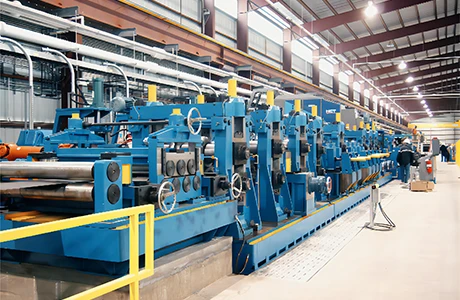
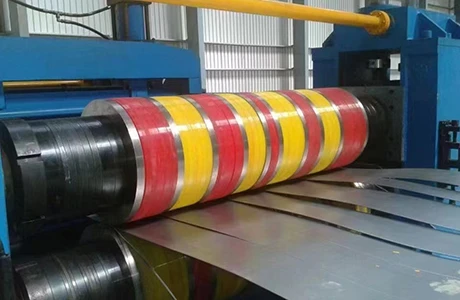
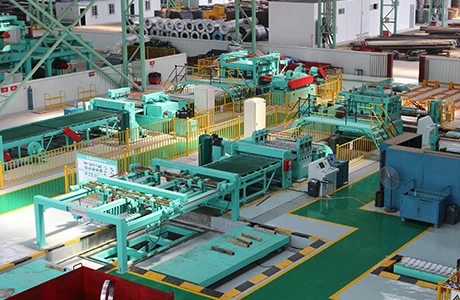
Simply put, a stainless steel coil slitting machine cuts large rolls of stainless steel into narrower strips by running them through rotary blades or knives. The machine unwinds the coil, guides it through the cutting section, and then rewinds the slit strips separately. It’s a bit like slicing a giant roll of dough into thin breadsticks — except the dough is heavy, sharp, and needs exact precision.
This machinery sits at the crossroads of mechanical engineering and metallurgy, crucial for industries ranging from automotive to electronics. In humanitarian contexts, stainless steel components processed through these machines can end up in water purification systems, surgical tools, or emergency shelters — underscoring its broader societal value.
Core Components and Key Factors of These Machines
1. Precision Cutting Mechanism
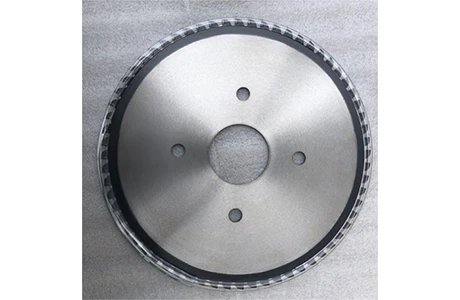
At the heart lies the cutting blades — usually made of hardened steel or carbide. They must be razor-sharp and meticulously aligned to achieve uniform slit widths down to fractions of a millimeter. Many engineers I’ve talked to emphasize how blade quality directly affects both output quality and blade lifespan.
2. Durability & Robust Frame Design
These machines handle heavy coils, sometimes weighing several tons. The frame and rollers need to be ultra-sturdy to maintain alignment and avoid vibrations that could cause uneven cuts. Stainless steel coils themselves are tougher than plain steel, so the equipment must match their hardness.
3. Scalability & Customization
Manufacturers often require different strip widths depending on the end product. Hence, machines allow quick adjustments of blade positions. Some have automated setups controlled by software, which is fantastic for reducing downtime in complex production lines.
4. Cost Efficiency Through Material Utilization
Optimizing slitting reduces scrap and rework. Machines that maintain clear, sharp cuts avoid burrs or deformation — both contributors to material waste. Over time, this translates into significant cost savings and environmental benefits.
5. User-Friendly Operation & Safety Features
Given the danger of sharp knives and heavy coils, modern machines come with shielding, emergency stops, and intuitive interfaces. I’ve noticed that training operators is as crucial as the machine itself to keep things safe and productive.
| Specification | Typical Range | Remarks |
|---|---|---|
| Coil Width | 1000mm - 2000mm | Adjustable based on machine capacity |
| Strip Width | ≥10mm | Minimum strip size for viable production |
| Coil Thickness | 0.3mm - 3.0mm | Varies with stainless steel grade |
| Cutting Speed | 20 - 80 m/min | Depends on machine & material hardness |
| Automation Level | Semi-automatic to Fully automatic | Software controls improve efficiency |
Where These Machines Are Revolutionizing Manufacturing
The stainless steel coil slitting machine has found its footing in diverse regions and industries:
- Asia: Countries like China, Japan, and South Korea lead in electronics and automotive manufacturing, relying heavily on high-precision slitting for parts production.
- Europe: With stringent quality control, European manufacturers cater to aerospace and medical sectors, where flawless narrow strips of stainless steel are crucial.
- North America: Heavy machinery and construction use large-scale slitting to prepare materials for durable infrastructures.
- Emerging Markets: In regions like Southeast Asia and South America, growing industries adopt these machines to boost local metal fabrication capabilities.
For instance, an electronics firm in Taiwan reduced production bottlenecks after upgrading to automated slitting machines, cutting lead times by 30%. Meanwhile, an automotive parts supplier in Germany reported improved slitting precision cut defect rates in half.
Mini takeaway: From high-tech hubs to emerging industrial zones, stainless steel coil slitting machines underpin quality and efficiency worldwide.
Advantages That Keep Businesses Coming Back
If we zoom out, the benefits stretch beyond the obvious:
- Cost Savings: Reduced material waste and higher throughput lower operational expenses.
- Sustainability: Less scrap means fewer resources wasted, aligning with global eco-friendly goals.
- Reliability: Consistent slit widths reduce downstream processing errors and delays.
- Safety and Operator Confidence: Modern safety features improve workplace well-being, which often gets overlooked.
- Innovation Boost: Automated controls and digital integrations speed up product changeovers and adaptability.
Emotionally, owners talk about the "peace of mind" when they know their coil slitting process won’t yield costly surprises. It’s the kind of trust you don’t put a price on, really.
The Future: What’s Next for Stainless Steel Coil Slitting Technology?
Looking forward, two big waves are reshaping the landscape:
- Green Technologies: Electric servo-driven motors and smart energy management systems will make these machines more eco-friendly, cutting power consumption significantly.
- Digitalization & Industry 4.0: Sensors, AI, and IoT integration will allow predictive maintenance and real-time quality monitoring — meaning fewer halts and smarter production lines overall.
Material science is also evolving. New grades of stainless steel that resist wear or heat better require equally advanced slitting technology, pushing manufacturers to innovate on blade materials and machine robustness.
Challenges and How the Industry Tackles Them
Despite the wins, challenges remain:
- Blade Wear and Replacement: Hard metals mean blades dull quickly. Solution? Researchers and manufacturers develop coatings and alloys that extend blade life.
- Machine Downtime: Repair and maintenance disrupt production. Remote diagnostics and quick-change blade systems now reduce downtime.
- Operator Skill Gaps: Skilled workforce scarcity can cause errors. Training programs and user-friendly interfaces help bridge that gap.
Frankly, this is a balancing act between cost, tech advancement, and human factors — but it’s improving steadily.
| Vendor | Automation Level | Max Coil Width | Blade Material | Key Feature |
|---|---|---|---|---|
| AISI SteelTech | Fully Automatic | 2000 mm | Tungsten Carbide | AI quality inspection |
| GlobalCut Solutions | Semi-automatic | 1500 mm | Hardened Steel | Blade quick-change system |
| TechSlit Manufacturing | Fully Automatic | 1800 mm | Ceramic Coated Steel | Energy-efficient servo motors |
FAQ: Stainless Steel Coil Slitting Machine Essentials
Q: What factors affect the precision of a stainless steel coil slitting machine?
A: Blade quality, machine alignment, coil tension control, and operator skill all play critical roles. Maintaining sharp blades and proper calibration ensures uniform slit widths, minimizing defects downstream.
Q: How do automated slitting machines improve production efficiency?
A: Automation reduces manual adjustments, speeds up blade positioning, and integrates real-time monitoring, which significantly cuts downtime and scrap rates.
Q: Are slitting machines adaptable for different stainless steel grades?
A: Yes. Machines can be fine-tuned to handle variations in material hardness and thickness by adjusting blade types, cutting speeds, and tension accordingly.
Q: What safety measures should operators look for in these machines?
A: Essential features include guarding around blades, emergency stop controls, anti-slip platforms, and clear operational interfaces to reduce human error and accidents.
Q: How can companies integrate sustainable practices using these machines?
A: Using energy-efficient motors, optimizing material utilization to reduce scrap, and scheduling predictive maintenance to avoid wasteful downtime are effective strategies.
Conclusion: Cutting Through Complexity for Long-Term Gains
The stainless steel coil slitting machine might just be one link in a long production chain, but it’s a vital one — enabling everything from sleek consumer electronics to robust industrial machinery. Its precision, adaptability, and efficiency directly influence manufacturing costs, sustainability goals, and product quality. For businesses wanting to leap forward, investing in advanced slitting technology is no longer optional; it’s essential.
Ready to explore how these machines can transform your production line? Visit our website: stainless steel coil slitting machine for tailored solutions and expert advice.
Casual reflection: Honestly, it's fascinating how such a comparatively small piece of equipment quietly underpins so many industries worldwide—painlessly slicing its way into the future.
References
- World Steel Association: https://www.worldsteel.org
- United Nations Sustainable Development Goals: https://sdgs.un.org/goals/goal12
- ISO Standards for Steel Processing: https://www.iso.org/ics/77.140.10/x/

Related Products

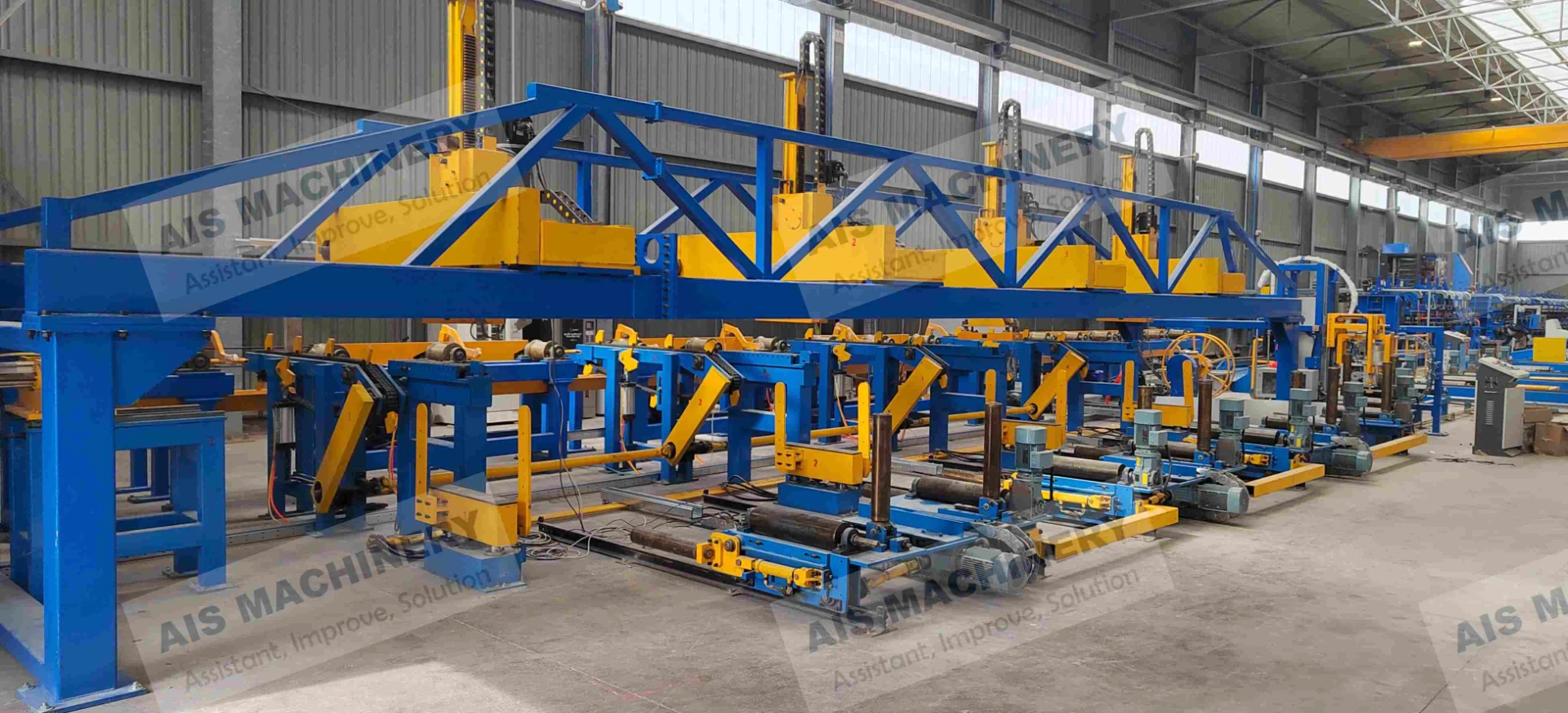
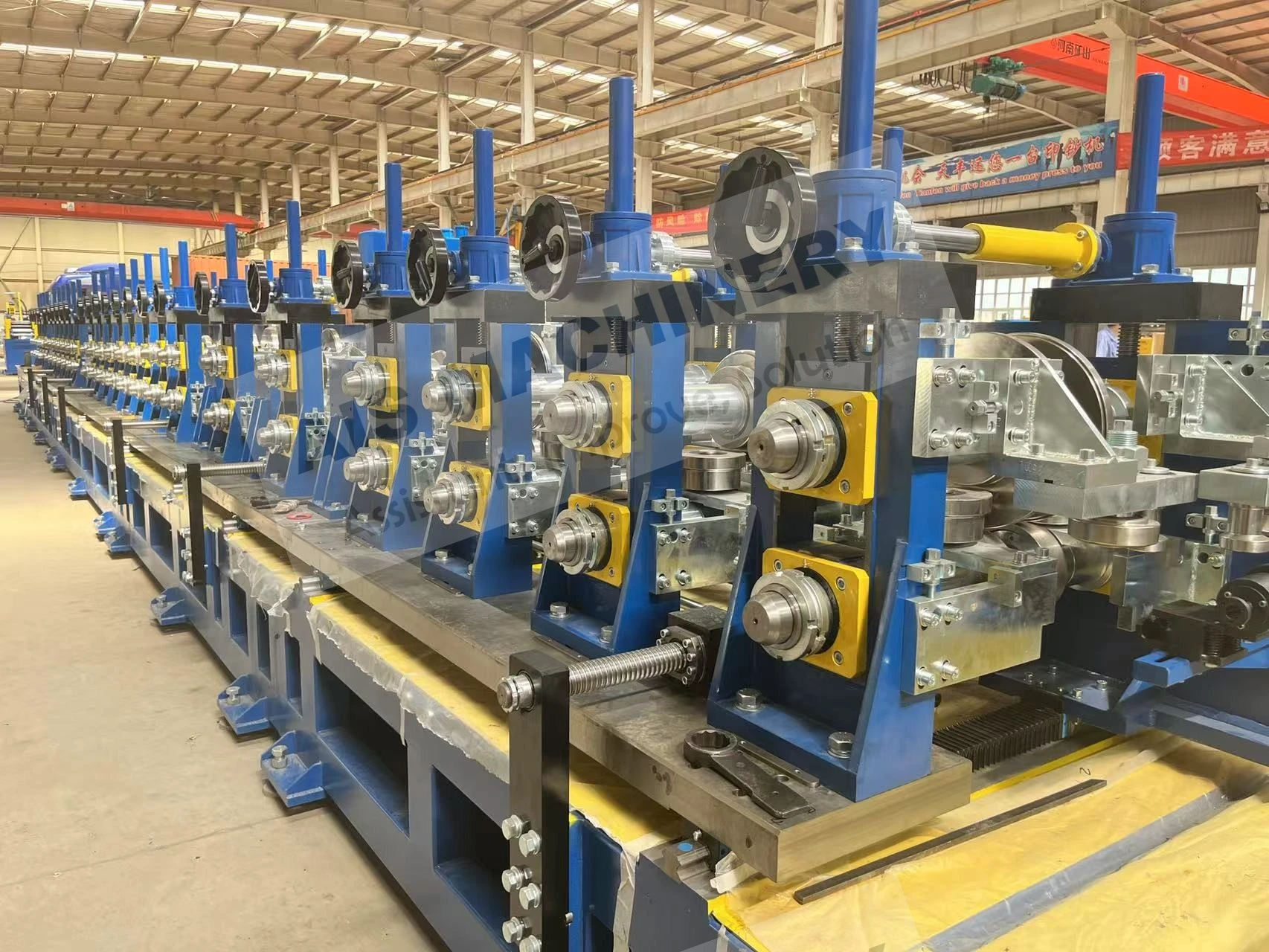
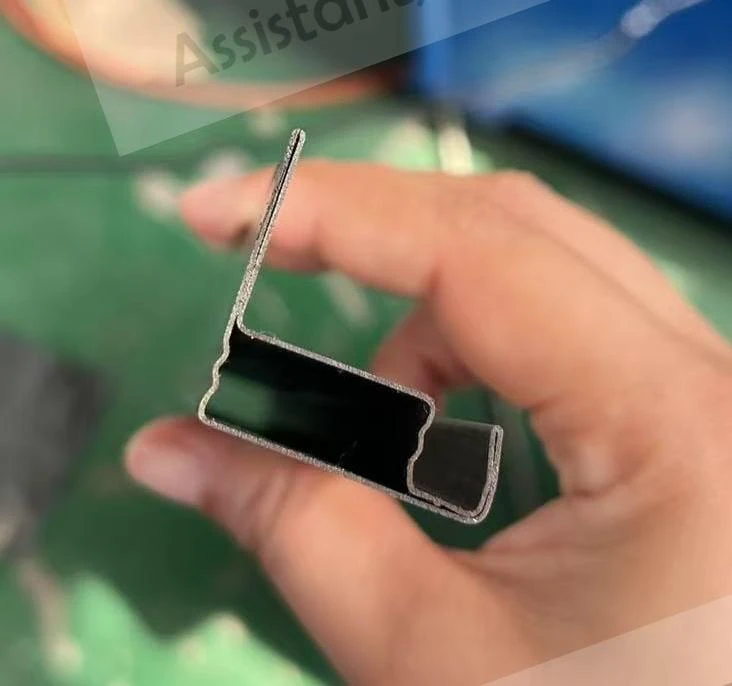
Related News
2026-04-30 09:35:04
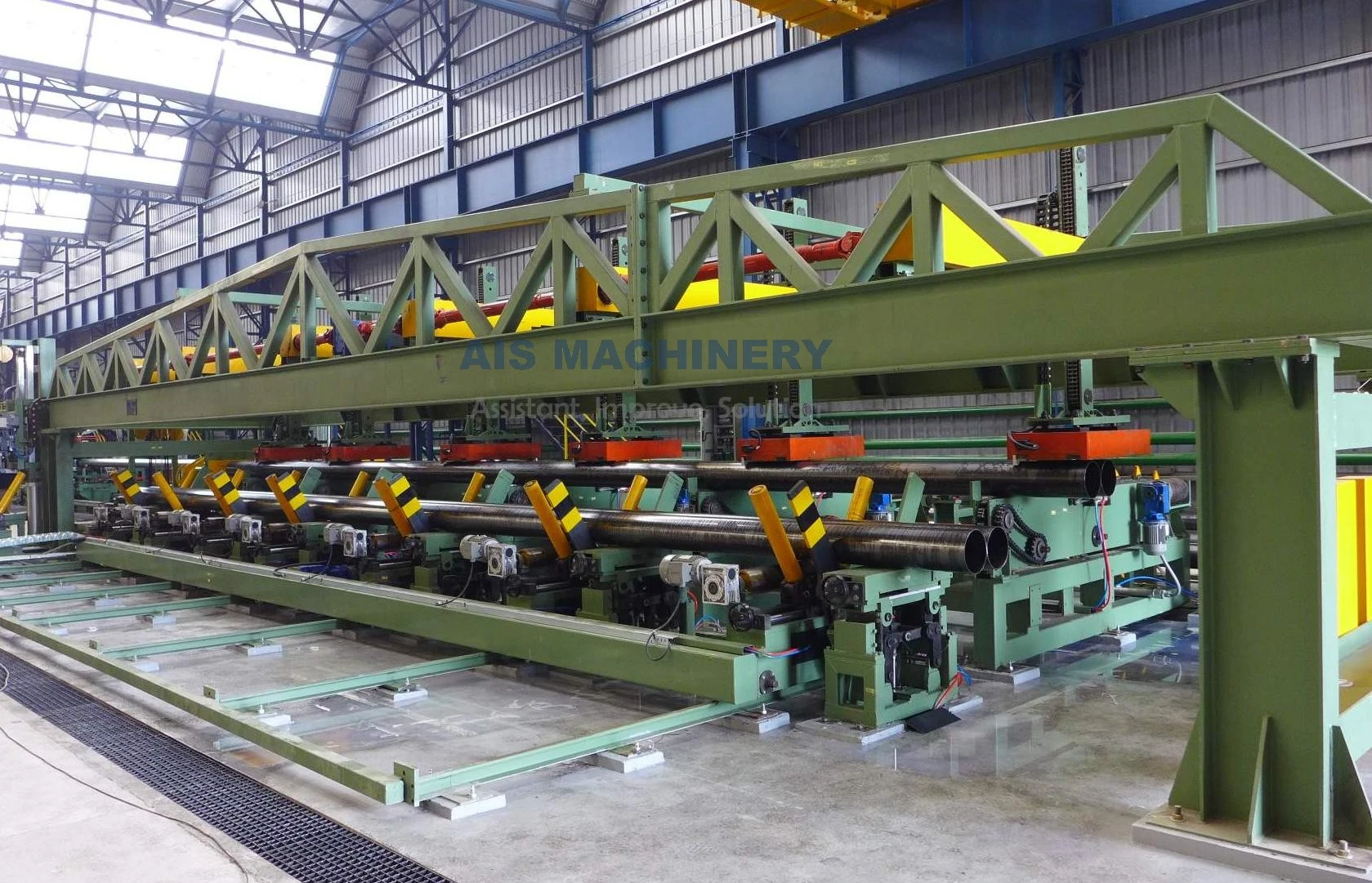
Automatic Stacking Machine (Magnetic Chuck Type)
The Automatic Stacking Machine (Magnetic Chuck Type) from AIS Machinery is designed to efficiently collect and stack steel tubes in ERW tube mill production lines. Using electromagnetic lifting, it can pick up multiple tubes at once and place them neatly in layers. This reduces manual labor, improves stacking accuracy, and increases overall production efficiency. It is installed after the flying saw and works seamlessly with the mill line, making it an ideal solution for modern tube manufacturers.
2026-04-28 08:56:05
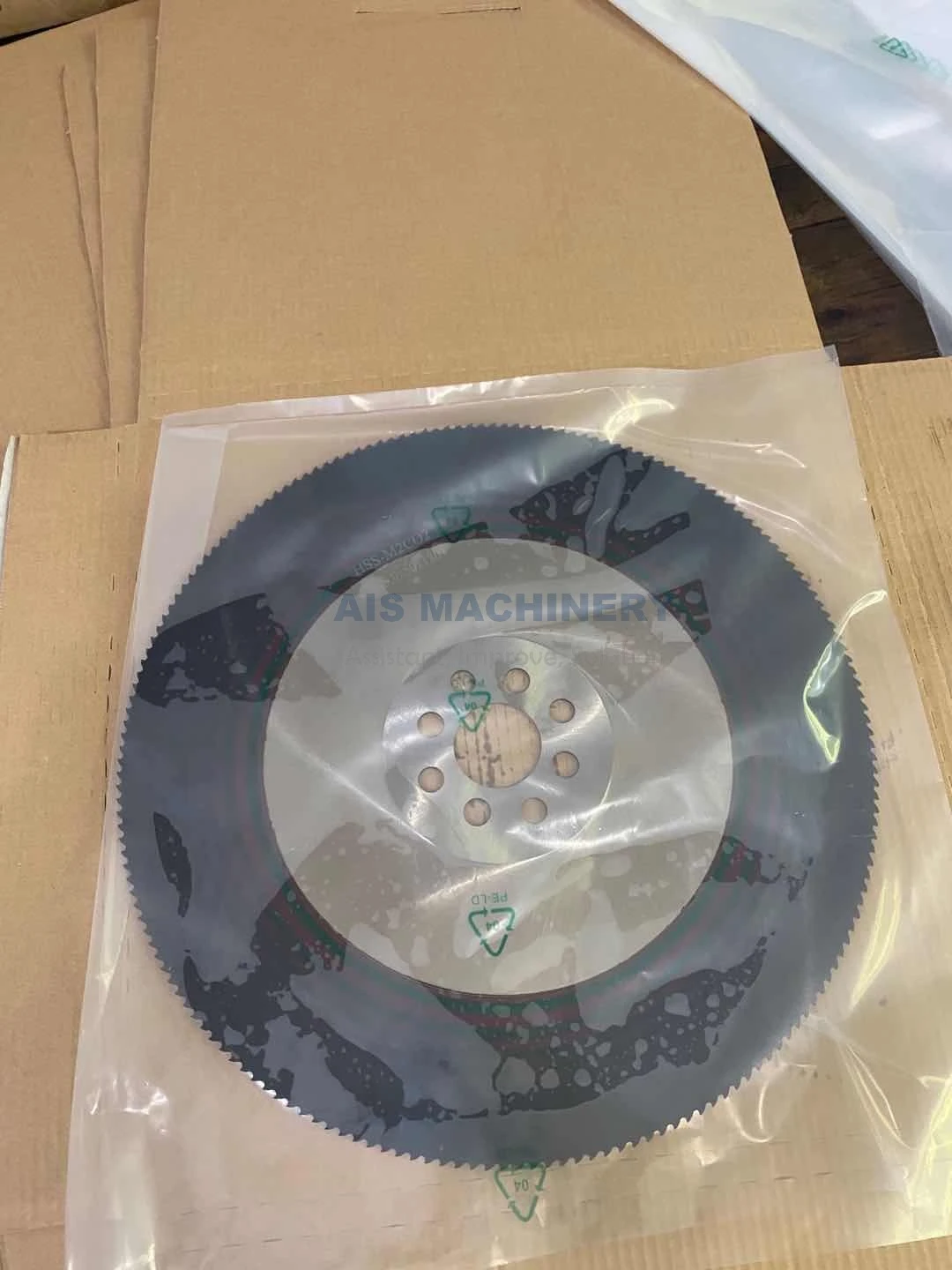
Saw Blade Guide for Tube Mills: Friction vs HSS vs TCT — Which One Should You Choose?
Confused about friction saw, HSS, and TCT blades? This guide explains their uses in cold saw and friction saw machines, with pros, cons, and expert selection tips.
2026-04-24 08:54:16
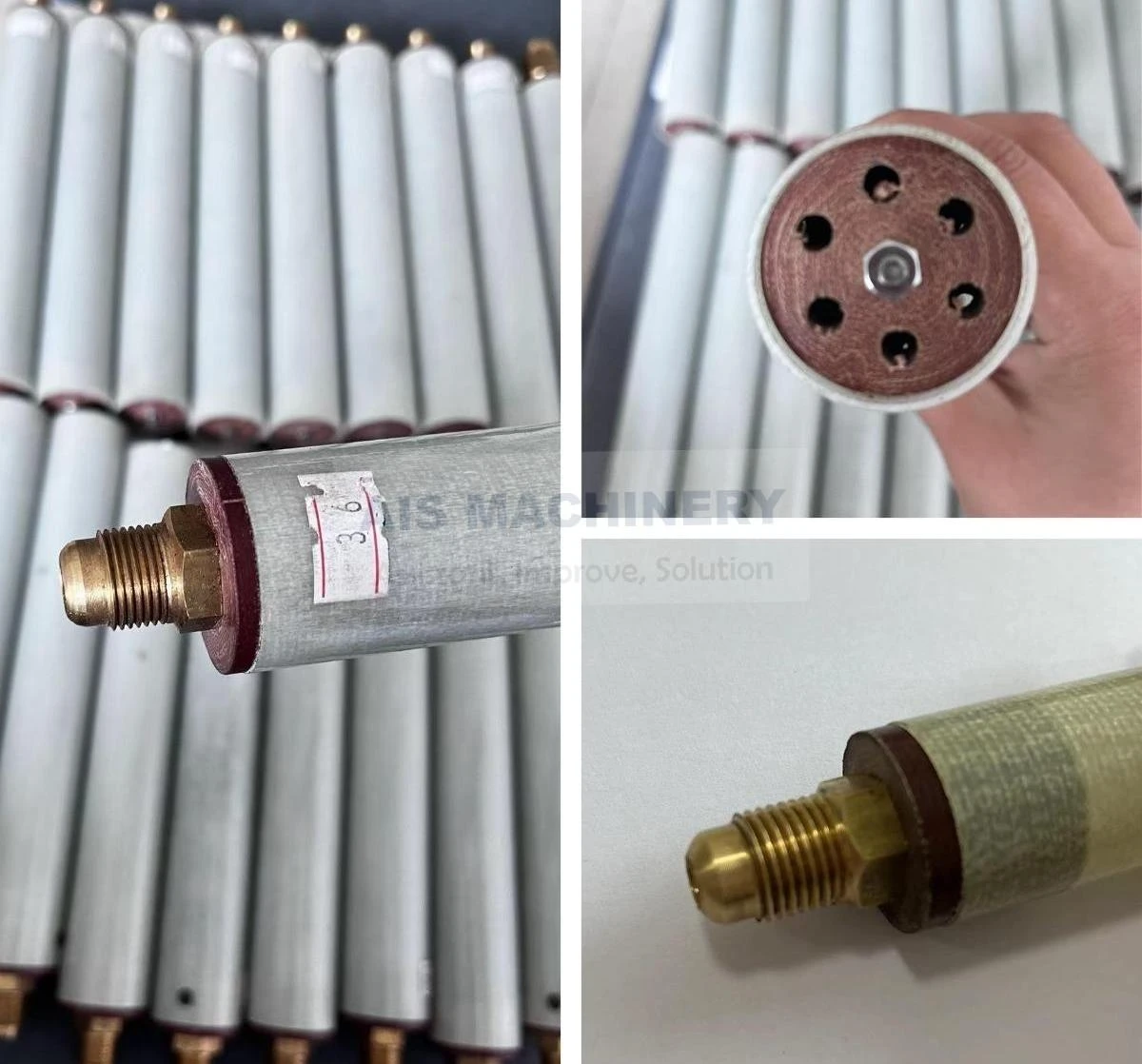
What is an Impeder and Ferrite Rods in ERW Tube Mill?
Struggling with impeder overheating or short service life in your ERW tube mill? This guide explains common impeder problems, the role of ferrite rods, and how to choose the right impeder for stable welding performance. Improve weld quality, reduce energy loss, and extend equipment lifespan with the right selection and proper cooling solutions.
2026-04-21 10:22:25
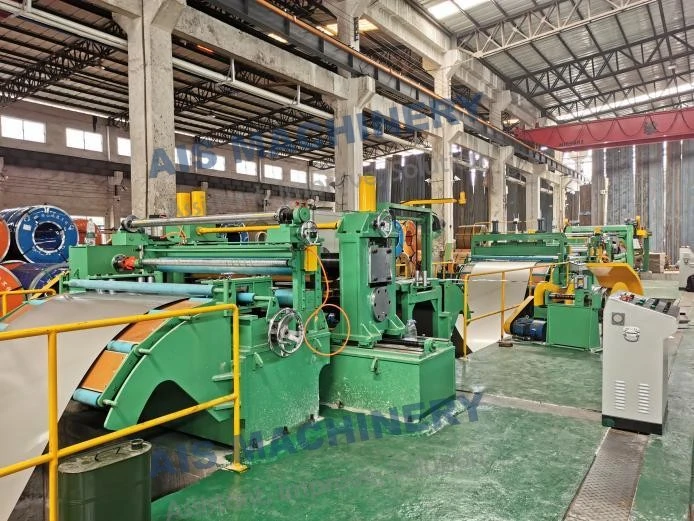
Slitting & Cut-to-Length Combined Production Line: A Smarter Way to Process Steel Coils
Discover the Slitting & Cut-to-Length Combined Production Line, a flexible solution for steel coil processing. This system integrates slitting line and cut-to-length line functions in one machine, saving space, reducing costs, and improving efficiency. Ideal for processing both steel strips and sheets, it is widely used in service centers and manufacturing industries. Learn its advantages, limitations, and applications.
2026-04-18 03:20:20
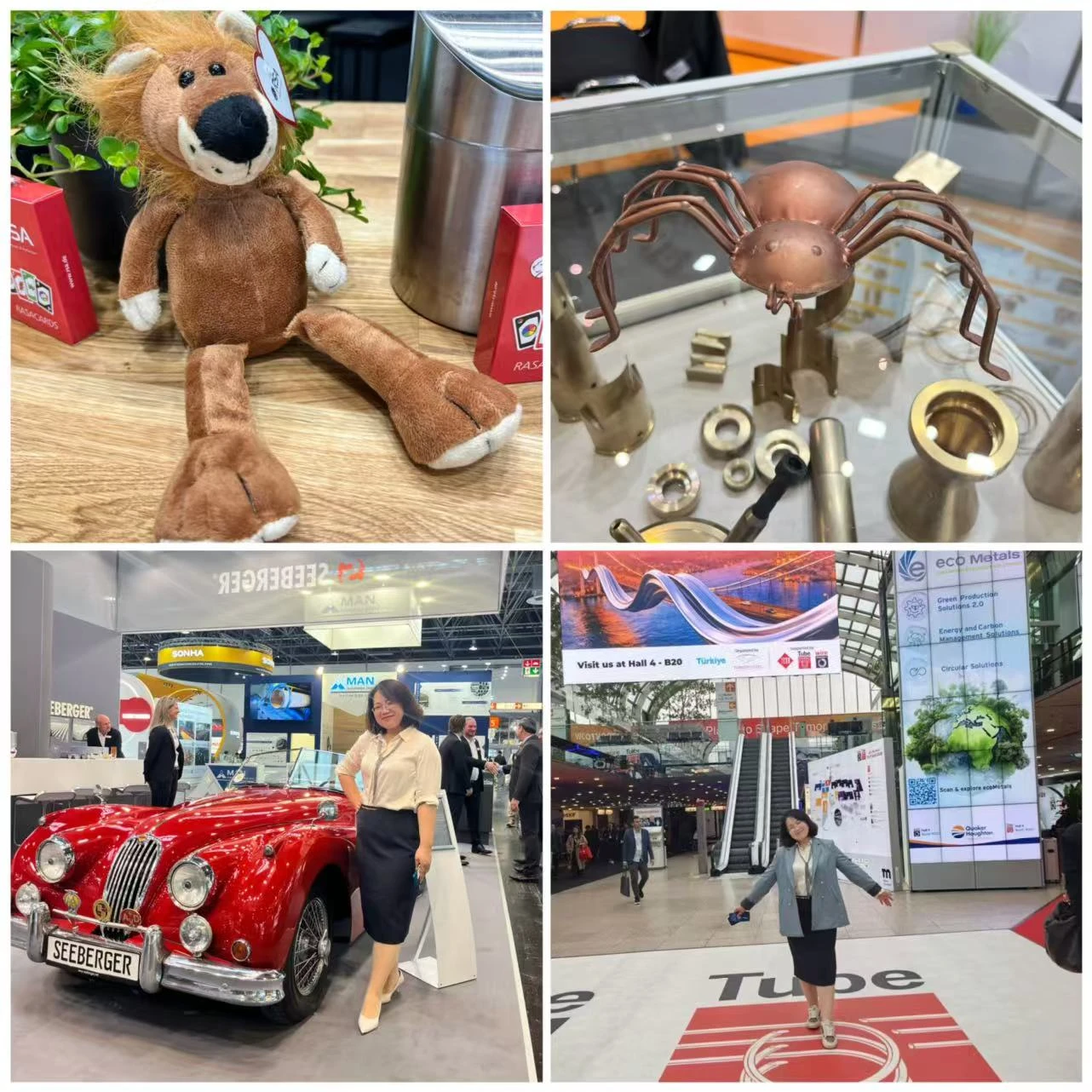
AIS Machinery Showcases Advanced Tube Solutions at Tube & Wire Düsseldorf 2026
Tube & Wire Düsseldorf 2026, one of the most influential exhibitions in the global tube and wire industry, held biennially in Düsseldorf, Germany
2026-04-17 00:00:00
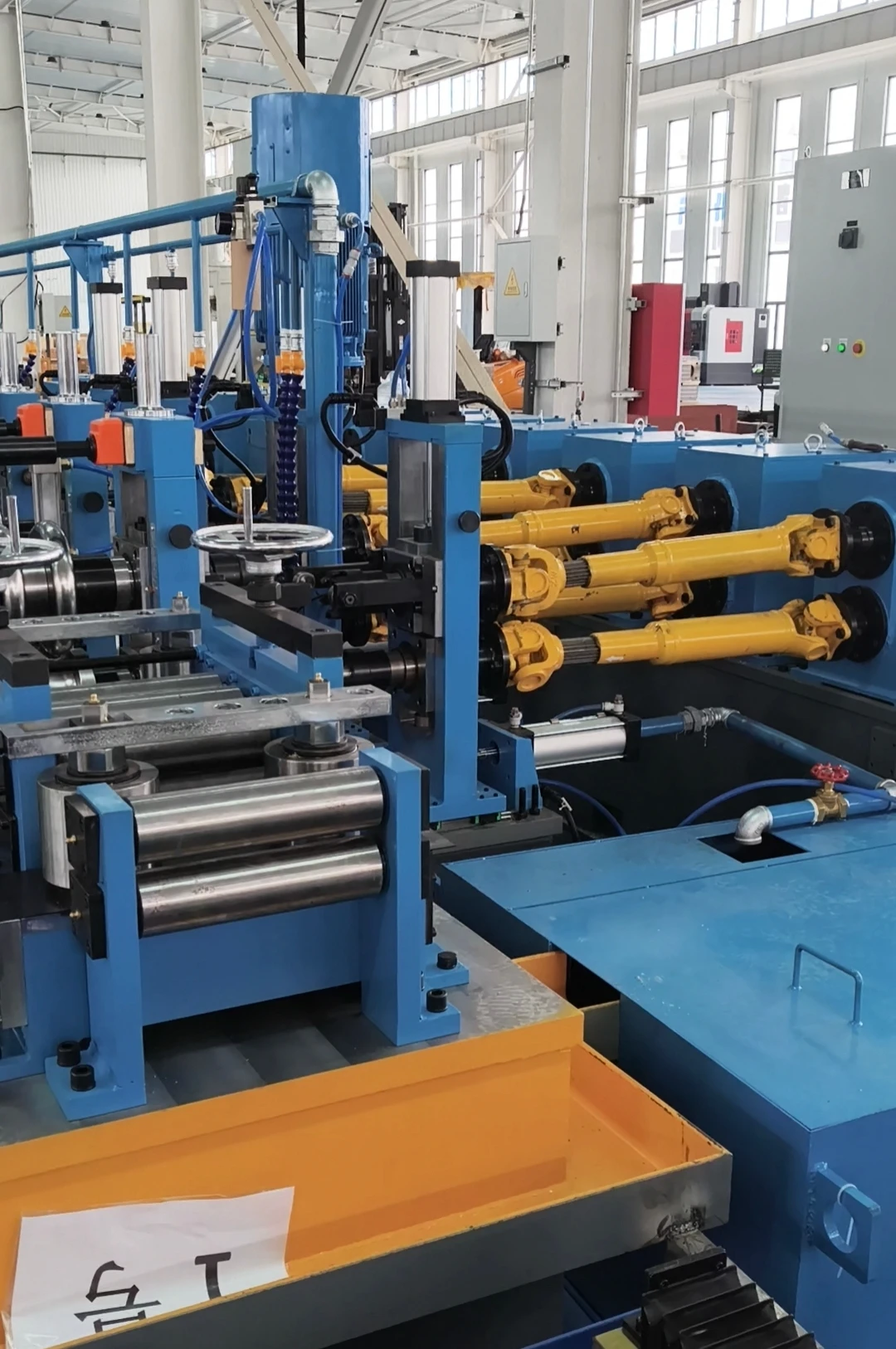
Southeast Asia Client Visits Our Factory | Customized Tube Mill Solution Delivered
A Southeast Asia client visited our ERW tube mill factory to inspect production lines and discuss a customized tube mill solution. Impressed by our machine quality, welding performance, and engineering support, the client confirmed strong cooperation intentions. Discover how our ERW tube mill solutions improve efficiency, precision, and long-term production reliability.
2026-04-15 10:37:55
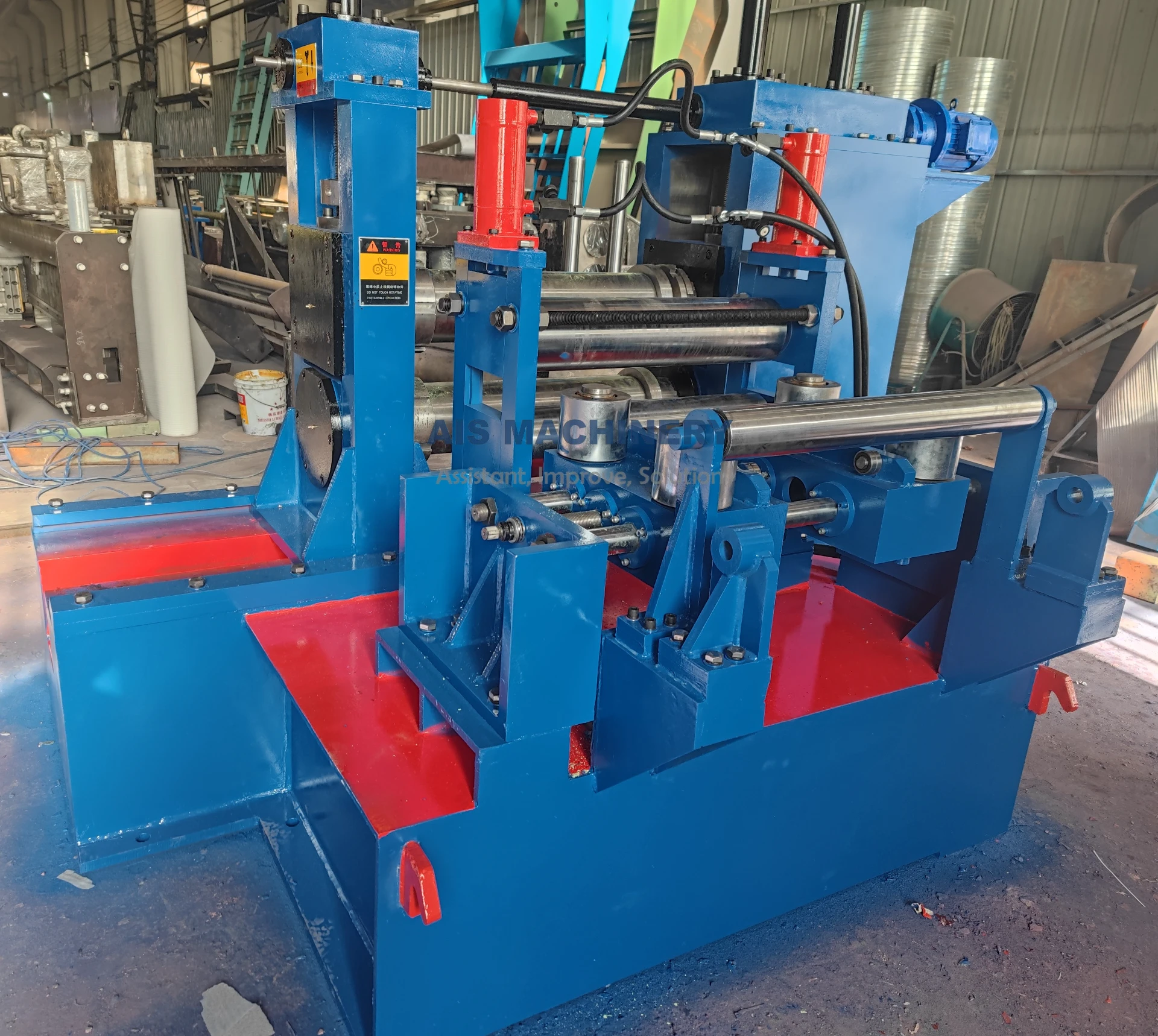
Flat Bar Production Line for Steel Coils: How It Works & Why It Matters
Looking for a flat bar production line? Learn how it turns steel coils into ready-to-use flat bars with precise length and high straightness. Compare it with slitting lines and get the best solution for your steel processing needs.
2026-04-14 00:00:00
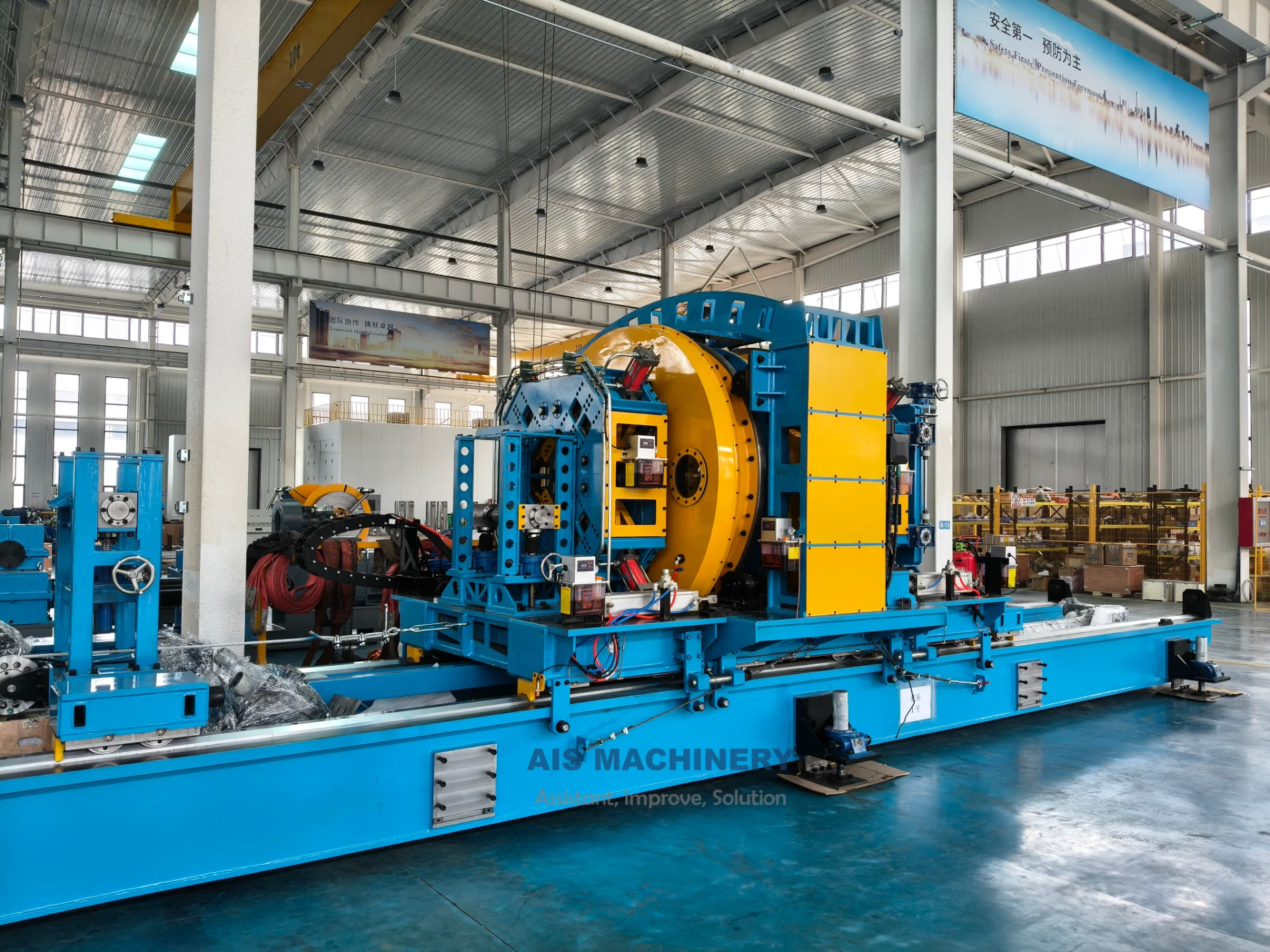
Looking for a Milling Saw for ERW Tube Mill? Here’s What You Need to Know
Looking for a high-performance milling saw for your ERW tube mill? Upgrade to burr-free, high-precision pipe cutting with advanced flying saw technology. Improve efficiency, reduce rework, and meet export standards for carbon steel, stainless steel, and API pipes. Contact us today for expert solutions and competitive pricing tailored to your production needs.
Send a Message
Dear customer, thank you for your attention! We provide high-quality machinery and equipment and look forward to your orders. Please inform us of your needs and we will respond quickly!
 English
  Albanian
  Arabic
  French
  German
  Indonesian
  Italian
  Japanese
  Kazakh
  Korean
  Latin
Latin  Macedonian
  Portuguese
  Russian
  Spanish
  Thai
Thai  Turkish
  Ukrainian
  Uzbek
Uzbek