
-
 Tel:86-15176910262
-

Search

Comprehensive Guide to Steel Coil Slitting Process: Techniques, Trends & Benefits
Nov . 27, 2025 12:35
Understanding the Steel Coil Slitting Process: The Backbone of Modern Manufacturing
Steel coil slitting process might sound like a niche term from a heavy industrial factory, but its true global footprint is massive. In essence, it's about transforming large rolls of steel into precise, narrower strips that fit a variety of industries — from automotive to construction, and even humanitarian applications like disaster-relief housing kits. Why should you care? Because understanding this process unlocks how everyday steel products reach the exact dimensions and qualities we depend on worldwide, and why efficiency matters for sustainability and economic growth.
Global Dimensions: Why Steel Coil Slitting Process Matters Today
Steel remains one of the most important materials worldwide, with the World Steel Association reporting global crude steel production exceeding 1.8 billion metric tons as of recent years - a nearly 3% annual growth rate. A large chunk of that steel travels through coil slitting lines before becoming sheets, pipes, components, and gadgets. The steel coil slitting process is crucial in turning bulk materials into usable formats suitable for automated assembly lines everywhere.
One remarkable challenge this process addresses is material waste reduction. As environmental standards tighten globally (ISO 14001 compliance increases, as an example), manufacturers seek better steel yield to lower costs and carbon footprints. The slitting process enables that by producing precisely cut strips with minimal scrap — crucial in fast-paced industries where even fractions of a millimeter seam matter.
What Exactly Is the Steel Coil Slitting Process?
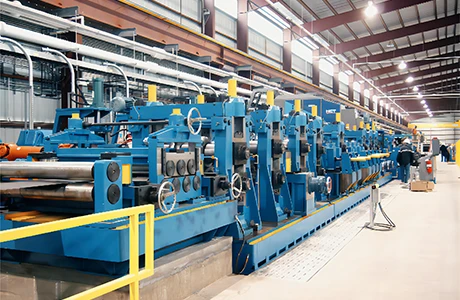
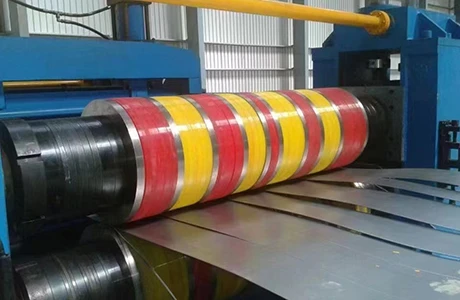
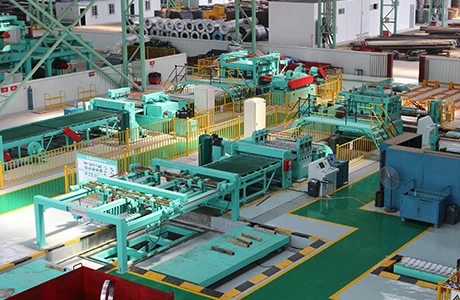
At its core, the steel coil slitting process involves unwinding a hefty steel coil, running it through one or more rotary knives, which slice the metal into narrower steel strips or tapes, then rewinding those strips into smaller coils. Imagine slicing a giant wheel of cheese into the perfect thin wedges, but with precision small enough to meet micron tolerances.
This operation is vital because raw wide coils are rarely used directly. Slitting provides customized widths suited for client requirements — whether for roofing panels, automotive parts, or even packaging materials. The process connects engineering to tangible needs, allowing everything to stay safe, efficient, and up to spec — especially when certain humanitarian efforts require standardized steel components for quick housing or infrastructure.
Core Components That Make the Process Tick
1. Uncoiler & Recoiler
The uncoiler holds the massive incoming coil steady while it unwinds. On the other side, the recoiler winds the slit strips into smaller, manageable coils. Several engineers stress the importance of synchronized tension control here to prevent wrinkling or stretching.
2. Rotary Slitting Knives
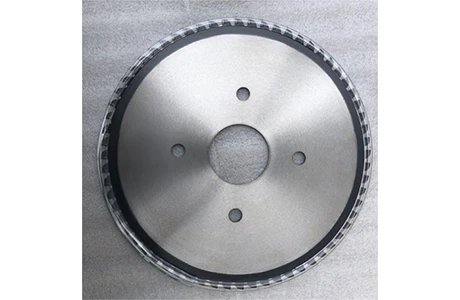
These are the heart of precision. Made of hardened tool steel or tungsten carbide, these circular blades cut the coil. The number and spacing change depending on the desired final strip widths.
3. Tension Control System
Maintaining consistent force throughout is key. Too loose, and the strip can buckle; too tight, and it risks stretching or tearing. Modern systems use servo motors and sensors to keep tension just right.
4. Edge Trimmers
Some coils may have rough edges or surface imperfections — trimming these improves the quality and safety of final products.
5. Waste Management
The small edges trimmed away (called 'lap edges') are gathered for recycling — a crucial aspect in sustainable production.
Common Specifications for a Standard Steel Coil Slitting Line
| Specification | Typical Value | Notes |
|---|---|---|
| Max Coil Width | 2000 mm | Supports large-format steel coils |
| Coil Weight Capacity | 30,000 kg | Heavy-duty industrial use |
| Slit Width Range | 20 mm - 800 mm | Versatile for various customer needs |
| Production Speed | up to 150 m/min | Balances speed & quality |
| Tension Control Accuracy | ±2% | Critical for strip integrity |
Steel Coil Slitting Process Around the Globe: Who’s Using It & Why
Countries with large manufacturing bases — think China, USA, Germany, and India — naturally rely heavily on slitting lines for automotive, construction, and packaging sectors. But oddly enough, the process is also key in some unexpected places.
For example, international NGOs engaged in post-disaster rebuilding programs use steel strips to quickly assemble modular shelters and medical facilities. In remote industrial zones, pre-slit steel roller shutters or panels are easier to ship and install onsite.
Meanwhile, emerging markets in Southeast Asia are increasing their slitting capacity to support booming steel demand, fueled by infrastructure investments and renewable energy projects (solar panel mounts, wind turbine supports) — all using slit steel strips customized to exact specs.
The Tangible Benefits of the Steel Coil Slitting Process
- Cost efficiency: Precise slitting reduces waste and yields more usable steel from each coil — effecting bottom lines meaningfully for manufacturers.
- Sustainability: Less scrap means less raw material extraction, contributing to greener production. Recycled edge trims re-enter the supply chain.
- Reliability: High-quality slits ensure that downstream manufacturing lines have consistent inputs; fewer jams, defects, and recalls.
- Safety and innovation: When done well, slit edges are clean and safe, lessening workplace hazards and opening creativity for new steel product designs.
- Social impact: Supporting fast-deployment housing and essential goods manufacturing in disaster zones or developing regions, it helps save lives and rebuild.
Where Is the Steel Coil Slitting Process Headed? Future Trends
Automated and digitally integrated slitting lines are becoming more common — complete with sensors for real-time quality checks. Industry 4.0 means these machines can optimize tension, blade wear, and speed dynamically, reducing downtime. There's also a big push towards greener operations, with energy-efficient motors and closed-loop water cooling systems.
In materials, new high-strength, lightweight steel grades require ultra-precise slitting technologies to prevent edge cracks. Hybrid machines that combine slitting with surface treatment or embossing in one pass also glimpse a future of multi-functional lines.
Lastly, as circular economy policies tighten globally, manufacturers are exploring more efficient ways to recycle scrap from this and other steel processes — turning what was waste into fresh raw material continuously.
Challenges & How Industry Experts Are Tackling Them
For all its advantages, the steel coil slitting process poses challenges. Blade wear, which can cause rough edges or inaccurate widths, is one. Regular maintenance and use of better wear-resistant alloys aim to fix that. Another is handling very thin or specialized steels, where tension control becomes super critical to avoid coil damage.
Then there’s the balance between speed and quality: faster lines can cause defects; slower ones mean less throughput. Experts often recommend smart automation and predictive maintenance to get the best of both worlds.
Vendor Comparison: Popular Steel Coil Slitting Machines
| Manufacturer | Max Speed (m/min) | Max Coil Width (mm) | Automation Level | Typical Industry Applications |
|---|---|---|---|---|
| AISTubeMill | 150 | 2000 | High (Industry 4.0 compatible) | Automotive, Construction, Packaging |
| TechSlit Pro | 120 | 1800 | Medium (Manual + Semi-Automatic) | General Steel Processing |
| SteelEdge Systems | 130 | 2100 | High | Renewable Energy Components, Heavy Industry |
FAQ: Common Questions About the Steel Coil Slitting Process
1. What are the main advantages of using the steel coil slitting process over shearing?
Slitting offers faster speeds and much greater precision, especially for long or continuous coils. Shearing tends to create more scrap and inconsistent edges, whereas slitting’s rotary knives keep tolerances tight and reduce waste.
2. How often should blades be replaced in a slitting line?
It depends on the steel grade and production volume but typically every few weeks to a couple of months. Some advanced systems use sensors to predict blade wear and schedule replacements before quality drops.
3. Can the steel coil slitting process handle coated or galvanized steel?
Yes, but it requires careful blade selection and tension adjustments to avoid damaging coatings. Some setups include protective edge trims or specialized knives to maintain surface integrity.
4. How does automation improve the steel coil slitting process?
Automation allows for real-time monitoring and adaptive control of tension, speed, and blade positioning — reducing human error, downtime, and increasing throughput without sacrificing quality.
5. Are slit steel strips easily transportable for humanitarian aid applications?
Absolutely. Slitting reduces width and weight per coil, making shipping more efficient. This helps NGOs quickly deliver steel components for housing or infrastructure in disaster zones.
Wrapping It Up: Why Steel Coil Slitting Deserves Your Attention
So, what’s the key takeaway? Understanding the steel coil slitting process puts you a step closer to appreciating how massive raw materials turn into those precise, reliable steel strips that underpin global manufacturing, infrastructure, and even critical humanitarian responses.
It’s a process that marries raw power with delicate precision, balances cost with sustainability, and quietly fuels innovation everywhere. For anyone in manufacturing or industrial engineering, mastering this technique isn’t just good business — it’s essential.
To explore more about advanced steel coil slitting solutions, head over to our website for detailed specs, case studies, and expert guidance.
References:

Related Products

Related News
2026-04-30 09:35:04
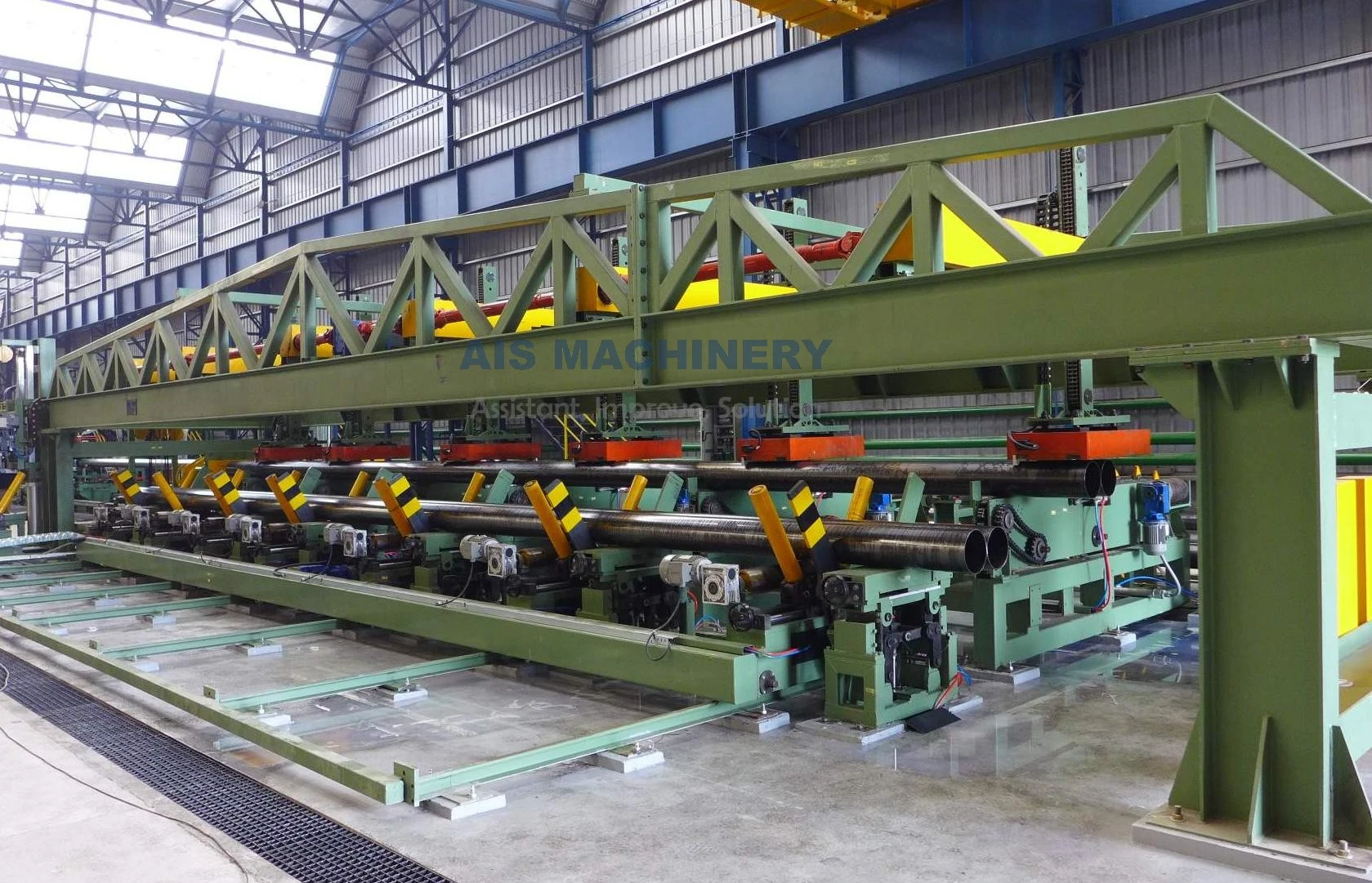
Automatic Stacking Machine (Magnetic Chuck Type)
The Automatic Stacking Machine (Magnetic Chuck Type) from AIS Machinery is designed to efficiently collect and stack steel tubes in ERW tube mill production lines. Using electromagnetic lifting, it can pick up multiple tubes at once and place them neatly in layers. This reduces manual labor, improves stacking accuracy, and increases overall production efficiency. It is installed after the flying saw and works seamlessly with the mill line, making it an ideal solution for modern tube manufacturers.
2026-04-28 08:56:05
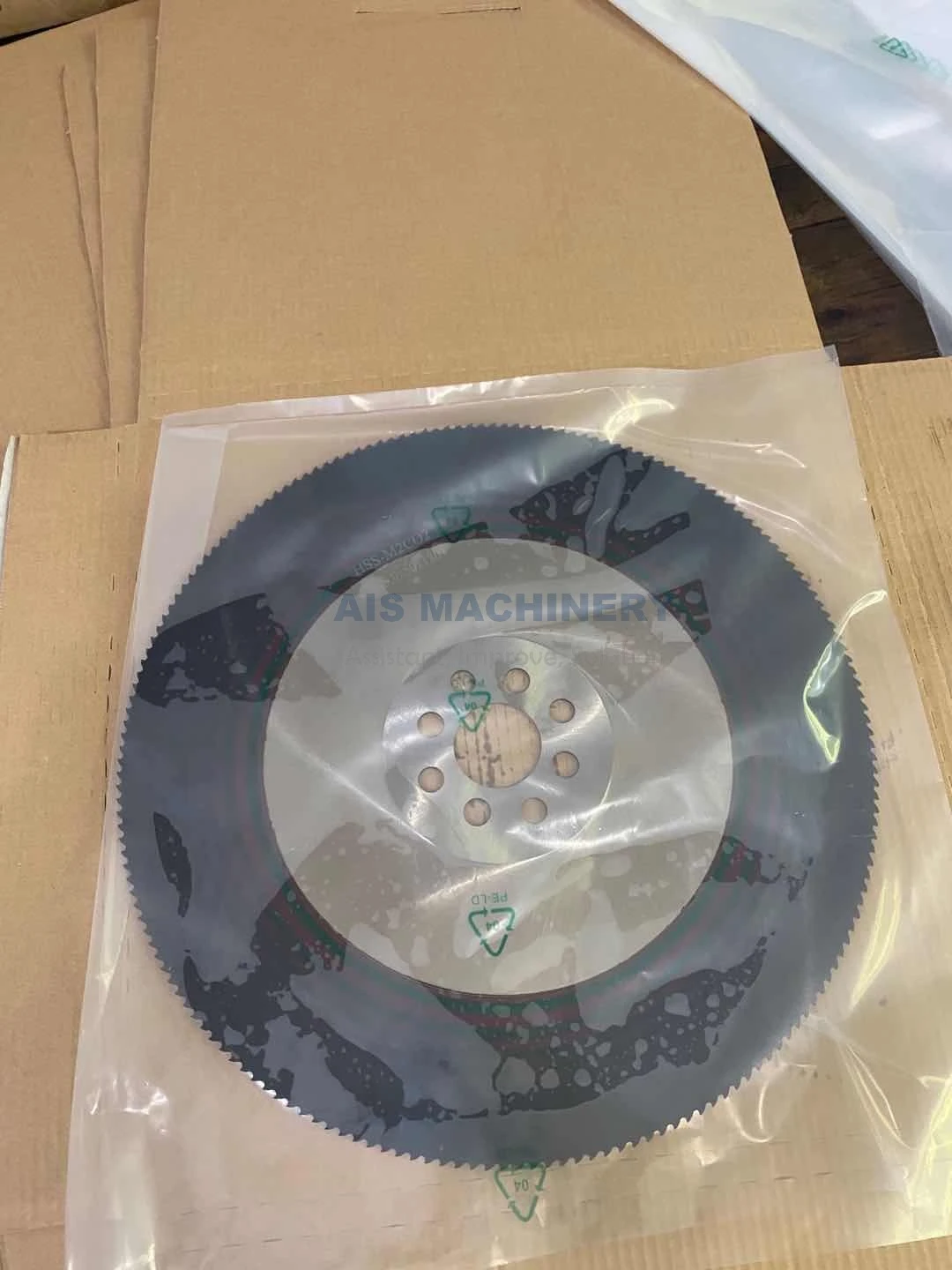
Saw Blade Guide for Tube Mills: Friction vs HSS vs TCT — Which One Should You Choose?
Confused about friction saw, HSS, and TCT blades? This guide explains their uses in cold saw and friction saw machines, with pros, cons, and expert selection tips.
2026-04-24 08:54:16
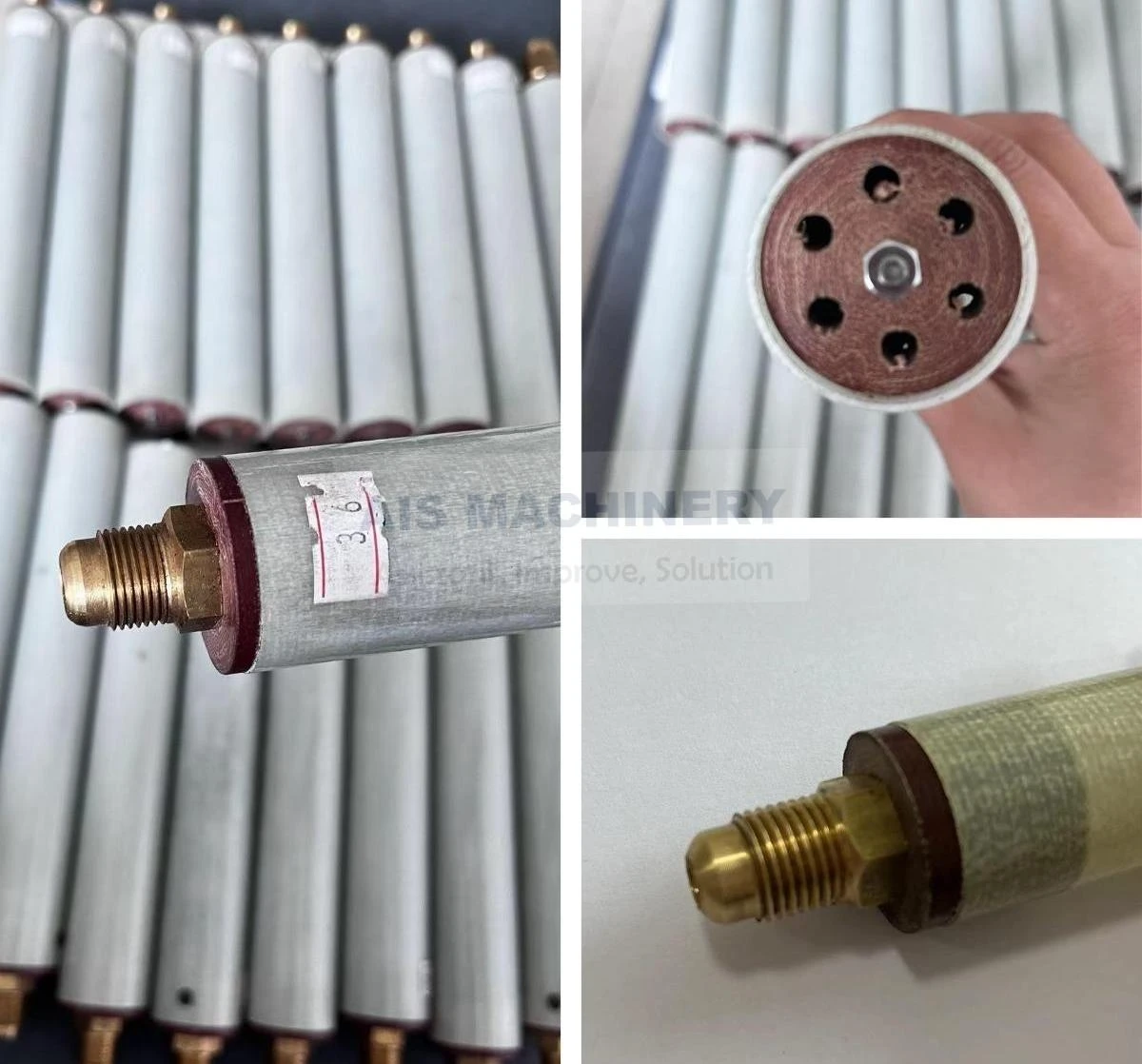
What is an Impeder and Ferrite Rods in ERW Tube Mill?
Struggling with impeder overheating or short service life in your ERW tube mill? This guide explains common impeder problems, the role of ferrite rods, and how to choose the right impeder for stable welding performance. Improve weld quality, reduce energy loss, and extend equipment lifespan with the right selection and proper cooling solutions.
2026-04-21 10:22:25
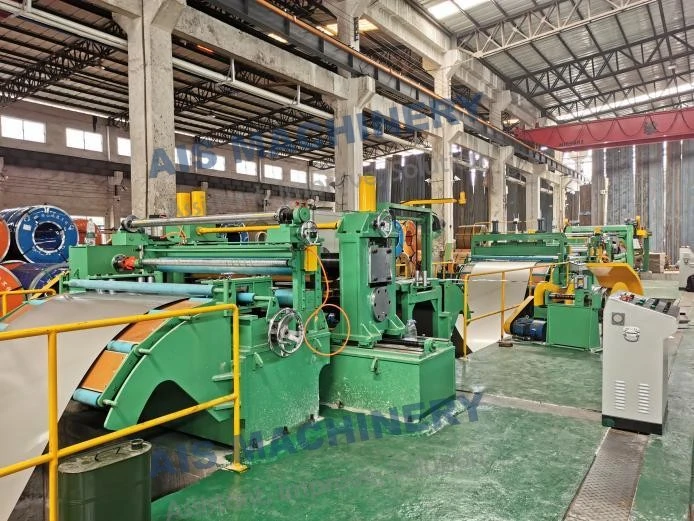
Slitting & Cut-to-Length Combined Production Line: A Smarter Way to Process Steel Coils
Discover the Slitting & Cut-to-Length Combined Production Line, a flexible solution for steel coil processing. This system integrates slitting line and cut-to-length line functions in one machine, saving space, reducing costs, and improving efficiency. Ideal for processing both steel strips and sheets, it is widely used in service centers and manufacturing industries. Learn its advantages, limitations, and applications.
2026-04-18 03:20:20
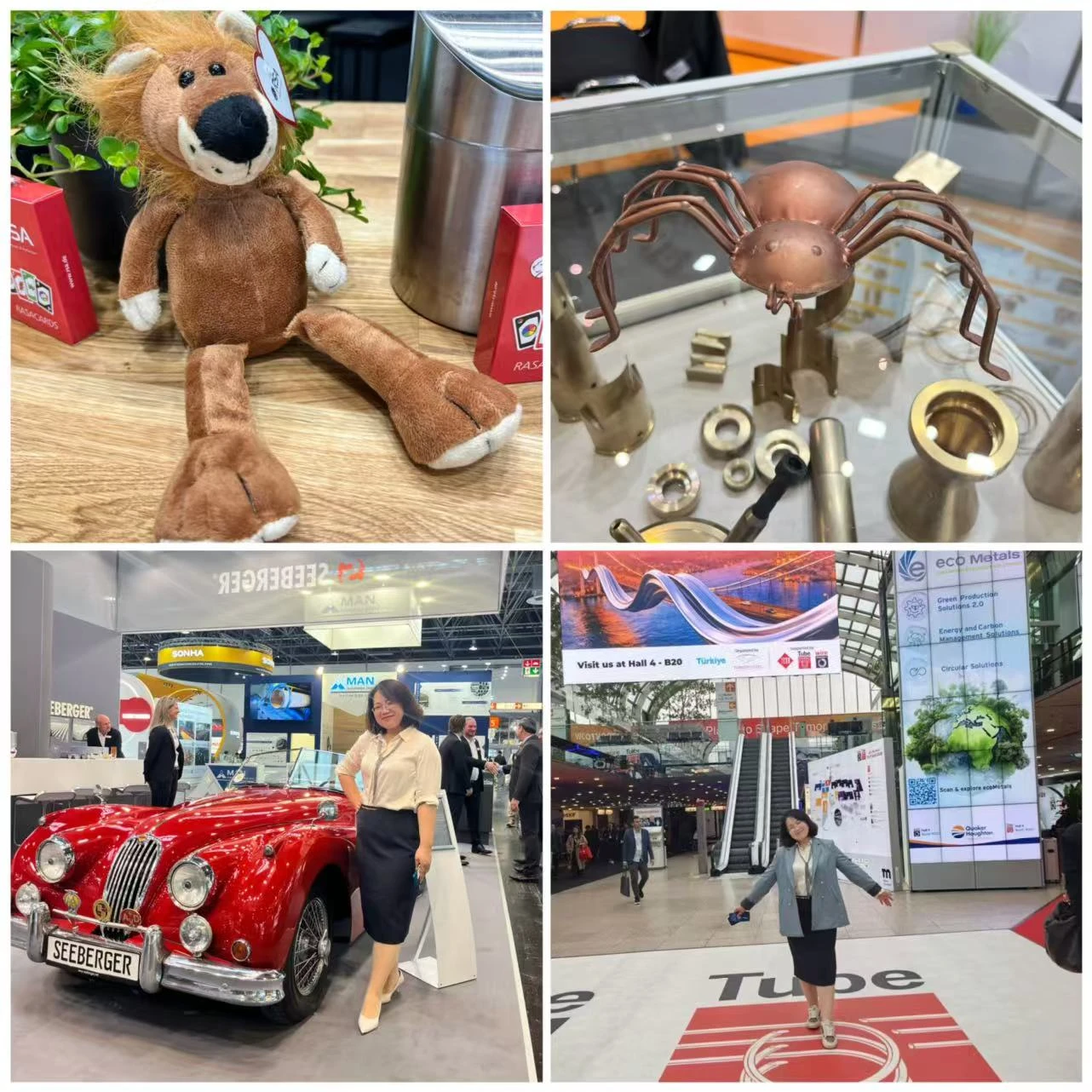
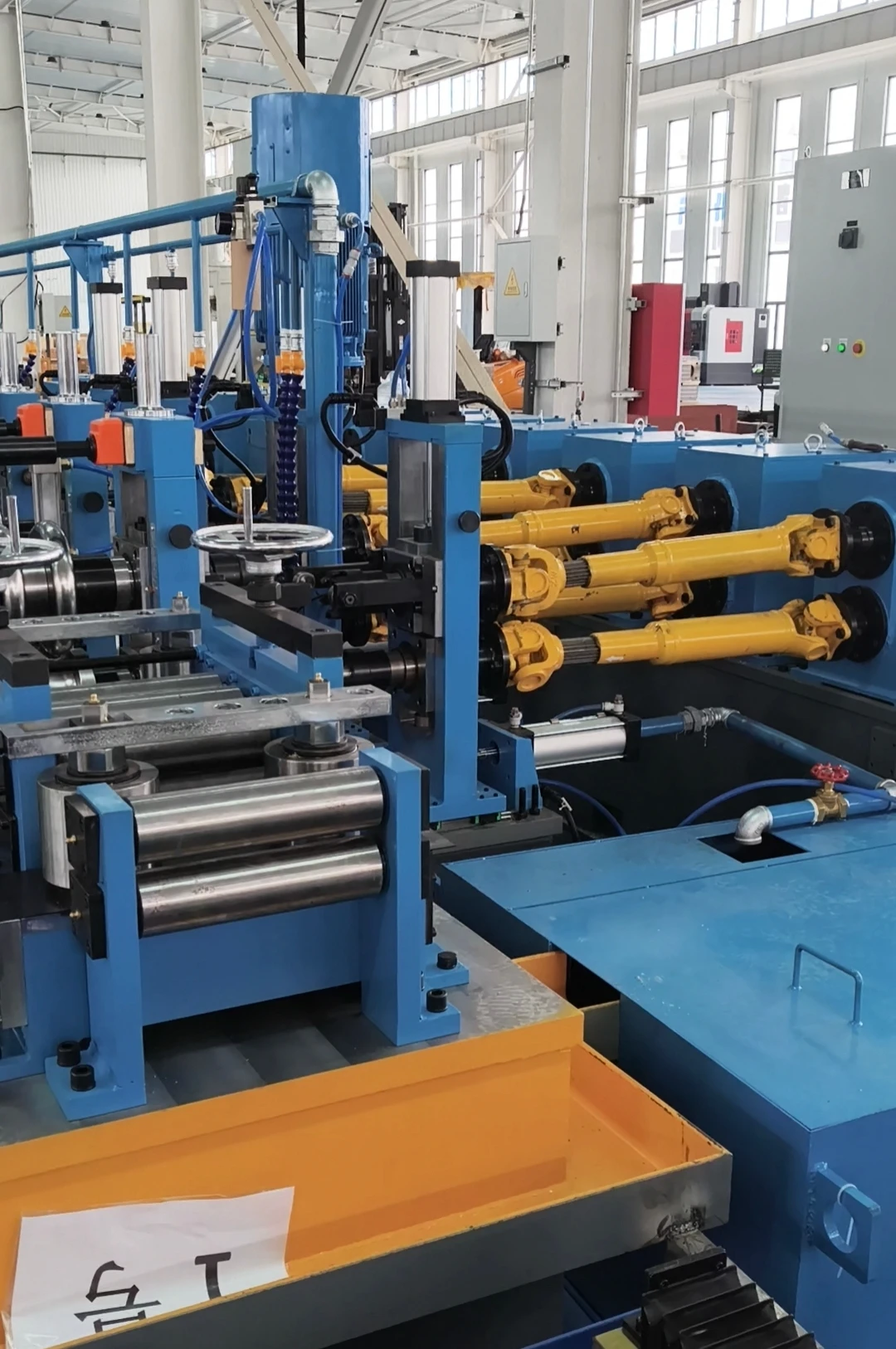
AIS Machinery Showcases Advanced Tube Solutions at Tube & Wire Düsseldorf 2026
Tube & Wire Düsseldorf 2026, one of the most influential exhibitions in the global tube and wire industry, held biennially in Düsseldorf, Germany
2026-04-17 00:00:00
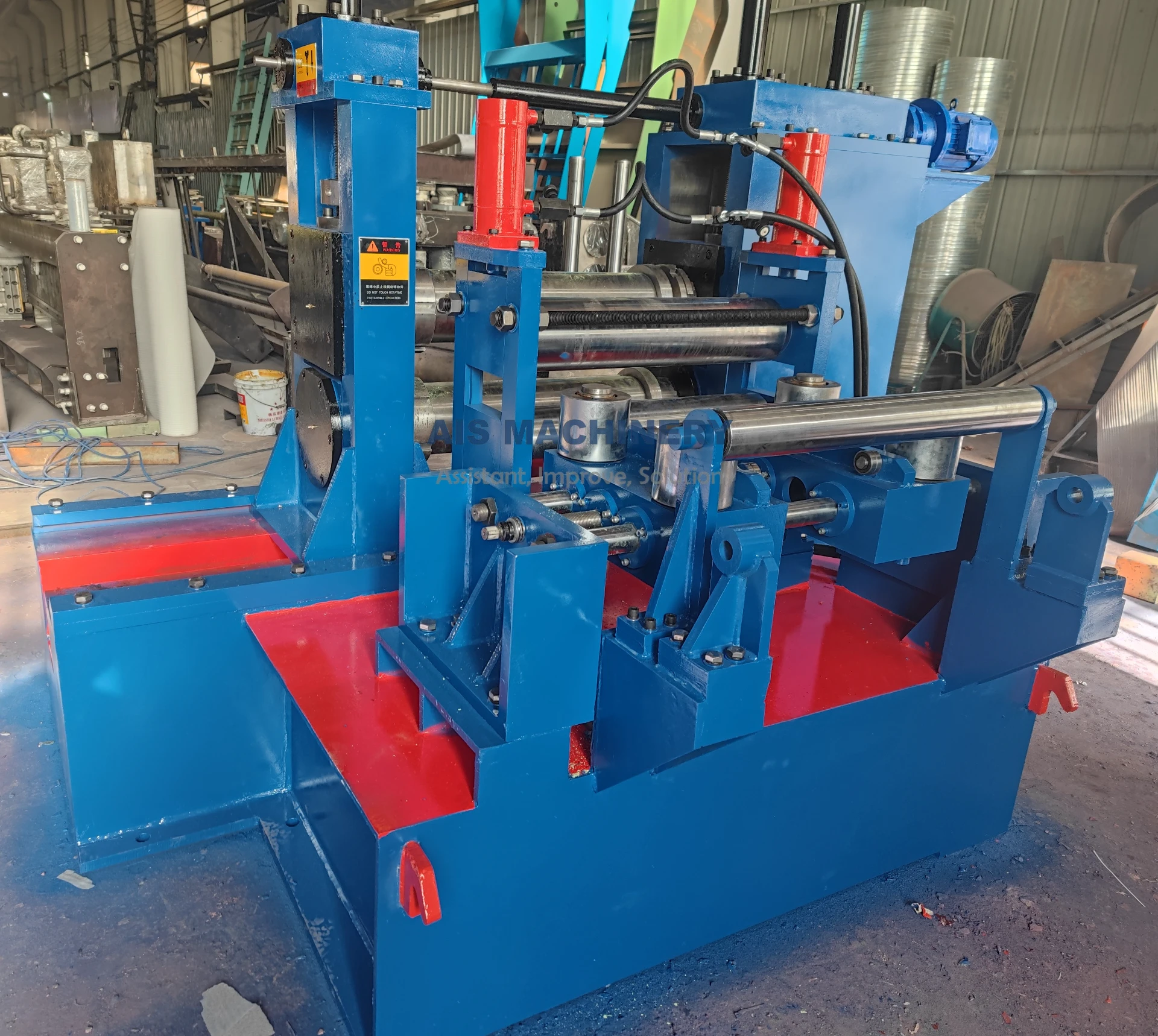
Southeast Asia Client Visits Our Factory | Customized Tube Mill Solution Delivered
A Southeast Asia client visited our ERW tube mill factory to inspect production lines and discuss a customized tube mill solution. Impressed by our machine quality, welding performance, and engineering support, the client confirmed strong cooperation intentions. Discover how our ERW tube mill solutions improve efficiency, precision, and long-term production reliability.
2026-04-15 10:37:55
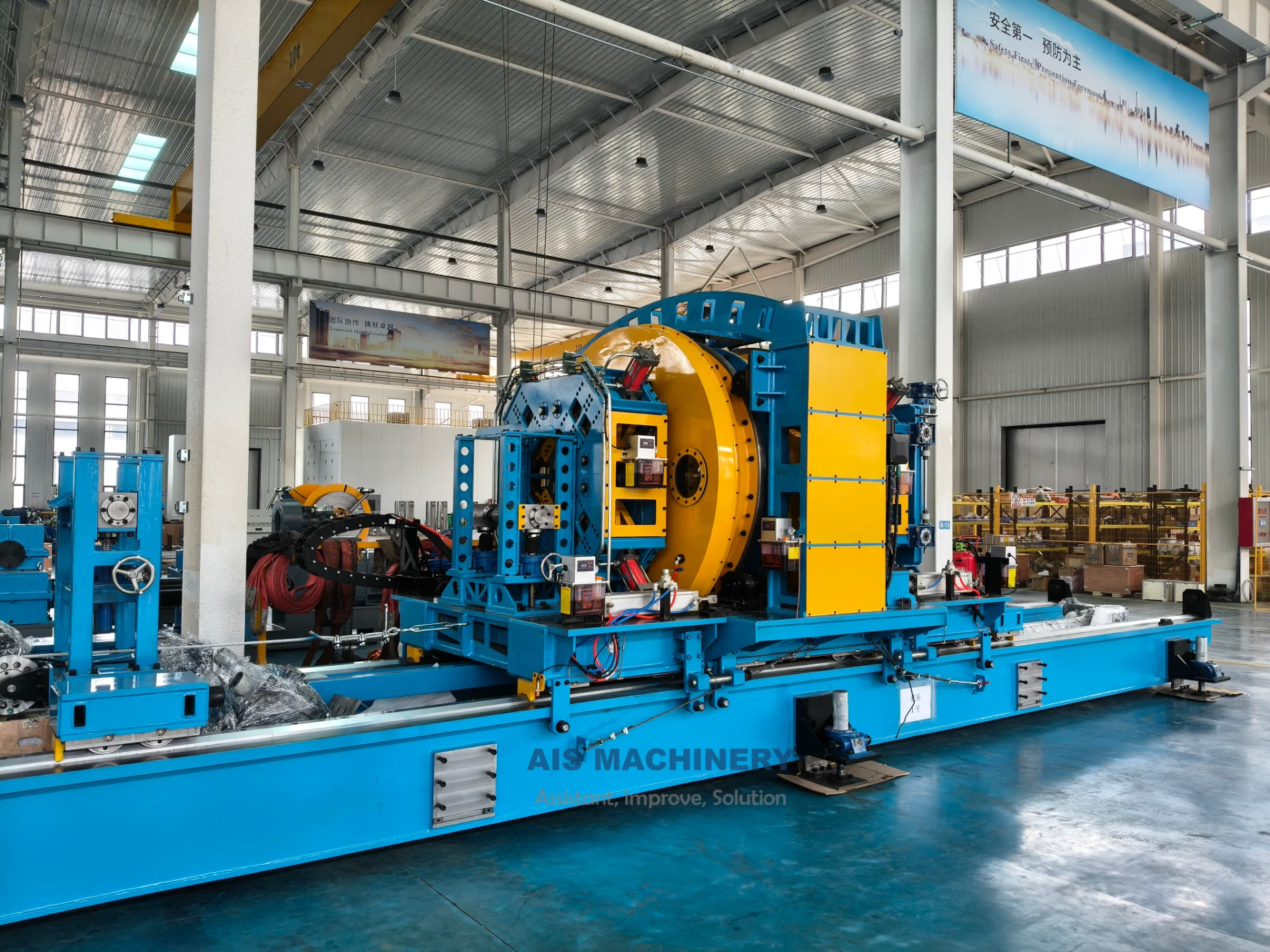
Flat Bar Production Line for Steel Coils: How It Works & Why It Matters
Looking for a flat bar production line? Learn how it turns steel coils into ready-to-use flat bars with precise length and high straightness. Compare it with slitting lines and get the best solution for your steel processing needs.
2026-04-14 00:00:00
Looking for a Milling Saw for ERW Tube Mill? Here’s What You Need to Know
Looking for a high-performance milling saw for your ERW tube mill? Upgrade to burr-free, high-precision pipe cutting with advanced flying saw technology. Improve efficiency, reduce rework, and meet export standards for carbon steel, stainless steel, and API pipes. Contact us today for expert solutions and competitive pricing tailored to your production needs.
Send a Message
Dear customer, thank you for your attention! We provide high-quality machinery and equipment and look forward to your orders. Please inform us of your needs and we will respond quickly!
 English
  Albanian
  Arabic
  French
  German
  Indonesian
  Italian
  Japanese
  Kazakh
  Korean
  Latin
Latin  Macedonian
  Portuguese
  Russian
  Spanish
  Thai
Thai  Turkish
  Ukrainian
  Uzbek
Uzbek