
-
 Tel:86-15176910262
-

Search

Steel Strip Slitting Machine: Key to Efficient Steel Processing Worldwide
Nov . 27, 2025 14:10
Understanding the Steel Strip Slitting Machine: A Global Industrial Backbone
Steel products often feel like the silent heroes in modern construction, automotive, and manufacturing sectors, and the steel strip slitting machine is one of those unsung workhorses quietly shaping our industrial world. But why does this particular machine matter beyond factory floors? Globally, the ability to efficiently and precisely convert large steel coils into narrower strips unlocks supply chains and adapts material sizes to exact needs — reducing waste and cost. For industries such as automotive manufacturing, appliance production, and even infrastructure development, the slitting machine ensures that steel gets the right shape, dimension, and quality at scale.
In short, understanding this machine isn’t just about the metal itself; it’s about efficiency, sustainability, and even safety in supply management worldwide.
The Global Landscape: Why Steel Strip Slitting Machines Matter More Than Ever
Steel production is a colossal global industry, with the World Steel Association reporting over 1.8 billion metric tons produced worldwide in recent years. That massive number only makes sense when steel comes in ready-to-use formats—and here’s where the steel strip slitting machine’s role becomes critical. It’s estimated that slitting operations can reduce raw material waste by up to 30%, a significant figure considering the global push for sustainability and cost savings in manufacturing.
Imagine the challenge: factories need precise widths of steel strips to assemble cars, build appliances, or erect buildings. Without slitting machines, these steel coils would require manual or imprecise cutting methods, raising costs and downtime. This problem isn’t trivial, especially when supply chain disruptions and raw material price fluctuations (common in recent years) ramp up pressure on manufacturers worldwide.
So these machines address pressing challenges tied to resource efficiency, productivity, and even environmental stewardship—a neat convergence of industry needs globally.
What Exactly Is a Steel Strip Slitting Machine?
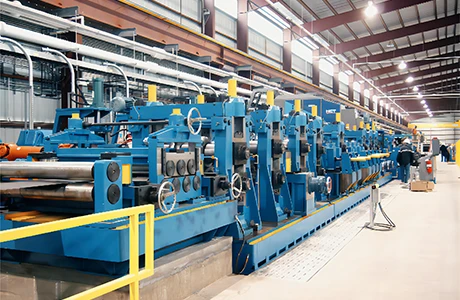
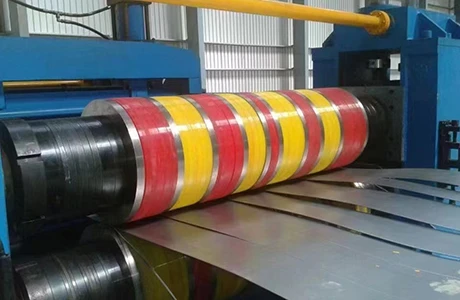
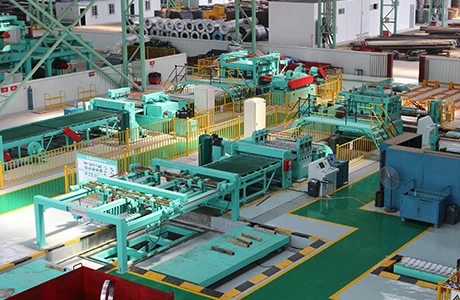
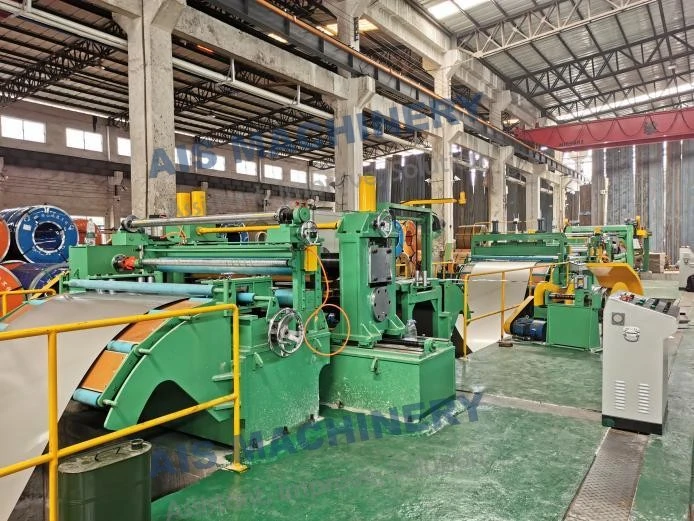
Put simply, a steel strip slitting machine is industrial equipment designed to slice wide steel coils into narrower strips with precision and speed. Think of it like an ultra-heavy-duty, high-speed paper cutter, but for steel. The machine typically features rotary knives that spin against the metal strip, cutting it longitudinally into several strips based on desired widths.
Why is that critical? Because most steel comes from mills as jumbo-sized coils, too wide for immediate use in manufacturing processes. The slitting machine customizes the coil’s width, enabling downstream operations to work efficiently. In humanitarian or infrastructure projects, these machines indirectly contribute by supplying ready-to-use steel materials for shelters, medical equipment frames, or construction frameworks.
Core Components & How They Shape Performance
1. Durability and Material Quality
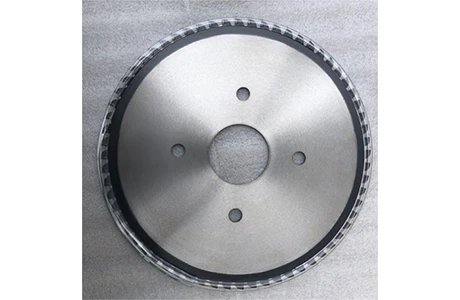
A steel strip slitting machine must handle tremendous mechanical stress — the blades slice through high-tensile steel continuously. Therefore, the knives are usually made from hardened alloy steels, carefully maintained and replaced periodically. The machine's frame is often heavy-duty cast iron or steel to absorb vibrations and maintain precision over millions of cycles.
2. Scalability & Automation
Modern slitting machines offer scalability — meaning they can handle a variety of coil widths and thicknesses, from thin automotive grades to thicker structural steels. Automation features such as hydraulic tension controls, programmable logic controllers (PLC), and automatic width adjustment reduce the need for manual tweaking, boosting throughput and reducing errors.
3. Cost Efficiency Through Precision Cutting
One of the machine’s core promises is minimizing unnecessary scrap. A mismatch in slit width or poor blade alignment can cause material waste and additional costs. Well-tuned slitting machines optimize blade spacing and pressure, leading to cost savings in material usage, which is hugely impactful at industrial scales.
4. Safety & Ergonomics
Operating a slitting machine involves potential hazards: spinning blades, heavy coils, and moving parts. Modern units often include safety shields, automated feed controls, and emergency stops. Ergonomically designed controls help operators work efficiently while reducing fatigue.
Steel Strip Slitting Machine Specifications
| Specification | Typical Range/Value | Notes |
|---|---|---|
| Max Coil Width | 1500 – 2200 mm | Varies by model |
| Slitting Speed | 20 – 100 m/min | Dependent on steel type |
| Steel Thickness Range | 0.3 – 6.0 mm | Includes thin foils to structural sheets |
| Blade Material | Hardened Alloy Steel | For durability and cutting precision |
| Automation Level | Manual to Fully Automated | Depends on vendor & price tier |
Key Players: Vendor Comparison at a Glance
| Vendor | Automation Features | Price Range (USD) | Typical Industries Served |
|---|---|---|---|
| AISTube Mill | Full PLC control, CNC blade adjustment | $180,000 – $500,000 | Automotive, appliance, construction |
| MetalCutter Pro | Semi-automated with hydraulic controls | $120,000 – $320,000 | General fabrication, shipbuilding |
| SteelEdge Solutions | Manual to automated upgrade kits | $95,000 – $400,000 | Medium-scale industries, OEMs |
Steel Strip Slitting Machines Across the Globe: Real-World Applications
The practical uses of steel strip slitting machines span continents and industries. In East Asia and Europe, they've innovated automotive manufacturing lines, ensuring steel enters presses as exact-width strips, reducing setup times and errors.
In developing regions, these machines can be found in expanding infrastructure projects; precut steel strips simplify construction of bridges, elevators, and commercial buildings. Oddly enough, there’s also an application in disaster relief where rapidly manufactured metal parts are needed for shelters and emergency equipment.
Remote industrial zones nowadays invest in compact slitting setups to reduce reliance on bulky steel deliveries. This localized capability cuts shipping costs and improves supply chain resilience.
Mini takeaway: The steel strip slitting machine doesn’t just serve industry giants—it also empowers emerging markets and specialized projects by tailoring steel precisely where and when needed.
The Lasting Advantages of Using a Steel Strip Slitting Machine
- Cost Savings: Precision reduces scrap, slashes raw material costs.
- Environmental Impact: Less waste and optimized material use align with ISO 14001 sustainability goals.
- Reliability: High-quality slitting machines ensure predictable throughput, which builds trust with supply chains.
- Social Benefits: Safer work environments due to automation and better ergonomics.
- Innovation & Flexibility: Easy integration with digital factory systems allows real-time monitoring and optimization.
Frankly, these machines blend logical efficiency with an emotional confidence—operators feel safer; management feels more secure in their output consistency.
Emerging Trends and the Road Ahead
Automation continues to surge, with AI-driven diagnostics enabling predictive maintenance and avoiding costly downtime. Green energy influences are creeping in, too — some slitting machines now integrate regenerative braking and energy-efficient drives.
Moreover, smart factories call for digital integration, so expect cloud-based monitoring dashboards and remote adjustment capabilities soon becoming standard—even in smaller plants. With ISO standards continually updating (ISO 9001 for quality, ISO 50001 for energy management), vendors push innovation to keep clients competitive and compliant.
Challenges Facing the Industry—and How to Tackle Them
Of course, no machine is perfect. Blade wear remains a persistent headache; constant sharpening or replacement is costly and disrupts production. However, new blade materials and laser-cutting calibration are improving longevity.
Another issue is trained labor shortage. Even the best machines require skilled operators and maintenance staff. Programs focusing on workforce training and digital simulation for skill-building are essential solutions helping factories stay ahead.
Frequently Asked Questions About Steel Strip Slitting Machines
Q: How precise can a steel strip slitting machine cut steel strips?
A: Precision typically ranges within ±0.1 mm, depending on the model and blade condition. Modern CNC controlled machines can maintain consistent precision even at high speeds, key for automotive or appliance industries requiring tight tolerance.
Q: What are the typical maintenance needs of a slitting machine?
A: Regular maintenance includes blade sharpening or replacement, lubrication of moving parts, and calibration of blade spacing. Many manufacturers recommend scheduled checks every 500 operational hours to avoid unexpected downtime.
Q: Can these machines process coated or treated steel?
A: Yes, with slight adjustments to blade pressure and speed, slitting machines handle galvanized, painted, or polymer-coated steel strips effectively without damaging the surface.
Q: Are slitting machines customizable for different industries?
A: Absolutely. Vendors frequently offer modular options—like hydraulic tension systems or variable speed drives—to tailor machines for specific industrial needs, from heavy construction steel to delicate foil applications.
Q: How can international buyers source reliable slitting machines?
A: It's advisable to work with established suppliers who provide after-sales service, technical training, and clear warranty conditions. Visiting trade shows or certified distributors helps ensure quality purchases.
Wrapping It Up: Why the Steel Strip Slitting Machine is Vital to Modern Manufacturing
In all honesty, the steel strip slitting machine might not steal headlines, but it quietly powers countless manufacturing and construction workflows worldwide. Its ability to customize steel widths efficiently feeds industries, reduces waste, and supports sustainability goals.
For anyone involved in steel processing or procurement, learning about these machines is not just technical curiosity but a path toward smarter, cleaner production and supply chain resilience. Curious to explore further or ready to upgrade your setup? Don’t hesitate to check out steel strip slitting machine solutions tailored to your industry’s needs.
Remember—the best machine is one that keeps on cutting, without the fuss.
References

Related Products

Related News
2026-04-30 09:35:04
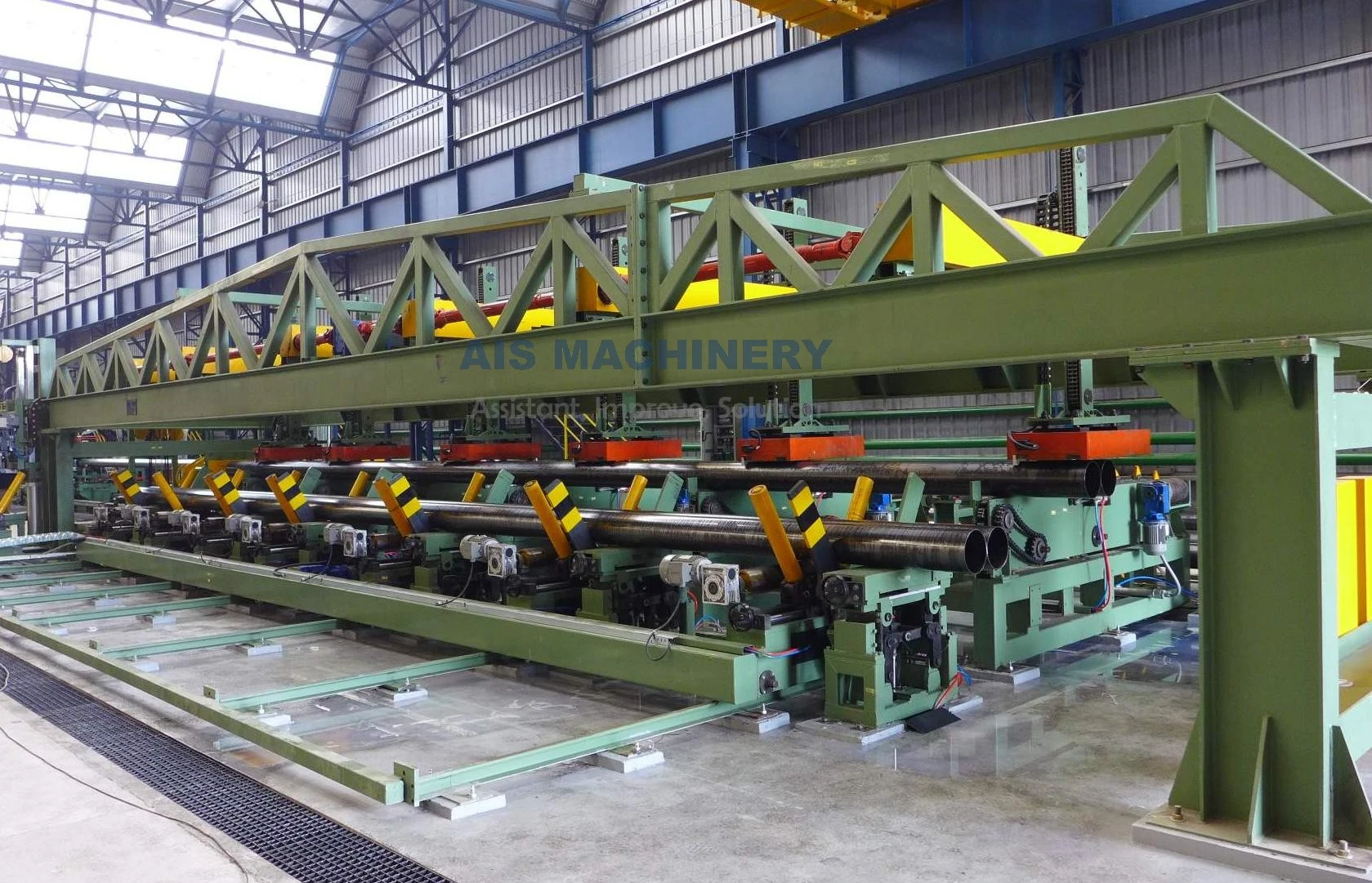
Automatic Stacking Machine (Magnetic Chuck Type)
The Automatic Stacking Machine (Magnetic Chuck Type) from AIS Machinery is designed to efficiently collect and stack steel tubes in ERW tube mill production lines. Using electromagnetic lifting, it can pick up multiple tubes at once and place them neatly in layers. This reduces manual labor, improves stacking accuracy, and increases overall production efficiency. It is installed after the flying saw and works seamlessly with the mill line, making it an ideal solution for modern tube manufacturers.
2026-04-28 08:56:05
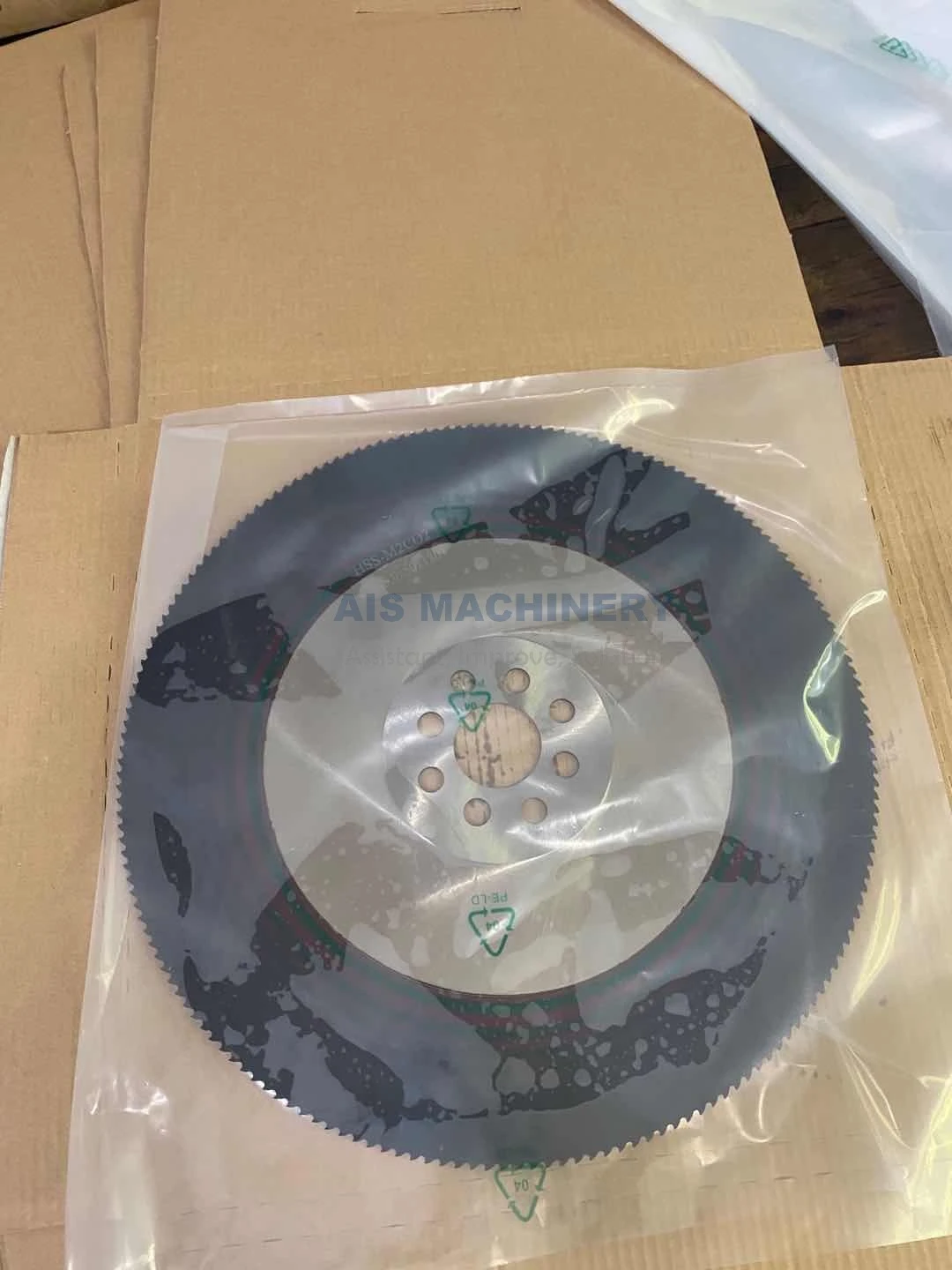
Saw Blade Guide for Tube Mills: Friction vs HSS vs TCT — Which One Should You Choose?
Confused about friction saw, HSS, and TCT blades? This guide explains their uses in cold saw and friction saw machines, with pros, cons, and expert selection tips.
2026-04-24 08:54:16
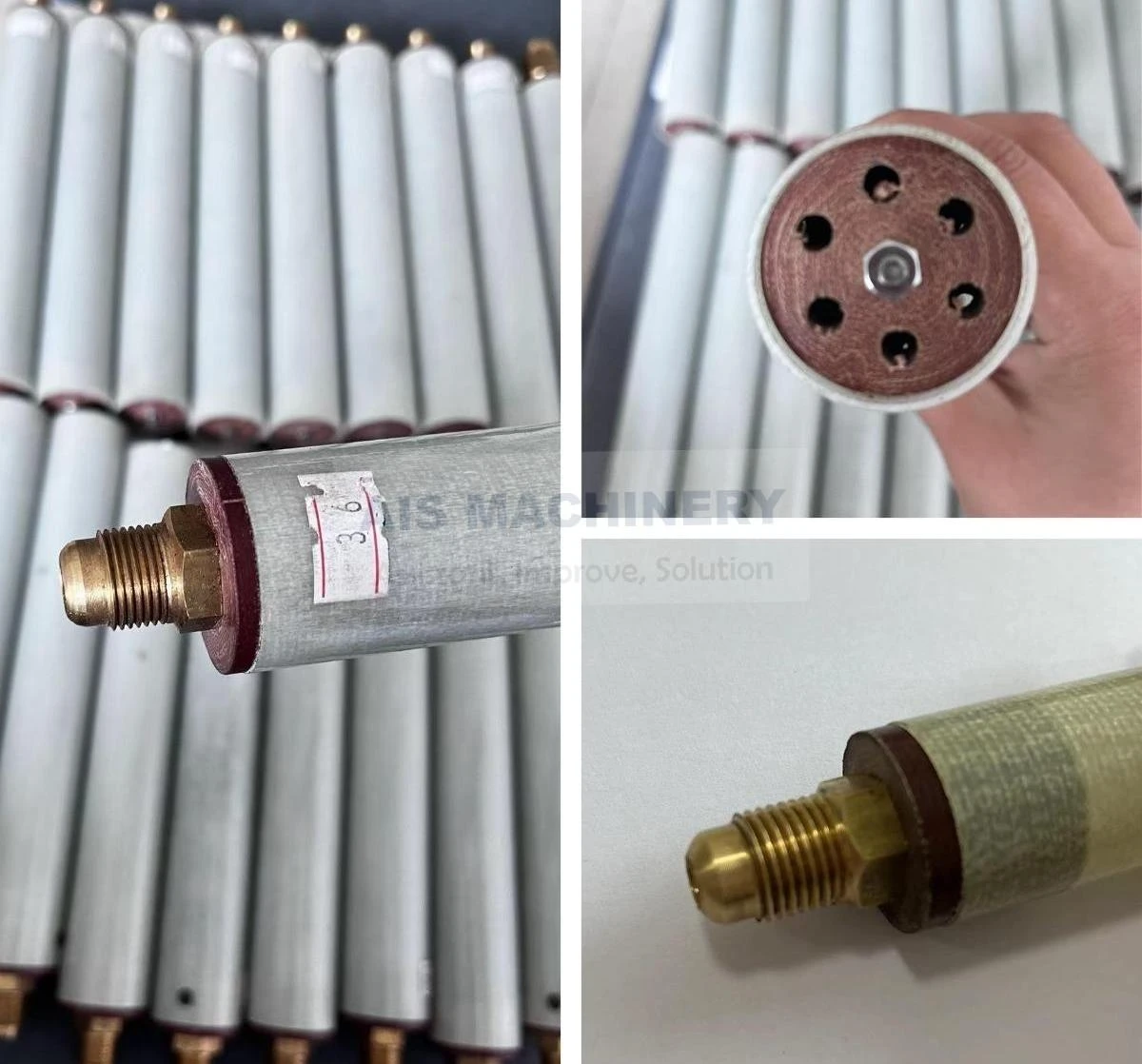
What is an Impeder and Ferrite Rods in ERW Tube Mill?
Struggling with impeder overheating or short service life in your ERW tube mill? This guide explains common impeder problems, the role of ferrite rods, and how to choose the right impeder for stable welding performance. Improve weld quality, reduce energy loss, and extend equipment lifespan with the right selection and proper cooling solutions.
2026-04-21 10:22:25
Slitting & Cut-to-Length Combined Production Line: A Smarter Way to Process Steel Coils
Discover the Slitting & Cut-to-Length Combined Production Line, a flexible solution for steel coil processing. This system integrates slitting line and cut-to-length line functions in one machine, saving space, reducing costs, and improving efficiency. Ideal for processing both steel strips and sheets, it is widely used in service centers and manufacturing industries. Learn its advantages, limitations, and applications.
2026-04-18 03:20:20
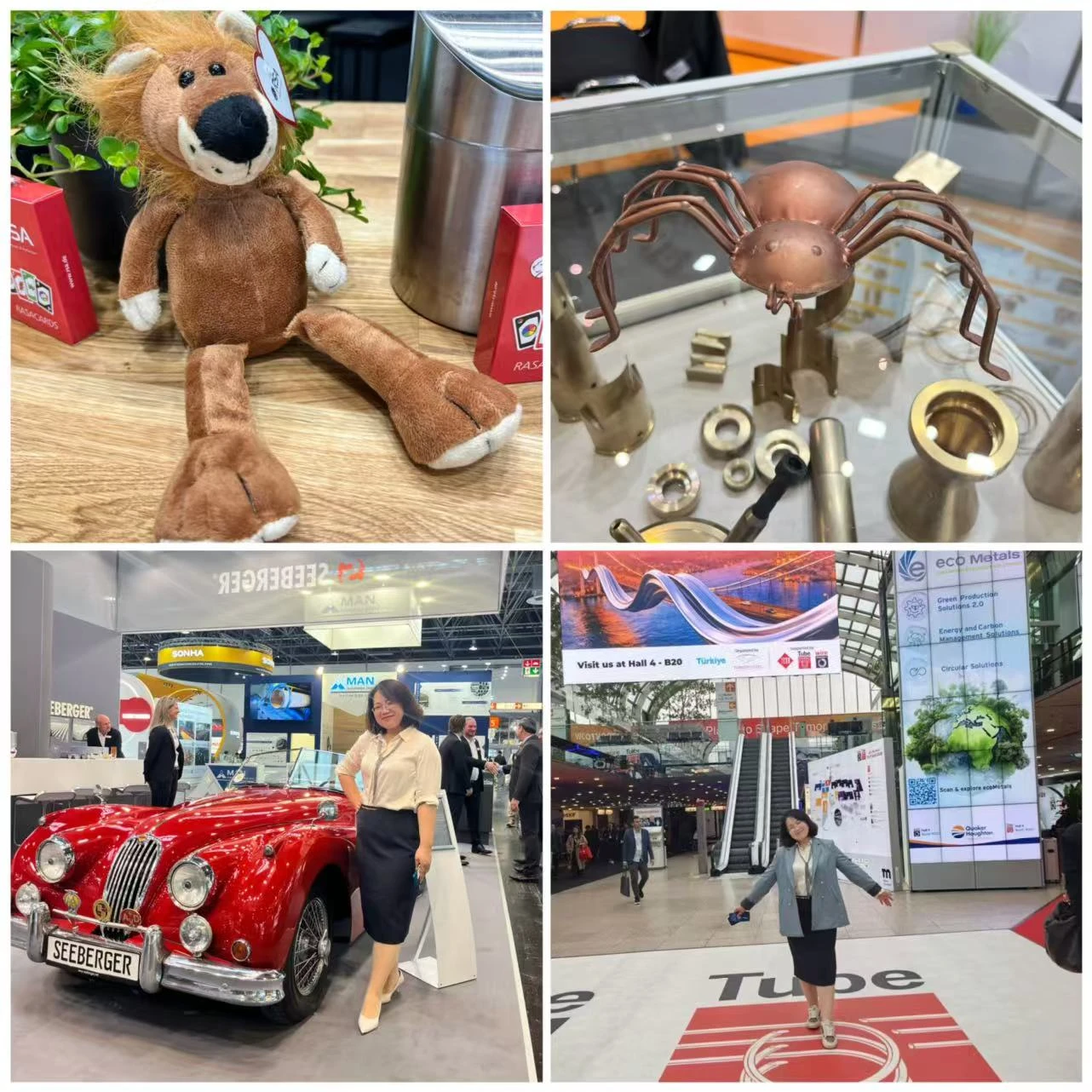
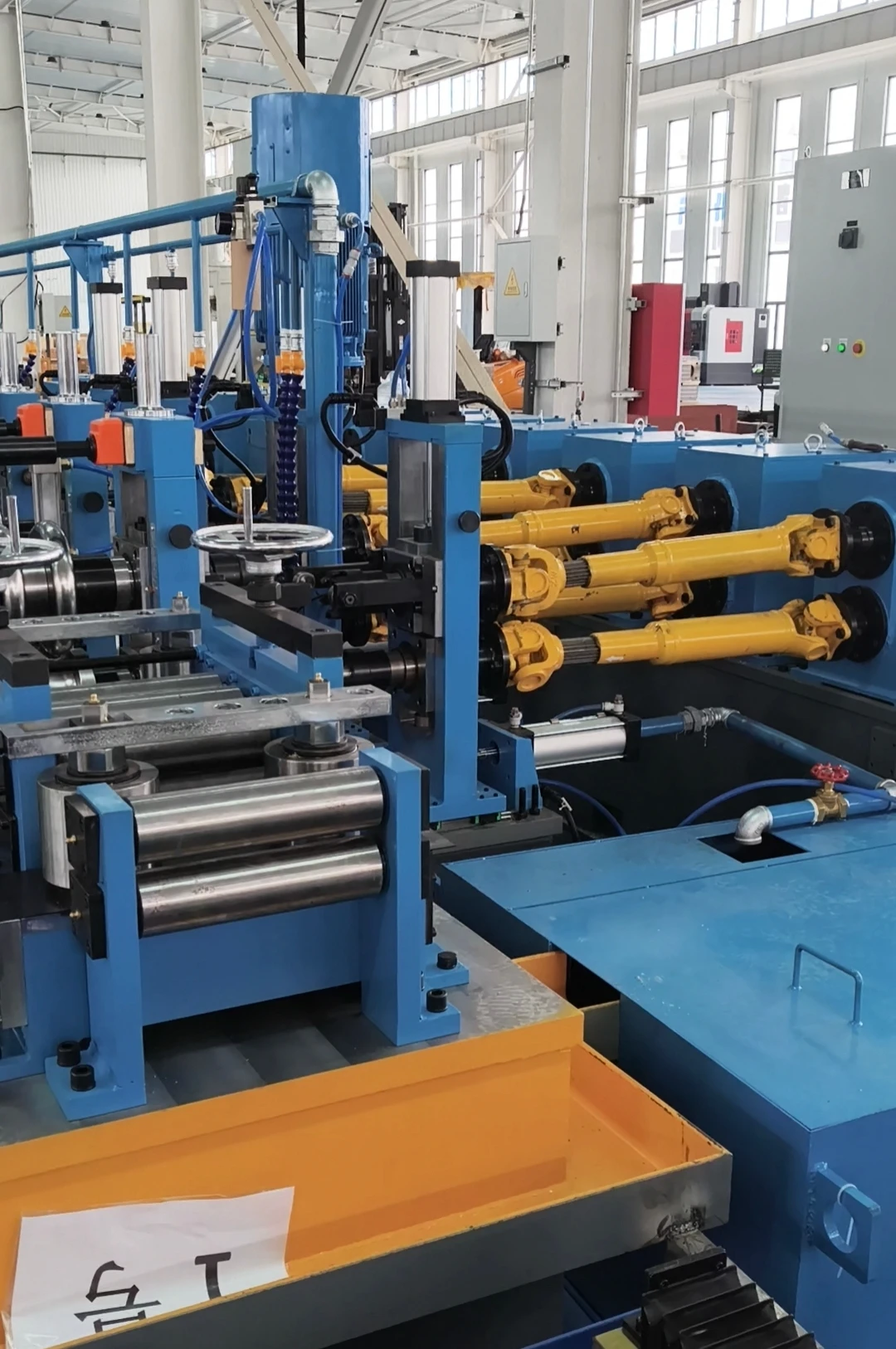
AIS Machinery Showcases Advanced Tube Solutions at Tube & Wire Düsseldorf 2026
Tube & Wire Düsseldorf 2026, one of the most influential exhibitions in the global tube and wire industry, held biennially in Düsseldorf, Germany
2026-04-17 00:00:00
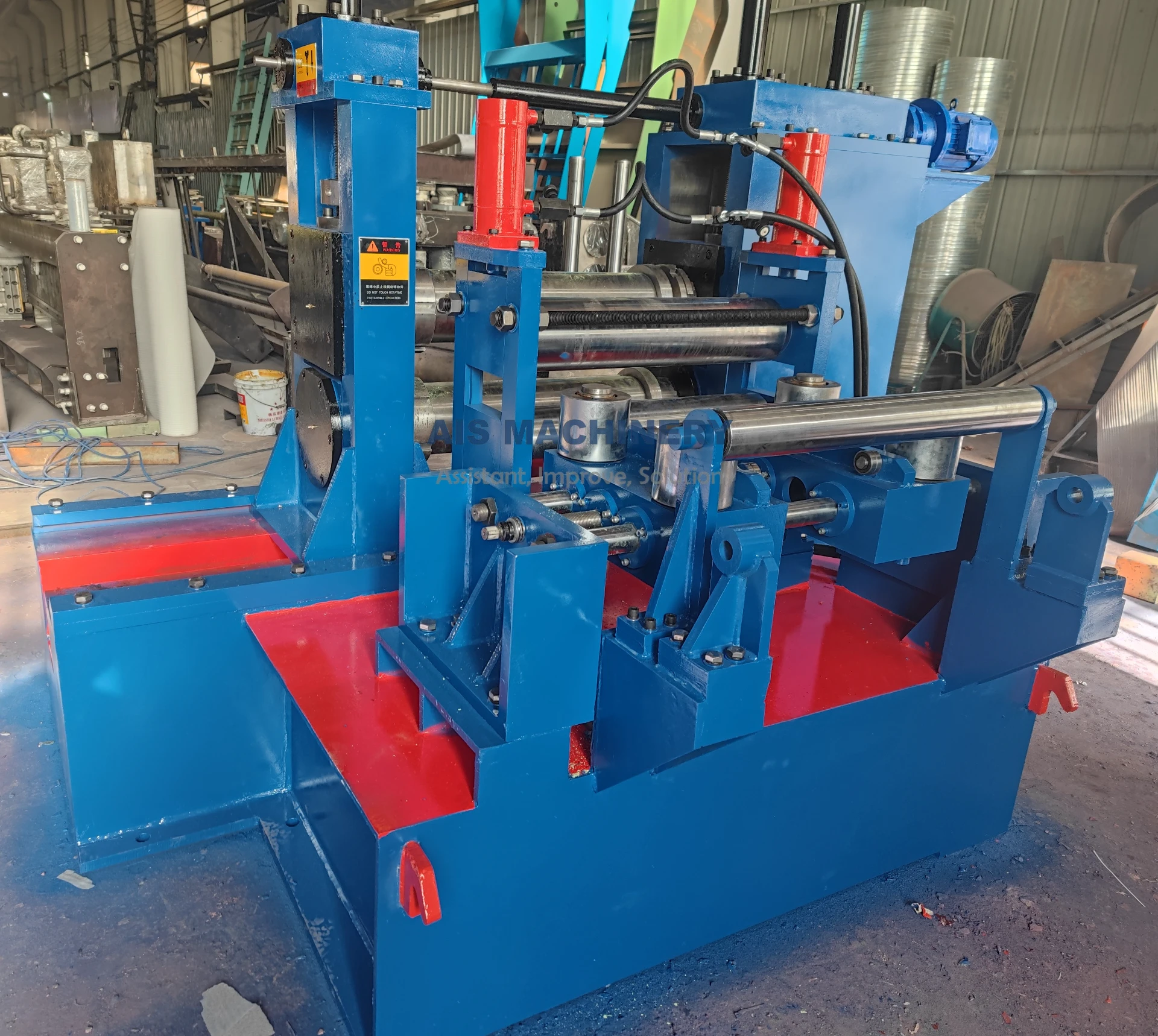
Southeast Asia Client Visits Our Factory | Customized Tube Mill Solution Delivered
A Southeast Asia client visited our ERW tube mill factory to inspect production lines and discuss a customized tube mill solution. Impressed by our machine quality, welding performance, and engineering support, the client confirmed strong cooperation intentions. Discover how our ERW tube mill solutions improve efficiency, precision, and long-term production reliability.
2026-04-15 10:37:55
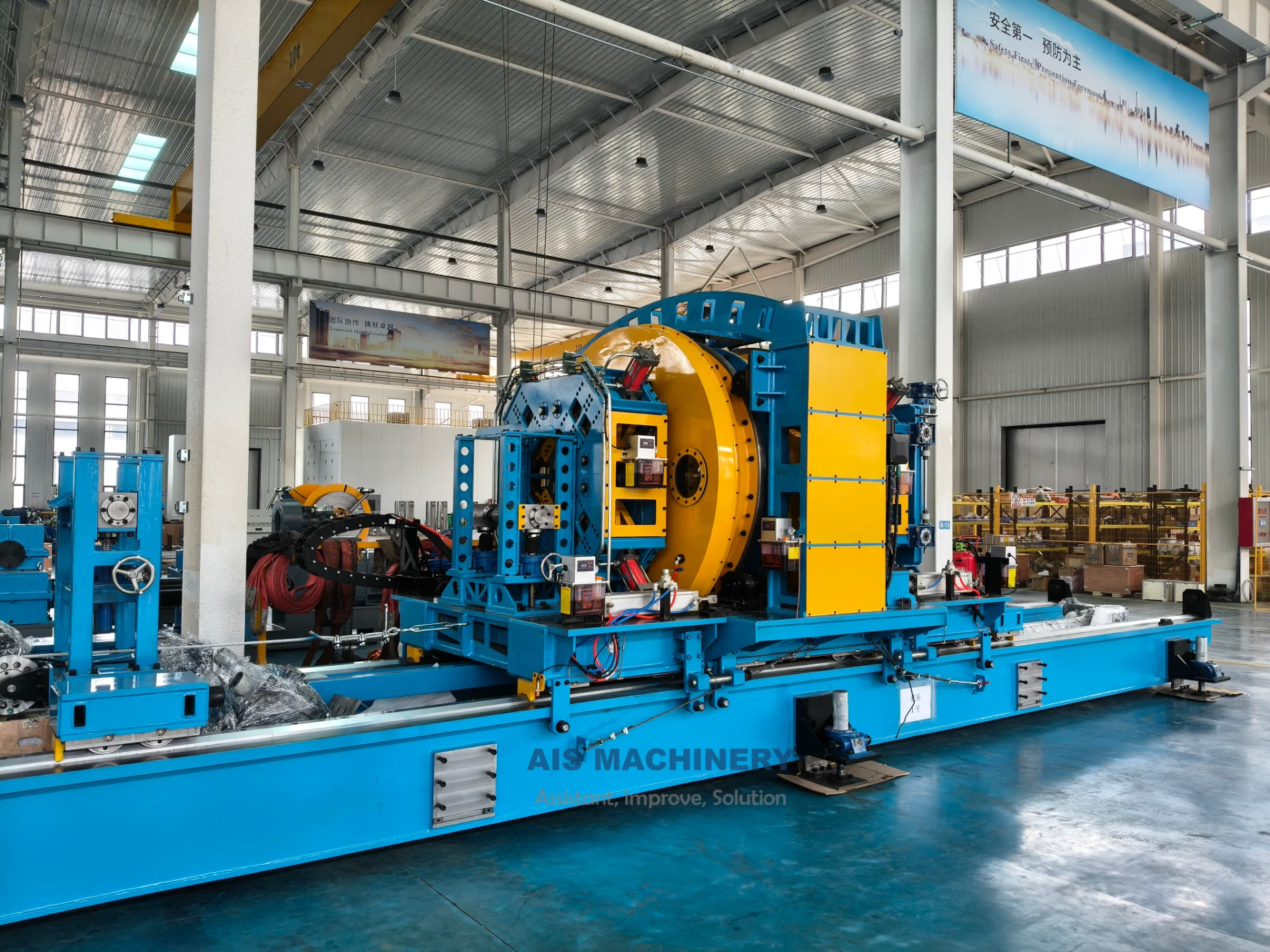
Flat Bar Production Line for Steel Coils: How It Works & Why It Matters
Looking for a flat bar production line? Learn how it turns steel coils into ready-to-use flat bars with precise length and high straightness. Compare it with slitting lines and get the best solution for your steel processing needs.
2026-04-14 00:00:00
Looking for a Milling Saw for ERW Tube Mill? Here’s What You Need to Know
Looking for a high-performance milling saw for your ERW tube mill? Upgrade to burr-free, high-precision pipe cutting with advanced flying saw technology. Improve efficiency, reduce rework, and meet export standards for carbon steel, stainless steel, and API pipes. Contact us today for expert solutions and competitive pricing tailored to your production needs.
Send a Message
Dear customer, thank you for your attention! We provide high-quality machinery and equipment and look forward to your orders. Please inform us of your needs and we will respond quickly!
 English
  Albanian
  Arabic
  French
  German
  Indonesian
  Italian
  Japanese
  Kazakh
  Korean
  Latin
Latin  Macedonian
  Portuguese
  Russian
  Spanish
  Thai
Thai  Turkish
  Ukrainian
  Uzbek
Uzbek