
-
 Tel:86-15176910262
-

Search

Common Coil Slitting Problems and How to Overcome Them Efficiently
Nov . 27, 2025 15:40
Understanding Coil Slitting Problems: Why They Matter Globally
Coil slitting sounds so technical that unless you're working in metal processing, it hardly pops up in daily conversations. But if you’re involved in manufacturing, construction, or even automotive industries, coil slitting problems can mean the difference between flawless production lines and costly downtime. Globally, coil slitting issues impact supply chains, product quality, and sustainability efforts, influencing sectors critical to economic development and infrastructure. Getting a handle on these challenges doesn’t just improve operational efficiency — it saves materials, cuts waste, and even reflects on broader global standards for quality and environmental responsibility.
It might surprise you, but millions of tons of steel and aluminum coils are slit every year worldwide. According to the International Organization for Standardization (ISO), metal processing contributes significantly to industrial output globally, underscoring the critical role that efficient coil slitting plays in producing everything from automotive panels to home appliances. Yet, with this scale comes challenges that can cascade into delayed projects and higher costs.
“Even a slight defect in the slit coils can trigger huge bottlenecks downstream. That's why understanding coil slitting problems is a kind of unsung hero for industries.”
Coil Slitting Problems: What Are They, Anyway?
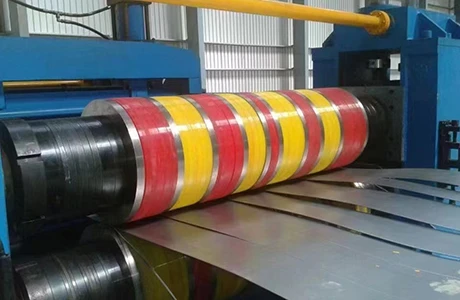
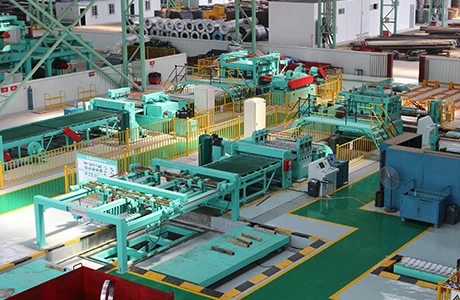
At its core, coil slitting is the process of cutting wide coils of steel, aluminum, or other metals into narrower strips for later fabrication. Common in metals factories, this task requires precision, not unlike slicing a perfectly baked cake—but imagine the cake has to be cut thousands of times, exactly the same way. Coil slitting problems occur when things go wrong during this process. These might be caused by inaccurate blade settings, material defects, misalignment, even mechanical wear.
Why do they matter? Because poorly slit coils lead to edge defects, uneven widths, burrs, or warping. All of these affect downstream processing, like stamping or forming, raising scrap levels and reducing yield. Modern manufacturing demands zero tolerance on defects, making coil slitting problems a critical bottleneck.
Mini takeaway:
- Coil slitting is delicate but crucial in metal processing.
- Problems disrupt production and increase waste.
- Fixing them improves product quality and operational cost-efficiency.
Key Factors Behind Coil Slitting Problems
1. Blade Quality and Wear
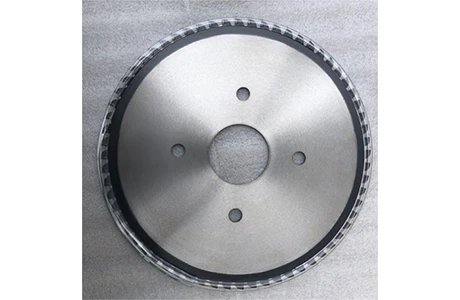
The cutting blades experience immense stress, often slicing through hardened steel or coated metals. Blunt or damaged blades cause rough edges and uneven widths, so regular inspection and replacement are essential. Some engineers swear by carbide-tipped blades for longevity, though initial costs can feel steep.
2. Machine Setup and Alignment
A coil slitter must be aligned perfectly to ensure even cuts. Even a millimeter of misalignment can cause crooked slits or excessive burr formation. Calibrating tension, speed, and feeding mechanisms is equally vital — much like threading a needle at high speed.
3. Material Quality
Not all coils are created equal. Variations in thickness, surface coatings, or residual stresses in the metal can cause slitting defects despite perfect machinery. Sometimes, the raw coil might have internal micro-cracks or inconsistencies that only show up under cutting forces.
4. Environmental Factors
Humidity and temperature fluctuations can affect metal behavior and machine precision. For instance, steel can expand slightly with heat, impacting cut widths. Dust or debris in the working environment also wears on components faster, further aggravating problems.
5. Operator Expertise
While automation plays a big role, experienced operators still perform crucial monitoring and tweaks. Understanding how to read machine signals and interpret subtle vibrations can prevent many issues before they manifest as costly defects.
Mini takeaway:
- Blade condition and setup precision matter most.
- Material and environment are often overlooked culprits.
- Human eyes and expertise remain invaluable.
Global Applications & Real-World Use Cases for Coil Slitting
Industries worldwide rely on slit coils every day — automotive, aerospace, construction, electronics, and even packaging. For example, automotive giants in Germany or Japan depend on perfectly slit steel strips to form fenders, frames, and engine parts. In China and India, coil slitting keeps pace with booming construction and appliance manufacturing.
Interestingly, humanitarian efforts indirectly benefit too. In post-disaster zones, metal strips might be used to fabricate temporary shelters or panels quickly. Faulty coil slitting could delay these processes or reduce material usability, so quality control here reflects directly on human lives.
In remote industrial zones, where downtime can be costly due to supply delays, minimizing coil slitting problems boosts project timelines and cost reliability. Factories in the USA and Europe often integrate automated inspection systems to catch defects early, pushing global standards higher every year.
Mini takeaway:
- Coil slitting is central to industries across regions.
- Its quality directly impacts everything from cars to shelters.
- Innovations in inspection tech raise global productivity.
Advantages and Long-Term Benefits of Tackling Coil Slitting Problems
Addressing coil slitting problems brings tangible payoffs. From a cost perspective, less scrap and rework mean more profitability. Beyond that, consistent quality builds trust with clients, supports sustainable manufacturing by reducing waste, and enhances workplace safety by preventing material mishaps.
On a more human level, improved processes feed innovation cycles. When product defects shrink, designers and engineers can push boundaries without fearing production snags. In many ways, perfecting coil slitting feels like fine craftsmanship blended with high technology — something that gives pride and confidence.
Typical Specifications for a Modern Coil Slitting Line
| Specification | Typical Range | Notes |
|---|---|---|
| Maximum Coil Width | 1,600 - 2,000 mm | Widely varies by plant scale |
| Slitting Range (Narrow Width) | 10 - 600 mm | Depends on blade specs |
| Blade Material | High-speed steel, Carbide tip | Affects durability |
| Maximum Coil Weight | 20,000 kg+ | Transport and hoisting constraints |
| Line Speed | 20 - 120 m/min | Higher speeds require stronger tooling |
Vendor Comparison: Selecting the Right Coil Slitting Solutions
| Feature | SteelCutter Inc. | SlitPro Tech | Global Coil Systems |
|---|---|---|---|
| Automation Level | Semi-automated | Fully automated | Automated with AI monitoring |
| Blade Technology | Standard carbide tips | Advanced coated blades | Wear resistant ceramic composite |
| After-Sales Service | 3 years on-site support | 5 years remote + onsite | Global network, 7/24 hotline |
| Customizability | Limited configurations | Modular, scalable system | Fully bespoke solutions |
| Price Range | $$ | $$$ | $$$$ |
Future Trends & Innovations Tackling Coil Slitting Problems
Looking forward, the coil slitting world is poised for exciting changes. Automation combined with Industry 4.0 concepts means slitting lines will increasingly self-diagnose blade wear or misalignments using AI-driven sensors. There’s also movement toward greener manufacturing — biodegradable lubricants or recycling metal shavings to cut waste.
Material science innovations suggest new blade coatings that last longer and maintain sharper edges, thus reducing downtime. On policy fronts, international standards are slowly aligning to enforce stricter tolerances — a push spearheaded by ISO committees focused on manufacturing quality.
Challenges & Solutions in Practical Context
Frankly, even the best coil slitting setups aren’t immune to issues. Challenges like blade chatter or variable coil thickness can still sneak in, especially in older facilities or emerging markets. To combat this, a growing number of factories adopt real-time quality monitoring systems, using machine vision to detect edge defects instantaneously.
Another common headache is the downtime during blade changes or maintenance. Robots and quicker-change mechanisms are an active development area, shaving off minutes that add up to huge yearly savings. Lastly, operator training programs emphasizing the nuances of material behavior and machine troubleshooting remain pivotal to lasting improvements.
FAQs: Your Top Questions About Coil Slitting Problems
Q1: What causes most coil slitting defects?
The primary causes include worn blades, misalignment, poor coil quality, and environmental factors like temperature. Maintaining blade sharpness, proper setup, and controlled manufacturing conditions drastically reduce defects.
Q2: How often should blades be replaced?
It depends on usage and material hardness, but many plants inspect blades every 8-12 hours of operation and replace them every few days or when rough edges start appearing. Automated monitoring can extend blade life safely.
Q3: Can automation eliminate coil slitting problems?
Not entirely, but automation improves consistency and early detection of issues. Human oversight is still crucial to interpret data and make on-the-fly adjustments.
Q4: Are there eco-friendly coil slitting practices?
Yes, including recycling scrap metal, using greener lubricants, and investing in blade technologies that reduce waste through longer service life.
Q5: How do I select the best vendor for coil slitting equipment?
Consider automation level, blade technology, after-sales support, customization, and budget. It's often worthwhile to ask for demonstrations or site visits before committing.
Wrapping Up: Why Tackling Coil Slitting Problems Matters
In real terms, improving how coil slitting problems are addressed ripples across manufacturing efficiency, product quality, and sustainability—three pillars of modern industry. Whether you’re looking to cut waste, speed production, or build better machinery, understanding coil slitting challenges is an investment in future-proofing your operations. If you want to dive deeper or explore reliable solutions, feel free to visit our site, where we tackle common coil slitting problems head-on.
Thanks for sticking with me through all this metal-talk. It’s oddly satisfying knowing that a perfect slit really can make a difference — sometimes, that’s the quiet backbone of industrial success.
References

Related Products

Related News
2026-04-30 09:35:04
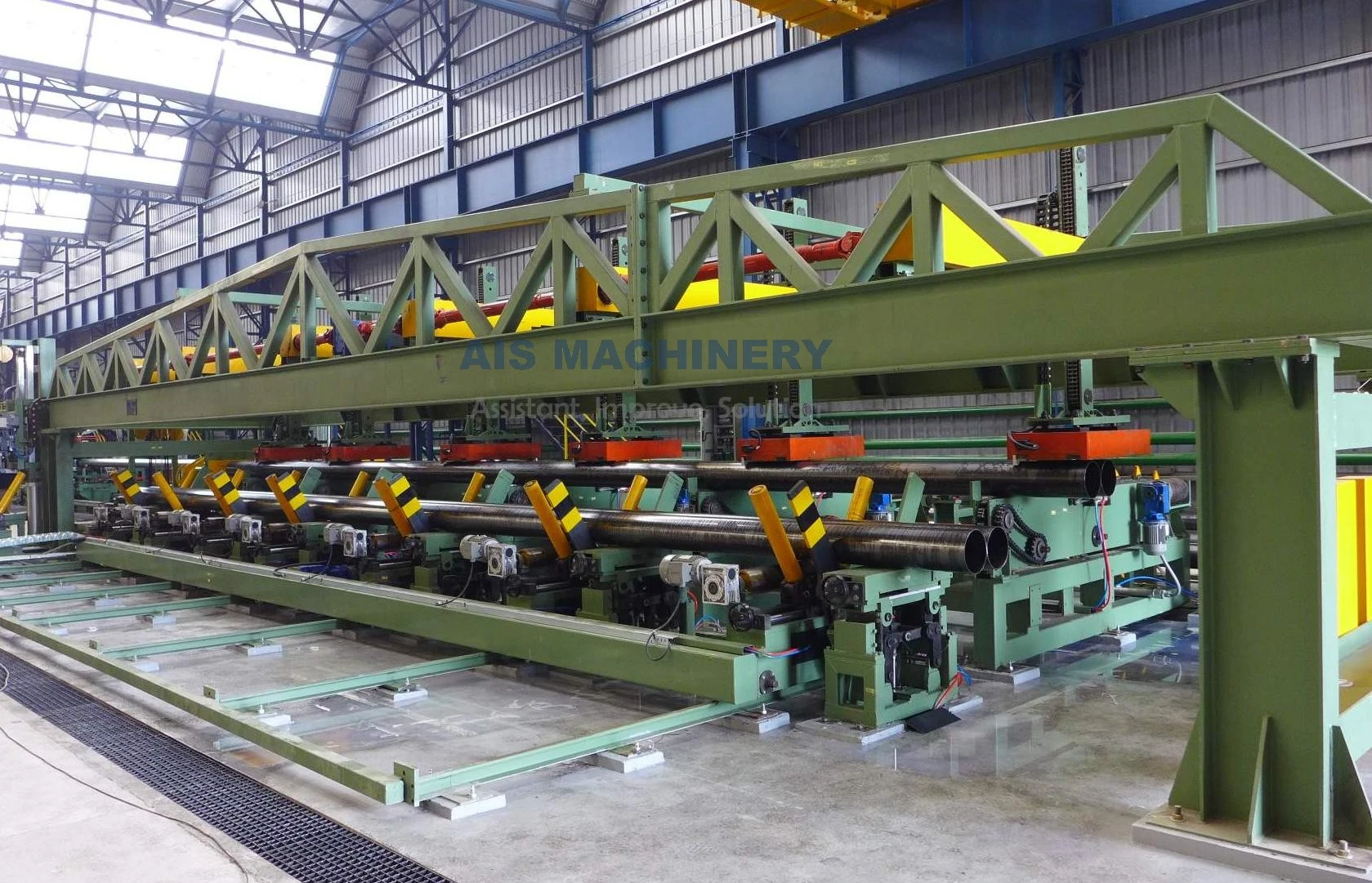
Automatic Stacking Machine (Magnetic Chuck Type)
The Automatic Stacking Machine (Magnetic Chuck Type) from AIS Machinery is designed to efficiently collect and stack steel tubes in ERW tube mill production lines. Using electromagnetic lifting, it can pick up multiple tubes at once and place them neatly in layers. This reduces manual labor, improves stacking accuracy, and increases overall production efficiency. It is installed after the flying saw and works seamlessly with the mill line, making it an ideal solution for modern tube manufacturers.
2026-04-28 08:56:05
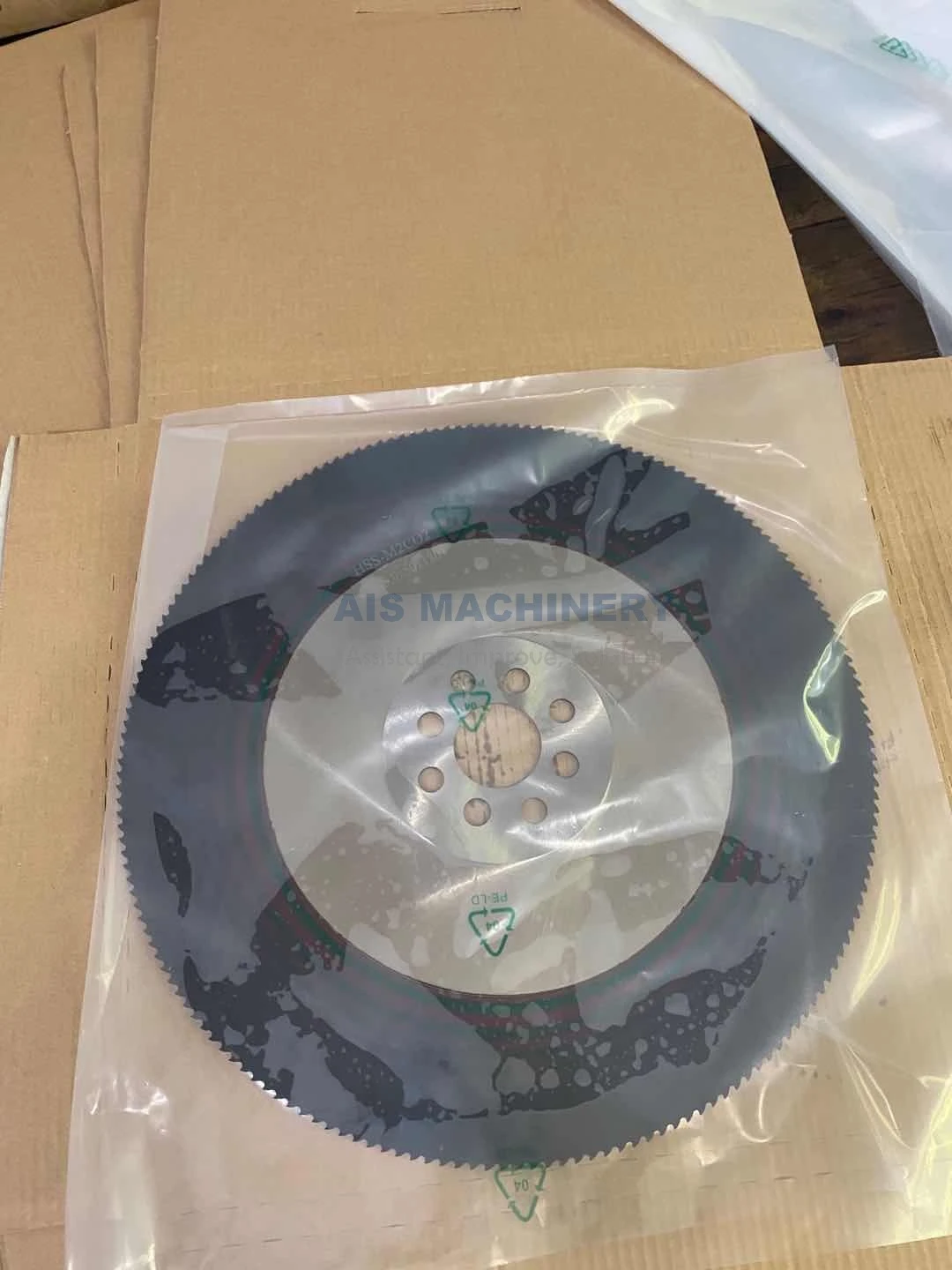
Saw Blade Guide for Tube Mills: Friction vs HSS vs TCT — Which One Should You Choose?
Confused about friction saw, HSS, and TCT blades? This guide explains their uses in cold saw and friction saw machines, with pros, cons, and expert selection tips.
2026-04-24 08:54:16
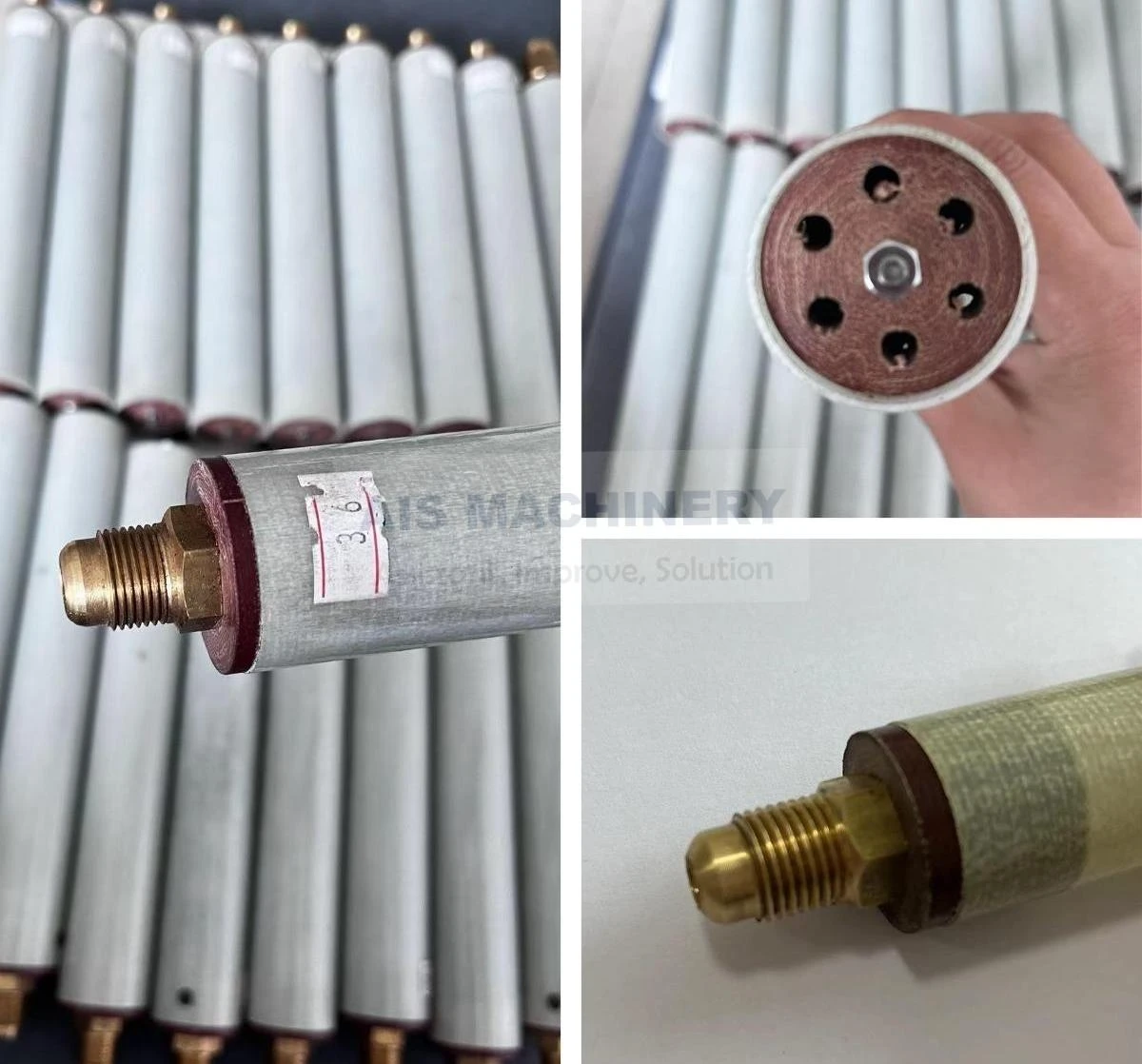
What is an Impeder and Ferrite Rods in ERW Tube Mill?
Struggling with impeder overheating or short service life in your ERW tube mill? This guide explains common impeder problems, the role of ferrite rods, and how to choose the right impeder for stable welding performance. Improve weld quality, reduce energy loss, and extend equipment lifespan with the right selection and proper cooling solutions.
2026-04-21 10:22:25
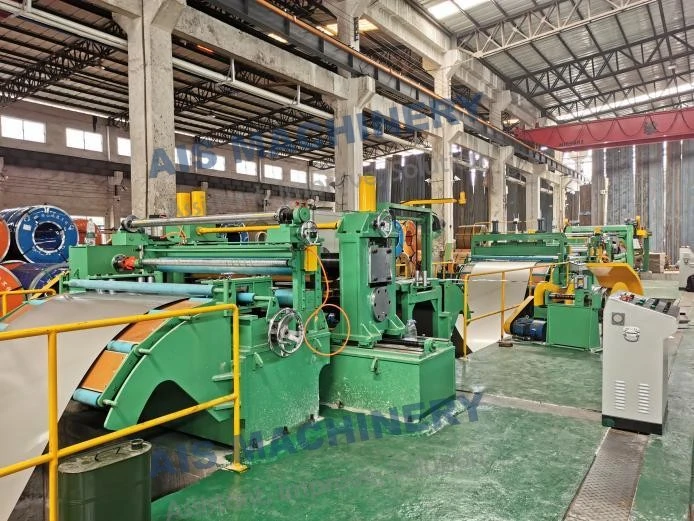
Slitting & Cut-to-Length Combined Production Line: A Smarter Way to Process Steel Coils
Discover the Slitting & Cut-to-Length Combined Production Line, a flexible solution for steel coil processing. This system integrates slitting line and cut-to-length line functions in one machine, saving space, reducing costs, and improving efficiency. Ideal for processing both steel strips and sheets, it is widely used in service centers and manufacturing industries. Learn its advantages, limitations, and applications.
2026-04-18 03:20:20
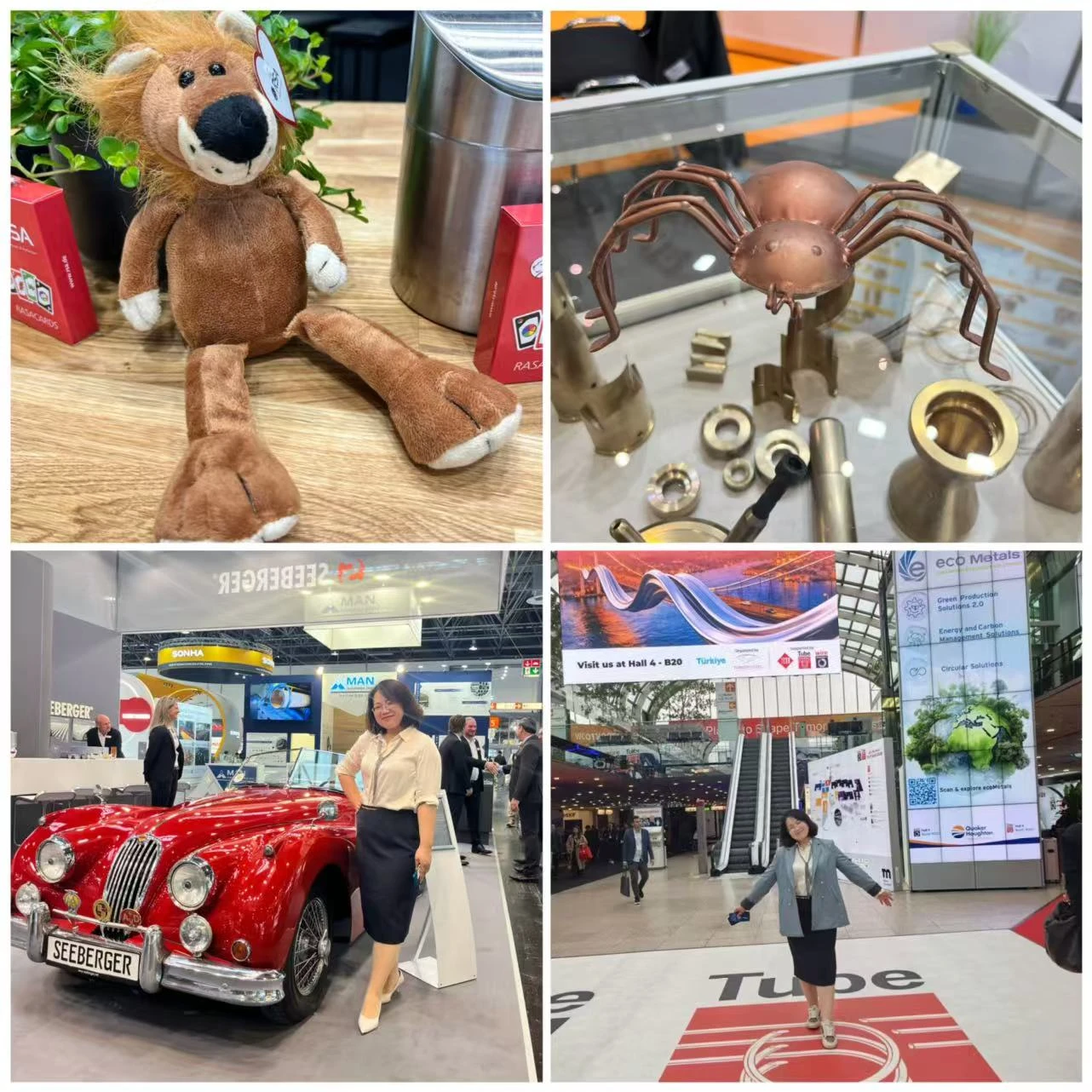
AIS Machinery Showcases Advanced Tube Solutions at Tube & Wire Düsseldorf 2026
Tube & Wire Düsseldorf 2026, one of the most influential exhibitions in the global tube and wire industry, held biennially in Düsseldorf, Germany
2026-04-17 00:00:00
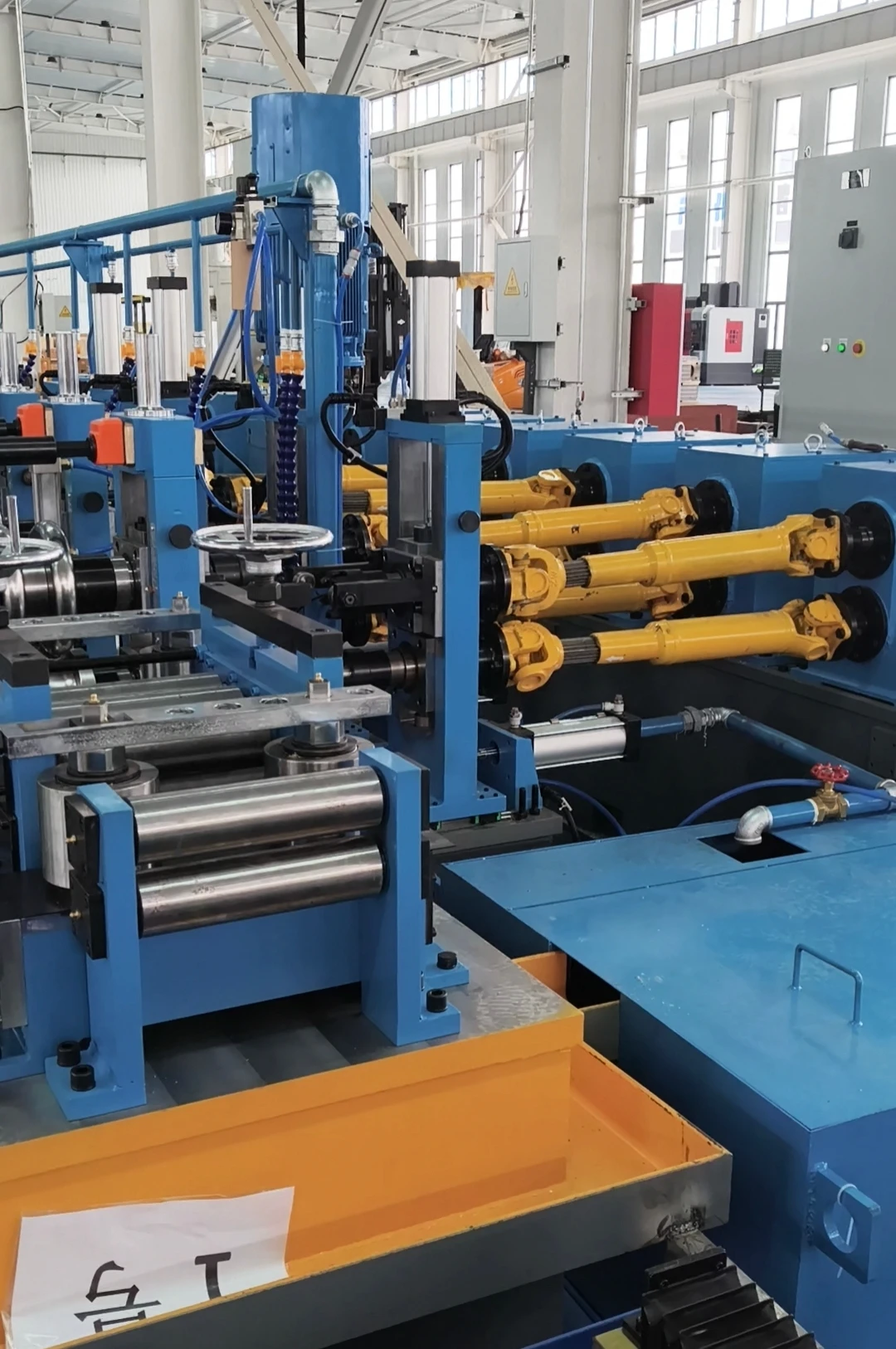
Southeast Asia Client Visits Our Factory | Customized Tube Mill Solution Delivered
A Southeast Asia client visited our ERW tube mill factory to inspect production lines and discuss a customized tube mill solution. Impressed by our machine quality, welding performance, and engineering support, the client confirmed strong cooperation intentions. Discover how our ERW tube mill solutions improve efficiency, precision, and long-term production reliability.
2026-04-15 10:37:55
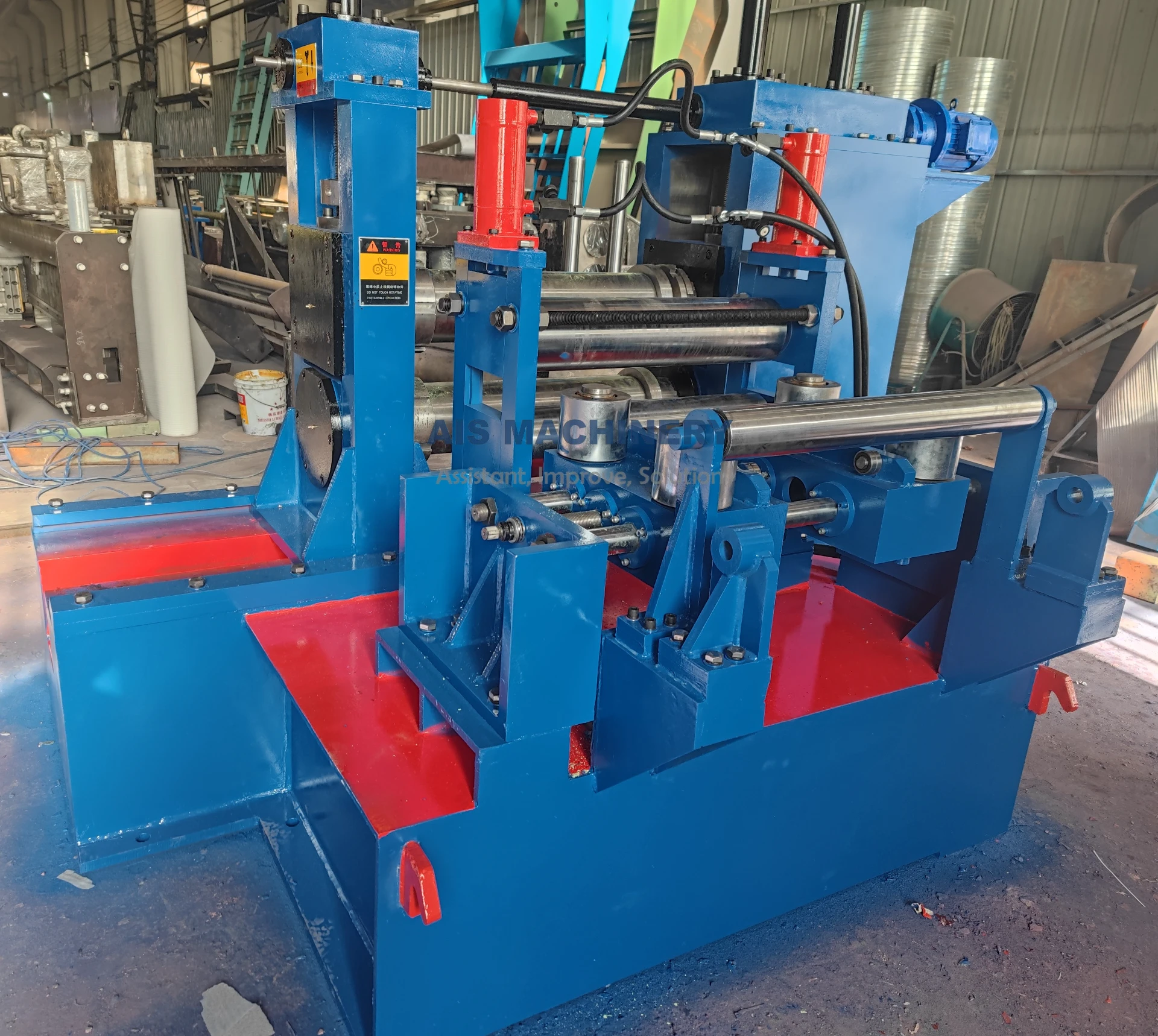
Flat Bar Production Line for Steel Coils: How It Works & Why It Matters
Looking for a flat bar production line? Learn how it turns steel coils into ready-to-use flat bars with precise length and high straightness. Compare it with slitting lines and get the best solution for your steel processing needs.
2026-04-14 00:00:00
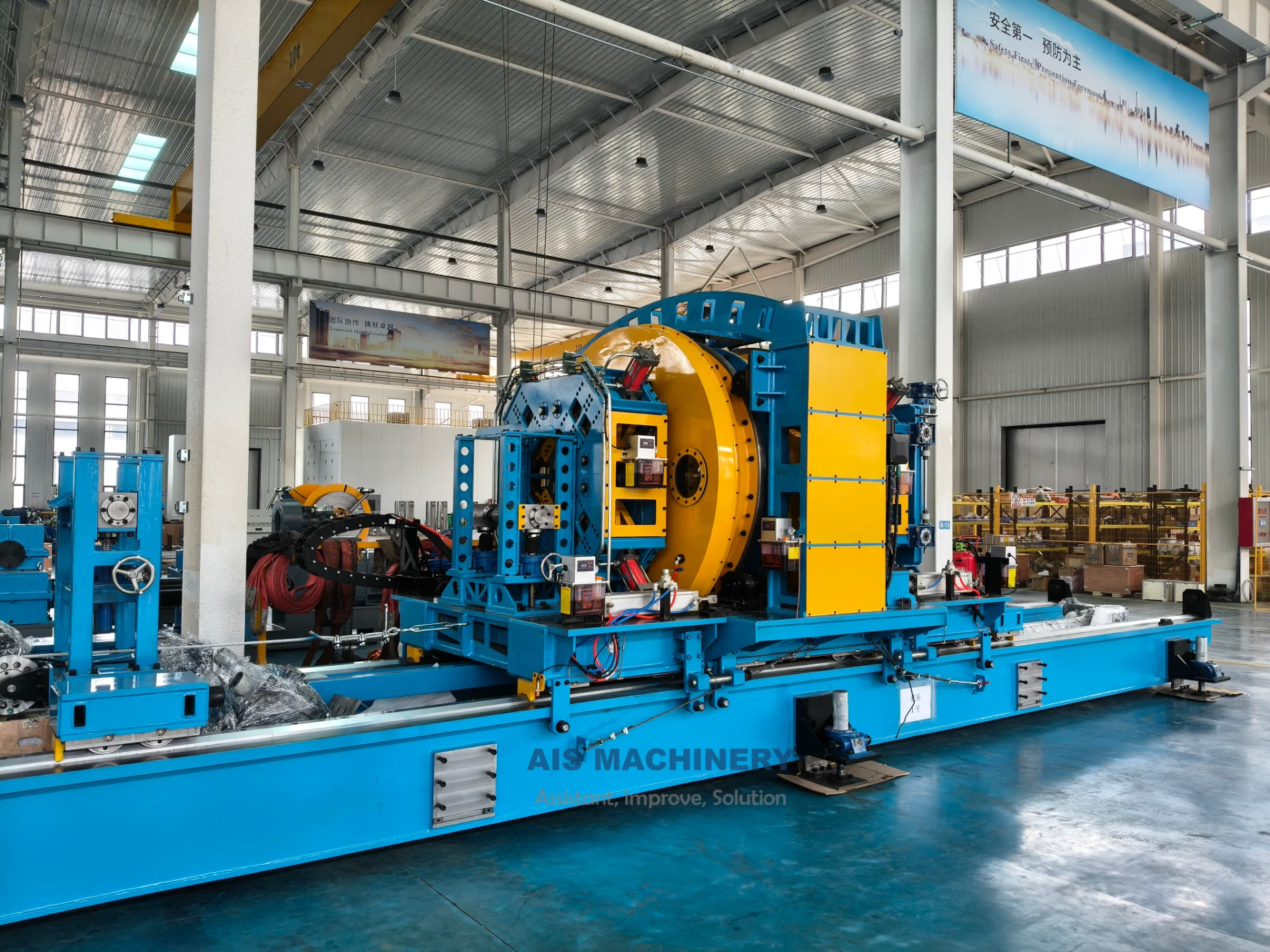
Looking for a Milling Saw for ERW Tube Mill? Here’s What You Need to Know
Looking for a high-performance milling saw for your ERW tube mill? Upgrade to burr-free, high-precision pipe cutting with advanced flying saw technology. Improve efficiency, reduce rework, and meet export standards for carbon steel, stainless steel, and API pipes. Contact us today for expert solutions and competitive pricing tailored to your production needs.
Send a Message
Dear customer, thank you for your attention! We provide high-quality machinery and equipment and look forward to your orders. Please inform us of your needs and we will respond quickly!
 English
  Albanian
  Arabic
  French
  German
  Indonesian
  Italian
  Japanese
  Kazakh
  Korean
  Latin
Latin  Macedonian
  Portuguese
  Russian
  Spanish
  Thai
Thai  Turkish
  Ukrainian
  Uzbek
Uzbek