
-
 Tel:86-15176910262
-

Search

Comprehensive Guide to Slitting Coils: Global Applications and Best Practices
Nov . 27, 2025 17:10
Understanding Slitting Coils: What They Are and Why They Matter
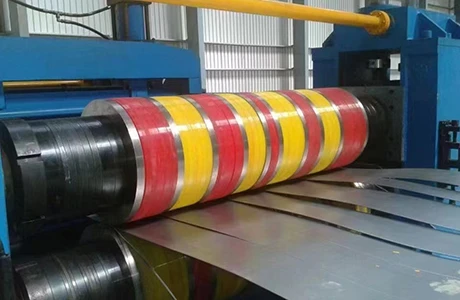
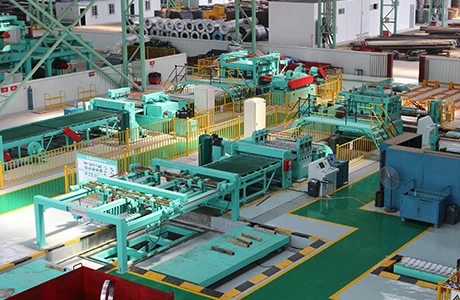
Slitting coils—sounds like industry jargon, right? But they're kind of the unsung heroes in manufacturing and construction worldwide. Essentially, slitting coils are large rolled sheets of metal precisely cut into narrower strips. These strips then become essential parts in everything from automotive panels to household appliances and even humanitarian relief structures. Why the fuss? Because mastering slitting coil quality and production means smoother operations, cost savings, and less wasted material globally. In a world increasingly focused on efficiency and sustainability, knowing about slitting coils is more practical than you might think.
A Global Context for Slitting Coils
According to data from the World Steel Association, the global production of steel coils reached roughly 1.8 billion metric tons in 2023. A significant chunk undergoes slitting to meet diverse industrial uses. It's a process vital to the function of modern supply chains, especially as industries demand just-in-time parts with exact specifications. But beyond the numbers, there's a real challenge: how to minimize waste and energy use during slitting while delivering consistently high-quality strips. Rising environmental standards (like ISO 14001) push manufacturers to improve every step, and slitting coils is no exception.
Also, consider the important role slitting coils play in developing regions, where precise metal parts support infrastructure and aid efforts — think emergency shelters needing swift assembly components. The global impact? Slitting coils touch construction, transport, and even aid distributions everywhere.
What Exactly Are Slitting Coils?
Put simply, a slitting coil is a wide metal coil—usually made of steel, aluminum, or stainless steel—that's been mechanically sliced into narrower widths to fit specific applications. Imagine cutting a wide roll of paper into ribbons. But instead of paper, we're talking metal that's often less than a millimeter thick yet massively strong.
This metal cutting process isn't just industrial scale hustle—it responds to real-world needs for flexibility and adaptability. In humanitarian contexts, for instance, metal strips from slitting coils help build components for fast deployment housing, bridging gaps between modern engineering and urgent shelter demands.
Mini takeaway:
- Slitting coils are metal rolls cut into precise strips.
- They serve diverse industries from construction to disaster relief.
- Understanding them unlocks insights into manufacturing efficiencies worldwide.
Key Factors Behind Effective Slitting Coils
1. Material Quality and Thickness
High-grade steel or aluminum used in slitting coils ensures durability and resistance to corrosion. Thickness control is crucial, too—too thick and it's wasteful; too thin, and it risks damage or warping. Many engineers emphasize the balance here, as it often dictates finishing processes downstream.
2. Precision Cutting and Slitting Speed
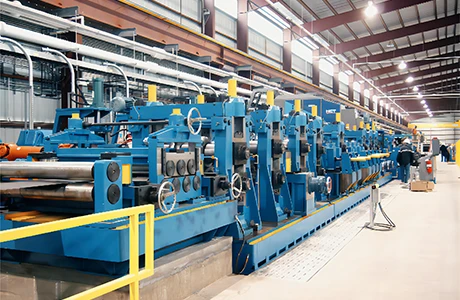
The actual slitting machines must deliver razor-sharp accuracy to reduce burrs and maintain strip dimensions. Advances in automation allow real-time adjustments during slitting, minimizing errors and increasing yield.
3. Scalability and Volume Handling
Manufacturers need systems that can handle 20-ton coils one day and smaller batch runs another. Scalability ensures clients across industries – automotive suppliers or appliance makers – get what they need without long waits.
4. Cost Efficiency and Waste Reduction
Material recovery after slitting and recycling of scrap are vital to cut costs and fulfill environmental directives. Many companies adopt closed-loop waste management to stay responsible while boosting profitability.
5. Surface Finish and Coatings
The surface quality post-slitting is important: a clean finish reduces finishing costs and improves product longevity. Some slitting coils come pre-coated (e.g., galvanized or painted) for extra protection depending on industry requirements.
Mini takeaway:
- Top-level slitting depends on material, precision, and scalability.
- Efficiency is not just about speed but minimizing waste and surface defects.
Global Applications & Use Cases for Slitting Coils
From the factories powering Asian automotive assembly lines to European appliance manufacturers, slitting coils are foundational. For example, in automotive plants in South Korea, narrow slitting of aluminum coils allows lighter car frames without compromising strength, enhancing fuel efficiency.
In post-disaster relief operations, NGOs rely on pre-slit steel strips to quickly fabricate shelters and modular units. The narrow sizes help in standardizing components for fast assembly, even in remote zones with minimal infrastructure.
Regions like the Middle East, undergoing rapid construction booms, demand customized slitting coil products for HVAC systems, roofing, and electrical enclosures. The versatility of coil dimensions supports diverse architectural needs.
Mini takeaway:
- Used worldwide across automotive, construction, and humanitarian sectors.
- Enables rapid, reliable manufacture of critical components.
Advantages & Long-Term Value of Quality Slitting Coils
At first glance, slitting might seem like a simple cutting task, but its long-term impact is substantial. Precision-slitted coils reduce material waste, lowering overall costs. That translates directly into more affordable products—from cars to buildings.
Moreover, the environmental footprint shrinks as manufacturers optimize coil usage and recycle offcuts. Socially, supplying consistent metal strips supports industries that create jobs and infrastructure worldwide.
There’s also a softer side: a well-made slitting coil helps build safer vehicles and sturdier shelter frameworks, giving people security and dignity, sometimes in their most vulnerable moments.
Product Specification Table
| Specification | Details |
|---|---|
| Material Types | Cold Rolled Steel, Galvanized Steel, Aluminum Alloy |
| Thickness Range | 0.2 mm - 3.0 mm |
| Maximum Coil Width | 1800 mm |
| Slitting Width Range | 10 mm - 1500 mm |
| Surface Finish | Mill Finish, Pre-painted, Galvanized |
| Coil Weight | 5,000 kg - 25,000 kg |
Vendor Comparison Table: Choosing the Right Slitting Coil Supplier
| Vendor | Material Variety | Quality Certification | Lead Time (Days) | Customization Options |
|---|---|---|---|---|
| AISTubemill Co. | Steel, Aluminum, Stainless | ISO 9001, ISO 14001 | 7-10 | Width, Thickness, Surface Finish |
| Global Coil Supply | Steel, Galvanized Steel | ISO 9001 | 10-15 | Thickness Customization |
| Metro Metal Works | Aluminum, Stainless Steel | ISO 9001, TS 16949 | 8-12 | Width, Surface Coating |
Looking Ahead: Innovations and Trends in Slitting Coils
Digital transformation is touching slitting processes too. Smart sensors and AI-driven analytics promise less downtime and even better precision, adjusting for material inconsistencies on the fly. Sustainability also remains front and center. I recently read that some companies are experimenting with biodegradable lubricants in the slitting line—odd to think about, but it’s a push toward greener steel processing.
Another exciting trend is use of advanced lightweight alloys and magnetic steel strips for electric vehicle manufacturing—a game-changer as EV adoption spikes globally.
Challenges and How the Industry is Adapting
One ongoing challenge: balancing precision with speed. While automation helps a lot, some setups still struggle with burr formation and edge defects, which add finishing time. To combat this, experts recommend regular tool maintenance and upgrading from conventional mechanical cutters to laser or plasma-assisted slitting machines.
Also, smaller producers sometimes face supply chain delays, especially for specialty alloy coils. Strategic partnerships and diversified sourcing help keep production on track.
Frequently Asked Questions About Slitting Coils
- Q: What industries benefit most from slitting coils?
A: Automotive, construction, appliances, and packaging industries use slitting coils extensively. Their demand stems from the need for precise, ready-to-use metal strips to build durable components efficiently. - Q: How does slitting coil quality affect product reliability?
A: High-quality slitting reduces edge defects and burrs, which can cause failures or corrosion later. Consistent thickness and surface finish ensure parts fit perfectly during assembly. - Q: Can slitting coils be customized for specific projects?
A: Absolutely. Vendors commonly offer custom thickness, width ranges, and coatings based on project needs, ensuring maximum performance and cost efficiency. - Q: Are slitting coils environmentally friendly?
A: While metal production is resource-intensive, advancements in waste reduction, recycling, and greener processing oils are making slitting coils more sustainable than ever. - Q: How can NGOs source slitting coils for relief efforts?
A: NGOs typically partner with specialized suppliers who provide quick-turnaround slitted strips tailored for modular housing or shelter kits, easing logistics and assembly onsite.
Conclusion: Why Slitting Coils Deserve More Attention
Slitting coils might quietly roll through factories and supply chains, but their impact is anything but silent. They help industries operate more efficiently, reduce material waste, and empower solutions in sectors from automotive manufacturing to humanitarian aid. If you’re curious about quality coil slitting or need customized solutions, don’t just take my word for it—visit our website and see how cutting-edge slitting coil products make a tangible difference.
References & Further Reading

Related Products

Related News
2026-04-30 09:35:04
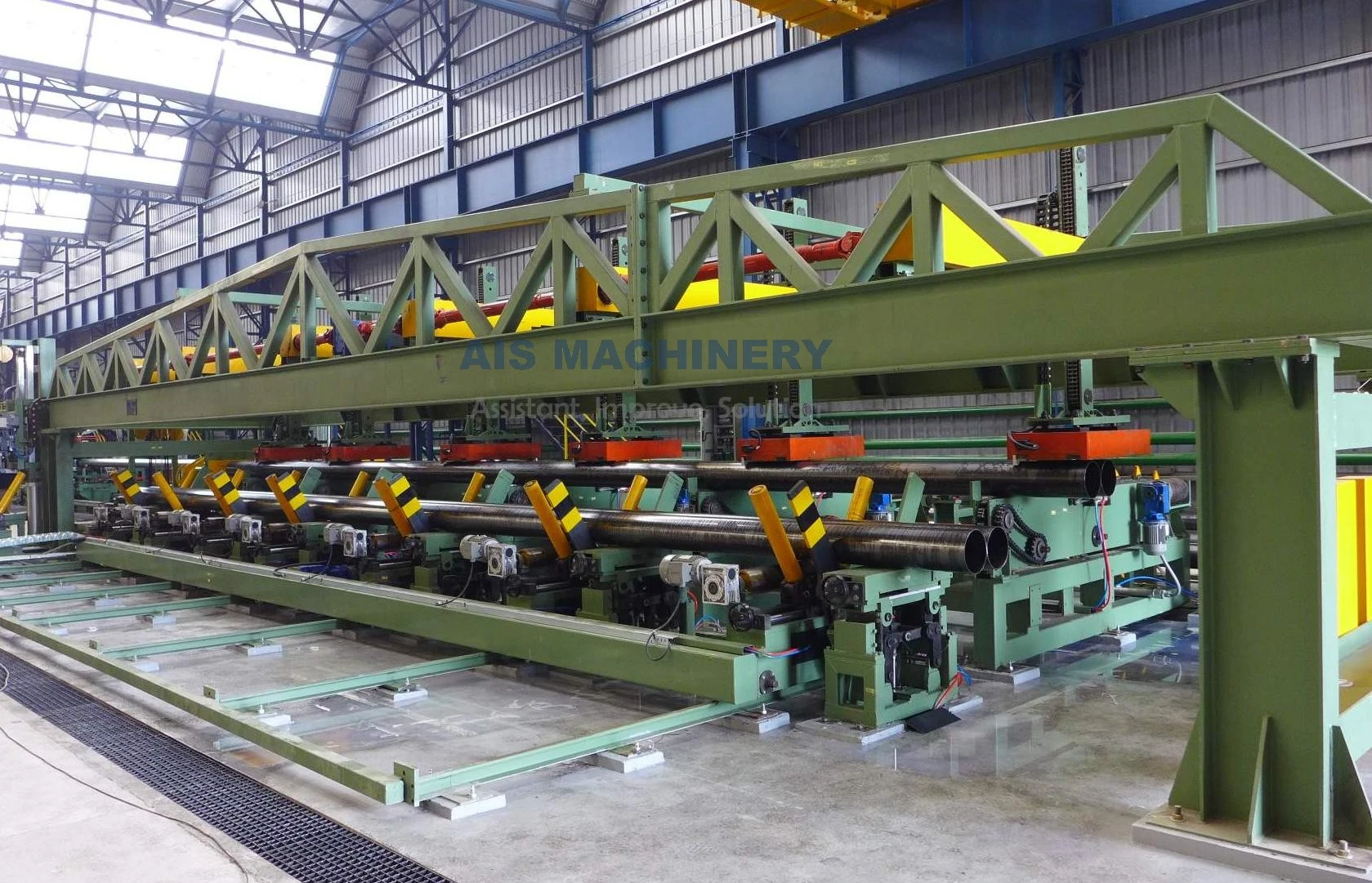
Automatic Stacking Machine (Magnetic Chuck Type)
The Automatic Stacking Machine (Magnetic Chuck Type) from AIS Machinery is designed to efficiently collect and stack steel tubes in ERW tube mill production lines. Using electromagnetic lifting, it can pick up multiple tubes at once and place them neatly in layers. This reduces manual labor, improves stacking accuracy, and increases overall production efficiency. It is installed after the flying saw and works seamlessly with the mill line, making it an ideal solution for modern tube manufacturers.
2026-04-28 08:56:05
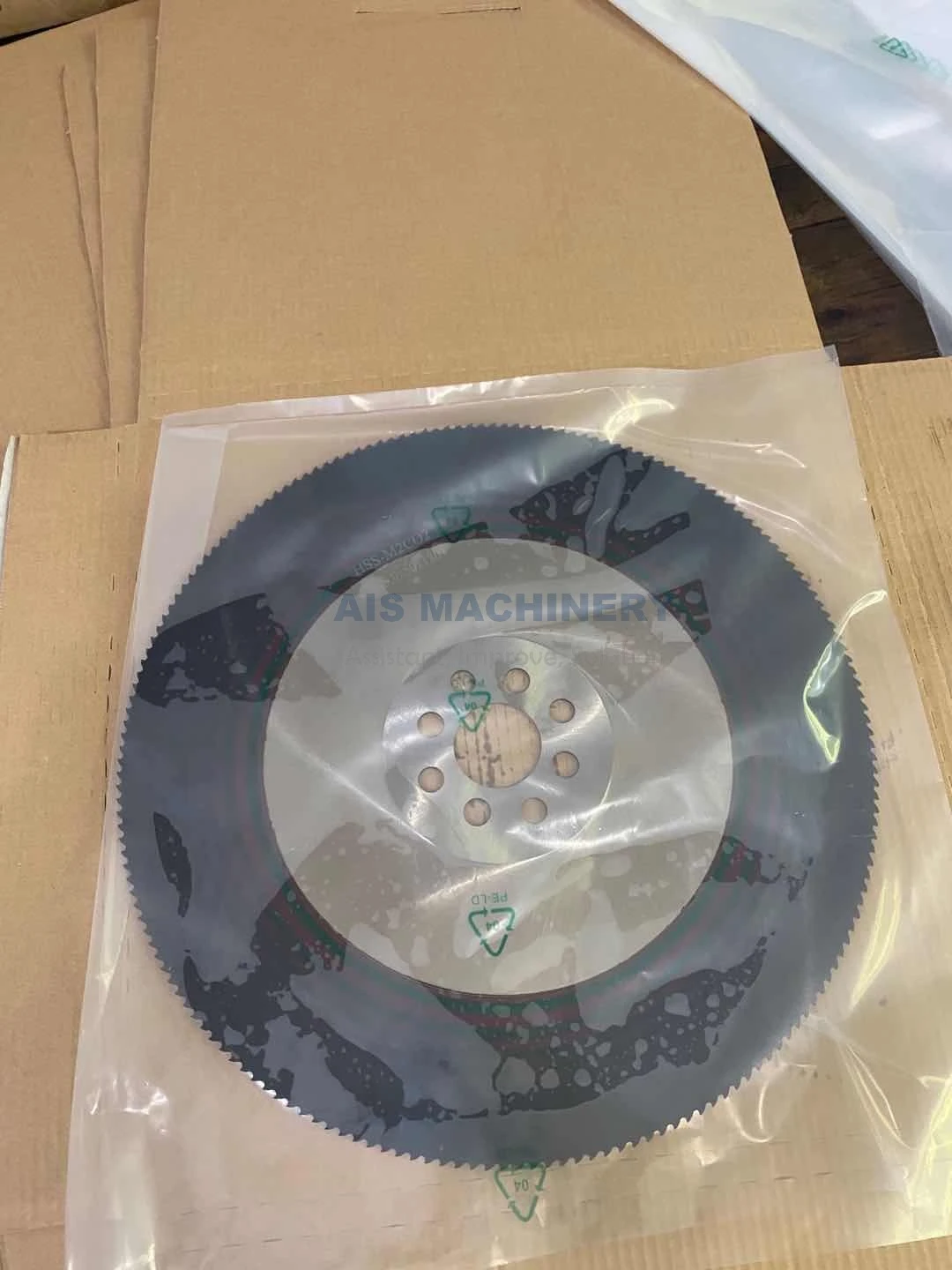
Saw Blade Guide for Tube Mills: Friction vs HSS vs TCT — Which One Should You Choose?
Confused about friction saw, HSS, and TCT blades? This guide explains their uses in cold saw and friction saw machines, with pros, cons, and expert selection tips.
2026-04-24 08:54:16
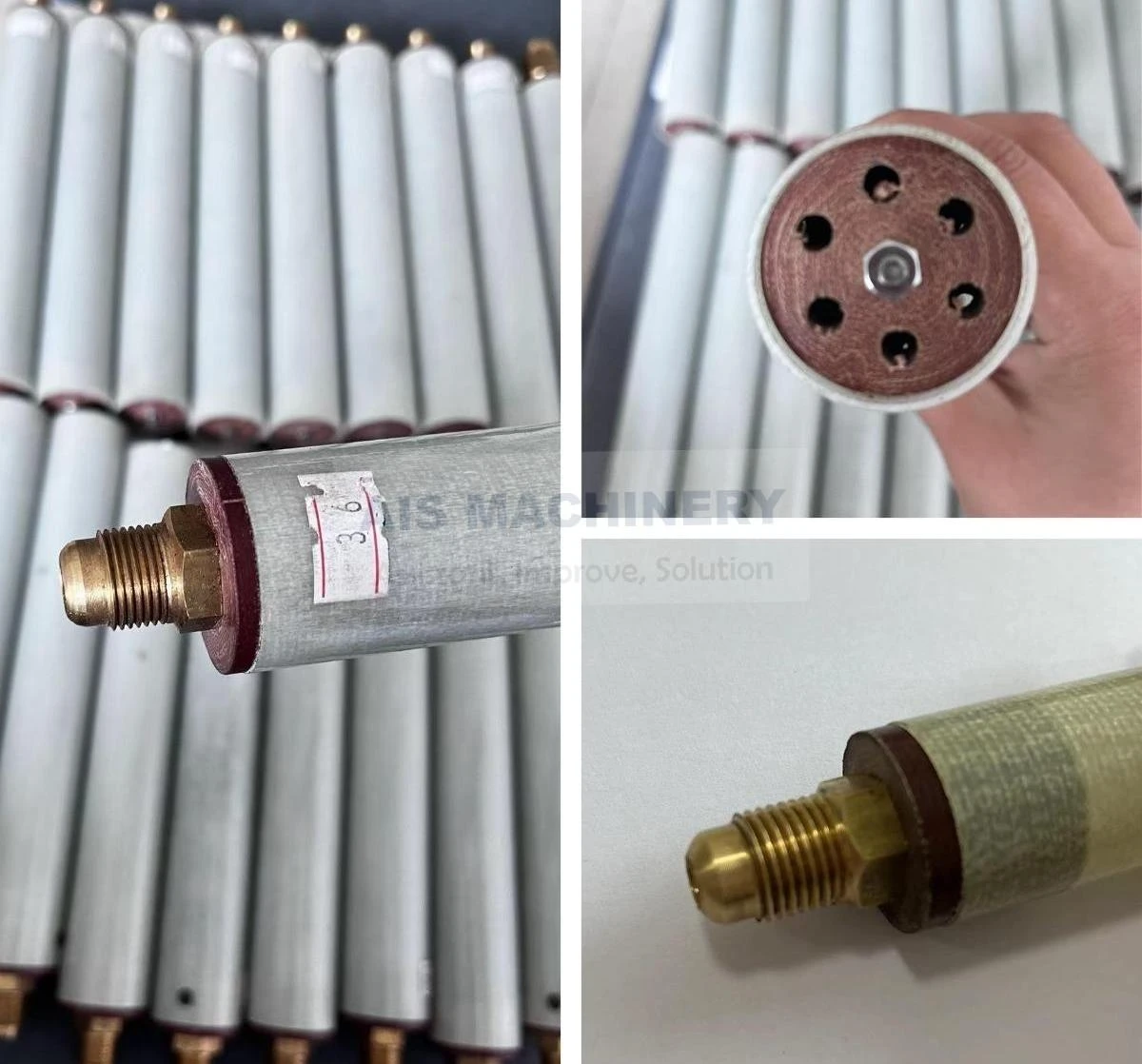
What is an Impeder and Ferrite Rods in ERW Tube Mill?
Struggling with impeder overheating or short service life in your ERW tube mill? This guide explains common impeder problems, the role of ferrite rods, and how to choose the right impeder for stable welding performance. Improve weld quality, reduce energy loss, and extend equipment lifespan with the right selection and proper cooling solutions.
2026-04-21 10:22:25
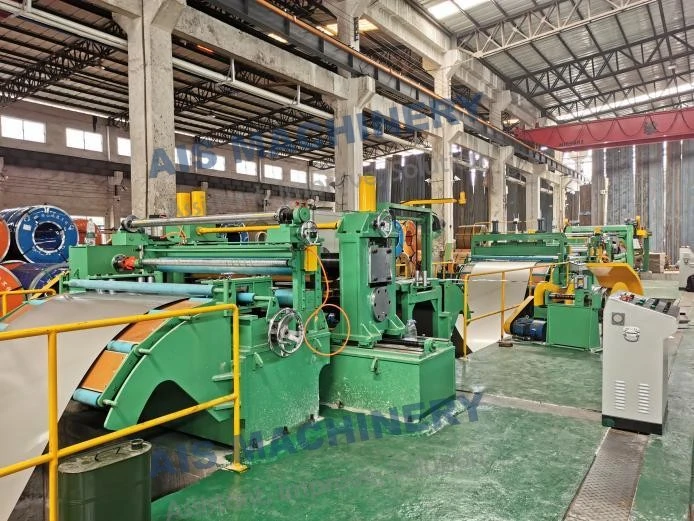
Slitting & Cut-to-Length Combined Production Line: A Smarter Way to Process Steel Coils
Discover the Slitting & Cut-to-Length Combined Production Line, a flexible solution for steel coil processing. This system integrates slitting line and cut-to-length line functions in one machine, saving space, reducing costs, and improving efficiency. Ideal for processing both steel strips and sheets, it is widely used in service centers and manufacturing industries. Learn its advantages, limitations, and applications.
2026-04-18 03:20:20
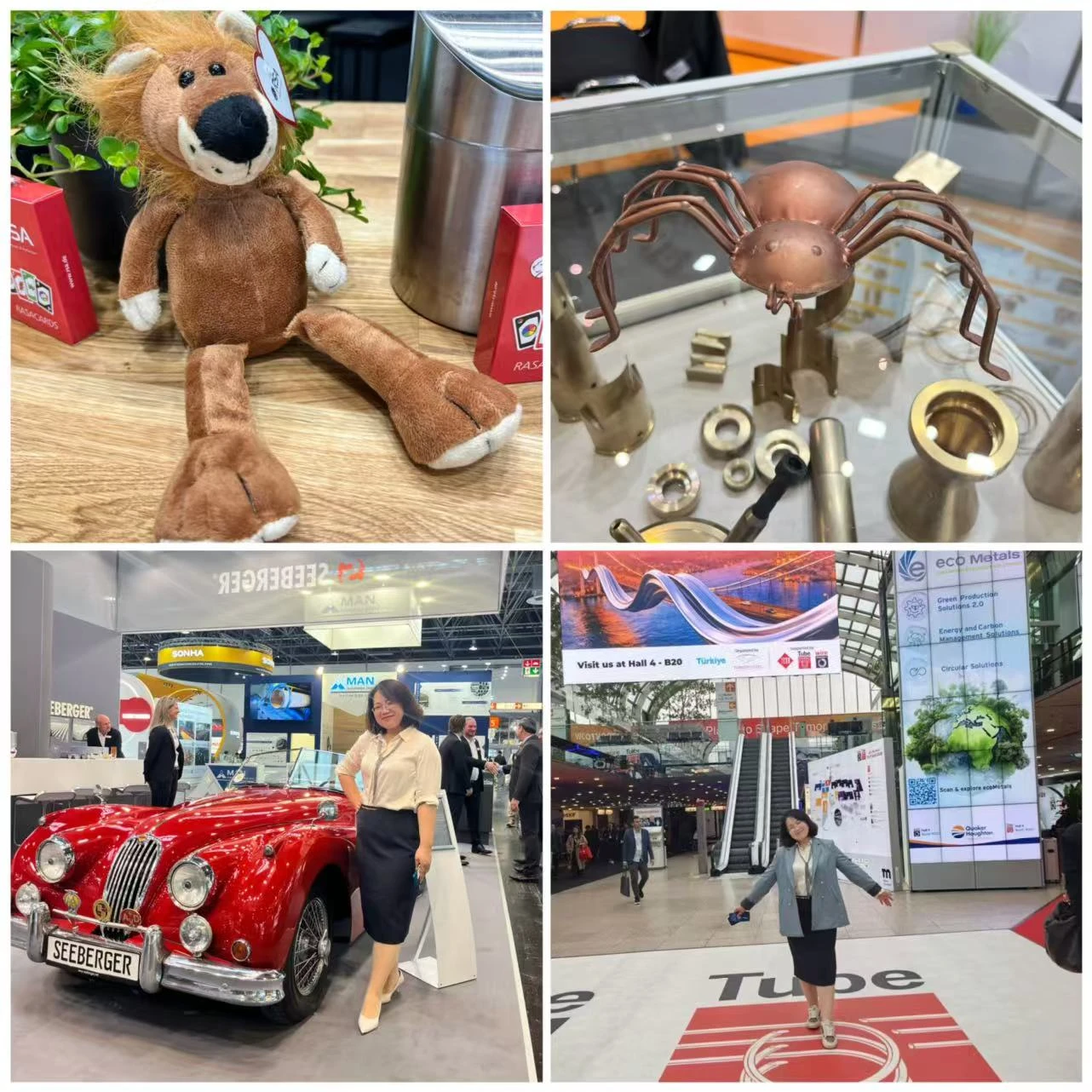
AIS Machinery Showcases Advanced Tube Solutions at Tube & Wire Düsseldorf 2026
Tube & Wire Düsseldorf 2026, one of the most influential exhibitions in the global tube and wire industry, held biennially in Düsseldorf, Germany
2026-04-17 00:00:00
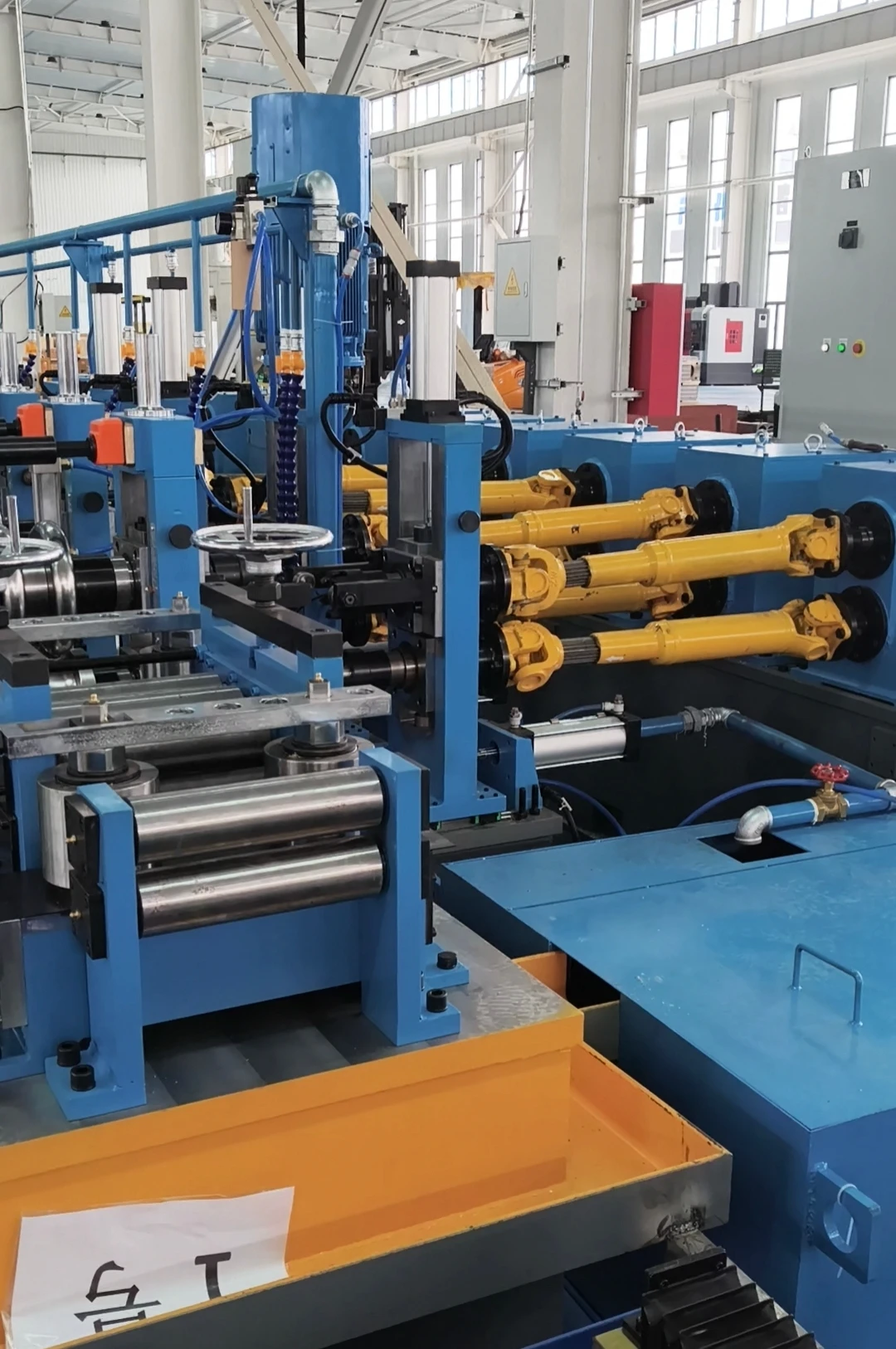
Southeast Asia Client Visits Our Factory | Customized Tube Mill Solution Delivered
A Southeast Asia client visited our ERW tube mill factory to inspect production lines and discuss a customized tube mill solution. Impressed by our machine quality, welding performance, and engineering support, the client confirmed strong cooperation intentions. Discover how our ERW tube mill solutions improve efficiency, precision, and long-term production reliability.
2026-04-15 10:37:55
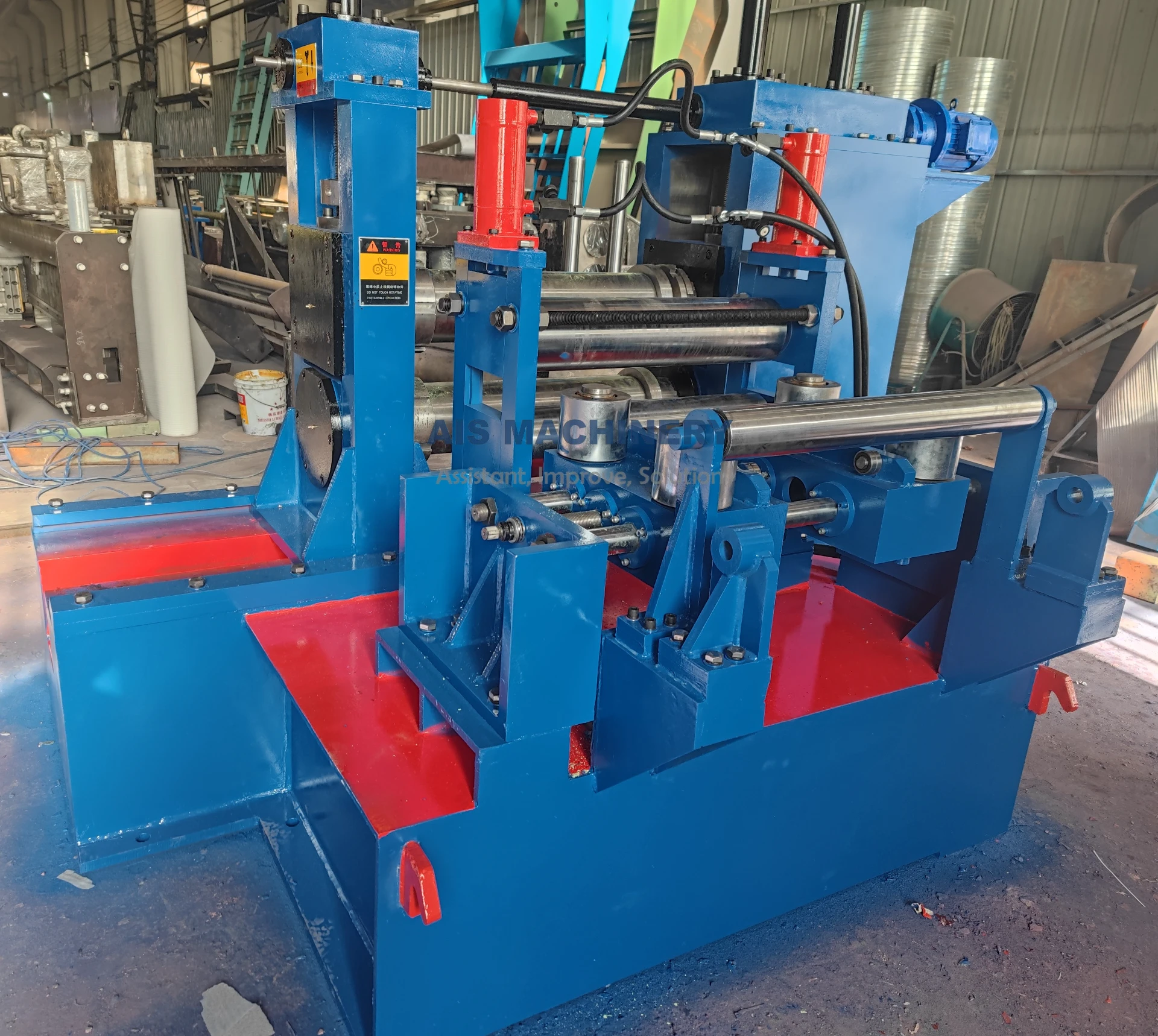
Flat Bar Production Line for Steel Coils: How It Works & Why It Matters
Looking for a flat bar production line? Learn how it turns steel coils into ready-to-use flat bars with precise length and high straightness. Compare it with slitting lines and get the best solution for your steel processing needs.
2026-04-14 00:00:00
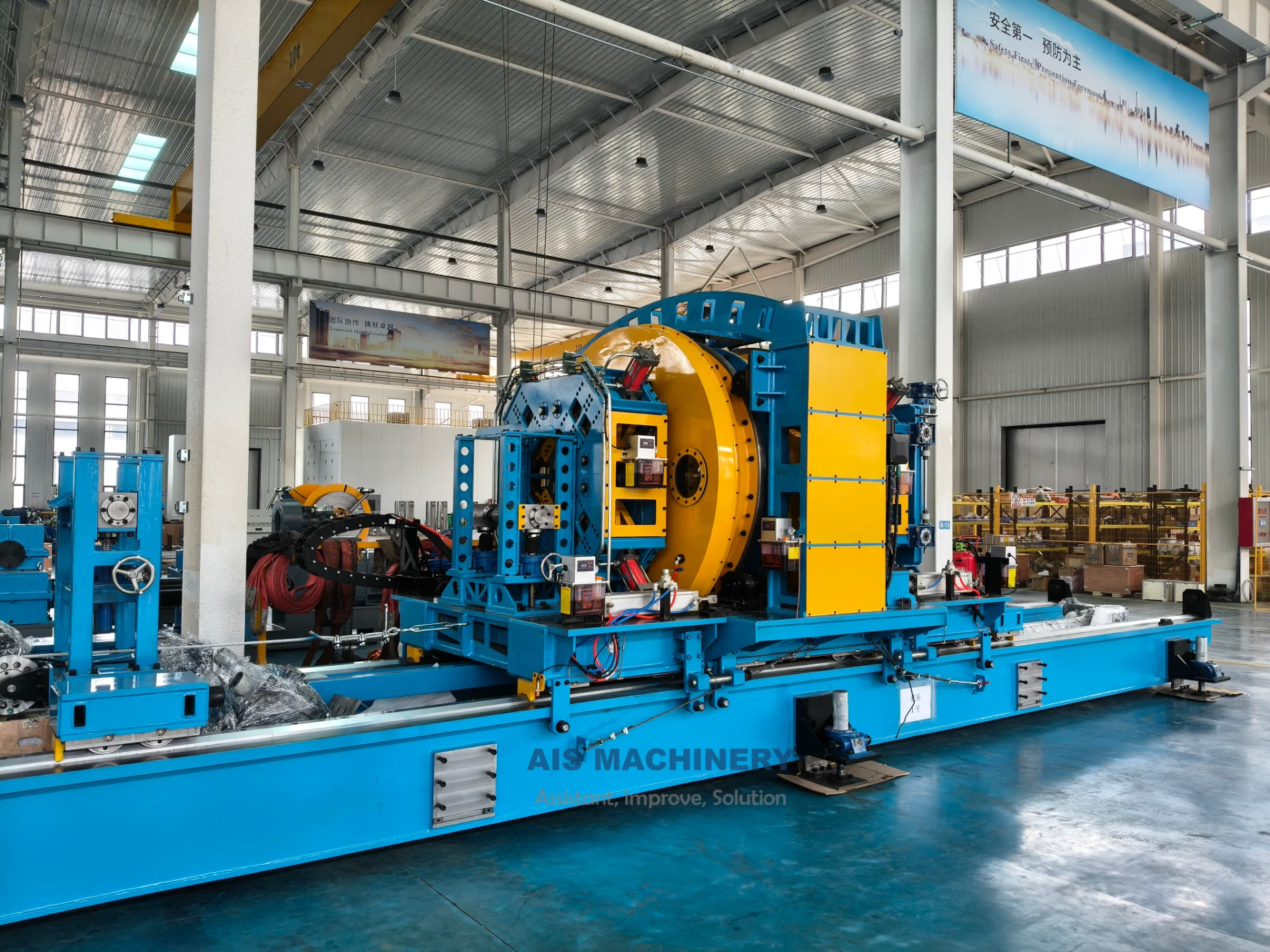
Looking for a Milling Saw for ERW Tube Mill? Here’s What You Need to Know
Looking for a high-performance milling saw for your ERW tube mill? Upgrade to burr-free, high-precision pipe cutting with advanced flying saw technology. Improve efficiency, reduce rework, and meet export standards for carbon steel, stainless steel, and API pipes. Contact us today for expert solutions and competitive pricing tailored to your production needs.
Send a Message
Dear customer, thank you for your attention! We provide high-quality machinery and equipment and look forward to your orders. Please inform us of your needs and we will respond quickly!
 English
  Albanian
  Arabic
  French
  German
  Indonesian
  Italian
  Japanese
  Kazakh
  Korean
  Latin
Latin  Macedonian
  Portuguese
  Russian
  Spanish
  Thai
Thai  Turkish
  Ukrainian
  Uzbek
Uzbek