
-
 Tel:86-15176910262
-

Search
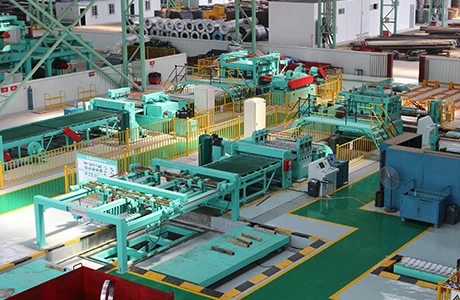

Leading Steel Slitter Manufacturers: Precision & Innovation in Steel Processing
Nov . 27, 2025 18:40
Understanding Steel Slitter Manufacturers: Why They Matter
In the sprawling world of metal fabrication and processing, steel slitter manufacturers hold a quiet yet crucial place. At first glance, these companies might seem to just slice and dice steel sheets—but the impact they have on industries ranging from automotive to construction is significant. Knowing who these manufacturers are, what they do, and how innovations in their craft ripple globally is illuminating. It reveals how precision cutting can boost production efficiencies, improve material usage, and ultimately support infrastructure projects worldwide.
Why does this matter on a global scale? The steel industry is a backbone for most economies; according to the World Steel Association, global crude steel production topped 1.8 billion metric tons in 2023. Efficiently processing this volume requires advanced slitting technologies combined with skilled manufacturers who can customize solutions to ever-changing demands. Understanding key players helps businesses streamline supply chains and improve their product quality and sustainability.
Mini takeaway: Even the simplest-seeming industrial tasks, like slitting steel sheets, form cracks in the foundation of global manufacturing success.
A Global Perspective on Steel Slitter Manufacturers
Steel slitting is more than an industrial niche—it answers challenges felt worldwide. Across Asia, Europe, and the Americas, the demand for precision-cut steel parts parallels booming construction, automotive, and consumer goods growth. The International Organization for Standardization (ISO) reports that adherence to quality control in steel processing is a key factor driving export competitiveness in many countries.
Manufacturers face pressures: reducing waste, speeding production timelines, and balancing cost without sacrificing quality. Consider this: when slitting tolerances slip, downstream processes suffer—more rework, more scrap, and, frankly, more headaches. This is where trusted steel slitter manufacturers come in. They bring sharp engineering, cutting-edge machinery, and extensive experience to the table.
steel slitter manufacturers help industries stay flexible, competitive, and environmentally mindful, creating a foundation for growth across literally billions of tons of steel produced annually worldwide.
What Are Steel Slitter Manufacturers, Exactly?
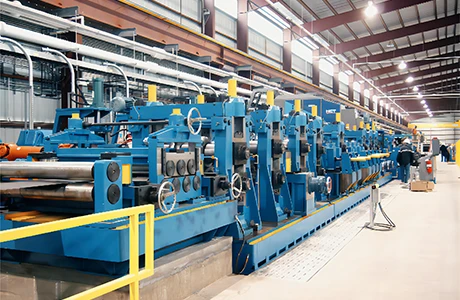
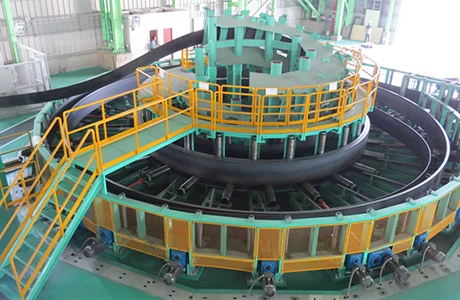
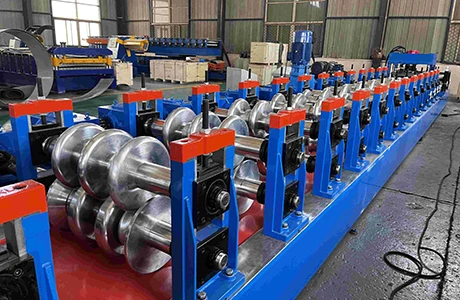
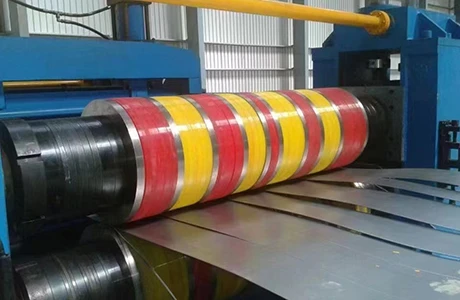
Put simply, steel slitter manufacturers design and build machines that slice wide coils of steel into narrower strips—kind of like cutting a giant roll of wrapping paper into ribbons. These slitted strips then become ingredients for various applications, including car parts, appliances, roofing, and countless metal components.
But there’s more: the manufacturer’s role isn’t just mechanical. They innovate to improve blade materials, automate cleanup, and tailor design specs. Their work allows industries to customize widths and thicknesses with high precision—a necessity in today’s sophisticated manufacturing landscape. On a humanitarian scale, efficient steel slitters indirectly support infrastructure projects aid organizations might fund, whether building schools or emergency shelters.
Core Components and Key Factors in Steel Slitting
Durability
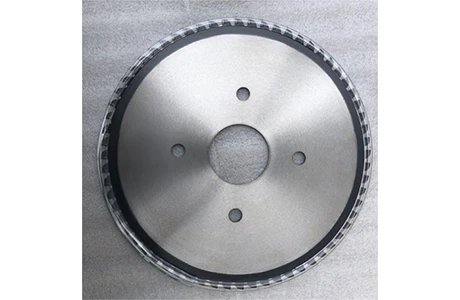
Steel slitting machines must handle intense, continuous operation. They deal with hard metals under high tension. Tools like Tungsten carbide-coated blades ensure longevity and reduce downtime costs.
Precision & Scalability
Consistent slit widths—sometimes accurate to fractions of a millimeter—matter immensely. Many manufacturers invest in digital control systems that offer seamless scalability, enabling production runs from small batches to mass outputs.
Cost Efficiency
Smart slitter design reduces material waste, decreases energy consumption, and simplifies maintenance. These savings cascade downstream, making final products more competitive.
Customization & Technology Integration
Each client’s steel grades and intended uses vary. Leading slitter builders offer machines adaptable to thickness variations, different coil sizes, and blade types. Integration with Industry 4.0 tech—like IoT sensors and predictive maintenance software—is becoming a game changer.
Environmental Considerations
Modern steel slitters increasingly focus on energy efficiency and minimizing scrap. Some manufacturers incorporate systems to recycle metal scraps or optimize blade usage, aligning with global sustainability goals.
Mini takeaway: The best steel slitter manufacturers blend mechanical toughness with smart tech and an eye for resource savings.
Where Steel Slitter Solutions Come to Life Globally
Steel slitter manufacturers supply vital equipment worldwide across sectors.
- Automotive hubs in Germany and Japan rely heavily on slit steel for chassis and body parts.
- Construction projects in the US and China use slit steel sheets for roofing, framing, and infrastructure.
- Consumer appliances factories in South Korea and Mexico demand precise steel strips to maintain high quality.
- Disaster relief operations sometimes require rapid fabrication of steel components for temporary shelters or medical facilities, where pre-cut strips allow faster on-site assembly.
For companies in these regions, partnering with trusted steel slitter manufacturers can streamline operations significantly.
Advantages and Long-Term Value of Partnering with Top Steel Slitter Manufacturers
Opting for quality slitting partners isn’t just about equipment—it impacts business bottom lines and brand reputation. Here’s why:
- Cost savings: Precise cuts reduce scrap and rework, freeing up budget elsewhere.
- Sustainability: Efficient machines lower energy footprints and support recycling initiatives.
- Reliability: Machines designed and maintained for minimal downtime boost trust with end customers.
- Innovation: Collaborating with manufacturers on new technologies can unlock competitive edges.
- Safety & Quality: Properly slit material meets safety codes and customer standards, a key element for long-term contracts.
Mini takeaway: In real terms, selecting the right steel slitter manufacturer pays dividends far beyond the factory floor.
Product Specification Table for a Typical Steel Slitting Machine
| Feature | Specification | Notes |
|---|---|---|
| Cutting Width Range | 50 - 1500 mm | Adjustable blade setup |
| Max Coil Weight | 15,000 kg | Supports large industrial coils |
| Blade Material | Tungsten Carbide | Long-lasting sharpness |
| Operating Speed | Up to 500 m/min | Dependent on steel thickness |
| Automation Level | Semi-automatic / Fully automatic | Includes IoT-enabled options |
Vendor Comparison: Leading Steel Slitter Manufacturers
| Manufacturer | Location | Key Feature | Price Range | Sustainability Focus |
|---|---|---|---|---|
| SteelCut Pro | Germany | High precision digital controls | $$$ | Eco-friendly blade recycling |
| MetalSlice Inc. | USA | Robust high-capacity coils | $$ | Energy efficiency upgrades |
| SharpEdge Solutions | Japan | Ultra-thin steel handling | $$$ | Low scrap technologies |
Emerging Trends & Innovations Shaping the Future
Automation, AI-powered diagnostics, and greener materials are quickly becoming integral to steel slitter manufacturing. Imagine machines that predict blade wear before it happens, or slitting systems that use solar energy to power operations—ambitious, perhaps, but not far off.
Digital transformation is making it possible to link slitter data with entire factory networks, optimizing throughput like never before. Meanwhile, some manufacturers explore self-sharpening blades and reduced labor models—hinting that in five years, many slitting lines might feel more like silicon chips than steel cutters.
Additionally, governments and standards bodies encourage environmental upgrades by setting benchmarks aligned with ISO 14001. This means manufacturers must keep pace or risk losing contracts, especially in export-driven economies.
Common Challenges and What’s Being Done
Despite advances, slitter technology faces hurdles like blade wear, handling ultra-thin or coated steels, and integrating diverse global supply chains. Some plants struggle with lead times for custom parts or skilled labor shortages.
Innovation helps: modular machine parts that can be swapped quickly, remote troubleshooting support, and more comprehensive operator training programs. Companies also lean on trusted steel slitter manufacturers to partner early on for tailored solutions, avoiding costly bottlenecks later.
FAQs About Steel Slitter Manufacturers
- What industries benefit most from steel slitter manufacturers?
- Primarily automotive, construction, appliance manufacturing, and packaging industries rely on slitted steel strips for precise, reliable materials critical to their products.
- How do modern steel slitter machines reduce material waste?
- By using advanced sensors and precision controls, modern slitters can make narrower, more consistent cuts, minimizing scrap and optimizing the steel coil’s use.
- Are fully automated steel slitting lines cost-effective for small manufacturers?
- It depends on volume. Small companies often benefit from semi-automatic machines for flexibility, but automation levels are increasingly scalable and becoming affordable for various sizes.
- How can companies source quality steel slitters internationally?
- Many manufacturers provide global shipping and support; industry fairs and trusted online directories like steel slitter manufacturers listings can help connect buyers with suppliers.
- What maintenance challenges do steel slitter machines present?
- Common issues include blade wear and alignment. Manufacturers often offer maintenance training and service contracts to minimize downtime and extend machine life.
Wrapping Things Up: The Long-Term Payoff
Steel slitter manufacturers might not always be in the spotlight, but their expertise and innovation drive efficiency for countless industries. By choosing the right partner, companies reduce costs, embrace sustainability, and stay competitive in a fast-evolving market.
Curious to learn more or find the perfect steel slitter solution? Visit our website and see how the best manufacturers can slice your challenges away.
References

Related Products

Related News
2026-04-30 09:35:04
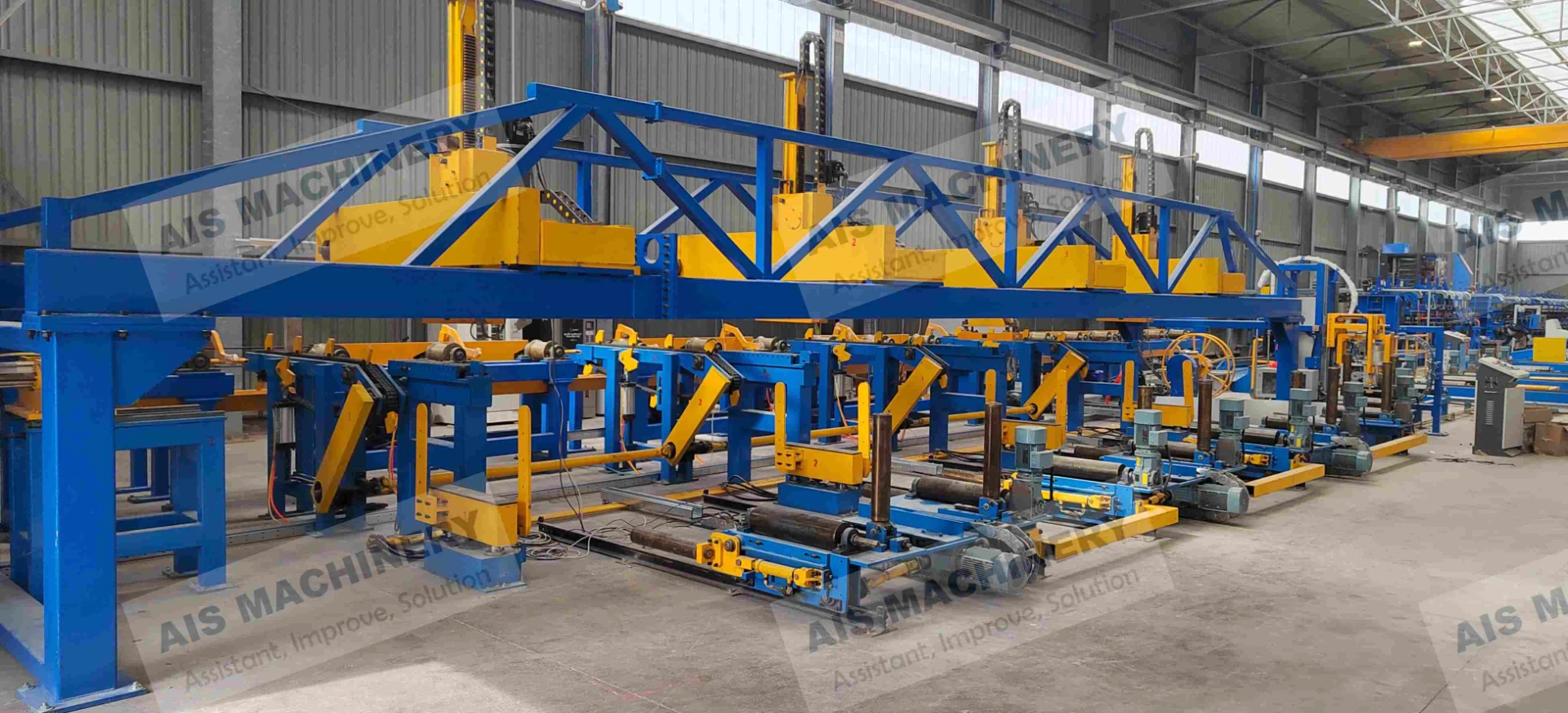
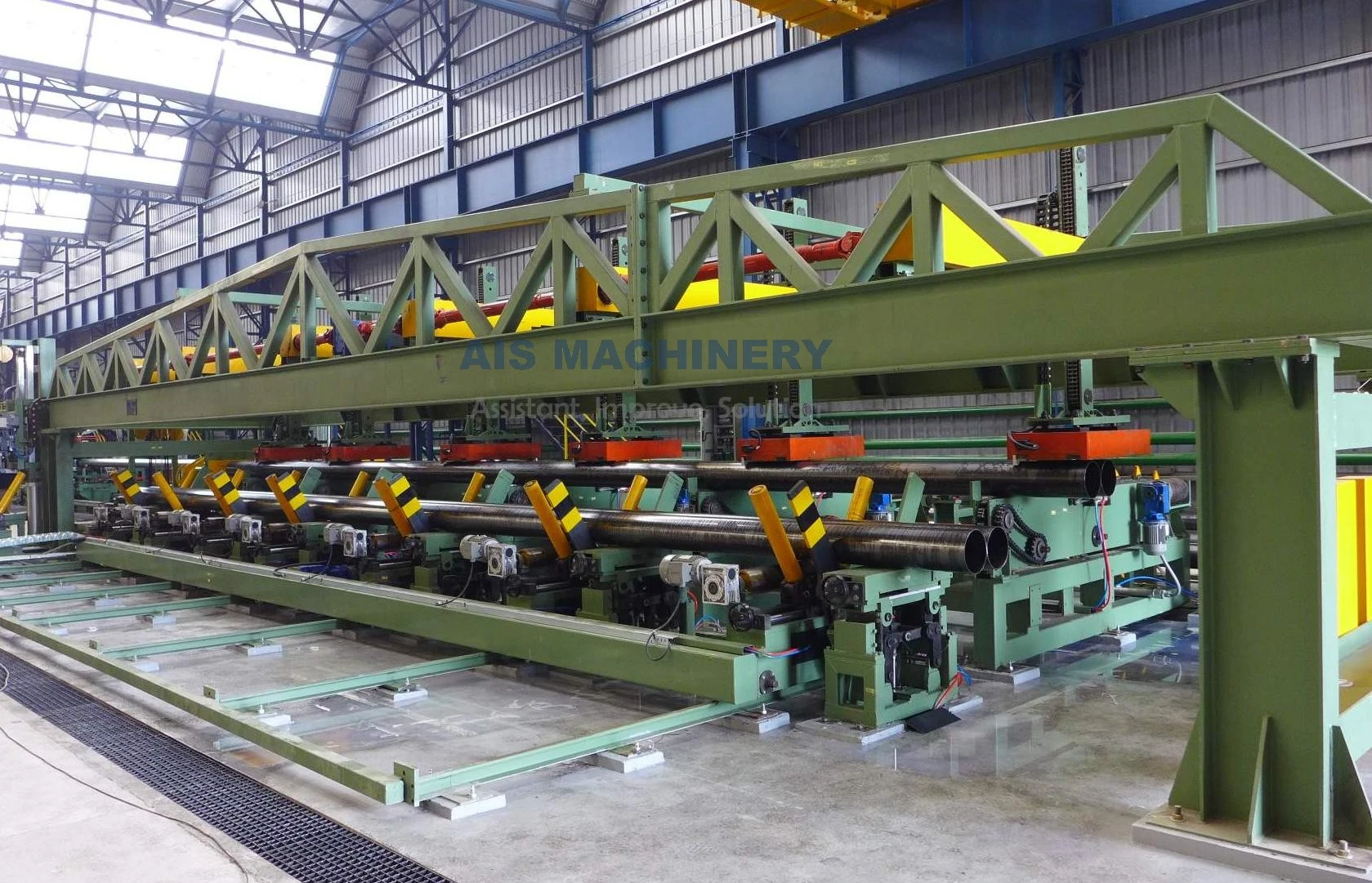
Automatic Stacking Machine (Magnetic Chuck Type)
The Automatic Stacking Machine (Magnetic Chuck Type) from AIS Machinery is designed to efficiently collect and stack steel tubes in ERW tube mill production lines. Using electromagnetic lifting, it can pick up multiple tubes at once and place them neatly in layers. This reduces manual labor, improves stacking accuracy, and increases overall production efficiency. It is installed after the flying saw and works seamlessly with the mill line, making it an ideal solution for modern tube manufacturers.
2026-04-28 08:56:05
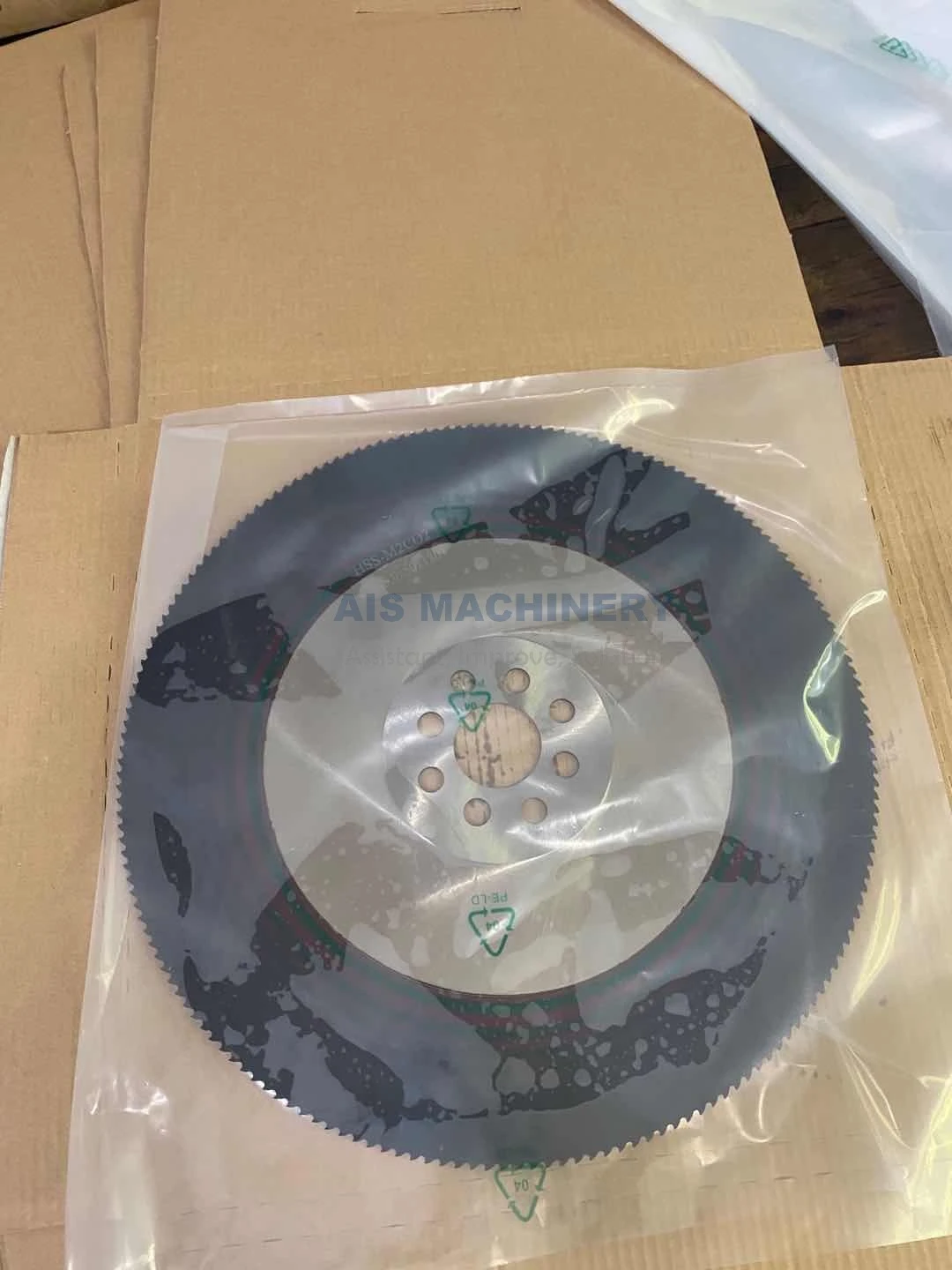
Saw Blade Guide for Tube Mills: Friction vs HSS vs TCT — Which One Should You Choose?
Confused about friction saw, HSS, and TCT blades? This guide explains their uses in cold saw and friction saw machines, with pros, cons, and expert selection tips.
2026-04-24 08:54:16
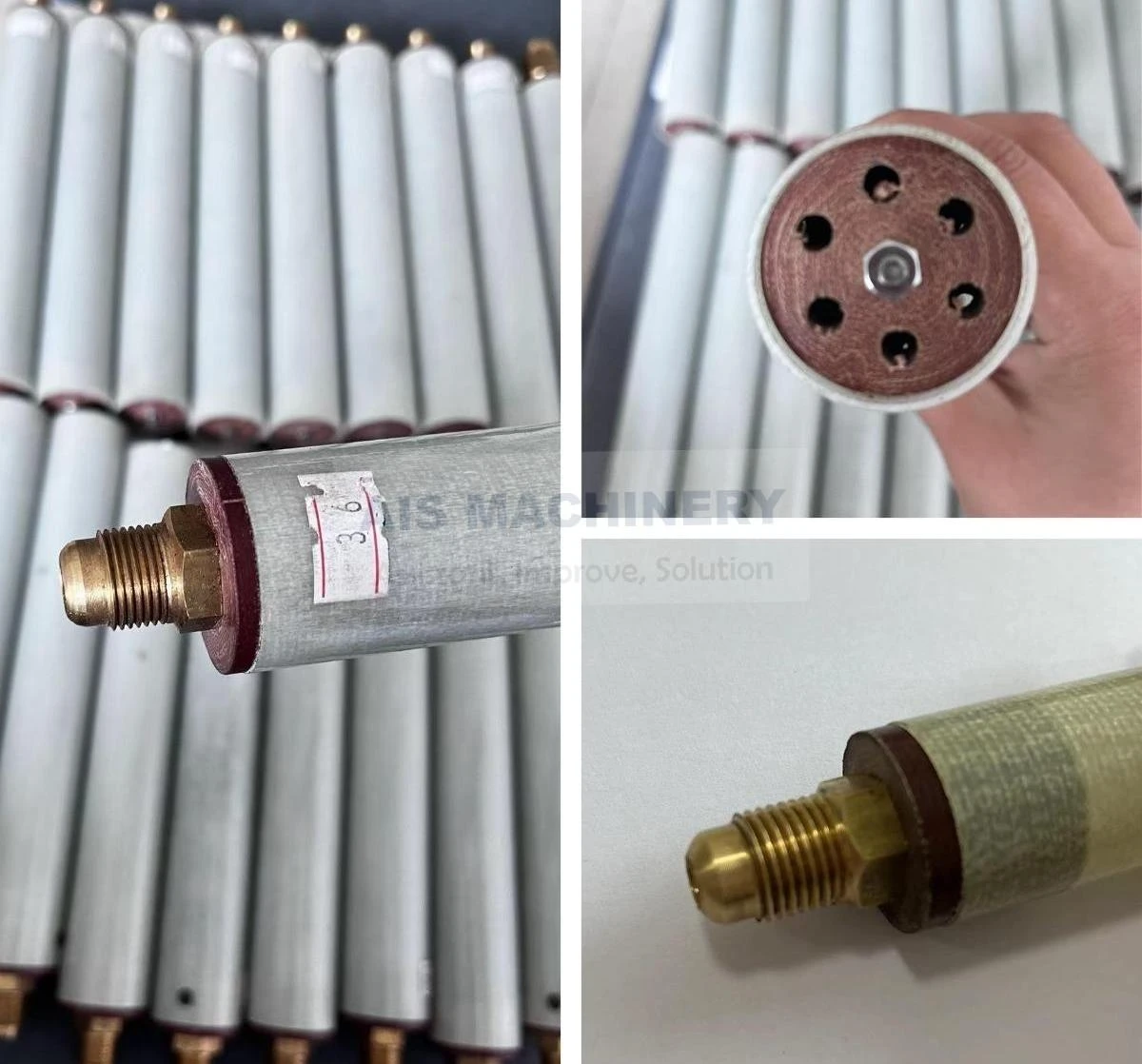
What is an Impeder and Ferrite Rods in ERW Tube Mill?
Struggling with impeder overheating or short service life in your ERW tube mill? This guide explains common impeder problems, the role of ferrite rods, and how to choose the right impeder for stable welding performance. Improve weld quality, reduce energy loss, and extend equipment lifespan with the right selection and proper cooling solutions.
2026-04-21 10:22:25
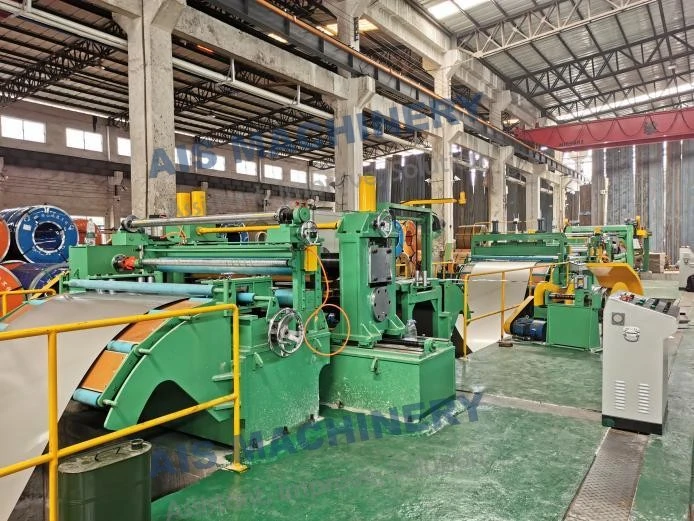
Slitting & Cut-to-Length Combined Production Line: A Smarter Way to Process Steel Coils
Discover the Slitting & Cut-to-Length Combined Production Line, a flexible solution for steel coil processing. This system integrates slitting line and cut-to-length line functions in one machine, saving space, reducing costs, and improving efficiency. Ideal for processing both steel strips and sheets, it is widely used in service centers and manufacturing industries. Learn its advantages, limitations, and applications.
2026-04-18 03:20:20
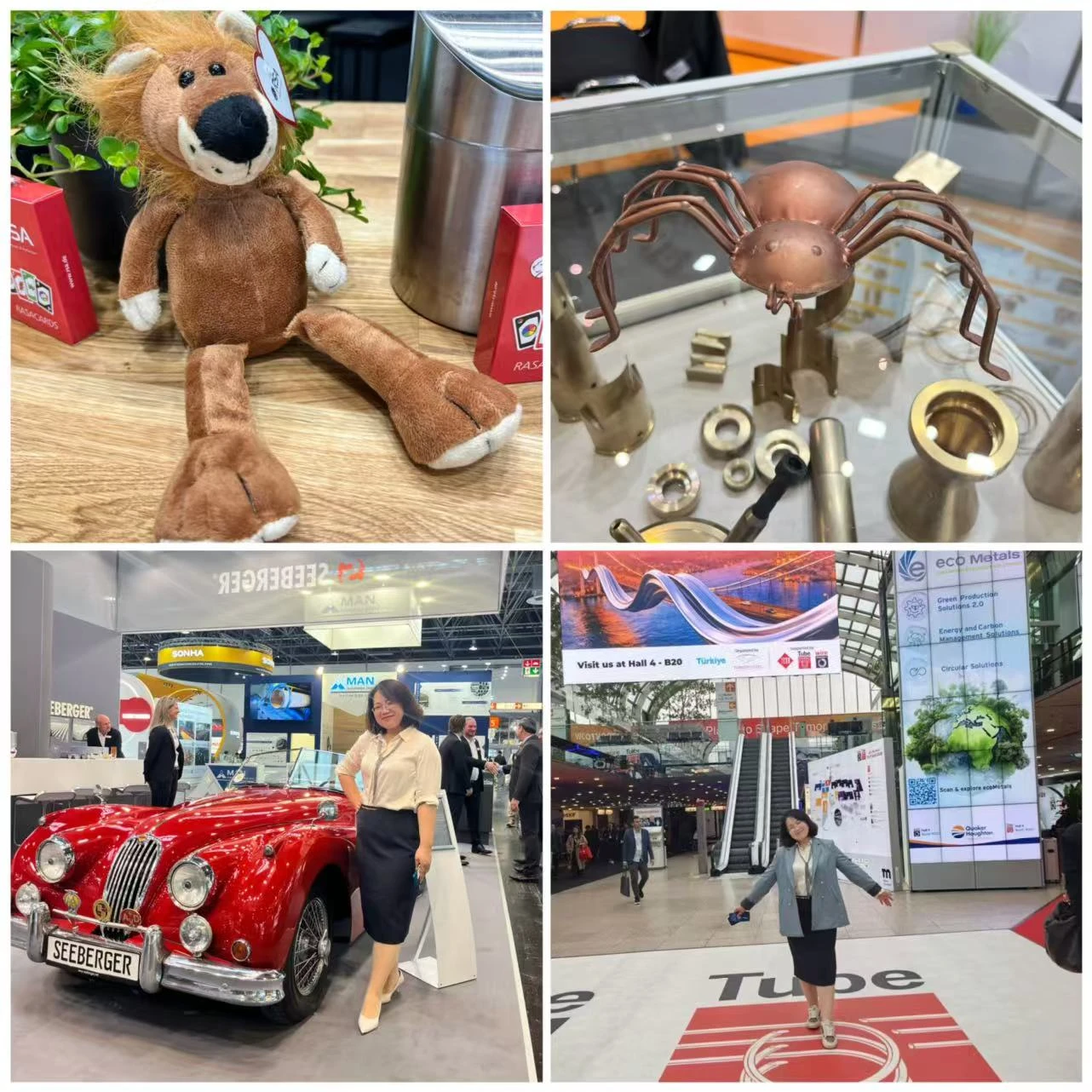
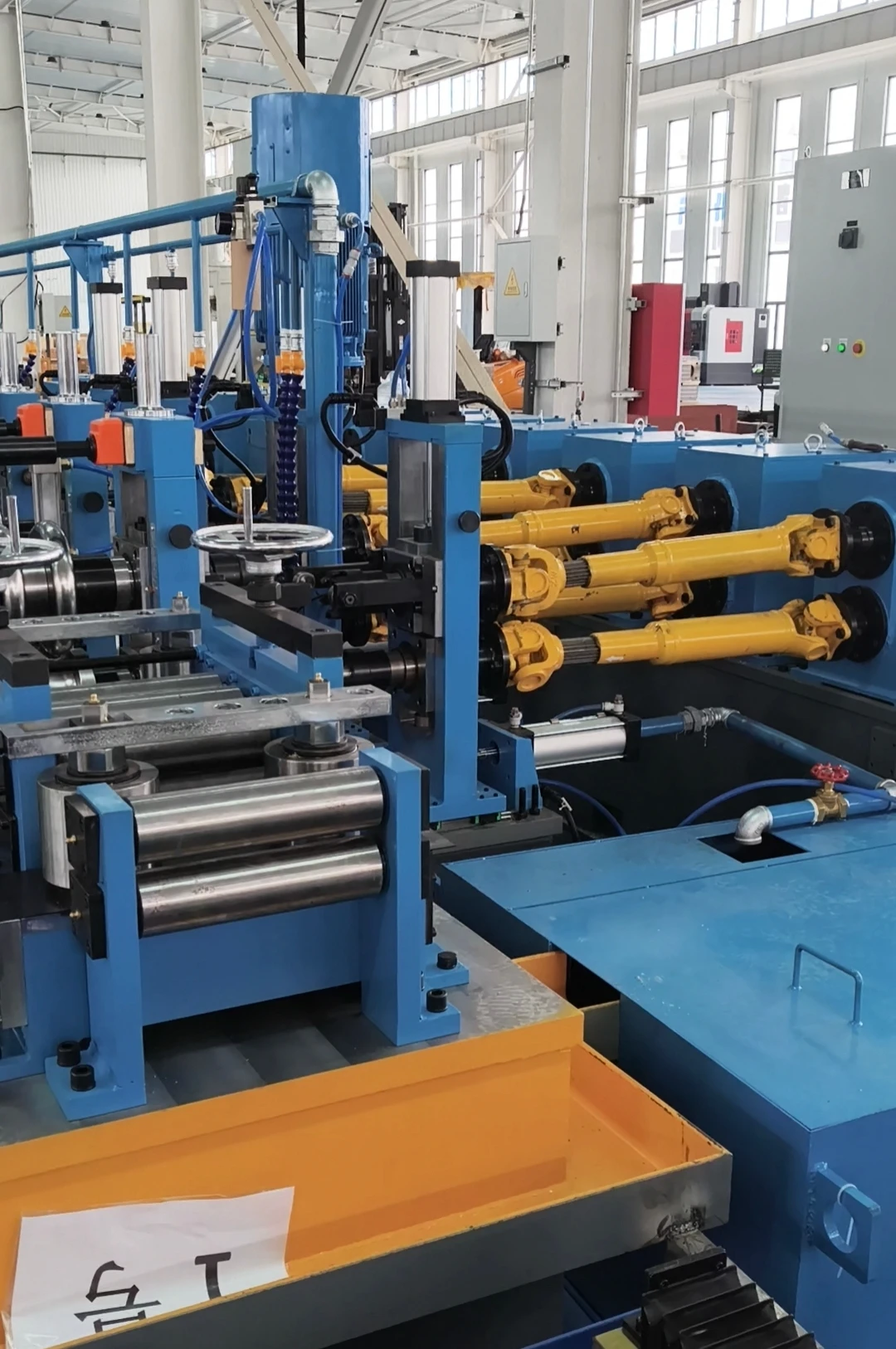
AIS Machinery Showcases Advanced Tube Solutions at Tube & Wire Düsseldorf 2026
Tube & Wire Düsseldorf 2026, one of the most influential exhibitions in the global tube and wire industry, held biennially in Düsseldorf, Germany
2026-04-17 00:00:00
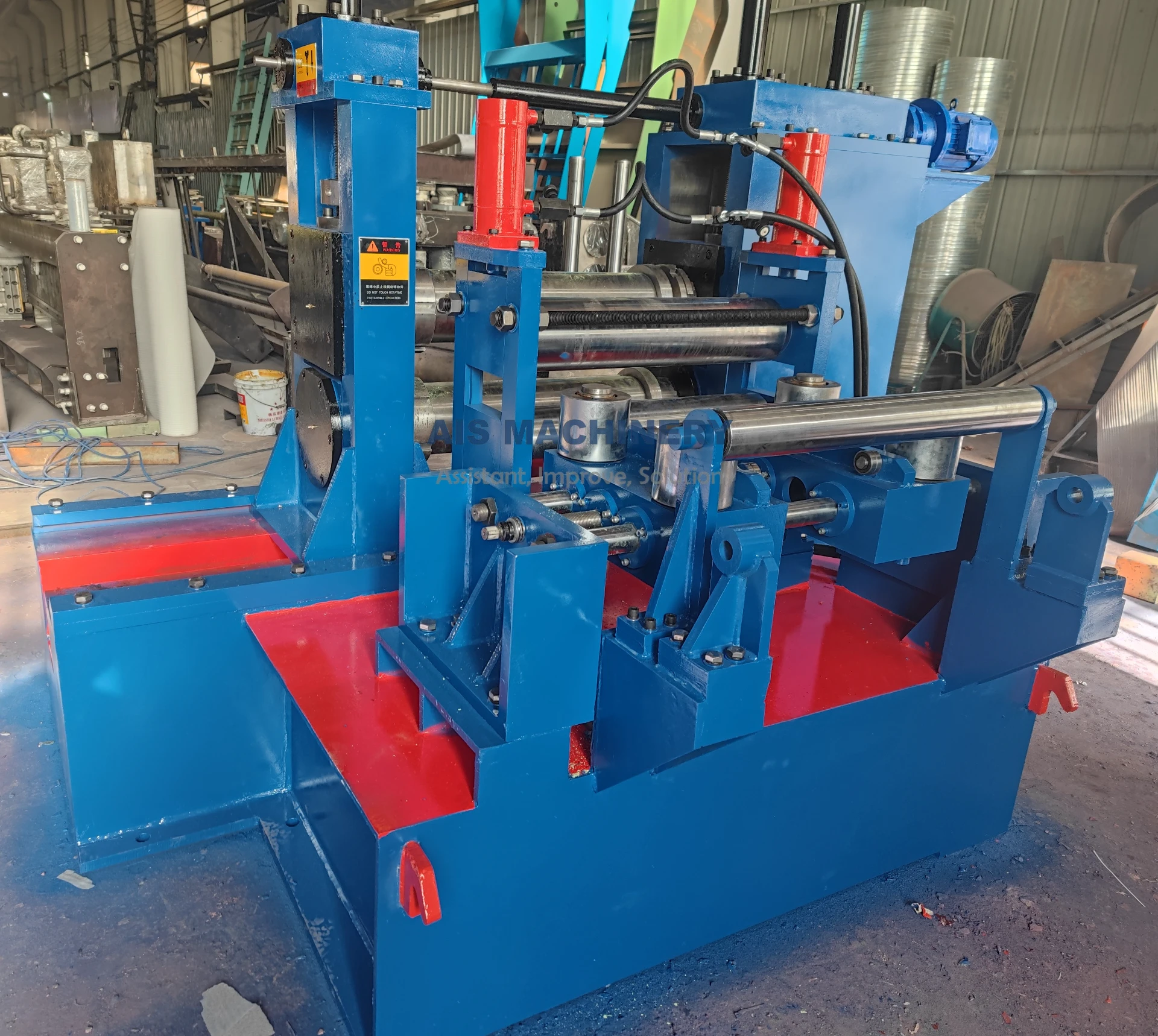
Southeast Asia Client Visits Our Factory | Customized Tube Mill Solution Delivered
A Southeast Asia client visited our ERW tube mill factory to inspect production lines and discuss a customized tube mill solution. Impressed by our machine quality, welding performance, and engineering support, the client confirmed strong cooperation intentions. Discover how our ERW tube mill solutions improve efficiency, precision, and long-term production reliability.
2026-04-15 10:37:55
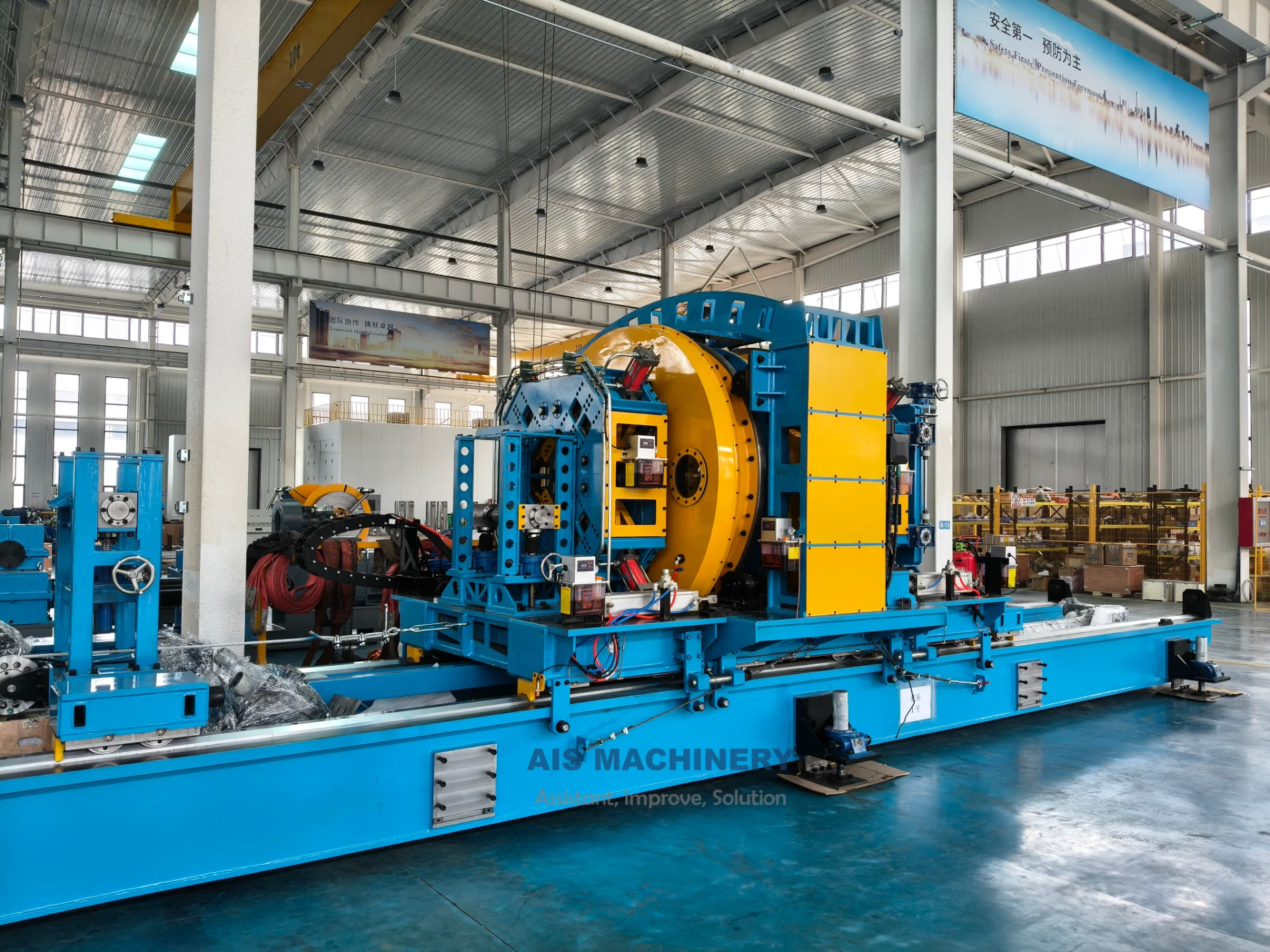
Flat Bar Production Line for Steel Coils: How It Works & Why It Matters
Looking for a flat bar production line? Learn how it turns steel coils into ready-to-use flat bars with precise length and high straightness. Compare it with slitting lines and get the best solution for your steel processing needs.
2026-04-14 00:00:00
Looking for a Milling Saw for ERW Tube Mill? Here’s What You Need to Know
Looking for a high-performance milling saw for your ERW tube mill? Upgrade to burr-free, high-precision pipe cutting with advanced flying saw technology. Improve efficiency, reduce rework, and meet export standards for carbon steel, stainless steel, and API pipes. Contact us today for expert solutions and competitive pricing tailored to your production needs.
Send a Message
Dear customer, thank you for your attention! We provide high-quality machinery and equipment and look forward to your orders. Please inform us of your needs and we will respond quickly!
 English
  Albanian
  Arabic
  French
  German
  Indonesian
  Italian
  Japanese
  Kazakh
  Korean
  Latin
Latin  Macedonian
  Portuguese
  Russian
  Spanish
  Thai
Thai  Turkish
  Ukrainian
  Uzbek
Uzbek